In the ever-evolving world of construction, the safety gear we wear is essential. Among these items, the "Construction Hard Hat" stands out as a critical element. According to market research by Grand View Research, the global hard hat market is projected to reach $2.69 billion by 2025, reflecting an increasing emphasis on safety in the industry. As construction sites become more complex, the need for reliable protective gear intensifies.
James Thompson, a renowned safety expert in the construction sector, emphasizes the importance of these helmets by stating, "A hard hat is not just a piece of equipment; it’s a lifesaver." This sentiment resonates with the ongoing discussions about safety standards and innovations in hard hat design. Notably, many global buyers are looking for hard hats that combine durability with comfort. However, issues like fit and weight may often be overlooked, which can compromise safety.
As we approach 2026, it’s essential to evaluate the best options available to ensure that construction professionals are fully protected. While technological advancements are promising, challenges remain. This industry continually needs to reflect on the effectiveness and user-friendliness of the "Construction Hard Hat." Thus, selecting the right hard hat is not only about compliance but also about fostering a culture of safety on-site.
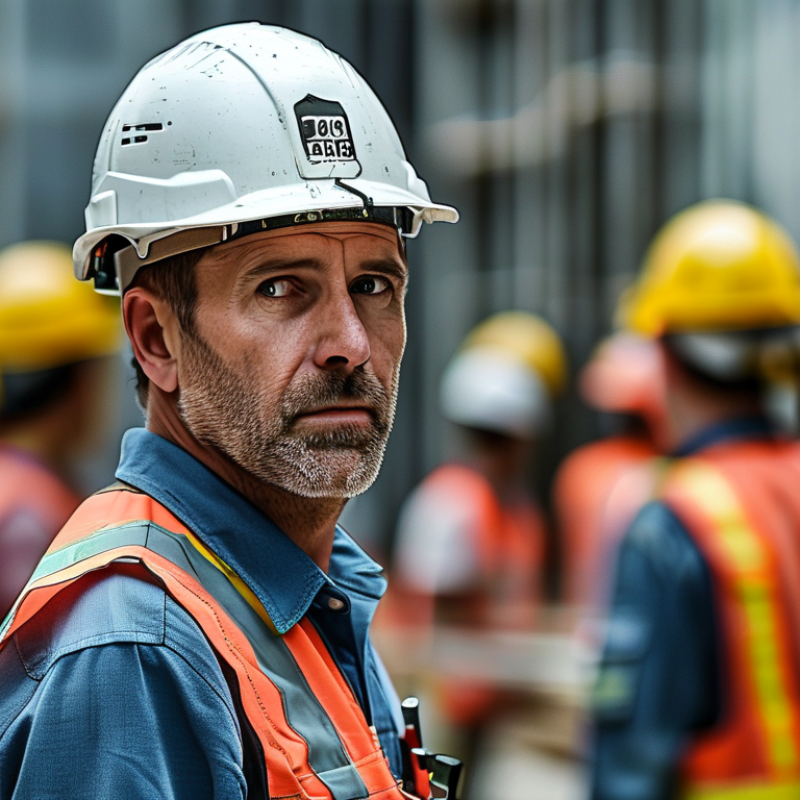
When choosing hard hats for construction, it’s crucial to understand the different types available. Hard hats are classified mainly into Type I and Type II. Type I hard hats offer protection from impacts to the top of the head, while Type II models provide coverage from side impacts as well. This distinction is vital for job sites where various risks exist.
Material also plays a key role in hard hat selection. Many hard hats are made from high-density polyethylene (HDPE) or fiberglass. HDPE is lighter and generally more cost-effective. Fiberglass offers better heat resistance and durability, making it suitable for harsher environments.
Comfort features can significantly affect daily use. Some designs have adjustable suspension systems for a better fit. Others include ventilation ports to reduce heat buildup. These details matter, especially during long work hours. While most hard hats meet safety standards, checking for certification is essential. Not all hats provide the same level of protection, and wear and tear can impact reliability over time. Regular inspections can prevent accidents and ensure safety on the job site.
: Hard hats are mainly classified into Type I and Type II. Type I protects the top of the head. Type II offers side impact coverage.
Many hard hats are made from high-density polyethylene (HDPE) or fiberglass. HDPE is lighter and cost-effective. Fiberglass has better heat resistance and durability.
Comfort features impact daily use. Adjustable suspension systems improve fit. Ventilation ports help reduce heat buildup during long hours.
Always check for safety certification. Not all hard hats provide the same protection. Wear and tear can affect reliability.
Buyers should consider comfort, fit, and impact resistance. Color options can enhance visibility on job sites.
No, product quality can vary. Some models may fail to meet advertised standards. User reviews can provide valuable insights.
Regular inspections are crucial. Check for signs of wear and tear. This helps prevent accidents and ensures safety.
The market is competitive and choices can be overwhelming. Balancing cost with protection features is a persistent challenge.
Yes, the right hard hat can prevent injuries. Choosing wisely is essential for safety on construction sites.
Design affects comfort and protection. Some designs may be lighter for long hours, others may focus on strong impact resistance.
The article "2026 Best Construction Hard Hat Options for Global Buyers" provides a comprehensive guide for selecting the most suitable construction hard hats for safety in the construction industry. It begins with an overview of various hard hat types available, outlining their design and functionality to meet different workplace requirements. Key features to consider include durability, comfort, weight, and ventilation, which are essential for prolonged use.
Additionally, the article highlights the top brands available in 2026, emphasizing their adherence to safety standards and certifications crucial for ensuring worker protection. A cost comparison offers insights into the value assessment of different hard hats, helping buyers make informed decisions based on their budget and safety needs. Overall, this guide serves as a valuable resource for those looking to invest in construction hard hats that prioritize safety and comfort.

 Xintuo