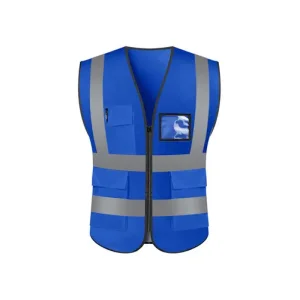
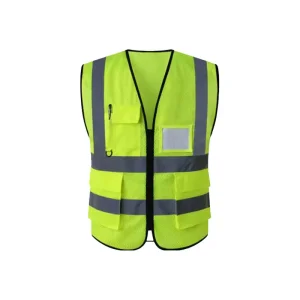
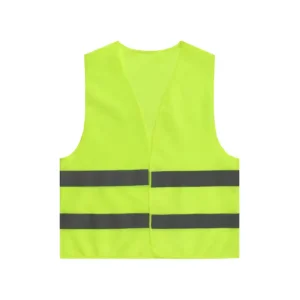
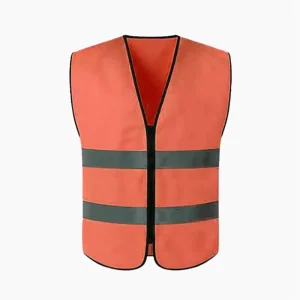
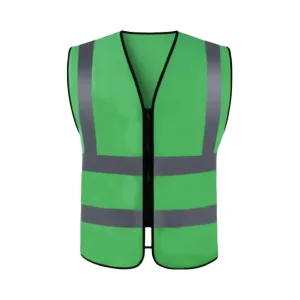
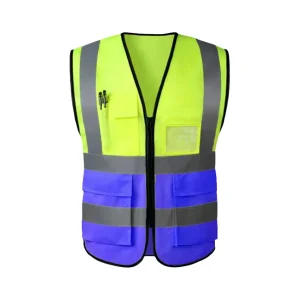
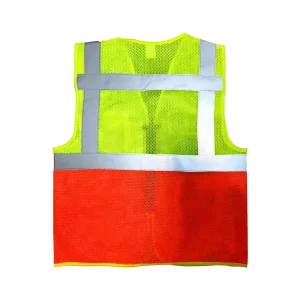
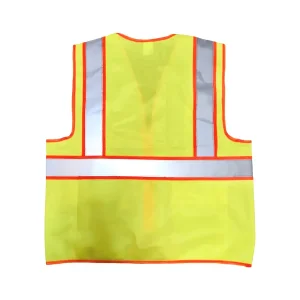
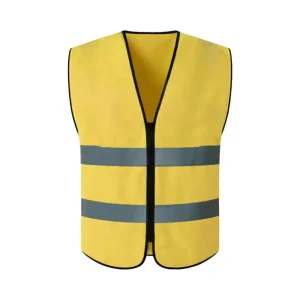
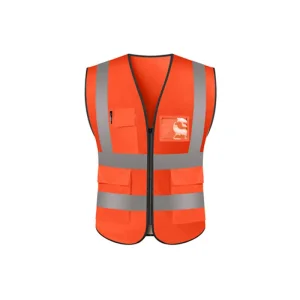
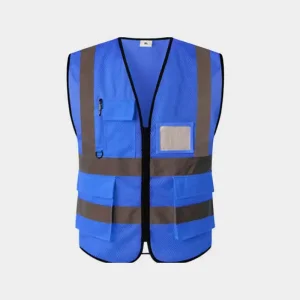
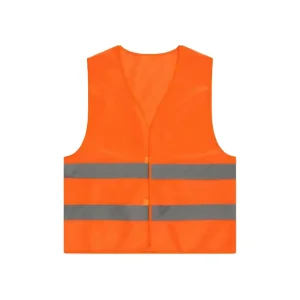
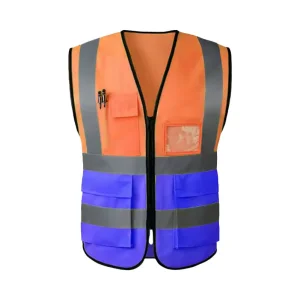
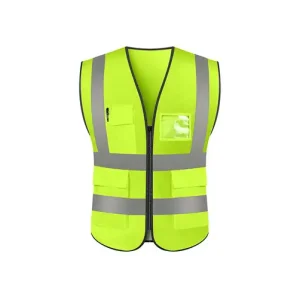
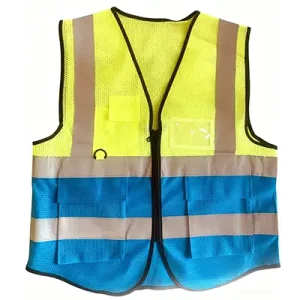
Engineered to exceed strict global safety standards. Select a specific product to request an instant quotation from our factory specialists.
The technical architecture of modern occupational hazard prevention and retroreflective fabric engineering.
The manufacturing of high-visibility protective equipment—specifically reflective safety vests—has evolved from a basic compliance-oriented sewing process into a highly specialized field of material science and ergonomics. In high-risk sectors such as road construction, heavy industrial manufacturing, firefighting, and municipal transit operations, visibility under low-light conditions is the primary line of defense against workplace injury and fatalities.
Today's reflective vests leverage advanced retroreflective glass bead and prismatic micro-lens technology to maximize the return reflection of vehicle headlights. As urbanization accelerates and infrastructural development moves closer to high-speed road networks, strict adherence to global safety certifications (including ANSI/ISEA 107-2020 in North America and EN ISO 20471:2013 in Europe) has become mandatory for all contract bidding procedures. Modern manufacturers must maintain rigorous laboratory testing controls to guarantee retroreflective values, colorfastness, and tensile strength over extended wear and wash cycles.
Compliance is non-negotiable. Modern safety operations dictate Class 1, Class 2, or Class 3 vests based on speed limits and the proximity of workers to active traffic zones. Materials are engineered to meet specific chromaticity coordinates and luminance factors.
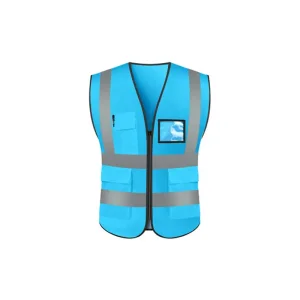
By shifting from solid woven fabrics to cooling polyester mesh structures (typically 110gsm to 130gsm), safety vests mitigate heat stress in high-temperature construction sites. Pockets are strategically placed for industrial tool and radio storage.
Utilizing high-performance microprismatic silver tape or glass-bead technology, light rays are reflected directly back to their source, optimizing visibility over distances exceeding 300 meters, even in rain and heavy dust.
Discover how Linyi Xintuo Industry and Trade Co., Ltd. leads in design, sustainable practices, and rigorous quality metrics.
Linyi Xintuo Industry and Trade Co., Ltd. is a modern enterprise based in China, specializing in the research, development, and manufacturing of high-performance safety helmets and comprehensive labor protection equipment. Since its establishment, the company has been driven by a vision of innovation, continuously investing in advanced production equipment and assembling a team of high-caliber research and design professionals.
Our standardized management mode, combined with ISO-certified processes, guarantees consistent product excellence across all batches. The company operates with a commitment to sustainability, utilizing eco-friendly materials and energy-efficient production techniques to minimize environmental impact while maintaining operational efficiency.
Click to Inquire Xintuo
The company operates with a commitment to sustainability, utilizing eco-friendly materials and energy-efficient production techniques to minimize environmental impact while maintaining operational efficiency.
Our comprehensive product portfolio includes industrial safety helmets and high-visibility workwear, all engineered to meet or exceed international safety standards such as CE, ANSI, and EN. We leverage cutting-edge material science, utilizing fiberglass composites and high-impact polymers that offer superior strength-to-weight ratios compared to traditional materials. This integration of ergonomic design principles with durable materials ensures long-lasting protection without compromising comfort.
Our safety helmets feature adjustable suspension systems with precision-calibrated tension controls, moisture-wicking sweatbands with antimicrobial properties, and advanced ventilation technologies that optimize airflow while maintaining structural integrity. These innovations cater to diverse work environments, from extreme temperatures to high-humidity conditions, ensuring optimal performance in the most demanding settings.
The company places a strong emphasis on customer-centric solutions, offering customized design services to meet specific industry requirements. Our research and development team collaborates closely with clients to understand their unique challenges, resulting in tailored products that enhance safety and productivity. Additionally, we provide comprehensive after-sales support, including technical guidance and maintenance services, to ensure uninterrupted protection for end-users.
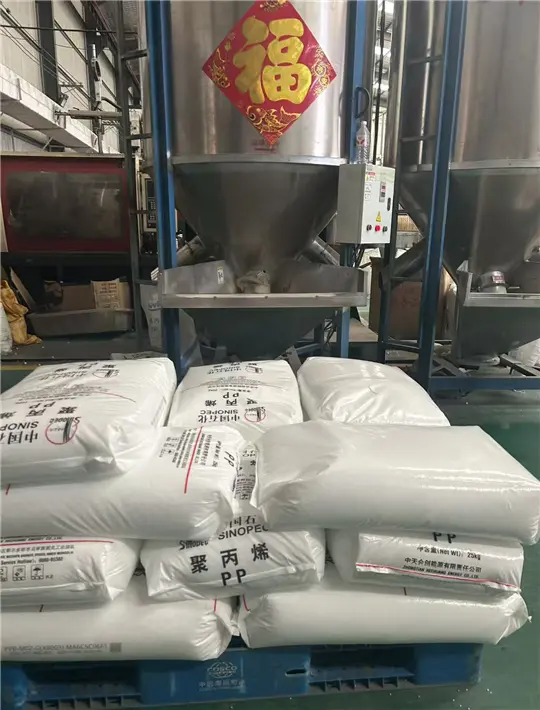
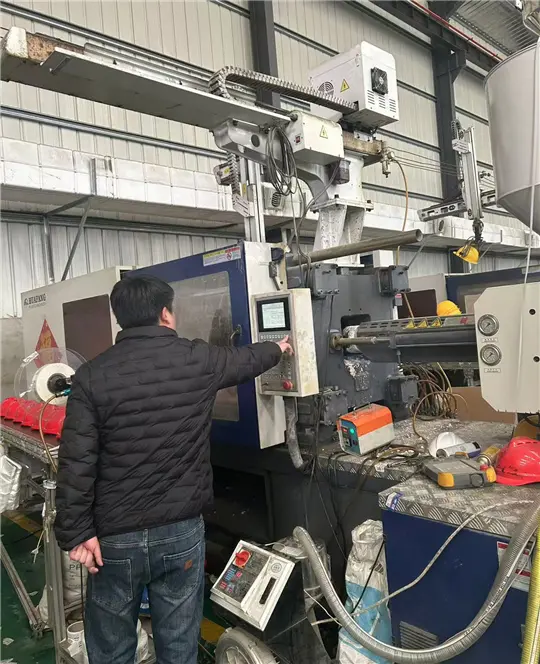
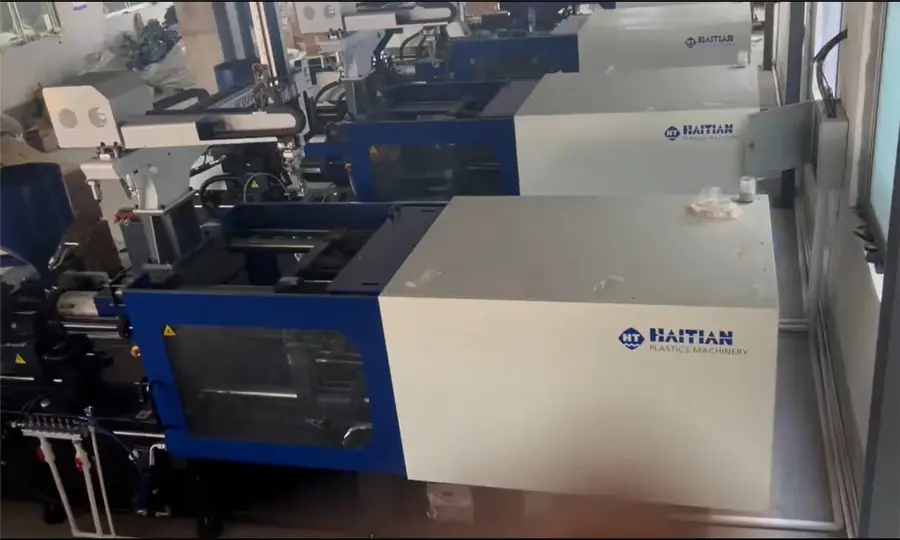
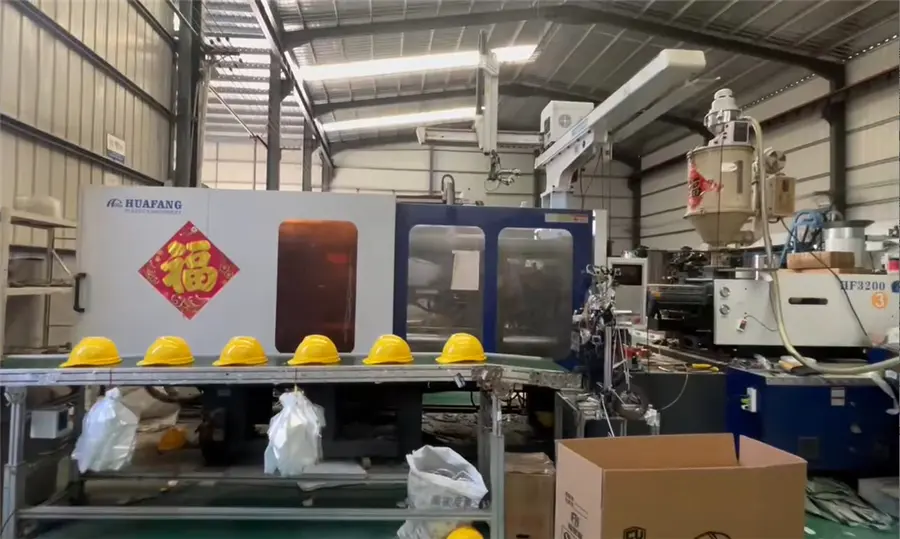
Inside our state-of-the-art polymer extrusion, textile weaving, and high-visibility tailoring departments.
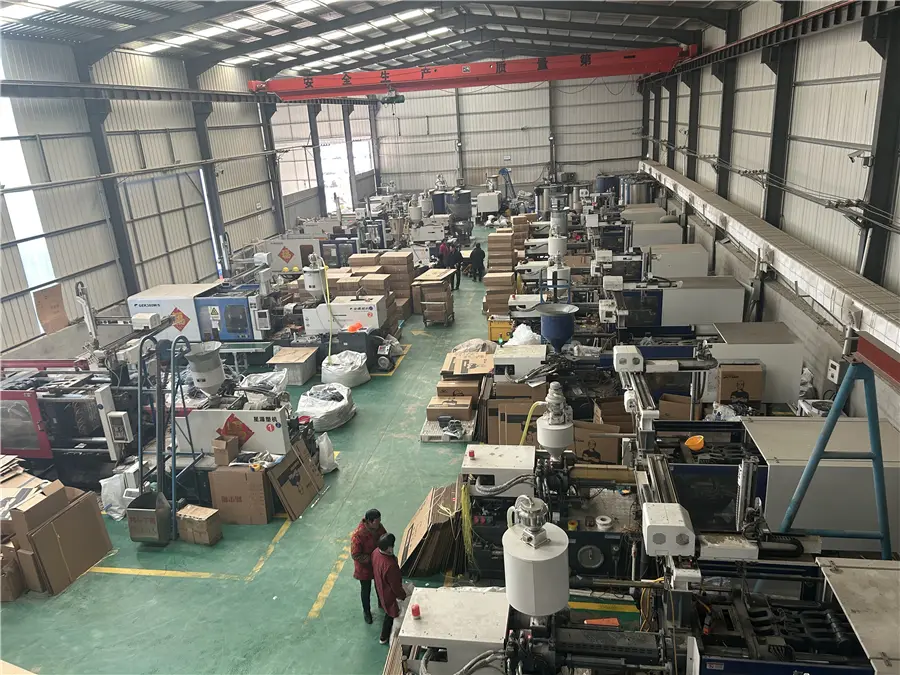
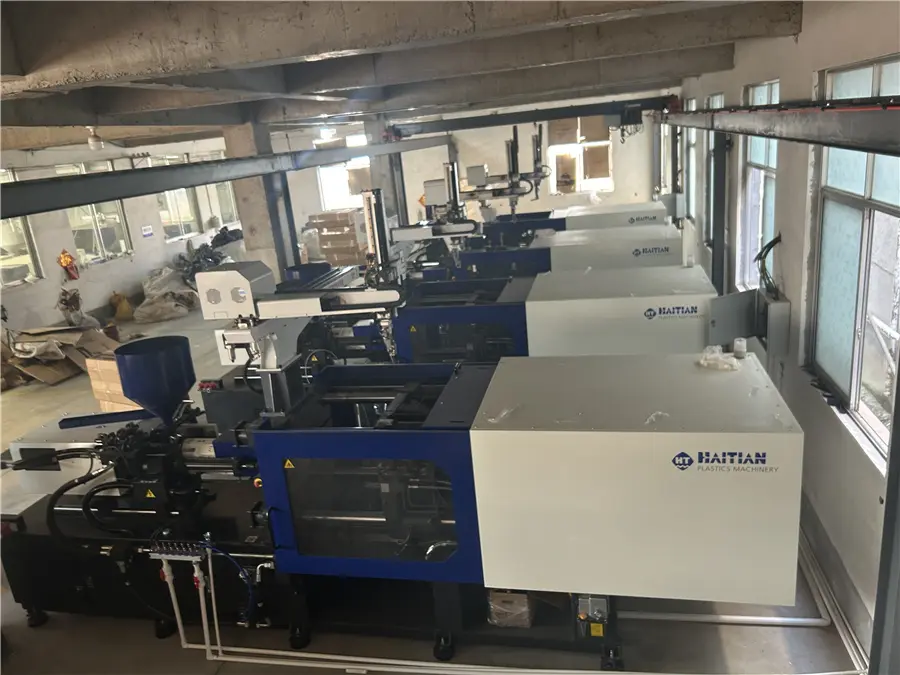
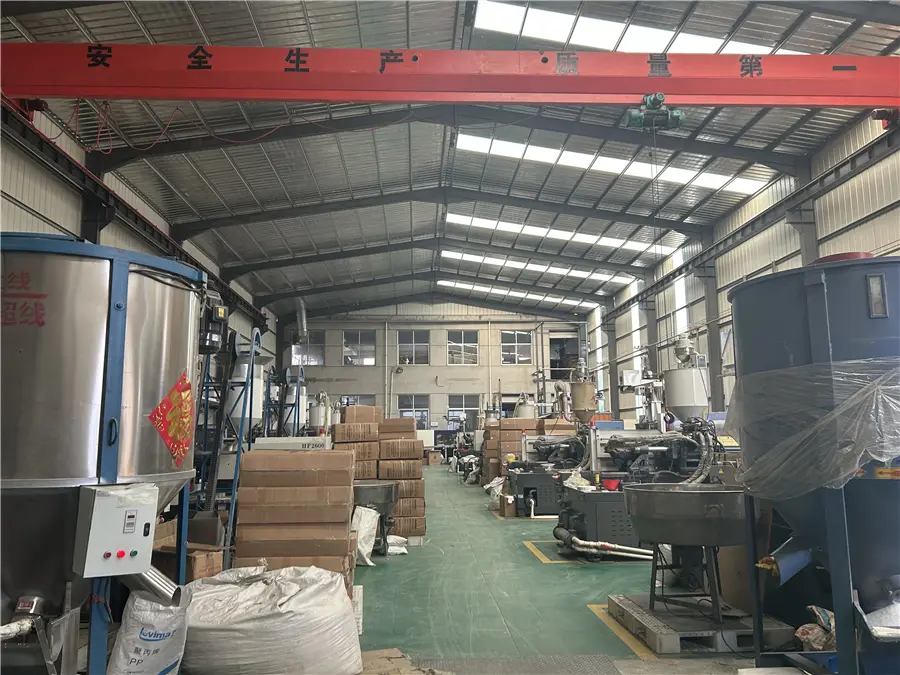
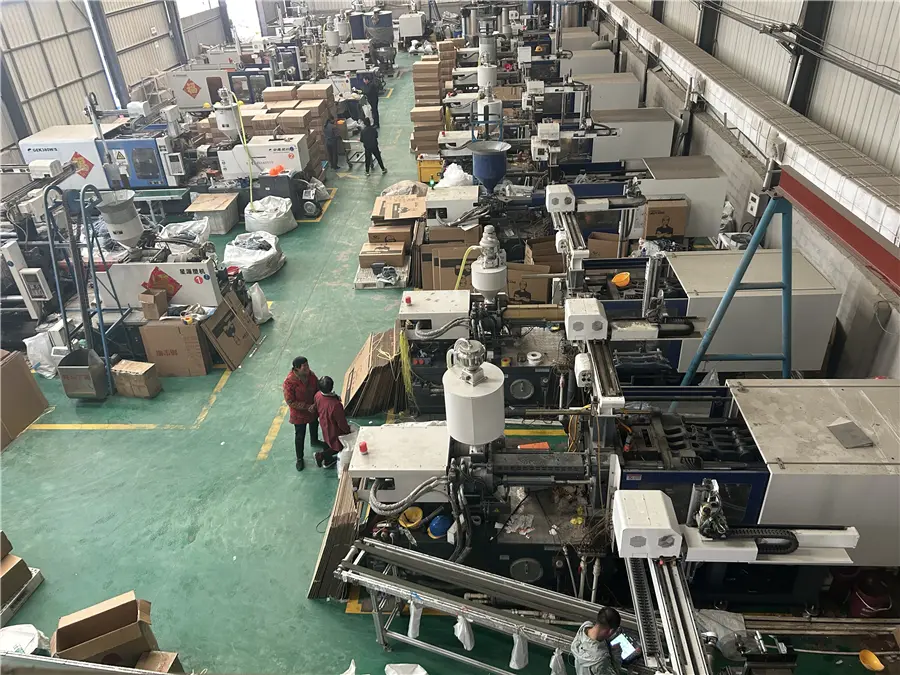
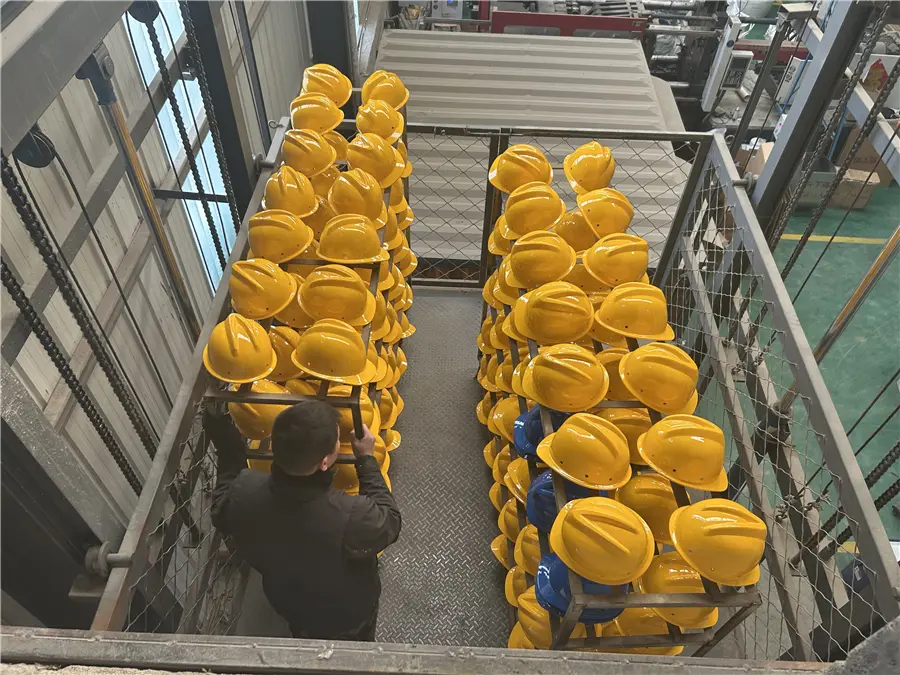
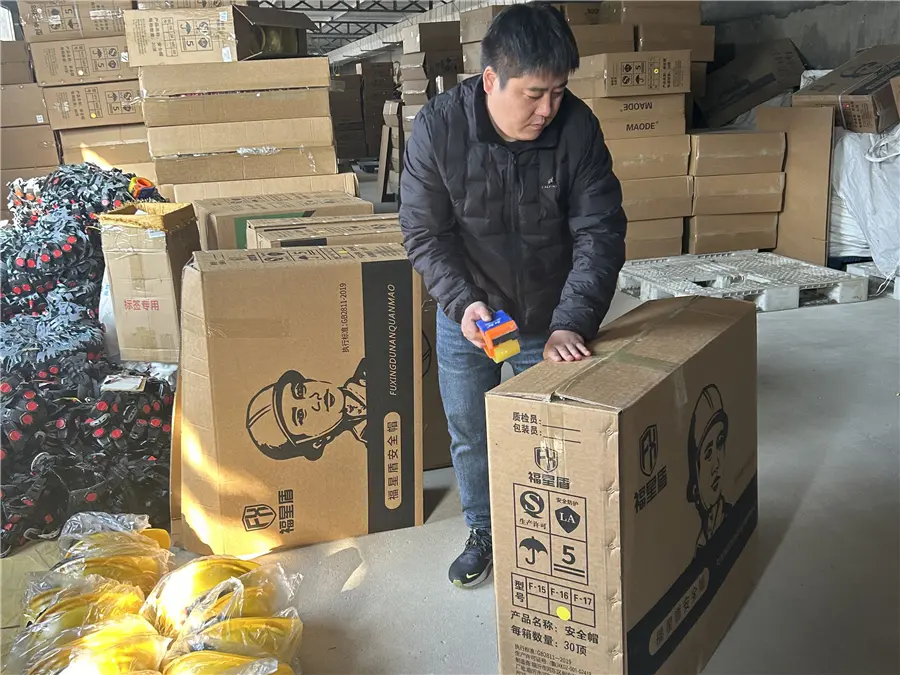
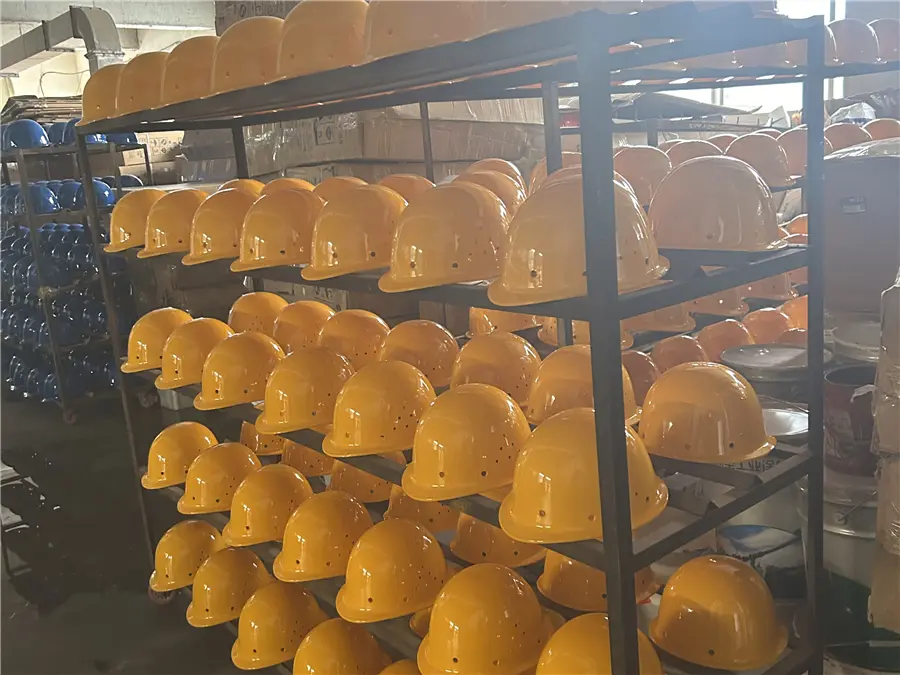
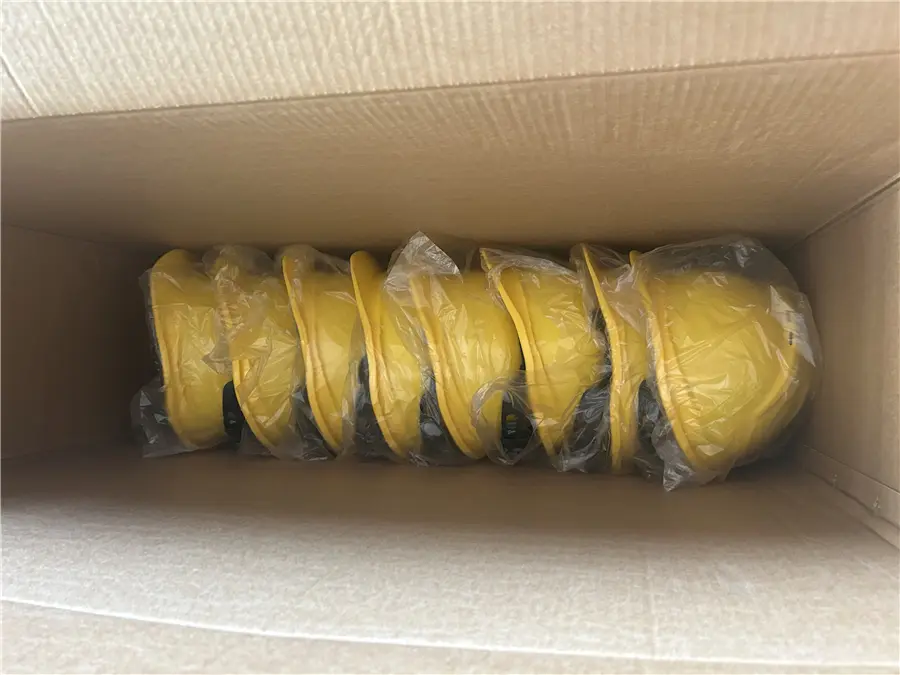
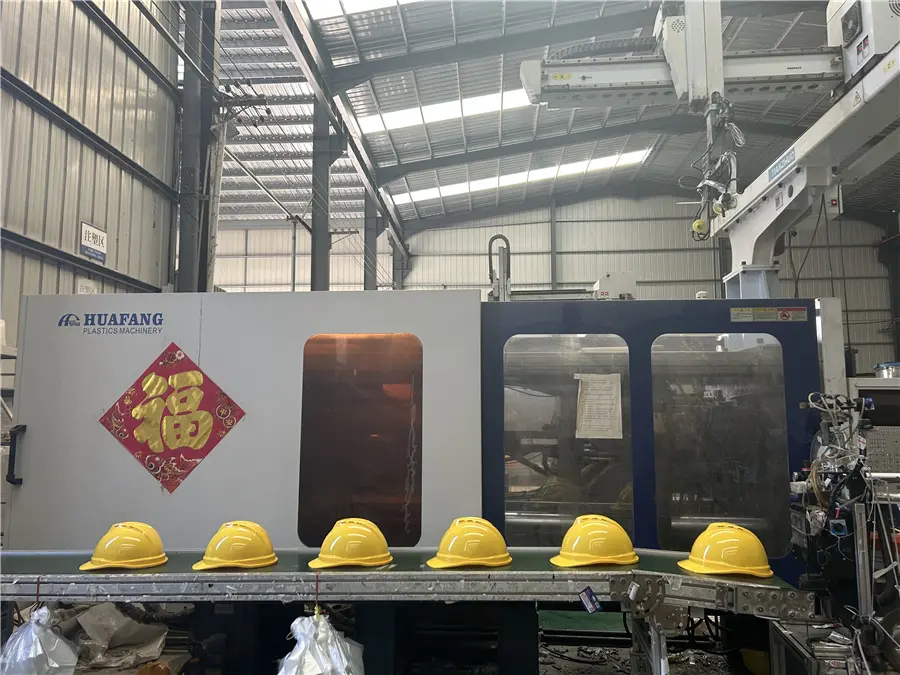
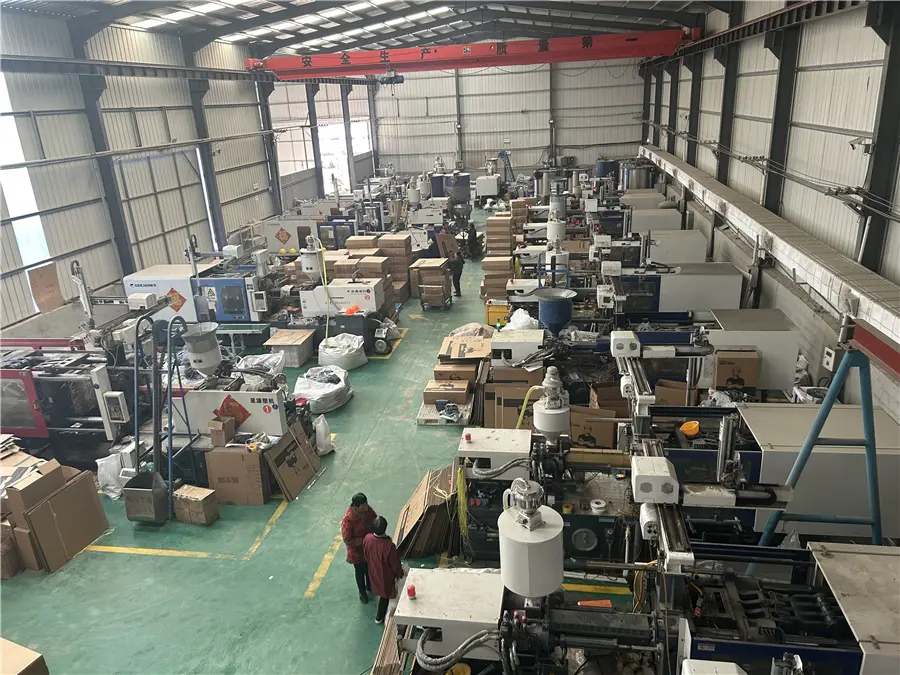
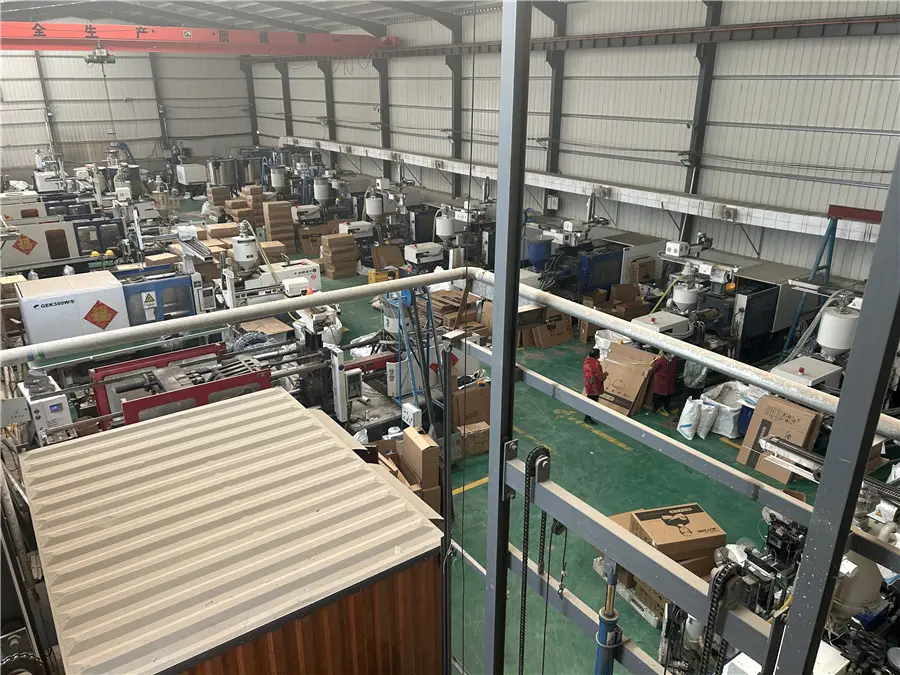
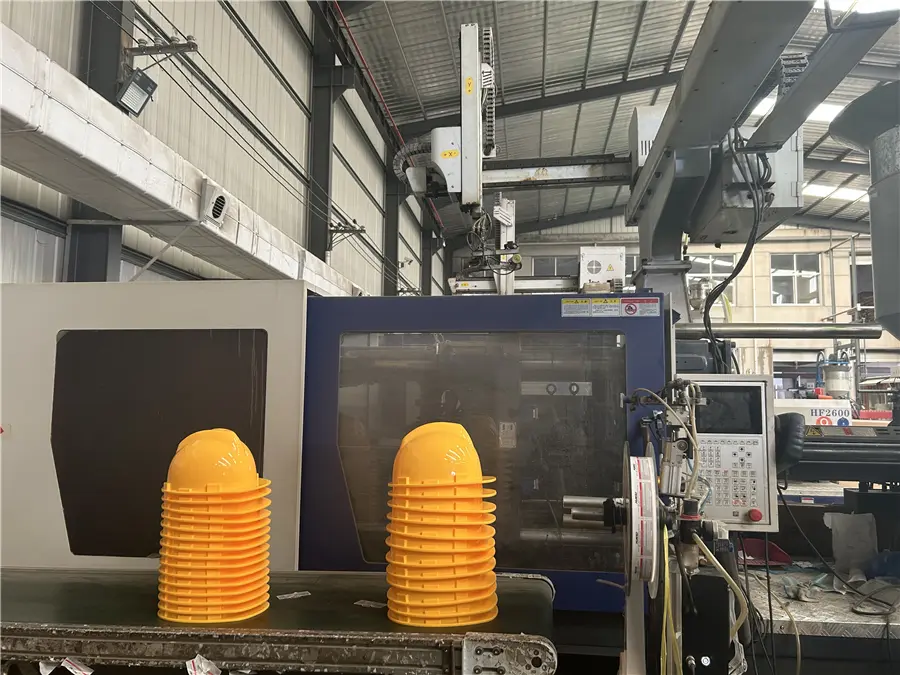
Our industrial safety line balances durability, cooling airflow, and anatomical load distribution.
Linyi Xintuo Industry and Trade Co., Ltd. does not just sew garments; we formulate end-to-end protective shells. Utilizing high-impact polymers and high-performance composites, our team develops helmets that offer robust protection without weighing down workers. Adjusting tension controls allows for customizable balance, mitigating neck fatigue over 12-hour shifts.
Send Product Inquiry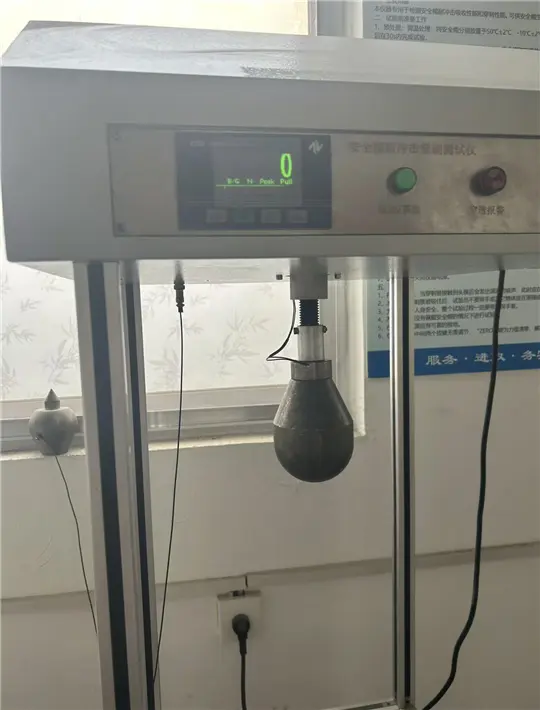
Through closely aligned client feedback loops, we engineer safety solutions tailored to regional environment demands. From reflective tape modifications to localized company branding, our advanced sublimation and silk-screen lines ensure that the client's corporate identity is perfectly unified with regulatory hi-vis standards.
Send Custom Logo InquiryOur compliance certificates provide verification of quality, reliable batch-to-batch tracking, and structural test compliance.
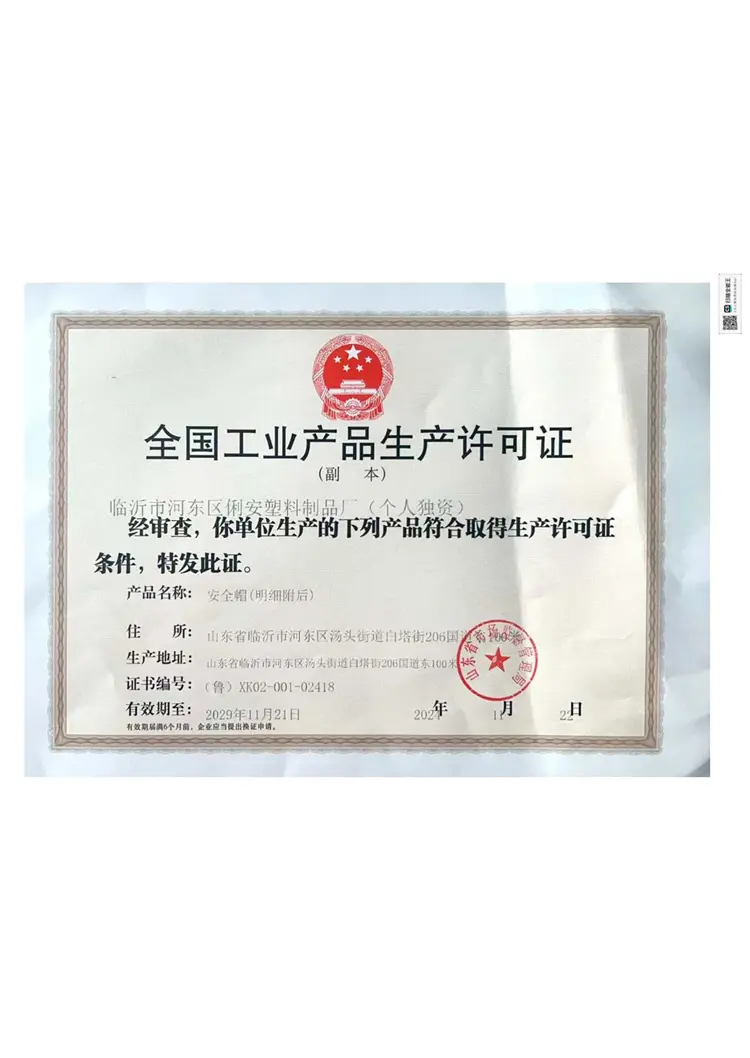

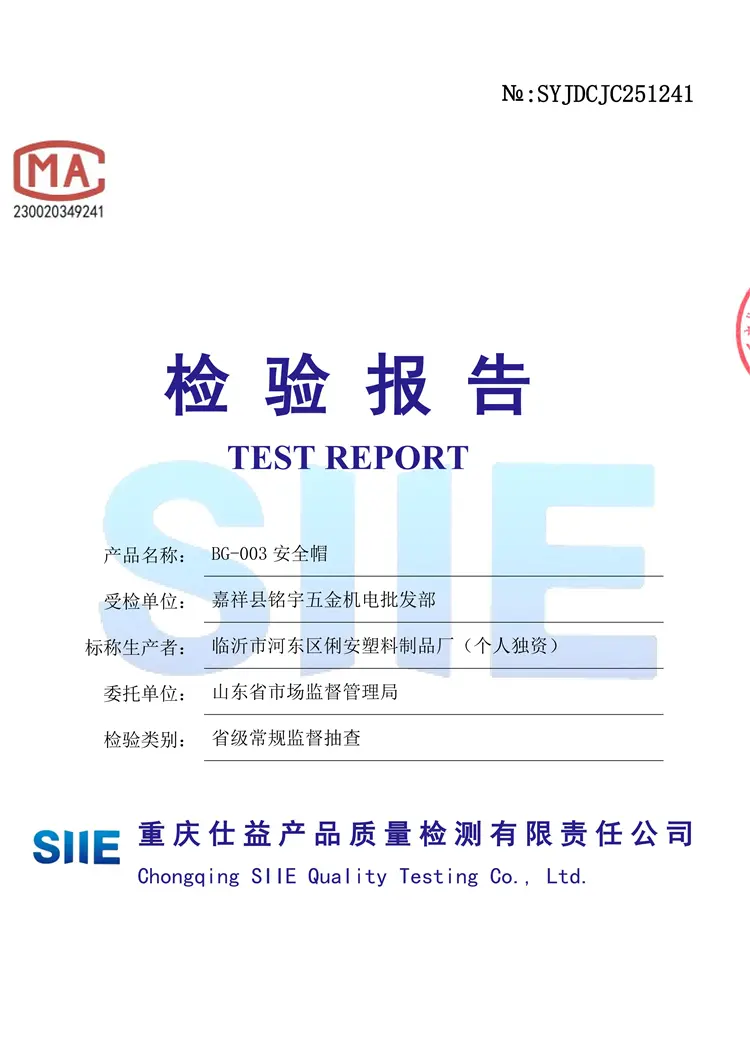
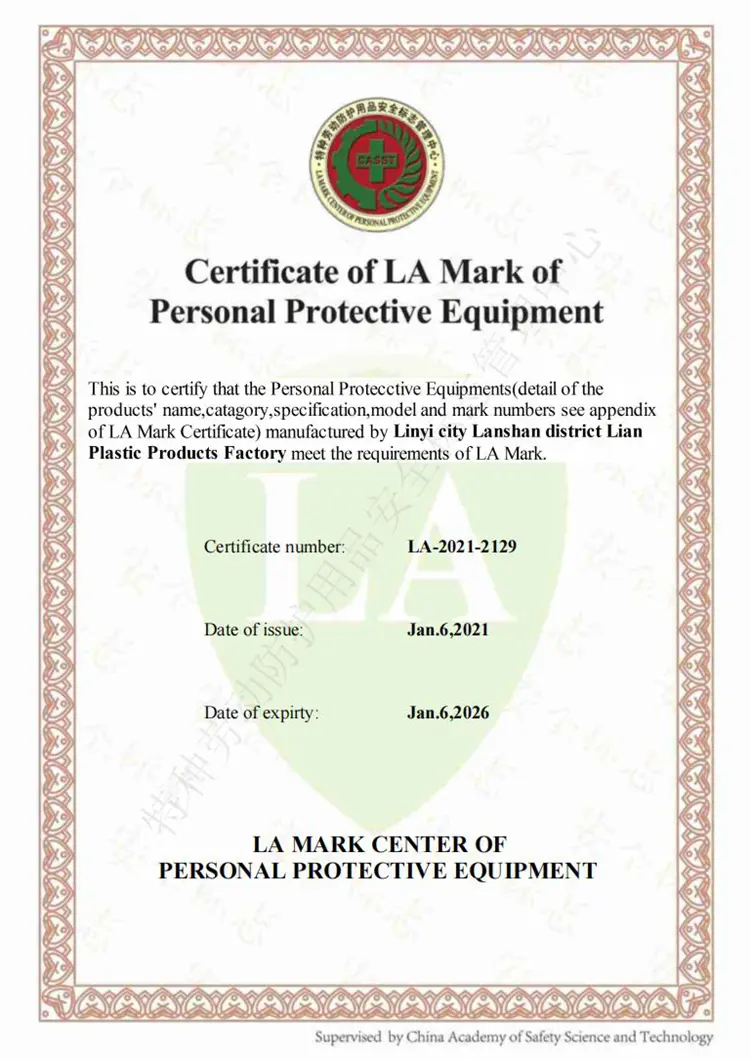
By continuously innovating and adhering to the highest quality standards, Linyi Xintuo Industry and Trade Co., Ltd. has earned a reputation as a trusted partner in the global labor protection industry.














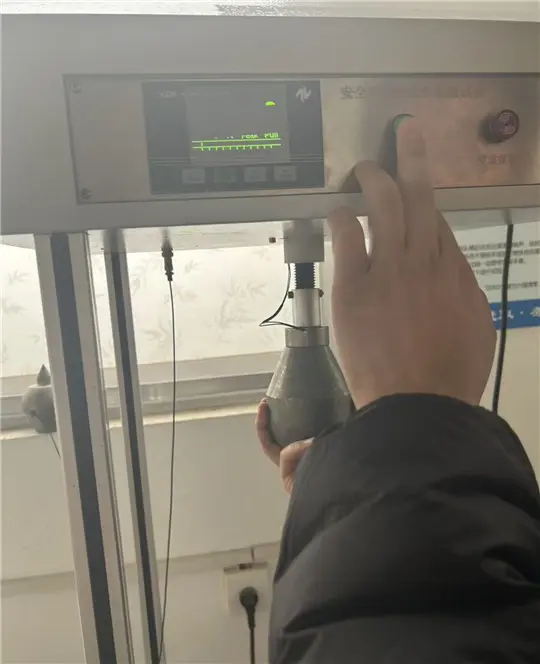
Watch our automated stitching processes, precision textile inspection, and product load-testing procedures.

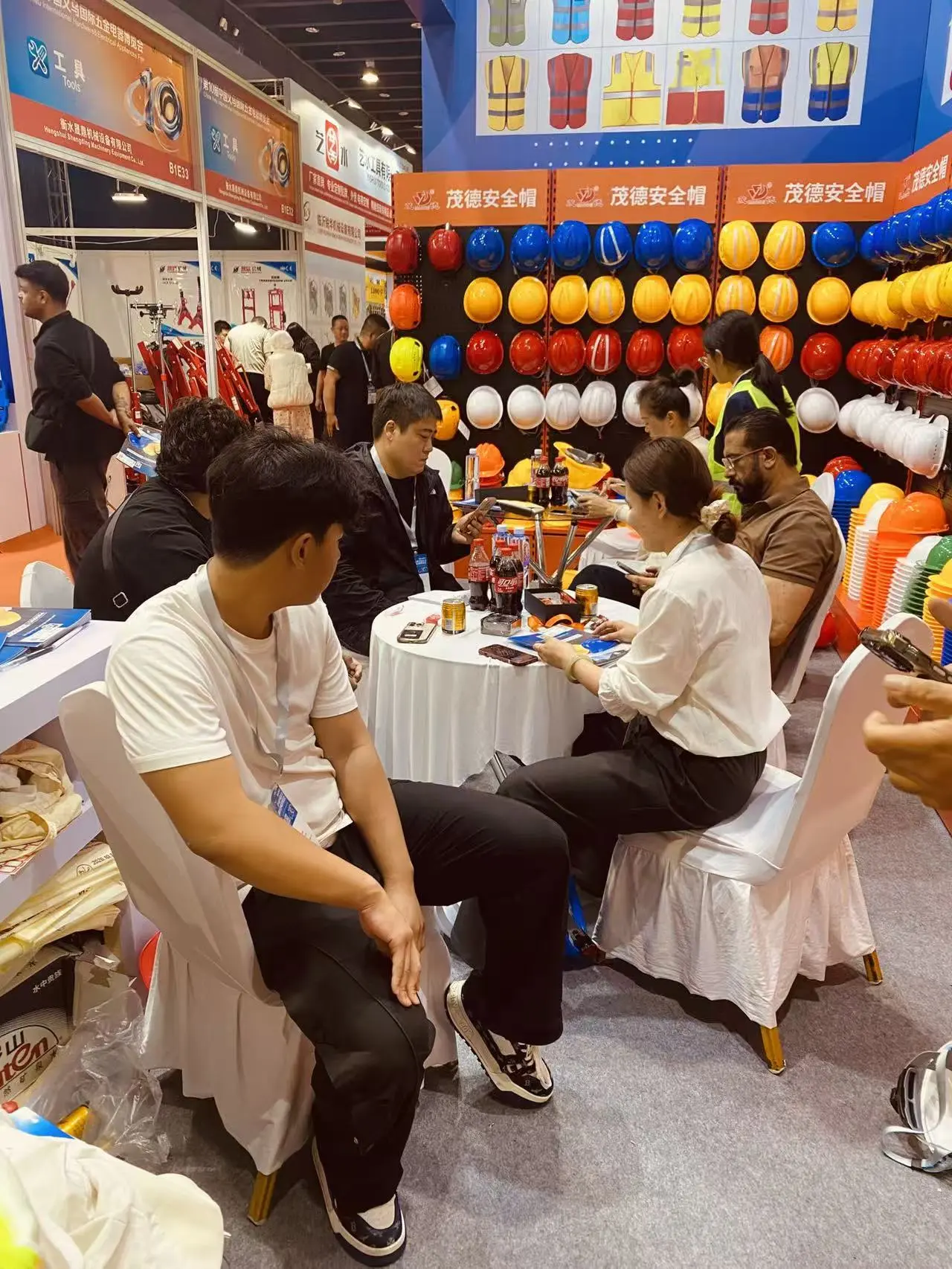
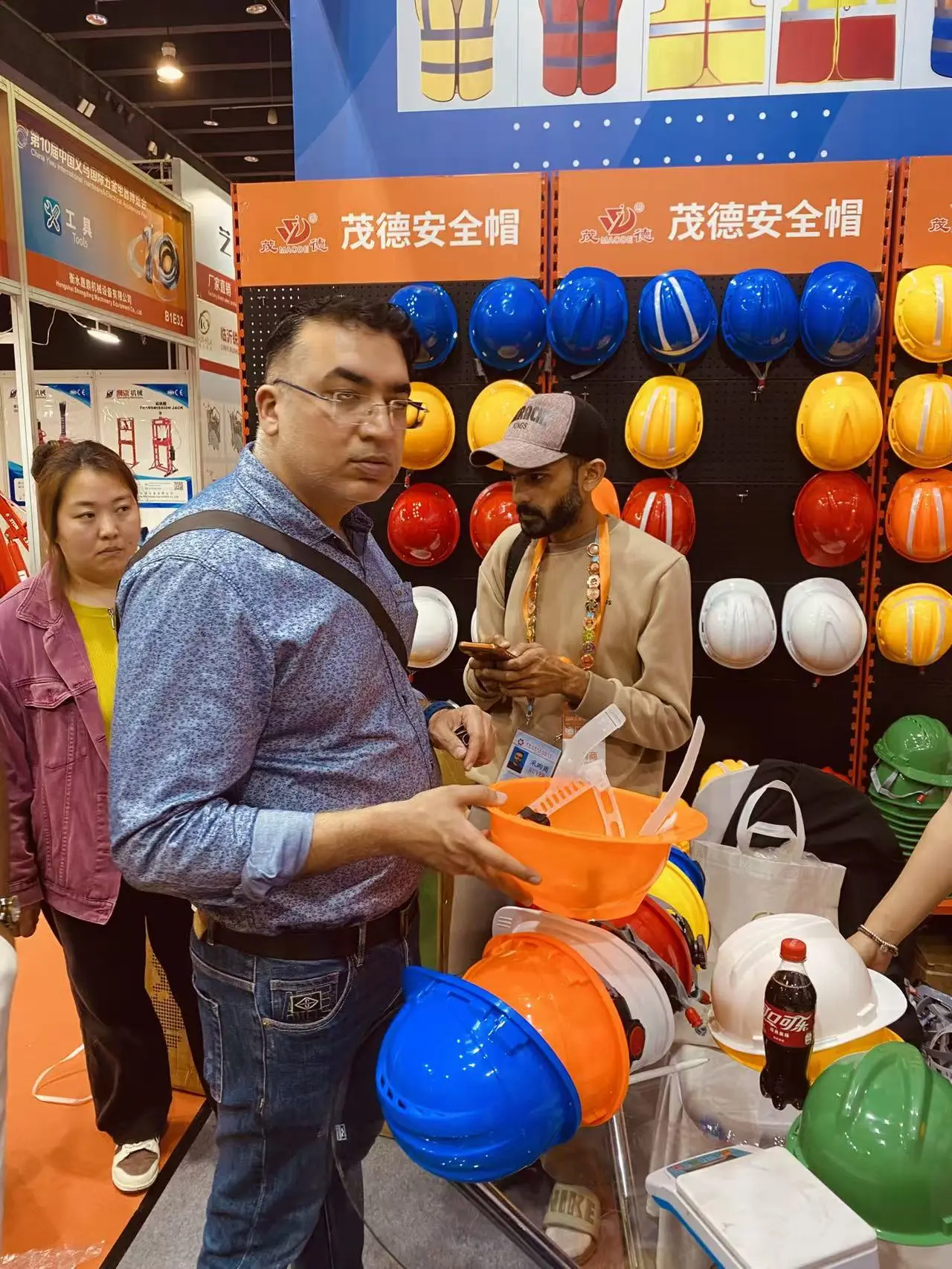
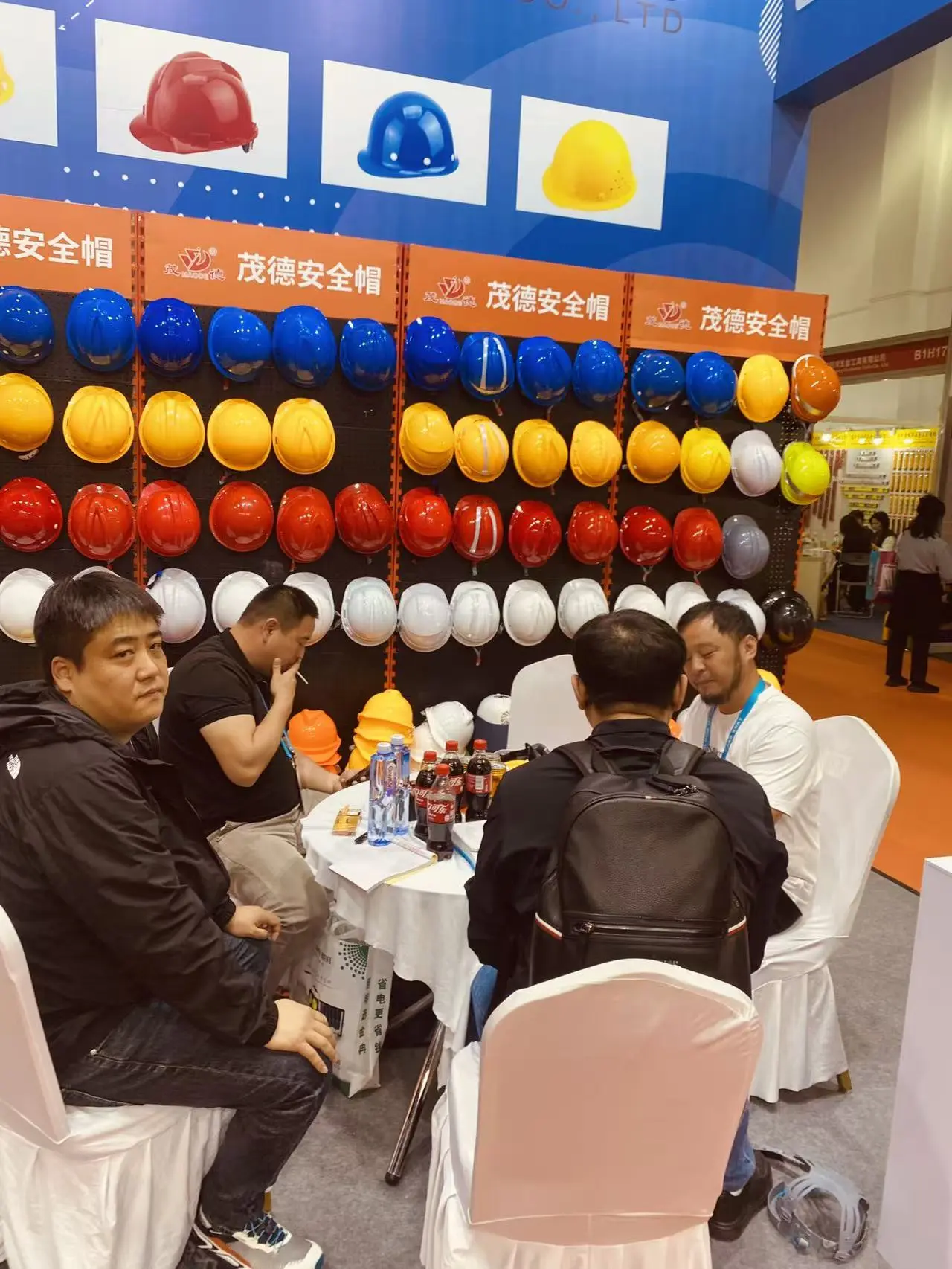
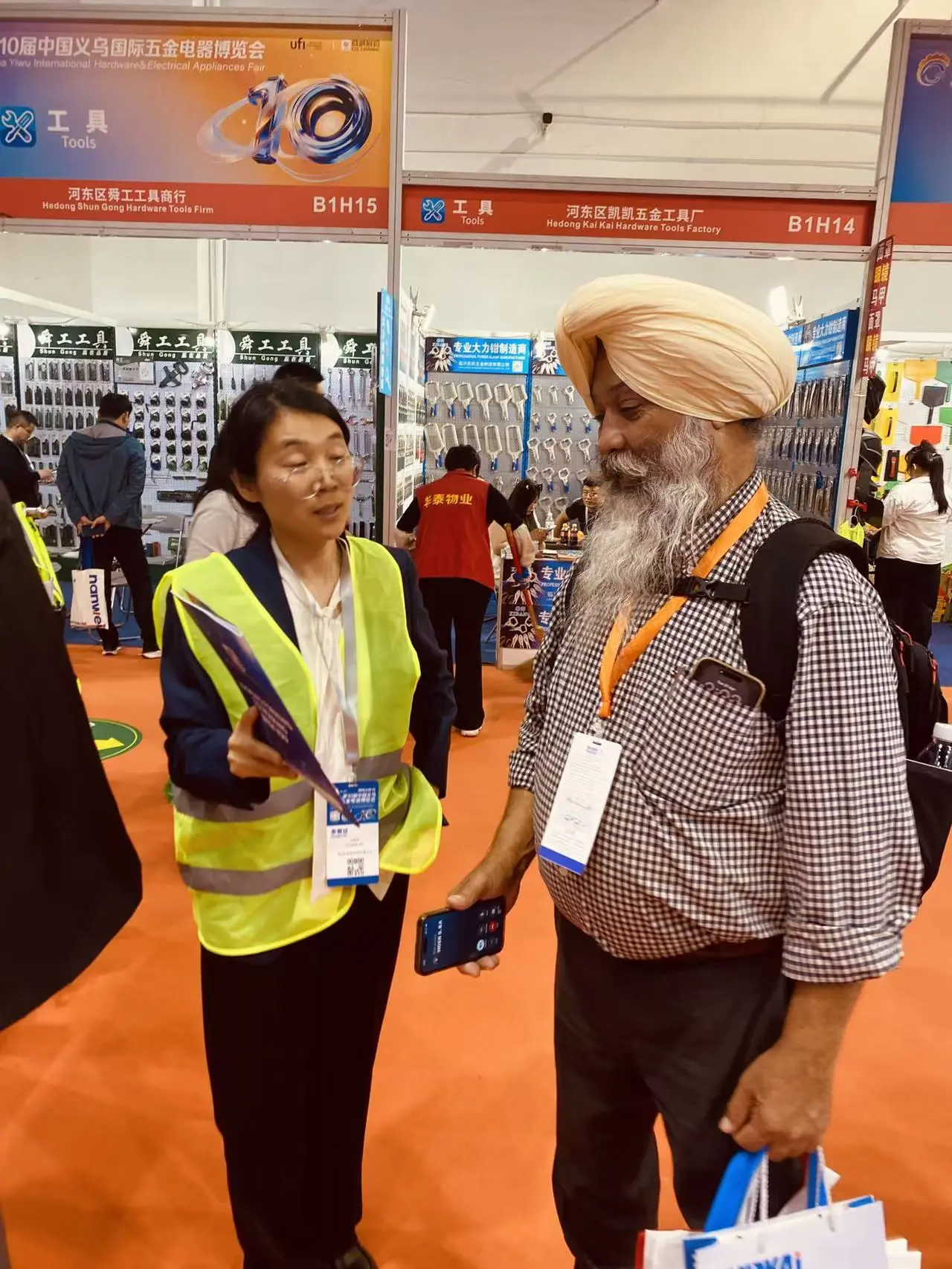
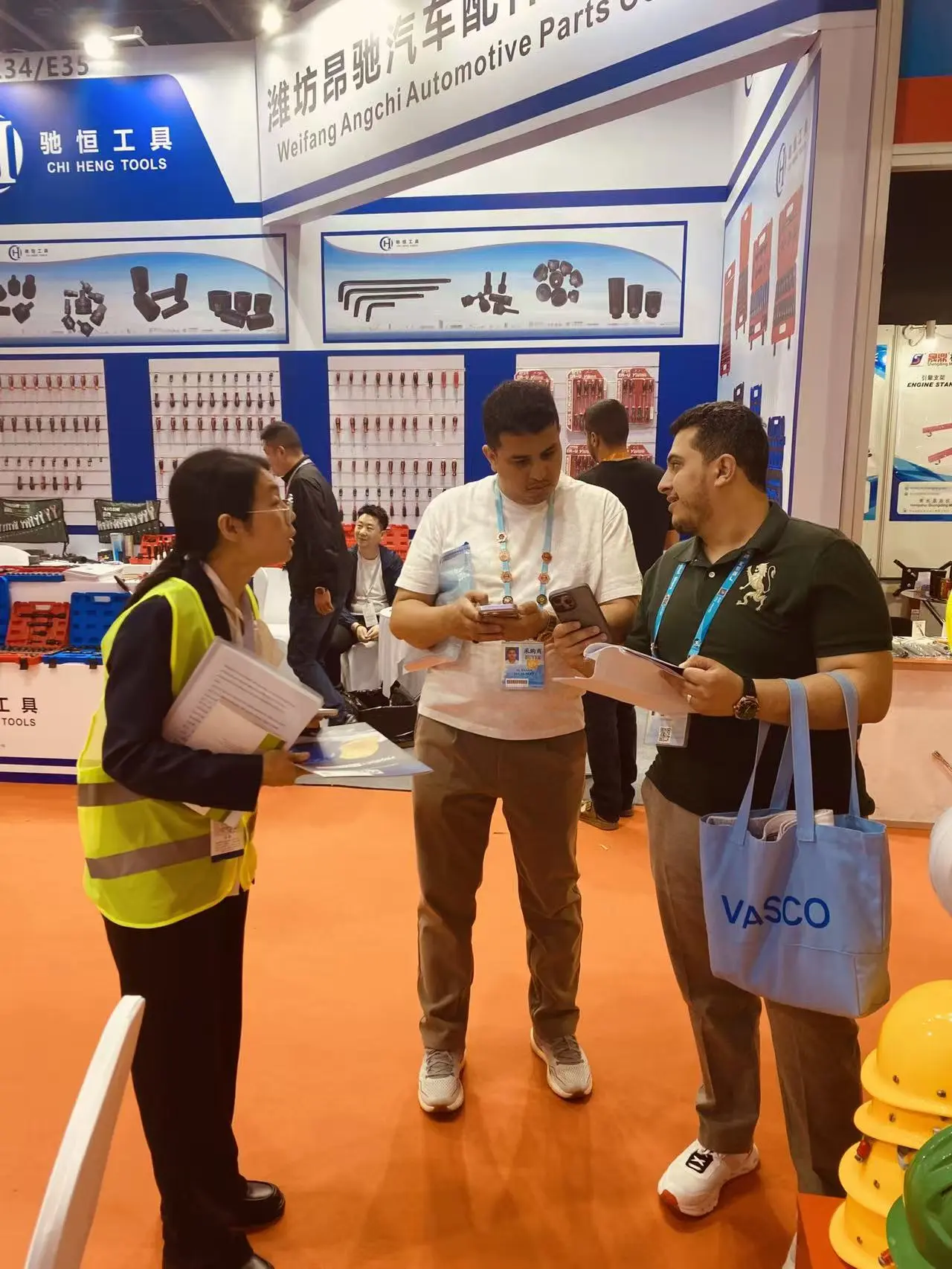
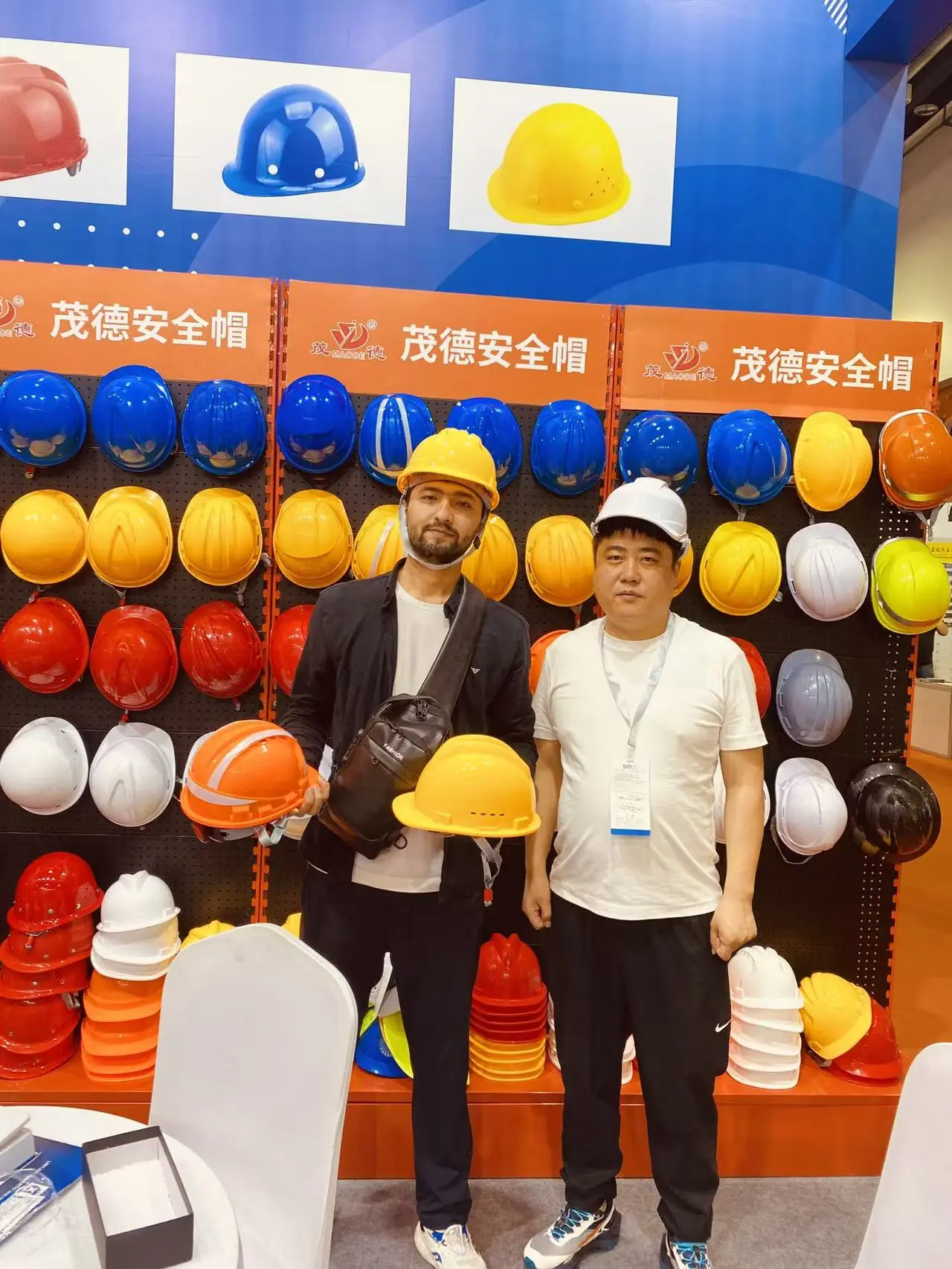
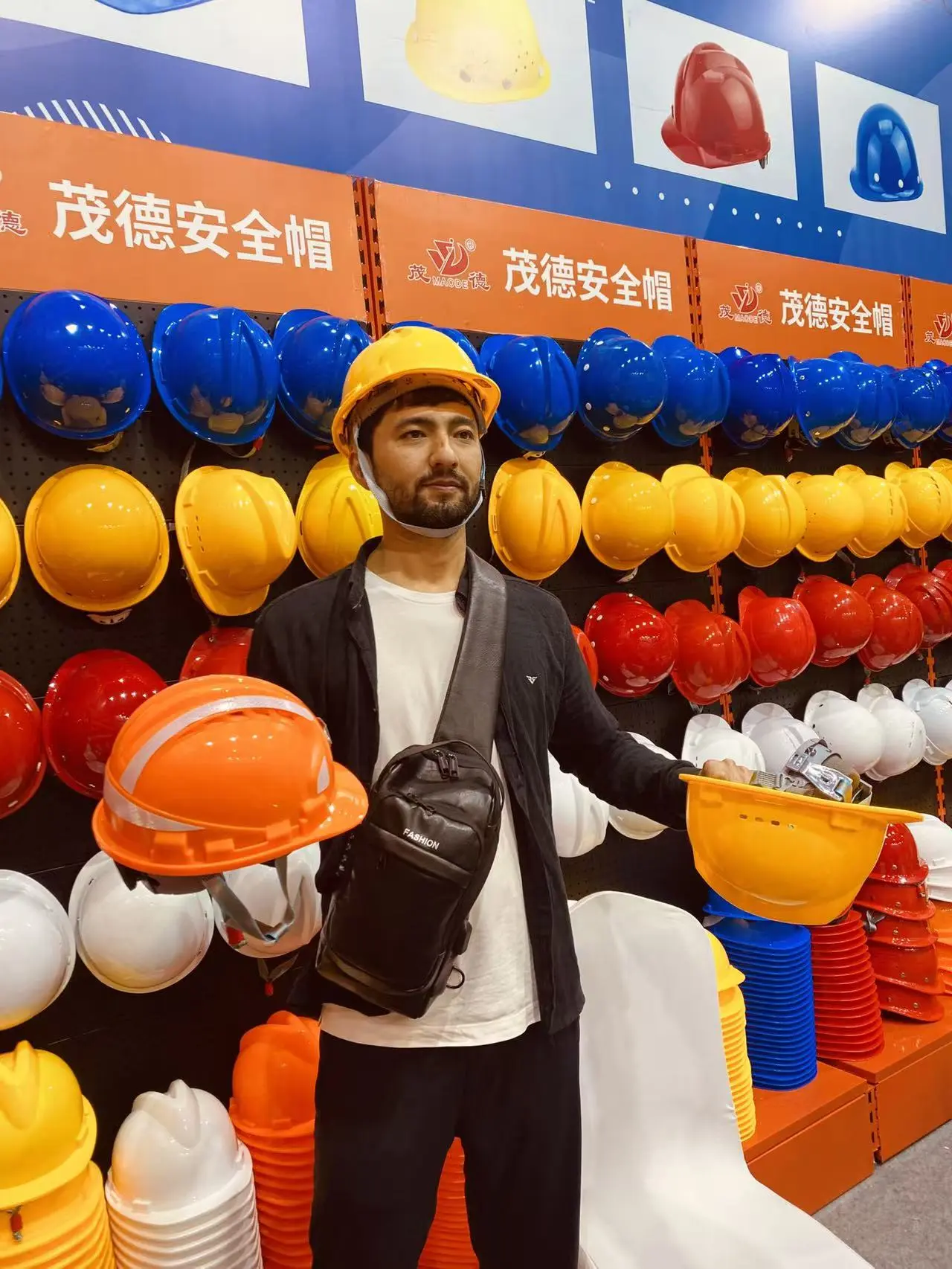
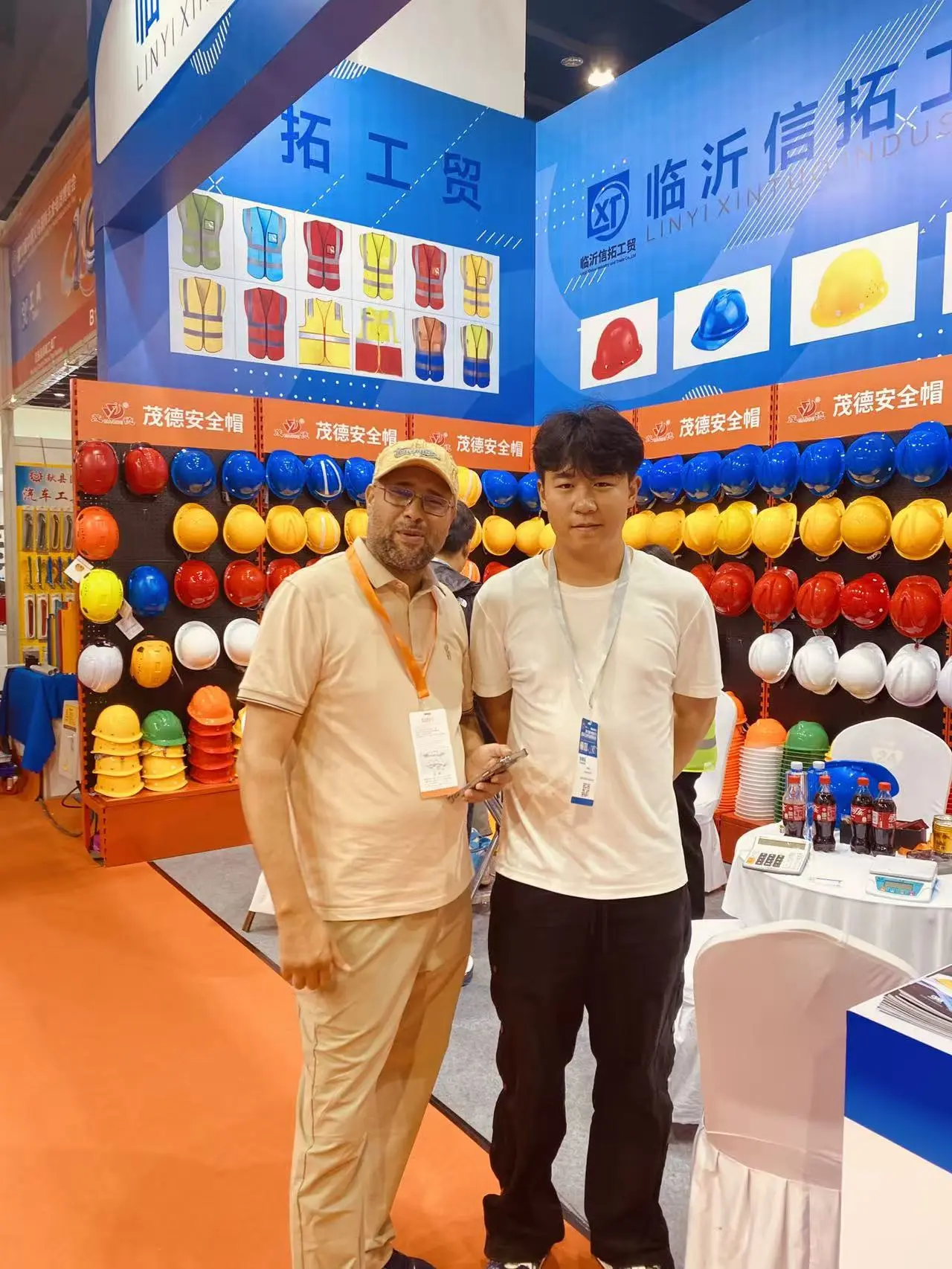
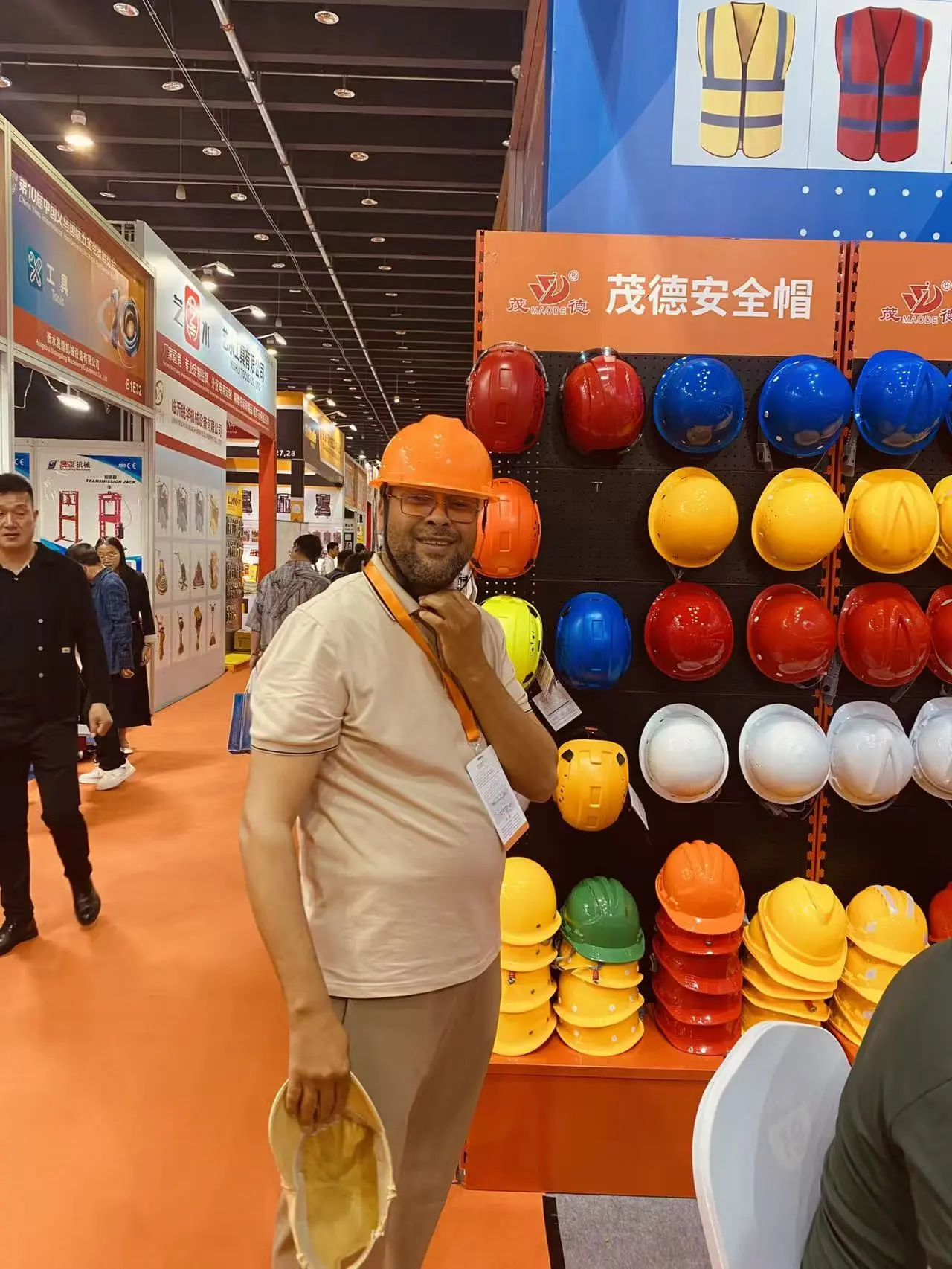
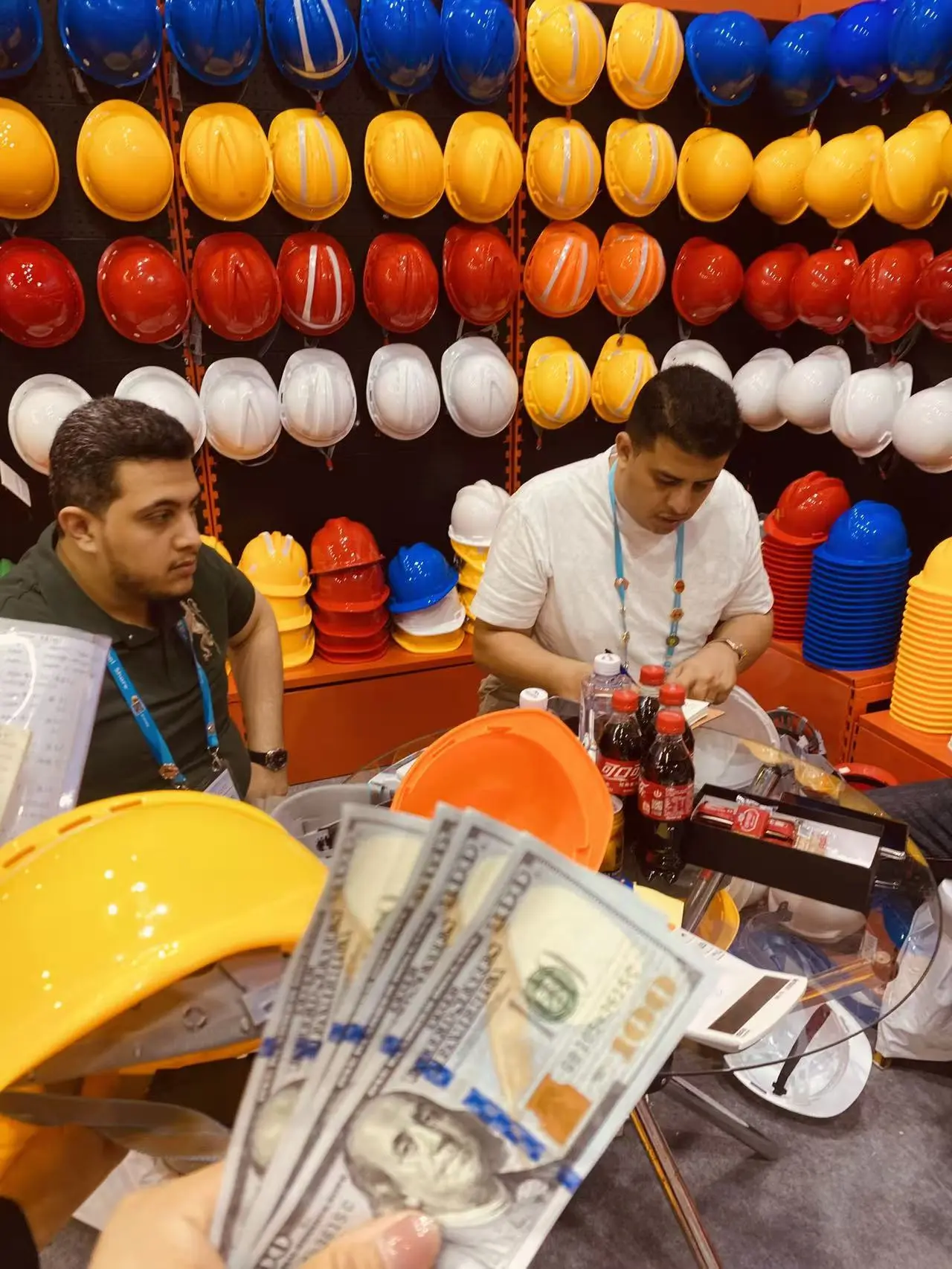
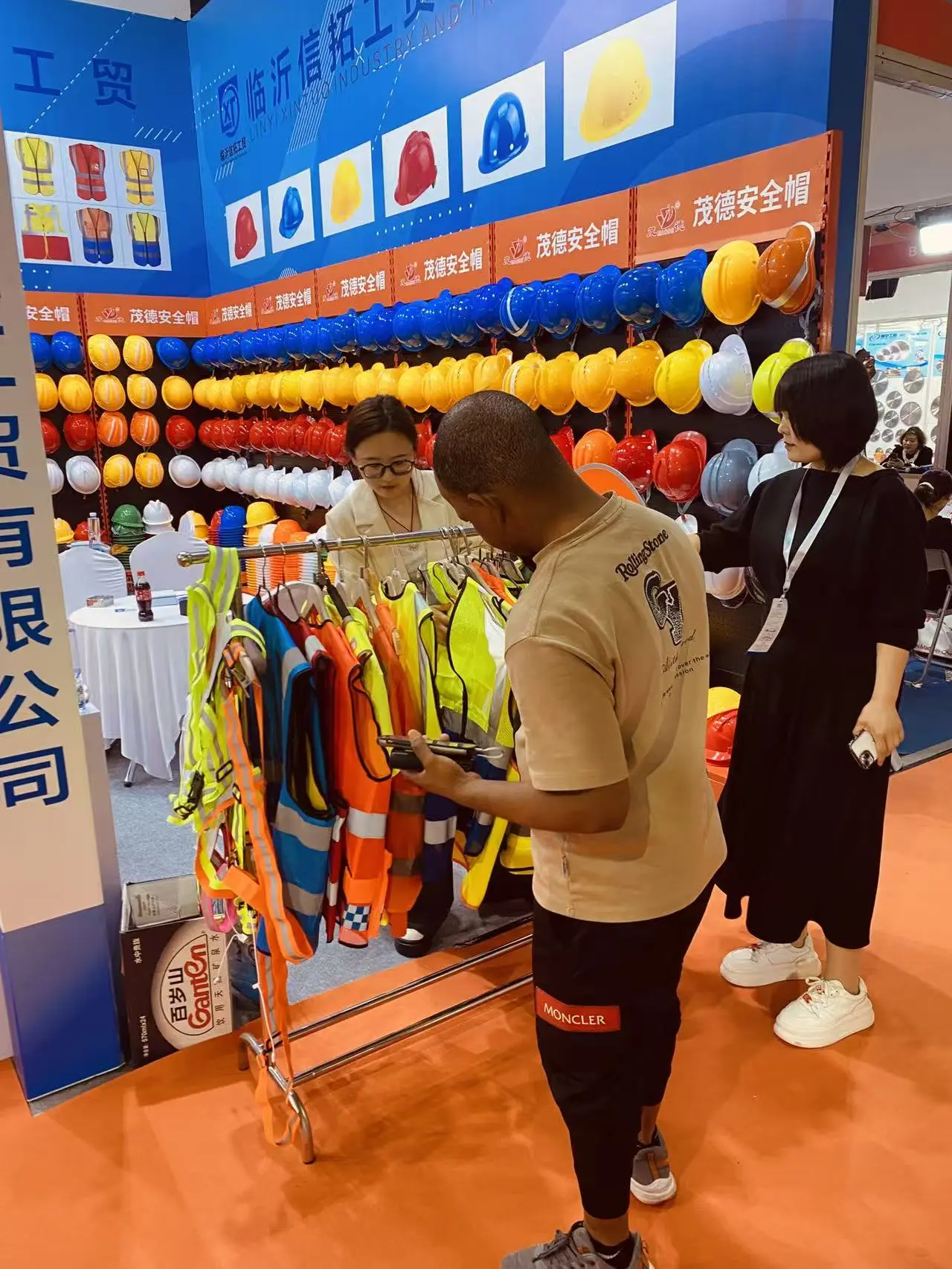
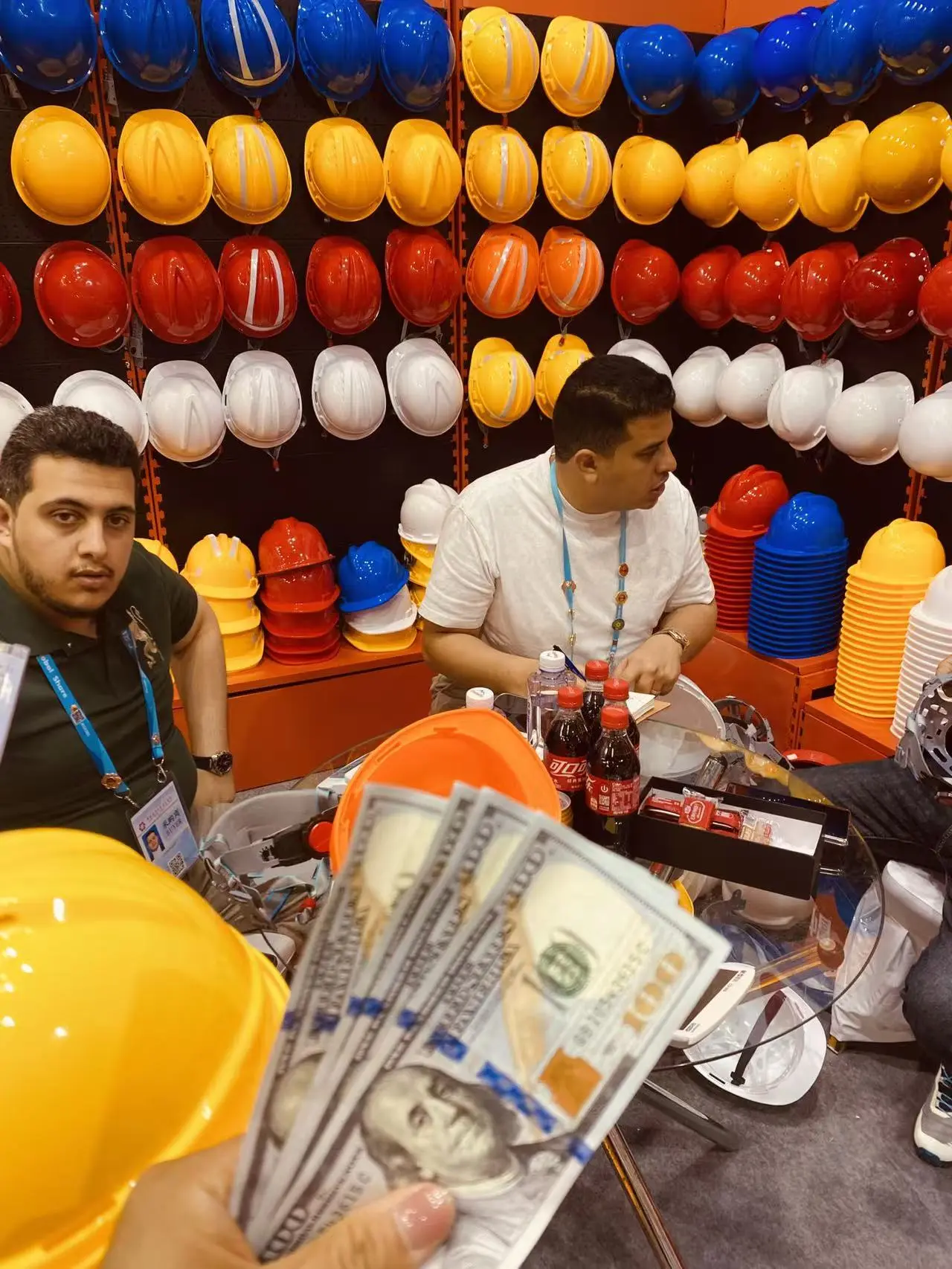
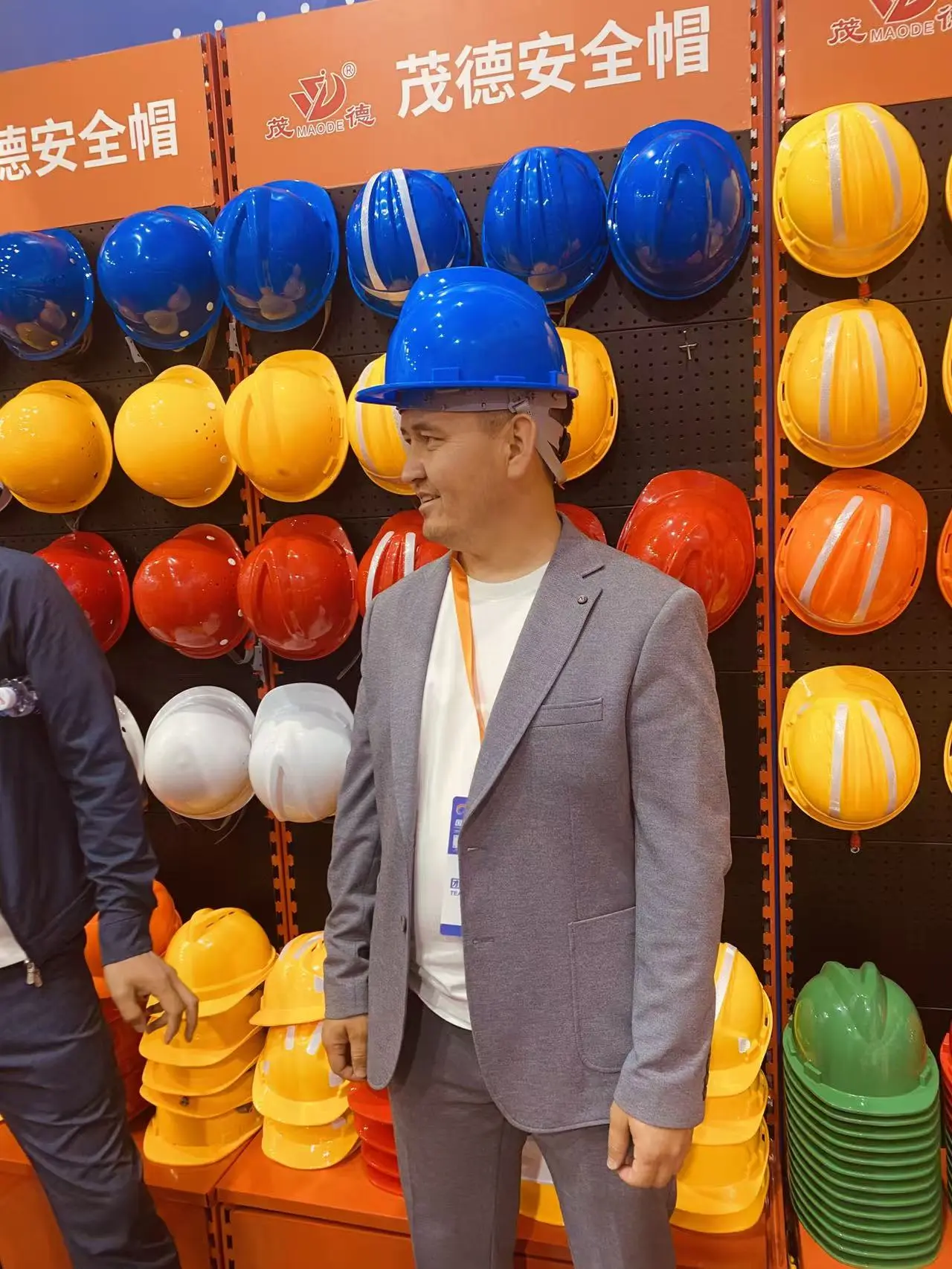
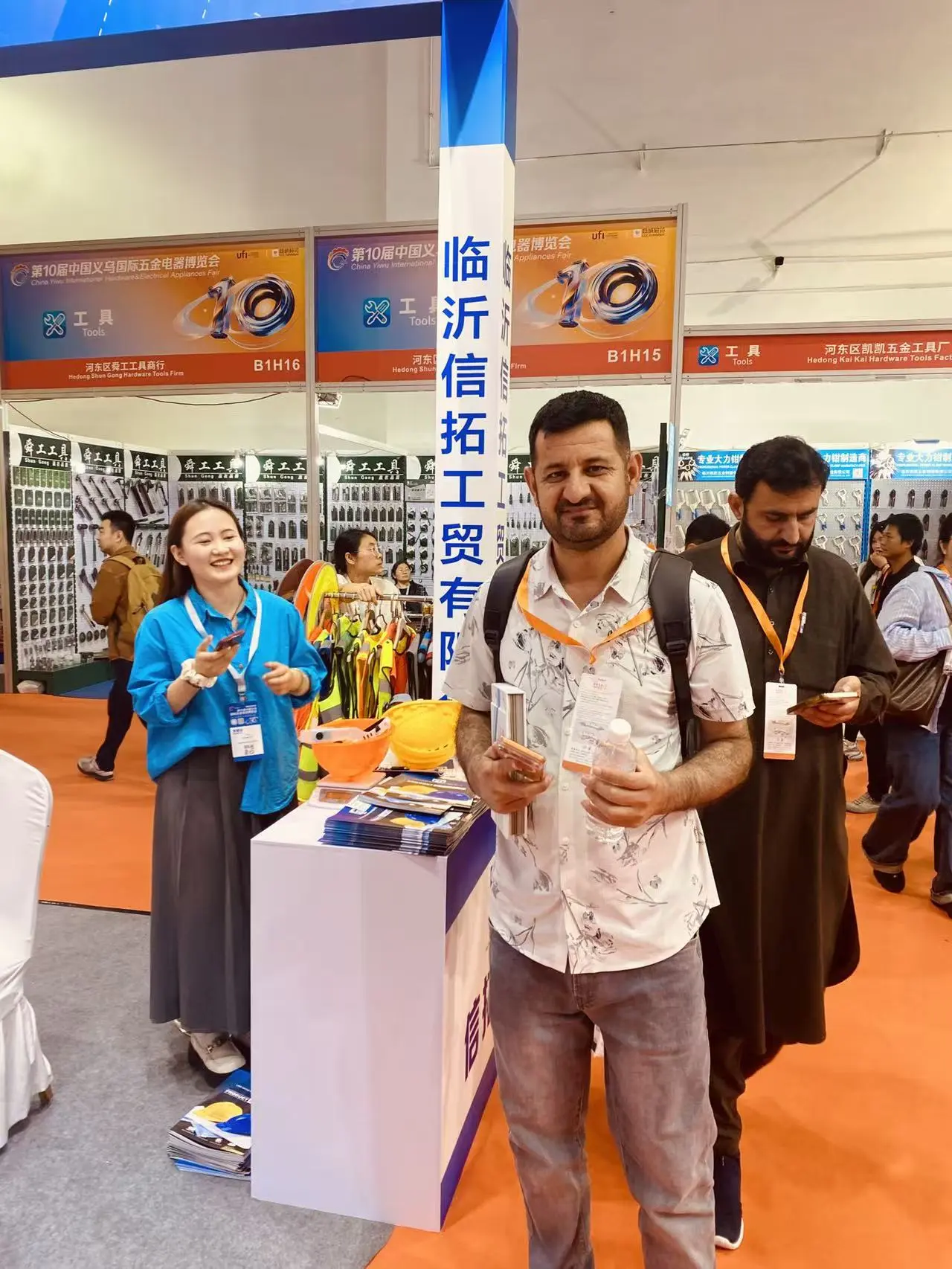
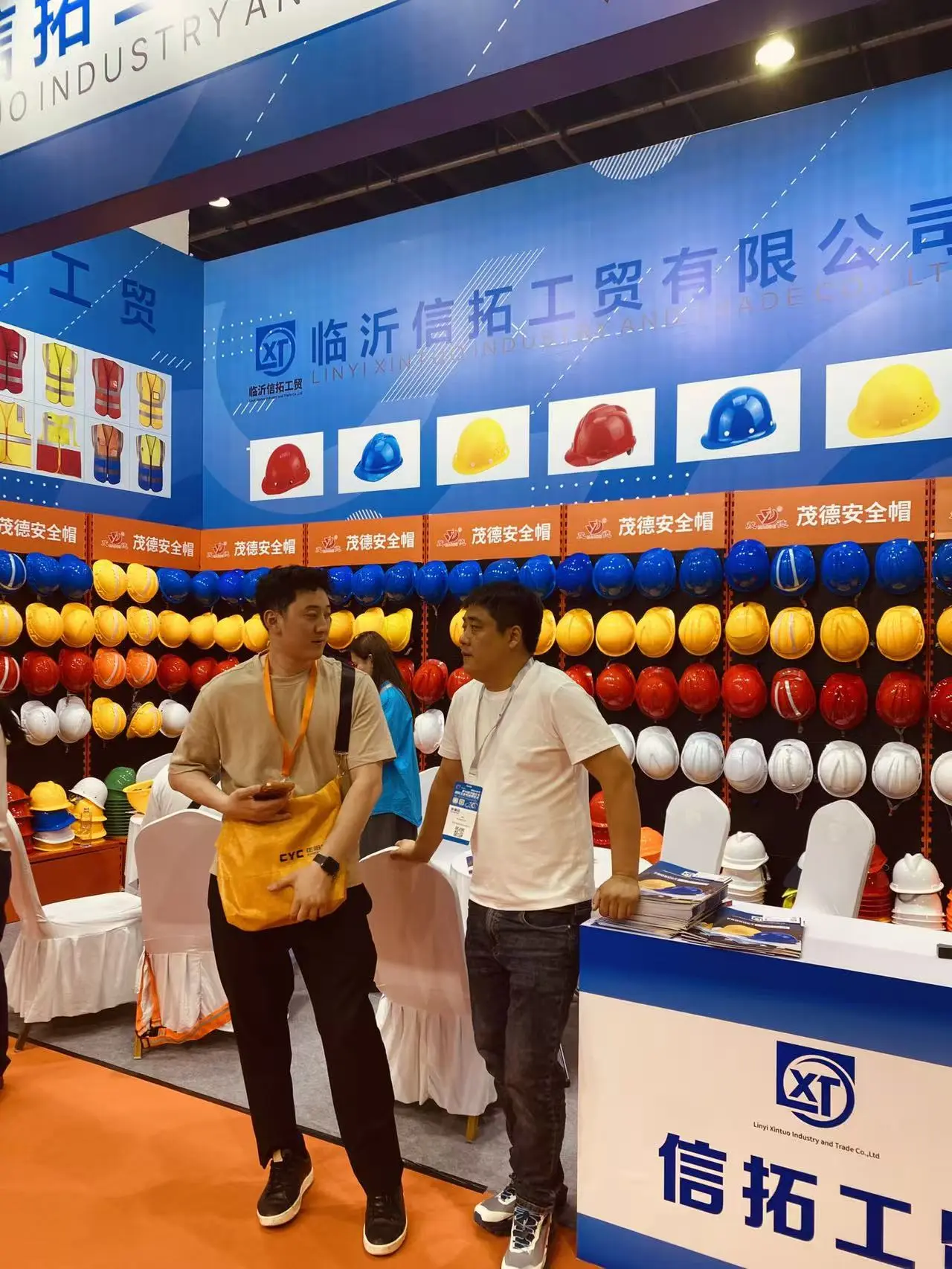
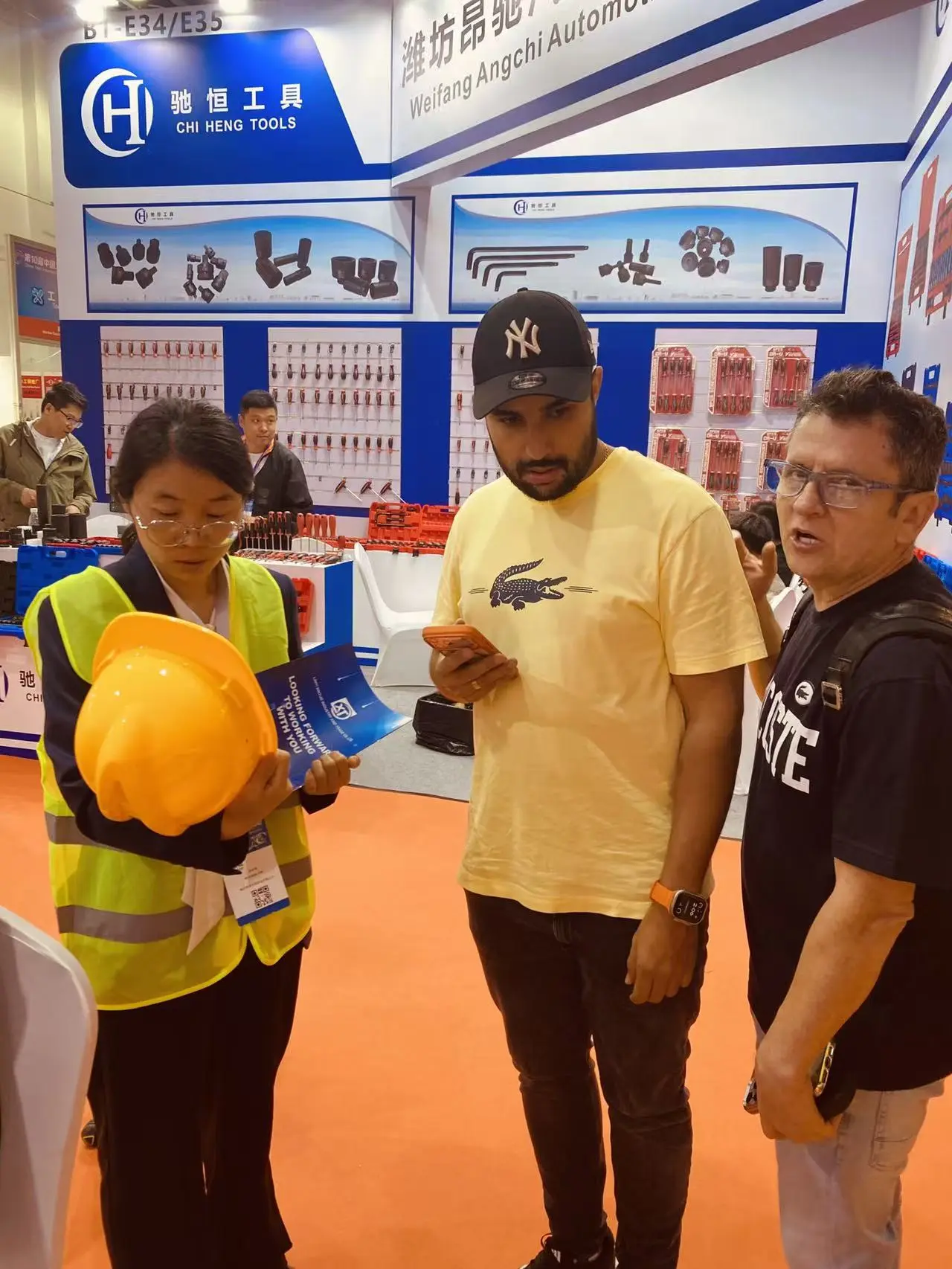
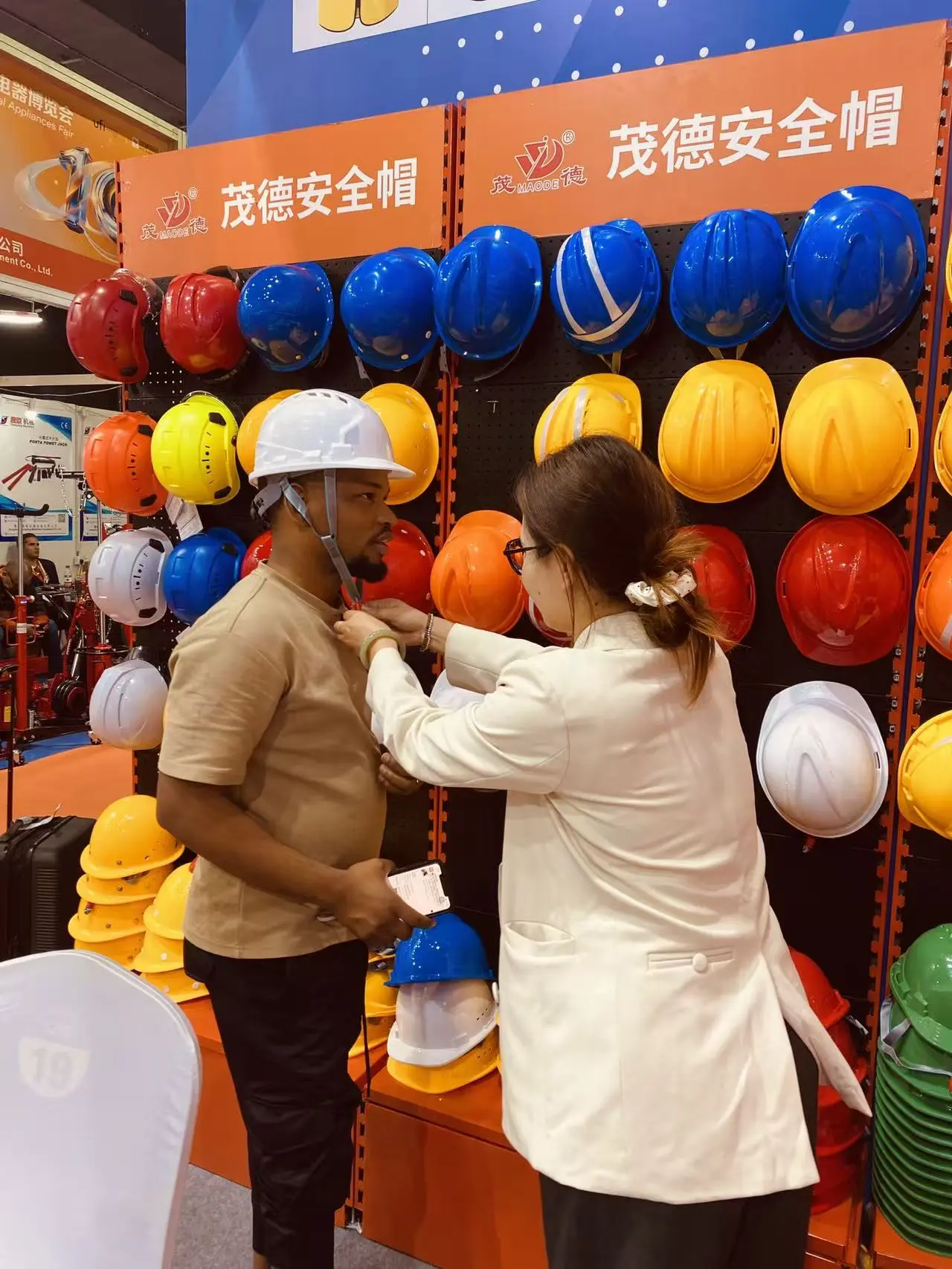
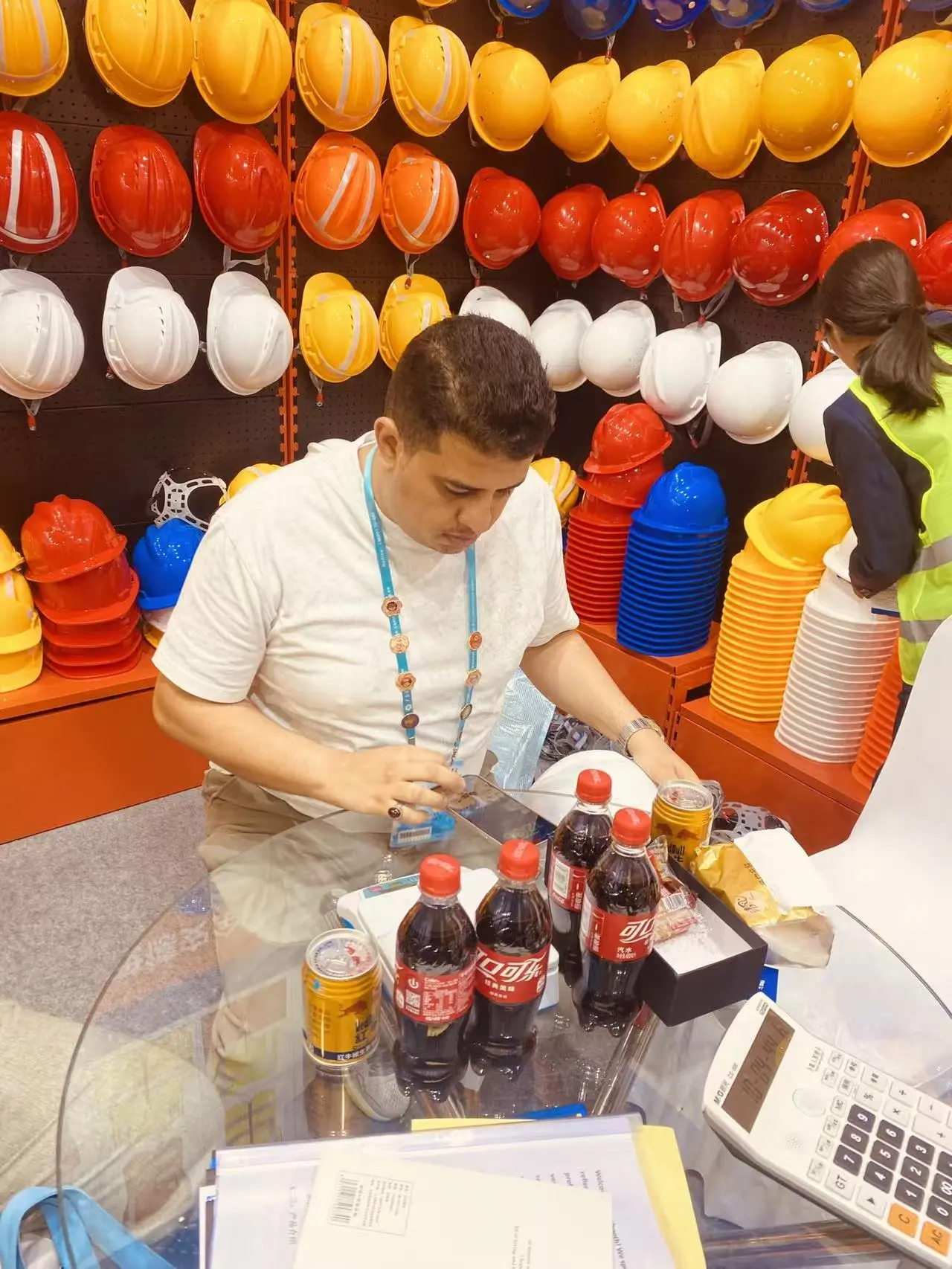
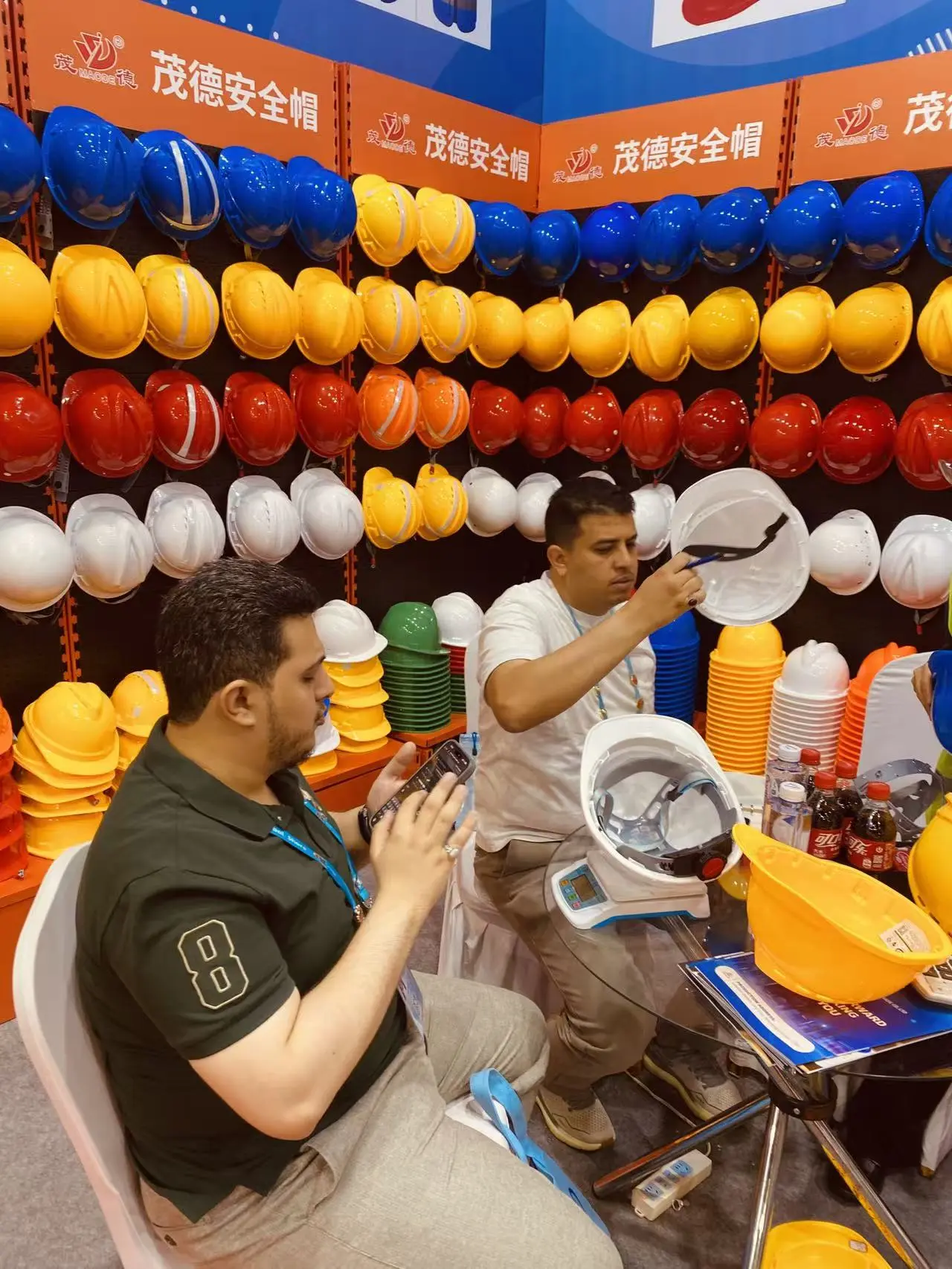
Connecting with global partners at exhibitions, building trust hand in hand.
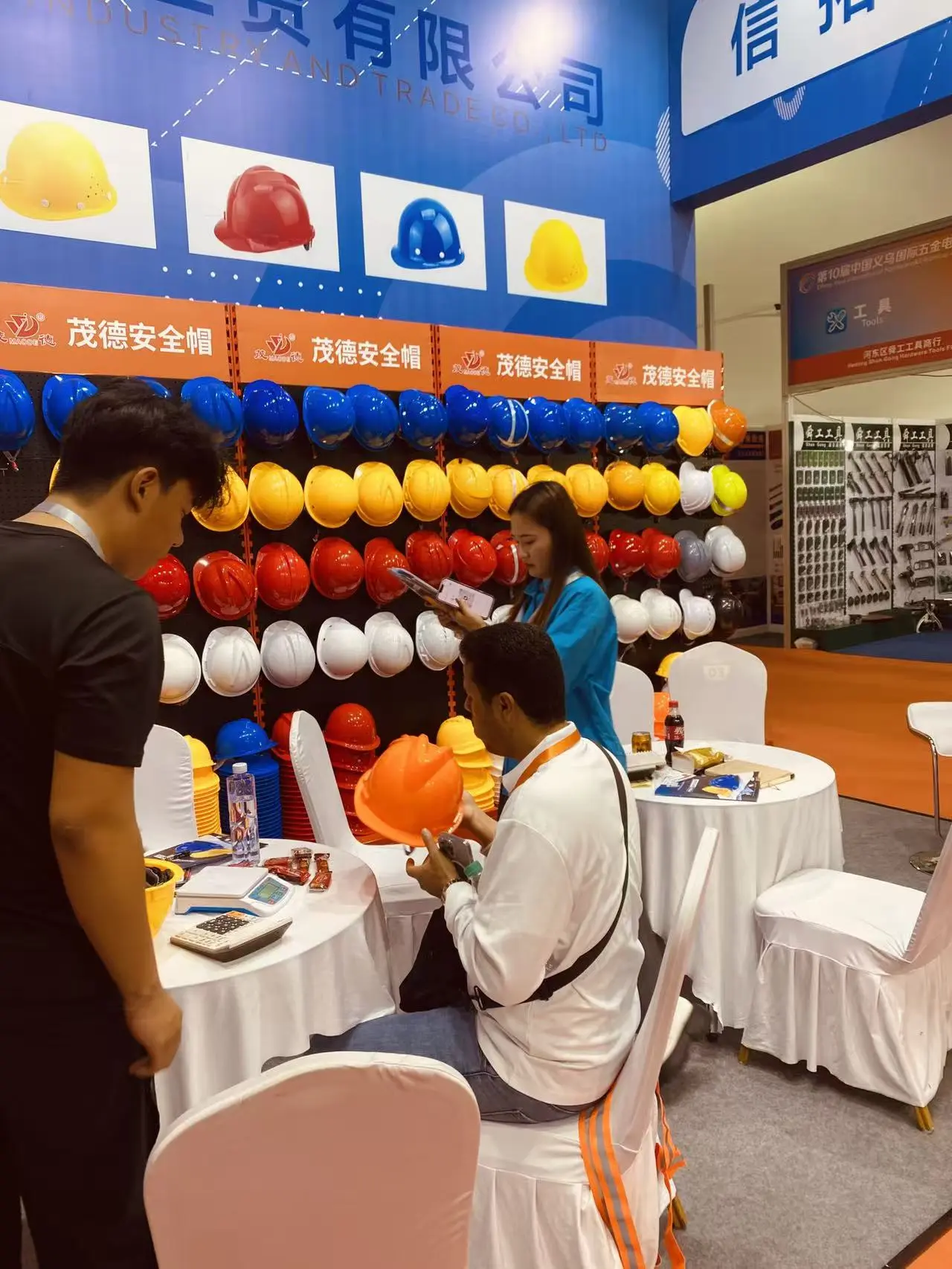
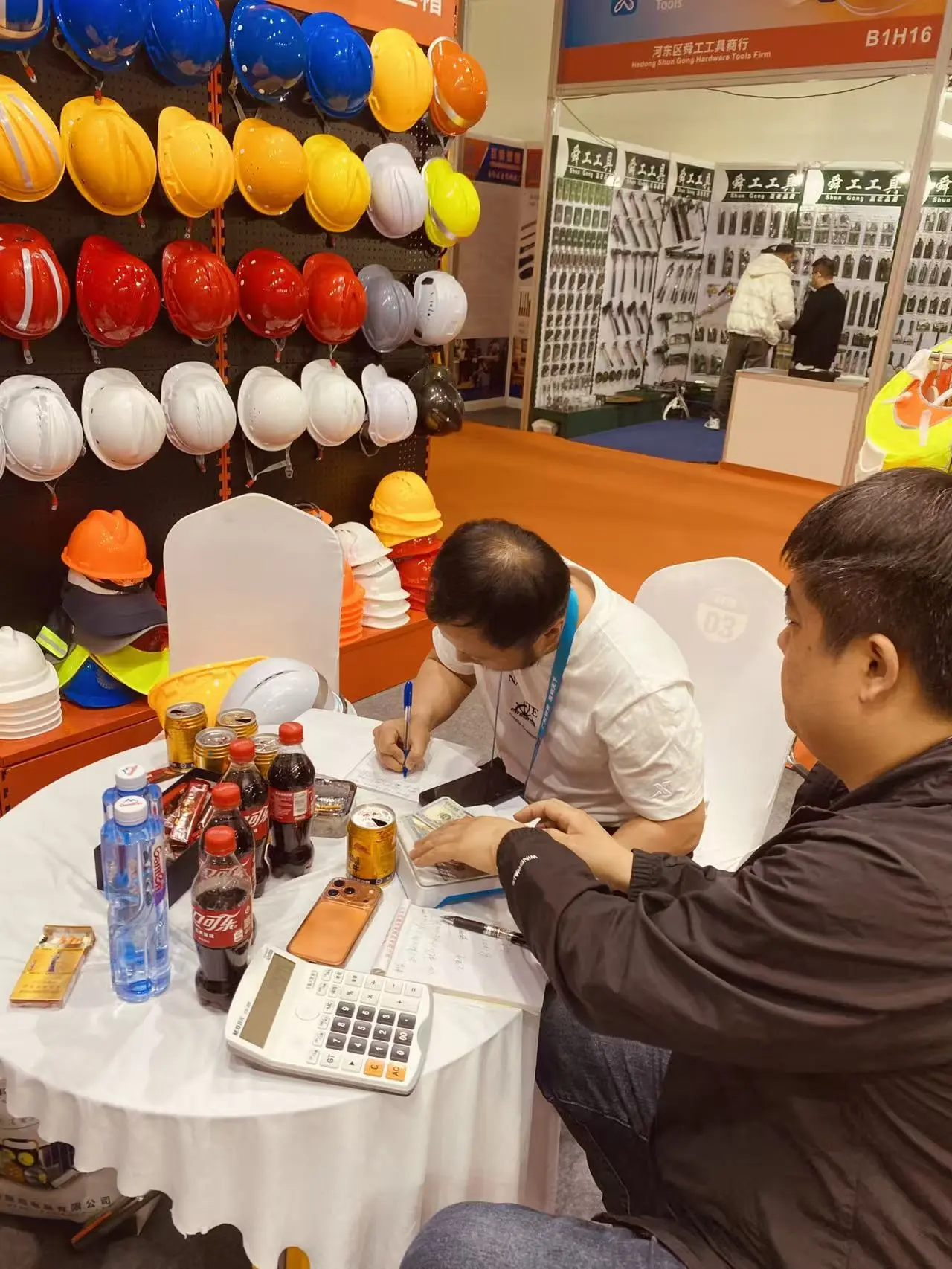
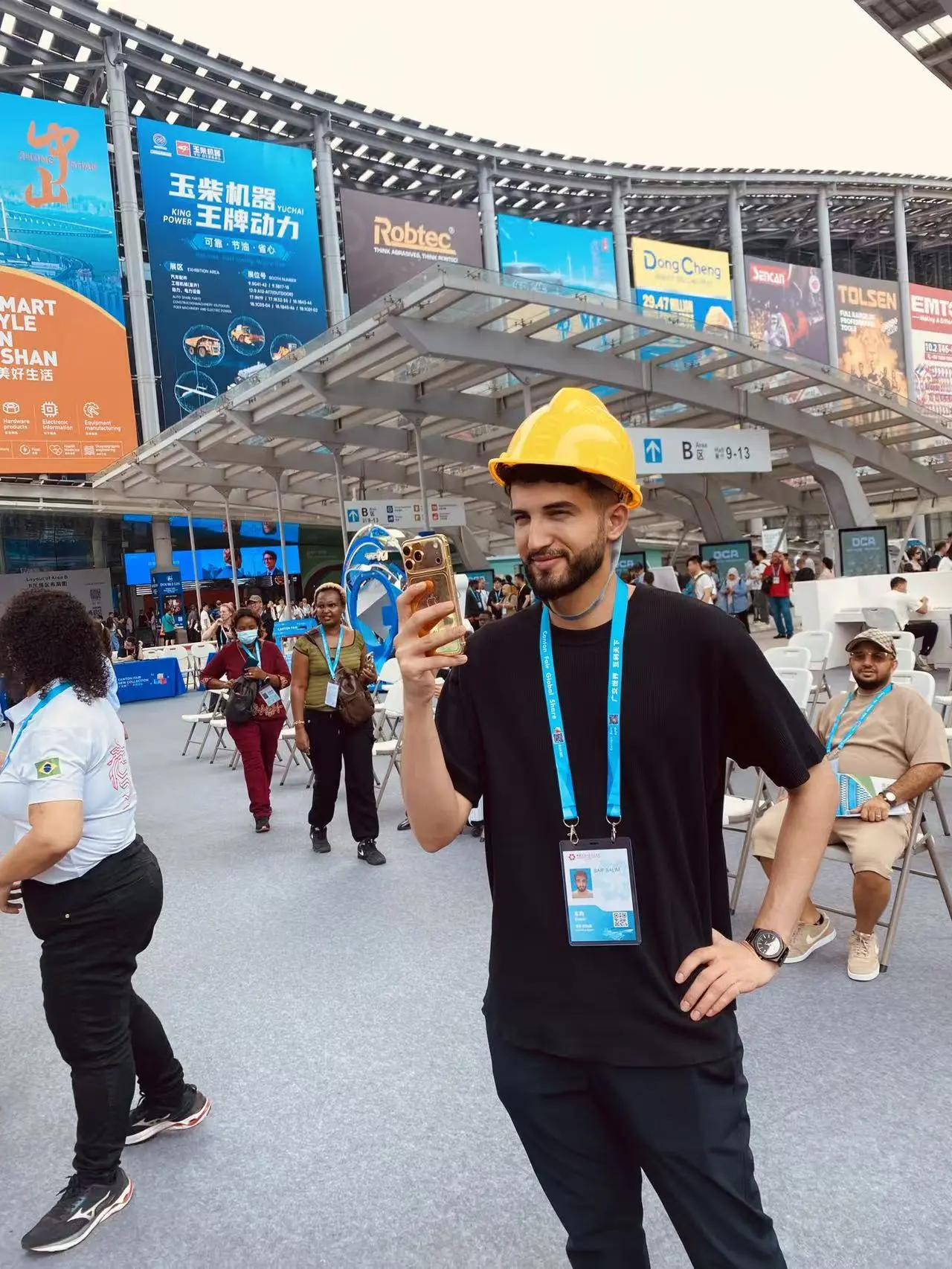
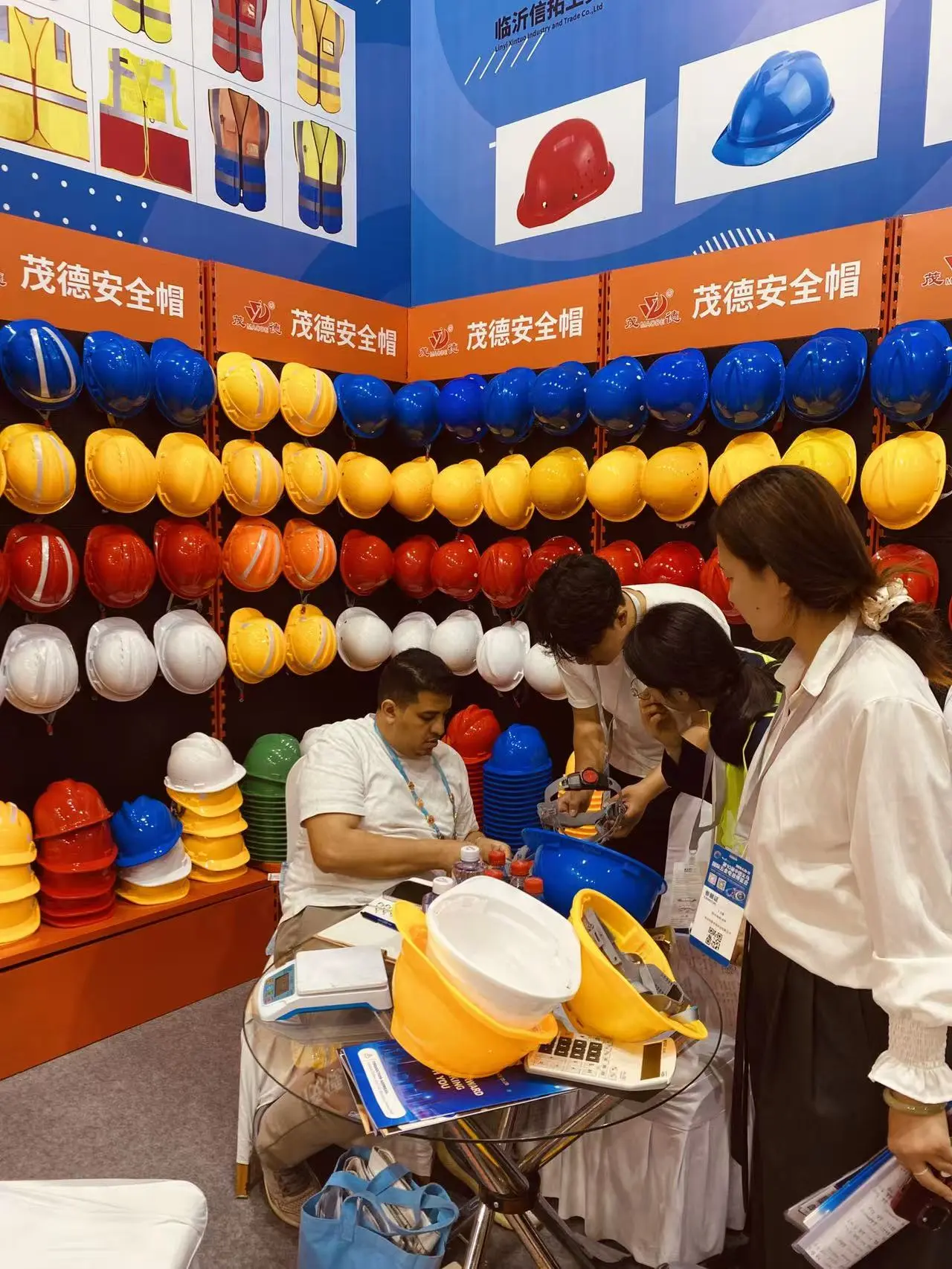
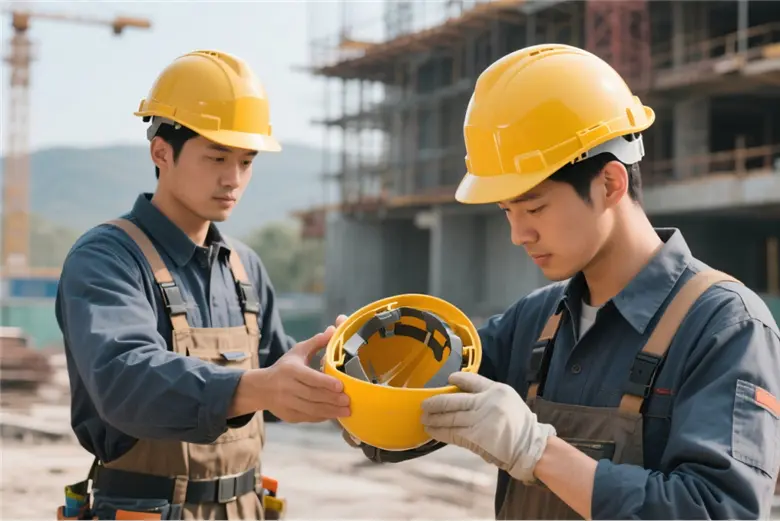
Understanding the physical consequences of improper PPE usage in real-world environments.
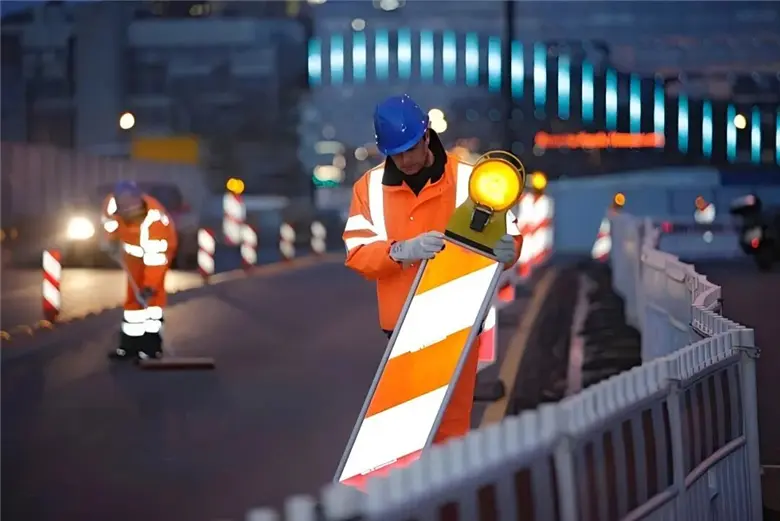
Failure to secure vests properly or wearing faded high-visibility clothing reduces reaction time for heavy machine operators from 7 seconds to under 1.5 seconds, posing severe risk.
Unauthorized drilling of holes or structural modifications severely impacts structural integrity. At a construction site, a worker's modified helmet failed under dynamic impact. Strict training and compliance audits remain critical.
Technical specifications, retroreflective material longevity, and high-performance backing fabric systems.
When choosing high-visibility apparel, selecting the backing fabric is critical. High-visibility vests primarily use two options: 100% polyester warp-knit (solid) fabric and 100% polyester mesh fabric. Warp-knit solid polyester fabrics (typically 120-130 gsm) offer high tensile strength and print clarity, making them suitable for cool climates or tasks requiring high chemical resistance. Conversely, polyester mesh fabrics (ranging from 110-120 gsm) feature a porous structure that maximizes airflow. This helps reduce the wearer's core temperature in hot environments and under heavy physical workloads.
Retroreflective tape works by redirecting light back to its source, such as vehicle headlights. Glass-bead technology utilizes microscopic glass spheres embedded in a polyurethane layer to refract and reflect light. This type of tape is flexible, cost-effective, and widely used for standard Class 2 and Class 3 vests. Microprismatic tape, on the other hand, utilizes arrayed micro-prisms to bounce light internally before returning it. It offers significantly higher retroreflective performance ($R_A \ge 330 \, \text{cd/lx/m}^2$) and performs better under wet conditions. This makes it ideal for high-risk highway settings and maritime rescue operations.
A common failure point for safety vests in industrial environments is the degradation of the reflective tape after repeated washes. Both ANSI/ISEA 107 and EN ISO 20471 mandate that reflective materials maintain a minimum level of retroreflection after a specified number of wash cycles (typically 25 to 50 washes at $60^\circ\text{C}$). Xintuo's testing facility simulates these conditions, analyzing the retroreflective coefficient after wash tests to ensure the gear remains compliant throughout its operational lifespan.
With global procurement policies shifting toward sustainable sourcing, we are integrating recycled polyester (RPET) yarns derived from post-consumer plastic bottles into our safety fabrics. These eco-friendly materials maintain high tensile strength and meet the exact chromaticity coordinates required by safety standards, helping clients reduce their scope 3 carbon emissions.
Our standardized management mode, combined with ISO-certified processes, guarantees consistent product excellence across all batches.
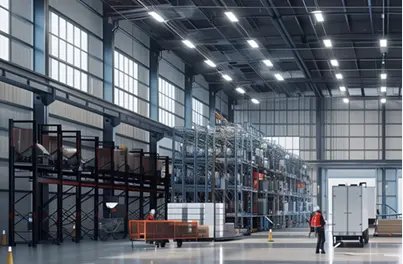
Our entire catalog is engineered to meet or exceed international safety standards, including CE, ANSI, and EN. We deploy specialized quality control systems to verify fabric compliance before production.
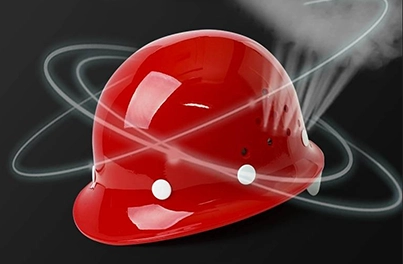
We leverage cutting-edge material science, utilizing fiberglass composites and high-impact polymers that offer superior strength-to-weight ratios compared to traditional materials.

We provide comprehensive after-sales support, including technical guidance and maintenance services, to ensure uninterrupted protection for end-users.

The company places a strong emphasis on customer-centric solutions, offering customized design services to meet specific industry requirements.
The product portfolio includes industrial safety helmets and high-visibility workwear, all engineered to meet or exceed international safety standards such as CE, ANSI, and EN.
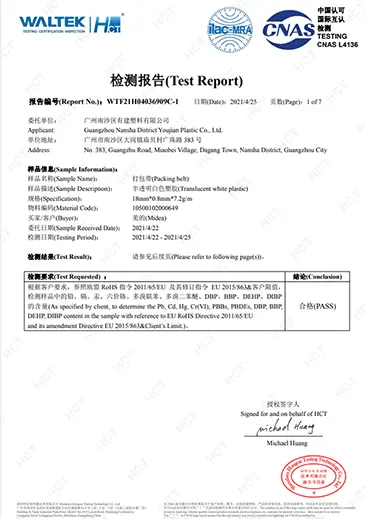
The company places a strong emphasis on customer-centric solutions, offering customized design services to meet specific industry requirements.

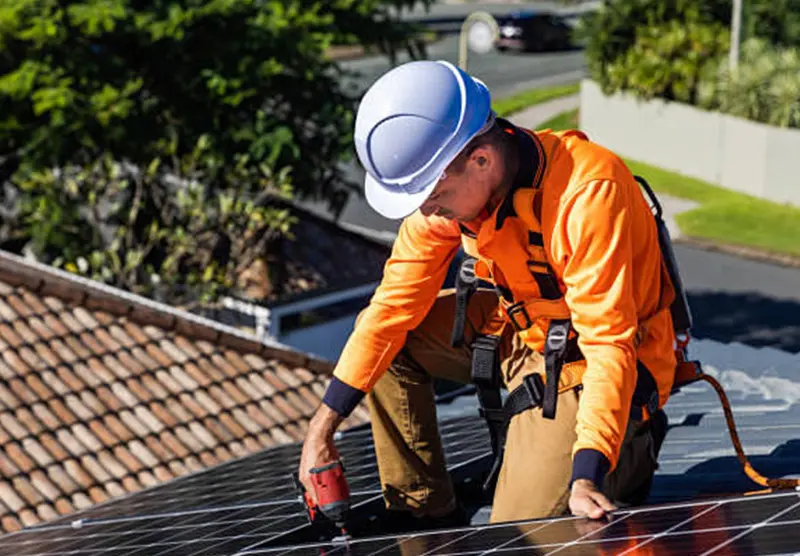
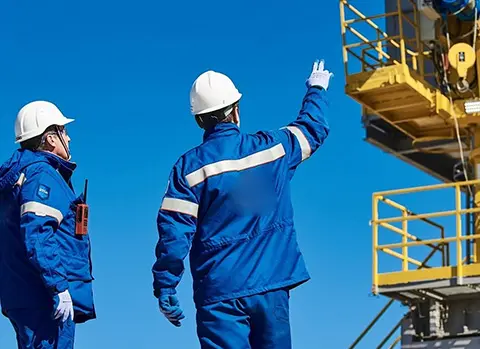
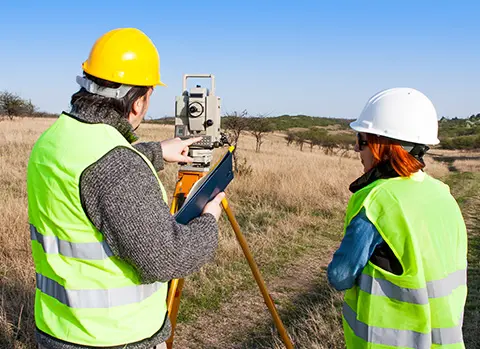

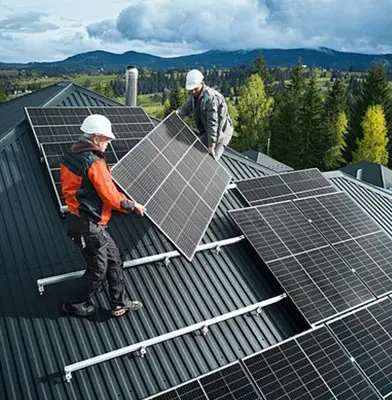
Real-world deployments of our integrated personal protective equipment in infrastructure development projects.
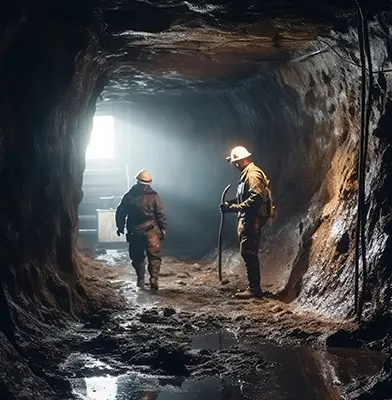
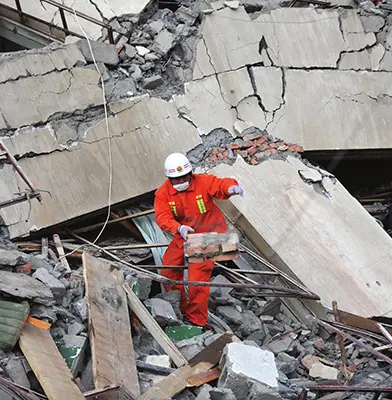

How Xintuo is integrating IoT sensors, active lighting systems, and advanced polymers into our next-generation protective gear.
The future of occupational protection lies in active visibility and smart connectivity. Standard retroreflective vests rely on external light sources (like vehicle headlights) to reflect light. However, in scenarios with zero ambient light or blind corners, passive reflection may not be enough. Xintuo is currently developing active illumination vests that feature integrated, flexible LED strips powered by lightweight rechargeable battery packs.
Additionally, integrating RFID and BLE (Bluetooth Low Energy) chips directly into safety garments allows site management systems to track personnel positions and verify proper PPE compliance in real time. Our material science division is also researching self-cooling fabrics that react to humidity levels, helping to improve worker comfort in challenging environments.
Technical advice and procurement details direct from our engineering and export departments.
A1: We Are a Direct Manufacturer. Our factory specializes in producing safety helmets and reflective safety vests, managing the entire process from polymer formulation to textile stitching.
A2: We provide you with free samples to verify fabric quality and retroreflective compliance. The sample shipping cost will be borne by the recipient.
A3: We accept delivery terms including FOB, CFR, CIF, and EXW. Supported payment currencies include USD, AUD, CAD, SGD, EUR, GBP, HKD, and JPY via TT or LC.
A4: We offer OEM/ODM services for both product designs and custom packaging. This includes custom fabric dye formulations, specialized tape placement, and custom logo printing.
A5: Yes, we can. Simply contact us with your specifications, logo artwork files, and regional safety standard requirements. Our design team will prepare digital mockups for approval.
A6: Delivery times depend on the total order volume and customization requirements. Standard containers typically require 20 to 30 days to manufacture and ship. For domestic deliveries within China, transport takes approximately 7 to 14 days.
A7: ANSI Class 2 safety vests require a minimum of 775 square inches of background fabric and 201 square inches of retroreflective material. They are designed for workers near traffic moving between 25 and 50 mph. Class 3 safety vests are designed for high-speed zones exceeding 50 mph. They require a minimum of 1,240 square inches of background fabric and 310 square inches of retroreflective material, and must feature sleeves with reflective strips to outline the human silhouette.
A8: GSM (Grams per Square Meter) measures fabric density. A higher GSM, like 120-130 gsm, indicates a tighter weave that offers higher abrasion resistance and strength. This is ideal for rugged applications like steelwork and utility services. In contrast, 110 gsm fabrics provide a lighter, more breathable structure suited for hot-weather environments.
Compare technical configurations and request customized quotes for safety clothing, helmets, and composite components.
 Xintuo