10 Best Reflective Pants for Work and Safety?

Time:2026-10-07 Author:Sienna
0%

Choosing the right workwear can affect visibility, comfort, and confidence during demanding shifts. Reflective Pants are designed to help workers remain noticeable near traffic, machinery, warehouses, and poorly lit job sites. However, not every pair performs equally well. Tape placement, fabric weight, stitching quality, pocket design, and weather resistance all deserve careful attention.

A useful review should look beyond bright colors and product photographs. Strong candidates should provide reflective coverage around the legs, especially when workers move, kneel, or climb. Wide silver bands can catch headlights, while fluorescent panels may improve daytime visibility. Fit matters too. Pants that restrict movement can become a safety concern, even when their reflective trim looks impressive. They should accommodate work boots, tool belts, and seasonal layers without dragging across wet floors.

Small details reveal real quality.

Our selection considers practical workplace demands, including night inspections, road maintenance, construction, delivery work, and outdoor repairs. We examine material durability, seam strength, wash performance, ventilation, and useful storage. Where available, product claims should be checked against manufacturer documentation and relevant visibility standards, such as ANSI/ISEA 107 in applicable workplaces. Certification alone does not guarantee comfort or long-term performance. That point is easy to overlook. No product suits every crew, climate, or budget, and some recommendations may perform differently after repeated washing. This guide to the 10 best Reflective Pants for work and safety offers a balanced starting point, helping you compare proven features with realistic limitations before making a purchase.
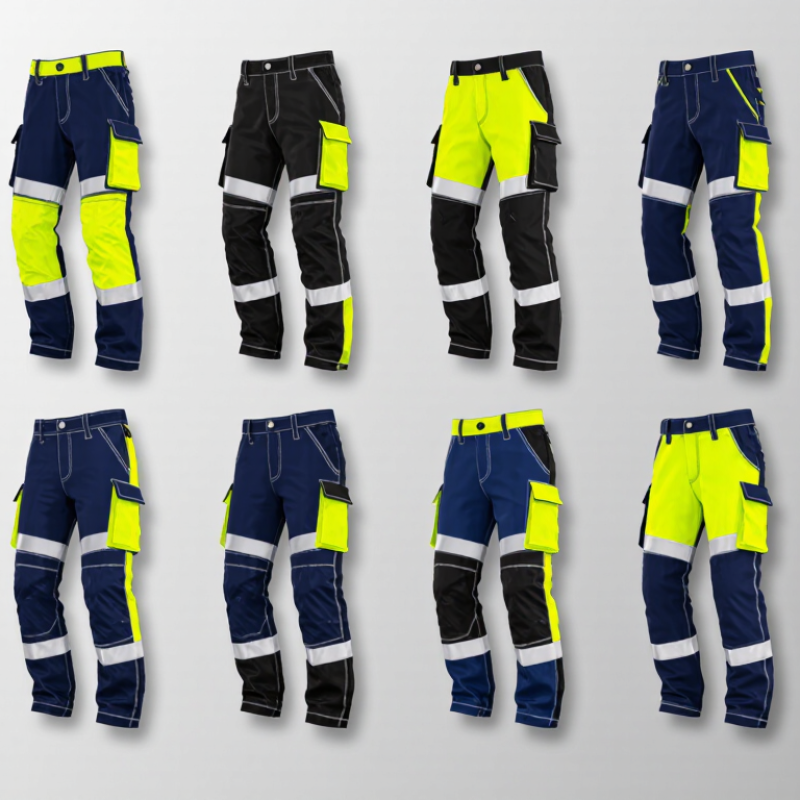
10 Best Reflective Pants for Work and Safety?

What Reflective Work Pants Are and How They Improve Safety

Reflective work pants are trousers designed to make workers easier to see in dim or busy environments. They usually combine durable fabric with bright fluorescent panels and retroreflective tape. The tape sends light back toward its source, such as vehicle headlights. Ordinary fabric may appear visible during daylight, but it can disappear into shadows at night. Visibility is the purpose. When a worker walks, the moving reflective strips also help drivers recognize human movement.

These pants support safety around road crews, construction areas, warehouse yards, and utility work. A worker’s legs move constantly, creating a useful visual signal. This signal may help a driver notice distance and direction sooner. Good designs place reflective bands around the lower legs and use contrasting colors. Fit matters. Loose cuffs can catch on equipment, while overly tight trousers may restrict movement. Look for strong stitching, breathable fabric, secure pockets, and visibility features suitable for the work environment.

It is tempting to believe brighter clothing solves everything. It does not. Reflective pants cannot replace lighting, barriers, communication, or safe work procedures. Dirt, rain, grease, and repeated washing can reduce reflective performance. I once underestimated how quickly worn tape could lose its sharp appearance. A practical inspection should check faded panels, cracked tape, damaged seams, and poor fit. Recognized high-visibility requirements may also differ by task and location, so workplace guidance deserves attention before purchase.

Reflective Work Pants: Minimum High-Visibility Material Requirements

ANSI/ISEA 107 performance classes specify minimum material areas for high-visibility garments. Class E trousers provide supplemental visibility and can be combined with a Class 2 or Class 3 garment to improve worker conspicuity in low-light and high-traffic environments.

Key Features to Compare in Reflective Work Pants

When comparing reflective work pants, visibility deserves more than a bright color check. Look at the placement, width, and coverage of retroreflective tape. Bands around the lower legs help drivers notice movement. Vertical strips can improve recognition from the side. Check whether the reflective areas remain visible while kneeling, climbing, or carrying tools. A strong contrast between the fabric and tape also matters in rain, dusk, and dusty work areas.

Comfort affects safety too. Choose a fit that allows walking, squatting, and stepping over equipment without pulling at the seams. Stretch panels may improve movement, but thin fabric can wear faster around the knees. Reinforced knees, bar-tacked pockets, and durable stitching are useful details. Test the pocket layout with gloves on. Small pockets can become frustrating when holding a tape measure, radio, or keys.

Weather resistance should match the job, not the product description alone. Water-repellent fabric helps in light rain, while breathable panels reduce heat during active work. Inspect the care label carefully, because harsh washing can weaken reflective performance. Certified visibility ratings may offer useful guidance, but workplace conditions still require judgment. No pair handles every hazard. A pant can look highly visible yet fit poorly, restrict movement, or lose brightness after repeated washing. That weakness is easy to overlook.

Top 10 Reflective Pants for Different Work Environments

10 Best Reflective Pants for Work and Safety

The best reflective pants depend on the worksite, weather, and movement required. Road crews need high-visibility trousers with broad reflective bands and durable knee panels. Utility workers benefit from stretch fabric, tool pockets, and visibility around vehicles. Railway teams need bright contrast for dim platforms and trackside work. Warehouse staff may prefer lightweight reflective cargo pants for long indoor shifts. Delivery workers need flexible designs that remain visible during repeated loading. Construction workers often need reinforced seams and protection from dust. Cold-storage teams should choose insulated reflective pants that fit over thermal layers. Rain-exposed workers need water-resistant shells. Mining crews require abrasion-resistant materials and strong contrast. Emergency-response teams need fast-drying trousers with unrestricted movement.

The U.S. Bureau of Labor Statistics reported 5,283 fatal work injuries in 2023, with transportation incidents remaining the leading event category. Visibility cannot replace training or traffic controls. It supports them. ANSI/ISEA 107-2020 provides performance guidance for high-visibility apparel, including background material, reflective material, and garment design. Check the garment label, coverage, and cleaning instructions before purchase. A reflective strip hidden under a jacket is not useful. Neither is fabric covered in road dust. My practical concern is ranking pants as “best” without observing the actual shift. Comfort is easy to underestimate, yet workers may loosen or remove uncomfortable clothing. That weakens the safety benefit. Data helps, but site conditions still decide.

How to Choose the Right Fit, Material, and Visibility Class

10 Best Reflective Pants for Work and Safety?

Choosing reflective work pants starts with fit, not fashion. A loose waistband can snag near machinery, while tight knees restrict climbing and crouching. Try the pants with work boots and a tool belt. Sit, kneel, and step upward before buying.

Material matters under pressure. Polyester blends dry quickly, but cotton-rich fabrics may feel cooler against the skin. Look for reinforced knees, bar-tacked pockets, and wide reflective bands around the lower legs.

The bands should remain visible when you bend or carry equipment. ANSI/ISEA 107-2020 separates high-visibility apparel into performance classes, while EN ISO 20471 uses visibility classes based on fluorescent and retroreflective areas.

Class 2 or Class 3 protection may suit traffic-facing work, but the site assessment decides. More reflective fabric is not automatically safer.

Visibility is serious. The U.S. Bureau of Labor Statistics recorded 1,942 transportation incidents in 2023, representing 36.8% of fatal workplace injuries. Pants cannot replace lighting, safe positioning, or trained supervision. They also lose performance when reflective tape cracks, peels, or becomes covered by mud.

Tips: Check the care label before washing. Avoid harsh bleach and high heat unless permitted. Inspect the ankle bands weekly. Replace damaged sections promptly. I once underestimated pocket placement; a phone pressed against the thigh made kneeling uncomfortable. Small details can change whether workers actually wear the garment.

Care, Maintenance, and Safe Use of Reflective Work Pants

Reflective work pants protect only when their visibility features remain clean, bright, and unobstructed. The U.S. Bureau of Labor Statistics recorded 1,942 fatal transportation incidents in 2023, representing about 37% of all workplace deaths. That figure makes routine garment care more than a housekeeping task.

Wash pants according to the care label, using mild detergent and cold or warm water. Avoid bleach, fabric softener, and harsh solvents, which can weaken reflective tape and fluorescent fabric. Air-drying is safer than high heat. A dryer can cause tape edges to curl or separate. Check the pants after every shift. Look for oil stains, torn seams, faded fabric, cracked tape, and loose fasteners. Small damage can become a serious visibility problem.

Fit matters too. ANSI/ISEA 107-2020 emphasizes garment design, visibility materials, and appropriate performance classes. Wear the correct class for traffic exposure and work conditions. Keep reflective bands visible; do not cover them with tool belts, jackets, or untucked shirts. Pants should not drag, because dirty hems reduce contrast and create a trip hazard. I once treated a gray, grease-marked pair as “still usable.” That was poor judgment. Replace heavily stained or damaged garments, even when the fabric feels strong. Reflective pants support safe work practices, but they cannot replace lighting, traffic controls, or attentive behavior.

FAQS

What are reflective work pants designed to do?

They help workers remain visible in dim, busy, or traffic-facing areas. Moving reflective bands can reveal a person’s direction. Visibility helps, but it is not protection by itself.

Where are reflective work pants commonly useful?

They suit road work, construction zones, warehouse yards, and utility tasks. They are especially useful near moving vehicles or equipment.

How should reflective work pants fit?

Try them with work boots and a tool belt. Sit, kneel, climb, and step upward before buying. Loose cuffs can snag. Tight knees can restrict movement.

Which materials and features should workers consider?

Quick-drying blends suit wet conditions, while cotton-rich fabrics may feel cooler. Reinforced knees, strong stitching, secure pockets, and wide ankle bands add practical value.

What visibility class should workers choose?

The correct class depends on traffic exposure, lighting, and site conditions. Higher visibility is not automatically safer. Workplace guidance should decide the suitable level.

How should reflective work pants be washed?

Follow the care label. Use mild detergent and cold or warm water. Avoid bleach, fabric softener, and harsh solvents. Air-drying is usually gentler than high heat.

How can workers inspect reflective pants?

Check them after each shift for mud, oil, faded panels, cracked tape, loose fasteners, and torn seams. Inspect ankle bands weekly. Replace serious damage promptly.

Can reflective pants replace lighting and traffic controls?

No. They cannot replace lighting, barriers, communication, safe positioning, or supervision. Keep reflective bands uncovered by jackets, shirts, or tool belts.

When should reflective work pants be replaced?

Replace them when tape peels, seams fail, fabric fades, or grease remains after washing. I once treated a stained pair as usable. That judgment was poor.

Conclusion

Reflective Pants are designed to improve worker visibility in low-light, roadside, industrial, and outdoor environments by combining high-visibility colors with reflective strips that help others recognize movement from a distance. This guide explains how reflective work pants support safer job conditions and highlights the key features to compare, including reflective coverage, fabric strength, weather resistance, storage options, stretch, ventilation, and comfort during long shifts.

It also reviews ten types of Reflective Pants suited to different work environments, from construction and transportation to warehouse and utility work. Readers will learn how to select the right fit, material, and visibility class for their duties, climate, and required mobility. The guide concludes with practical advice on washing, inspecting, storing, and safely using reflective work pants so their visibility elements remain effective. Proper sizing, regular maintenance, and pairing them with other suitable protective clothing can help create a more comfortable and visible working routine.


Sienna

Sienna

Sienna is a skilled marketing professional with a deep expertise in our company’s core products and services. With a passion for innovation and detail, she plays a pivotal role in crafting insightful blog posts that not only highlight the unique features of our offerings but also provide valuable......