Choosing a Safety Helmet is not a style contest. On a construction site, the right model must suit the hazards, fit securely, and remain comfortable through long shifts. A helmet that rocks when a worker bends, presses against safety glasses, or loosens beneath a chin strap can become a daily distraction. Small details matter.
This 2026 guide compares ten helmets for construction workers, looking at impact protection, fit systems, ventilation, weight, accessory compatibility, and care requirements. Occupational-safety expert Dr. David Michaels has emphasized preventing workplace hazards rather than relying on workers to manage risk alone. Applying that principle here, our editorial rule is: “Choose head protection for the hazards workers actually face, not for the label alone.” This is a paraphrase of that prevention-first approach, not a verbatim quotation from Dr. Michaels.
No ranking can replace a site-specific hazard assessment or the manufacturer’s instructions. A lightweight helmet may feel better on a hot afternoon, while a model with compatible eye or hearing protection may suit another task. Even so, product descriptions do not tell the whole story. Fit varies. So do work conditions. Our comparisons aim to make trade-offs visible, while recognizing that some details require hands-on testing. Use this list as a careful starting point, then confirm that your chosen helmet suits the job, fits each wearer, and is maintained as directed.
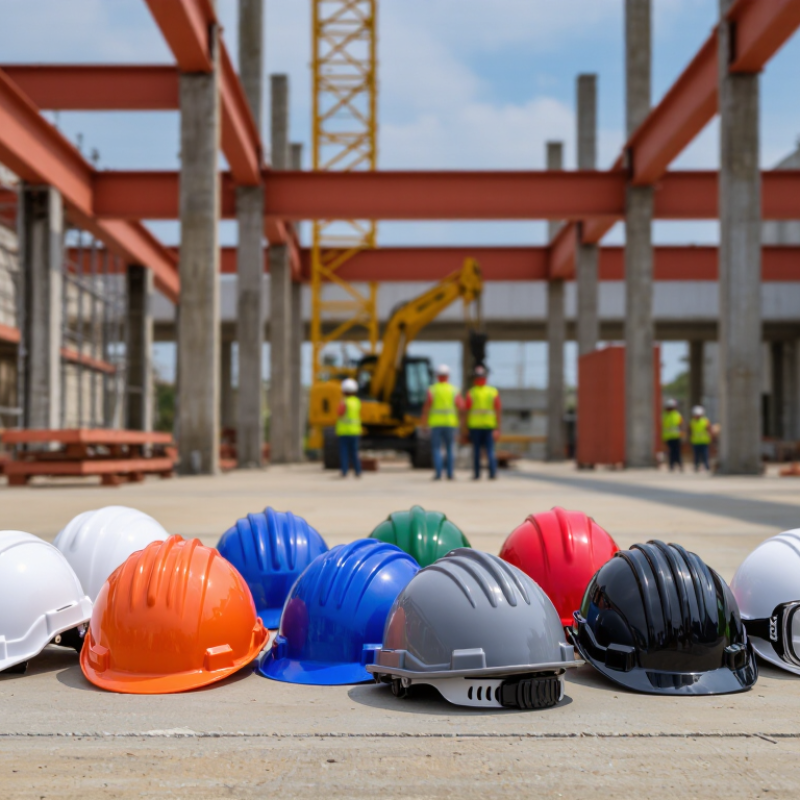
10 Best Safety Helmets for Construction Workers in 2026
Construction sites expose workers to hazards from above and around them. A wrench slipping from a scaffold, a swinging load, or a low beam can deliver a sudden blow. A properly selected safety helmet helps absorb and distribute impact, while its shell resists penetration. Some designs also provide electrical protection, but only when specifically rated for that use. Fit matters. A loose helmet can shift when a worker looks up or bends down. Check the suspension, shell, and chin strap before each shift. Replace damaged equipment according to its instructions.
The risk is not theoretical. A CDC/NIOSH analysis identified 2,210 work-related traumatic brain injury deaths among construction workers from 2003 through 2010. The U.S. Bureau of Labor Statistics recorded 1,075 fatal work injuries in construction in 2023; this figure covers all causes, not just helmet-related incidents. These reports show why head protection belongs in a wider safety plan, alongside securing tools and controlling overhead work. A helmet is not magic. It cannot prevent every injury or compensate for poor site controls. Choose protection suited to the task, keep it correctly adjusted, and report cracks or hard impacts rather than assuming the shell is still sound.
In 2026, check the helmet’s certification label, not just its shape. OSHA’s construction rule, 29 CFR 1926.100, requires head protection where workers face hazards such as falling objects or electrical contact. ANSI/ISEA Z89.1-2014 (R2019) distinguishes Type I helmets, tested for top impact, from Type II helmets, tested for top and lateral impact. A low beam or swinging load can make side protection relevant. Fit matters.
Electrical class matters too. Class G offers limited voltage protection, Class E is tested at a higher voltage, and Class C provides no electrical protection. These test ratings are not permission to approach live equipment.
CPWR’s 2024 The Construction Chart Book reports 1,069 construction worker deaths in 2022, using Bureau of Labor Statistics data; that figure is not a count of helmet-related deaths, but it shows why site-specific hazard checks matter.
Inspect the shell, suspension, chin strap, and date or service guidance before use. Cracks, UV exposure, and a loose fit can undermine protection. A certified helmet can still be the wrong choice for a particular task. It is easy to overlook side impacts during routine work.
Helmet choice should follow the hazards, not just the job title. The U.S. Bureau of Labor Statistics recorded 1,075 fatal work injuries in construction in 2023. That figure covers many hazards, but it underlines why crews should assess overhead, side-impact, and electrical risks before selecting head protection.
For work beneath scaffolds or around falling tools, a Type I helmet is designed for top impact; Type II models also address lateral impact. That extra coverage can matter near moving equipment or in tight spaces. Check the helmet’s fit, suspension, and chinstrap, too. Fit is often underestimated. A helmet that shifts when a worker looks upward may offer less dependable protection.
Electrical work calls for attention to the helmet’s class. Under ANSI/ISEA Z89.1, Class G and Class E helmets are tested for different electrical exposures; Class C offers no electrical insulation. Those test ratings are not permission to approach energized equipment. Match the helmet to the site’s documented hazard assessment, and inspect it for cracks, deformation, or damaged suspension. A worn shell can look fine at a glance. That is an easy detail to miss. Construction Research and Training (CPWR) and OSHA guidance also emphasize selecting and maintaining protective equipment for the actual task, rather than relying on one helmet for every condition.
Choosing among the 10 best safety helmets for construction workers in 2026 starts with the hazards on site, not appearance. The U.S. Bureau of Labor Statistics reported 1,075 fatal work injuries in construction in 2023. That figure covers many causes, not head injuries alone, but it underscores why protective equipment deserves careful review. Look for clear markings that identify the helmet’s applicable impact type and electrical class. Type I helmets protect against impacts to the crown; Type II models also address certain side impacts. Electrical protection varies by class. Check the current standard and the job’s requirements before buying.
Fit matters every shift. Adjust the suspension so the shell sits level, with space above the head and no pressure points. Then check chin-strap compatibility, ventilation, and whether earmuffs or a face shield can attach securely. A helmet that rocks when a worker bends to lift materials may be poorly adjusted, even if it meets a standard. Small details count. Replace a helmet after a significant impact, and follow its maker’s inspection and service-life guidance. Dust, sunlight, and rough storage can hide wear. One comparison chart rarely captures that reality, so test fit with gloves on and actual site accessories. It is an easy step to overlook.
Choosing a safety helmet starts with the hazard, not the color. OSHA’s construction standard, 29 CFR 1926.100, requires head protection where workers face potential injury from impacts, falling objects, or electrical hazards. ANSI/ISEA Z89.1 classifies helmets by impact type and electrical performance; check the helmet’s label and match it to the site assessment. A helmet rated for one hazard may not protect against another. The U.S. Bureau of Labor Statistics recorded 1,075 fatal work injuries in construction in 2023. That figure is a sobering reminder, not proof that a helmet alone prevents every injury.
Fit matters every shift. Adjust the suspension so the shell sits level and remains stable when you look up or bend down. Keep the manufacturer-specified clearance between the shell and your head; stuffing a cap beneath the suspension can interfere with fit. Chin straps may help where wind, climbing, or movement could dislodge the helmet. Try it with the eye and hearing protection you actually wear. Small pressure points become distracting by lunchtime.
Inspect the shell and suspension before use. Look for cracks, dents, UV fading, damaged straps, and loose fittings. Replace components only with parts approved for that helmet model. A hard impact means removing the helmet from service, even if damage is hard to see. Follow the manufacturer’s service-life guidance; age and harsh storage conditions matter. Keep helmets out of direct sun and away from heat and chemicals. It is easy to postpone an inspection when the shift is busy. That is exactly when a written check routine helps.
It helps absorb and distribute impacts from falling objects or bumps against low beams. It cannot prevent every injury.
Type I helmets are tested for impacts to the crown. Type II helmets are also tested for certain side impacts. Side impacts matter.
Class G offers limited voltage protection, while Class E is tested at a higher voltage. Class C offers no electrical protection. These ratings do not make live equipment safe to approach.
Set it level, with space above your head and no pressure points. Adjust the suspension and chin strap so it stays in place when you bend. Fit matters.
Check the shell, suspension, chin strap, and certification markings. Look for cracks, looseness, or visible wear. Dust can hide damage.
Replace it after a significant impact or when damaged. Follow its service-life and inspection guidance. A shell can look fine and still need attention.
No. Reported construction fatalities include many causes, not just head injuries or helmet-related incidents. The numbers still point to the need for broader site safety measures.
No. Secure tools and manage overhead work as part of a wider safety plan. A helmet is not magic.
Confirm that accessories attach securely and work with the helmet. Try the setup with gloves and actual site equipment. It is easy to overlook.
This guide explains how a Safety Helmet helps protect construction workers from impacts, falling objects, and other job-site hazards, while emphasizing that head protection works best when it is suited to the task and worn correctly. It outlines the key safety standards and features to check in 2026, including fit, comfort, compatibility with other protective equipment, and practical design considerations.
The article also compares helmet types for different construction activities and reviews ten options for workers to consider. It concludes with straightforward advice on choosing the right helmet, adjusting it for a secure fit, inspecting it regularly, and caring for it properly. By following these steps, workers can make informed choices and keep their head protection dependable throughout its service life.

Xintuo