How to Choose a Reflective Strap Vest for Global Sourcing?

Time:2026-10-12 Author:Liam
0%

Choosing a Reflective Strap Vest for global sourcing requires more than comparing prices. Buyers must examine visibility, material quality, supplier reliability, and intended working conditions. A vest may look bright in a product photo, yet perform poorly after repeated washing or outdoor exposure.

The sourcing process should begin with a clear use case. Will workers wear the vest near roads, warehouses, construction areas, or delivery zones? Consider reflective tape width, fluorescent fabric, adjustable straps, stitching strength, closure design, and available sizes. A lightweight polyester vest may suit warm climates, while a stronger design may perform better in rough industrial environments. Request physical samples. Photos can hide weak seams.

Supplier verification matters just as much. Review factory experience, inspection records, material declarations, and production capacity. Ask how reflective performance is tested and documented. Requirements differ across markets, so buyers should confirm applicable workplace safety and labeling rules with qualified local advisers. One certificate may not satisfy every destination.

Cost still matters, but the lowest quote can create hidden expenses. Poor sizing may increase returns. Weak packaging may damage goods during long-distance shipping. Unclear lead times can disrupt seasonal orders. A practical comparison should include unit price, sample fees, tooling, testing, packaging, transport, and replacement risk.

Small details matter.

Experienced buyers often test several samples under daylight and vehicle headlights. They check comfort, movement, color consistency, and strap adjustment. However, no checklist is perfect. Supplier claims may change, and laboratory results may not reflect daily wear. Build room for rechecking. A reliable sourcing decision combines documented evidence, hands-on evaluation, and honest risk assessment.
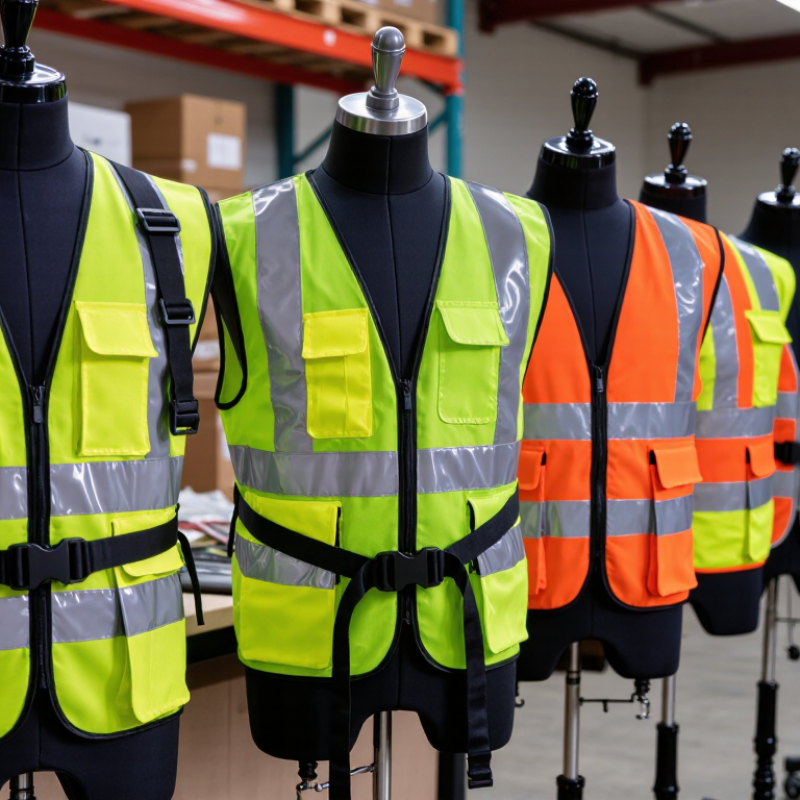
How to Choose a Reflective Strap Vest for Global Sourcing?

Define the Purpose and Performance Requirements of a Reflective Strap Vest

In global sourcing, a reflective strap vest should begin with its purpose, not its appearance.

Define who will wear it, where, and for how long. A vest for warehouse visitors differs from one used by road workers at night. Construction sites may require stronger visibility, wider reflective bands, and secure closures. Indoor users may need lighter materials and easier removal.

Specify the working environment carefully.

Consider daylight, rain, dust, vehicle traffic, and frequent movement. Fluorescent fabric supports daytime visibility, while reflective tape helps return light in darkness.

Check the tape’s width, placement, and coverage around the torso. Ask for documented test reports relevant to the destination market.

Do not rely on a bright sample alone. Color can fade after washing. Straps can twist during use. Buckles may loosen.

Fit also affects performance.

The vest should remain visible over jackets without restricting arm movement. Adjustable straps help, but excessive adjustment can create hanging ends or weak points. Request samples in realistic sizes and test them over actual work clothing. A simple movement test can reveal more than a product photograph.

The first specification is rarely perfect. That is normal.

Sourcing teams should record failures, revise measurements, and confirm production consistency. Check stitching, reflective alignment, odor, packaging, and wash performance before approving bulk production.

A lower price may look attractive, but poor visibility creates replacement costs and operational risk. Reliable suppliers should explain material choices clearly and provide traceable quality records.

Compare Reflective Materials, Visibility Levels, and Safety Standards

How to Choose a Reflective Strap Vest for Global Sourcing?

In supplier evaluations, I compare the reflective material before checking appearance. Glass-bead tape is affordable and flexible, but its brightness can drop at wider viewing angles. Prismatic material usually returns more light across broader angles. It may also cost more. Fluorescent yellow, orange, or red background fabric improves daytime recognition, but it is not reflective by itself. Mesh feels cooler in hot warehouses. Solid fabric can offer better coverage and durability.

Visibility levels must match the working environment. A vest used beside slow-moving vehicles may need less coverage than one used near fast traffic. Check reflective band width, horizontal placement, and the amount of visible background material. Some standards classify garments by visibility area, not simply by color. A higher class is not automatically suitable. Poor fit can twist the bands under a jacket.

Standards need careful verification. EN ISO 20471 and ANSI/ISEA 107 use different classification systems and testing details. Confirm the required standard, current edition, test reports, and target-country acceptance before ordering. Ask for wash-cycle results, colorfastness data, and performance testing after abrasion. I also request samples in the actual size range. A sample can look excellent on a flat table, yet perform poorly when worn. That mistake is easy to repeat. Reflective tape may peel at seams, while loose straps can reduce coverage during movement. Supplier claims should support, not replace, independent verification.

Select Suitable Fabrics, Strap Designs, Sizes, and Adjustable Features

How to Choose a Reflective Strap Vest for Global Sourcing?

Fabric selection affects comfort, visibility, durability, and shipping costs. Lightweight polyester mesh suits warm workplaces and reduces heat buildup. Oxford fabric feels stronger but may become uncomfortable in humid conditions. Check the fabric weight, colorfastness, tear resistance, and reflective performance after washing. A silver reflective tape can look bright in a showroom, yet lose clarity after repeated abrasion. Request laboratory reports and test samples before approving production.

Strap design should keep the vest stable without restricting movement. Wide shoulder straps distribute pressure better than narrow cords. Cross-back layouts can improve visibility from several angles. Strong bar-tack stitching matters at connection points, especially near buckles. Plastic buckles reduce weight, while metal parts may offer better strength but increase corrosion concerns. Small details matter.

Offer several sizes, not one adjustable “universal” option. Measure chest range, strap length, and overlap at the front. Sliding buckles, elastic sections, and hook-and-loop closures help workers wear the vest over different garments. However, excessive adjustment can create loose ends or uneven tension. I have found that fit checks with real users reveal problems that product drawings miss. Allow movement for bending and reaching. Keep reflective areas visible over jackets, not hidden under them. For global sourcing, record every measurement in a clear specification sheet and confirm destination-market requirements before mass production.

Evaluate Suppliers, Product Quality, Certifications, and Customization Options

How to Choose a Reflective Strap Vest for Global Sourcing?

When sourcing a reflective strap vest, evaluate the supplier beyond price and sample photos. Request factory details, production capacity, material records, and recent quality reports. A reliable supplier should explain where reflective tape, buckles, and fabric come from. Ask for a pre-production sample before approving bulk orders. Small details matter, such as smooth edges, secure stitching, and adjustable straps that do not loosen during movement.

Product quality should be tested under realistic conditions. Check visibility in low light, tape brightness, color consistency, and washing performance. Review relevant safety certifications and laboratory reports for your target market. Confirm the report matches the exact vest design, materials, and factory. I treat every certificate as a question, not proof. Documents can be outdated, incomplete, or unrelated to the supplied product.

Tips: Compare at least three suppliers. Ask for test methods and sample dates. Inspect ten finished vests, not just one. For customization, confirm logo placement, reflective pattern, colors, sizing, packaging, and minimum order quantity in writing. A digital mockup is useful, but physical samples reveal uncomfortable seams and weak fasteners. I once focused too much on appearance and overlooked strap adjustment; that mistake showed up during wear testing. Allow time for corrections, because rushing approval often creates expensive quality problems. Supplier communication also deserves testing: unclear answers before production may become serious delays later.

How to Choose a Reflective Strap Vest for Global Sourcing

Recommended evaluation weighting for comparing suppliers, product quality, certifications, and customization capability.

Product compliance and reflective performance receive the highest weighting because visibility apparel is commonly evaluated against applicable standards such as EN ISO 20471 or ANSI/ISEA 107. Supplier quality systems, customization capability, and delivery capacity should also be verified through documentation, samples, audits, and production records.

Plan Global Sourcing Costs, Compliance Checks, Shipping, and Order Management

Choosing a reflective strap vest for global sourcing requires more than comparing unit prices.
Build a cost sheet that includes samples, testing, packaging, freight, insurance, duties, and currency changes. A low quote can become expensive after small revisions. Leave a practical contingency.

Compliance checks should begin with the destination market and intended use.
Confirm reflective material performance, fabric composition, colorfastness, seam strength, and wash durability. Request current test reports, product specifications, labeling details, and factory quality records. Check whether the documents match the exact vest, not a similar sample. That mistake is easy to miss. It can delay approval.

Shipping decisions also affect the final cost.
Ask for carton dimensions, gross weight, packing lists, and production-ready dates before placing the order. Compare air and ocean options against your required delivery window. For order management, use a purchase order with approved drawings, size ratios, tolerances, inspection points, and change-control rules. Keep one digital record for samples, comments, invoices, and inspection results. A pre-shipment inspection can verify reflective strip placement, stitching, measurements, and carton quantities. However, inspection alone cannot fix poor planning. Set approval deadlines, monitor production weekly, and question unexplained changes in materials or delivery dates. Keep communication clear. Mistakes still happen.

FAQS

Which fabric suits a reflective strap vest in warm workplaces?

Lightweight polyester mesh helps reduce heat buildup. Check fabric weight, colorfastness, tear resistance, and washing performance. Oxford fabric feels stronger, but humidity may reduce comfort.

How should reflective tape be evaluated before production?

Request test samples and laboratory reports. Check brightness after washing and abrasion. A bright showroom sample may age badly.

What strap design improves comfort and visibility?

Wide shoulder straps distribute pressure better than narrow cords. Cross-back layouts can improve visibility from different angles. Strong bar-tack stitching matters near buckles.

Should buyers choose one universal size?

Offer several sizes instead. Measure chest range, strap length, and front overlap. Sliding buckles and elastic sections support different garments. Too much adjustment creates loose ends.

How can buyers check real-world fit?

Test vests with workers wearing jackets. Ask them to bend, reach, and walk. Keep reflective areas visible. Drawings often miss uncomfortable seams.

What supplier information should global buyers request?

Request factory details, production capacity, material records, and recent quality reports. Ask where the fabric, tape, and buckles originate. Compare at least three suppliers.

How should quality be tested before bulk approval?

Inspect visibility, color consistency, stitching, fasteners, and washing performance. Examine ten finished vests, not one. Test realistic movement and low-light conditions.

How can certifications and laboratory reports be checked?

Confirm the report matches the exact vest, materials, design, and factory. Check test methods and sample dates. A certificate is evidence, not automatic proof.

What customization details need written confirmation?

Confirm reflective patterns, colors, sizing, packaging, logo placement, and minimum order quantity. Review a physical sample, not only a digital mockup. Appearance alone can mislead.

Conclusion

Choosing the right Reflective Strap Vest for global sourcing begins with clearly defining its intended use, work environment, visibility needs, and performance requirements. Buyers should compare reflective materials, visibility levels, durability, breathability, and applicable safety standards to ensure the vest provides reliable recognition in low-light or high-traffic conditions. Fabric selection, strap width, stitching quality, sizing, closures, and adjustable features should also be assessed for comfort, fit, and long-term usability.

A dependable sourcing plan requires careful supplier evaluation, including production experience, quality-control procedures, testing records, certifications, and customization capabilities. Buyers should confirm options for colors, logos, packaging, size ranges, and design adjustments before placing an order. Total costs should include sampling, tooling, inspection, transportation, duties, and potential compliance testing. Clear specifications, documented quality checks, realistic lead times, and coordinated shipping arrangements can reduce risks and support smooth order management across international markets.


Liam

Liam

Liam is a dedicated marketing professional with a profound expertise in the industry, where he excels at highlighting the unique advantages of our core products. With a keen understanding of market trends and consumer needs, Liam frequently updates our company’s professional blog, providing......