Choosing the right insulated hard hat is crucial for safety in demanding environments. This protective gear not only shields your head from falling objects but also provides thermal insulation against temperature extremes. In industries like construction, maintenance, and electrical work, the right hard hat can make all the difference.
An insulated hard hat protects against electrical hazards and ensures comfort in various weather conditions. When looking for one, consider materials, weight, and fit. A hard hat shouldn’t be heavy or cumbersome. It should feel secure yet allow for proper airflow. Lightweight options can reduce fatigue during long hours of wear.
It's also wise to review safety ratings and certifications. Not all insulated hard hats are created equal. Understanding which features are necessary for your specific work environment is key. Reflecting on your needs can lead you to a better choice. Ultimately, the right insulated hard hat can enhance safety and comfort on the job.
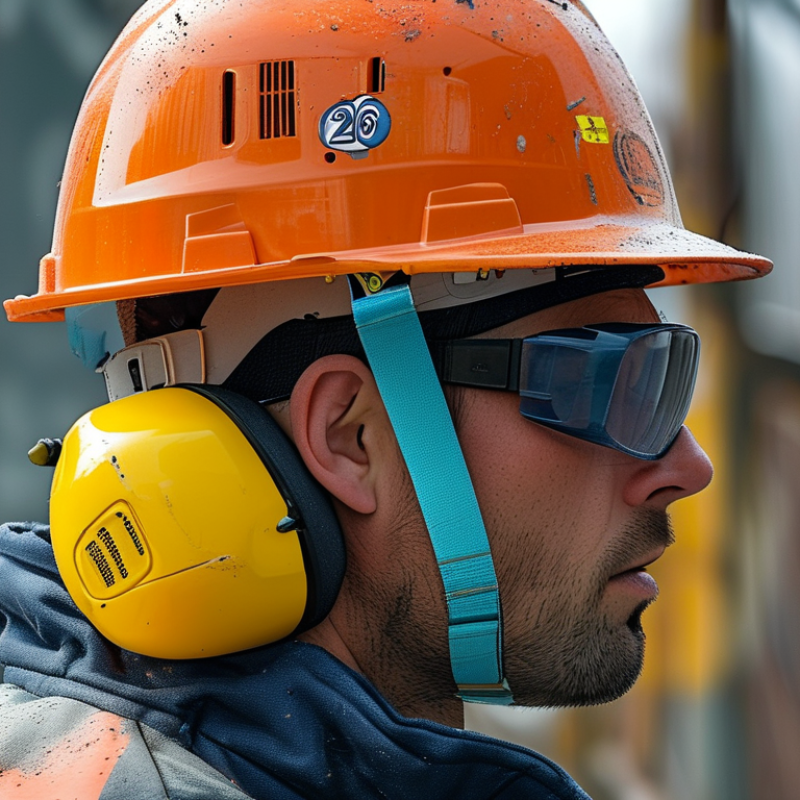
Understanding Insulated Hard Hats: Importance and Benefits
Insulated hard hats are essential for workers in environments with electrical hazards. According to the National Institute for Occupational Safety and Health (NIOSH), electrical-related injuries account for about 8% of workplace fatalities. These hats provide critical protection, preventing electrical shocks and injuries.
The importance of choosing the right insulated hard hat cannot be overstated. They are designed to resist electric shock and are tested to withstand a minimum of 20,000 volts. This can be lifesaving for workers in construction, utility, or maintenance sectors. Additionally, insulated hard hats often come with features like comfortable liners, adjustable fittings, and high visibility colors. These details enhance safety and comfort during long hours on the job.
Tip: Always check for certification marks on hard hats, ensuring they meet OSHA and ANSI standards. Also, remember to replace any hard hat that has been impacted, as its integrity may be compromised. Choosing the best insulated hard hat not only protects workers but also promotes a culture of safety. Regular training on hard hat use can further enhance protection.
Key Features to Look for in Insulated Hard Hats
When selecting an insulated hard hat, several key features should be considered. A crucial aspect is thermal insulation. A quality hard hat provides protection against extreme temperatures. Look for hats designed to resist both heat and cold. This feature ensures safety in various work environments, especially outdoors.
Another important factor is electrical insulation. Many jobs involve electrical hazards. A hard hat with adequate insulating properties can prevent serious injuries. Check for compliance with safety standards for electrical insulation. Testing and certifications are vital here.
Comfort also plays a role in safety. A well-fitted hard hat can prevent fatigue. Adjustable suspension systems enhance comfort during long hours. However, some may overlook this feature, leading to discomfort and diminished focus. Pay attention to weight as well. Heavier hats can feel cumbersome over time. Always prioritize comfort without compromising safety.
Selecting the Right Size and Fit for Maximum Safety
Selecting the right size and fit for an insulated hard hat is crucial for safety in hazardous work environments. According to the Occupational Safety and Health Administration (OSHA), a properly fitted hard hat can reduce the risk of head injuries by 70%. A hard hat must not be too loose or too tight, as both situations can lead to significant safety risks. If it's too loose, it can slip off and expose the wearer to potential dangers. If it's too tight, it can cause discomfort and distract from important tasks.
Measuring the head circumference is a vital first step. Use a fabric measuring tape just above the ears and around the forehead. Hard hats typically come in various sizes, from small to extra-large. Some models have adjustable suspension systems to accommodate head size variations. Data from the National Institute for Occupational Safety and Health (NIOSH) emphasizes that ensuring a snug fit enhances protection. A fit that allows for a two-finger gap between the band and the head is ideal, as it provides comfort and safety.
Many workers find it challenging to find the perfect fit. Some settle for a size that is not ideal due to limited options. This situation warrants reflection. Ensuring your gear fits correctly is not just about comfort; it’s about being safe on the job. As many as 30% of workers report experiencing discomfort from their hard hats, potentially leading to decreased productivity. Making the effort to find the right size is essential for safeguarding your health and safety at work.
Certification Standards for Insulated Hard Hats
When choosing an insulated hard hat, understanding certification standards is crucial. These standards determine the safety and thermal protection these hats provide. In the workplace, safety starts with proper gear. Insulated hard hats can protect against electric shocks, but not all models are created equal.
Look for hard hats that meet or exceed industry standards, such as ASTM or ANSI certifications. These standards ensure that the hard hat has been rigorously tested. They indicate the product's ability to provide necessary insulation and melt resistance. Hard hats must undergo specific tests to earn these certifications. Consider how long the hard hat will remain effective in your work conditions. Frequent exposure to heat can degrade insulation.
Some hard hats may still offer insulation, even if they do not meet certification standards. It can be tempting to rely on these options for cost savings. However, compromising on safety is not worth the risk. Always check for clear labeling and ask for documentation regarding compliance. If you are unsure, seek professional advice. Maintaining safety involves understanding what your hard hat can truly offer.
Maintenance and Care Tips for Longevity and Performance
When selecting an insulated hard hat, proper maintenance is crucial for longevity and performance. Regularly inspect your hard hat for cracks or dents. These damages can compromise its protective capabilities. Keep it clean to ensure maximum effectiveness. Use a mild detergent and water, avoiding harsh chemicals that can degrade the materials.
Here are some tips to extend the life of your insulated hard hat. Store it in a cool, dry place away from direct sunlight. Prolonged exposure to UV rays can weaken the shell. Avoid placing heavy objects on top of it. This can cause unseen stress and impair its insulation properties.
Additionally, replace your hard hat according to the manufacturer's recommendations, usually every 2-5 years. Even if it looks fine, age can reduce its protective features. Reflect on your usage and environment. If you work in harsh conditions, consider more frequent replacements. Regular care and mindful usage can ensure your hard hat remains a reliable safety tool.
Conclusion
An insulated hard hat is a crucial piece of personal protective equipment designed to shield workers from electrical hazards and extreme temperature conditions. Understanding the importance and benefits of insulated hard hats can help individuals make informed choices regarding their safety gear. Key features to consider include the hat's insulating properties, weight, ventilation, and comfort to ensure maximum protection without compromising usability.
Selecting the right size and fit is essential for optimal safety, as a well-fitted insulated hard hat provides better stability and protection during use. It is also vital to be aware of certification standards that validate the hat's reliability and effectiveness in protecting against electrical shocks. Finally, proper maintenance and care are necessary to ensure longevity and sustained performance of the insulated hard hat, ensuring it remains an essential element of workplace safety.

 Xintuo