How to Choose the Best Labor Protection Supplies for Your Needs?

Time:2026-06-17 Author:Mason
0%

Choosing the best Labor Protection Supplies is crucial for workplace safety. A well-known report by the Occupational Safety and Health Administration (OSHA) states that proper protective equipment can reduce workplace injuries by up to 40%. This is a significant figure for businesses concerned about safety and cost-effectiveness.

Experts like John Mitchell, a leading safety consultant, emphasize the importance of selecting the right equipment. He once stated, "The right Labor Protection Supplies not only protect workers but also ensure compliance with safety regulations." His viewpoint highlights the dual role of protective gear in maintaining safety and legal standards.

However, many companies still struggle with this selection process. Factors such as budget constraints and employee engagement often complicate their decisions. It’s vital to evaluate specific workplace hazards and involve employees in discussions about protective gear. This reflection can lead to better protection and greater satisfaction among the workforce, fostering a safer work environment overall.
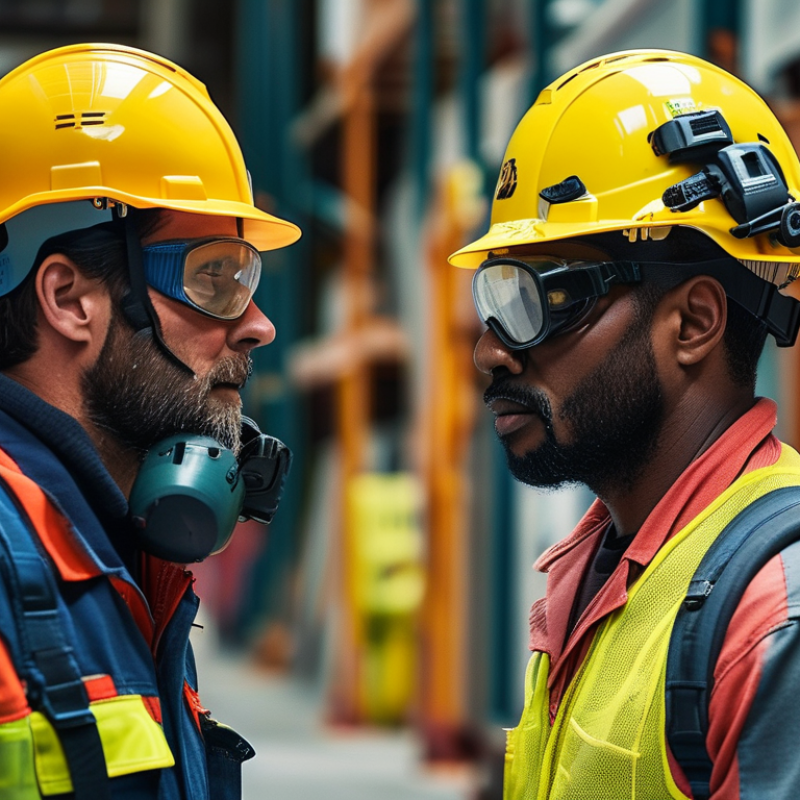
How to Choose the Best Labor Protection Supplies for Your Needs?

Identifying Your Specific Labor Protection Needs and Risks

Identifying your specific labor protection needs and risks is crucial for workplace safety. Begin by assessing the environment. Are there hazardous materials present? Is the worksite physically demanding? Consider the tasks performed daily. Workers in construction face different risks than those in an office setting.

After recognizing the risks, prioritize what is most vital. High-visibility clothing matters in busy areas. Protective eyewear is essential for tasks involving flying debris. Don't overlook listening protection in noisy environments. Tailor solutions to your team's specific challenges. It’s okay to feel overwhelmed by choices.

Engage with employees to understand their experiences. Their feedback can highlight overlooked dangers. This process also promotes a culture of safety. Regularly re-evaluate needs as projects evolve. The goal is to create a safe work environment for everyone.

How to Choose the Best Labor Protection Supplies for Your Needs?

Understanding Different Types of Labor Protection Supplies Available

When selecting labor protection supplies, understanding the variety available is crucial. There are several types of supplies that cater to specific needs. Personal Protective Equipment (PPE) includes helmets, gloves, and goggles. According to a 2022 report by the Occupational Safety and Health Administration (OSHA), around 40% of workplace injuries could be prevented with proper use of PPE.

Hearing protection is another essential category. Noise-induced hearing loss affects approximately 22 million workers annually in the U.S. Many employers underestimate the necessity of earplugs or earmuffs. Choosing the correct type and size is vital. Well-fitted equipment increases compliance and reduces risks.

Respiratory protection is equally important, especially in high-risk environments. The National Institute for Occupational Safety and Health (NIOSH) highlights that over 4,000 workers die from respiratory-related issues each year. Regular assessments of the workplace can help identify areas needing respiratory supplies. Understanding limitations of supplies can lead to better choices. Each worker's environment is unique and requires tailored solutions. Reliability of selected items matters; subpar equipment may lead to tragic outcomes.

How to Choose the Best Labor Protection Supplies for Your Needs?

Type of Labor Protection Supply Features Recommended Uses Safety Standards
Safety Gloves Cut-resistant, chemical-resistant, heat-resistant options Construction, manufacturing, chemical handling ANSI/ISEA 105
Hard Hats Impact-resistant, adjustable suspension, ventilation options Construction sites, mining, overhead work ANSI Z89.1
Safety Glasses Anti-fog, scratch-resistant, UV protection Construction, laboratory work, manufacturing ANSI Z87.1
Ear Protection Earmuffs, earplugs, noise-canceling options Loud environments, construction, music events ANSI S3.19
Work Boots Steel toe, slip-resistant, waterproof options Construction, landscaping, heavy machinery ASTM F2413

Factors to Consider When Choosing Labor Protection Supplies

When selecting labor protection supplies, several factors must be examined. Comfort is crucial. If workers are uncomfortable, their performance may decline. Whether it’s gloves, helmets, or boots, proper fit can enhance mobility and reduce fatigue. A tool that doesn’t fit well might create more hazards than it mitigates.

Material choice also matters significantly. For instance, durable materials resist wear and tear better than flimsy options. Breathable fabrics are essential in hot environments. Different tasks require different levels of protection. It’s vital to assess the specific hazards present in each job scenario.

Finally, certifications should never be overlooked. Look for products that meet safety standards. This ensures a level of quality and reliability. Some products may appear effective but lack proper certification. Always verify the reliability of the supplies chosen. Reflect on past experiences to avoid making future mistakes.

Evaluating Quality and Standards of Labor Protection Equipment

When selecting labor protection supplies, evaluating quality and standards is crucial. Equipment must meet safety regulations to ensure worker protection. According to the Occupational Safety and Health Administration (OSHA), proper safety gear can reduce the risk of workplace injuries by up to 70%. However, not all products on the market are created equal.

It’s important to check certifications and performance standards. Look for items that comply with ANSI, ISO, or other relevant safety standards. For example, gloves should have a cut resistance rating to protect against sharp objects. Yet, many workers still use gear without checking these standards. This can lead to increased injury rates.

In 2021, a report showed that 60% of workplace injuries were preventable with adequate protective equipment. This statistic highlights the need for businesses to invest in quality supplies. Choosing inferior products often results in negative outcomes. Always assess the equipment's durability, comfort, and effectiveness. Investing time in research can lead to better choices and safer work environments.

Maintaining and Replacing Labor Protection Supplies Effectively

When using labor protection supplies, maintenance is crucial. Regular inspections help identify wear and tear. For instance, check helmets for cracks or dents. Gloves should be free of holes. These simple checks can prevent accidents. Make it a habit to assess your gear before each shift.

Replacing supplies is just as important. Worn-out equipment can jeopardize safety. Create a schedule for replacement based on usage. For example, rotate gloves every few weeks if they are used daily. This practice ensures optimal performance and longevity of your gear.

Finding a reliable storage solution is essential too. Keeping equipment organized can prolong its lifespan. Use bins or hooks to store items, protecting them from environmental damage. Even small changes can make a significant difference. Regularly reviewing your supplies can reveal needs and gaps. This reflection is key to maintaining a safe work environment.

FAQS

: What are Personal Protective Equipment (PPE) examples?

: PPE includes helmets, gloves, and goggles, essential for workplace safety.

Why is hearing protection important?

About 22 million workers suffer from hearing loss each year. Proper ear protection is necessary.

How do I ensure my PPE is effective?

Choose well-fitted equipment and check performance standards. Fit affects compliance and safety.

What is the risk associated with respiratory issues at work?

Over 4,000 workers die yearly from respiratory-related problems in high-risk environments.

How often should I inspect my labor protection supplies?

Regular inspections should occur before each shift. Check for cracks or wear on equipment.

When should I replace my PPE?

Replace equipment showing wear or damage. Schedule replacements based on usage, like gloves.

How can poor quality gear affect safety?

Using inferior products increases injury rates, as safety gear must meet established standards.

What standards should labor protection supplies meet?

Look for items that comply with ANSI or ISO safety standards to ensure effectiveness.

Why is proper storage important for labor supplies?

Organized storage protects equipment from damage and extends its usable life.

What should I do if I notice gaps in my equipment?

Regularly review your supplies and address any shortfalls promptly to maintain safety.

Conclusion

When selecting the best Labor Protection Supplies, it is crucial to first identify your specific needs and the associated risks in your work environment. Different types of labor protection supplies, such as personal protective equipment (PPE), safety gear, and ergonomic tools, serve various purposes, so understanding their functions is essential. Key factors to consider include the specific hazards present, comfort, durability, and regulatory standards that the supplies must meet.

Evaluating the quality and compliance of labor protection equipment is vital to ensure effective protection against workplace risks. Regular maintenance and timely replacement of these supplies are important for maintaining safety. By following these guidelines, you can make informed decisions that enhance workplace safety and effectively meet your labor protection needs.


Mason

Mason

Mason is a seasoned marketing professional with a deep expertise in the company's offerings and a passion for driving brand awareness. With a strong background in digital marketing strategies, he has an innate ability to connect with diverse audiences and effectively communicate product benefits.......