Choosing the best Emergency Vest for your team involves more than selecting a bright color. It requires practical judgment, verified materials, and a clear understanding of working conditions. A vest used beside moving vehicles may need high-visibility panels, reflective tape, secure closures, and enough room for protective clothing. A vest used during medical response may require organized pockets, identification panels, and quick access. Different teams face different risks.
Professor James Reason, a leading safety and human-factors expert, wrote, “We cannot change the human condition, but we can change the conditions under which humans work.” This principle applies directly to Emergency Vest selection. A well-designed vest can improve recognition, reduce confusion, and support faster teamwork. However, no vest can replace training, communication, or proper site procedures.
Look closely at the details. Can workers move comfortably? Does the vest remain visible in rain, dust, or low light? Will the stitching survive repeated washing? Are the pockets useful, or simply decorative? Small failures matter. A loose strap, weak zipper, or poor fit may become a serious distraction during a demanding response. Team leaders should compare product specifications, inspect samples, and ask workers for feedback before ordering in bulk. The first choice may not be perfect. That is worth admitting. Real-world testing often reveals needs that a catalogue cannot show.
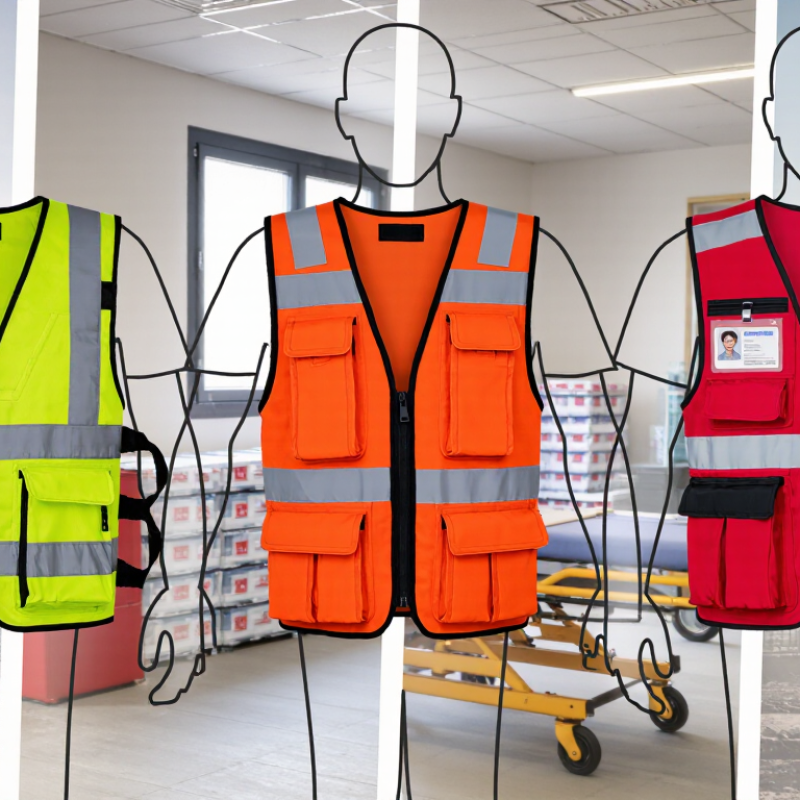
Define the job before choosing the vest. A roadside response team faces moving traffic, while a building search team may work in dim corridors. Their needs differ. Write down each wearer’s task, work area, shift time, and likely hazards. Include practical details: radio access, identification panels, and room for a light jacket underneath.
Visibility is only one requirement. ANSI/ISEA 107-2020 provides a technical reference for high-visibility garment classes and design. Match the garment to the exposure, background, and movement involved; do not choose by color alone. The U.S. Bureau of Labor Statistics recorded 5,283 fatal work injuries in 2023, in its Census of Fatal Occupational Injuries. That broad figure is not specific to vests, but it underscores why teams should assess workplace risks rather than rely on appearance.
Check the vest during a realistic drill. Can a colleague identify the wearer’s role at a glance? Does the vest stay secure when the wearer bends, reaches, or carries equipment? Small snags matter. A pocket that blocks a radio or a loose fit can undermine a sensible choice. We may still overlook an awkward detail until practice exposes it. Reassess the requirements when duties, locations, or equipment change.
Choosing an emergency vest means balancing visibility, comfort, and the hazards your team actually faces. Open-knit polyester mesh helps airflow during hot outdoor work, while woven polyester often resists snags better but can feel heavier. Check seams, closures, and pocket placement with gloves on; a radio pocket that swings against the chest gets annoying fast. Small details matter.
Visibility depends on contrast and reflective coverage, not just a bright color. ANSI/ISEA 107-2020 classifies high-visibility apparel by exposure and design requirements, so match the garment class to traffic speed, distance, lighting, and work position. The U.S. Bureau of Labor Statistics reported 5,283 fatal work injuries in 2023, including 1,942 transportation incidents. Those figures do not show that every incident involved poor visibility, but they underline why conspicuity deserves careful attention. Test vests at dusk, under headlights, and against the actual worksite background.
Protective features should address identified hazards. Add flame-resistant fabric only when the risk assessment calls for it; ordinary high-visibility material is not automatically flame-resistant. For wet shifts, check whether reflective elements remain visible when damp, and review care instructions because repeated washing can wear them down. A vest can ride up or snag on equipment. It can feel bulky. Have workers wear candidate styles during realistic tasks, then ask what they would change; their feedback may expose a flaw the specification sheet misses.
Compare vest materials, visibility, and protective features
ANSI/ISEA 107-2020 specifies minimum areas of fluorescent background material and retroreflective material for each garment class. Mesh polyester can improve airflow in hot conditions; solid woven polyester can offer more coverage and help resist wind. Neither material alone guarantees impact or cut protection, so match the vest’s certified features to your hazards. Class 3 requirements may call for coverage beyond a vest; check the garment label and applicable rules.
Evaluate fit before appearance. In field drills, a vest that looks professional can still restrict movement. Measure the wearer’s chest with normal clothing underneath. Adjustable shoulders and side panels help accommodate different body shapes. The vest should stay secure without pressing against the ribs. Too loose? It may snag during quick movement. Too tight? Breathing and concentration can suffer. Test walking, crouching, reaching, and climbing before approving a team model.
Comfort affects endurance during long incidents. Choose lightweight, breathable materials with smooth seams. Check whether shoulder straps rub after thirty minutes of wear. A team member may tolerate discomfort briefly, but repeated use exposes weak design. I once underestimated heat buildup during a summer training exercise. That mistake changed our fitting process. Follow relevant occupational safety guidance, but also observe real users in realistic conditions.
Storage must support mobility, not compete with it. Place frequently used items in accessible pockets near the torso. Keep heavier equipment balanced across both sides. Avoid oversized pockets that swing while running. Test every vest with its full working load. Then ask users to move as a group through narrow doors and uneven ground. Watch for snagging, crowding, and slower turns. A vest may fit one person perfectly yet disrupt team movement. Review those differences honestly.
Safety standards should be the first filter, not an afterthought. Check the vest’s compliance markings and request current test documentation from the supplier. Requirements differ between regions and work environments. A roadside crew may need stronger visibility than an indoor response team. Look for fluorescent fabric, reflective bands, secure closures, and clear size information. The reflective material should remain visible under vehicle headlights, rain, and dust.
Durability becomes obvious during real use. Inspect the stitching around the shoulders, pockets, and fastening points. Tug gently at the seams before issuing vests. Fabric should resist tearing, but excessive thickness can restrict movement. I prefer designs that allow workers to bend, climb, and carry equipment without catching on nearby objects. One detail is easy to miss: reflective strips can crack after repeated folding. Check them under a bright lamp every few months.
Maintenance needs should fit your team’s routine. Read the washing instructions carefully, because harsh detergents and high heat may weaken reflective surfaces. Hang vests fully dry before storage. Keep them away from oil, chemicals, and direct sunlight. Create a simple inspection log with the wearer’s name, issue date, and replacement notes. In practice, logs are sometimes incomplete. That is a weakness worth correcting. Remove any vest with torn fabric, faded color, damaged closures, or loose reflective tape. A clean, intact vest supports faster recognition when conditions become confusing.
Choosing an emergency vest begins with your team’s real working conditions, not a catalog photo. A limited budget may support a simple, high-visibility vest with secure closures and reflective panels. That can be enough for short outdoor checks or organized evacuation support. However, cold weather, heavy rain, and night shifts require stronger fabric, adjustable layers, and clearer visibility. Comfort matters because an uncomfortable vest may remain in a storage box.
Team size also changes the purchase decision. A ten-person maintenance crew may need uniform sizing and quick distribution. A mixed team needs adjustable straps, several sizes, and space for identification cards. Check whether the vest fits over winter clothing without restricting movement. Ask staff to bend, reach, and walk quickly while wearing it. Small details matter. Poor pocket placement can slow communication or hide essential contact information.
Use a simple inspection before approving the order. Examine stitching, zipper strength, reflective coverage, and cleaning instructions. Follow recognized workplace safety guidance when setting visibility requirements. Keep a few spare vests for damaged or wet equipment. In one field trial, we underestimated how quickly dust reduced reflective brightness. That mistake changed our inspection schedule. The lowest price looked attractive, but replacement costs made it less practical. Still, expensive features are not automatically useful. Choose what your team can maintain, wear correctly, and replace within its budget.
List each wearer’s task, work area, shift length, and likely hazards. A roadside crew needs different visibility than a team searching dim corridors. Be specific.
Measure over normal work clothing, then adjust the shoulders and sides. The vest should stay secure without pressing against the ribs. Test bending, reaching, crouching, and climbing.
Lightweight, breathable fabric and smooth seams can help during long shifts. Check for shoulder rubbing after thirty minutes. Heat builds up quickly.
Keep frequently used items near the torso and easy to reach. Balance heavier tools across both sides. Oversized pockets can swing or snag during a quick turn.
Wear it during a realistic drill with the full working load. Walk through narrow doors and over uneven ground together. Watch for snagging, blocked radios, or slower movement.
Check the stitching, closures, reflective coverage, and cleaning instructions. Confirm that identification panels and radio access suit the job. Keep spare vests available.
Not necessarily. Compare purchase price with durability, cleaning needs, and replacement costs. We once underestimated dust buildup on reflective panels. Our inspection schedule needed work.
Recheck the choice when duties, locations, equipment, or weather conditions change. Make sure the vest fits over seasonal layers without restricting movement. Small details matter.
Choosing the right Emergency Vest begins with understanding the team’s role, working environment, and specific response needs. Consider whether the vest will be used for traffic control, rescue support, disaster response, or general emergency coordination. Compare materials, visibility levels, reflective elements, and protective features to ensure the vest remains noticeable and suitable for changing conditions. High-quality construction can improve reliability, while breathable materials may increase comfort during extended use.
Fit, storage, and mobility are also essential. A well-designed vest should allow easy movement, accommodate necessary tools, and remain comfortable over other clothing without restricting activity. Before making a decision, review relevant safety standards, stitching quality, closures, cleaning instructions, and expected durability. Finally, balance the budget with the team’s size, frequency of use, climate, and operational demands. The best Emergency Vest is one that provides practical protection, clear visibility, lasting comfort, and dependable performance without adding unnecessary weight or cost.

Xintuo