An Engineering Safety Helmet is essential for anyone working in high-risk environments. This protective gear mitigates the risk of head injuries from falling objects, accidents, or impacts. Construction sites, factories, and engineering labs often pose dangers where a simple slip can lead to serious injuries. Without proper head protection, workers face unnecessary risks.
The design of an Engineering Safety Helmet incorporates advanced materials to absorb impact energy. These helmets are lightweight yet robust, ensuring maximum comfort while providing stringent safety. Workers may underestimate their importance, thinking that accidents won’t happen to them. However, statistics reveal that head injuries account for a significant number of workplace accidents.
It's crucial to recognize the value of wearing an Engineering Safety Helmet. Rather than viewing it as an inconvenience, it should be seen as a vital part of personal safety. Many professionals cite their experiences where helmets saved them from potential harm. Choosing the right helmet is not just a matter of compliance, but a commitment to safety and well-being in any engineering environment.
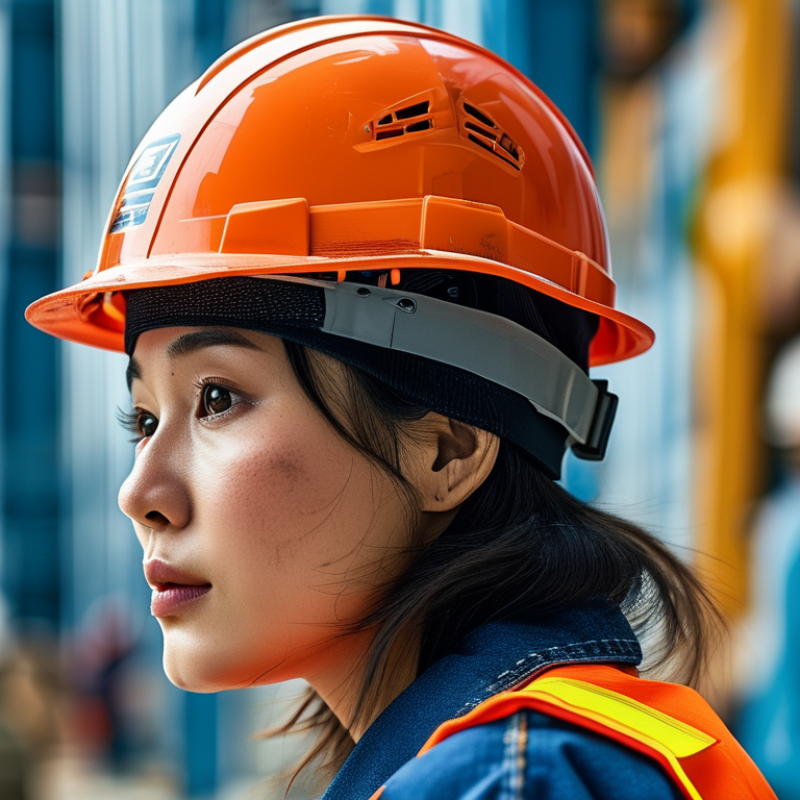
What is an Engineering Safety Helmet?
An engineering safety helmet is a crucial piece of personal protective equipment (PPE) designed to safeguard the head from injuries. These helmets protect against falling objects, collisions, and electrical hazards. According to the Occupational Safety and Health Administration (OSHA), head injuries are among the leading causes of fatalities in construction. Data shows that construction workers face a higher risk of head trauma, making helmets indispensable.
Choosing the right helmet involves understanding safety standards. Helmets must meet regulations set by organizations like ANSI and ISO. These standards ensure helmets provide adequate protection in various environments. It's important to consider the helmet's weight, fit, and comfort, as a poorly fitting helmet may not offer optimal protection.
Tip: Regularly inspect helmets for cracks or wear. A damaged helmet can compromise safety. Comfort matters, too; wearing a helmet that fits well promotes better use and adherence to safety protocols. Remember, wearing a helmet is essential, but understanding how to use it effectively is equally important. Always educate yourself about your specific work environment and the potential hazards present.
What is an Engineering Safety Helmet and Why Do You Need One?
| Feature |
Description |
Importance |
| Material |
High-density polyethylene (HDPE) or other lightweight materials |
Provides durability and protection against impact |
| Strap System |
Adjustable chin strap and headband |
Ensures a secure fit, reducing the risk of falling off |
| Ventilation |
Air vents for breathability |
Enhances comfort during long periods of use |
| Impact Resistance |
Certified to meet impact standards (e.g., ANSI, EN) |
Essential for protecting the head from falling objects |
| Electrical Insulation |
Non-conductive materials |
Prevents electrical shocks in hazardous environments |
| Weight |
Typically lightweight |
Reduces fatigue for workers during extended wear |
Key Features and Design Elements of Safety Helmets
Engineering safety helmets are crucial personal protective equipment (PPE) in various industries. They are designed to shield the head from impacts, falling debris, and electrical hazards. According to the Occupational Safety and Health Administration (OSHA), head injuries account for a significant portion of construction-related fatalities. In fact, nearly 20% of worker deaths are due to falls, being struck by objects, and electrocutions. Thus, understanding helmet features becomes essential for safety.
Key design elements of safety helmets include impact resistance, weight, and comfort. Models often incorporate advanced thermoplastics, which increase durability while minimizing weight. A well-designed helmet should fit snugly without causing discomfort. Many safety helmets feature adjustable straps to ensure a proper fit, which is vital for effective protection. Moreover, ventilation is critical to enhance airflow, reducing heat buildup during long hours of work.
Reflecting on the importance of these features, it’s evident that a helmet’s comfort can influence its usage. Workers may hesitate to wear an uncomfortable helmet, even knowing the risks. This reality points to the ongoing need for manufacturers to prioritize ergonomics. Data from the International Safety Equipment Association shows that nearly 90% of workers would wear a helmet more consistently if it were more comfortable. Balancing protection with comfort remains a challenge but is essential for improving overall safety compliance.
Importance of Wearing Safety Helmets in Engineering Environments
In engineering environments, wearing safety helmets is crucial. These helmets protect workers from head injuries caused by falling objects, electrical hazards, or accidental impacts. During construction or maintenance tasks, the risks are ever-present. A single careless moment can lead to severe injury or even death. Investing in personal safety equipment, such as helmets, is non-negotiable.
While many workers wear helmets out of obligation, their importance often goes unrecognized. Some may feel uncomfortable or find them a nuisance. This mindset can be dangerous. A comfortable helmet does not only meet safety standards; it encourages consistent use. It is vital for workers to remember that a helmet can make a difference. Reflecting on this, fostering a culture of safety is essential. Team discussions about equipment can enhance awareness and accountability.
Additionally, the varying designs of helmets offer choices for comfort and protection levels. However, choices come with responsibilities—the helmet must fit properly and be inspected regularly. Ignoring any of these aspects can lead to false security. Individuals should take personal responsibility for their safety gear. Remember, it’s not just about compliance; it’s about returning home safely after a day’s work.
Types of Engineering Safety Helmets Explained
Engineering safety helmets are essential personal protective equipment (PPE) in various industries. They primarily protect against head injuries from falling objects, collisions, and electrical hazards. According to the Occupational Safety and Health Administration (OSHA), about 1 in 10 construction workers suffer from head injuries annually. This statistic underscores the crucial need for proper head protection on job sites.
There are several types of engineering safety helmets, each designed for specific hazards. Hard hats, for example, are widely used in construction. They often meet rigorous standards like ANSI Z89.1, ensuring reliable protection. Other helmets, such as those with integrated face shields, enhance safety in environments where flying debris is common. Ventilated helmets offer comfort during hot weather but may provide less impact protection. A balance between comfort and safety is essential, and employers must assess the potential risks to choose the appropriate helmet type.
Each safety helmet type comes with a unique set of features. Some are lightweight, enhancing user comfort during long tasks, while others focus on impact resistance. However, comfort can sometimes lead to neglect of proper usage, resulting in safety violations. Training and encouragement for consistent helmet use are critical in promoting workplace safety. Proper inspection and maintenance of helmets are often overlooked, but they are vital to ensuring long-term effectiveness.
Standards and Regulations for Safety Helmet Compliance
Safety helmets play a crucial role in construction and industrial environments. They are designed to protect workers from head injuries caused by falling objects, electrical hazards, and falls. Compliance with safety helmet standards is essential for minimizing risks. Organizations like ANSI and ISO define these standards. According to the Occupational Safety and Health Administration (OSHA), more than 800 construction workers die from head injuries annually. Proper safety helmet use can significantly reduce this number.
The standards governing safety helmets include tests for impact resistance, penetration, and electrical insulation. ANSI Z89.1 provides guidelines for helmet classification and performance. Helmets must pass rigorous testing, which simulates real-world conditions, ensuring they provide adequate protection. Additionally, safety helmets should fit properly to maximize effectiveness. A poorly fitting helmet can compromise protection, leading to serious injuries.
While compliance with regulations is vital, many workers fail to understand the importance of proper helmet maintenance. Cracks and wear can indicate reduced effectiveness. Regular inspections can identify such issues before they become critical. Workers should be educated on these aspects. It's a systemic challenge. Addressing knowledge gaps is essential to enhance safety culture on job sites.
FAQS
: They protect against head injuries from falling objects and electrical hazards on job sites.
They guard against head injuries from collisions, falling objects, and electrical dangers.
ANSI and ISO define the safety helmet standards for impact resistance and performance.
Assess the potential risks in your environment to select the appropriate helmet type.
Comfortable helmets may lead to improper use, compromising safety rather than enhancing it.
Regular inspections can identify cracks and wear, ensuring helmets provide effective protection.
Inspections should be frequent to catch any signs of wear or damage early.
Yes, a misfit can reduce safety effectiveness, leading to increased injury risk.
Training promotes consistent helmet use and helps workers understand proper usage.
Some workers neglect maintenance, believing helmets are indestructible, which can lead to safety issues.
Conclusion
An Engineering Safety Helmet is a critical personal protective equipment designed to safeguard individuals working in engineering environments from head injuries caused by falling objects, collisions, or falls. These helmets are equipped with key features such as impact-resistant materials, adjustable sizing, and ventilation systems that ensure comfort and effectiveness. Understanding the importance of wearing an Engineering Safety Helmet cannot be overstated, as it plays a vital role in promoting workplace safety and compliance with industry regulations.
There are various types of Engineering Safety Helmets, each tailored for specific work conditions, including those with enhanced electrical insulation or specialized visors. Compliance with safety standards and regulations is essential to guarantee that these helmets provide adequate protection and meet legal requirements. By utilizing proper safety gear like the Engineering Safety Helmet, workers can significantly reduce the risk of injuries and ensure a safer working environment.

 Xintuo