Top Hard Hat Tips for Global Buyers You Need to Know?

Time:2026-06-22 Author:Henry
0%

In the fast-evolving hard hat industry, global buyers face unique challenges. According to John Smith, an industry expert and CEO of Safety Gear Co., “Choosing the right hard hat is not just about style; it's about safety and compliance.” This statement underscores the importance of informed decision-making in selecting hard hats for various environments.

Understanding safety standards is crucial. The hard hat should comply with ANSI or other relevant certifications. Each region may have different regulations. Buyers must research these requirements to avoid costly mistakes. While features like adjustable straps and ventilation improve comfort, they should not overshadow safety compliance.

It's easy to overlook the importance of comfort. A poorly fitting hard hat can lead to decreased compliance and safety risks. Therefore, taking time to assess options is essential. Buyers should consider how specific designs impact wearability. This attention to detail can significantly improve worker safety and satisfaction.
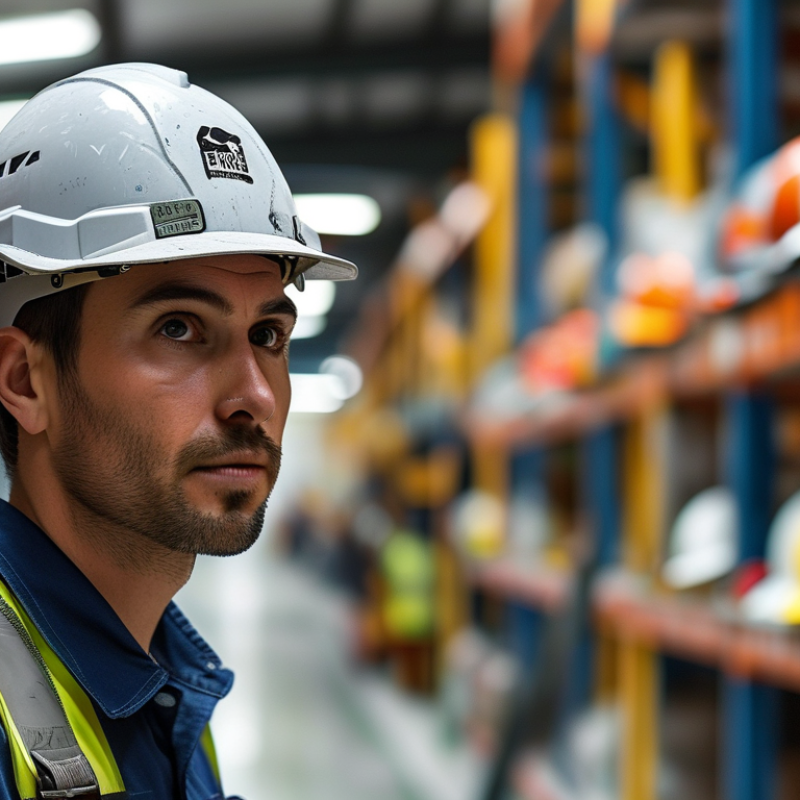
Top Hard Hat Tips for Global Buyers You Need to Know?

Top Hard Hat Types: Understanding Features and Standards for Safety

When selecting hard hats, understanding the various types and their features is crucial. Hard hats are designed to protect against head injuries from falling objects and electrical hazards. Different materials, such as fiberglass and polycarbonate, offer varying levels of safety and durability. Certain models may come with additional features, like ventilation for comfort or built-in earmuffs for hearing protection.

The standards for hard hats vary globally. Familiarizing yourself with safety certifications ensures you choose a reliable product. Some hats meet specific industry standards like ANSI and ISO, which indicate they can withstand particular impact tests. However, not all hard hats are created equal. Some users might overlook the importance of the suspension systems that help absorb shock. This could lead to discomfort or even inadequate protection in hazardous environments.

Moreover, buyers should consider various styles, such as full-brim or cap-style hard hats. Each has its benefits depending on the work environment. While full-brim models offer more coverage from sun and rain, they may not fit into tight spaces as easily. Reflecting on these factors can help buyers make more informed choices. It’s essential to acknowledge that safety gear impacts performance and wellbeing; therefore, thorough research and consideration are indispensable.

Top Hard Hat Types and Their Popularity Among Global Buyers

Material Selection: Comparing Polycarbonate, Fiberglass, and ABS Options

When choosing hard hats, material selection plays a critical role. The three main options are polycarbonate, fiberglass, and ABS. Each material has distinct properties that affect performance, weight, and durability.

Polycarbonate is known for its high impact resistance. According to a report by the International Safety Equipment Association (ISEA), polycarbonate hard hats can withstand significant structural impacts, making them suitable for high-risk environments.

ABS hard hats are lightweight and cost-effective. However, they may not offer the same level of heat resistance as fiberglass or polycarbonate. A study from the National Institute for Occupational Safety and Health (NIOSH) indicates that while ABS helmets are prevalent, they are best for lower-risk applications.

Fiberglass hats are robust and provide excellent insulation. They are ideal for environments exposed to electrical hazards.

Tip: Evaluate the specific environment where the hard hat will be used. This assessment will guide your materials choice. It’s crucial to also consider comfort and fit. An ill-fitting helmet can increase the risk of accidents.

Tip: Check compliance standards for your region. Not all materials meet the same safety requirements. Regularly reviewing these standards ensures your team remains safe. Choosing the right material is essential for both protection and practicality.

Regulatory Compliance: Key Standards for Hard Hats Worldwide

When considering hard hats for international markets, compliance with key regulatory standards is crucial. Different countries have distinct requirements, impacting design and functionality. For instance, in the United States, the ANSI/ISEA Z89.1 standard is vital. It outlines performance criteria for hard hats, covering impact protection and electrical insulation.

In Europe, the EN 397 standard governs hard hats. Compliance requires testing for shock absorption and penetration resistance. It specifies minimum performance levels for various hazards. Data from the International Organization for Standardization shows that about 10% of workplace head injuries could be mitigated with proper PPE, including hard hats. Buyers should prioritize products certified to these standards to ensure worker safety.

However, manufacturers sometimes overlook local regulations, leading to non-compliance. This gap can result in penalties or increased liability. Buyers must verify that suppliers understand regional laws. Hard hats are essential, yet the industry struggles with consistency in adherence to standards. The complexities of global compliance can leave gaps in safety, urging stakeholders to prioritize thorough checks.

The Role of Hard Hat Suspension Systems in User Comfort and Safety

The suspension system of a hard hat plays a crucial role in ensuring user comfort and safety. It is the main interface between the wearer and the hard hat. A well-designed suspension system can distribute weight evenly. This prevents pressure points that cause discomfort during long hours of wear.

Data from recent studies indicate that approximately 70% of hard hat-related injuries are linked to inadequate fit and comfort. Poor suspension can lead to a lack of focus and fatigue. Workers exposed to discomfort may be less aware of their surroundings. This can elevate risks on the job site.

Moreover, every part of the suspension system should be adjustable to fit various head sizes. Research shows that a secure fit can reduce the risk of hard hats shifting during activity. However, in some designs, the complexity of adjustment mechanisms can confuse users. This highlights the need for improved user instructions and training. The goal is to maximize user safety and comfort through better-designed hard hats.

Innovative Technologies in Hard Hats: Enhancing Worker Protection Today

Innovative technologies in hard hats are revolutionizing workplace safety. Advanced materials are now more common. These materials enhance durability while reducing weight. This means workers can stay protected without feeling fatigued during long hours.

When selecting a hard hat, consider features like ventilation. Good airflow can keep workers cool. Integrated communication systems are also gaining popularity. They allow team members to stay connected, improving response times during emergencies.

Keep an eye on regulatory compliance too. Not all hard hats meet local standards. It's crucial to verify certification before purchasing. Always prioritize comfort and fit. An uncomfortable hard hat can lead to neglecting safety, which is counterproductive.

FAQS

: What are hard hats designed to protect against?

: Hard hats protect against head injuries from falling objects and electrical hazards.

What materials are commonly used for hard hats?

Common materials include fiberglass and polycarbonate, offering different safety and durability levels.

Why is the suspension system important in hard hats?

The suspension system absorbs shock. Overlooking it may lead to discomfort and inadequate protection.

What are the two main styles of hard hats?

The two styles are full-brim and cap-style. Each has its own advantages depending on the environment.

What should one consider regarding ventilation in hard hats?

Good ventilation helps keep workers cool. This feature is essential for comfort during long shifts.

How can integrated communication systems in hard hats be beneficial?

They enhance team communication and improve response times during emergencies.

Why is regulatory compliance important for hard hats?

Not all hard hats meet local standards. Verifying certification is crucial before making a purchase.

How does comfort affect safety in hard hats?

An uncomfortable hard hat may lead to neglecting safety, reducing overall workplace safety.

Conclusion

The article "Top Hard Hat Tips for Global Buyers You Need to Know" provides a comprehensive overview of essential aspects that buyers should consider when selecting hard hats for workplace safety. It begins with an exploration of various hard hat types, highlighting their features and the safety standards they must meet. Buyers are guided through the material selection process, comparing options like polycarbonate, fiberglass, and ABS, which each offer unique benefits for protection and durability.

Additionally, the article emphasizes the importance of regulatory compliance, outlining key safety standards applicable globally. The role of suspension systems in enhancing user comfort and safety is also discussed, alongside innovative technologies designed to improve worker protection. Overall, this guide serves as a valuable resource for global buyers seeking to make informed decisions about hard hats that prioritize safety and comfort in diverse work environments.


Henry

Henry

Henry is a dedicated marketing professional with a profound expertise in the company's offerings. With years of experience in the industry, he possesses an impressive understanding of the market dynamics and consumer behaviors that drive success. Henry is committed to sharing his insights through......