Choosing a Highly Visible Reflective Vest in 2026 is not a fashion decision. It is a practical risk-control decision.
The U.S. Bureau of Labor Statistics reported 5,283 fatal work injuries in 2023. Transportation incidents caused 1,942 of them, or 36.8 percent. The Federal Highway Administration also recorded 891 work-zone deaths in 2022. These figures make visibility difficult to dismiss, especially near moving vehicles, forklifts, and roadside equipment.
A reliable vest should support recognition in daylight, darkness, rain, and vehicle headlights. ANSI/ISEA 107-2020 separates high-visibility apparel into performance classes based on background material, reflective area, and intended work environment. ISO 20471 provides another important benchmark for certified garments. Look beyond bright fabric. Check reflective tape width, contrast, garment coverage, closure quality, sizing, and cleaning instructions. A loose vest can snag. A dirty vest can lose visual impact.
Doug Parker, former Assistant Secretary of Labor for Occupational Safety and Health, stated, “Every worker deserves to go home safe and healthy at the end of every workday.” His reminder gives this purchase a human purpose. The best vest is not always the most expensive one. It is the one workers actually wear correctly.
No vest is perfect.
Work conditions change. So should the evaluation. A warehouse worker may need a lightweight Class 2 vest, while a highway worker may require stronger coverage and weather resistance. Color alone cannot solve poor lighting, distracted driving, or weak site controls. This guide examines the evidence, standards, materials, and practical details behind a safer choice.
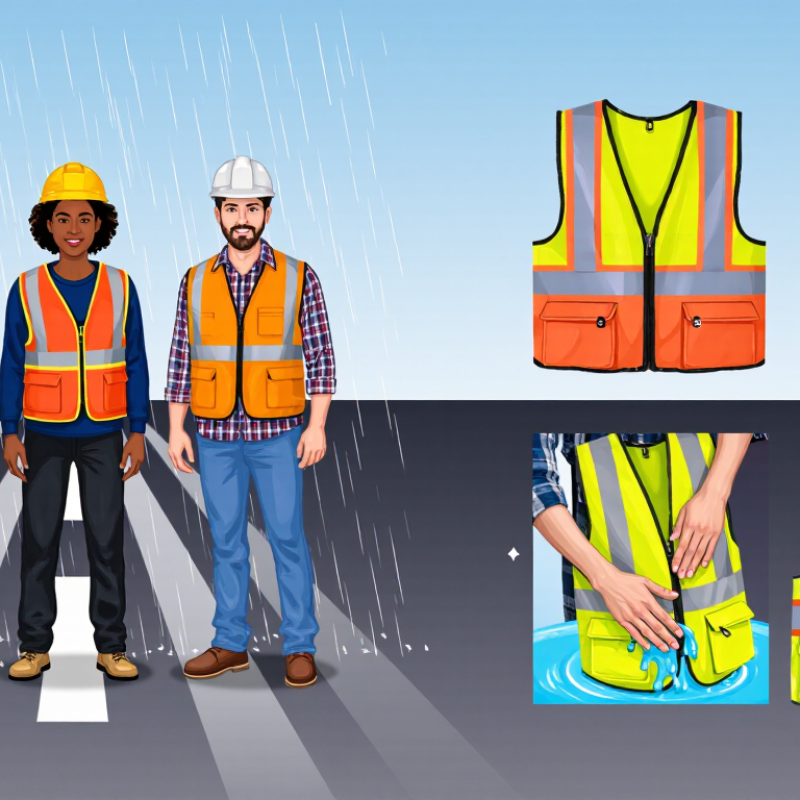
How to Choose a Highly Visible Reflective Vest in 2026?
What Makes a Reflective Vest Highly Visible in 2026
A highly visible vest combines bright fluorescent fabric with wide retroreflective bands. Fluorescent yellow, orange, or lime fabric stands out in daylight. Retroreflective material returns light toward vehicle drivers at night. Both features matter.
During field checks, I look for strong contrast against the surroundings. A lime vest may disappear near bright construction lights. Orange can perform better in dusty or green environments. There is no perfect color for every location. The best choice depends on traffic, weather, and background conditions.
Band placement also affects visibility. Stripes should cross the torso and continue over the shoulders. A clear vertical pattern helps drivers recognize a person quickly. The material should remain visible when the vest is open, folded, or partly covered. That detail is often ignored.
Fit matters.
A vest that hangs loosely can twist during movement. A tight vest may cover the reflective bands with tools or clothing. Adjustable side fasteners improve fit over jackets and workwear. Breathable mesh can reduce heat, but excessive mesh may reduce fluorescent coverage. I once preferred the coolest vest available, then noticed its narrow reflective panels at dusk. That choice needed reconsideration.
In 2026, buyers should also inspect stitching, wash durability, and certification information. Choose products tested against recognized high-visibility standards in your region. Check the label, care instructions, and replacement guidance. A clean vest usually performs better than a faded one. Visibility is not permanent.
Bright fluorescent fabric creates strong contrast in daylight. Yellow, orange, and lime are common choices. Background conditions still matter.
Retroreflective bands return light toward vehicle drivers. Wide bands across the torso, shoulders, and back improve recognition. Bright fabric alone is not enough.
No single color works everywhere. Lime may fade near bright lights. Orange can stand out better in dusty or green surroundings. Choose according to traffic, weather, and background.
Bands should cross the torso and continue over the shoulders. Vertical sections help outline a moving person. They should remain visible when bending, turning, or carrying tools.
The vest should fit over normal work clothing without twisting. Adjustable side fasteners help with jackets and layered clothing. A loose vest can move out of position. A tight vest may hide the bands.
Breathable mesh can reduce heat during active shifts. However, too much mesh may reduce fluorescent coverage. I once chose the coolest vest and regretted its narrow panels.
Water-resistant layers can help during rain. Avoid materials that trap too much heat. Cold-weather vests need enough room for a jacket underneath. Tight layering can cover reflective areas.
Follow the care instructions after muddy or dusty shifts. Dirt can reduce reflectivity. Inspect torn tape, loose seams, and faded fabric before use. Clean fabric performs better.
Check stitching, wash durability, label information, and regional visibility requirements. Review replacement guidance as well. Test the vest under real lighting when possible. Appearance can mislead.
Choosing a Highly Visible Reflective Vest in 2026 requires more than selecting the brightest color. A reliable vest should combine fluorescent fabric for daytime visibility with reflective materials that return light effectively in darkness or low-light conditions. Assess the width, placement, and durability of reflective bands, along with color contrast and performance after washing. The vest should also fit comfortably without restricting movement, provide sufficient front and back coverage, and remain visible over the clothing you normally wear.
Safety standards and recognized certifications can help confirm that a vest has been tested for visibility and construction quality. Consider the environment where it will be used, including traffic levels, workplace hazards, weather, temperature, and nighttime conditions. Features such as adjustable closures, breathable fabric, water resistance, pockets, and compatibility with seasonal layers may improve everyday practicality. The best choice balances certified visibility, comfortable wearability, dependable materials, and features suited to the specific worksite and weather conditions.

 Xintuo