An Industrial Safety Helmet is a critical component in protecting workers across various industries. These helmets are engineered to absorb impact and prevent head injuries. In environments with falling objects, electrical hazards, or low visibility, wearing an Industrial Safety Helmet becomes essential.
The importance of safety cannot be overstated. Every year, numerous accidents occur in industrial settings. Many of these injuries could have been prevented. A well-fitted helmet is not just about compliance; it reflects a commitment to worker safety. Investing in high-quality helmets can save lives and enhance workplace morale.
Despite their effectiveness, some workers may neglect to wear helmets consistently. This oversight can lead to tragic, preventable accidents. It's vital for companies to promote a culture of safety and ensure all employees recognize the importance of the Industrial Safety Helmet. Awareness and education can transform attitudes towards safety gear. Ultimately, prioritizing head protection is a shared responsibility.
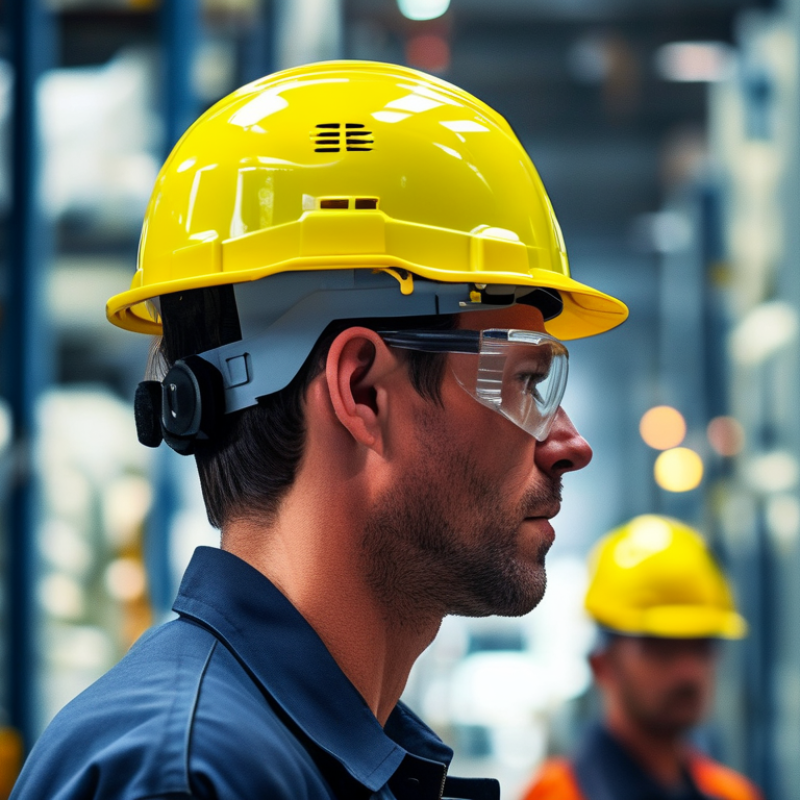
An industrial safety helmet is a crucial piece of personal protective equipment. It is designed to protect workers from head injuries caused by falling objects, bumping into fixed objects, or electrical hazards. According to the National Institute for Occupational Safety and Health (NIOSH), about 60,000 head injuries occur each year in the workplace, emphasizing the importance of helmets.
These helmets meet specific safety standards, including those established by ANSI/ISEA. They undergo rigorous testing to ensure they can withstand significant impact and penetration. The construction often includes durable materials such as high-density polyethylene. Despite advancements, some helmets may not provide adequate protection. Improper fit or wear and tear can compromise their effectiveness, leaving employees vulnerable.
The purpose of these helmets extends beyond mere compliance. They promote a culture of safety within the workplace, reminding workers to remain vigilant. A report from the Bureau of Labor Statistics shows workplaces that prioritize safety gear see a decrease in injury rates by up to 30%. However, there remains a gap in awareness and training regarding proper usage. Without proper inspection routines, even the best safety helmets may fail when needed most.
Industrial safety helmets are critical in protecting workers from head injuries. They are designed with essential features and components that enhance safety on job sites. Most helmets include a hard shell made from durable materials. This outer layer protects against impact and penetration from falling objects. The inner foam liner absorbs shock during impacts. Together, these elements provide reliable head protection.
Ventilation is another vital aspect. Many helmets are equipped with vents. These allow airflow, reducing heat buildup during long work hours. Some designs also accommodate accessories like face shields or goggles, which provide additional protection. Comfort is key, too. A good fit prevents slippage and discomfort.
Tips: Always inspect your helmet regularly. Look for cracks or signs of wear. Replace it if you find any damage. Proper storage is also essential. Keep helmets in a cool, dry place away from direct sunlight.
Another point to consider is the weight of the helmet. A lighter helmet can enhance comfort during extended use. However, it must still meet safety standards. Evaluate your specific needs when selecting a helmet. It can make all the difference on the job site.
Remember, safety equipment is not just about compliance; it is about protecting lives. A reliable helmet can prevent severe injuries and even fatalities. Stay informed, stay safe!
In the construction industry, safety helmets play a critical role. Statistics reveal that head injuries are among the most common workplace injuries. Approximately 30% of all construction-related injuries are to the head. Many of these injuries could have been prevented by wearing proper safety helmets.
Safety helmets not only absorb significant impact but also provide essential protection from falling objects. Research shows that using helmets can reduce the severity of head injuries by 85%. This statistic is a stark reminder of the helmet's importance in safeguarding workers.
Despite the evidence, some workers still neglect to wear helmets. This oversight can have serious consequences. In many cases, the decision to forgo a helmet stems from a misplaced sense of invulnerability. Safety training and awareness campaigns are essential to change this mindset. It's crucial for everyone to recognize the reality of workplace hazards.
Industrial safety helmets play a vital role in workplaces. They are not just protective gear; they are critical to ensuring workers' safety. Various standards govern the manufacturing and use of these helmets. Organizations like OSHA and ANSI set regulations that dictate how helmets should perform under different conditions. Compliance with these standards is essential for ensuring adequate protection.
The design of safety helmets includes features like impact resistance and electrical insulation. Tests must verify that helmets meet these standards before they are used in industrial settings. Manufacturers must also regularly update their products to reflect the latest safety findings. This becomes tricky when balancing innovation with regulatory requirements.
Workers sometimes overlook helmet maintenance. Cracks or wear may go unnoticed until an accident occurs. Employers need to emphasize the importance of regular inspections. Creating a culture of safety awareness is crucial. Everyone must understand that a helmet's effectiveness depends on proper care and adherence to safety guidelines. In many cases, the responsibility for ensuring safety falls on both the employer and the employee.
When selecting an industrial safety helmet, consider the specific hazards of your industry. Different workplaces pose unique risks. For example, construction sites often involve falling objects, while electrical environments may expose workers to electrical hazards. Each type of helmet offers varying levels of protection, so choose one that matches your needs and complies with safety standards.
In addition to understanding the risks, also think about comfort. A helmet that fits poorly can lead to injuries, as workers may be less likely to wear it properly. Look for adjustable suspension systems and lightweight materials to keep your team comfortable. Helmets with vents can also help reduce heat buildup, enhancing wearability.
Tips: Always check for certifications on safety helmets. Ensure they meet relevant safety standards before purchasing. Rotate helmets regularly to maintain them effectively. Lastly, encourage regular inspections for signs of wear and tear. Protecting your workers means staying proactive about safety gear.
| Industry | Safety Helmet Type | Key Features | Recommended Use |
|---|---|---|---|
| Construction | Class E | Electrical insulation up to 20,000 volts | Workers near electrical hazards |
| Manufacturing | Class C | Lightweight, impact-resistant | General manufacturing and assembly |
| Mining | Class M | Comprehensive impact and puncture resistance | Underground mining operations |
| Oil and Gas | Flame resistant (FR) | Protection from flame and arc flash | Oil rigs and refineries |
| Electrical | Class G | General protection against low-voltage electrical hazards | Worksites involving electrical equipment |
: Industrial safety helmets protect workers from head injuries caused by falling objects or bumps. They promote workplace safety.
Wearing safety helmets can reduce the severity of head injuries by 85%. They absorb impacts effectively.
Safety helmets must comply with regulations by organizations like OSHA and ANSI to ensure protection.
Improper fit, wear and tear, or cracks can reduce a helmet's protective capabilities significantly.
Many workers feel invulnerable or underestimate workplace hazards, leading to risky choices.
Regular maintenance and inspections are crucial. Neglect can lead to unnoticed damage before an accident occurs.
Employers should implement safety training and awareness campaigns to encourage proper helmet usage among workers.
Helmets are often made of durable materials like high-density polyethylene to withstand impacts.
Manufacturers must balance innovation with regulations. Regular updates are essential to reflect the latest safety findings.
Both employers and employees must understand and prioritize safety guidelines and helmet maintenance in the workplace.
An Industrial Safety Helmet is a crucial protective gear designed to safeguard workers from head injuries in various industrial environments. It serves both protective and functional purposes, featuring robust materials and designs that absorb impact and shield against falling objects or collisions. The helmet's key components often include an outer shell for protection, a foam inner lining for shock absorption, and adjustable straps for secure fit.
Statistics reveal that the use of industrial safety helmets significantly reduces workplace injuries, highlighting their importance across multiple industries. Furthermore, strict standards and regulations dictate the manufacturing and usage of these helmets, ensuring that they meet safety requirements. Selecting the right industrial safety helmet tailored to specific industry needs is essential for maximum protection and compliance, ultimately fostering a safer work environment.

Xintuo