When it comes to workplace safety, few items are as crucial as the Electrical Safety Helmet. According to the Occupational Safety and Health Administration (OSHA), more than 20,000 electrical injuries are reported annually in the U.S. alone. Protective gear, especially helmets, plays a vital role in preventing severe injuries.
Dr. John Fields, a safety engineer with over 15 years of experience, emphasizes the importance of helmet features, stating, “The right helmet can make the difference between a safe workday and a tragic accident.” This highlights the necessity of selecting the best electrical safety helmets tailored to specific risks.
However, not all helmets are created equal. Many lack essential features, which can leave workers vulnerable. A comprehensive understanding of the key elements can ensure better protection. It's essential to reflect on the importance of having the right safety gear, as overlooking one feature could lead to dire consequences. In this article, we will delve into the top five features that must not be overlooked when selecting an Electrical Safety Helmet.
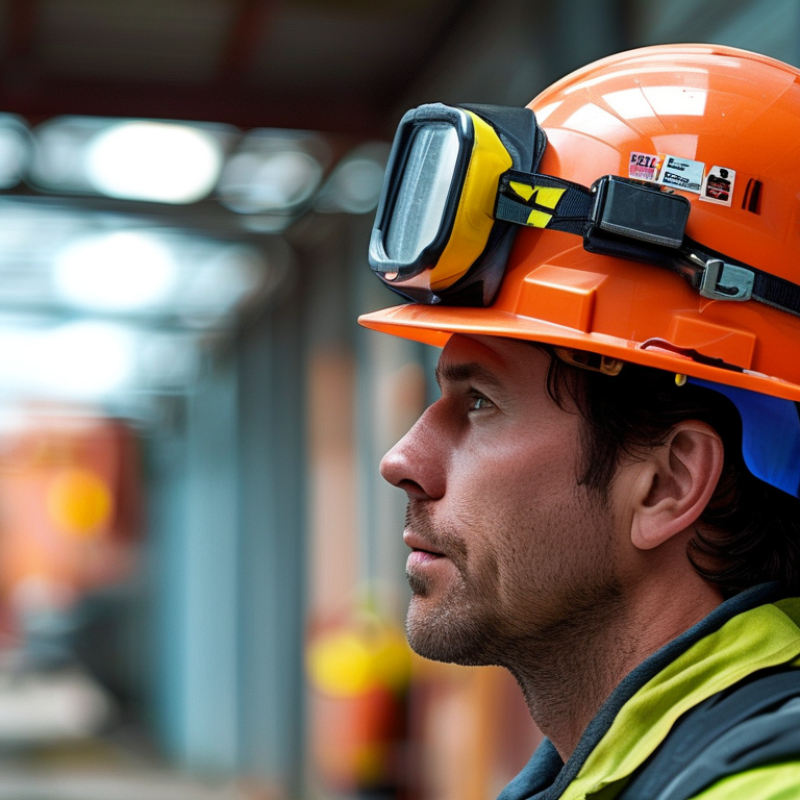
Essential Materials for Electrical Safety Helmets
When choosing an electrical safety helmet, the materials matter significantly. A good helmet should be made from high-quality, impact-resistant materials. Common choices are polycarbonate and fiberglass. These materials can withstand electrical hazards and physical impacts.
Comfort is also crucial. The inner liner should be fabricated from materials that provide cushioning while ensuring breathability. It should protect against sweat and friction, contributing to long hours of wear. A helmet that fits well enhances safety, as it reduces the risk of accidents during labor.
Tips: Always check for certifications. Ensure your helmet meets safety standards for electrical work. Look for additional features such as chin straps, which secure the helmet during movement. Choosing a lightweight option can also alleviate discomfort over long periods.
Remember, a well-made helmet can only provide protection if worn correctly. Regular inspection for wear and tear is important. Reflecting on the helmet's condition will promote safety in the workplace.
Impact Resistance Standards for Electrical Safety Helmets
When selecting an electrical safety helmet, impact resistance standards are vital. These standards ensure that a helmet can withstand significant forces during collisions.
Different regions have unique impact resistance regulations. Understanding these can aid in choosing the right helmet for specific job sites.
Many helmets undergo testing for impact resistance. They must pass rigorous tests to certify their performance. A well-rated helmet absorbs shocks without compromising safety.
A helmet should not only meet minimum standards but often exceed them. This approach provides additional protection in unexpected situations.
Not all helmets are created equal. Some materials can degrade over time, affecting their protective qualities. Regularly inspecting the helmet is crucial.
Signs of damage may not be immediately visible. Workers should engage in periodic assessments to ensure reliability. Ultimately, a balance between comfort and safety is essential.
Integrated Electrical Insulation Features in Safety Helmets
When selecting a safety helmet for electrical work,
integrated electrical insulation features are crucial.
These features provide essential protection against electrical hazards.
It's vital that the helmet's insulating materials comply with industry standards.
Proper insulation can prevent electrical shock, which is a significant risk for many workers.
Many helmets use non-conductive materials like fiberglass or specific plastics.
This choice helps ensure safety in high-voltage environments.
However, the effectiveness of insulation can degrade over time.
Regular inspections are necessary to maintain safety.
Additionally, it's important to consider the helmet's dielectric rating.
This rating indicates how much electrical voltage the helmet can withstand safely.
While features like comfort and visibility matter, insulation should not be overlooked.
Sometimes, we focus on aesthetics, missing the critical safety elements.
A visual examination of the helmet may not reveal internal insulation faults.
Thus, training on helmet care is also essential to prolong its protective lifespan.
Balancing safety and design is key, but the integrity of insulation must always come first.
Comfort and Fit Considerations for Electrical Safety Helmets
When selecting an electrical safety helmet, comfort and fit should be top priorities. A helmet that is too tight can cause headaches and distractions. Conversely, one that is too loose may not provide adequate protection. Ideally, a helmet should feel secure without being restrictive.
Adjustable strap systems are essential features. These allow users to customize the fit, ensuring stability during movement. Additionally, padding inside the helmet plays a significant role in comfort. Quality padding can absorb sweat, making it bearable to wear for extended periods. However, it’s important to check that the padding does not crowd the wearer’s head.
Ventilation is another crucial aspect. A well-ventilated helmet can keep the user cool and comfortable, especially in hot environments. Without proper airflow, the helmet can become uncomfortable quickly. Remember, comfort is key to preventing distractions that could lead to safety hazards. A thoughtful approach to fit will enhance both performance and concentration on the job.
Additional Accessories and Technologies in Safety Helmets
When considering safety helmets, additional accessories and technologies make a significant difference. Many workers in construction and industrial sectors now prioritize advanced features. For instance, integrated communication systems allow for seamless interaction among team members. According to a report by the Occupational Safety and Health Administration (OSHA), effective communication can reduce on-site accidents by up to 20%.
Another noteworthy technology is the incorporation of LED lights. These lights enhance visibility in dim conditions, which is crucial during early morning or late evening work hours. A study by the National Institute for Occupational Safety and Health (NIOSH) indicates that poor visibility contributes to nearly 30% of all workplace accidents. Adding reflective strips also helps improve safety when workers are near moving vehicles.
Despite advances in safety options, some shortcomings remain. For example, not all accessories are compatible with every helmet model, which can hinder their effectiveness. Additionally, workers may resist using certain safety features, deeming them unnecessary. This highlights the ongoing need for education about the importance of these technologies. Ultimately, prioritizing the right features could save lives while fostering a culture of safety in the workplace.
Top 5 Electrical Safety Helmet Features You Must Consider
| Feature |
Description |
Importance |
Additional Accessories |
| Electrical Insulation |
Provides protection against electrical shocks and short circuits. |
Critical for workers in high voltage environments. |
Insulated liners |
| Ventilation |
Ensures comfort by allowing airflow to the head. |
Enhances worker comfort, reducing heat stress. |
Breathable liners and mesh panels |
| Impact Resistance |
Protects the head from falling objects. |
Essential for all construction and electrical environments. |
Hard outer shell |
| Weight |
Refers to the overall weight of the helmet. |
Lightweight helmets reduce fatigue during long use. |
Comfort padding |
| Communication Features |
Built-in communication systems for better coordination. |
Improves safety and efficiency on the job site. |
Bluetooth headsets |
Conclusion
When selecting an Electrical Safety Helmet, there are several essential features to consider that ensure optimal protection and comfort. First, the materials used in the helmet need to provide durability and resistance to electrical hazards. Helmets should meet specific impact resistance standards, which are crucial for protecting the wearer from accidental blows while working in hazardous environments.
Additionally, integrated electrical insulation features are vital for providing an extra layer of safety against electrical shocks. Comfort and fit are also critical aspects, as a well-fitted helmet enhances usability and encourages consistent use. Lastly, various additional accessories and technologies, such as visors or communication devices, can further enhance the functionality of Electrical Safety Helmets, making them invaluable tools for professionals in high-risk electrical fields.

 Xintuo