In the world of construction and industrial work, safety always comes first. Proper head protection is crucial, and choosing the right safety helmet can make a significant difference. Dr. Emily Carter, an expert in occupational safety, states, “A helmet is more than a piece of gear; it's a lifeline.” This powerful assertion underscores the importance of understanding different types of safety helmets available today.
Safety helmets vary in design and functionality, catering to specific job requirements and environments. Hard hats protect against falling objects, while bump caps offer protection from minor bumps and scrapes. Each type serves a distinct purpose, emphasizing the need for proper selection according to workplace hazards. Yet, many overlook the critical importance of fit and comfort. An ill-fitting helmet can compromise safety.
As workers face numerous risks daily, the right safety helmet can prevent serious injuries. Investing in quality helmets and understanding their features is key. The conversation about safety helmets is not exhaustive. It invites ongoing exploration and assessment of practices in head protection. Ensuring safety goes beyond compliance—it demands an informed choice.
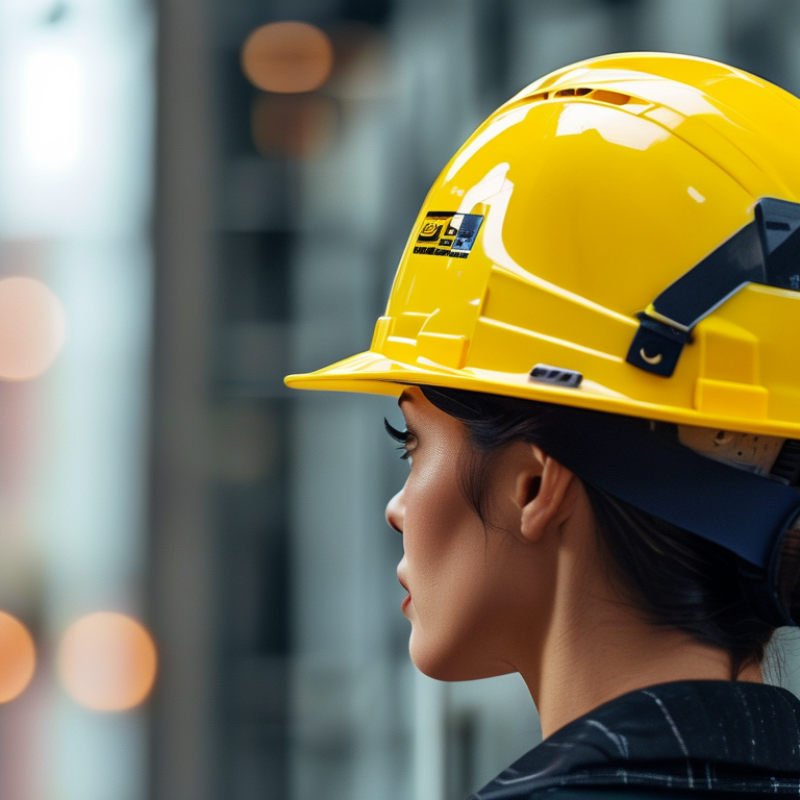
Overview of Safety Helmets and Their Importance
Safety helmets are crucial for protecting workers in various industries. According to the Occupational Safety and Health Administration (OSHA), head injuries account for about 10% of all workplace fatalities. This emphasizes the need for proper head protection. Helmets not only safeguard against falling objects but also protect against electrical hazards and impact injuries.
Different types of safety helmets exist, each designed for specific applications. Hard hats made of polycarbonate are common in construction. They provide excellent impact resistance. In contrast, bump caps offer lighter protection for low-risk environments. A study by the National Institute for Occupational Safety and Health (NIOSH) highlights that nearly half of all workers do not wear helmets regularly. This statistic raises concerns about compliance and safety culture.
Despite improvements in helmet design and materials, misconceptions still linger. Some workers believe that helmets are uncomfortable or unnecessary for specific tasks.
However, advancements in ergonomics and lightweight materials have made modern helmets more comfortable. It’s critical for organizations to foster a culture of safety, where wearing a helmet becomes second nature. Each employee deserves the best protection available.
Types of Safety Helmets Used in Different Industries
When it comes to safety helmets, different industries have unique requirements. Construction, manufacturing, and electrical work often demand specific helmet types to ensure optimal head protection. According to the Bureau of Labor Statistics, construction sites account for around 20% of work-related head injuries. Using proper helmets can significantly reduce this risk.
In the construction sector, hard hats are essential. They protect workers from falling objects and impact. In a report from the Occupational Safety and Health Administration (OSHA), it’s noted that hard hats must meet stringent standards for impact resistance. For electrical workers, helmets with integrated face shields are recommended. These helmets protect against electrical hazards and severe impacts.
**Tips:** Always choose helmets that comply with industry regulations. Replace helmets that show signs of wear or damage. Regular training on proper helmet usage can enhance safety awareness among workers.
Manufacturing environments may utilize helmets with built-in communication systems. These allow for better coordination among workers in high-noise areas. Yet, even with advanced features, it’s crucial to maintain basic safety protocols. Workers should be encouraged to do checks on their helmets regularly.
Key Features to Consider When Choosing a Safety Helmet
When selecting a safety helmet, various critical features come into play. The weight of the helmet significantly impacts comfort and wearability. A lighter helmet allows for extended usage without causing fatigue. According to a 2021 report by the National Institute for Occupational Safety and Health, over 70% of workers prefer helmets under 15 ounces.
Another key consideration is the type of suspension system. Some models offer adjustable suspensions, enhancing fit and stability. Evidence suggests that a good fit can reduce the risk of injury by nearly 30%. Additionally, ventilation is essential; it helps to keep the wearer cool, especially in high-temperature environments. Research indicates that helmets with adequate ventilation are favored by 65% of industrial workers.
Lastly, consider the helmet’s impact and penetration ratings. Helmets must comply with established safety standards. Understanding these ratings is vital for informed choices. However, some users overlook the importance of regular inspections, which can compromise safety. Awareness of potential wear and tear is crucial. Many manufacturers recommend replacing helmets every 3-5 years, but actual lifespans can vary widely based on usage and care.
Regulations and Standards Governing Safety Helmet Use
Safety helmets are essential for protecting workers in various environments. Regulations governing their use vary by country and industry. Organizations often rely on standards set by recognized safety authorities. This ensures that helmets provide adequate protection against potential hazards.
In many regions, safety standards specify impact resistance, penetration resistance, and electrical insulation. Helmets must pass rigorous testing to meet these criteria. Some designs also include features like adjustable straps for a secure fit. However, compliance can sometimes be overlooked. Users may face challenges in consistently adhering to safety protocols.
Workers should regularly inspect their helmets for wear and tear. Cracks or damage can compromise protection. It's crucial to stay updated on regulations. Many organizations offer training on helmet care and maintenance. Engaging in ongoing education can improve safety awareness. This is vital since the effectiveness of helmets largely hinges on proper usage.
Maintenance and Care Tips for Safety Helmets
Safety helmets are crucial for protecting workers from head injuries. Proper maintenance is essential for ensuring their effectiveness. Unfortunately, many workers neglect helmet care. According to a report by the National Institute for Occupational Safety and Health, 40% of construction workers do not regularly inspect their helmets.
Routine inspections should check for cracks, dents, and faded materials. These signs indicate that the helmet may not offer optimal protection. Keeping helmets clean is also important. Dirt and grease can wear down materials, making them less effective. A gentle soap solution works well for cleaning.
Storage impacts helmet longevity too. Helmets should be kept in a cool, dry place, away from direct sunlight. Prolonged exposure to UV rays can deteriorate the helmet's materials. Additionally, users often overlook the importance of replacing helmets. Guidelines recommend replacing helmets every five years, or sooner if they have been impacted. Awareness and practice of these maintenance tips can greatly enhance head protection on job sites.
Top Safety Helmet Types for Ultimate Head Protection
| Helmet Type |
Material |
Weight (grams) |
Protection Level |
Typical Use Cases |
| Hard Hat |
Polycarbonate |
400 |
ANSI Z89.1 Type I |
Construction, Manufacturing |
| Bump Cap |
High Density Polyethylene |
300 |
Lightweight, Non-ANSI |
Warehouse, Maintenance |
| Full Brim Helmet |
Fiberglass |
500 |
ANSI Z89.1 Type I |
Construction, Forestry |
| Climbing Helmet |
Polycarbonate, EPS Foam |
350 |
CE EN 12492 |
Rock Climbing, Mountaineering |
| Welding Helmet |
Polycarbonate |
450 |
ANSI Z87.1 |
Welding, Metal Fabrication |
Maintenance and Care Tips for Safety Helmets
| Tip |
Description |
Frequency |
| Regular Inspection |
Check for cracks, dents, or other damages. |
Before each use |
| Cleaning |
Wipe with a damp cloth and mild soap. |
Monthly |
| Storage |
Keep in a cool, dry place, away from direct sunlight. |
As needed |
| Replacement |
Replace after a significant impact or every 3-5 years. |
Every 3-5 years |
| Check Accessories |
Ensure chin straps, liners and other components are intact. |
Before each use |
Conclusion
Safety helmets are essential for protecting the head in various industries, offering a critical layer of safety against potential hazards. Understanding the different types of safety helmets available is vital, as they are designed for a range of environments—from construction sites to industrial workplaces—each with specific requirements. Key features to consider when selecting a safety helmet include impact resistance, fit, comfort, and additional functionalities such as ventilation and communication systems.
Compliance with regulations and standards is paramount for effective safety helmet use, ensuring that they meet the necessary safety criteria. Proper maintenance and care are also crucial for extending the lifespan and effectiveness of safety helmets. Regular inspections and cleaning can help ensure that these helmets provide ultimate protection when needed most, making it imperative for workers to prioritize proper headgear in their safety protocols.

 Xintuo