Analyzing global commercial PPE demand, material optimizations, and protective solutions for heavy industries.
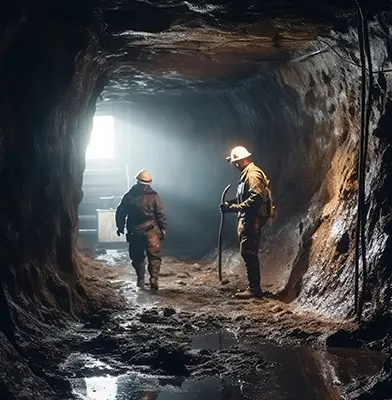
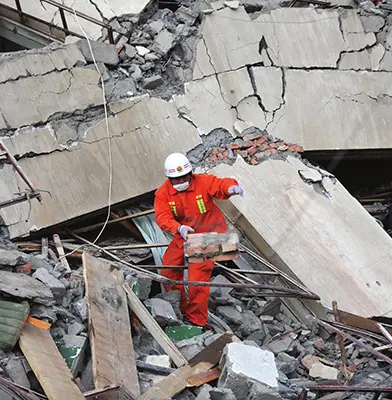
In the modern era of fast-paced industrial development, global infrastructure projects, heavy manufacturing, mining, and oil extraction require stringent safety standards. Falling objects, high-velocity debris, and electrical hazards account for a massive percentage of occupational brain injuries. Standard headwear no longer suffices. Linyi Xintuo Industry and Trade Co., Ltd. leads this paradigm shift by producing state-of-the-art ABS (Acrylonitrile Butadiene Styrene) cap-style safety helmets that act as complete structural shock absorption systems.
Compared to standard high-density polyethylene (HDPE), ABS polymers provide a significantly higher structural threshold. By utilizing the robust chemical composition of Acrylonitrile (providing heat stability and chemical resistance), Butadiene (offering extreme impact tenacity), and Styrene (delivering structural rigidity and sleek processing attributes), our protective helmets deliver optimal force deflection metrics. For multinational enterprises, selecting a bulk manufacturing partner who conforms to international regulatory certifications (such as ANSI, CE, and EN) is a strategic step toward optimizing risk management.
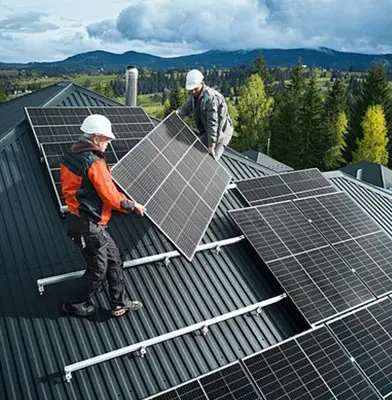
Our macro industry safety solutions extend beyond individual products. We work with engineering procurement construction (EPC) firms to establish tailor-made safety plans. By supplying customized color coding, integrated high-visibility reflective elements, and modular accessory slots (for ear muffs, face shields, and communication gear), Linyi Xintuo solves the complex logistics of personnel identification and safety compliance on dynamic project sites.
Engineered for transport, civil engineering, petrochemical operations, and general assembly lines.
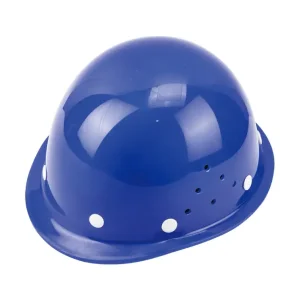
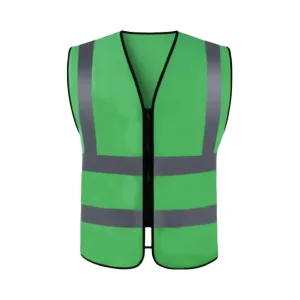
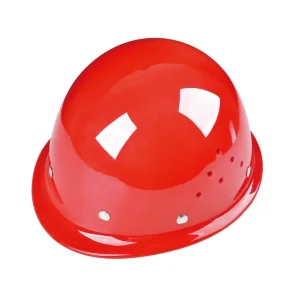
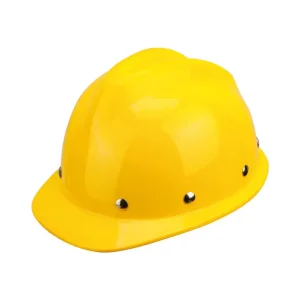
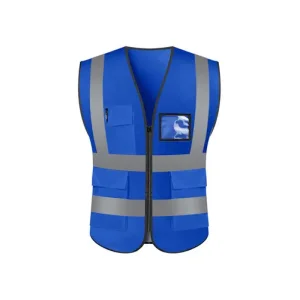
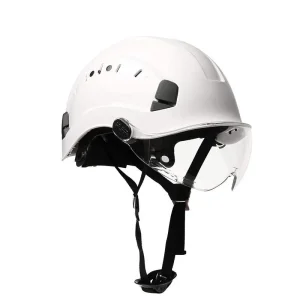
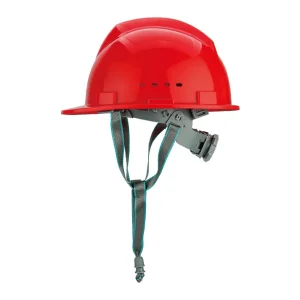
A deep scientific breakdown of how structural materials impact human safety factors on-site.
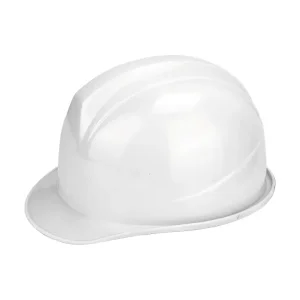
Selecting safety headwear requires looking beyond raw cost metrics. The mechanical performance of head protection hinges on its shell material and suspension geometry. ABS (Acrylonitrile Butadiene Styrene) is a high-grade structural thermoplastic copolymer. Below, we compare ABS safety caps with other common market materials like High-Density Polyethylene (HDPE) and Fiberglass-Reinforced Plastics (FRP).
| Mechanical Property | ABS (Premium Shells) | HDPE (Standard Shells) | Fiberglass / FRP |
|---|---|---|---|
| Impact Resistance | Excellent (high kinetic dispersion) | Moderate (deformation under heat) | Exceptional (shatter risk on sharp point impact) |
| Chemical Resistance | High (resists organic solvents/acids) | High (susceptible to stress cracking) | High (highly chemical inert) |
| Dielectric Strengths | Non-conductive, High ratings | Non-conductive | Conductive variations exist unless treated |
| Weight Balance Ratio | Optimal (high strength-to-weight) | Lightest weight (sacrifices toughness) | Heavy (can cause neck strain) |
| Thermal Range | Stable from -20°C to +80°C | Restricted cold-weather flexibility | Superb heat resistance |
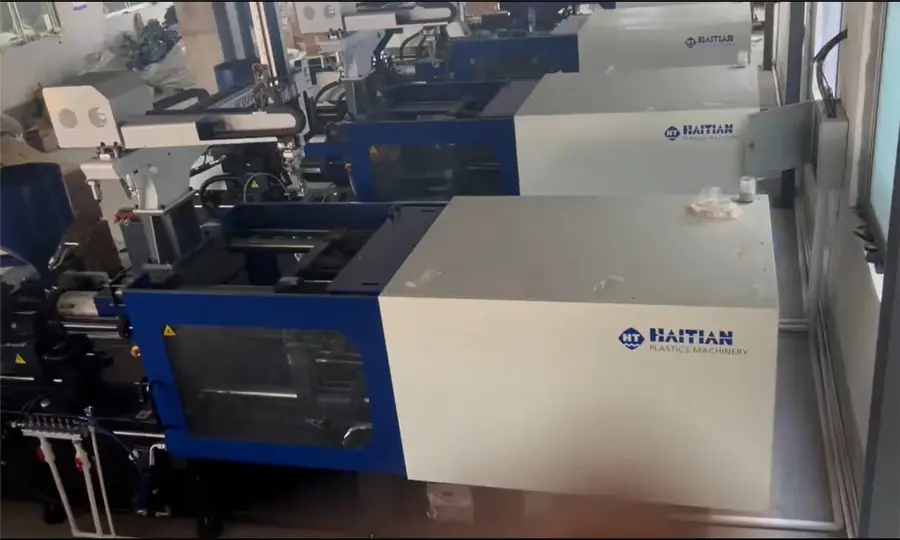
Linyi Xintuo integrates advanced precision injection molding techniques to eliminate micro-structural defects. This results in uniform wall thicknesses, eliminating stress concentration points that are common in low-cost manufacturing processes.
Our core capabilities, structural technologies, and high-performance safety standards.
Linyi Xintuo products are designed and engineered to meet and exceed global regulatory safety standards, including ANSI Z89.1, CE (EN 397), and local GB2811 certifications. We prioritize testing for lateral deformation, high-voltage insulation, and temperature extreme tolerances.
By using premium raw materials and high-impact fiberglass composites, we manufacture shells with an excellent strength-to-weight ratio. This reduces user fatigue while maintaining safety compliance in demanding worksites.
We stand by our products with comprehensive technical guidance, material specifications, safety wear training guidelines, and quick replenishment shipping terms to protect your workforce without disruption.
From custom color mixing and placement of brand logos to special ventilation configurations and custom multi-point suspensions (4-point, 6-point, and 8-point configurations), we support customized OEM requirements.
Our helmets are tested in accredited testing facilities to earn global safety certifications.
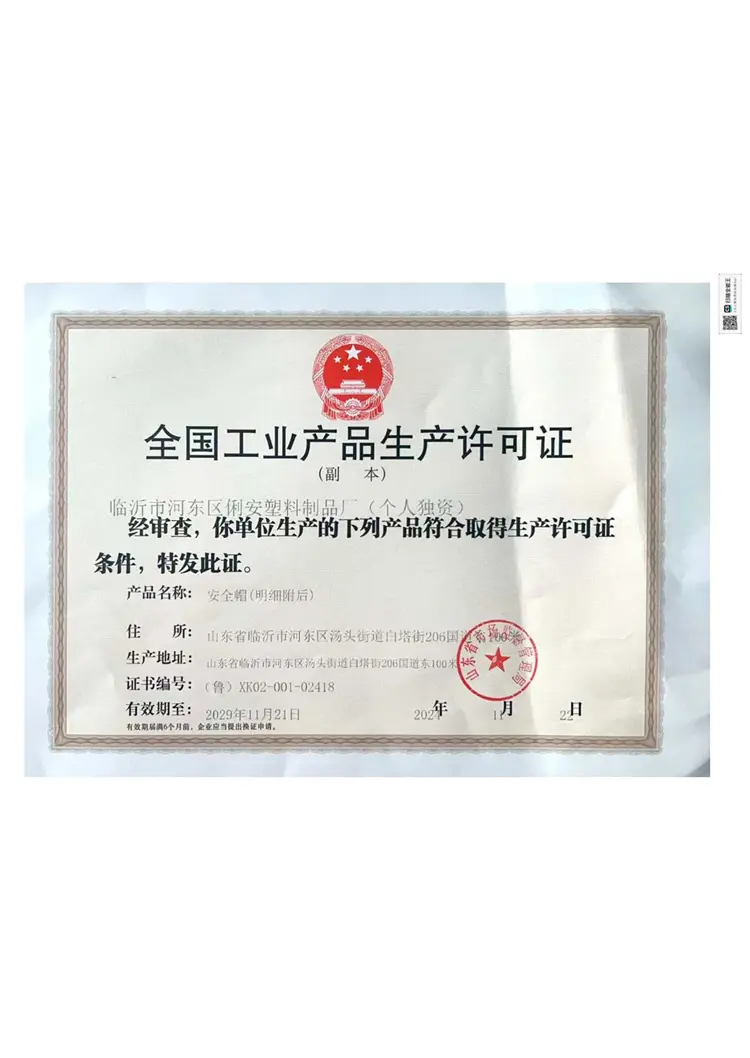
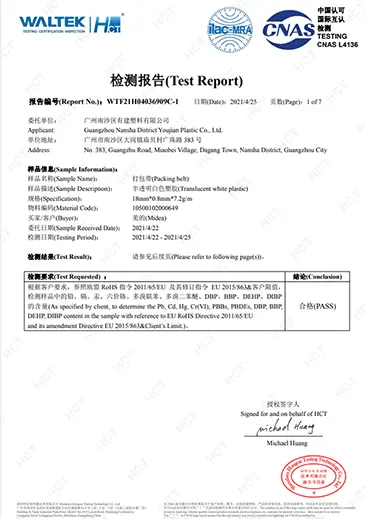
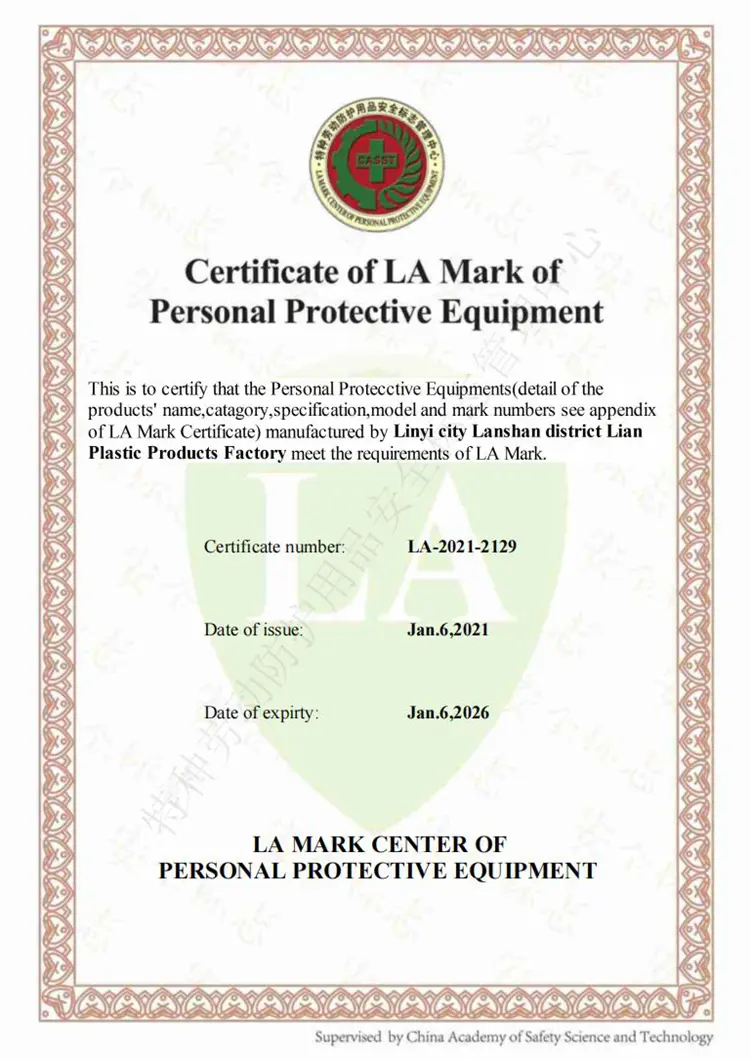
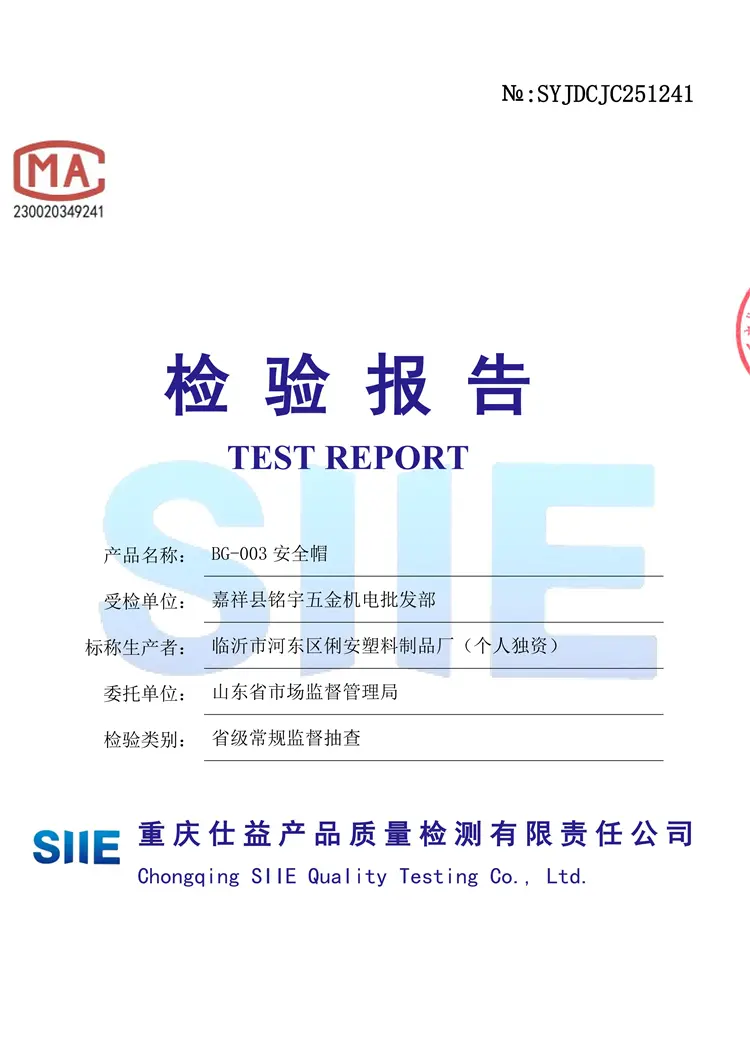
Our standardized management processes, verified under strict ISO protocols, ensure that each batch meets safety performance guidelines. We test our helmets' resistance to vertical and lateral impact energy transmission, shell penetration by sharp objects, flame contact, and high-voltage electrical breakdown. This focus on compliance makes Linyi Xintuo a reliable choice for international distributors and large-scale industrial projects.
Request Certified Lab ReportsStep inside Linyi Xintuo’s manufacturing facilities and review our international exhibitions.

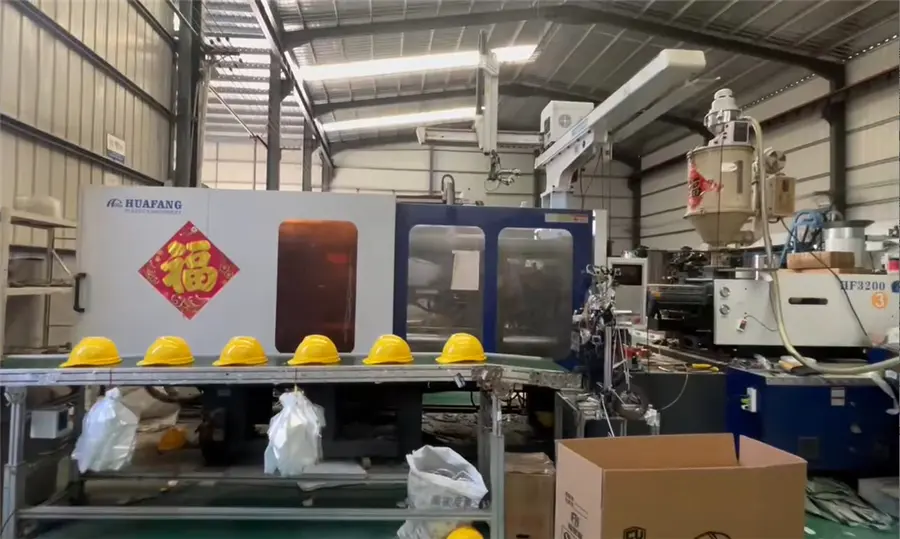
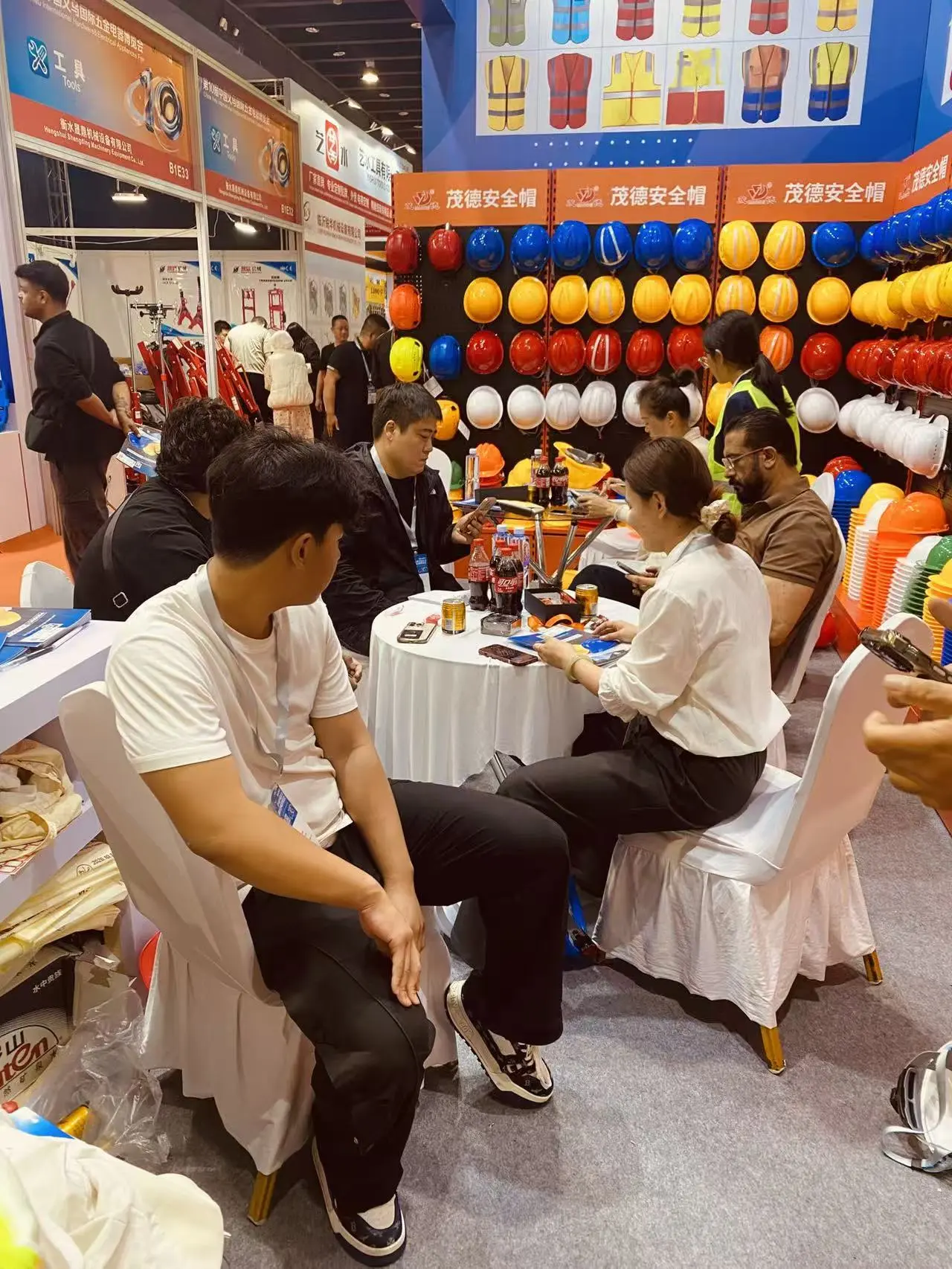
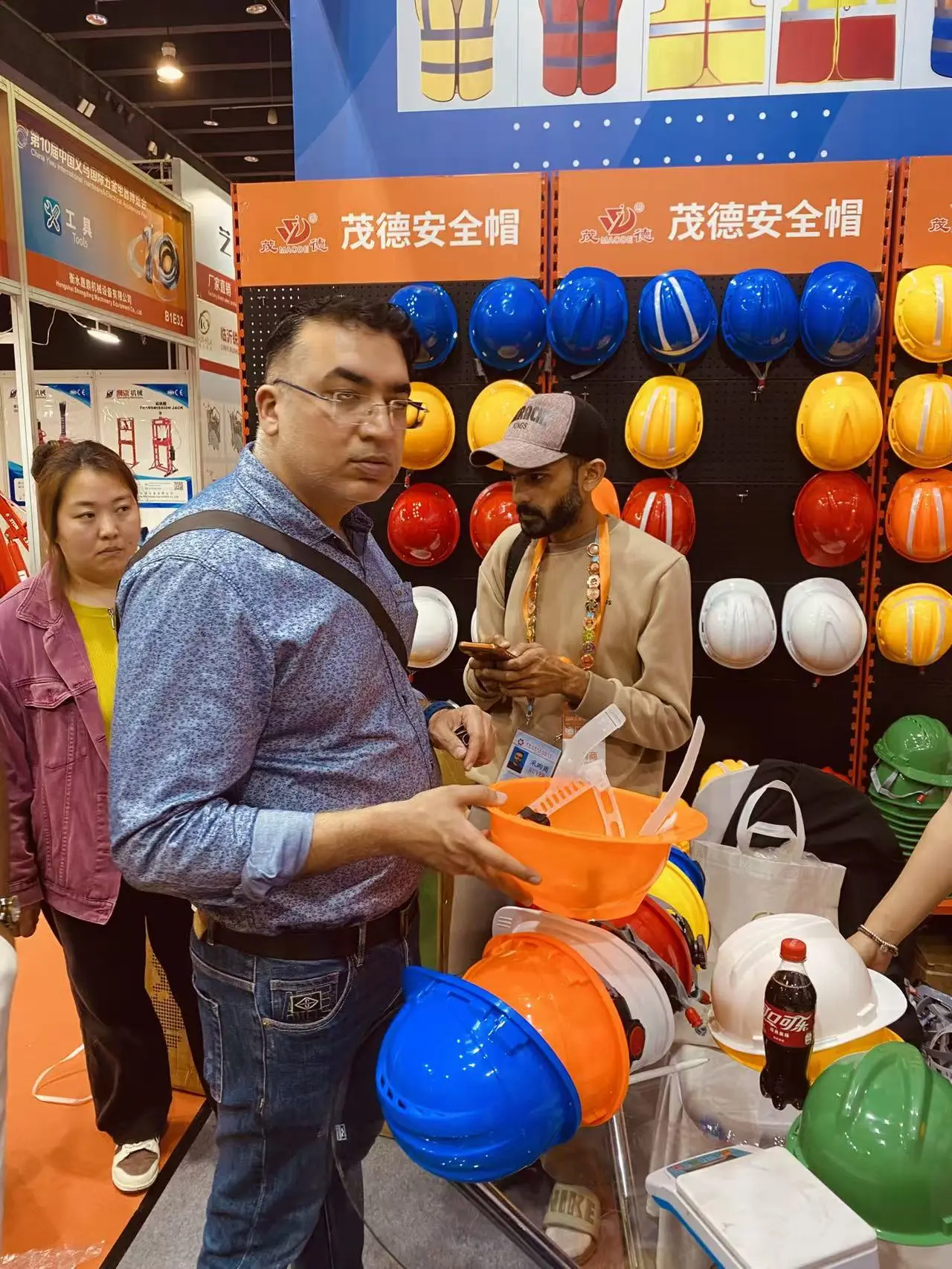
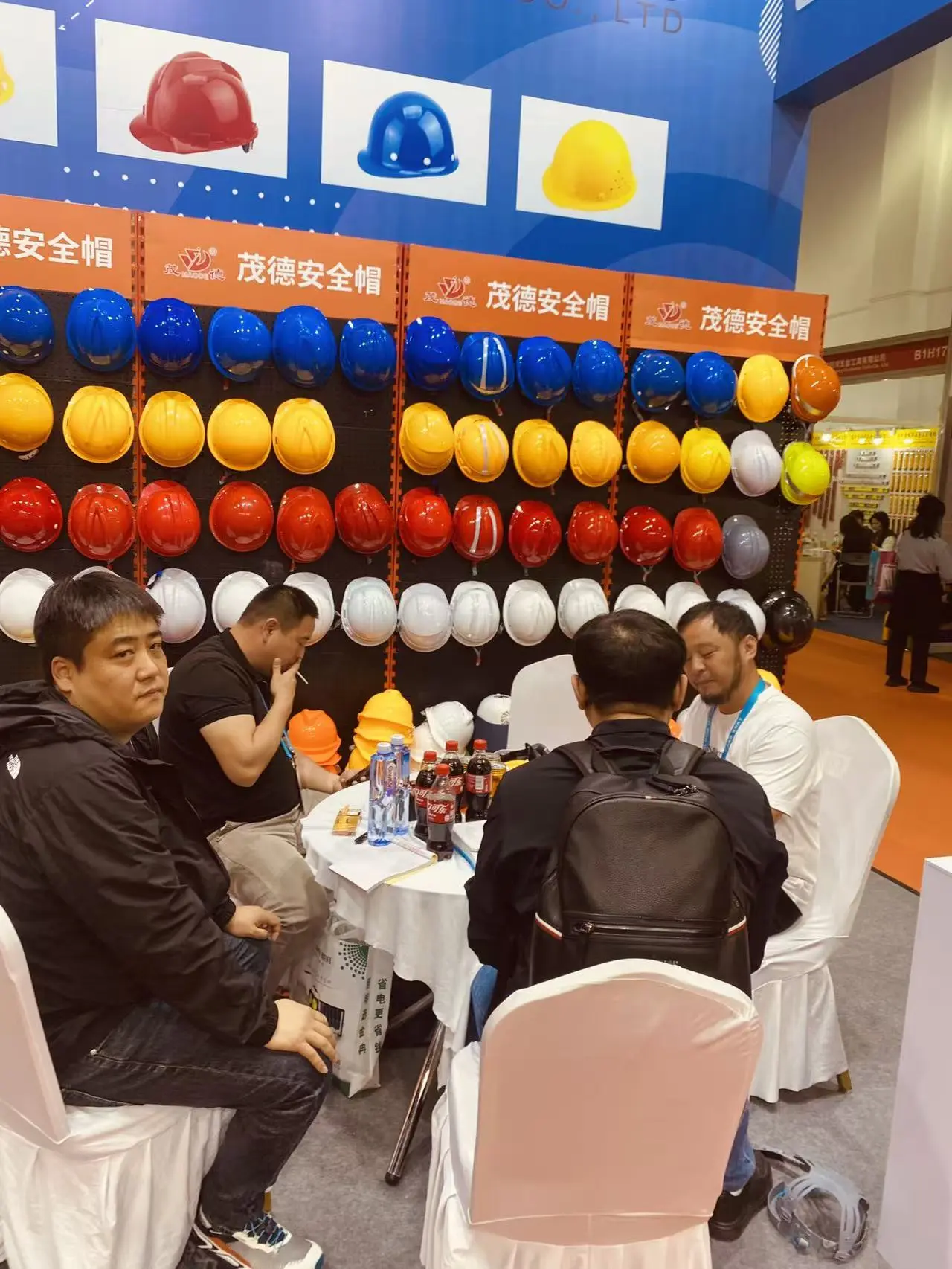
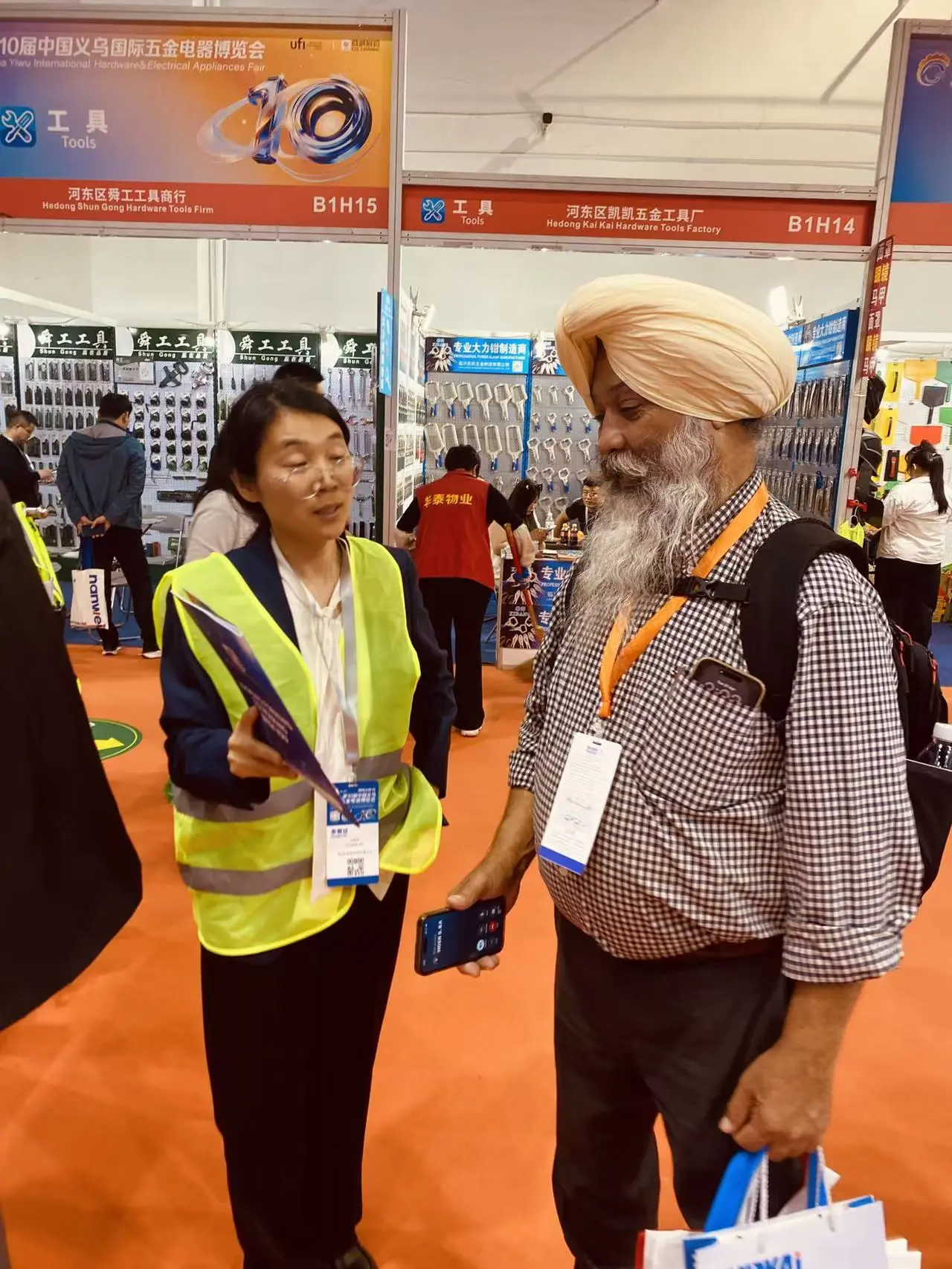
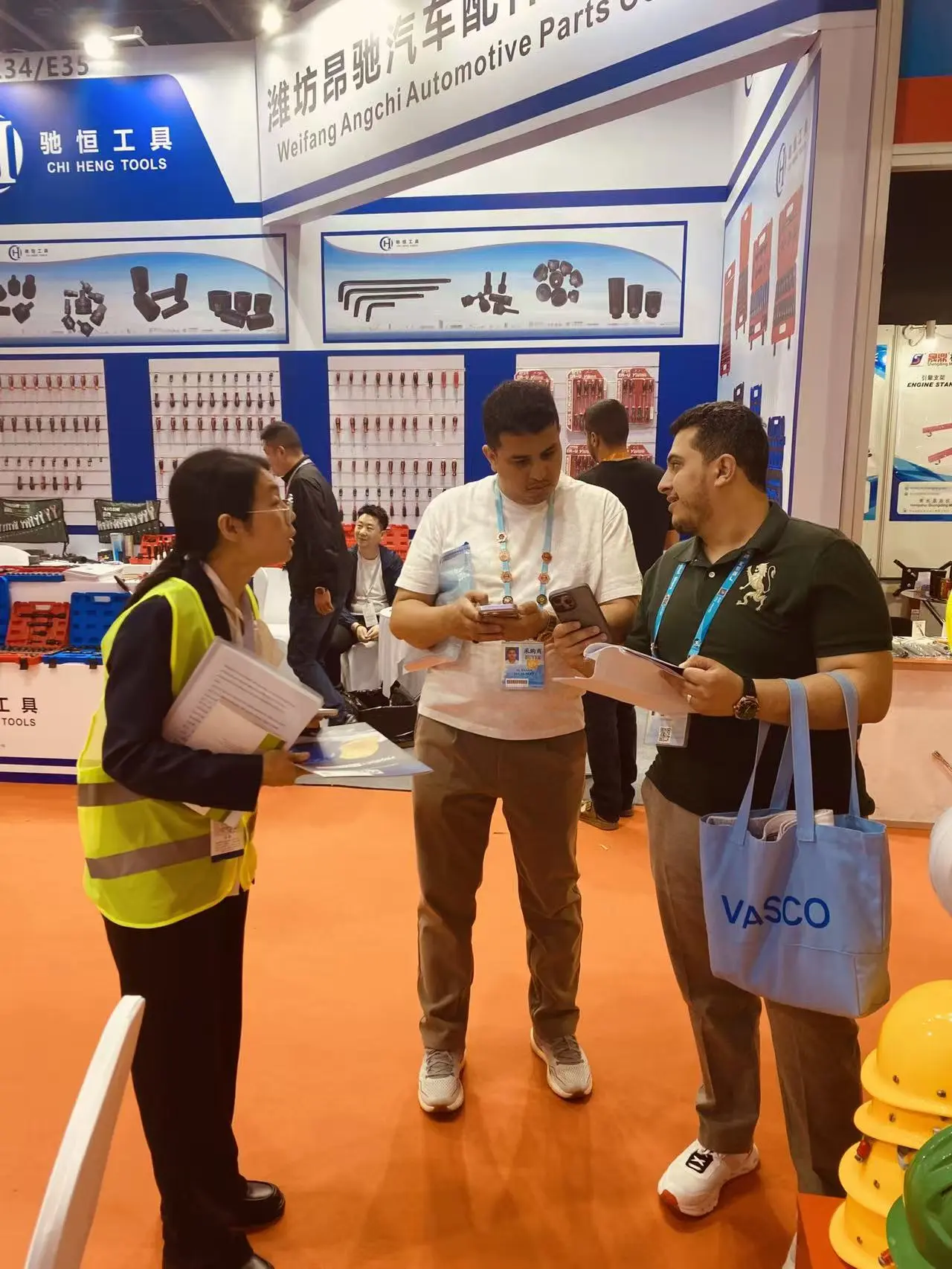
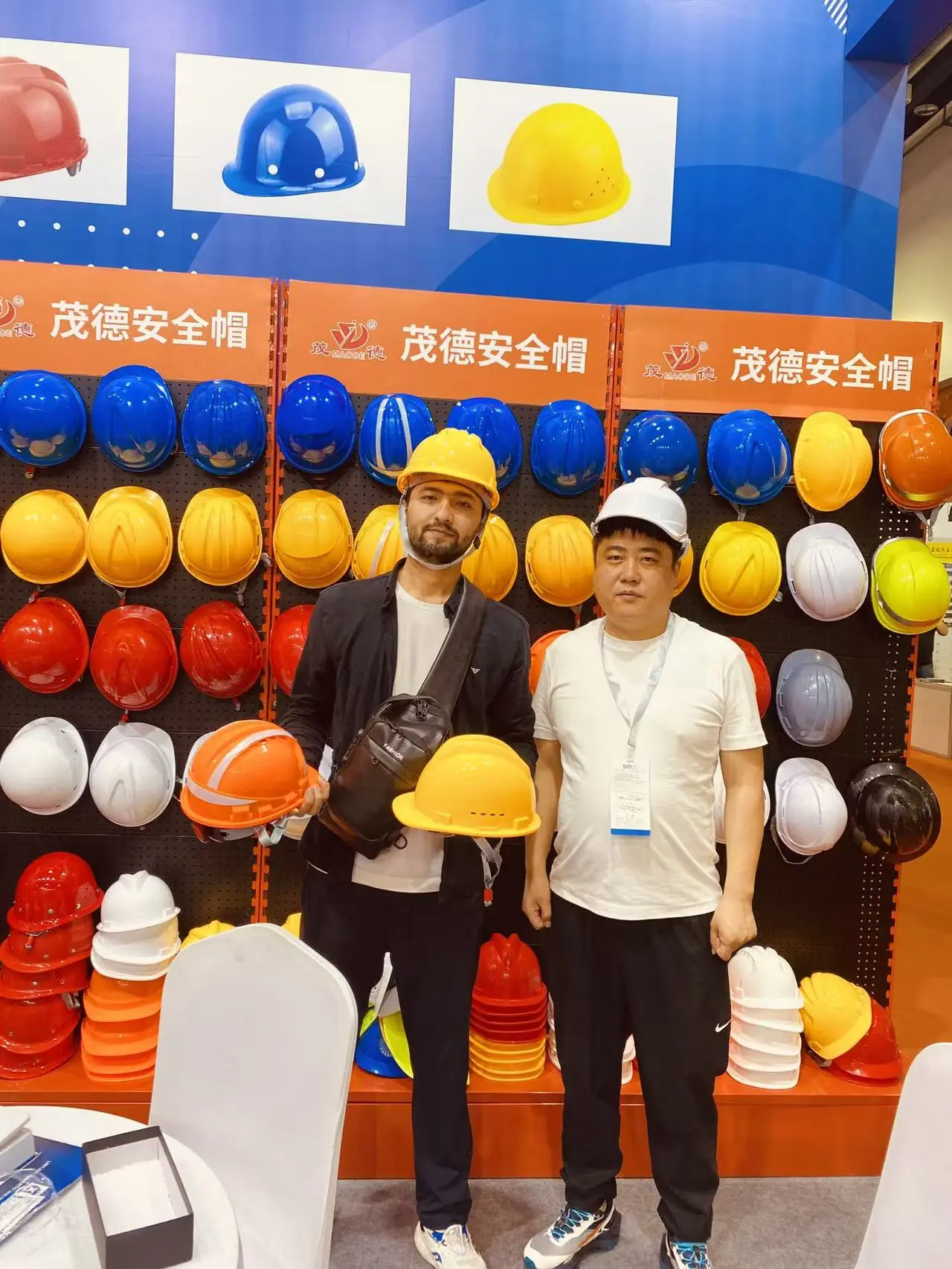
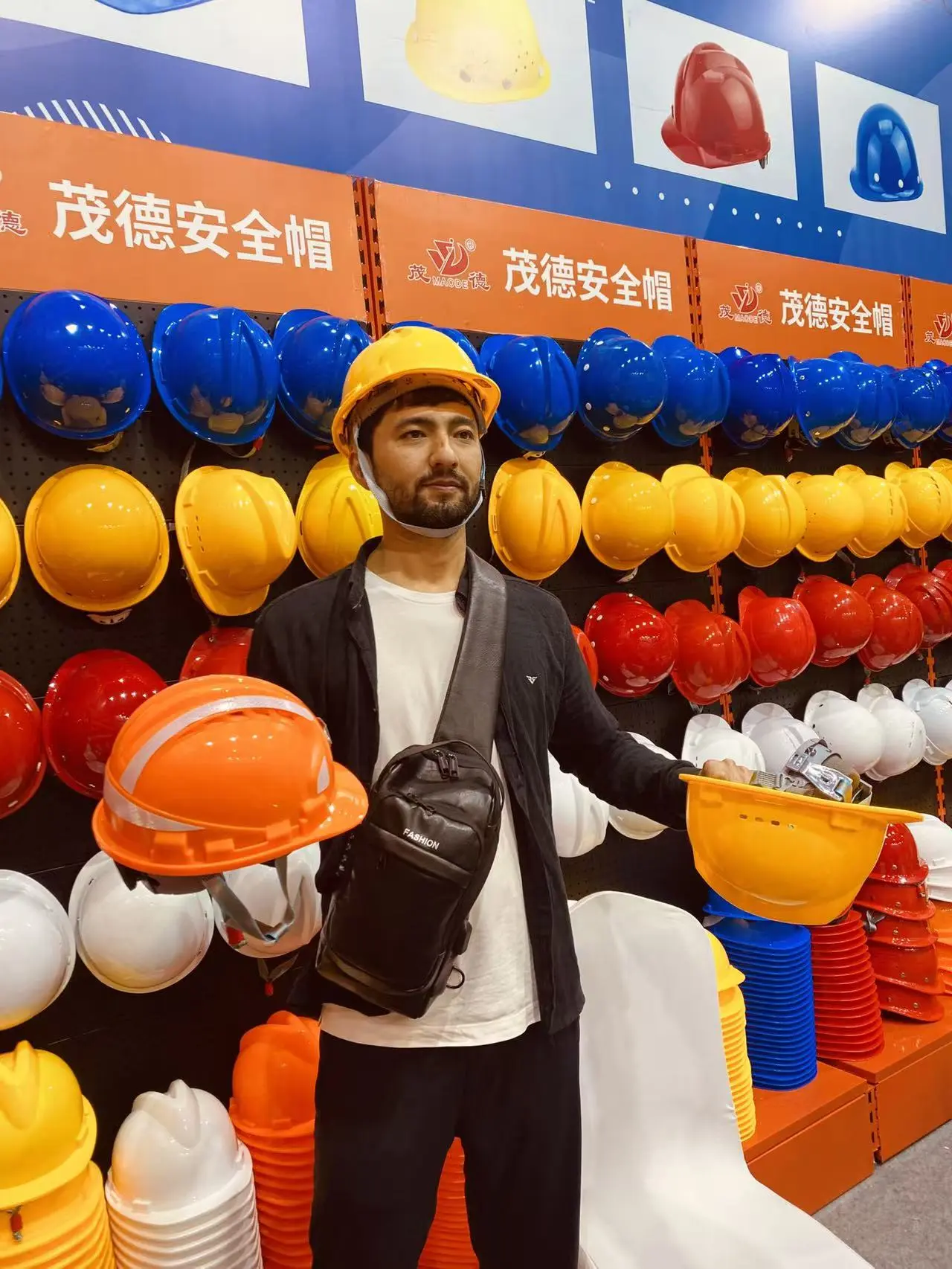
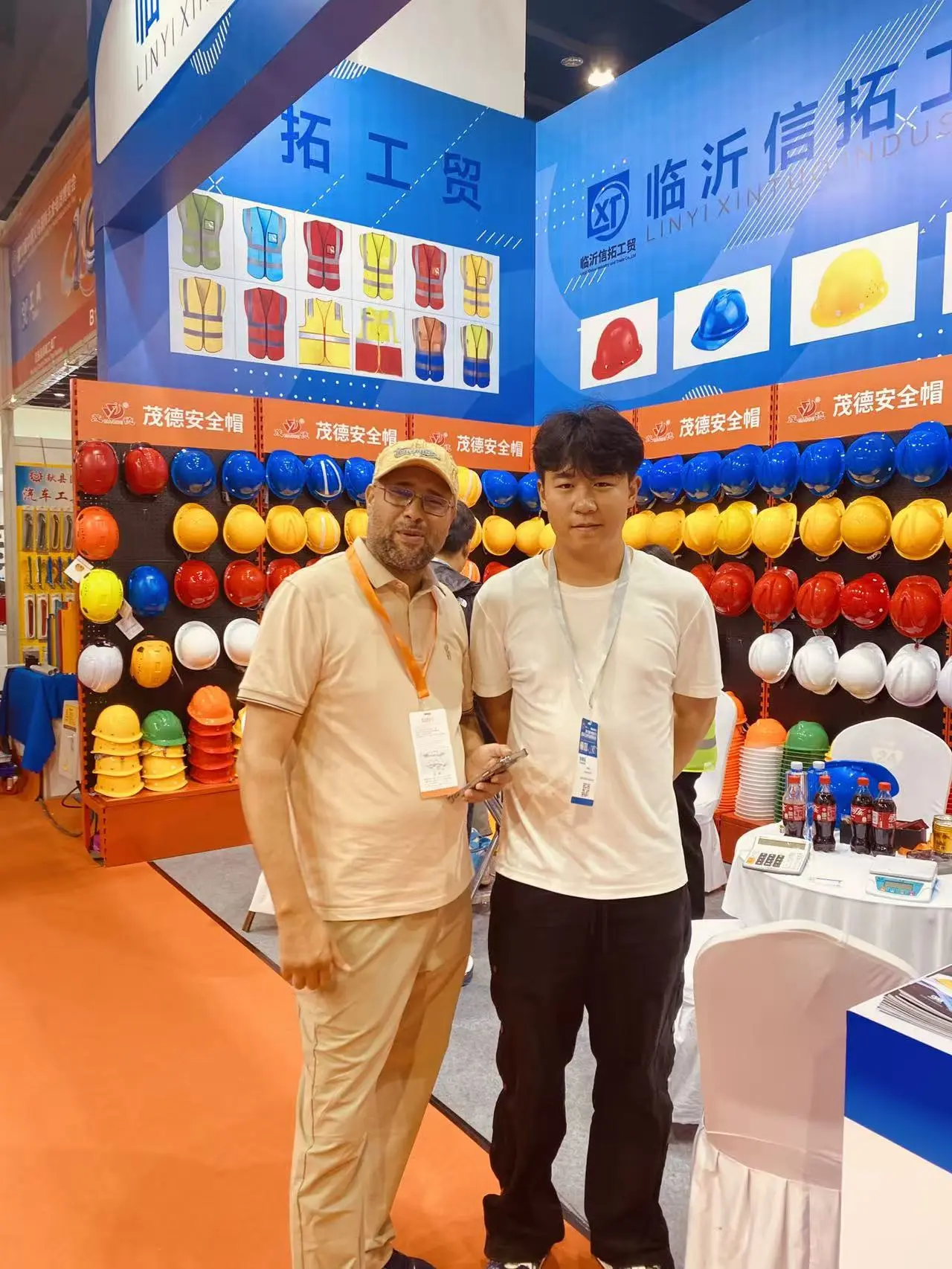
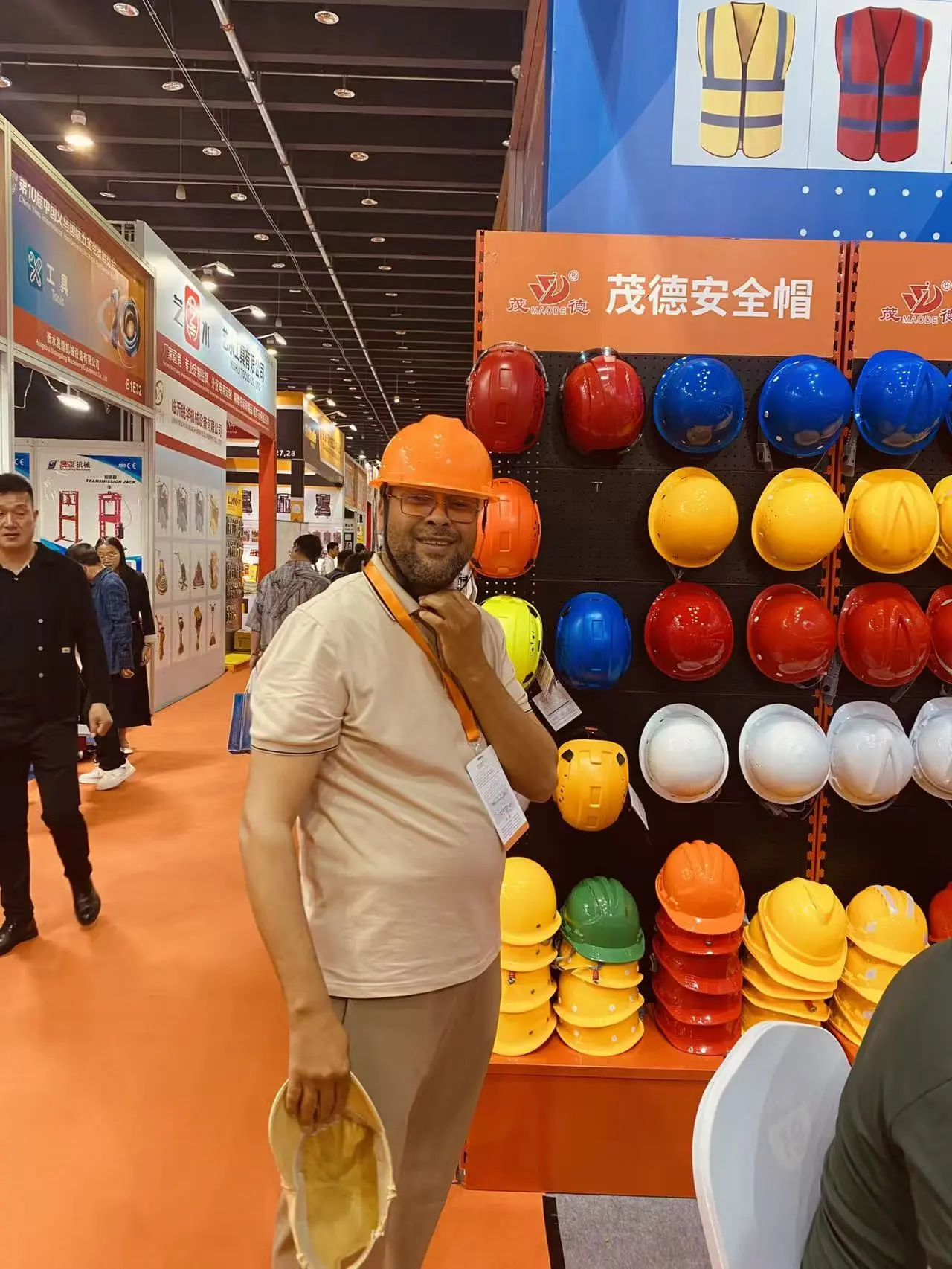
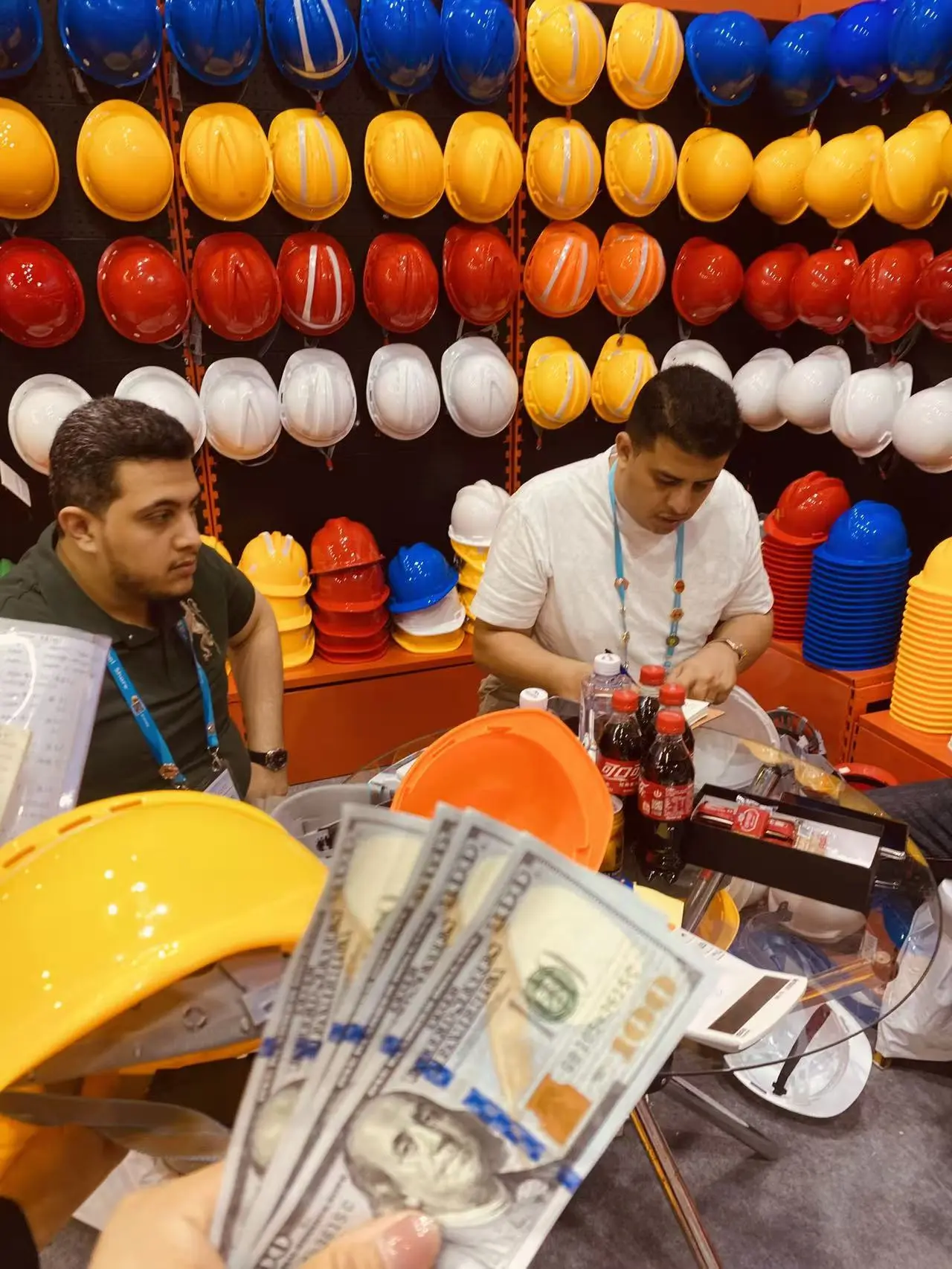
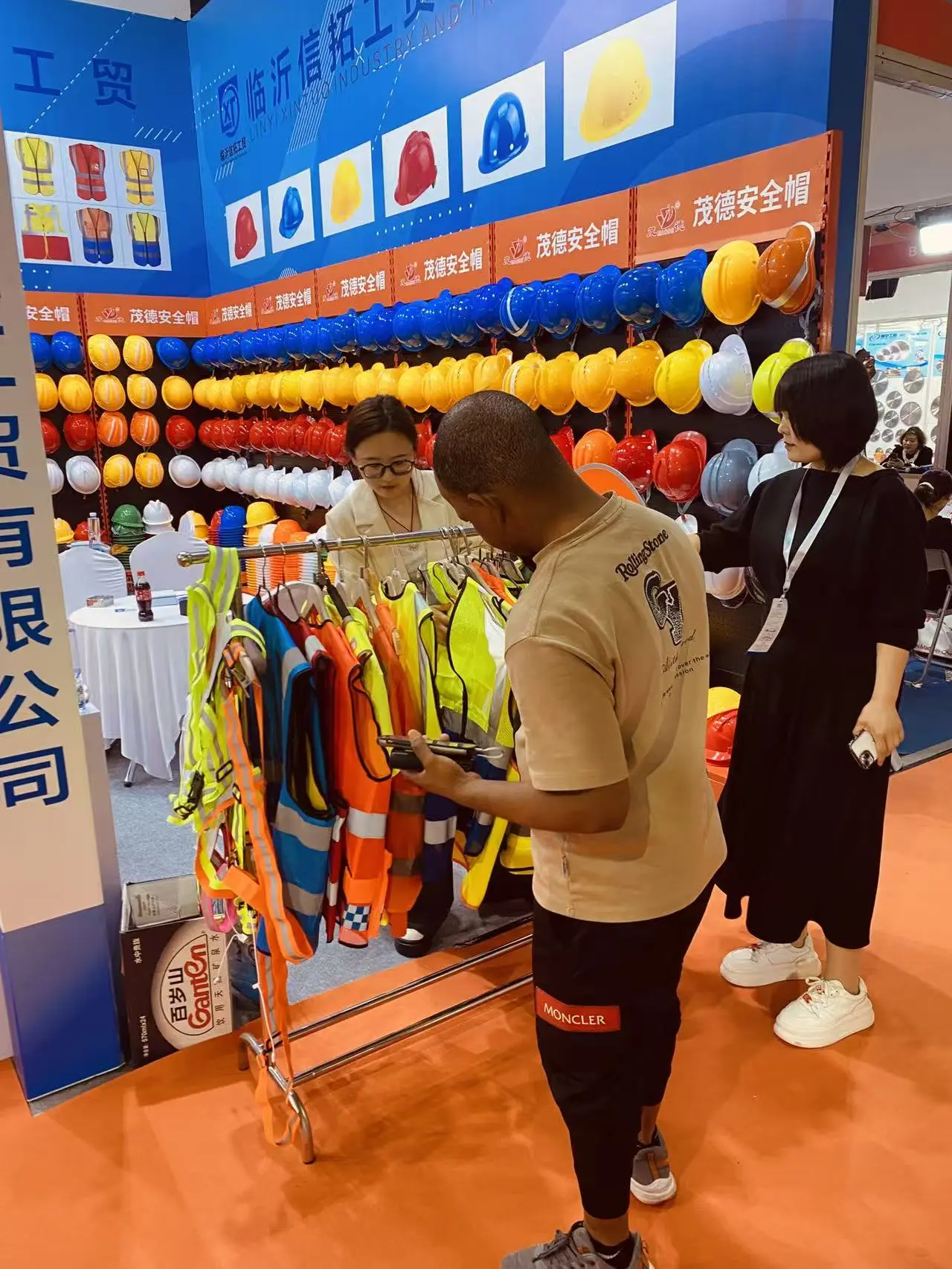
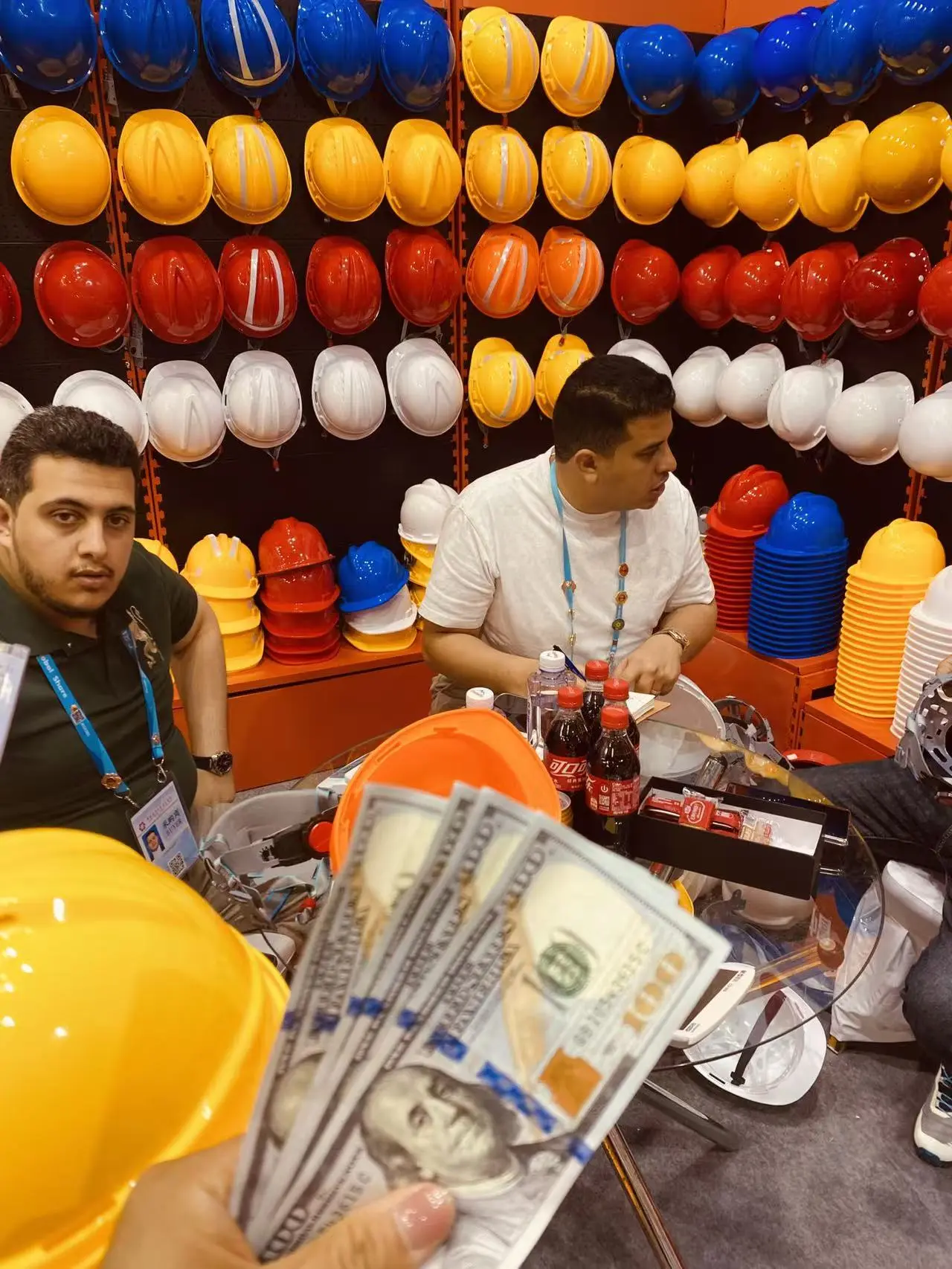
Understanding correct safety wear usage and raw material applications across specialized fields.
Incorrect use and unauthorized modifications significantly reduce head protection. A safety helmet's shell is designed as a continuous load distribution structure. In a documented incident on a construction site in Fujian, a worker seeking relief from hot weather drilled ventilation holes into his safety helmet. During work, a concrete fragment fell from a height. The altered shell could not deflect the impact, causing severe structural failure. Safety helmets must not be altered, drilled, or painted with non-approved coatings.
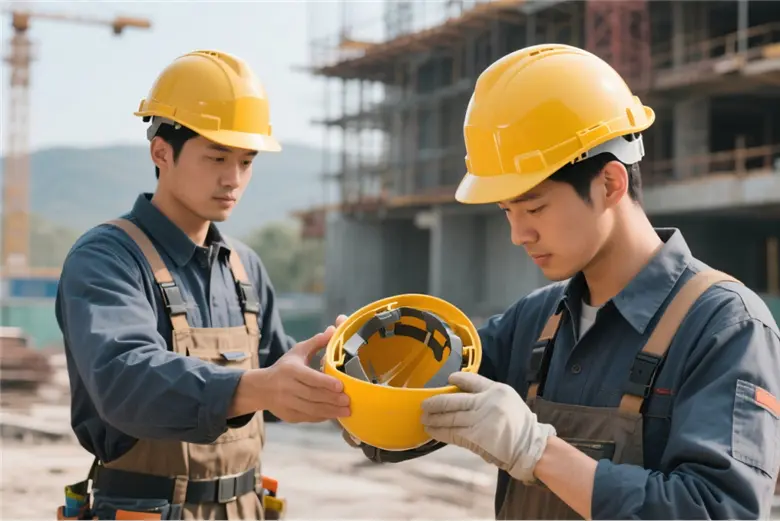
In addition to high-impact thermoplastic polymers like ABS, the industrial composites field relies heavily on glass fiber reinforcements. We manufacture high-performance structural layers using fiberglass roving, mesh, and chopped strand mats. Using high-quality glass fibers helps prevent thermal expansion, increases shear strength, and improves safety parameters in high-temperature environments.


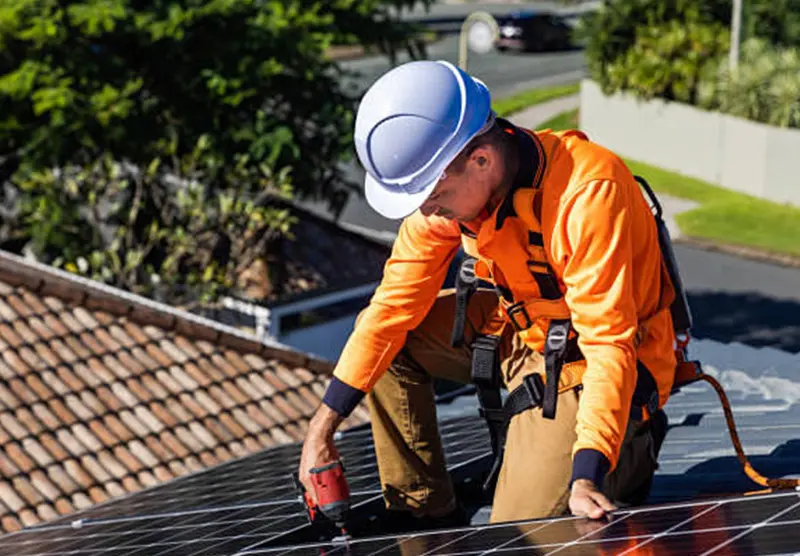



Next-generation head protection technologies: Smart integrations and sustainable materials.
At Linyi Xintuo, our engineering team works on safety headwear innovation. The upcoming product roadmap centers on three main technological goals:
Incorporating embedded NFC chips for rapid access control verification, along with integrated impact sensor systems that transmit alerts to safety managers when a helmet sustains a high-G impact event.
Testing recyclable thermoplastic formulations and bio-based ABS resin structures to lower the carbon footprint of industrial safety products without compromising on tensile or impact strength.
Developing internal suspension systems that use custom molding compounds to distribute load pressures evenly across the head, helping to prevent neck strain during long shifts.
Answers to common questions from procurement managers, compliance officers, and global distributors.
Explore our selection of lightweight PE models, breathable safety wear, and high-visibility options.
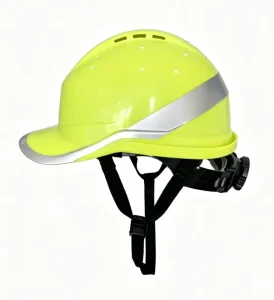
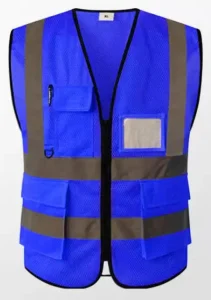
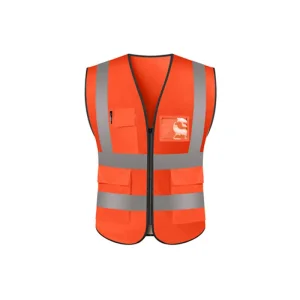
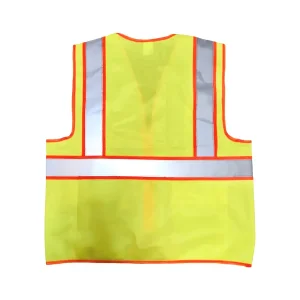
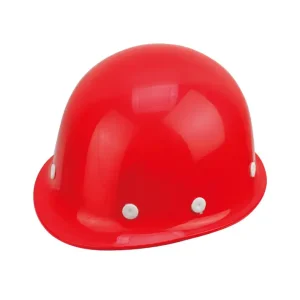
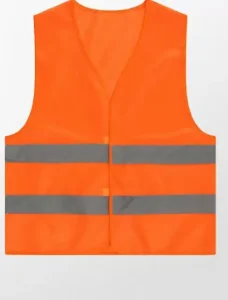
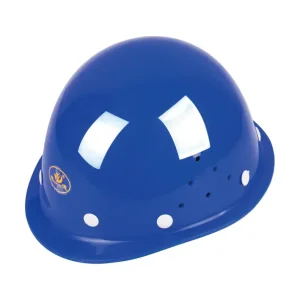
Linyi Xintuo safety helmets are utilized on high-risk job sites by industrial partners around the world.















 Xintuo