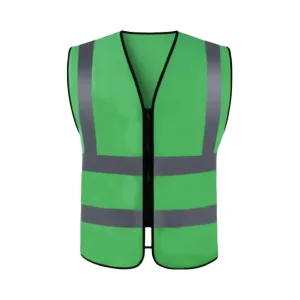
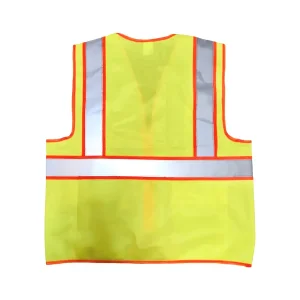
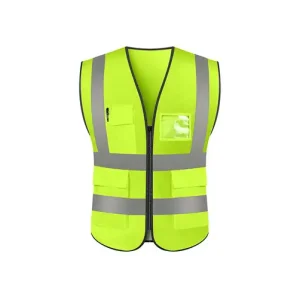
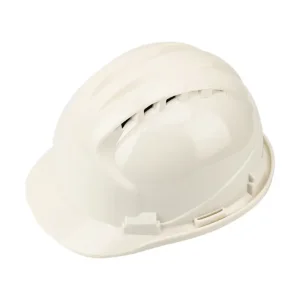
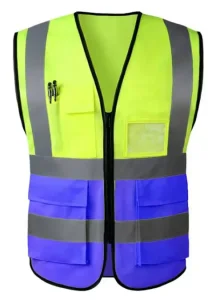
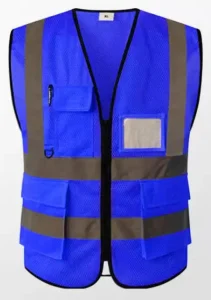
Within the occupational safety and health infrastructure, the sourcing of high-visibility protective apparel presents a continuous tension between budgeting boundaries and non-negotiable regulatory compliance. Procurement professionals seeking cheap reflective vests from China face a complex market. However, "cheap" in Chinese industrial clusters does not represent compromised structural integrity; rather, it denotes unparalleled supply-chain optimization, raw material localization, and economies of scale.
By shifting the focus from transactional low costs to strategic lifecycle value, modern purchasing agents can leverage China's automated textile hubs to procure premium retroreflective workwear that complies perfectly with Class 2/3 ANSI/ISEA 107-2020 and EN ISO 20471. Linyi Xintuo Industry and Trade Co., Ltd., a modern enterprise based in China, demonstrates how vertical production lines and raw material proximity drastically drop base pricing while sustaining elite durability standards.
Global regulations and corporate ESG mandates are driving an unprecedented transition to rPET (recycled polyester) mesh and bio-based polymers in high-visibility garments. Top Chinese manufacturers are pioneering sustainable weaving techniques that utilize post-consumer plastic waste to engineer robust, high-visibility warp-knitted textiles, minimizing environmental footprints without losing tensile strength.
Traditional glass-bead reflective tapes are increasingly supplemented by microprismatic vinyl coatings. These microprisms utilize total internal reflection to bounce back a higher percentage of light, maintaining critical brightness levels under extreme wet weather conditions and expanding wide-angle visibility for dynamic industrial operations.
Passive reflective materials rely entirely on external light sources like vehicle headlamps. To secure workers in dark zones or occluded urban sites, safety managers are upgrading specifications to incorporate integrated active LED strips, powered by ultra-lightweight rechargeable lithium-ion polymer batteries sewn seamlessly into specialized internal lining pockets.
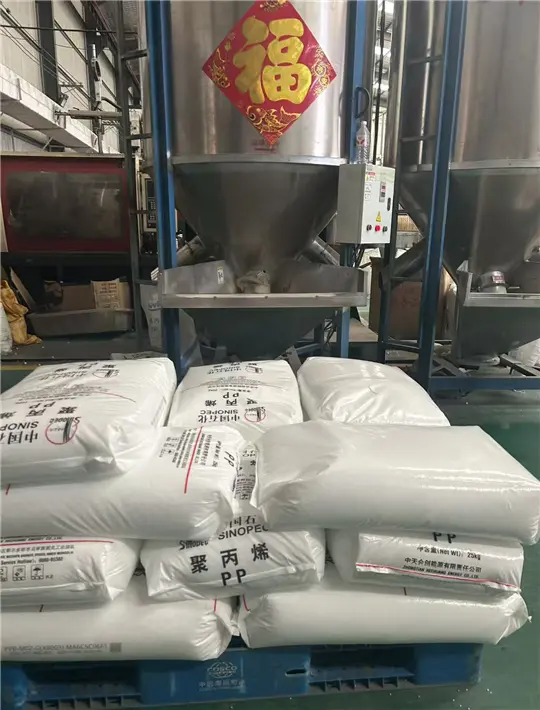
The core mechanism that allows Chinese manufacturers like Linyi Xintuo to supply low-cost reflective vests to international markets is the highly integrated domestic ecosystem. Rather than sourcing disparate components globally, all raw materials, including warp-knitted polyester fabrics, retroreflective glass bead tapes, hardware components, and thread options, are manufactured in adjacent local industrial clusters.
By implementing Factory 4.0 paradigms, China's safety clothing manufacturing facilities have transitioned from labor-intensive manual sewing to automated production modules:
This automated framework translates to a reliable production throughput, yielding short lead times and stable pricing independent of minor global market fluctuations.
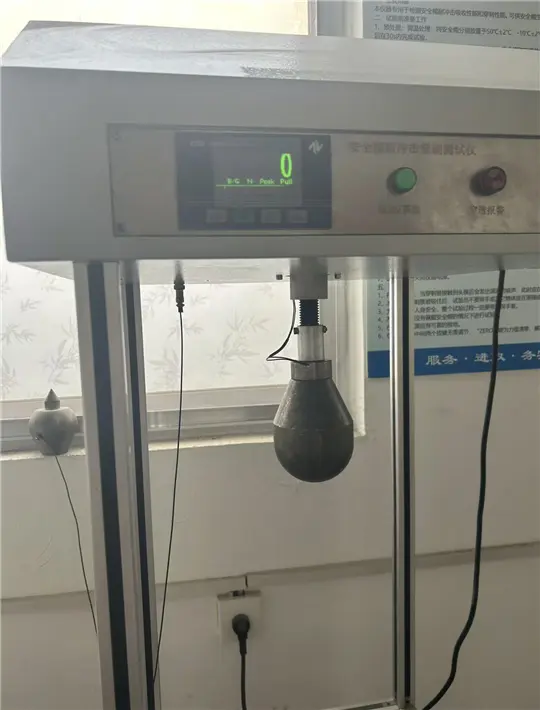
Linyi Xintuo Industry and Trade Co., Ltd. stands as a premier modern enterprise in China, focusing on safety PPE manufacturing, material research, and quality-driven labor protection gear. Driven by a culture of safety innovation, the company continuously channels capital into high-tech testing hardware, high-speed automated weaving lines, and advanced raw material formulation labs.
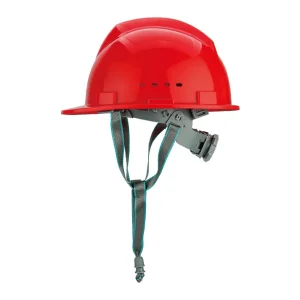
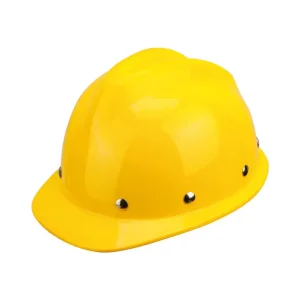
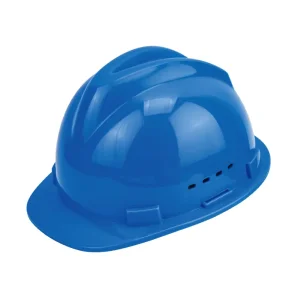
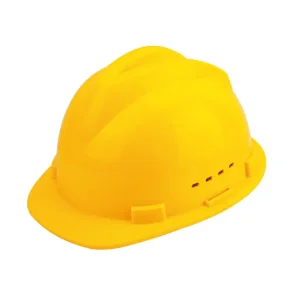
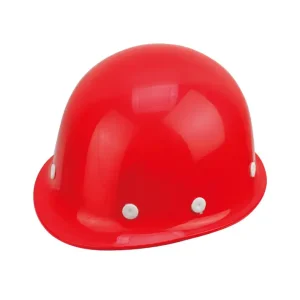
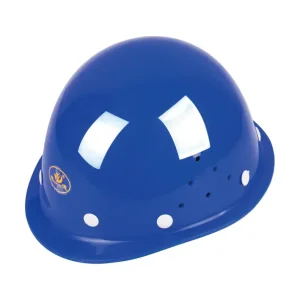
Linyi Xintuo's extensive product portfolio, encompassing industrial safety helmets, fiberglass protective hats, and high-visibility workwear, is engineered to exceed stringent global regulatory frameworks. The company integrates ergonomic comfort with high-impact resistance, using premium fiberglass composites and advanced HDPE polymers that deliver outstanding strength-to-weight performance.
Adhering strictly to ISO 9001-certified pathways, Xintuo operates a standardized manufacturing pipeline ensuring batch-to-batch excellence. Sustainable development remains a foundational principle of our business: we integrate energy-saving production techniques, prioritize eco-friendly non-toxic dyes, and minimize VOC emissions to conform with environmental guidelines.
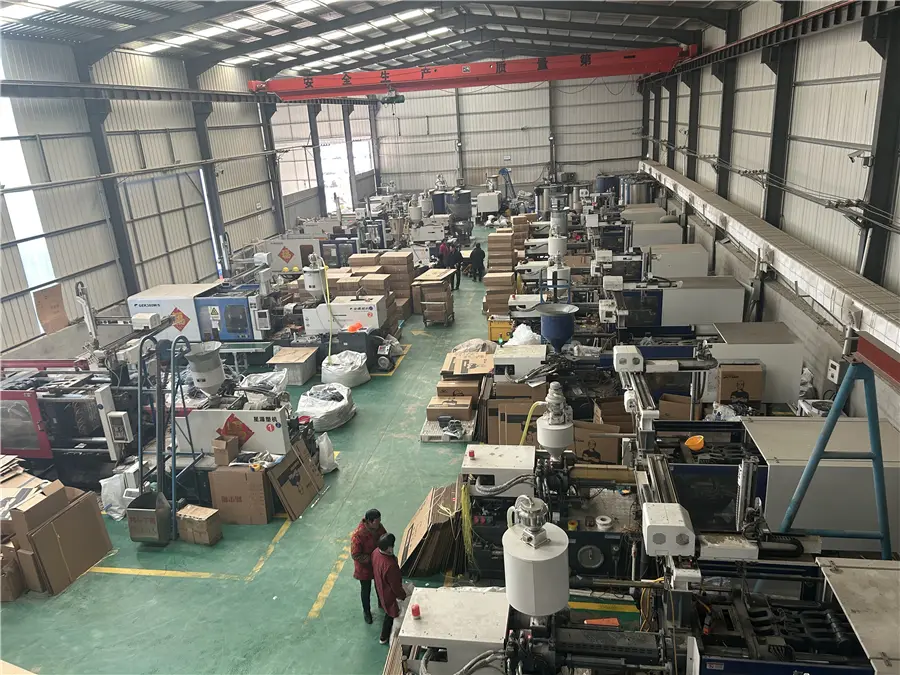
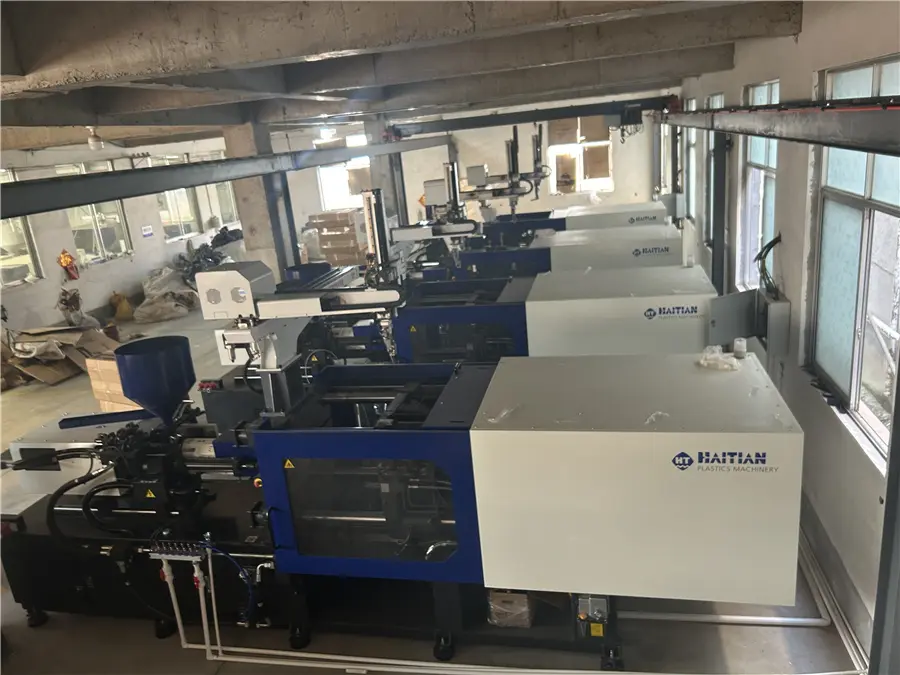
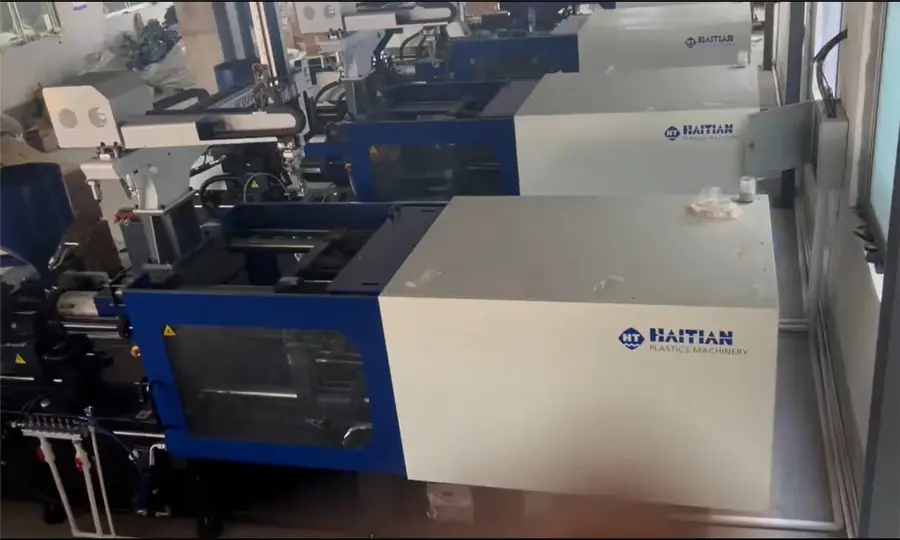
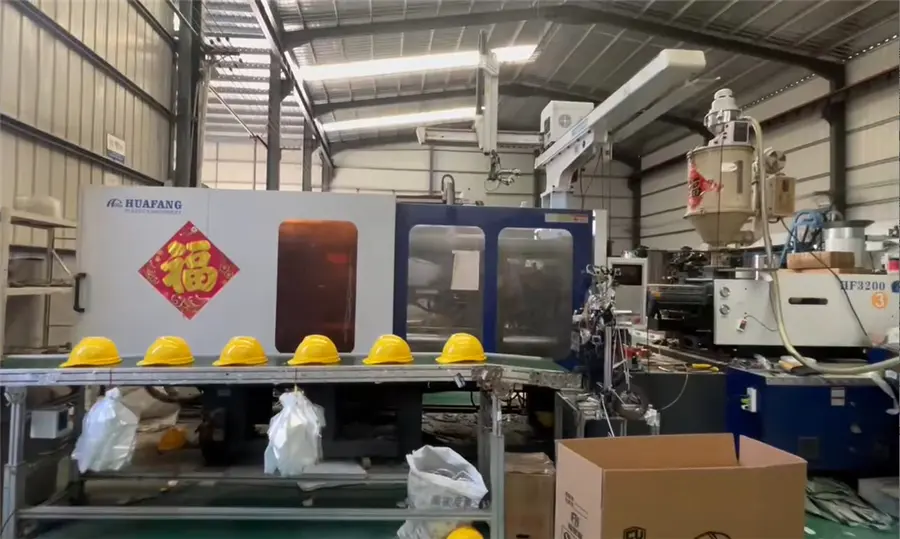
Observe our automated fabric welding, laser-guided cutting, and automated helmet shell injection processes through our production videos.
Our complete high-visibility vest and industrial safety helmet portfolios are engineered, manufactured, and verified to meet or exceed rigorous international safety standard regulations:
By implementing systematic factory testing procedures, we ensure every product batch delivered to our global clients meets raw material properties, seam strengths, and reflectivity limits.
Request Testing Certificates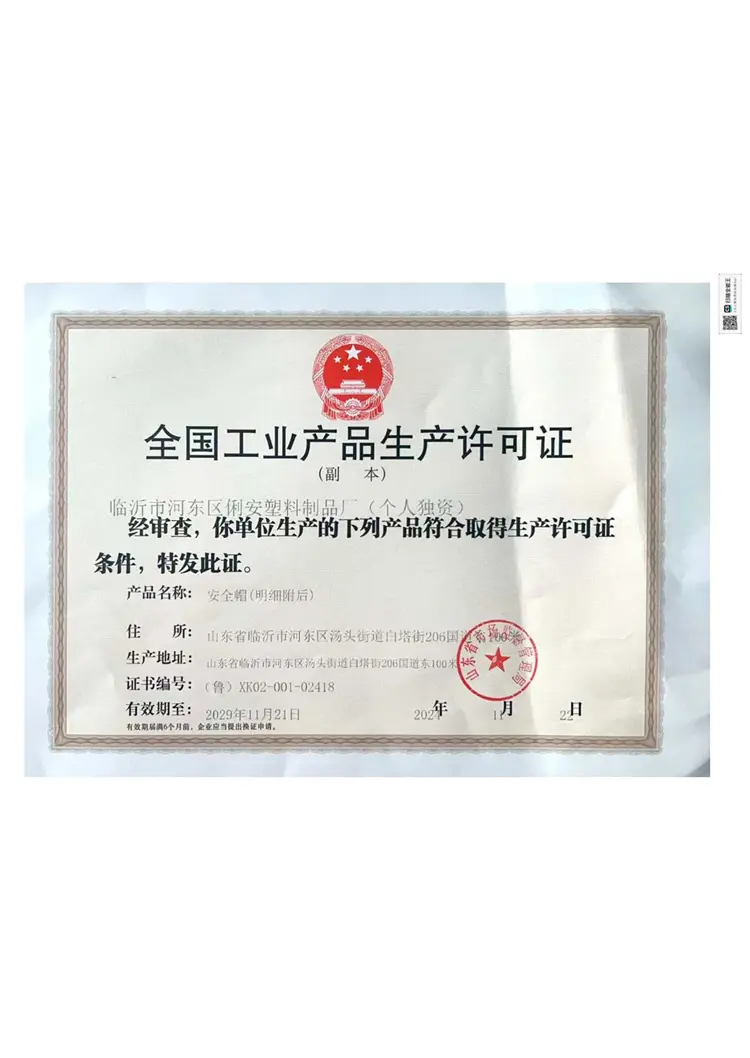 ISO 9001 Compliance
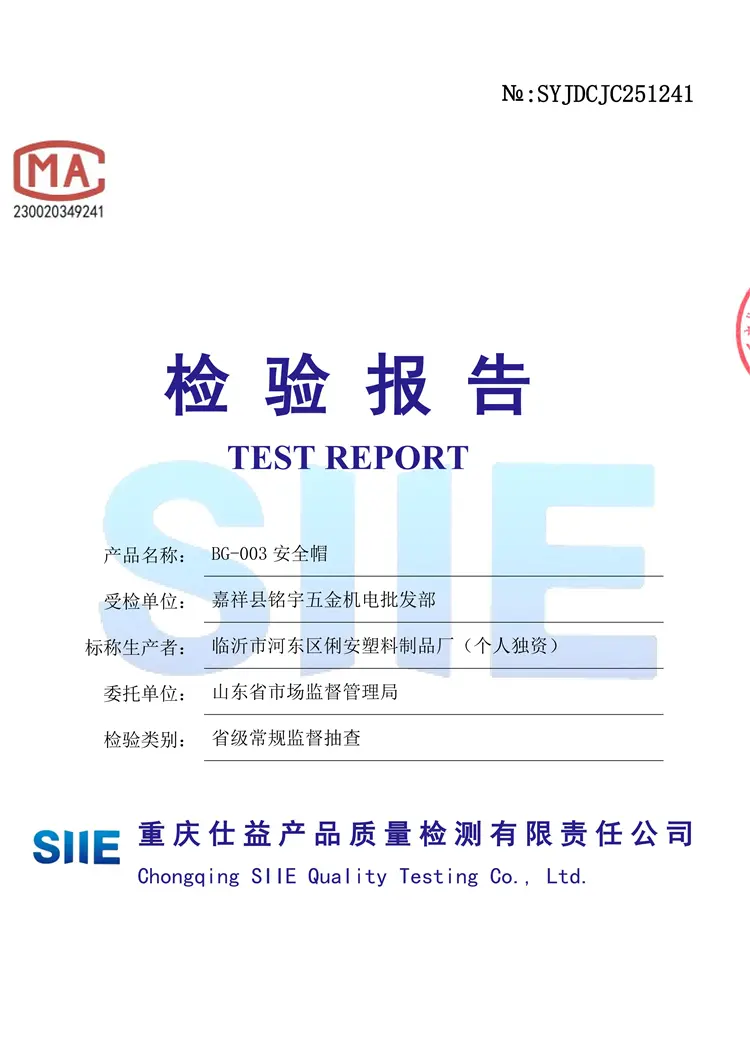 SGS Audited Report
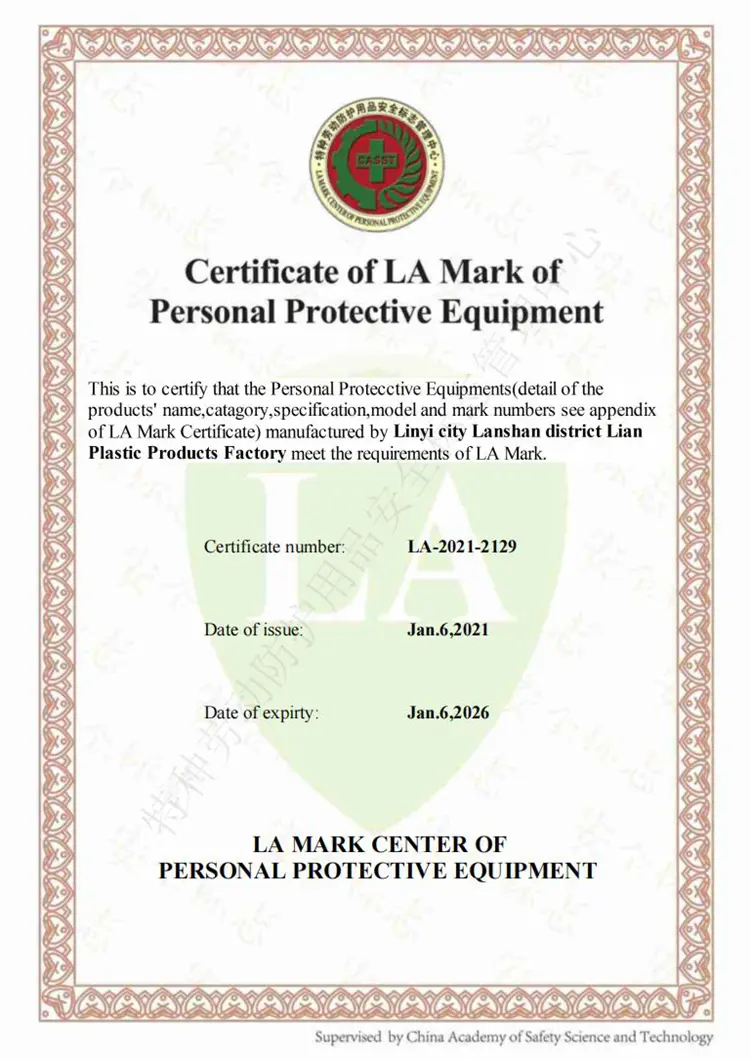 CE & ANSI Certificate
Through our adherence to premium production ethics, high quality control, and competitive shipping solutions, Linyi Xintuo has established strategic alliances in over 50 countries across high-risk industrial markets.














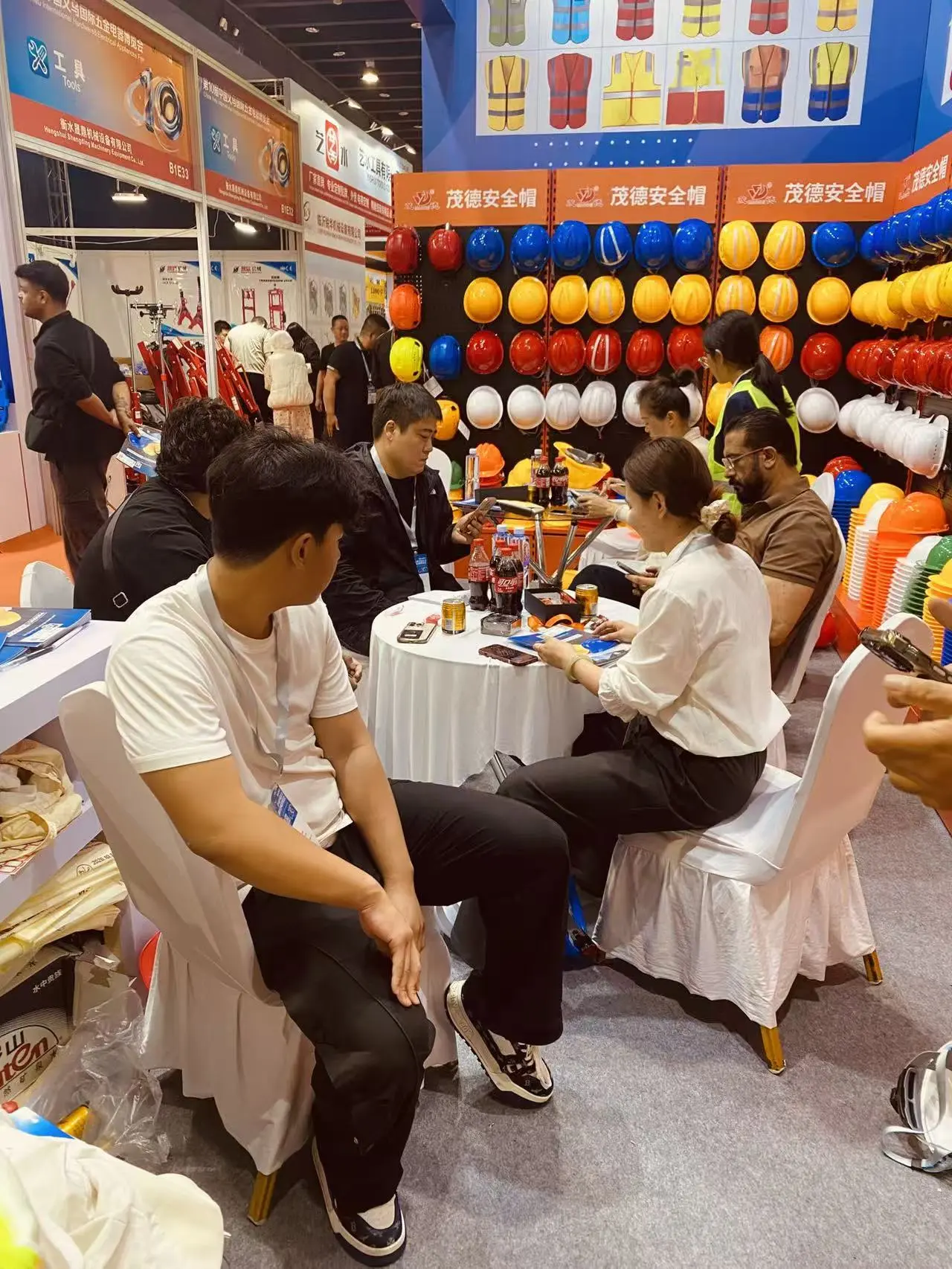
We foster international collaboration by participating in key occupational safety exhibitions around the globe, displaying our technical breakthroughs to professional buyers.
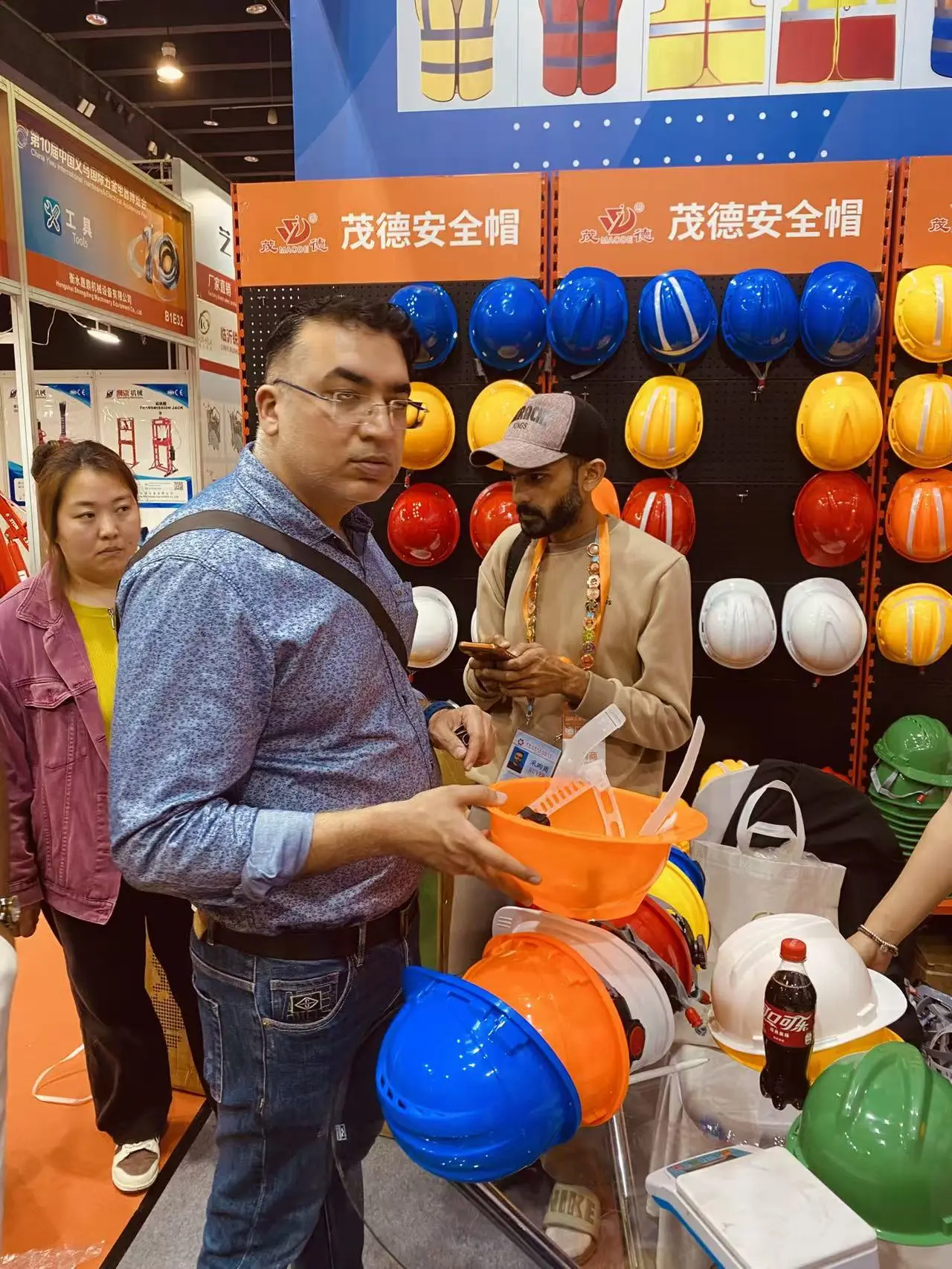
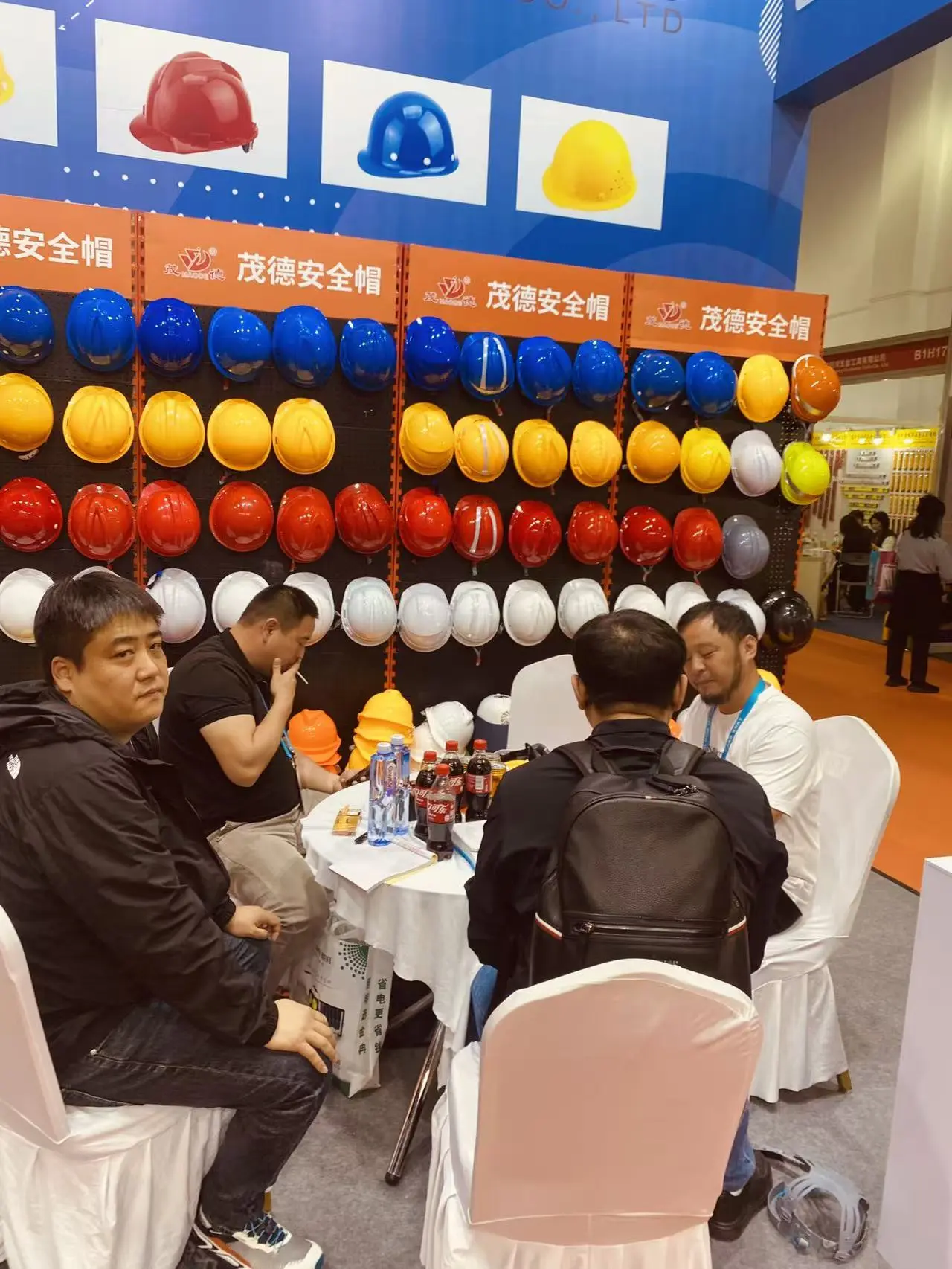
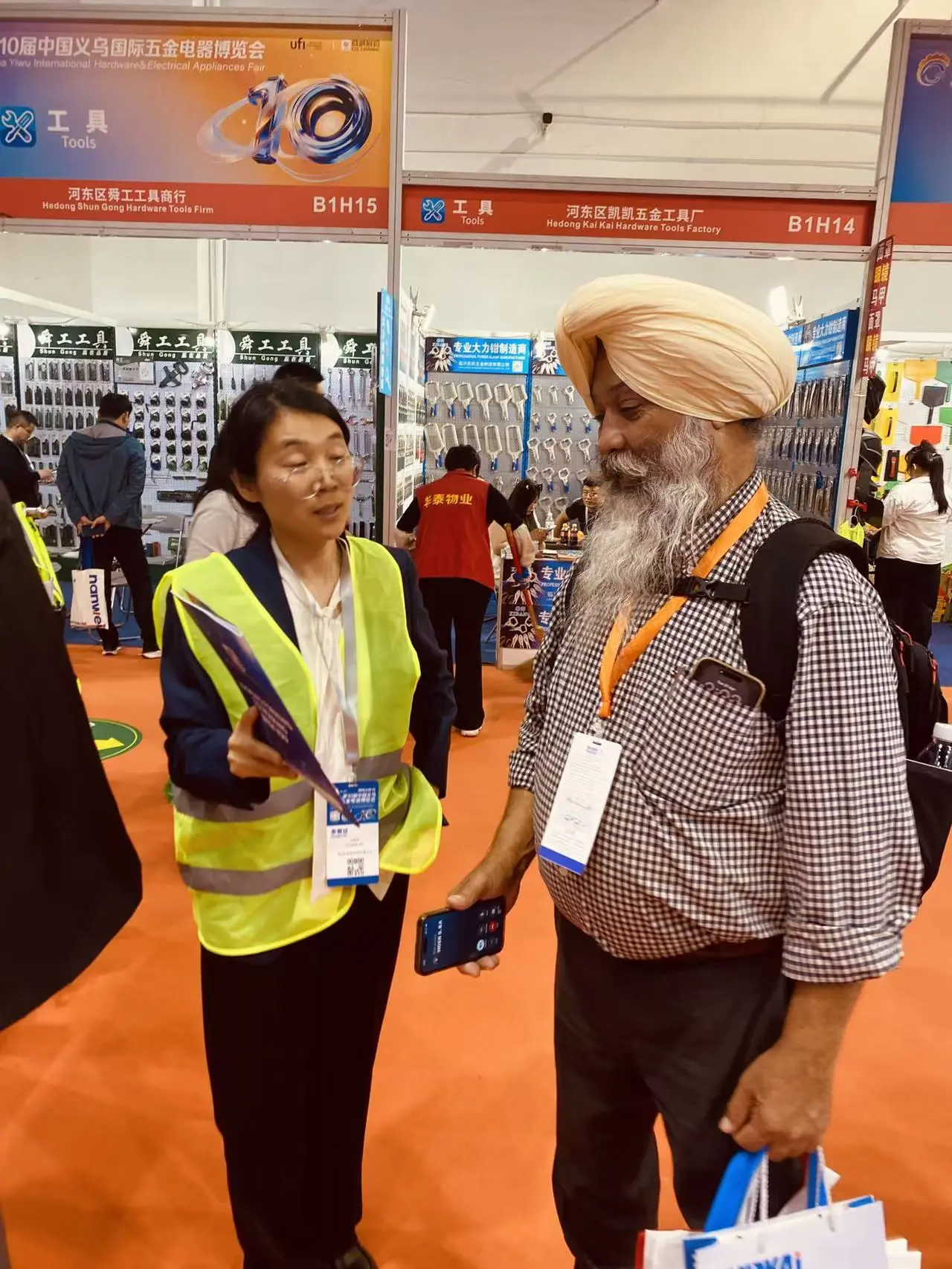
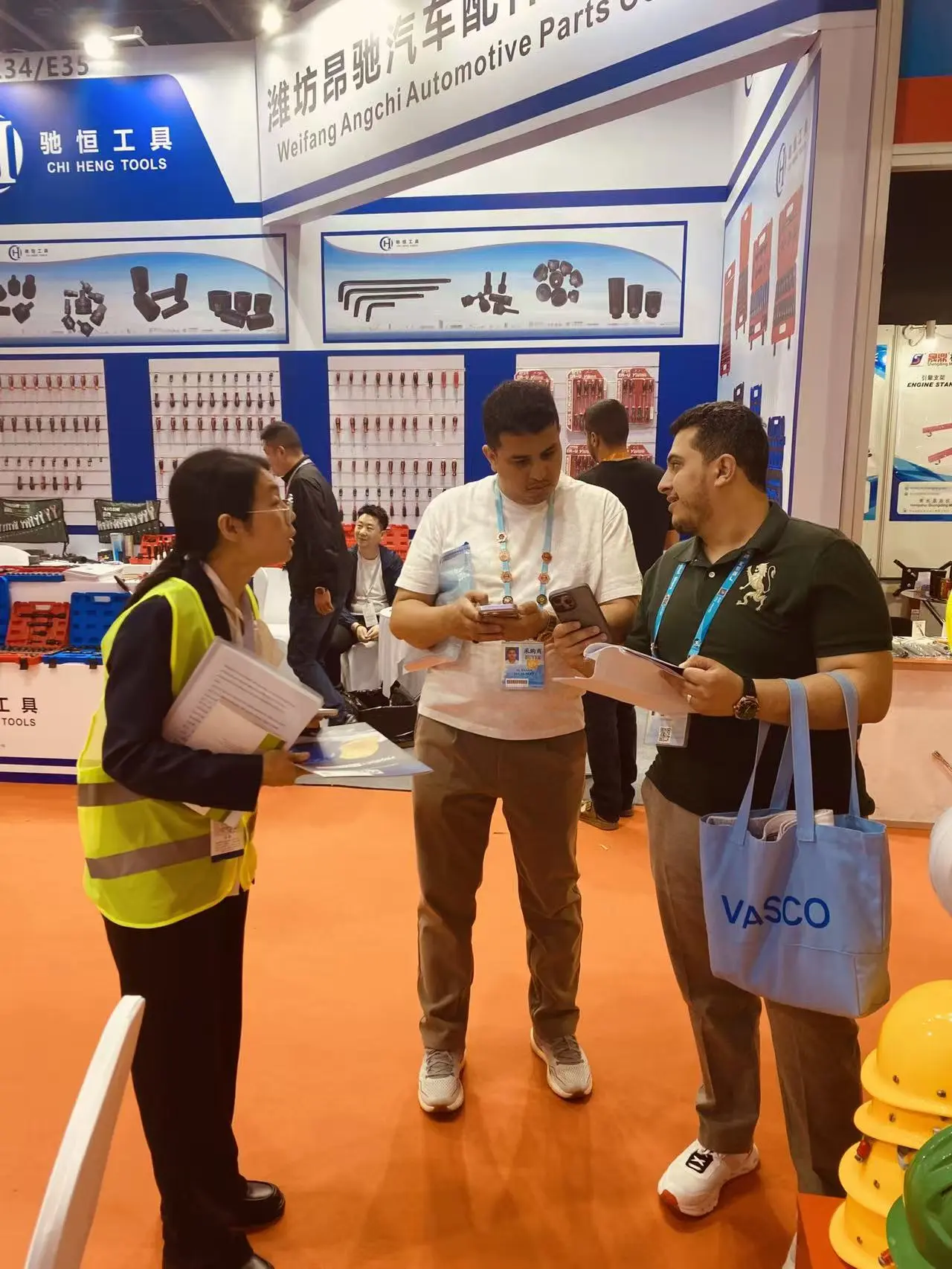
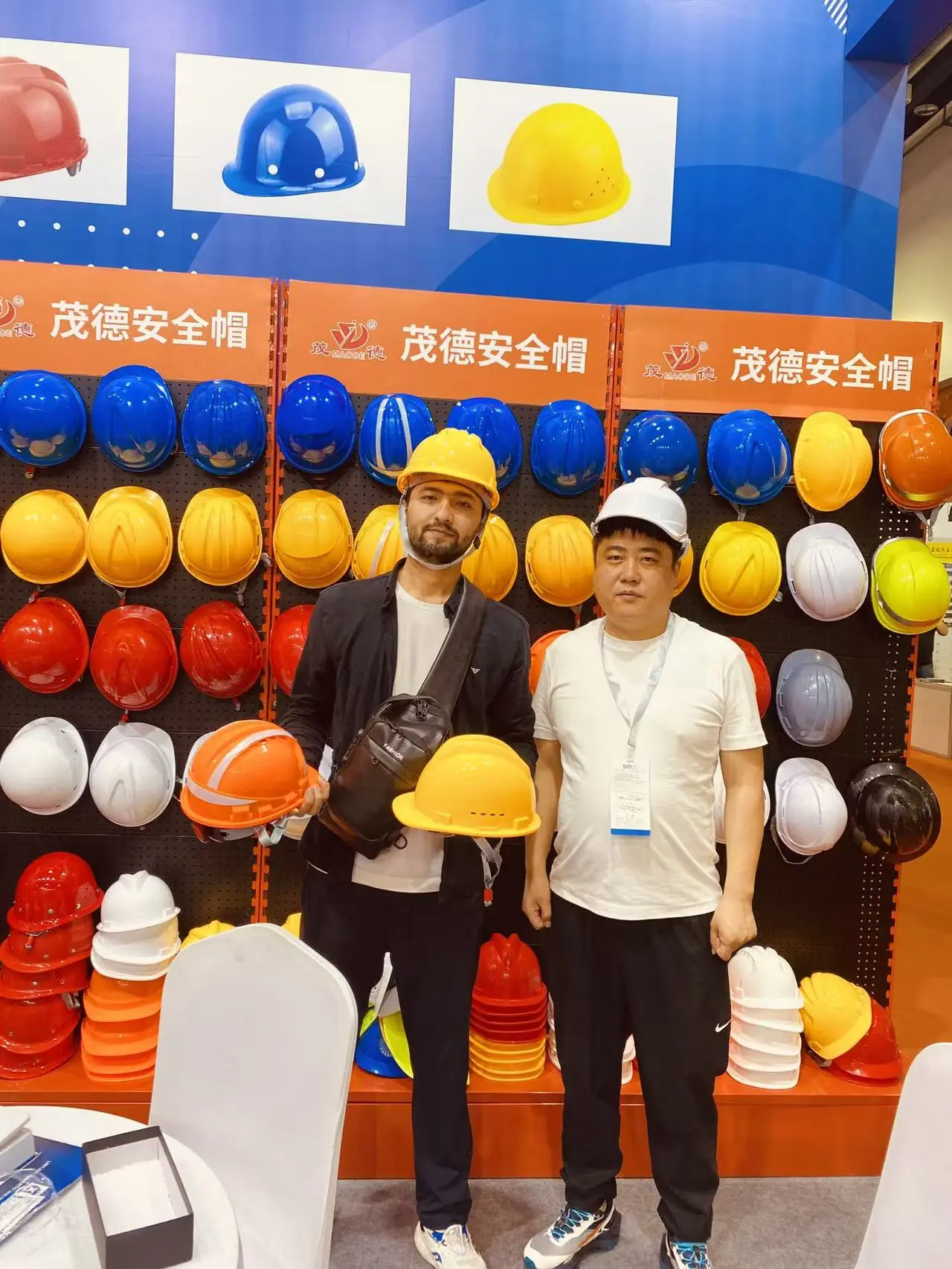
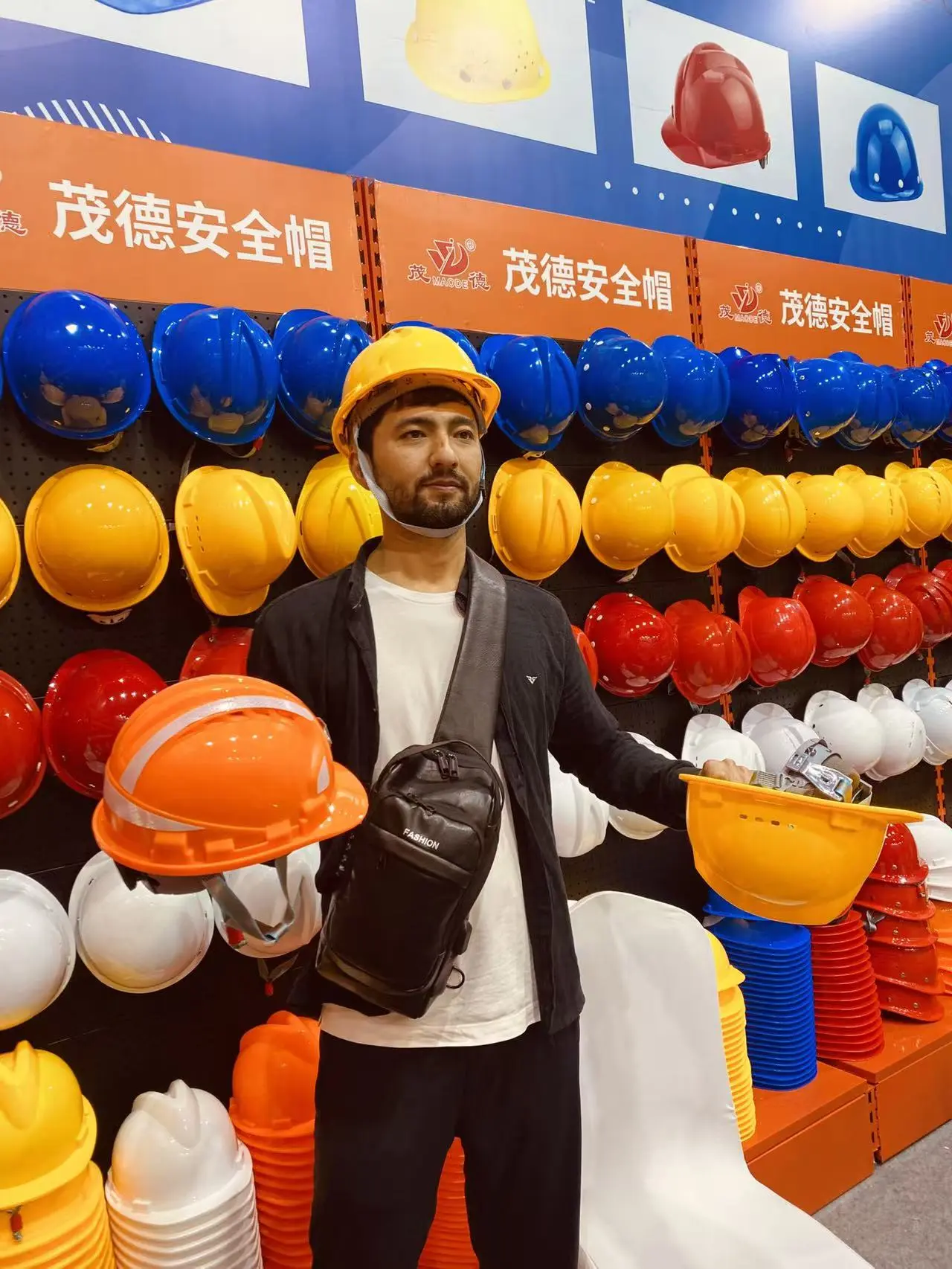
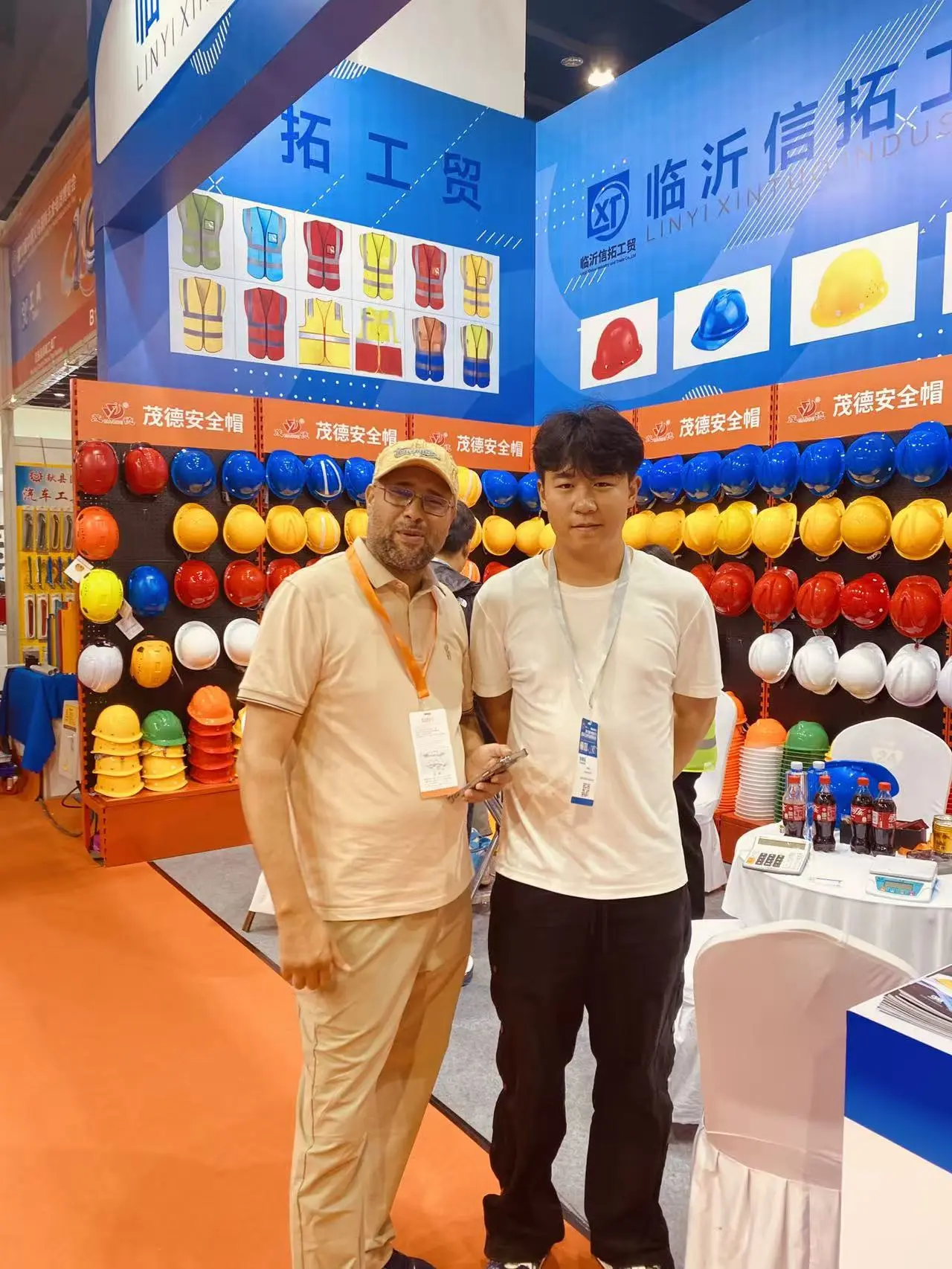
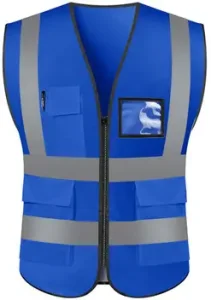
A safety vest is not a one-size-fits-all product. Different operating environments require specific configurations of fabrics, backing weights, pocket layouts, and closure profiles to ensure long-term usability and worker compliance.
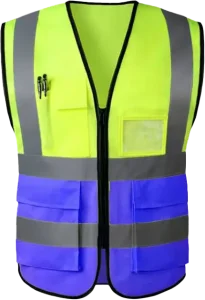
Requires high-resistance polyester materials (exceeding 120 GSM) with thick double-stitched pockets designed to hold heavy structural tools, radio devices, and testing pens. Dirt resistance is key, often requiring dirt-masking dark blue or black panels situated at the lower waist area.
Anti-static and flame-retardant (FR) specifications dominate in hydrocarbon processing environments. Reflective garments must utilize self-extinguishing fabrics, modacrylic-blend yarns, and specialized flame-resistant hook-and-loop closures to protect operators from combustion hazards.
Combines high-visibility compliance with thermal protection. Thermal safety jackets feature insulated polyester linings, water-resistant outer layers, and extra-wide microprismatic reflective strips that remain flexible in freezing temperatures.
Neglecting high-visibility protocols or wearing faded, non-compliant safety garments represents a critical failure in jobsite safety management, leading to high accident rates and substantial regulatory fines from OSHA or regional labor authorities.
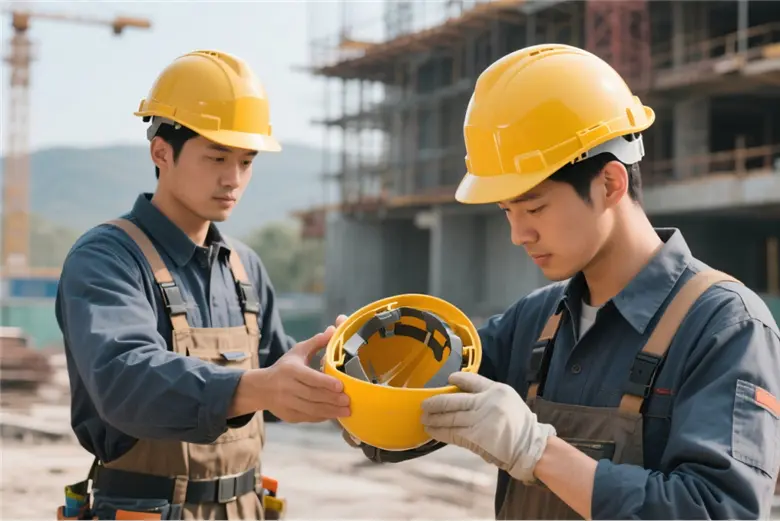
Drilling holes or altering the structural shells of HDPE safety helmets degrades impact resistance. At a construction project in Fujian, a worker drilled ventilation holes into a hard hat, causing it to fail when struck by a falling concrete fragment.

Linyi Xintuo provides composite raw materials and advanced reinforcing substrates, including premium fiberglass derivatives engineered to support industrial manufacturers across multiple sectors:

High-tensile structural reinforcement yarns engineered for aerospace composites.
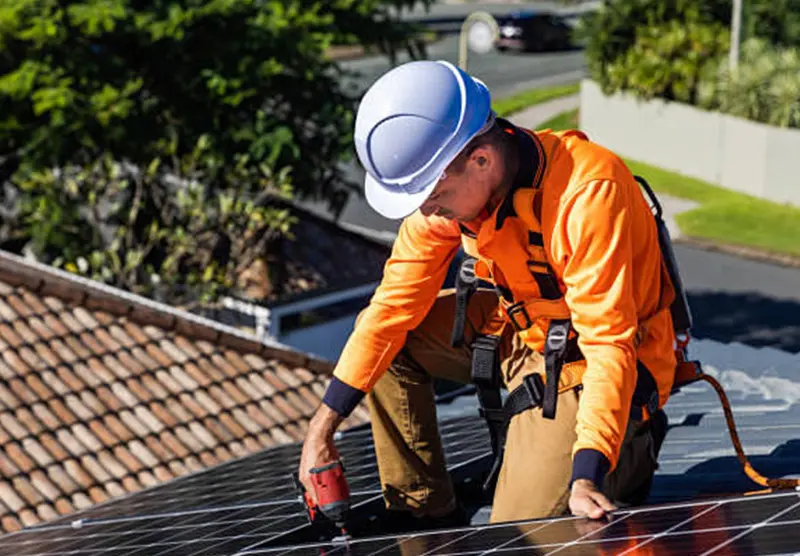
Alkali-resistant mesh options designed to reinforce thermal exterior wall coatings.

Uniform weight distribution mats optimizing laminate strength in automotive structures.

High-temperature insulation textile for welding drapes and thermal gaskets.

Direct compound reinforcement additives for high-impact plastic molding.
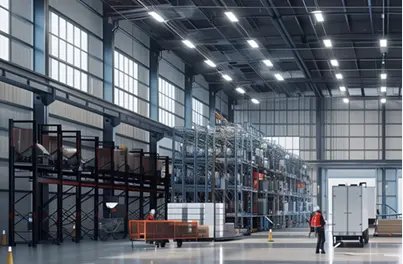
Every product is developed to satisfy or exceed demanding international certifications including CE, ANSI, and EN safety parameters.

We leverage high-impact polymers and carbon/fiberglass matrices that offer superior strength-to-weight ratios compared to market standards.

We provide full after-sales tech guidance, maintenance protocols, and compliant wash-life evaluations for industrial end-users.

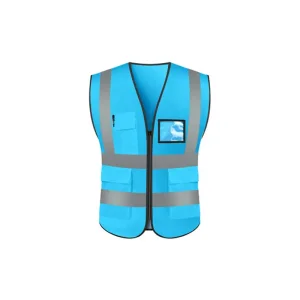
We offer customized OEM/ODM layout modifications, including custom pocket locations, closure types, and branding configurations.
When placing high-volume orders for safety vests, procurement departments must look beyond unit price. The following structural guide details key technical aspects to evaluate during the RFQ process:
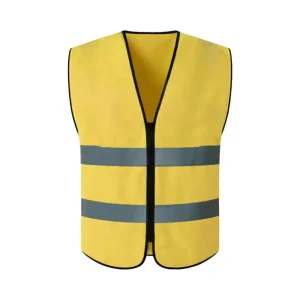
The standard choice is 100% polyester in either warp-knit (solid) or mesh layout. solid fabrics are warmer and hold shape better under heavy loads, making them ideal for winter or high-wear industrial applications. Mesh fabric promotes ventilation, essential for summer comfort. Buyers must specify fabric weight in grams per square meter (GSM) — standard utility vests sit at 80-90 GSM, while premium options use 120-130 GSM fabric.
Cheap safety vests can occasionally feature sub-standard reflective piping that lacks retroreflective intensity. Ensure the manufacturer uses tape certified to EN ISO 20471 Level 2 or ANSI Class 2, featuring a minimum retroreflective coefficient ($R_a$) of $330 cd/(lx\cdot m^2)$. For extreme moisture exposure, request microprismatic polymer films over standard glass-bead coatings.
For high-frequency use, premium resin zippers are superior to standard hook-and-loop tabs, which collect debris and lose grip over time. Verify that pocket entry points are reinforced with box stitches to prevent tearing under load.
Customization requires printing corporate logos without melting the polyester background fabric. Screen printing works well for simple layouts, whereas digital heat-transfer methods deliver detailed results for complex logos, retaining color vibrancy and matching the washing lifespan of the vest itself.
A1: Linyi Xintuo Industry and Trade Co., Ltd. is a direct manufacturer. Our specialized factory handles the complete production lifecycle of high-durability safety helmets and high-visibility safety vests, enabling us to offer competitive direct-to-buyer pricing and strict quality control.
A2: We offer complimentary product samples to qualified B2B buyers so you can verify fabric quality, reflective performance, and dimensions. The client is responsible for covering the initial shipping cost, which can be credited back upon placing a bulk order.
A3: We support standard international delivery terms including FOB, CFR, CIF, and EXW. Payments can be processed in multiple currencies including USD, EUR, GBP, JPY, AUD, CAD, SGD, and HKD, using reliable payment methods such as Telegraphic Transfer (T/T) and Letter of Credit (L/C).
A4: We provide complete vertical integration from design to manufacturing. Our services include comprehensive product OEM, packaging customization, and logo printing. With our advanced materials lab, we optimize the design of both reflective wear and head protection to meet CE, EN, and ANSI standards, ensuring high performance at competitive price points.
A5: Yes, we provide full OEM and ODM services. We can customize fabric weights, pocket layouts, closure mechanisms, color panels, and reflective tape configurations to meet your specific industry requirements. Please contact our engineering department with your design specifications.
A6: Lead times depend on your order volume and customization specifications. Standard container orders generally require 20 to 30 days to manufacture and prepare for export. For domestic shipments within China, delivery takes approximately 7 to 14 days from our warehouse.
 Xintuo