Modern structural and wildland firefighting demands protective gear that goes far beyond simple heat resistance. In low-visibility environments choked with smoke, chemicals, or dust, a firefighter's life depends on the optical retroreflectivity of their protective apparel. The term "Firefighter Reflective Jacket" defines a highly engineered safety system combining multi-layered thermal insulation with high-coefficient retroreflective materials designed to survive temperature extremes exceeding 260°C (500°F).
As a premier authority in labor protection equipment manufacturing, Linyi Xintuo Industry and Trade Co., Ltd. spearheads the development of advanced safety jackets, vests, and helmets. This whitepaper analyzes the core engineering benchmarks, material integrations, and economic supply chain dynamics that place Chinese manufacturers at the forefront of the global PPE sector.
Request Industrial PPT Catalog & Quotation
Understanding the interface between retroreflectivity and thermal insulation is key to ensuring survival in high-risk zones. Below is the multi-layered breakdown of materials specified by leading Chinese suppliers.
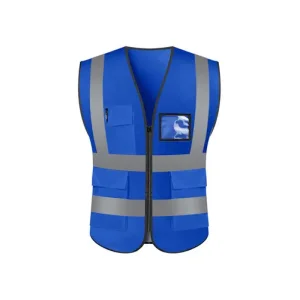
Our retroreflective elements utilize microprismatic or high-index glass bead technologies (minimum coefficient $R_A > 330 cd/lx/m^2$ under EN ISO 20471 parameters). Heat-transfer backing films are fused to aramid carriers to prevent delamination during high-flexion maneuvers and thermal flash events.
Outer fabrics are constructed with high-performance blends, incorporating Meta-aramid, Para-aramid (Kevlar®), and Modacrylic anti-static fibers. This structural lattice prevents tearing, charring, and heat shrinkage during prolonged proximity firefighting.
Moisture management is key. Our internal vapor barriers feature cross-linked ePTFE membranes laminated to non-woven aramid substrates. This allows high perspiration dissipation (Ret < 15 $m^2\cdot Pa/W$) while acting as an absolute block against dangerous chemical penetration and hot water ingress.
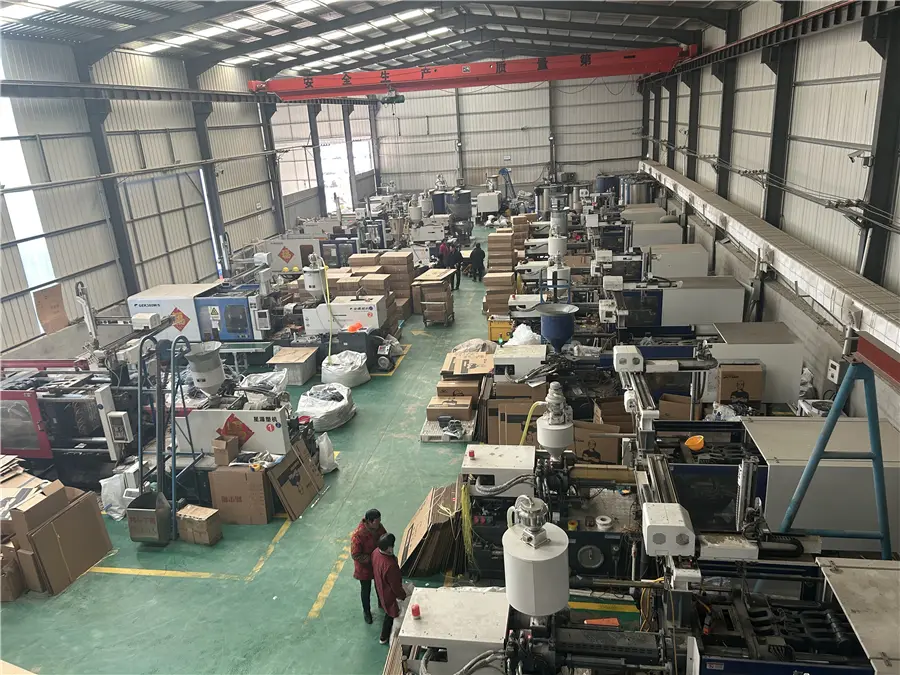
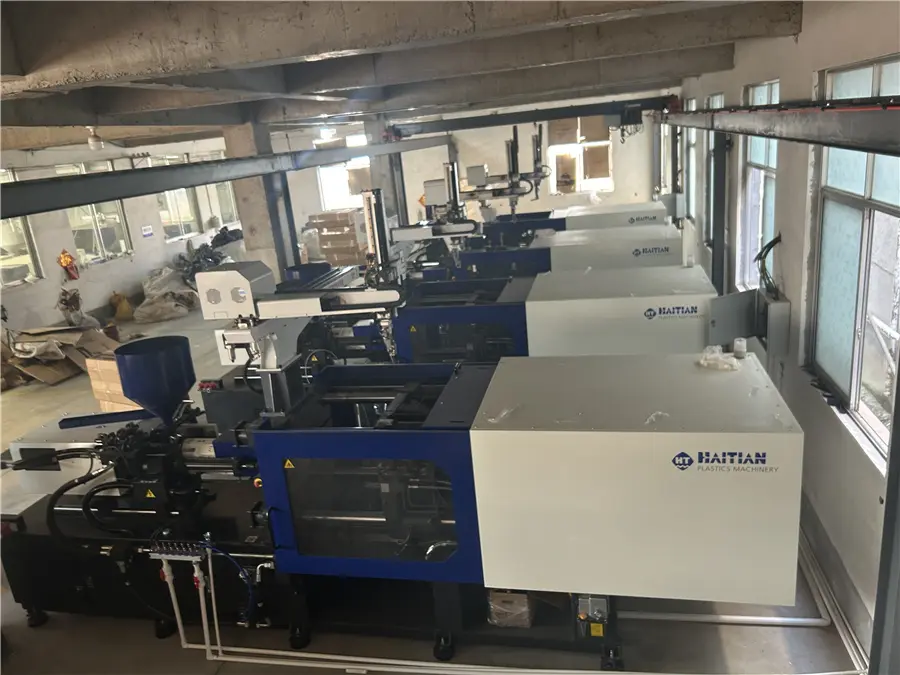
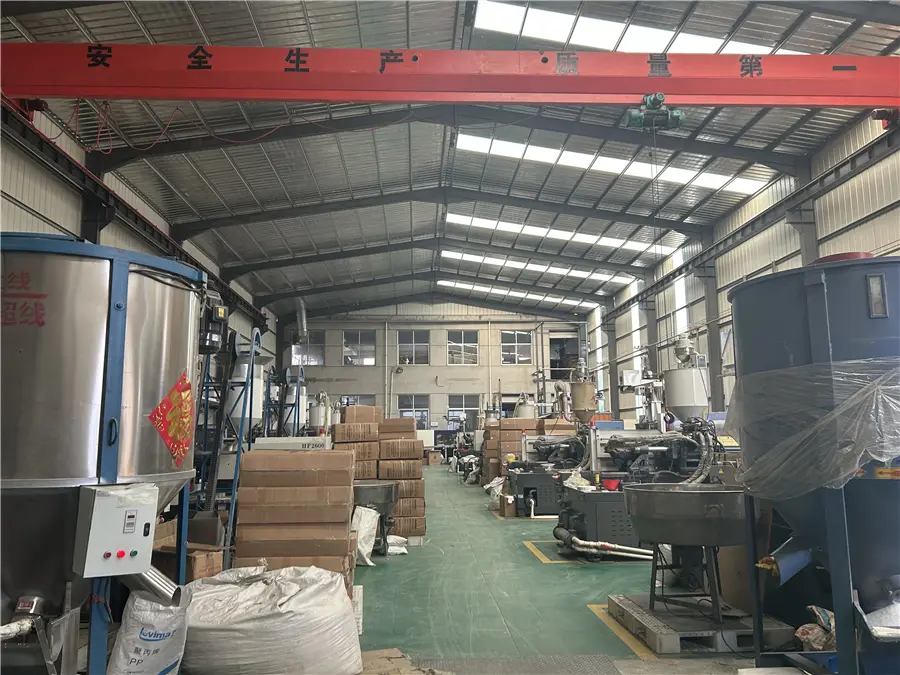
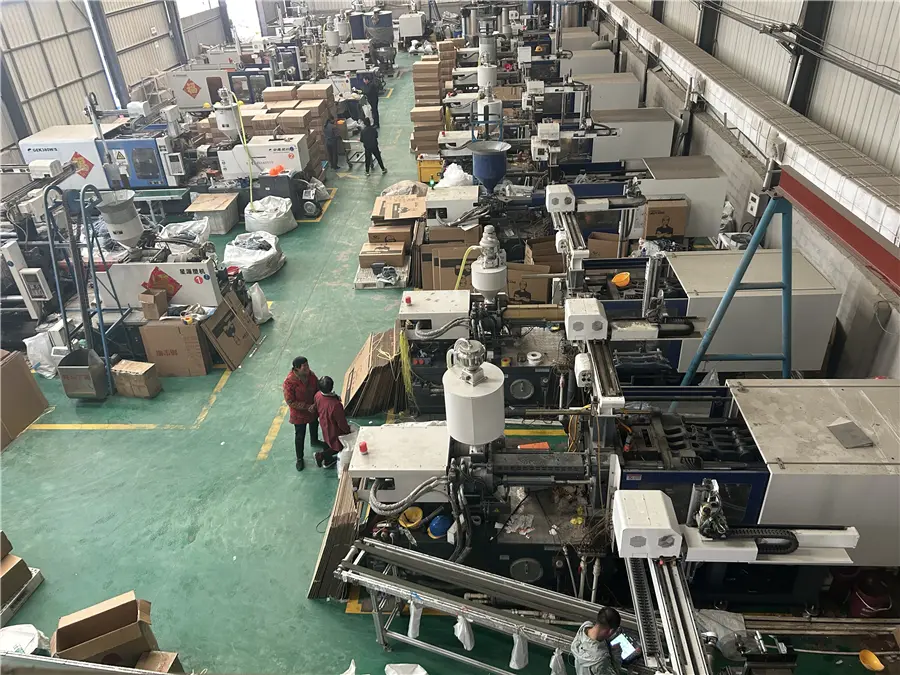
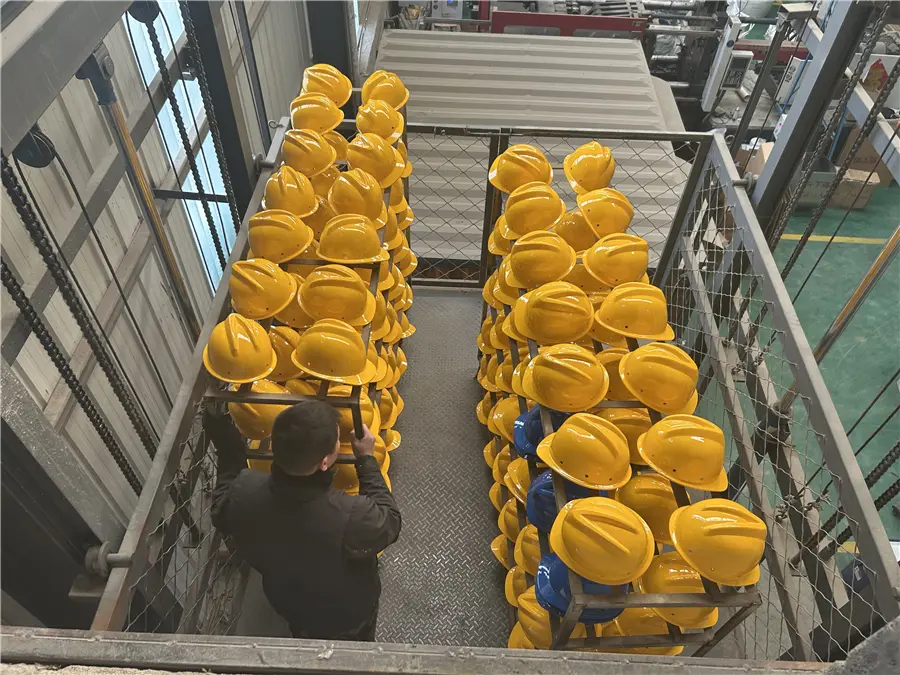
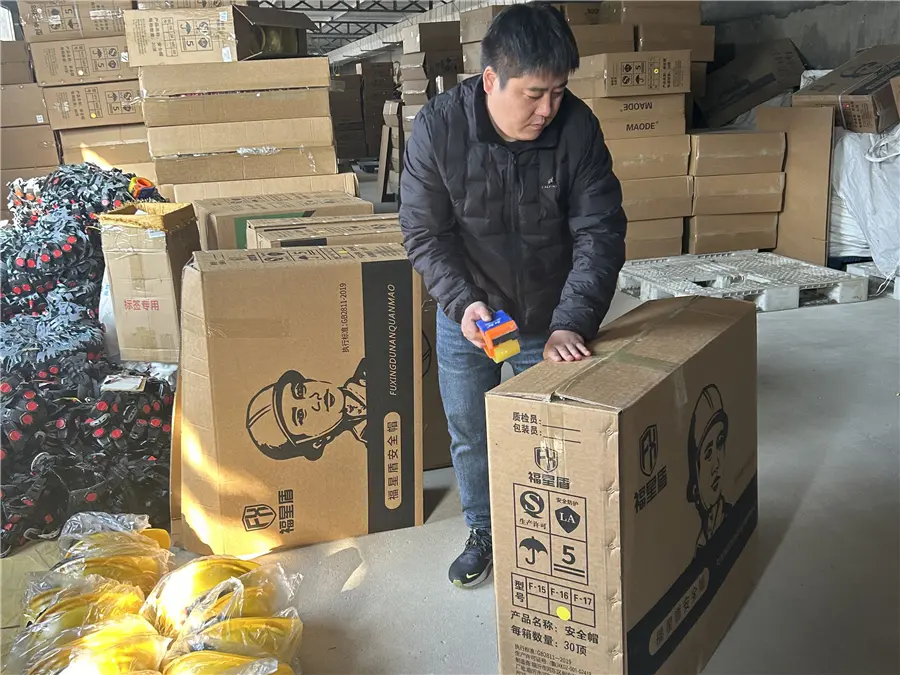
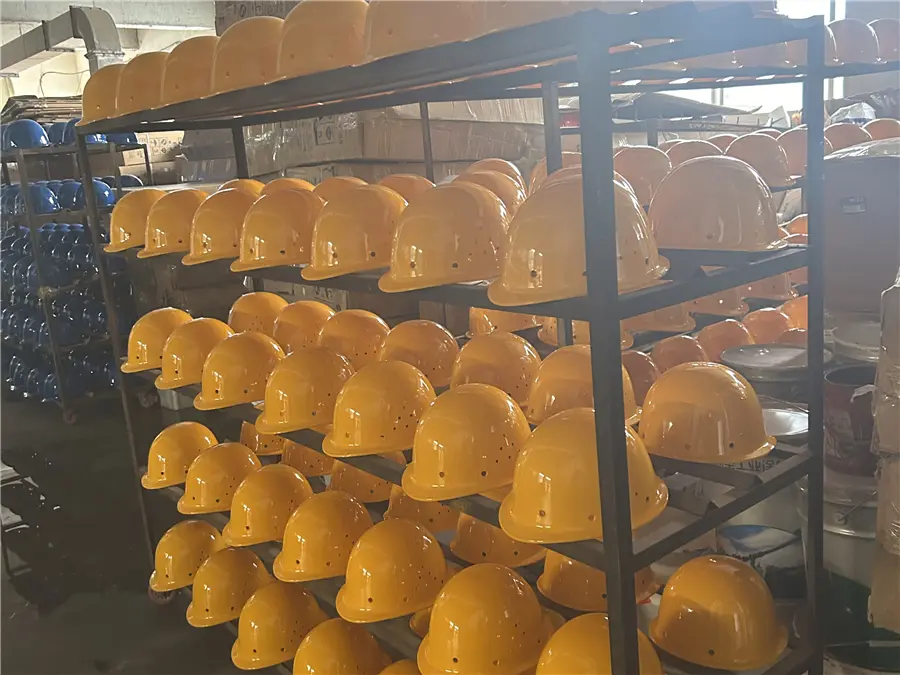
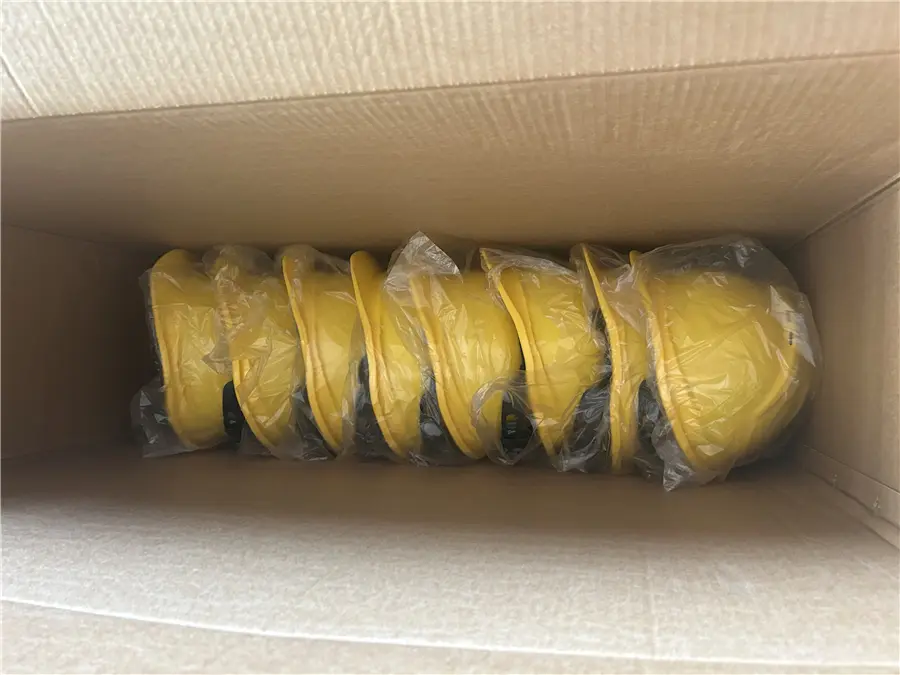
Our standardized management mode, combined with ISO-certified processes, guarantees consistent product excellence across all batches. The company operates with a commitment to sustainability, utilizing eco-friendly materials and energy-efficient production techniques to minimize environmental impact while maintaining operational efficiency.
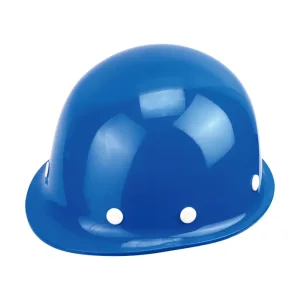
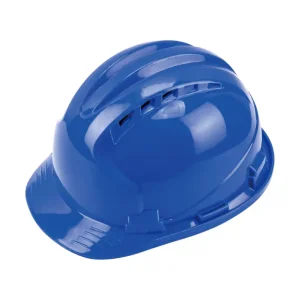
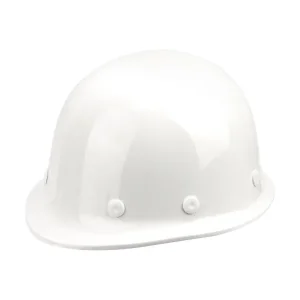
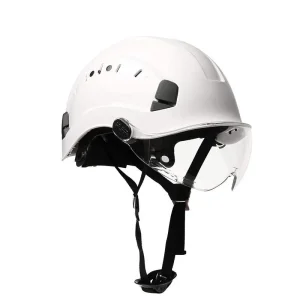
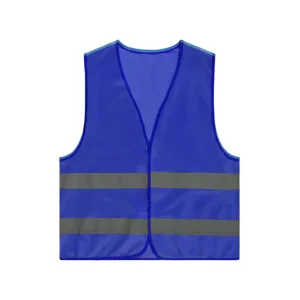
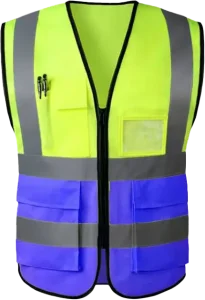
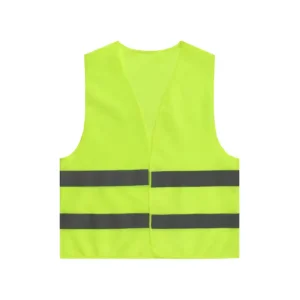
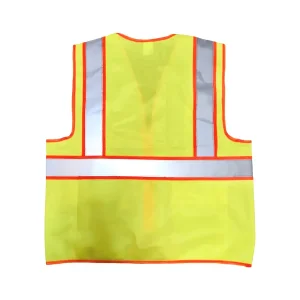
The product portfolio includes industrial safety helmets and high-visibility workwear, all engineered to meet or exceed international safety standards such as CE, ANSI, and EN. We leverage cutting-edge material science, utilizing fiberglass composites and high-impact polymers that offer superior strength-to-weight ratios compared to traditional materials. This integration of ergonomic design principles with durable materials ensures long-lasting protection without compromising comfort.
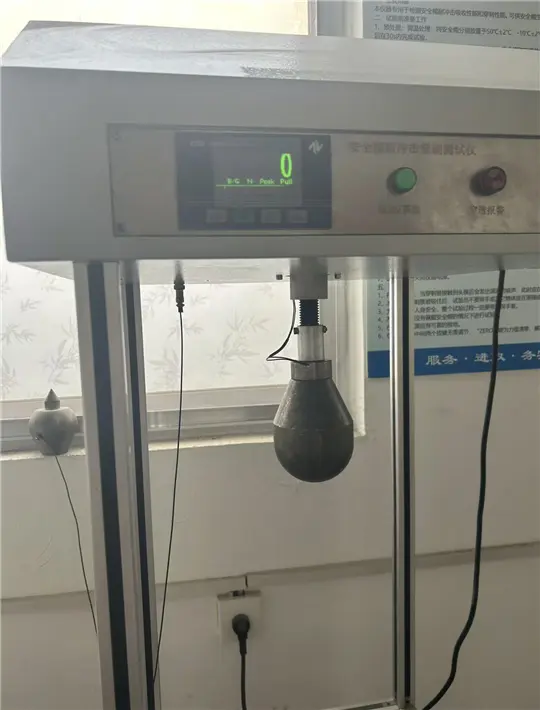
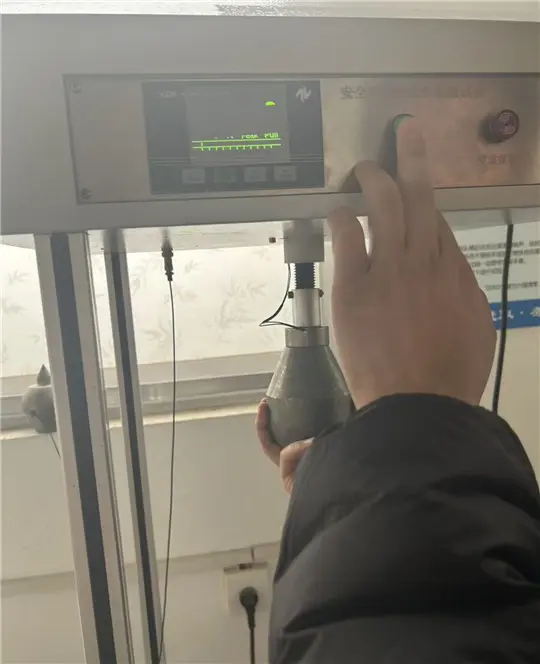
Because fire fighting structures and environments differ drastically across global geographical regions, Xintuo designs equipment with regional deployment requirements in mind:
Optimized for structural fire environments in high-density urban environments. Jackets are outfitted with heavy-duty thermal protective barriers (TPP > 35) and microprismatic fluorescent borders to counter darkness caused by dense toxic smoke.
For prolonged operations in hot, arid conditions, wildland jackets eliminate heavy inner insulating liners, focusing instead on lightweight, highly breathable Single-Layer FR fabrics combined with EN 20471 Class 3 reflective stripe configurations.
Engineered with chemical liquid splash proof backings (complying with EN 13034 type 6). Recommended for airport rescue, oil refinery response teams, and industrial logistics complexes requiring static-dissipative surfaces.
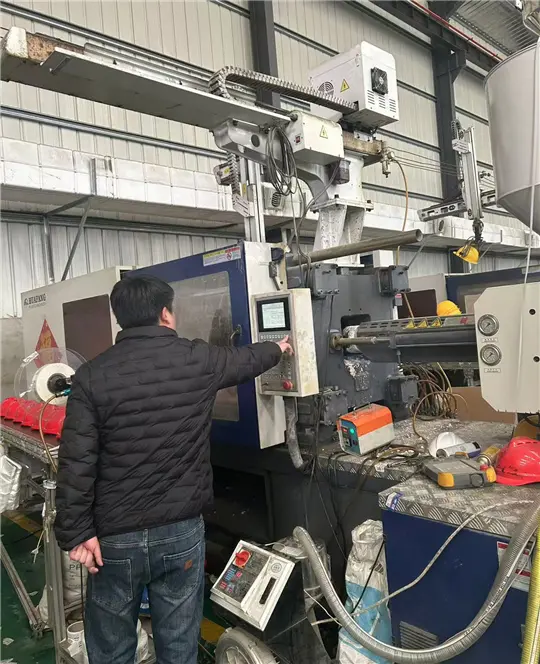
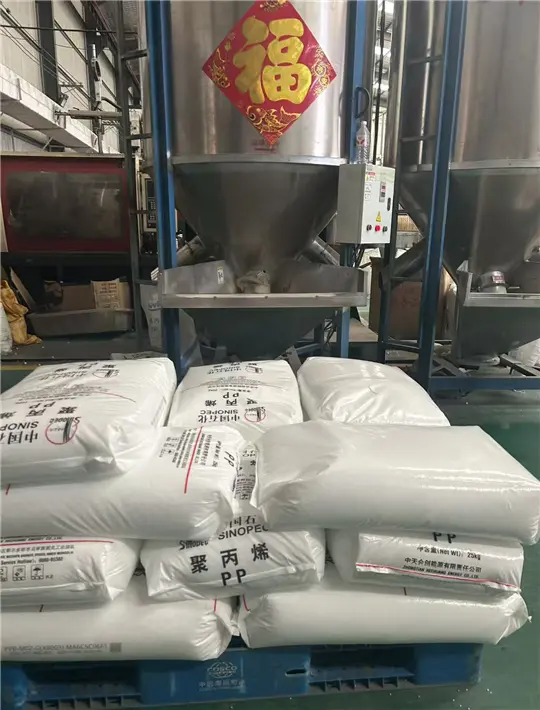
The competitiveness of Chinese safety suppliers stems from concentrated raw material clusters and vertical manufacturing systems. From spinning raw aramid filaments to laminating membranes and printing retroreflective microprisms, Linyi Xintuo integrates every production tier.
This vertical consolidation yields critical advantages for international procurement teams:
Compliance protocols mandate that PPE products must never be modified by field technicians. Altering the structural design of protective gear often leads to immediate failure in heat environments.
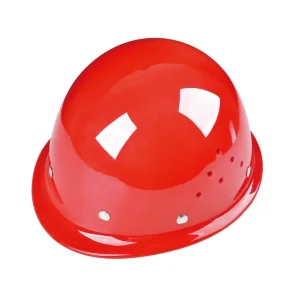
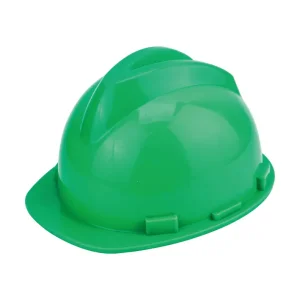
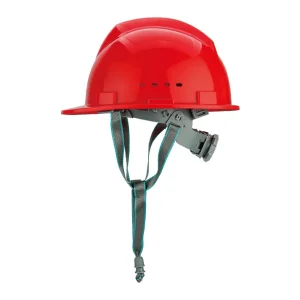
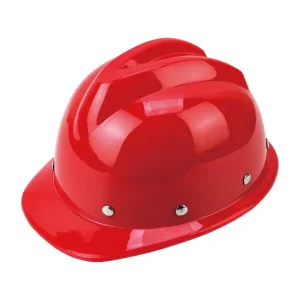
Fujian Construction Site Case Study: At a construction site in Fujian, a worker seeking relief from hot weather drilled several ventilation holes in his safety helmet privately. During work, a concrete block suddenly fell from a height and hit his head. The unauthorized structural holes compromised the shell's force-distribution characteristics, resulting in critical failure.
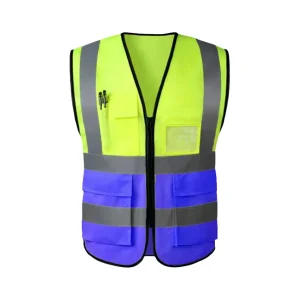
The same principle applies to Firefighter Reflective Jackets. Adding unauthorized nameplates, sewing unapproved pocket grids, or applying custom print runs can break the vapor barrier and expose firefighters to fatal steam burns or thermal conduction.
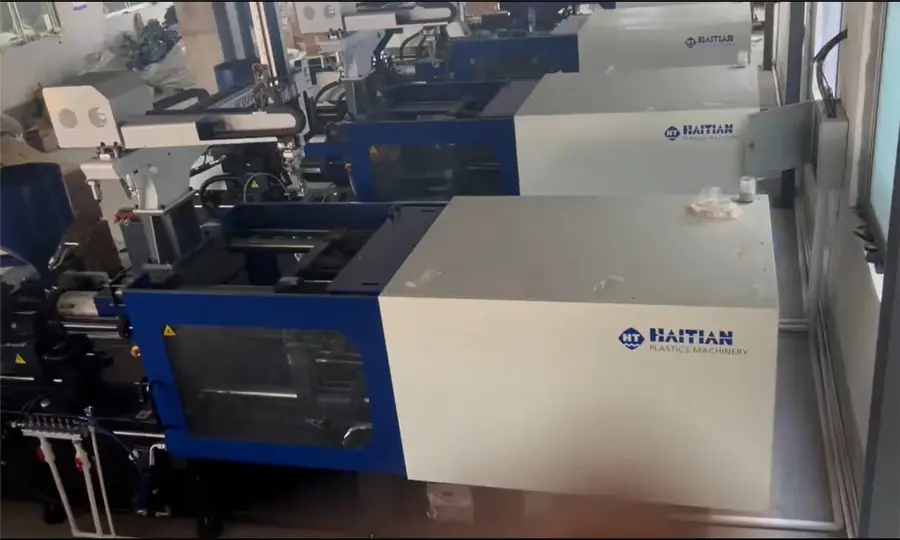

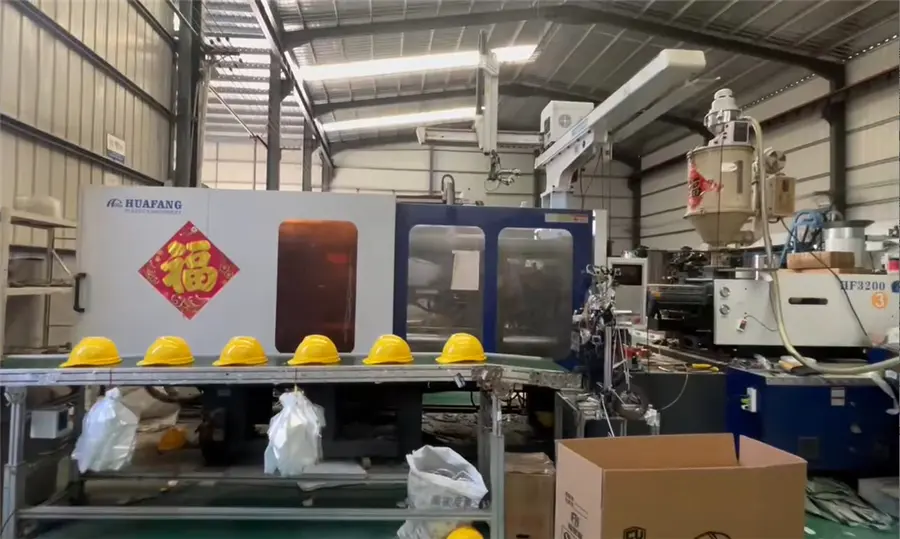
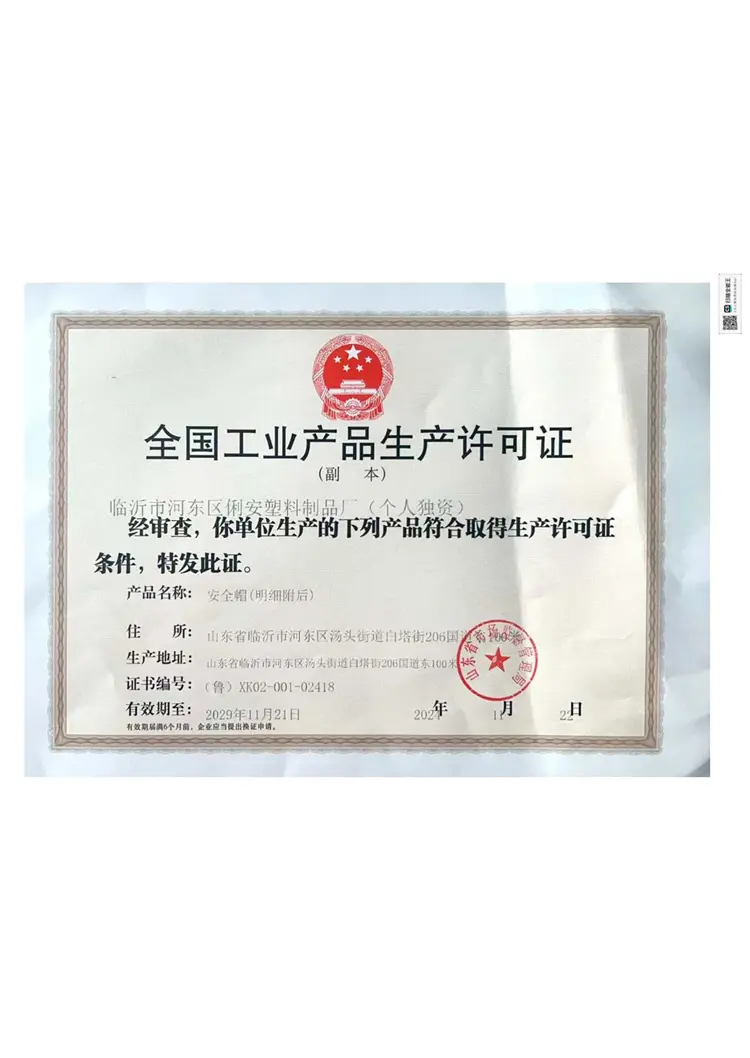
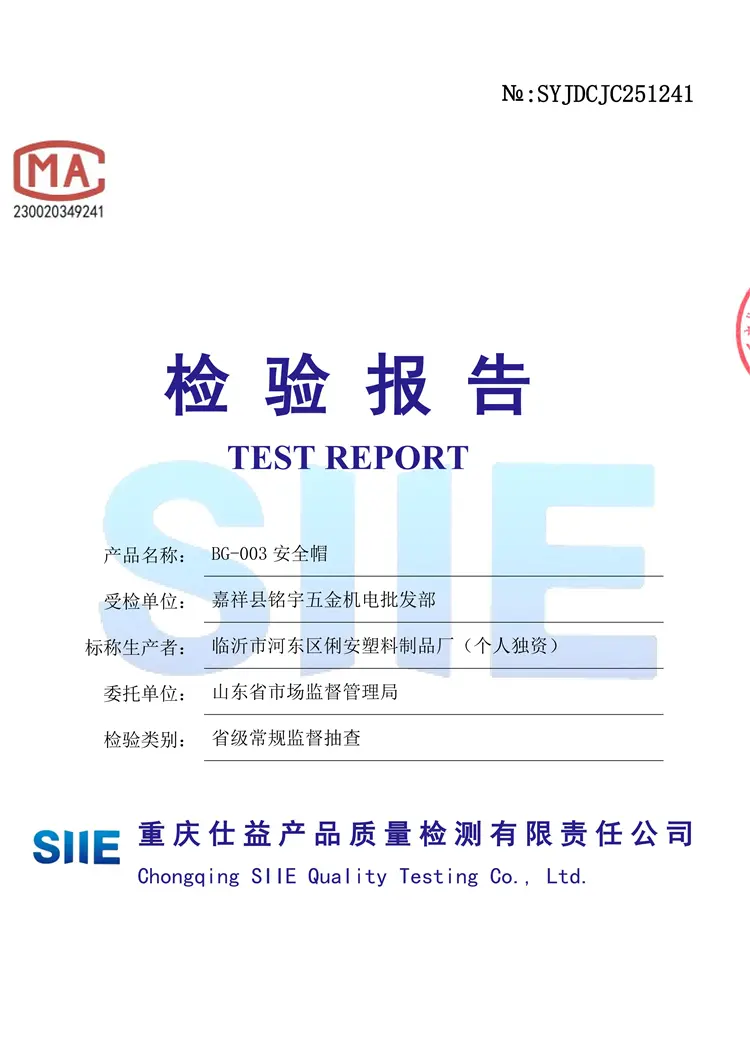
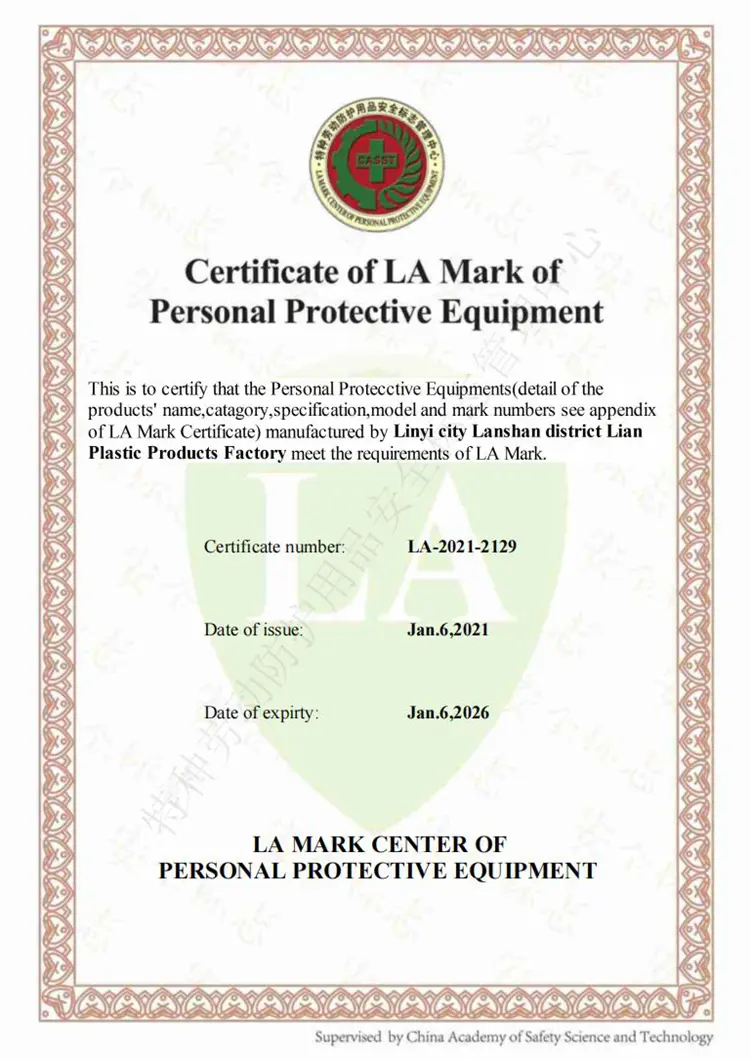
Linyi Xintuo maintains compliance with safety benchmarks across five continents. Our certifications represent the rigorous testing protocols we put our safety gear through before shipment.
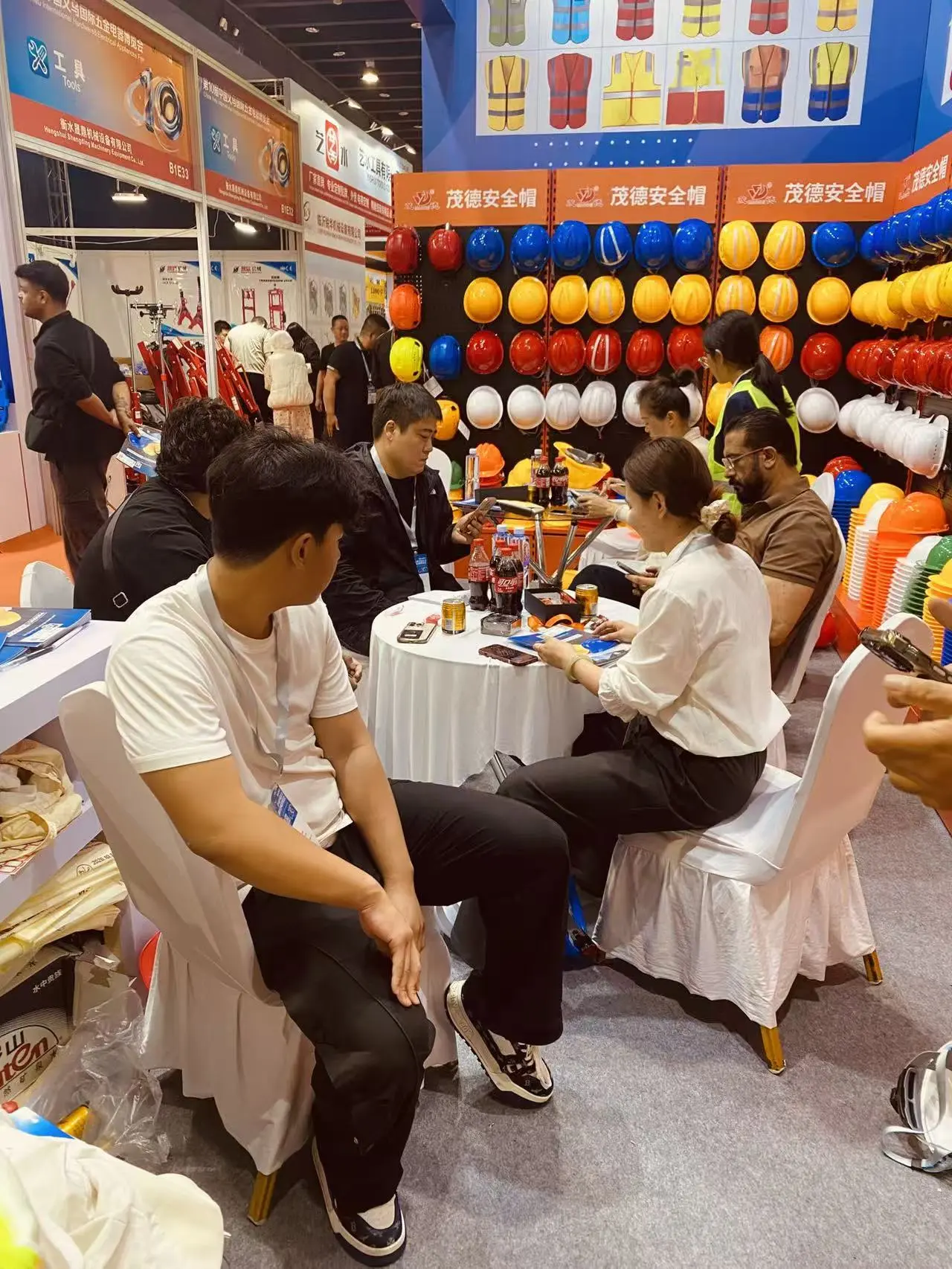
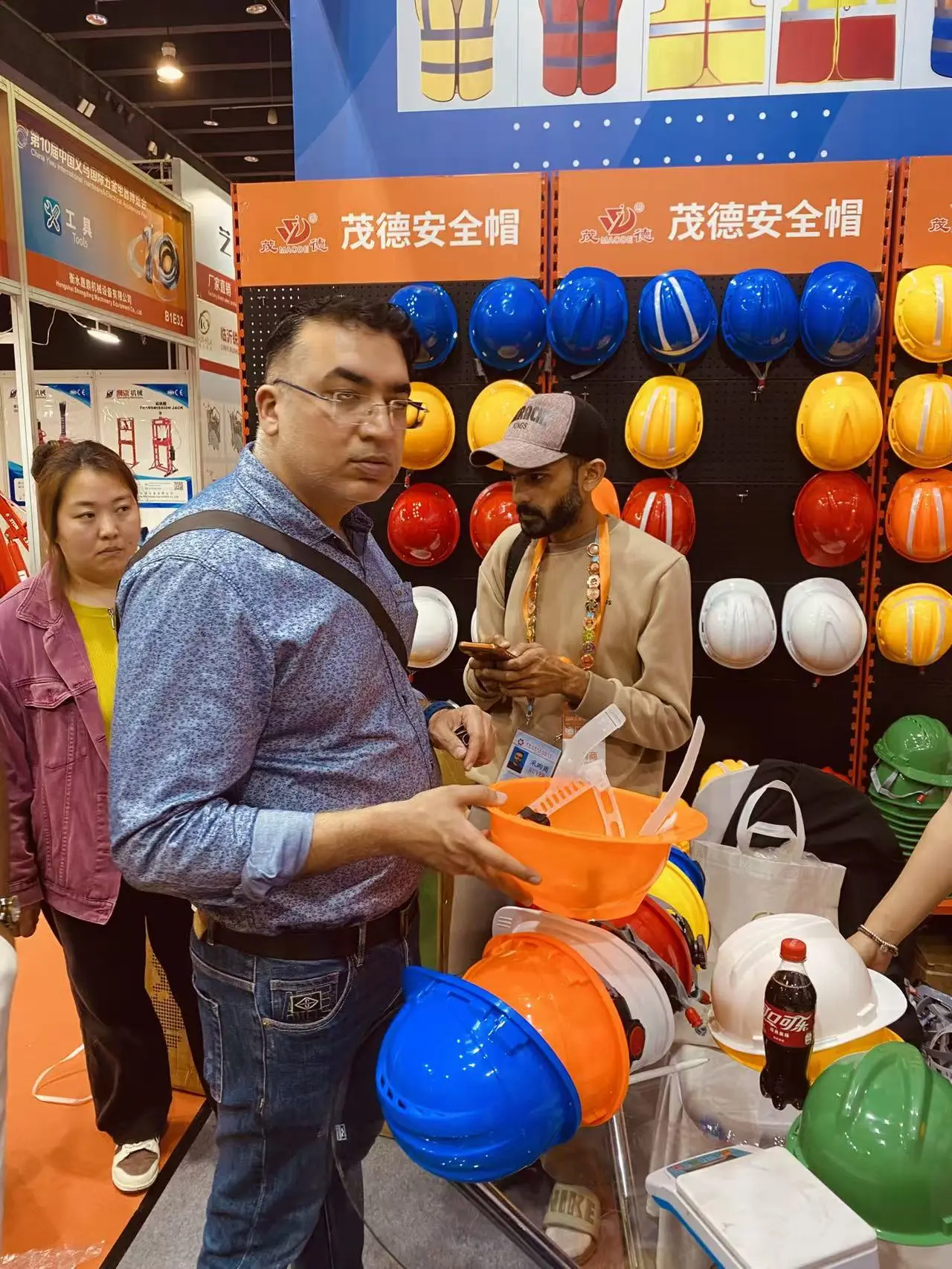
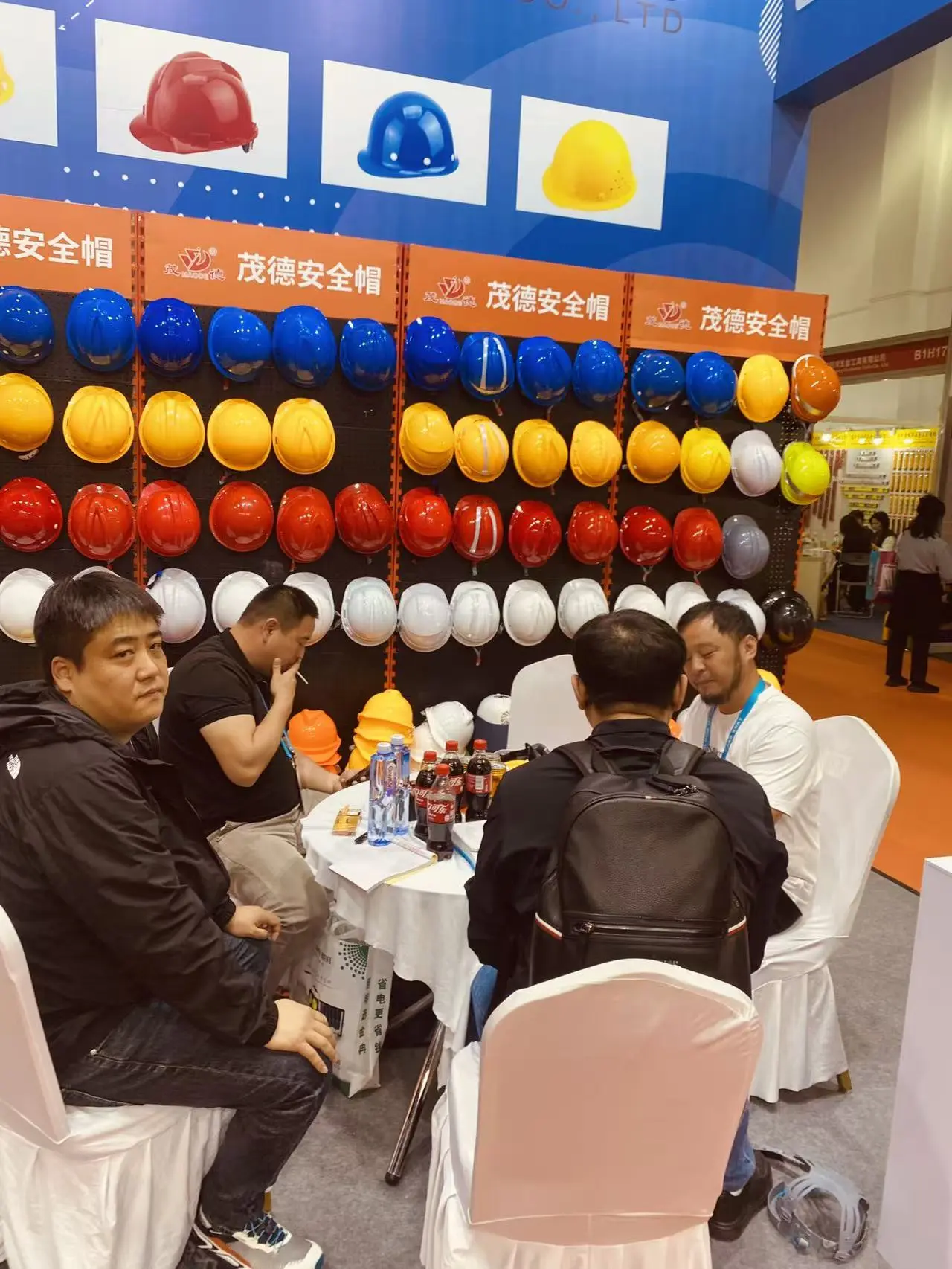
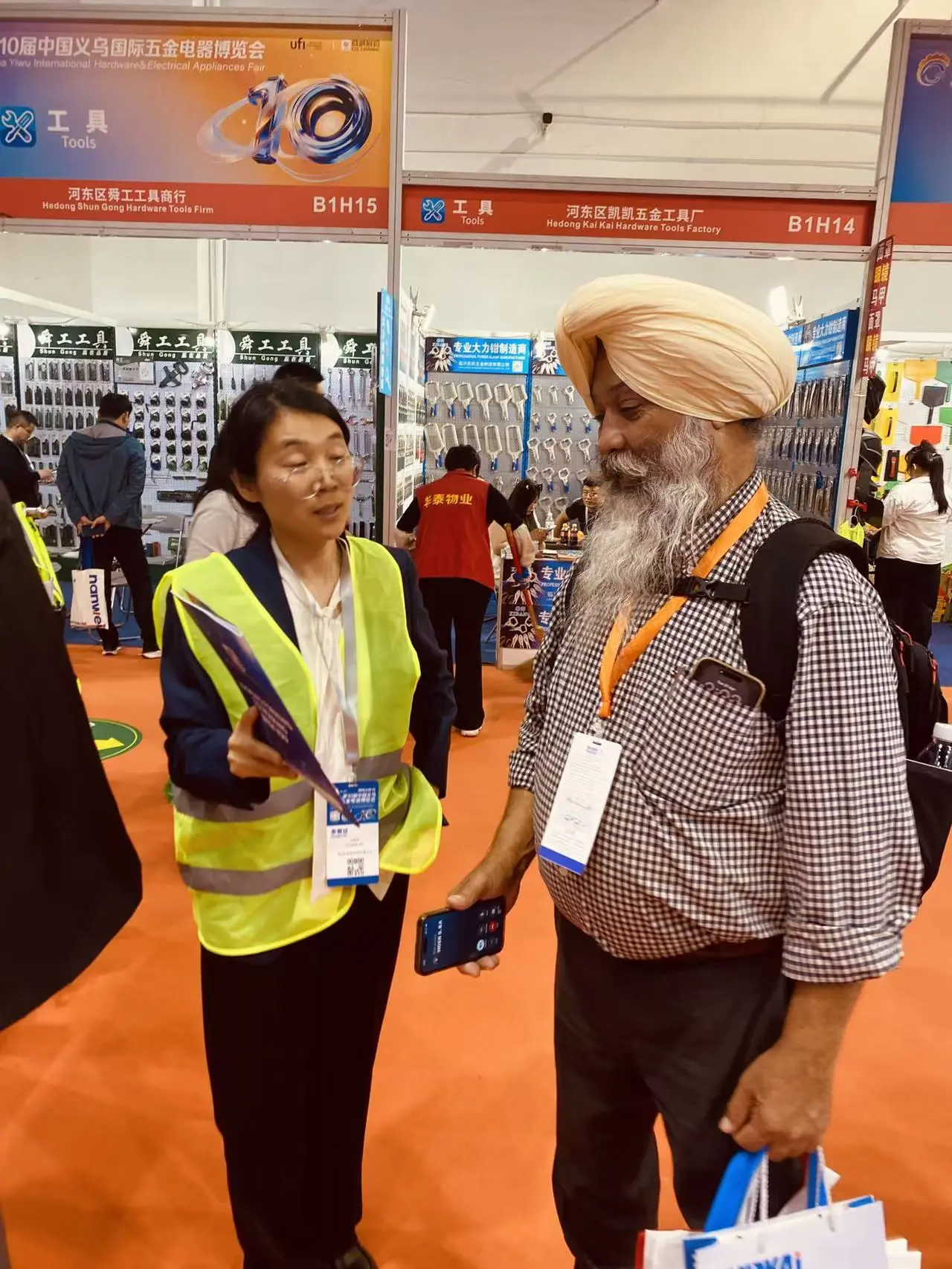
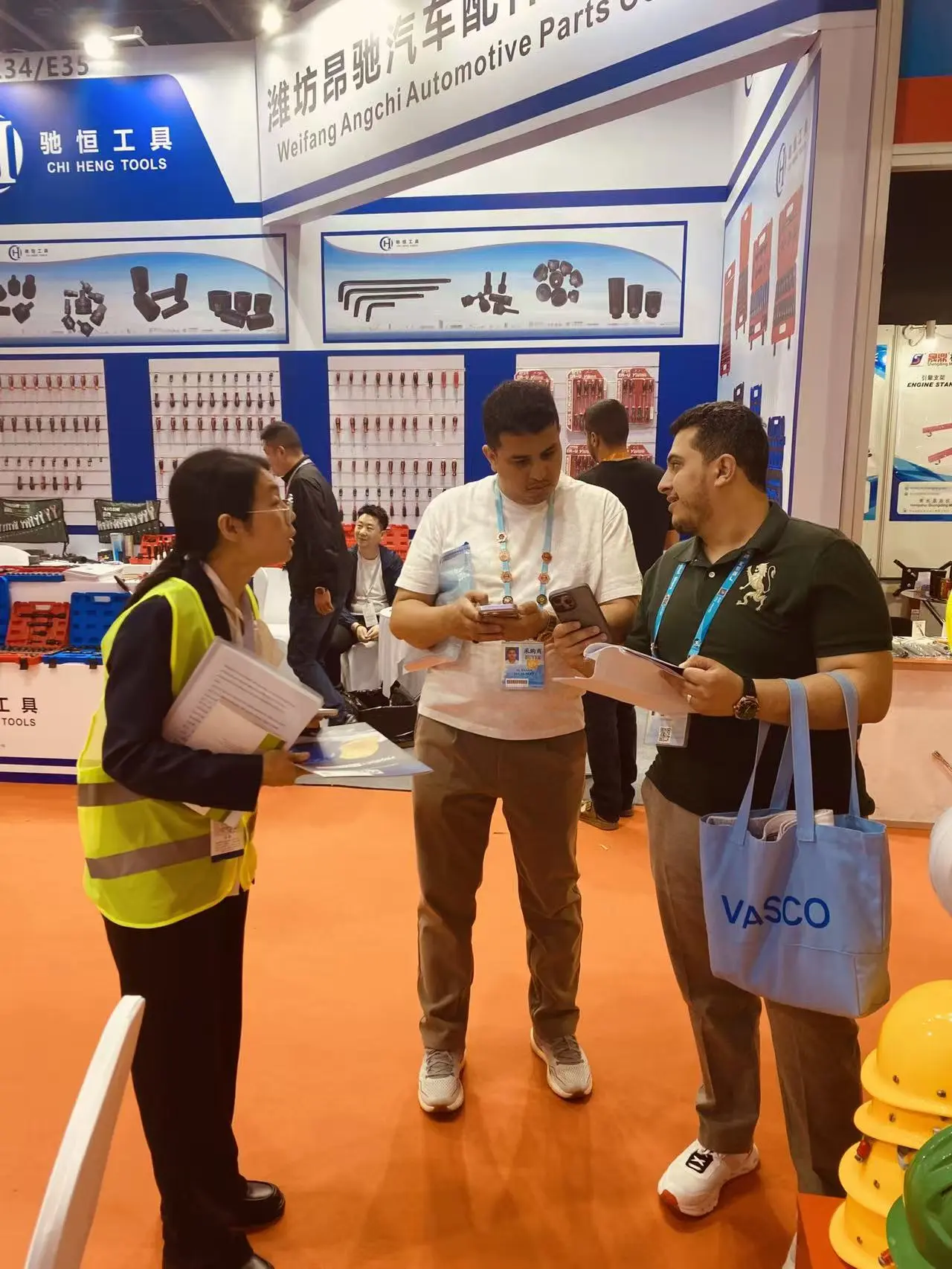
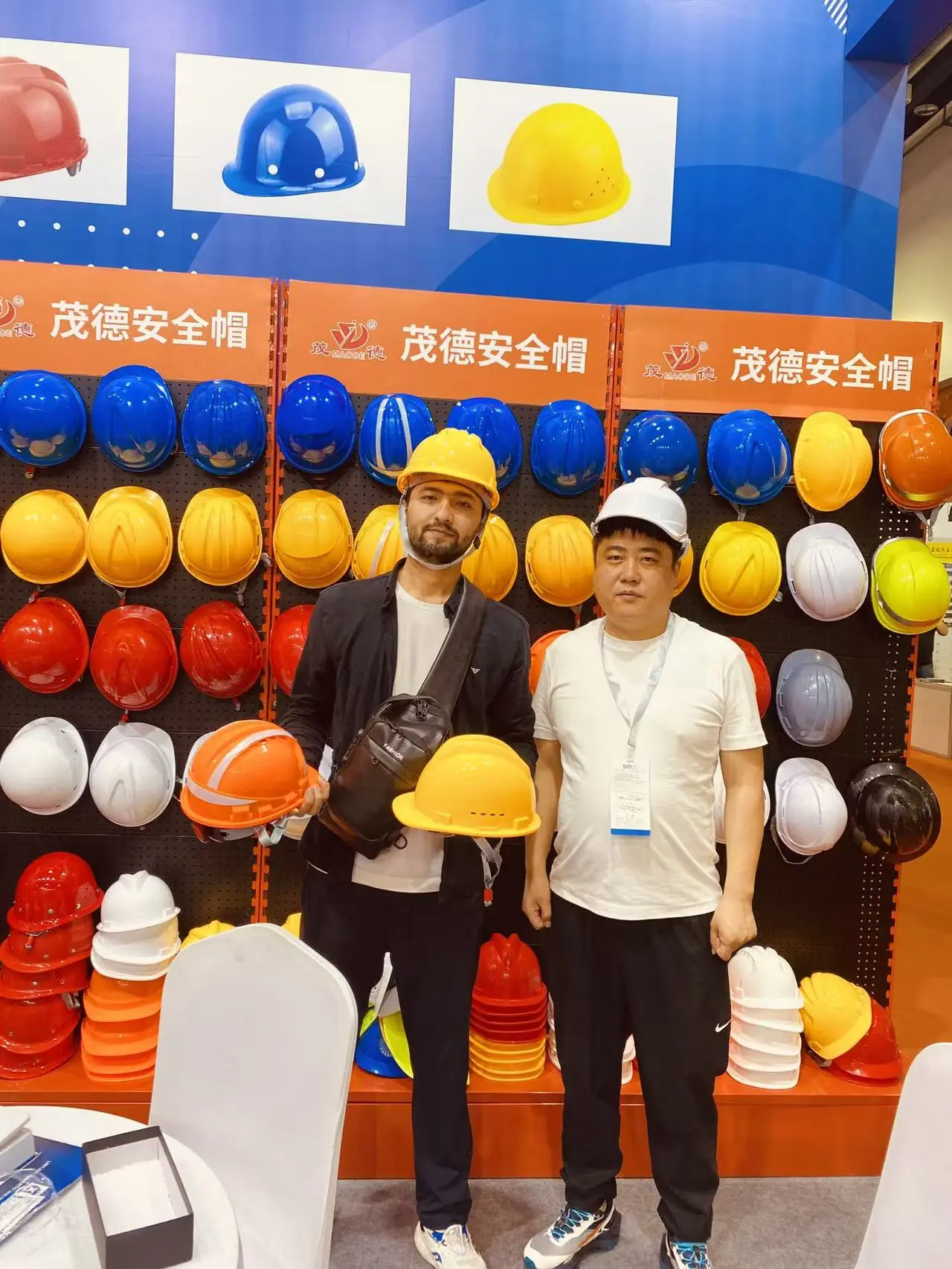
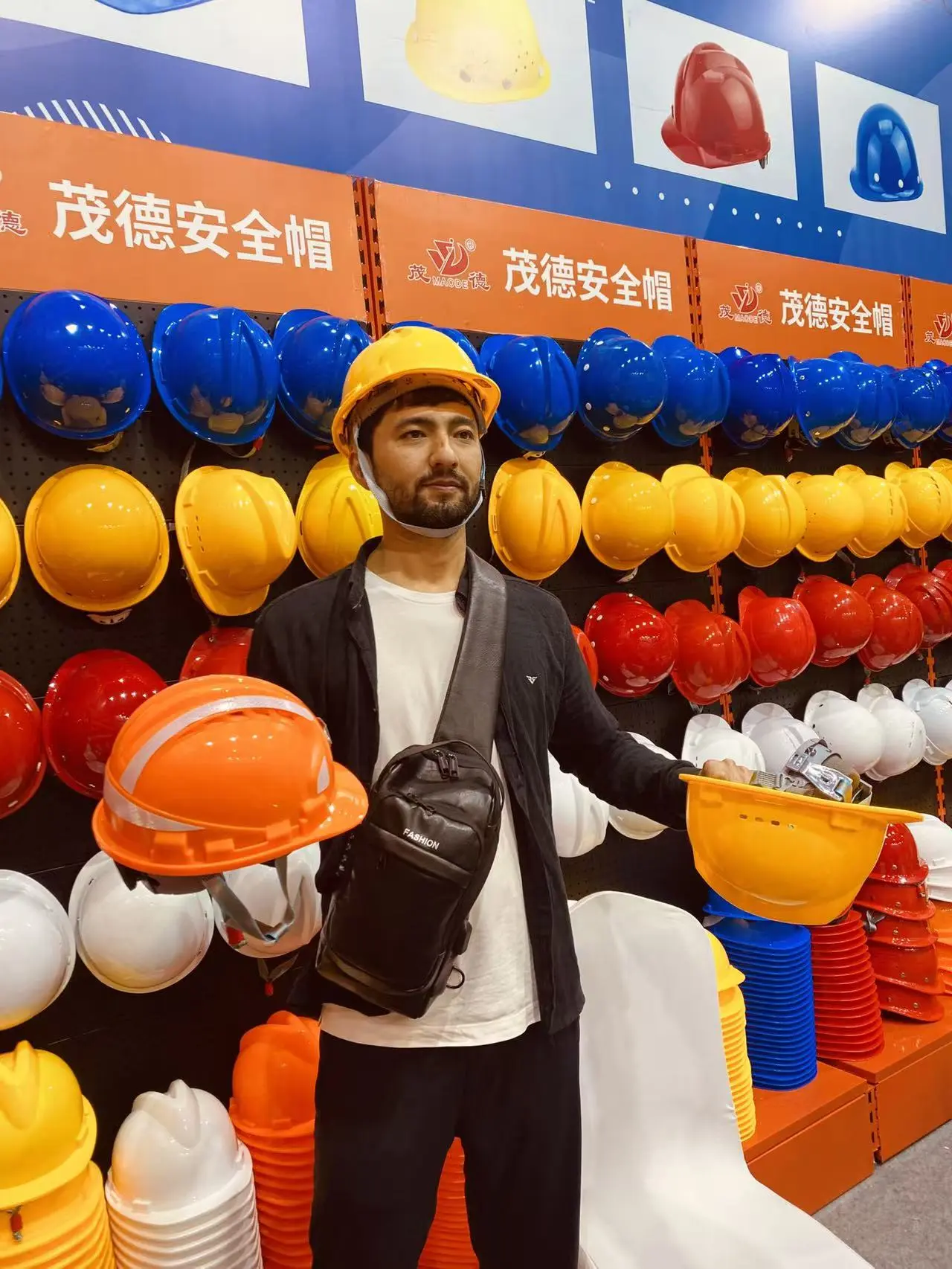
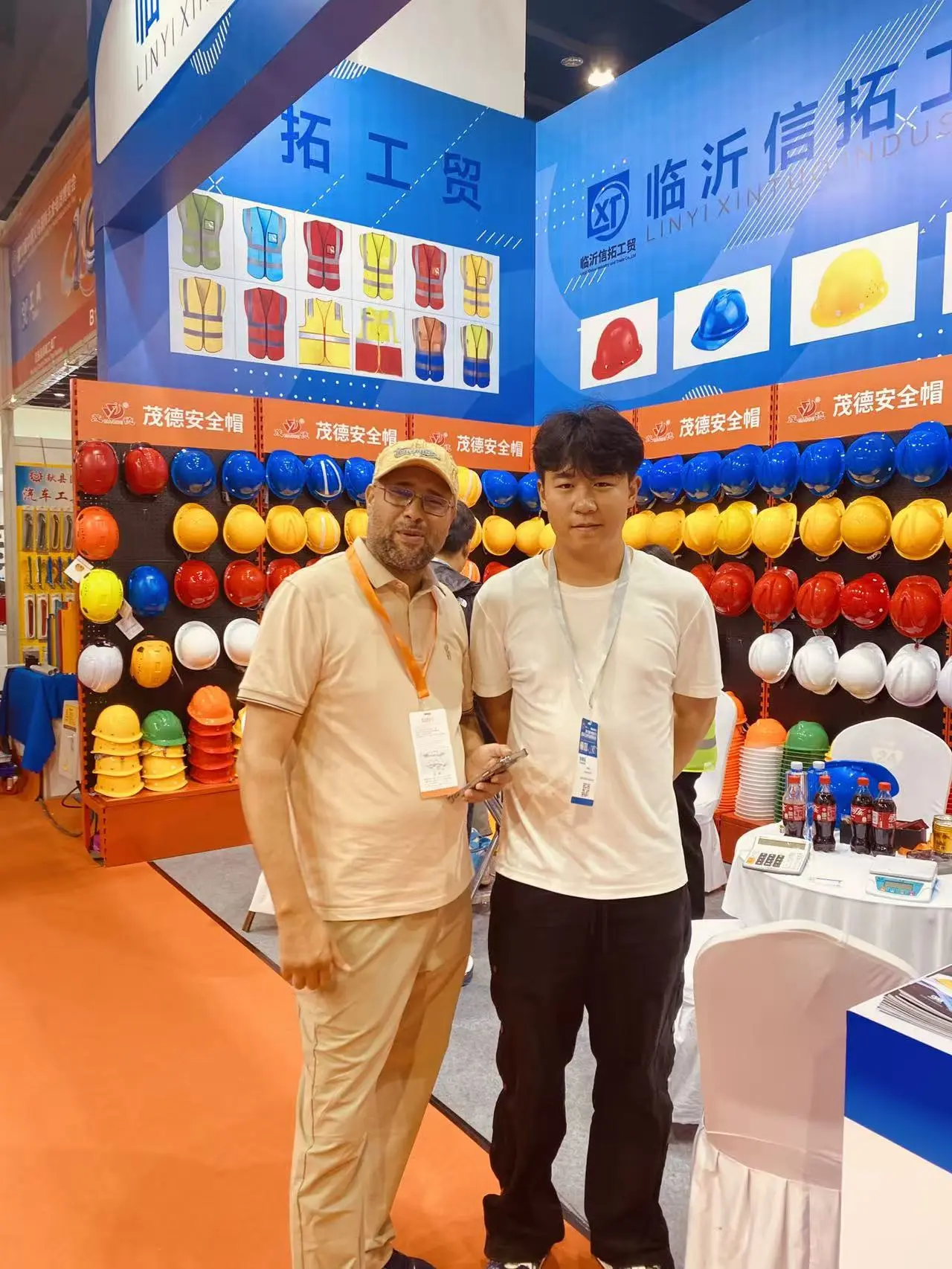
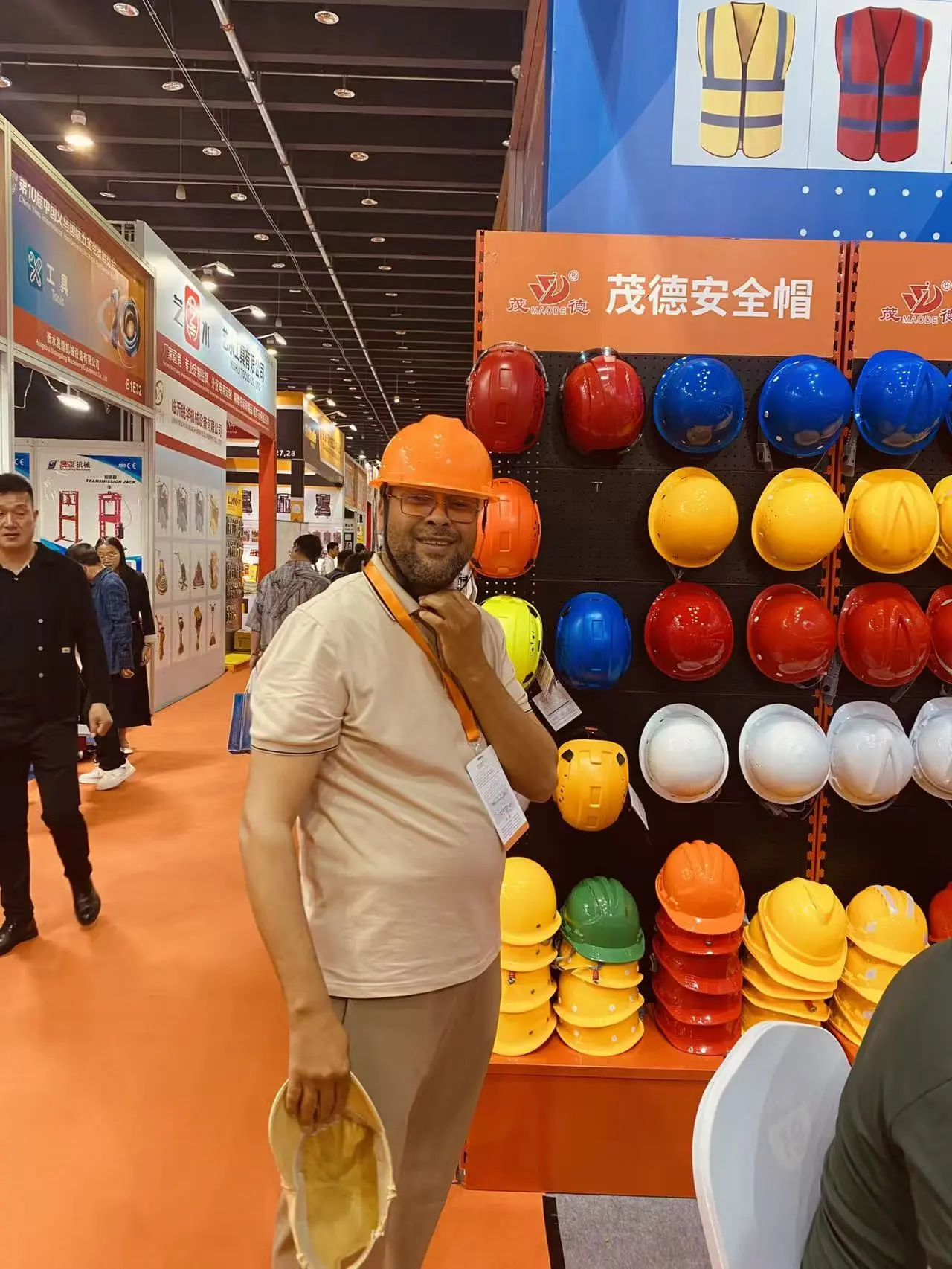
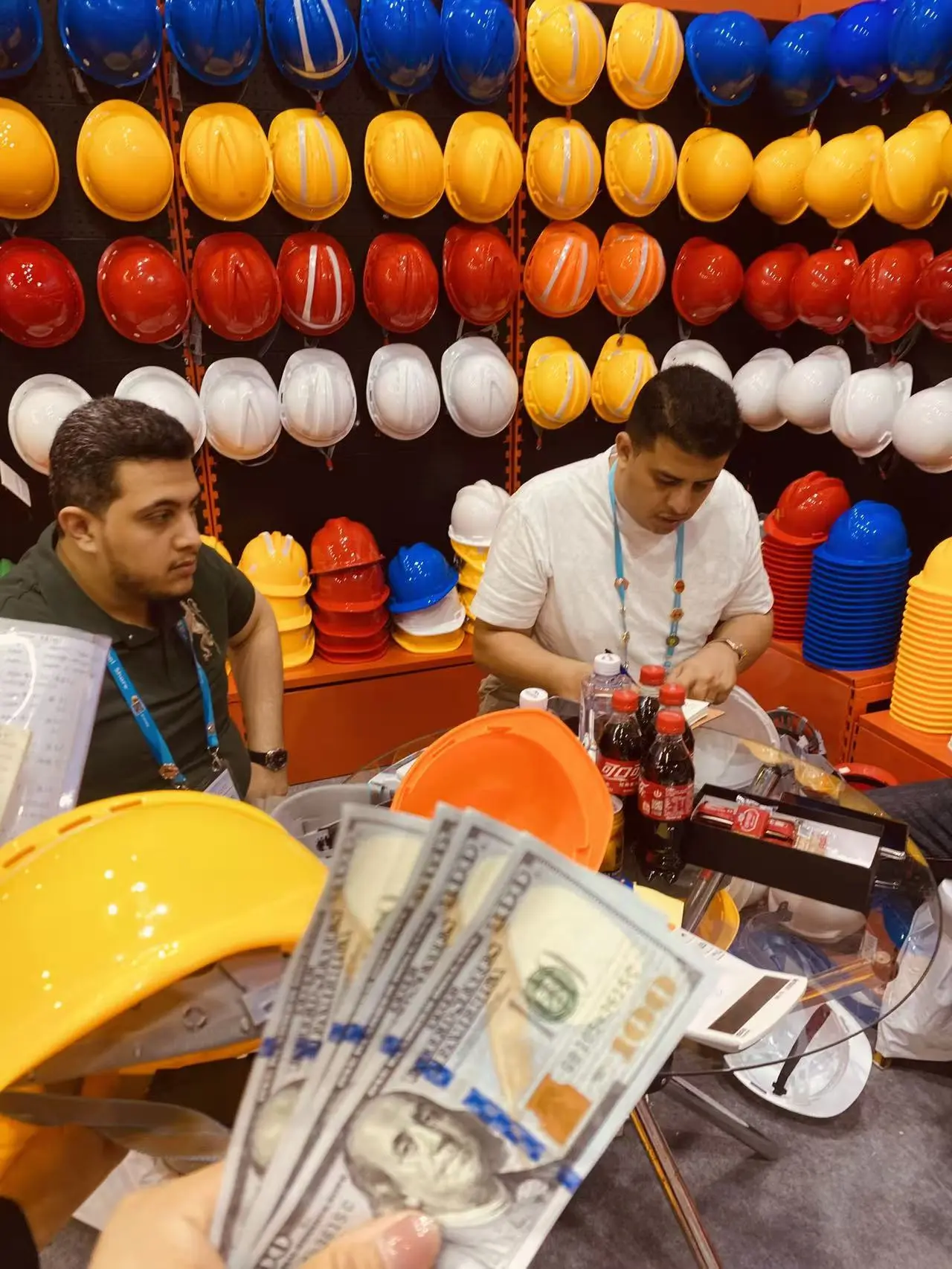
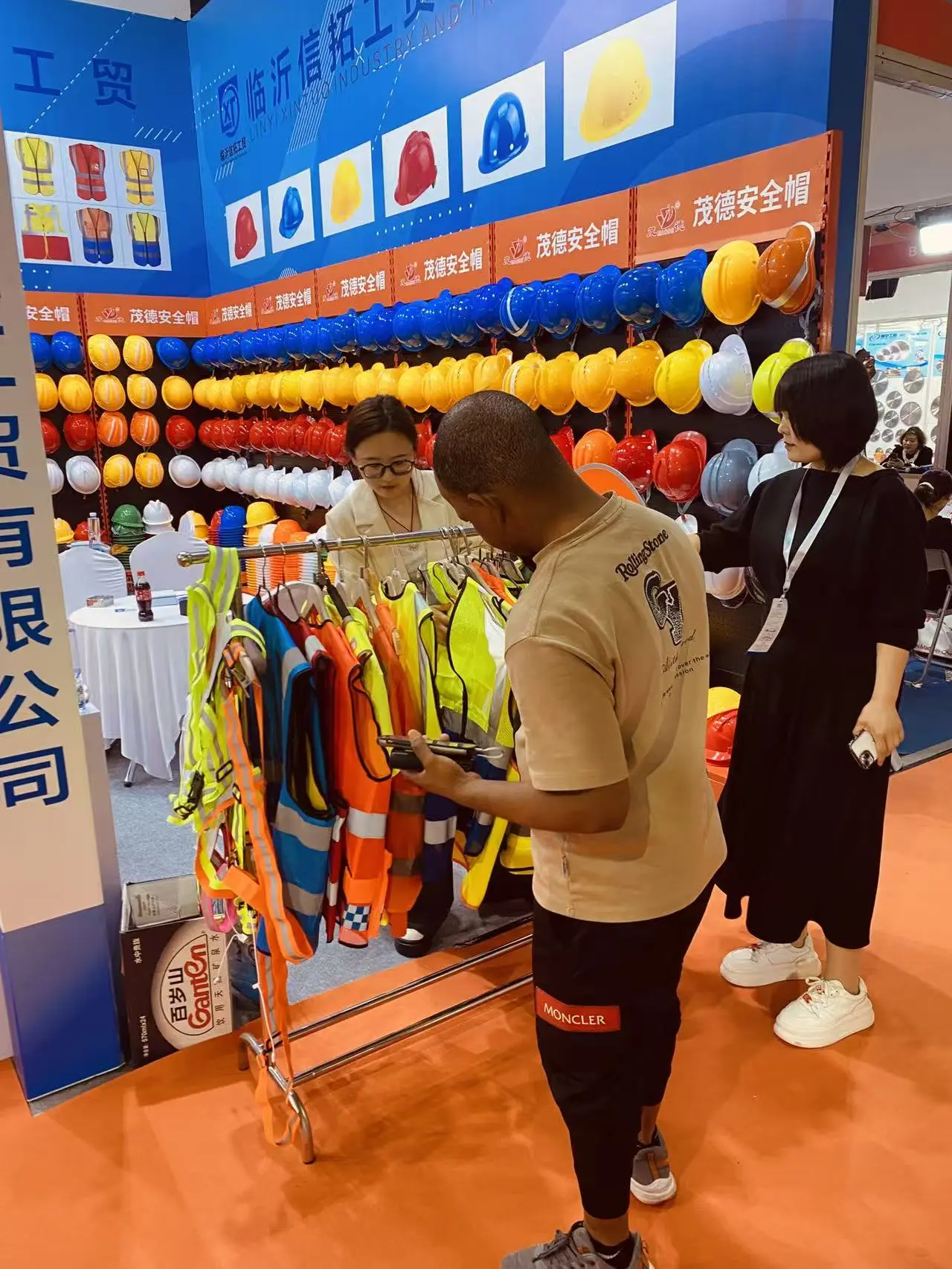
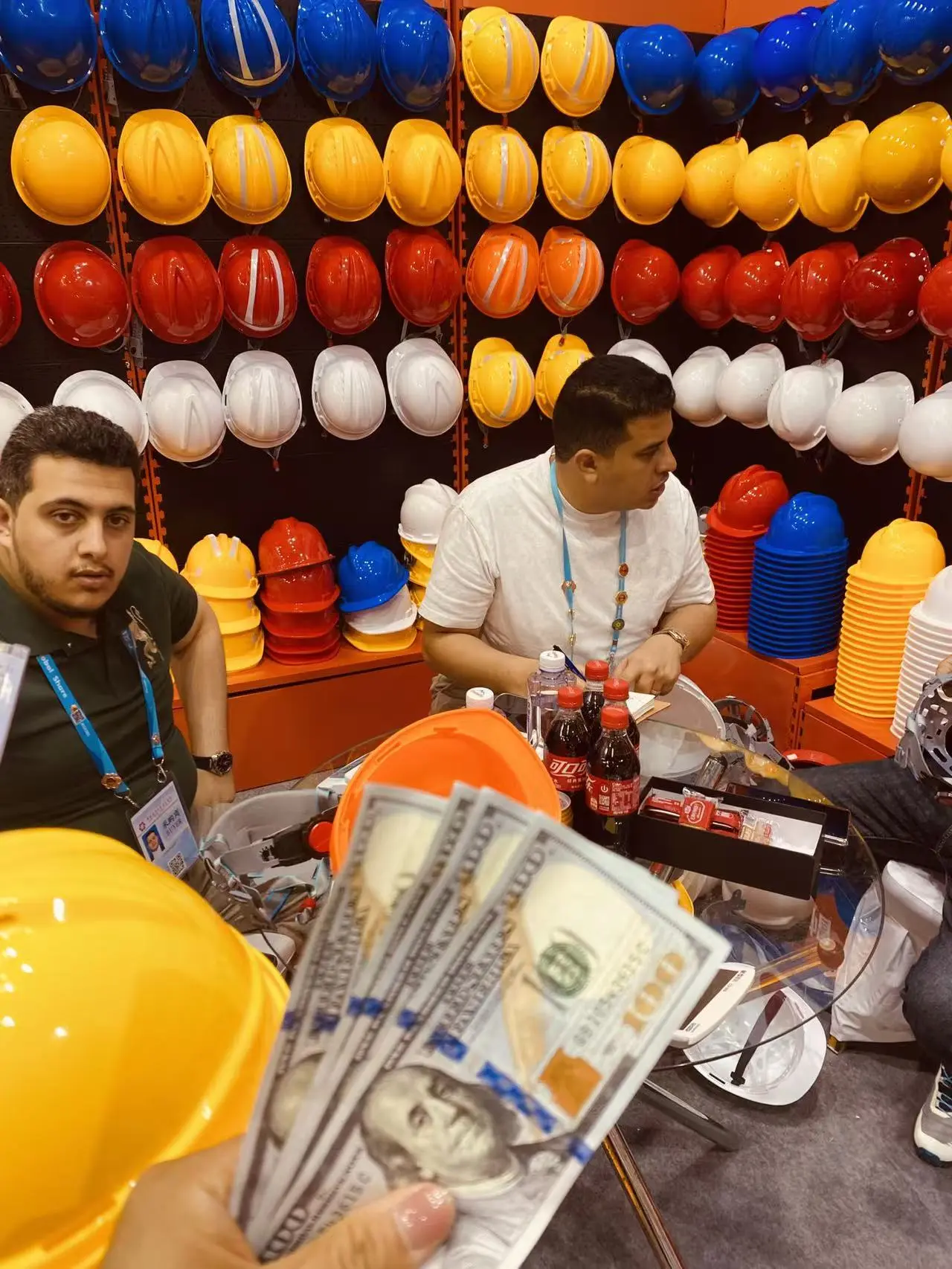
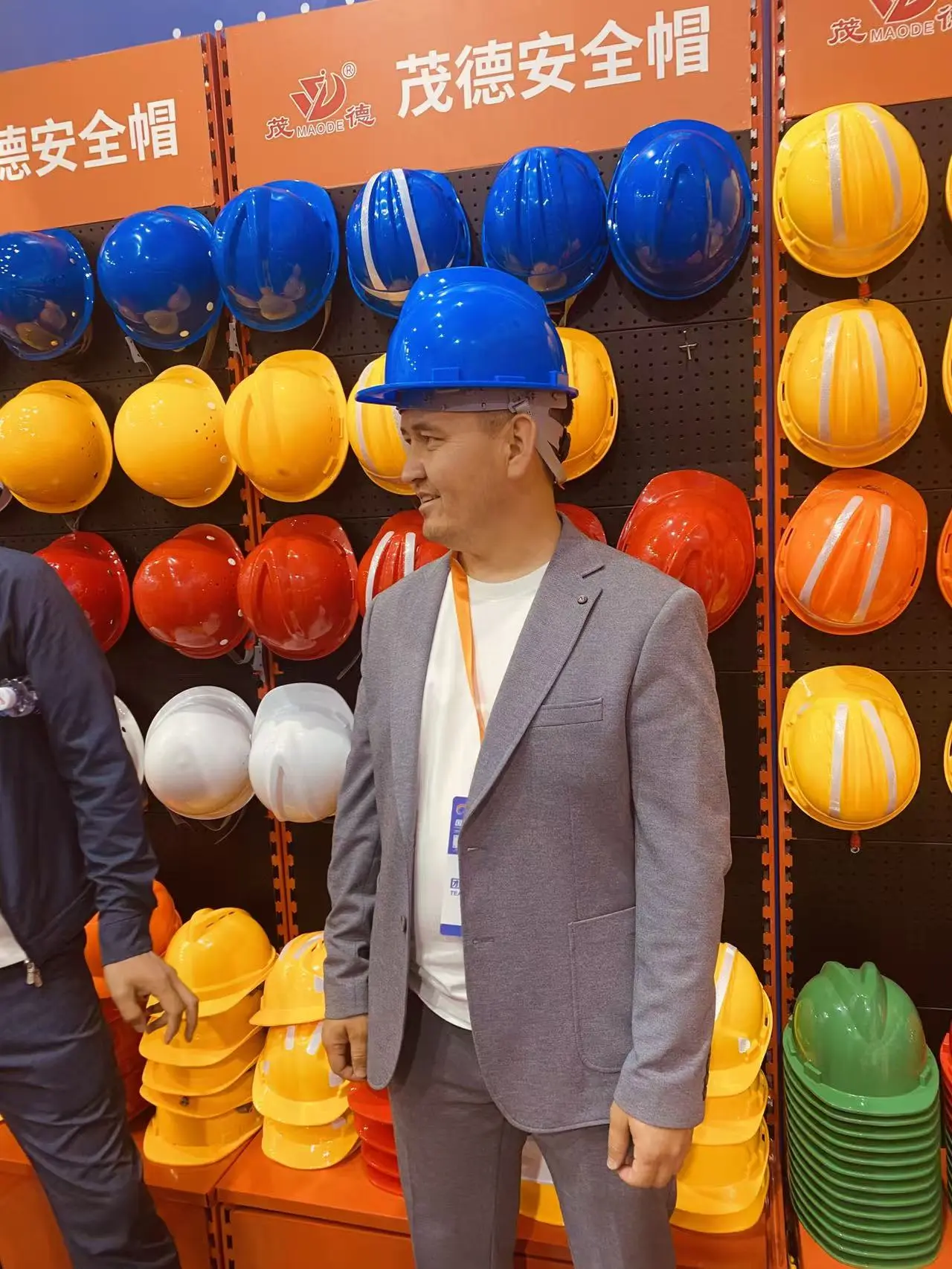
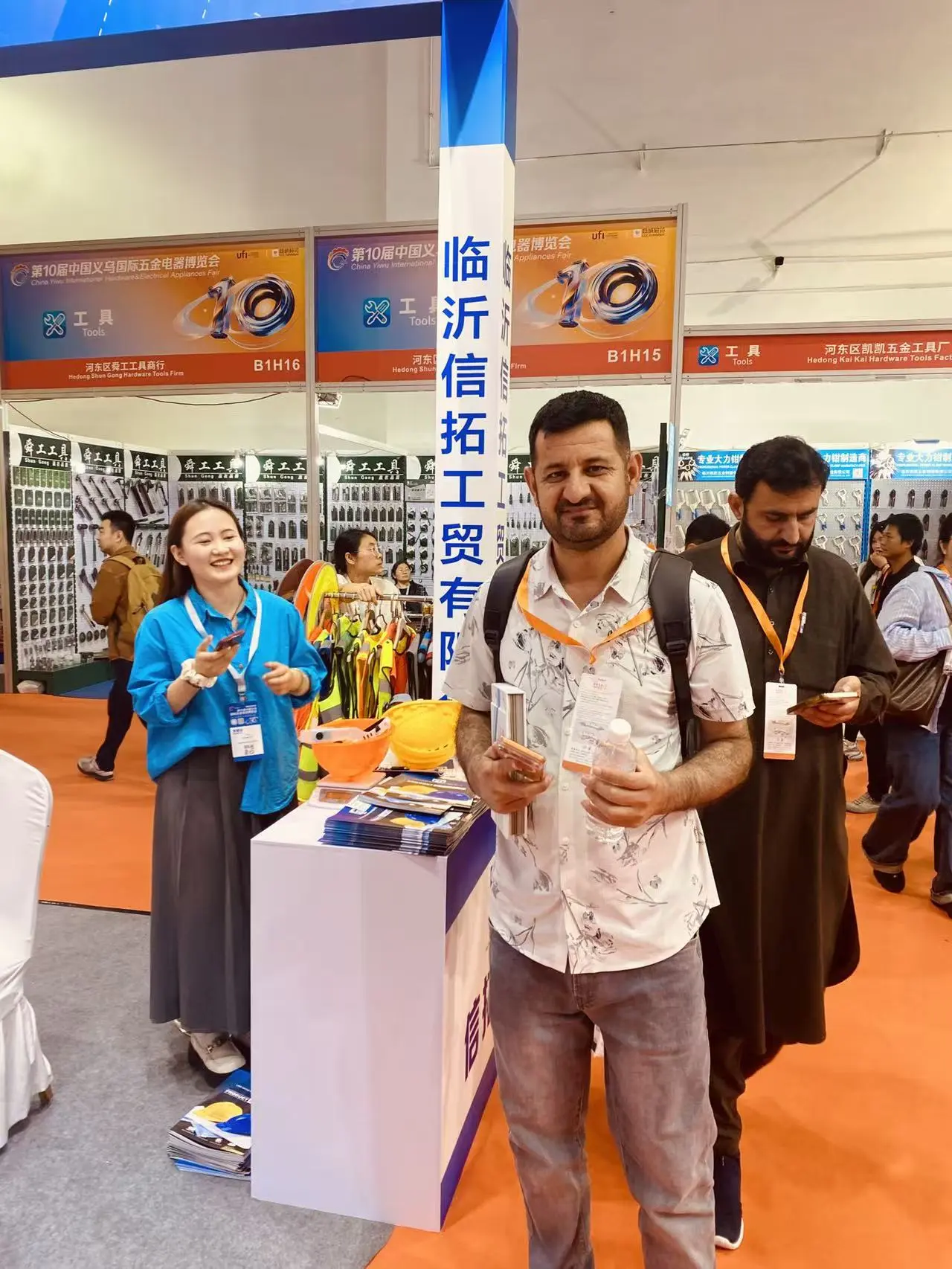
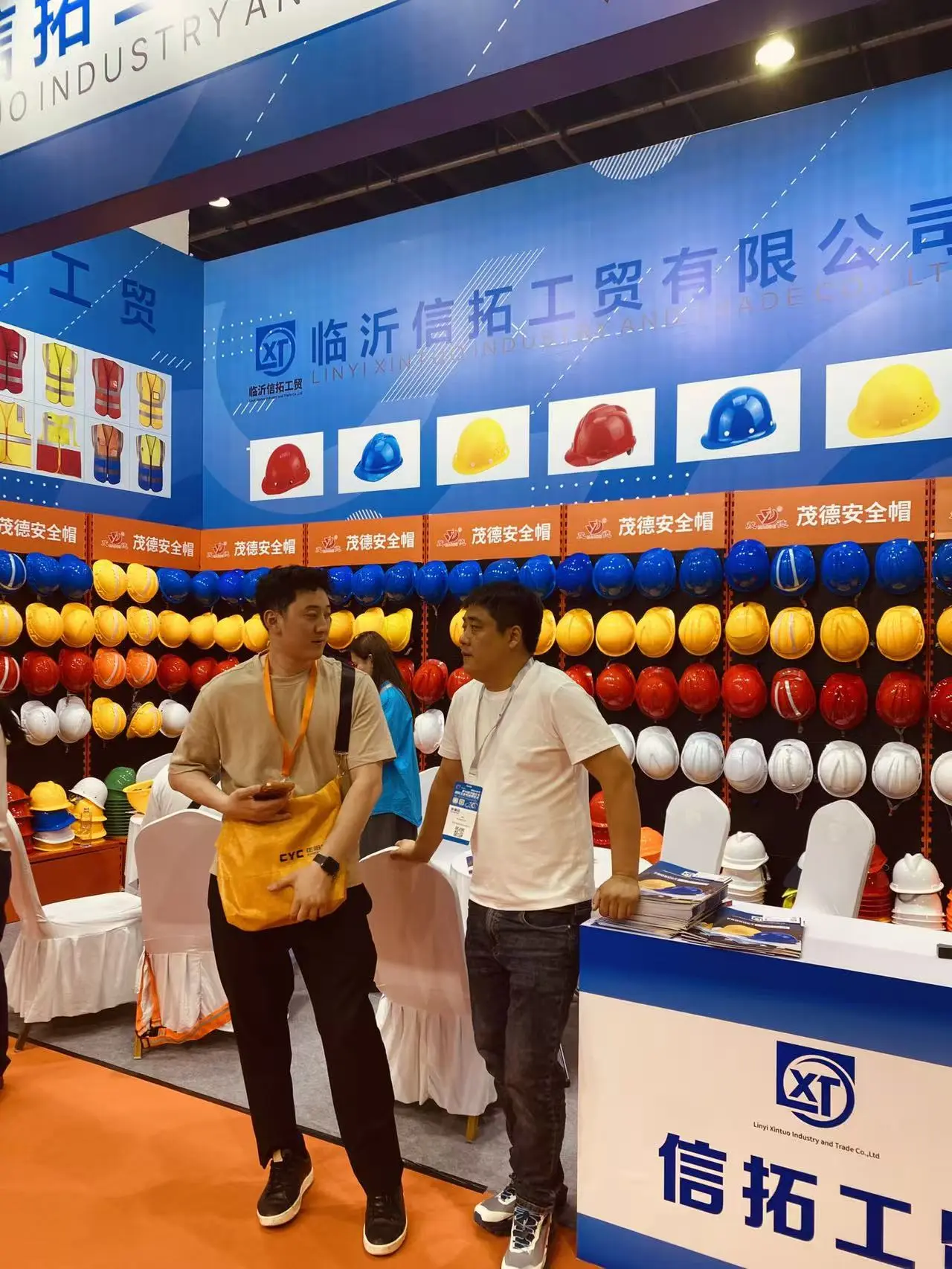
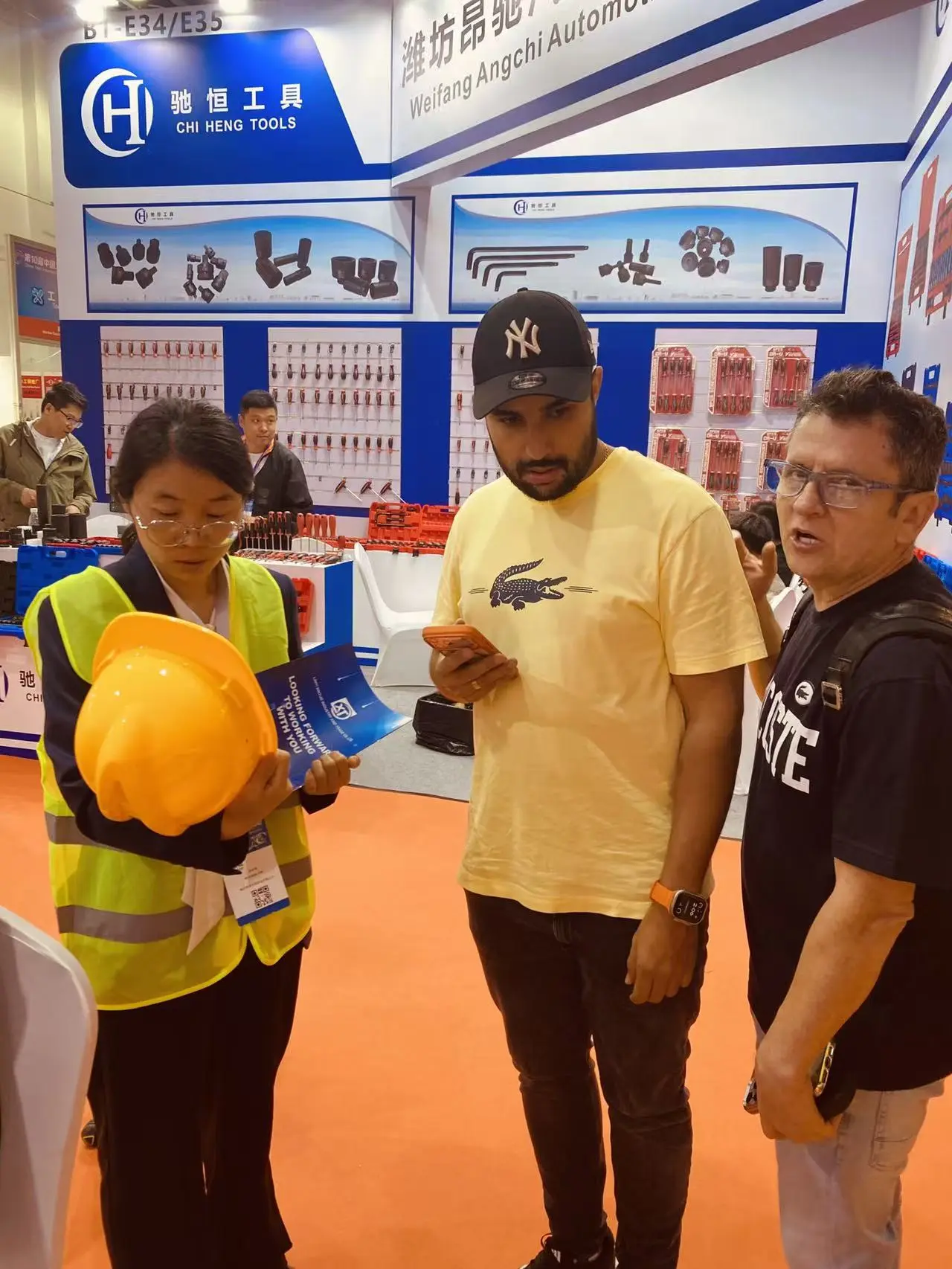
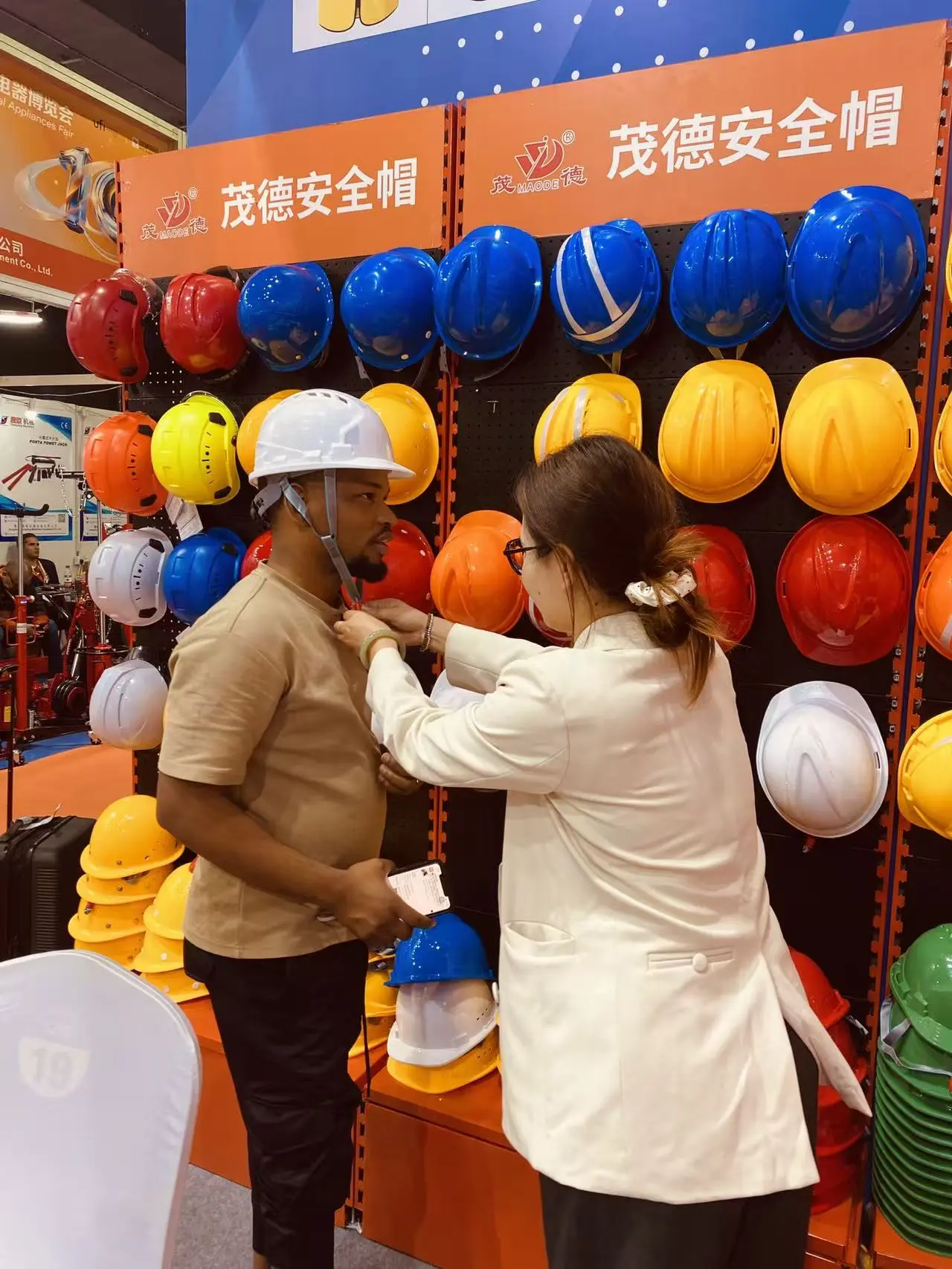
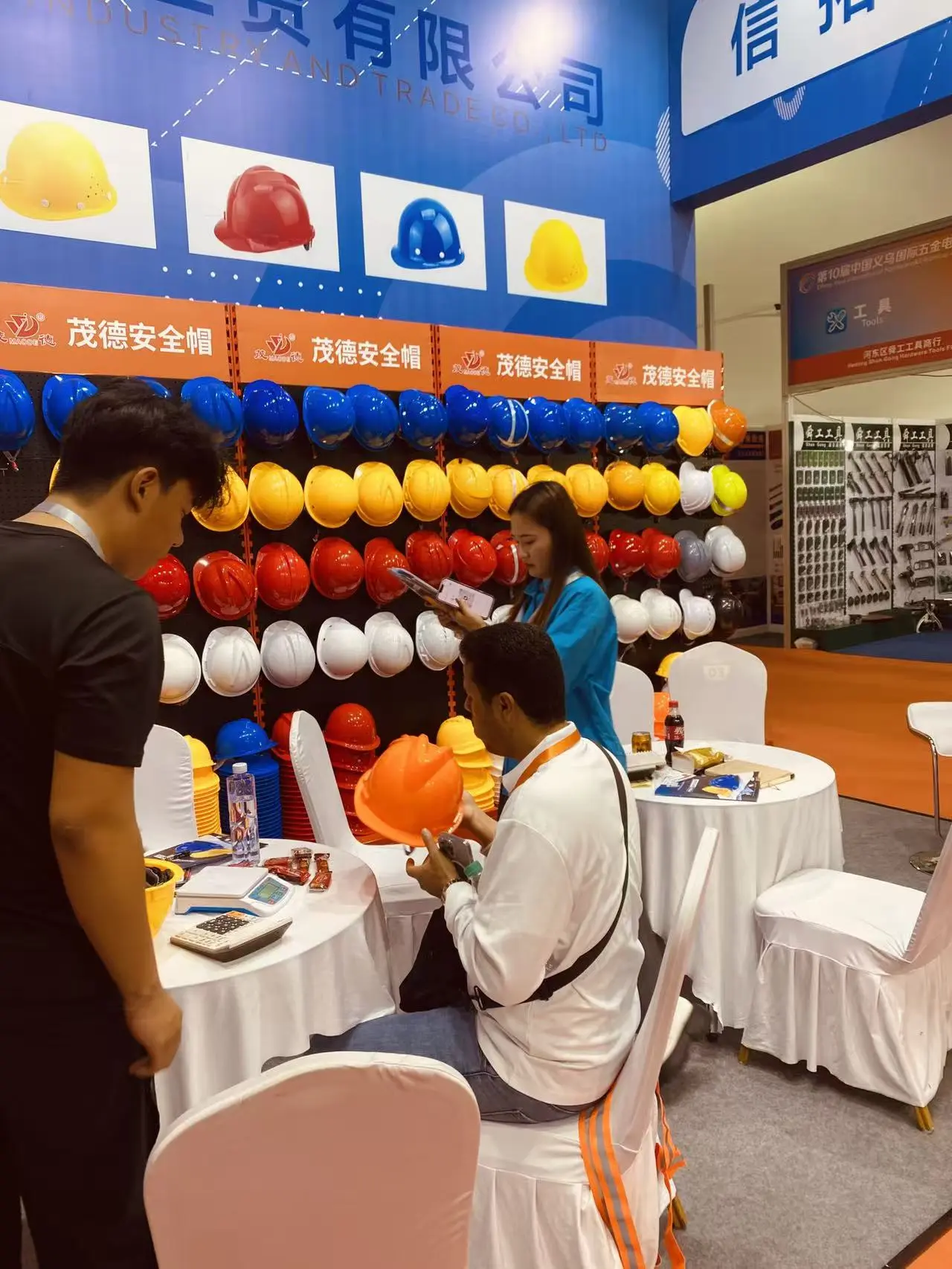
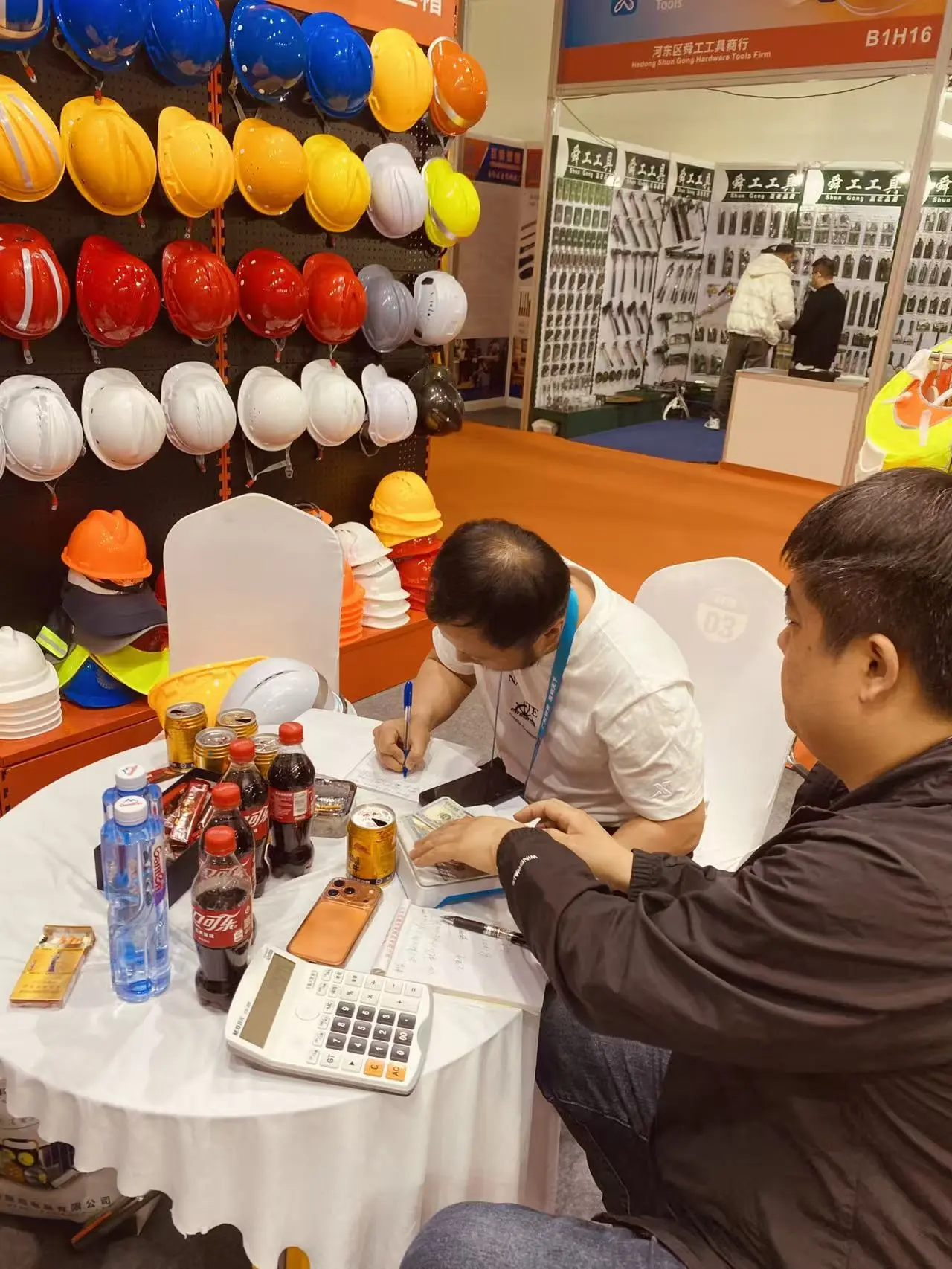
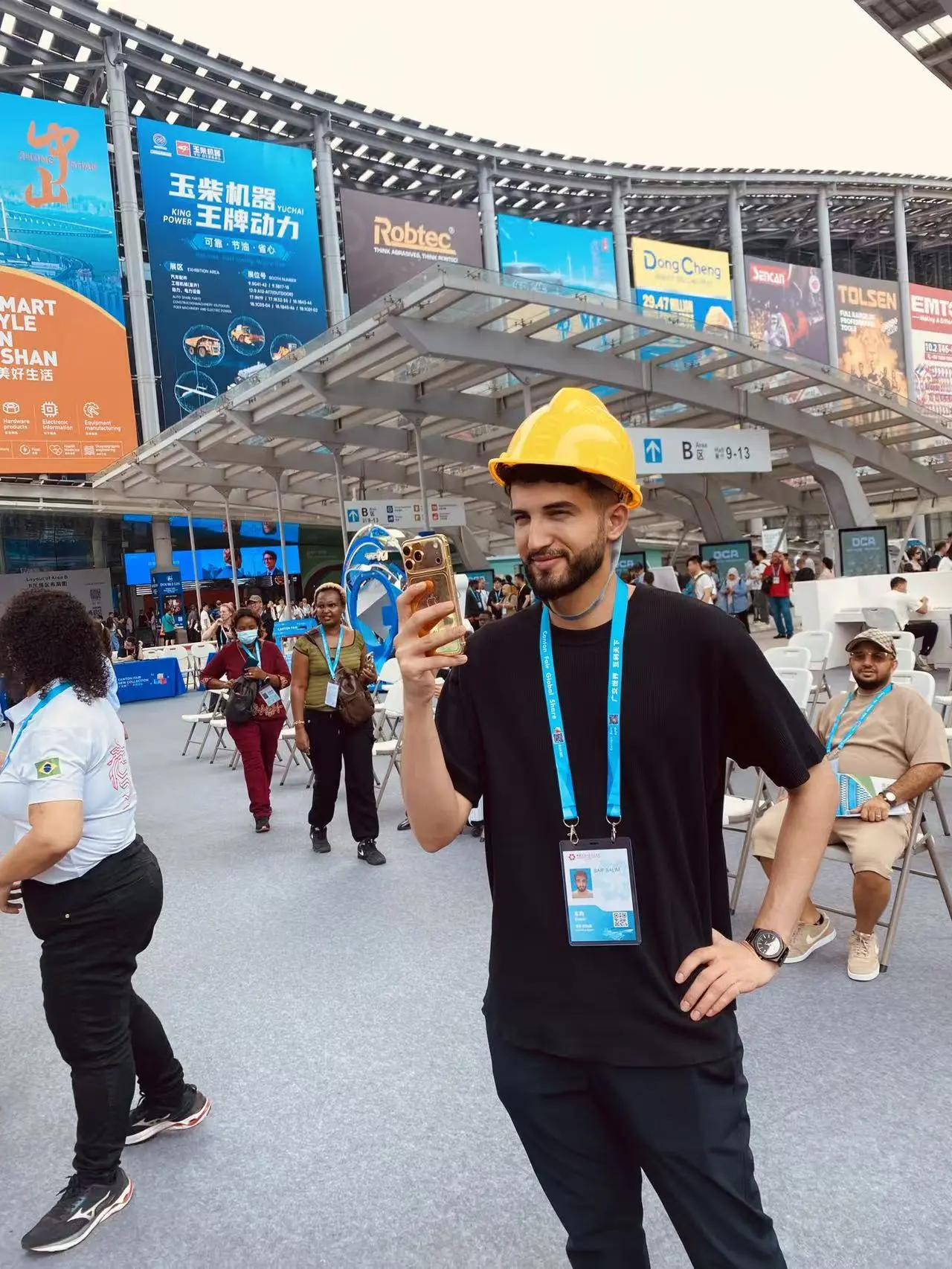
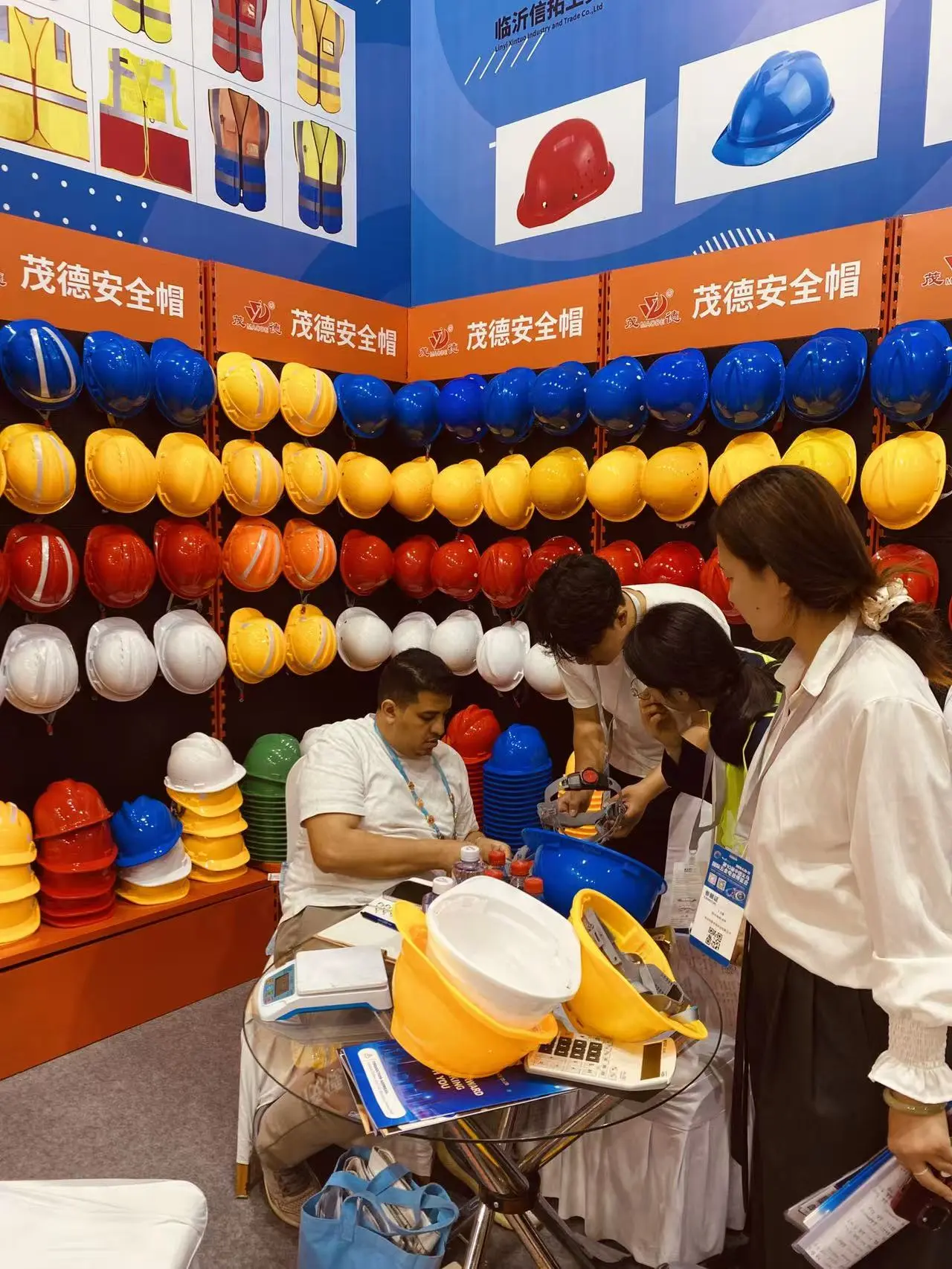
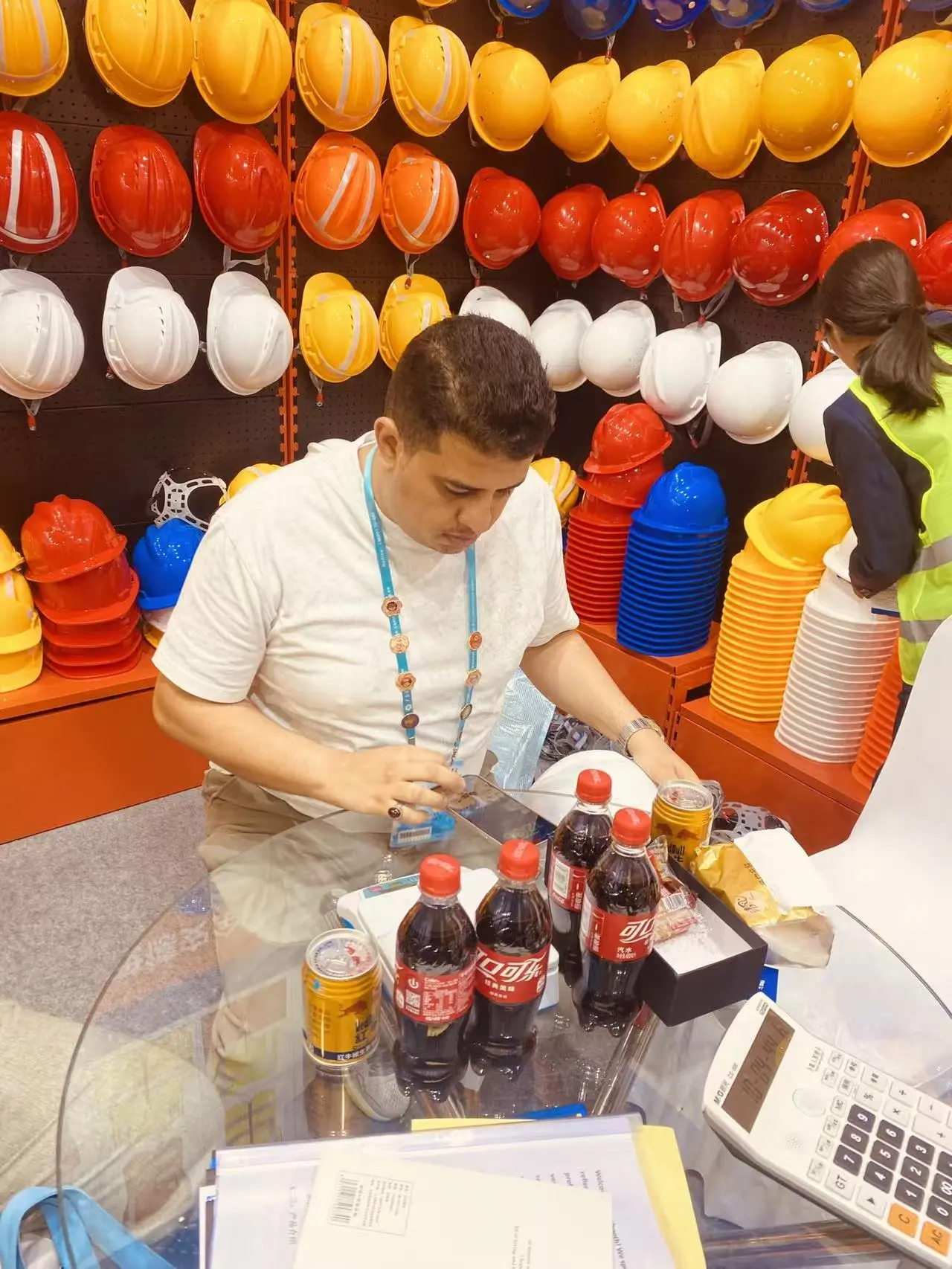
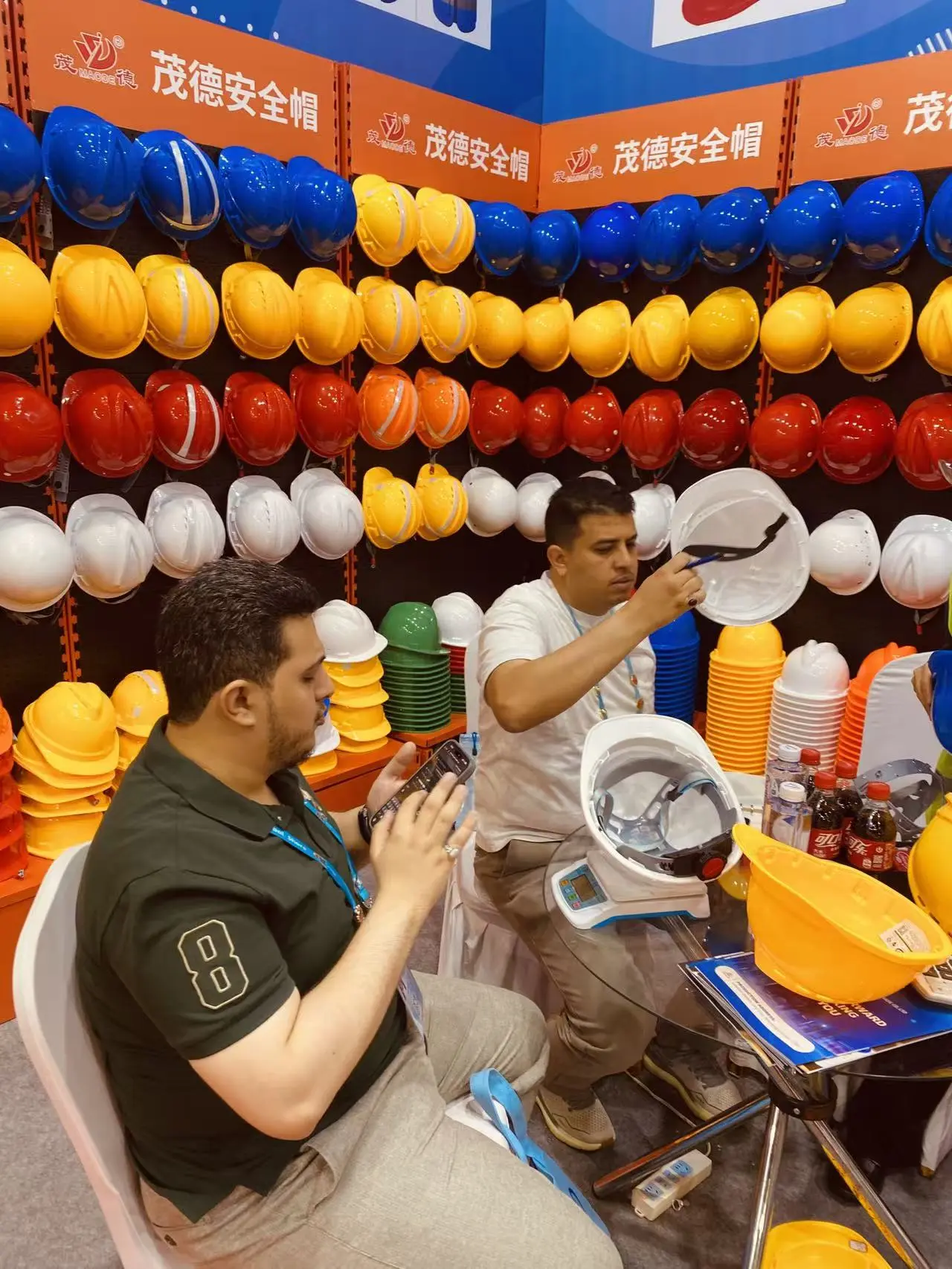
Connecting with global partners at exhibitions, building trust hand in hand. Look back at some of our international tradeshow interactions and live demonstrations.
Safety gear requires robust reinforcement structures. Beyond textile protection, Xintuo specializes in advanced fiberglass materials, supplying structural components that reinforce composite shells, fire barriers, and safety housings.

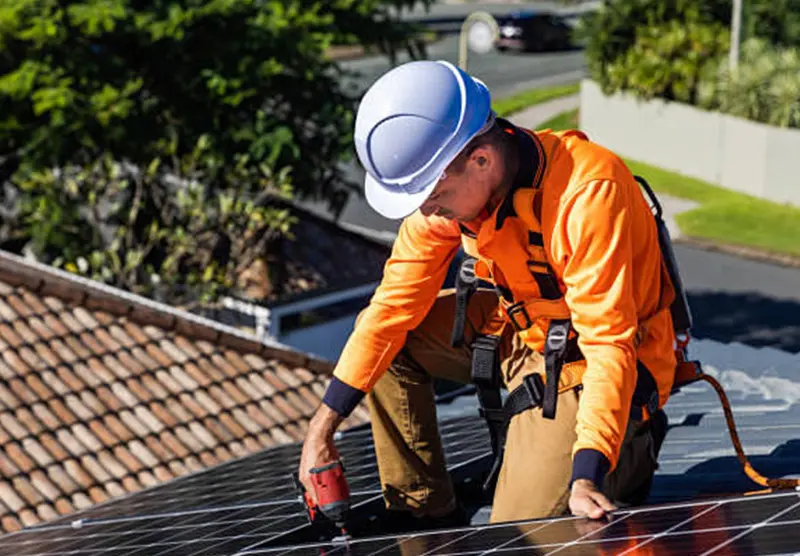
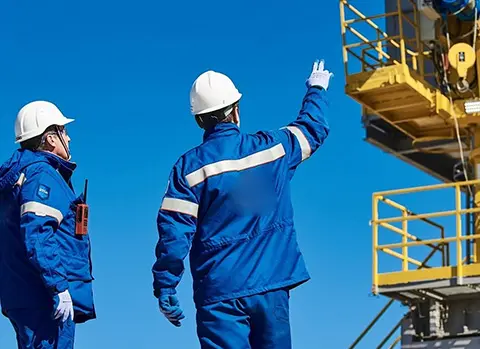
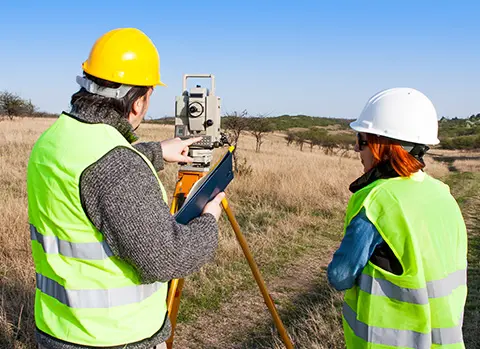


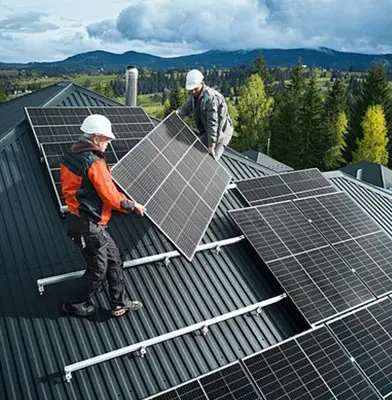
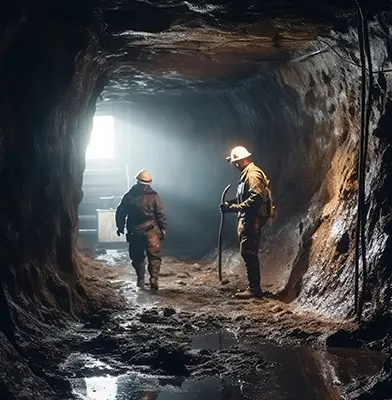
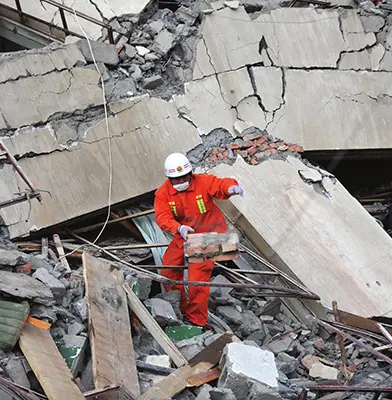
Our products are widely used in construction, manufacturing, firefighting, and other high-risk sectors, contributing to safer workplaces globally. Over 100 distributors rely on Linyi Xintuo for bulk OEM supply.














Explore answers to critical compliance, manufacturing capabilities, and shipment procedures for wholesale orders.
 Xintuo