Explore our elite range of high-performance safety helmets and high-visibility workwear compliant with international CE, EN, and ANSI standards.
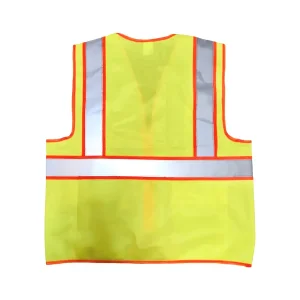
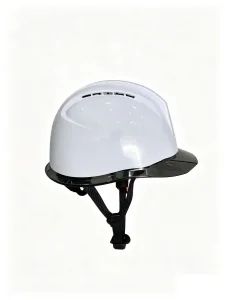
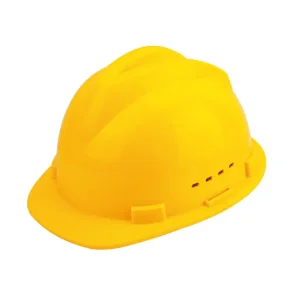
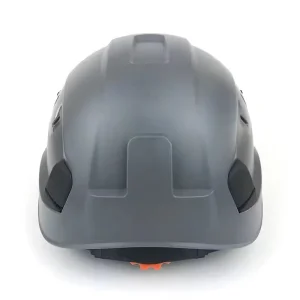
In the modern era of high-intensity manufacturing, construction, and petrochemical processing, the mandate for occupational health and hazard containment is absolute. Safety equipment is no longer viewed as mere transactional protective gear. It is the primary buffer preventing fatal occupational injuries and securing operational continuity. Organizations worldwide face strict compliance regulations combined with the continuous requirement to optimize worker comfort to ensure compliance in wearing.
At the center of this protective shell sits Linyi Xintuo Industry and Trade Co., Ltd., a premier manufacturing enterprise in China dedicated to pioneering high-performance safety helmets, fiberglass protective composites, and high-visibility wear. Grounded in systematic ISO management protocols, our facility synthesizes advanced polymer science with mechanical safety parameters, developing systems that conform directly to EN 397 (for head protection) and EN ISO 20471 (for high-visibility components).
Through rigorous development, we address the critical components of the modern manufacturing safety ecosystem: high mechanical impact resistance, robust insulation parameters, ergonomic suspension systems, and reliable retroreflective materials engineered to handle challenging industrial processes.
Inquire with Technical Engineers
Harnessing advanced automation, vertical integration, and deep logistical footprints to deliver reliability at scale.
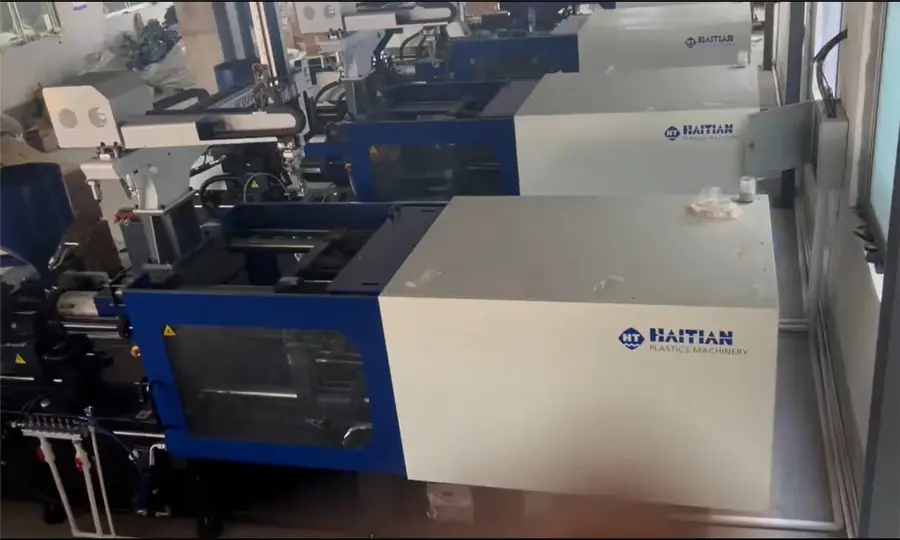
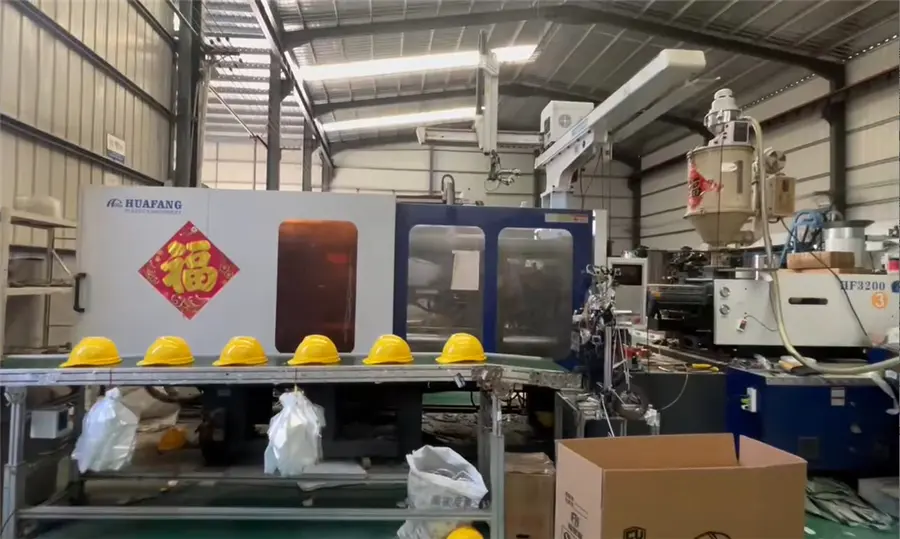
Utilizing injection molding infrastructure, our manufacturing facility processes ABS (Acrylonitrile Butadiene Styrene) and HDPE (High-Density Polyethylene) under calibrated thermal controls. This eliminates structural weak spots and optimizes tensile toughness, offering superior strength-to-weight parameters compared to conventional polymers.
By hosting dedicated lines for fiberglass composites, weaving mesh, and high-visibility fabrics, Xintuo limits external supply disruptions. This integration ensures that every step, from raw yarn and fiberglass roving to final reflective jackets, meets absolute quality baselines.
Our infrastructure runs modular configurations, letting us switch designs dynamically between standard construction safety helmets and custom-molded electrical insulation headwear, supporting client requirements without sacrificing lead times.
Selecting the correct shell material determines a safety helmet's energy absorption capability, chemical resistance, and electrical shielding parameters. Below is a comparative breakdown of key safety materials utilized in our current production lines:
| Material Type | Impact Energy Absorption | Electrical Insulation Performance | Thermal Resistance Range | Primary Application Context |
|---|---|---|---|---|
| ABS (Acrylonitrile Butadiene Styrene) | Excellent (Rigid molecular structure) | Good (Up to 440V protection standards) | -20°C to +80°C | Heavy Construction & Industrial Assembly Lines |
| HDPE (High-Density Polyethylene) | Good (Higher elasticity) | Excellent (Reliable dielectric constants) | -30°C to +50°C | General Labor, Logistical Yards, High Humidity Sites |
| Fiberglass Reinforced Composites | Extreme (Structural fiber distribution) | Moderate (Special configuration needed) | Up to +150°C (High heat tolerance) | Metallurgical Foundries, Firefighting, Heavy Chemical Plants |
Beyond physical shells, Xintuo integrates adjustable suspension configurations featuring tension control dials, antimicrobial sweatbands, and air ventilation vents. This minimizes dynamic acceleration during a fall or blow, ensuring safety and comfort over long shifts.
Our industrial capacity spans safety equipment manufacturing and underlying fiber materials supply.

High-strength composite reinforcement material.
Durable reinforcement grid for architectural facades.
Uniform weight distribution for composite molding.
Thermal insulation textile for critical engineering insulation.
Polymer reinforcement strands for high structural rigidity.
Procuring personal protective equipment (PPE) on a global scale demands strict verification of manufacturing processes. For supply chain managers and safety officers in Europe, North America, and Southeast Asia, procurement optimization is built upon three core pillars:
At Linyi Xintuo, our team supports clients through custom product development pipelines, ensuring samples are sent promptly for safety testing before bulk production begins.
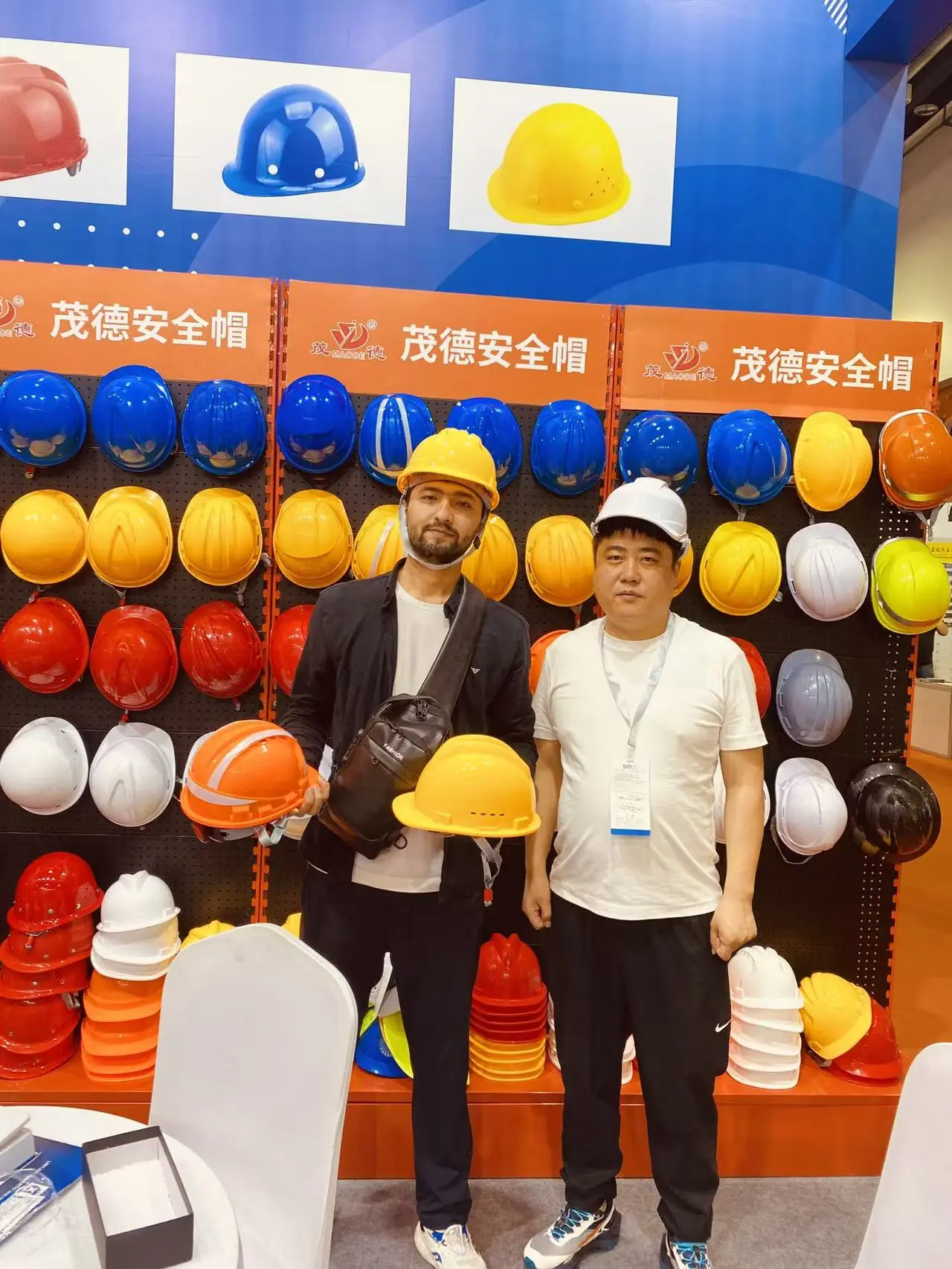
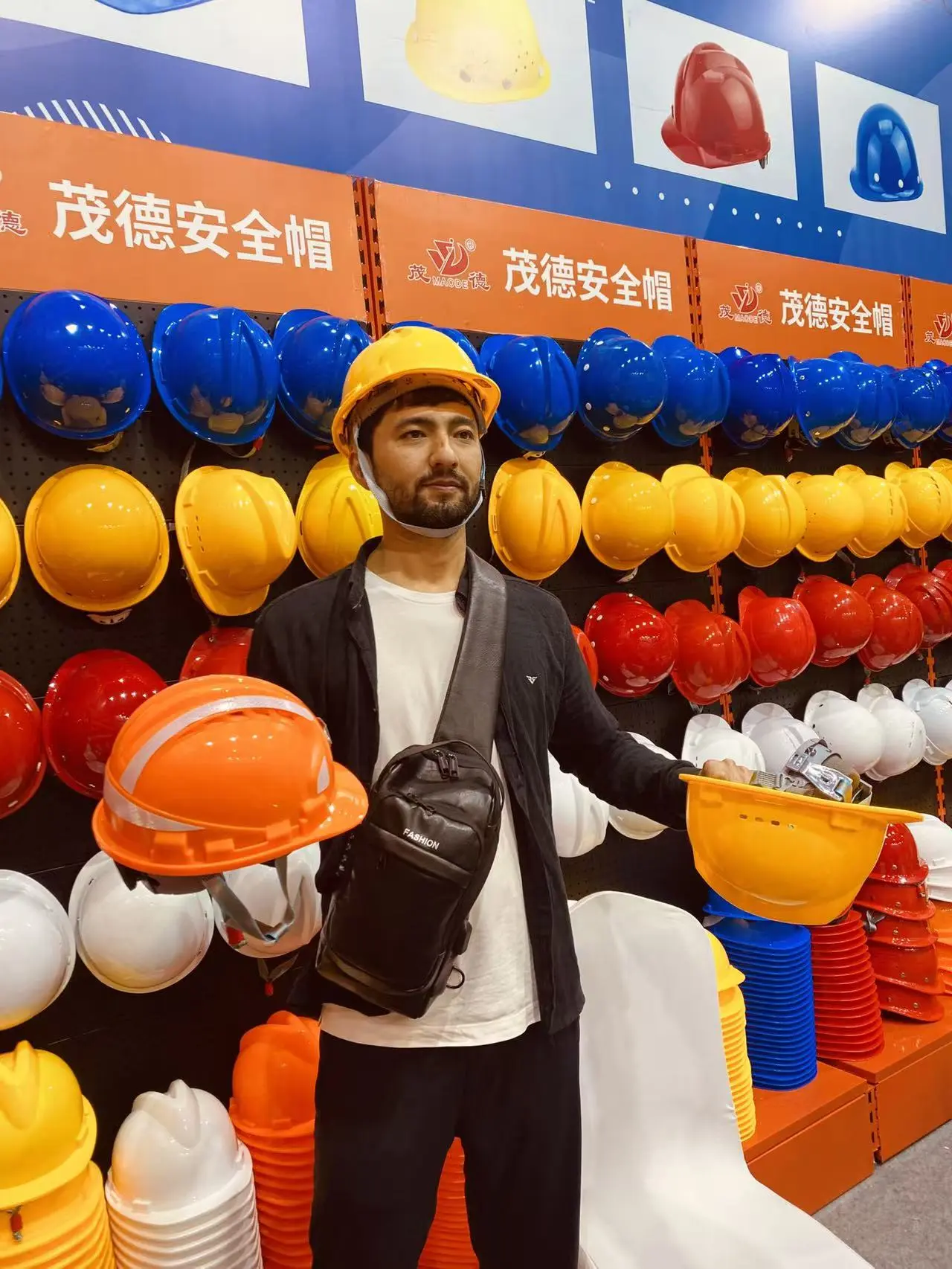
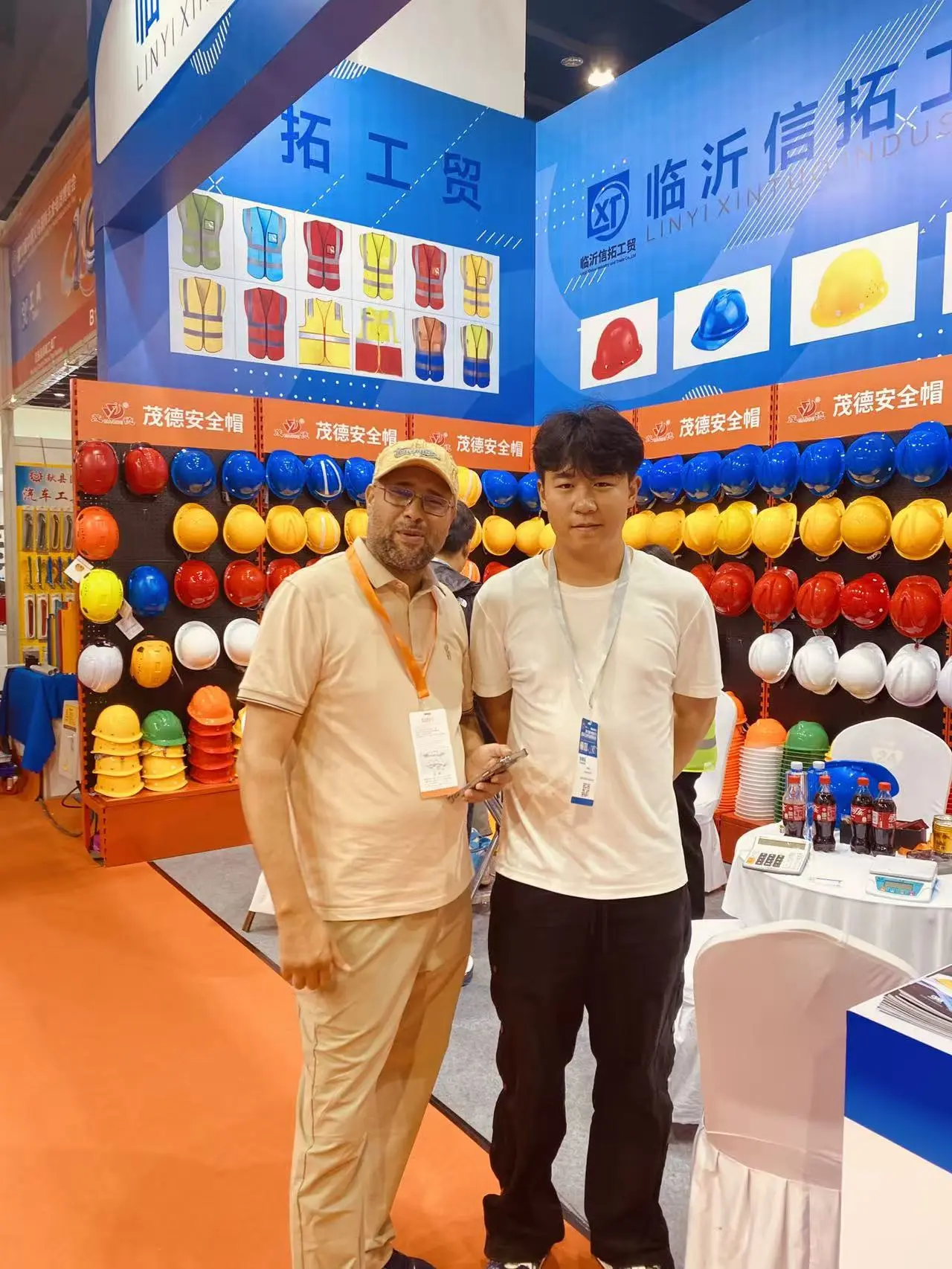
Connecting with global partners, showcasing our engineering credentials, and validating reliability.
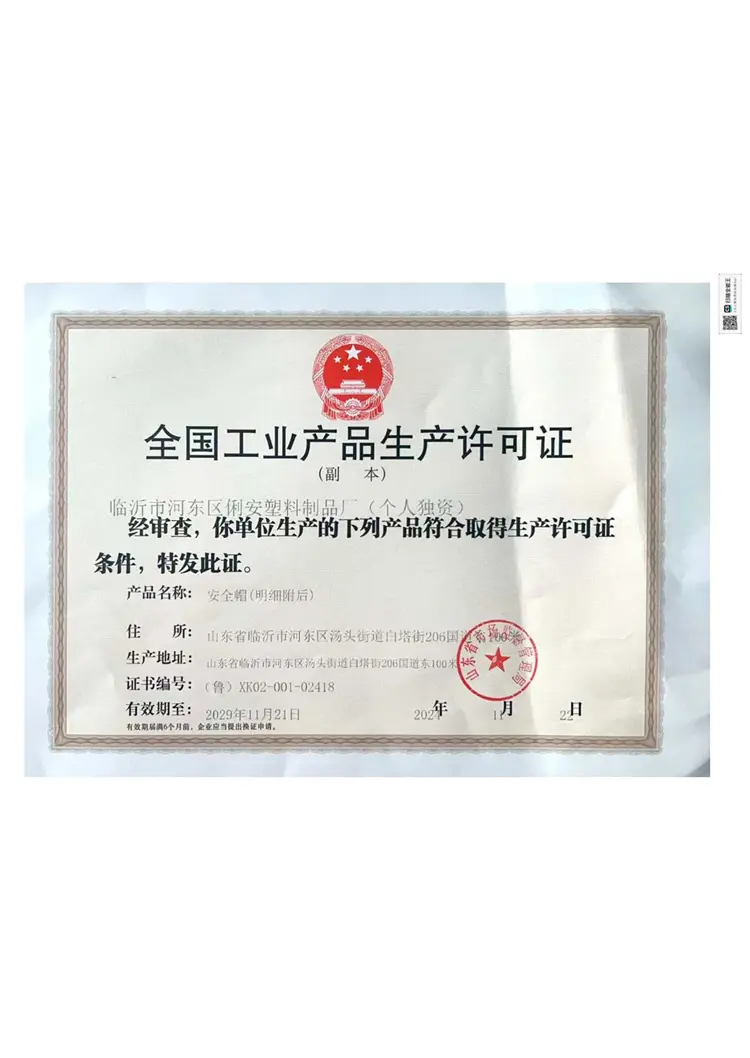
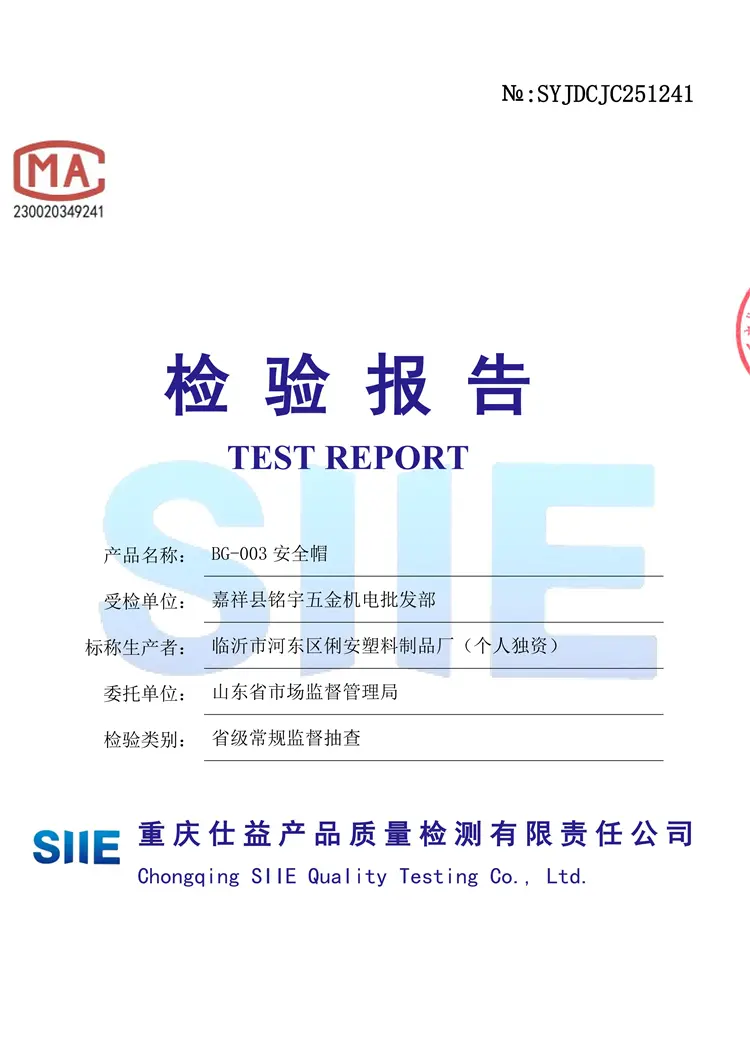
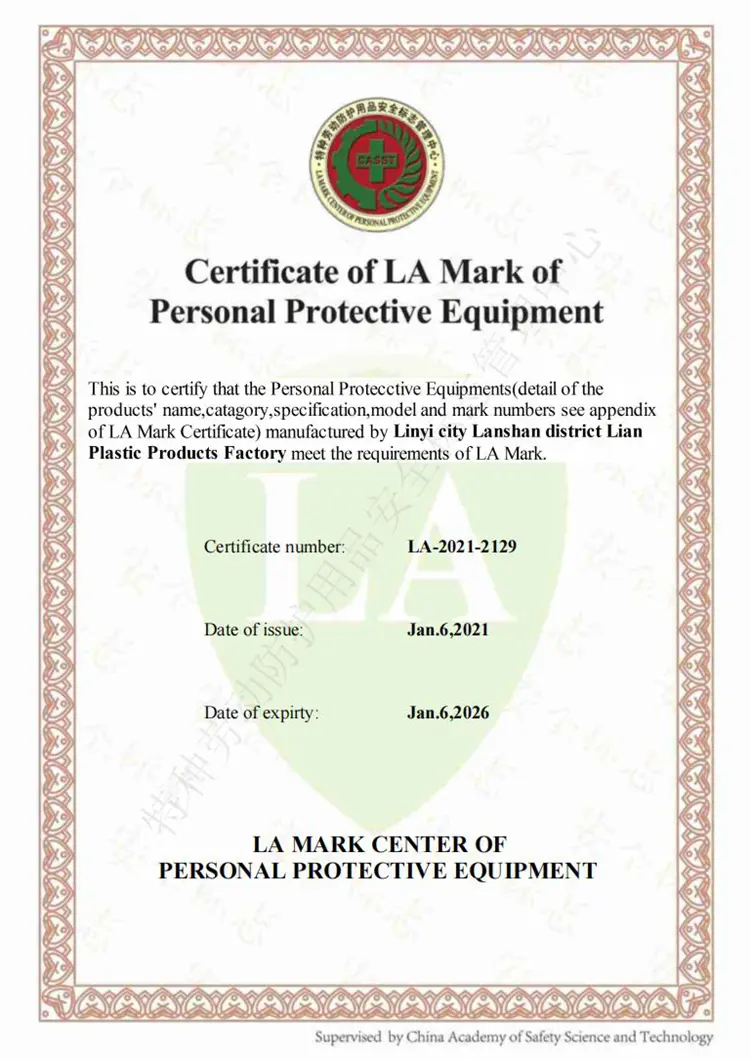
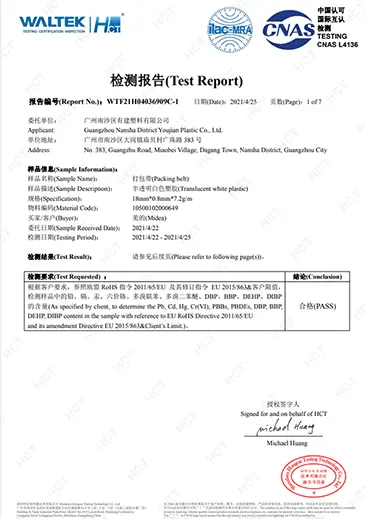
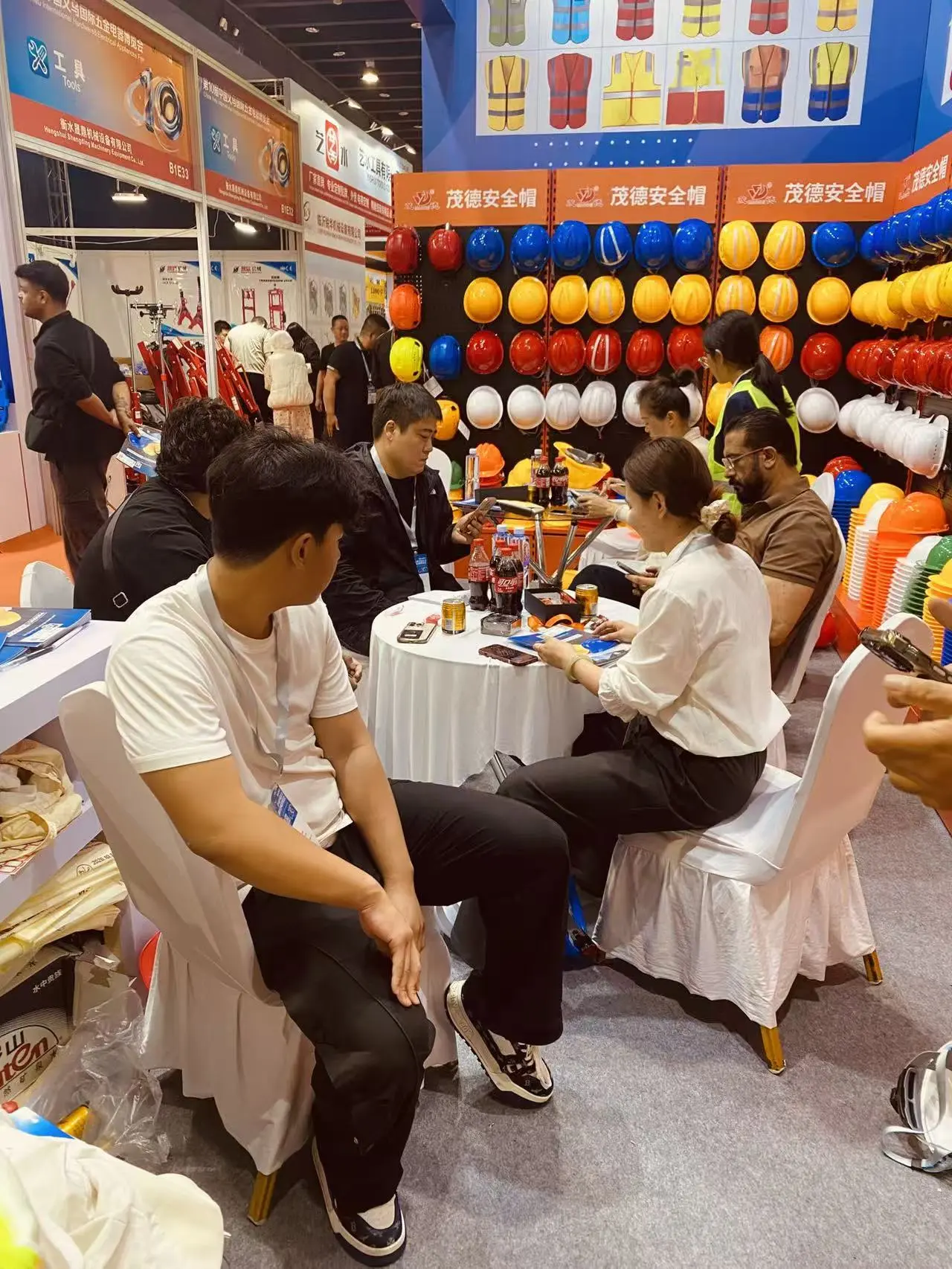
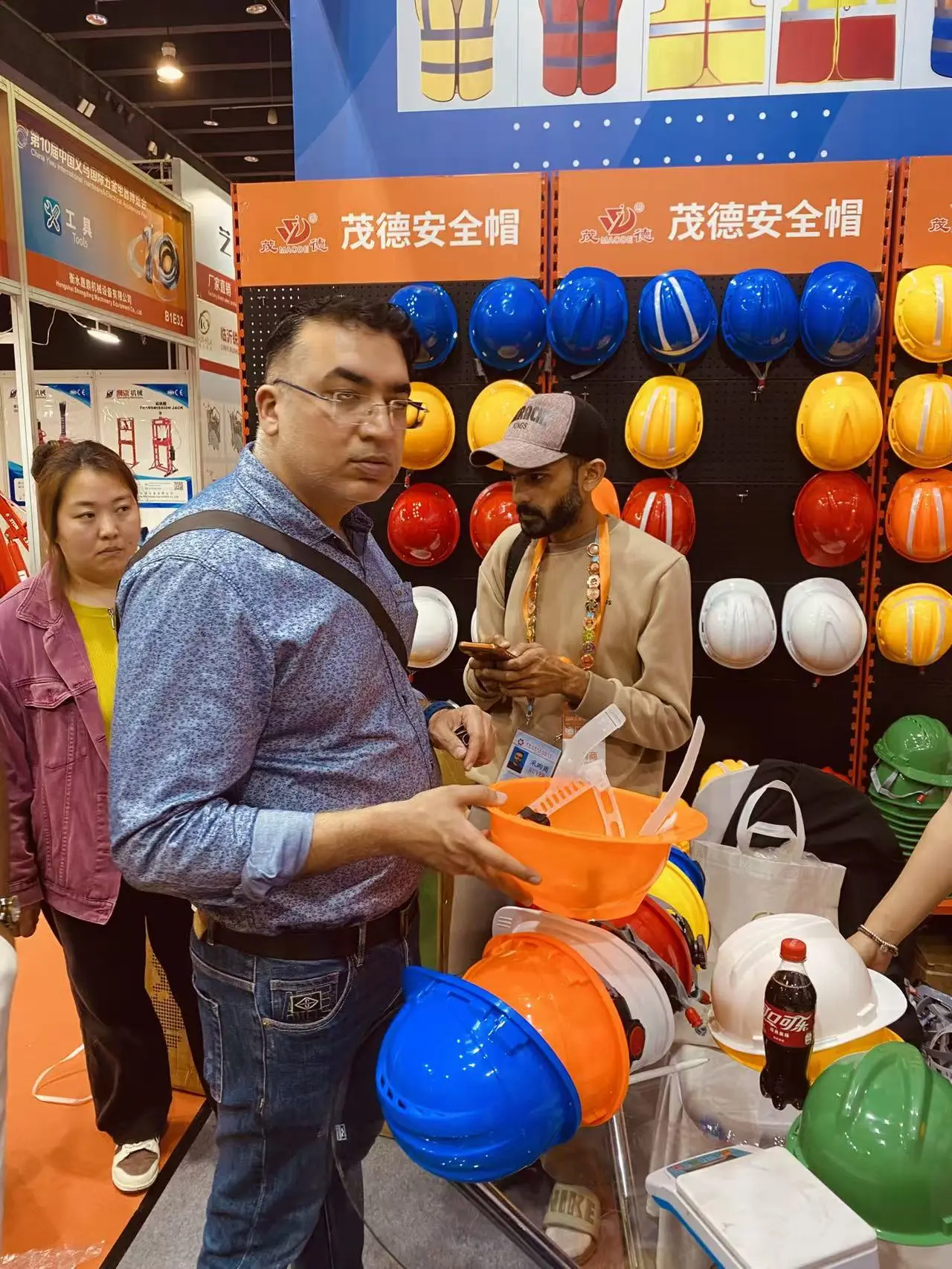
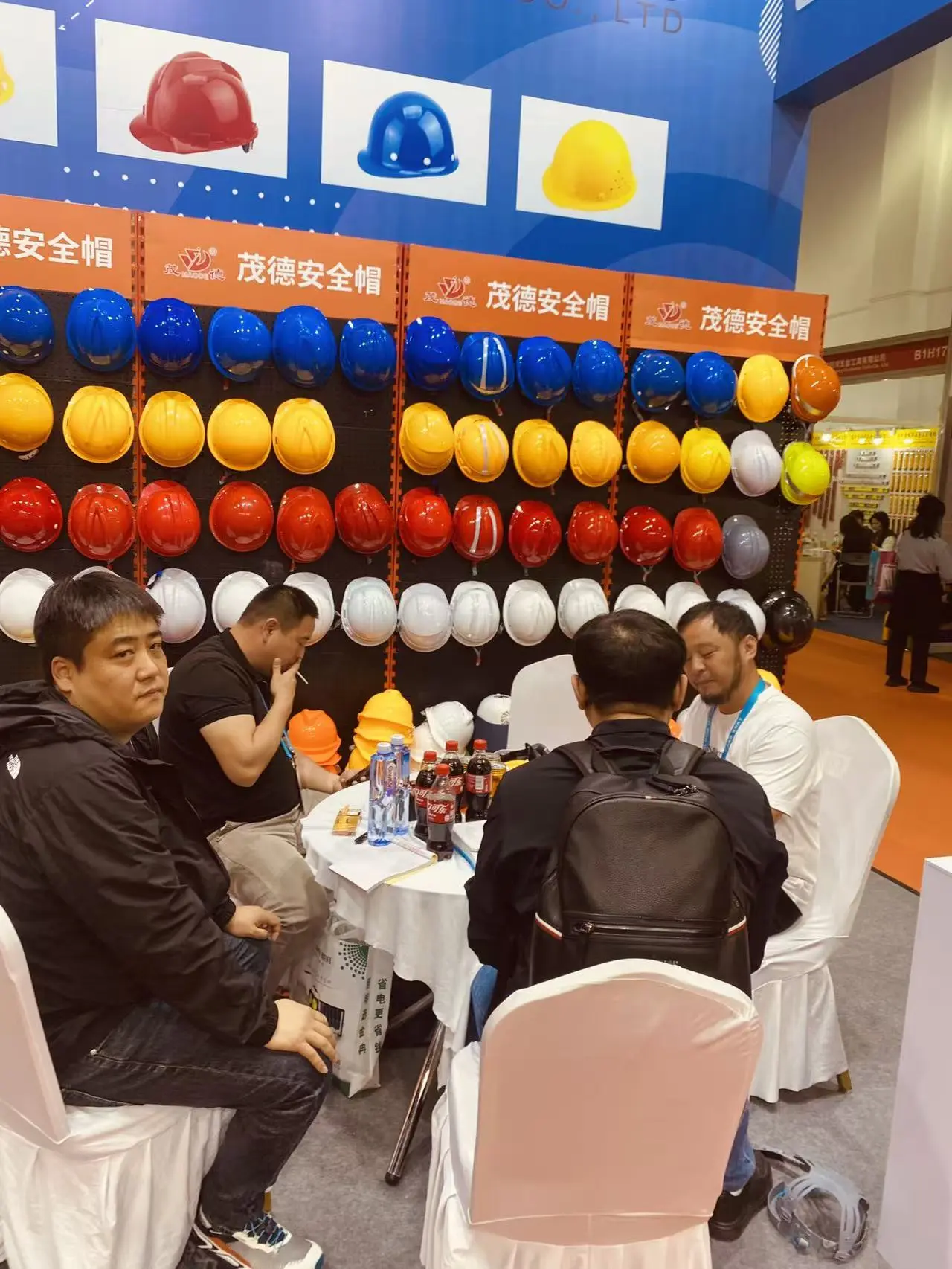
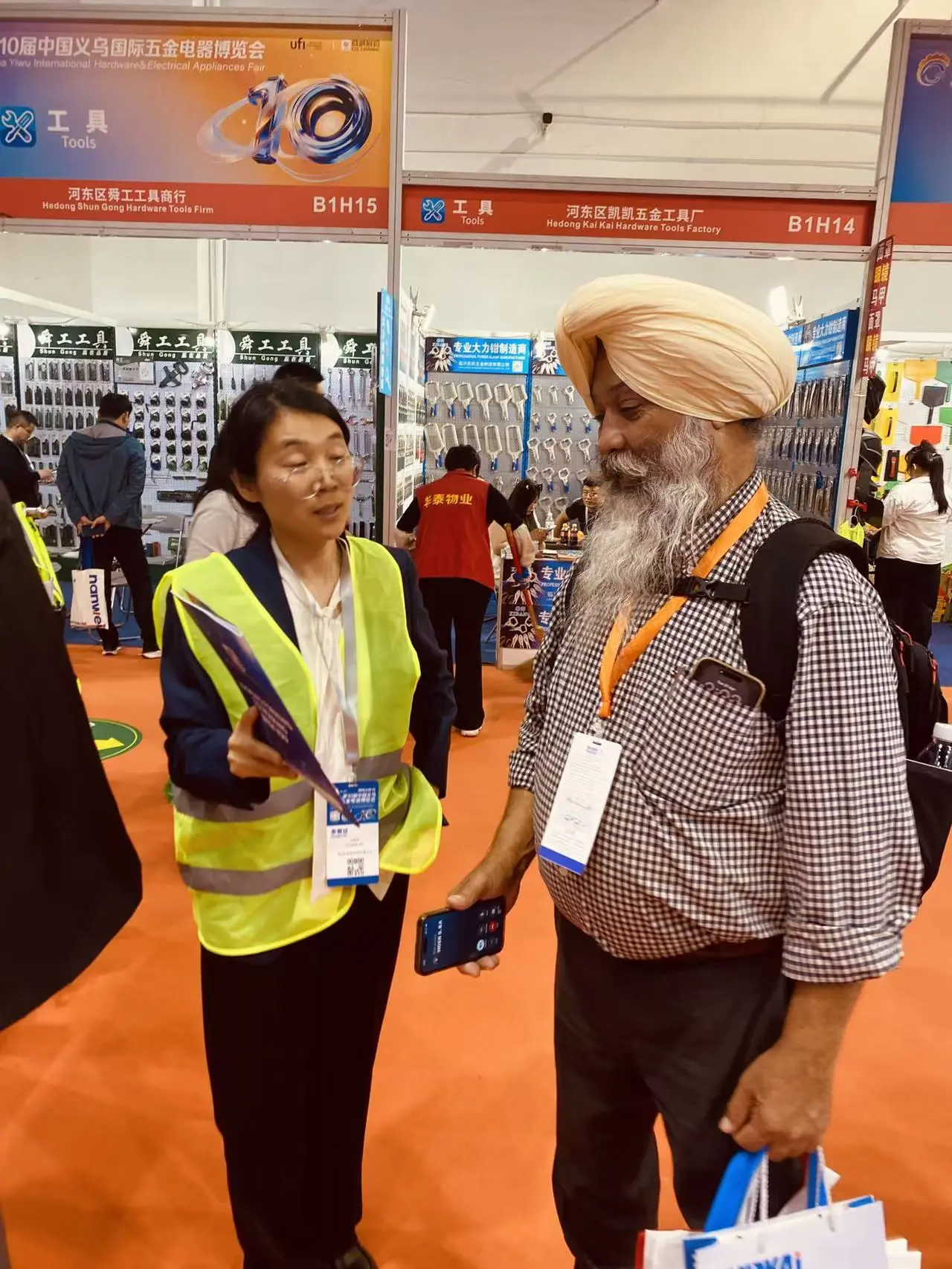
Standardization requirements vary dramatically by country. In the European Union, CE marking and EN 397 compliance are prerequisites for head protection systems. These standards demand strict tests for vertical impact energy transfer, resistance against sharp objects, and flame resistance. In the United States, ANSI Z89.1 dictates classification systems split into Type I (top impact) and Type II (lateral impact) categories, along with electric classification classes (Class G, E, and C).
Our testing equipment drops standardized steel strikers from designated heights to ensure our safety helmet shells distribute kinetic energy correctly, protecting workers from severe trauma.
Designed and manufactured to handle potential electric shock hazards in utility applications, our insulated class protective helmets prevent electric discharge leakage to the head.
Helmets are pre-conditioned at extreme low (-30°C) and high (+50°C) temperatures, checking that impact absorption remains constant across environments.
Witness our strict testing, injection molding, and assembly workflows.
Automated Shell Injection & Inspection Line
Impact Resistance Calibration Chamber
The future of industrial manufacturing safety relies on sensor integration and bio-compatible materials. As operations shift toward digital ecosystems, our engineering team is actively researching smart integration points to define the next generation of protective equipment:
Integrating low-power accelerometer sensors inside helmet crowns to monitor impact severity in real-time, instantly notifying emergency teams of potential trauma incidents.
Developing recyclable plant-based polymers and composites to reduce our carbon footprint, aligned with global sustainability initiatives and eco-friendly standards.
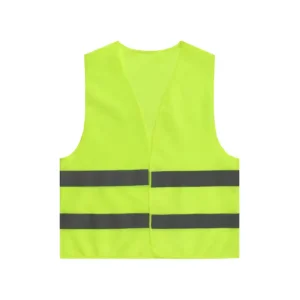
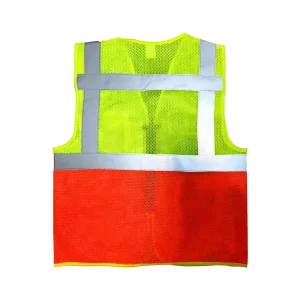
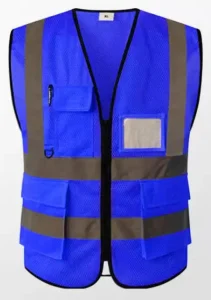
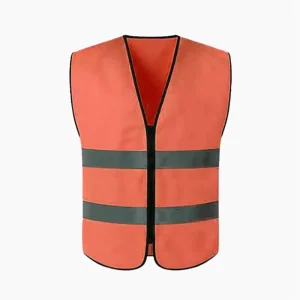
Developing active electroluminescent micro-fibers inside reflective vests to guarantee visibility in completely dark or smoke-filled industrial spaces.
Reviewing real-world case files to understand the importance of proper PPE handling and usage protocols.
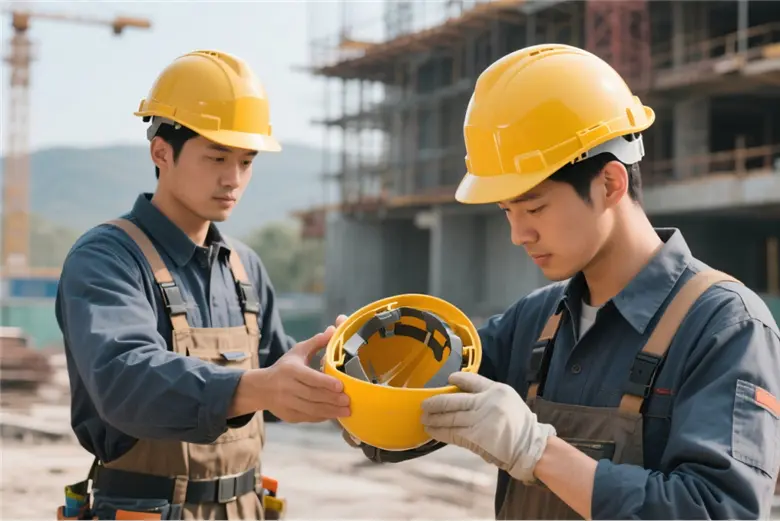
Analysis from industrial incidents highlights that failing to adjust suspension systems causes helmets to slip off during falls, exposing the skull to direct impact. Fastening the chin strap and adjusting tension remains a key safety protocol.
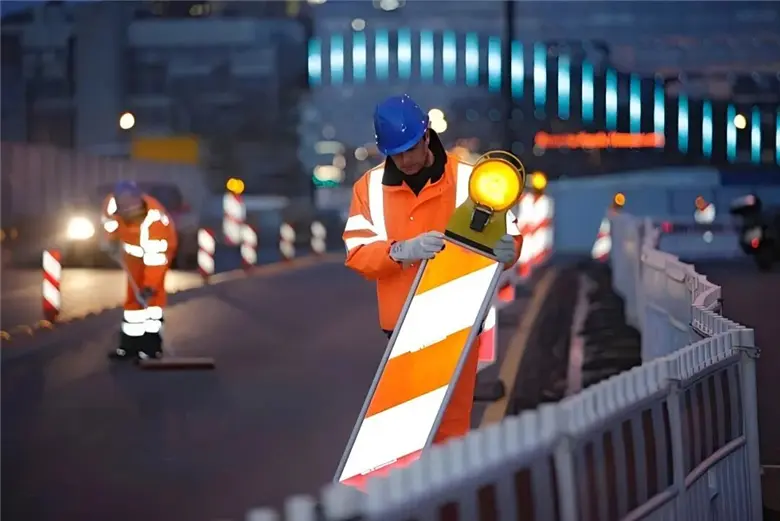
At an active construction site, a worker drilled ventilation holes in a standard helmet shell. A falling concrete shard struck the helmet, which cracked instantly along the holes. Unauthorized modifications weaken mechanical integrity.
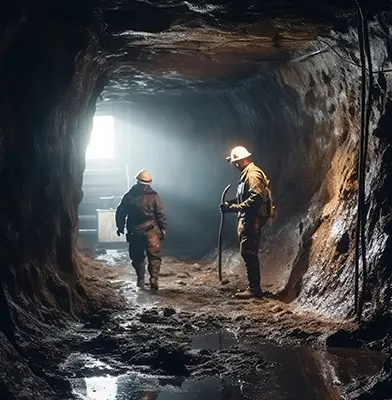
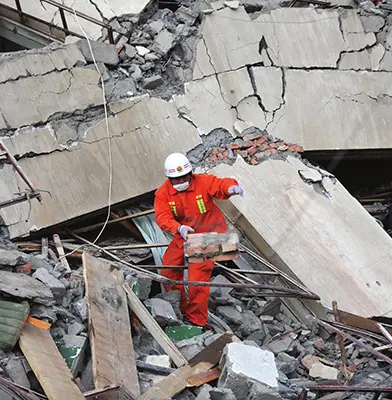
Detailed answers to key purchasing, certification, and customization questions.
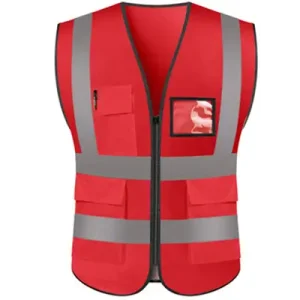
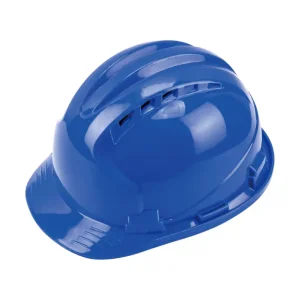
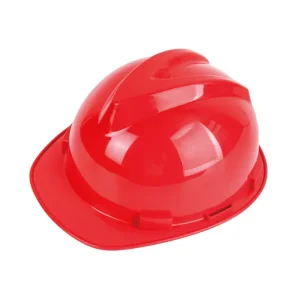
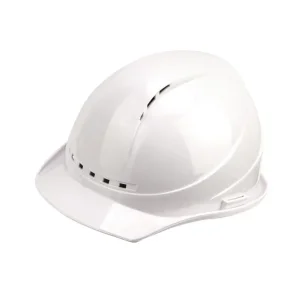
Industrial-grade gear designed to protect workers and maintain compliance across worksites.
 Xintuo