Explore our industrial safety gear manufactured to rigorous safety standards, offering top-tier impact protection and high-visibility capability.
A comprehensive examination of global PPE standards, twill material technology, and manufacturing performance.
Twill fabric is defined by its characteristic diagonal parallel ribs, produced by passing the weft thread over one or more warp threads. In high-visibility applications, the 2/1 twill or 2/2 twill weave provides a denser, more abrasion-resistant face than plain weave. This structural integrity is critical for heavy industrial construction sites, aviation tarmacs, and municipal roadside management, where fabric friction is a daily occurrence.
Reflective safety vests rely on strict compliance metrics. Under the ANSI/ISEA 107-2020 (American National Standard for High-Visibility Safety Apparel) and EN ISO 20471:2013 (European standard for high-visibility warning clothing), background materials must satisfy specific chromaticity coordinates and luminance factors. Heavy-duty twill fabrics provide the optimal substrate density to hold fluorescent pigments (yellow-green and red-orange) without losing vibrancy after multiple industrial laundry cycles.
Modern industrial safety vests integrate hybrid synthetic blends. Polyester-dominated twill offers exceptional tensile strength, minimal shrinkage, and color fastness. Cotton fibers are woven into the reverse side (poly-cotton blended twill) to maximize sweat absorption and skin comfort for workers in high-humidity regions. This sophisticated dual-surface construction ensures that safety garments remain wearable over long shifts.
A modern enterprise specialized in manufacturing premium safety gear and protective fabrics.
Linyi Xintuo Industry and Trade Co., Ltd. is a modern enterprise based in China, specializing in the research, development, and manufacturing of high-performance safety helmets and comprehensive labor protection equipment. Since its establishment, the company has been driven by a vision of innovation, continuously investing in advanced production equipment and assembling a team of high-caliber research and design professionals.
Our standardized management mode, combined with ISO-certified processes, guarantees consistent product excellence across all batches. The company operates with a commitment to sustainability, utilizing eco-friendly materials and energy-efficient production techniques to minimize environmental impact while maintaining operational efficiency.

Why international procurement managers trust Linyi Xintuo for large-scale safety fabric supply.
Our manufacturing cluster features complete vertical integration—from raw polyester chip processing and yarn spinning to high-speed water-jet and air-jet twill weaving. By controling the fiber properties at the extrusion stage, we guarantee a level of tensile stability and dye uniformity that fragmented supply chains cannot match.
Time-to-market is critical for large infrastructure projects. Linyi Xintuo maintains high-speed automated weaving lines that output thousands of meters of Reflective Vest Twill Fabric daily. Our standardized production layout shortens standard container shipping times down to 20-30 days, while domestic deliveries are processed within 7-14 days.
Each batch of our safety vest fabric undergoes testing in our in-house facility. We measure wash-fastness at 60°C, spectrophotometric fluorescent properties, abrasion resistance via Martindale testing, and reflective retroreflection coefficient ($R_A$) to make sure every square meter complies with ANSI and EN requirements.
Engineered for durability and wearability across all industrial sectors.
Our safety product portfolio includes industrial safety helmets and high-visibility workwear, all engineered to meet or exceed international safety standards such as CE, ANSI, and EN. We leverage cutting-edge material science, utilizing fiberglass composites and high-impact polymers that offer superior strength-to-weight ratios compared to traditional materials. This integration of ergonomic design principles with durable materials ensures long-lasting protection without compromising comfort.
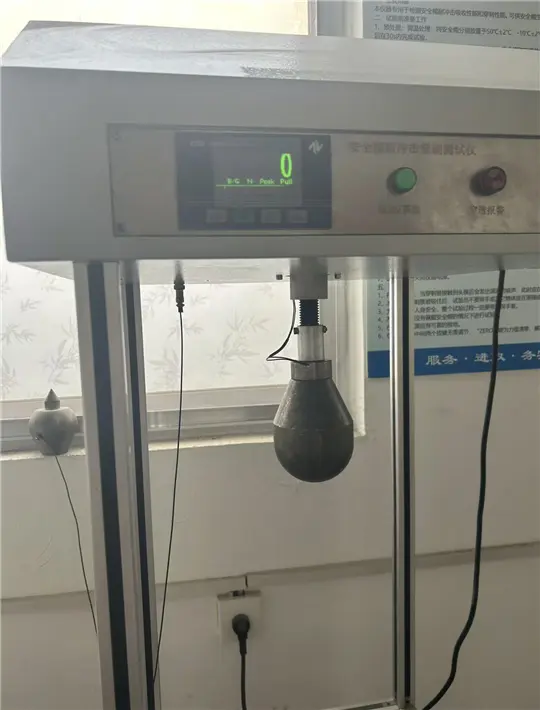
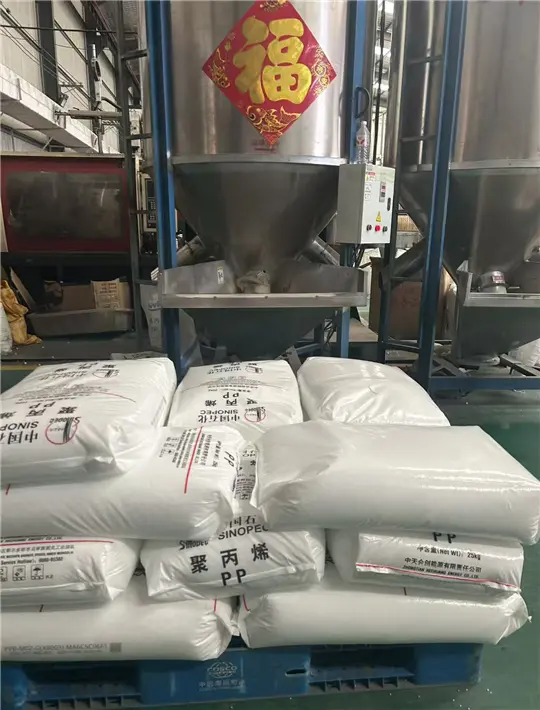
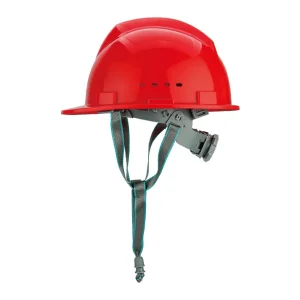
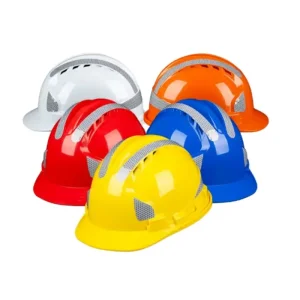
Our helmets feature adjustable suspension systems with precision-calibrated tension controls, moisture-wicking sweatbands with antimicrobial properties, and advanced ventilation technologies that optimize airflow while maintaining structural integrity. These innovations cater to diverse work environments, from extreme temperatures to high-humidity conditions, ensuring optimal performance in the most demanding settings.
The company places a strong emphasis on customer-centric solutions, offering customized design services to meet specific industry requirements. Our research and development team collaborates closely with clients to understand their unique challenges, resulting in tailored products that enhance safety and productivity. Additionally, we provide comprehensive after-sales support, including technical guidance and maintenance services, to ensure uninterrupted protection for end-users.
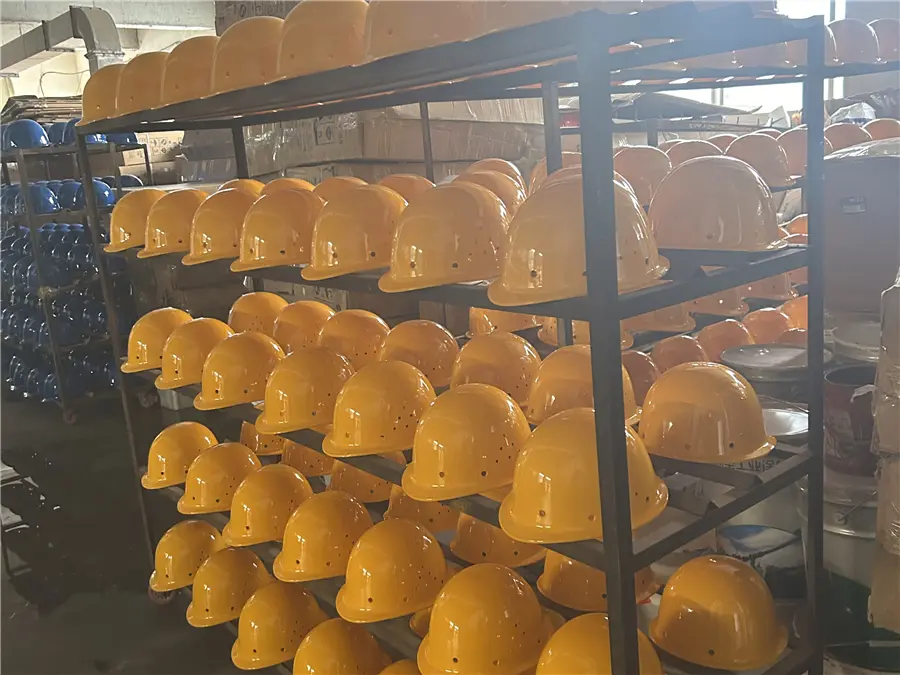
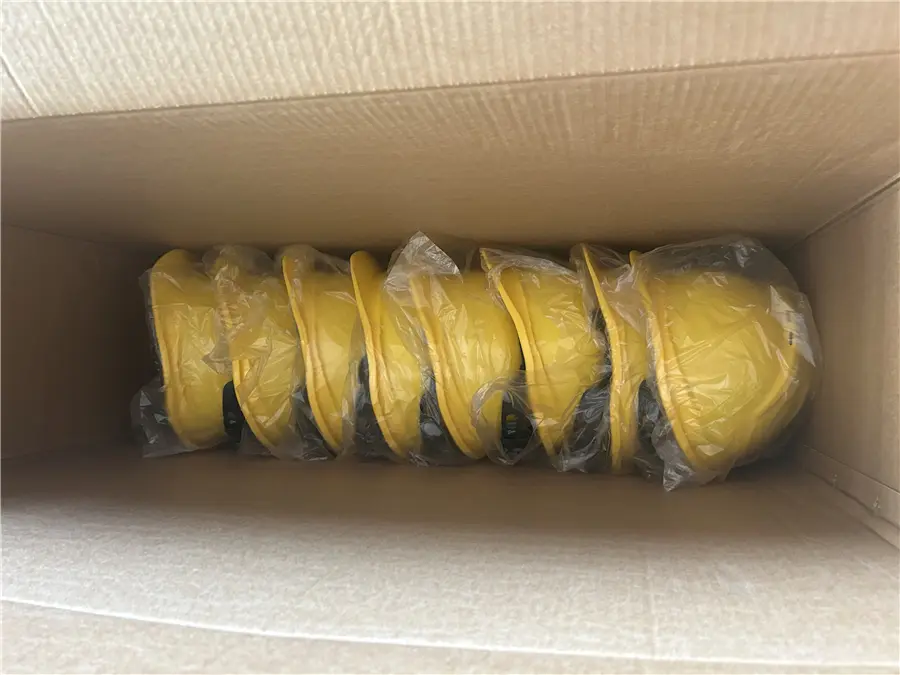
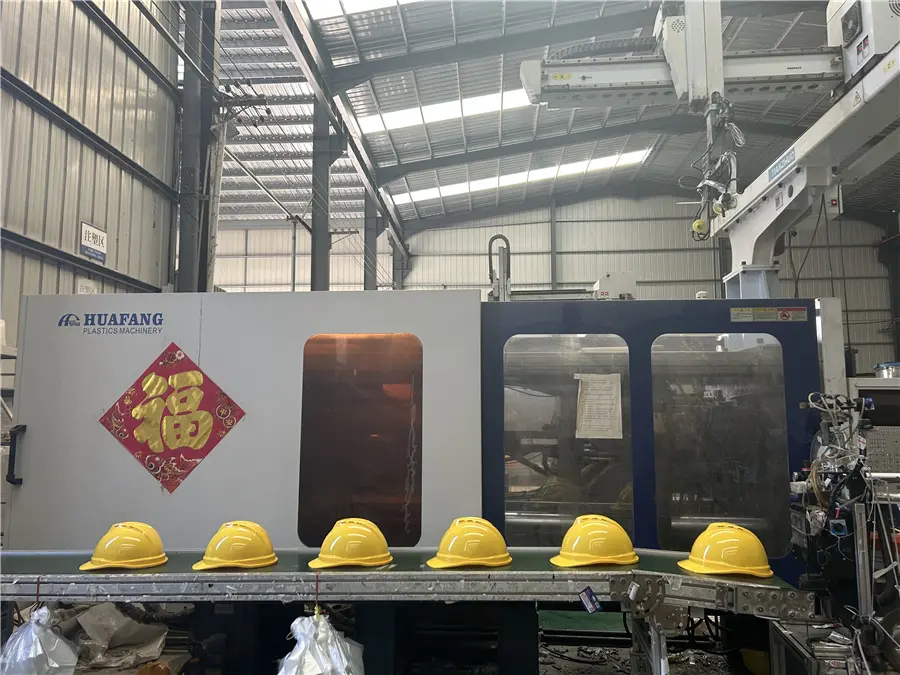
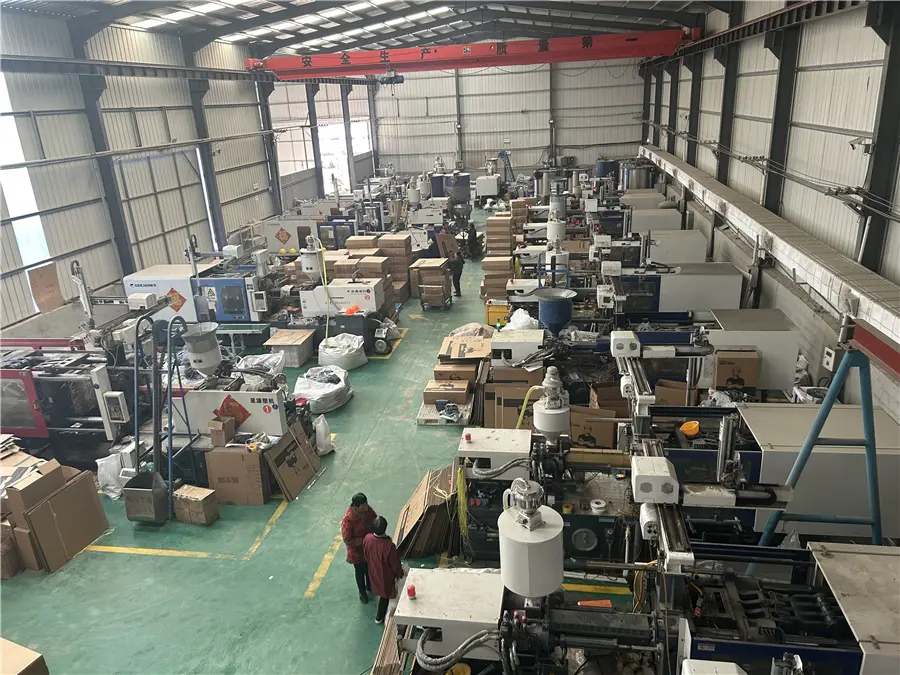
A closer look at Linyi Xintuo's automated production floors and safety material inventory.
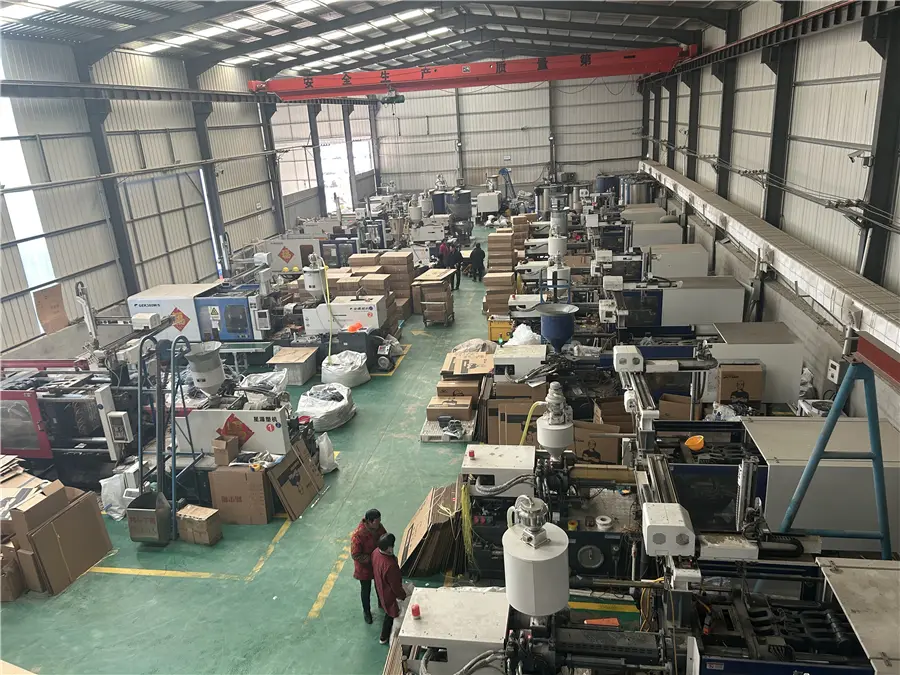
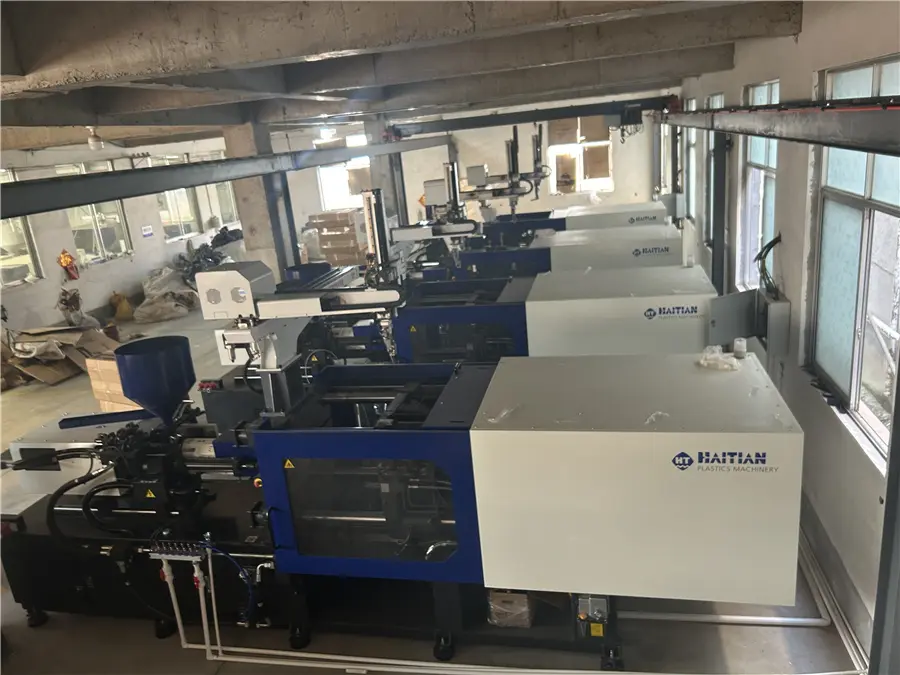
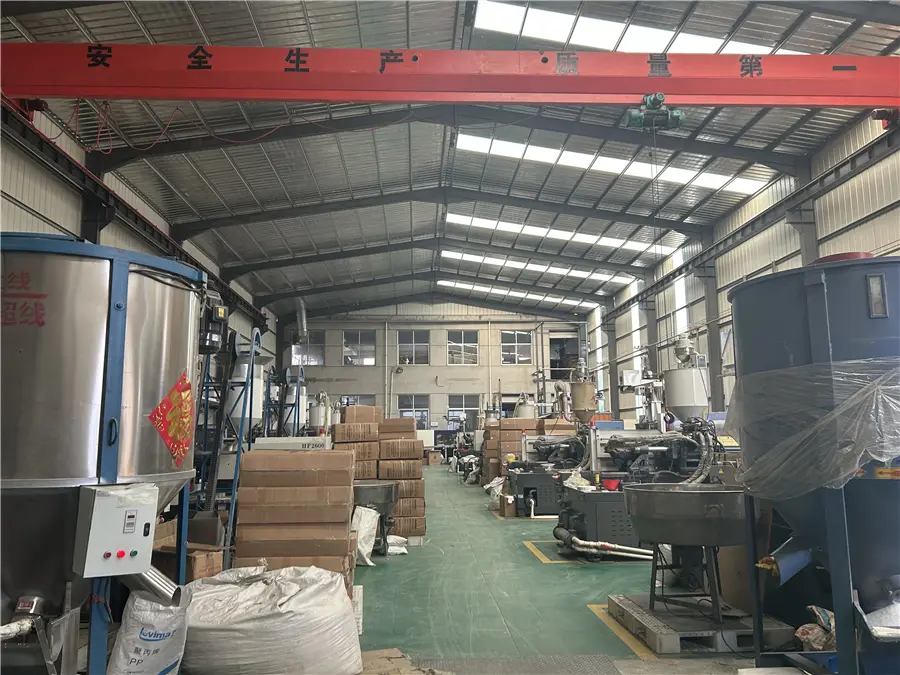
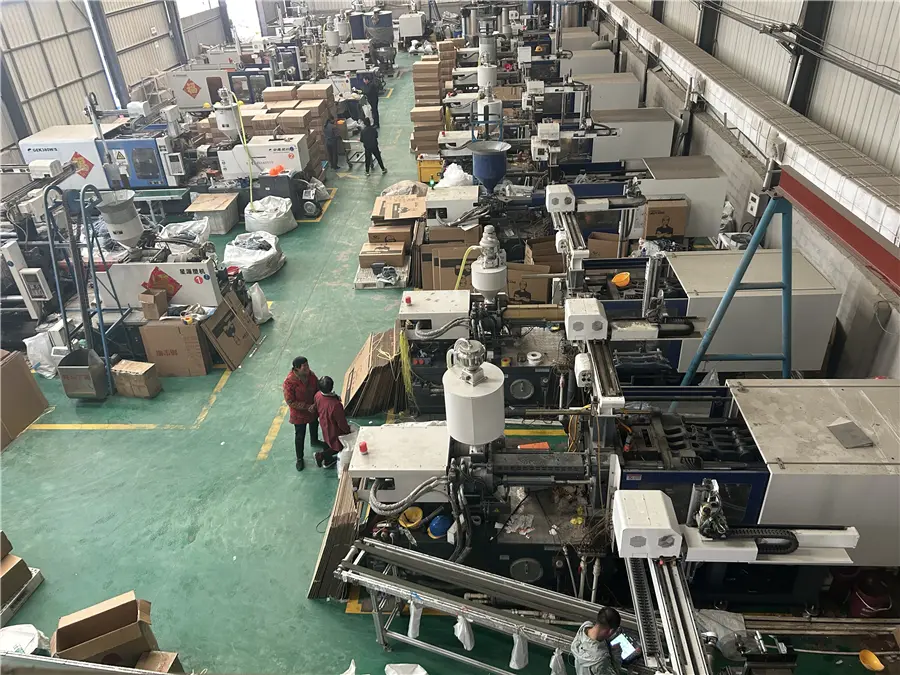
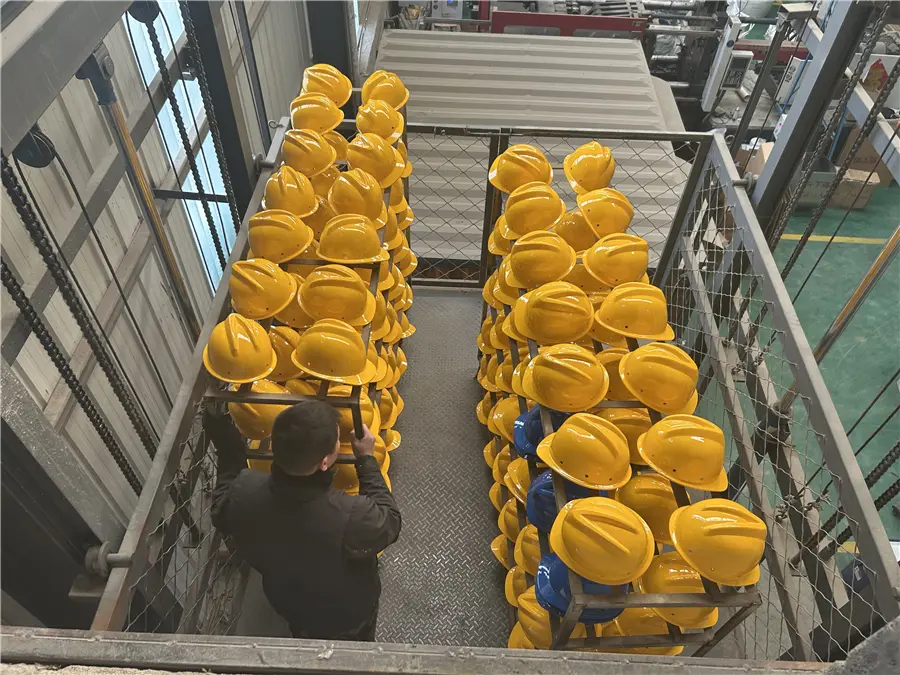
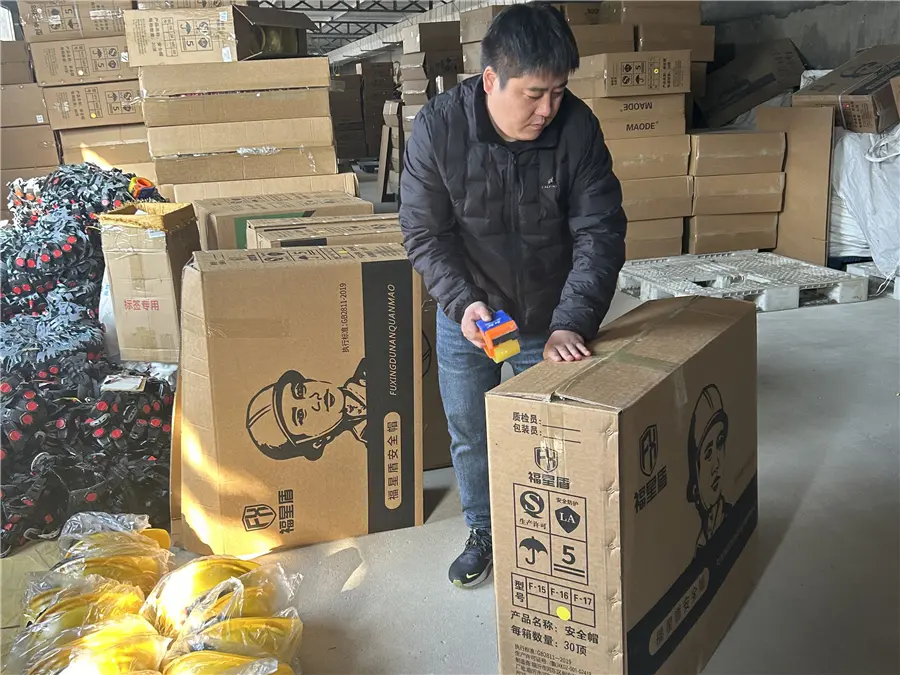
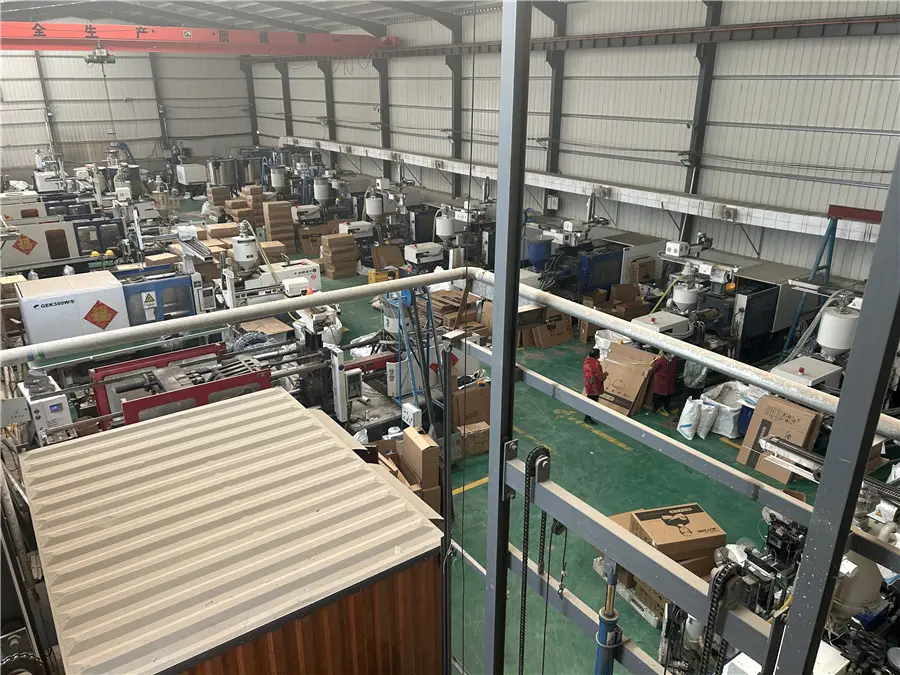
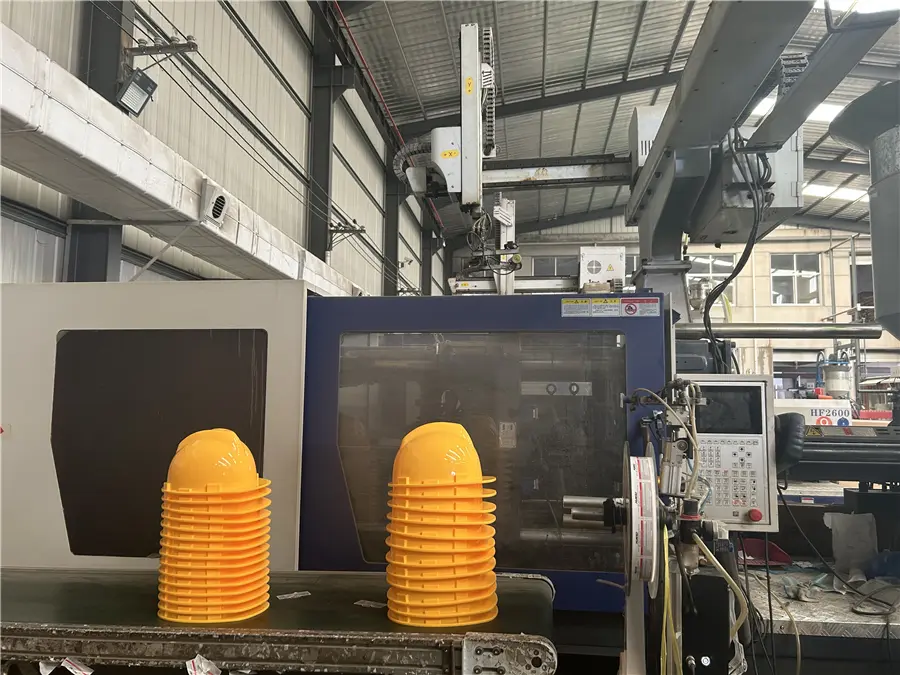
Correct usage and selection criteria for high-visibility garments and protective headwear.
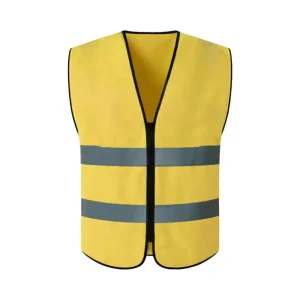
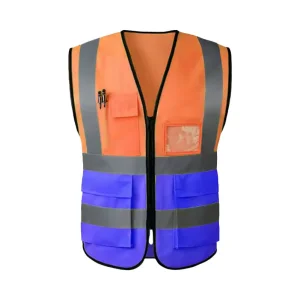
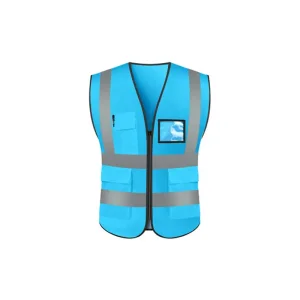
Under road construction protocols, workers must wear Class 2 or Class 3 high-visibility vests. The Reflective Vest Twill Fabric offers a durable base weave that prevents snagging on machinery while ensuring 360-degree reflectivity via retroreflective strips.
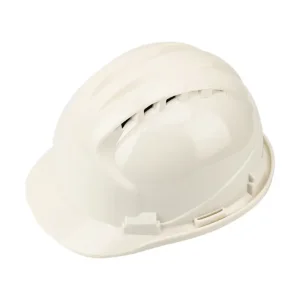
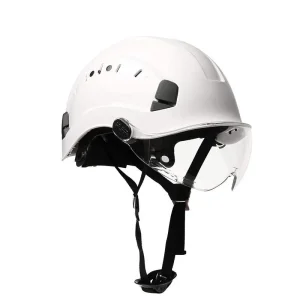
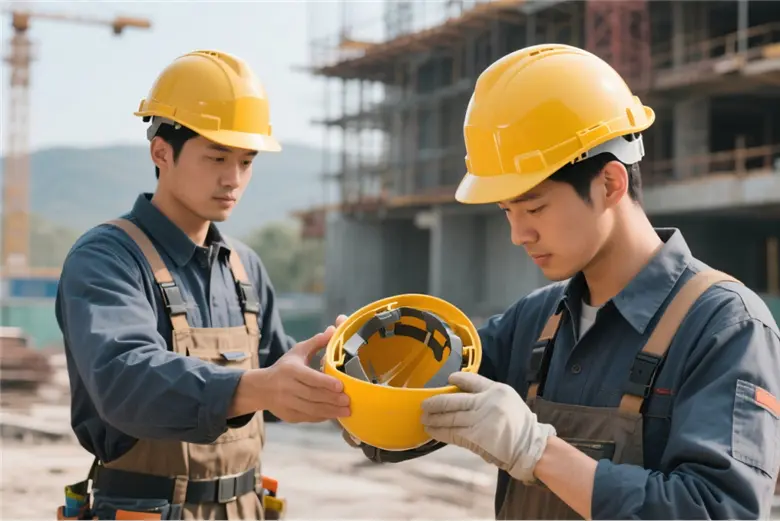
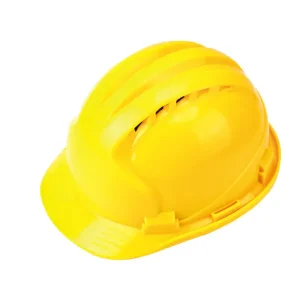
Our heavy-duty twill resists atmospheric moisture and mild industrial chemical splashes. Paired with lightweight, ventilated safety helmets, workers are protected from both impact and visibility threats.
Do Not Alter Safety Equipment: Drilling holes or modifying the structural shell of a safety helmet compromises its integrity. A worker on a site in Fujian drilled holes in his helmet to stay cool. A subsequent concrete block impact resulted in failure because the structural engineering had been compromised.
Similarly, cutting or adding unapproved patches to high-visibility vests can diminish the active surface area of the fluorescent material, failing compliance with ANSI/ISEA 107 standards.

Linyi Xintuo's commitment to international safety requirements (CE, ANSI, EN ISO).
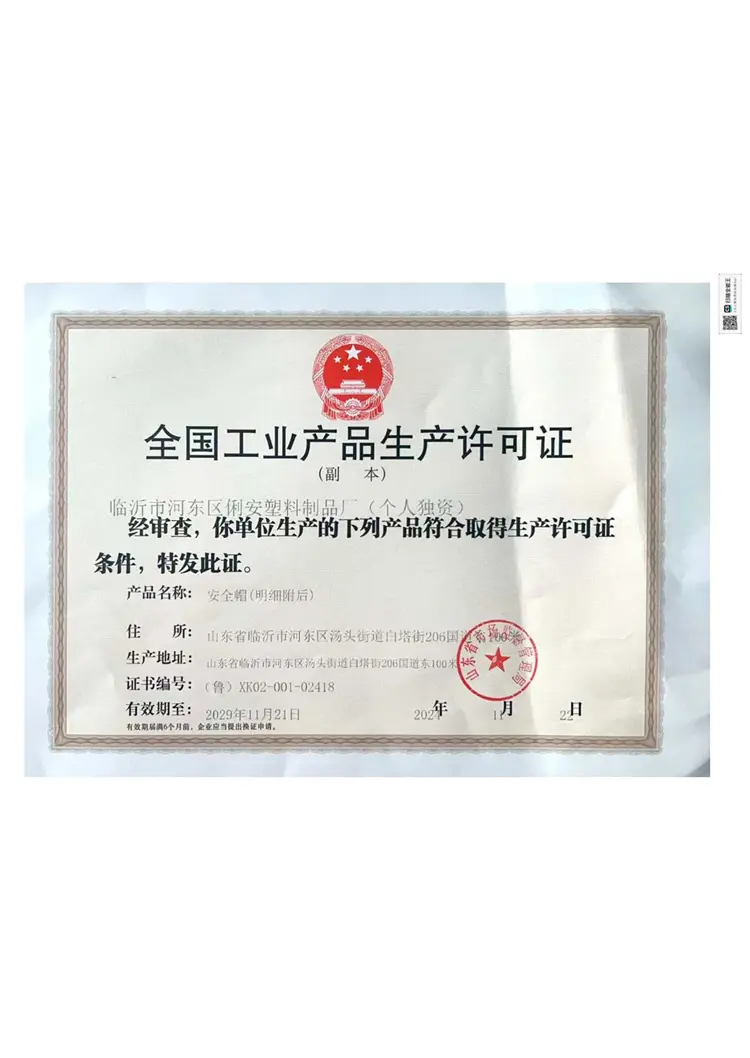

SGS Test Conformity
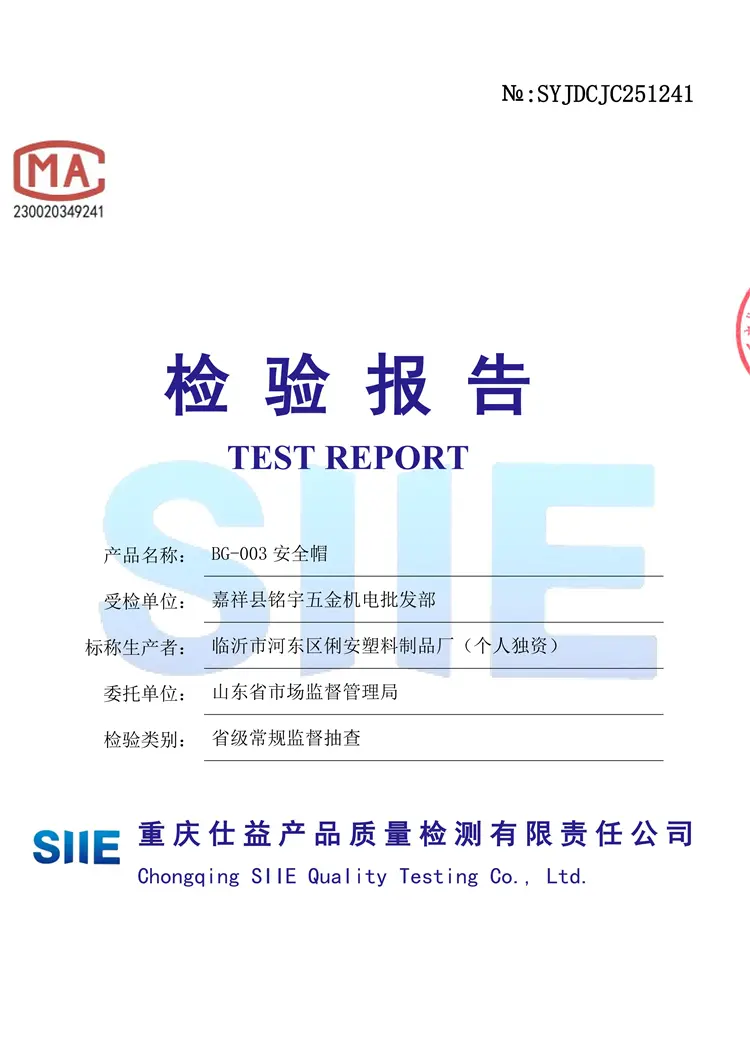
ISO 9001:2015 Certification
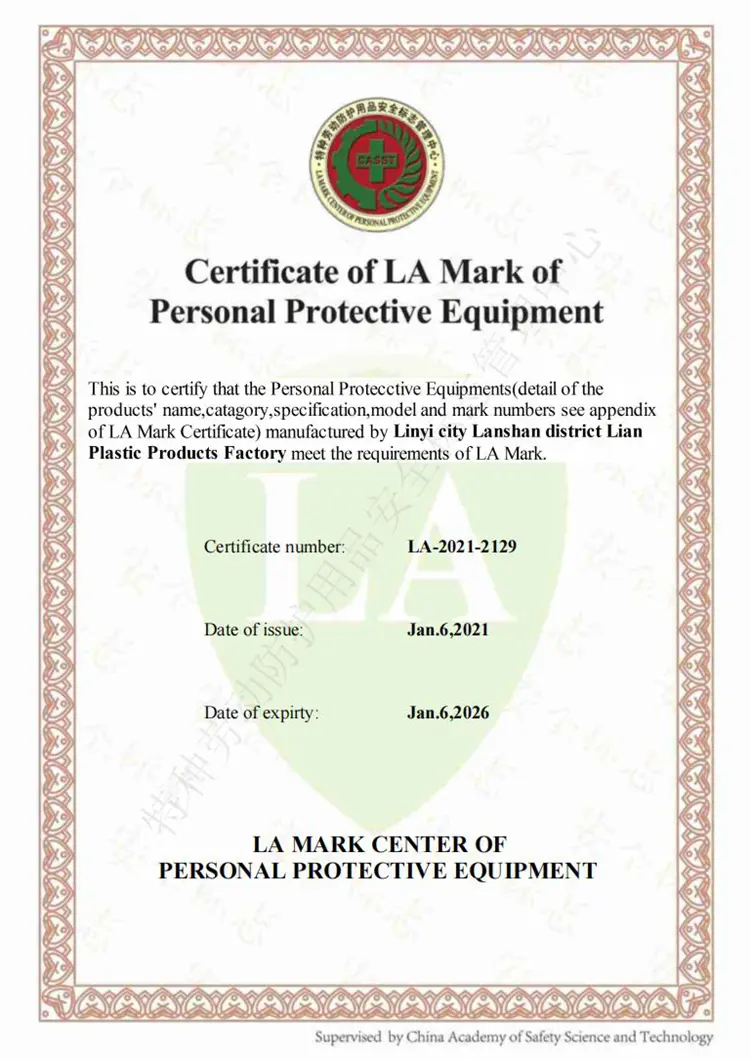
EN ISO 20471 Conformity
A transparent look inside our manufacturing processes and safety quality control practices.
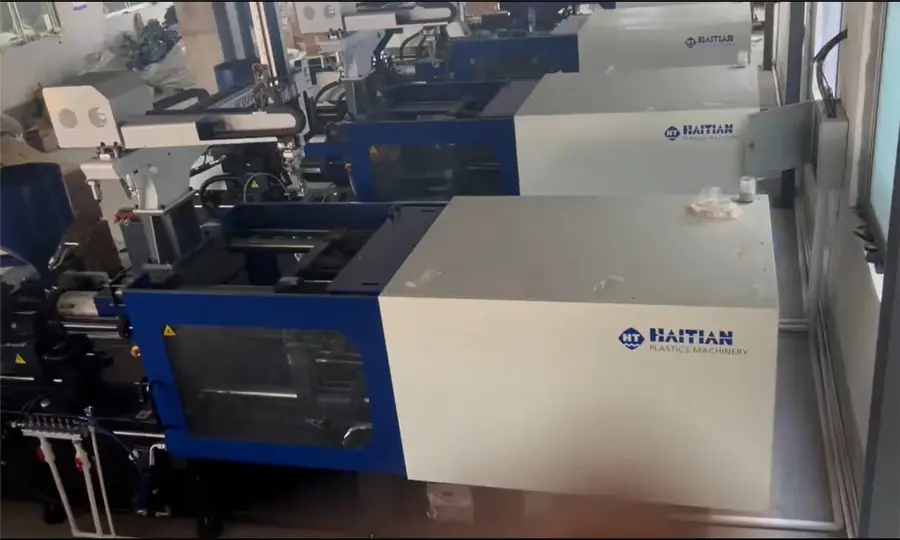

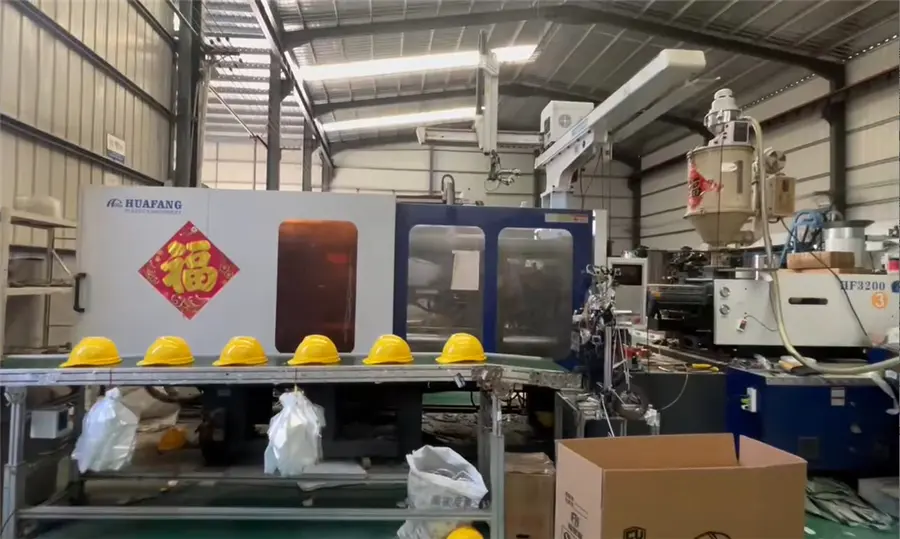
Connecting with global partners at international safety and protection exhibitions.
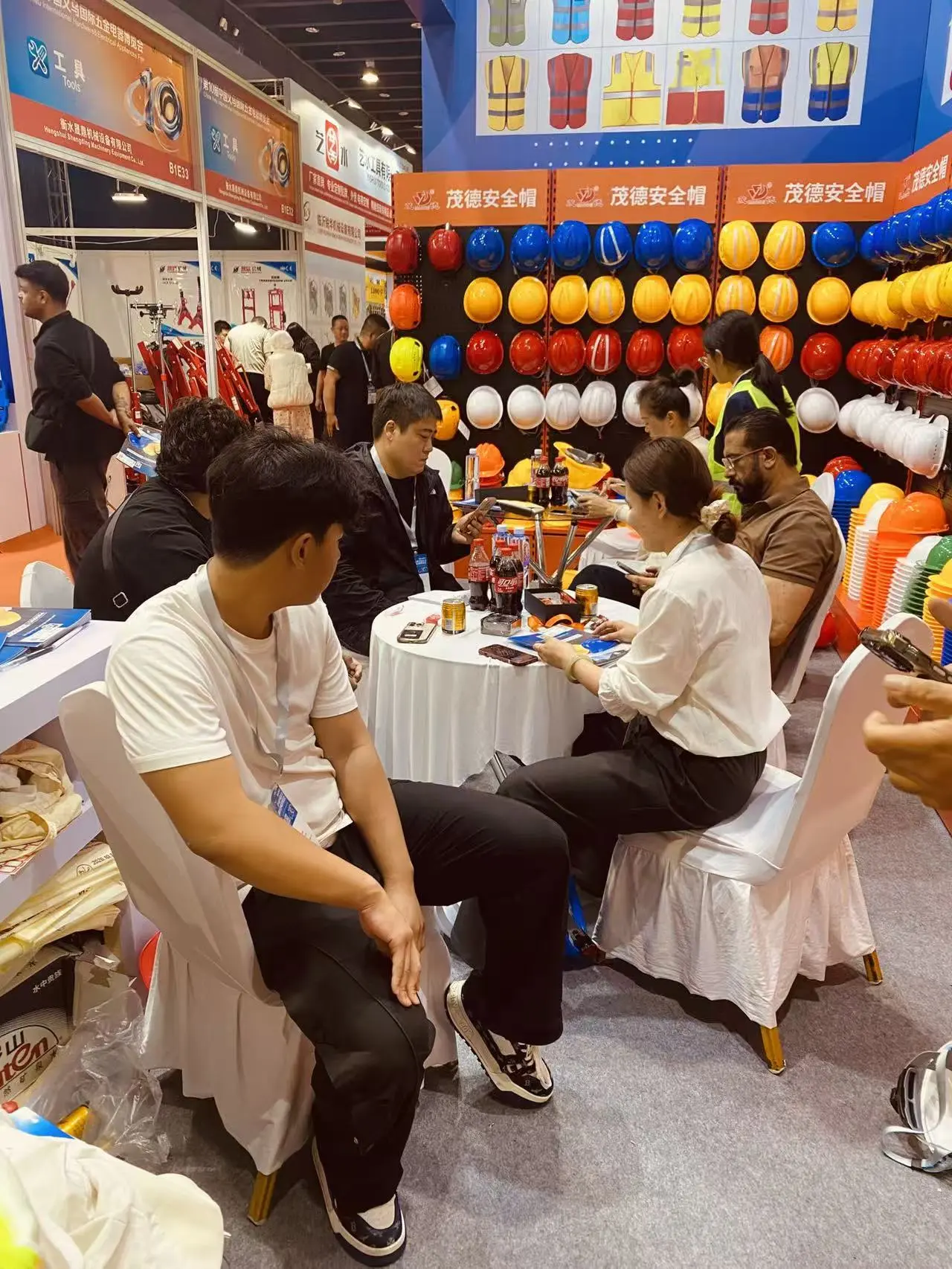
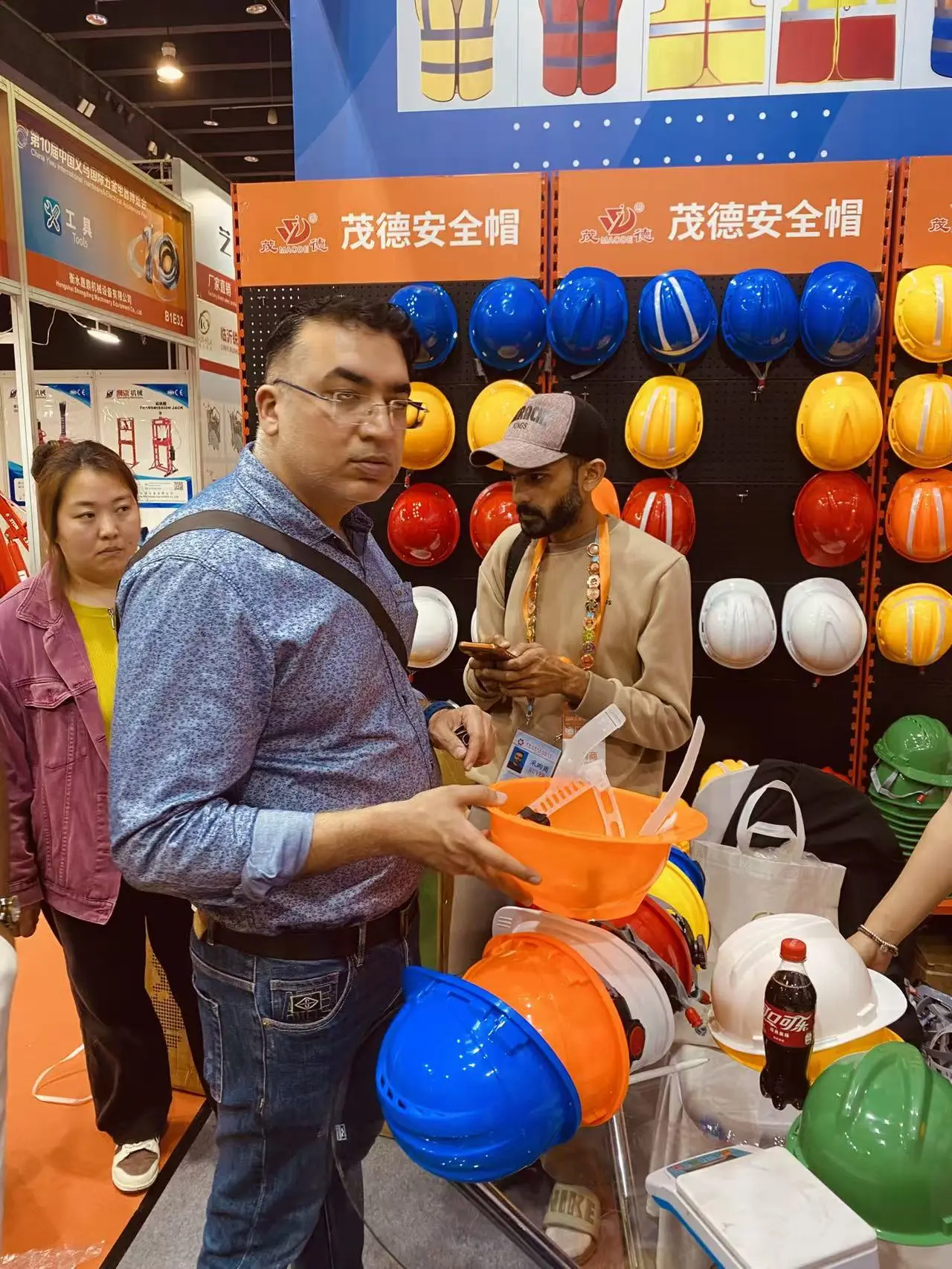
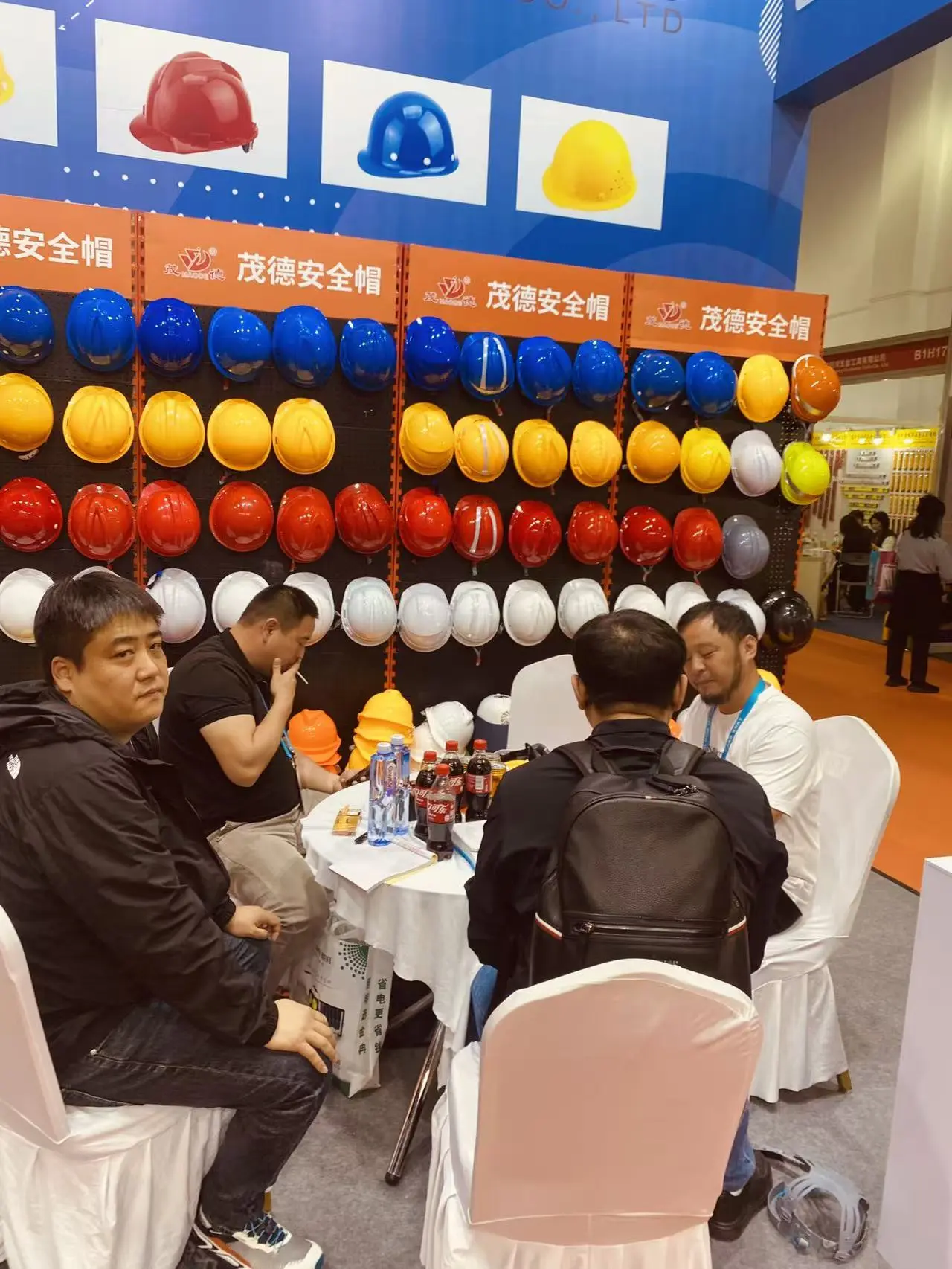
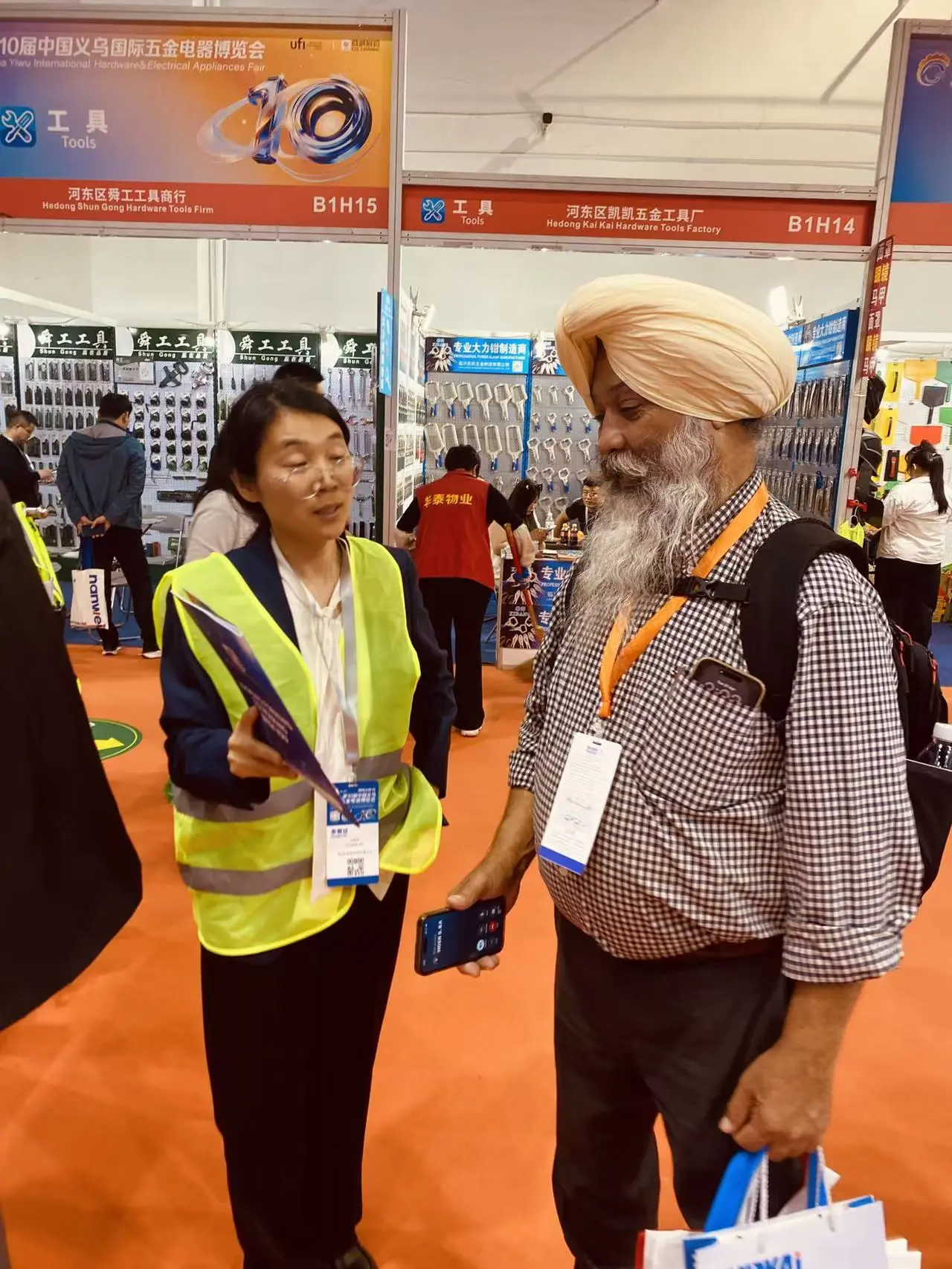
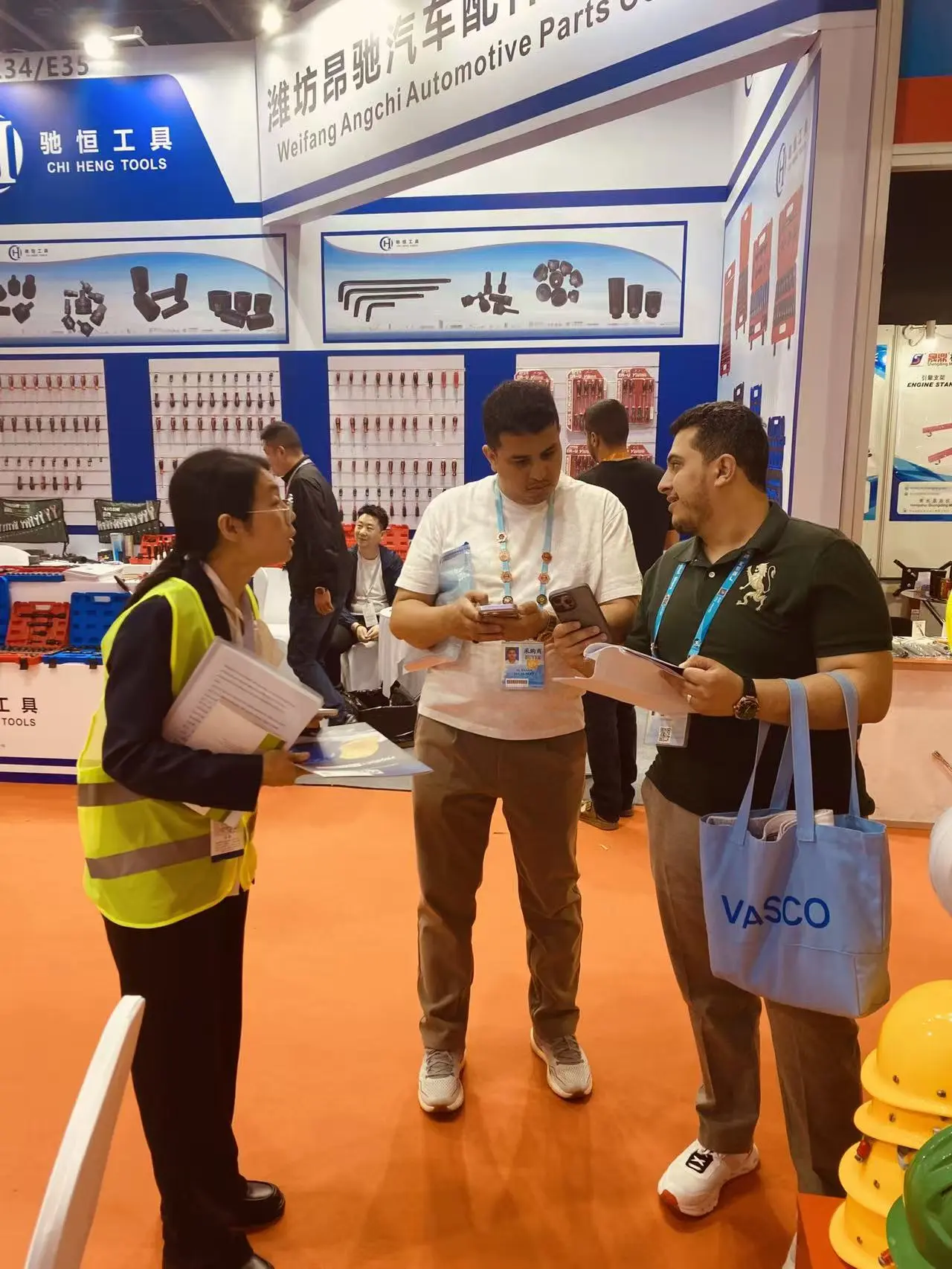
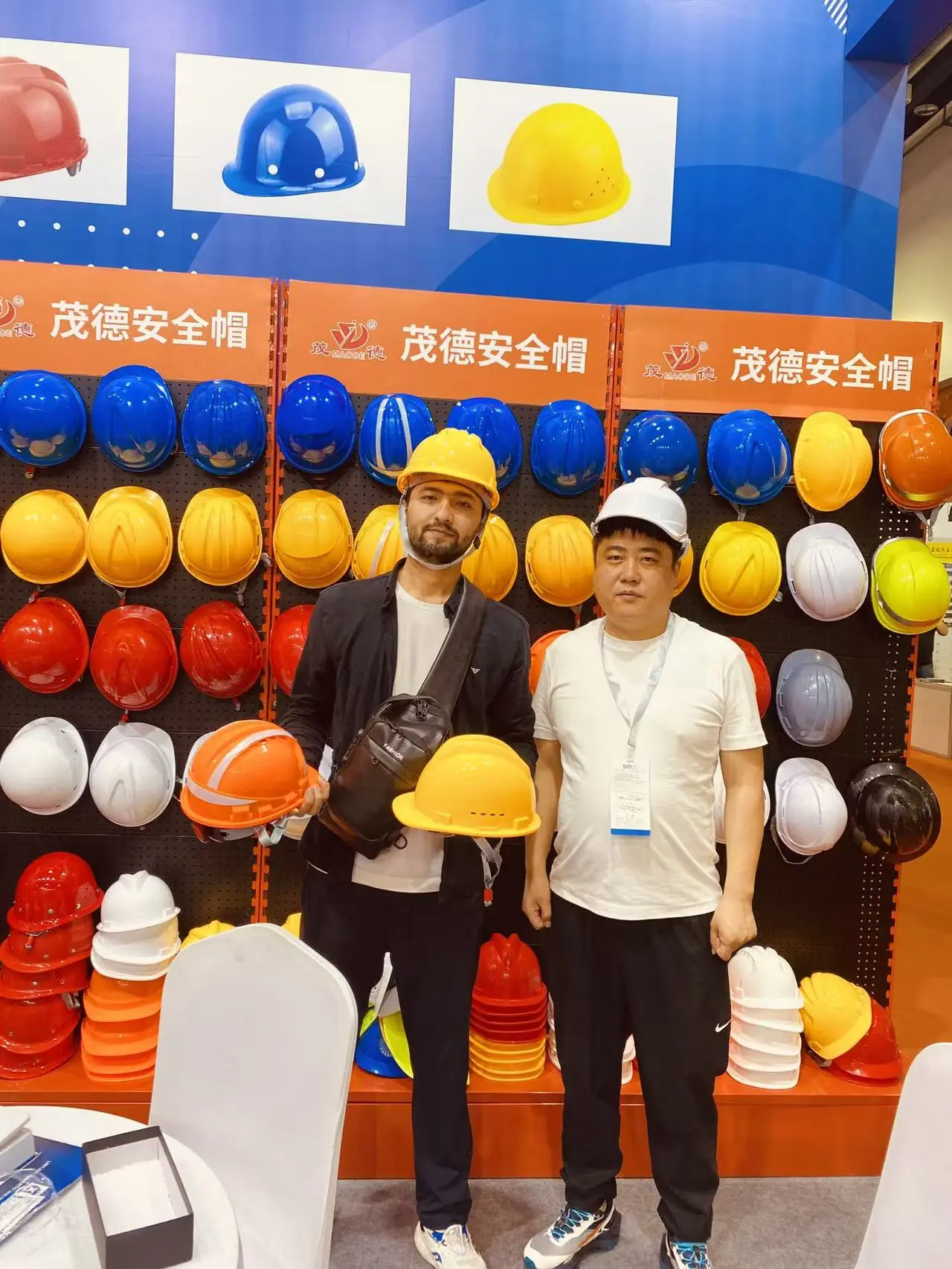
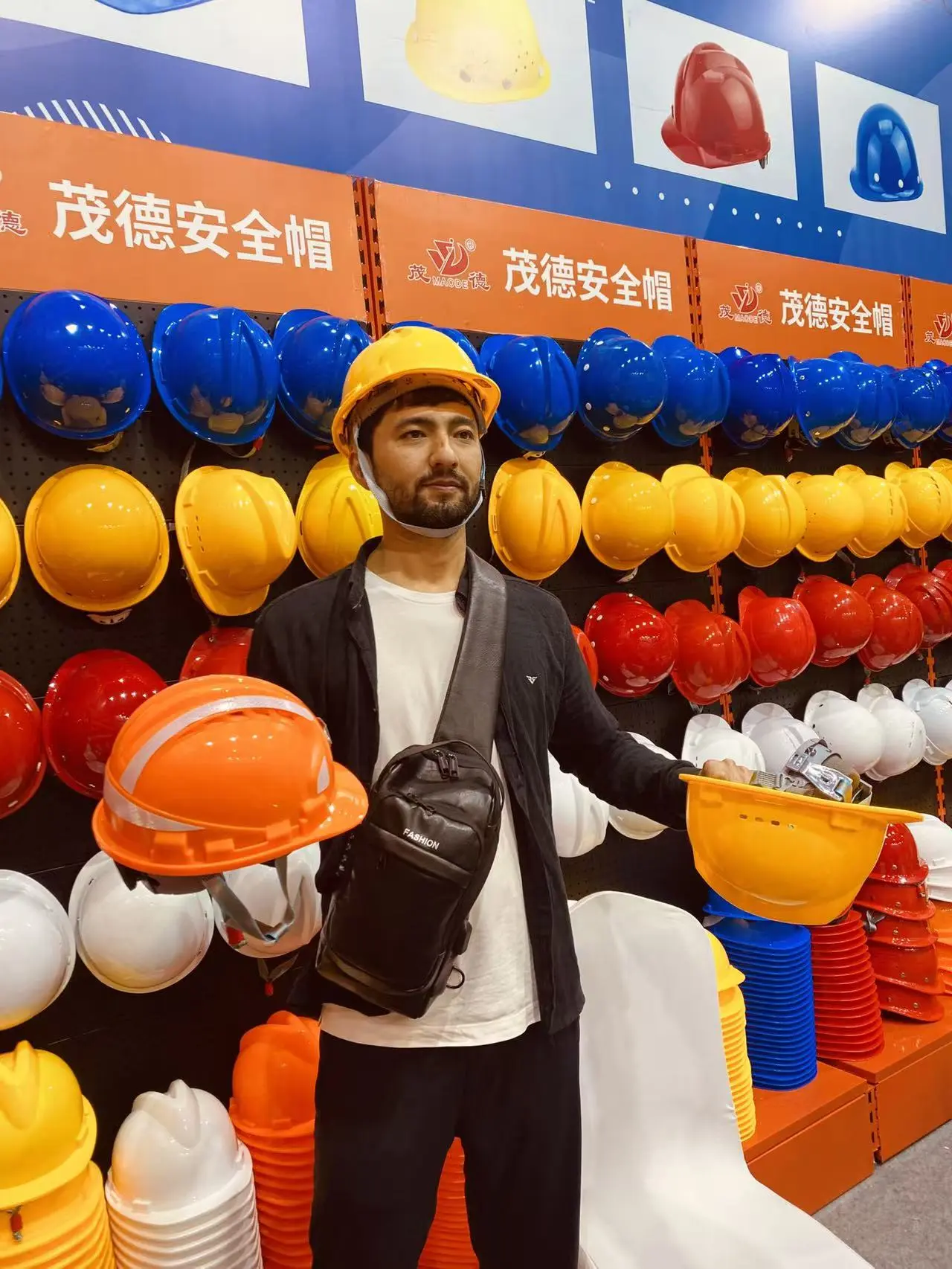
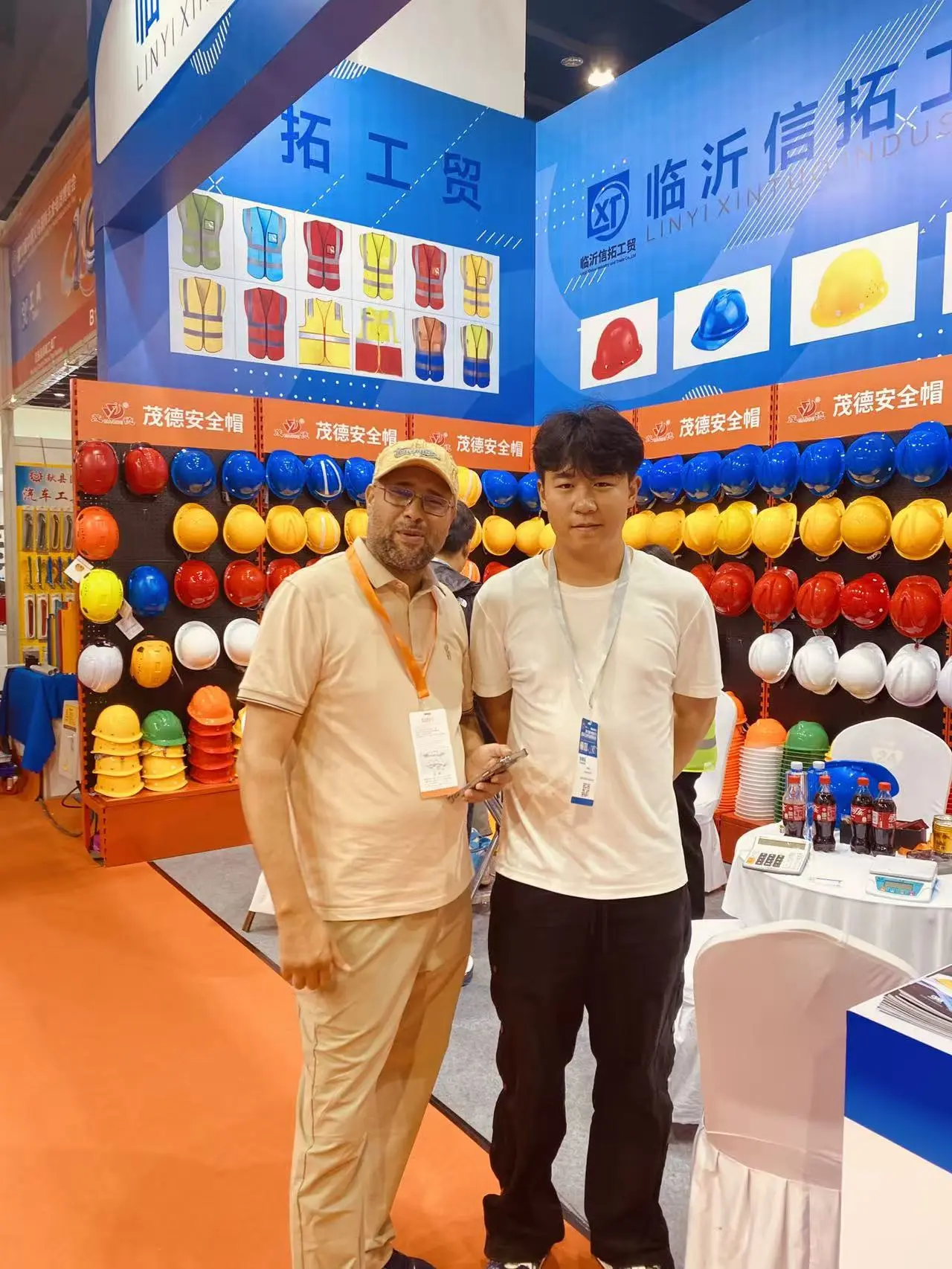
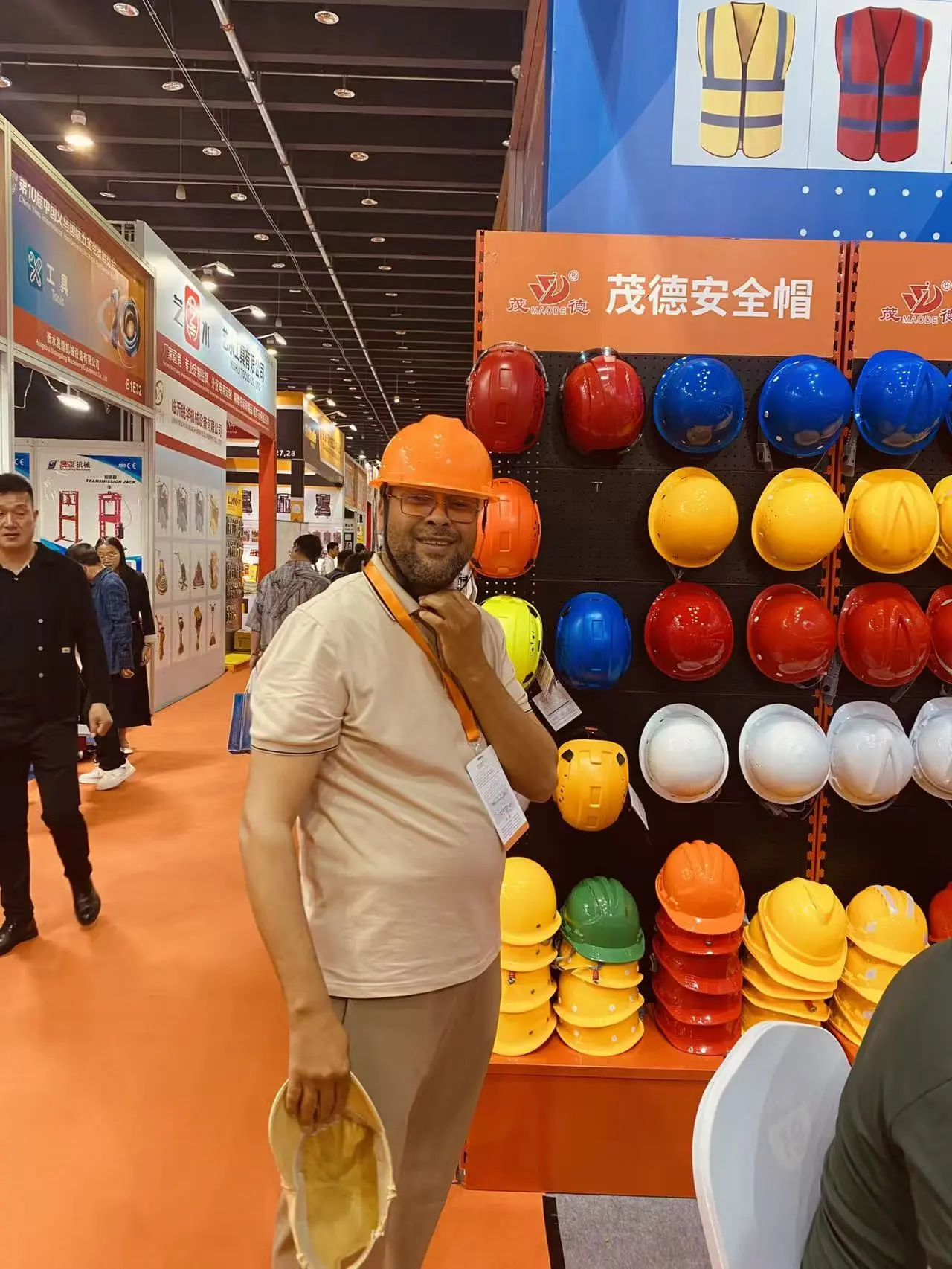
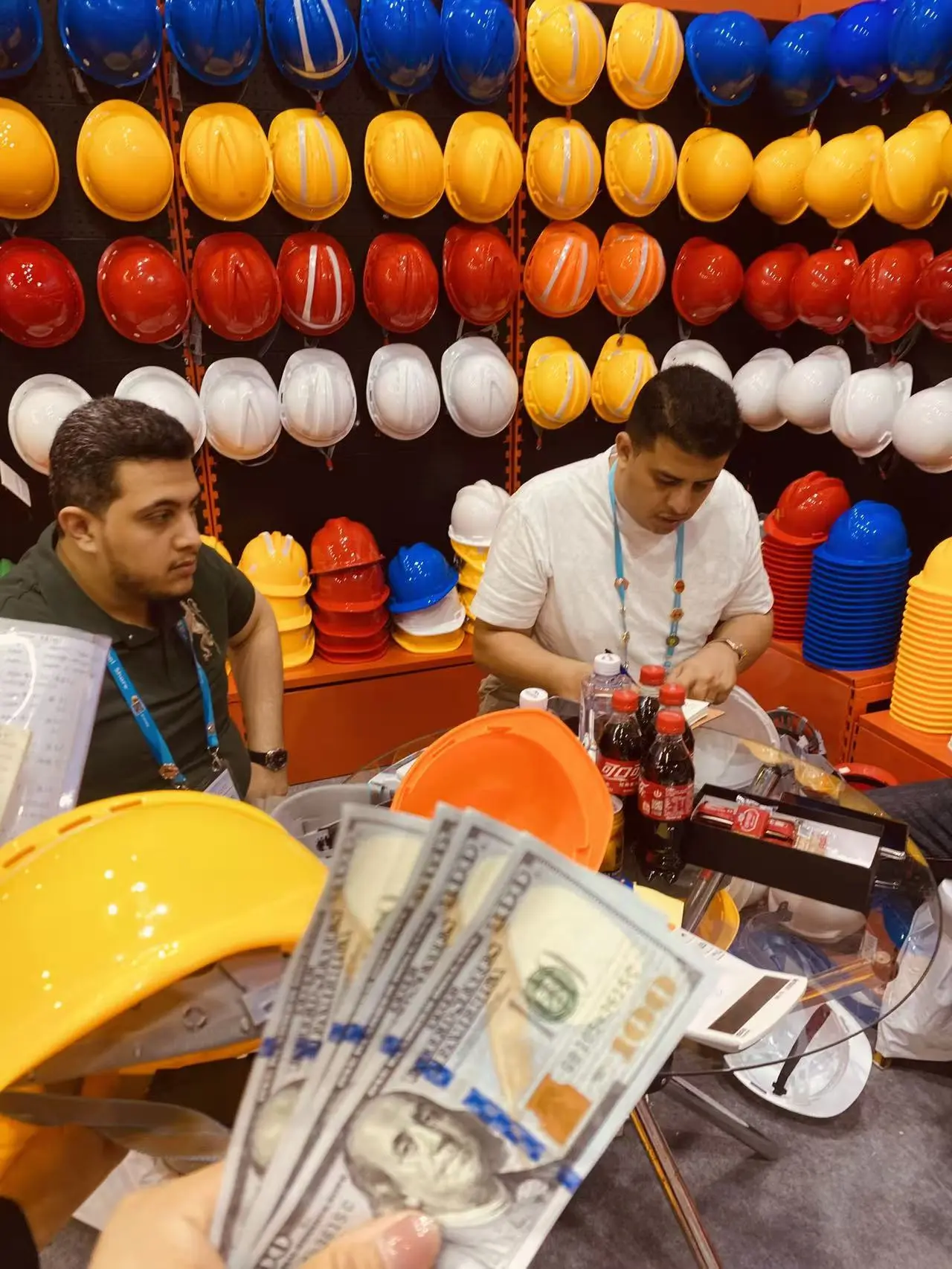
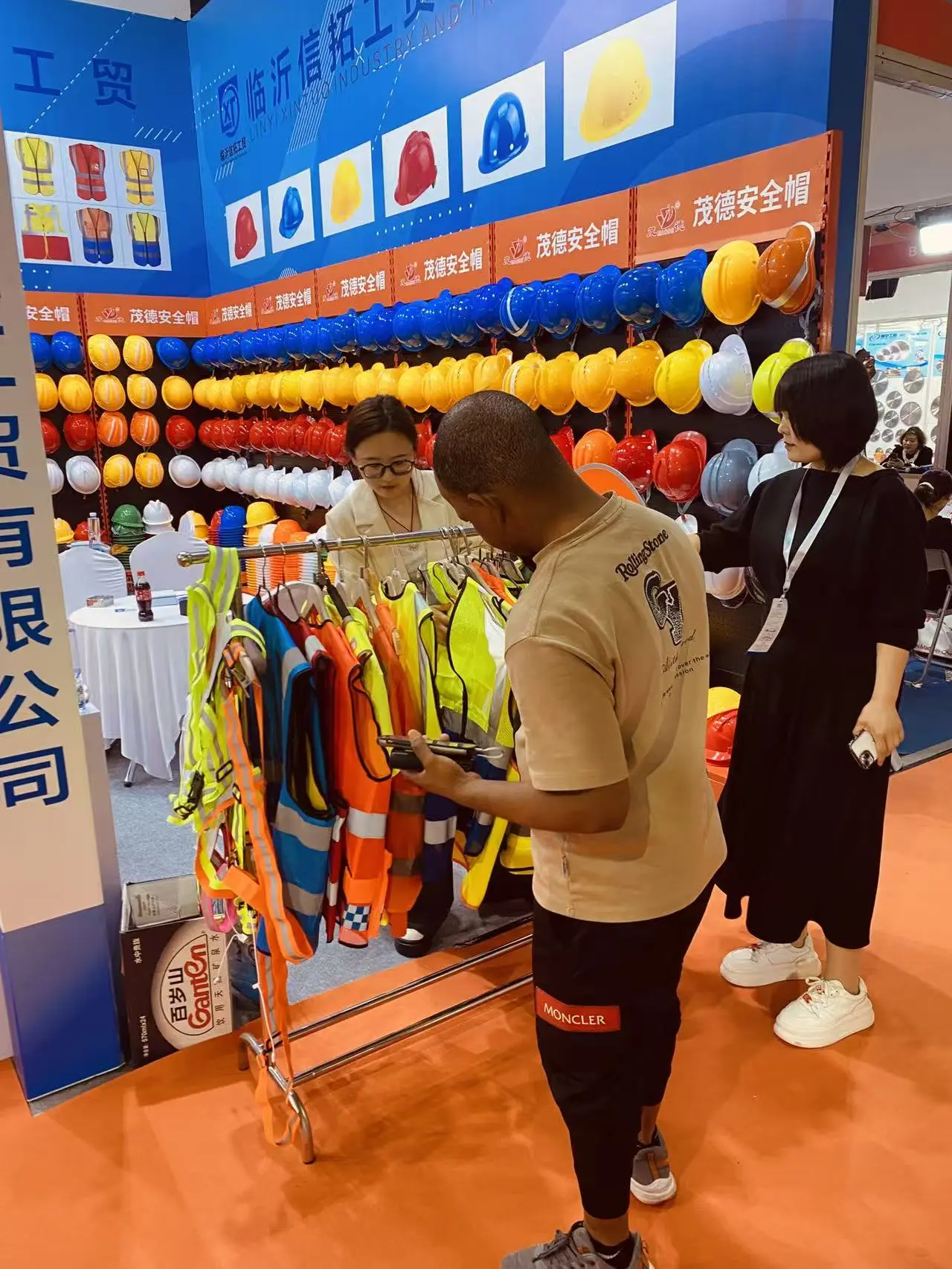
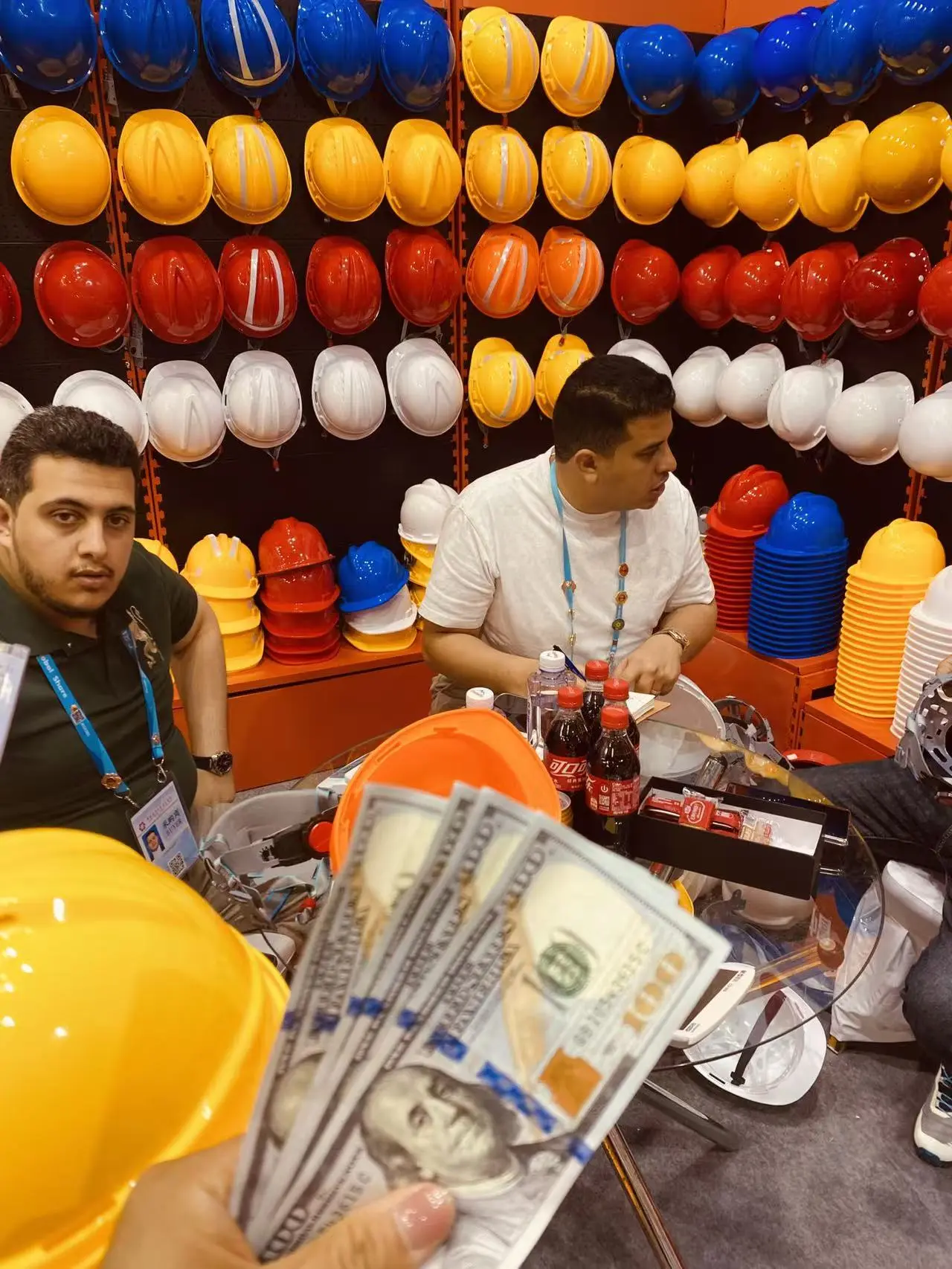
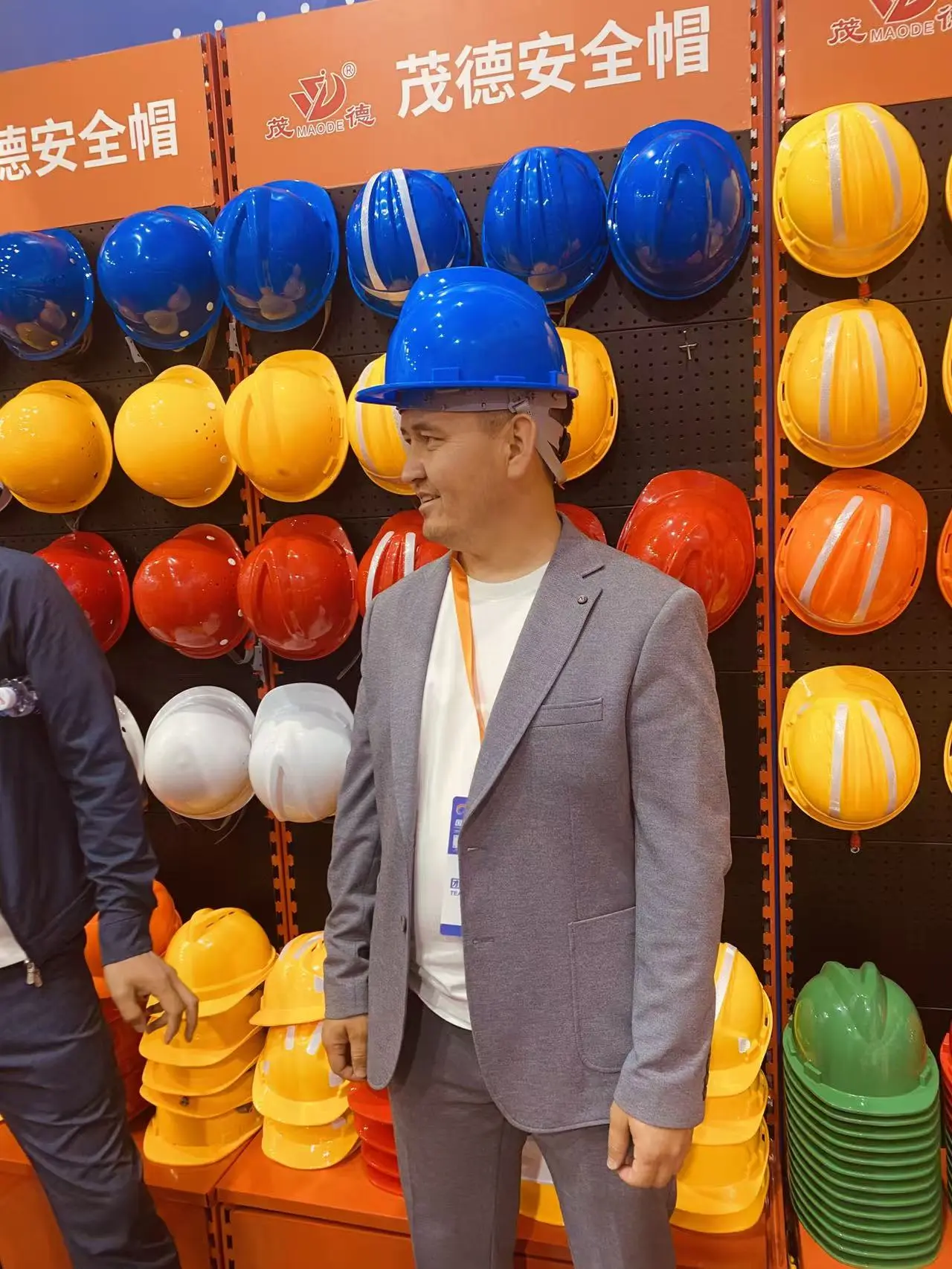
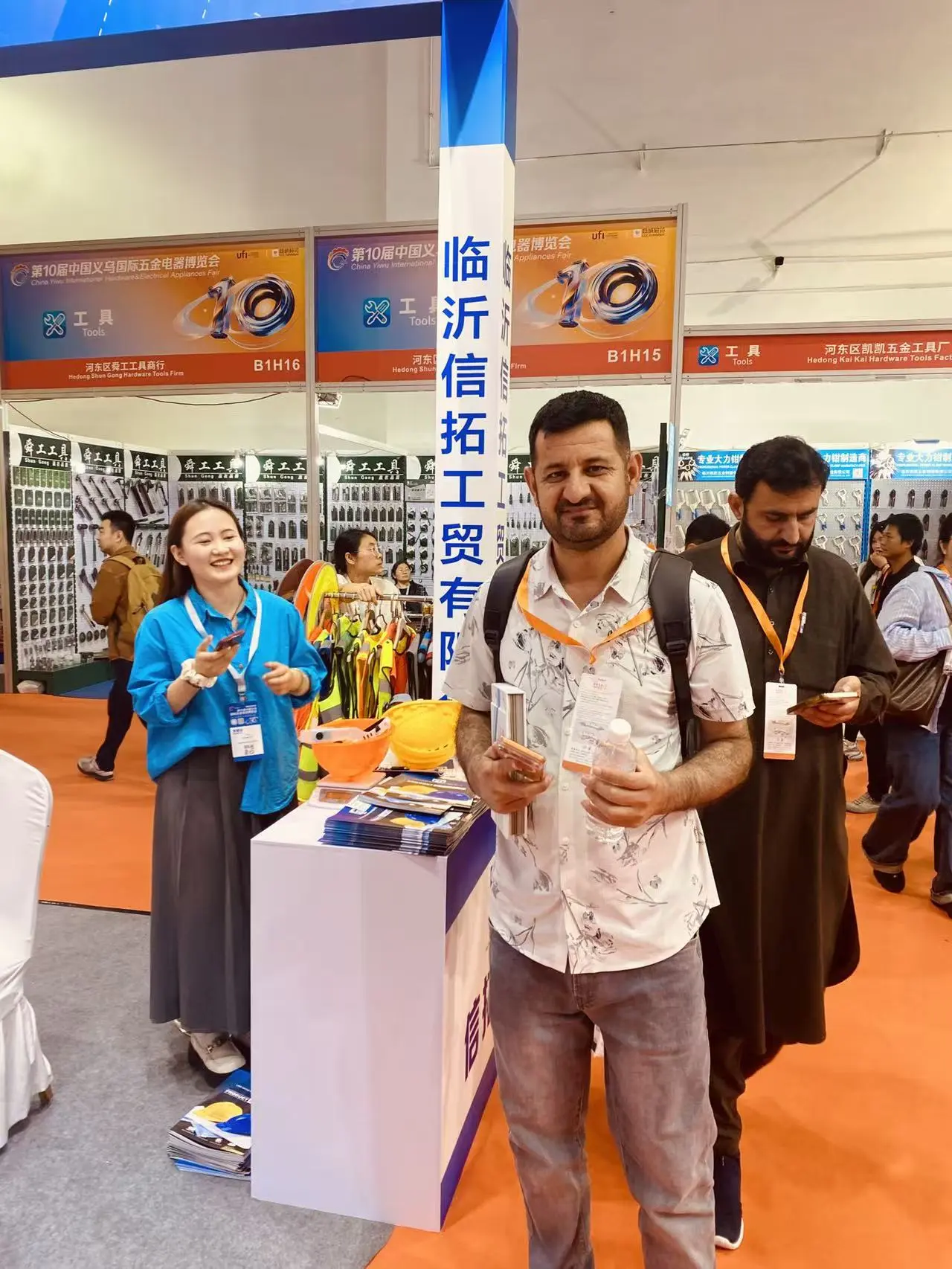
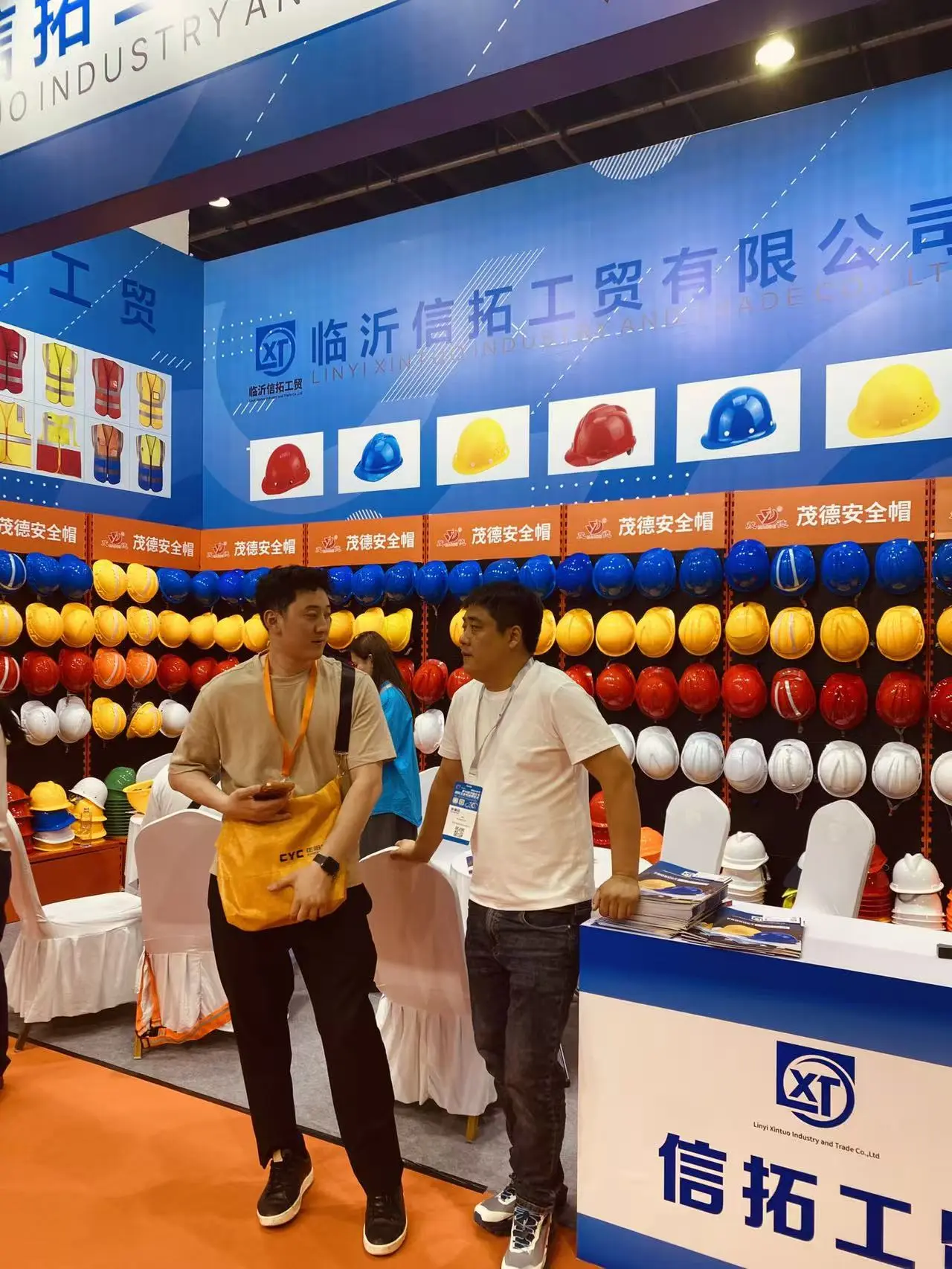
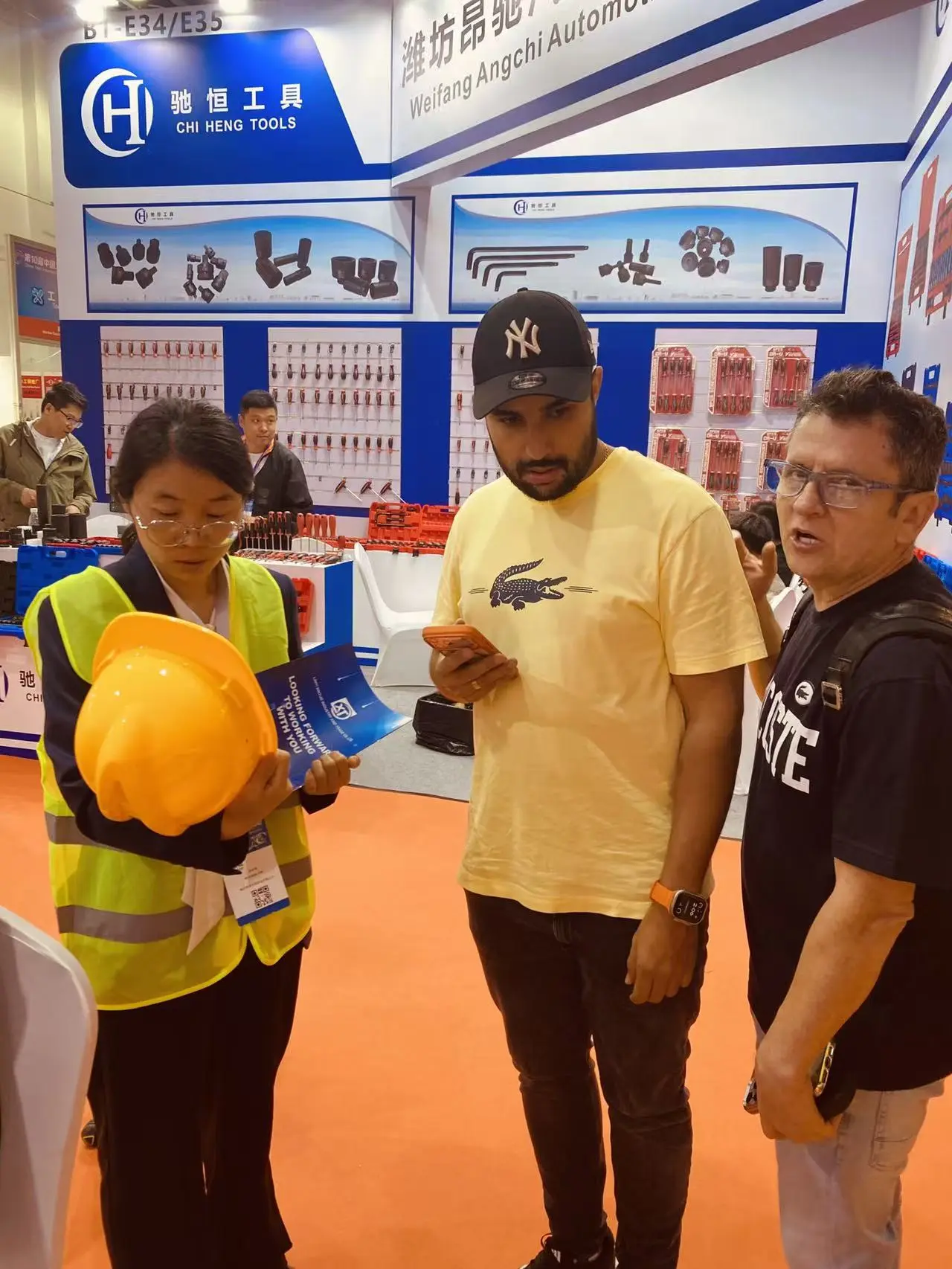
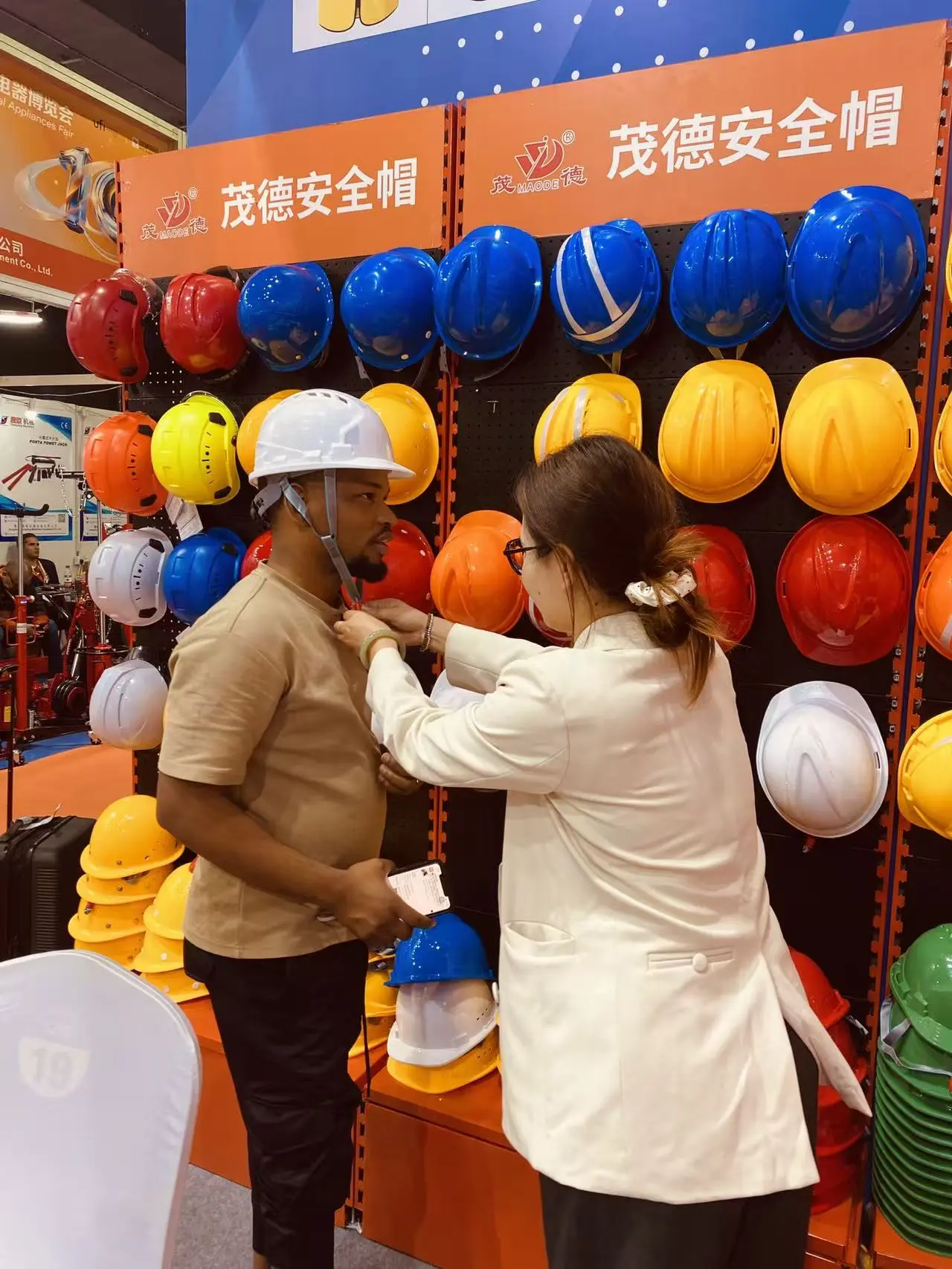
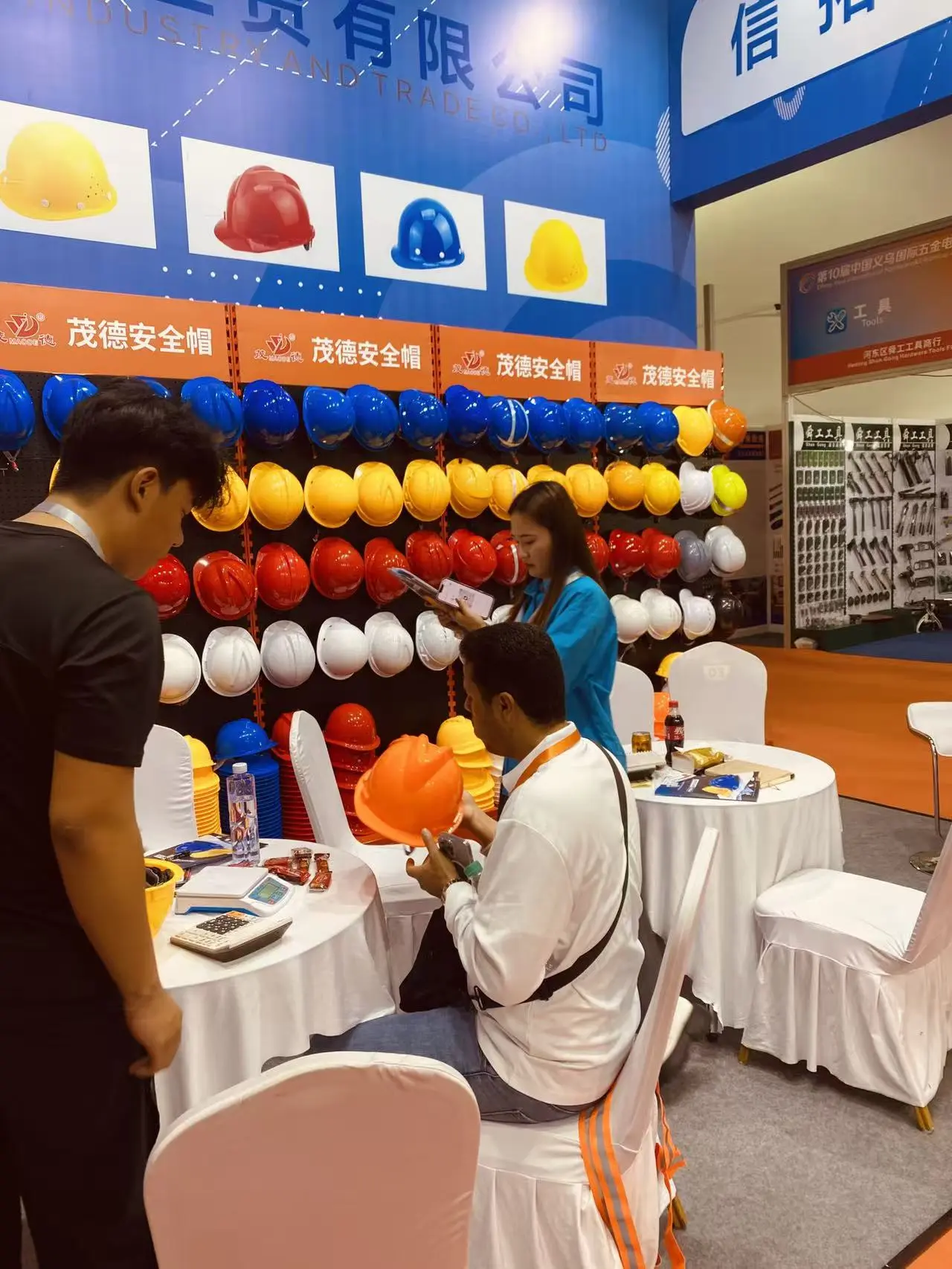
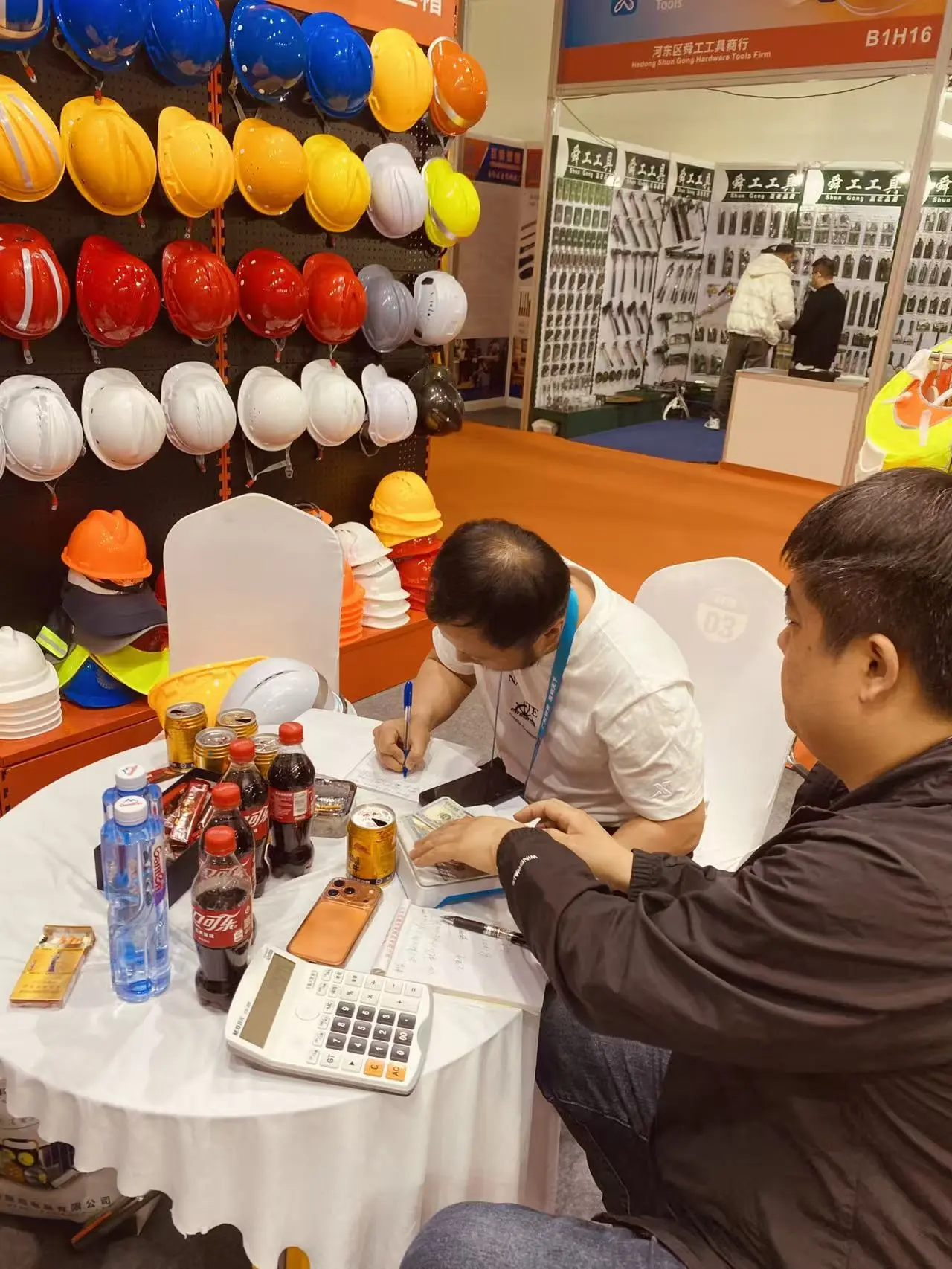
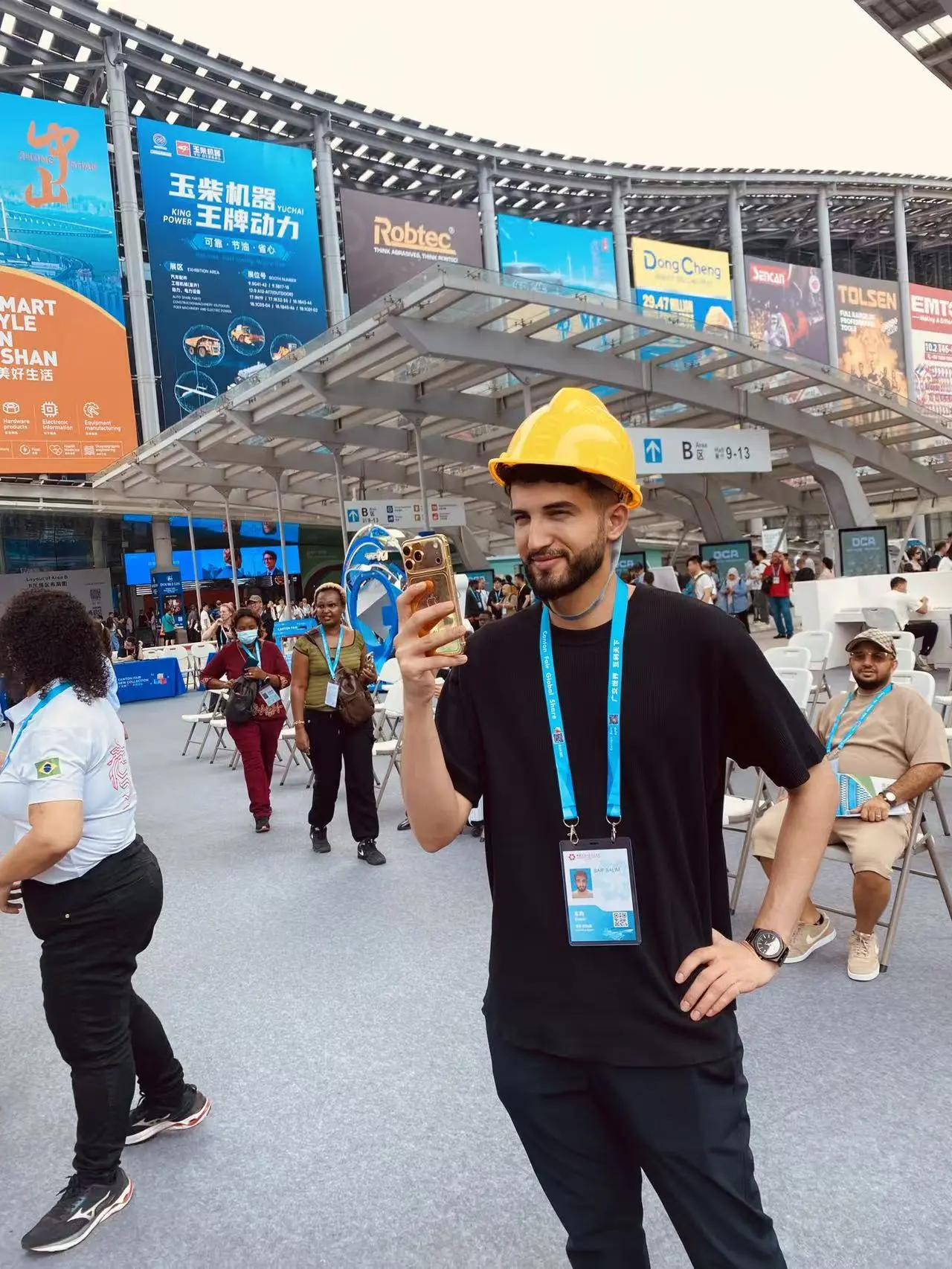
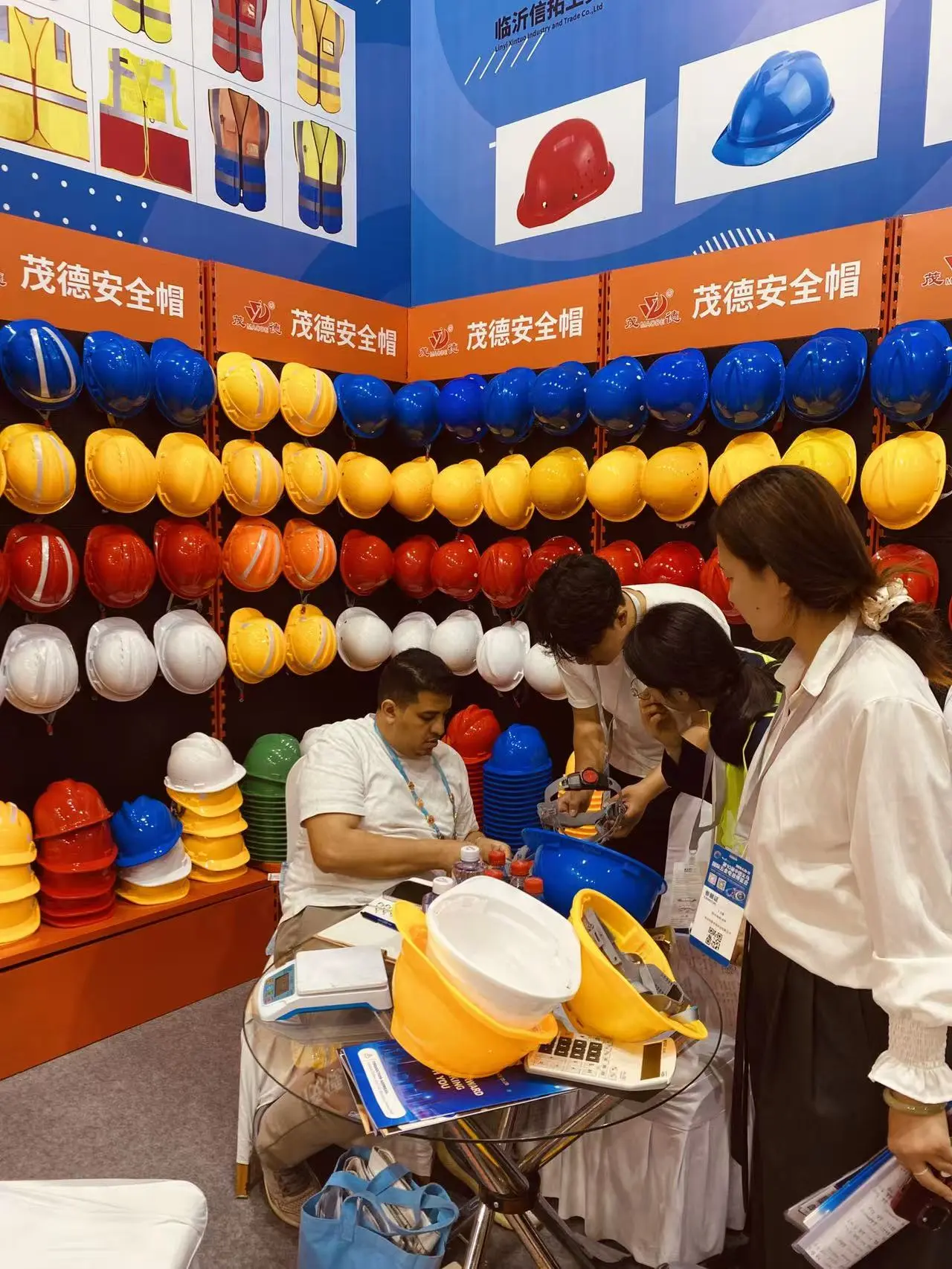
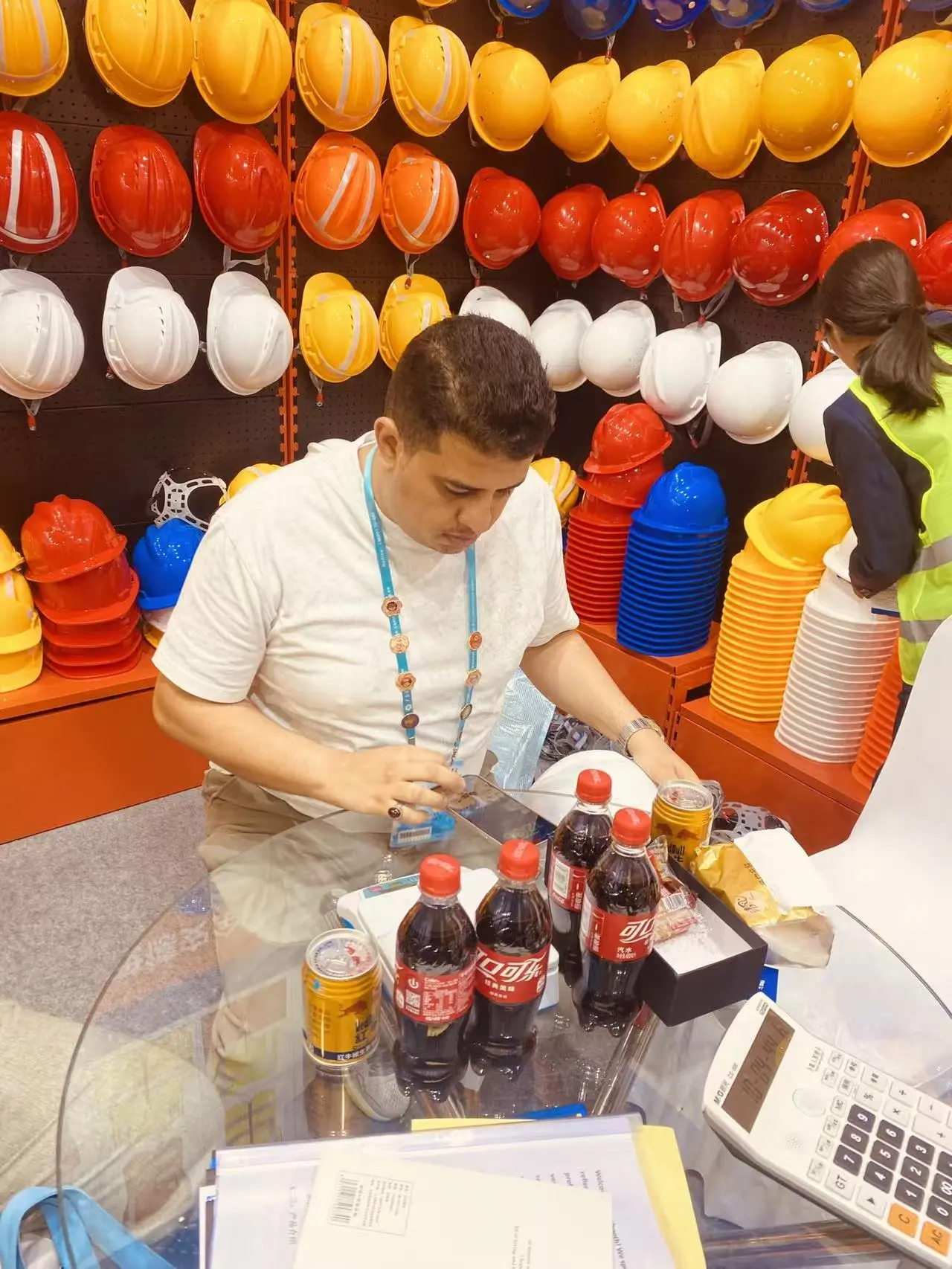
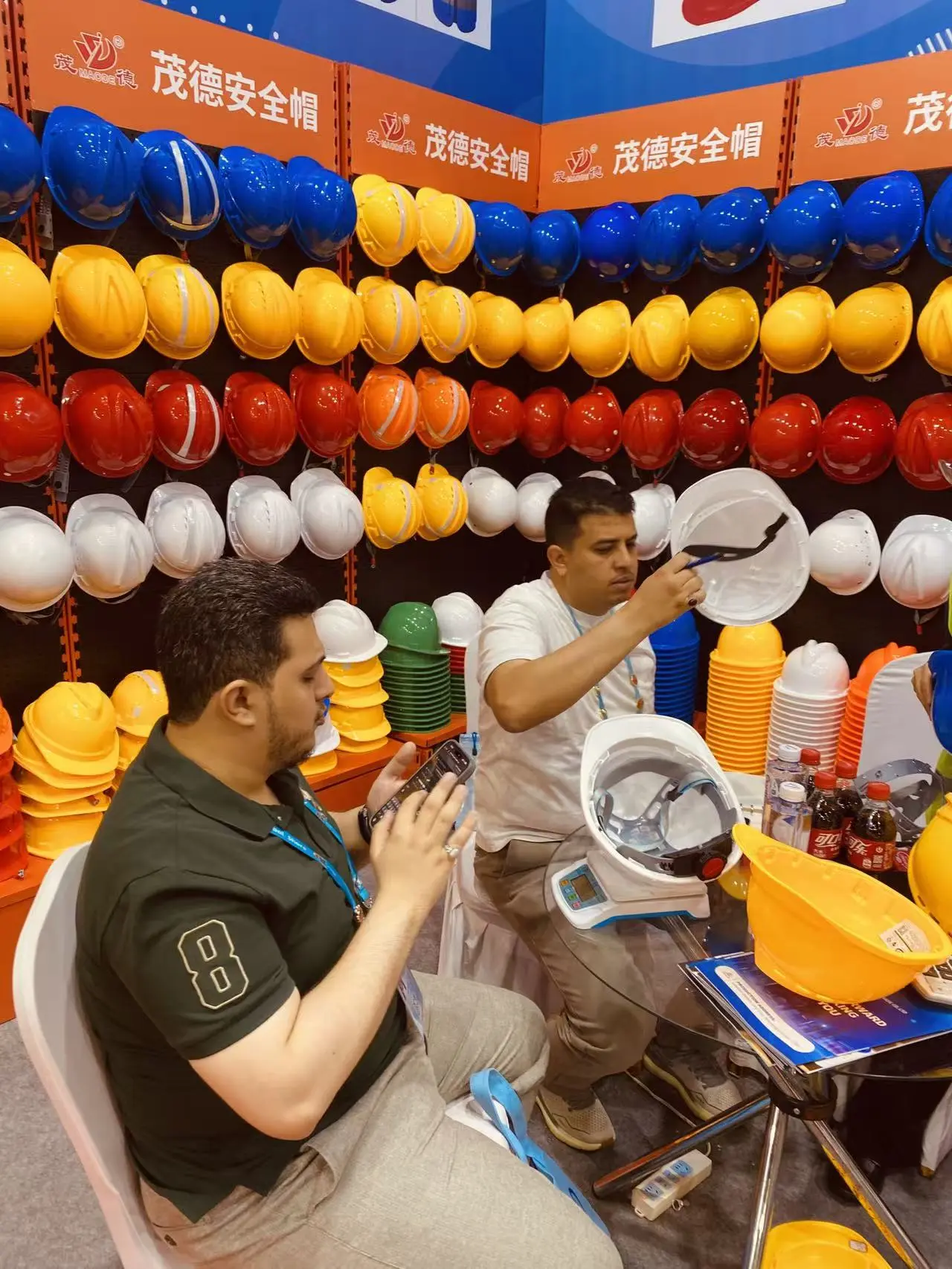
Providing high-value industrial solutions backed by certified processes and advanced engineering.

All products engineered to meet or exceed international safety standards such as CE, ANSI, and EN.

We utilize fiberglass composites and high-impact polymers offering superior strength-to-weight ratios.

We provide complete technical support and maintenance guidance to ensure safety on site.

Our design teams provide custom safety garment layouts, tailoring fabric weights and colors for your needs.
Offering specialized fiberglass reinforcements, structural yarn, and composite materials.

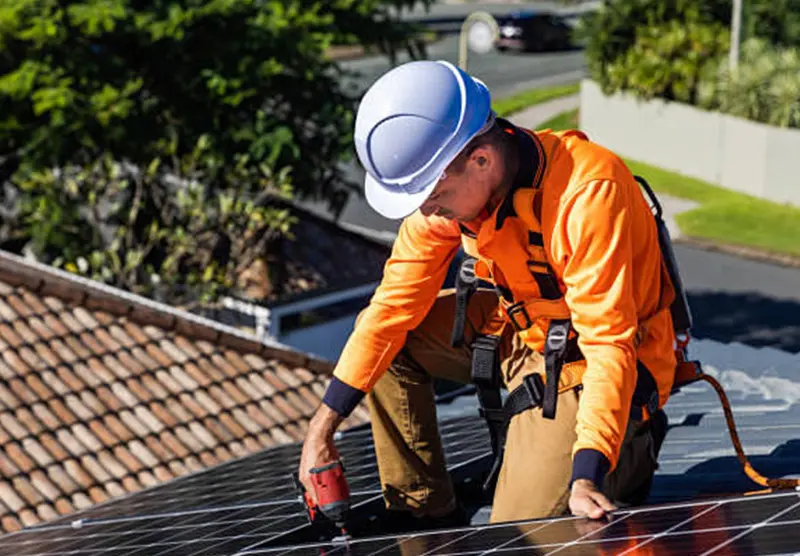



Reliable protective gear implemented across infrastructure, manufacturing, and extreme conditions.
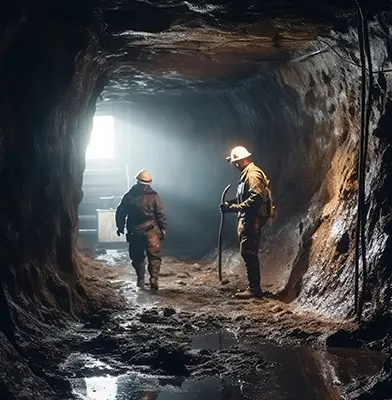
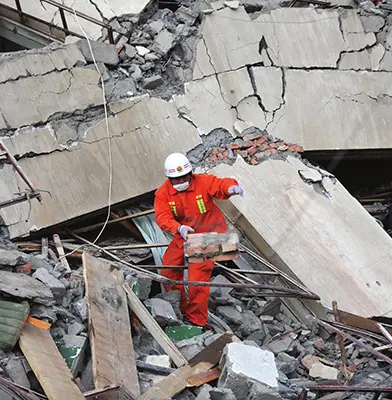

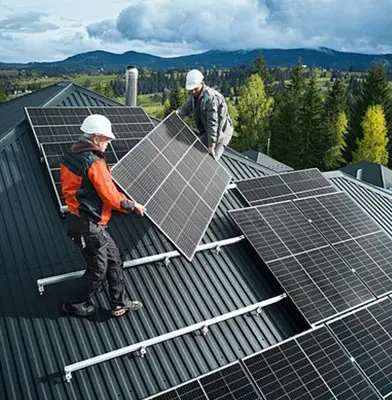
Working alongside safety distributors and major industrial enterprises in 40+ countries.












Insights into mitigating logistics risk, securing certificate standards, and optimizing twill material longevity.
When issuing a Request for Proposal (RFP) for a high-visibility vest fabric, industrial sourcing officers must detail the weight (typically 120 gsm to 180 gsm depending on the summer vs. winter application) and weave configuration. A 100% polyester twill construction is ideal for basic high-vis applications because it takes dye efficiently and maintains structural stability. For refinery or electrical utility applications, fabric specifications must require flame-retardant (FR) chemical treatments or integrated modacrylic-cotton twill weaves that pass ASTM F1506 requirements.
Reflective glass bead tape must be applied using precise heat parameters to bond securely with the textured surface of twill fabric. Poor application results in peeling during high-temperature laundering. Sourcing departments should request test reports confirming that the tape adhesion on twill fabric remains intact for at least 50 wash cycles under ISO 6330 domestic washing or ISO 15797 industrial cleaning standards.
Current sourcing trends emphasize Environmental, Social, and Governance (ESG) criteria. International enterprises are requesting recycled polyester twill (rPET), sourced from post-consumer plastic waste. Linyi Xintuo provides verified rPET twill textiles that meet global environmental certificate standards, helping our partners achieve safety compliance and sustainable goals simultaneously.
Get professional answers about technical specifications, ordering lead times, custom design services, and logistics options.
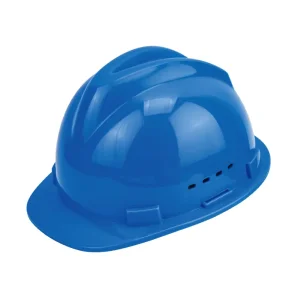
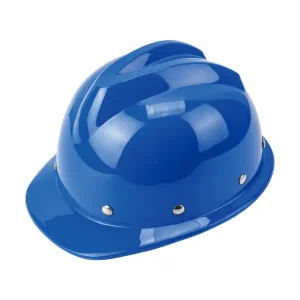
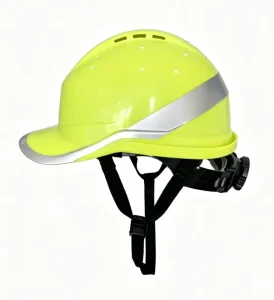
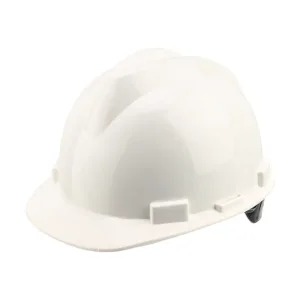
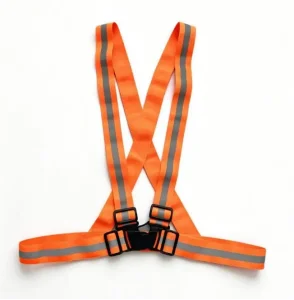
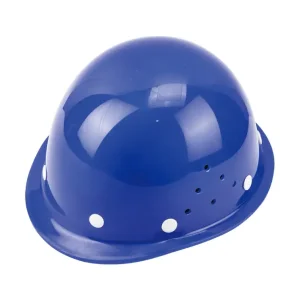
Select from our high-impact industrial safety helmets and premium reflective accessories.
 Xintuo