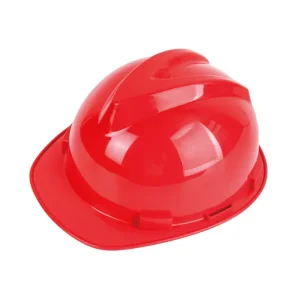
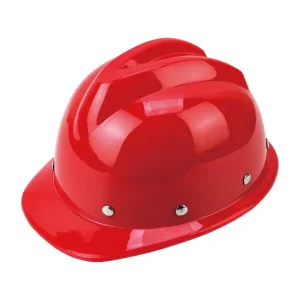
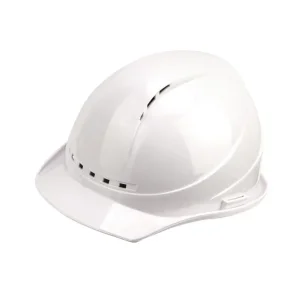
Engineered for maximum reliability and lifespan in hazardous work environments, utilizing advanced lockstitch techniques and premium materials.
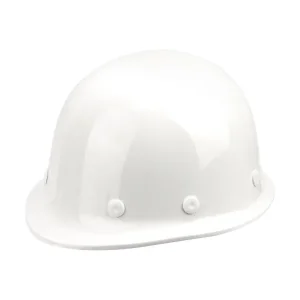

Linyi Xintuo Industry and Trade Co., Ltd. is a modern enterprise based in China, specializing in the research, development, and manufacturing of high-performance safety helmets and comprehensive labor protection equipment. Since its establishment, the company has been driven by a vision of innovation, continuously investing in advanced production equipment and assembling a team of high-caliber research and design professionals.
Our standardized management mode, combined with ISO-certified processes, guarantees consistent product excellence across all batches. The company operates with a commitment to sustainability, utilizing eco-friendly materials and energy-efficient production techniques to minimize environmental impact while maintaining operational efficiency.
Click to Inquire XintuoIn the global Personal Protective Equipment (PPE) sector, structural failure is not an option. From the high-tensile harness systems within industrial safety helmets to the reflective bands on high-visibility vests, every interface depends on structural sewing. Reinforced stitching is the technological baseline that differentiates high-performance gear from standard apparel. This whitepaper analyzes materials science, stress distributions, automation standards, and global sourcing strategies driving the production of reinforced stitching safety products in China.
Information Gain Indicator: Standard sewing techniques focus on aesthetic alignment. Industrial safety stitching focuses on dynamic energy dispersion, shear-force transfer, and chemical resistance over long exposure periods. Understanding the difference between lockstitching, multi-needle chain stitching, and automated bar-tacking is critical for global quality control managers.
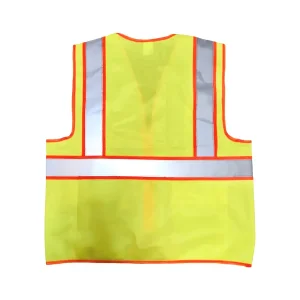
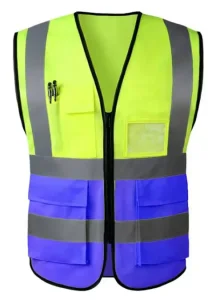
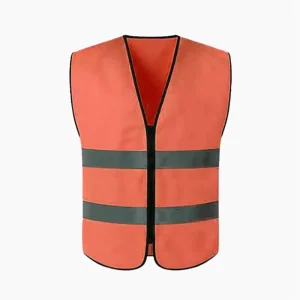
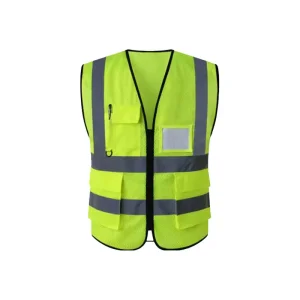
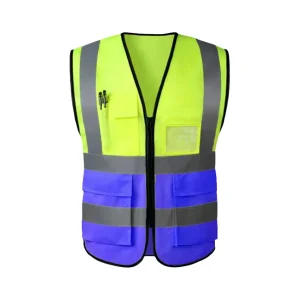
At its core, reinforced stitching is the application of synthetic threads in calculated configurations to prevent seam separation under load. Under ASTM D5034 standards for tensile strength, typical seams fail due to thread shear or fabric tear. In high-visibility reflective vests and heavy-duty workwear, Linyi Xintuo utilizes double-needle lockstitching combined with computerized bar-tacks at major stress intersections like pocket corners, zipper bases, and shoulder panels.
The threads themselves are critical. While fashion garments use cotton or low-grade polyester threads, industrial-grade reinforced sewing requires high-tenacity polyester filament or aramid threads. These filaments resist UV radiation, industrial wash cycles, and high thermal friction, ensuring that the reflective tape remains securely attached to the mesh substrate for the entire lifespan of the safety garment.
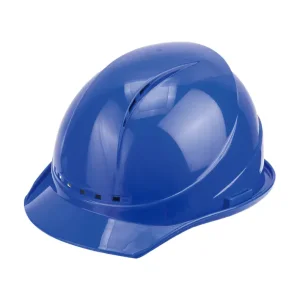
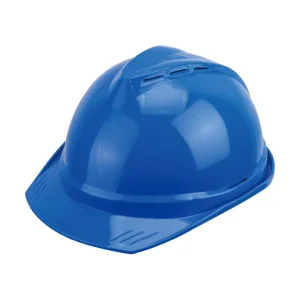
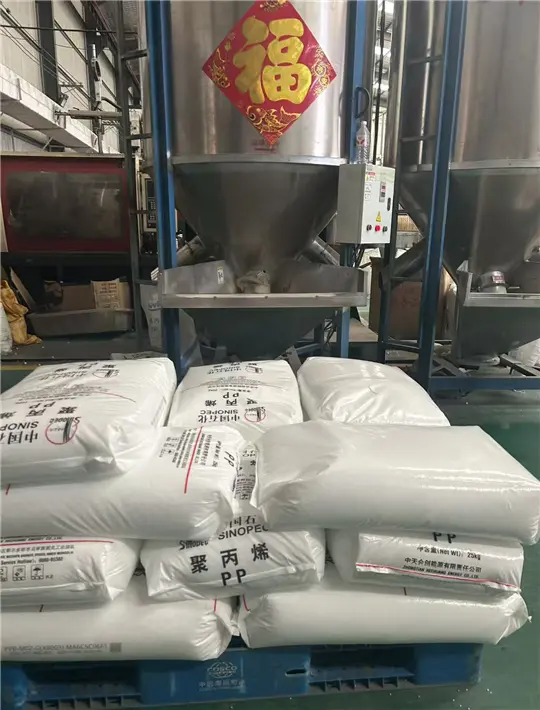
Reinforcement is not limited to soft textiles. In protective safety helmets (such as the XT-013, XT-015, and FRP models), reinforcement is achieved through complex fiber-reinforced polymer (FRP) matrices and high-impact polymers. Linyi Xintuo integrates fiberglass composites, using Fiberglass Roving & Yarn, Fiberglass Mesh, and Glassfiber Cloth to build composite shells with exceptional strength-to-weight ratios.
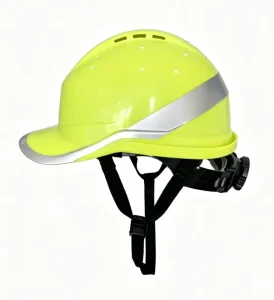
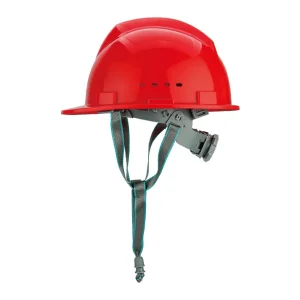
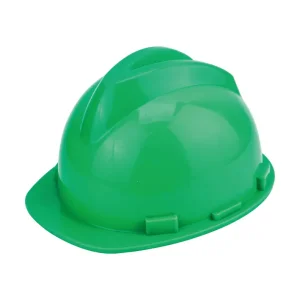
Under mechanical impacts, safety helmets must distribute the kinetic energy across the outer shell and the internal suspension harness. The internal suspension harness, made of durable polyester webbing, relies entirely on heavy-duty cross-stitching. The stitch design features box-X patterns to lock the strap ends, absorbing impact energy and preventing the helmet shell from contacting the wearer's skull. This integration of material science and textile engineering provides optimal safety protection under EN 397 and ANSI Z89.1 protocols.
Enterprise procurement teams in North America, the EU, and Australia must balance strict safety standards with budget limitations. When sourcing safety products like high-visibility vests or protective hard hats, they prioritize supply chain consistency, certifiable quality, and customized OEM capabilities. Linyi Xintuo fulfills these demands through standard shipping terms (FOB, CFR, CIF, EXW) and acceptance of various payment currencies (USD, EUR, GBP, AUD) to simplify international trade.
Additionally, modern procurement involves environmental, social, and governance (ESG) considerations. Procurement professionals favor factories that run clean operations. By adopting eco-friendly materials and energy-efficient manufacturing processes, Xintuo enables corporate clients to meet their sustainability targets without sacrificing the longevity or mechanical performance of their industrial safety equipment.
Compliance is the entry ticket to high-risk work zones. Safety vests must comply with EN ISO 20471 in Europe or ANSI/ISEA 107 in the United States, which mandate reflectivity levels, retroreflective strip placement, and background fabric surface area. Standard stitching can compromise the reflection performance if the threads run through the center of the reflective microprisms. High-quality sewing ensures that lockstitches sit securely on the fabric borders, leaving the retroreflective path unobstructed.
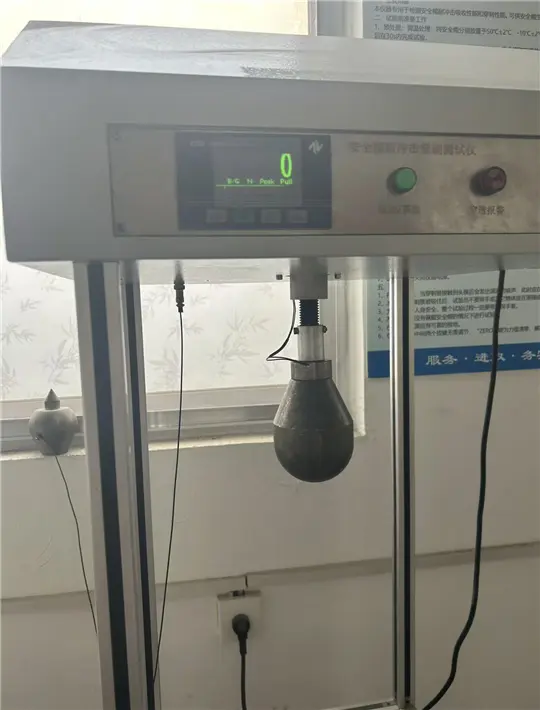
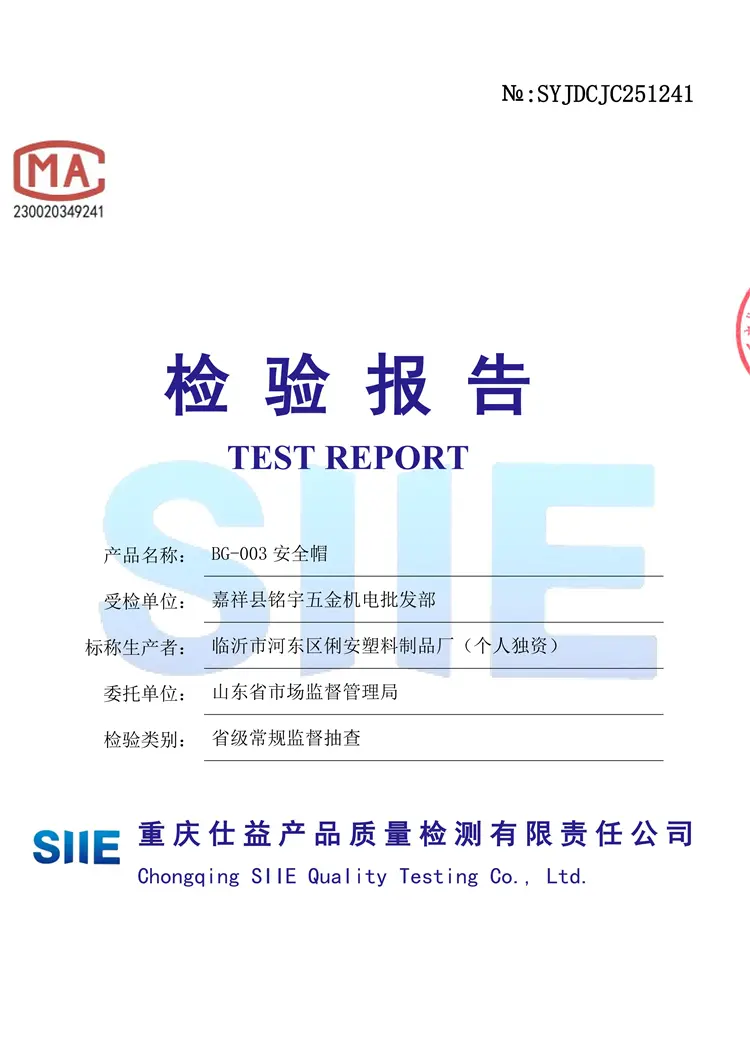
For safety helmets, compliance with EN 397 and ANSI Z89.1 dictates drop tests, penetration tests, flame resistance, and electrical insulation tests. Linyi Xintuo ensures that every safety helmet, whether ABS or PE, undergoes strict testing before leaving the factory. Our standardized management system monitors every step from polymer melting to harness attachment, generating reliable QA records for our global partners.
Exploring the future of smart PPE, structural integrity, and ergonomic design principles.
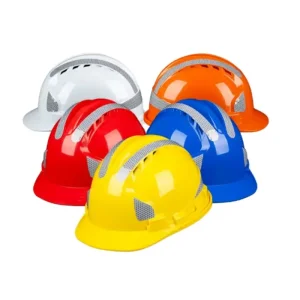
Our safety helmets feature adjustable suspension systems with precision-calibrated tension controls, moisture-wicking antimicrobial sweatbands, and advanced ventilation designs that maximize airflow while keeping the shell strong.
Xintuo focuses on client satisfaction, offering custom services tailored to specific industry demands. Our R&D team works closely with customers to deliver solutions that improve workplace safety and overall productivity.
We are researching smart PPE integrations, including embedding RFID tracking tags into reinforced stitched pockets and utilizing smart sensors in helmets to monitor head temperatures and impacts in real-time.
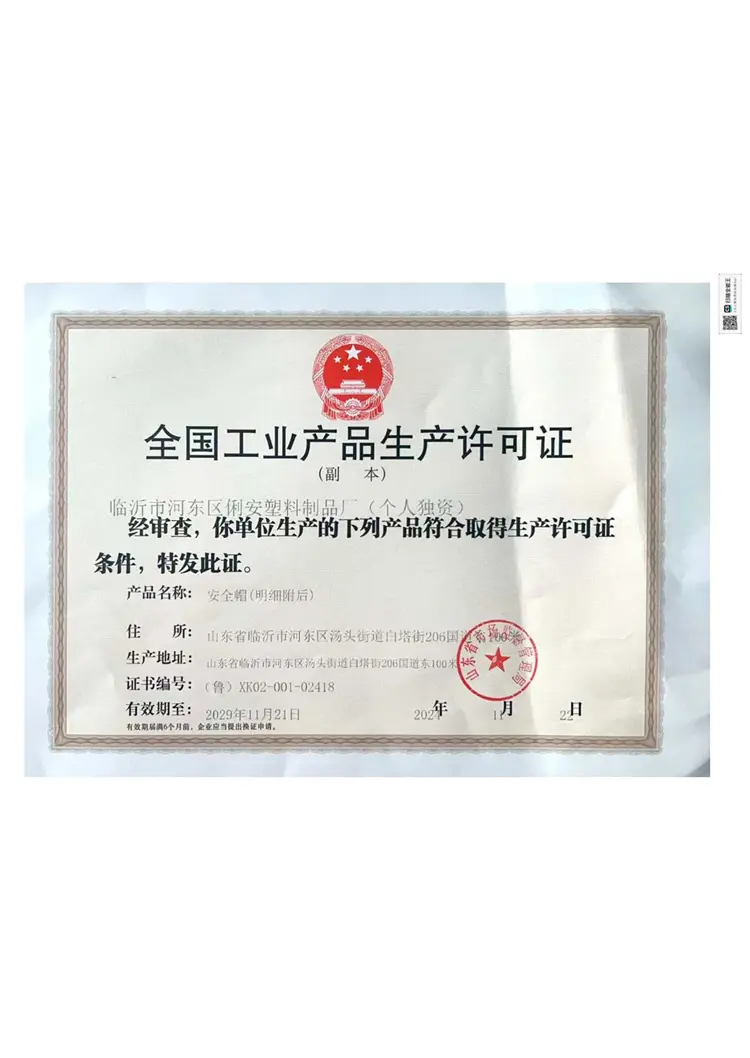
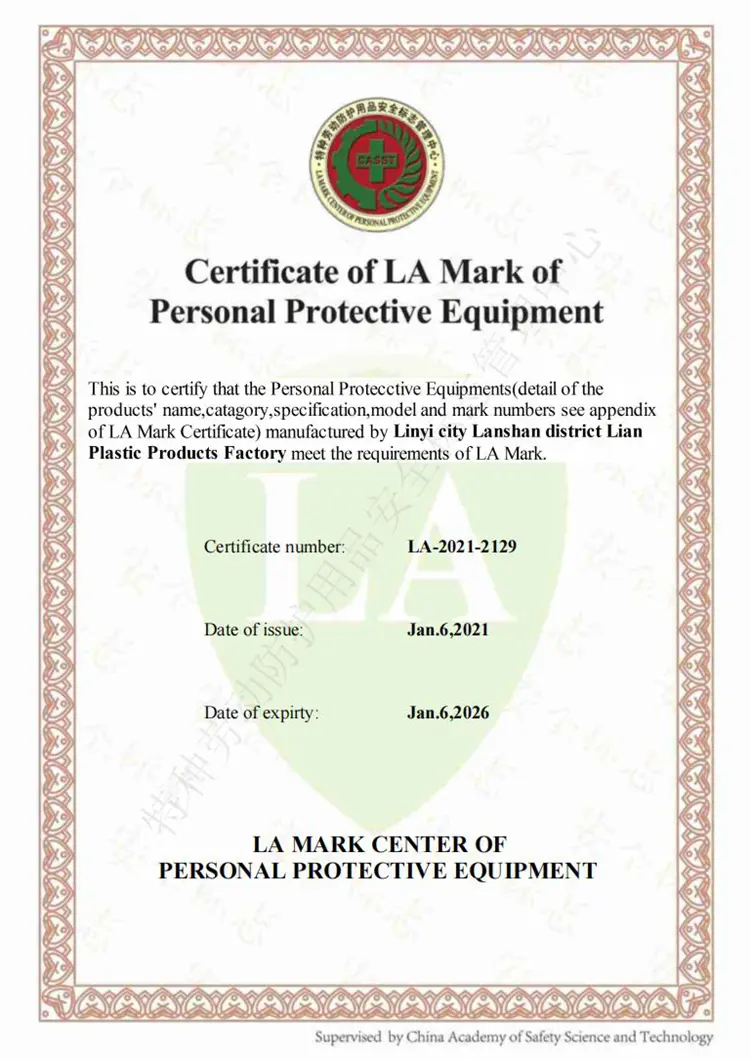
Linyi Xintuo is committed to the highest quality benchmarks. Our products are engineered and tested to comply with international regulations.
Xintuo supplies composite materials that form the base reinforcement layer for high-strength safety applications.

High-tensile continuous rovings designed for pultrusion and filament winding of hard shells.
Woven fiberglass mesh configured for structural reinforcement of composite materials.

Uniformly distributed chopped strands bound for structural integrity under high pressure.

Premium glass fiber fabrics suited for heat shielding and mechanical structural reinforcements.

Short glass fibers designed to reinforce injection-molded plastics, including thermoplastic helmet shells.
Examine our manufacturing methods, quality-control lines, and product safety applications.
Testing structural dispersion of polymer shells under dynamic mechanical impact.
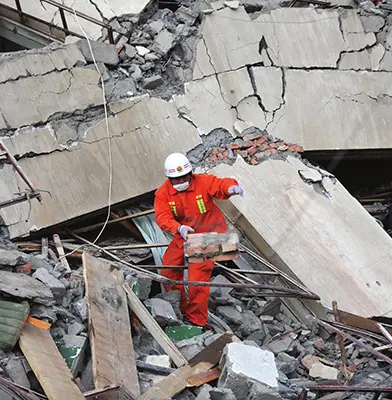
Simulating 100+ industrial wash cycles on reflective strip stitching to monitor degradation.

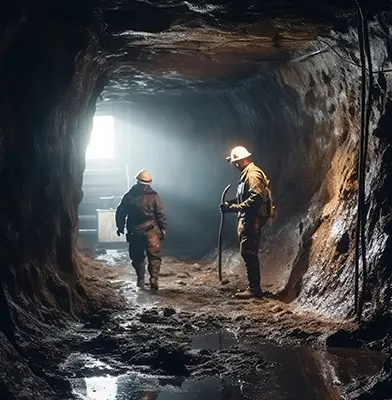
Analyzing fiberglass composite density distribution for deep-shaft mining safety hard hats.
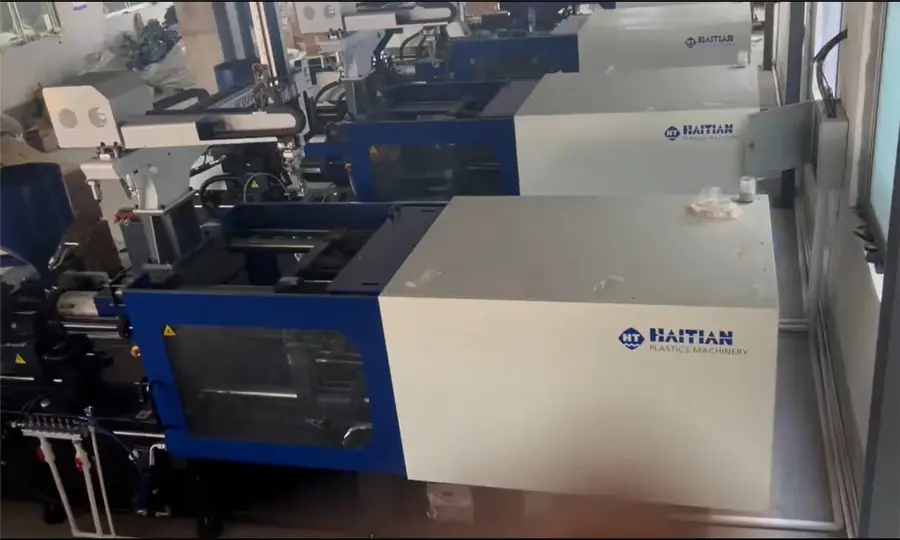
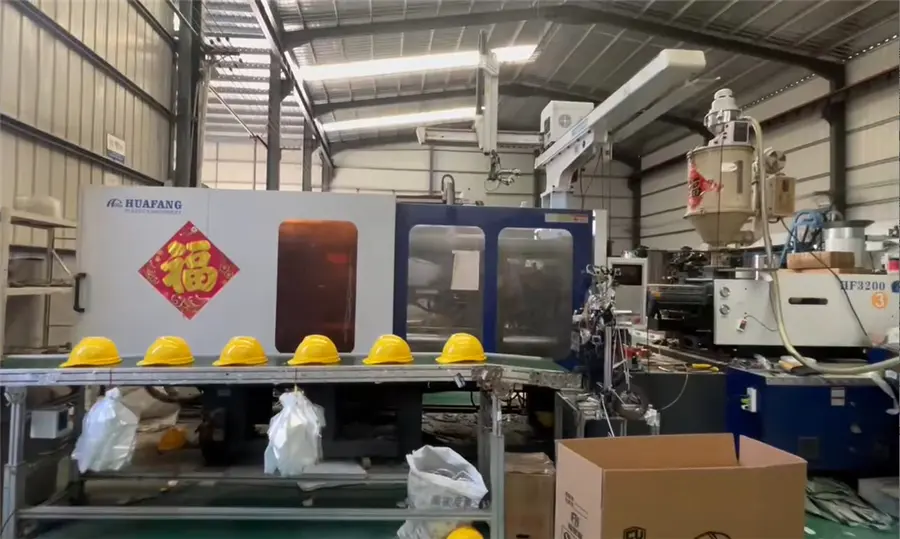
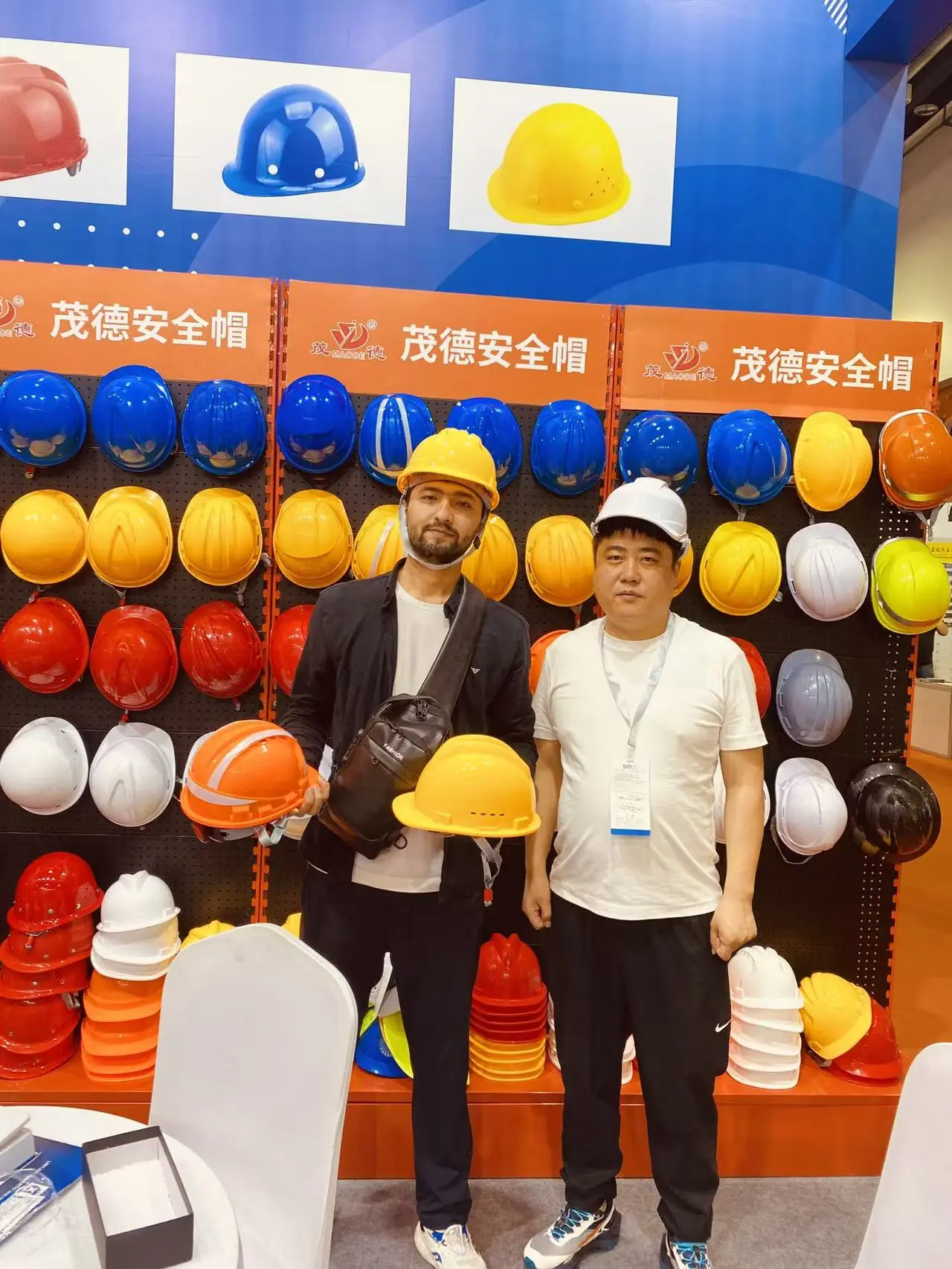
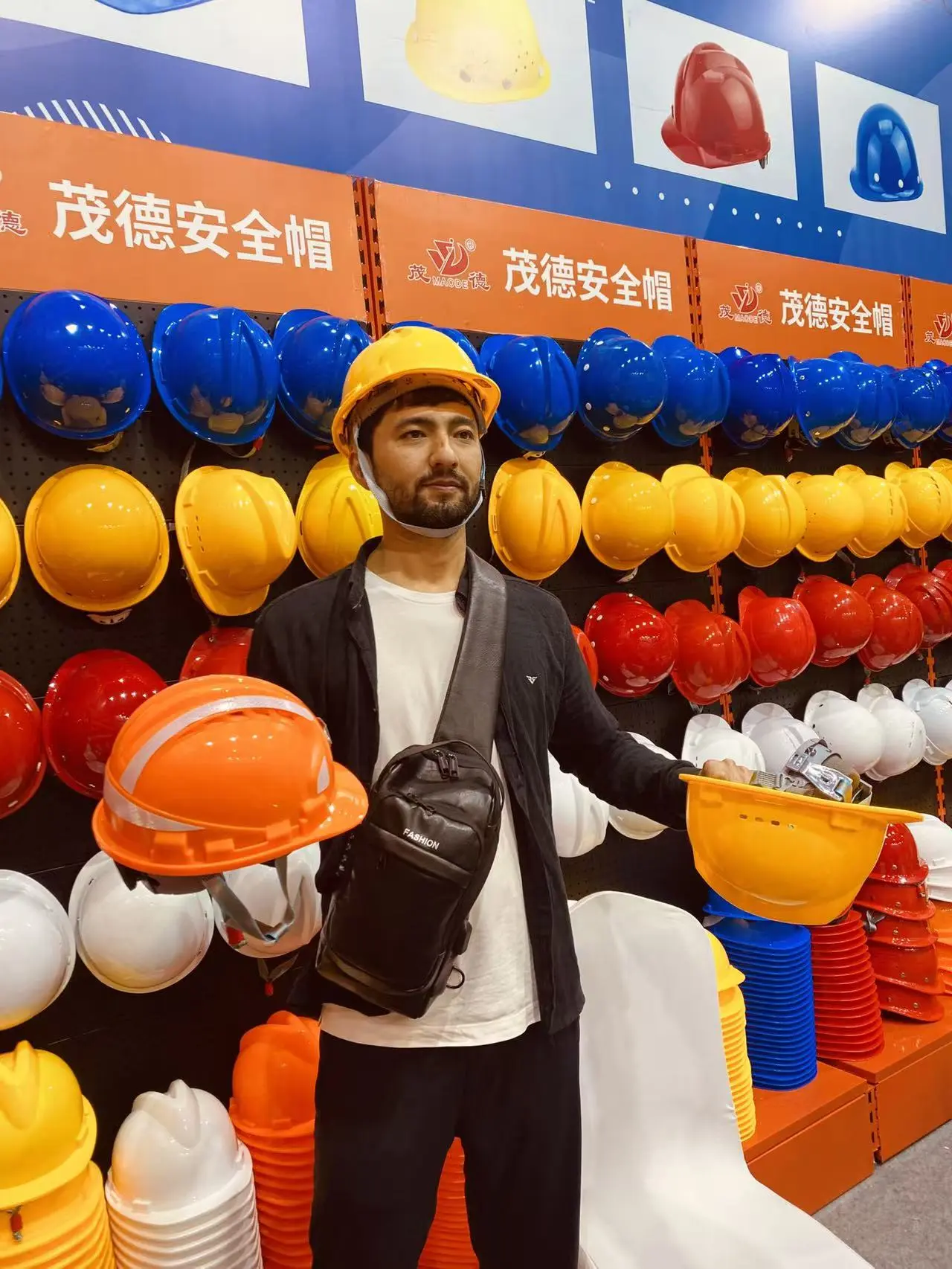
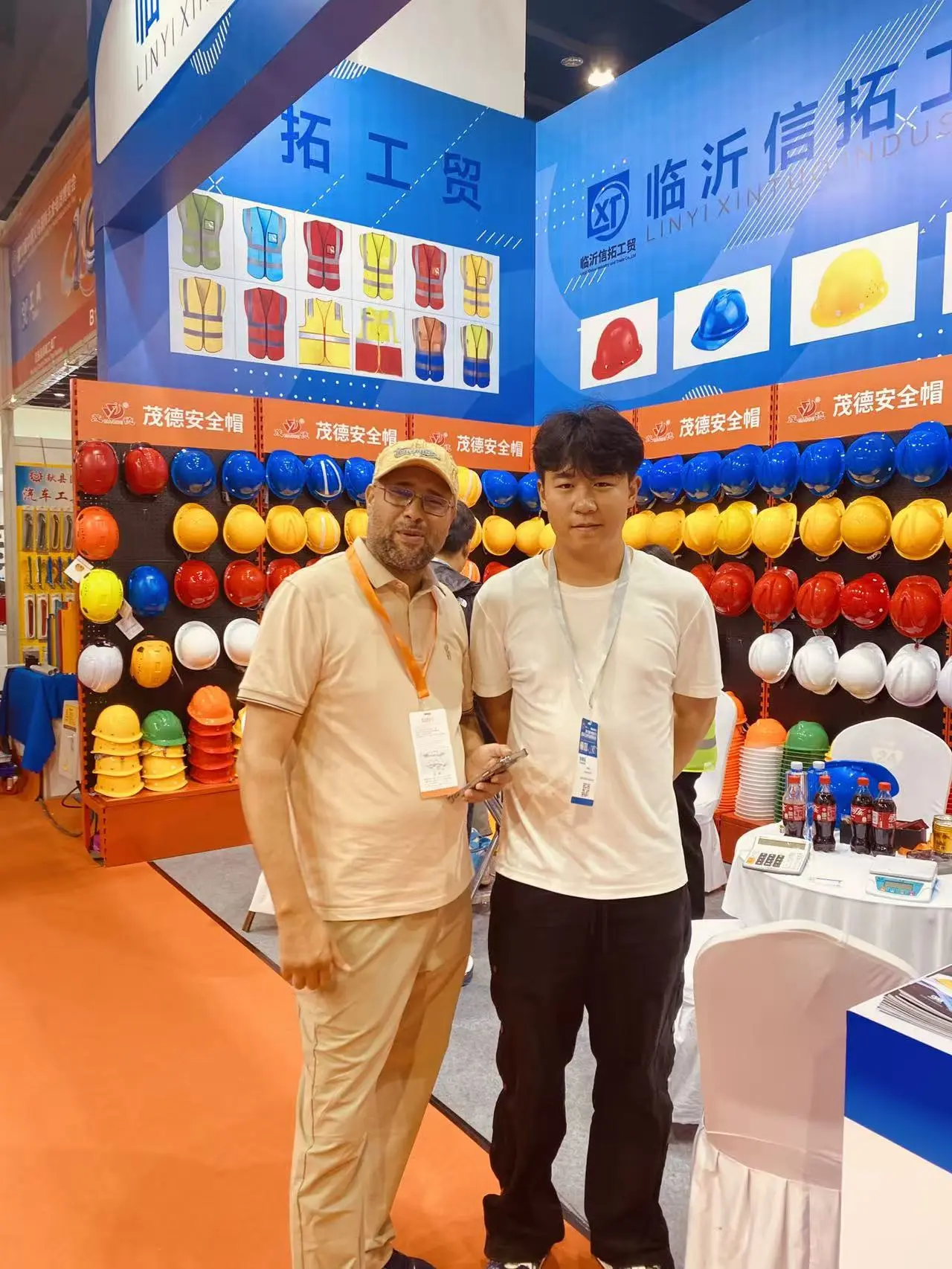
Connecting with global procurement partners and industry safety experts worldwide.
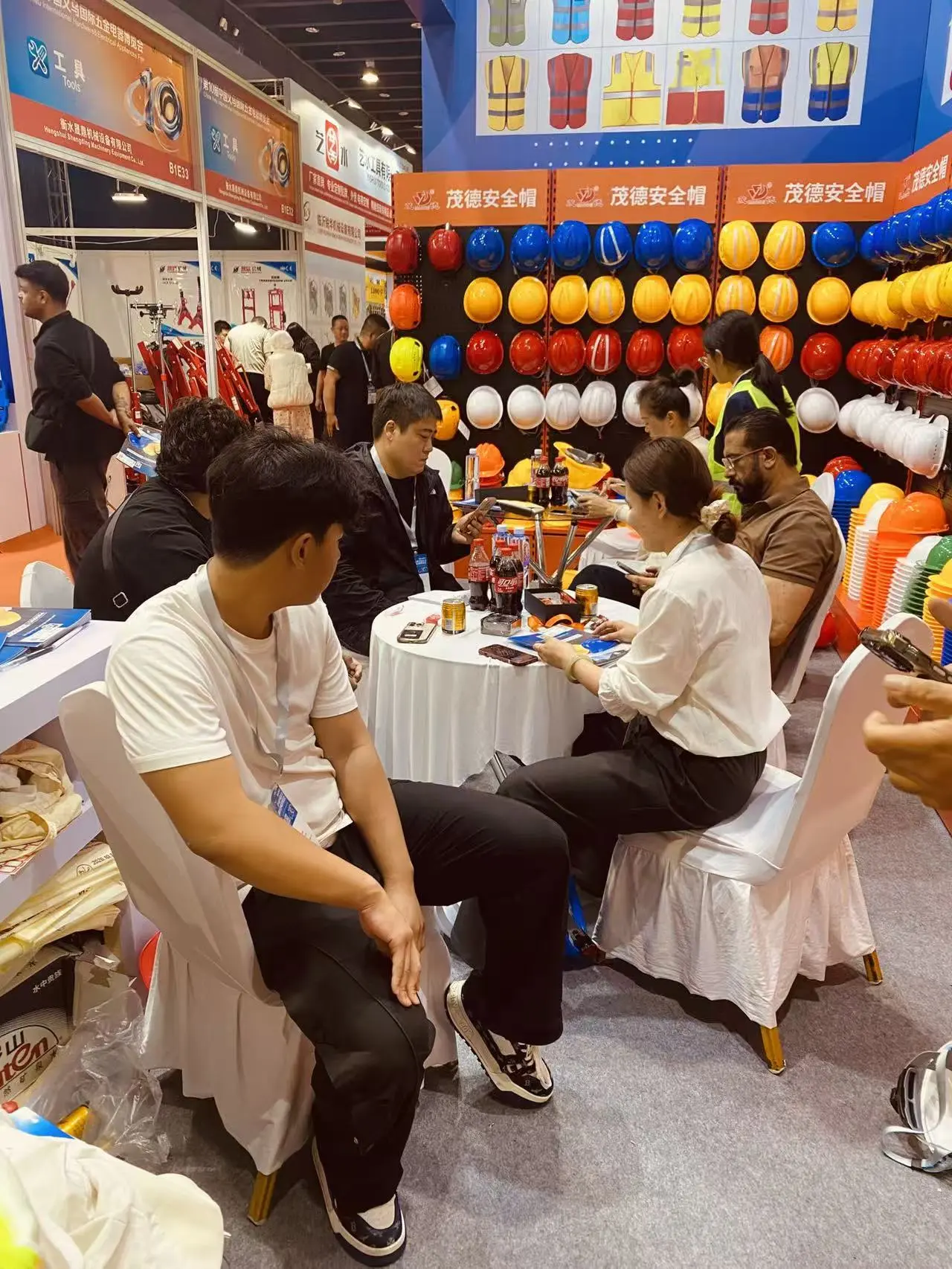
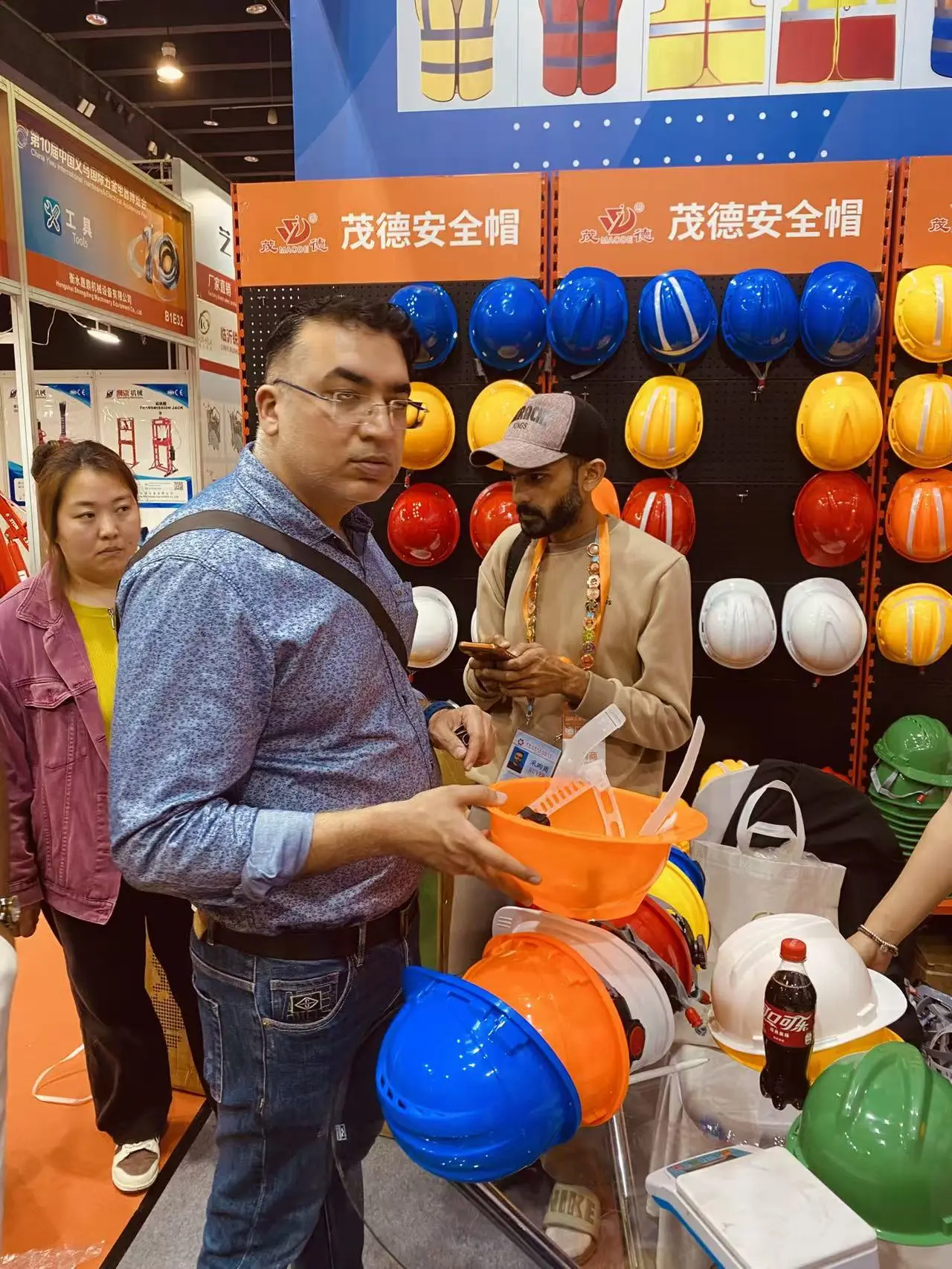
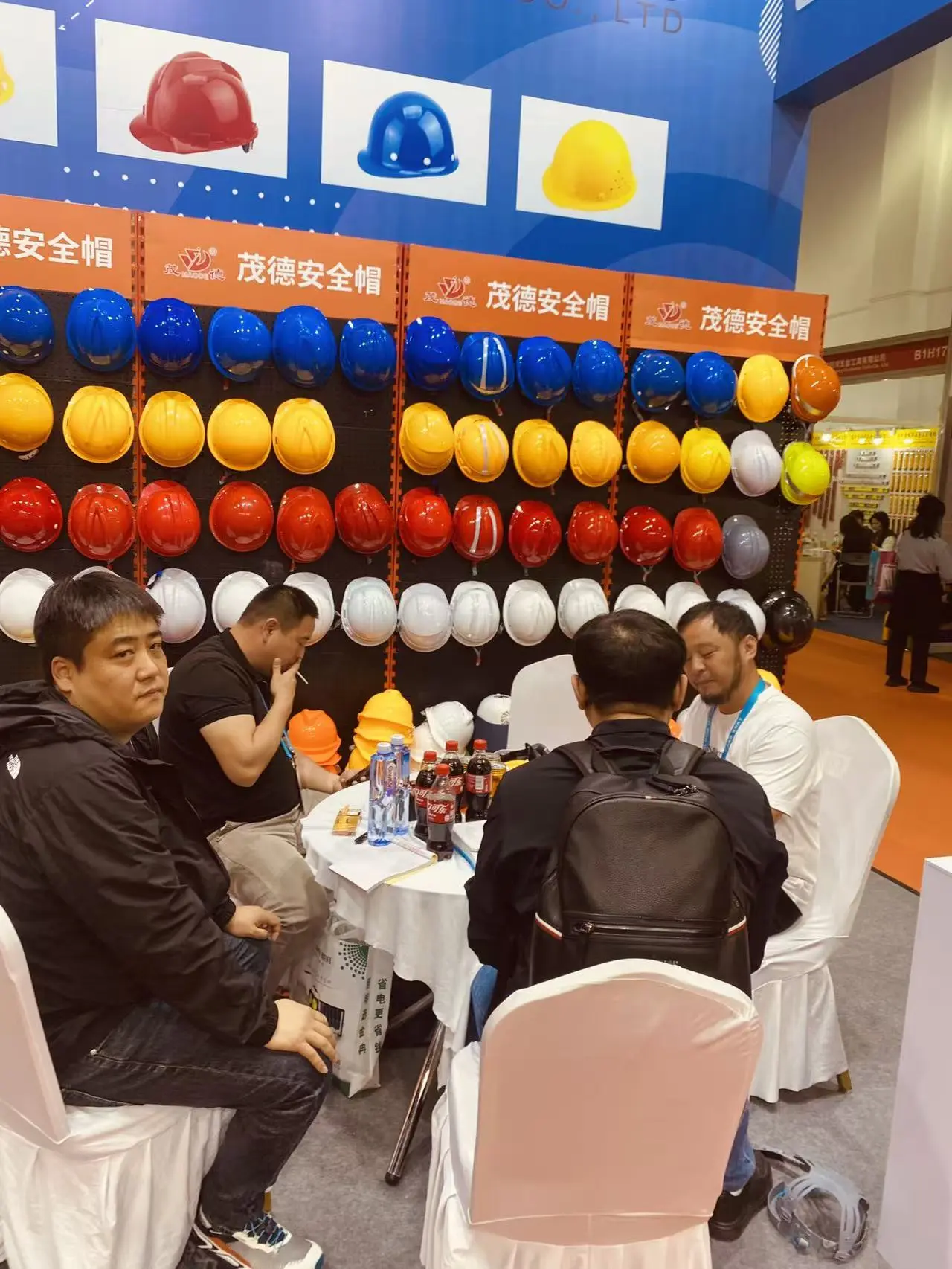
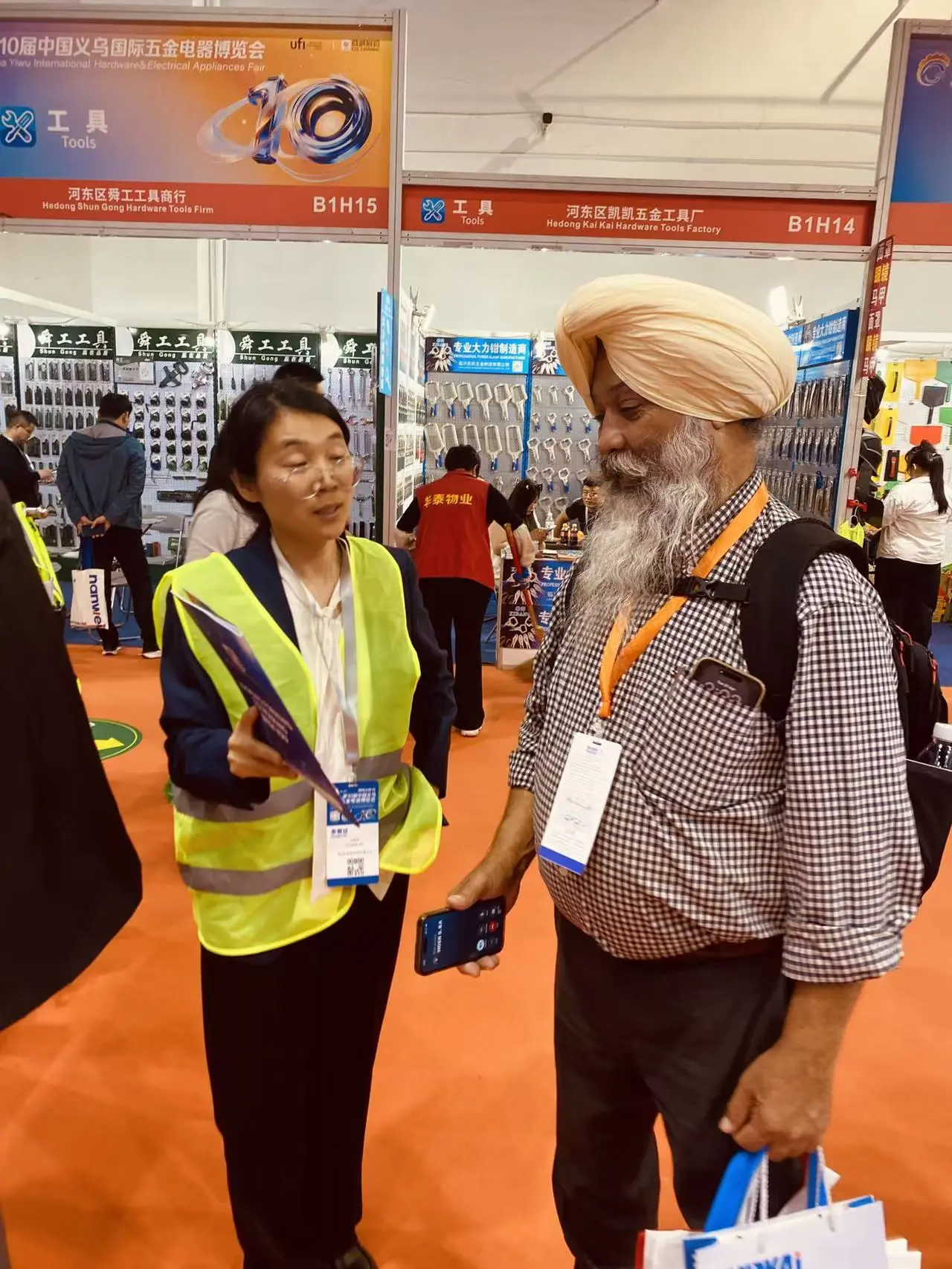
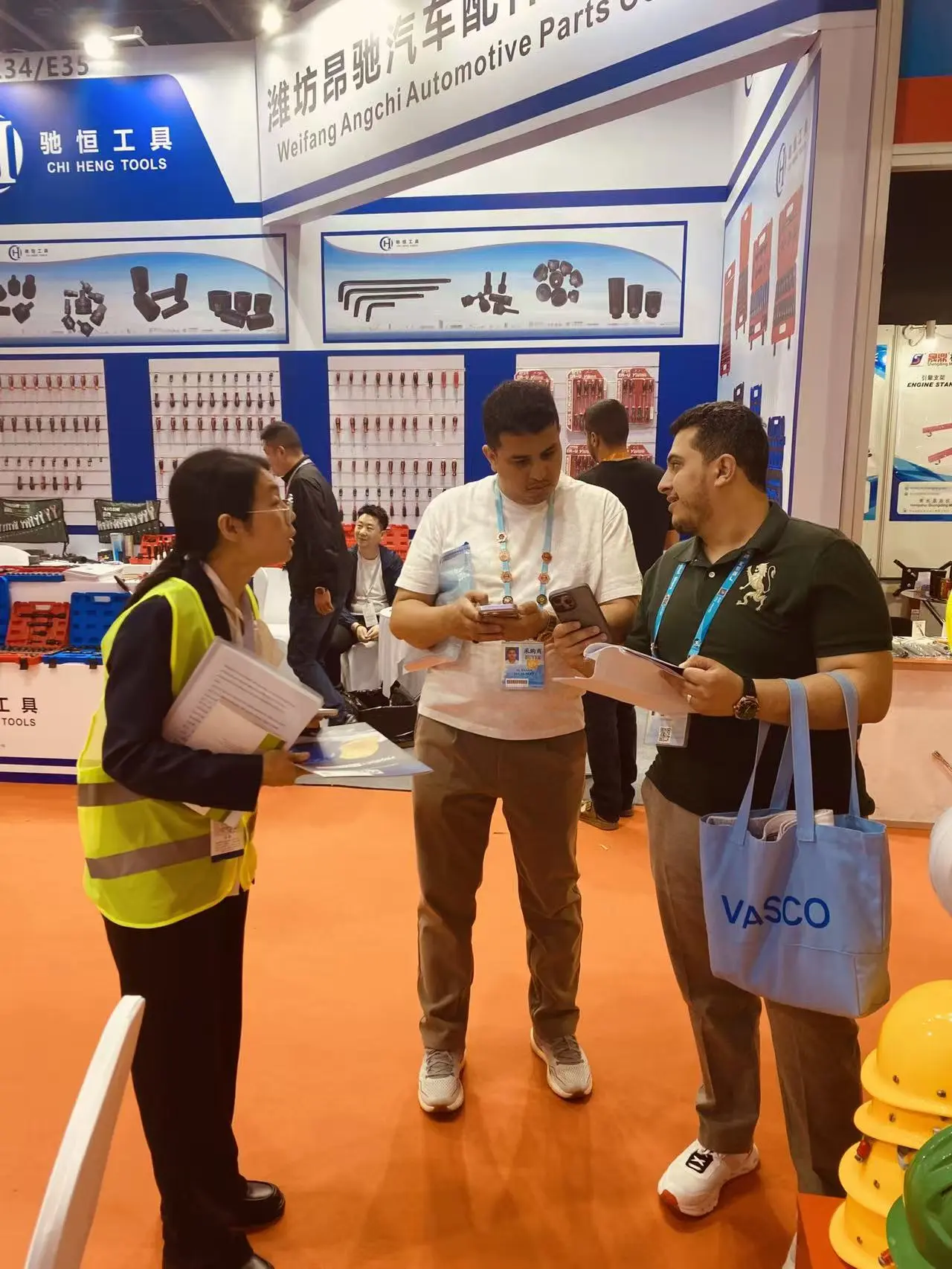
Sharing practical insights and safety recommendations to keep work zones secure.
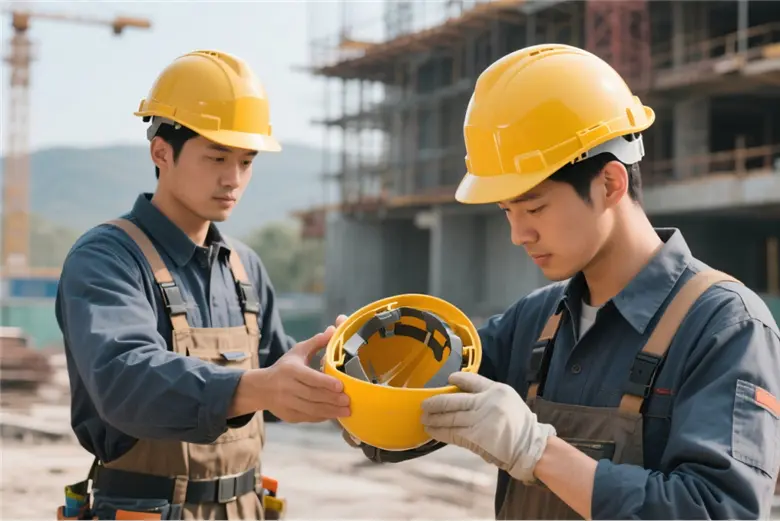
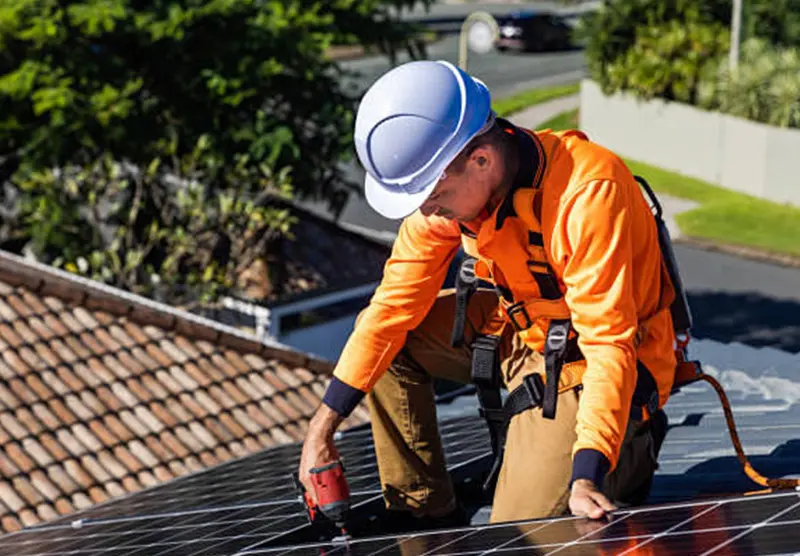
Many job site accidents stem from workers failing to adjust the suspension harness. A loose chin strap defeats the purpose of the outer shell.

Unauthorized drilling or shell modification compromises structural integrity. Under dynamic stress, modified hulls fracture quickly, losing protective function.
Delivering high-performance PPE solutions to industry leaders around the globe.










Find answers to common questions about material testing, compliance, production timelines, and customized OEM/ODM options.
Explore our complete inventory of safety helmets, workwear vests, and cap liners designed to meet global safety standards.
 Xintuo