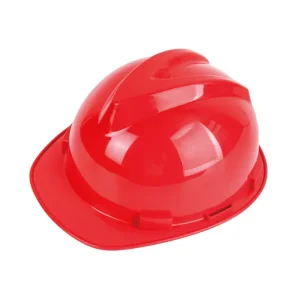
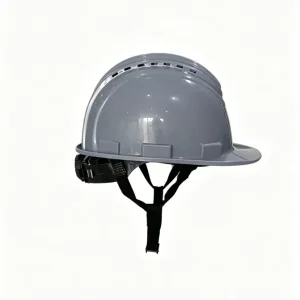
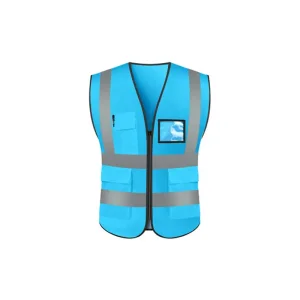
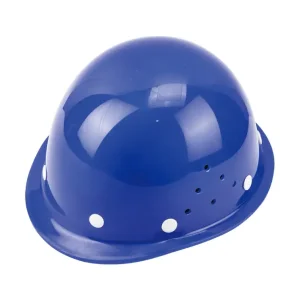
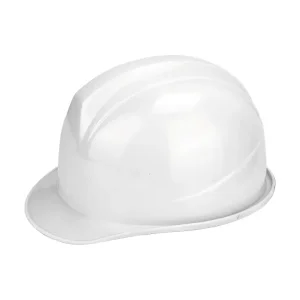
Explore our industrial safety helmets and high-visibility apparel engineered to meet rigorous CE, ANSI, and EN international compliance directives.
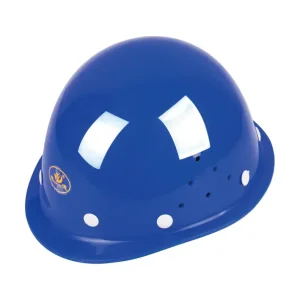
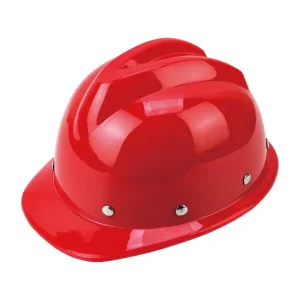
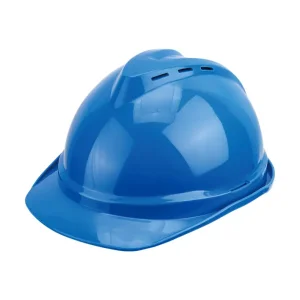
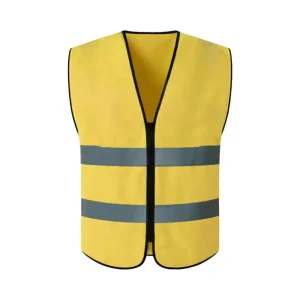
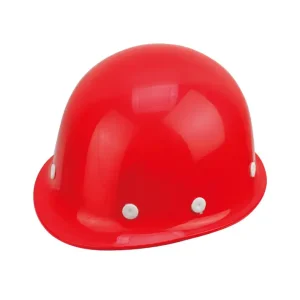
Linyi Xintuo Industry and Trade Co., Ltd. stands as a premier modern manufacturing powerhouse in China, specializing in the end-to-end research, design, production, and verification of high-impact safety helmets and complete labor protection solutions. By strictly operating under ISO-certified processes and integrating advanced material science, we ensure that every batch meets the most rigorous international standards for safety and reliability.
Our materials science approach optimizes polymer chains in HDPE and ABS safety helmets, maximizing structural deflection capacities and energy absorption. This reduces impact transmission to the wearer's cervical spine, delivering reliable protection in extreme industrial environments.
Modern industrial sites present complex risk profiles, including vertical falling hazards, high-voltage exposures, side impact risks, and extreme thermal conditions. Protecting personnel is both a safety priority and a regulatory mandate. This industry analysis details head protection technology, safety certifications, material choices, and procurement optimizations for global manufacturing facilities.
Industrial safety helmets have transitioned from basic fiberglass and aluminum shells to complex, multi-material safety systems. Today's manufacturing environments demand helmets that protect against diverse mechanical hazards while prioritizing ergonomics. The major trend is the development of ultra-lightweight materials that do not compromise structural integrity. Traditional helmets weigh between 400g and 500g, causing neck fatigue during extended shifts. Modern polymers like high-density polyethylene (HDPE) and advanced ABS formulations reduce shell weight to under 350g, maintaining impact performance across wide temperature ranges.
Another major trend is the integration of multi-functional attachments. Safety helmets are now the central platform for personal protective equipment (PPE). Integrated accessories include custom ear muffs, integrated flip-up face shields, headlamps, and communication equipment. The shift toward integrated eye protection reduces scratches and fogging while maintaining the helmet’s center of gravity. In electronics manufacturing and cleanroom settings, static-dissipative (ESD) hard hats prevent electrostatic discharges that can damage sensitive components.
Global procurement teams must navigate regional standards to maintain workplace safety and compliance. Sourcing safety helmets requires verification that the product meets the specific standard of the destination market. The primary reference standards are:
Global enterprises benefit from consolidated sourcing. Aligning with a single manufacturer capable of customizing shells to meet different regional certifications reduces administrative overhead and ensures consistent safety policies across worldwide operations.
Class G, E, and C ratings designed to prevent severe electrical and impact injuries in automated assembly plants and high-voltage grid integrations.
Assures rigorous lateral deformation testing (LD) and protection against molten metal (MM), vital for metallurgy and glass factories.
Direct factory procurement helps enterprises optimize supply chains, reduce middleman markups, and establish stable pricing contracts.
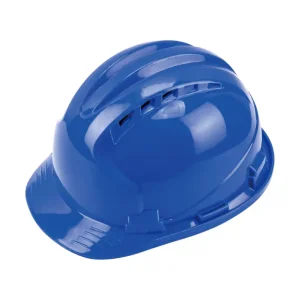
Manufacturing facilities vary from climate-controlled electronics lines to heavy foundry plants. Safety helmet specifications must align with these differing environments. In hot, high-humidity manufacturing plants, heat stress can impact productivity and compliance. Vented helmets feature channels that direct rising heat outward, maintaining structural integrity under lateral forces. For foundry operations, high-temperature resistant shells made from specialty glass fiber materials are necessary to withstand ambient temperatures over 150°C and resist degradation from molten metal splashes.
For operations requiring overhead work or assembly line movement, secure retention is critical. Lightweight chin straps with low-profile buckle points prevent the helmet from falling off during head movement without causing irritation. Ratchet-suspension adjusters allow operators to adjust the harness tension dynamically, accommodating under-helmet liners in cold storage warehouses.
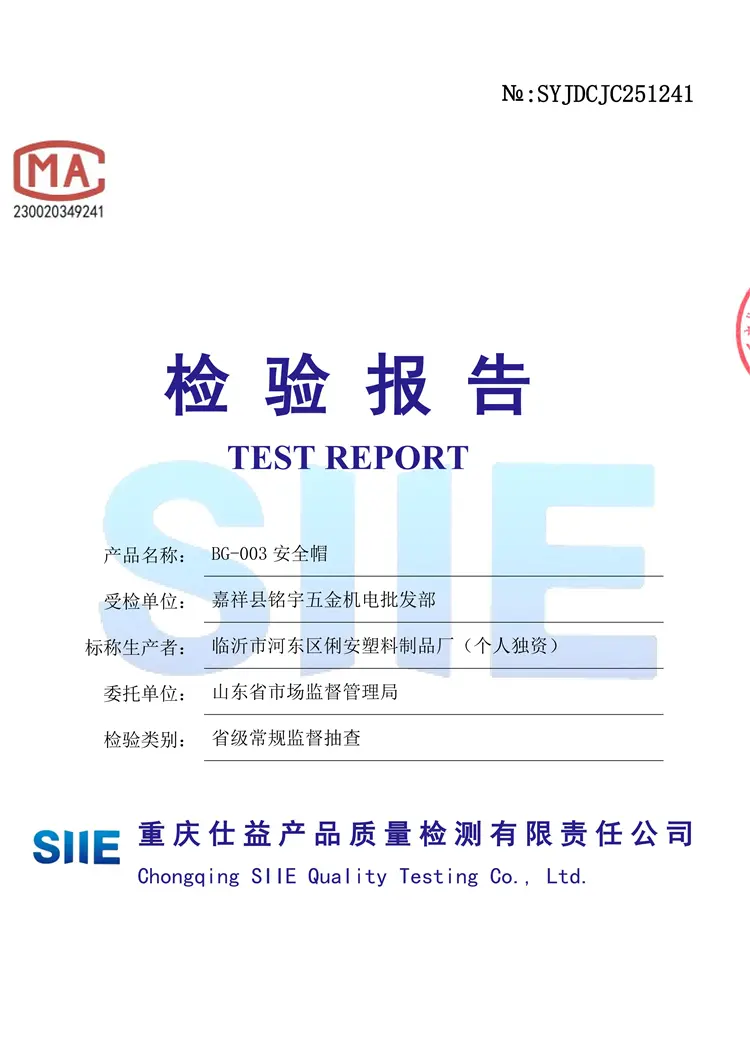
Our raw material testing protocols verify that only virgin, un-recycled ABS and HDPE polymers enter our injection molding systems. Recycled plastics can hide micro-fissures and impurity points, leading to failure under impact. Every production run undergoes batch testing for impact attenuation, penetration resistance, and vertical flame resistance. The glossy baking finishes on our models provide UV degradation protection and scratch resistance, ensuring the helmets retain their impact absorption properties over a longer operational lifespan.
Providing custom, high-durability labor protection solutions worldwide with comprehensive support and certified manufacturing processes.
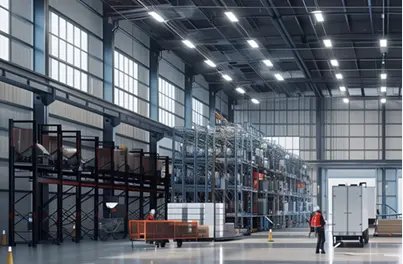
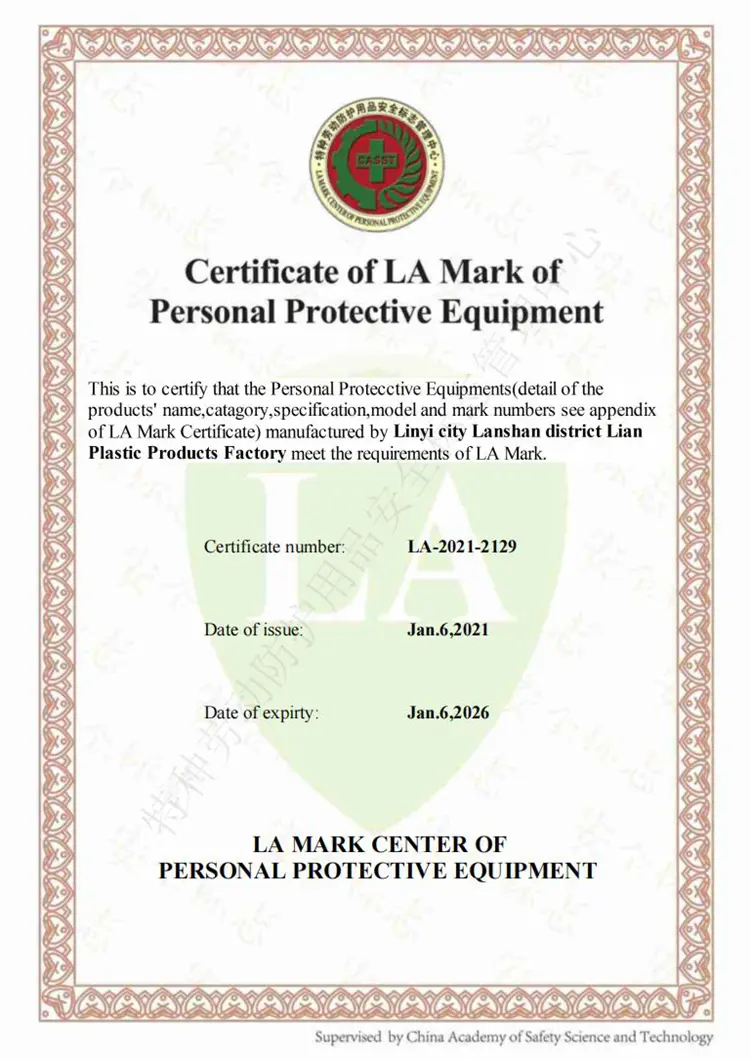
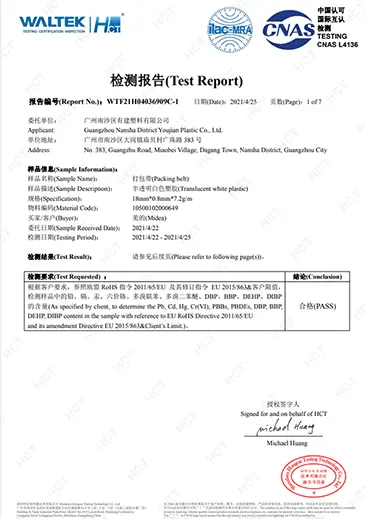
Our products are engineered to meet or exceed international safety standards, including CE, ANSI, and EN directives.
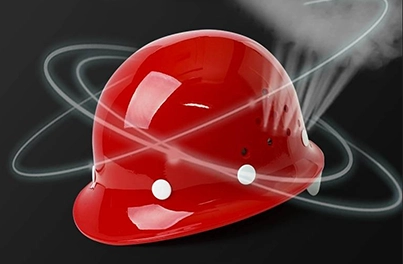
We utilize fiberglass composites and high-impact polymers that deliver superior strength-to-weight ratios compared to traditional alternatives.

We provide complete technical support and compliance guidance, helping enterprises manage risks throughout product lifecycles.

We offer custom shell adjustments, mold design, corporate logo application, and regional packaging configurations.
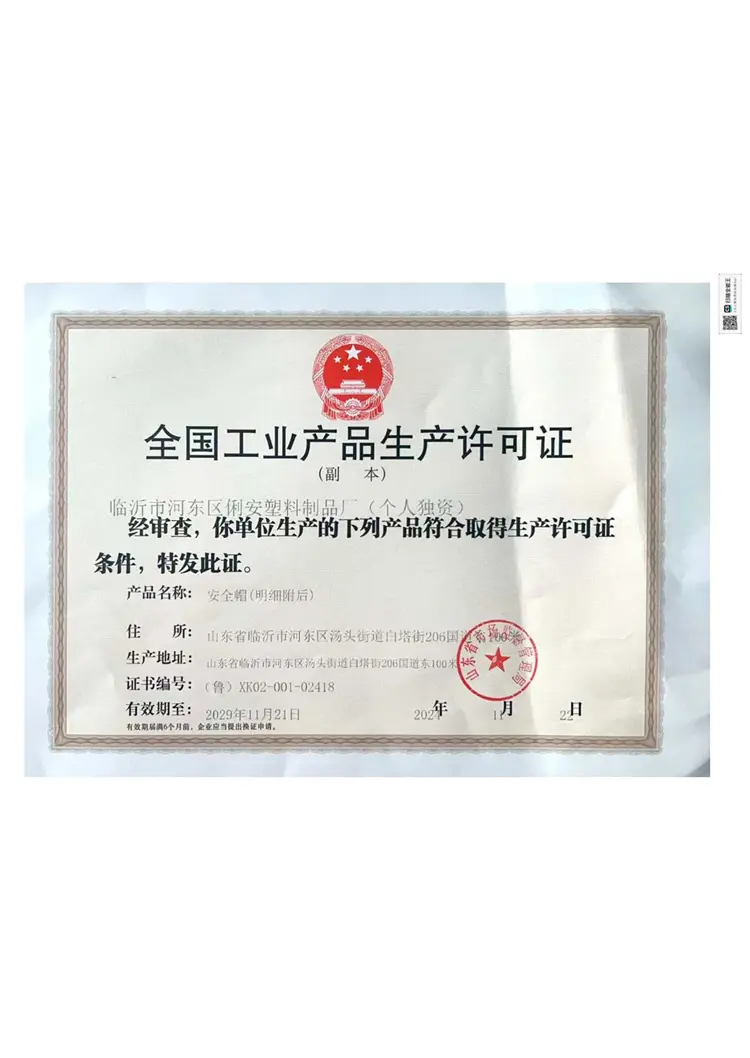
Factory ISO 9001 System
CE Conformity Approval
ANSI Z89.1 Compliance
National Standard Quality
Comprehensive protective configurations designed for challenging infrastructure and production tasks.

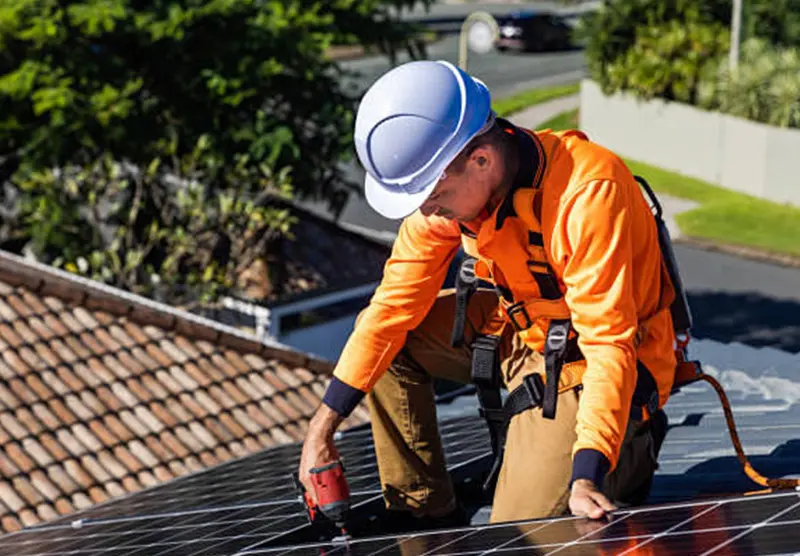
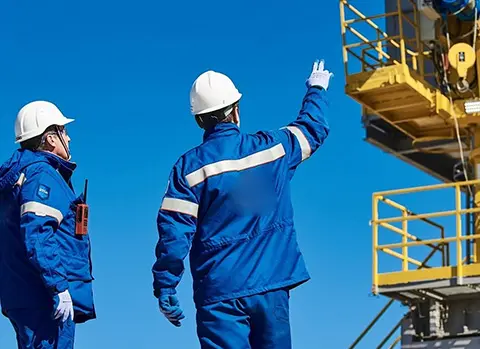
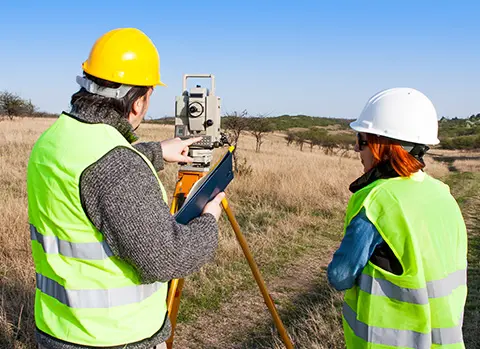
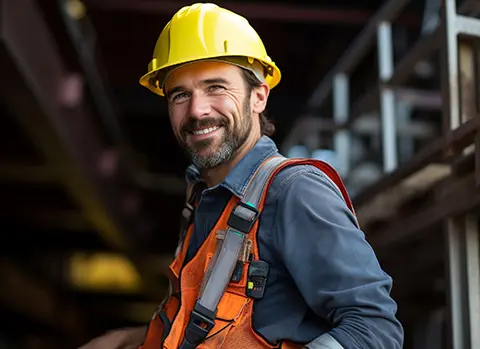
Discover how Linyi Xintuo protects personnel across global industrial corridors.
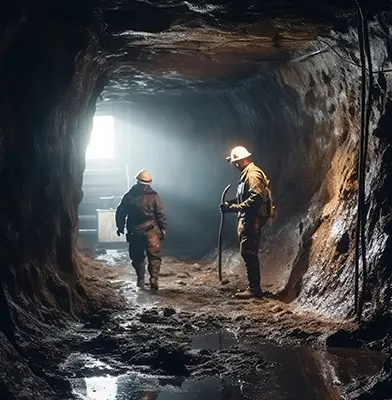
Our custom fiberglass composite safety helmets provide heat deflection and impact protection for workers in heavy metallurgic operations.
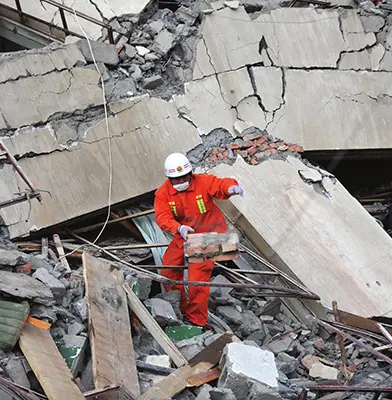
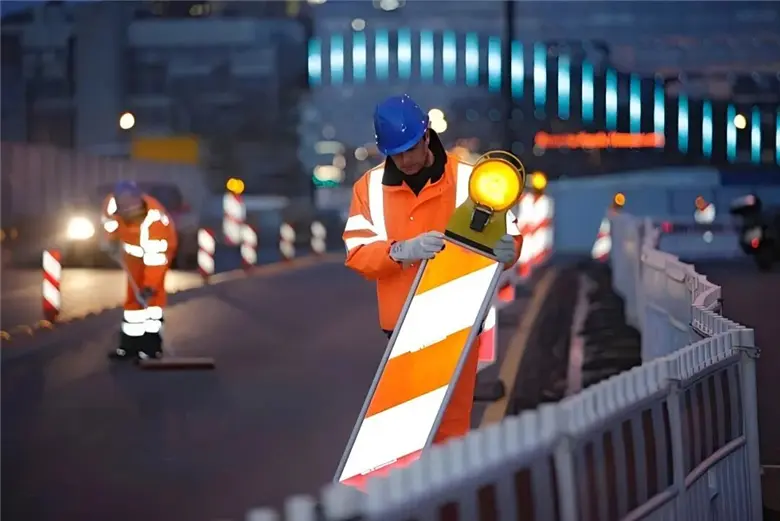
Deploying model XT-003 safety helmets alongside high-visibility vests helps construction personnel maintain safety compliance and visibility.
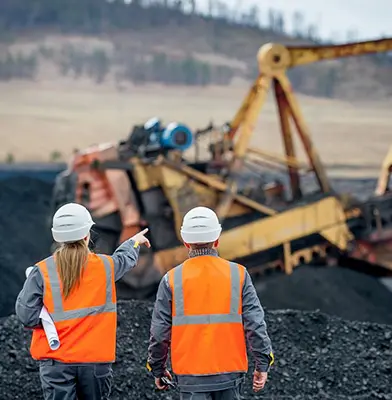
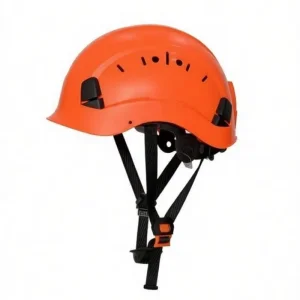
ABS rescue climbing shells with chemical-resistant glossy finishes provide protection against accidental liquid chemical splashes.
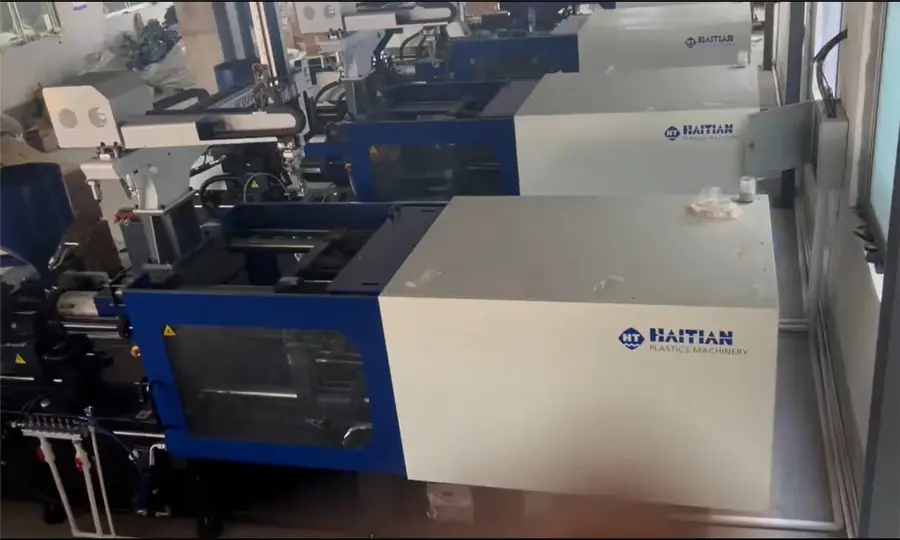
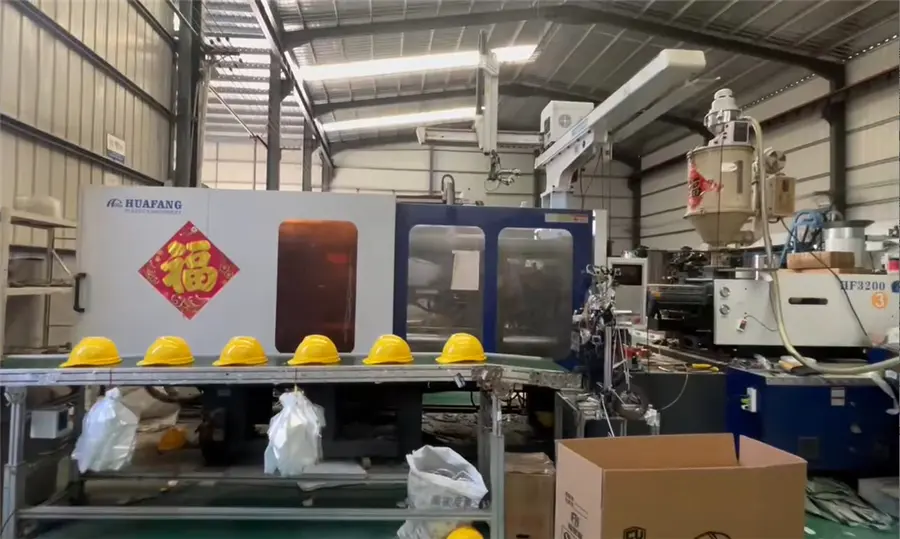
Get a behind-the-scenes look at our automated injection molding machinery, shell testing processes, and high-visibility clothing assembly line. We use precise temperature controls to optimize polymer solidification, minimizing structural weakness points.

Understanding potential failures in safety equipment highlighting the critical need for compliance and structural integrity.
Modifying a safety helmet can compromise its structural integrity. An incident at a construction site in Fujian highlighted this issue: a worker drilled holes in his helmet for ventilation, which weakened the shell. The modified helmet failed during an impact event, leading to head trauma.
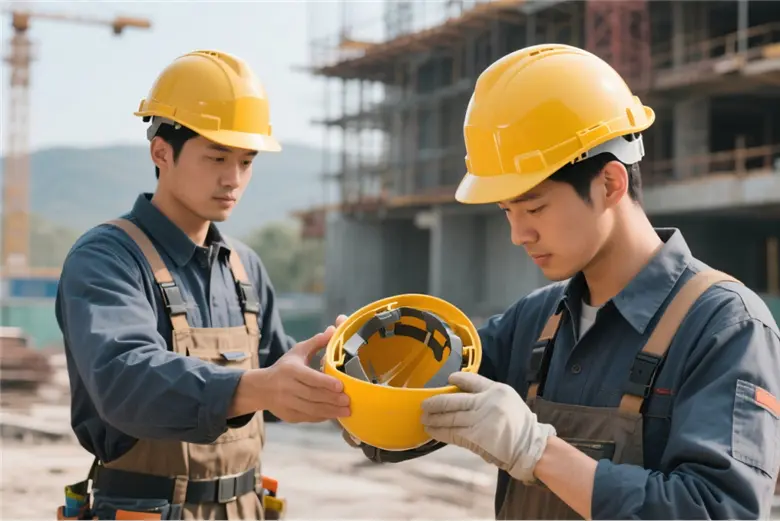
Drilling holes or adding unapproved accessories to a safety helmet can create structural stress concentration points. Quality control standards restrict changes that could alter the helmet's shock absorption and dielectric resistance characteristics.
We actively showcase our latest protective technologies at international safety equipment and industrial trade shows.
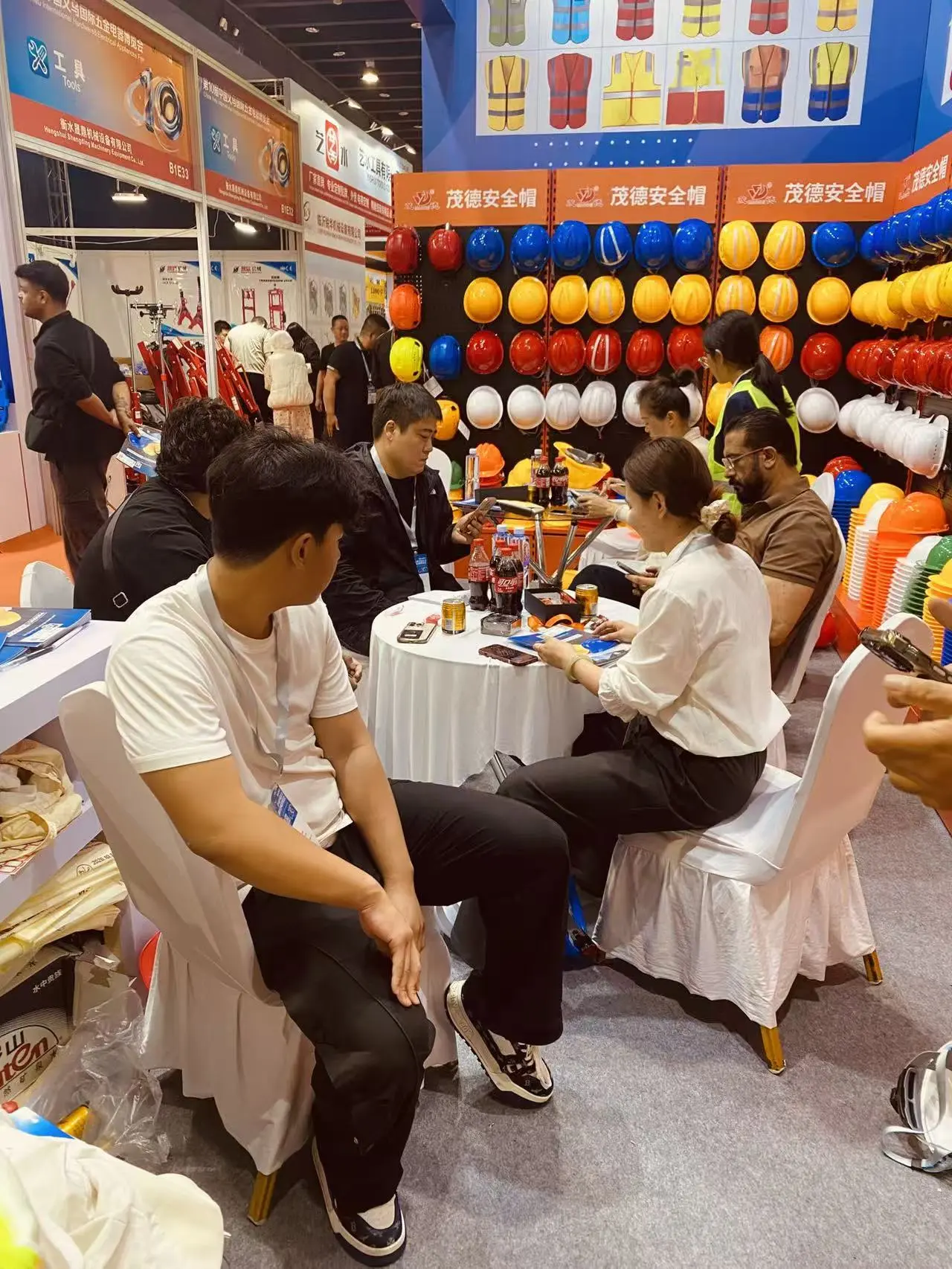
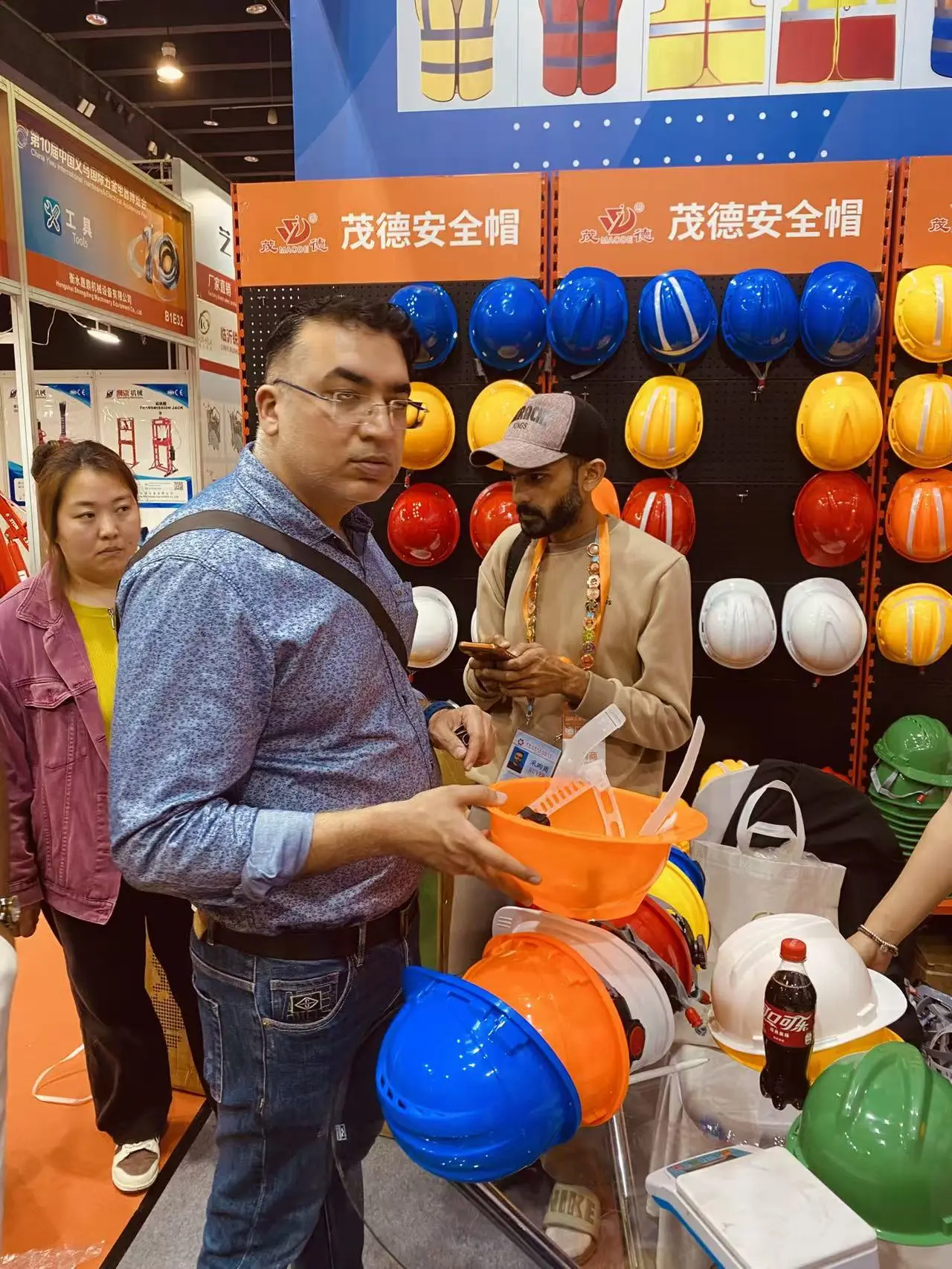
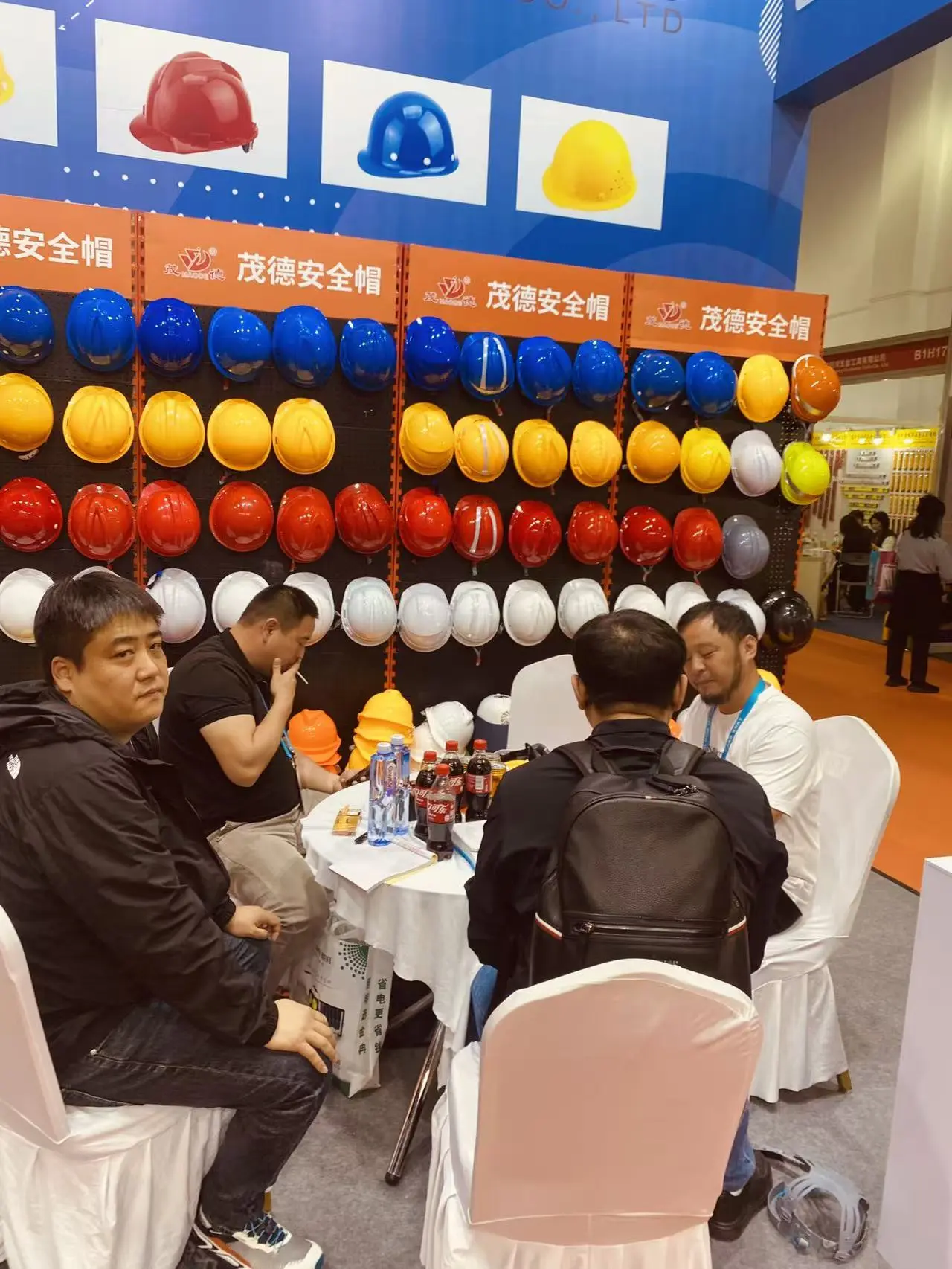
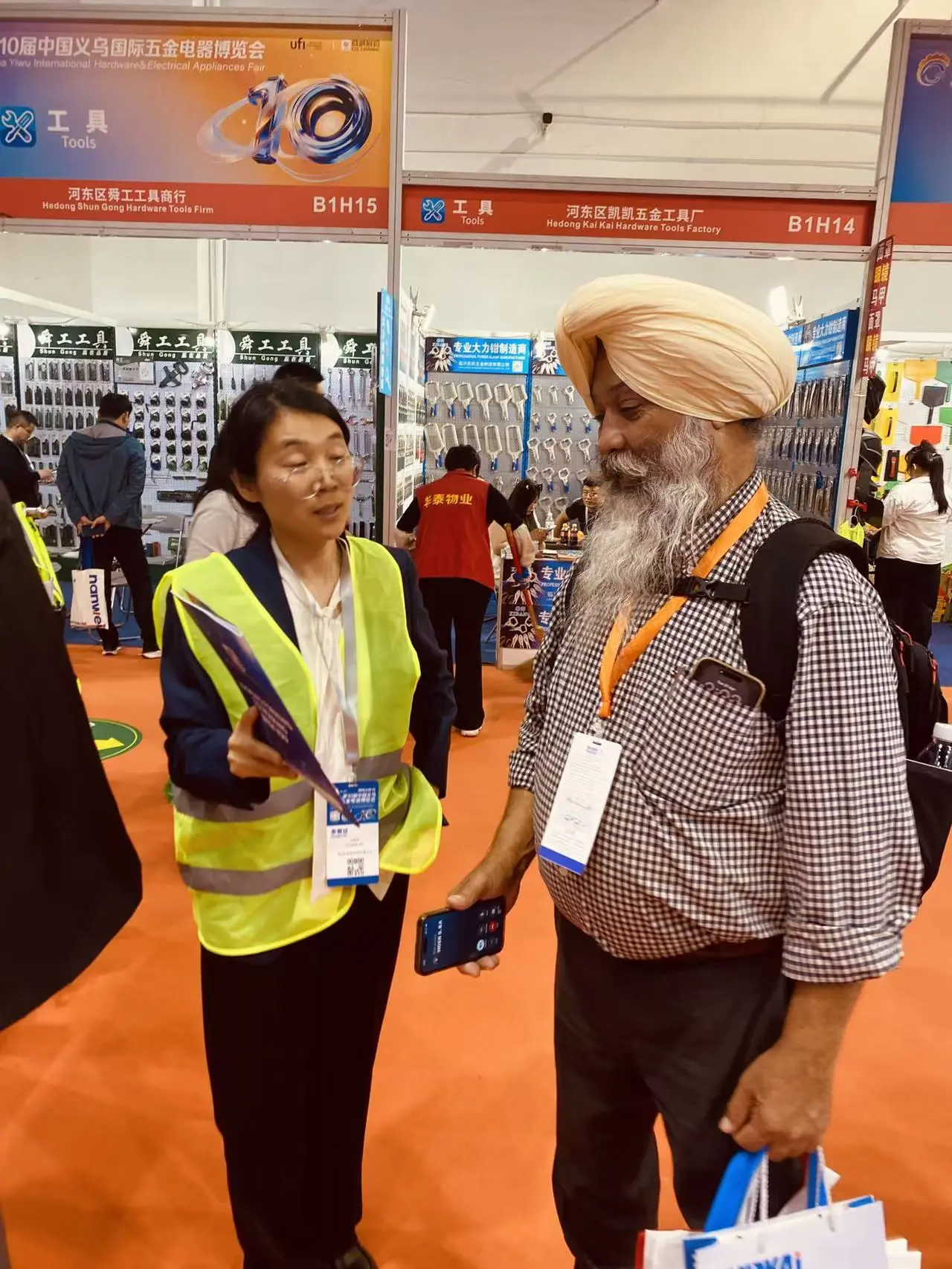
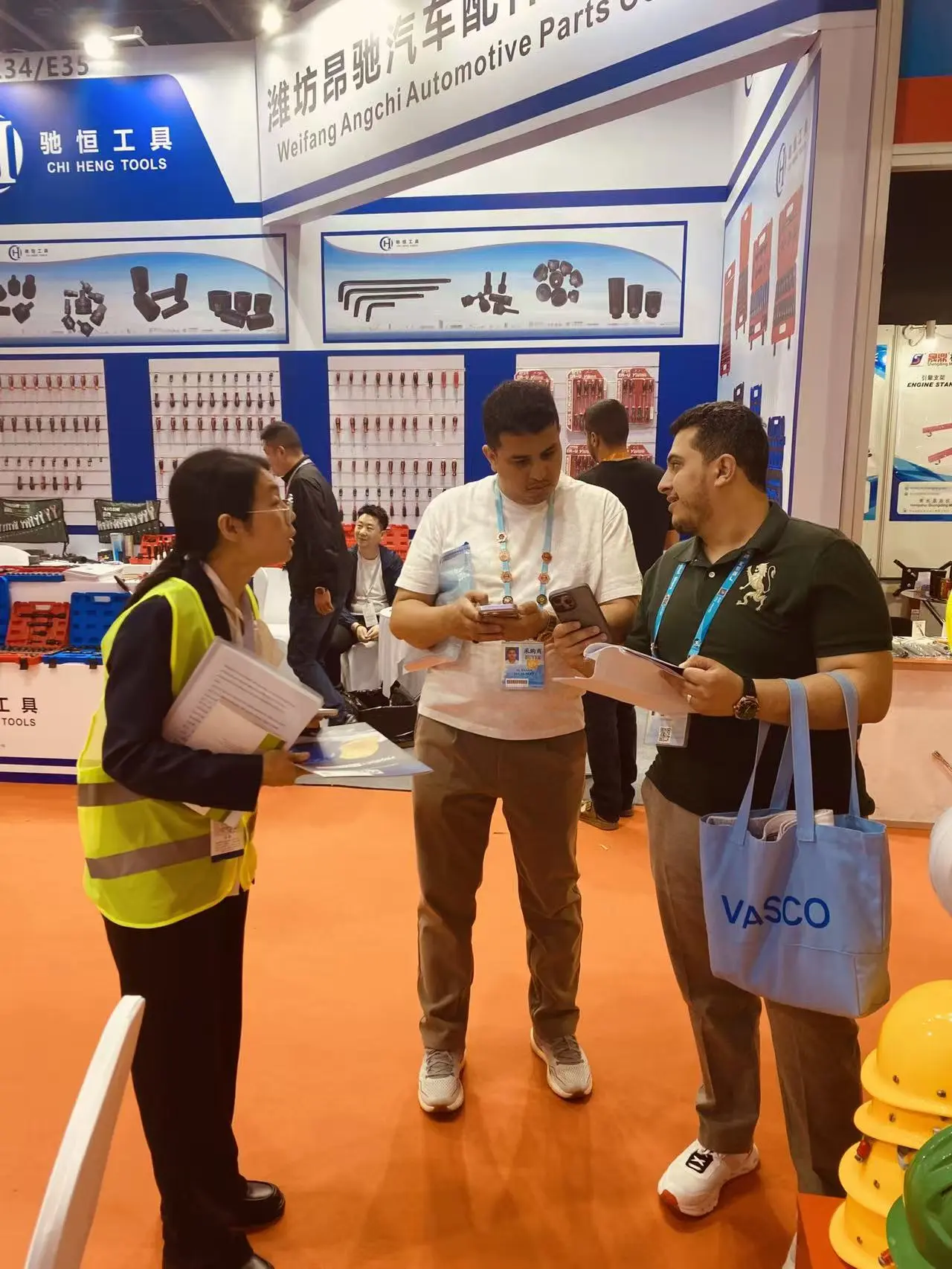
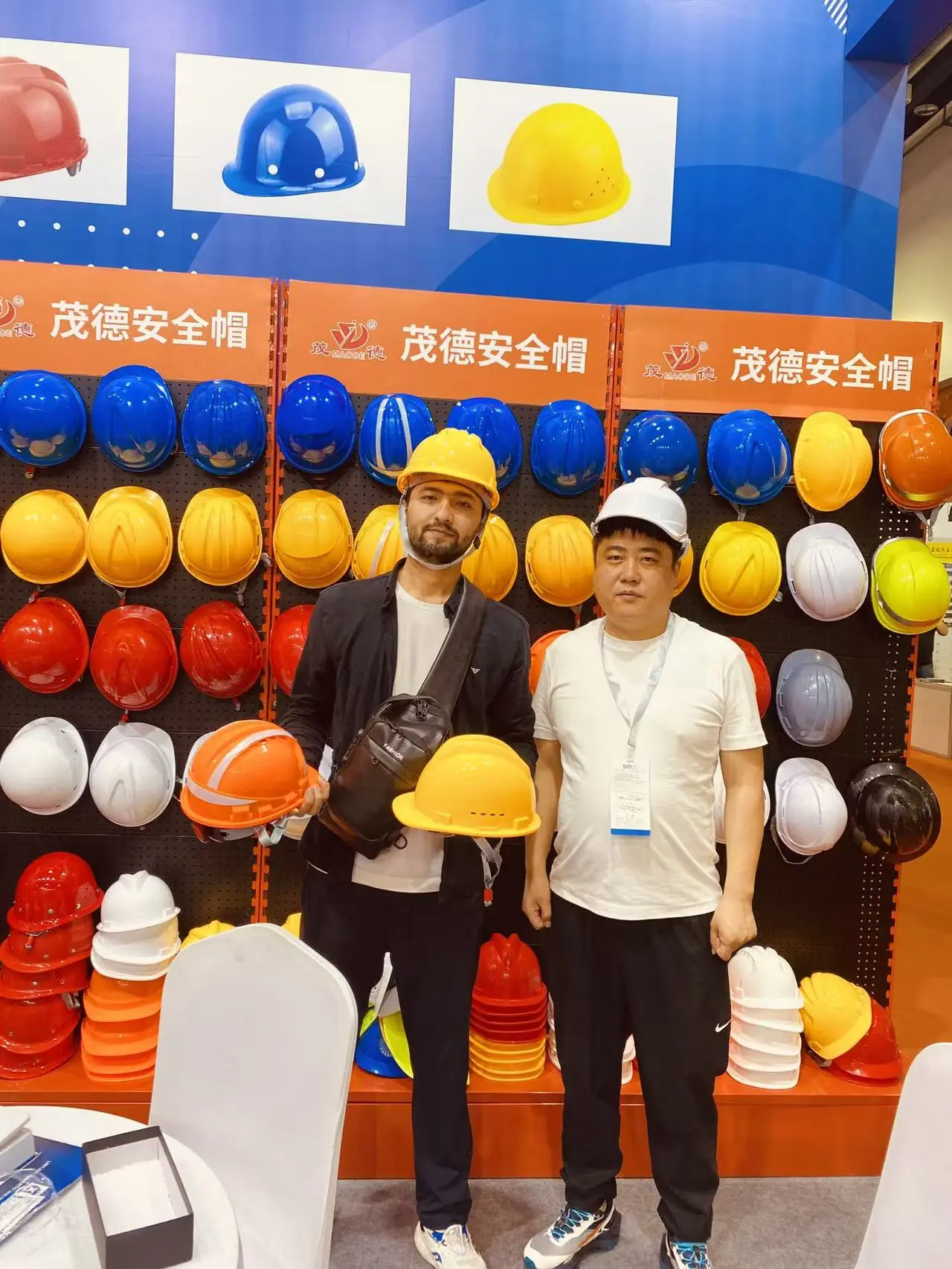
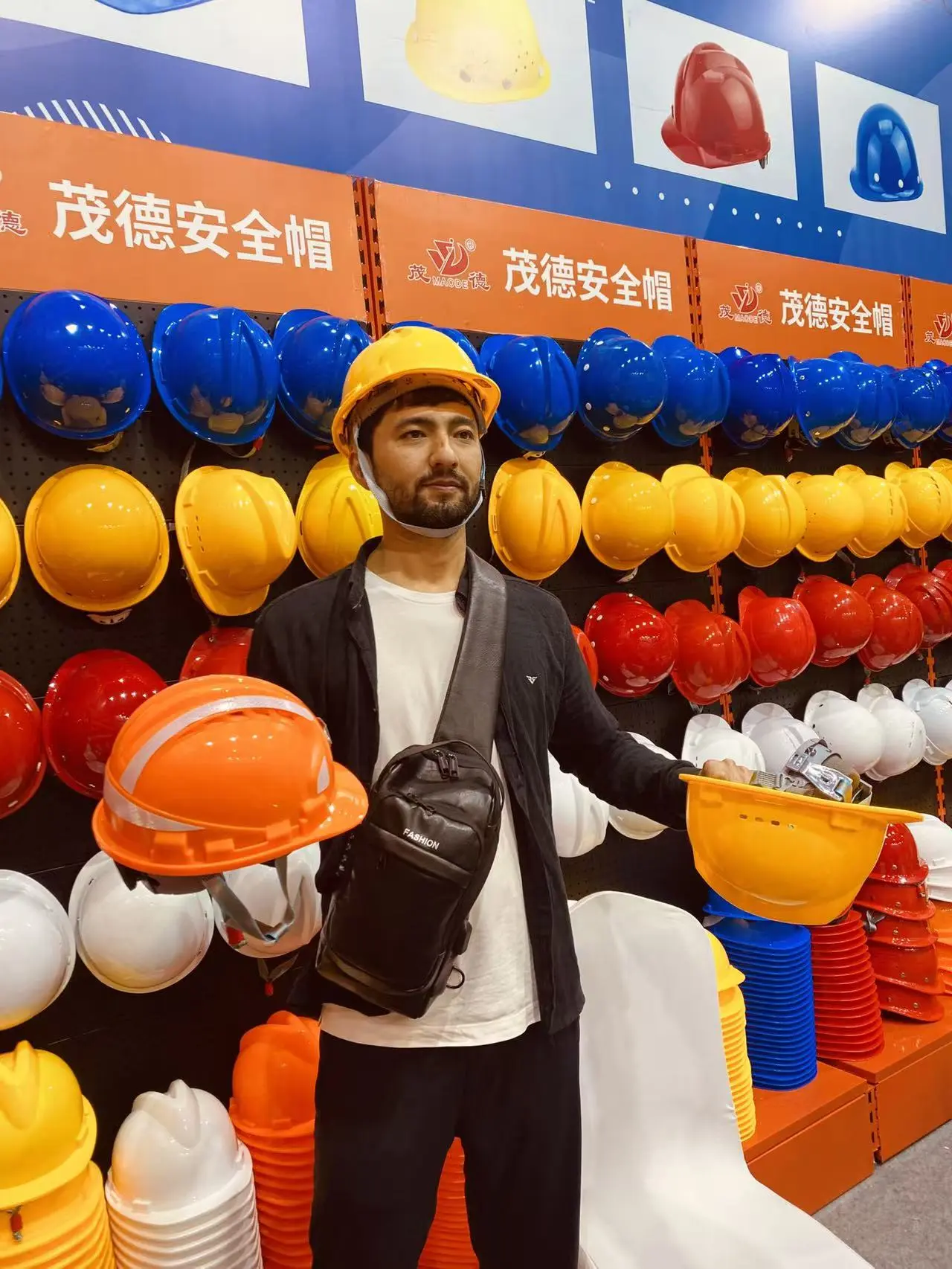
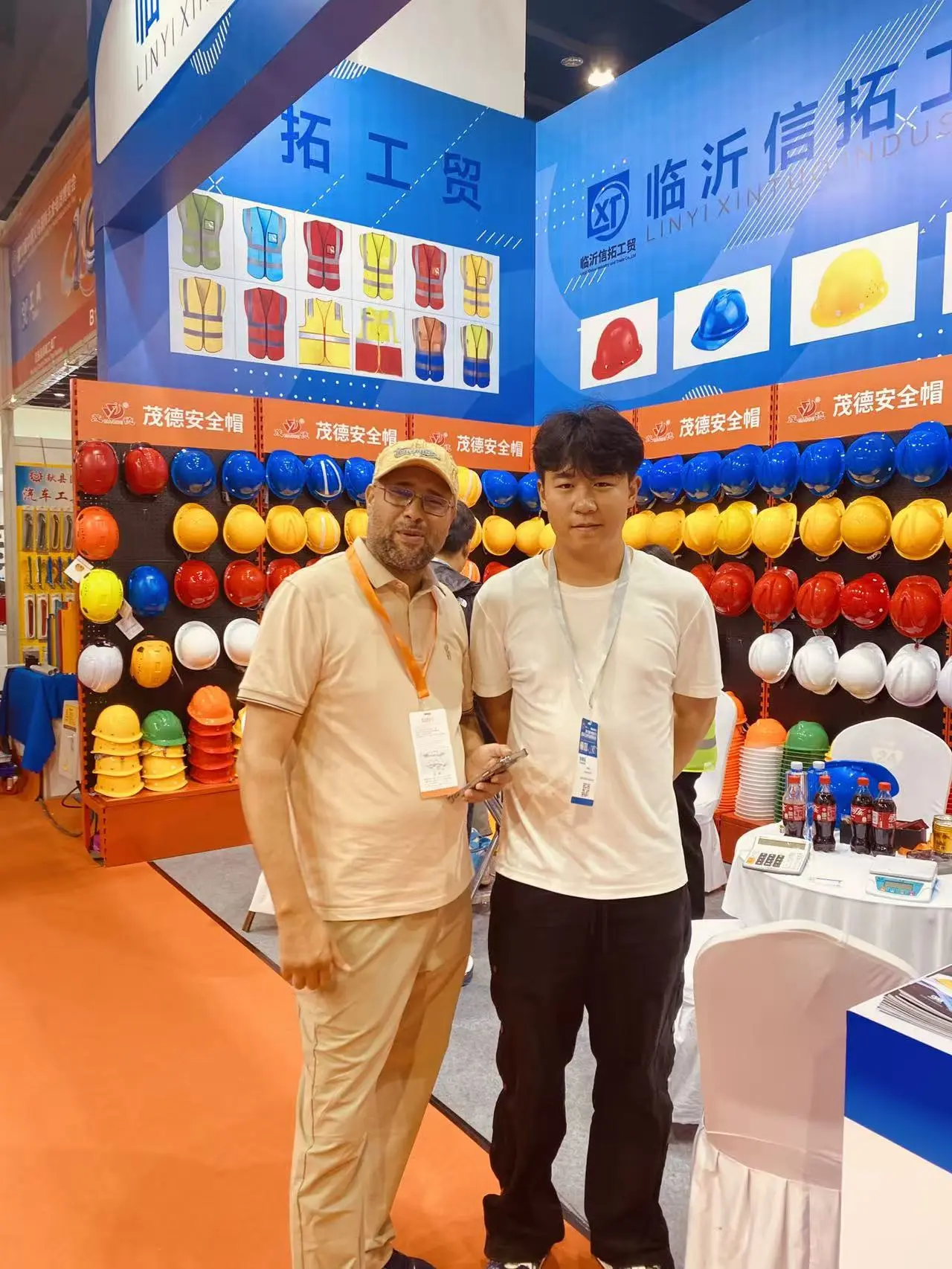
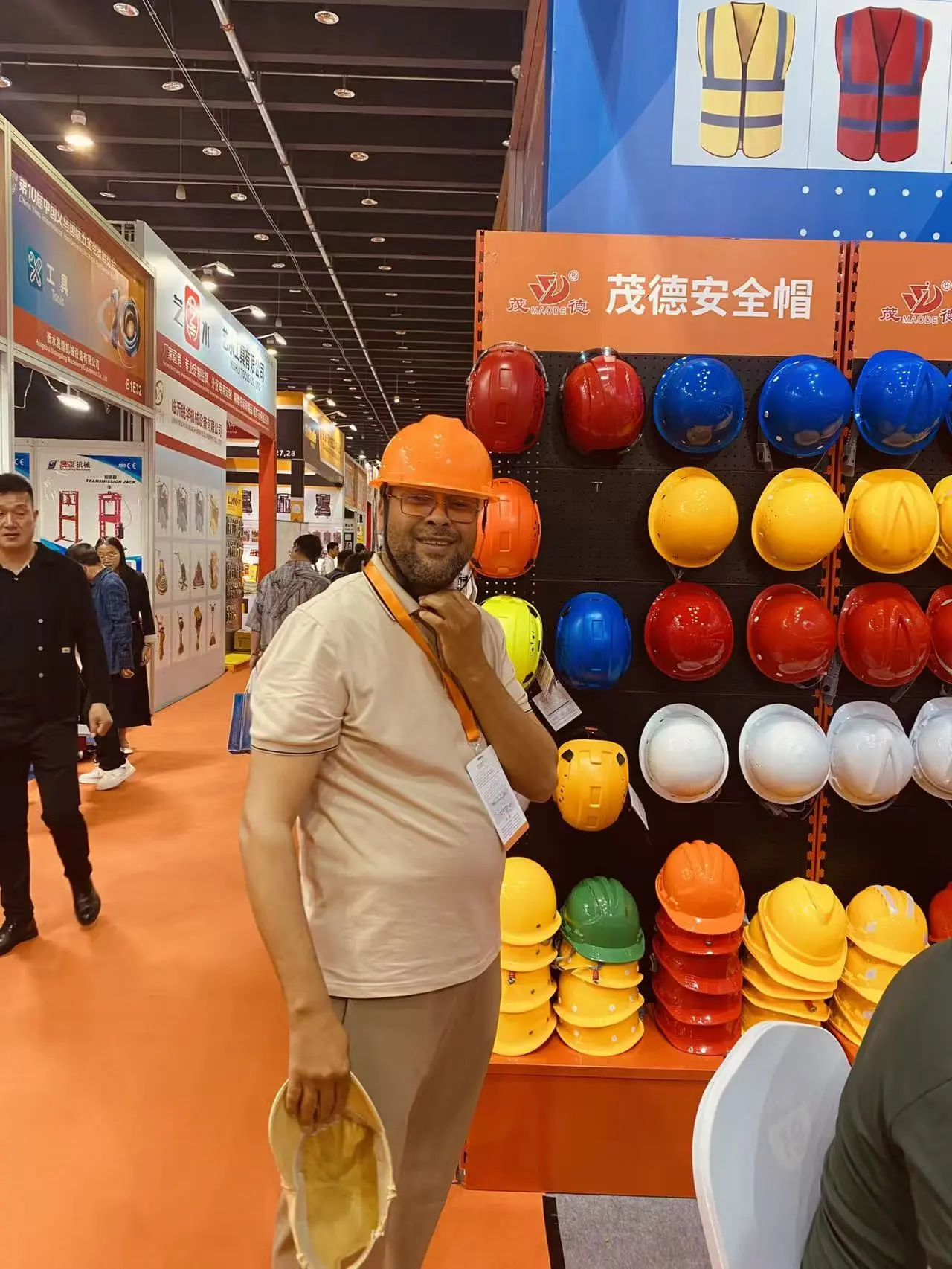
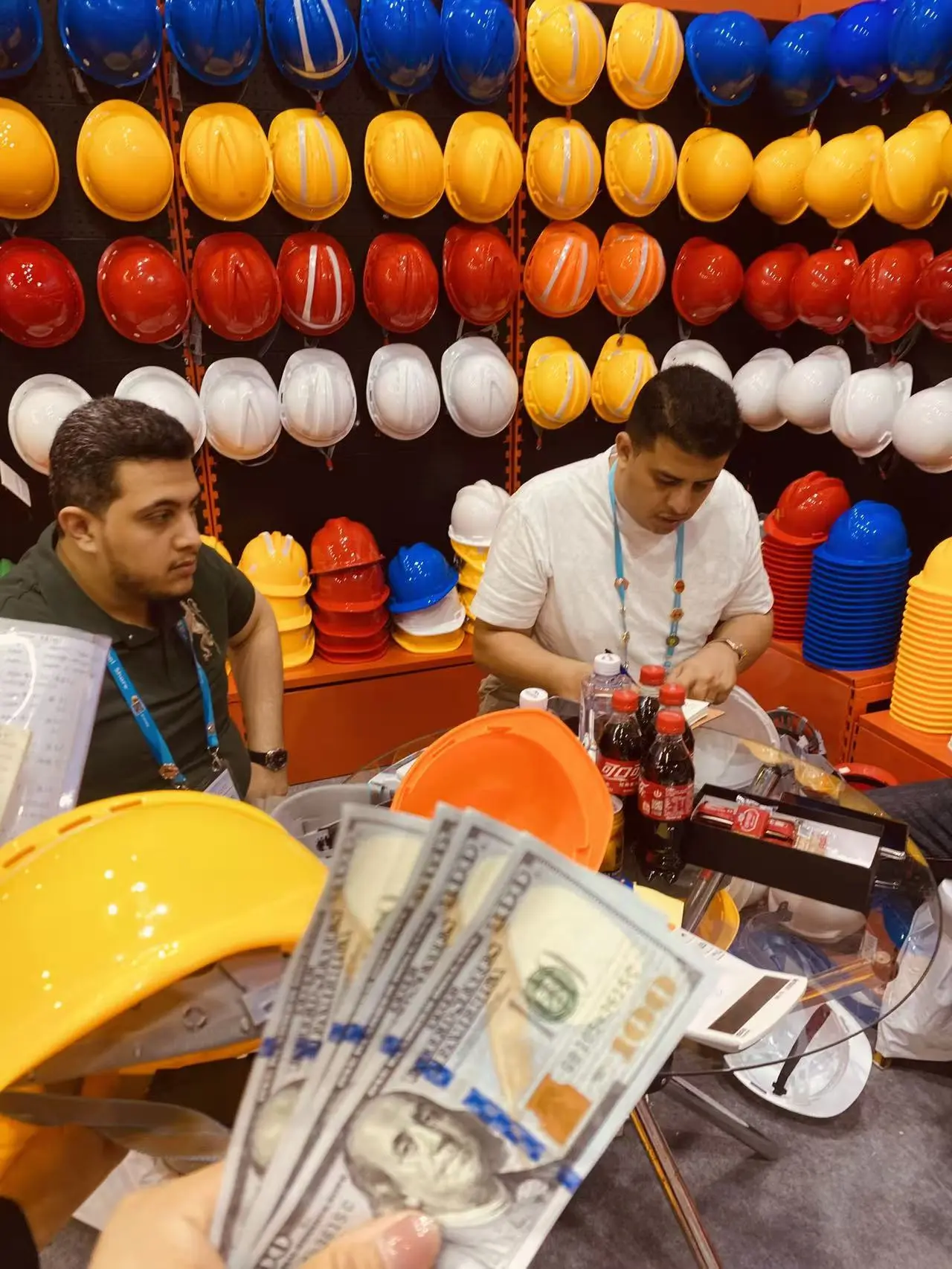
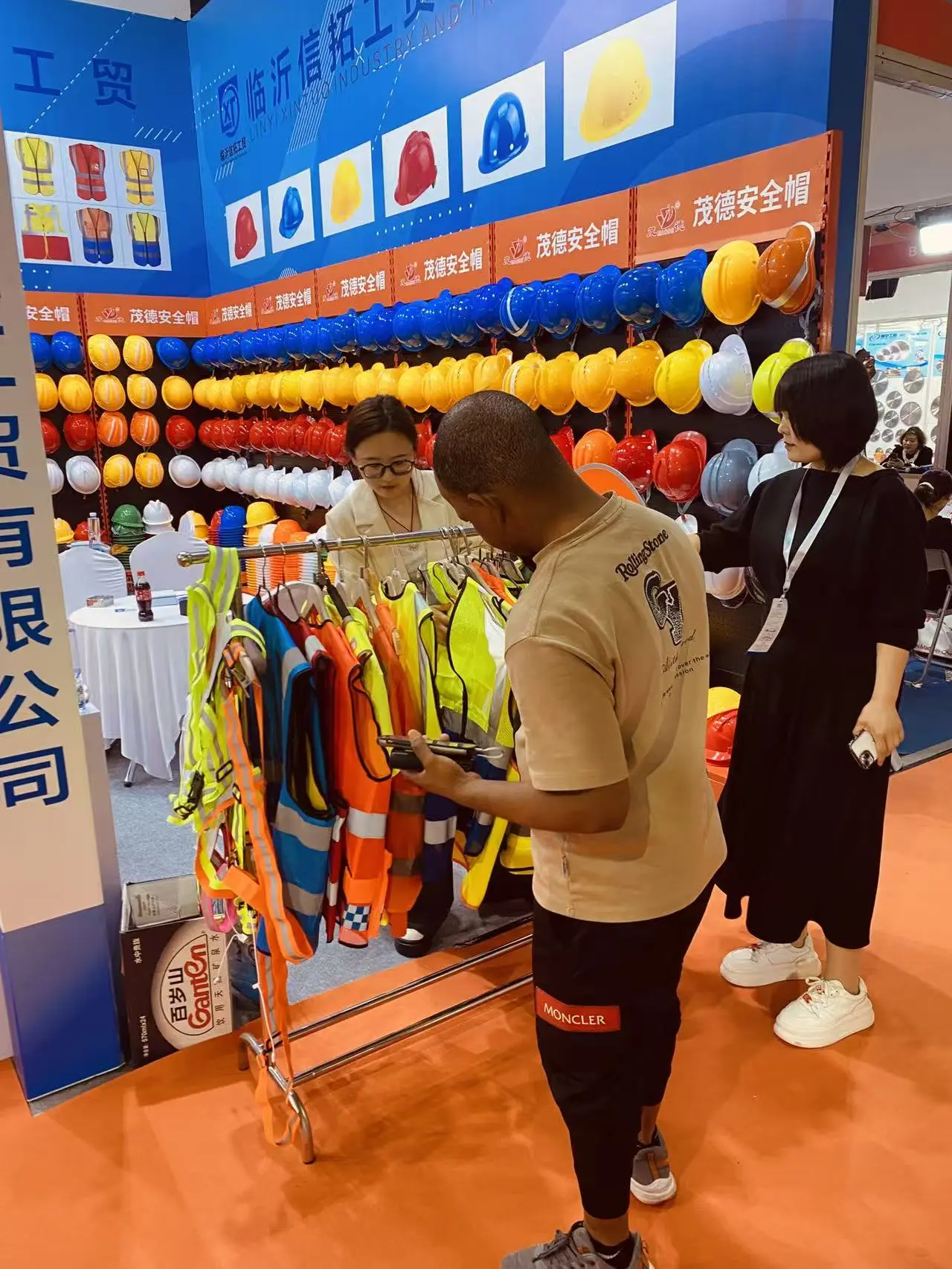
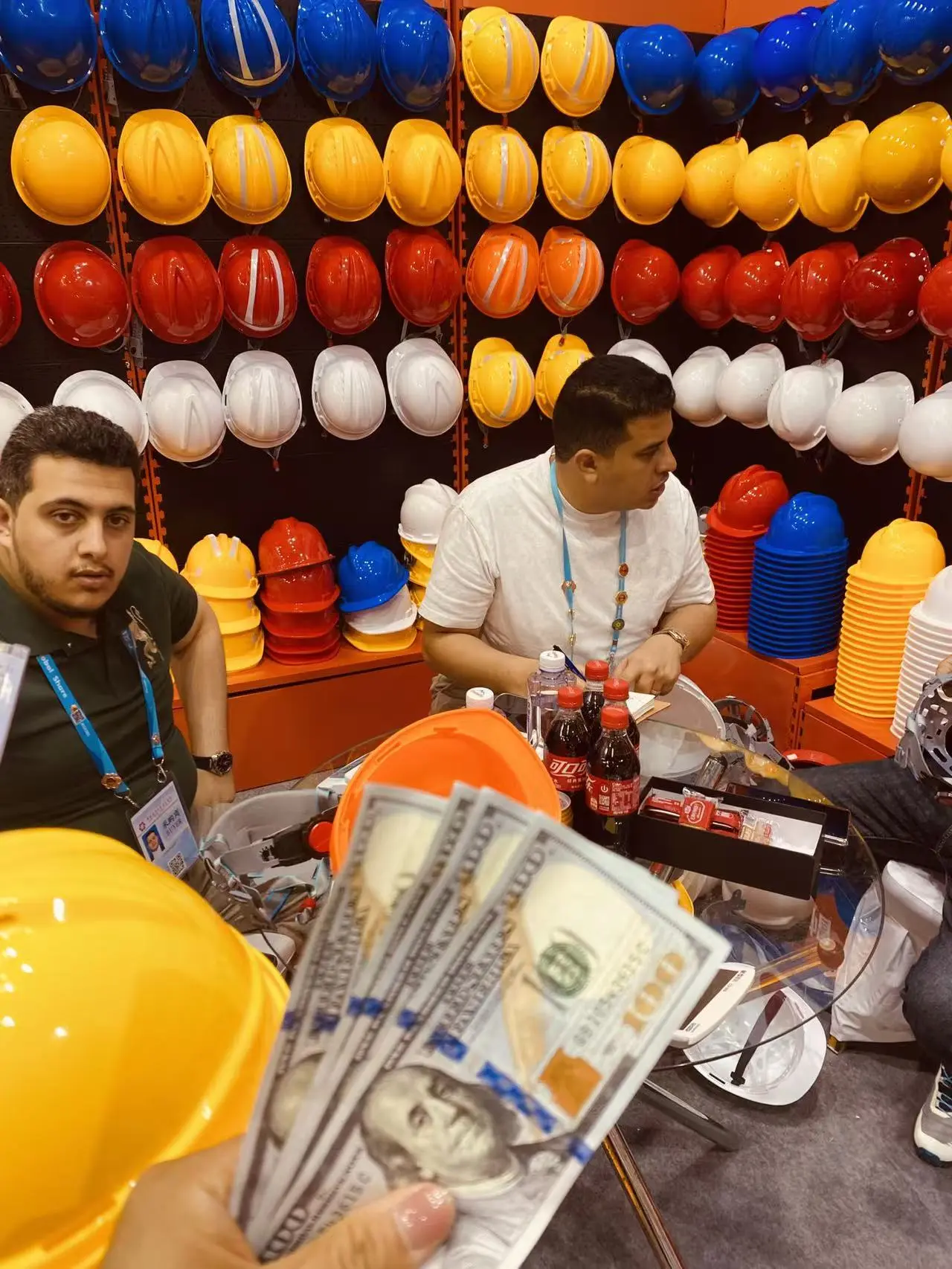
Connecting with leading industrial organizations and distribution networks worldwide.











Get technical answers regarding standard compliances, custom manufacturing, logistics, and raw material validation processes.
Get in touch with our technical sales engineers for OEM configurations, bulk volume discounts, and compliance questions.
Send Immediate Sourcing InquiryExplore our industrial helmets, climbing rescue headgear, and high-visibility apparel for manufacturing operations.
 Xintuo