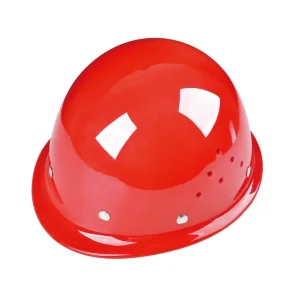
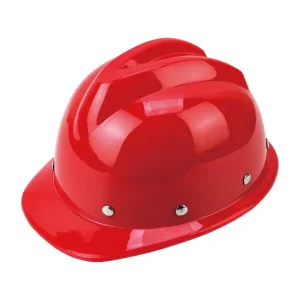
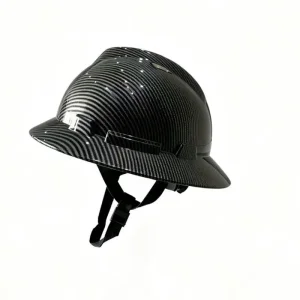
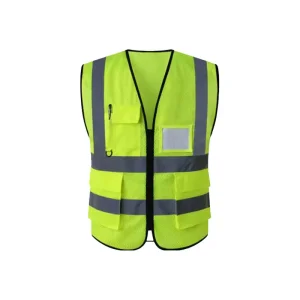
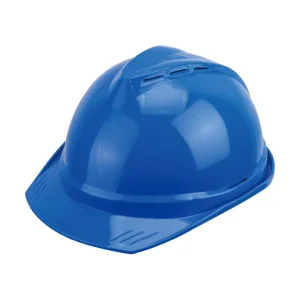
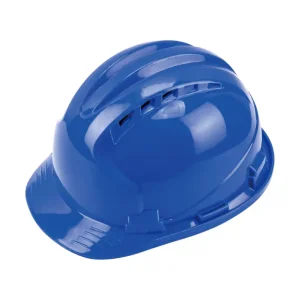
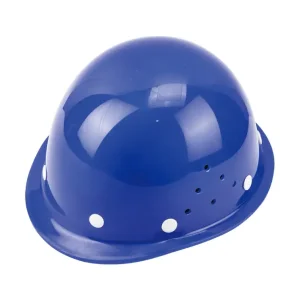
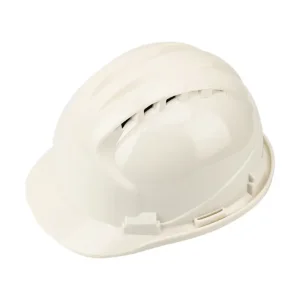
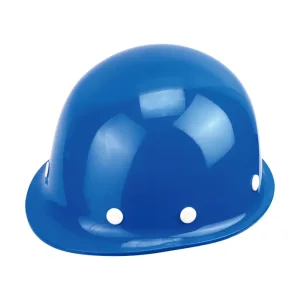
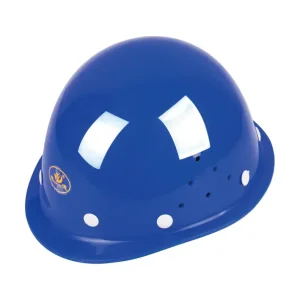
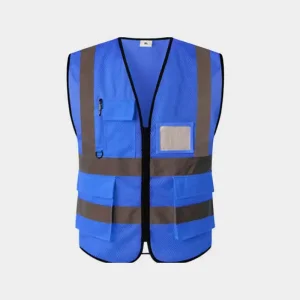
Explore our flagship selection of engineered protective helmets, reflective gear, and structural safety accessories compiled from ISO-certified factory productions.
The international industrial safety sector has observed a structural paradigm shift over the past decade. Standard head protection devices are no longer viewed merely as passive impact-absorption tools. In modern construction corridors, petrochemical facilities, underground mineral extractions, and cryogenic processing zones, workers face complex hazard environments where visual impairment and head impacts occur simultaneously.
Condensation—commonly known as fogging—arises when ambient moisture meets the temperature differential created by human breath and body heat on the surface of personal protective equipment (PPE). According to global occupational health studies, eye protection fogging is a primary driver of workers temporarily removing their safety gear in dangerous zones, leading directly to preventable ocular and head injuries. The integration of anti-fog visors directly into hard hats solves this human factor limitation by offering a unified, certified, and structurally cohesive solution.
From a commercial perspective, procurement managers across Europe, North America, and Australia are increasingly transitioning away from separate, non-integrated safety goggles and helmets toward integrated units. This movement streamlines supply chain logistics, reduces replacement rates, and lowers the total cost of ownership (TCO) for enterprise health and safety programs.
A breakdown of the engineering design parameters, material selections, and chemical treatments that define high-performance safety headwear.
The clear visors integrated into our premium hard hats are manufactured from high-impact optical-grade polycarbonate (PC). Polycarbonate is selected for its superior tensile strength, inherent UV protection, and exceptional impact resistance compared to acrylic or glass. However, uncoated polycarbonate is inherently hydrophobic, meaning moisture condenses on its surface as thousands of microscopic droplets that scatter light and restrict visibility.
To counteract this, Linyi Xintuo Industry and Trade Co., Ltd. implements state-of-the-art hydrophilic flow-coating technology. The surface chemistry involves:
| Engineering Attribute | Standard HDPE Helmets | Xintuo Premium ABS/HDPE Systems |
|---|---|---|
| Impact Shell Material | Recycled Polyethylene | High-Density Virgin HDPE / ABS Polymers |
| Optical Class (EN 166) | Class 2 or 3 (Unrated) | Class 1 (No visual distortion, continuous use) |
| Suspension Architecture | Standard 4-Point Plastic | Double-Suspension Spiral / Push Button 6-Point |
| Anti-Fog Persistence | Temporary spray-on | Thermo-cured permanent hydrophilic layer |
| Dielectric Protection | Uncertified | Class G/E Electrical Insulation Compliance |
A modern enterprise driving innovation in labor protection equipment through advanced production, ISO certified processes, and customer-centric custom manufacturing.
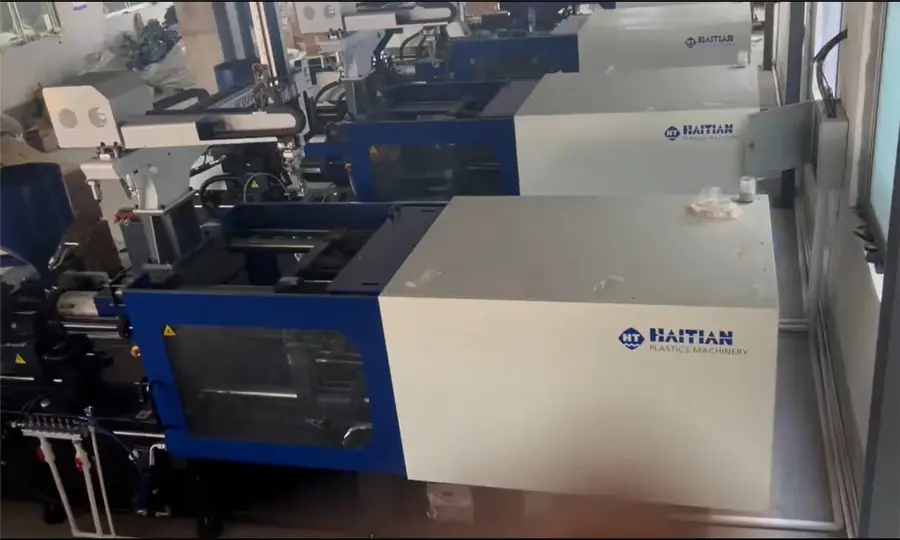
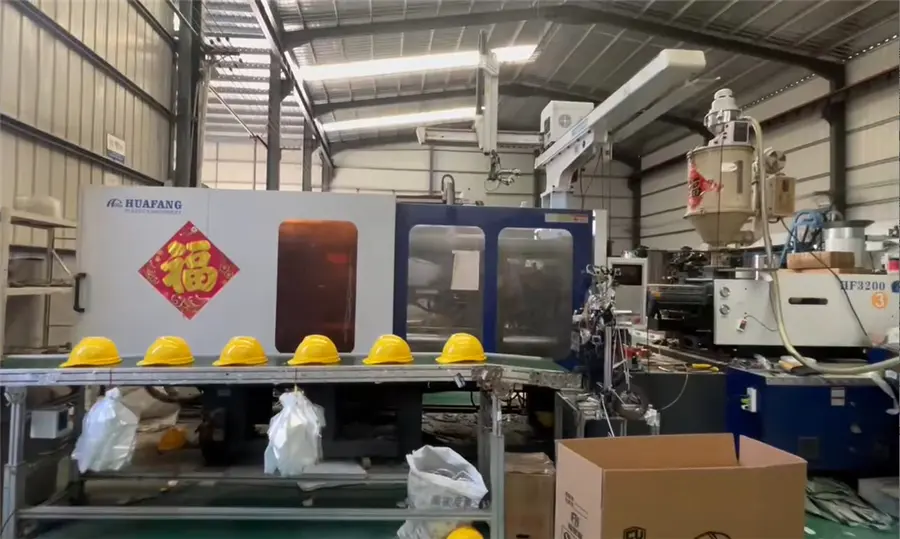
Linyi Xintuo Industry and Trade Co., Ltd. is a modern enterprise based in China, specializing in the research, development, and manufacturing of high-performance safety helmets and comprehensive labor protection equipment. Since its establishment, the company has been driven by a vision of innovation, continuously investing in advanced production equipment and assembling a team of high-caliber research and design professionals.
Our standardized management mode, combined with ISO-certified processes, guarantees consistent product excellence across all batches. The company operates with a commitment to sustainability, utilizing eco-friendly materials and energy-efficient production techniques to minimize environmental impact while maintaining operational efficiency.
The product portfolio includes industrial safety helmets and high-visibility workwear, all engineered to meet or exceed international safety standards such as CE, ANSI, and EN. We leverage cutting-edge material science, utilizing fiberglass composites and high-impact polymers that offer superior strength-to-weight ratios compared to traditional materials. This integration of ergonomic design principles with durable materials ensures long-lasting protection without compromising comfort.
Click to Inquire Xintuo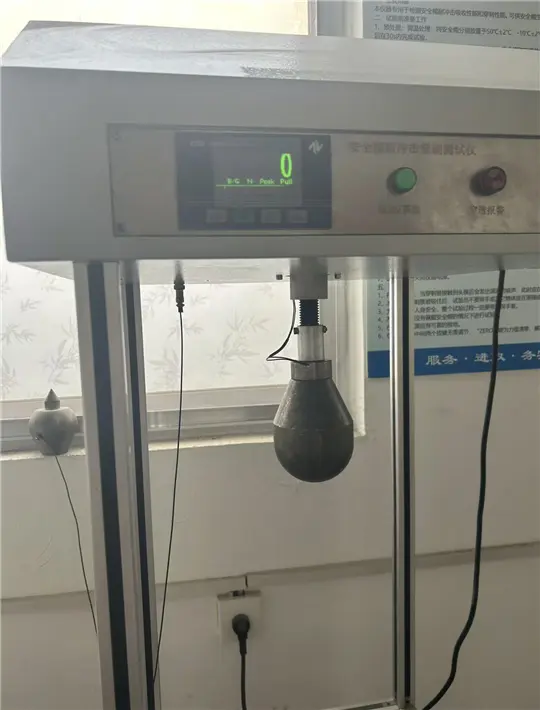

How specialized anti-fog integrated hard hats solve regional climatic and industrial challenges across the globe.
Underground mining operations feature high relative humidity (often exceeding 90%) and constant temperature shifts. Traditional glasses fog immediately upon exertion. Our double-suspension, high-ventilation models ensure sustained airflow across the ocular cavity while offering full class-1 impact safety against falling debris.
In coastal refining plants and offshore drilling rigs exposed to salt spray and high solar radiation, helmets must resist both chemical splashing and humidity condensation. Anti-fog polycarbonate visors are chemically reinforced to endure hydrocarbon fumes without losing optical clarity.
Linemen operating in sub-zero winter temperatures face visual fogging from exhalation. The integrated anti-fog shield seals against cold draft winds, while the electrical insulation properties of the virgin ABS shell prevent hazardous arc-flash grounding paths.
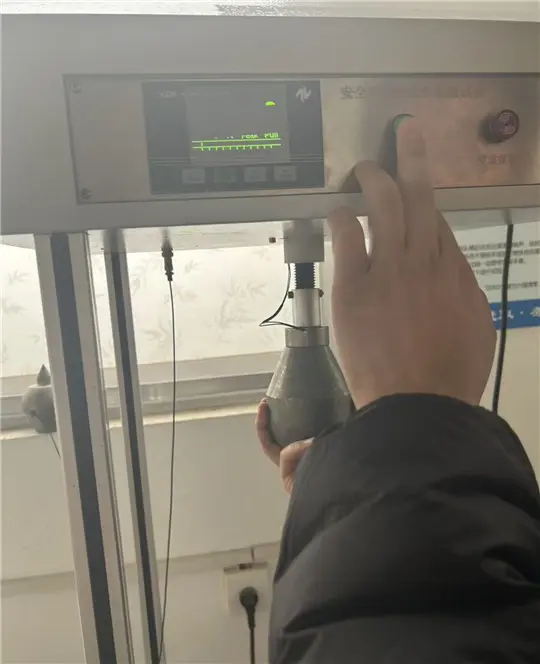
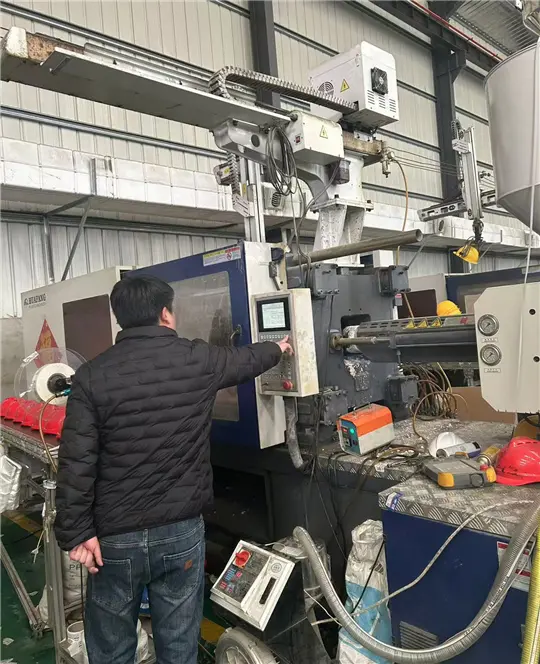
Our organization prioritizes client requirements by providing custom architectural customization (OEM & ODM) for safety helmets and workwear. Our structural engineers work closely with client representatives to customize ventilation geometries, harness systems, and logo branding profiles.
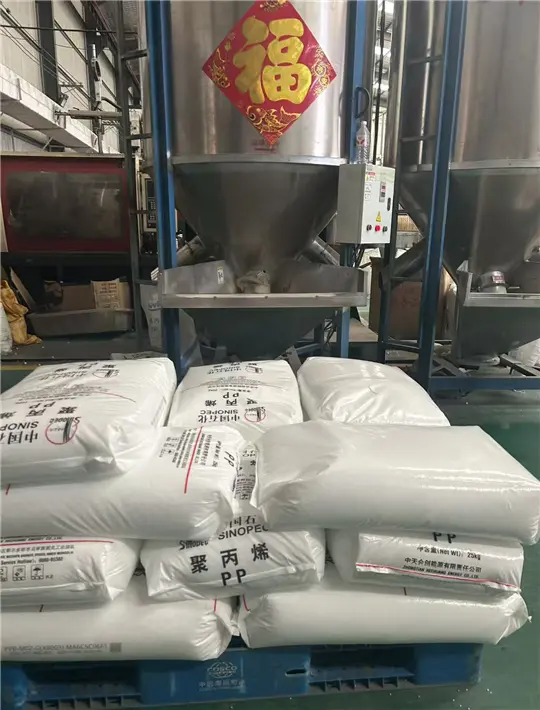
Beyond shell injection molding, our facilities produce auxiliary safety assets. This allows us to supply composite fiberglass materials for high-temperature applications. By controlling the formulation of glass fibers, raw pigments, and polymer bases, we achieve unmatched consistency across our catalog.
Send InquiryWe supply raw structural materials and reinforcing glass fiber solutions that form the backbone of modern composite industrial safety shells.

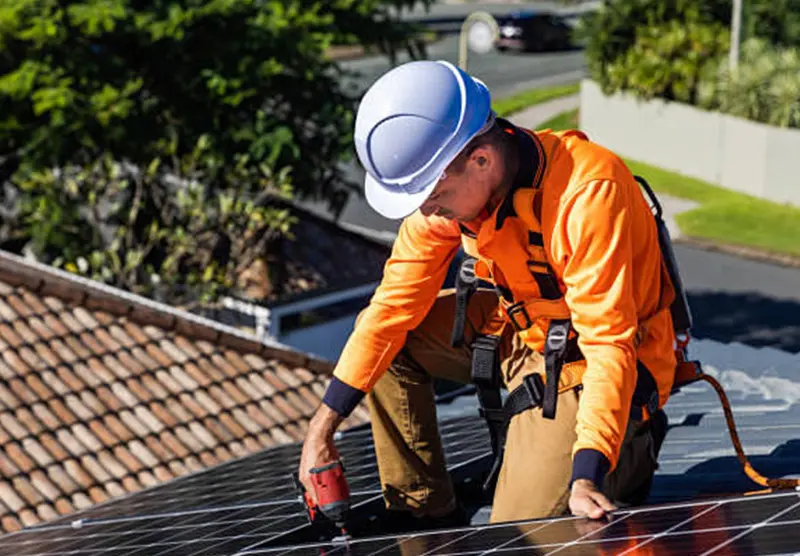
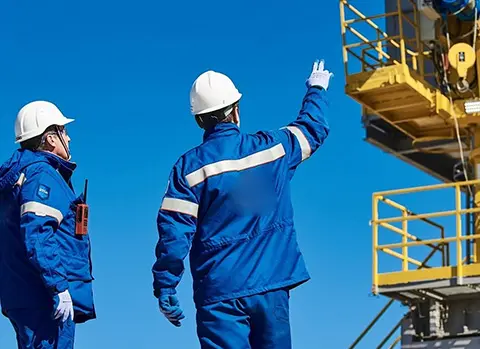
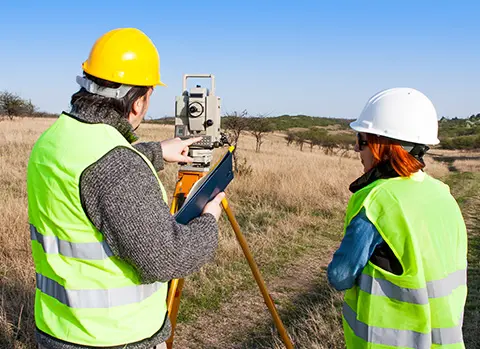
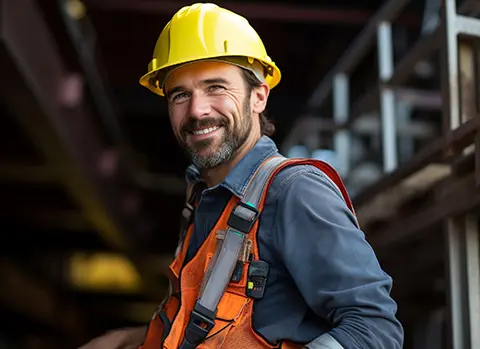
Why industrial procurement departments rely on Linyi Xintuo for standardized delivery schedules, design customization, and optical verification.
Our helmets comply with CE, ANSI, and EN international norms, built using advanced injection controls and structural simulation.
Constructed with high-strength fiberglass composites, ABS, and high-impact polymers to achieve optimal strength-to-weight ratios.
Full structural warranty coverage, replacement programs, safety training, and technical visor alignment guidance.
Providing OEM shell design, reflective wear integration, rapid prototyping, and door-to-door international freight logistics.
Connecting with industrial safety distributors globally, displaying manufacturing capabilities, and highlighting field applications.
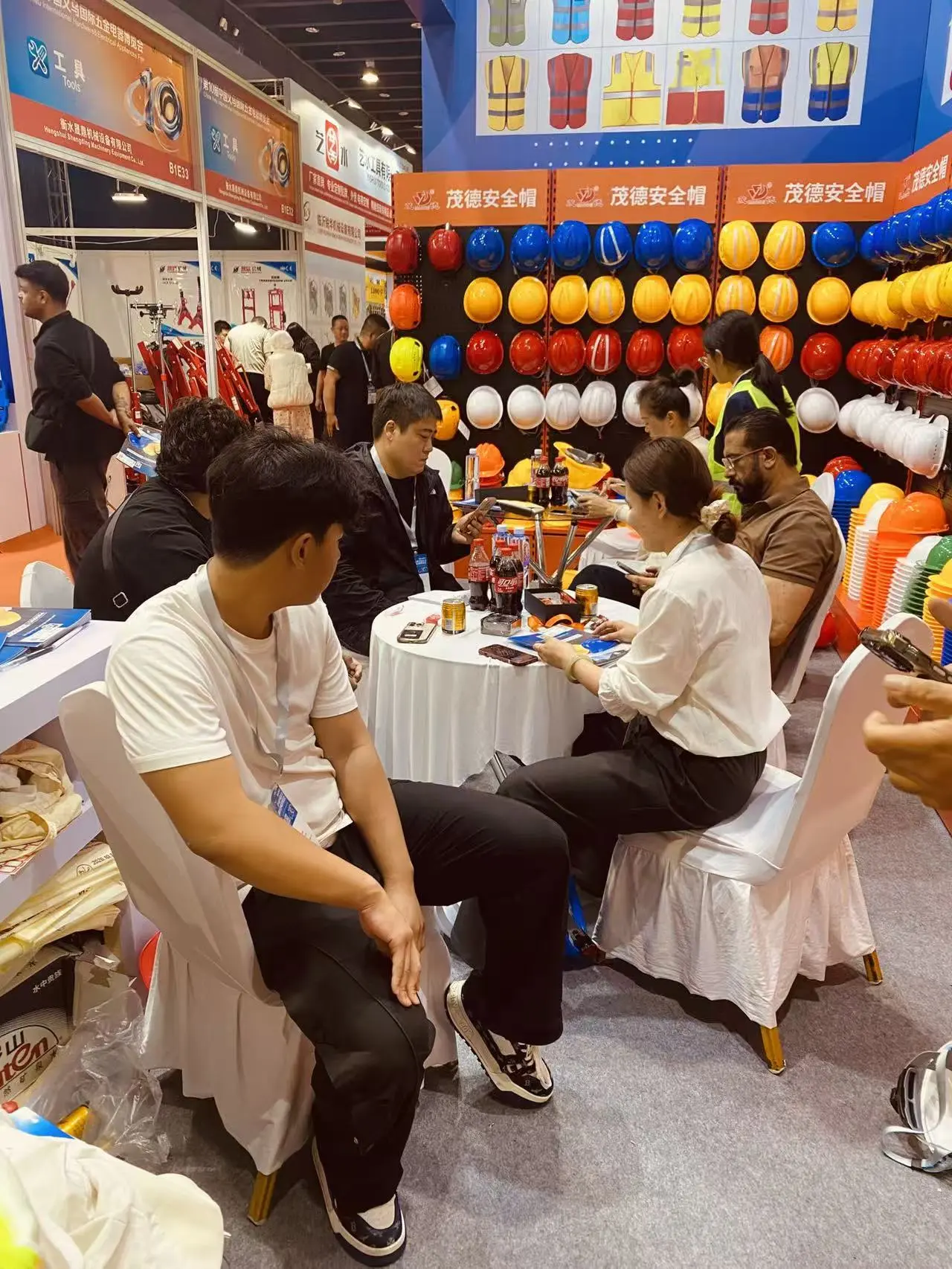
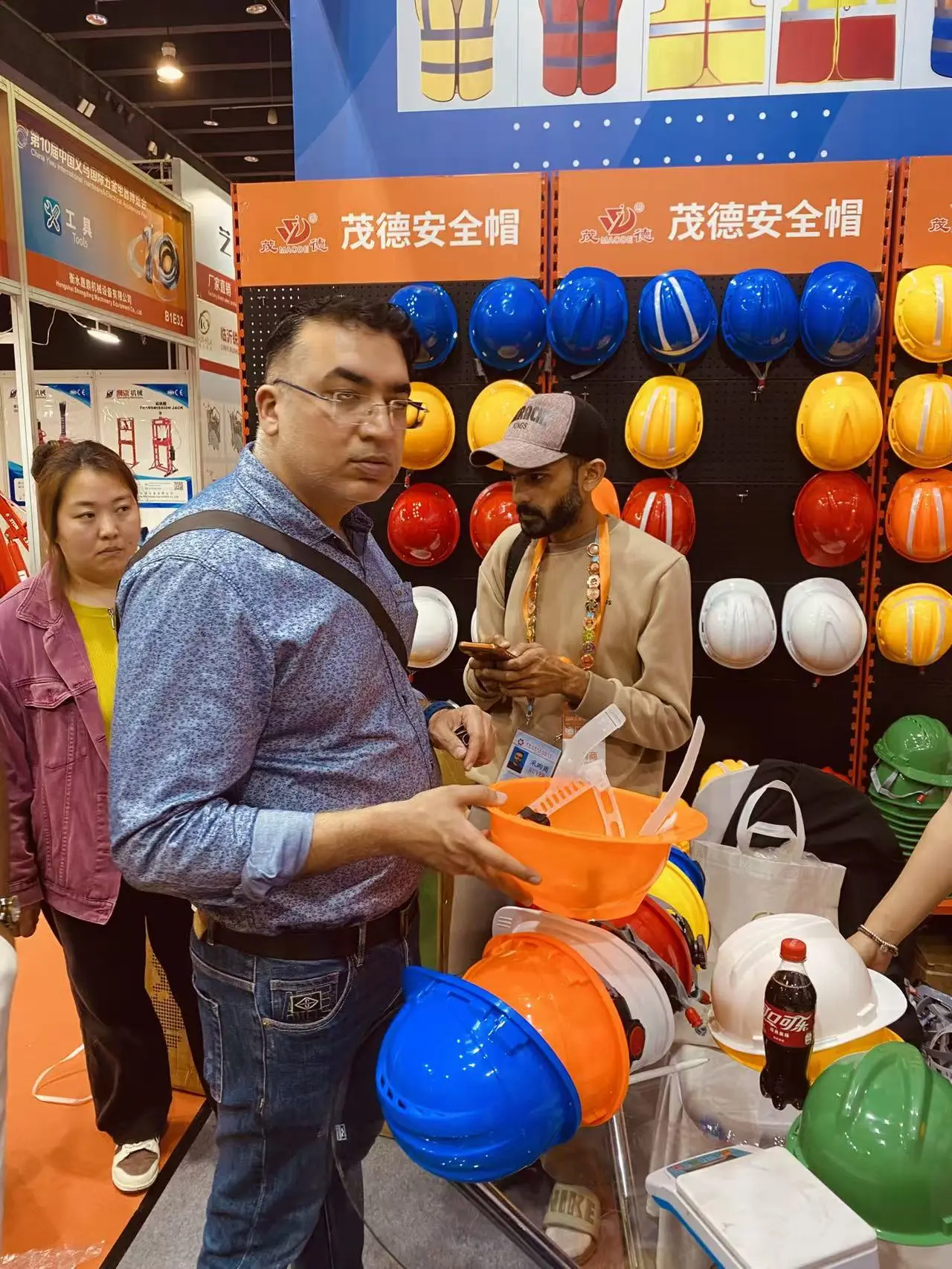
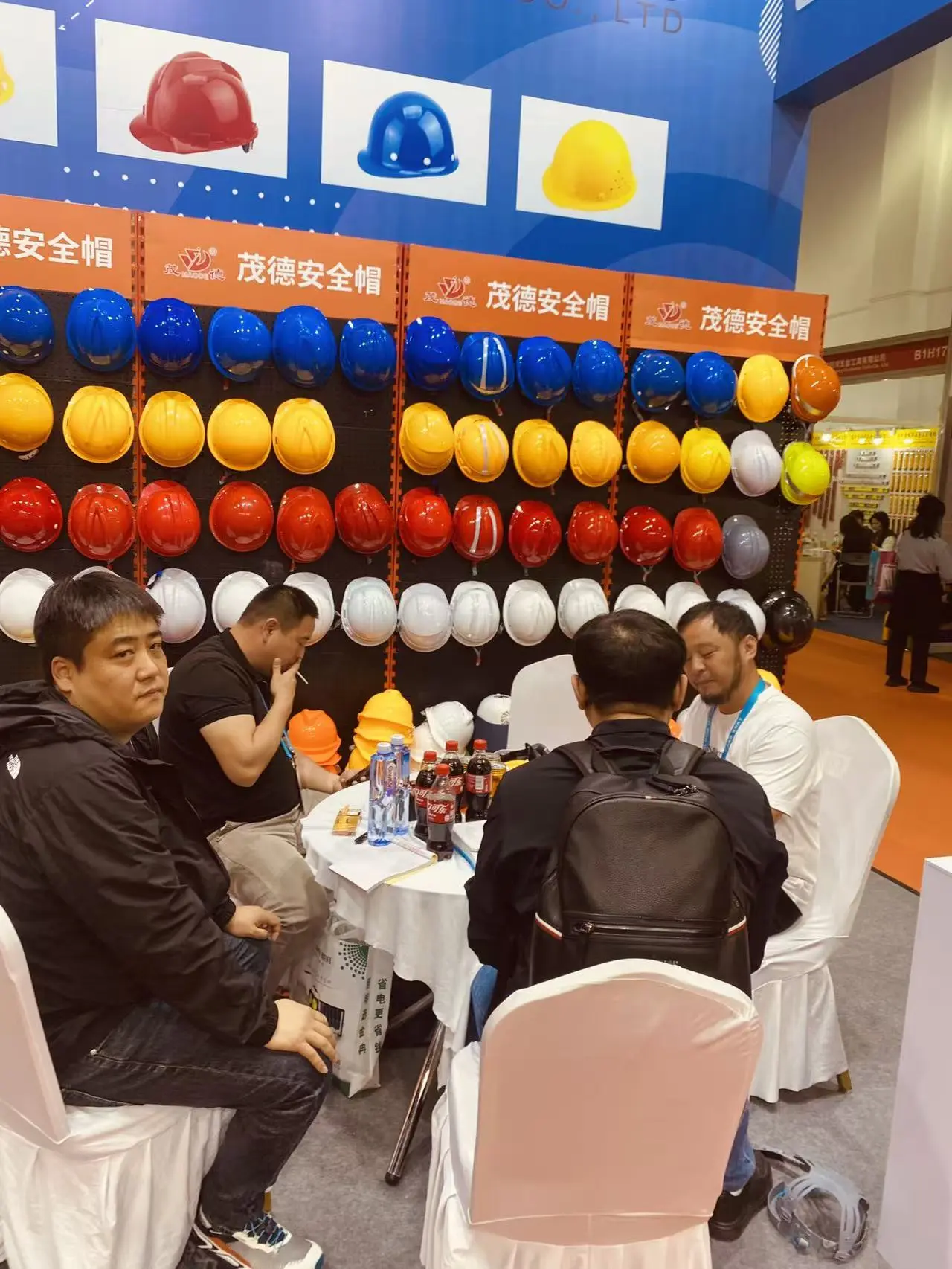
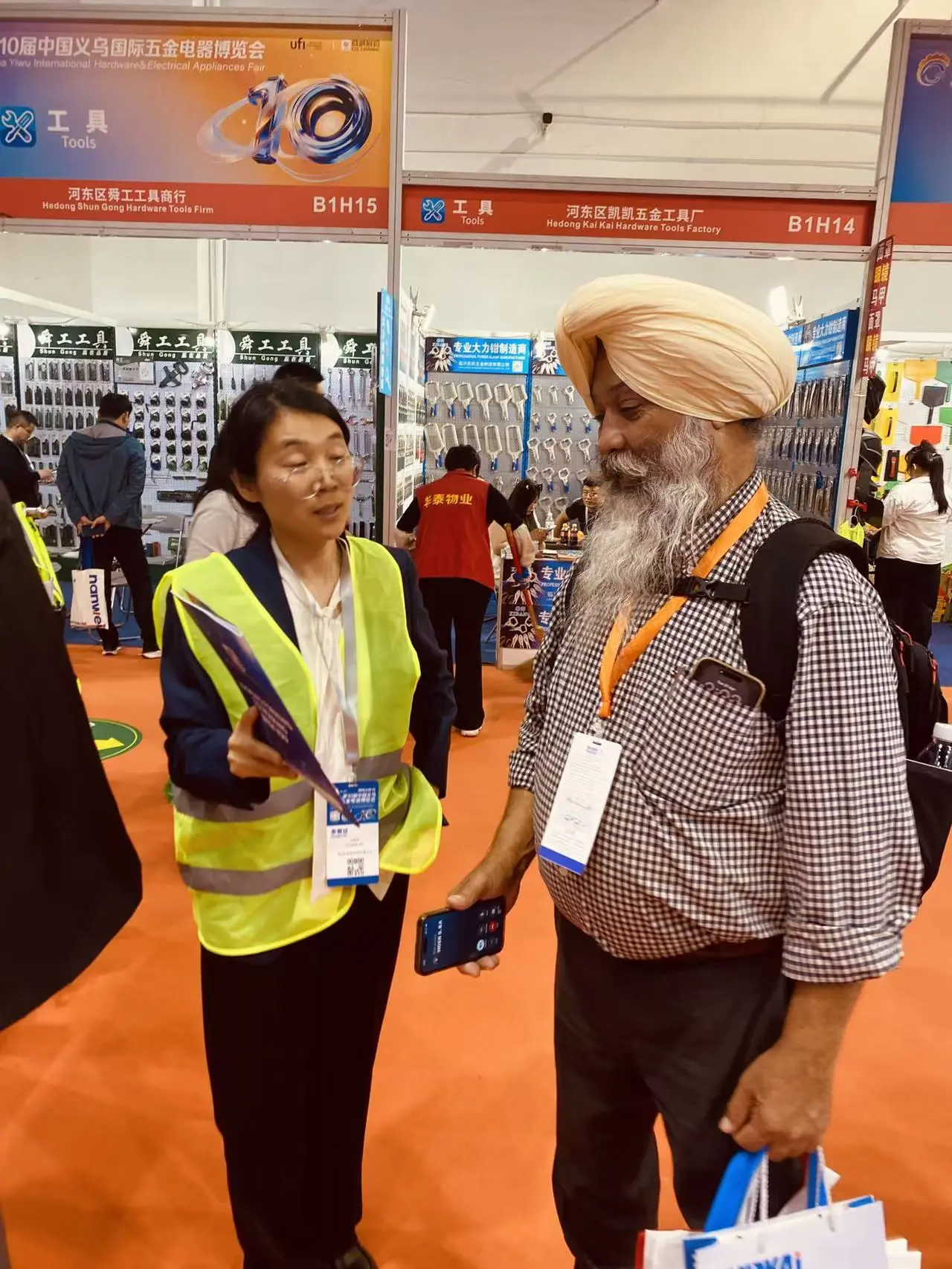
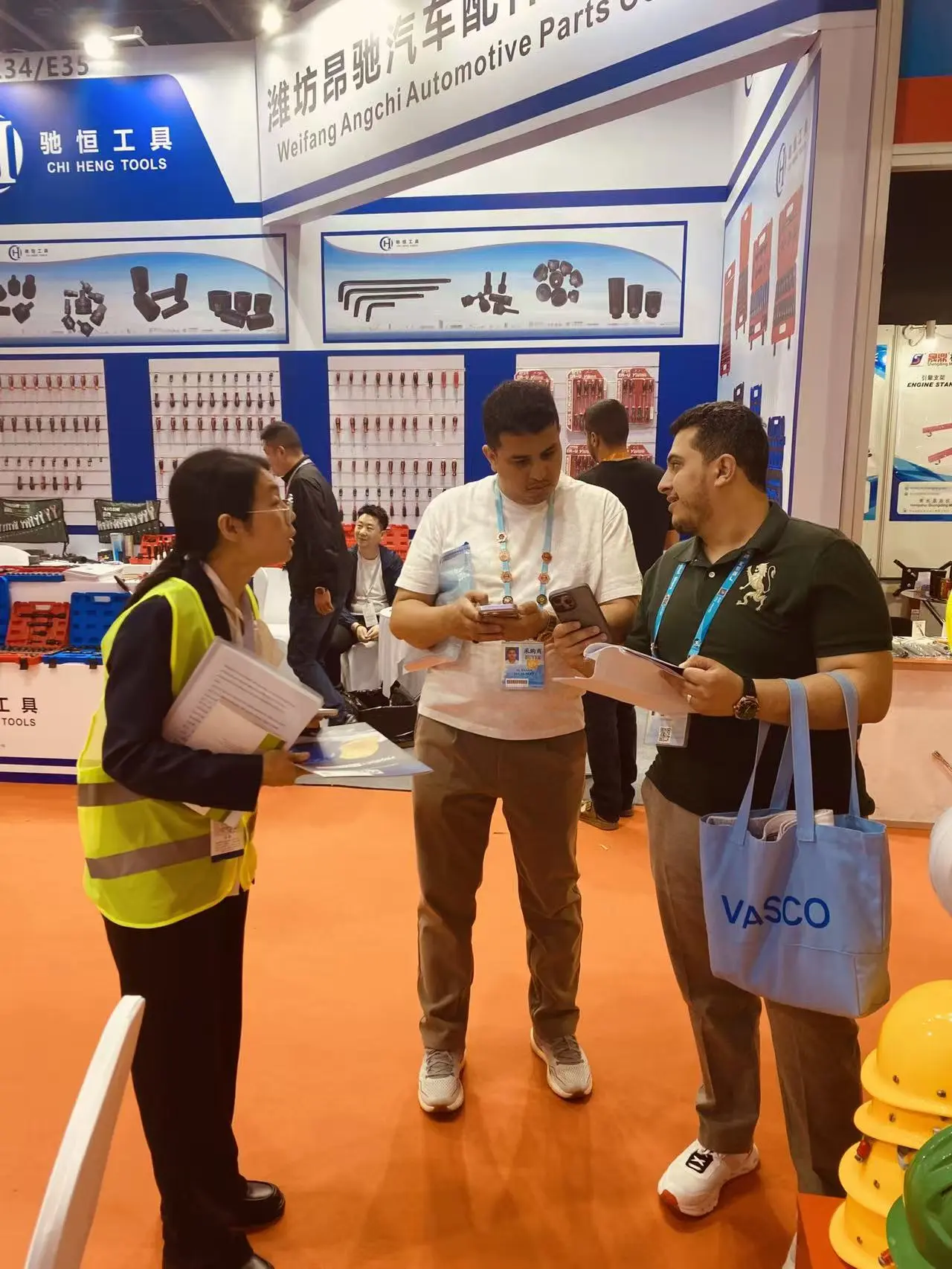
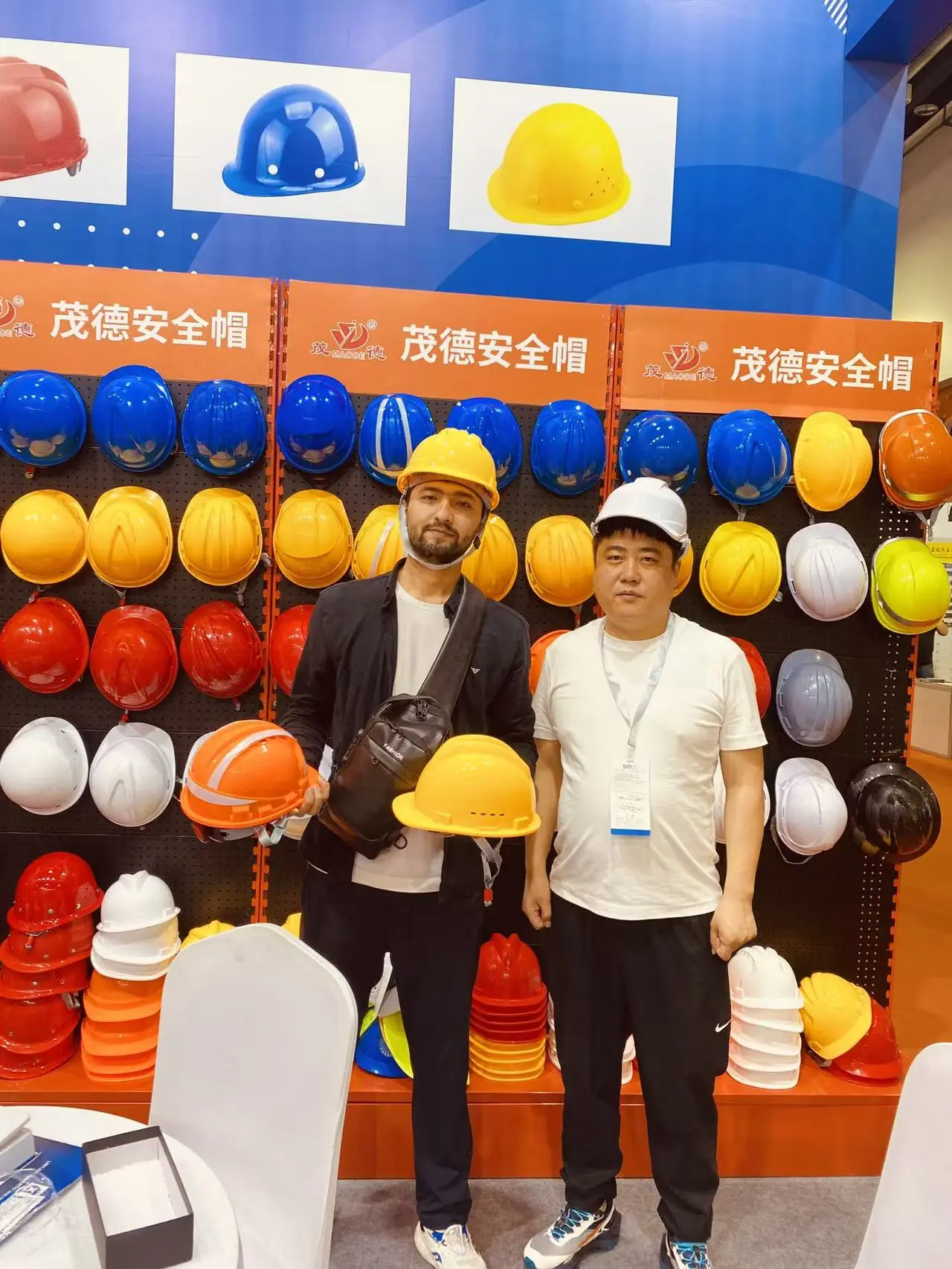
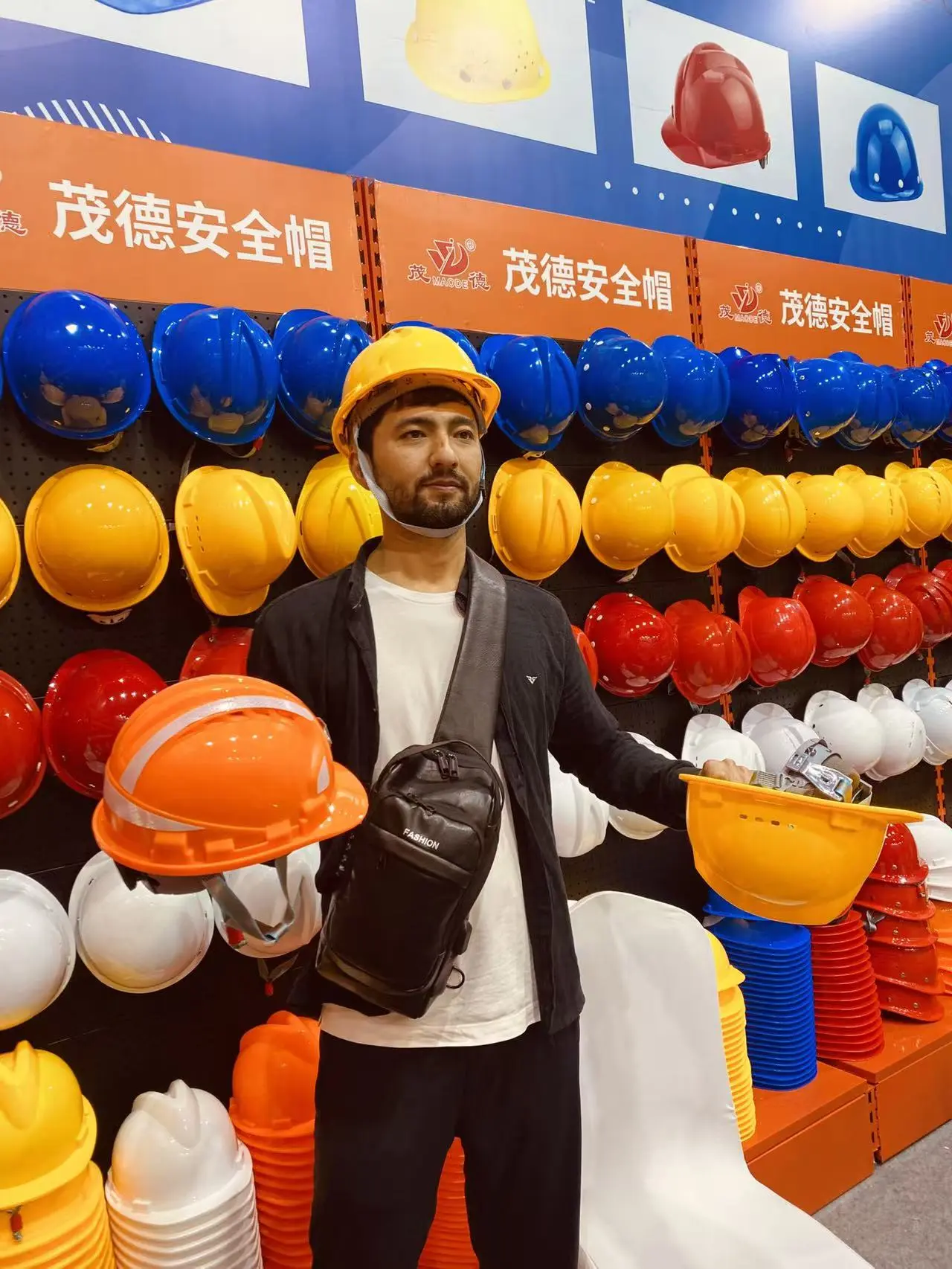
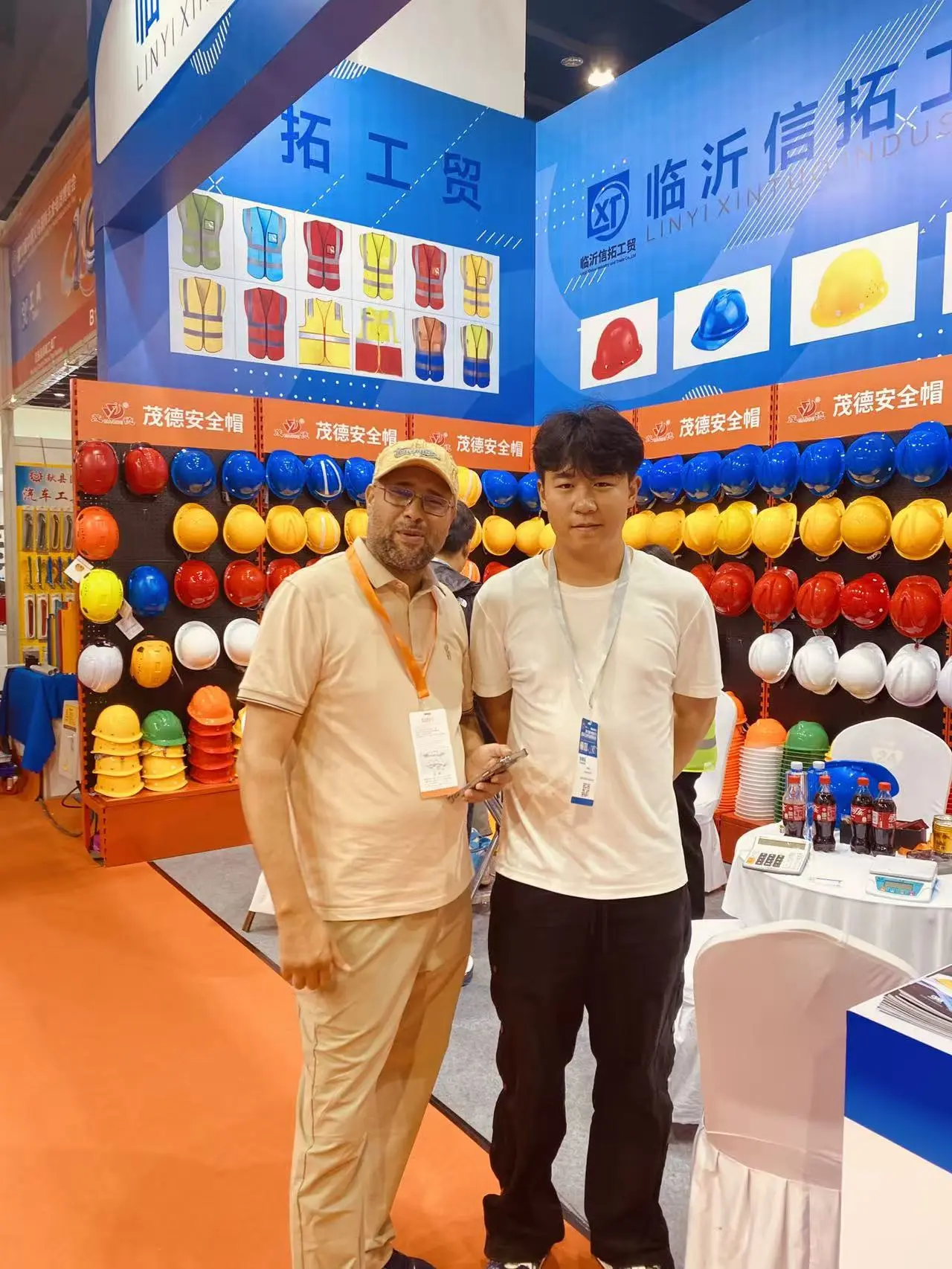
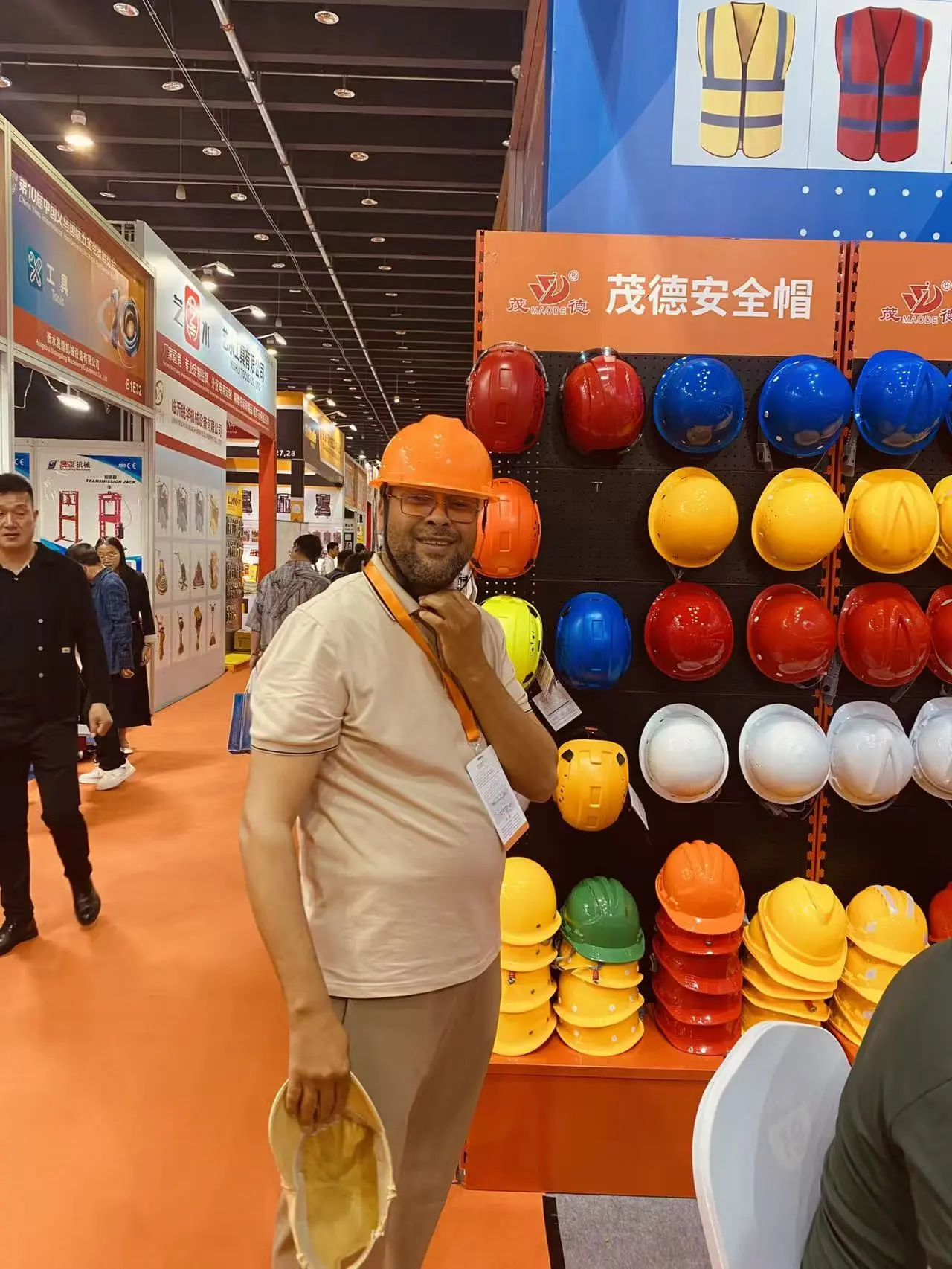
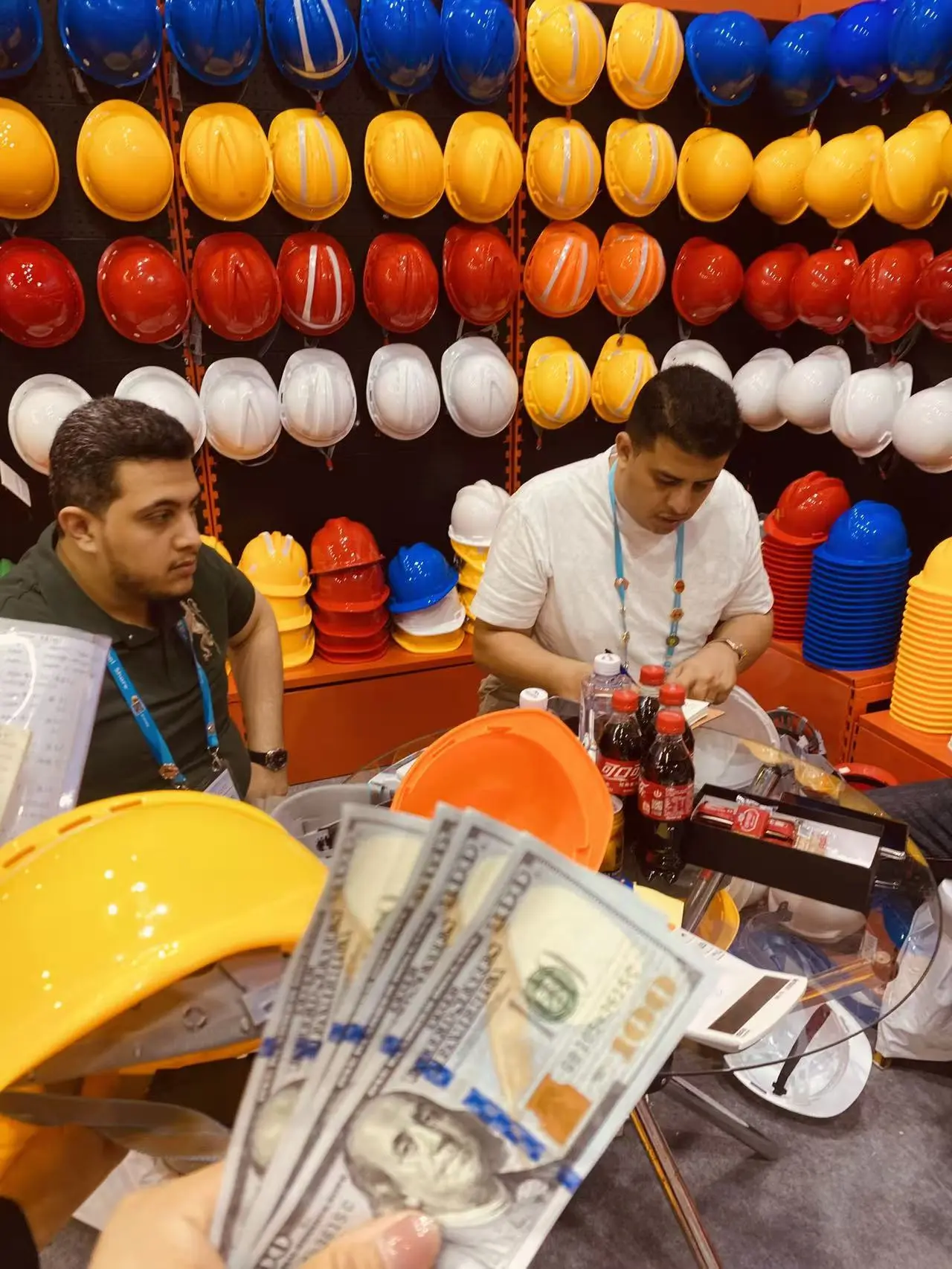
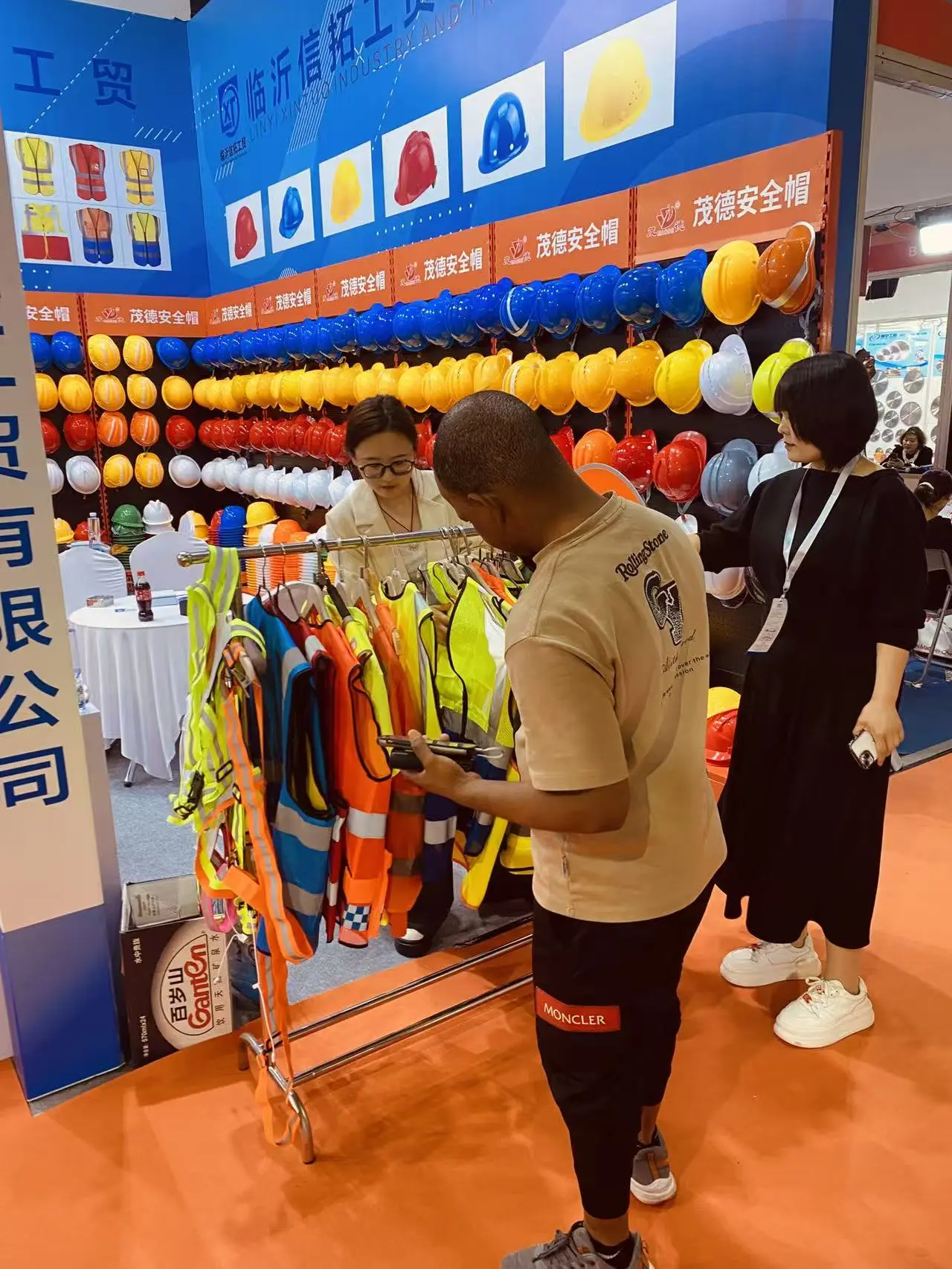
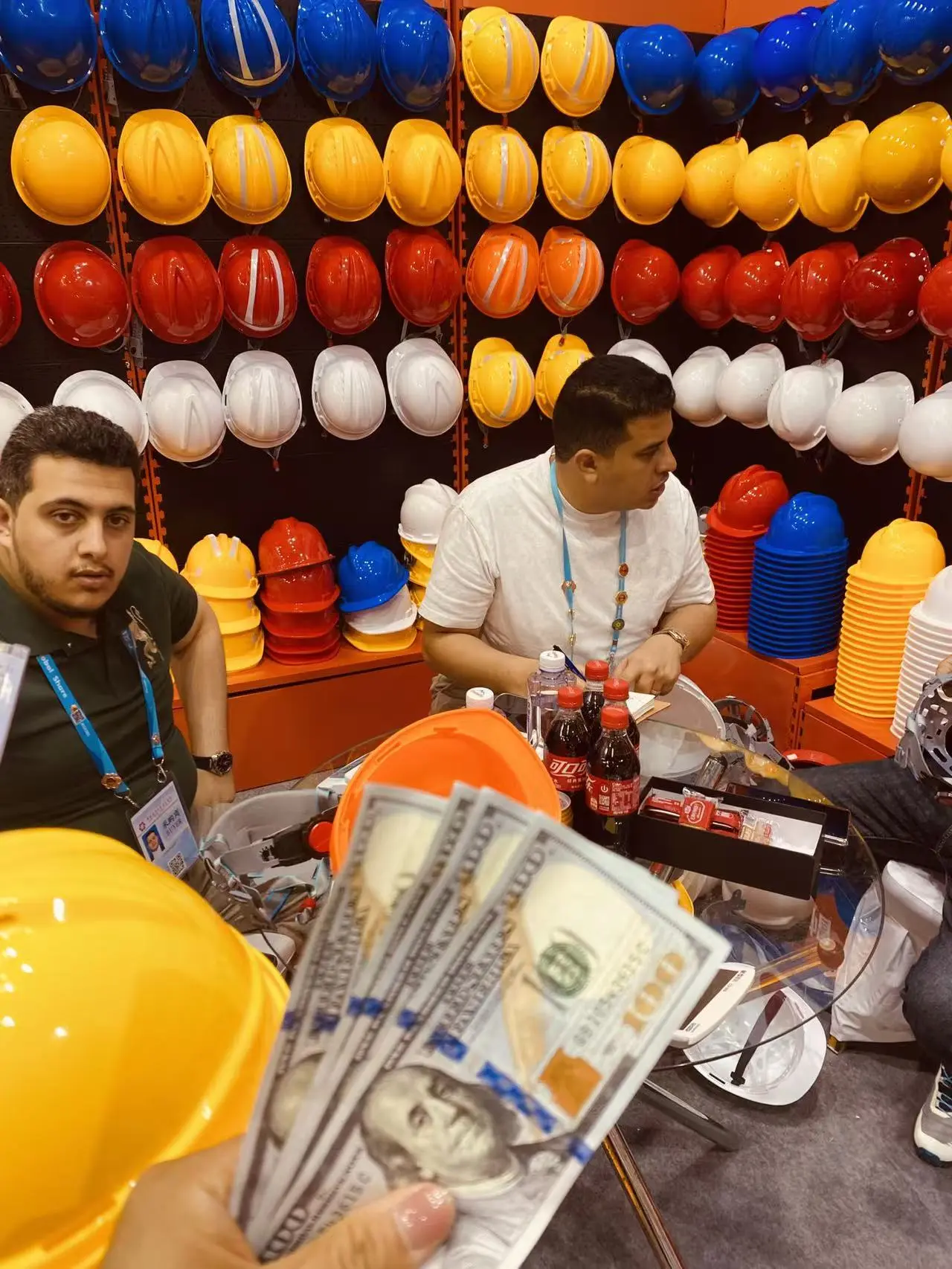
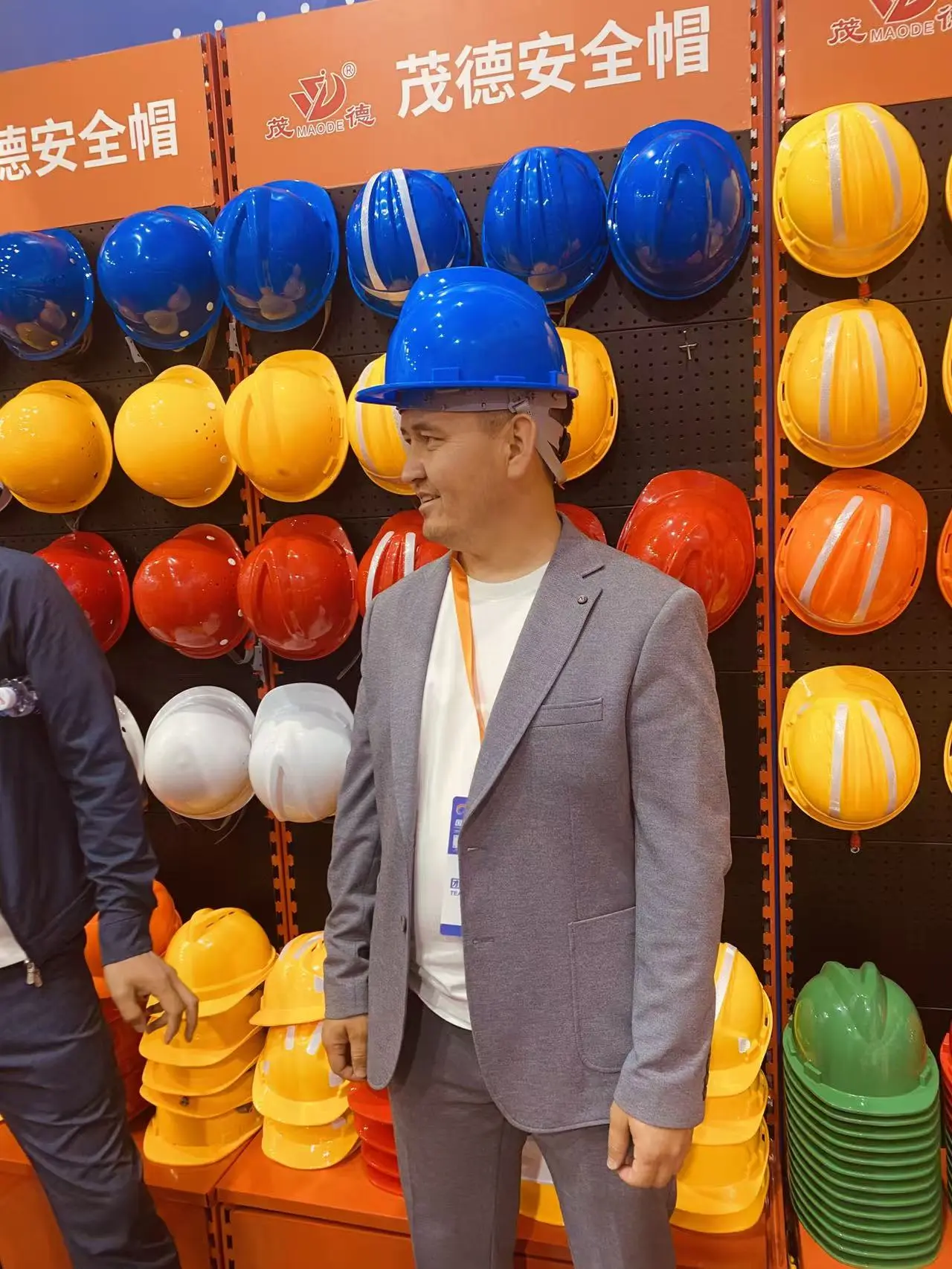
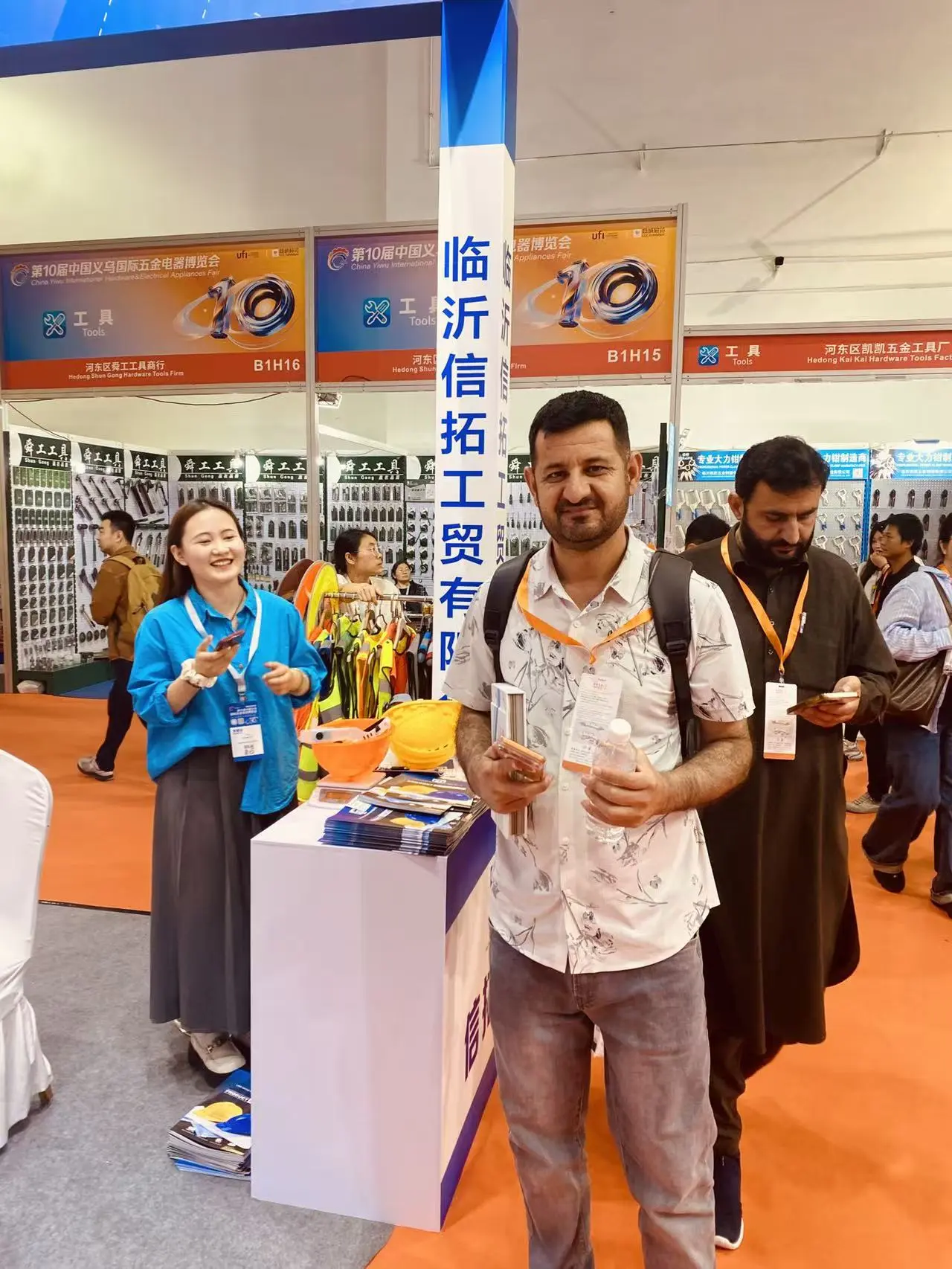
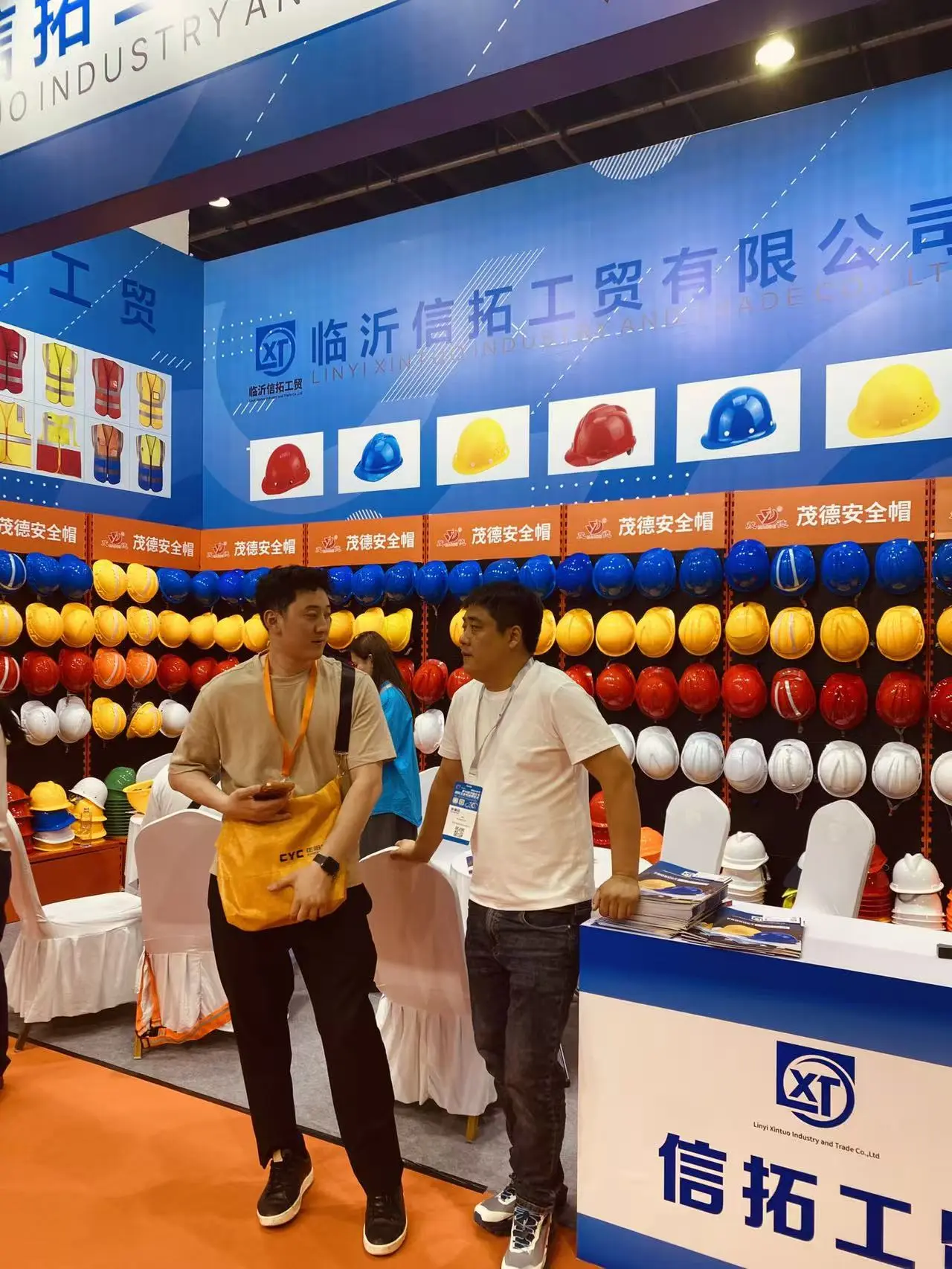
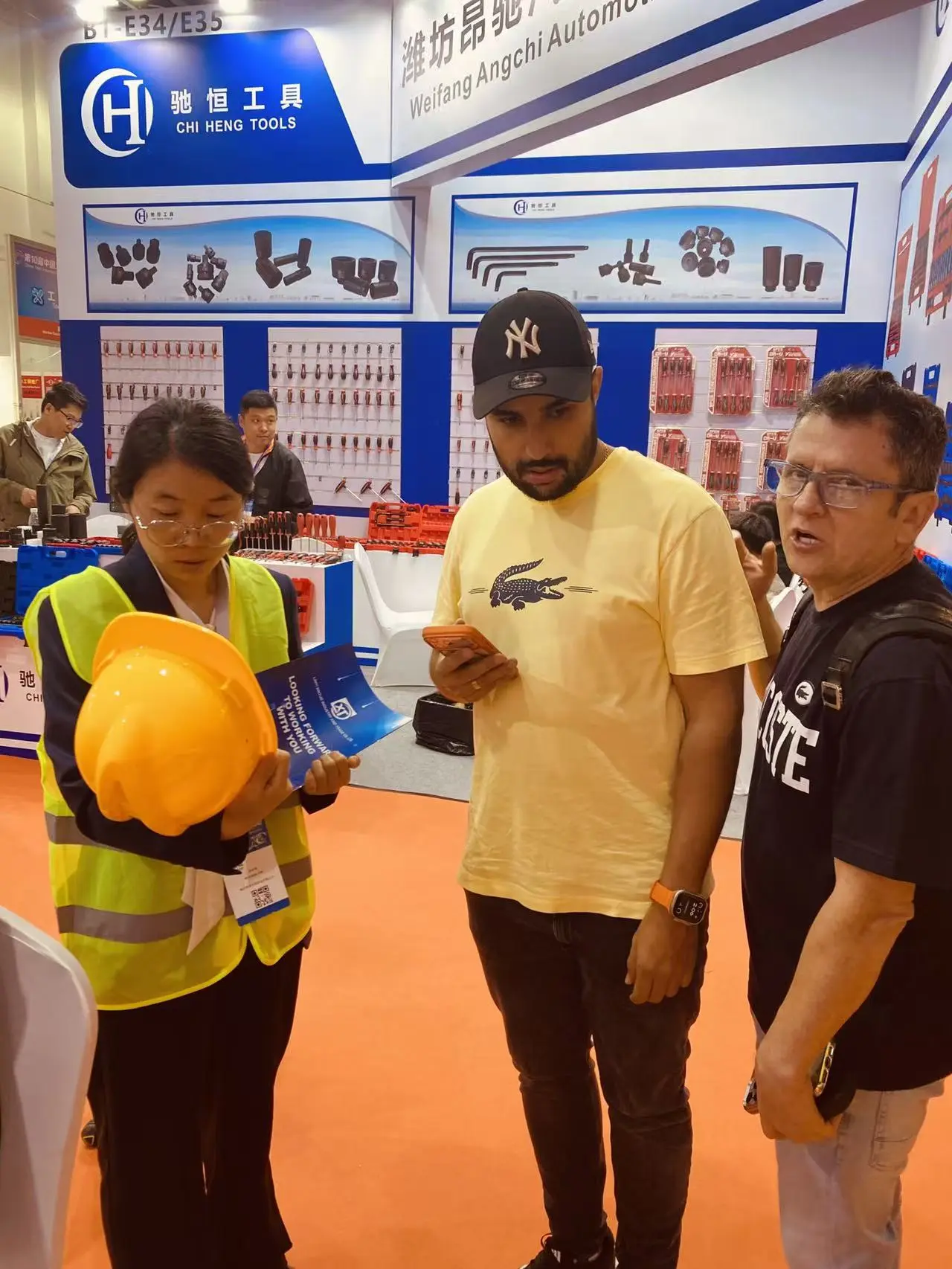
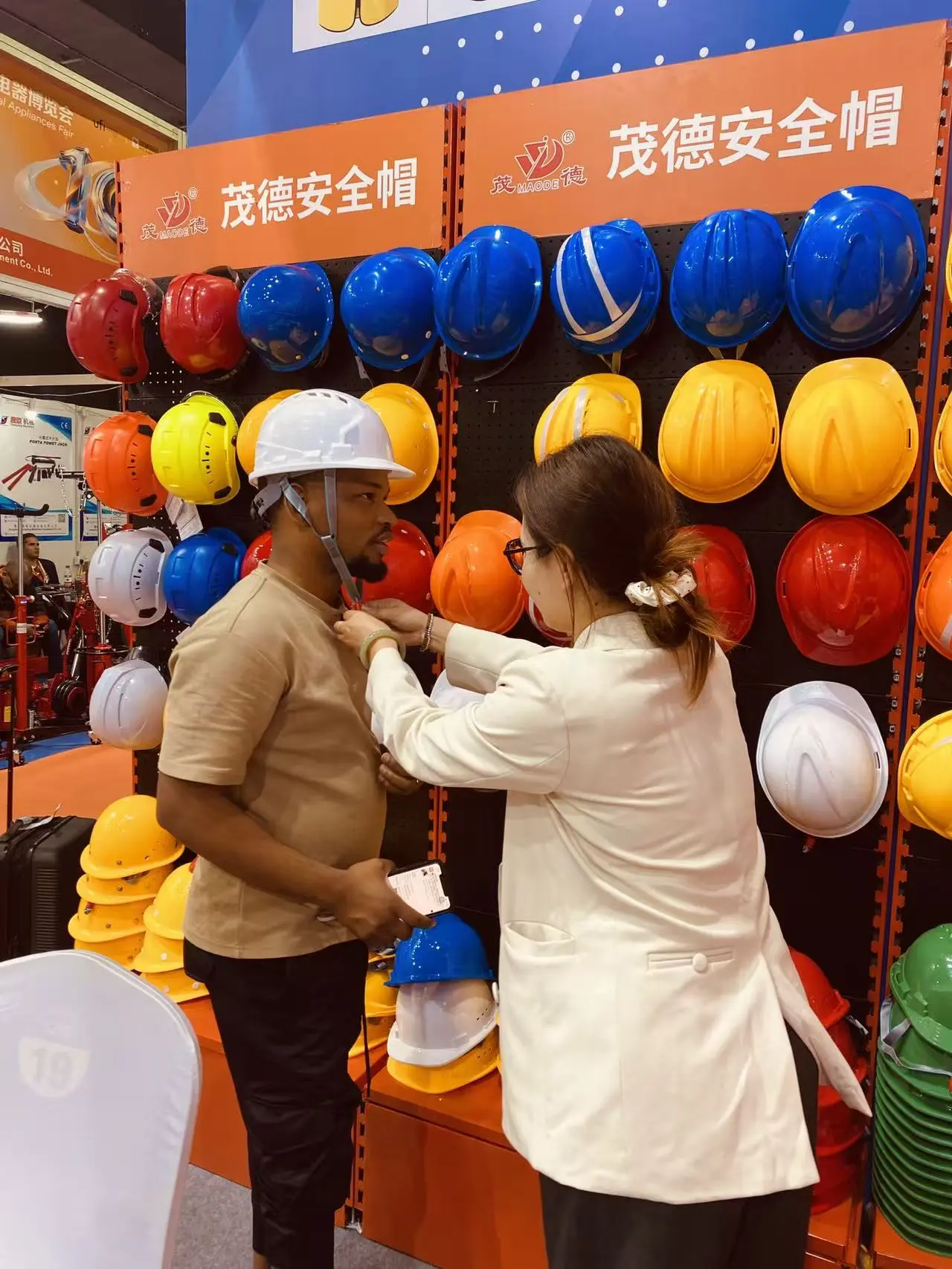
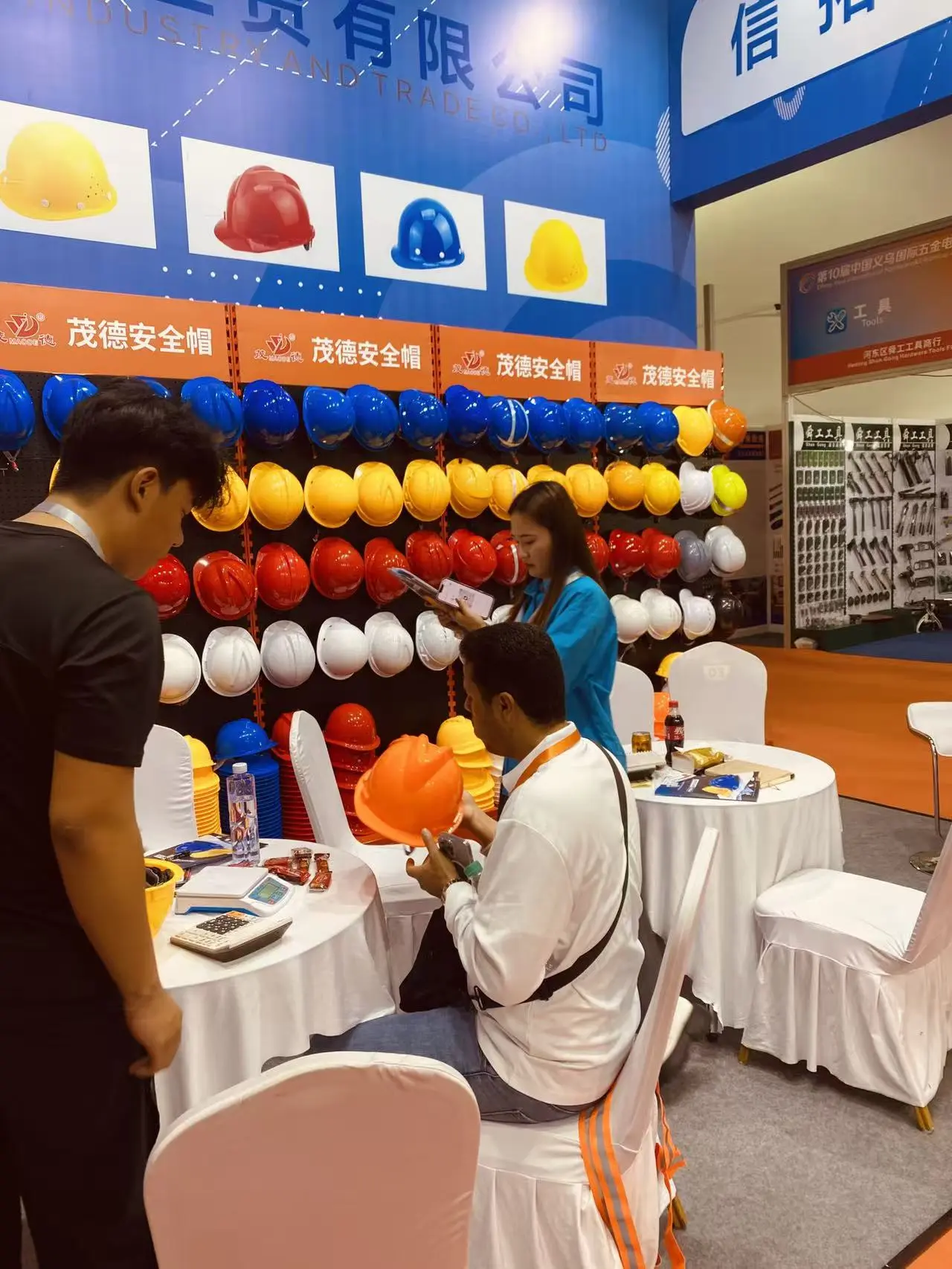
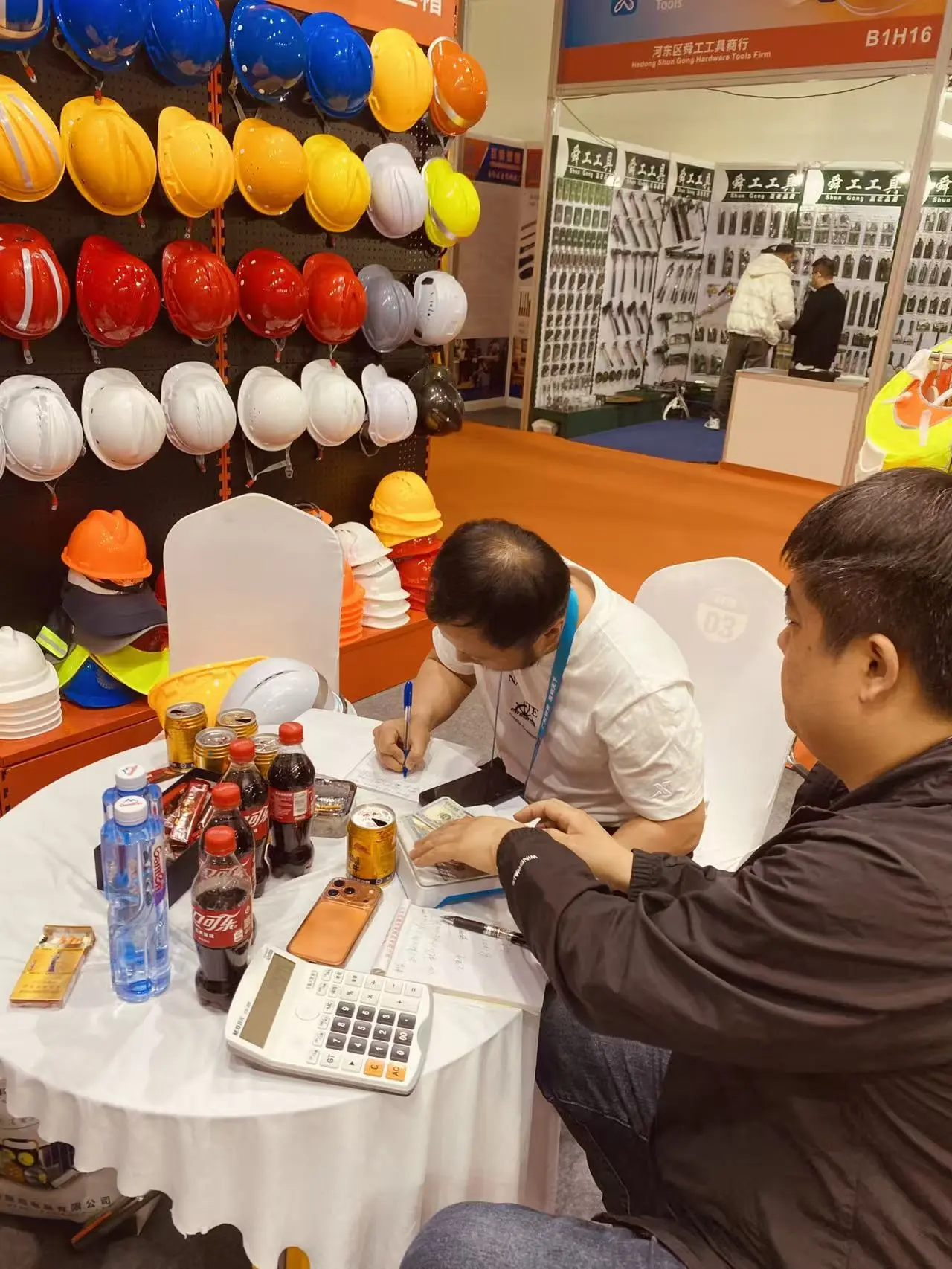
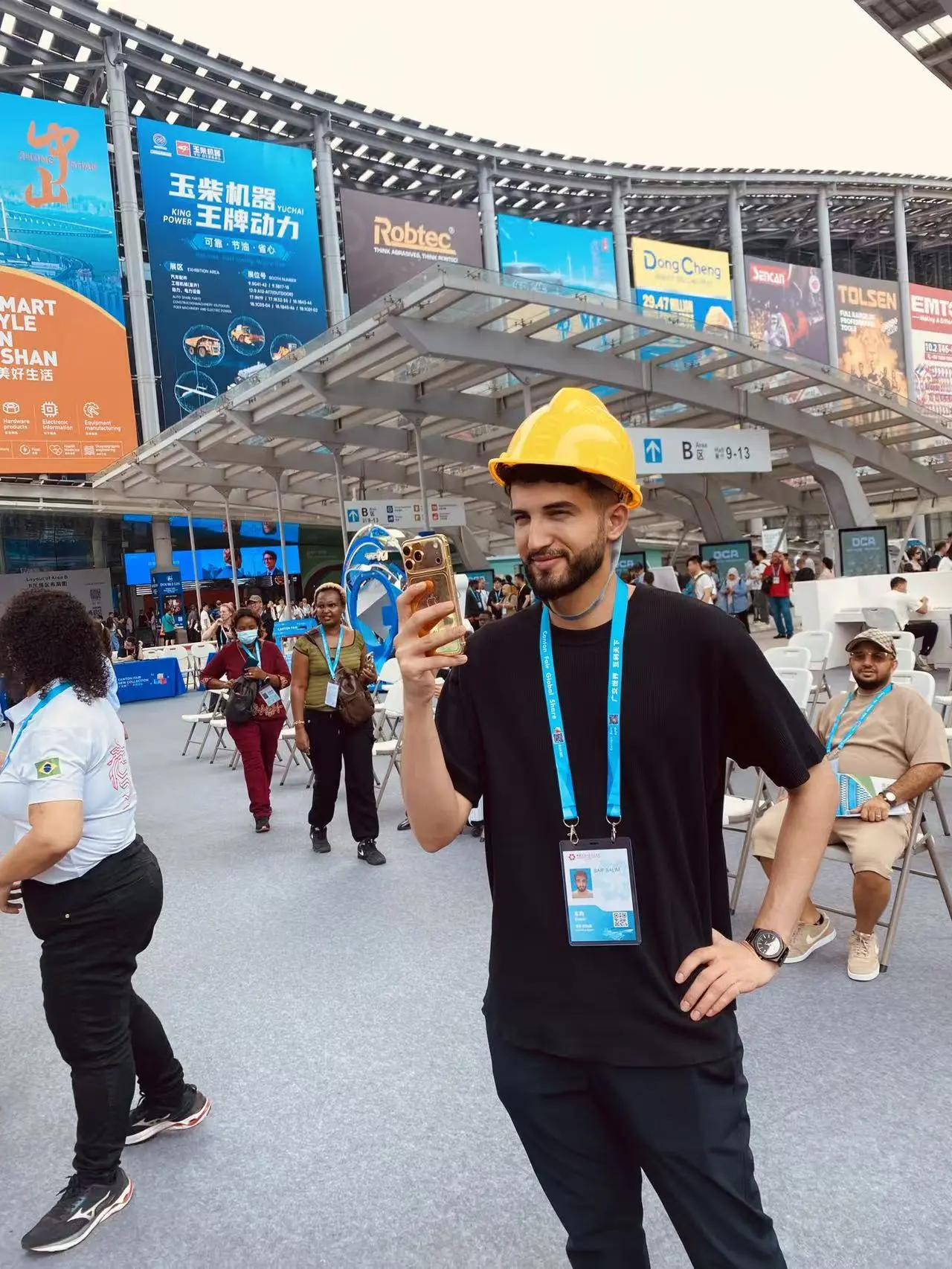
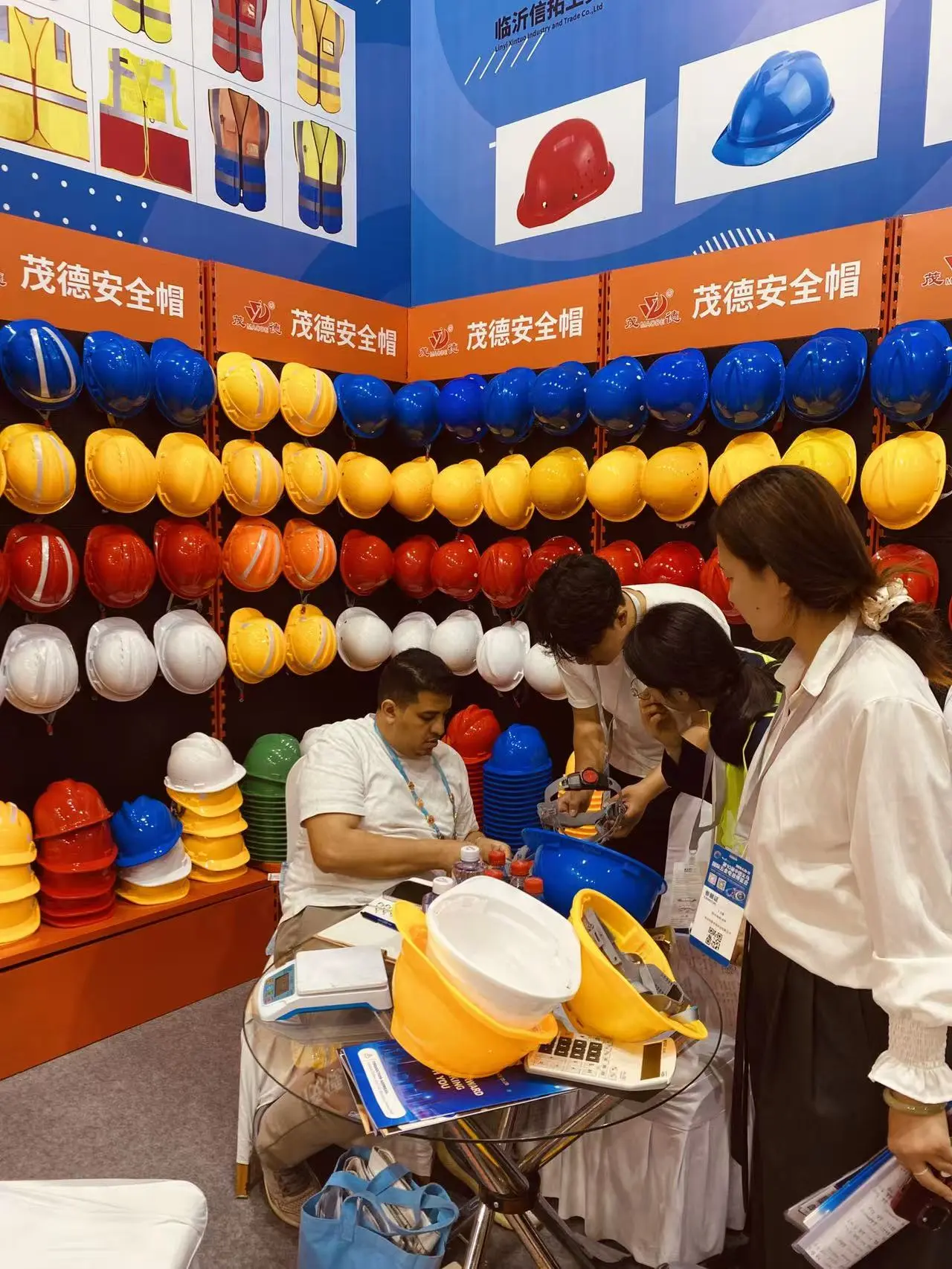
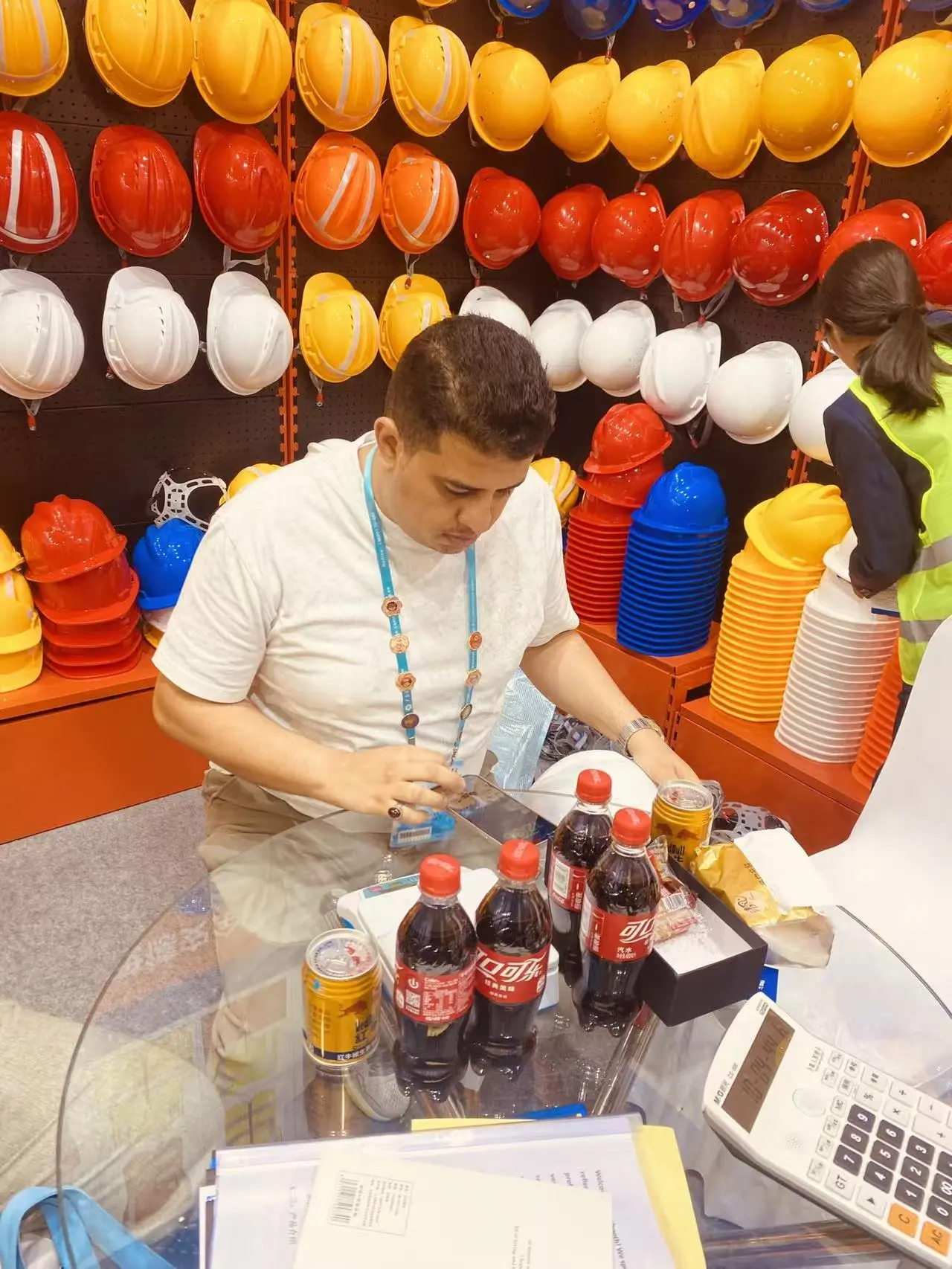
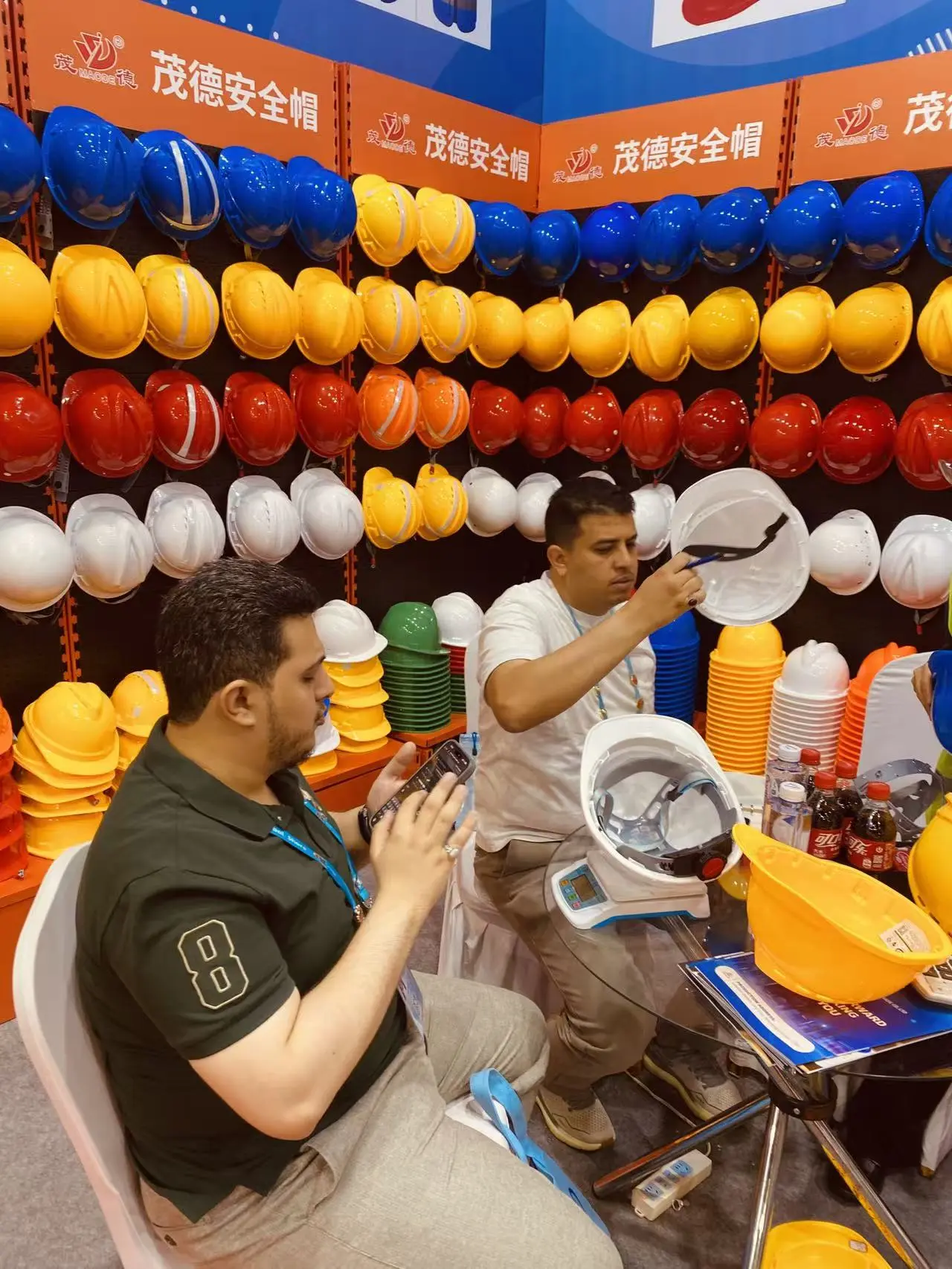
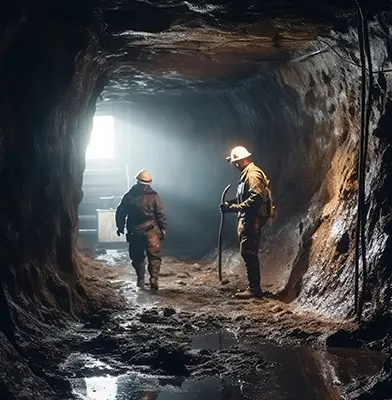
Deploying custom logo safety helmets with active ventilation to high-humidity structural operations in coastal climates.
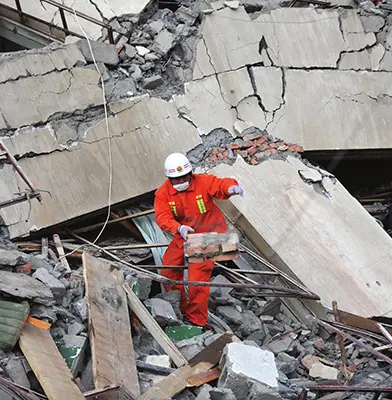
Evaluating structural integrity and anti-fog visor longevity in sustained dust environments.

Delivering non-vented insulating helmets to prevent high-voltage electrical grounding and minimize injury frequency.
Expert evaluation of site incidents and actionable advice on maintaining compliance to prevent occupational head trauma.
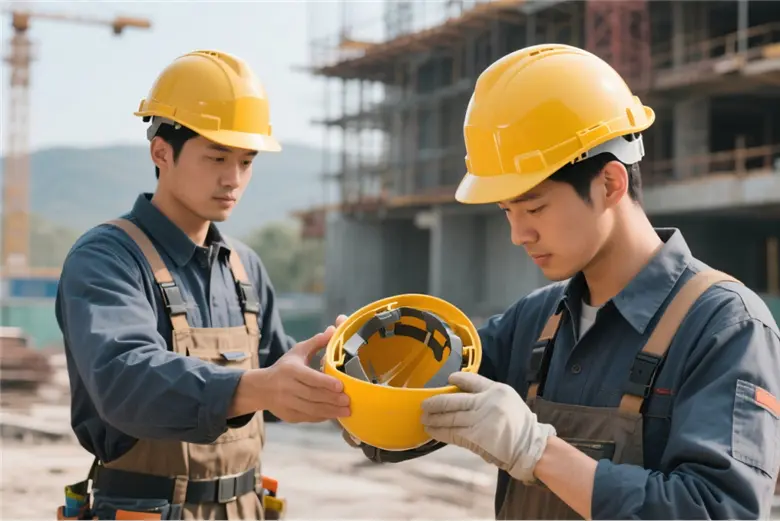
Improper adjustment of inner suspension straps dramatically reduces impact force absorption. Our technical audits reveal that if a harness is too loose, the shell contacts the cranium upon impact, leading directly to skull fractures. Learn why setting exact tension values keeps workers secure.
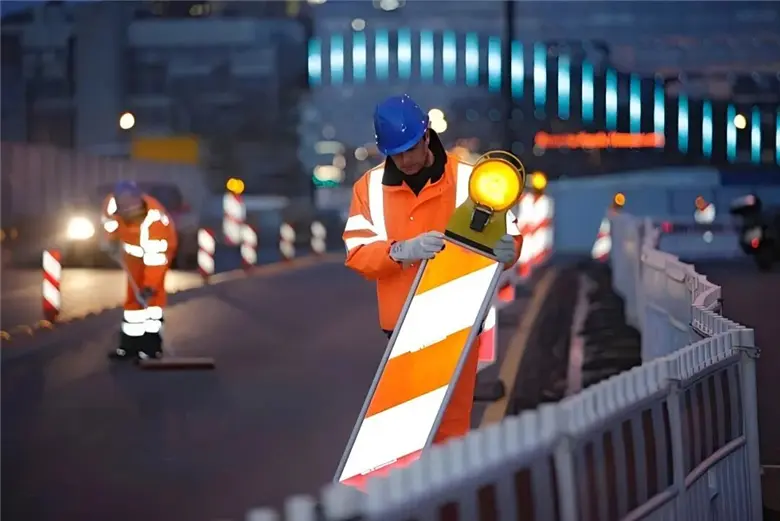
Unauthorized modification, such as drilling ventilation holes manually, damages structural integrity. A recent incident at a construction site in Fujian involved a worker who privately drilled holes in his helmet for coolness. During operations, a falling concrete block struck him. The shell split along the drill line, highlighting why only factory-engineered ventilation systems are safe.
Our industrial safety systems undergo continuous laboratory verification, meeting strict compliance criteria set by worldwide regulators.
Every safety helmet batch produced by Linyi Xintuo is subjected to rigorous testing procedures. This includes top penetration resistance (a 5kg steel striker dropped from 1 meter), lateral deformation analysis, flame retardancy testing, and electrical dielectric resistance checkups.
The anti-fog visors are separately certified under EN 166. They must demonstrate optical neutrality, resist high-velocity particles at extreme temperatures, and maintain non-fogging performance for at least 8 seconds under direct steam exposure.
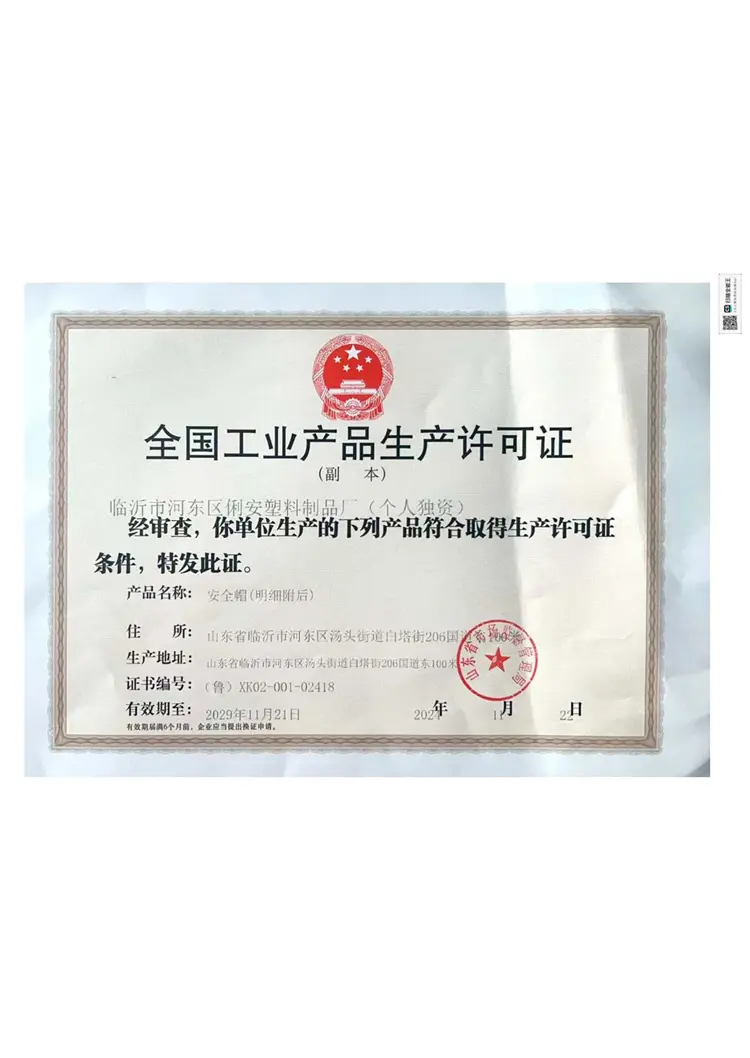
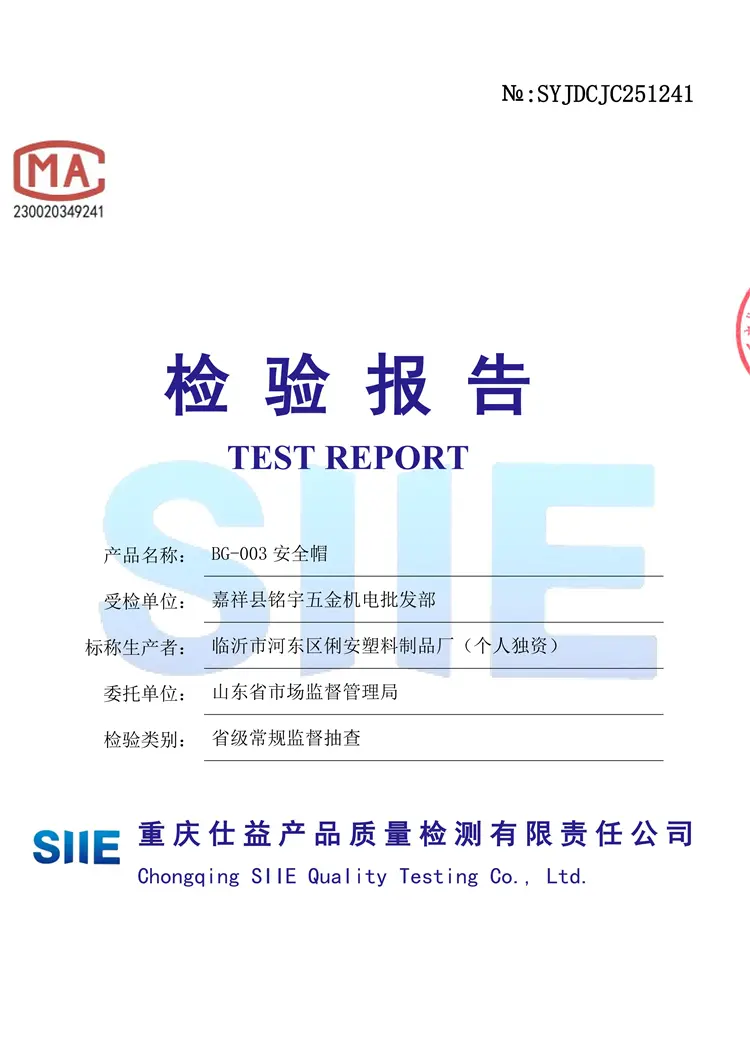
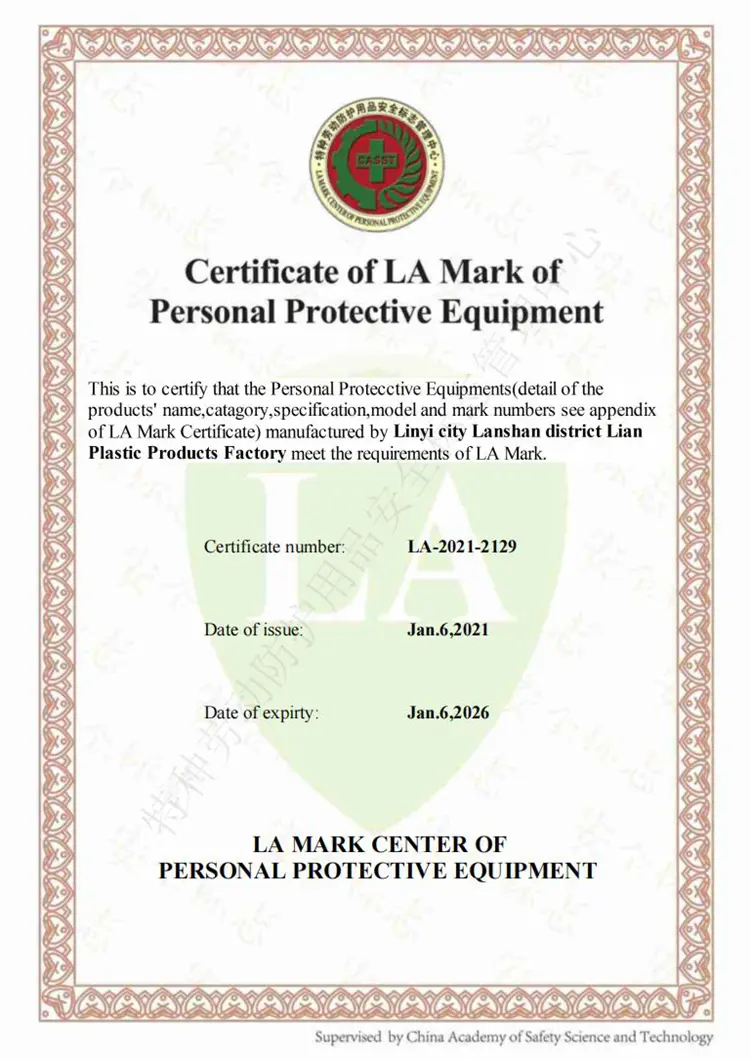
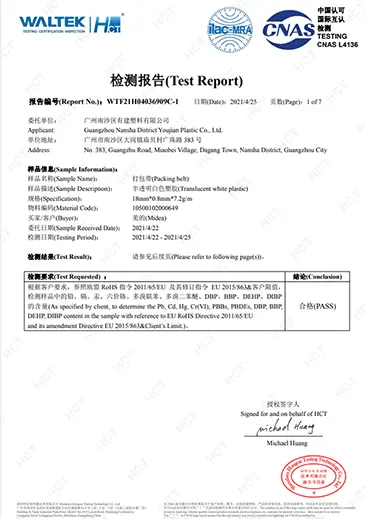
Essential inquiries on wholesale ordering, custom branding, logistics, and material standards.
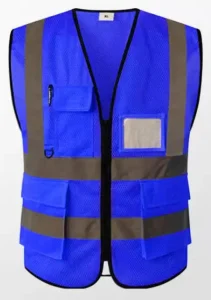
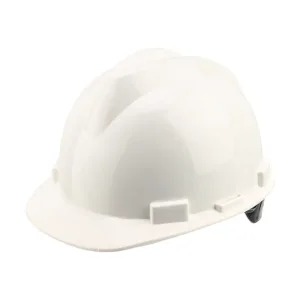
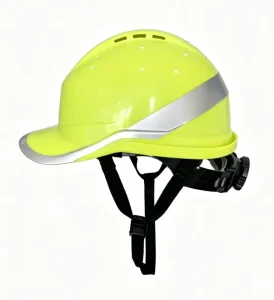
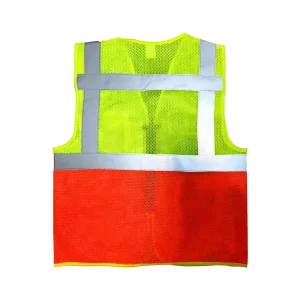
Browse our selection of durable high-visibility reflective vests and industrial fiberglass helmets designed to maximize workplace visibility and impact protection.
Joining forces with leading distributors, high-risk industrial safety agencies, and global infrastructure constructors.













 Xintuo