 Xintuo

Safety Wear Technical Roadmap & Future Market Outlook
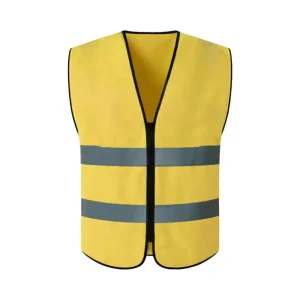
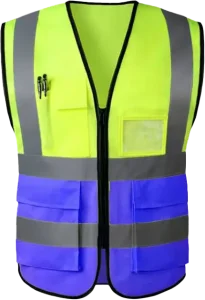
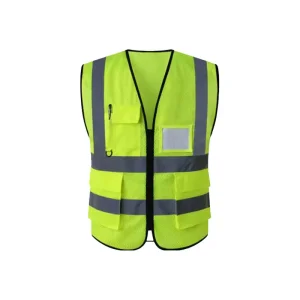
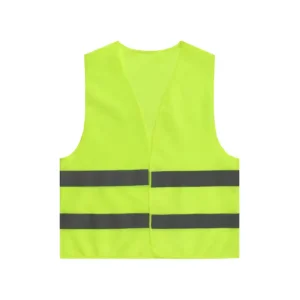
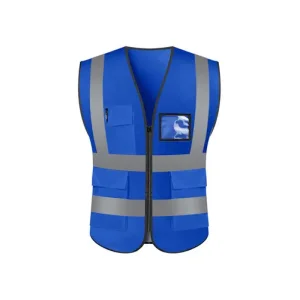
The landscape of industrial safety gear is shifting rapidly from passive protective shells and high-visibility fabrics to integrated personal protection systems. As global regulatory compliance frameworks harden, industrial operators are forced to re-examine the performance specifications of basic PPE. High-performance perforated reflective safety vests represent the forefront of this evolution, answering the challenge of maintaining maximum retroreflection while optimizing breathability in tropical and high-humidity construction and manufacturing sectors.
1. Advanced Aerodynamics & Fabric Physics
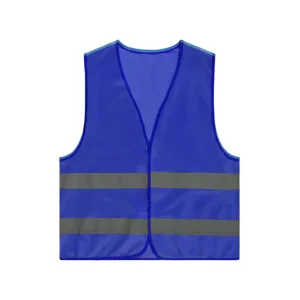
Standard solid polyester safety vests create a barrier that traps ambient body heat, causing thermal stress and accelerating fatigue. Under high-temperature conditions, workers frequently uncompress or remove their vests, compromising safety compliance. To resolve this, Linyi Xintuo safety engineers designed a specialized micro-perforated structural weave. This perforated pattern balances tensile fabric strength with ventilation efficiency, promoting hot air extraction through micro-vent channels while preserving the reflective film base.
2. Future Integration of Smart Technologies (PPE Roadmap)
Looking toward 2030, our technical roadmap outlines the convergence of active electronic elements with classic reflective fabrics. Micro-LED arrays powered by flexible, ultralight solar cells will complement retroreflective strips, providing active illumination in zero-light scenarios. Furthermore, sensor arrays woven into the mesh of perforated reflective vests will gather biometrics (body temperature, heart rate) and track real-time position data, warning employees and site safety officers of proximity hazards near heavy industrial gear.
3. Comprehensive Macro-Industry Safety Solutions
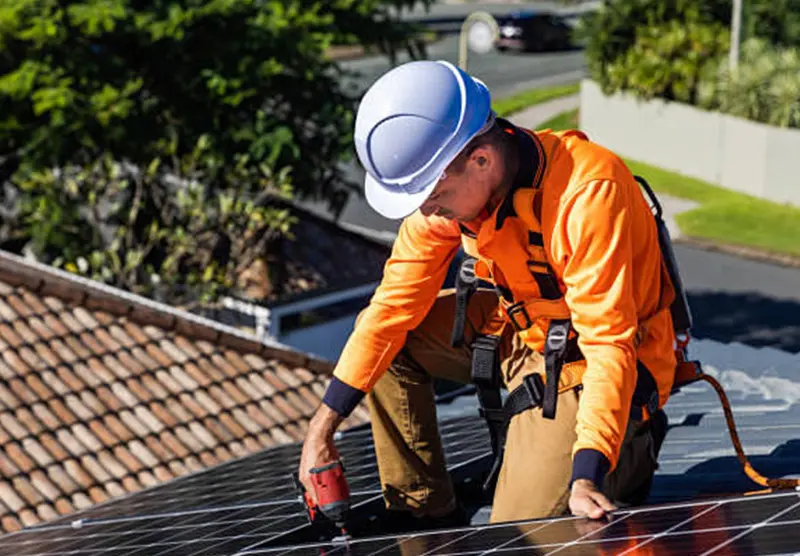
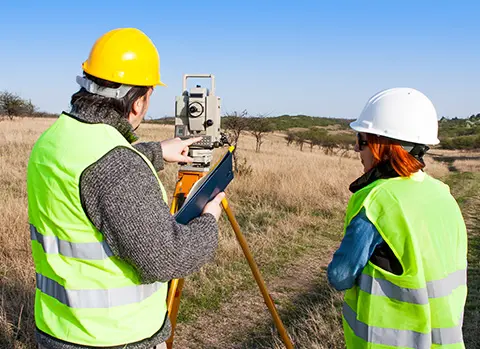
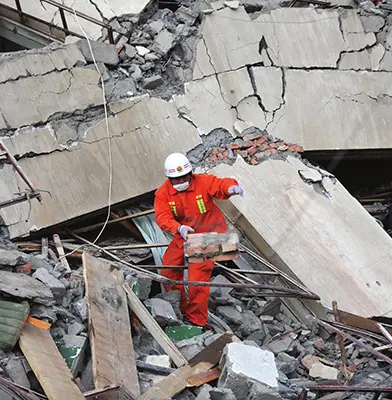
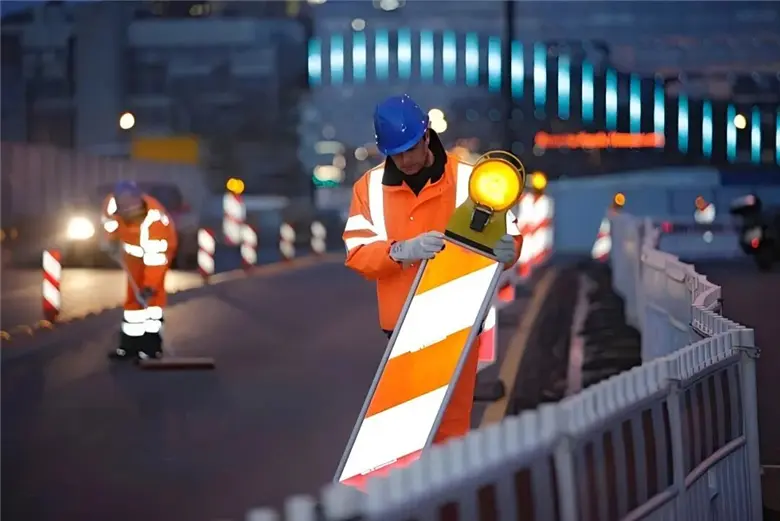
Infrastructure Construction: High-risk environments demanding Class 2 and Class 3 visibility. Vests must withstand rough friction and frequent washing while holding dynamic weight, such as heavy hand tools and communication gear.
Logistics, Port Operations, and Aviation: Workers moving between climate-controlled cargo areas and exposed tarmacs require light, ventilated reflective designs that handle dynamic wind shifts and resist dirt buildup.
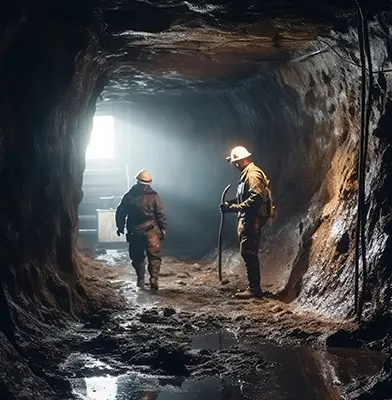
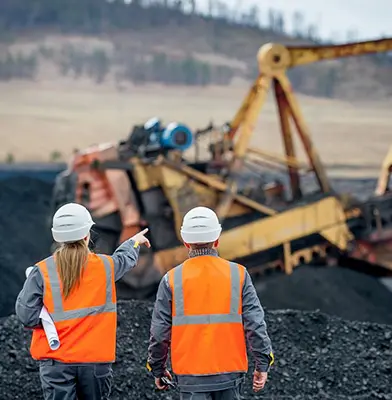
Extractive Heavy Industries: For mining and refining projects, safety gear must resist heat and chemical contact. Combining flame-resistant polymers with reflective grids ensures durable safety under high stress.
4. Global Compliance, Quality Control, and Traceability
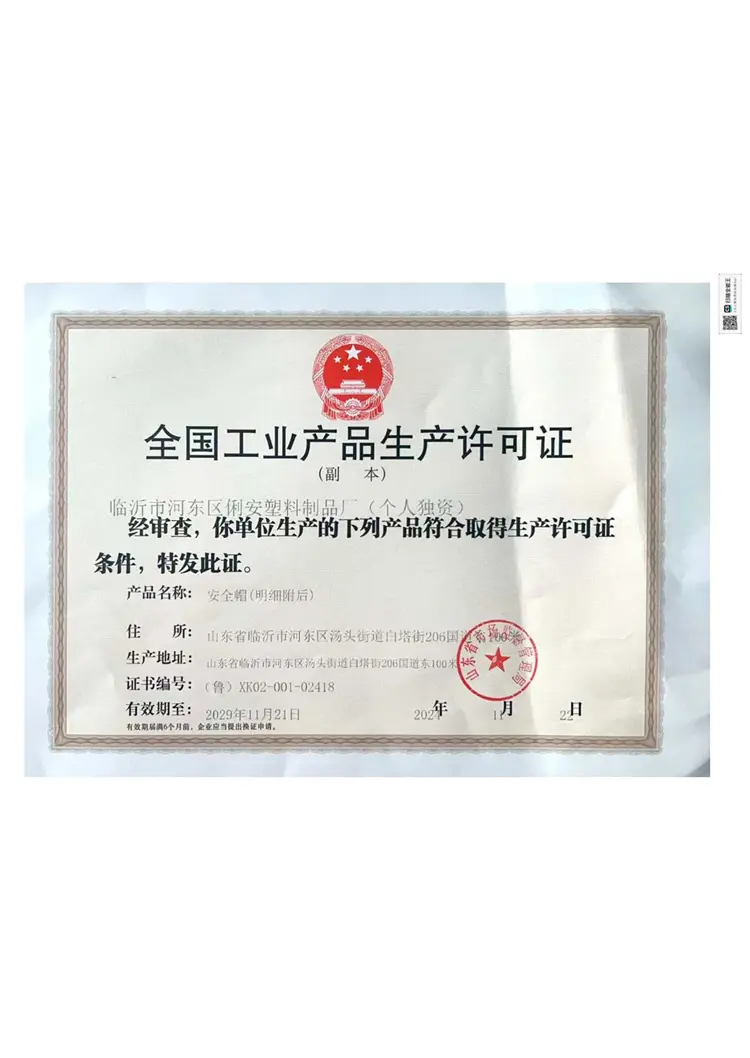
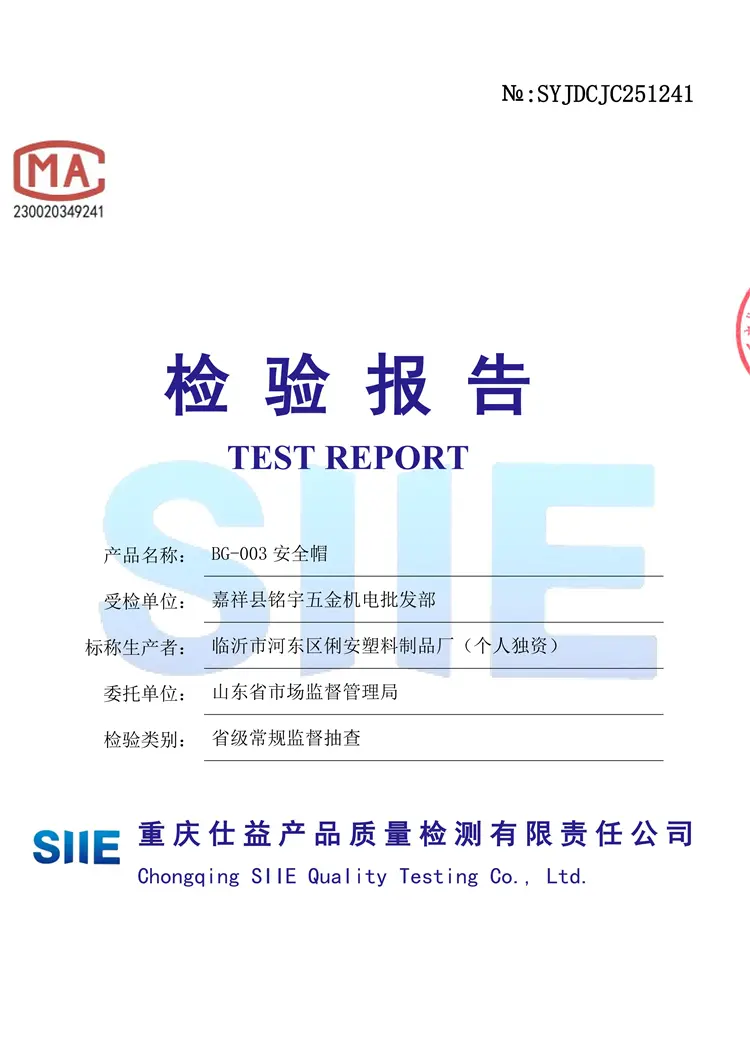
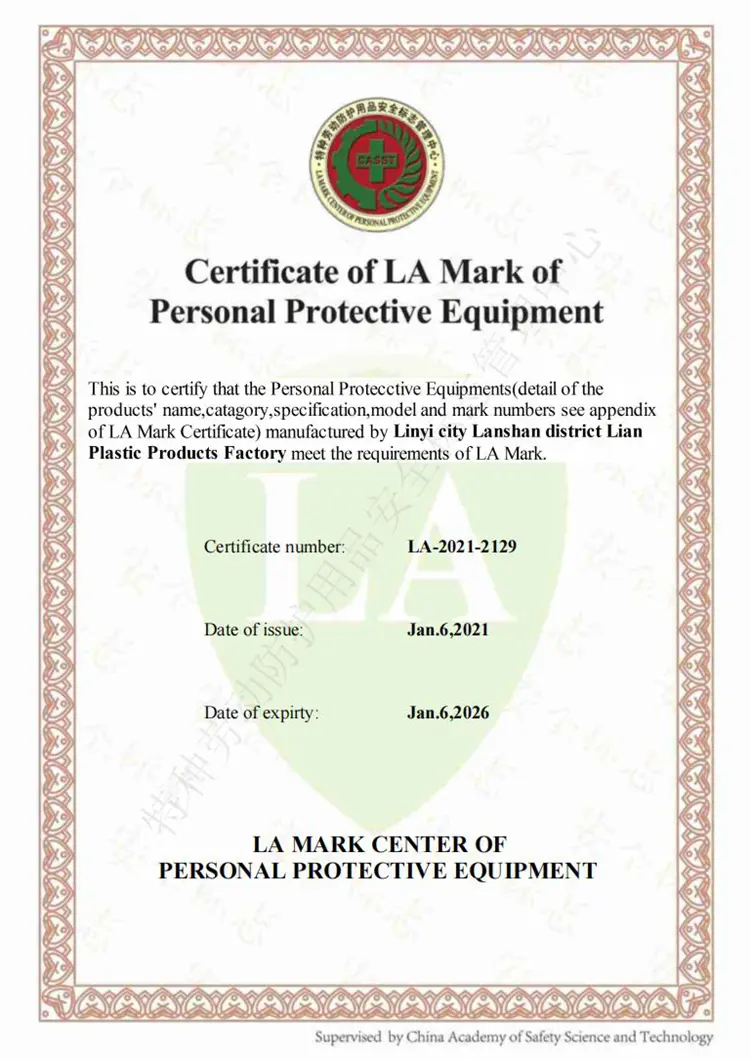
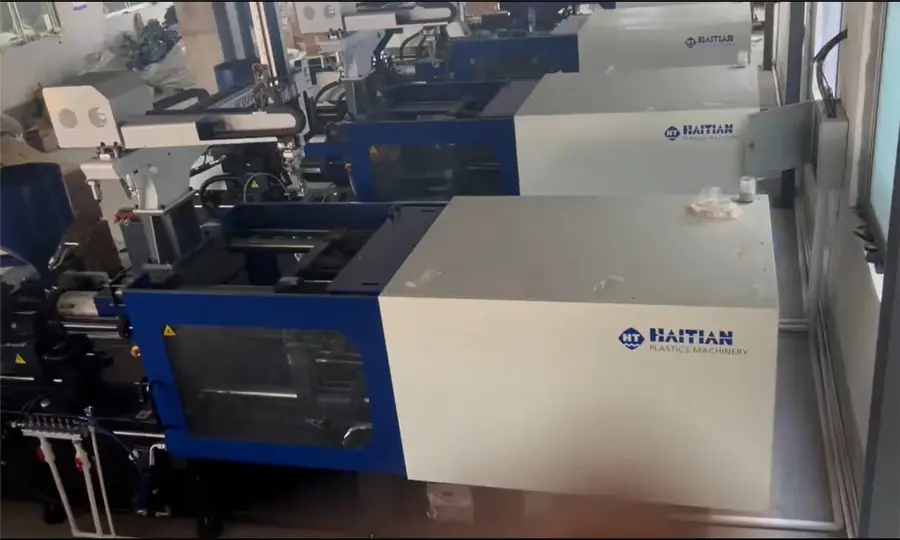
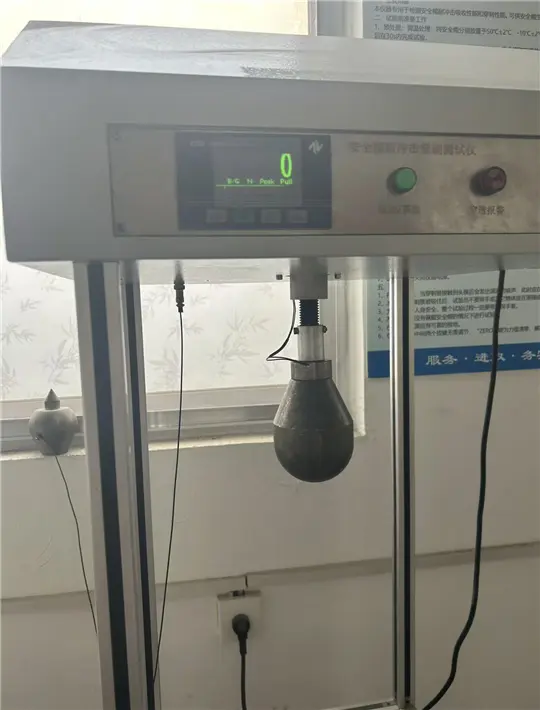
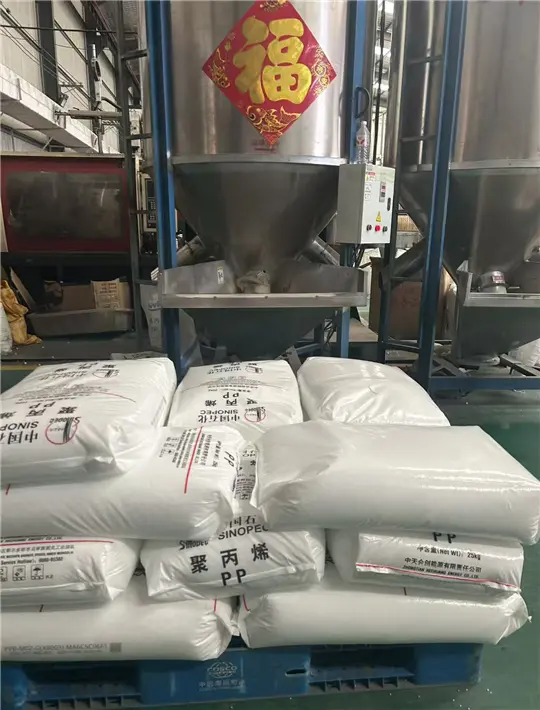
Every industrial run produced at our ISO 9001 certified Linyi facilities undergoes comprehensive testing. Reflective materials must meet minimum values of retroreflection (RA ≥ 330 cd/(lx·m2)) to meet EN ISO 20471 and ANSI/ISEA 107. Through raw material tracing and systematic batch checks, we ensure that every wholesale container delivered to partners matches our high standards.