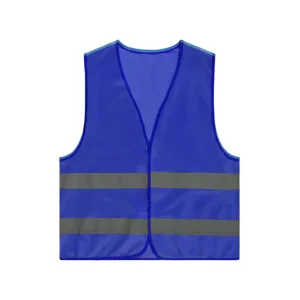
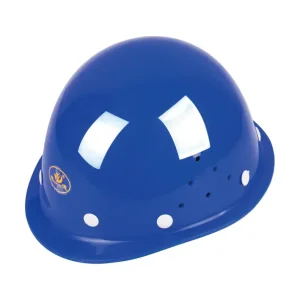
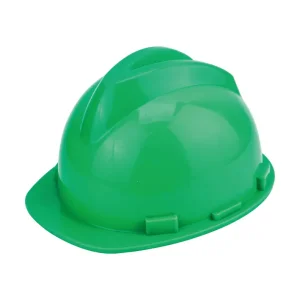
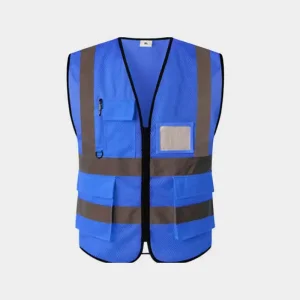
Explore our flagship catalog of industrial safety helmets and high-visibility garments built to meet strict global safety certifications.
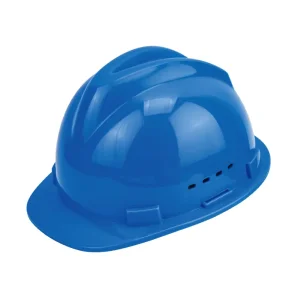
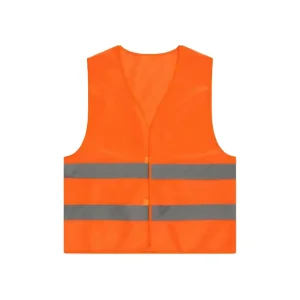
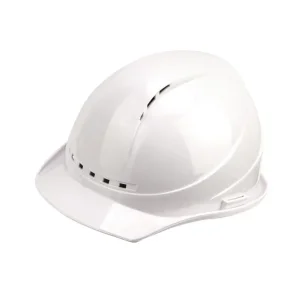
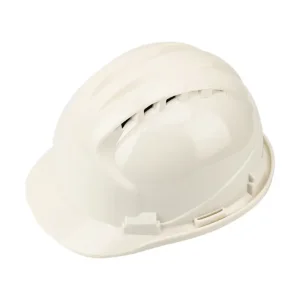
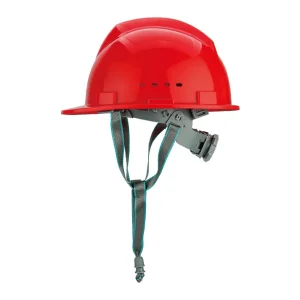
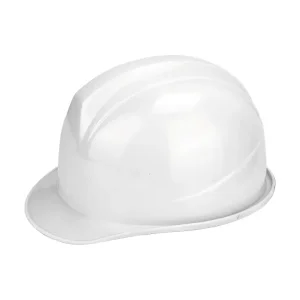
The safety infrastructure of the global industrial workplace is undergoing a radical paradigm shift. Escalating regulatory policies, combined with a rising safety culture across high-growth markets in North America, Europe, and the Asia-Pacific region, have placed strict requirements on high-standard Personal Protective Equipment (PPE). Occupational Safety and Health Administration (OSHA) regulations in the United States, along with the stringent European Union PPE Regulation (EU) 2016/425, have raised the standards for performance metrics, placing greater pressure on manufacturing and construction sectors.
According to recent global safety market indicators, the compound annual growth rate (CAGR) for personal head protection devices is projected to grow significantly over the next decade. This growth is driven by heavy infrastructure investments, mining expansion, petrochemical refinement projects, and large-scale manufacturing installations. In this environment, a basic hard hat is no longer sufficient; global enterprises demand highly engineered safety systems designed to prevent traumatic brain injuries (TBIs), withstand chemical hazards, and provide all-day comfort.
"Head safety products are changing from simple impact barriers to highly integrated systems. Modern safety helmets must balance advanced impact protection, chemical resistance, ventilation, and lightweight designs to protect workers effectively in complex industrial settings."
Furthermore, the shift toward sustainable manufacturing practices has prompted industry leaders to demand eco-conscious production methods. Industrial operations are seeking suppliers who utilize energy-efficient machinery, recyclable thermoplastic resins, and sustainable packaging. Consequently, top-tier PPE manufacturers must adapt, combining advanced safety testing with sustainable processes to remain competitive in the global supply chain.
Understanding the molecular compositions that determine the energy absorption capacity and impact resilience of professional safety helmets.
ABS features structural rigidity, exceptional dimensional stability, and high chemical resistance. It is the material of choice for extreme environments requiring optimal structural protection, such as industrial transportation, smelting, and manufacturing.
HDPE offers a lightweight solution with high impact resistance and flexibility. Its resistance to moisture, cracking, and chemical solvents makes it ideal for chemical processing facilities and open-air construction sites.
Engineered for high-temperature zones, fiberglass composite structures resist degradation from heat transfer, making them suitable for metal refining, foundry operations, and hot-work construction fields.
| Material Type | Tensile Strength (MPa) | Thermal Deflection Temp (°C) | Relative Weight Profile | Primary Industrial Applications |
|---|---|---|---|---|
| High-Performance ABS | 40 - 50 | 85 - 100 | Medium | Heavy Engineering, Electric Utilities, Manufacturing |
| High-Density Polyethylene (HDPE) | 20 - 30 | 70 - 85 | Ultra-Lightweight | Civil Construction, Chemical Processing, Infrastructure Logistics |
| Reinforced Fiberglass Composite | 120 - 150 | 150 - 250 | Heavy Duty | Foundries, Smelting, High-Temperature Refineries |
Linyi Xintuo Industry and Trade Co., Ltd. is a modern enterprise based in China, specializing in the research, development, and manufacturing of high-performance safety helmets and comprehensive labor protection equipment. Since our establishment, the company has been driven by a vision of safety-focused innovation, continuously investing in automated production machinery, standardized molding technologies, and a dedicated team of research and design professionals.
Our manufacturing processes follow strict ISO-certified protocols to ensure consistent product quality across all production runs. We prioritize sustainability throughout our operations, utilizing eco-friendly materials and energy-efficient manufacturing systems to reduce our environmental footprint while maintaining high production capacity.

Why industrial procurement managers choose Xintuo as their strategic PPE manufacturing partner.
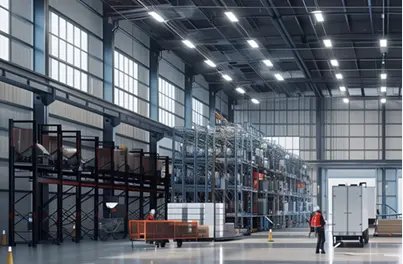
All our industrial products are engineered to meet or exceed international safety standards, including CE, ANSI, and EN. We deploy strict mechanical testing to verify load resistance and impact attenuation.
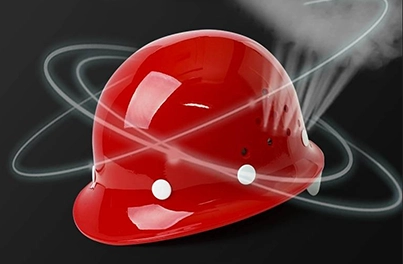
We leverage cutting-edge material science, utilizing fiberglass composites and high-impact polymers that offer superior strength-to-weight ratios compared to traditional generic plastics.

We provide comprehensive after-sales support, including technical guidelines and maintenance schedules, to ensure product longevity and safety compliance for end-users.

Our design and engineering teams offer customized product development, assisting clients from initial material selection and prototype design to custom logo printing and regulatory certifications.
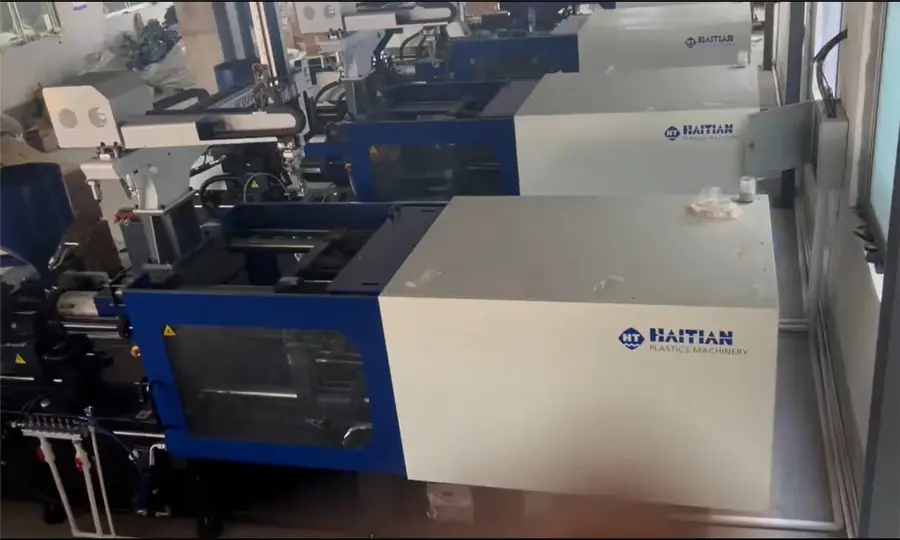
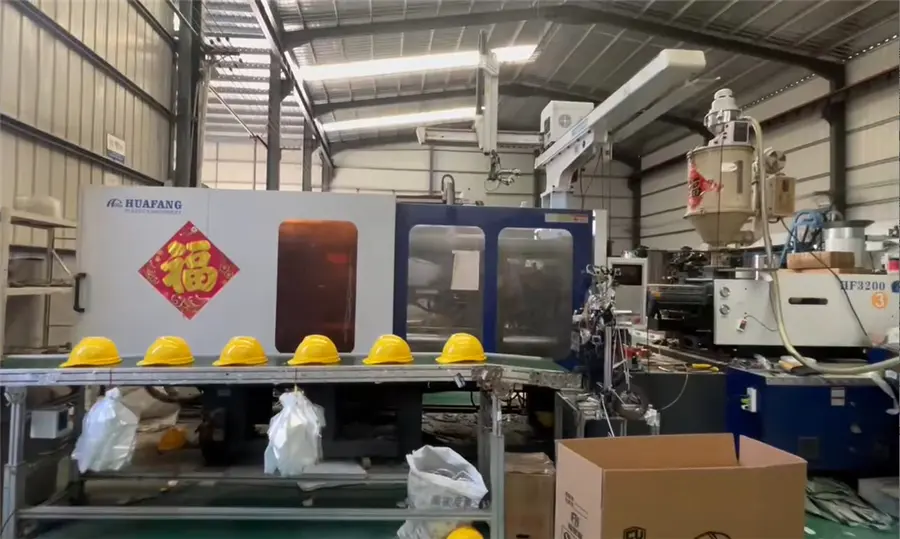
A transparent look at our advanced manufacturing lines and official safety compliance certificates.

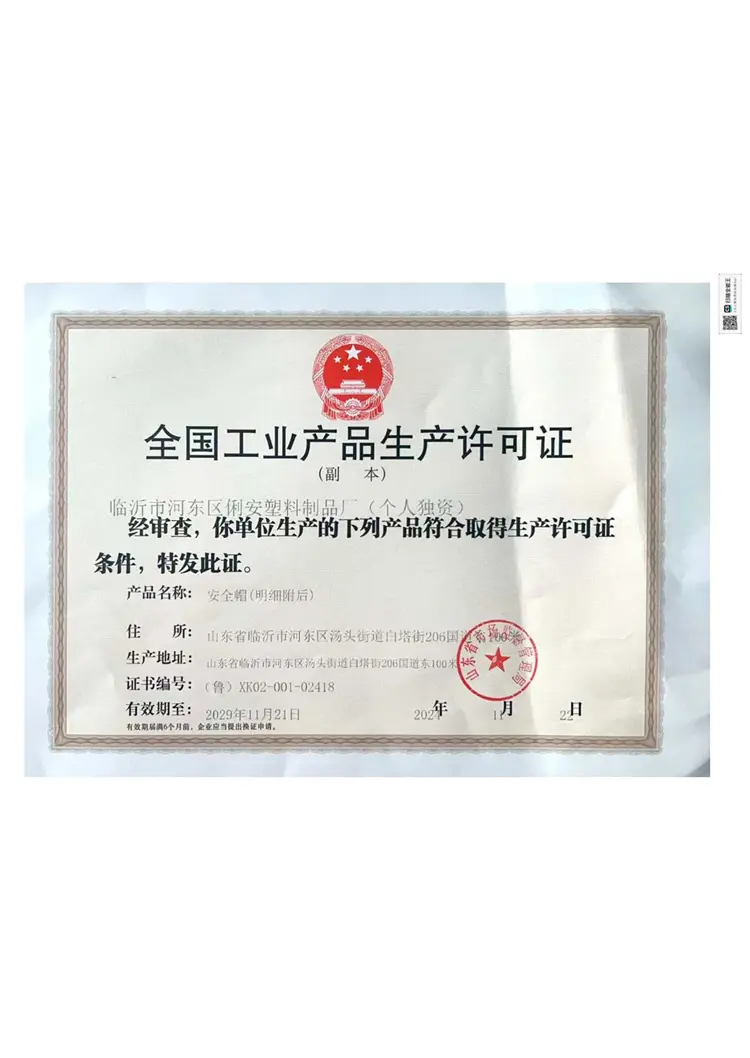
Quality Management Standard
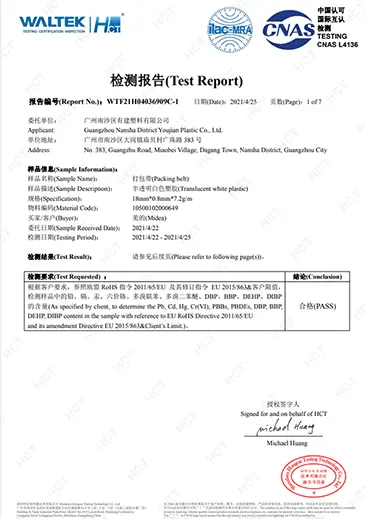
ANSI Z89.1 Standard Certification
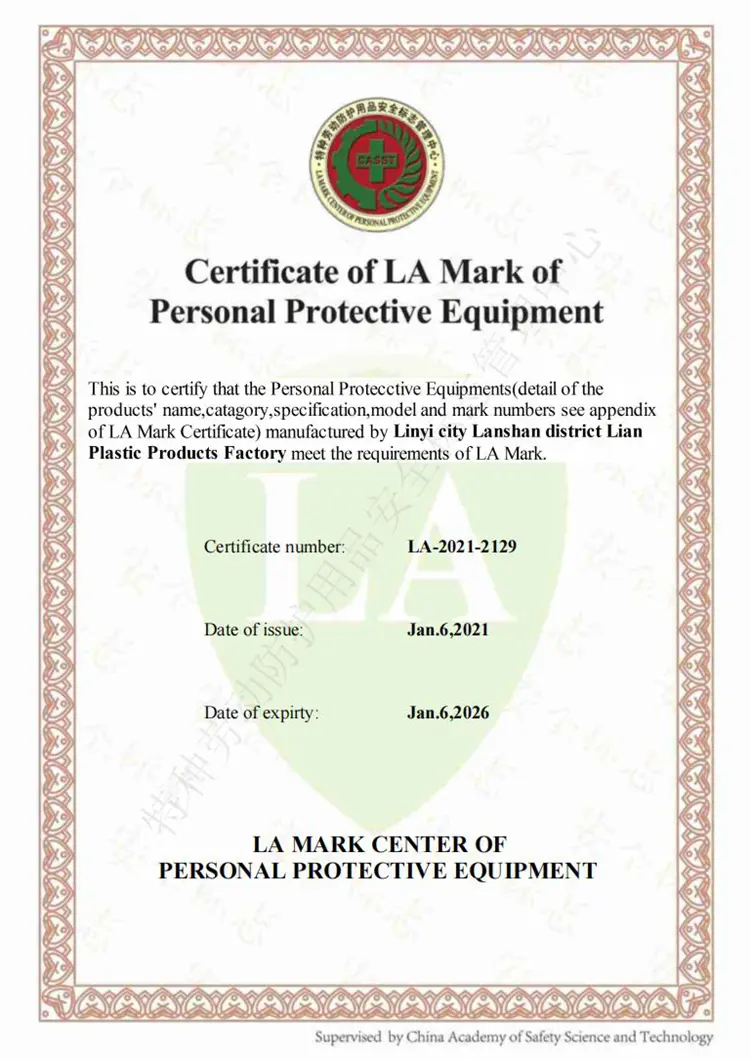
European CE EN 397 Certification
From core raw materials to end-user protective equipment, we support global operations across the entire safety supply chain.

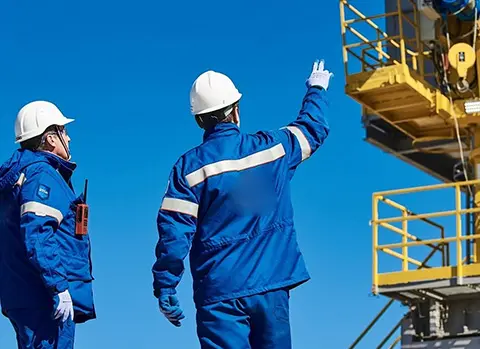
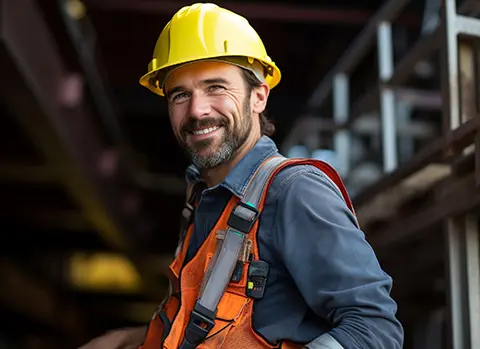
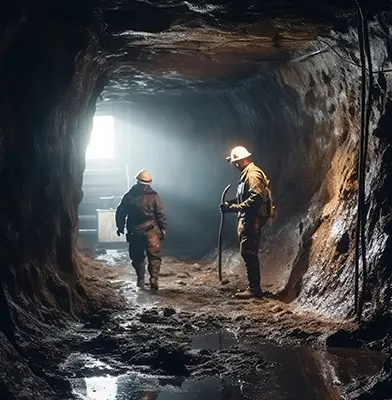
Equipped over 12,000 refinery operators with XT-009 anti-static chemical resistant safety helmets, reducing head injuries to zero over 24 months.
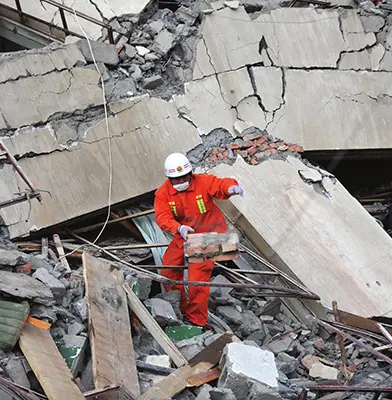
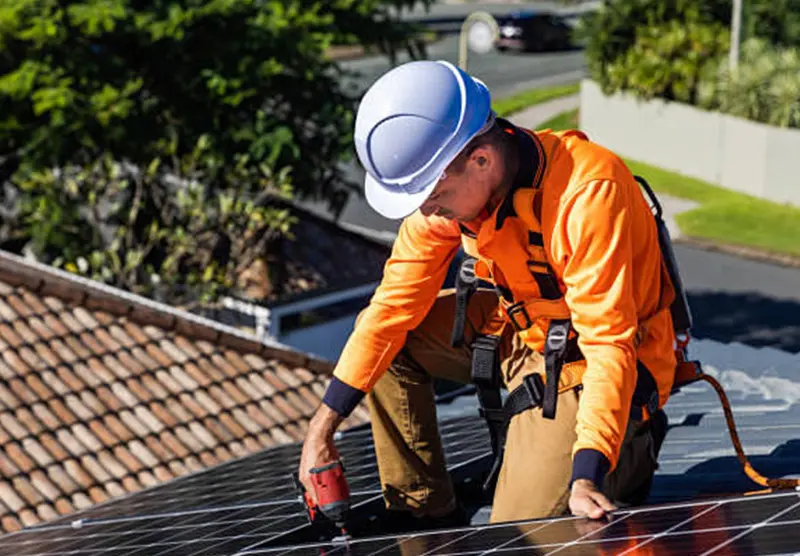
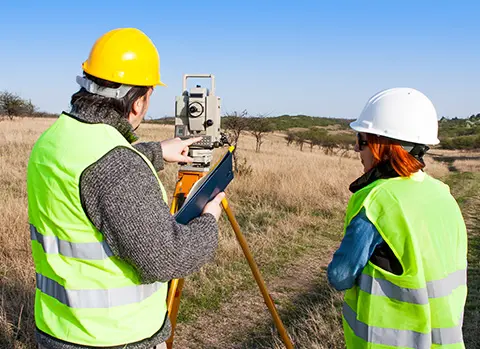
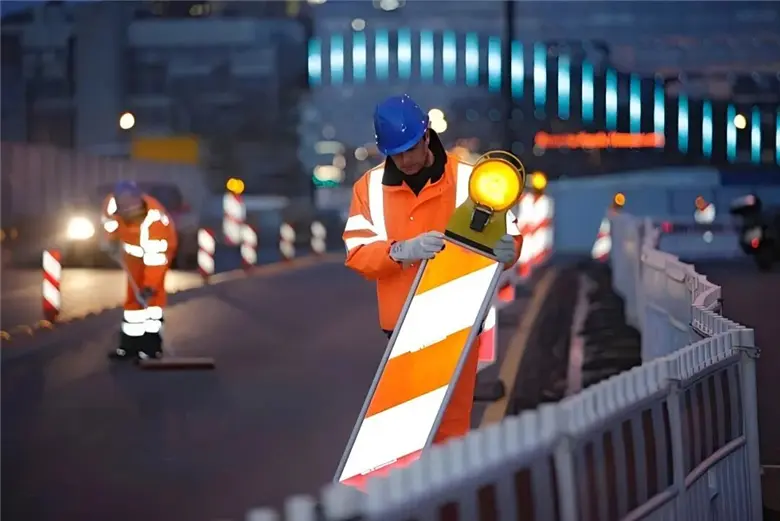
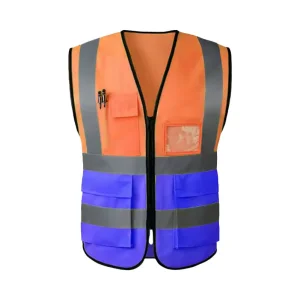
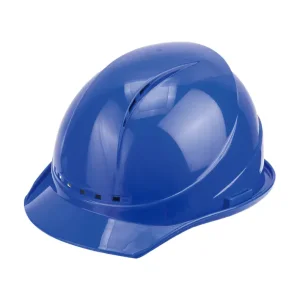
Supplied customized ventilation helmets and ANSI-certified high-visibility vests for large-scale municipal road construction operations.
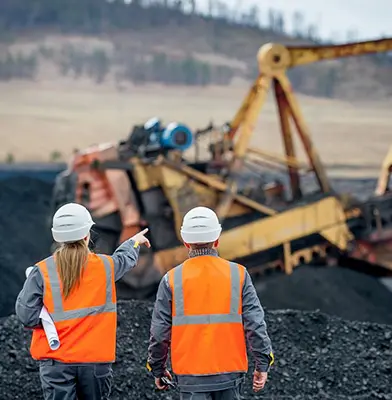
Deployed fiberglass-reinforced shell helmets to withstand thermal heat transfer up to 180°C in industrial metallurgy environments.
An analysis of common industrial hazards, correct PPE configuration, and the risks of unauthorized modifications.
Failing to adjust suspension systems correctly reduces the helmet's ability to absorb shock. A loose chin strap or poorly adjusted harness can cause the helmet to fall off during a secondary impact, leaving the worker unprotected.
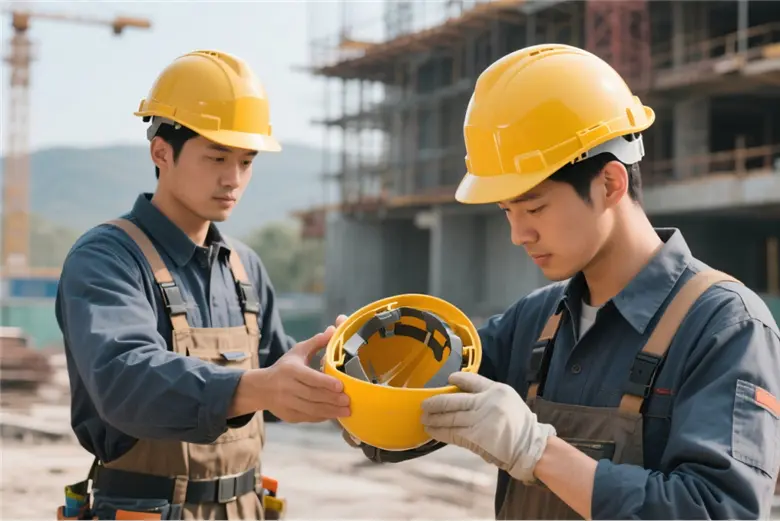
Drilling ventilation holes privately or modifying the internal harness compromises the shell's structural integrity. During an impact, these alterations can cause stress concentration points, leading to helmet failure.
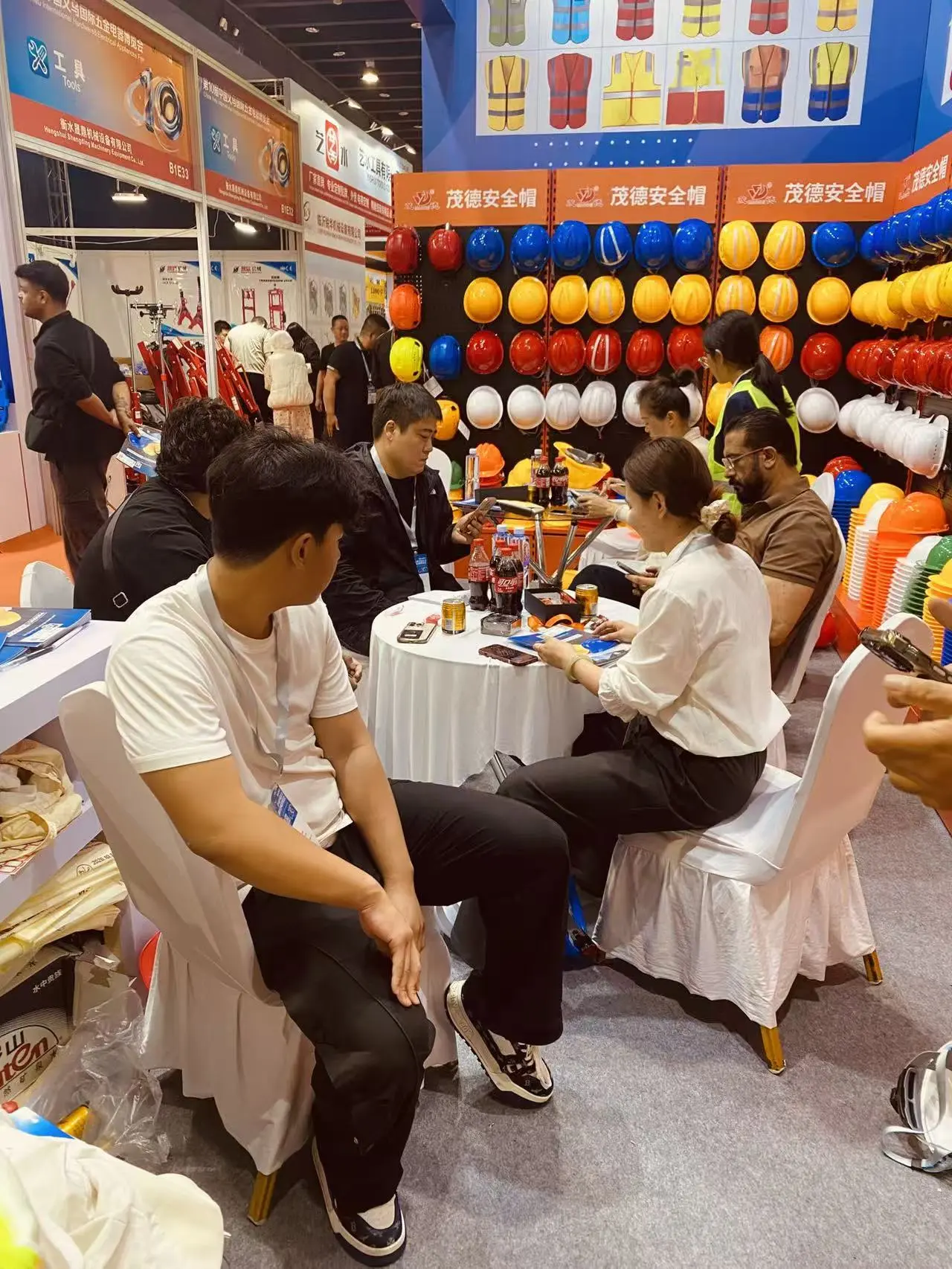
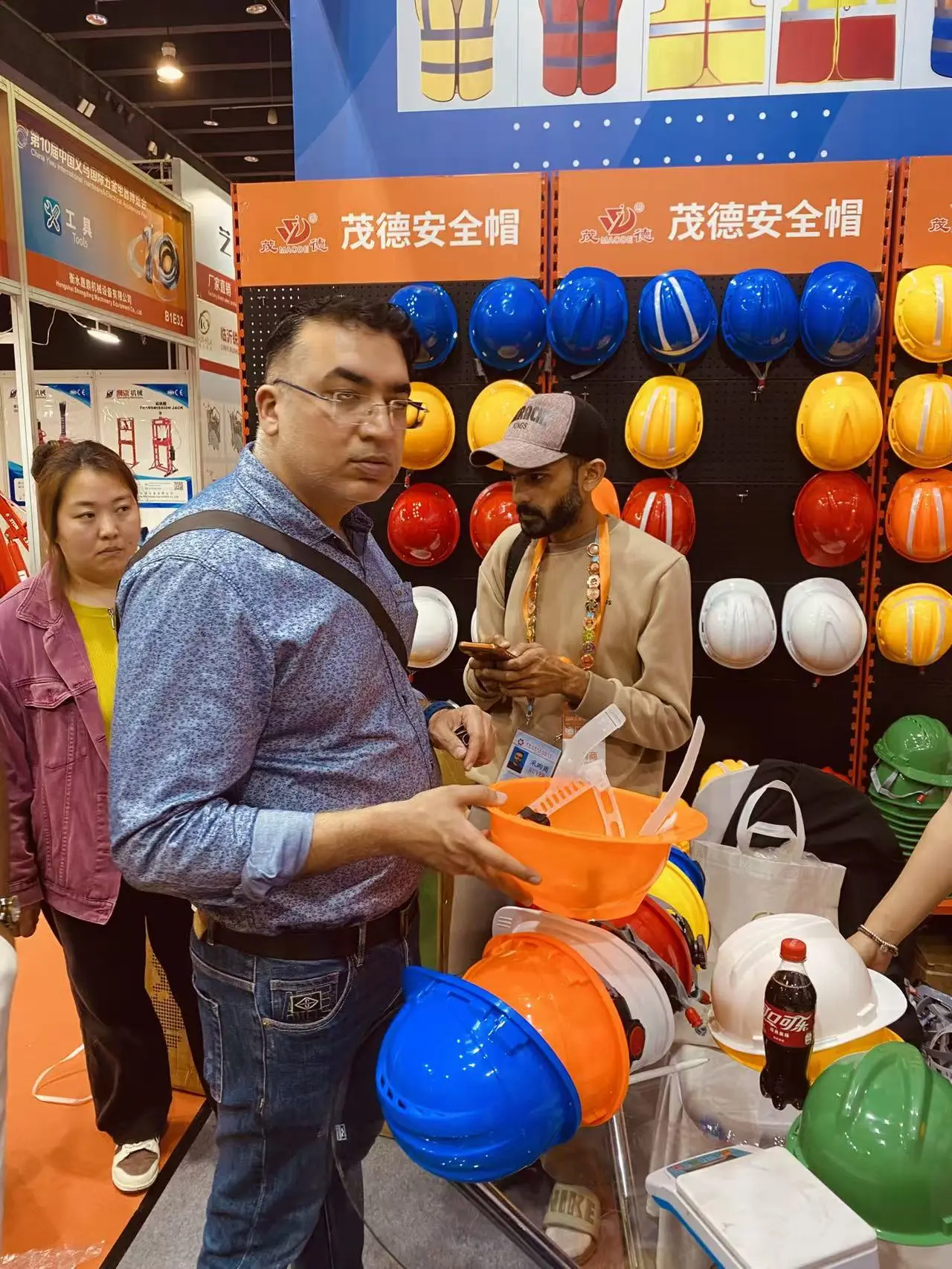
Building long-term relationships with global distributors through transparent communication and international trade presence.
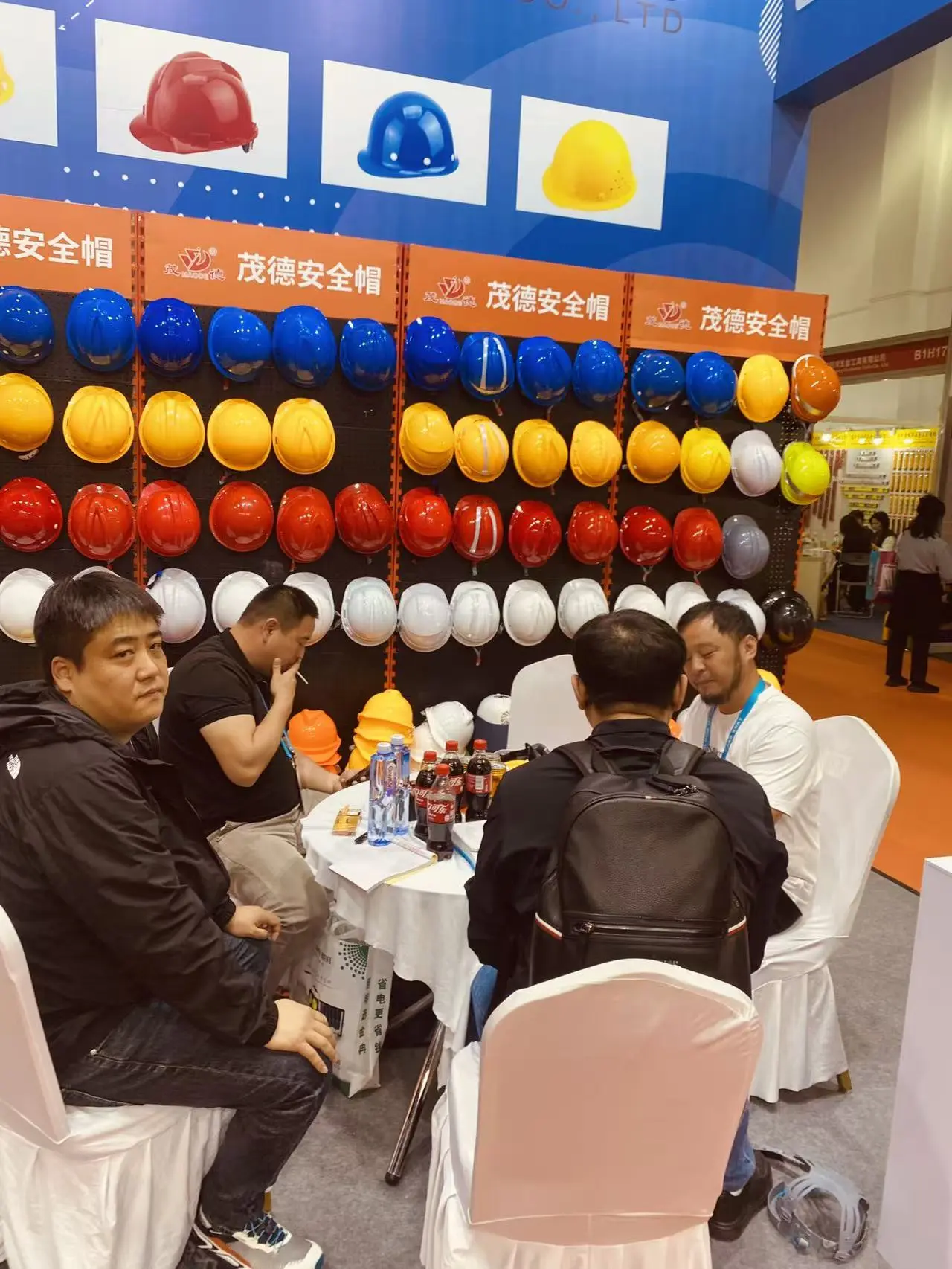
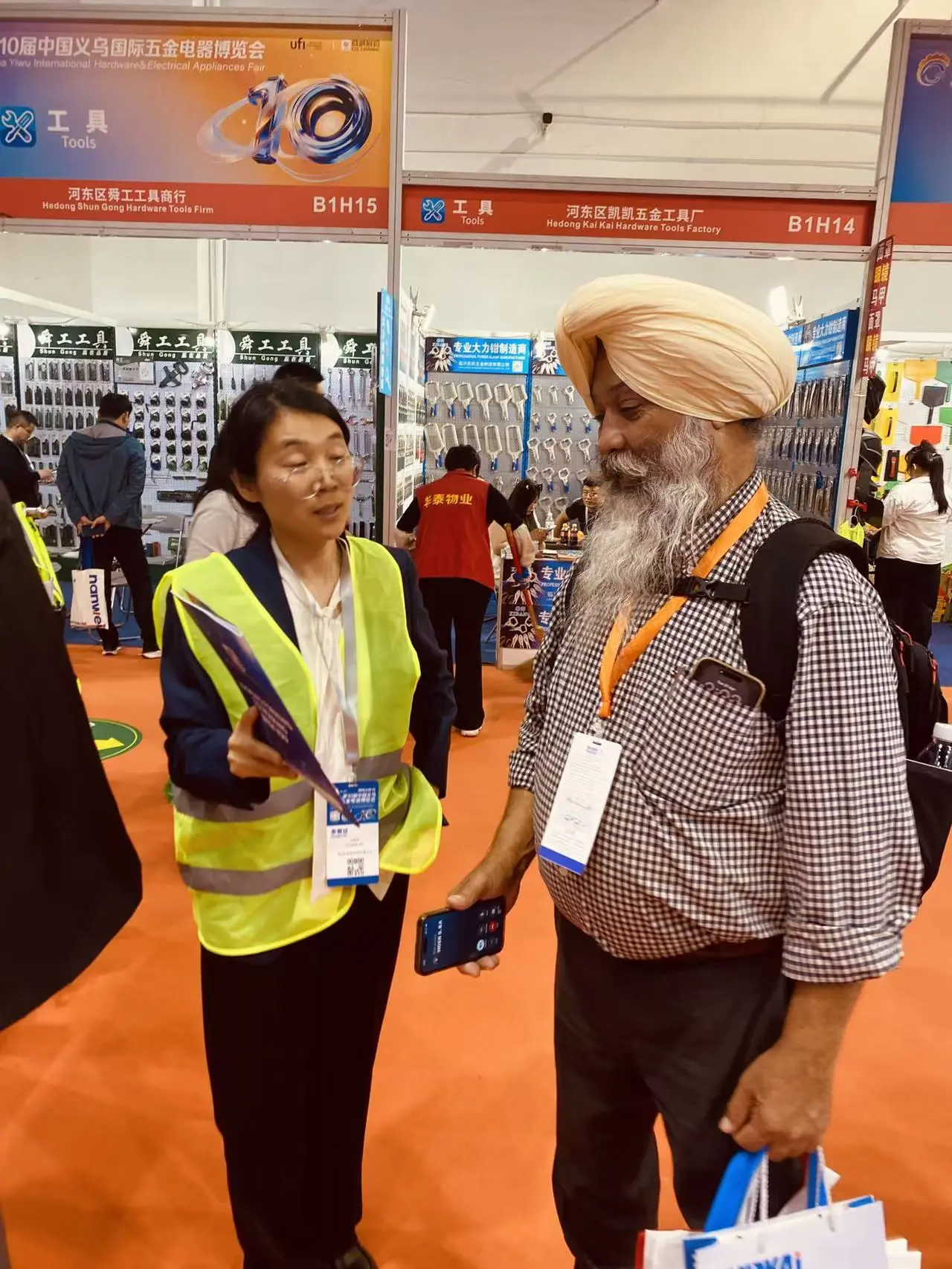
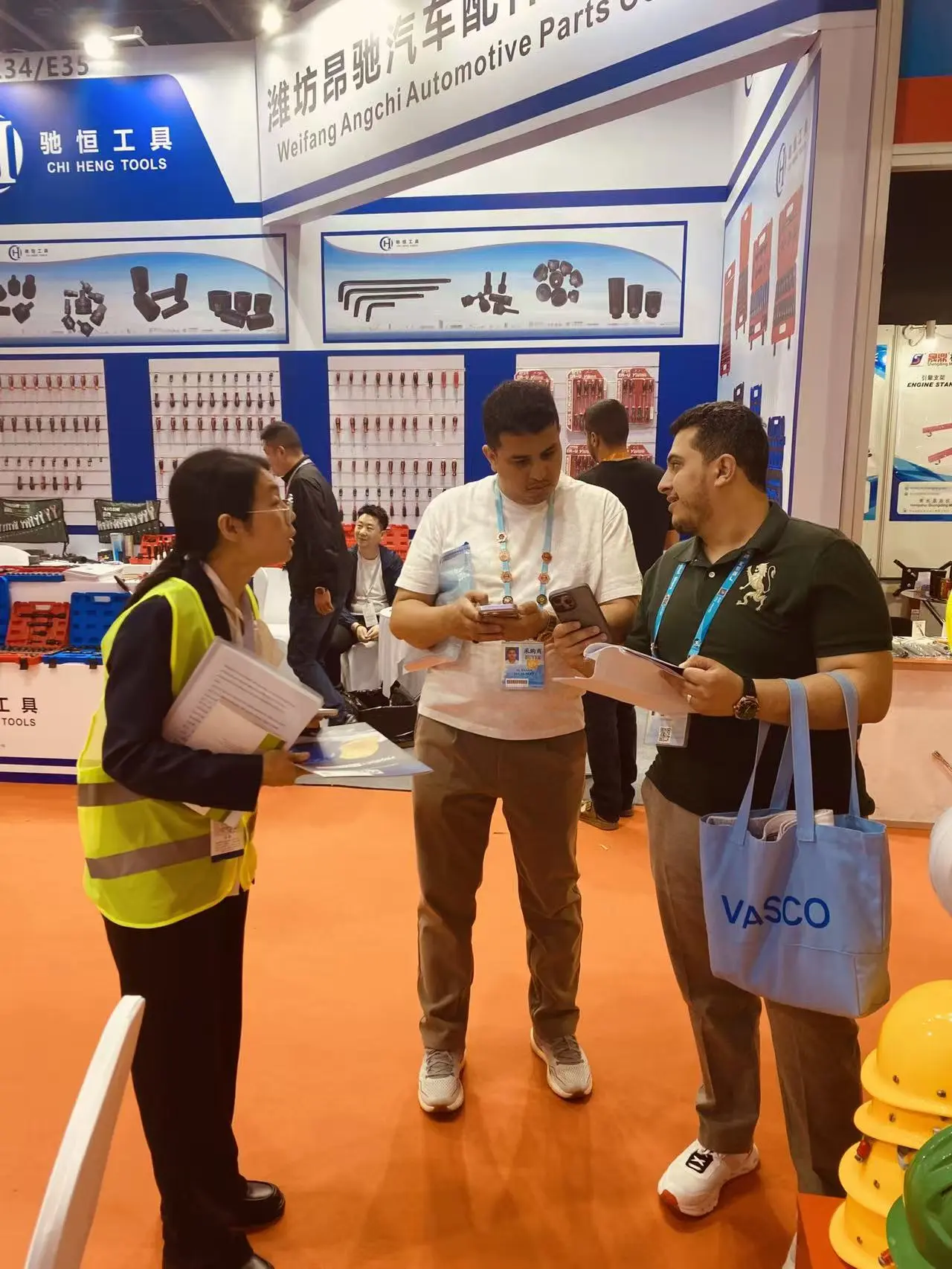
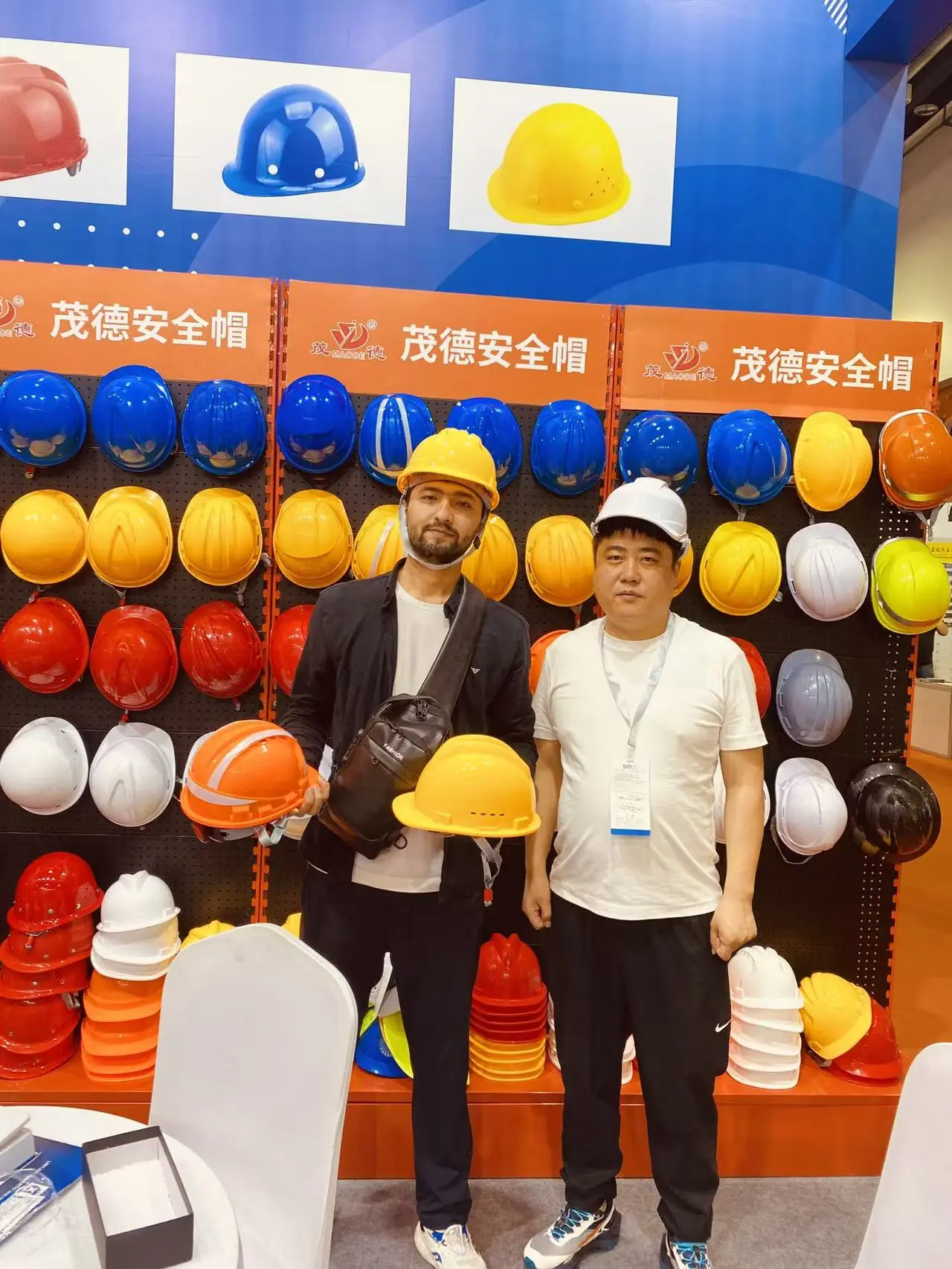
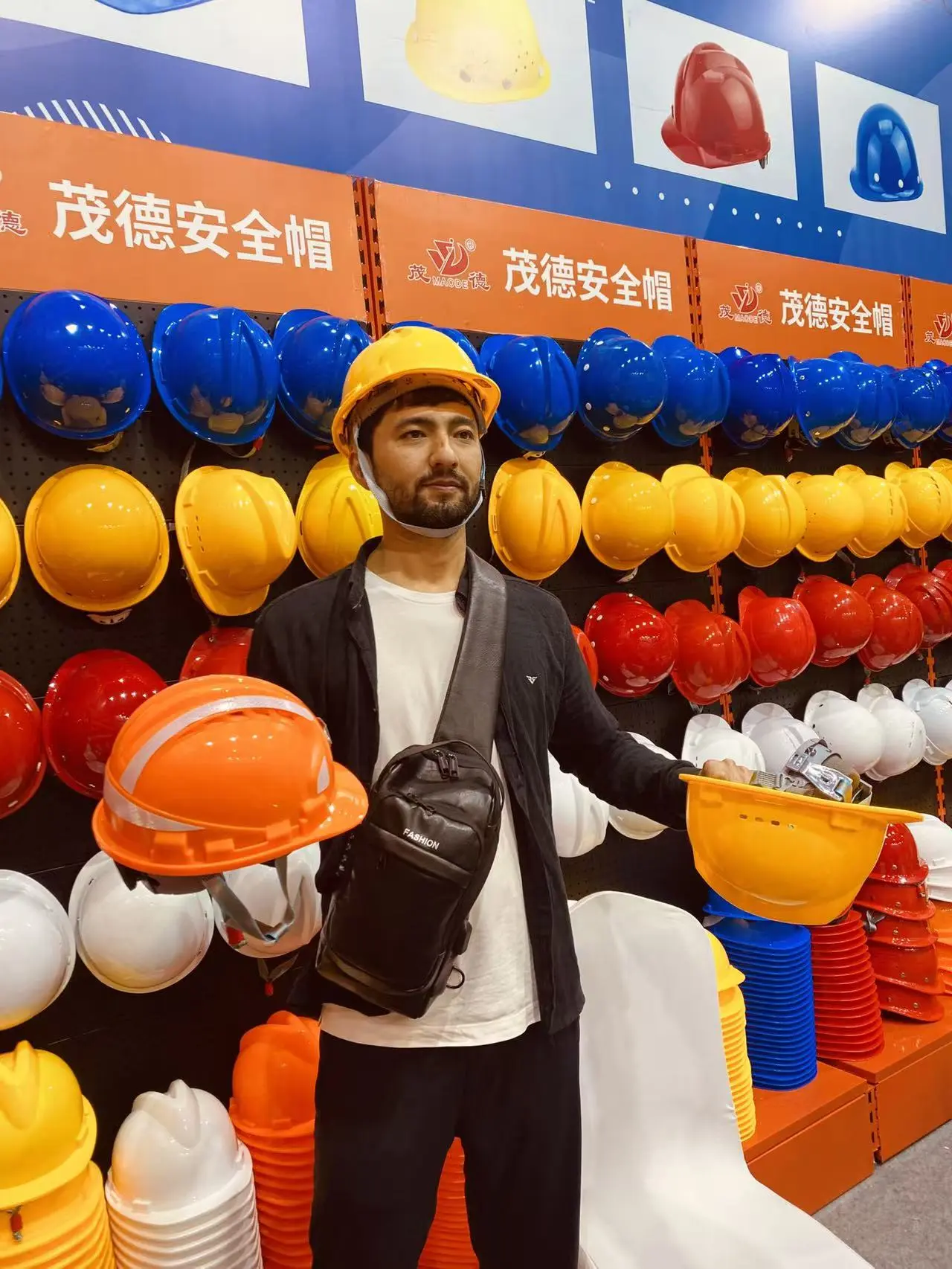
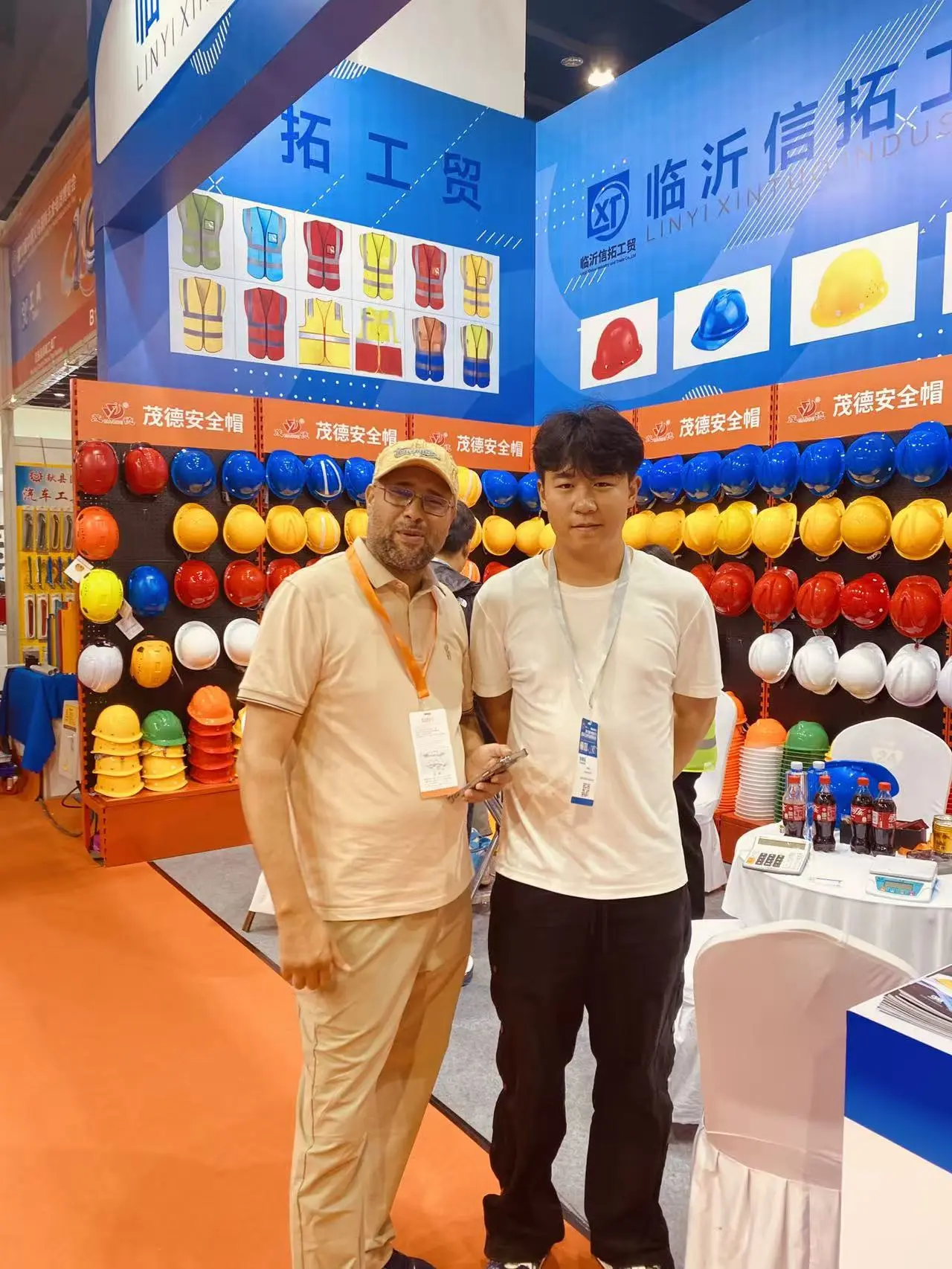








Answers to common questions regarding safety helmet manufacturing, quality compliance, and international order processes.
We are a direct manufacturer. Linyi Xintuo Industry and Trade Co., Ltd. operates a high-capacity production facility specializing in safety helmets and high-visibility reflective workwear, allowing us to maintain strict quality control and offer competitive pricing.
Yes, we provide standard samples for verification and testing. While sample units are typically free of charge, the cost of shipping is borne by the recipient.
We accept FOB, CFR, CIF, and EXW shipping terms. Payment can be processed in major global currencies (including USD, EUR, AUD, CAD, GBP, JPY, and HKD) via T/T (Telegraphic Transfer) or L/C (Letter of Credit).
We offer comprehensive OEM and ODM services, including customized shell designs, brand logo placement, custom packaging options, and tailored adjustments to suspension systems to meet specific industry requirements.
Our production facilities operate under ISO 9001 quality management guidelines. Our products are tested to meet international standards such as CE EN 397 and ANSI Z89.1, and each production run is batch-tested for impact resistance before shipment.
Lead times vary depending on order volume and custom requirements. Typically, standard container orders take between 20 to 30 days. For domestic logistics within China, delivery is generally completed in 7 to 14 days.
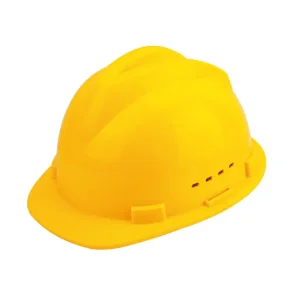
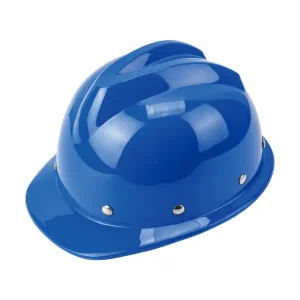
Select specialized models designed for high-temperature work, chemical processing, and civil construction hazards.
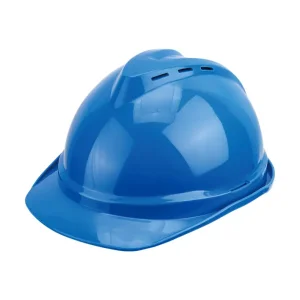
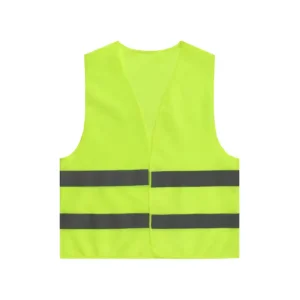
 Xintuo