Frequently Asked Questions
Q
How do I properly wear a safety helmet to ensure maximum protection?
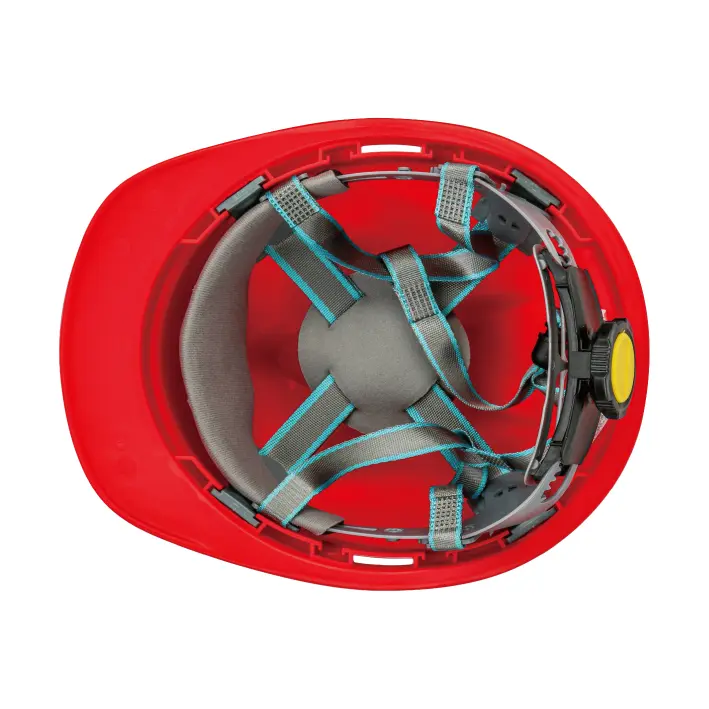
Place the helmet on your head with the top facing upward and the correct front-to-back orientation. Adjust the helmet hoop for a snug fit, tighten the chin strap securely, and never place any items between the shell and your head, as this can compromise the cushioning structure.
Q
Can I modify or disassemble my safety helmet for a better fit?
No. It is strictly prohibited to dismantle or modify any protective components, including the cap shell and inner liner. Unauthorized modifications can severely reduce the helmet's protective performance and may create safety hazards.
Q
Do I need to replace my safety helmet after a strong impact even if it looks undamaged?
Yes. Even if there is no visible damage after a strong impact, the internal structure may have been compromised. The helmet must be replaced immediately and should not be used again under any circumstances.
Q
How should I clean and store my safety helmet?
Use neutral detergent and water to wipe the helmet clean, then allow it to air dry naturally. Do not use high-temperature drying or leave it in direct sunlight. Store the helmet in a dry, ventilated, and cool location, away from sharp objects and corrosive chemicals.
Q
What are the signs that a safety helmet should be scrapped and replaced?
A safety helmet should be immediately discarded if the cap shell shows cracks, deformation, severe wear, or aging; if the liner or buffer tape is broken or loose; if it has been subjected to a significant impact; or if it has reached the service life stated on the product label.
Q
Are there any environmental conditions that can damage my safety helmet?
Yes. Prolonged exposure to direct sunlight, high temperatures, and corrosive substances such as oil, acid, or alkali can cause the helmet material to age and degrade. Always store and use the helmet in appropriate conditions to maintain its protective integrity.
 Xintuo