 Xintuo
1 / 5
If any of the following conditions are met, it should be immediately scrapped and replaced:


Generally, safety helmets should be replaced every 2 to 3 years under normal industrial usage, or immediately if they sustain any significant impact, even if no visible cracks or damage are apparent on the surface.
No. You should not wear baseball caps, bulky hoods, or other hats underneath your safety helmet. Doing so interferes with the suspension system's fit and cushioning structure, significantly reducing its ability to absorb shocks.
Clean the helmet with a mild, neutral detergent and warm water. Wipe down the shell and suspension, then let it dry naturally in a cool, ventilated area. Avoid direct sunlight, high heat, and contact with harsh chemicals like solvents or oils.
It is not recommended to apply stickers, adhesives, or paint to the shell unless approved by the manufacturer. Certain chemicals and solvents in these adhesives can react with the plastic shell, degrading its integrity and strength.
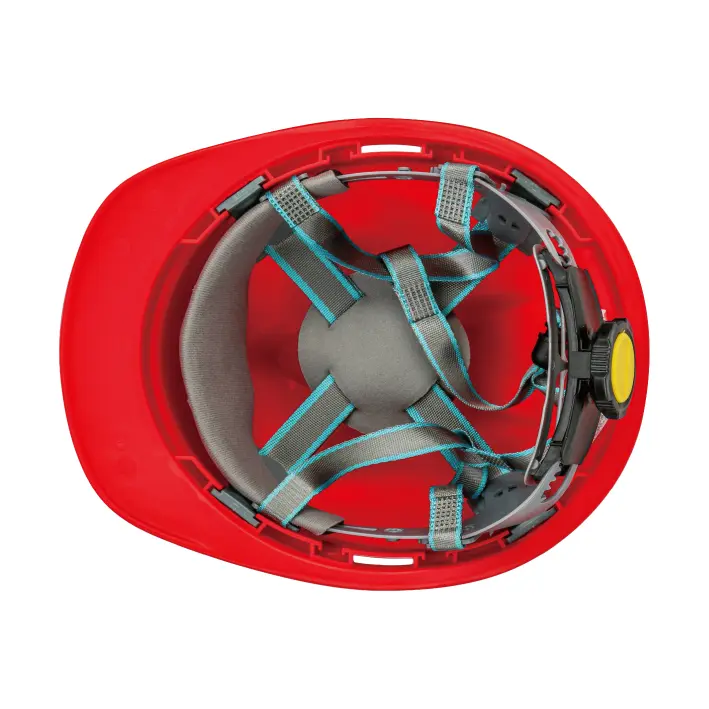
Adjust the back suspension ratchet or pin-lock band so the helmet fits snugly around the circumference of your head. When you lean forward, the helmet should stay securely on your head without slipping or falling off, even before you fasten the chin strap.
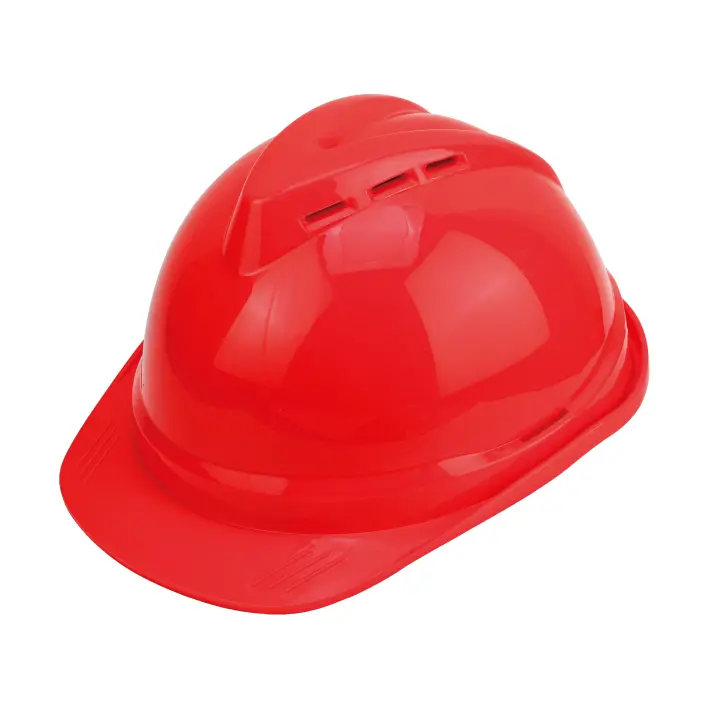
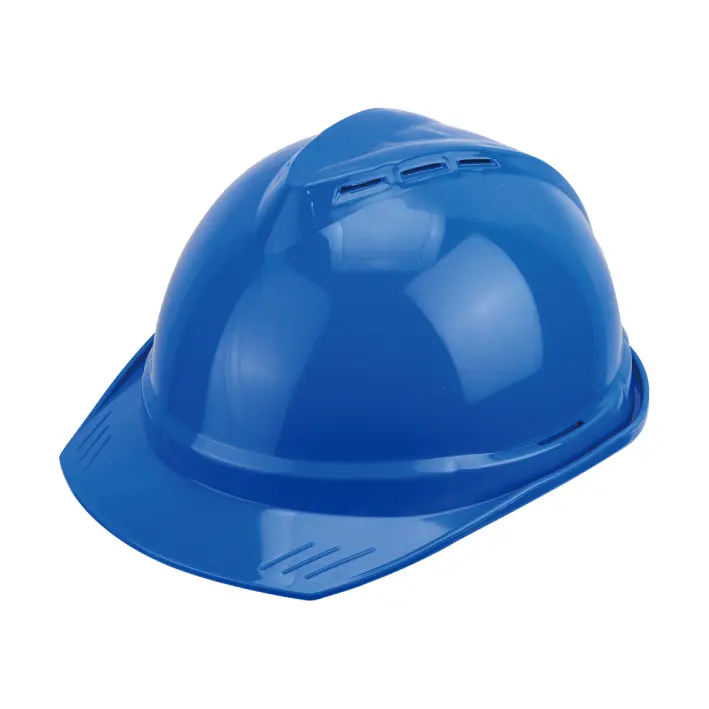
A safety helmet should be discarded and replaced if the shell shows signs of cracking, deep gouges, severe discoloration (from UV exposure), or deformation. Additionally, if the suspension lining is frayed, torn, or has reached its manufacturer expiration date, it must be scrapped.