 Xintuo
1 / 5
In numerous work environments—such as road construction, sanitation operations, and nighttime logistics—as well as in various outdoor sports settings, lighting conditions are often complex and characterized by low visibility. In such situations, reflective clothing plays a pivotal role as essential safety equipment for personnel protection. Within the EU market, the production and testing of reflective garments must adhere to the EN ISO 20471 standard; this ensures that the clothing possesses excellent visibility and protective capabilities, thereby providing effective safety assurance for wearers operating in low-visibility environments.
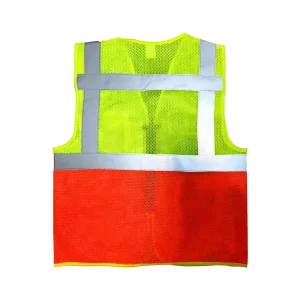
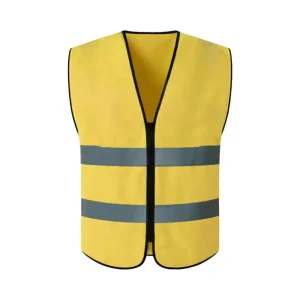
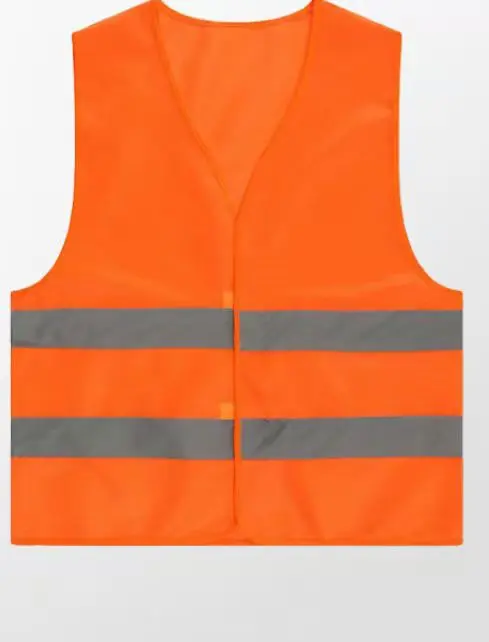
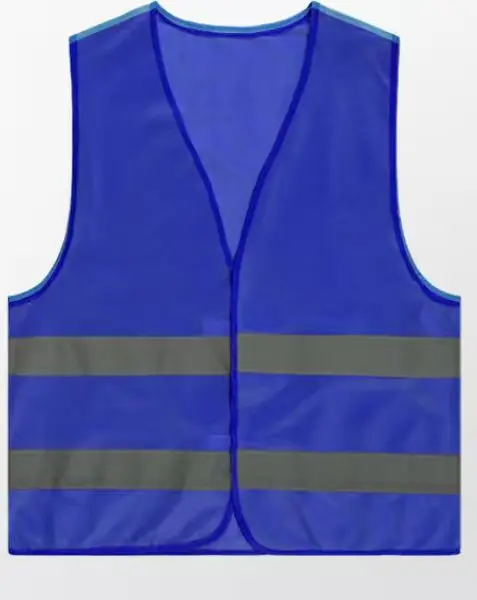
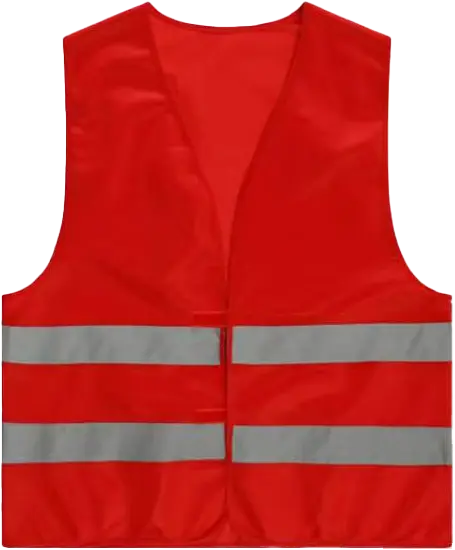
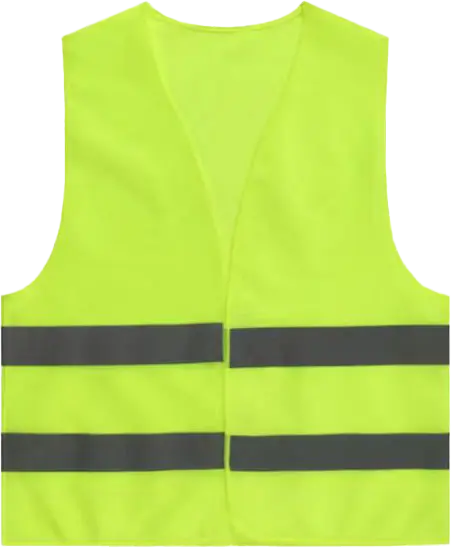
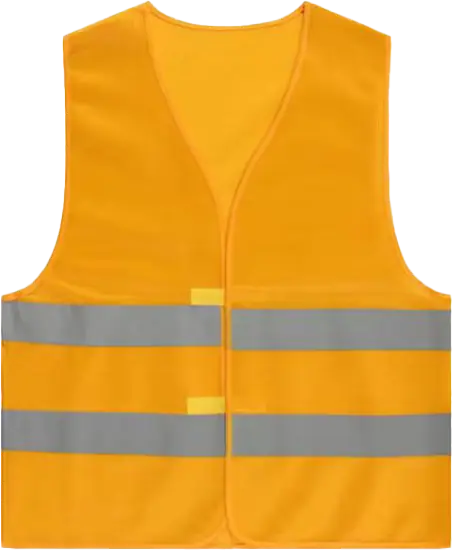
This high-visibility reflective safety vest is a unisex design. It is constructed from knitted fabric, 100% polyester, and reflective materials. This reflective safety vest is breathable, lightweight, and durable; it is also machine washable.
High Visibility: Reflective strips are strategically placed across the waist, chest, shoulders, and back. Whether working in daylight or in low-light environments, this safety vest provides you with 360-degree, all-around protection.
During daily use, the High-Visibility Reflective Safety Vest may be subjected to friction against various objects—such as tools, walls, and floors—making its abrasion resistance of paramount importance. An abrasion testing machine is employed to conduct friction tests on the garment's surface under specified pressure and for a prescribed number of cycles (e.g., 5,000 cycles under a specific load). Following the test, the garment's surface is inspected for any signs of damage, detachment of reflective materials, or degradation in reflective performance. The requirement is that, even after undergoing abrasion testing, the reflective clothing must continue to meet basic visibility and protective performance standards, thereby ensuring its durability within actual working environments.
To simulate the washing conditions encountered during the garment's daily use, wash durability testing is conducted. Samples are subjected to multiple washing cycles (e.g., 50 times or more) in accordance with standardized washing procedures (which specify factors such as the type of detergent, water temperature, wash duration, and mechanical agitation intensity). After each washing cycle, the garment's physical appearance is examined for any signs of deformation, loose stitching, or color fading; simultaneously, its reflective performance is measured to detect any decline. Upon completion of the prescribed number of washing cycles, the garment's retroreflective coefficient must remain above a certain threshold (e.g., at least 70% of its initial value) to ensure that it continues to function effectively as a reflective safety garment even after repeated laundering.