Q1
How do I know if my safety helmet fits correctly?
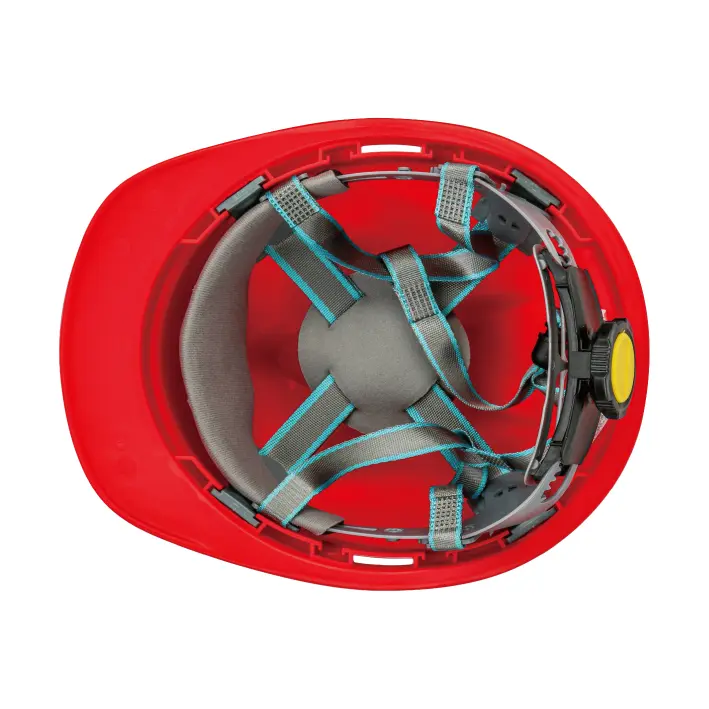
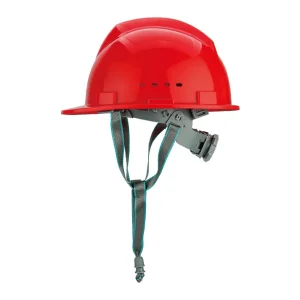
A properly fitted safety helmet should sit level on your head, with the helmet hoop adjusted snugly so it does not sag or shake. The chin strap should be tightened and secured firmly. There should be no items placed between the cap shell and your head.
Q2
Can I still use my safety helmet after it has been impacted?
No. After any strong impact, the safety helmet must be replaced immediately — even if there is no visible damage to the appearance. Internal structural integrity may be compromised, significantly reducing its protective performance.
Q3
How should I clean and store my safety helmet?
Clean the helmet using neutral detergent and water, then allow it to air dry naturally. Do not use high-temperature drying methods or expose it to direct sunlight. Store in a dry, cool, and ventilated location, away from sharp objects and corrosive chemicals.
Q4
What are the signs that a safety helmet should be scrapped?
A safety helmet should be immediately scrapped if the cap shell shows cracks, deformation, severe wear, or aging; if the cap lining or buffer tape is broken or loose; if it has been exposed to significant impact or compression; or if it has reached the service life stated on the product label.
Q5
Is it safe to modify the internal structure of the safety helmet?
No. It is strictly prohibited to dismantle or modify any protective components, including the cap shell and liner, without authorization. Unauthorized modifications may compromise the helmet's protective performance and void its safety certification.
Q6
What environmental conditions can damage a safety helmet?
Prolonged exposure to direct sunlight, high temperatures, and corrosive substances such as oil, acid, or alkali can cause material aging and degrade the helmet's protective capability. Always store and use the helmet in appropriate conditions to maintain its effectiveness.
 Xintuo