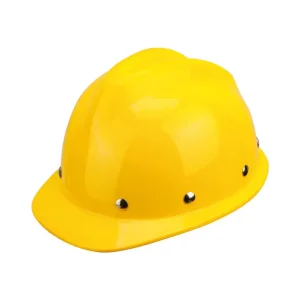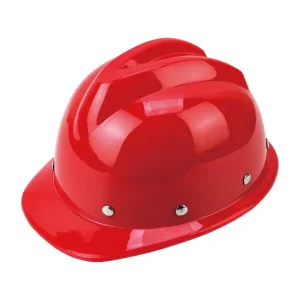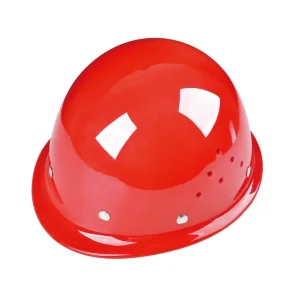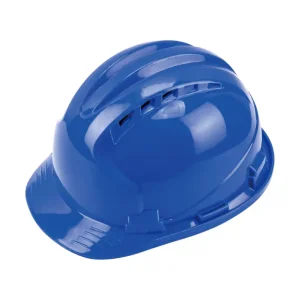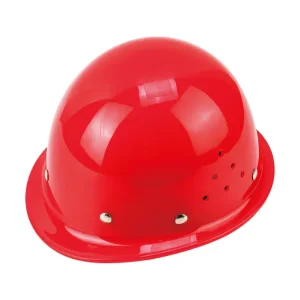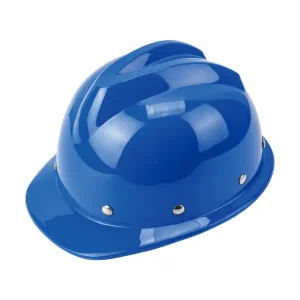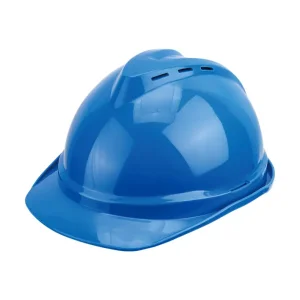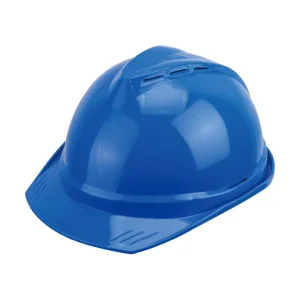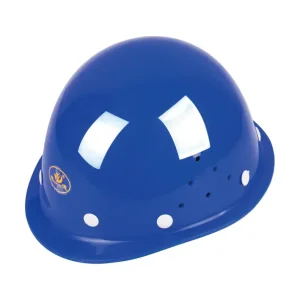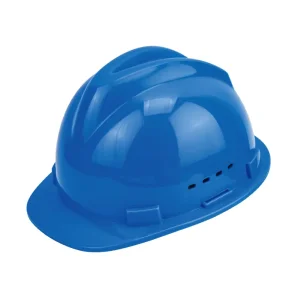
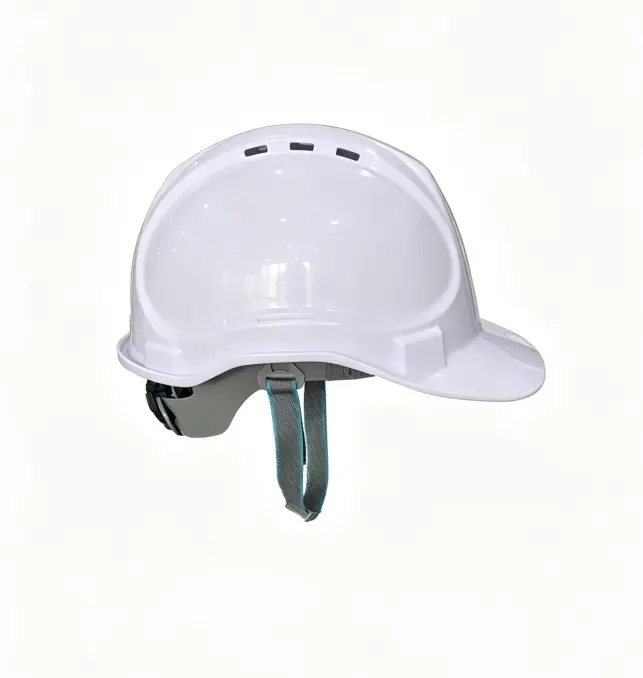
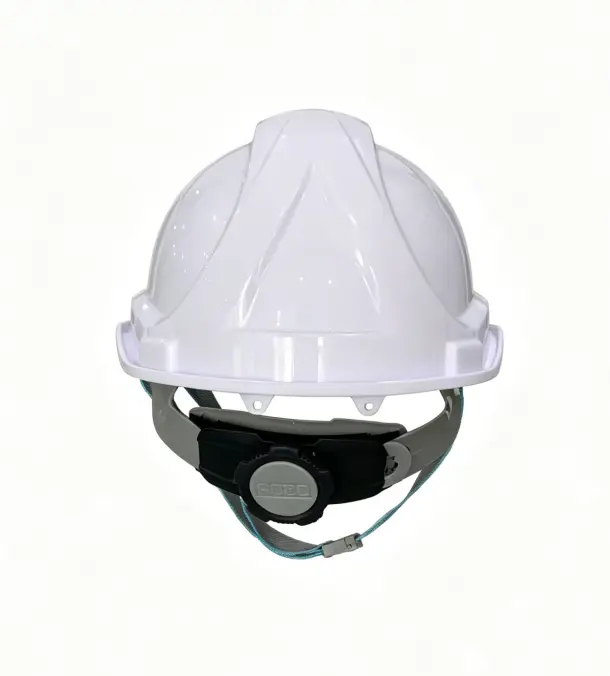
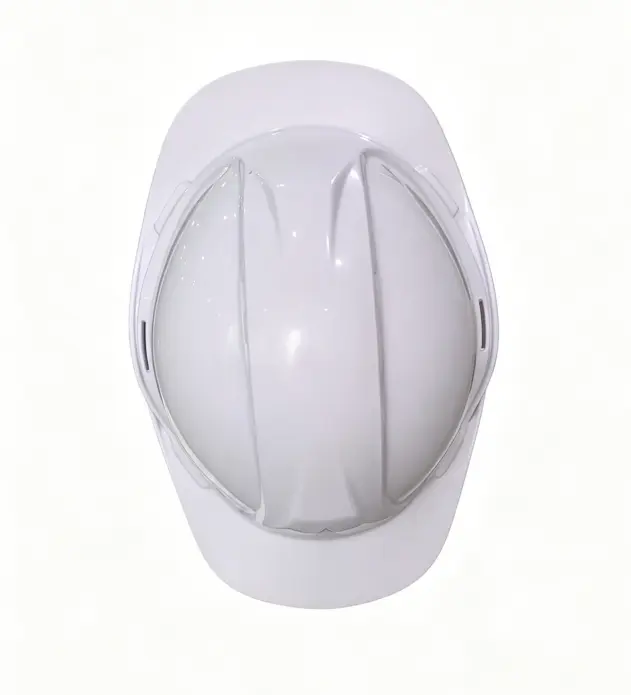
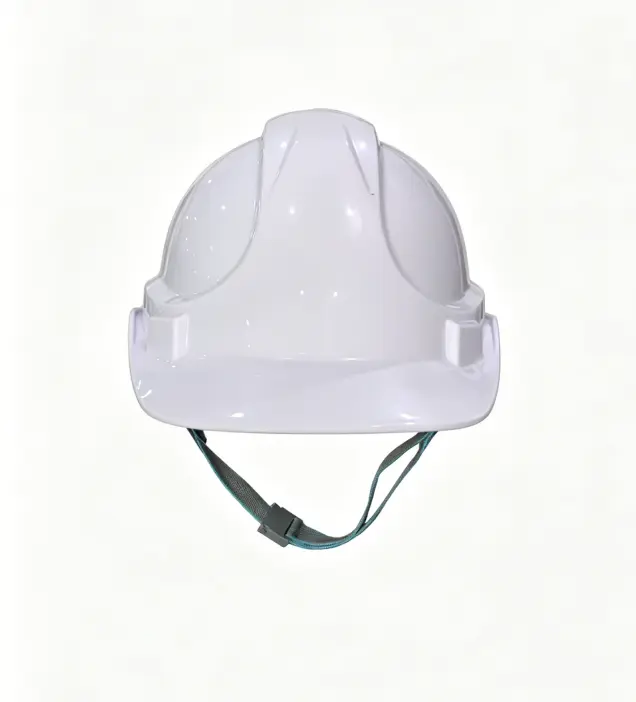
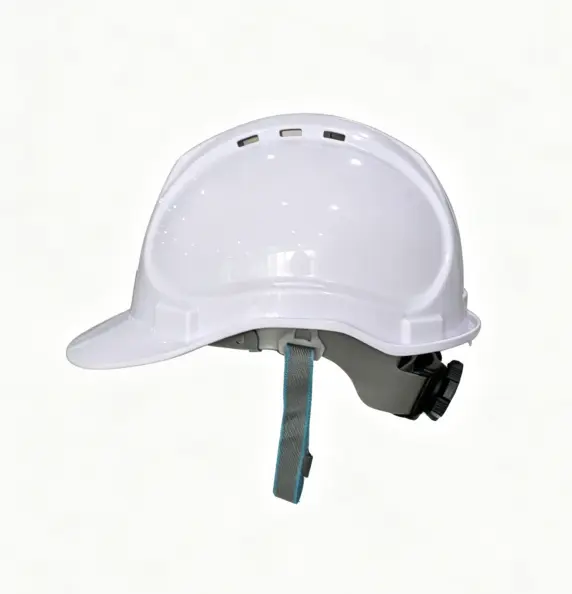
Wholesale ABS/HDPE Ventilated Construction Working Hard Hat and Safety Helmet Suppliers, Products

Model: XT-305

Main Material: HDPE

Optional Color: White red yellow blue

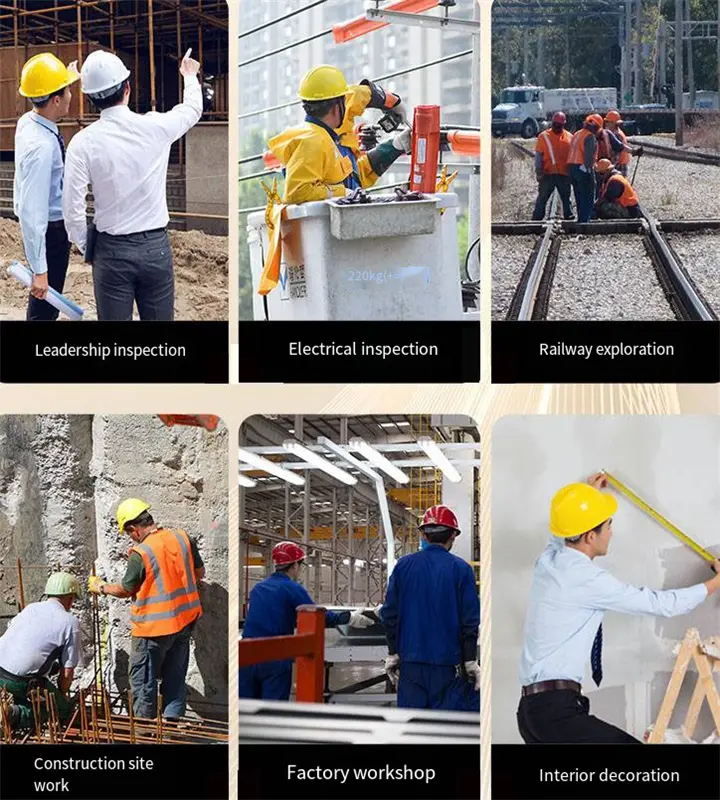
Scope of Application: Construction, transportation, light industry, chemicals, food and other industries

Features: Light quality, good strength and toughness

Product Description

Product Highlights

The core advantages of HDPE safety helmets as below:

1

Strong Weather Resistance

Excellent UV resistance, long-term exposure to construction sites, outdoor sunlight, and alternating high and low temperature environments, making it less prone to cracking, brittleness, and deformation. Its service life is more stable than ordinary ABS materials. Wide temperature resistance range, can be used stably at -30°C ~ 50°C, and can maintain toughness even in low temperature environments. It will not become brittle when exposed to cold like some materials, and is suitable for working in various climatic regions such as temperate and cold zones.

2

Chemical Corrosion Resistance

It has strong tolerance to water, inorganic salts, acid-base solutions, and most organic solvents, and can resist chemical splash erosion in chemical, petroleum, sewage treatment, and other scenarios. Its protective range is wider than ordinary materials. The surface is smooth and dense, not easily penetrated by oil stains and corrosive liquids, and cleaning and maintenance are more convenient, reducing the wear and tear of safety helmets caused by environmental factors.

3

Lightweight & Wearing Comfort

HDPE has a low density, and under the same protection standards, it is lighter than ABS material. Wearing it for a long time will not cause additional burden on the neck, especially suitable for scenarios such as logistics and forestry that require all day work, which can effectively reduce fatigue.

4

Stable Electrical Insulation

The molecular structure is non-polar and has high insulation resistance, which can meet the basic insulation protection requirements of power operations. It is suitable for scenarios such as substations, line construction, and power maintenance, and expands the usage boundaries of safety helmets.

5

Toughness & Impact Resistance

High crystallinity, tightly arranged molecular chains, good toughness and flexibility, capable of buffering impact force through self deformation when subjected to impact, avoiding brittle fracture, and can stably pass impact and puncture tests according to mainstream safety standards. By combining reinforced ribs, thickened brim and other structural designs, the anti lateral pressure performance can be further optimized to meet the protection needs of most common work scenarios.

6

Cost-Effective Advantage

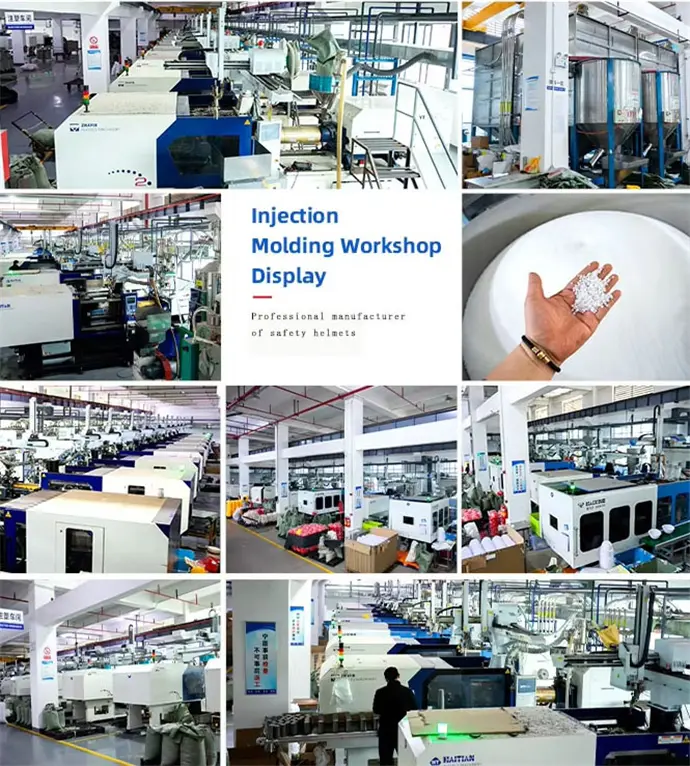
The raw material cost is lower than that of engineering plastics such as ABS and PC, and the injection molding process is mature, suitable for large-scale production. It is one of the preferred materials for universal safety helmets.
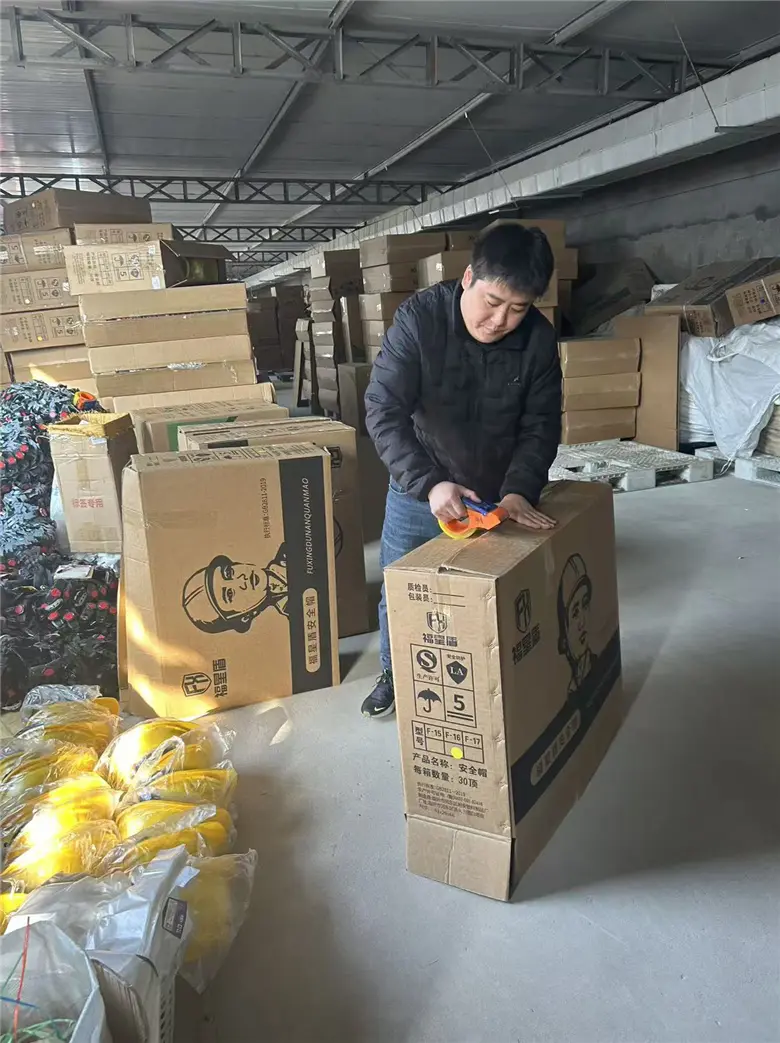
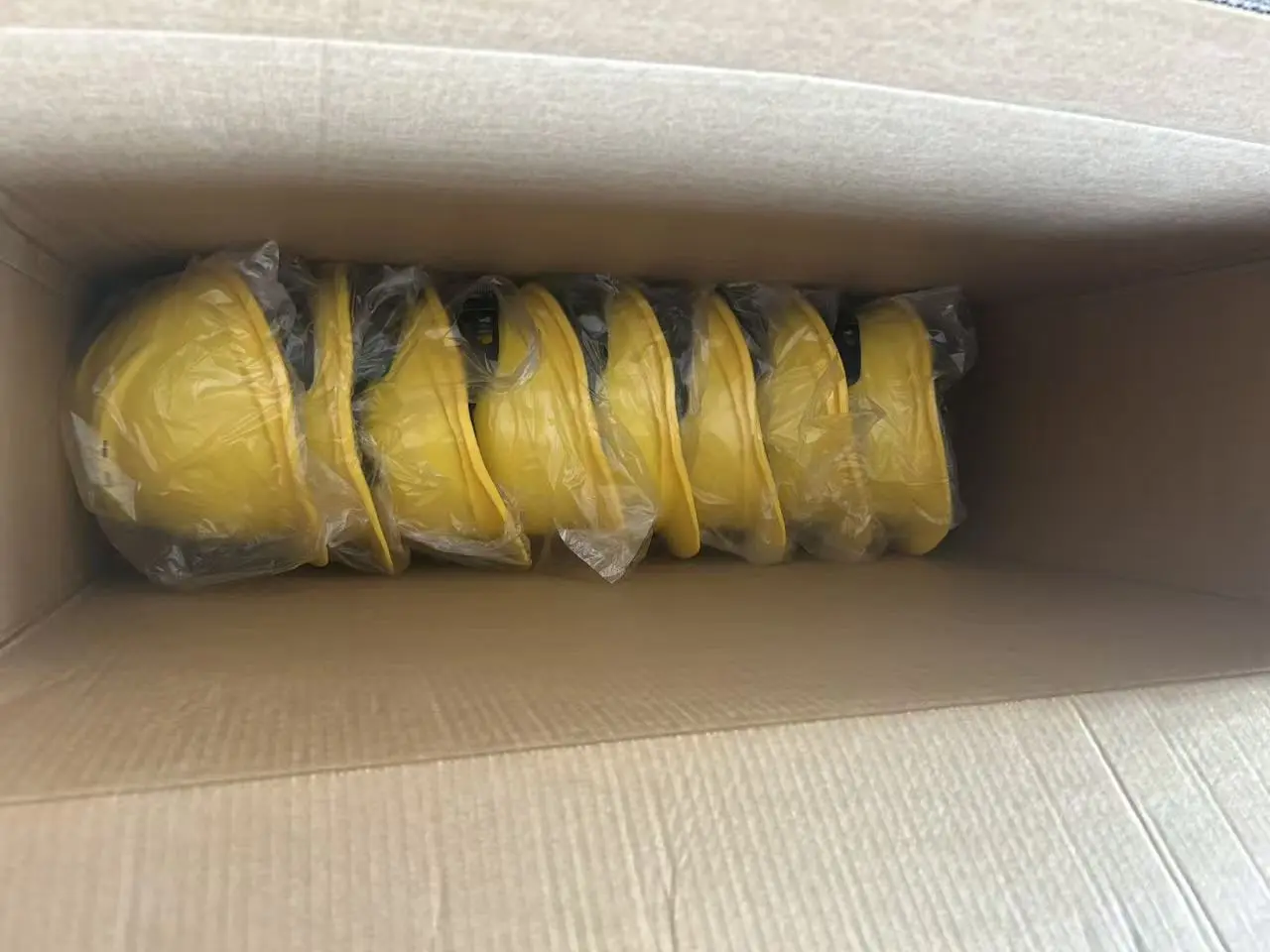
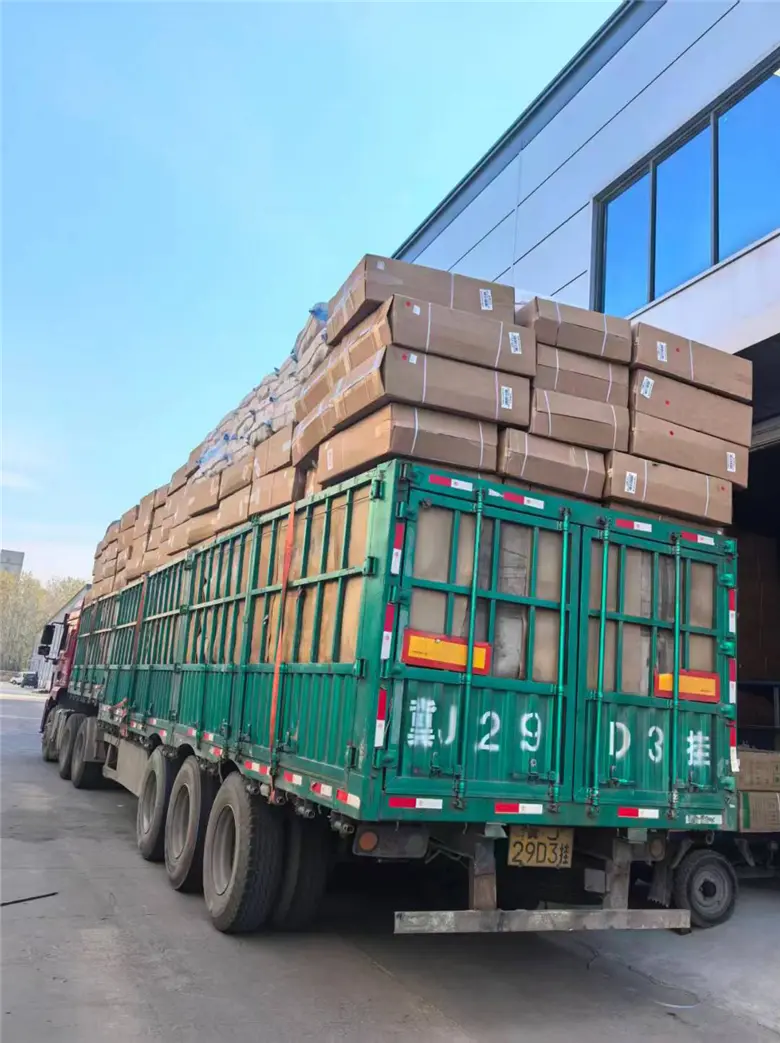
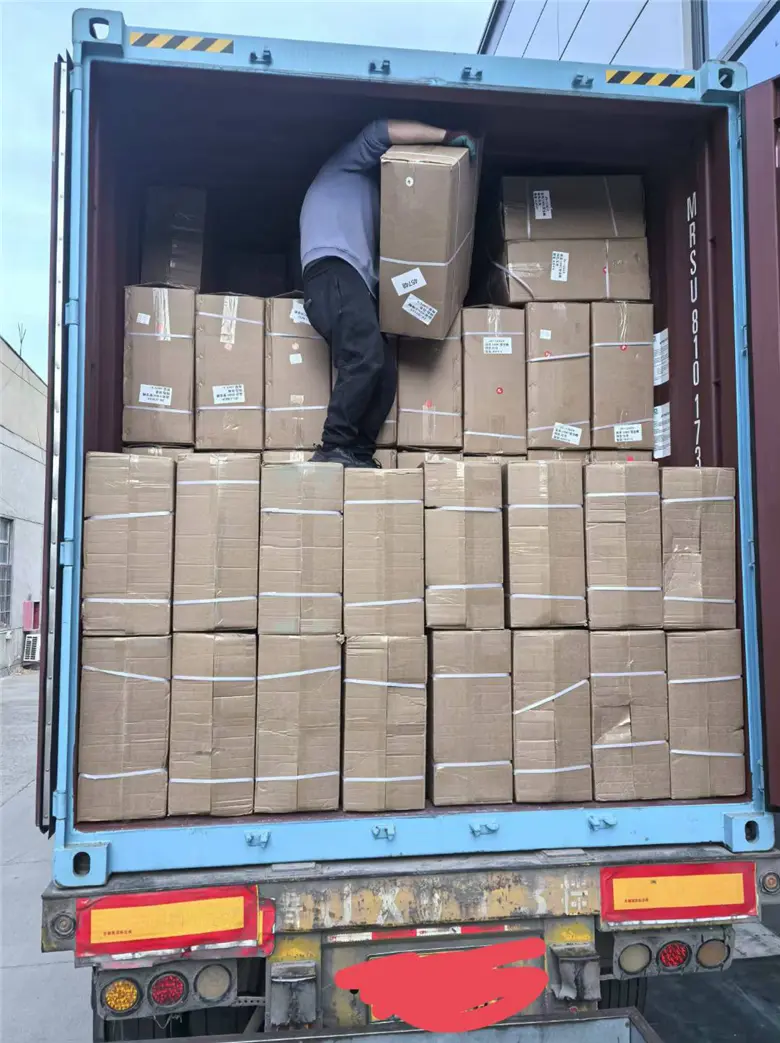
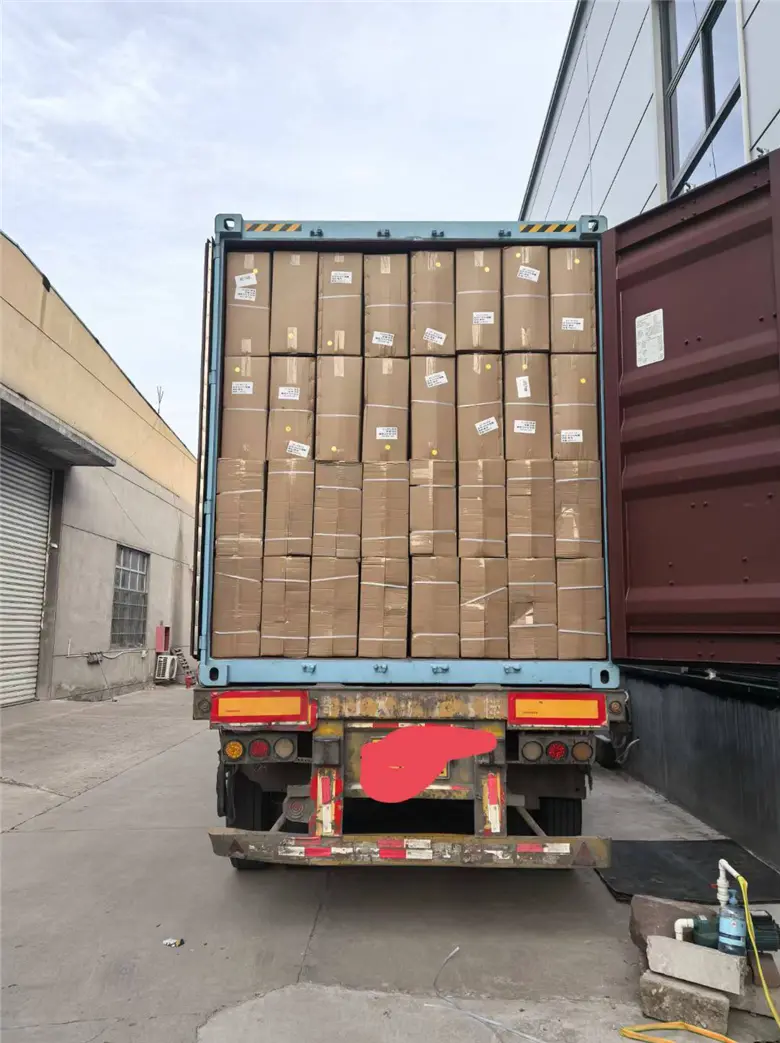
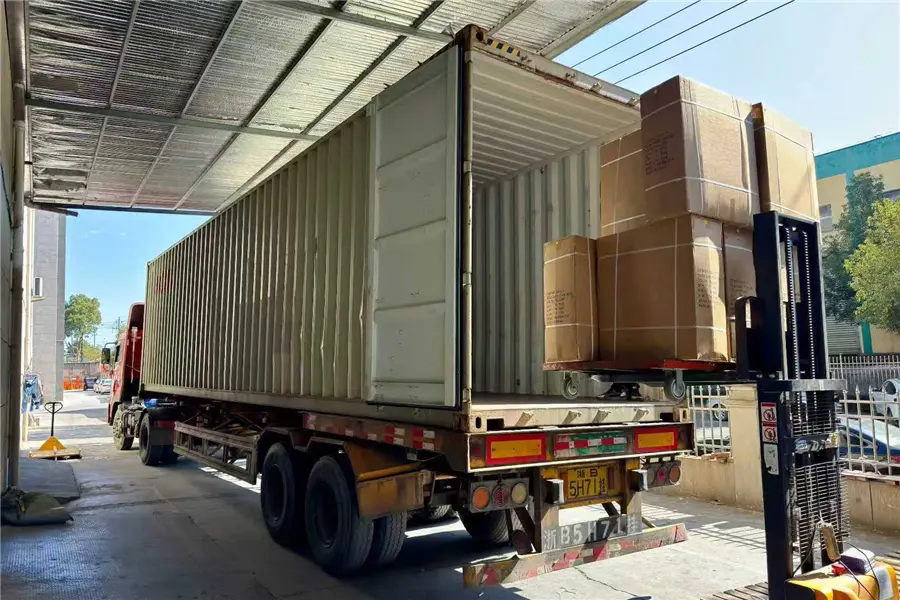
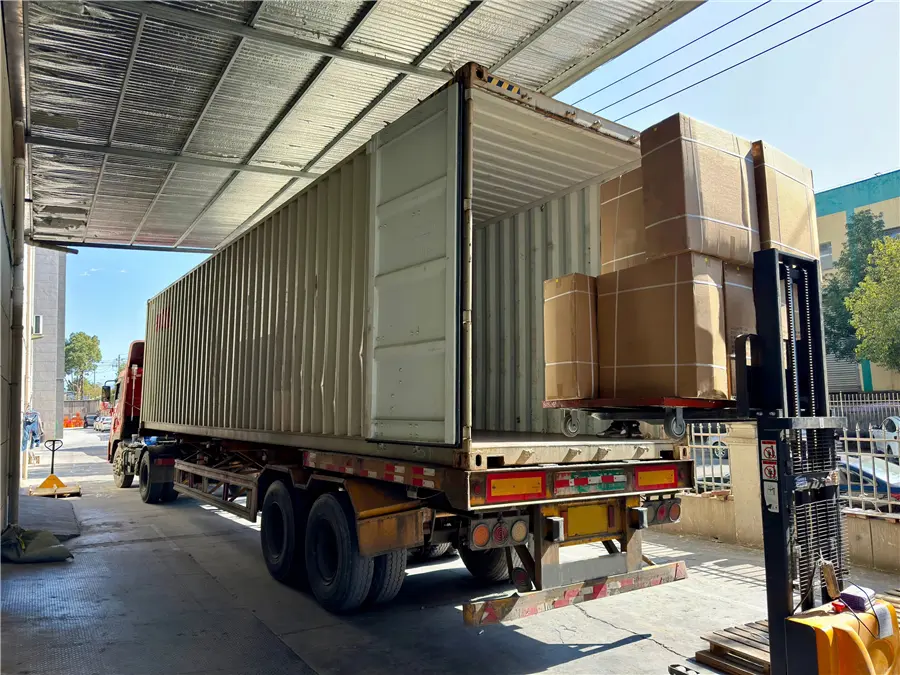
Packaging and Shipping

packing (1)
packing (2)
deliver (1)
deliver (2)
deliver (3)
deliver (1)
deliver (2)

Detailed Pictures

Detailed Pictures (1)
Detailed Pictures (2)

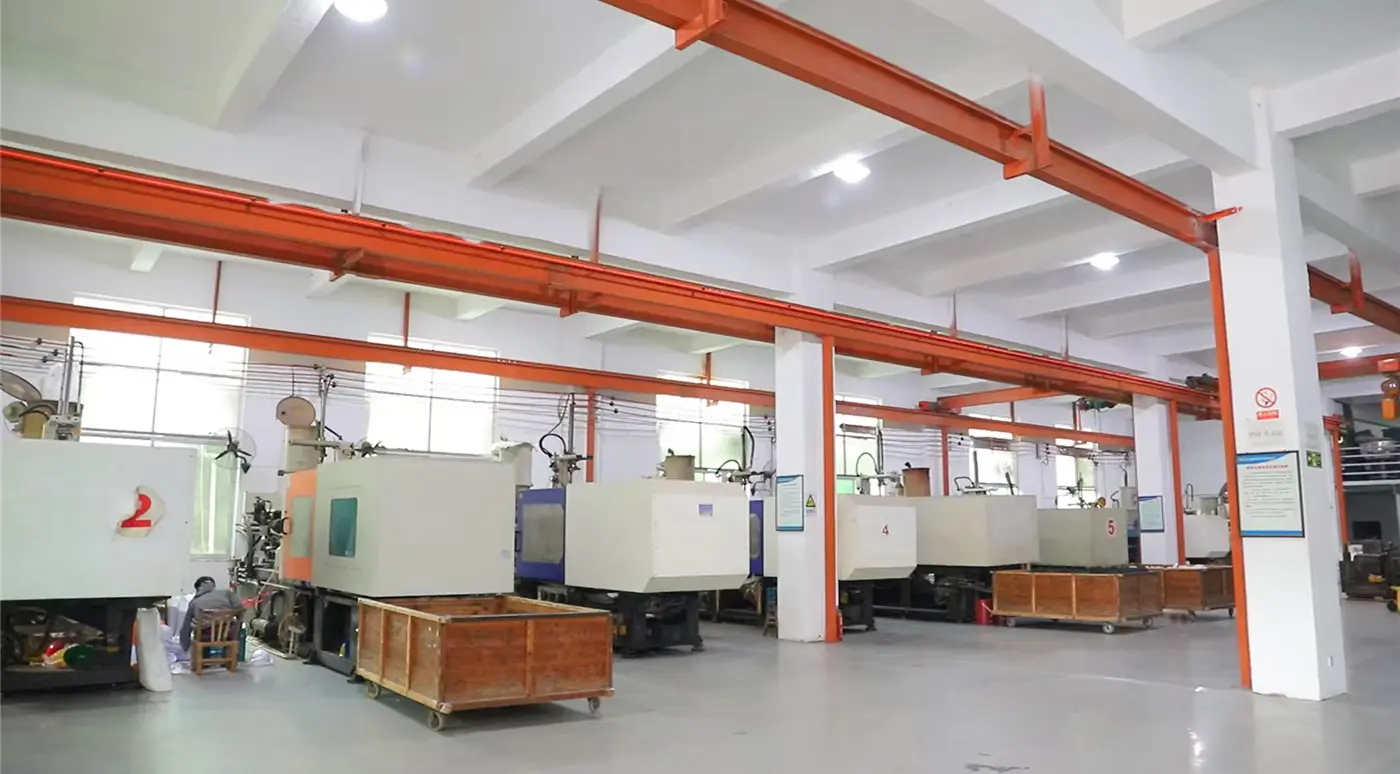
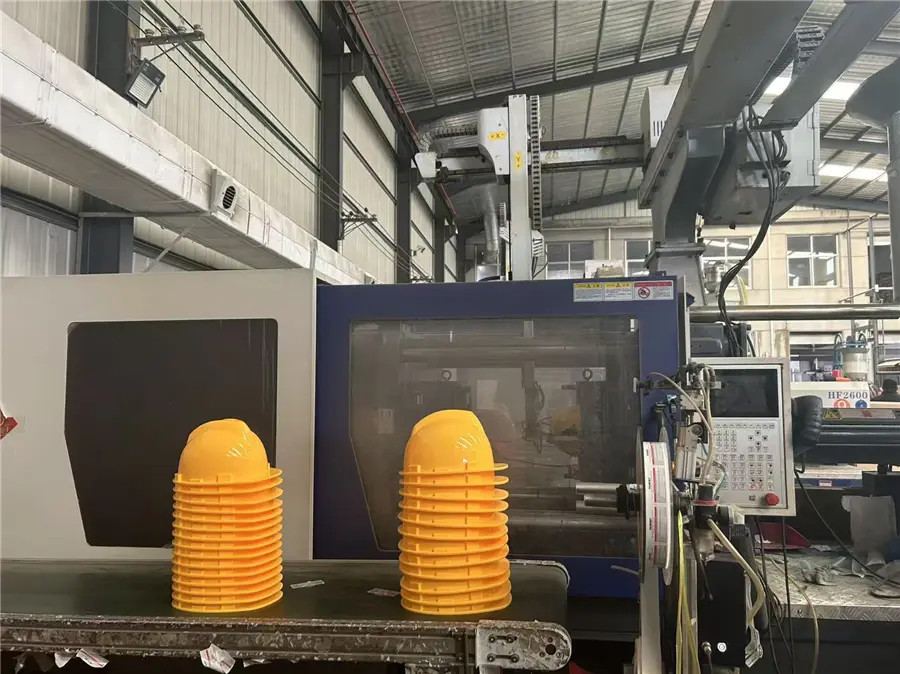
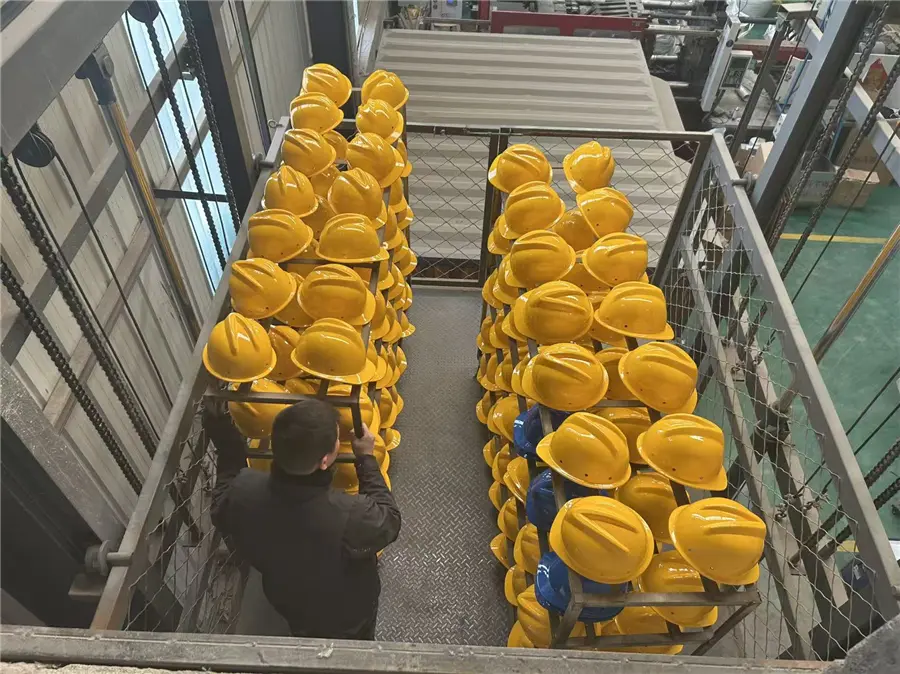
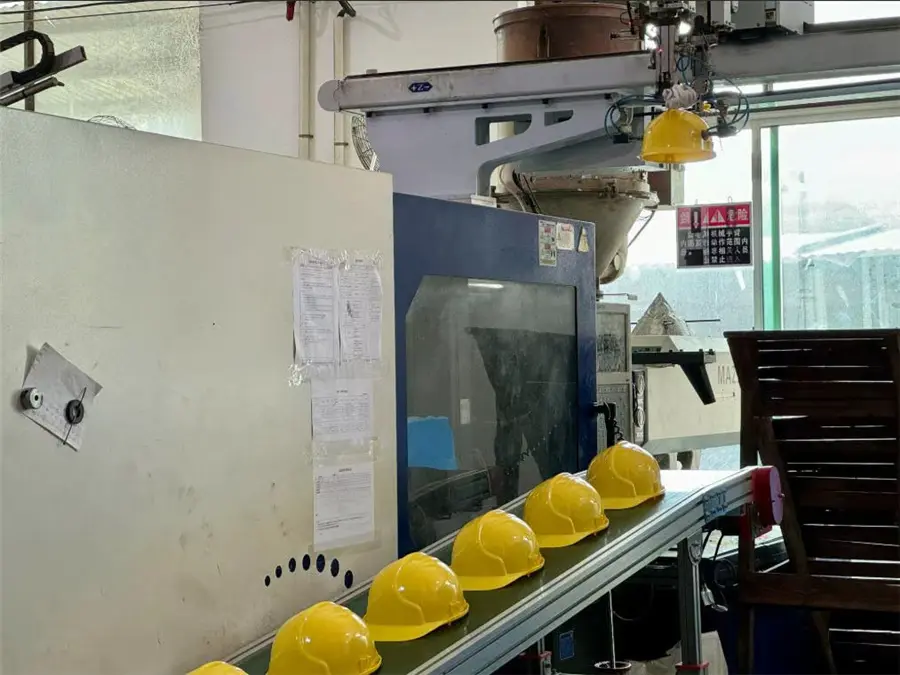
About Factory

about us (6)
about us (5)
about us (1)
about us (2)
about us (3)

Frequently Asked Questions

Why are HDPE safety helmets preferred for outdoor construction?
HDPE safety helmets offer excellent UV and weather resistance, allowing them to withstand long-term exposure to sun, rain, and fluctuating temperatures without cracking or becoming brittle. This gives them a longer and more stable service life in rugged outdoor environments compared to many standard materials.
Can these safety helmets be used in freezing temperatures?
Yes, HDPE safety helmets feature a wide temperature resistance range from -30°C to 50°C. They maintain their structural toughness and flexibility even in sub-zero environments, reducing the risk of shattering upon impact in cold climates.
Are HDPE helmets resistant to chemicals and oils?
Absolutely. HDPE is highly resistant to water, acids, bases, inorganic salts, and most organic solvents. Its dense, non-porous surface prevents oil stains and corrosive fluids from penetrating, making cleaning and maintenance straightforward.
How does the weight of HDPE helmets compare to ABS alternatives?
HDPE has a lower material density, meaning safety helmets made from it are typically lighter than ABS counterparts of equivalent protection standards. This lightweight design significantly reduces neck strain and fatigue during long shifts.
Do these helmets offer electrical insulation?
Yes, because HDPE has a non-polar molecular structure, it possesses high electrical resistance. This provides reliable basic insulation protection, making the helmets suitable for power maintenance, utility setups, and substation tasks.
What makes HDPE helmets a cost-effective choice?
HDPE raw material costs are generally lower than engineering plastics like ABS or PC. Combined with mature injection molding technology that facilitates efficient mass production, it offers outstanding durability and protection at a highly competitive price point.

Related Products