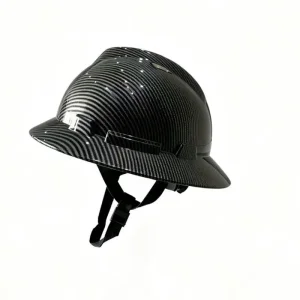
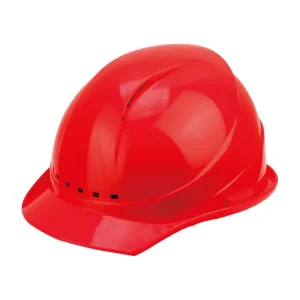
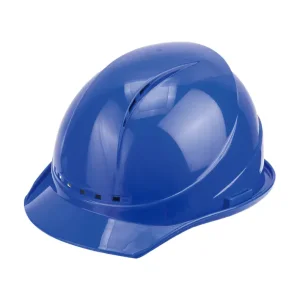
Engineered for extreme performance and absolute compliance. Direct supply from certified facilities.
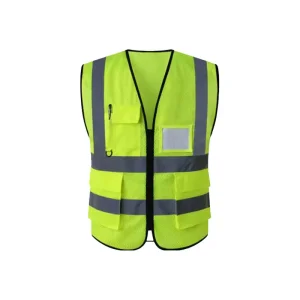
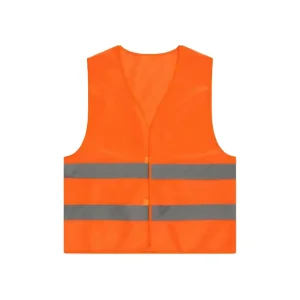
An in-depth analysis of high-visibility safety apparel standards, material innovations, and global procurement demands.
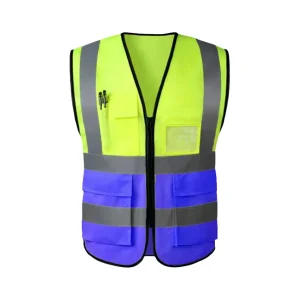
In modern industrial and construction landscapes, personal protective equipment (PPE) acts as the primary shield protecting workforce integrity. Among these, the green reflective safety vest (specifically in fluorescent lime-green or yellow-green hues) has emerged as an indispensable safety instrument globally. Under standard regulations such as EN ISO 20471 (European Standard for High Visibility Clothing) and ANSI/ISEA 107 (American National Standard for High-Visibility Safety Apparel), fluorescent green reflective vests are engineered to provide maximum visibility under any lighting conditions, both day and night.
The choice of green reflective vests is not merely aesthetic; it is deeply rooted in human visual psychology and atmospheric optics. Human eyes are most sensitive to wavelengths around 555 nanometers (the green-yellow spectrum) under photopic (daylight) conditions, and even more so under scotopic (nighttime) conditions. Consequently, high-visibility green vests offer a sharper contrast against common industrial backgrounds—such as gray asphalt roads, dark soil, or urban concrete environments. For global procurement officers, choosing green vests is a strategic safety measure backed by science to minimize workplace casualties.
The global high-visibility clothing market is undergoing a structural shift towards sustainability. Large-scale infrastructure developers and municipal procurement bodies are increasingly demanding green reflective vests manufactured from eco-friendly, recycled materials. The use of rPET (recycled Polyethylene Terephthalate) derived from post-consumer plastic waste has transitioned from a niche marketing point to a baseline bidding requirement. Modern Chinese manufacturers are leveraging this by utilizing certified eco-friendly polymers that maintain tensile strength and dye-fastness while drastically lowering carbon footprints.
Furthermore, technology is actively blending with textile science. Next-generation green reflective vests are incorporating micro-prismatic retroreflective tapes that deliver superior retroreflection coefficients (exceeding 330 cd/(lx·m²) as specified by EN ISO 20471 Class 2 requirements) even in wet and foggy weather. Innovative manufacturers are also prototyping vests with integrated LED light strips powered by flexible, lightweight solar-chargeable lithium batteries, catering to extreme environments where ambient lighting is completely absent.
Utilizing premium reflective micro-glass beads and prismatic tape to ensure over 330 cd/lx/m² visibility in low-light environments.
Full conformance to European EN ISO 20471 standards and American ANSI/ISEA 107 guidelines for Class 1, 2, and 3 visibility garments.
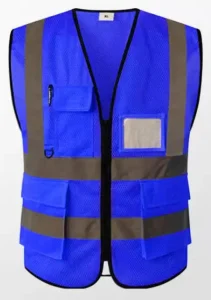
Breathable knitted and warp-knitted mesh fabrics with multi-pocket configurations to support long-shift utility workwear.
Linyi Xintuo Industry and Trade Co., Ltd. is a modern enterprise based in China, specializing in the research, development, and manufacturing of high-performance safety helmets and comprehensive labor protection equipment. Since its establishment, the company has been driven by a vision of innovation, continuously investing in advanced production equipment and assembling a team of high-caliber research and design professionals.
Our standardized management mode, combined with ISO-certified processes, guarantees consistent product excellence across all batches. The company operates with a commitment to sustainability, utilizing eco-friendly materials and energy-efficient production techniques to minimize environmental impact while maintaining operational efficiency.
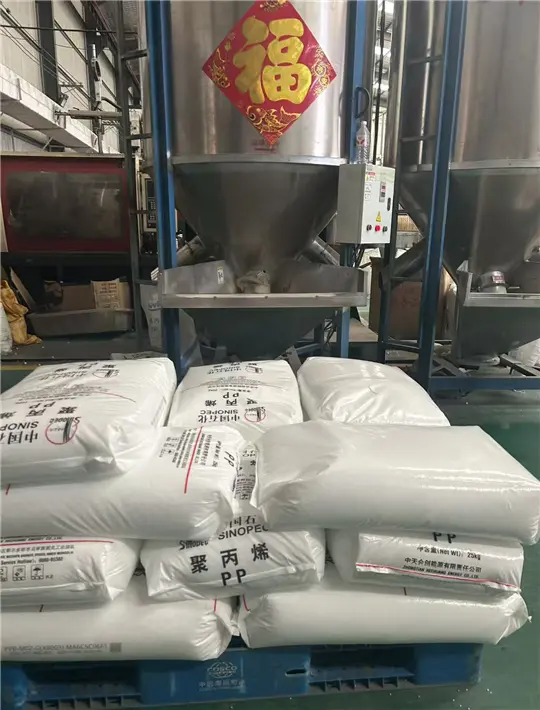
The product portfolio includes industrial safety helmets and high-visibility workwear, all engineered to meet or exceed international safety standards such as CE, ANSI, and EN. We leverage cutting-edge material science, utilizing fiberglass composites and high-impact polymers that offer superior strength-to-weight ratios compared to traditional materials. This integration of ergonomic design principles with durable materials ensures long-lasting protection without compromising comfort.
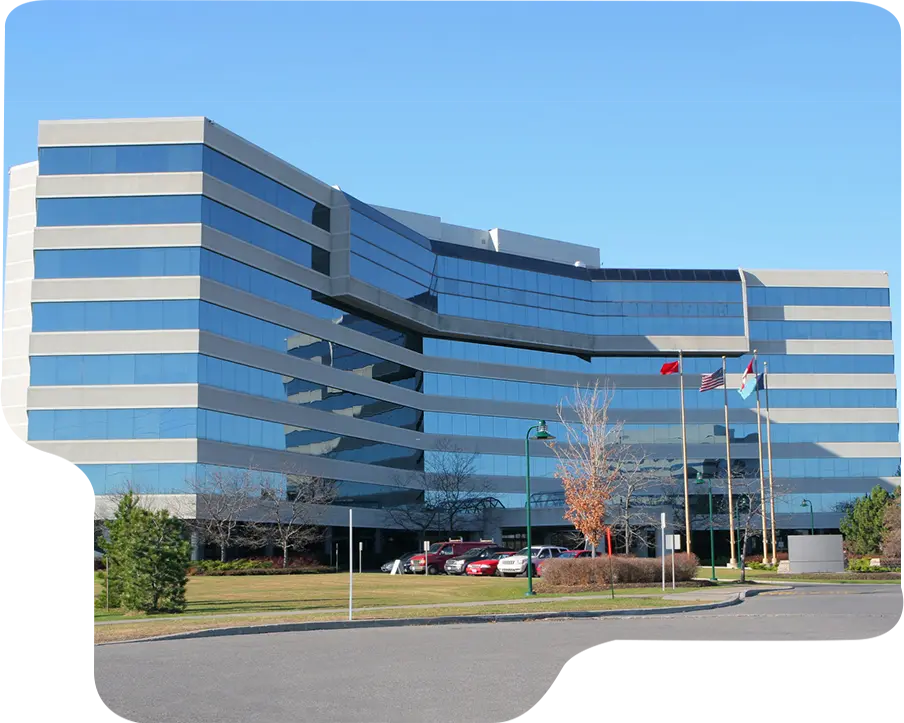
How automation and lean manufacturing in Chinese hubs ensure rapid delivery and uncompromising quality.
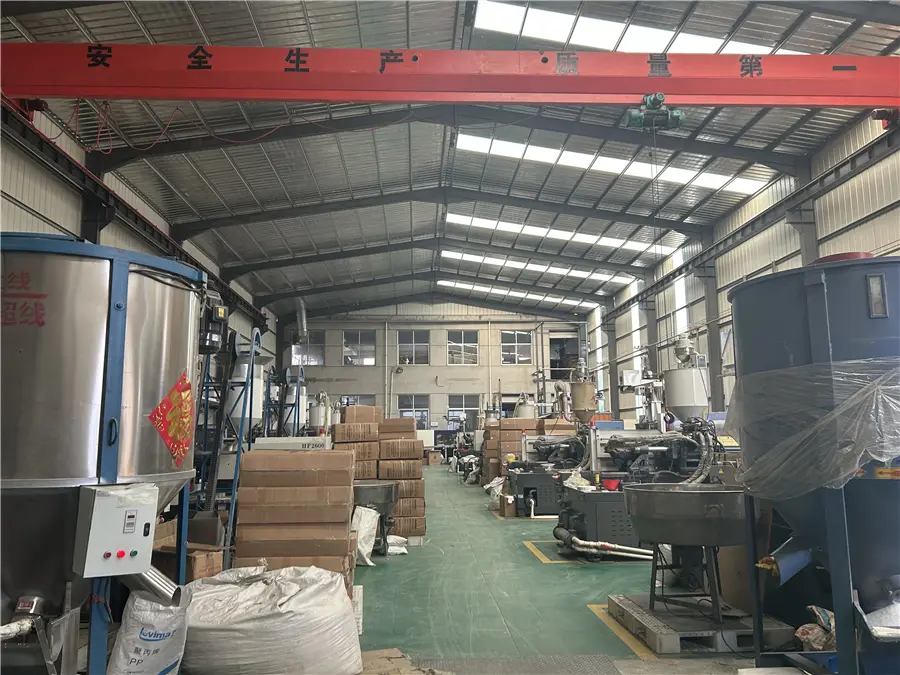
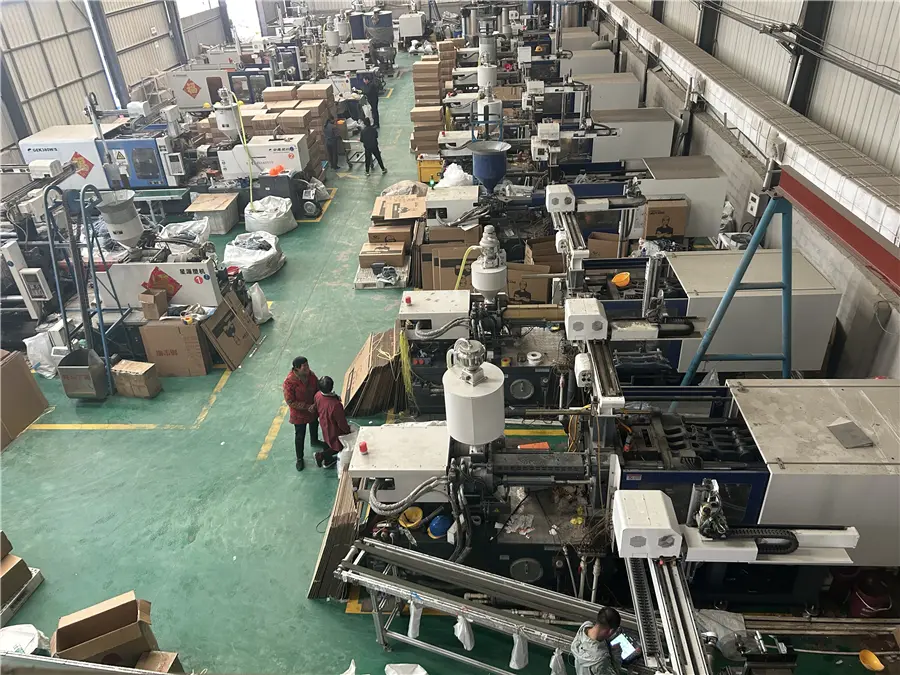
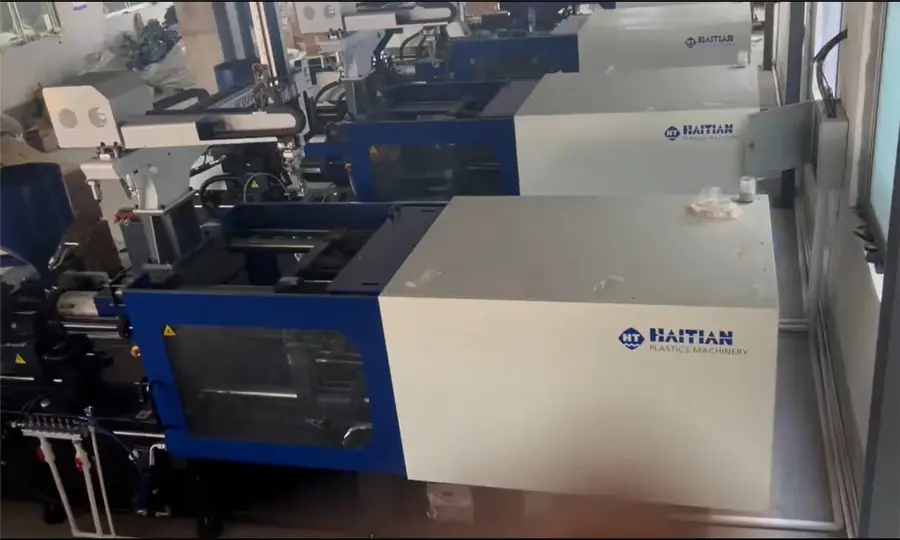
In the global market, China has cemented its role as the dominant manufacturing hub for high-visibility PPE, producing over 70% of the world’s reflective vests. This dominance is not simply a product of labor scale; it is the result of advanced industrial integration—often termed China Factory 4.0. Factories like Linyi Xintuo have replaced traditional sewing lines with semi-automated cutting beds, computer-controlled sewing patterns, and digital quality monitoring systems. This ensures that every green reflective vest produced has consistent stitching pitch, precise tape placement, and optimal heat-transfer characteristics.
Furthermore, China’s industrial safety clustering provides immense supply chain resilience. From the raw petrochemical inputs needed for polyester warp knitting, to dye manufacturers producing non-toxic fluorescent dyes, to the specialized plants producing micro-prismatic reflective backing, everything is localized within tight geographic loops. This geographic clustering drastically reduces logistics bottlenecks and allows suppliers to offer rapid lead times (e.g., 20-30 days for a full container) and absorb sudden spikes in global demand without massive price fluctuations.
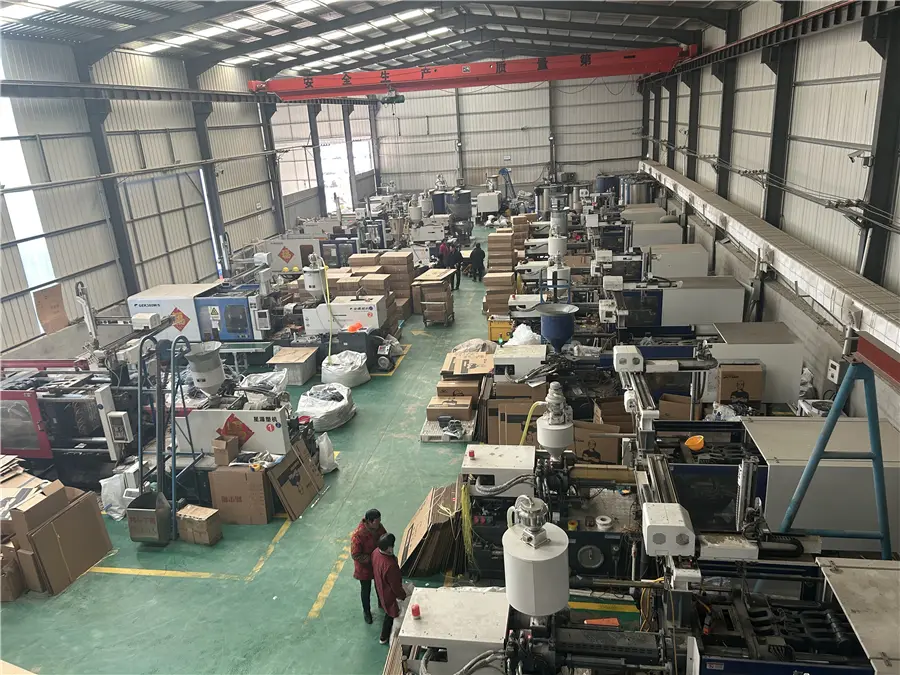
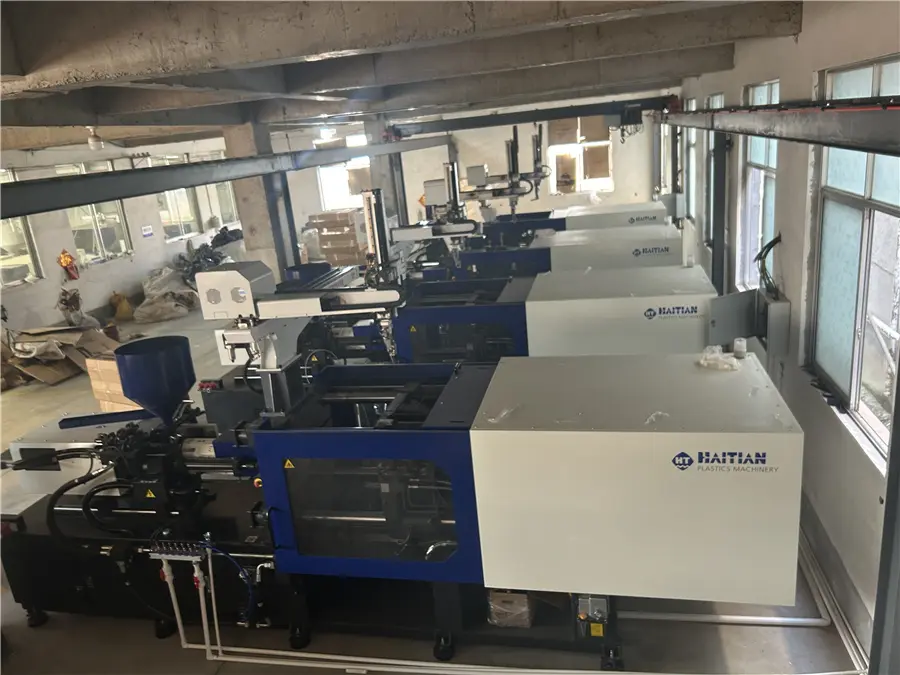
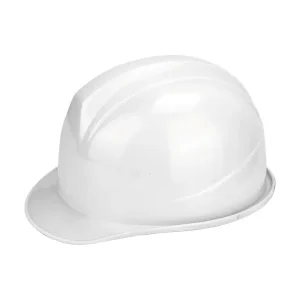
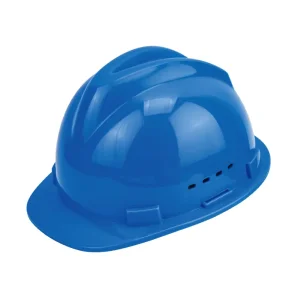
Our helmets feature adjustable suspension systems with precision-calibrated tension controls, moisture-wicking sweatbands with antimicrobial properties, and advanced ventilation technologies that optimize airflow while maintaining structural integrity. These innovations cater to diverse work environments, from extreme temperatures to high-humidity conditions, ensuring optimal performance in the most demanding settings.
At Linyi Xintuo, a customer-centric approach governs our R&D roadmap. We work closely with municipal engineering companies, international contractors, and safety distributors to engineer high-vis vests that feature custom utility pockets, specialized ID pockets, reinforced microphone tabs, and quick-release zippers. By incorporating these tailored features directly into the manufacturing stage, we enhance worker efficiency alongside safety.
Analyzing how different industries apply high-visibility green vests and head protection gear to maximize compliance.
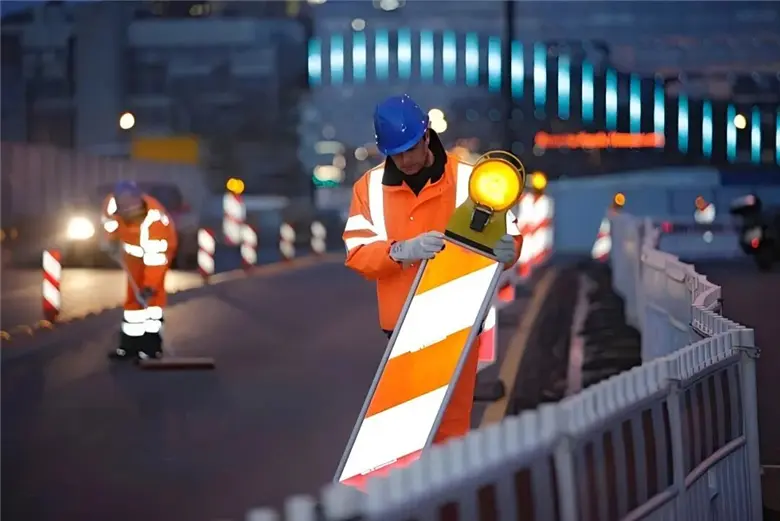
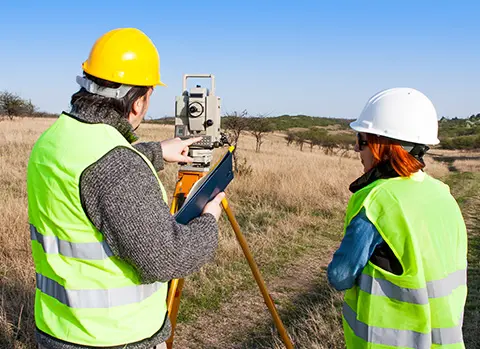
High-speed roads require Class 2 and Class 3 reflective vests. Fluorescent green vests with horizontal and vertical reflective tape configurations ensure drivers can identify road workers from distances up to 300 meters.
Requires anti-static materials combined with high-visibility fabrics. Vests must be flame-retardant and pair perfectly with durable, shock-absorbent HDPE or ABS safety helmets to resist impact forces and chemical splashes.
Unsafe Wearing & Modified Helmets Warning: At a construction site in Fujian, a worker seeking relief from high summer heat privately drilled ventilation holes into his safety helmet. During structural work, a concrete block fell from height, striking his head. The modified helmet shell, severely weakened by the unauthorized holes, failed to distribute the impact energy, resulting in a severe head injury. Industrial helmets must never be structurally modified, drilled, or altered, as this voids all safety certifications and compromises mechanical integrity.
We work with our global business partners to educate workers on proper PPE usage, ensuring that safety vests are clean (as heavy soil reduces reflectivity) and helmets are replaced immediately after sustaining a significant impact, even if no visible cracks are present.
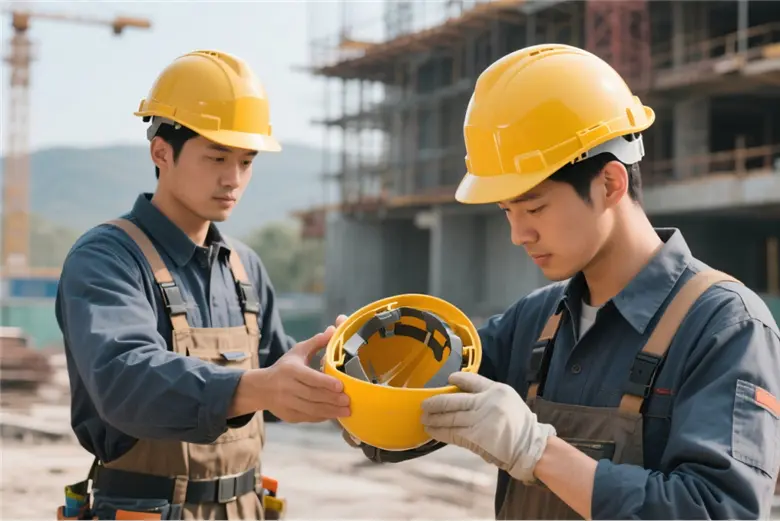
Our products are continuously tested in independent laboratories to maintain CE, ANSI, and EN ISO credentials.
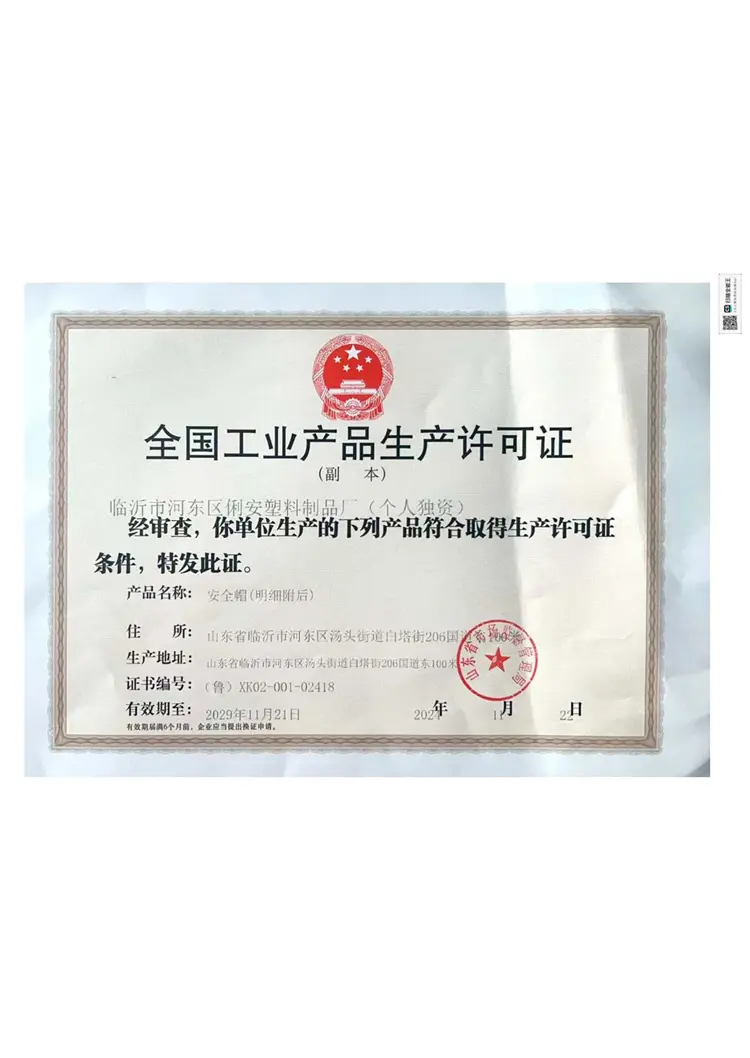
Certified High-Visibility Clothing Standard
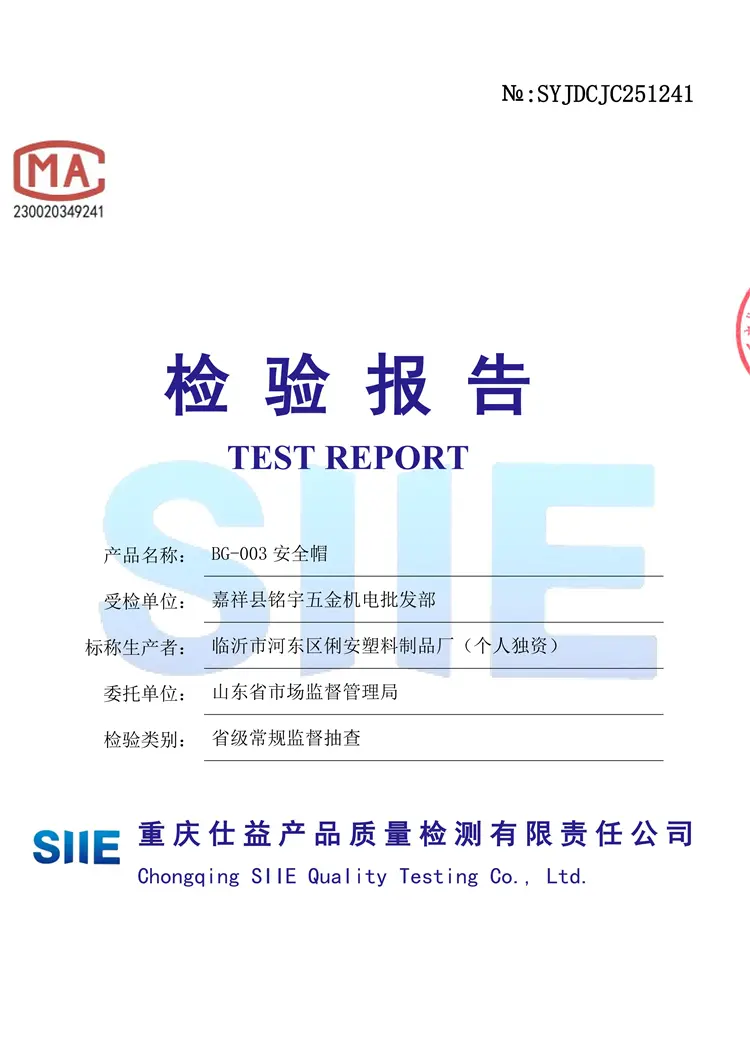
Industrial Head Protection Standard
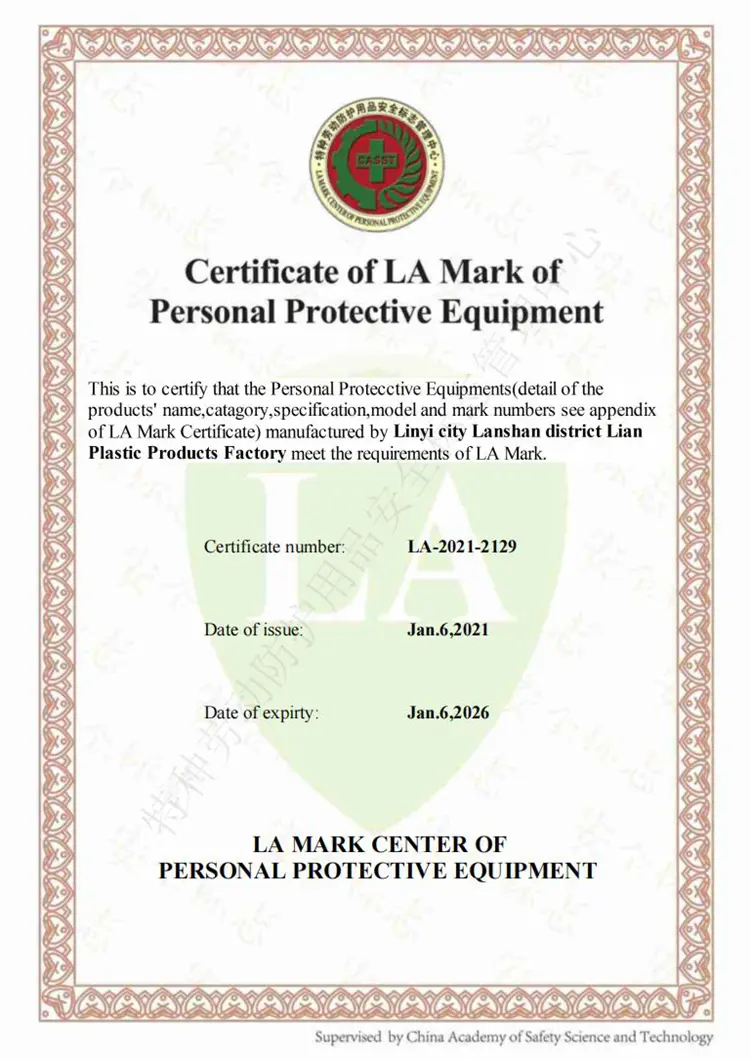
Standardized Management Processes
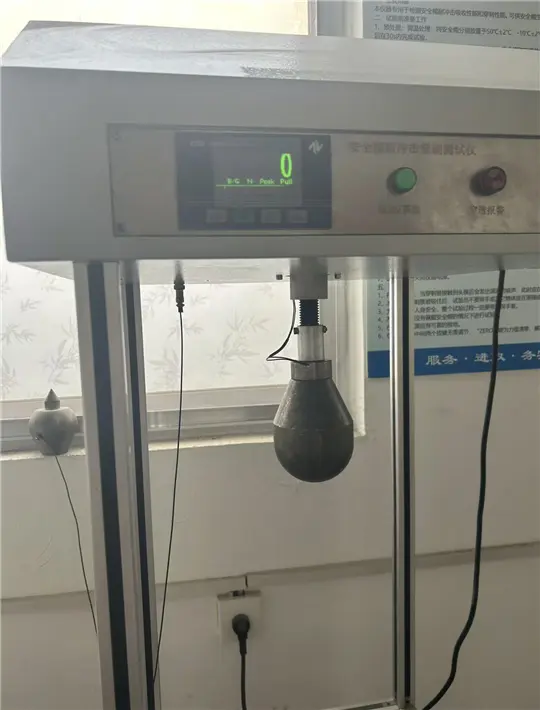
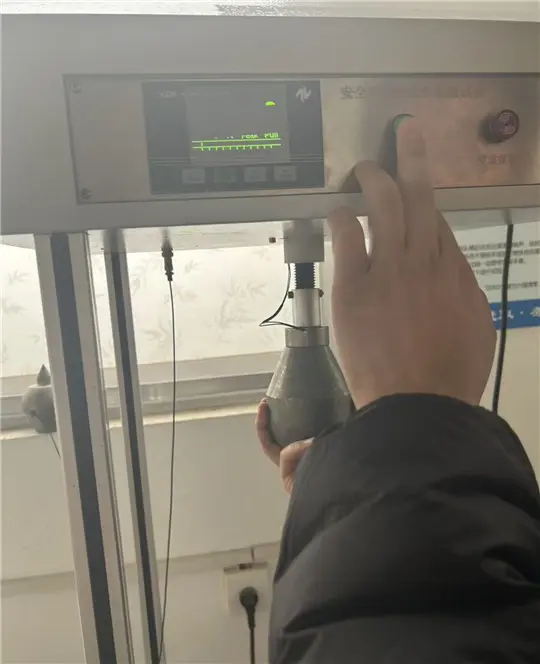
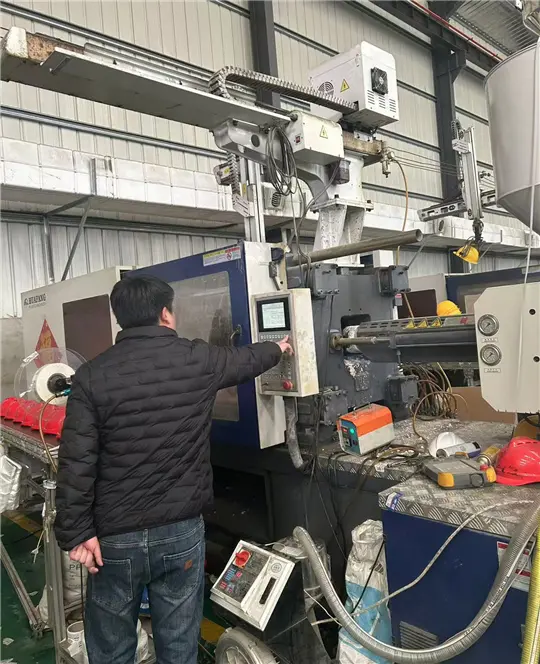
A transparent look inside our manufacturing processes, showcasing structural testing and robotic warp-knitting lines.

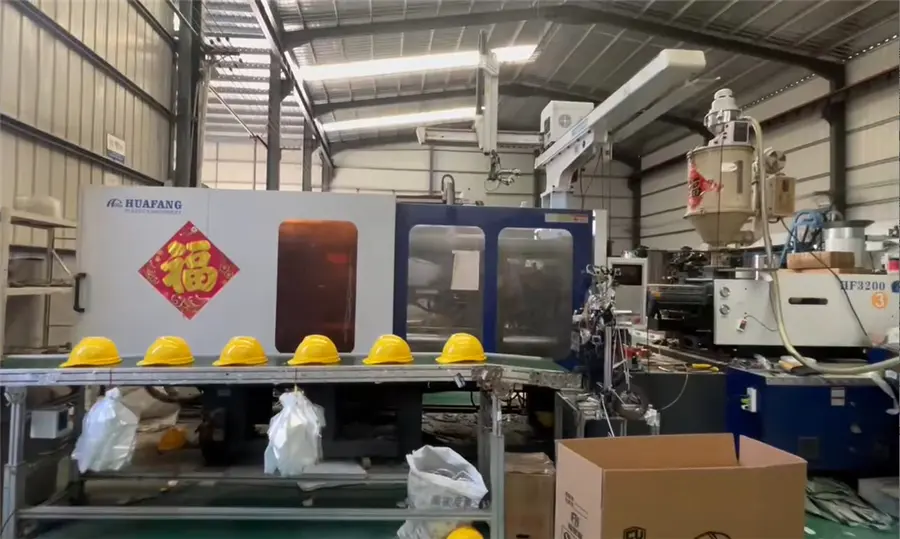
Forging relationships on a global scale. We regularly showcase at global labor protection and PPE expos.
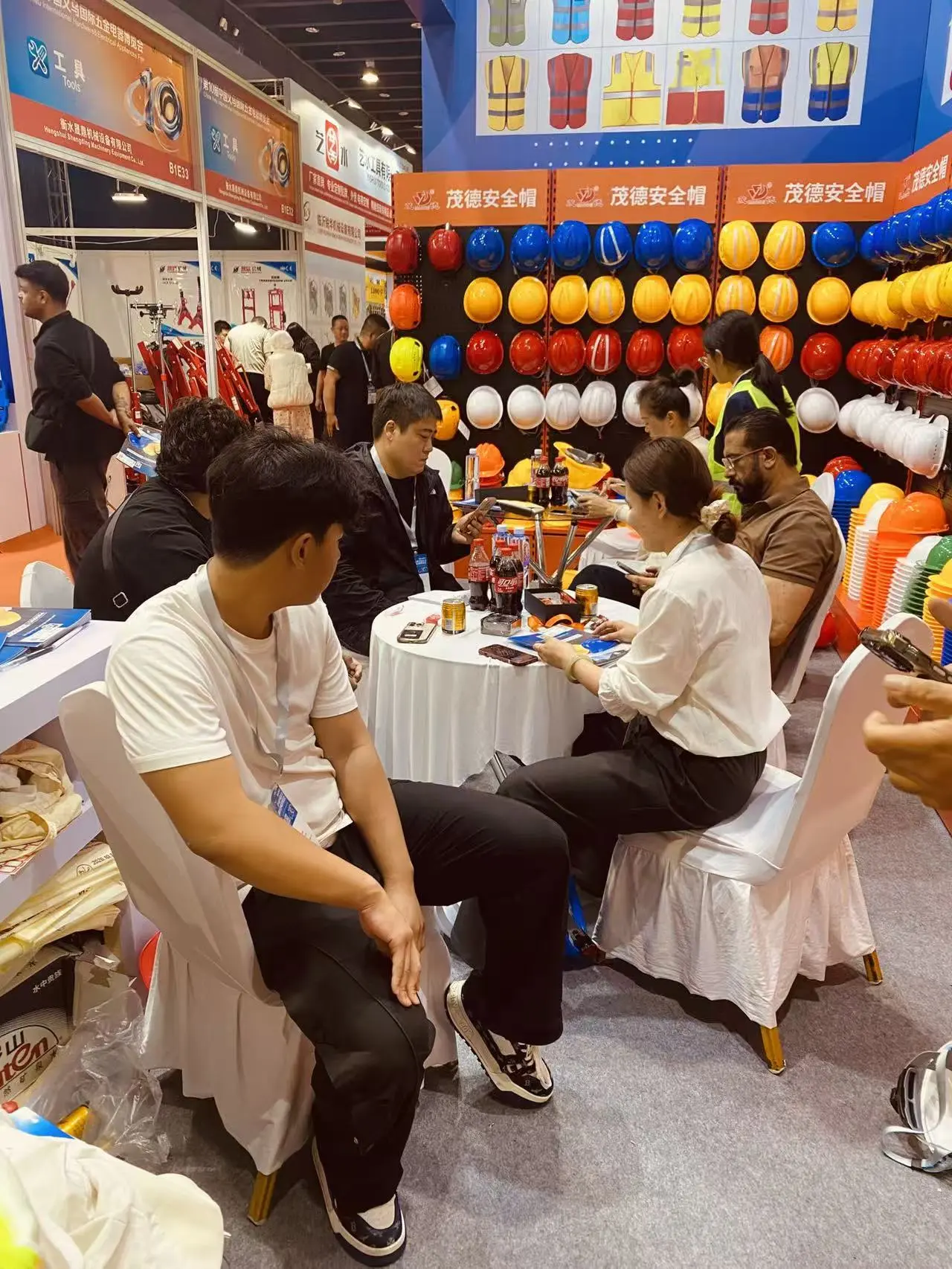
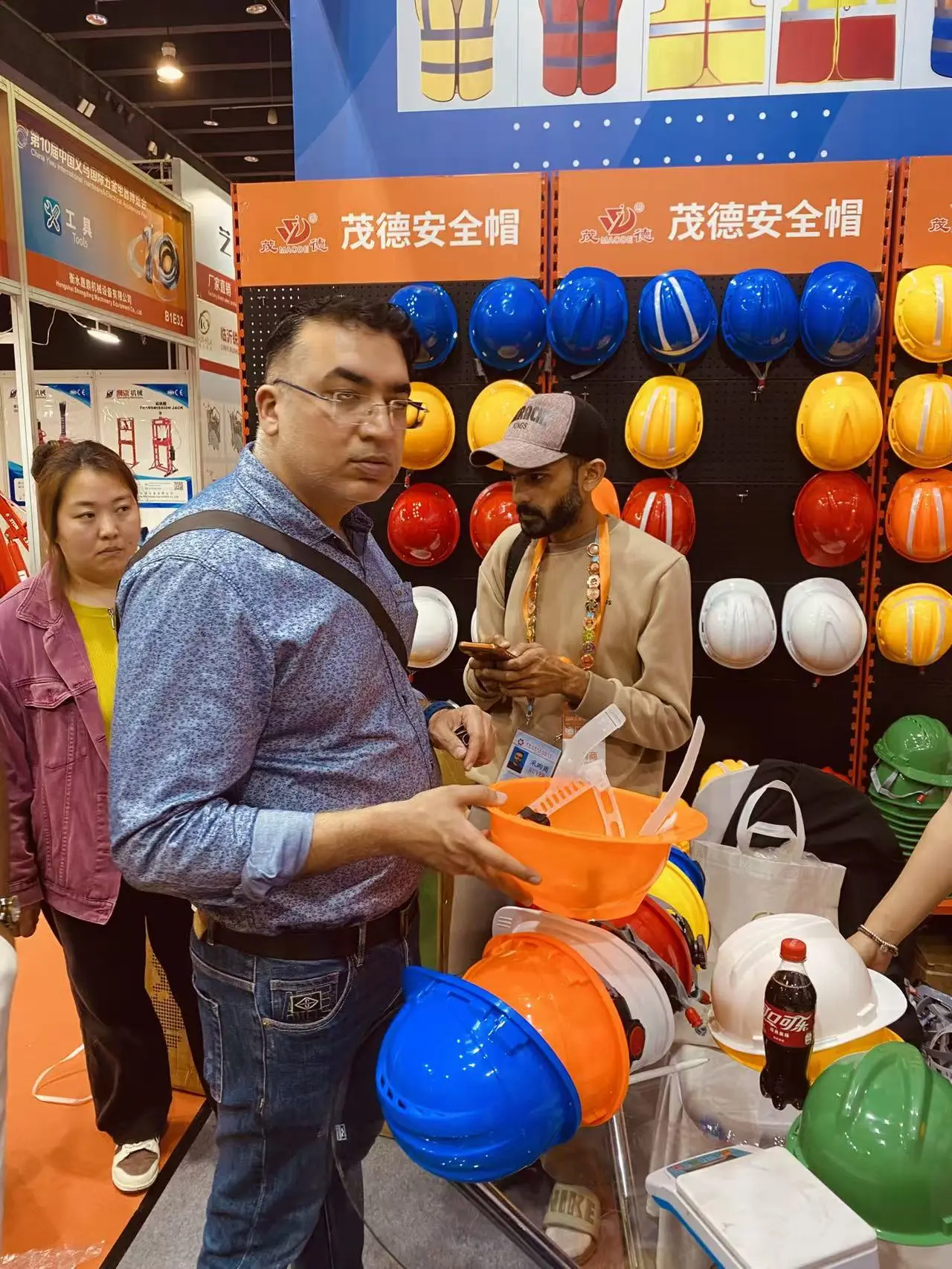
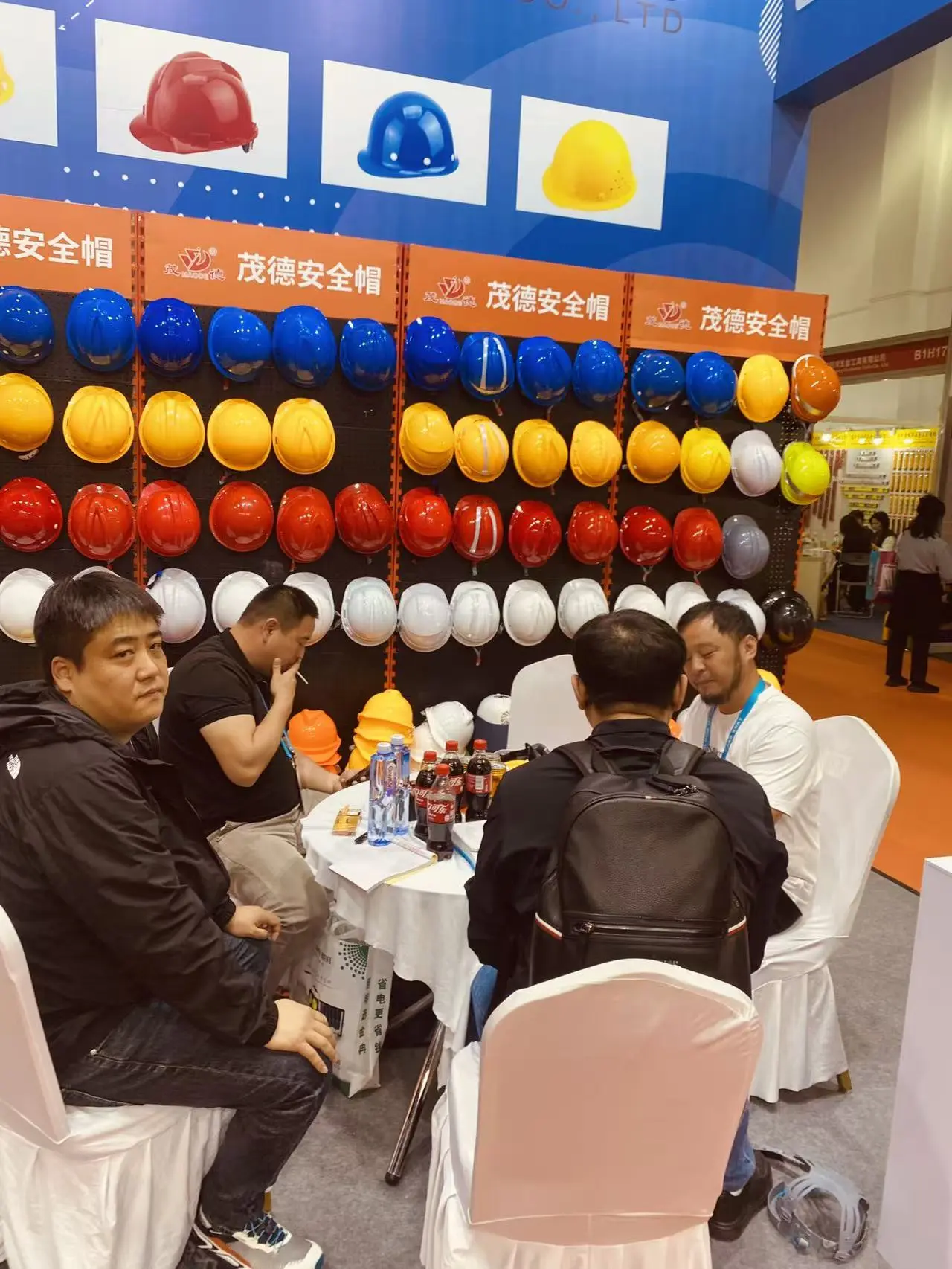
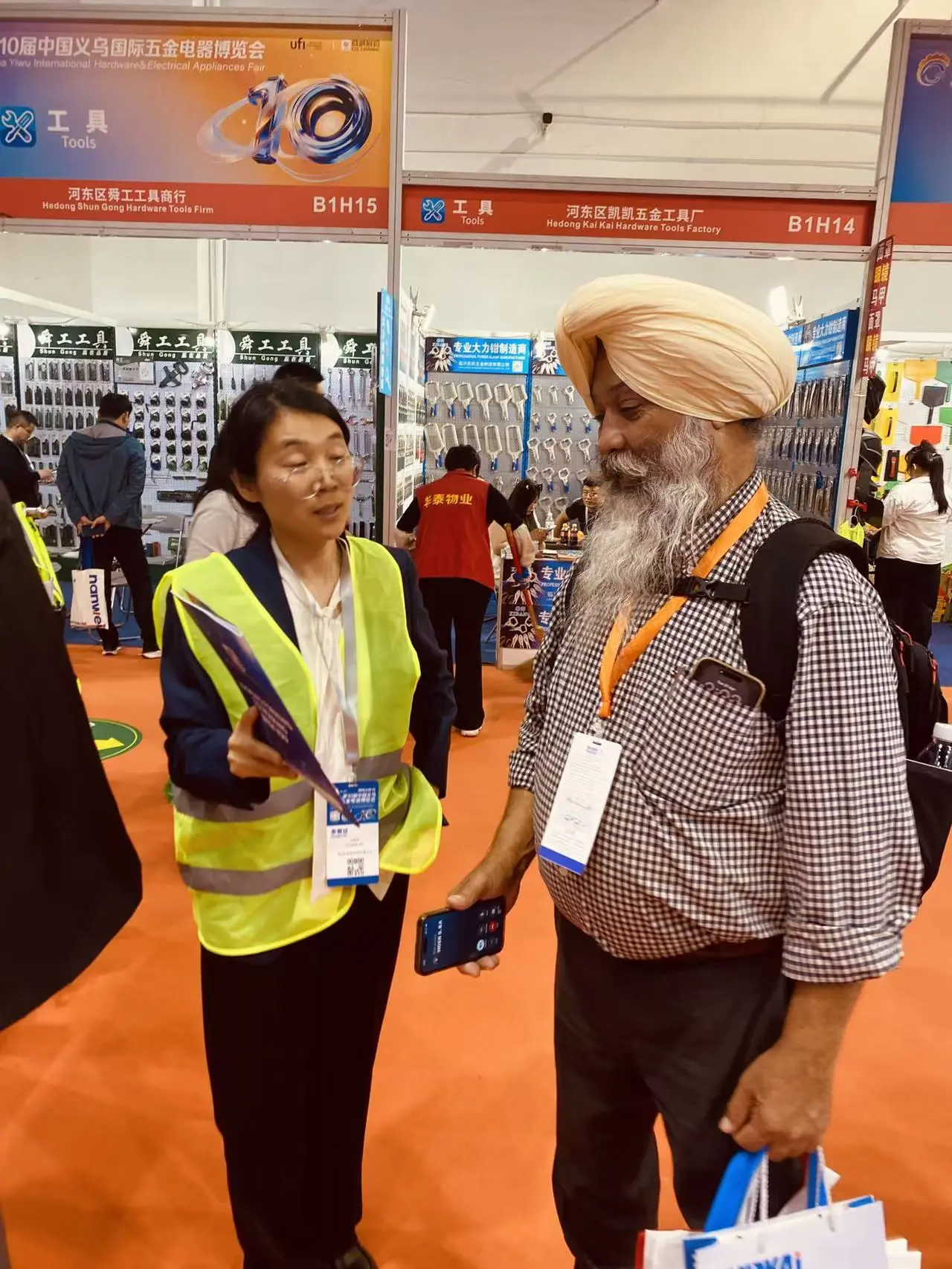








Premium customized products featuring advanced fiberglass technology and industrial-grade high-visibility styles.
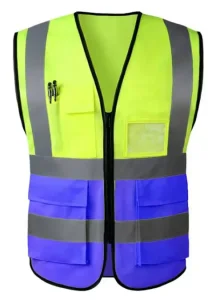
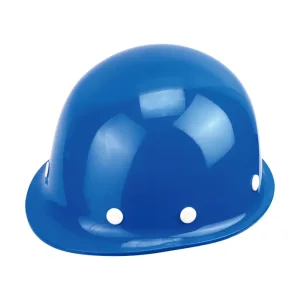
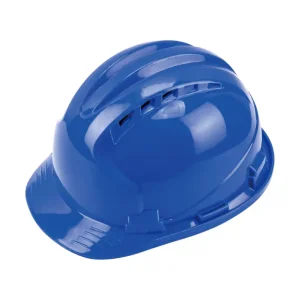
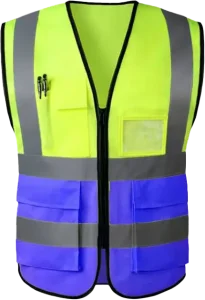
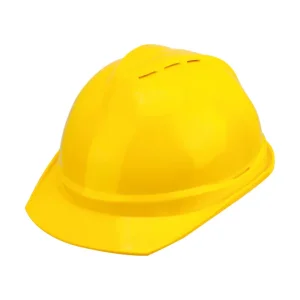
We leverage premium materials and strict quality checkpoints to serve global distributors and industrial projects.
Engineered to meet international safety criteria such as CE, ANSI, and EN ISO standards for global import compatibility.
Utilizing high-strength fiberglass composites and structural polymer systems that maximize protective properties.
Comprehensive technical guidance, wear-life recommendations, and batch tracing support for risk mitigation.
Fully integrated supply: customized packaging design, tailored labels, and logistics routing to target port warehouses.
Premium input materials for composite engineering, reinforcing safety helmet frameworks.

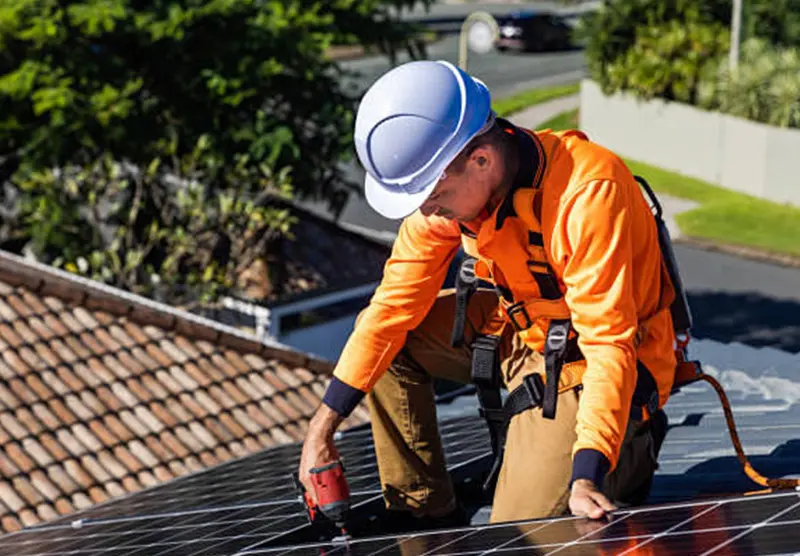
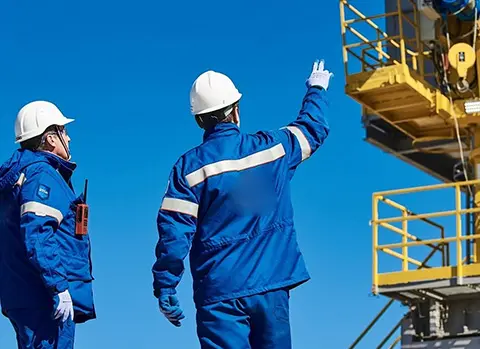
Direct technical answers from our engineering team regarding high-visibility vests and safety helmets.
 Xintuo