A Professional Whitepaper & Industrial Guide on High-Visibility Protection Equipment, Engineering Standardizations, and Supply Chain Integrations by Linyi Xintuo.
Engineered to meet rigorous EN ISO 20471 and ANSI/ISEA 107 safety requirements, our premium safety helmets and reflective wear deliver unmatched reliability in high-risk environments.
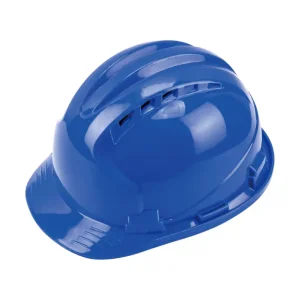
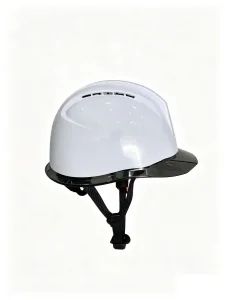
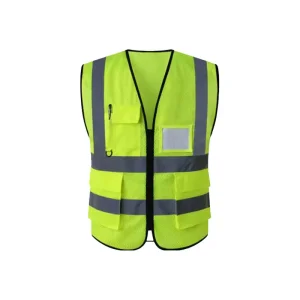
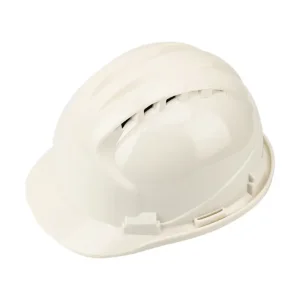
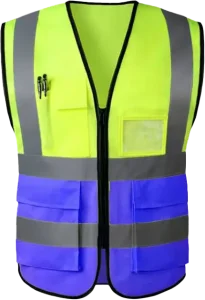
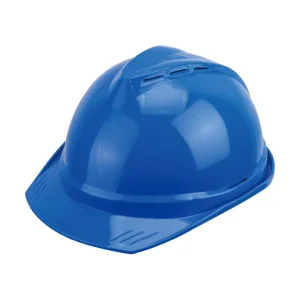
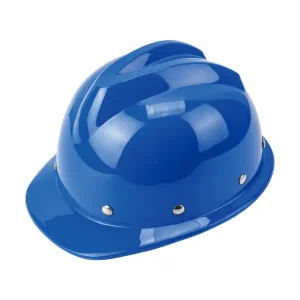
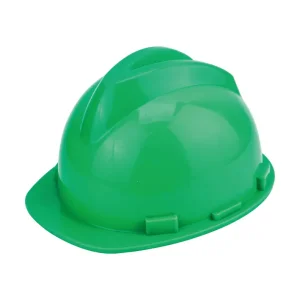
In modern industrial, construction, and logistic operations, Personal Protective Equipment (PPE) plays an irreplaceable role in mitigating hazards and avoiding workplace injuries. High-visibility protective wear, particularly security reflective vests, acts as the primary layer of passive visual safety. According to international labor safety organizations, up to 70% of low-light industrial accidents could be prevented or minimized through the correct use of compliant high-visibility garments.
Today’s safety wear operates under strict regulatory frameworks. Regulatory standards like EN ISO 20471 (the European standard for high-visibility warning clothing) and ANSI/ISEA 107 (the American National Standard for High-Visibility Safety Apparel and Accessories) specify exactly how much fluorescent background material and retroreflective tape must be incorporated into a safety garment. These requirements differ based on exposure limits, vehicle speeds nearby, and workplace dynamic hazards (Class 1, Class 2, and Class 3 safety levels). As a result, sourcing safety gear has moved from simple purchasing to verifying certification credentials and checking product safety parameters.
The performance of a security reflective vest is determined by two main factors: the chromaticity of the fluorescent background fabric and the retroreflective coefficient of the reflective materials. Background fabrics are typically made from warp-knitted polyester mesh or solid woven fabrics. They are dyed in fluorescent yellow, orange-red, or red-orange to ensure contrast against outdoor background environments during daylight.
For night protection, reflective strip technologies reflect light back to its source, such as vehicle headlights. These strips are engineered using two primary manufacturing methods:
Employs microscopic glass spheres embedded in a heat-activated adhesive backer layer. The glass beads act like lenses, focusing incoming light and returning it toward the source. Excellent durability under multi-directional bending.
Utilizes precision-engineered polymer prisms welded into a flexible vinyl film. This approach offers significantly higher retroreflective values (often exceeding 500 cd/lx/m²) and performs exceptionally well in wet weather conditions.
Combines reflective glass bead technology with a backing made of Nomex, aramid, or specially treated cotton. This combination provides flame resistance for utility workers and petrochemical teams.
| Safety Class Category | Min. Background Fabric Required | Min. Reflective Material Required | Typical Operational Scenarios |
|---|---|---|---|
| ANSI / EN Class 1 | 0.14 m² (217 sq. inches) | 0.10 m² (155 sq. inches) | Off-road warehousing operations, parking attendants, low-speed delivery zones (< 30 km/h). |
| ANSI / EN Class 2 | 0.50 m² (775 sq. inches) | 0.13 m² (201 sq. inches) | Railway workers, municipal roadway maintenance crews, port logistics, traffic control zones. |
| ANSI / EN Class 3 | 0.80 m² (1240 sq. inches) | 0.20 m² (310 sq. inches) | High-speed roadway construction sites (> 80 km/h), emergency response teams, utilities, extreme weather. |
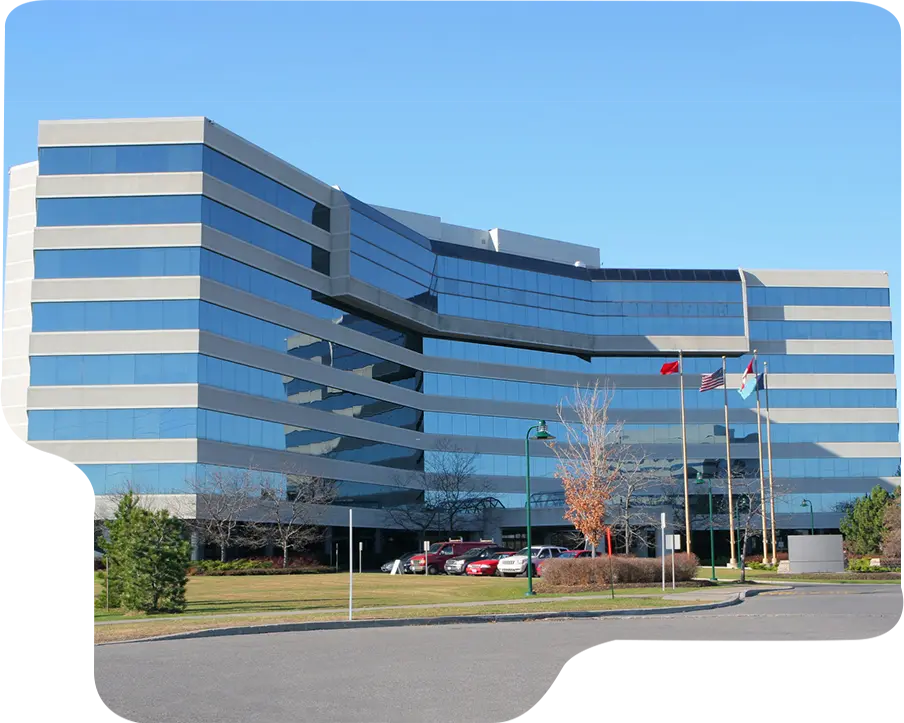
Linyi Xintuo Industry and Trade Co., Ltd. is a modern enterprise based in China, specializing in the research, development, and manufacturing of high-performance safety helmets and comprehensive labor protection equipment. Since its establishment, the company has been driven by a vision of innovation, continuously investing in advanced production equipment and assembling a team of high-caliber research and design professionals.
Our standardized management mode, combined with ISO-certified processes, guarantees consistent product excellence across all batches. The company operates with a commitment to sustainability, utilizing eco-friendly materials and energy-efficient production techniques to minimize environmental impact while maintaining operational efficiency.
The product portfolio includes industrial safety helmets and high-visibility workwear, all engineered to meet or exceed international safety standards such as CE, ANSI, and EN. We leverage cutting-edge material science, utilizing fiberglass composites and high-impact polymers that offer superior strength-to-weight ratios compared to traditional materials. This integration of ergonomic design principles with durable materials ensures long-lasting protection without compromising comfort.
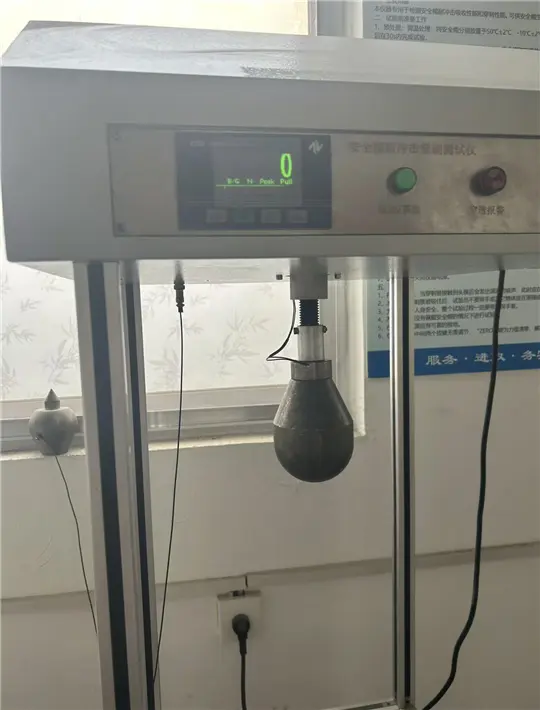
Our helmets feature adjustable suspension systems with precision-calibrated tension controls, moisture-wicking sweatbands with antimicrobial properties, and advanced ventilation technologies that optimize airflow while maintaining structural integrity. These innovations cater to diverse work environments, from extreme temperatures to high-humidity conditions, ensuring optimal performance in the most demanding settings.
The company places a strong emphasis on customer-centric solutions, offering customized design services to meet specific industry requirements. Our research and development team collaborates closely with clients to understand their unique challenges, resulting in tailored products that enhance safety and productivity. Additionally, we provide comprehensive after-sales support, including technical guidance and maintenance services, to ensure uninterrupted protection for end-users.
High-visibility safety gear performs differently depending on the operating environment. A security reflective vest used on a highway construction site requires high dirt resistance and high retroreflective tape performance. On the other hand, vests for municipal workers must focus on comfort and breathability for long daytime shifts. We adapt our products to these specific challenges by adjusting the fabric weights, tape styles, and pocket layouts.
Workers wear polyester mesh vests with double-needle stitched reflective stripes and integrated multi-functional pockets. This design keeps workers visible around heavy equipment and allows them to carry field radios, pens, and tools.
For marine ports, vests are treated with anti-saline coatings to prevent salt spray corrosion on reflective materials. Vests also feature quick-release velcro shoulders to prevent entanglement hazards.
Workers use specialty flame-retardant (FR) antistatic reflective safety vests. These garments do not generate sparks from friction and will not melt or support combustion when exposed to an open flame.
By continuously innovating and adhering to the highest quality standards, Linyi Xintuo Industry and Trade Co., Ltd. has earned a reputation as a trusted partner in the global labor protection industry. Our products are widely used in construction, manufacturing, firefighting, and other high-risk sectors, contributing to safer workplaces worldwide.
We provide comprehensive after-sales support, including technical guidance and maintenance services, to ensure uninterrupted protection for end-users. This commitment is reflected in our customized design services, helping global industrial clients build consistent brand systems without compromising on occupant safety.
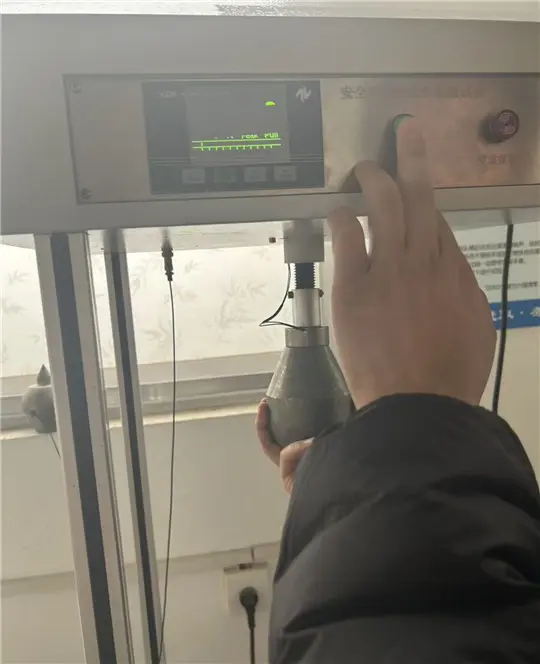
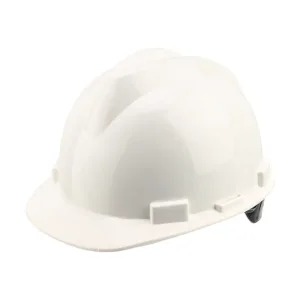
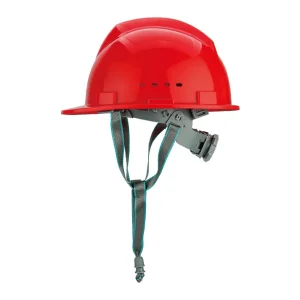
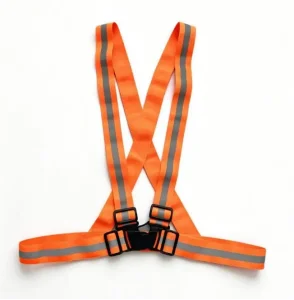
Explore our technical range of high-impact polymers and flexible reflective harnesses designed for harsh outdoor working environments.
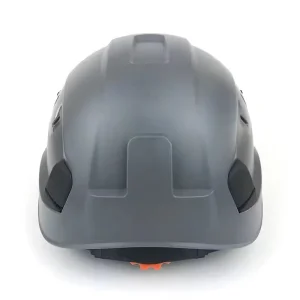
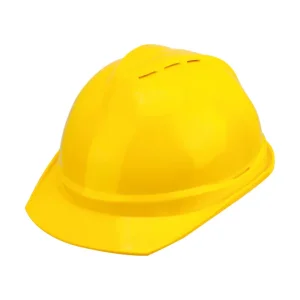
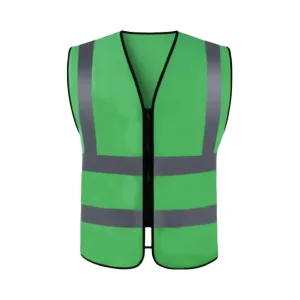
The high-visibility garment market is transitioning from simple retroreflective systems to smart, interactive protective gear. Standard passive reflective strips rely entirely on external light sources like headlights. In environments with heavy dust, dense fog, or zero headlights, passive reflection can lose effectiveness. To address this, the industry is moving toward active light-emitting technologies.
Integrating flexible printed LED light bars directly into high-visibility vest panels provides active lighting that does not rely on external light sources. These systems are powered by lightweight, rechargeable lithium-polymer battery packs and can flash continuously for over 24 hours. Future smart safety vests will also incorporate environmental sensors to monitor ambient temperature, toxic gases, and detect falls, alerting command centers during accidents.
Sustainability is becoming a core focus in industrial procurement. Leading manufacturers are using recycled polyethylene terephthalate (rPET) fibers made from post-consumer plastic bottles to produce high-visibility fabrics. Combining rPET fabric with solvent-free coatings for reflective patterns maintains safety performance while reducing the carbon footprint of production. Our goal is to shift 80% of our material sourcing to certified sustainable polyester by 2028.
Our standardized manufacturing lines use modern high-speed weaving, automated laser cutting, and computerized sewing systems to ensure consistent sizing and seam strength. Testing procedures are integrated throughout the assembly process, checking both fabric tensile strength and the retroreflection values of incoming tape rolls.
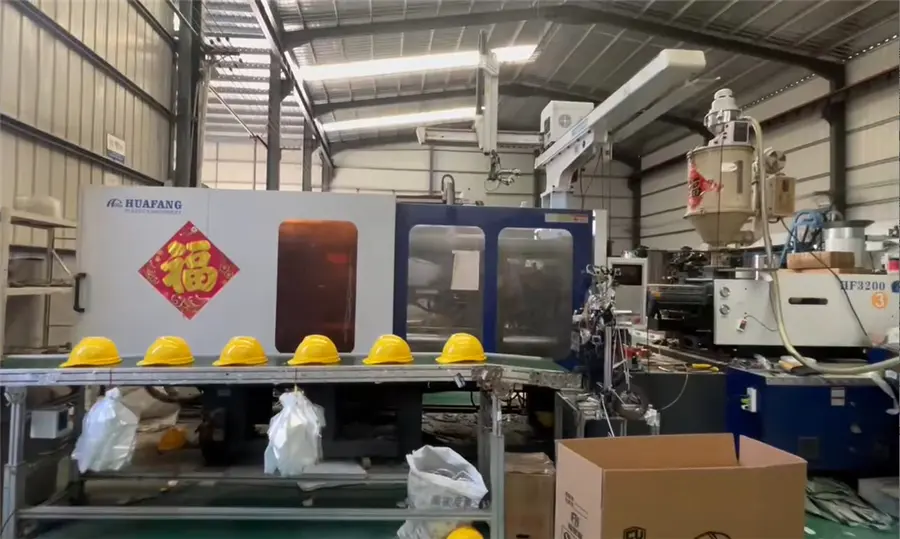
Located in Linyi, Shandong, the primary logistics and industrial hub of Northern China, Linyi Xintuo is positioned to optimize raw material sourcing and product shipping. Shandong’s mature industrial clusters give us access to high-performance polyester fibers, specialized dyestuffs, and retroreflective tapes. Because our raw material suppliers are nearby, we can scale production quickly during high-volume periods without facing parts shortages.
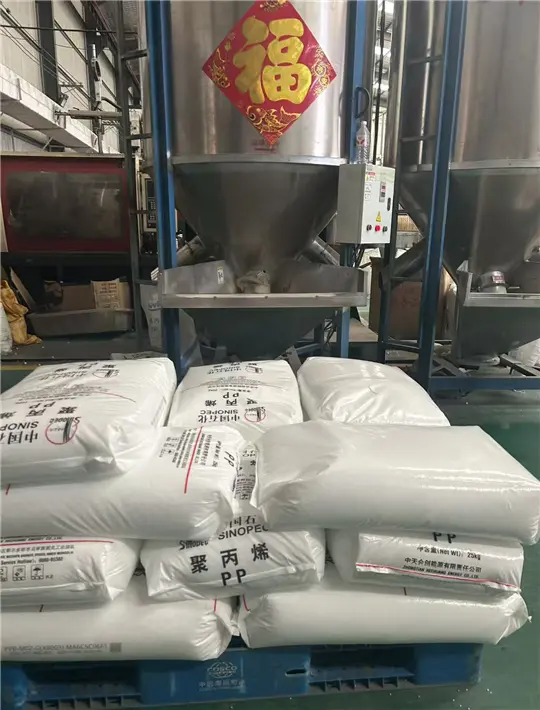
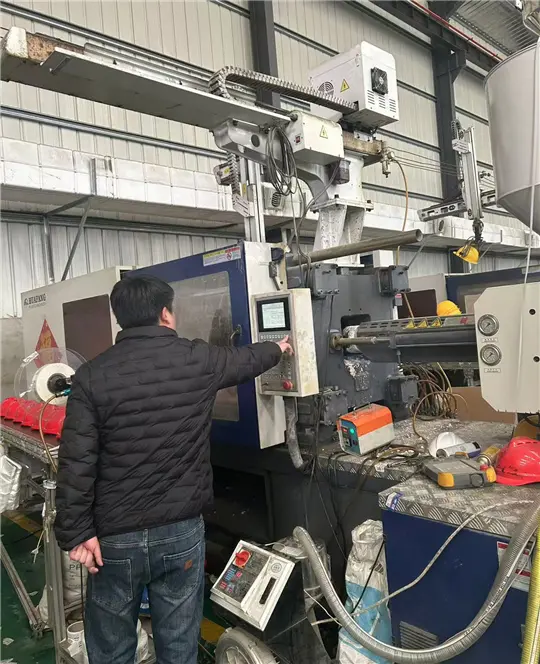
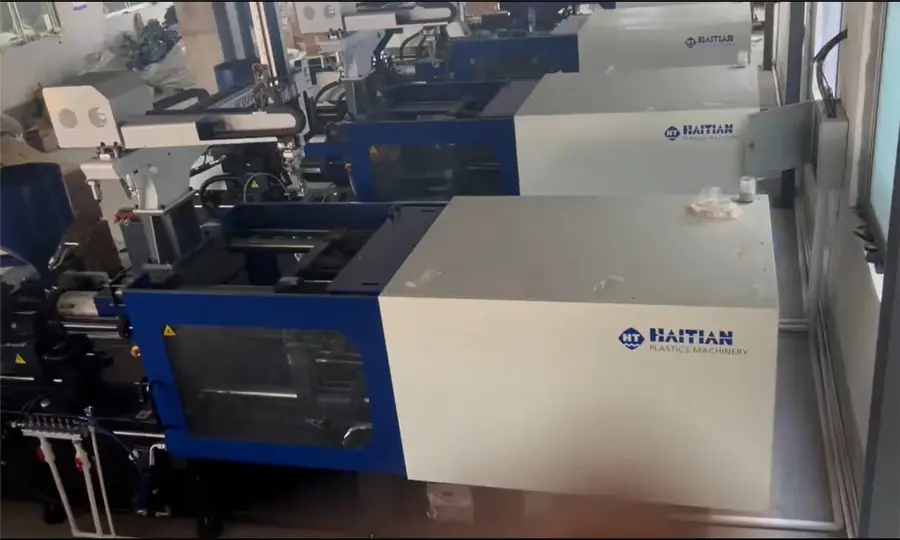
Our facility runs multiple high-output injection molding systems for safety helmet shells and specialized industrial stitching lines for reflective apparel. We manage the entire production process in-house, from raw polymer blending to final packaging. This integrated approach allows us to control manufacturing costs and deliver consistent products that meet global regulatory requirements.
Our production lines are engineered to meet CE, ANSI, and EN safety requirements, ensuring consistent quality across all production batches.
We use high-impact polymers and fiberglass composites that offer high strength-to-weight ratios compared to traditional materials.
We provide full after-sales support, including technical guidelines and maintenance advice, to support safety programs in the field.
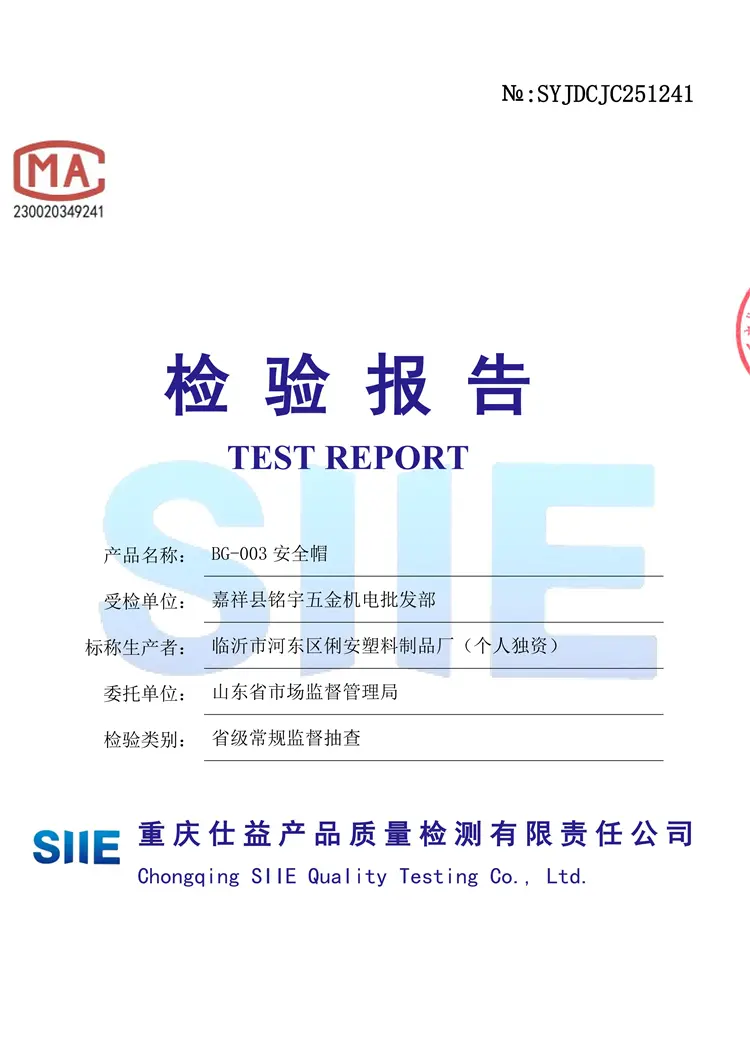
We maintain an ISO 9001 quality management system, and our products carry CE and EN certifications. These credentials verify that our safety helmets and high-visibility apparel perform reliably under extreme field conditions.
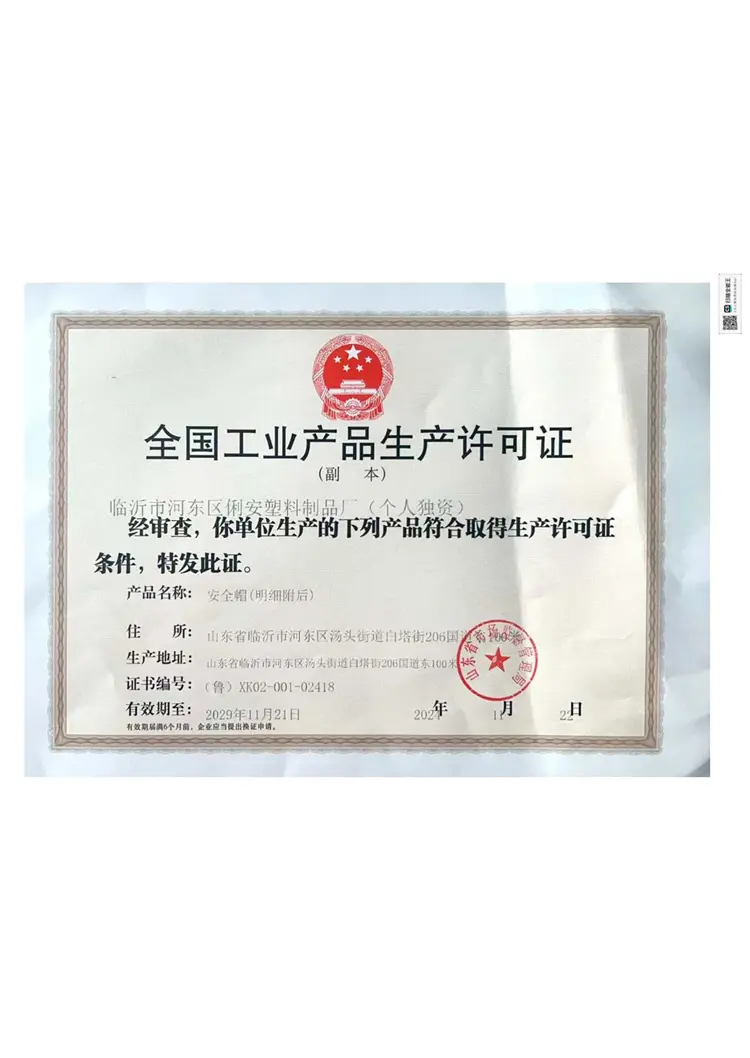
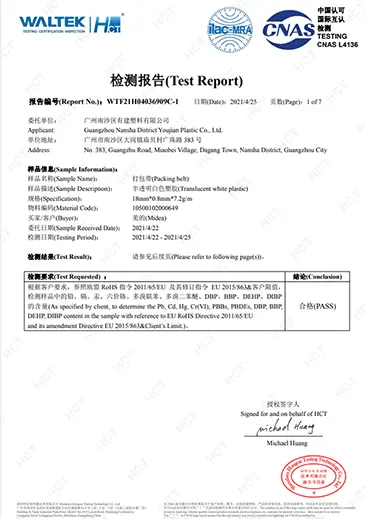
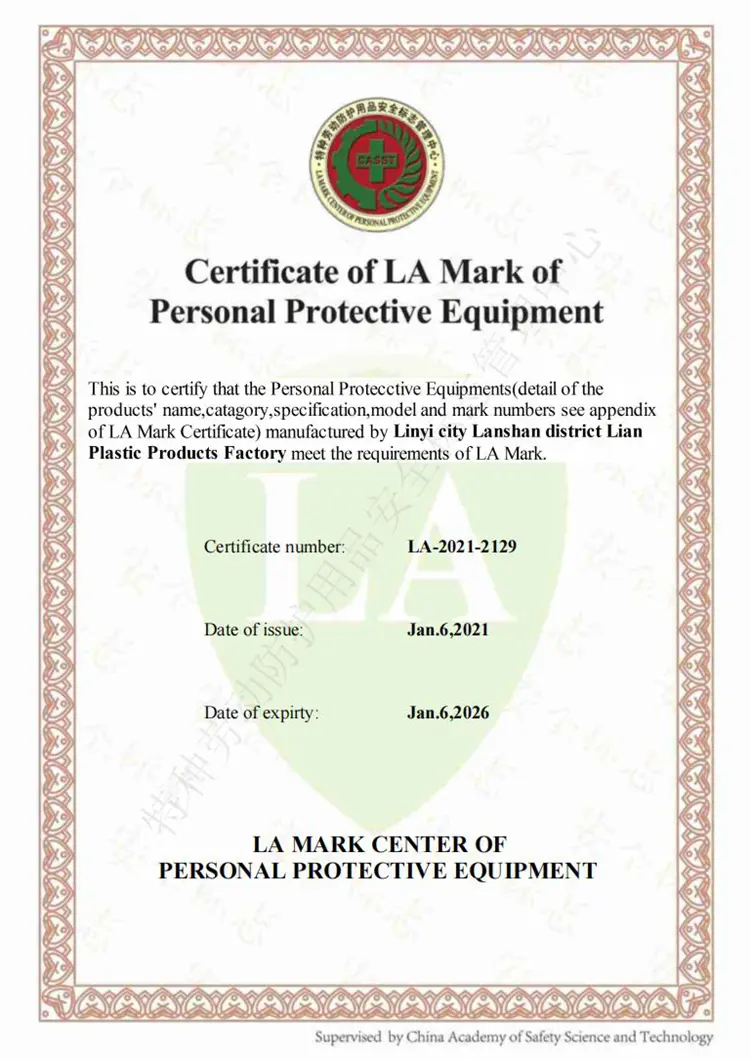
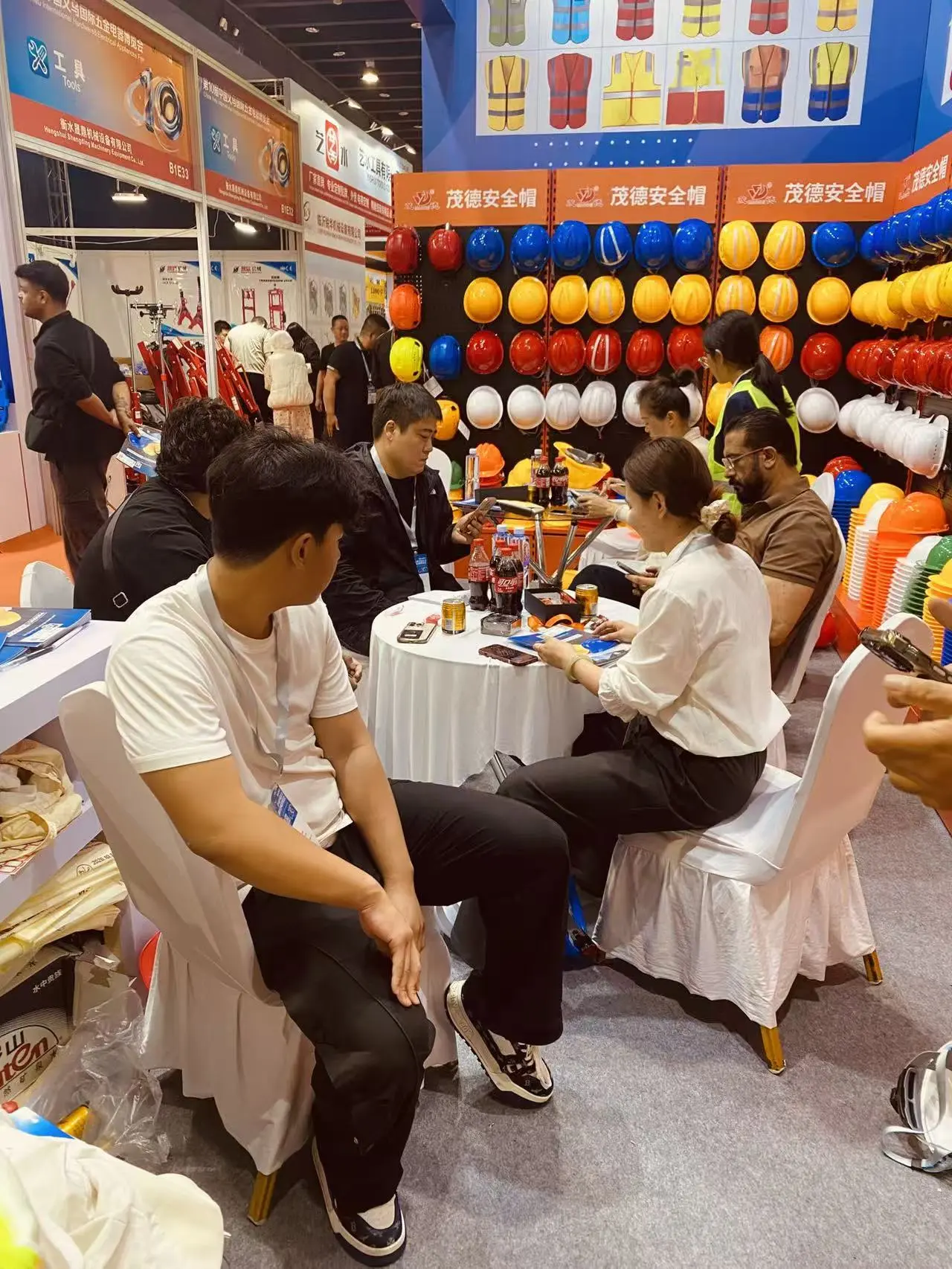
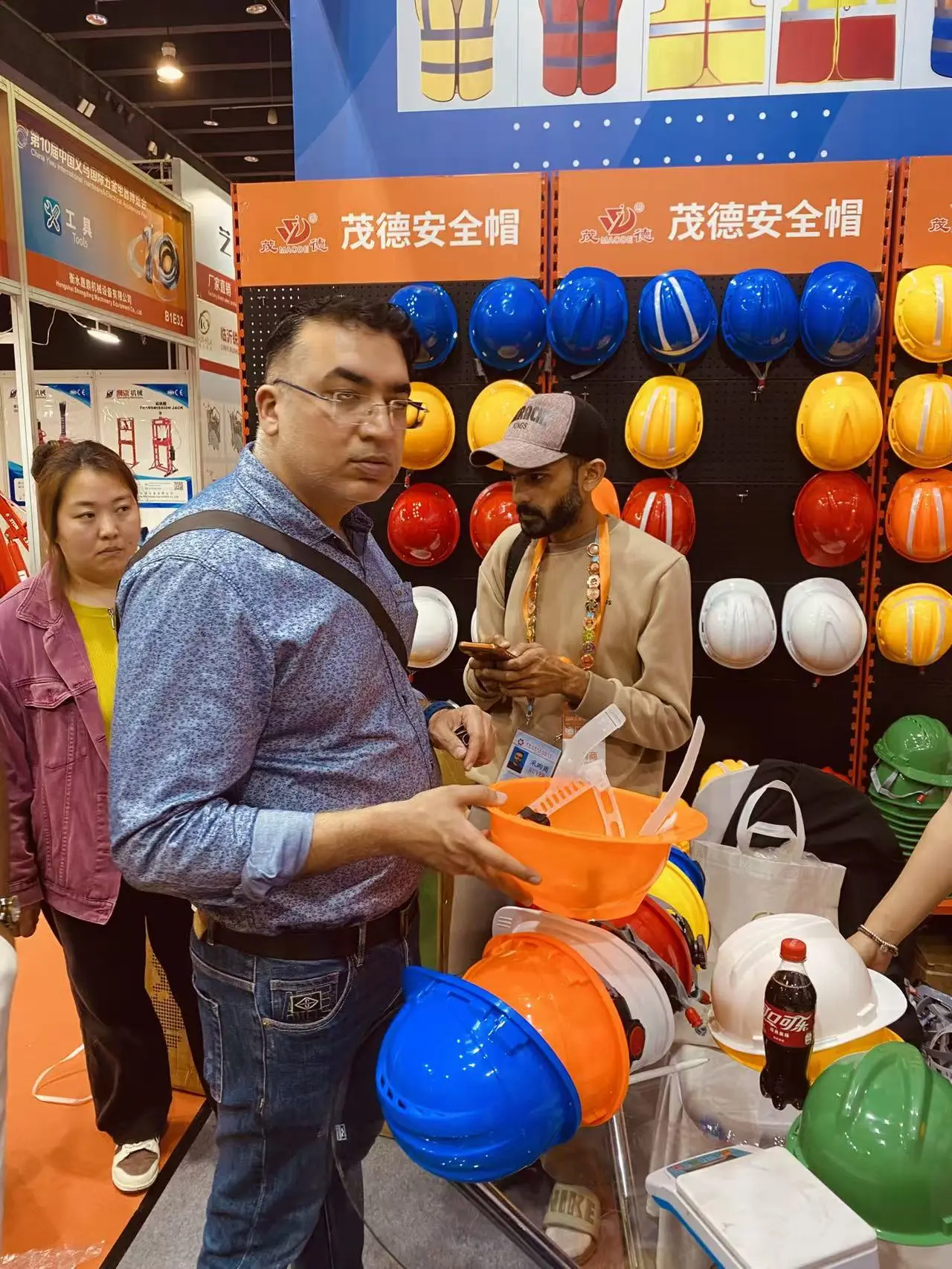
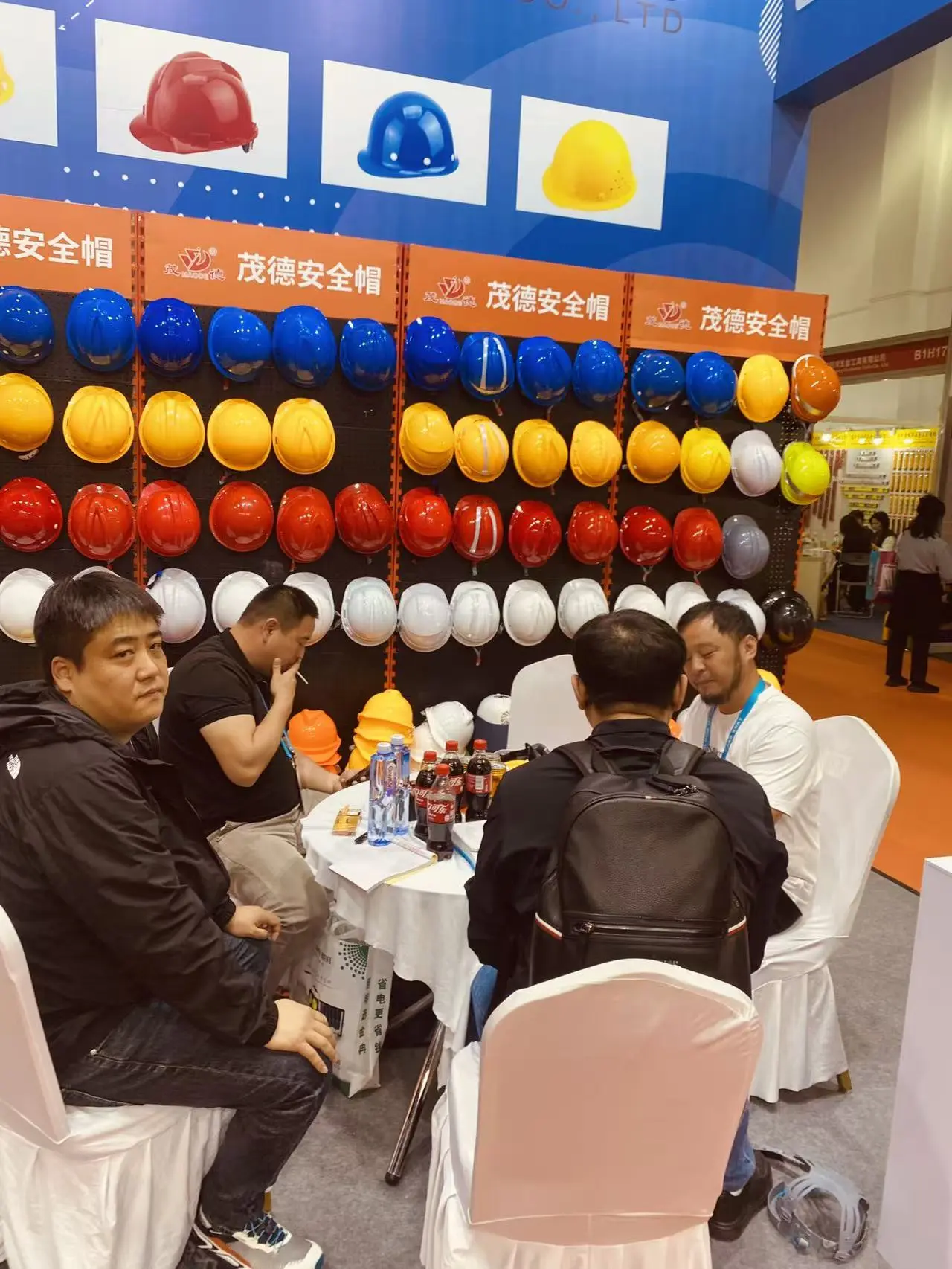
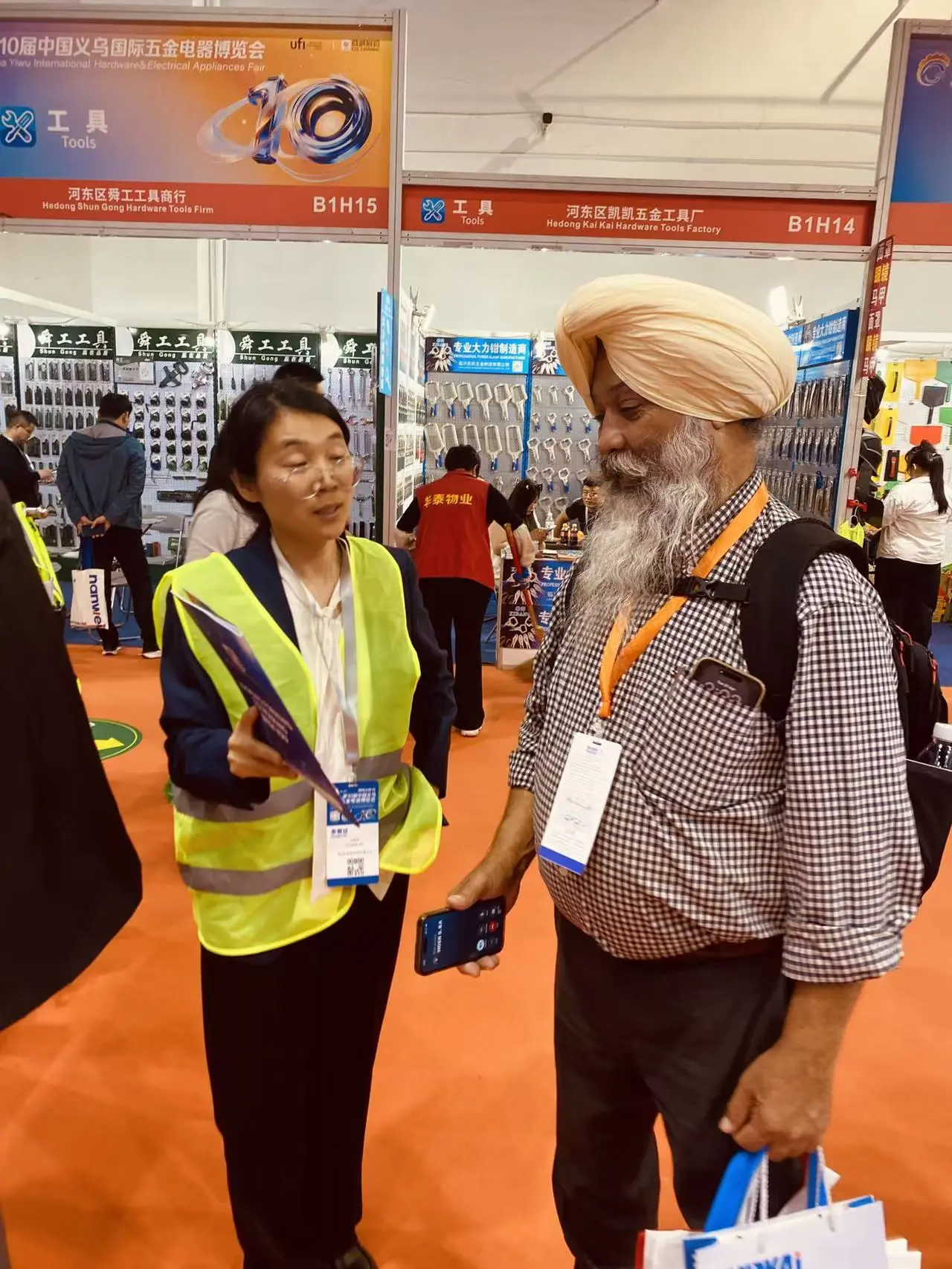
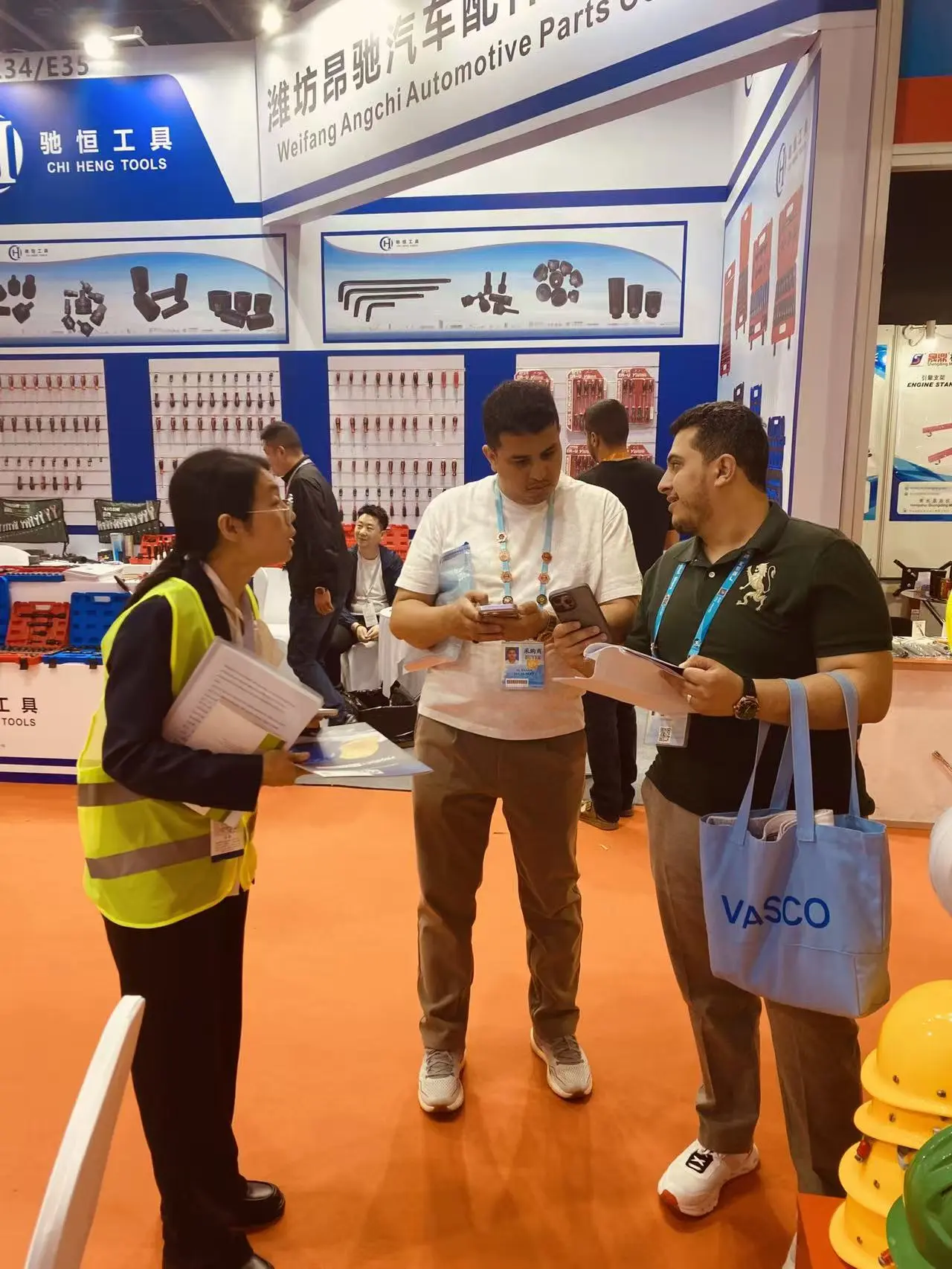
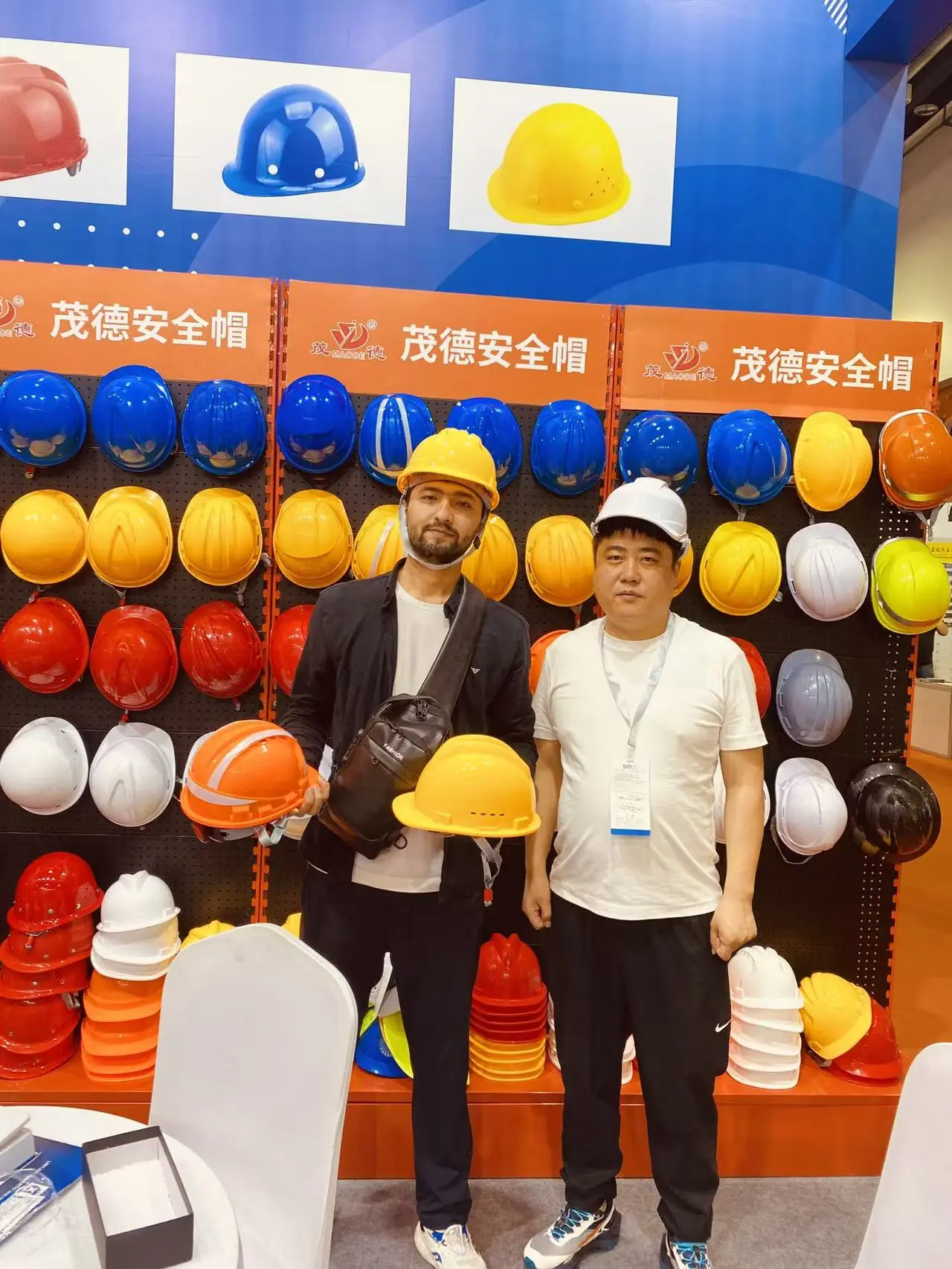
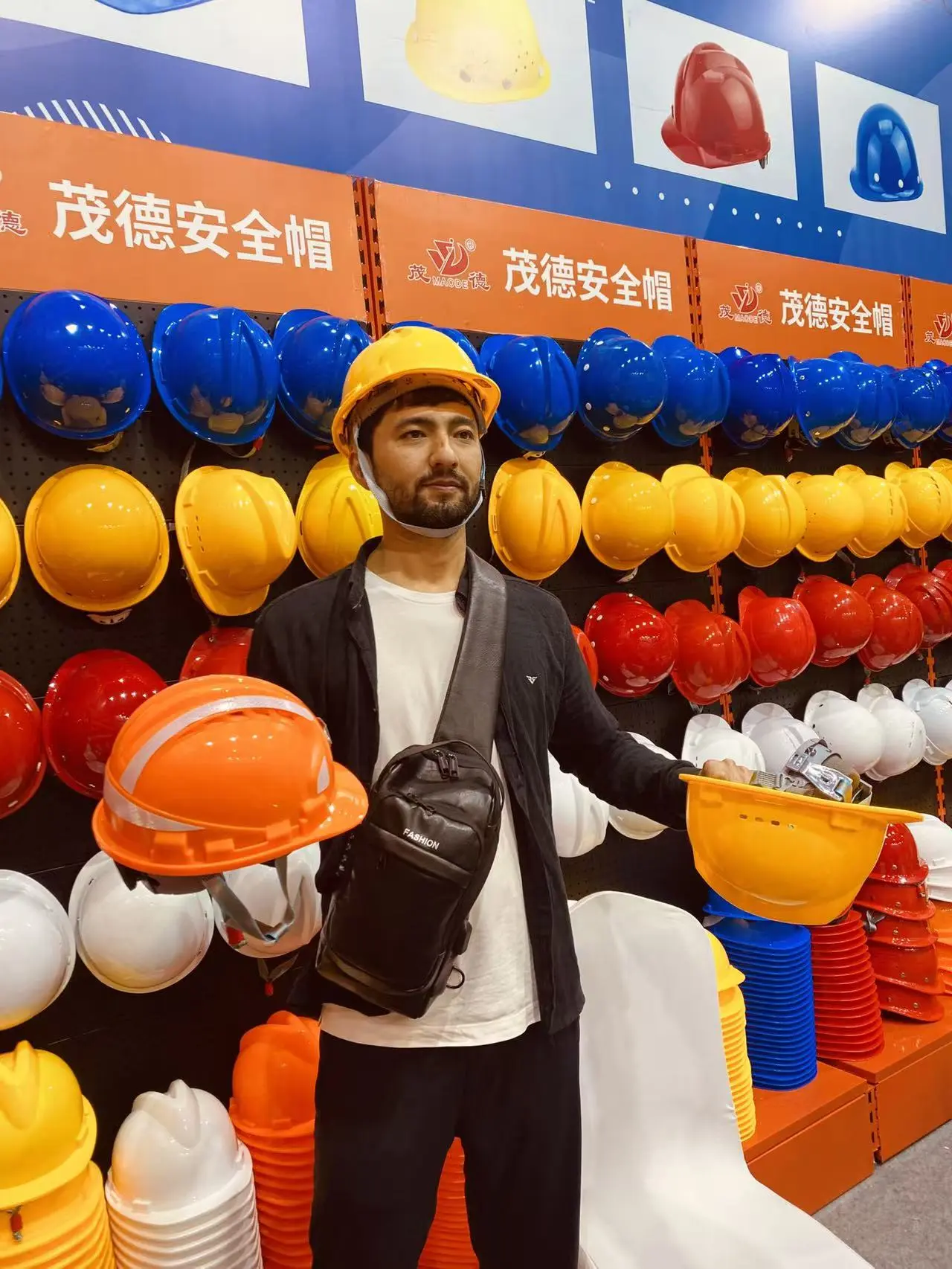
We regularly present our new safety designs at industrial trade fairs and safety conventions worldwide. This allows us to gather user feedback, study localized regulations, and build long-term relationships with international industrial supply distributors.
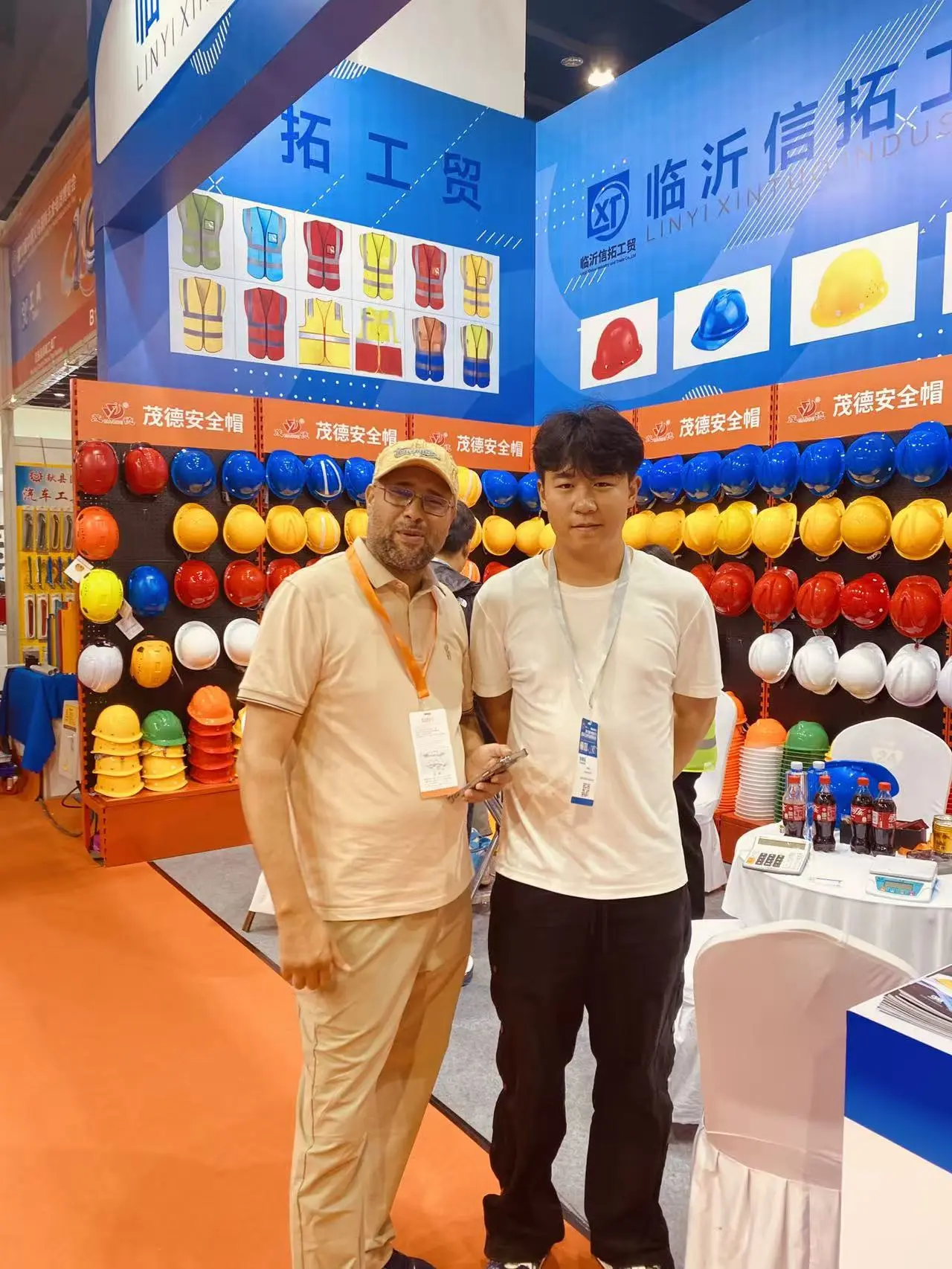
In addition to safety apparel, we manufacture core protective composite materials. Our fiberglass yarns, chopped strand mats, and woven structures are used to reinforce safety equipment, building panels, and vehicle components. This materials expertise helps us design safer products for high-risk work environments.
| Fiberglass Product Line | Material Core Properties | Safety Applications |
|---|---|---|
| Fiberglass Roving & Yarn | High tensile strength, chemical corrosion resistance, high structural stability. | Insulated hard hats, heavy-duty electrical structural components, reinforced cables. |
| Fiberglass Mesh | Alkali-resistant design, high dimensional stability, flame-retardant backing. | Wall insulation reinforcements, fire barriers, thermal shielding materials. |
| Chopped Strand Mat | Uniform fiber distribution, rapid resin wet-out, high mechanical strength. | Laminated protective enclosures, industrial structural sheets, automotive composite parts. |
| Glassfiber Cloth | Excellent thermal insulation, chemical resistance, high temperature stability. | Welding protection curtains, heat-protective safety clothing, industrial safety gaskets. |








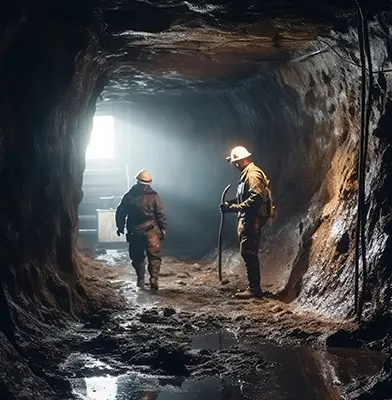
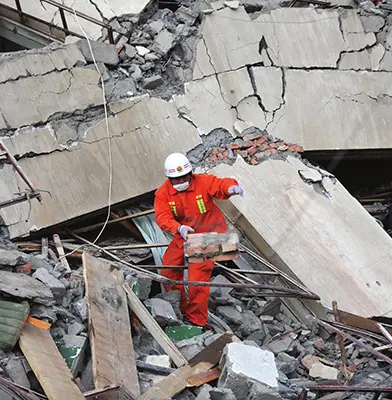
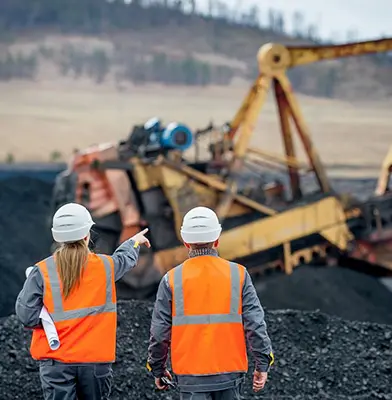
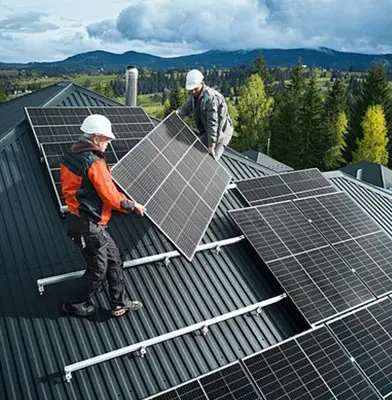
Using safety equipment correctly is critical to preventing accidents. Here, we outline two common safety issues observed in the field.
Incorrectly wearing safety helmets or failing to fasten chin straps can lead to head injuries. Helmets must be adjusted to fit the wearer's head and secured properly to remain functional during a fall.
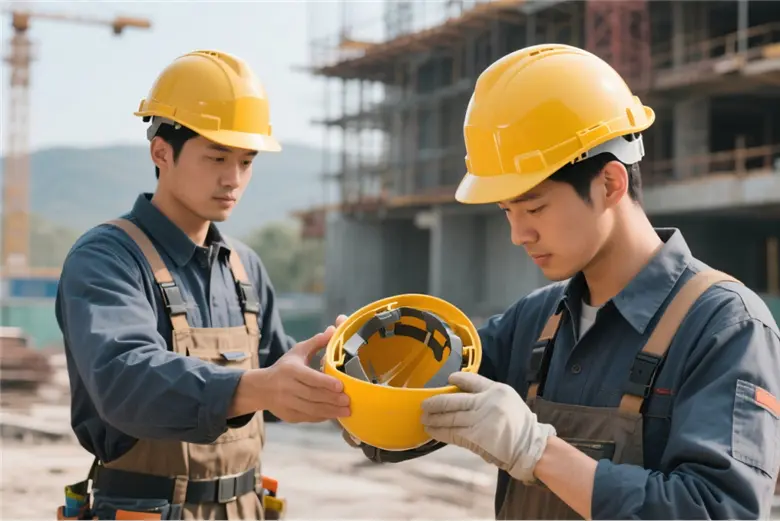
Drilling holes in a helmet to increase ventilation damages its structure. In one incident, a worker drilled ventilation holes in his helmet, which subsequently failed to protect him from a falling object. Always use factory-ventilated helmets instead of modifying equipment yourself.
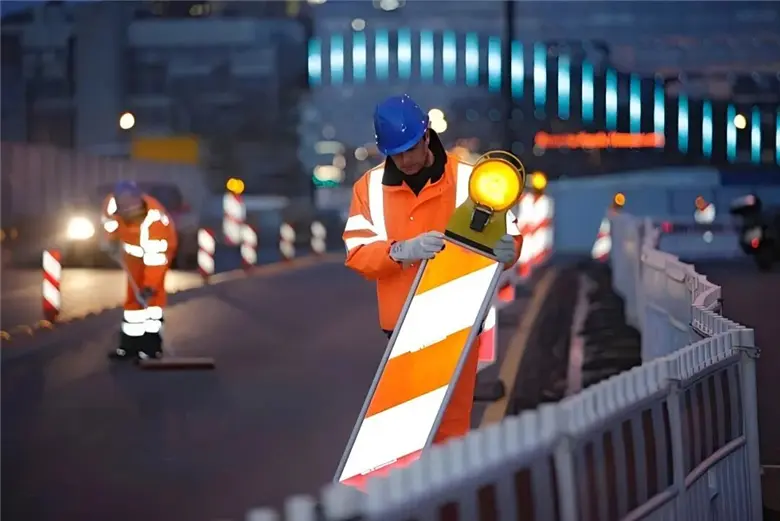
Inspect your safety helmets and reflective vests daily. Check helmets for cracks or signs of wear, and replace vests when the reflective strips become worn, dirty, or lose their reflective properties.
Store garments away from direct sunlight when not in use to preserve the fluorescent dyes.
Answers to common inquiries regarding certifications, supply capabilities, customizations, and ordering logistics.
Partner with Linyi Xintuo to design and manufacture certified safety helmets and high-visibility apparel tailored to your business requirements.
Send Inquiry Now Xintuo