Explore our certified industrial PPE collection manufactured with advanced electrostatic dissipative polymers, impact-resistant ABS/HDPE, and high-visibility reflective materials.
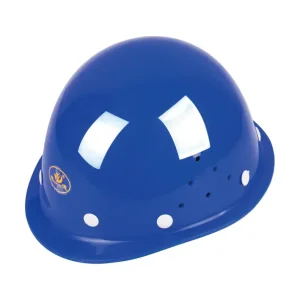
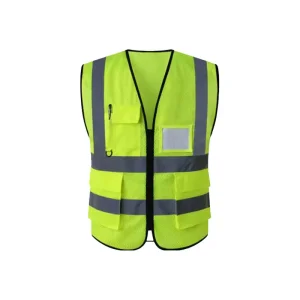
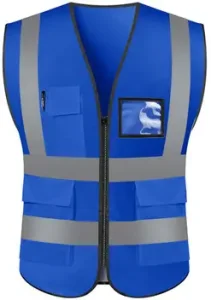
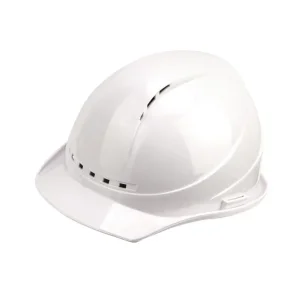
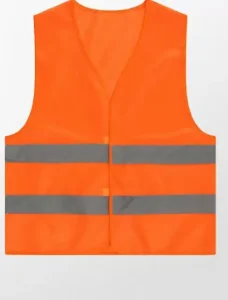
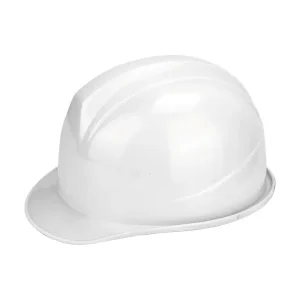
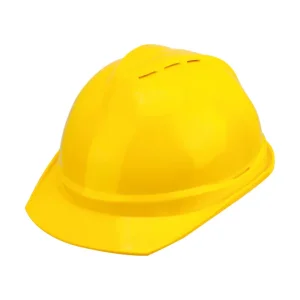
Analyzing electrostatic discharge (ESD) mitigation strategies across high-risk hazardous environments, explosive atmospheres (ATEX zones), and advanced electronic fabrication facilities.
In chemical processing plants, oil refineries, and offshore drilling platforms, triboelectric charge accumulation on standard plastic helmets can generate high-voltage sparks. Our anti-static safety helmets feature surface resistivity engineered below $10^9 \, \Omega$, preventing catastrophic dust or gas ignition in Zone 0, 1, and 2 explosive environments.
Microchip manufacturing and precision optics assembly require strict ESD control to prevent micro-fractures in sensitive wafer dies. Anti-static hard hats prevent static field induction, keeping airborne particulate attraction to a minimum and protecting delicate micro-electronics during cleanroom construction and system servicing.
Global safety buyers demand rigorous compliance with EN 1149-1/5, ANSI/ISEA Z89.1, and GB/T standards. Enterprise procurement teams require audited supply chains capable of delivering batch-to-batch consistency, complete laboratory traceability, and high mechanical impact mitigation under extreme temperature fluctuations.
How cutting-edge conductive polymer additives, structural geometry, and suspension engineering combine to eliminate electrostatic hazard risks while providing maximum cranial impact protection.
Standard High-Density Polyethylene (HDPE) and Acrylonitrile Butadiene Styrene (ABS) polymers act as electrical insulators, retaining static charges generated by friction with clothing, dry wind, or synthetic materials. This un-dissipated charge can reach several thousand volts.
Our proprietary manufacturing process blends high-grade ABS and HDPE virgin resins with permanently conductive masterbatches containing multi-walled carbon nanotubes (MWCNTs) or specialized ionic liquid anti-static agents. This creates a continuous microscopic conductive network throughout the shell matrix.
Unlike superficial anti-static sprays that wash away or degrade under UV exposure, our conductive additives are melt-blended into the polymer matrix, ensuring lifetime anti-static properties unaffected by weather, washing, or mechanical abrasion.
| Technical Parameter | Standard HDPE / ABS | Xintuo ESD Helmet Series |
|---|---|---|
| Surface Resistivity ($\Omega$) | $10^{12} - 10^{15} \, \Omega$ (Insulative) | $10^6 - 10^9 \, \Omega$ (Dissipative) |
| Static Decay Time | > 60 Seconds | < 0.1 Seconds |
| Impact Resistance (EN 397) | Standard Absorption | Reinforced V-Crown / 5kN Max Force |
| Low Temp Energy Absorption | Crackle risk at -10°C | Certified performance to -30°C |
| Harness Suspension | 4-Point PE Straps | 6-Point Anti-Static Webbing & Ratchet |
| Dielectric Resistance | Unregulated | Class E Electrical Insulation (20,000V) |
A modernized Chinese enterprise specializing in high-performance head protection, fiberglass composites, and high-visibility safety systems.
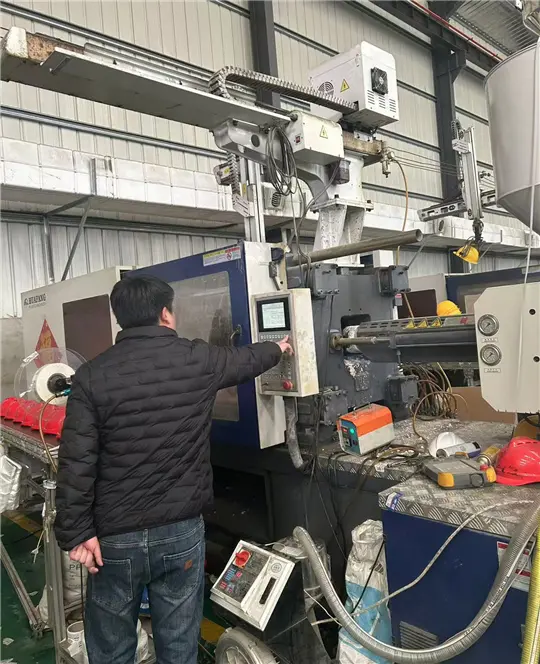
Linyi Xintuo Industry and Trade Co., Ltd. is a modern enterprise based in China, specializing in the research, development, and manufacturing of high-performance safety helmets and comprehensive labor protection equipment. Since its establishment, the company has been driven by a vision of innovation, continuously investing in advanced production equipment and assembling a team of high-caliber research and design professionals.
Our standardized management mode, combined with ISO-certified processes, guarantees consistent product excellence across all batches. The company operates with a commitment to sustainability, utilizing eco-friendly materials and energy-efficient production techniques to minimize environmental impact while maintaining operational efficiency.
The product portfolio includes industrial safety helmets, fiberglass engineering materials, and high-visibility workwear engineered to meet or exceed international safety standards.
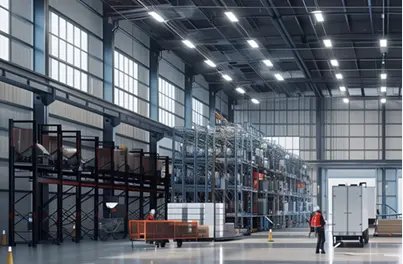
All safety helmets are engineered to meet or exceed international safety standards such as CE (EN 397), ANSI Z89.1, and EN 1149 ESD certifications.
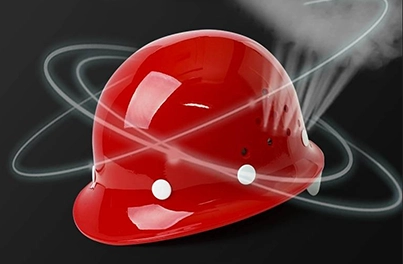
We leverage cutting-edge material science, utilizing fiberglass composites and high-impact polymers that offer superior strength-to-weight ratios.

We provide comprehensive technical support, batch inspection reports, and maintenance guidance to ensure uninterrupted safety operations.

Full-scale original equipment manufacturer solutions, supporting custom headwear colors, logo pad printing, mold adjustments, and bespoke packaging.
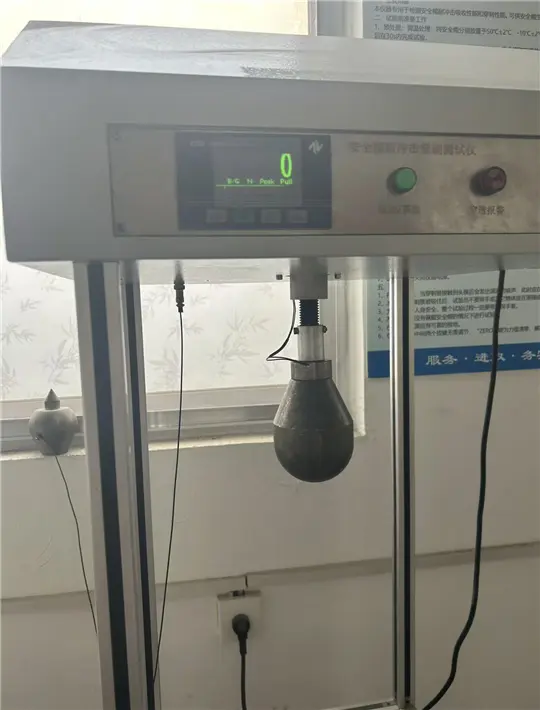
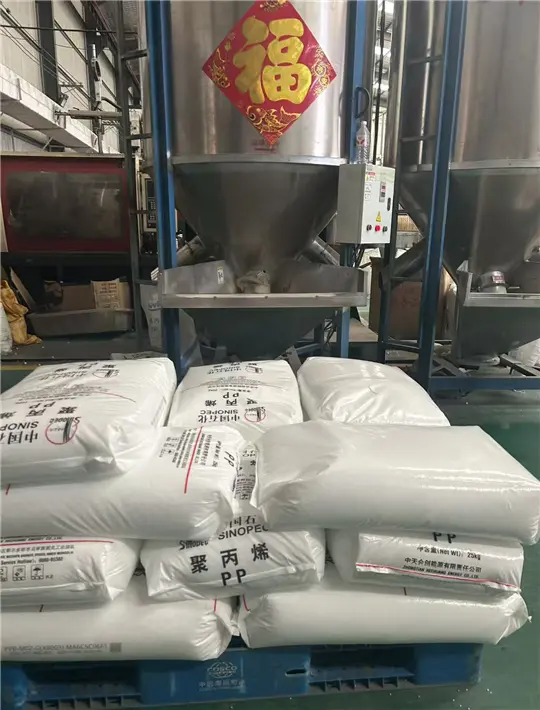
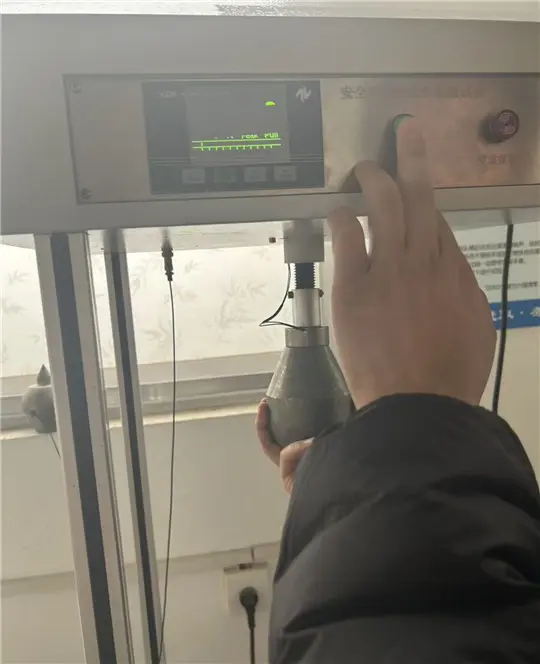
Our helmets feature adjustable suspension systems with precision-calibrated tension controls, moisture-wicking sweatbands with antimicrobial properties, and advanced ventilation technologies that optimize airflow while maintaining structural integrity. These innovations cater to diverse work environments, from extreme hot climates to high-humidity offshore rigs.
The company places a strong emphasis on customer-centric solutions, offering customized design services to meet specific industry requirements. Our research and development team collaborates closely with clients to understand their unique workplace hazards, resulting in tailored products that enhance safety, comfort, and compliance.
Send Custom InquiryIntegrating anti-static headwear with composite raw materials and high-visibility apparel for end-to-end industrial safety protection.

Reinforcement threads for ultra-high strength safety helmet shells.
View Details
Precision engineering filler for high-temperature plastic molding.
View Details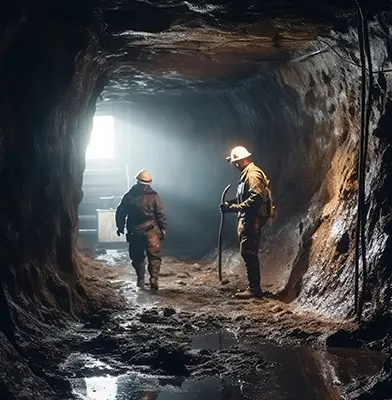

Linyi Xintuo maintains strict adherence to international standard protocols. All batches are subjected to rigorous penetration, shock absorption, static decay, and flame resistance testing.
Mandatory impact force absorption, chin strap anchor yield strength, and flame resistance verification.
Test methods for charge decay and surface resistivity to prevent electrostatic ignition sparks.
Type I top-impact protection and Class C/G/E electrical protection standard compliance.
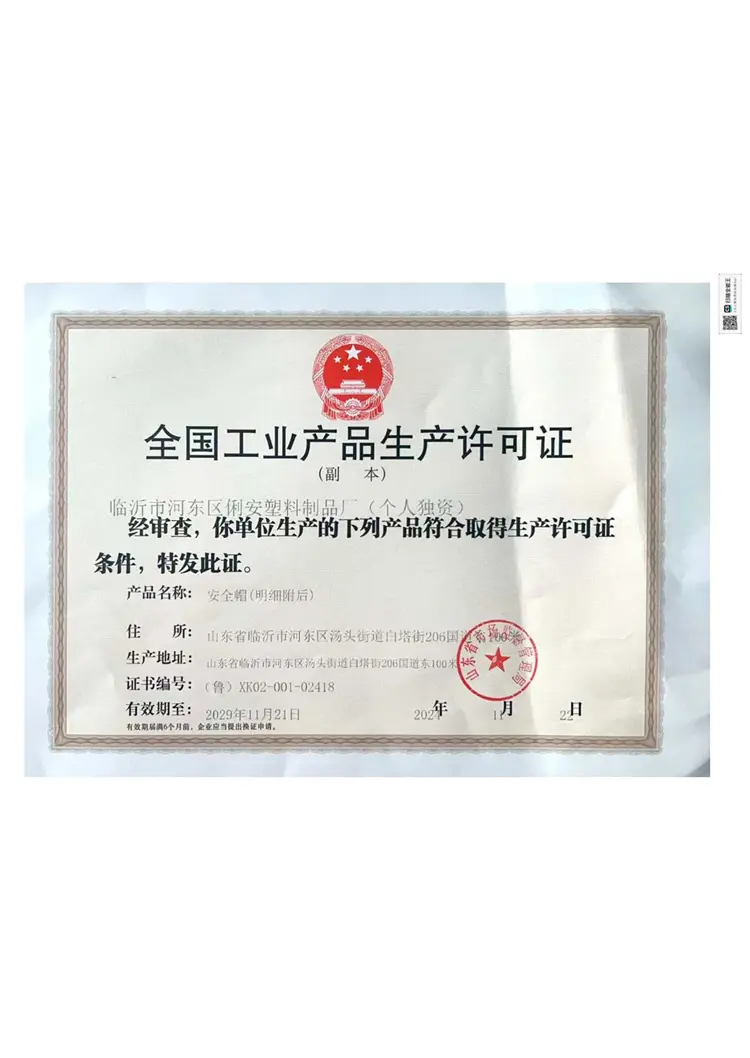
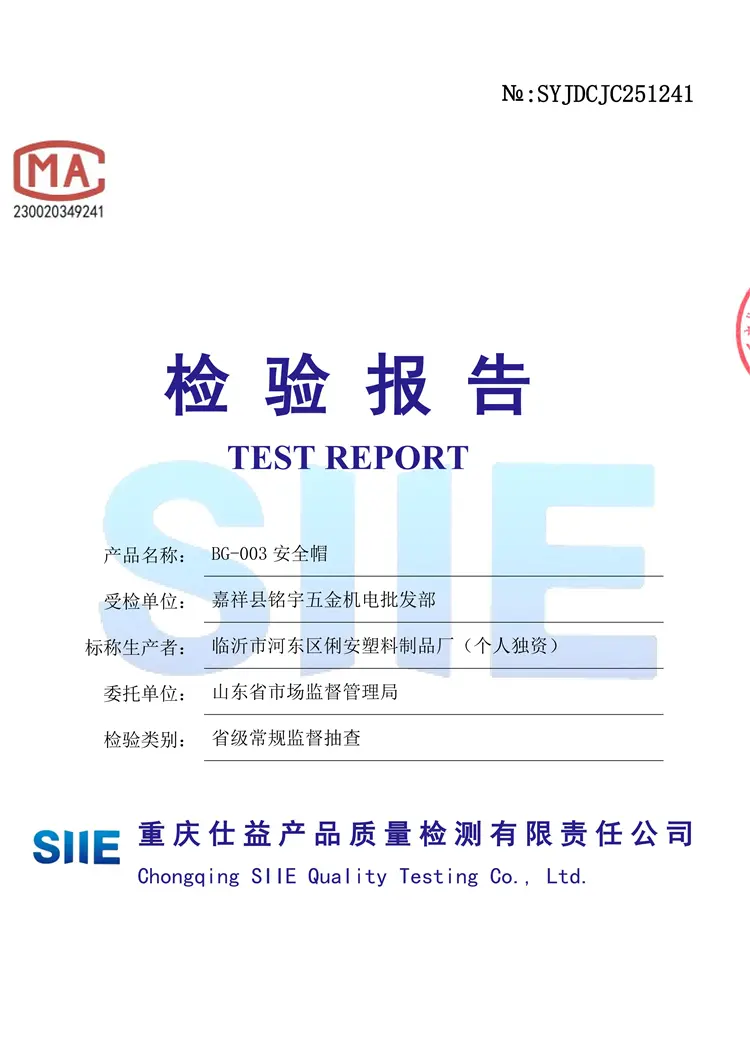
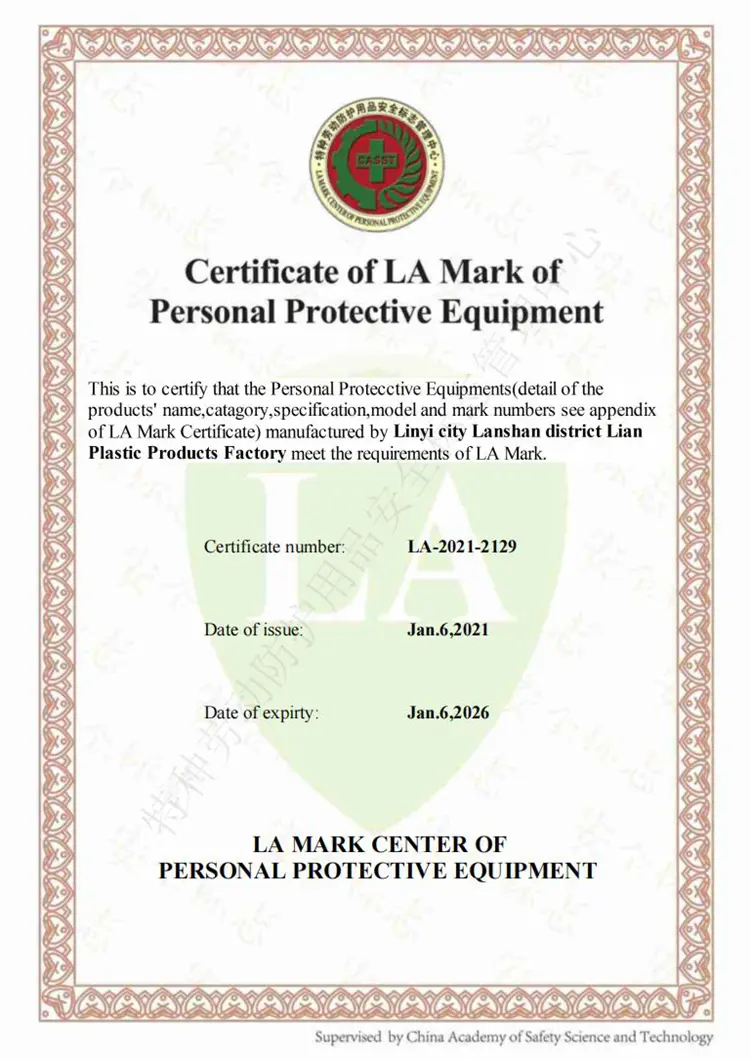
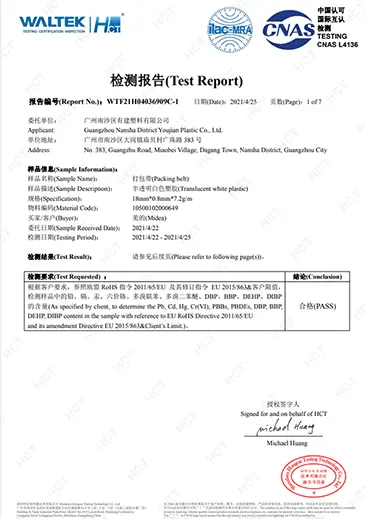
Ensuring lifetime compliance and structural safety integrity in hazardous working environments.
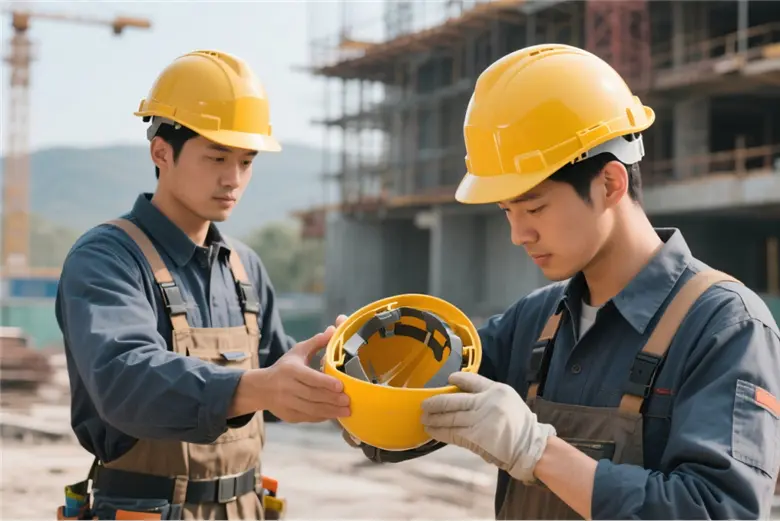
Wearing a helmet backward or without tightening the ratchet suspension negates top-impact protection and compromises grounding continuity needed for anti-static charge dissipation.
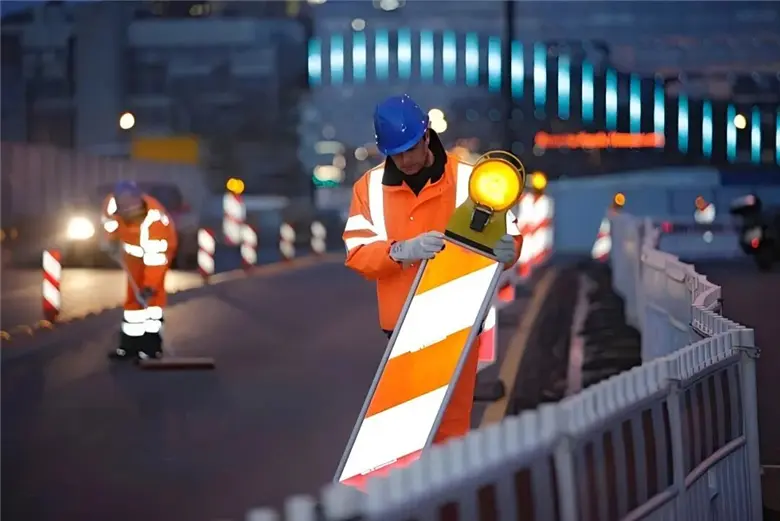
Drilling unauthorized ventilation holes or painting hard hats with solvent paints destroys dielectric insulation, damages carbon conductive networks, and structurally weakens the ABS shell.
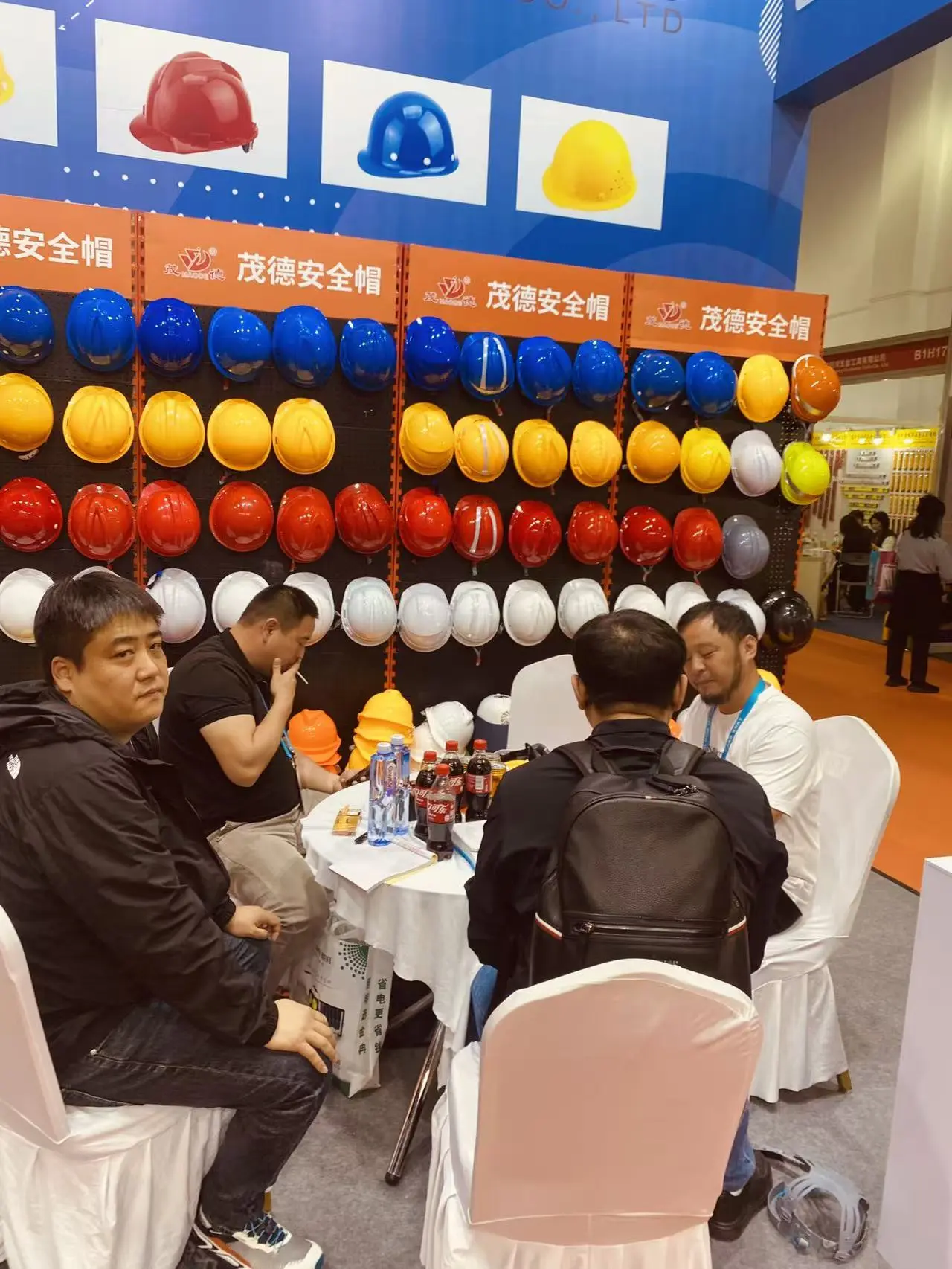
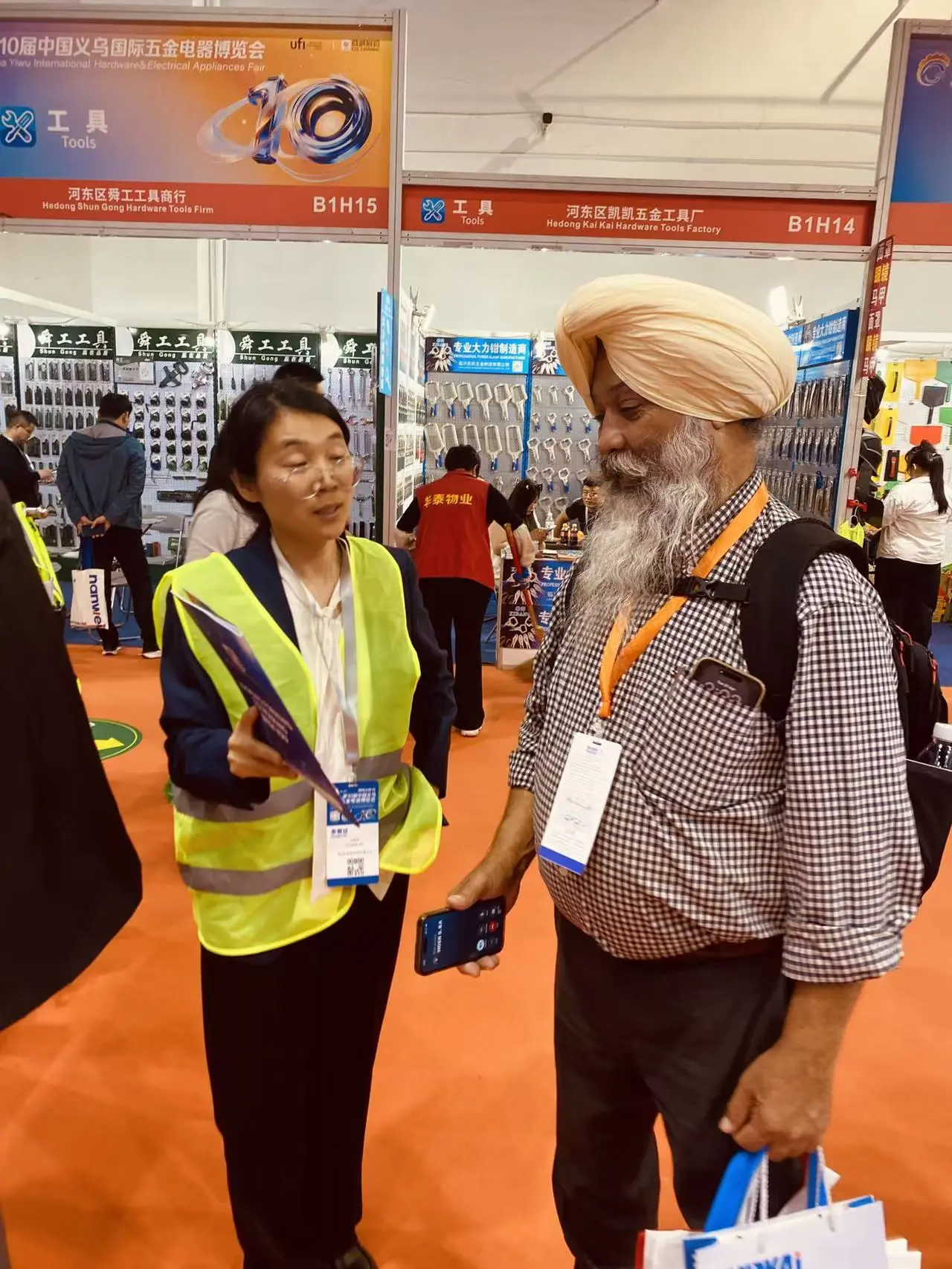
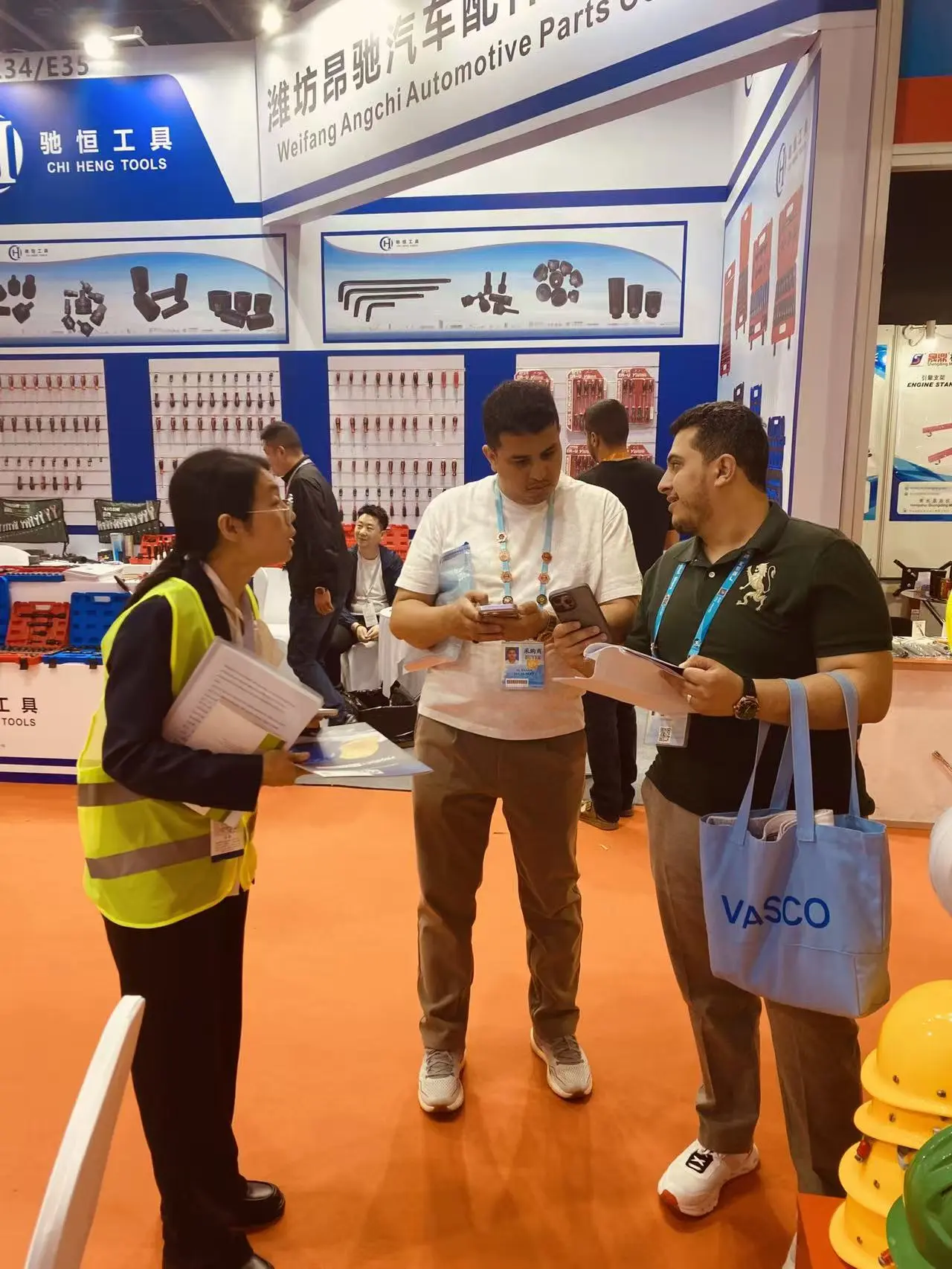
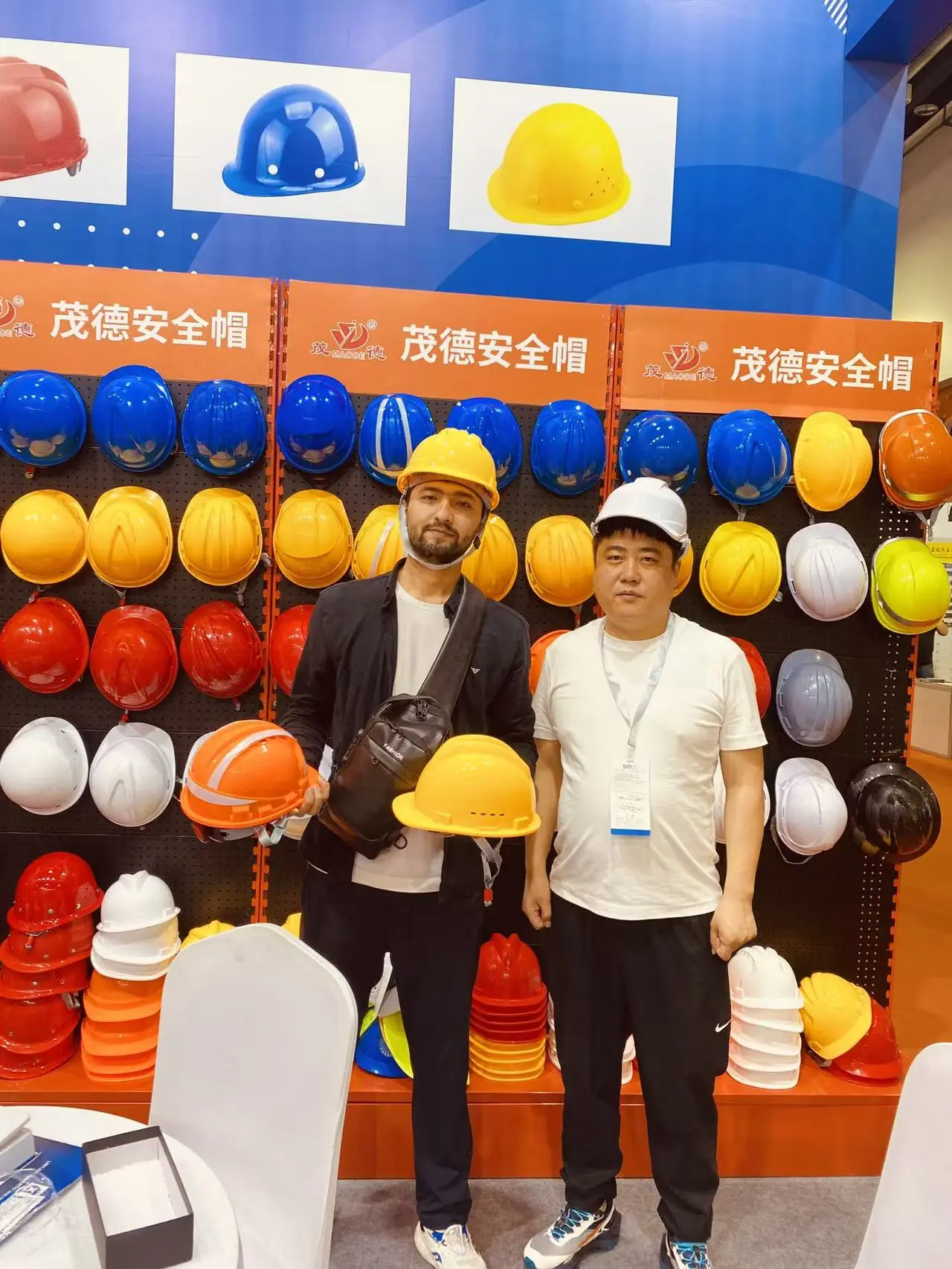
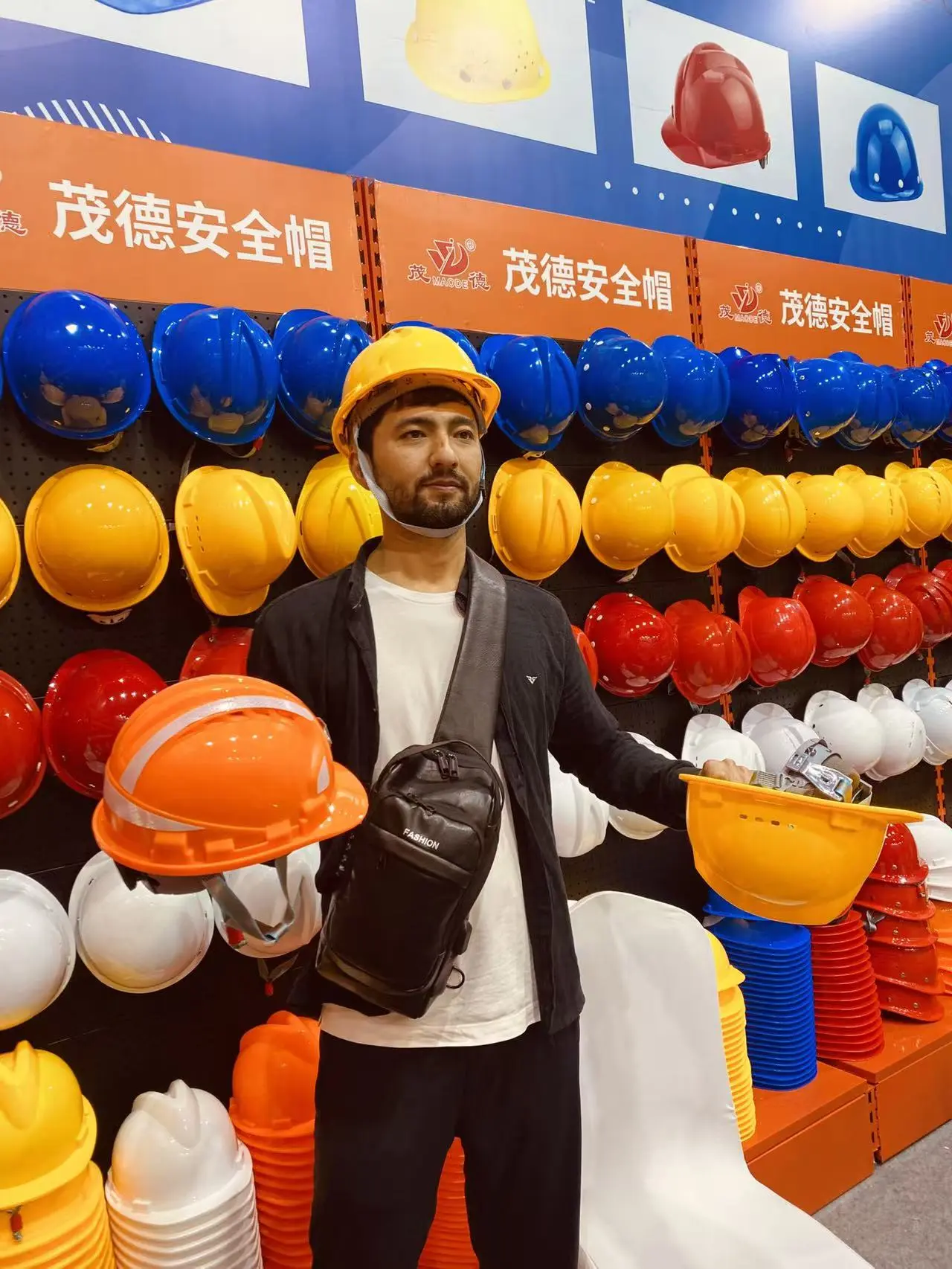
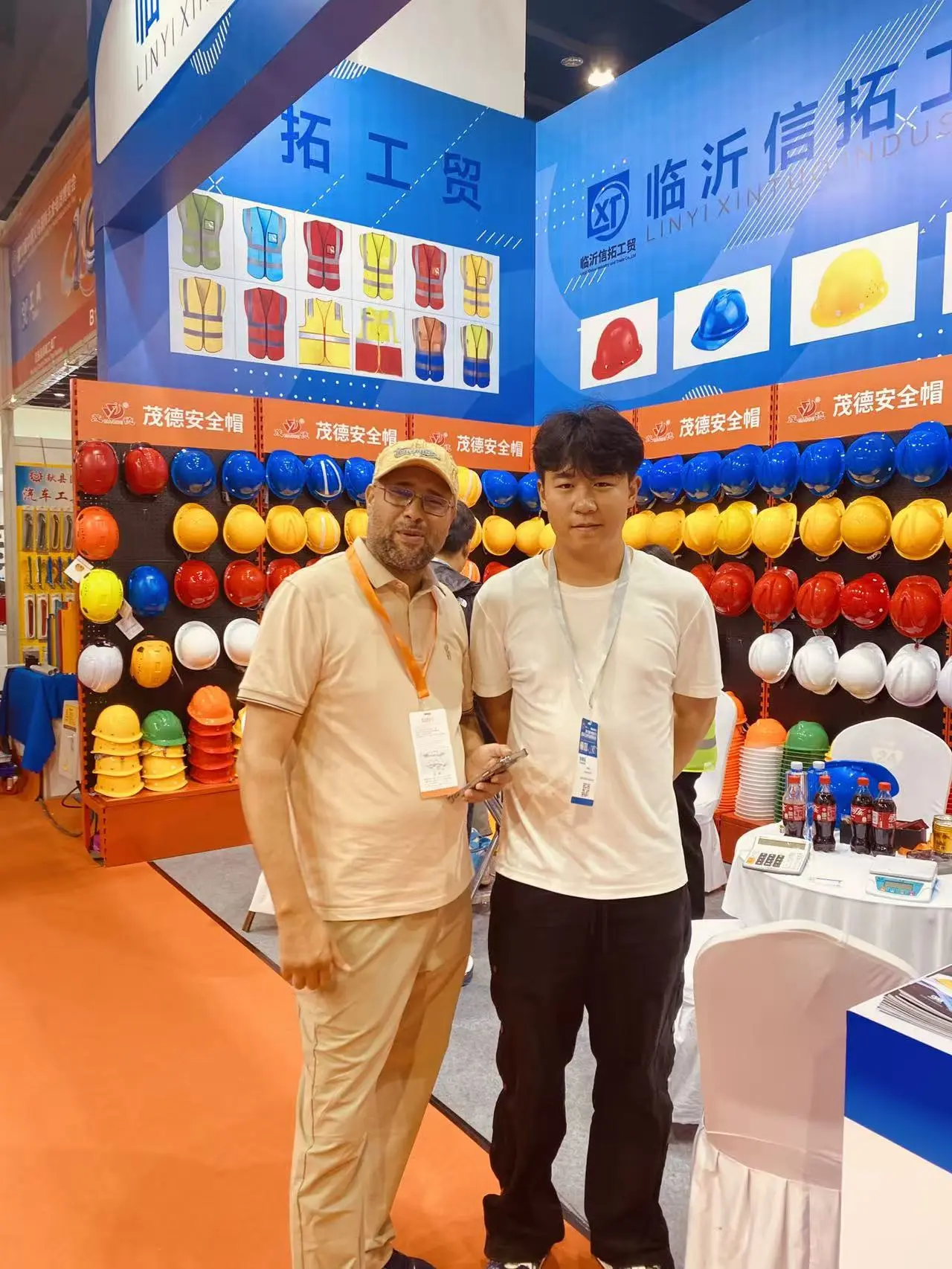
Connecting with global partners at leading personal protection equipment (PPE) trade expos worldwide.












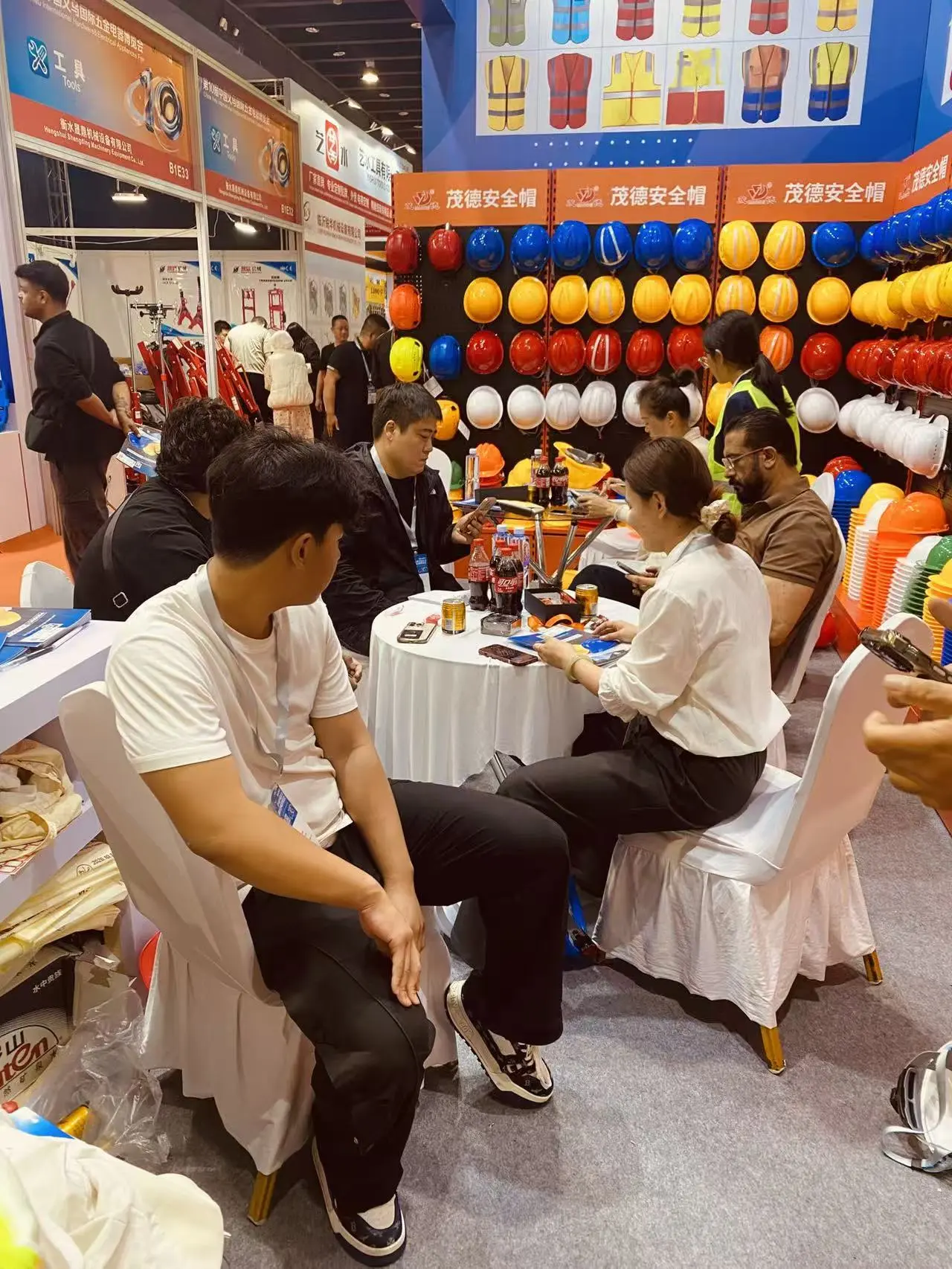
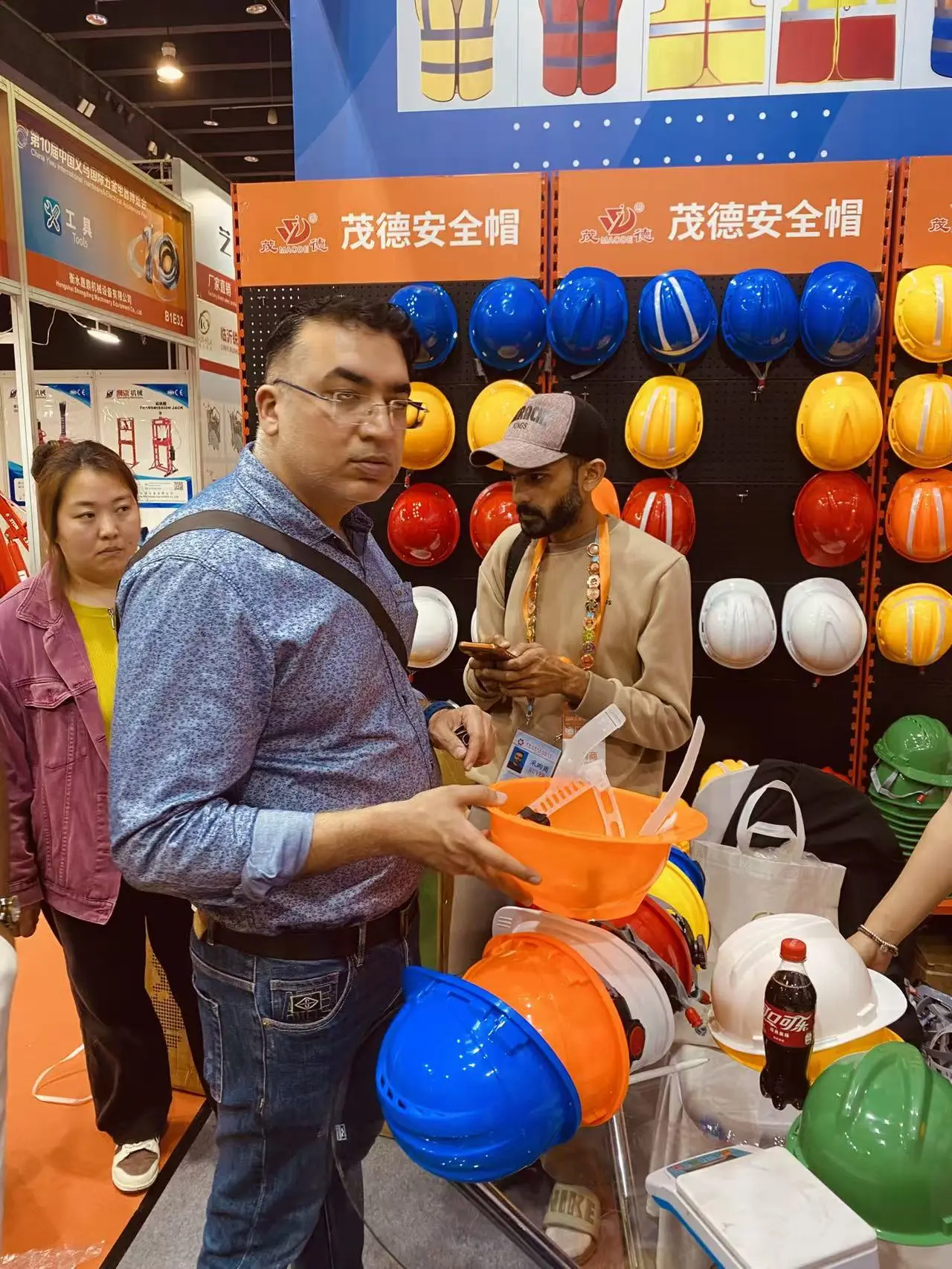
Comprehensive answers regarding wholesale ordering, OEM customizations, material specifications, and global delivery terms.
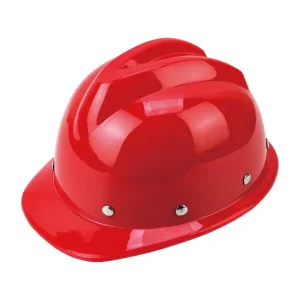
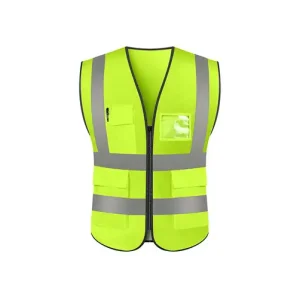
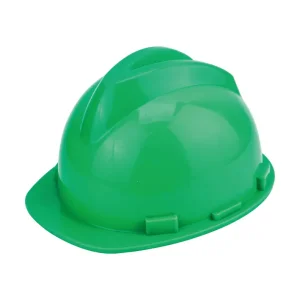
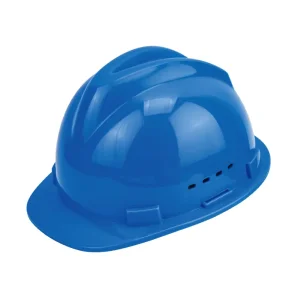
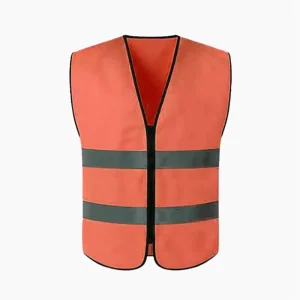
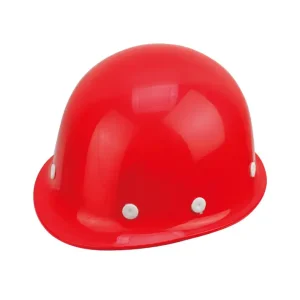
Explore additional models from our ISO-certified manufacturing line for global construction, chemical, and transportation fleets.
 Xintuo