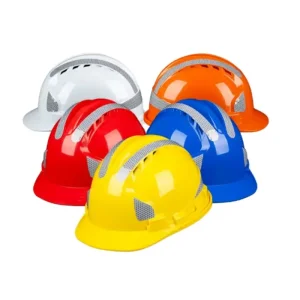
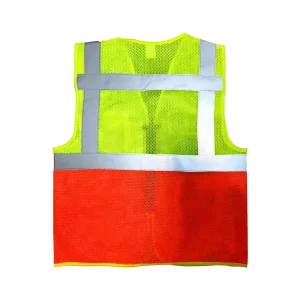
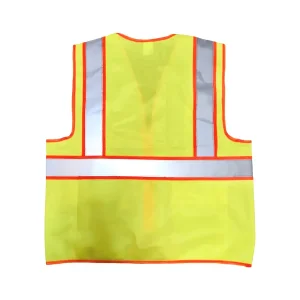
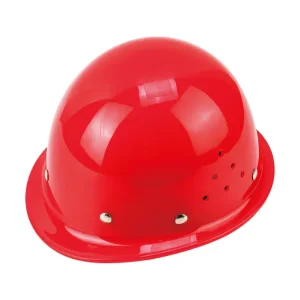
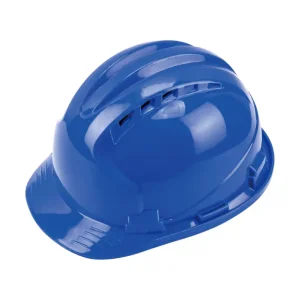
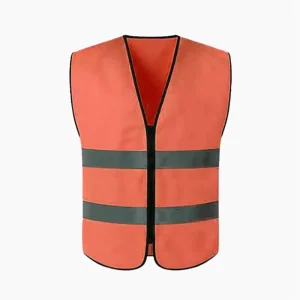
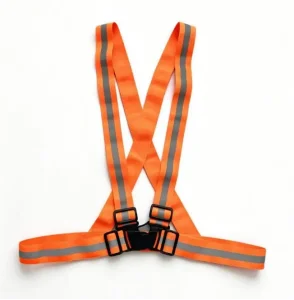
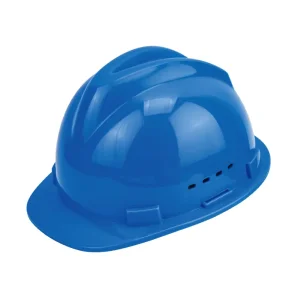
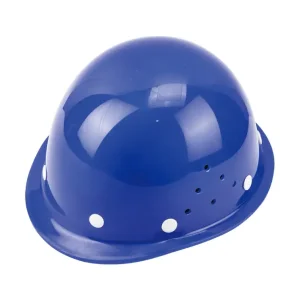
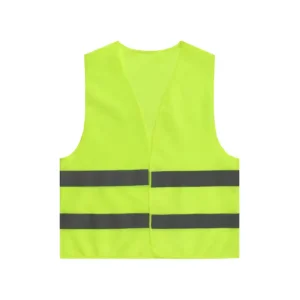
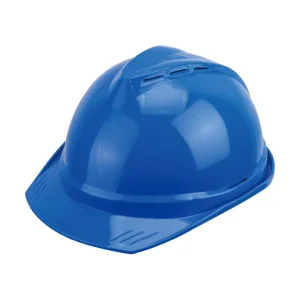
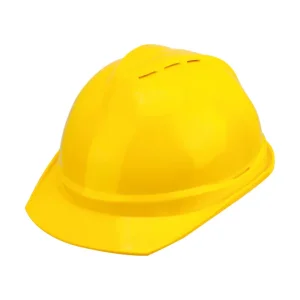
Direct manufacturer-wholesale supply line presenting high-performance personal protective equipment (PPE) optimized for severe construction and industrial environments.
The global construction and heavy industry sectors face increasingly complex hazards, ranging from high-energy kinetic impacts to extreme thermal fluctuations and high-voltage electrical environments. In modern engineering projects, head protection is no longer just a passive shell; it is a highly engineered, life-saving system designed to disperse kinetic energy and mitigate traumatic brain injuries (TBIs). As a premier Chinese manufacturer of industrial safety equipment, Linyi Xintuo Industry and Trade Co., Ltd. presents this comprehensive industry guide.
We analyze the critical factors that define the "Best Safety Helmet for Construction". This document serves as a technical whitepaper for wholesale buyers, safety engineers, and procurement directors looking to optimize safety metrics, ensure strict compliance with international testing frameworks (such as ANSI Z89.1 and EN 397), and leverage the operational efficiency of vertically integrated Chinese supply chains.
"Head protection is the absolute baseline of occupational health and safety. Utilizing advanced polymer chemistry and ergonomic design, Xintuo helmets safeguard workforces in high-risk zones across the globe."

Quantifying safety, resilience, and output capacity across our global distribution networks.
Volts Dielectric Resistance (Class E)
Export Destinations Worldwide
ISO 9001 Certified Quality Control
Extreme Temperature Impact Testing
The choice of material determines the safety profile, weight distribution, and functional lifespan of an industrial hard hat. Procurement managers must carefully balance project budgets with structural demands.
ABS is a premium thermoplastic polymer recognized for its extreme impact resistance, rigidity, and scratch-resistant finish. It exhibits high dimensional stability and superior performance in moderate temperature environments. Ideal for heavy manufacturing and extreme high-impact environments where lateral and vertical impact protection is critical.
HDPE is a lightweight polymer offering excellent tensile strength and high dielectric properties. It performs exceptionally well in cold climates (-30°C) without turning brittle. It remains the global industry standard for mass-scale construction projects, balancing cost-efficiency with rigid protection and reliable day-to-day comfort.
Engineered for high-heat industrial processes such as metal smelting, chemical refining, and welding operations. Fiberglass safety helmets offer exceptional structural strength, low thermal conductivity, and chemical resilience, sustaining structural integrity in working environments exceeding 150°C.
A safety helmet's shell is only as good as the internal suspension system that sits between it and the user. Xintuo's premium helmets feature adjustable suspension systems with precision-calibrated tension controls. Designed to distribute impact loads evenly across the cranium, our custom multi-point webbing setups absorb and disperse peak kinetic forces.
Additionally, moisture-wicking sweatbands with antimicrobial properties keep the wearer dry, preventing skin irritations in hot environments. Our engineered ventilation channels optimize airflow using thermodynamic principles, creating passive cooling without compromising the structural integrity of the outer shell. This makes the helmets suitable for all extreme climates.
Request Design SpecificationsDifferent industrial landscapes present distinct hazards. Designing a standardized safety helmet for universal use is a compromise. True safety requires localized, project-specific customizations.
Operating in elevated positions increases the risk of falls and high-velocity falling objects. In this scenario, Class C or Class G ANSI-certified helmets, featuring heavy-duty 4-point or 6-point chin strap systems, are mandatory. The secure fit ensures the helmet remains locked onto the skull during an accidental fall, providing continuous impact absorption.
These harsh sectors present danger of combustible gases, volatile organic compounds (VOCs), and potential electrical discharges. Helmets utilized here must feature specialized anti-static polymer additives and Class E rating (dielectric rating up to 20,000V). Additionally, they must exhibit high resistance to petrochemical corrosion and continuous exposure to oil and acids.
Confined spaces limit overhead clearance, raising the frequency of low-energy bumps. These projects require low-profile, peak-less or short-brim designs integrated with mounting slots for industrial headlamps and ear protection. Moisture management and anti-fog safety face shield compatibility are critical in deep, humid shafts.
High wind loads and electrical high-voltage hazards define these workspaces. Utility teams require zero-vent, non-conductive Class E shells combined with high-wind stabilizing suspensions. Integrated visors protect against electric arc flashover accidents, and non-metallic, non-magnetic parts prevent conduction.
In tropical infrastructure projects, thermal stress directly leads to worker fatigue and compliance failure. Open, sliding-shutter venting systems are crucial. These vents encourage air circulation while maintaining impact compliance under ANSI Type I guidelines, maximizing heat dispersion through convective airflow.
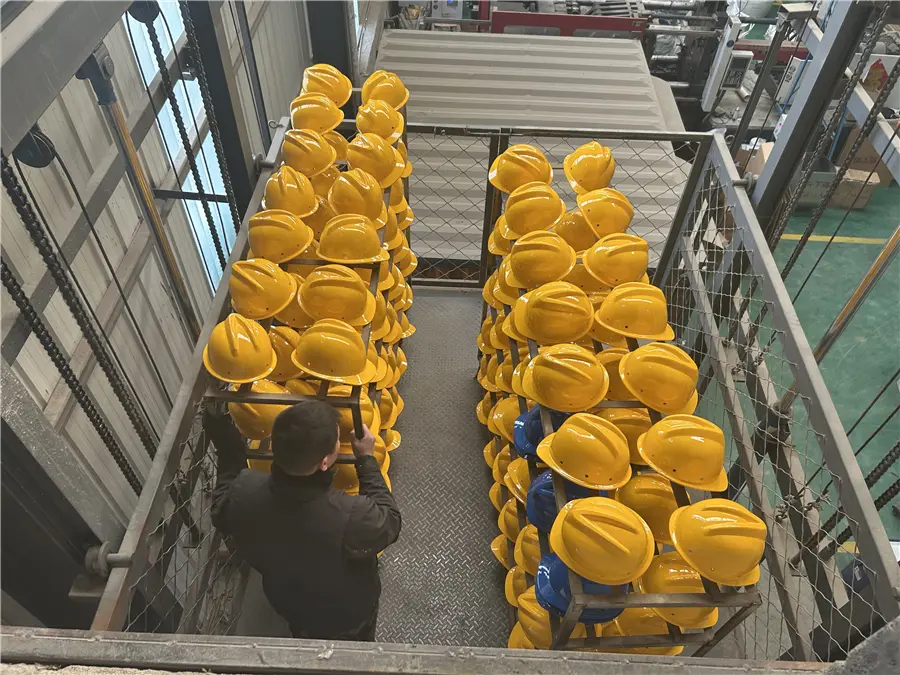
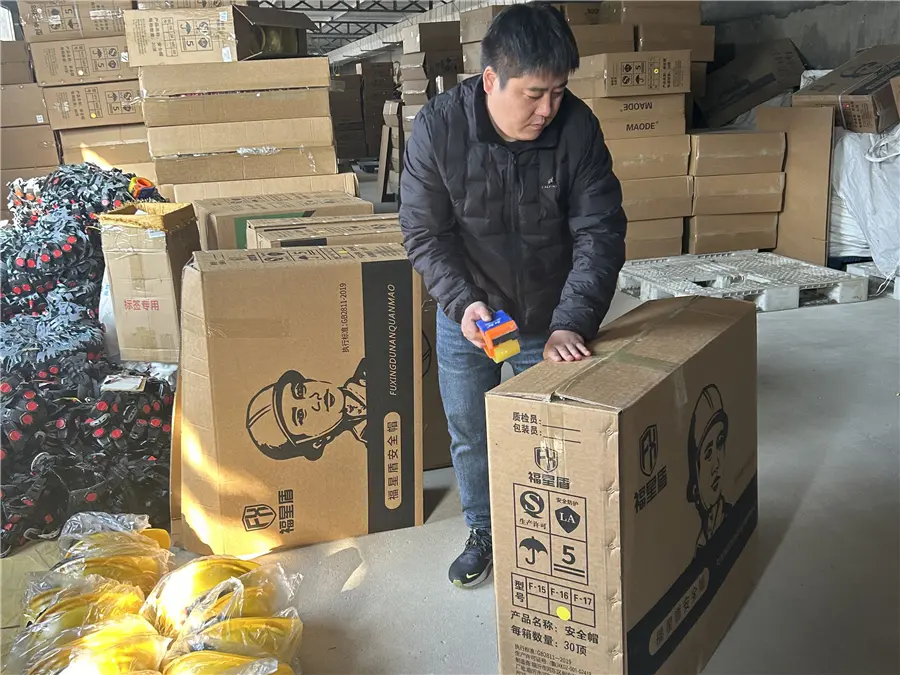
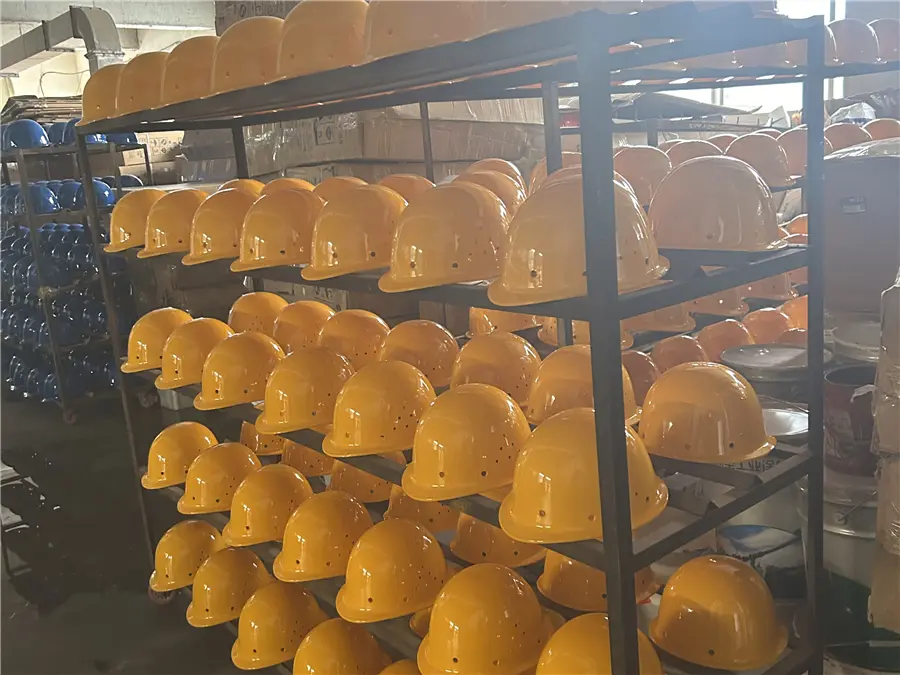
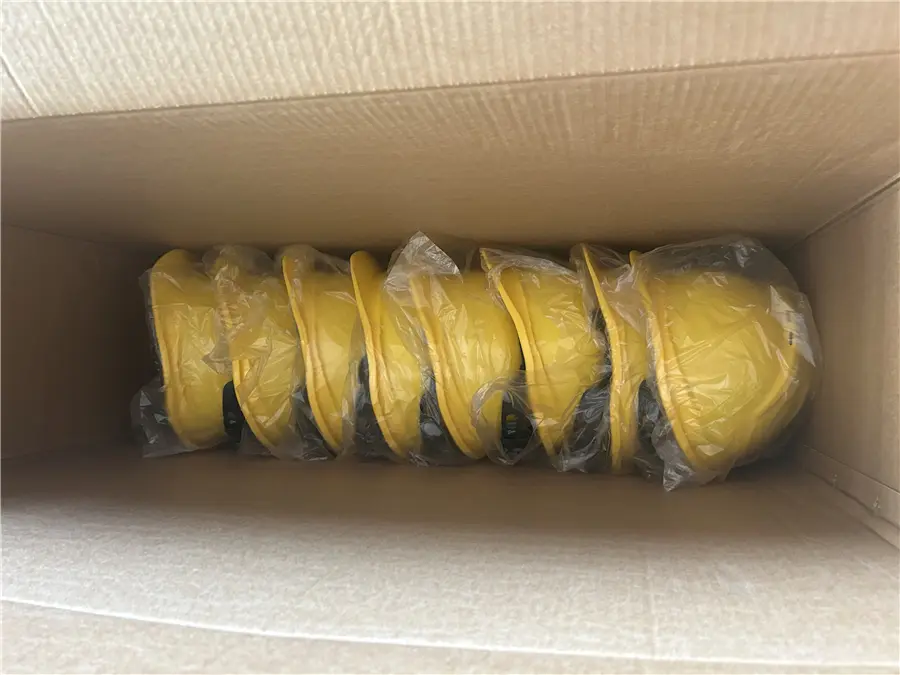
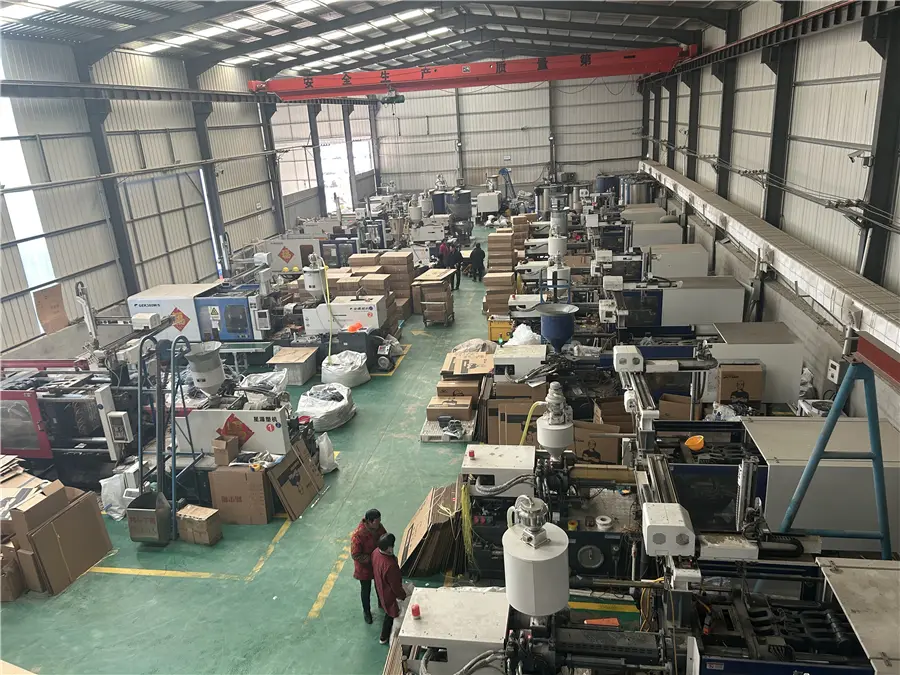
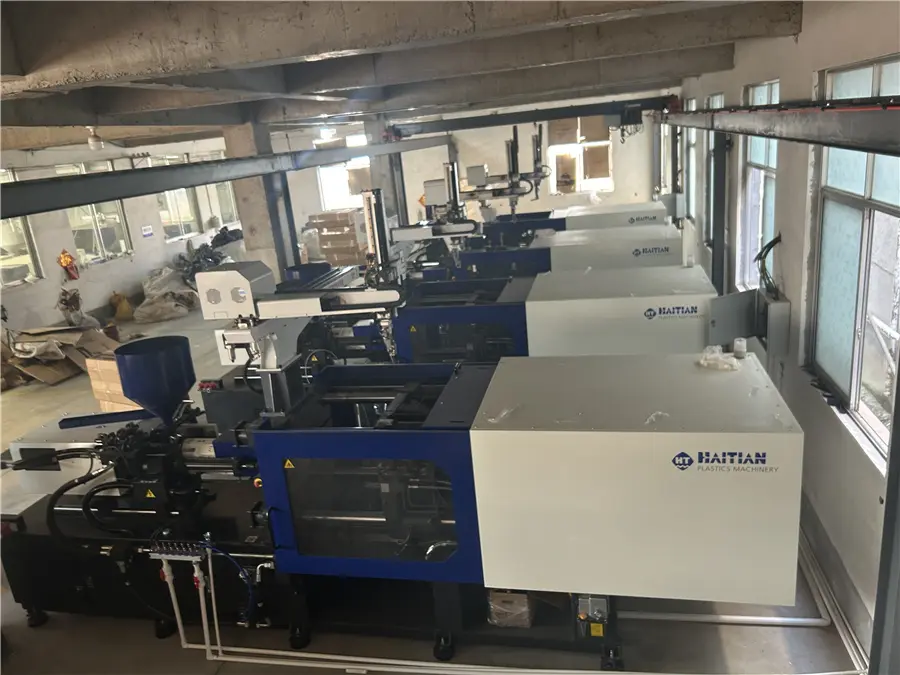
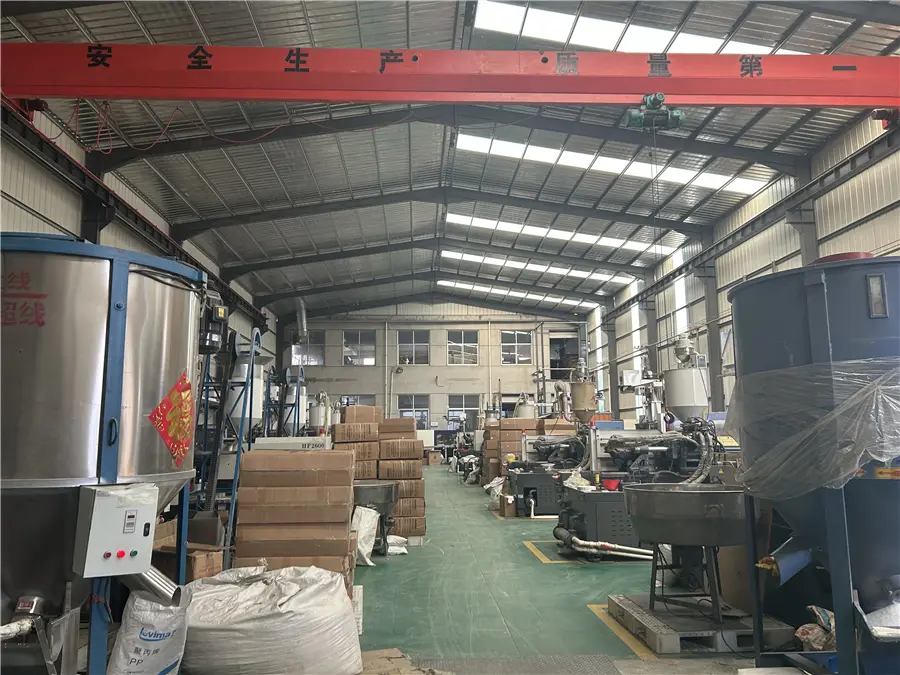
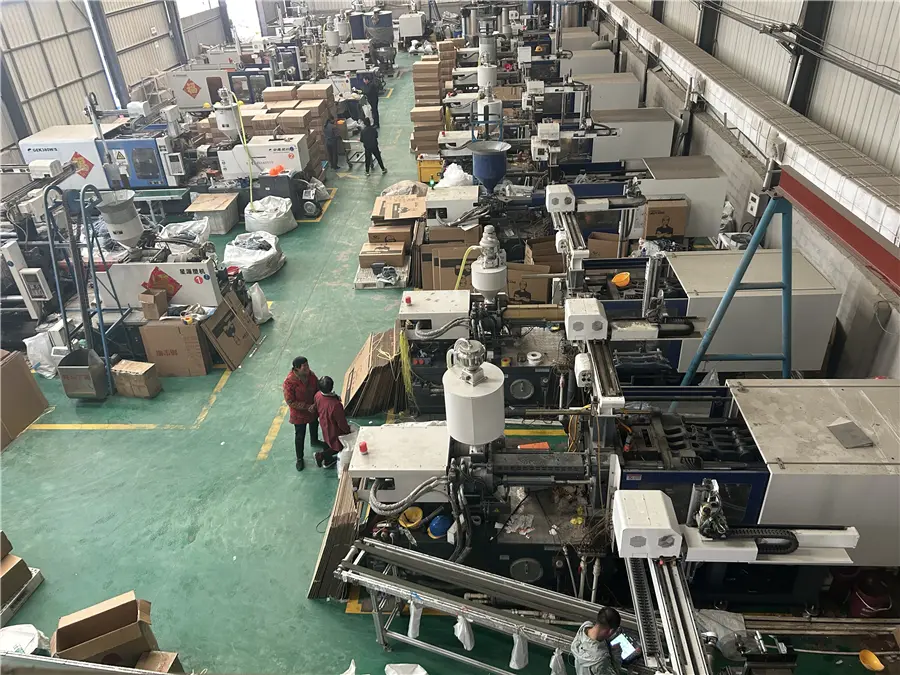
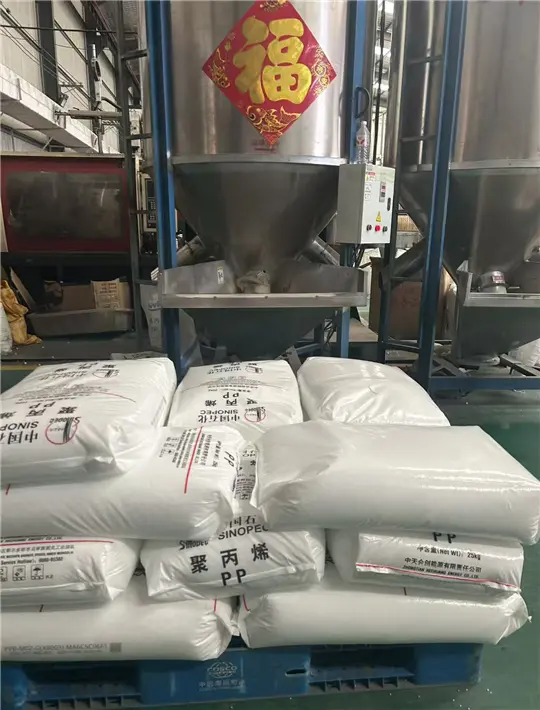
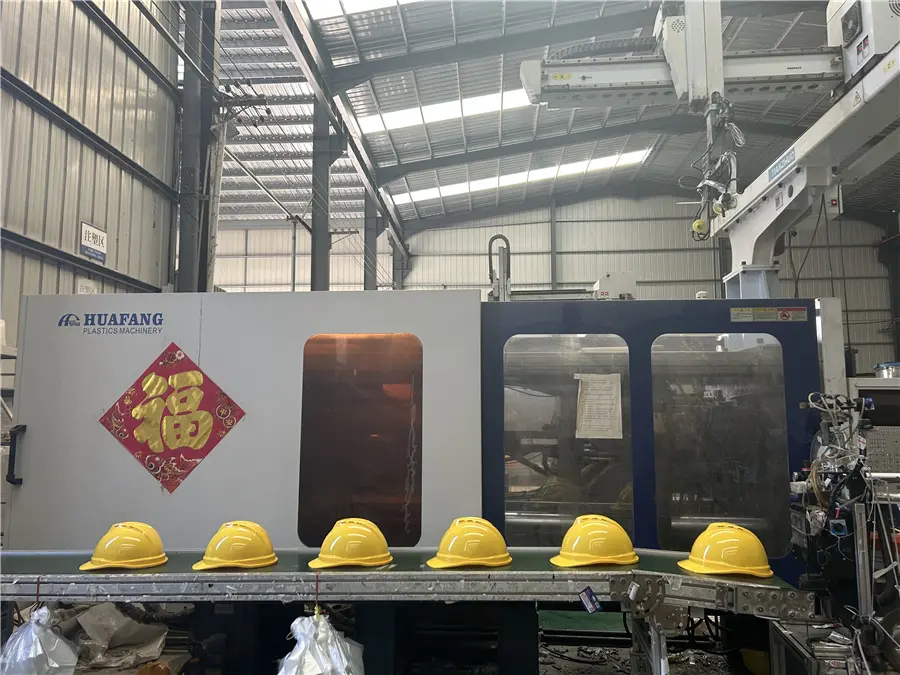
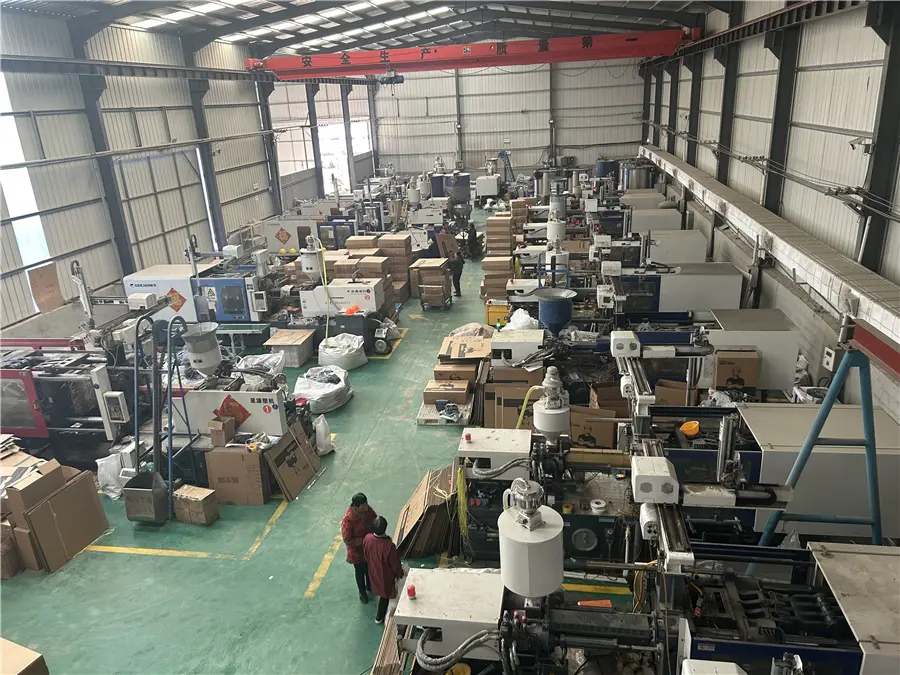
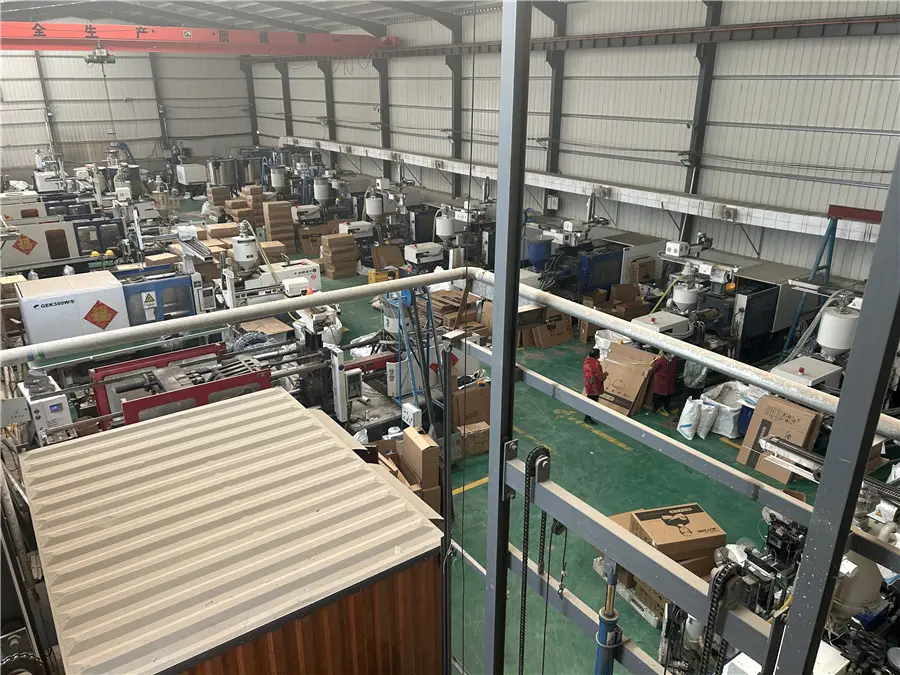
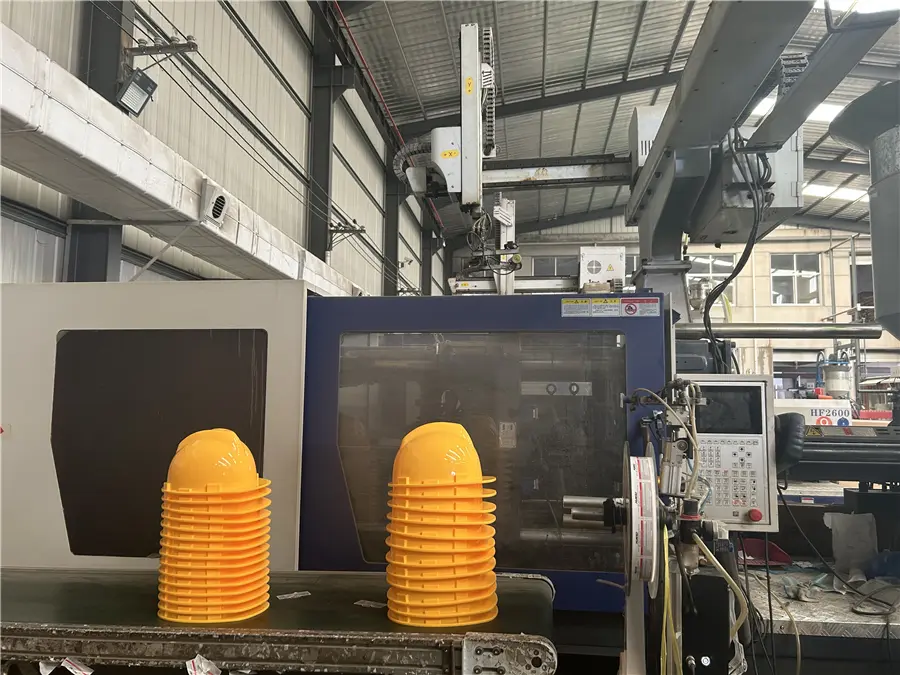
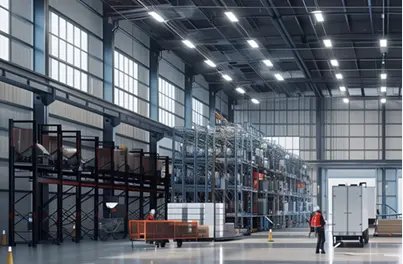
Linyi, Shandong, has evolved into a global epicenter for manufacturing labor protection products. Xintuo leverages this industrial cluster, achieving deep vertical integration. By handling raw material sourcing, automated polymer injection molding, assembly, testing, and shipping logistics from a single central hub, we minimize cost and lead times.
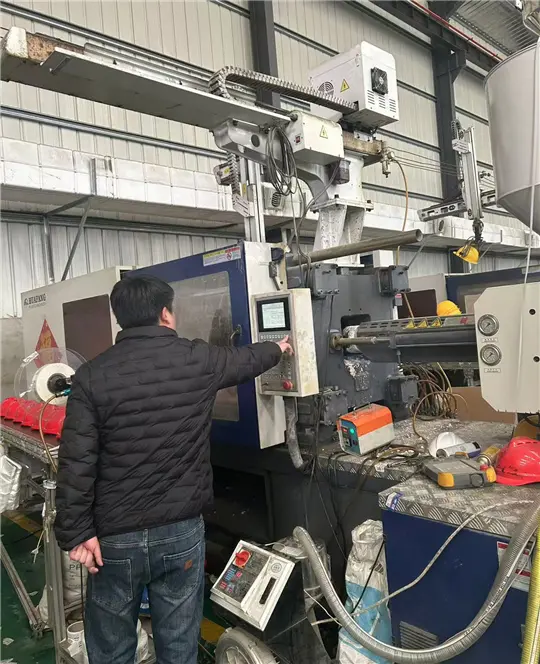
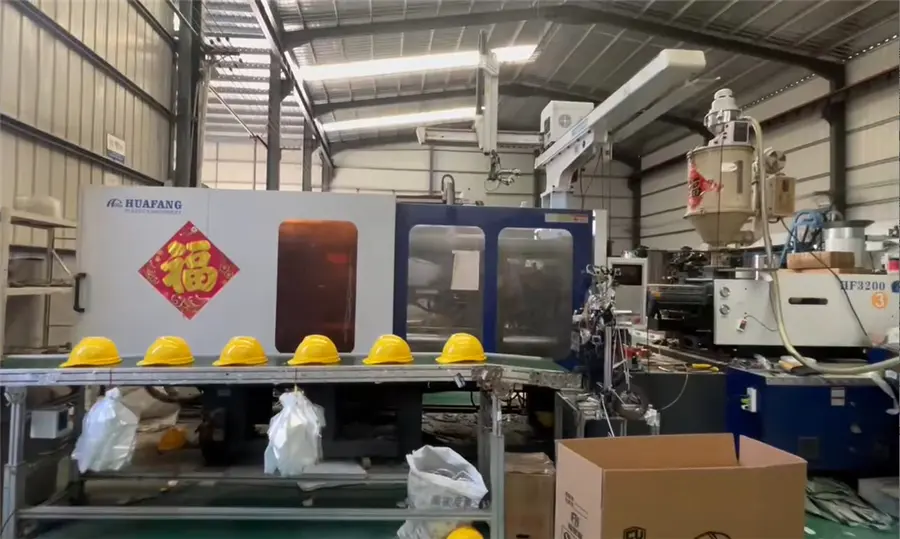
Our automated production facilities ensure consistent batch quality, crucial for PPE. By adopting state-of-the-art injection molds and automatic robotic arms, we eliminate manual human error. This enables a stable supply chain that delivers bulk OEM orders reliably within 20 to 30 days, even during peak global demand periods.
Learn About Custom Packaging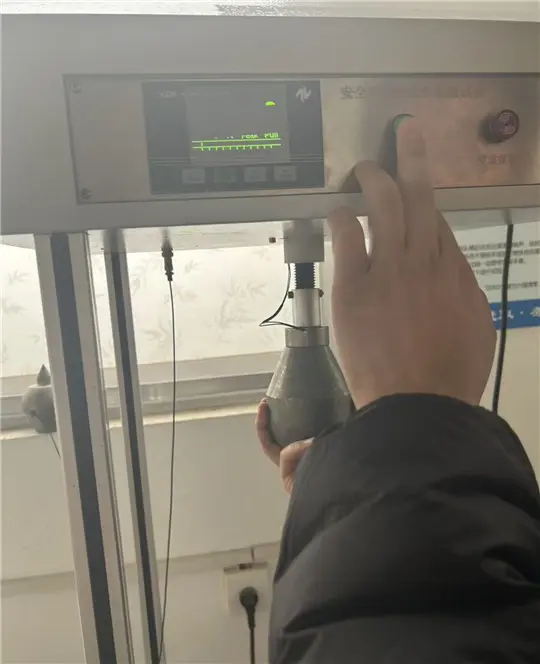
The next decade of head protection belongs to digital connectivity and advanced carbon-neutral materials. Xintuo's engineering team is actively researching and designing new product ranges.
Embedding Bluetooth communications, RFID asset tracking chips, and ultra-wideband (UWB) tracking modules to locate and protect workers inside dense tunnels and steel structures in real-time.
Integrating miniature optical sensors within the helmet's brow pad to monitor real-time heart rate, blood oxygen levels, and core body temperatures, triggering immediate alerts when thermal fatigue spikes.
Transitioning our high-volume production lines to bio-based and recycled ocean plastics. These eco-friendly materials maintain rigorous drop-impact strength while reducing carbon footprints by up to 45%.
Our entire industrial safety portfolio is engineered to meet and exceed rigorous global standards.
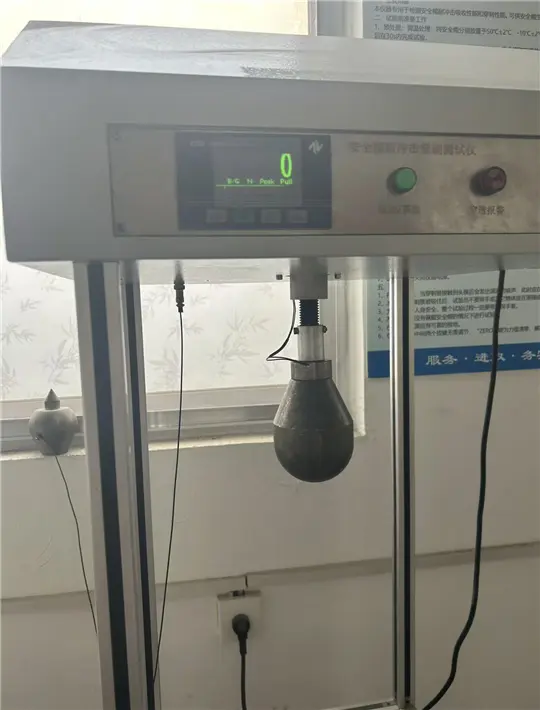
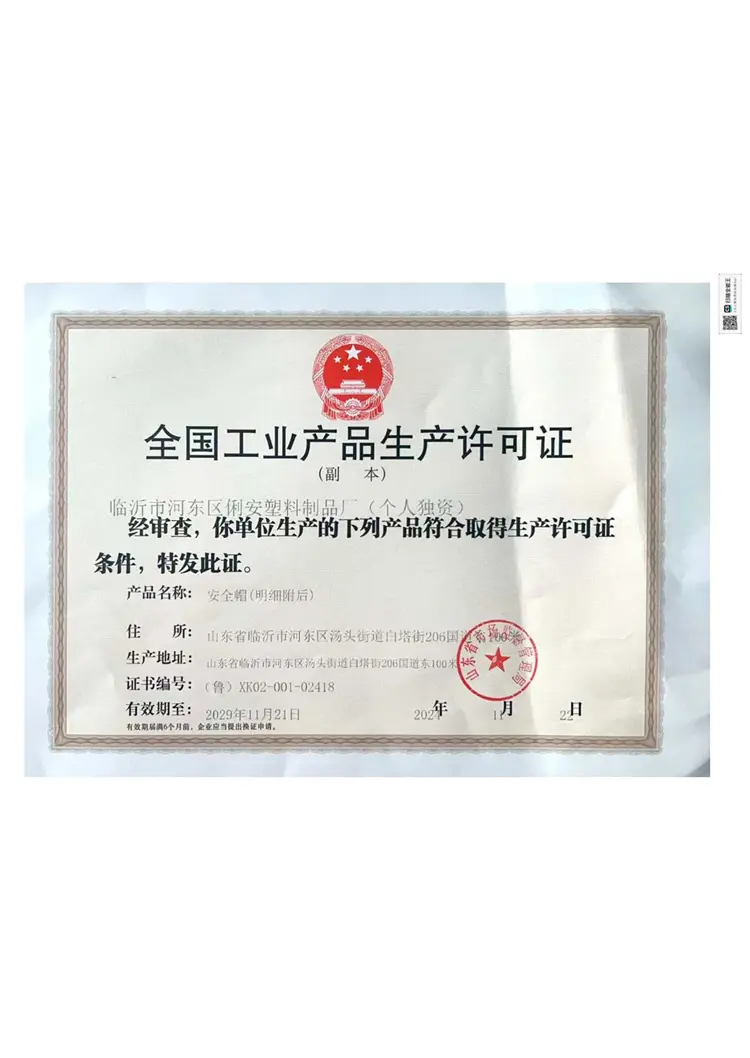
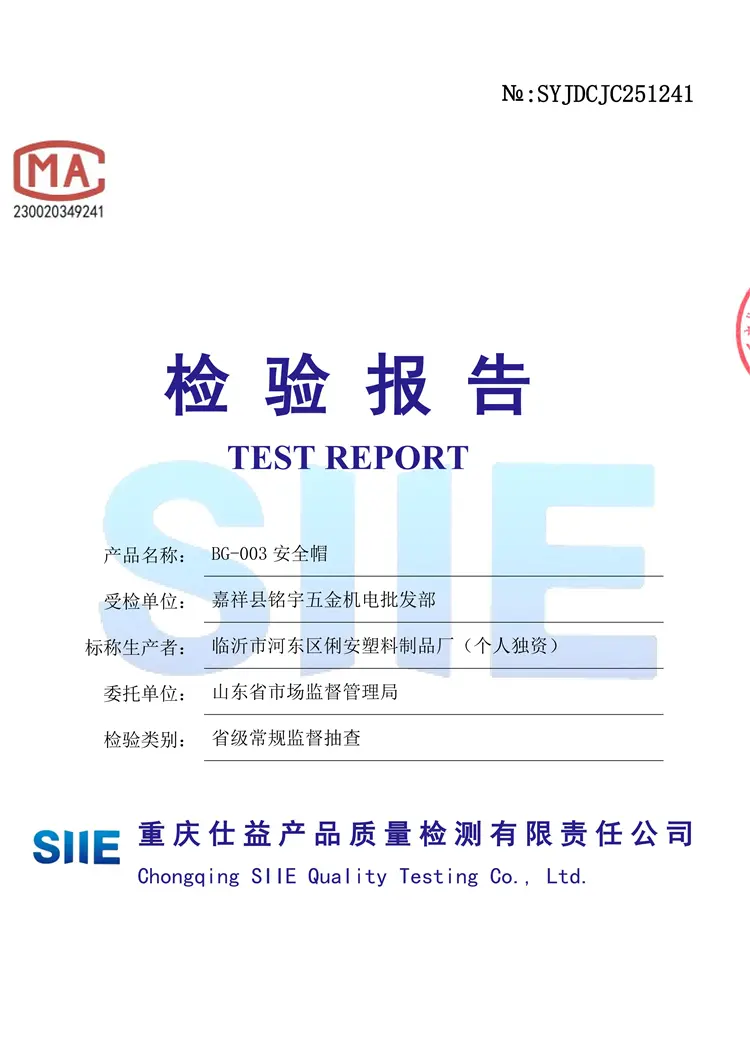
Linyi Xintuo is committed to absolute compliance. Our products meet global standards such as CE EN 397:2012+A1:2012, ANSI/ISEA Z89.1-2014 Type I, and local national standards worldwide. We enforce strict internal testing procedures, subjecting production batches to drop tests, flame tests, chemical exposure tests, and electrical dielectric resistance tests.
By keeping documentation clear and maintaining a strict traceability system from the polymer batch to the final product box, we give distributors and compliance managers absolute confidence.
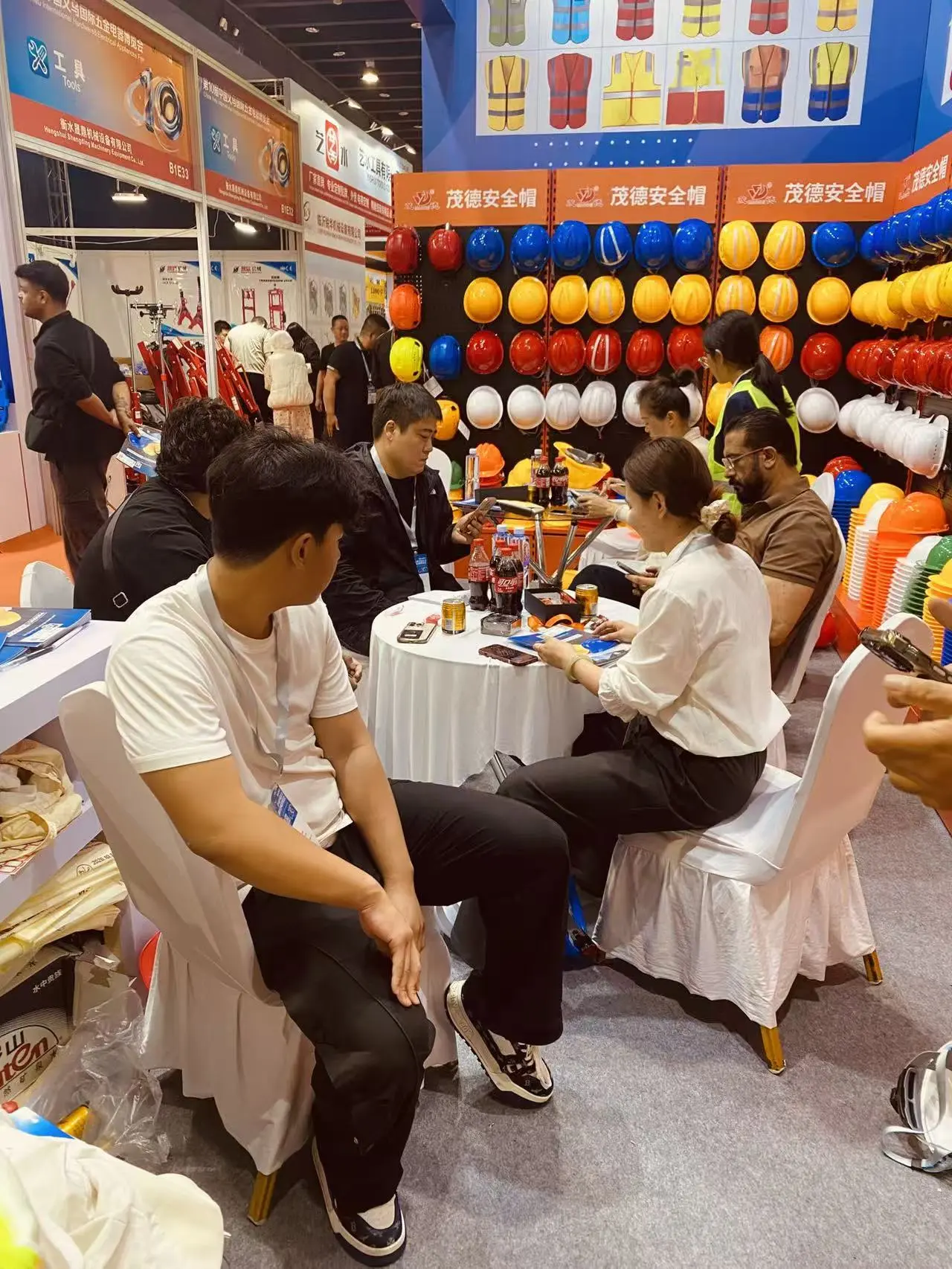
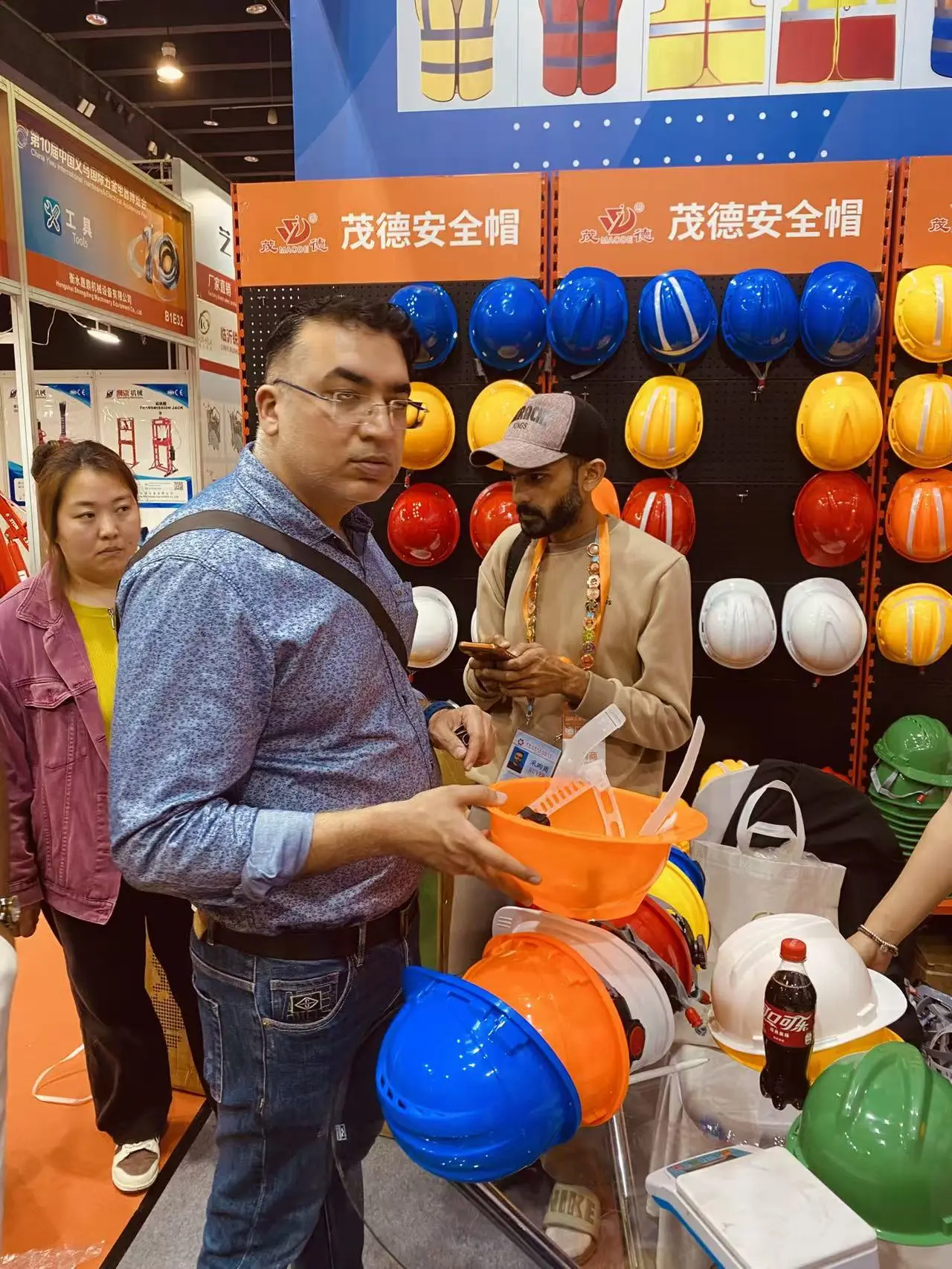
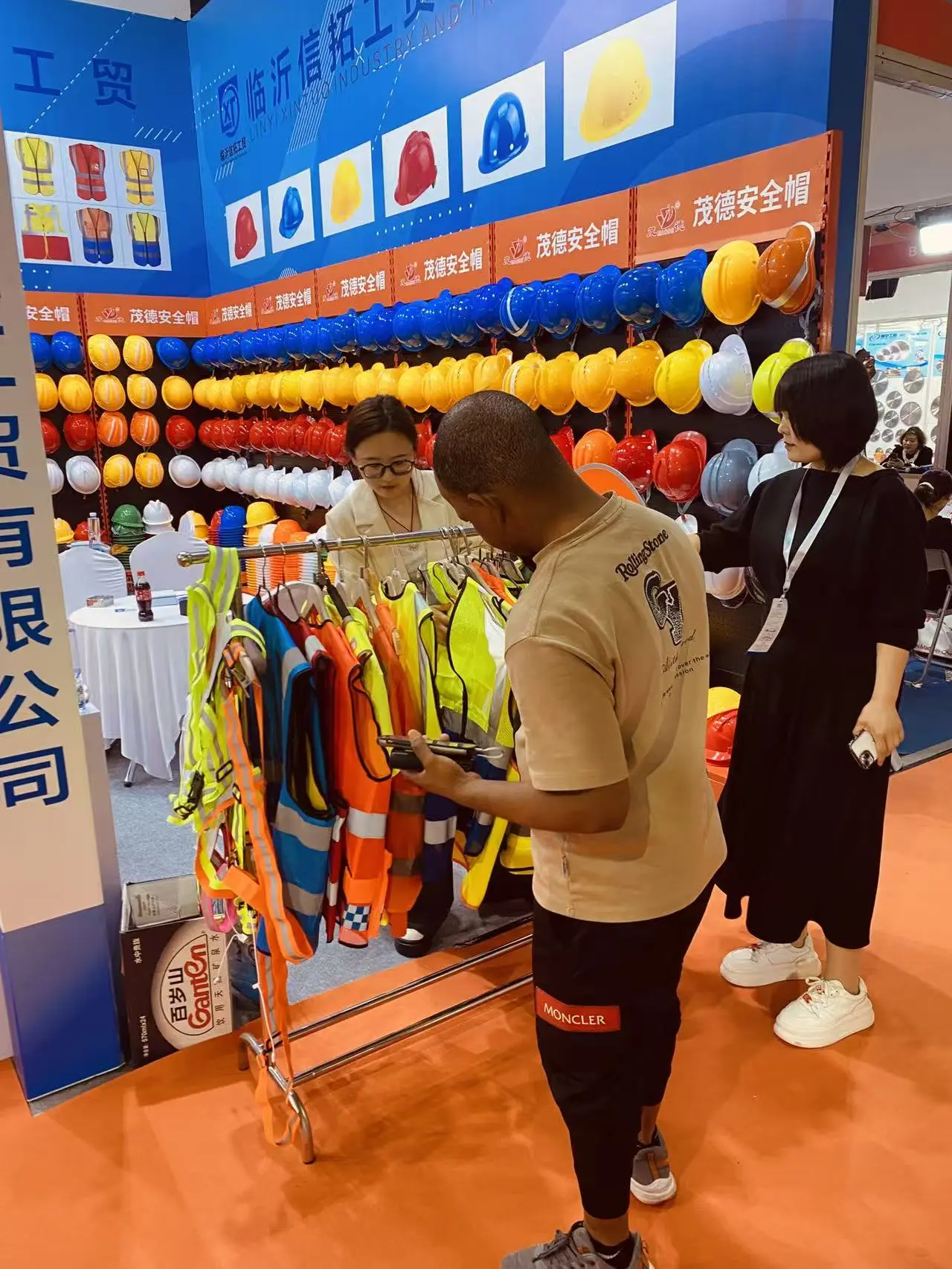
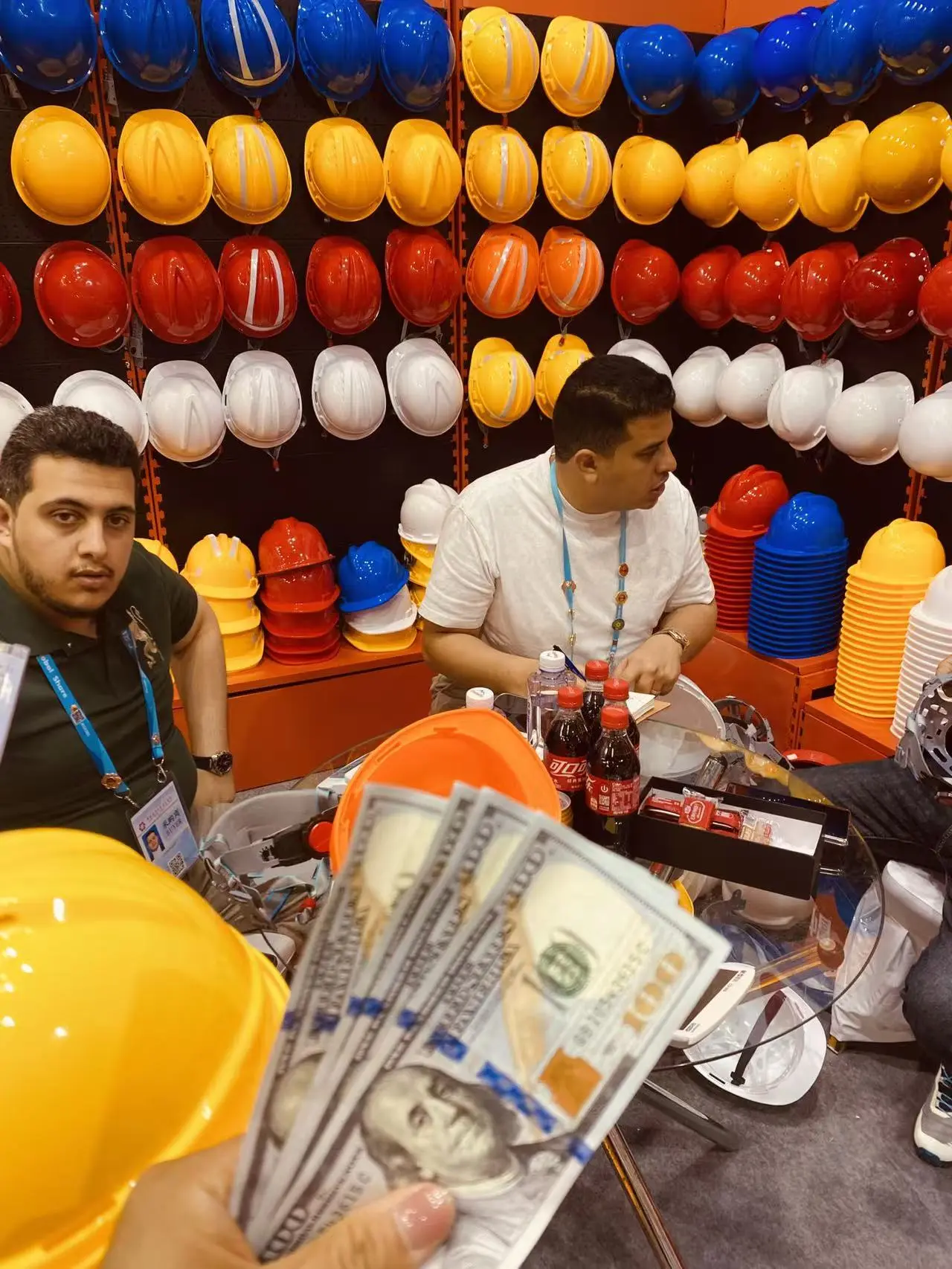
Connecting with global partners at exhibitions, building trust hand in hand.
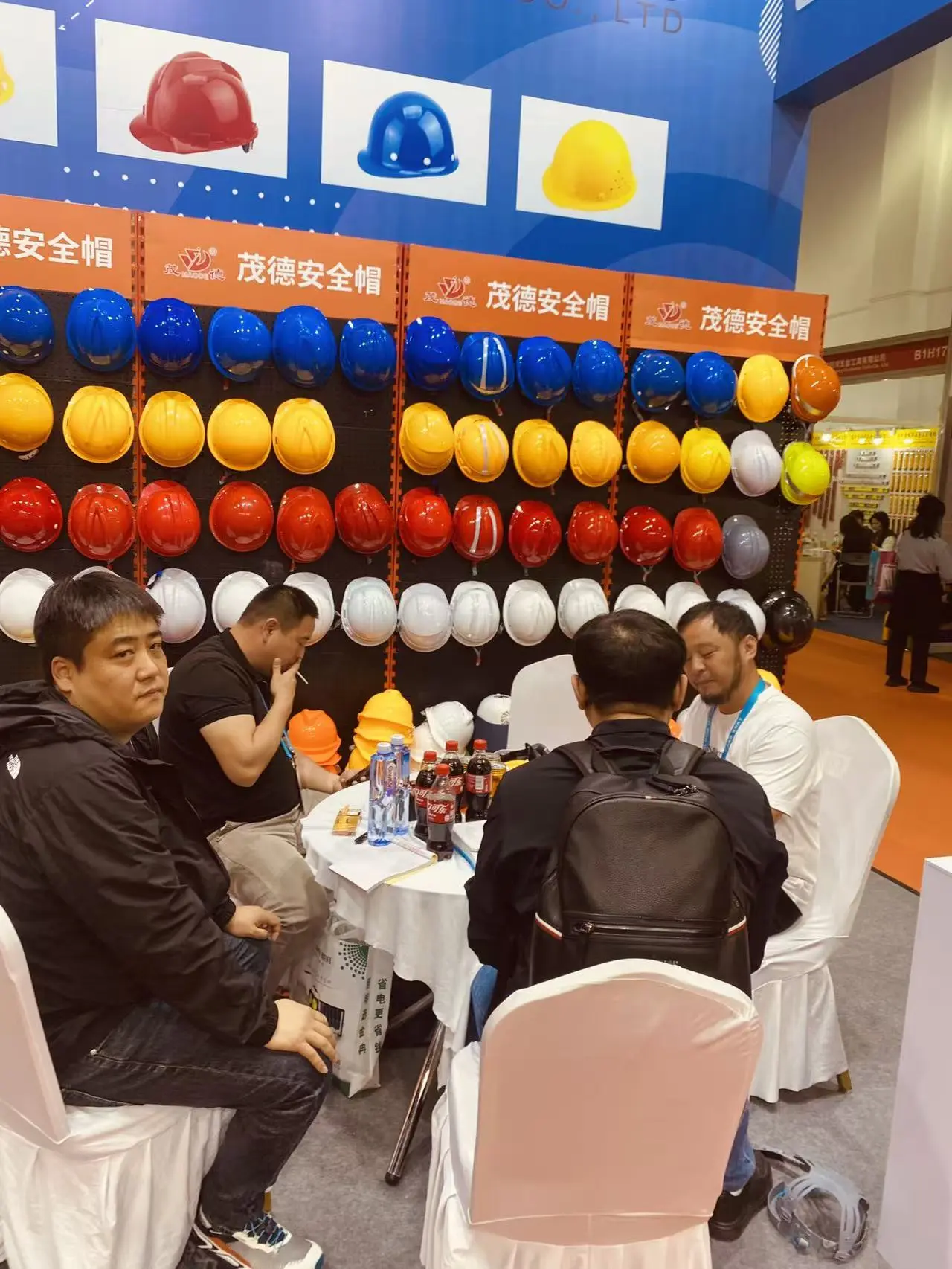
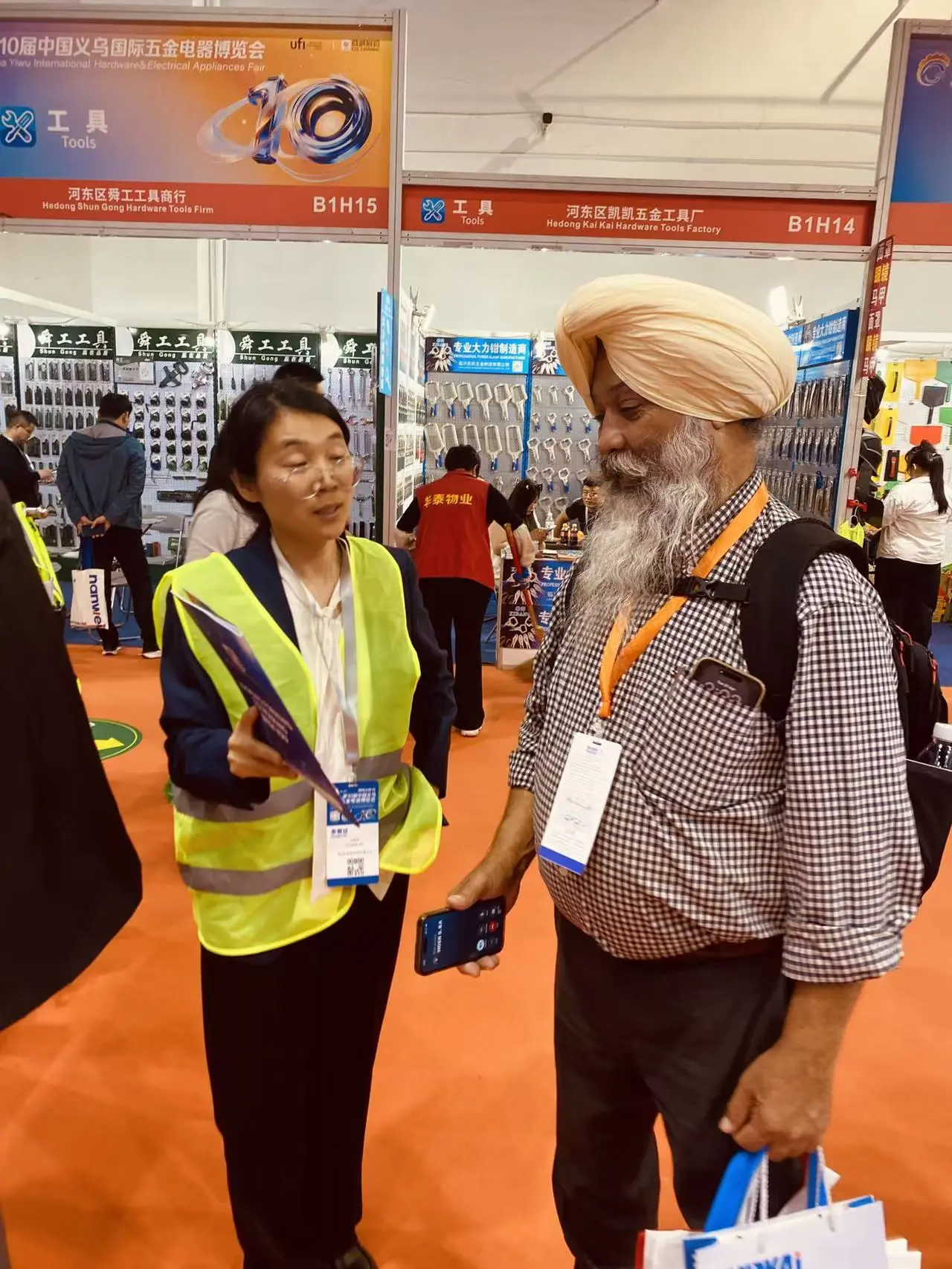
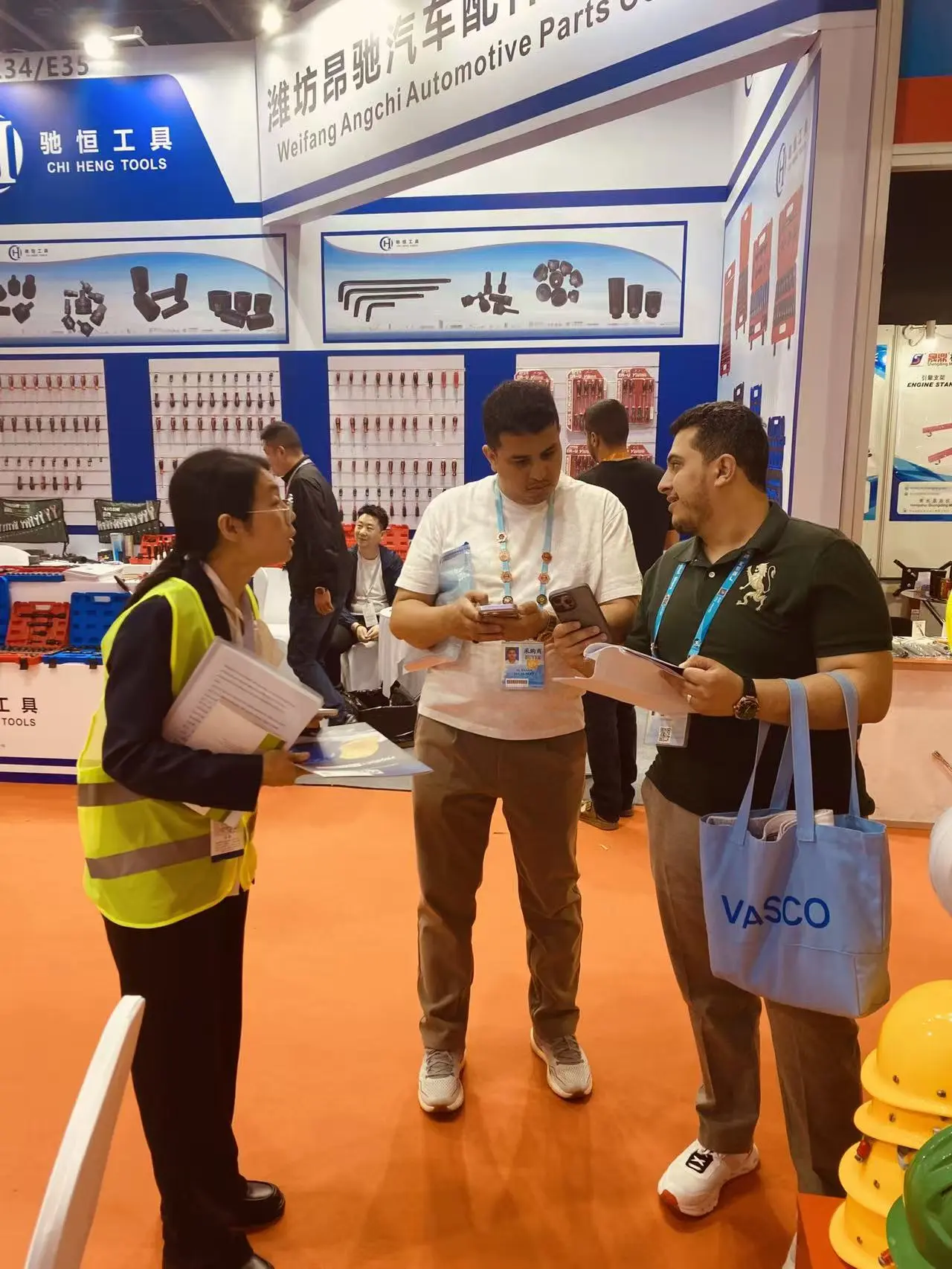
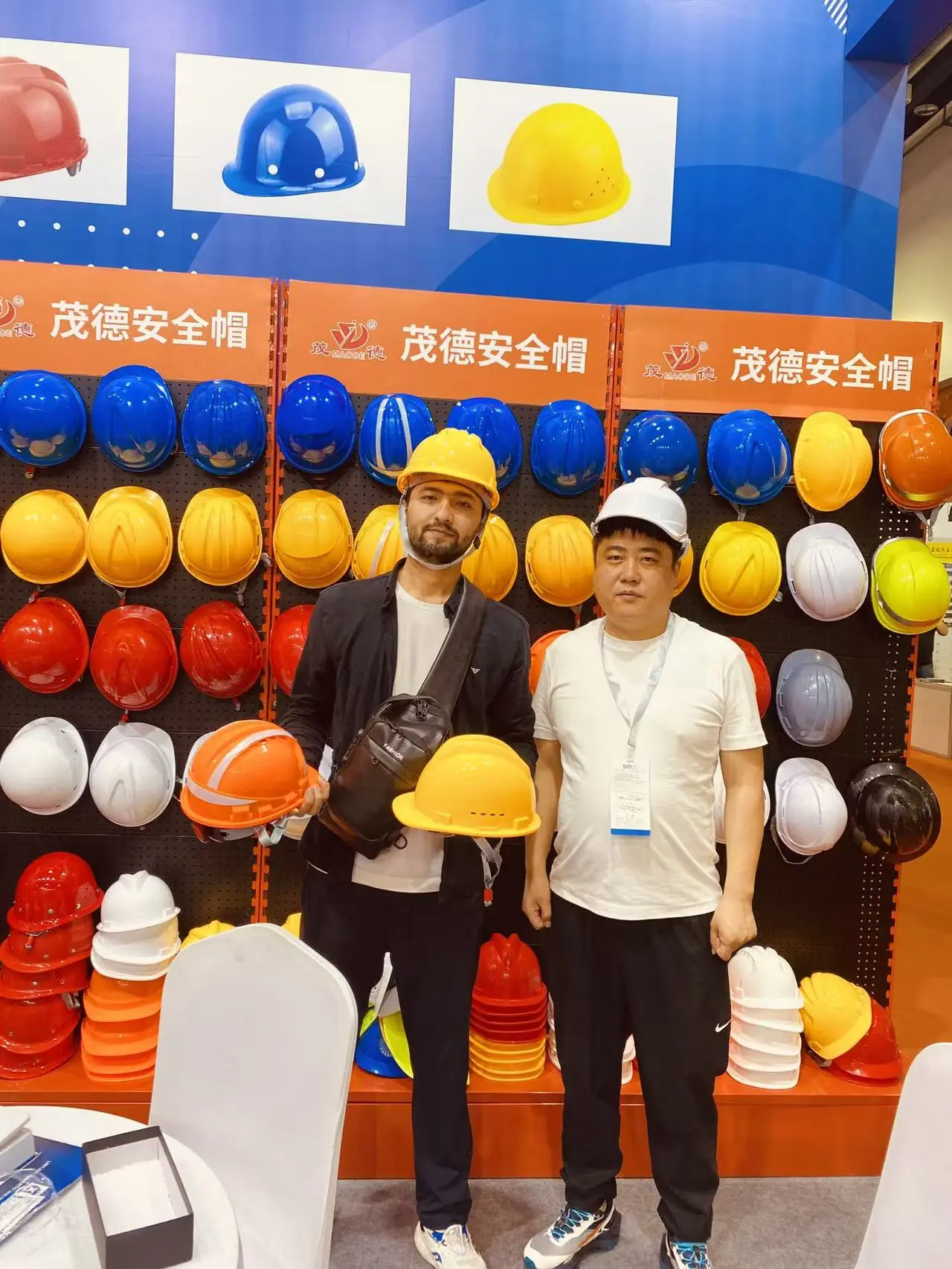
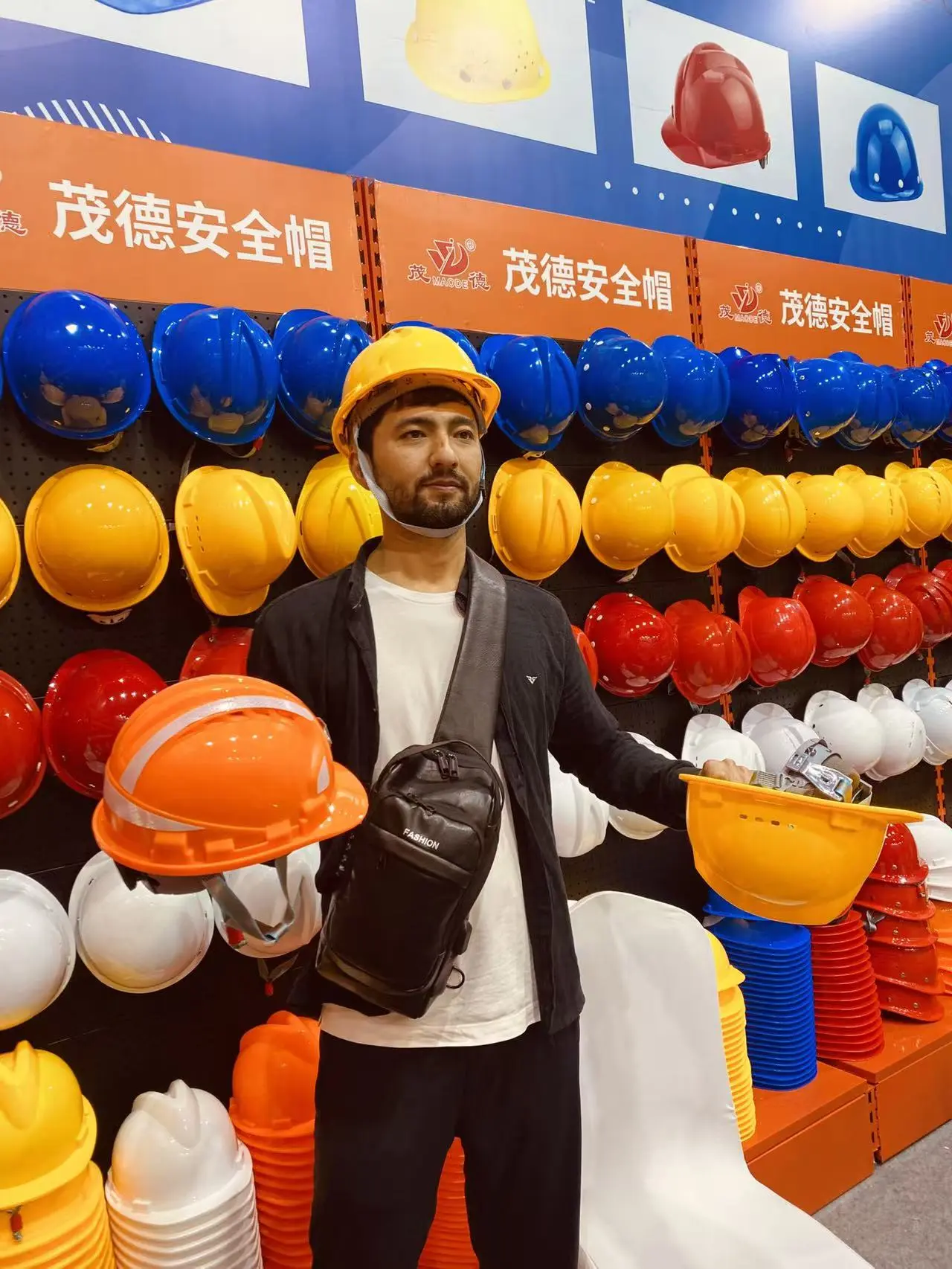
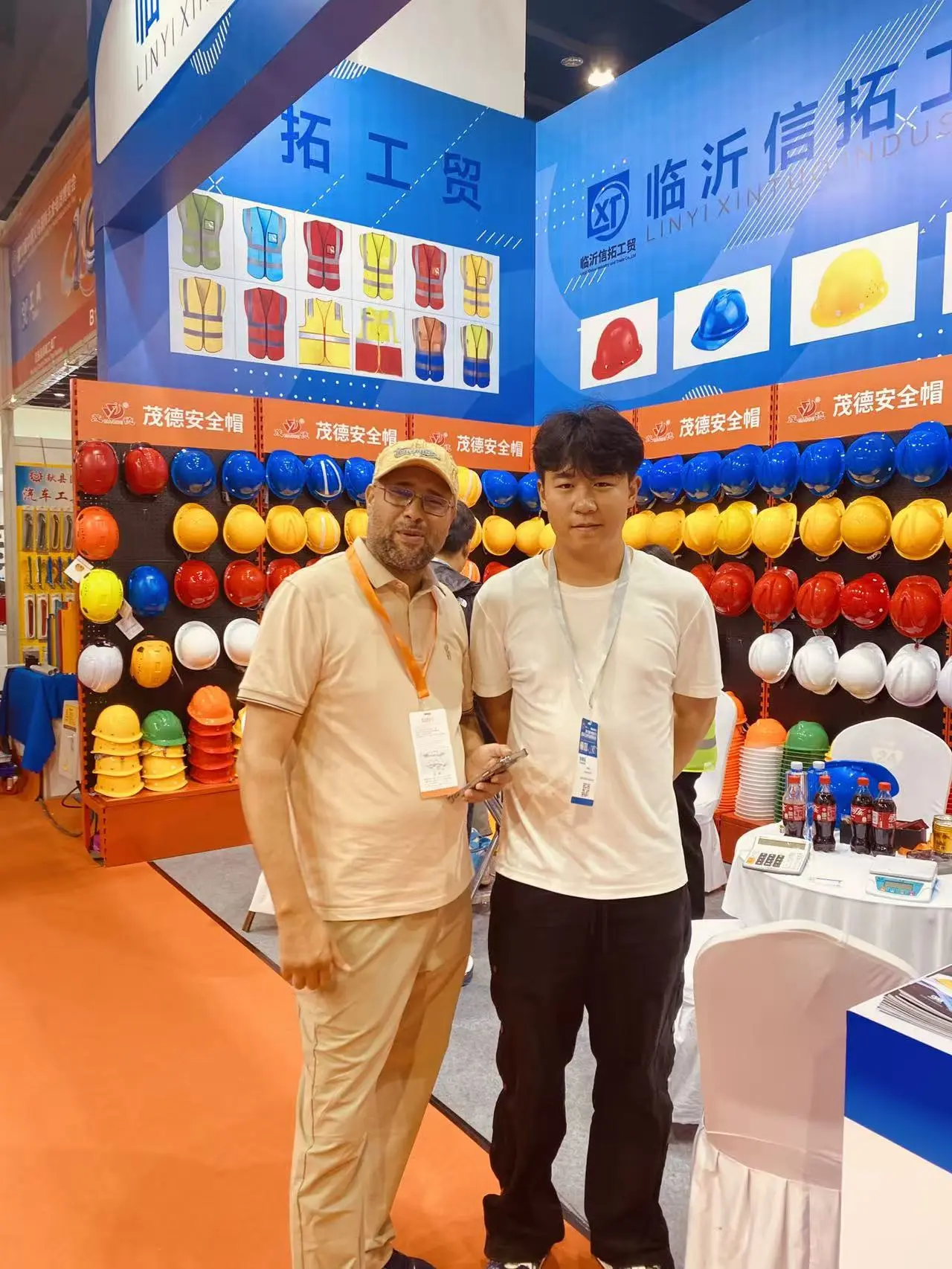
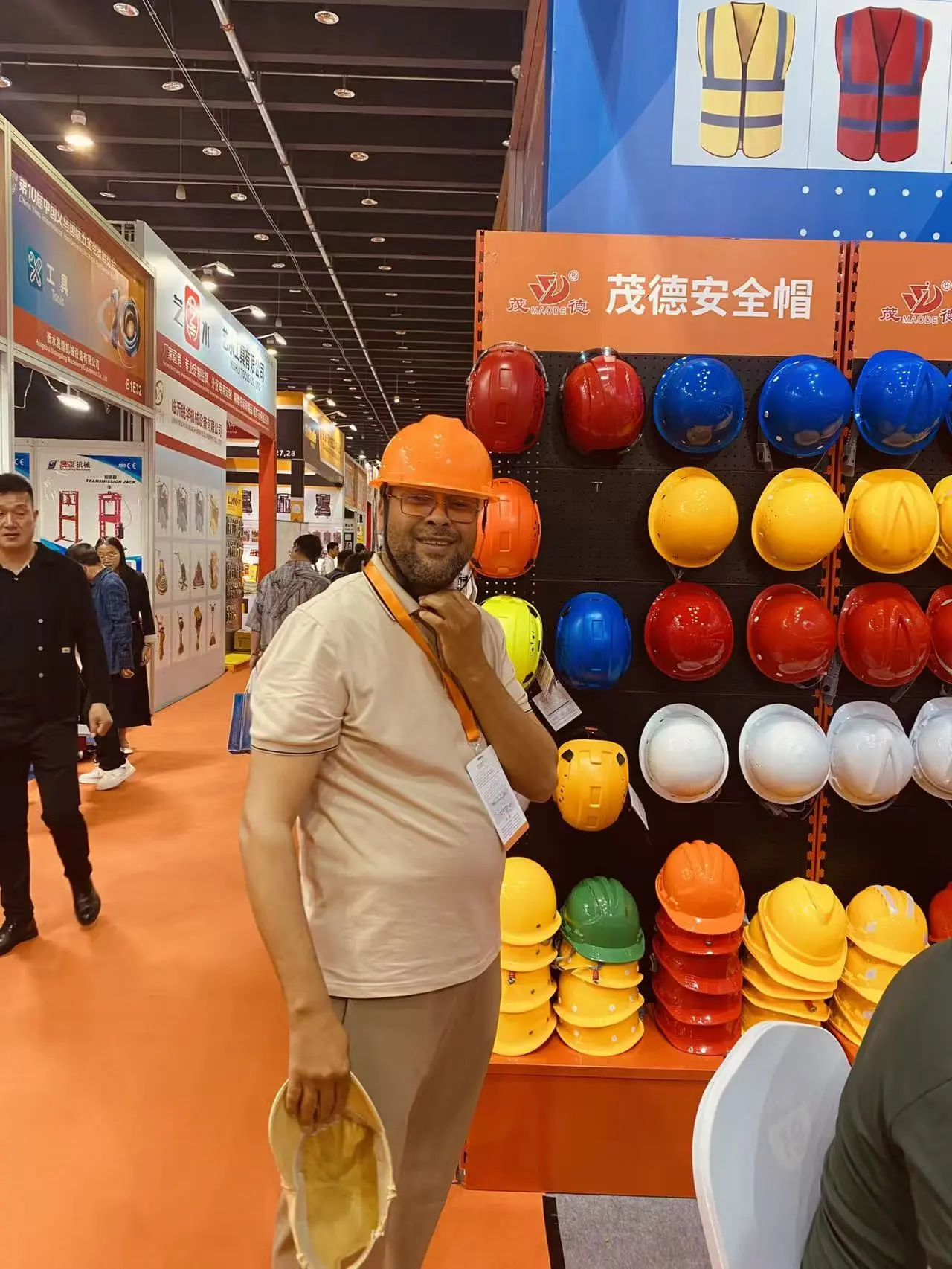
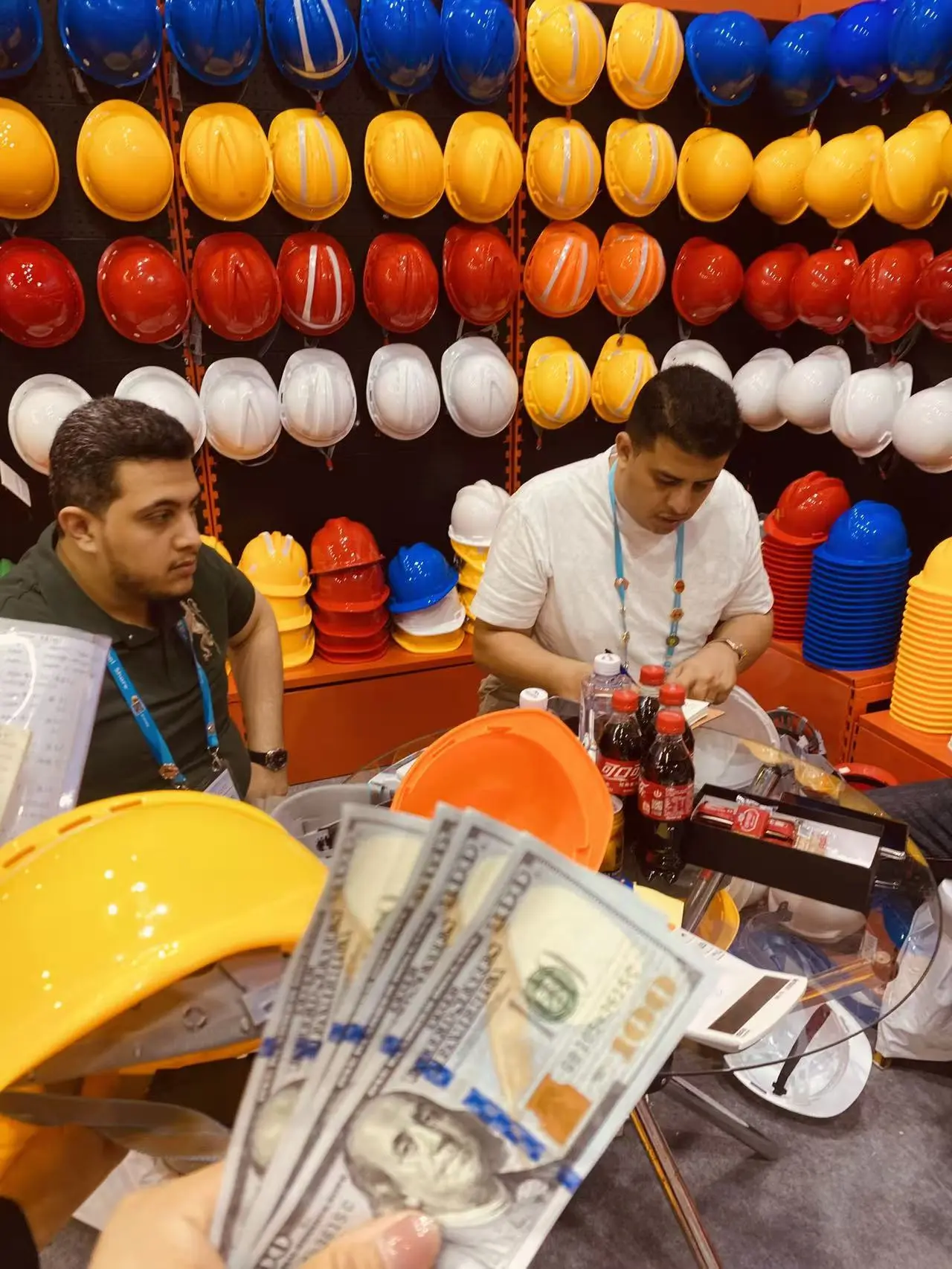
Combining design, manufacturing capability, and global supply lines.
Our products are engineered to meet and exceed international safety standards, utilizing cutting-edge material science.
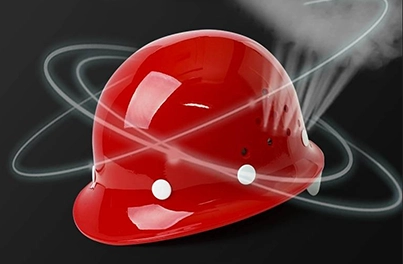
We leverage advanced polymers and fiberglass composites to deliver high strength-to-weight ratios.

We provide full technical guidance and support to ensure long-term product lifecycle efficiency.
Explore our wide range of fiberglass components and advanced materials.

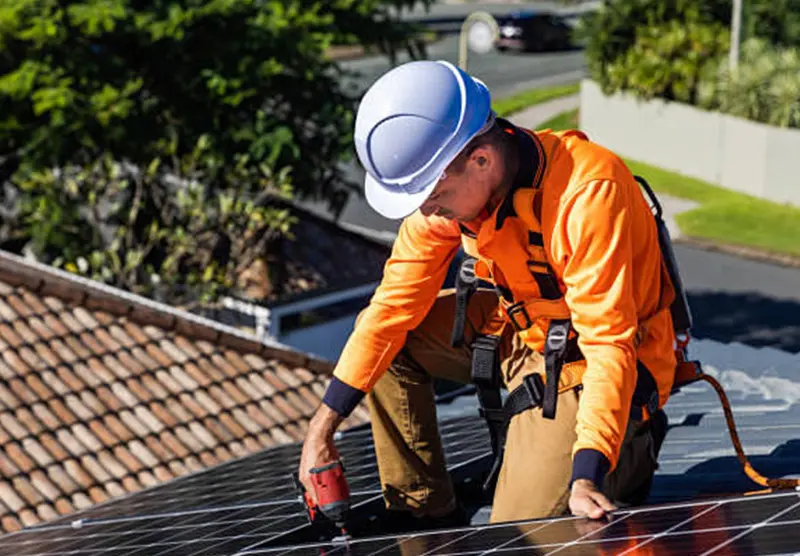
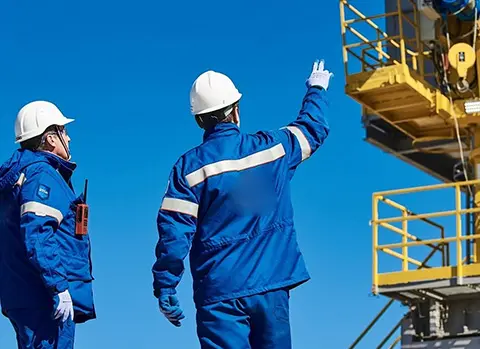
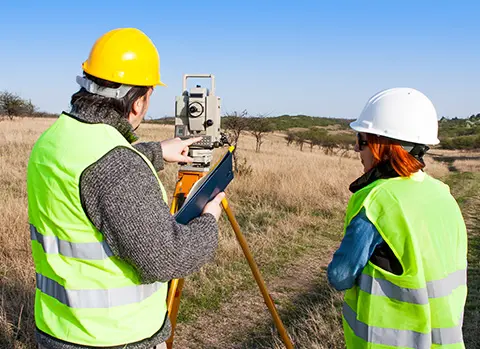
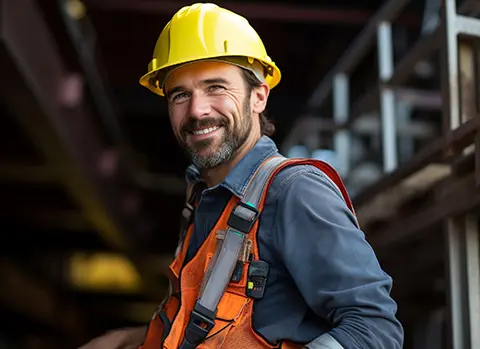
Real-world application results and industrial production videos.
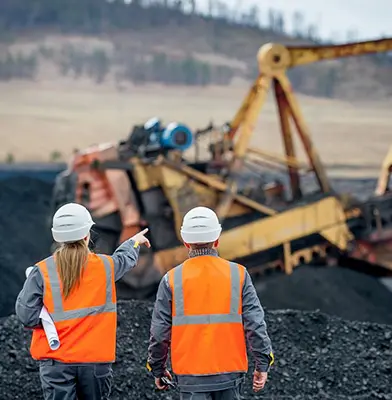
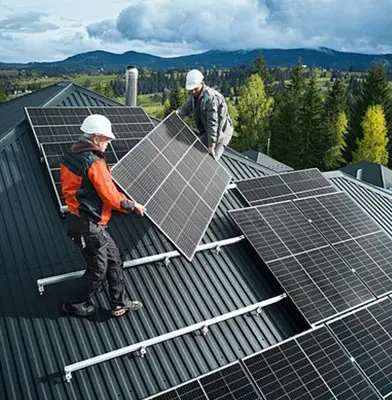
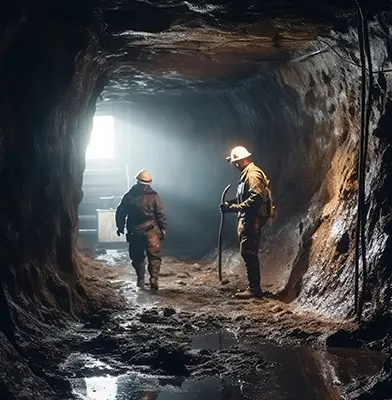
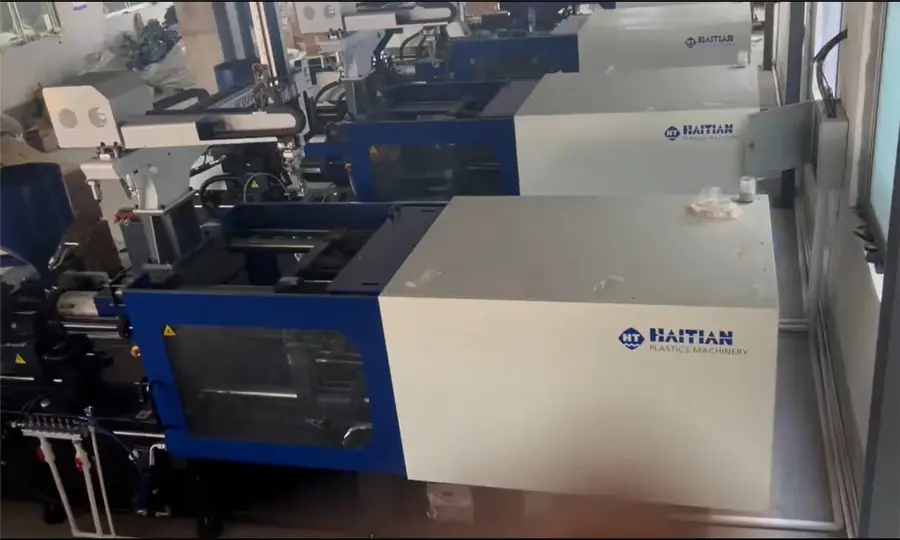

Partnering with world-class enterprises to enhance global industrial safety infrastructure.







Critical compliance, engineering, and logistics parameters answered by our technical safety experts.
ANSI Type I safety helmets are engineered solely to reduce the impact force resulting from blows to the top of the head. ANSI Type II helmets are designed to reduce the force of impact from blows received off-center, from the side, front, or back of the head. Linyi Xintuo provides certified Type I and Type II designs customized for specific site safety requirements.
Yes, we provide full OEM and ODM customization services. We print logos using advanced pad printing or hot-stamping techniques to guarantee UV resistance and wear durability. The MOQ varies based on specific model configurations, typically starting from 1,000 units.
For container-level orders, our production and preparation cycle is 20 to 30 days. For domestic deliveries within China, it takes approximately 7 to 14 days. We partner with top sea shipping and land shipping logistics networks to ensure timely customs clearance and delivery.
Every batch of raw polymer materials is tested before injection. Our final products undergo strict vertical drop tests (measuring energy transmission), penetration tests with pointed test weights, hot/cold environment simulation chambers (-30°C to +50°C), and water immersion dielectric tests.
Explore our comprehensive industrial safety portfolio to find the configuration that best matches your project requirements.
 Xintuo