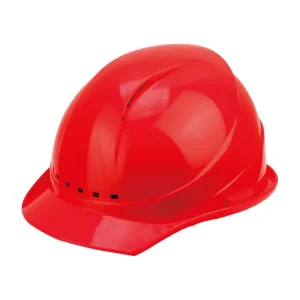
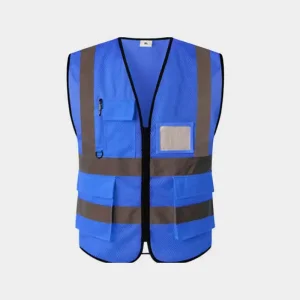
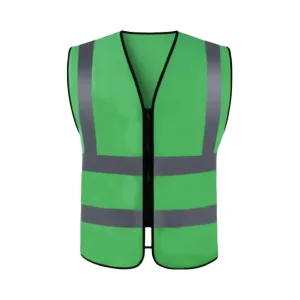
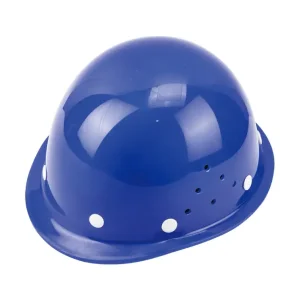
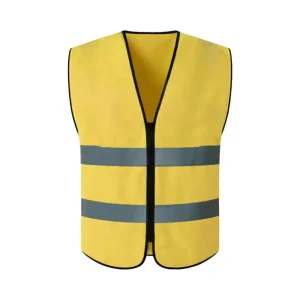
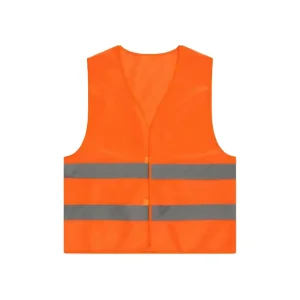
Explore our flagship selection of engineered protective apparel and industrial safety helmets configured for global high-risk environments.
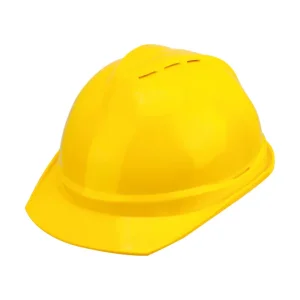
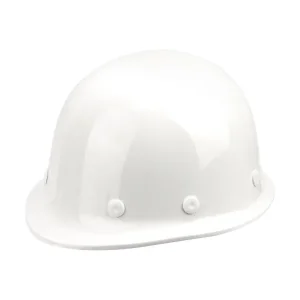
Regulatory updates, regional market demands, and global trade standards shaping next-generation industrial apparel.
OSHA regulations mandate the utilization of ANSI/ISEA 107-2020 certified high-visibility safety apparel. Classification depends on the proximity to moving traffic and background hazards, dividing vests into Class 1, Class 2, and Class 3 structures. The standard defines minimum performance specifications for background materials, retroreflective performance, and physical properties during heavy industrial wear.
For the European Union and EEA markets, high-visibility clothing is regulated under the EN ISO 20471:2013+A1:2016 standard. Vests must satisfy complex visual performance requirements, demanding high chromaticity coordinates and luminescence factors. Materials must remain functional after multiple industrial wash cycles, assuring long-term colorfastness and physical durability.
Rapid urbanisation and strict labor policies across the Asia-Pacific region are driving modern procurement strategies. Government-backed mandates across Australia (AS/NZS 4602.1), Japan, and Singapore call for multi-functional vests that integrate high-visibility profiles with flame retardancy (FR), anti-static threads, and extreme climate cooling networks.
A technical overview of the evolving structural and chemical modifications in modern safety gear manufacturing.
Transitioning from basic silver glass bead tapes to microprismatic structures. Microprismatic systems optimize light return by redirecting light directly back to source headlights, increasing reflectivity ratings in low-light and adverse weather conditions (rain, fog).
Replacing virgin polyester with 100% recycled Post-Consumer PET (rPET) materials. Fabric blends are engineered to provide maximum breathability, quick-dry performance, UV shielding (UPF 50+), and chemical resistance for petrochemical sites.
Embedding inherent flame-retardant (FR) fibers (such as Modacrylic/Cotton blends) directly into high-visibility fabrics. Vests protect operators simultaneously from low visibility, arc flash incidents, and flash fires.
Integration of flexible LED light guides, ambient temperature monitors, biometric sensors, and RFID tags for real-time localization on large-scale smart construction projects.
Analyze safety classes and technical fabric options to optimize B2B procurement strategies.
| ANSI Class | Typical Work Environment | Min. Fluorescent Fabric | Min. Reflective Tape | Recommended Fabric Base |
|---|---|---|---|---|
| Class 1 | Off-road zones, warehouses, parking service lanes (< 25 mph traffic) | 217 sq. inches (0.14 m²) | 155 sq. inches (0.10 m²) | 120 GSM Polyester solid or mesh fabrics |
| Class 2 | Complex highway construction zones, utility workers, rail crews (> 25 mph traffic) | 775 sq. inches (0.50 m²) | 201 sq. inches (0.13 m²) | 130-150 GSM Breathable micro-mesh with reinforced pockets |
| Class 3 | Extreme danger road projects, heavy equipment operation near traffic (> 50 mph) | 1240 sq. inches (0.80 m²) | 310 sq. inches (0.20 m²) | Inherent flame-retardant, high-visibility warp-knitted textiles |
| Non-ANSI | General industrial warehouses, corporate branding, security personnel | N/A | Custom placement | Durable poly-cotton canvas, high-abrasion taslan styling |
Linyi Xintuo Industry and Trade Co., Ltd. is a modern enterprise based in China, specializing in the research, development, and manufacturing of high-performance safety helmets and comprehensive labor protection equipment. Since our establishment, the company has been driven by a vision of innovation, continuously investing in advanced production equipment and assembling a team of high-caliber research and design professionals.
Our standardized management mode, combined with ISO-certified processes, guarantees consistent product excellence across all batches. The company operates with a commitment to sustainability, utilizing eco-friendly materials and energy-efficient production techniques to minimize environmental impact while maintaining operational efficiency.
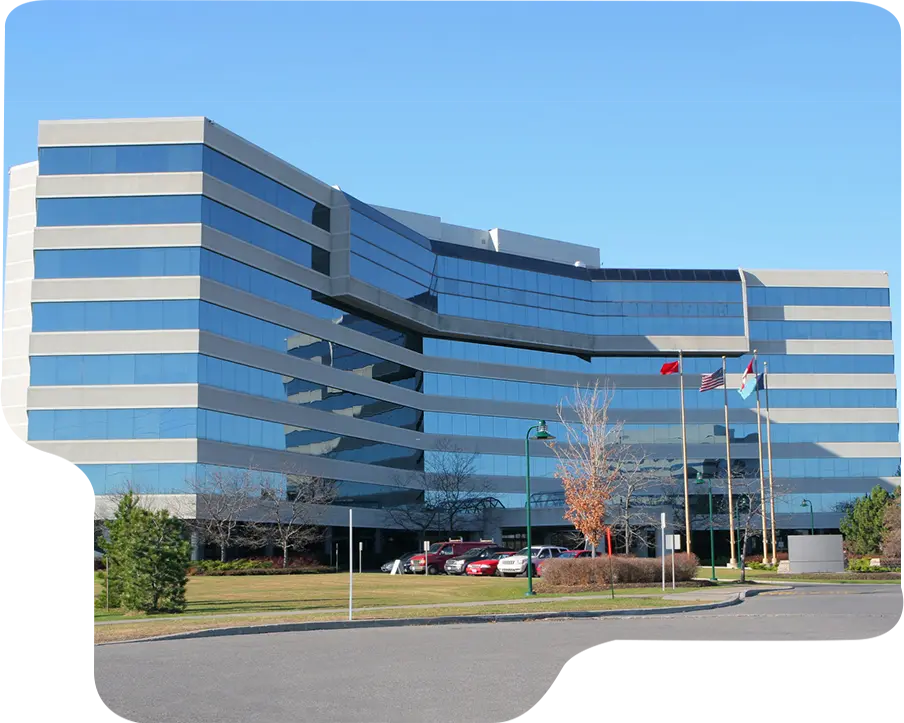
We leverage cutting-edge material science, utilizing fiberglass composites and high-impact polymers that offer superior strength-to-weight ratios compared to traditional materials. Our product portfolio exceeds key global safety standards (CE, ANSI, and EN).
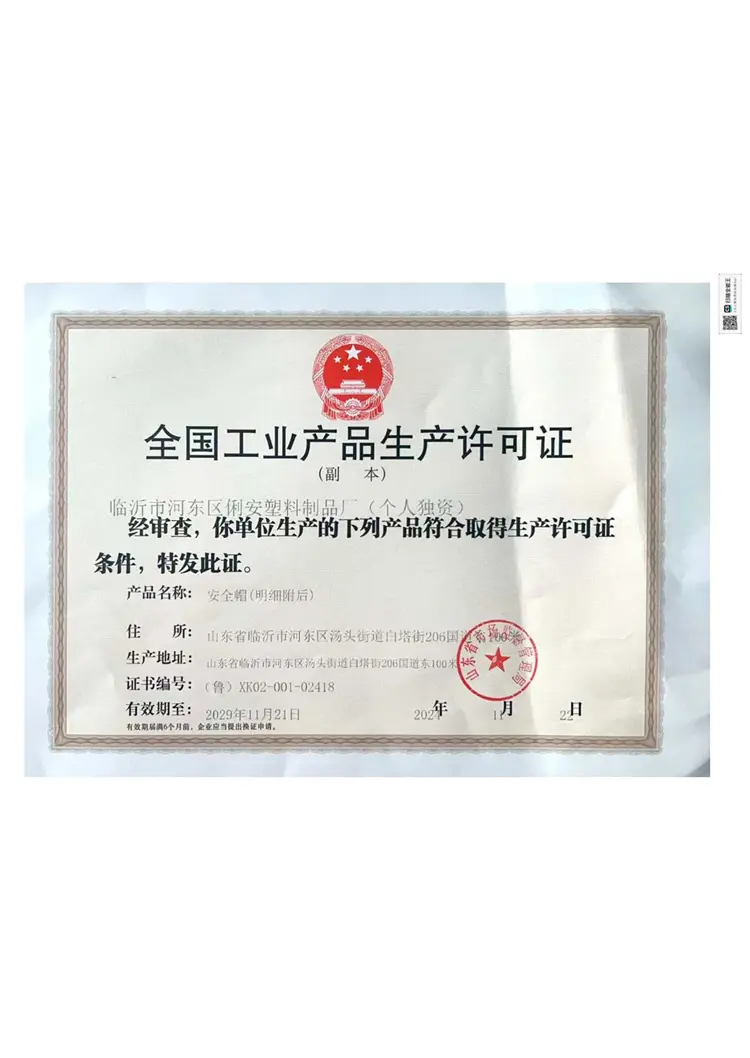
Ensuring standardized chemical composition checks, fabric density verifications, and stress testing processes are performed systematically for every manufacturing run.
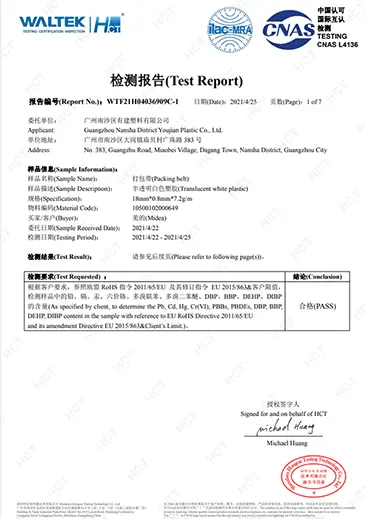
Certified testing against retroreflective coefficient degradations, tear strength tolerances, and thermal stability ranges under industrial usage environments.
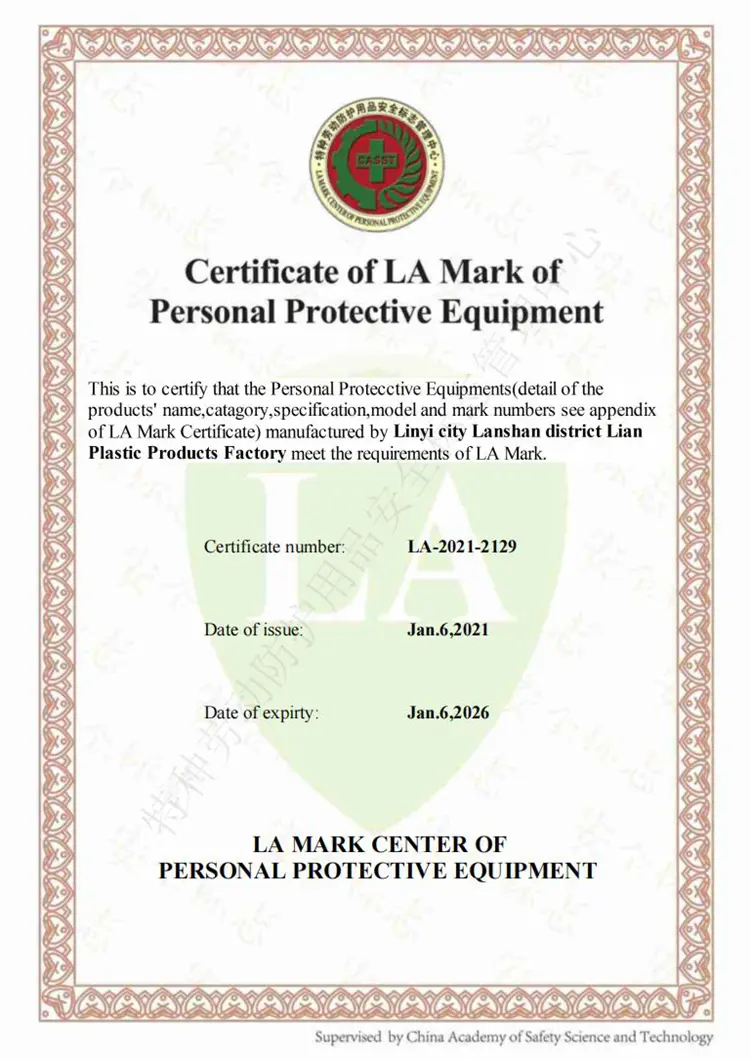
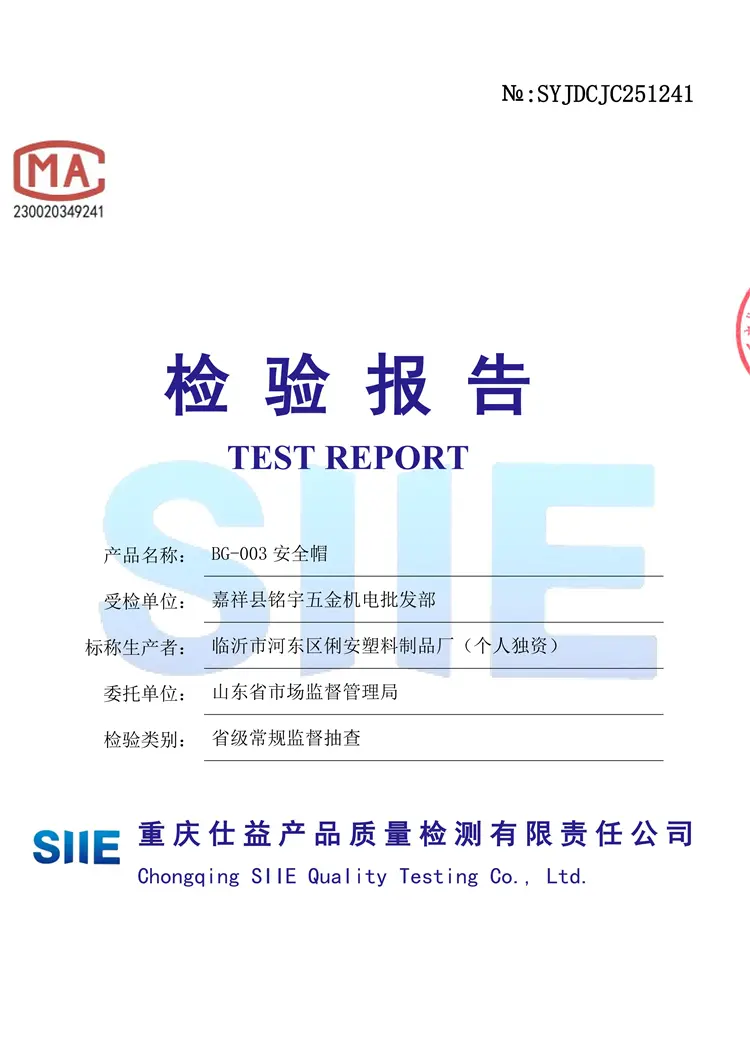
Our hard hats and industrial protective gear pass drop-impact absorption tests, flame resistance, and electrical insulation tests for critical EU markets.

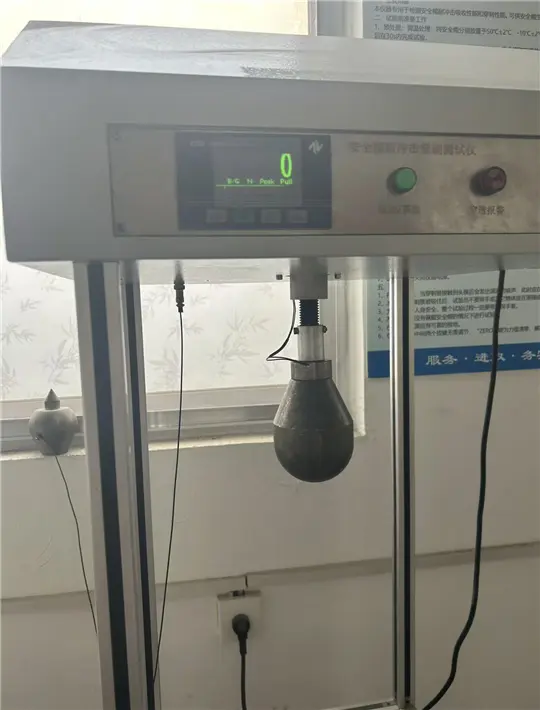
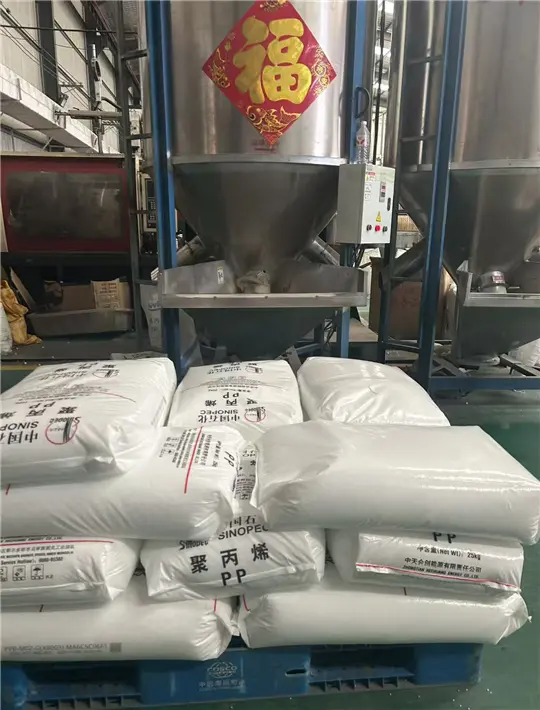
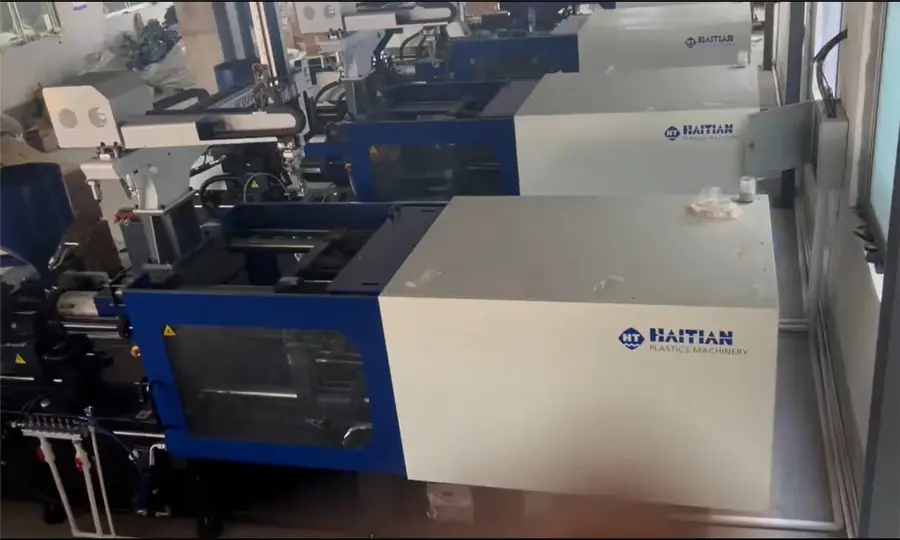
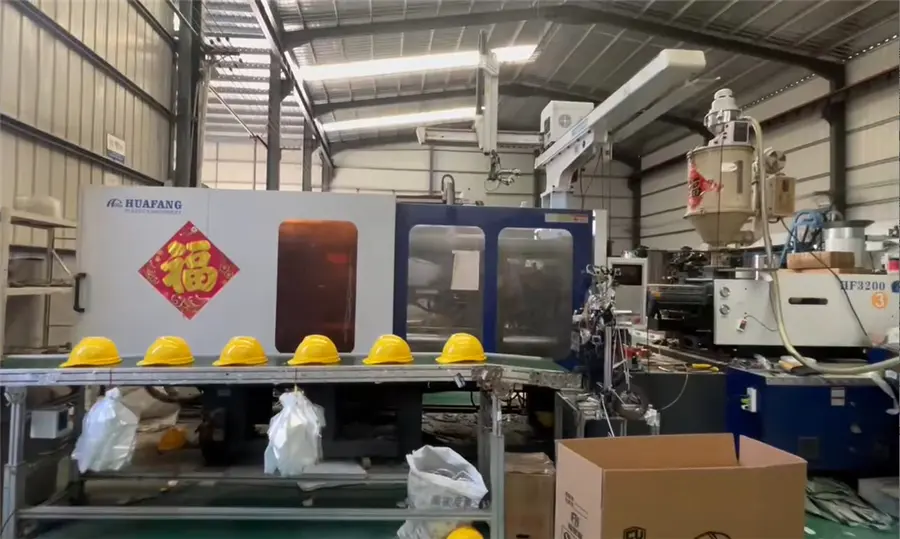
Take a closer look at the precision engineering, robotic polymer extrusion, and fabric warp knitting machines in our facilities.
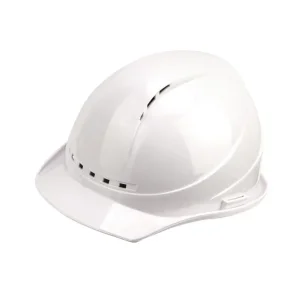
Our heavy-duty molding machines form lightweight high-density polyethylene (HDPE) shell bases for the XT series hard hats under calibrated pressure guidelines.
Automatic fabric cutters and industrial sewers lock retroreflective tape parameters to avoid fraying or stitch failure under long shift cycles.
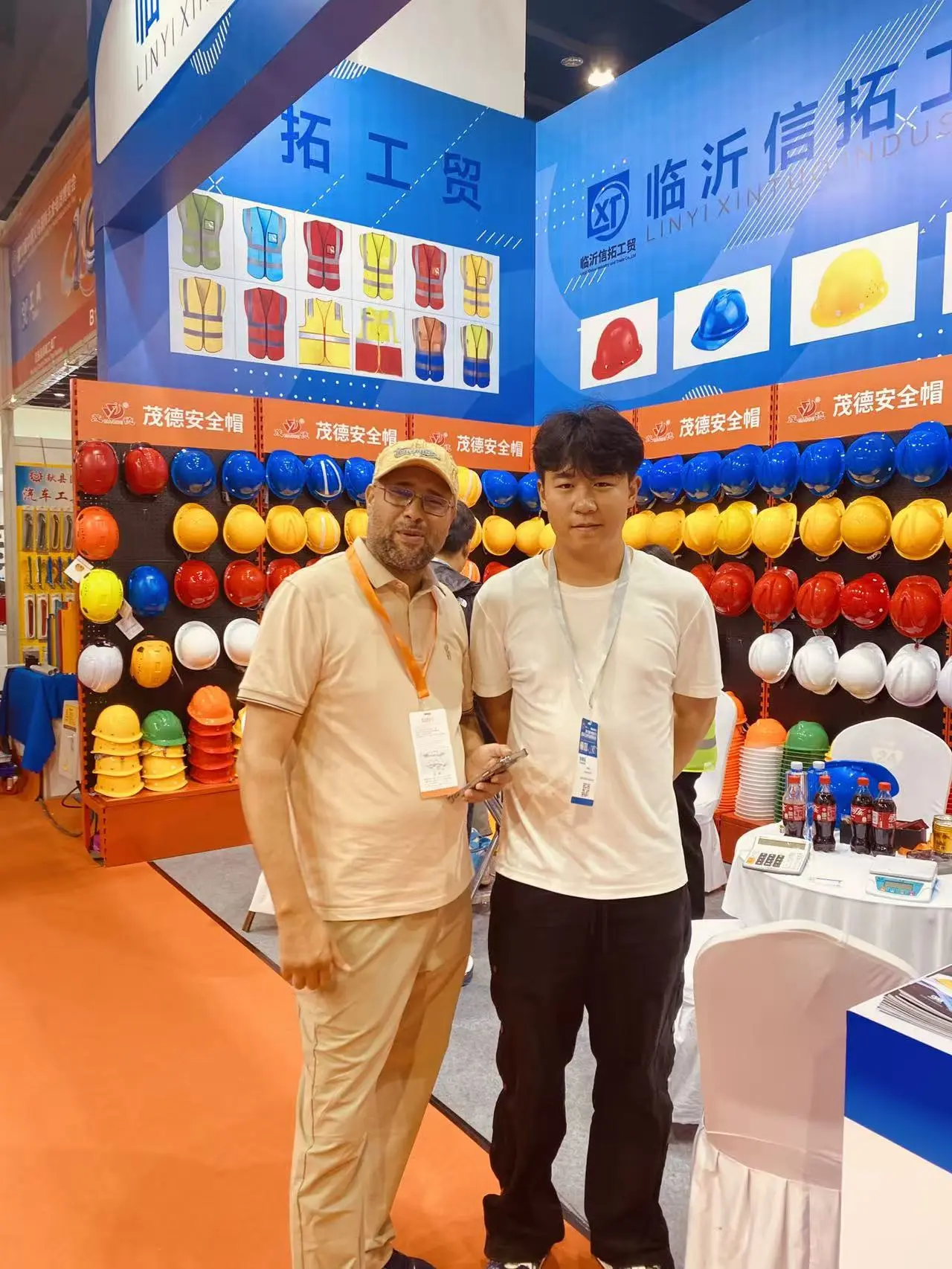
Connecting with global procurement managers at top trade exhibitions, building long-term strategic relationships based on reliability.
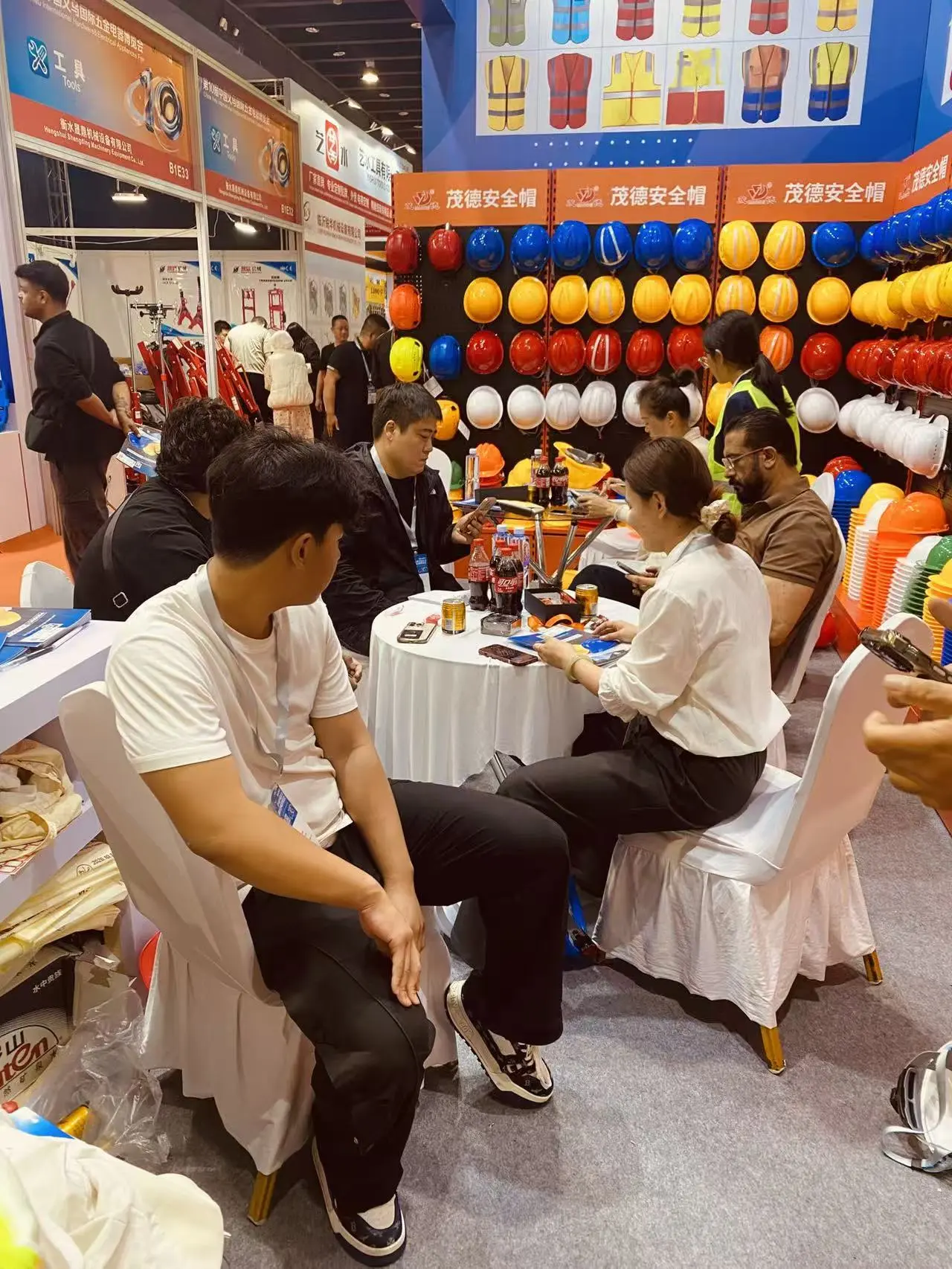
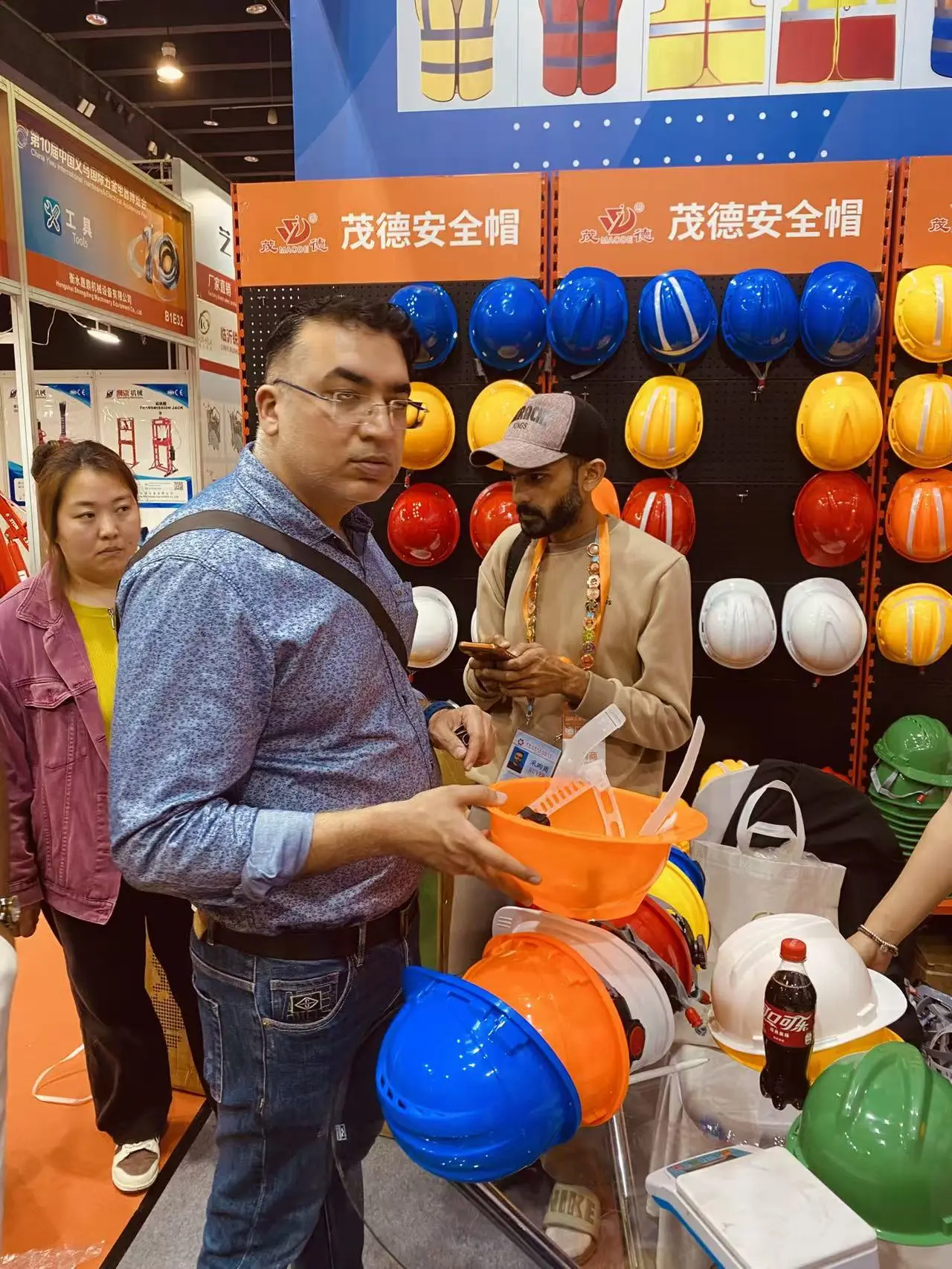
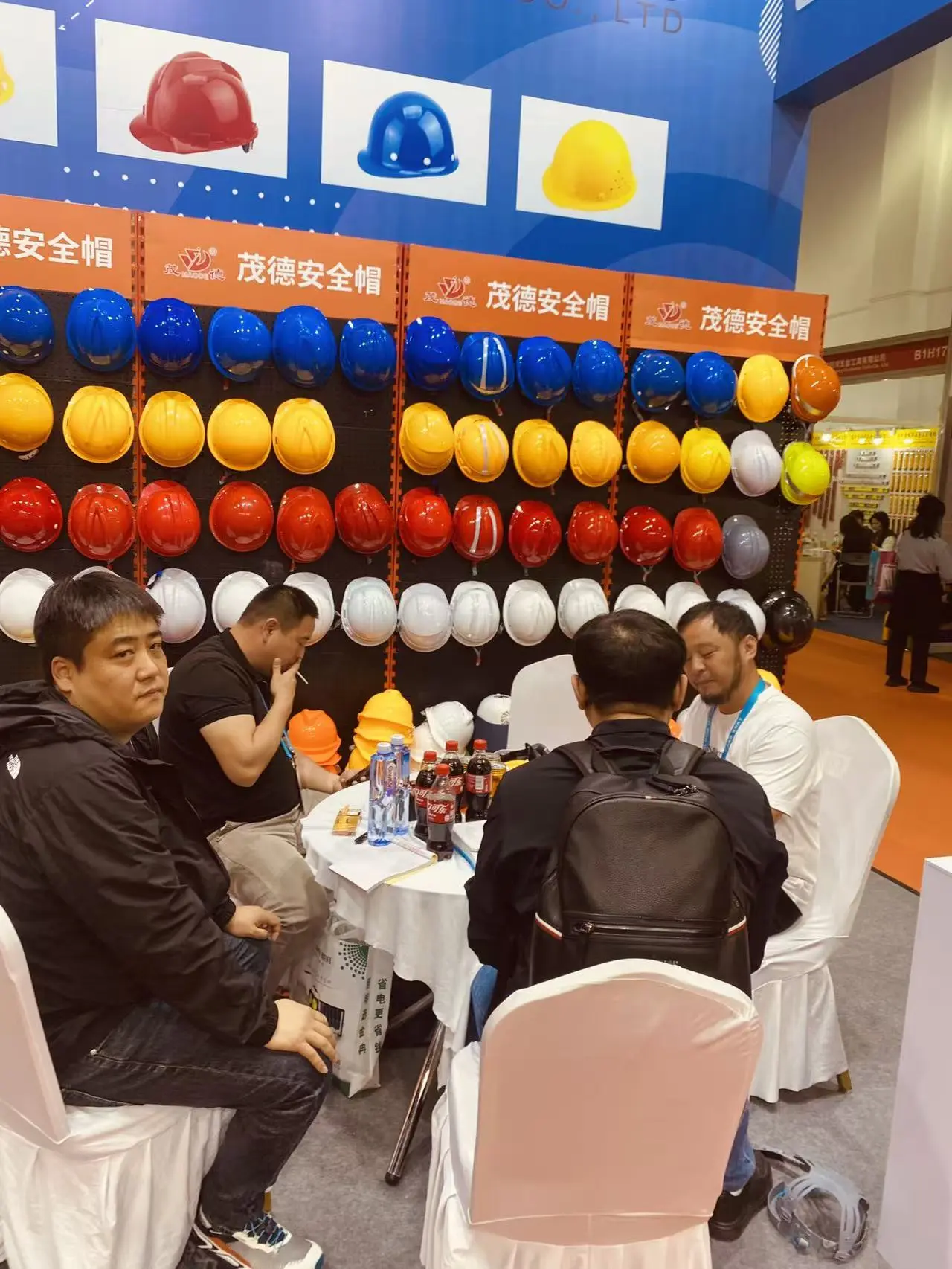
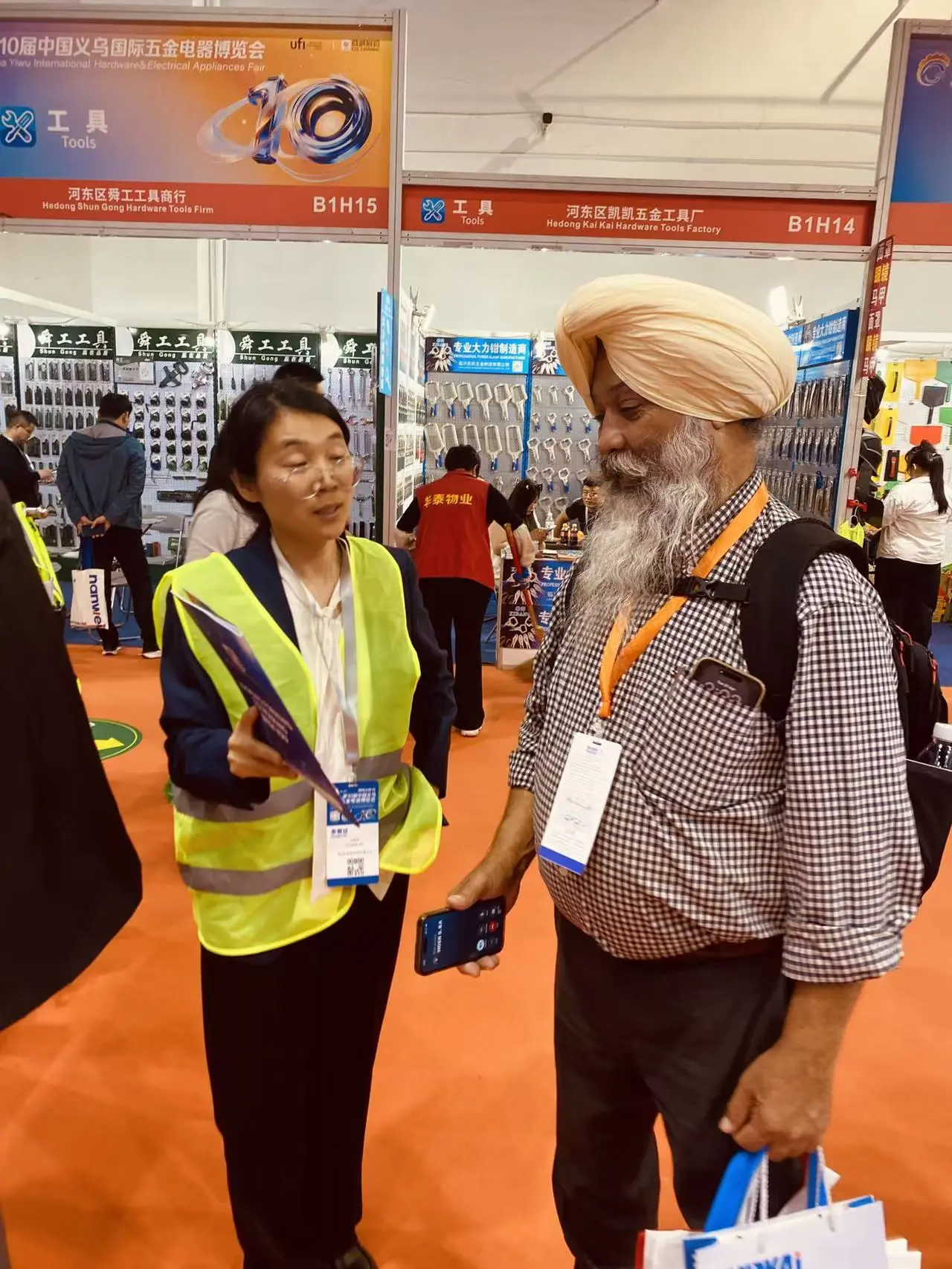
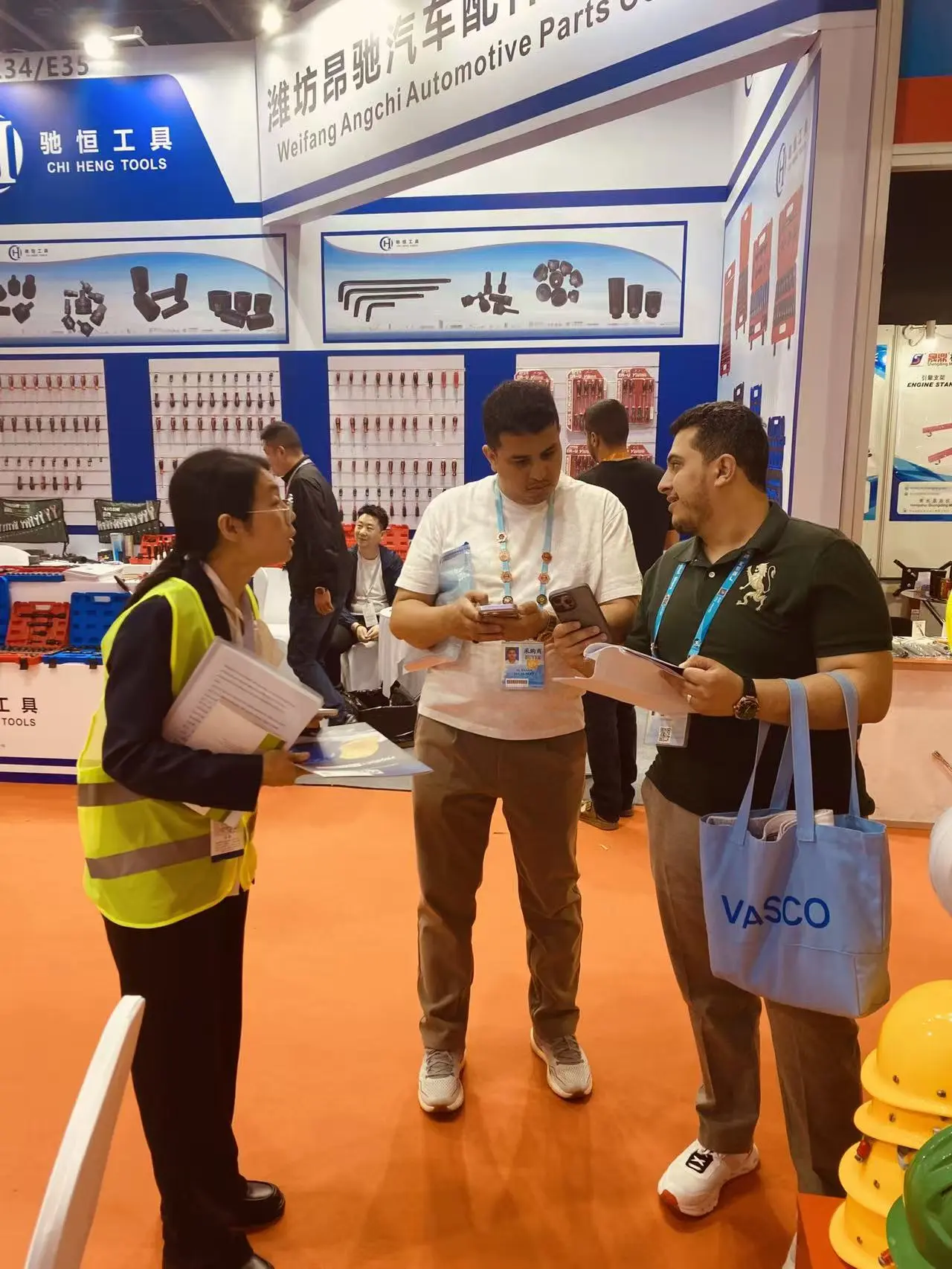
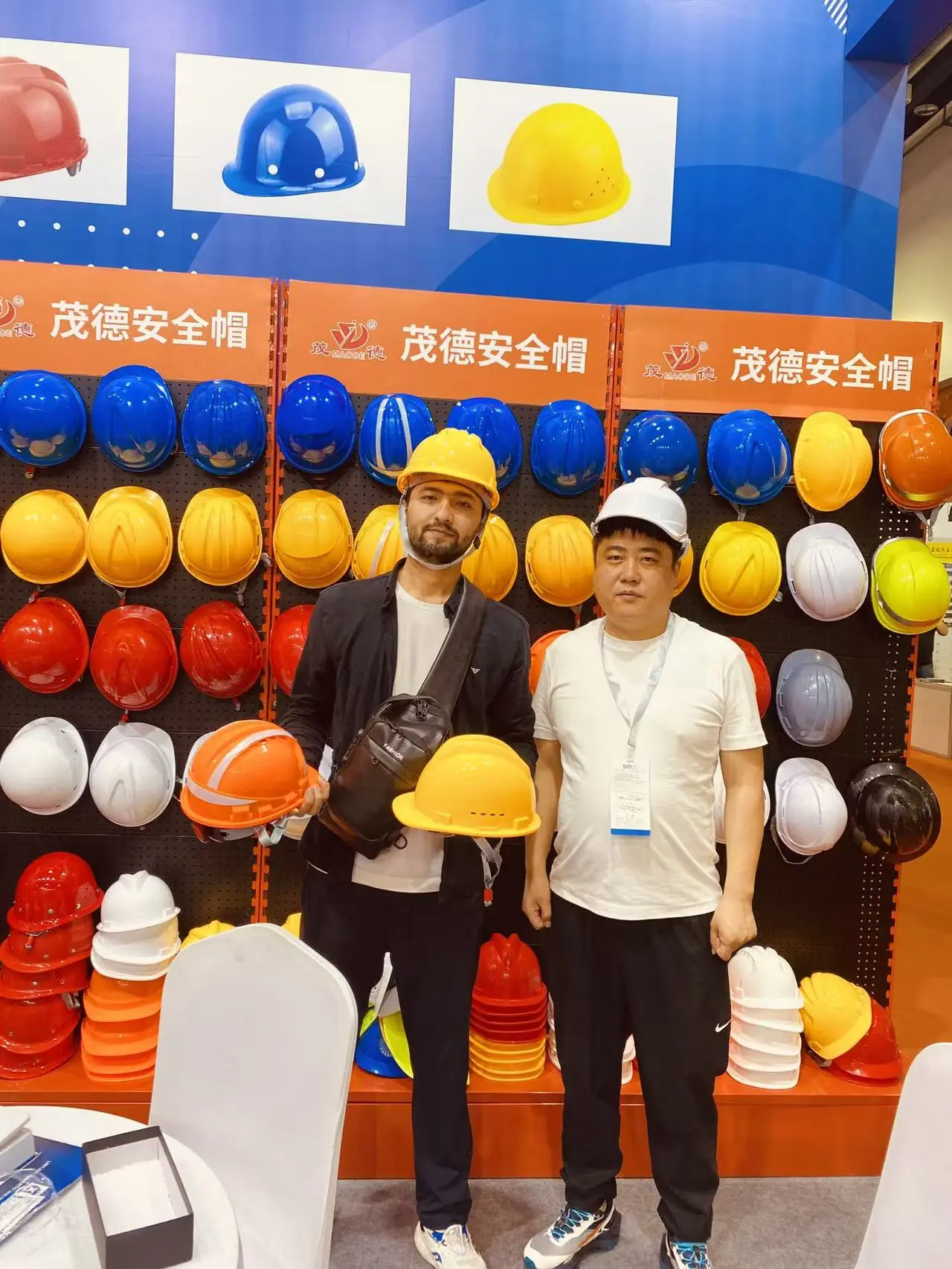
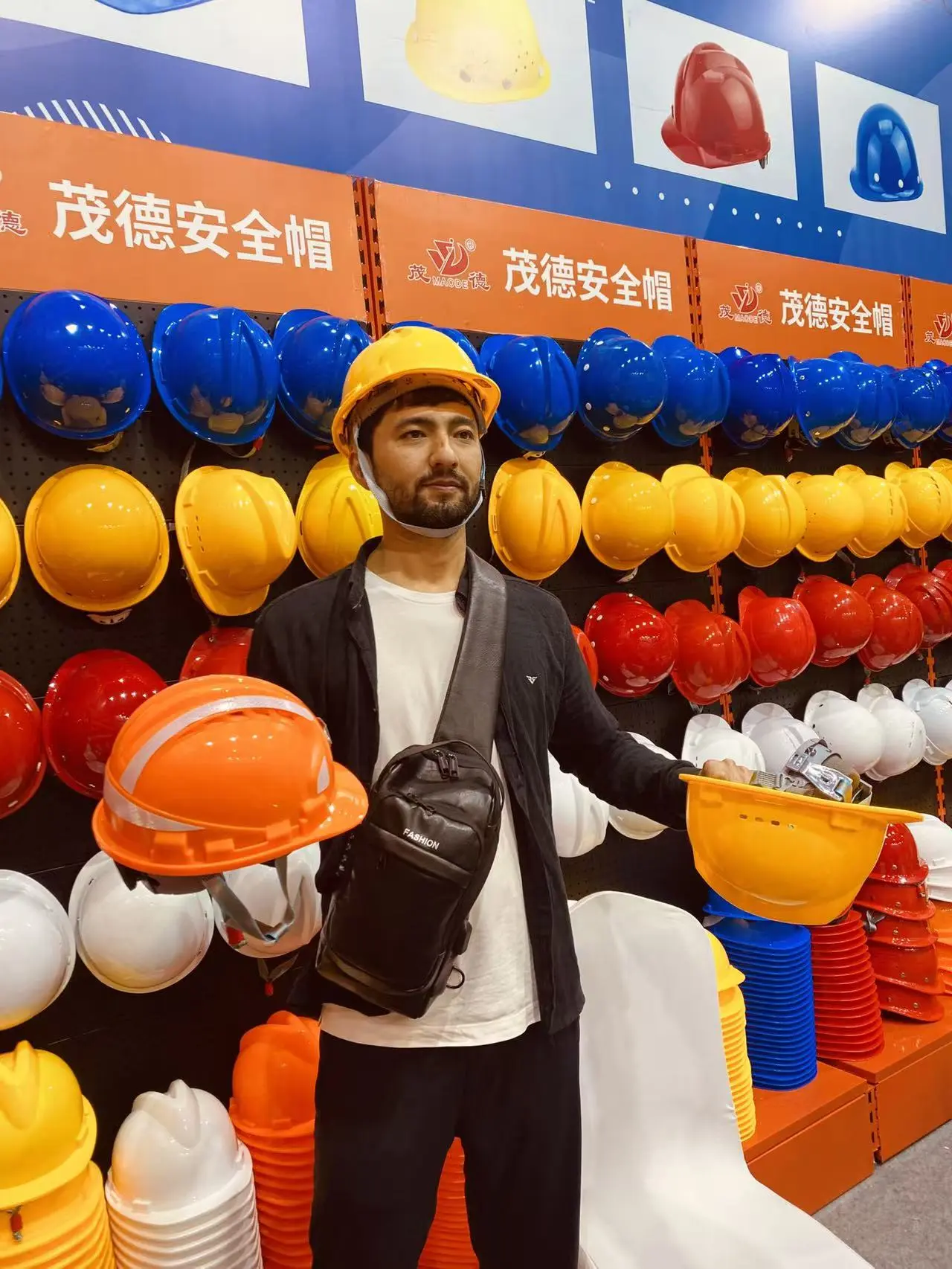
Analyzing critical work environments and the safety implications of modified or low-performance protective equipment.
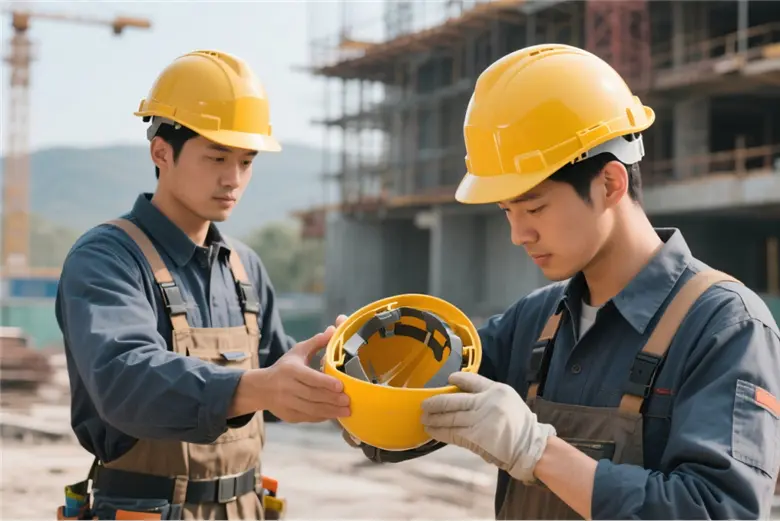
Operating in deep construction trenches or high-wind scaffolding zones without properly securing safety helmet harnesses invites instant disaster. Reports from industrial sites demonstrate that loose-fitting safety equipment detaches easily during falls, causing fatal impact injuries. Proper adjustment of the tension knobs is essential for secure protection.
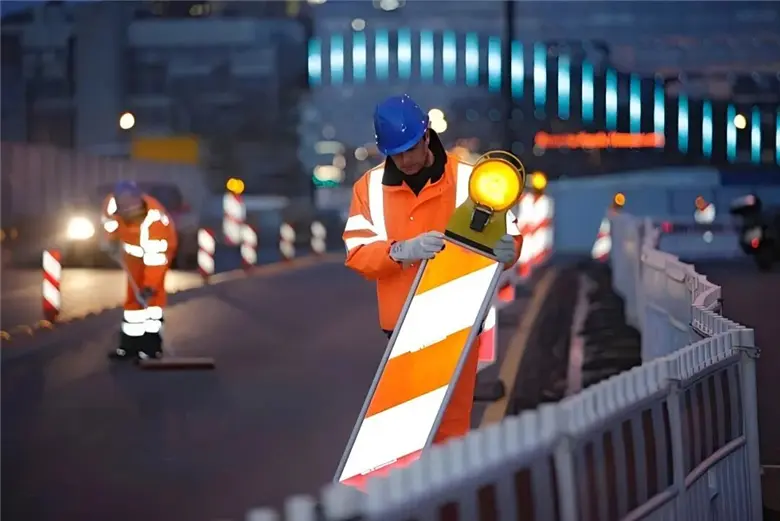
At a construction site in Fujian, a worker seeking hot-weather ventilation privately drilled unauthorized holes into his helmet shell. During work, a concrete fragment fell from heights and struck his head. The modified helmet cracked open because the structural load paths had been compromised. Modifying safety helmets is strictly prohibited.
Beyond finished apparel, Xintuo designs high-stability composite raw materials that form the foundations of industrial safety products.

High-tensile continuous filament glass fibers processed into rovings, crucial for strengthening composite shells and chemical resistant structural PPE casings.
Specially treated alkaline-resistant grid mesh structures offering superior dimensional stability for reinforcing concrete formworks and protective barriers.
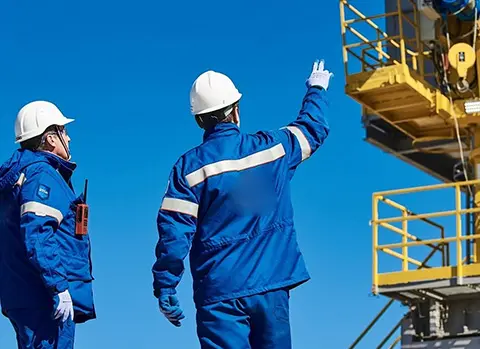
Non-woven fiberglass matting providing uniform density, designed for high mechanical strength outputs in complex composite moldings.
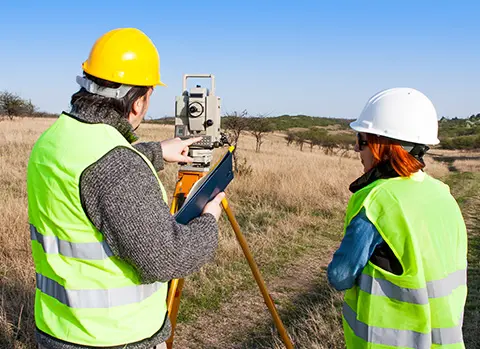
Woven industrial textile sheets designed for high thermal resistance insulation, protective coatings, and composite laminates in metal refineries.
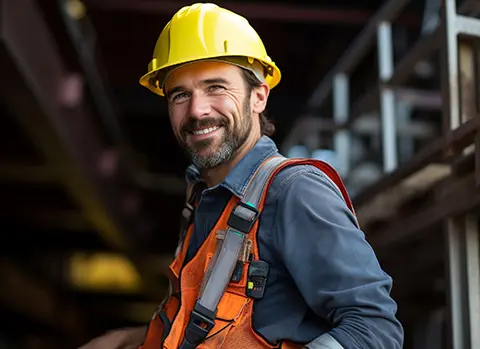
Engineered short glass fibers optimized for thermoforming and compound extrusion in automotive parts and industrial hard hat liners.
Deploying specialized industrial products in harsh, high-exposure conditions around the globe.
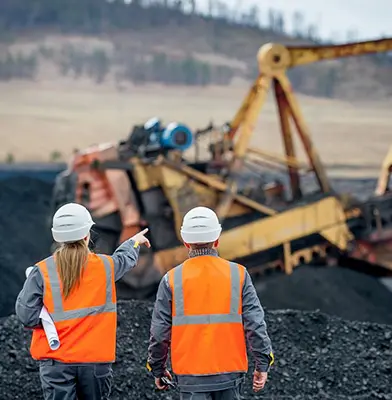
Supplied high-breathability mesh vests and ventilated structural helmets to keep workers comfortable during extreme 48°C desert summer operations.
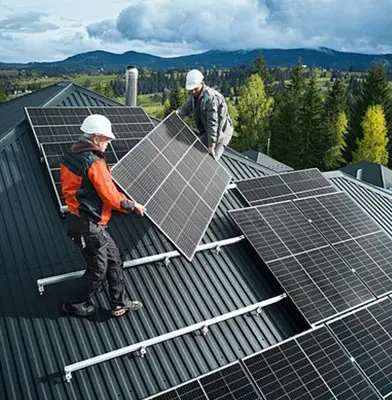
Outfitted port cargo logistics teams with high-visibility Class 3 multi-pocket utility jackets to withstand marine wind and rain.
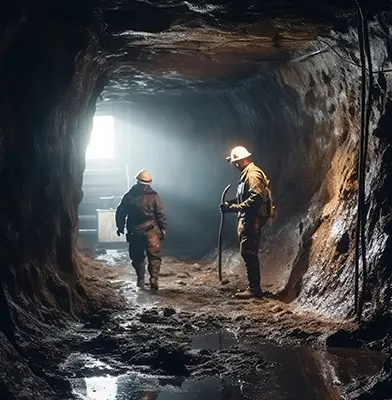
Integrated custom-branded anti-static FR construction vests with glass fiber helmets to protect heavy machinery operators from dust and heat.
Building long-term supply relationships with international industrial developers and PPE brand distributors.









In-depth responses to critical logistical, technical, and regulatory questions from industrial PPE buyers.
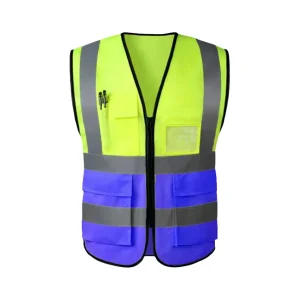
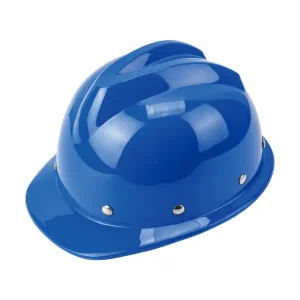
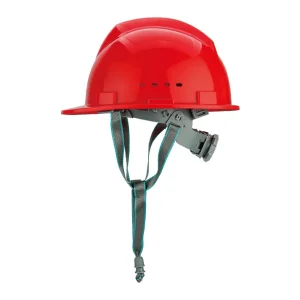
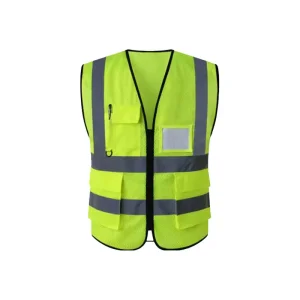
Browse our additional range of specialized protective helmets and high-visibility apparel options below.
 Xintuo