Explore our elite collection of high-visibility safety wear and industrial protective equipment direct from our ISO-certified manufacturing facility.
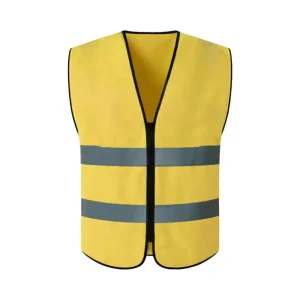
In the contemporary landscape of occupational safety, High-Visibility Safety Vests represent the first line of defense against workplace injury and mortality. High-visibility protective apparel is governed by rigorous global standards to ensure maximum retroreflection and daytime conspicuity. The primary regulations—namely ANSI/ISEA 107-2020 in the United States and EN ISO 20471:2013+A1:2016 in the European Union—delineate the precise requirements for background materials and retroreflective tape alignment.
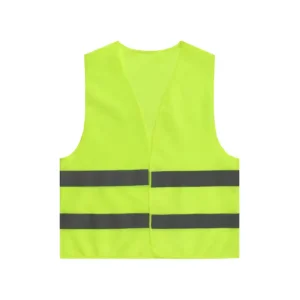
Our engineering division at Linyi Xintuo Industry and Trade Co., Ltd. ensures that every production batch undergoes intensive spectrophotometric and retroreflective analysis. Under the EN ISO 20471 protocol, background fluorescent materials must reach specified chromaticity coordinates to guarantee performance in various atmospheric conditions. Class 2 garments require at least 0.50m² of background fluorescent fabric and 0.13m² of retroreflective material, which is ideal for road transport and civil construction. Class 3 garments require 0.80m² of background material and 0.20m² of retroreflective elements to accommodate high-speed traffic zones exceeding 80 km/h.
Click to Inquire XintuoAnalyzing semantic search data to understand the ergonomic, structural, and custom branding requirements of high-volume safety vest purchasers.
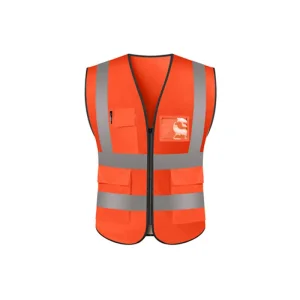
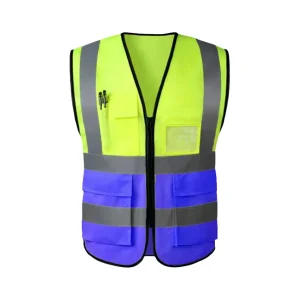
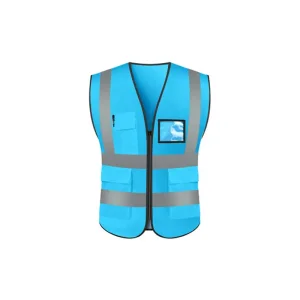
Industrial safety professionals focus on utility. Search intent data reveals a significant rise in queries for "colorful multi-pocket safety vest manufacturers". This indicates a shift away from standard, pocketless vests towards functional designs that house essential tools, communication devices, ID cards, and writing instruments. Modern workspaces demand designated pockets, including reinforced walkie-talkie pockets, transparent ID badge holders, zippered tablet storage, and dual-tier utility pockets. Our multi-pocket designs feature reinforced double-stitch seams at high-stress points to prevent sagging and premature wear.
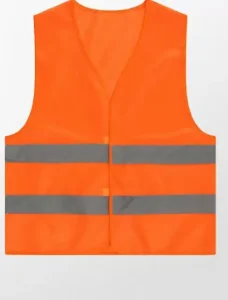
Under tropical or high-temperature industrial environments, standard polyester knit fabrics can cause thermal stress. Procurement officers prioritize air permeability. By utilizing open-weave polyester mesh, we construct vests that facilitate continuous heat dissipation while maintaining structural integrity. These materials must resist tearing and withstand commercial laundering processes. Standard reflective fabrics lose their retroreflective capabilities after only 15 wash cycles; our high-performance micro-prismatic glass bead technology guarantees compliance even after 50 cycles at 60°C.
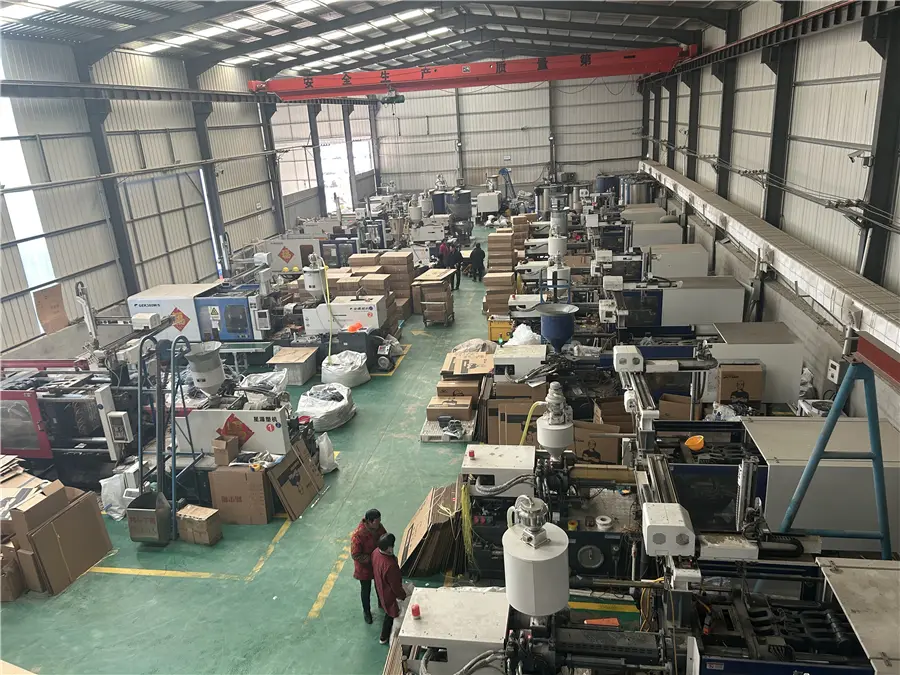
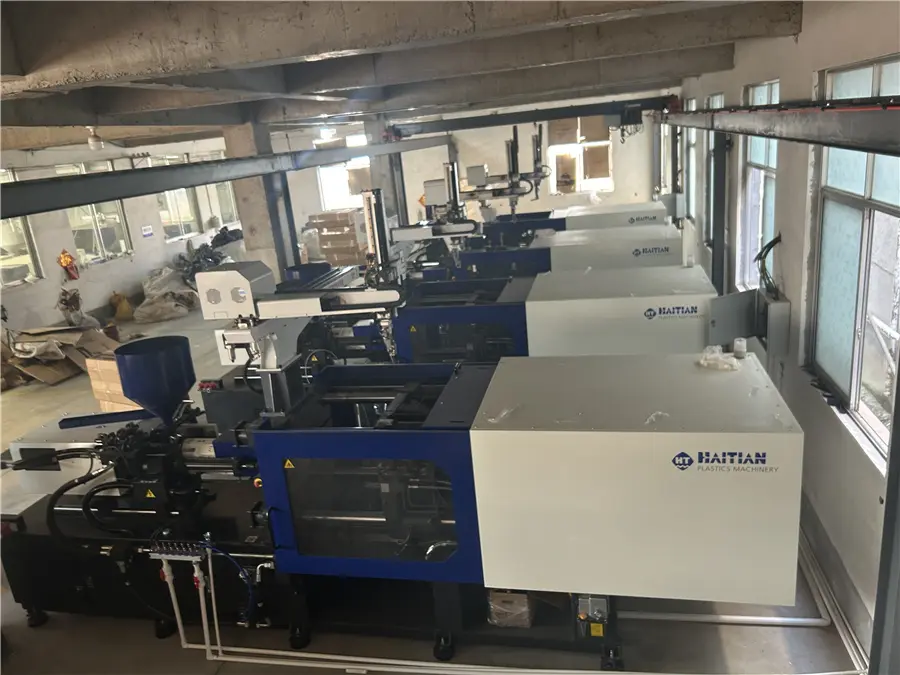
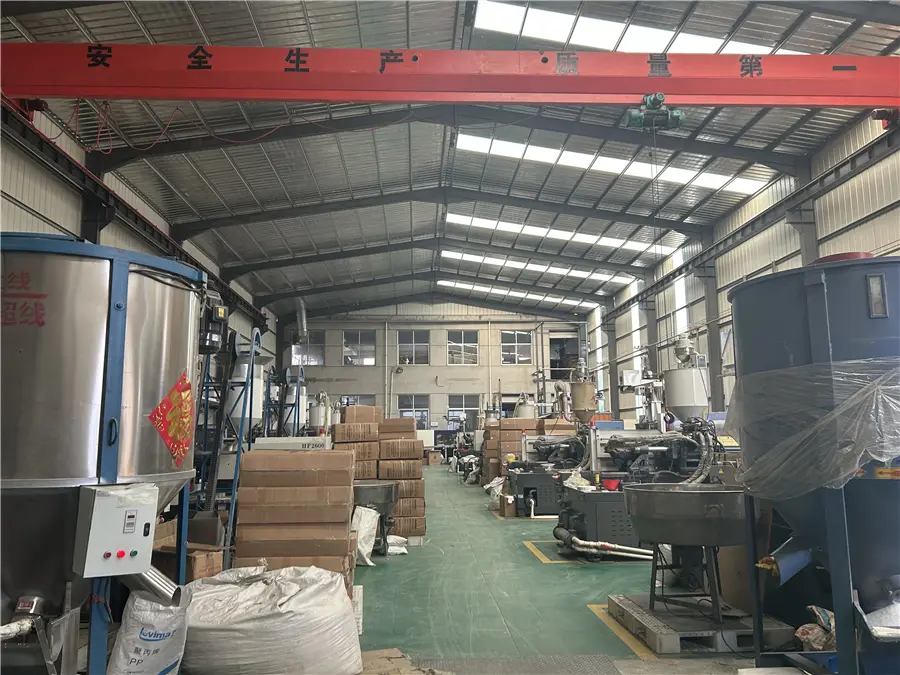
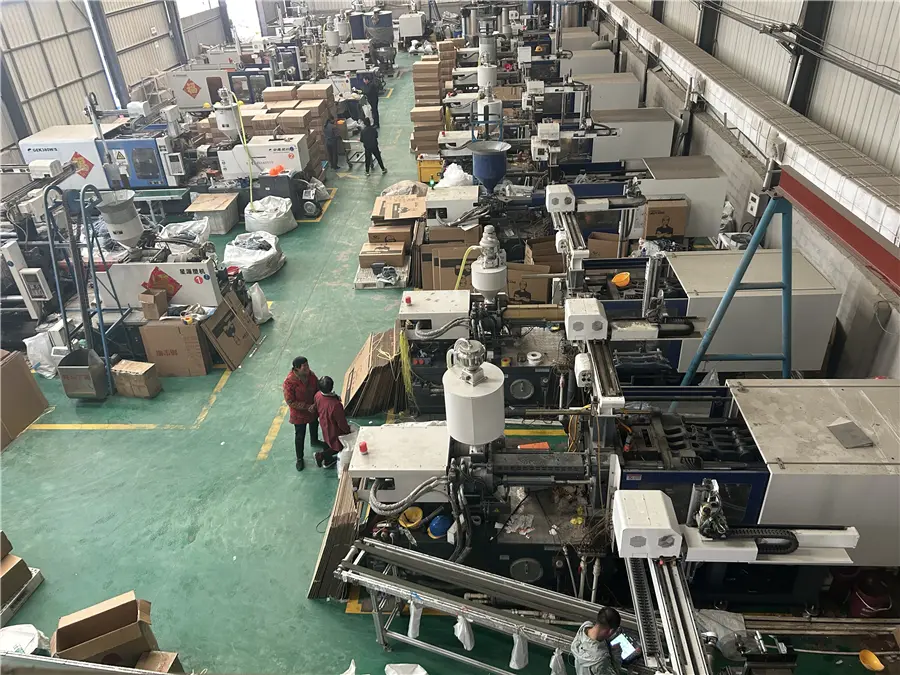
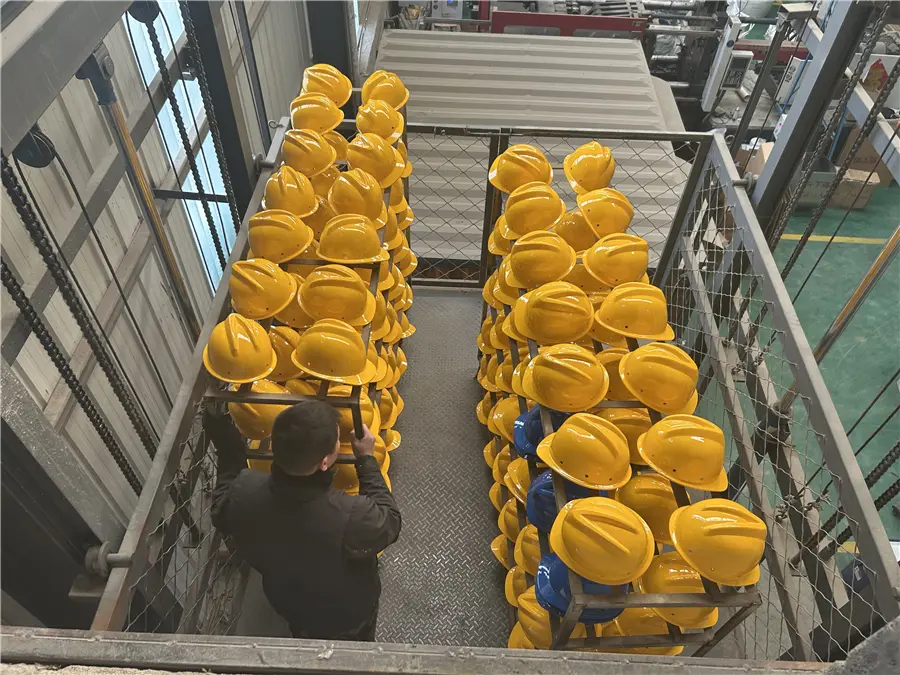
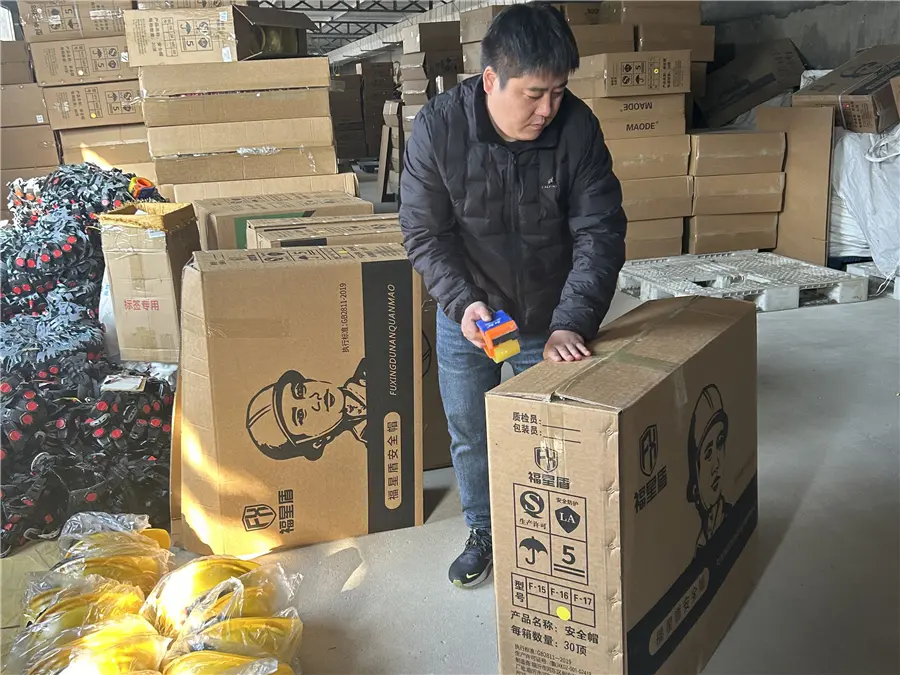
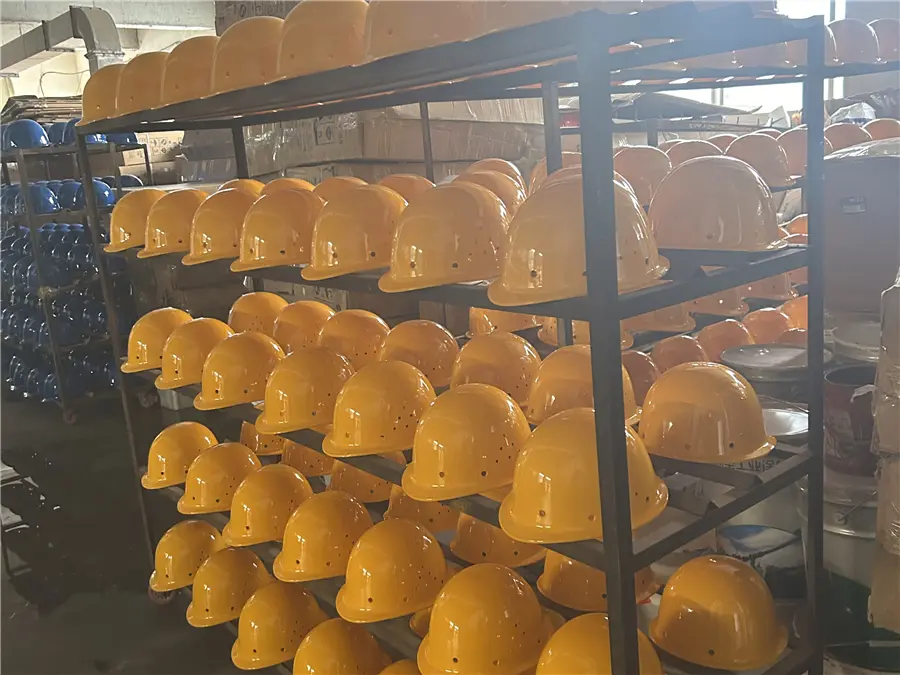
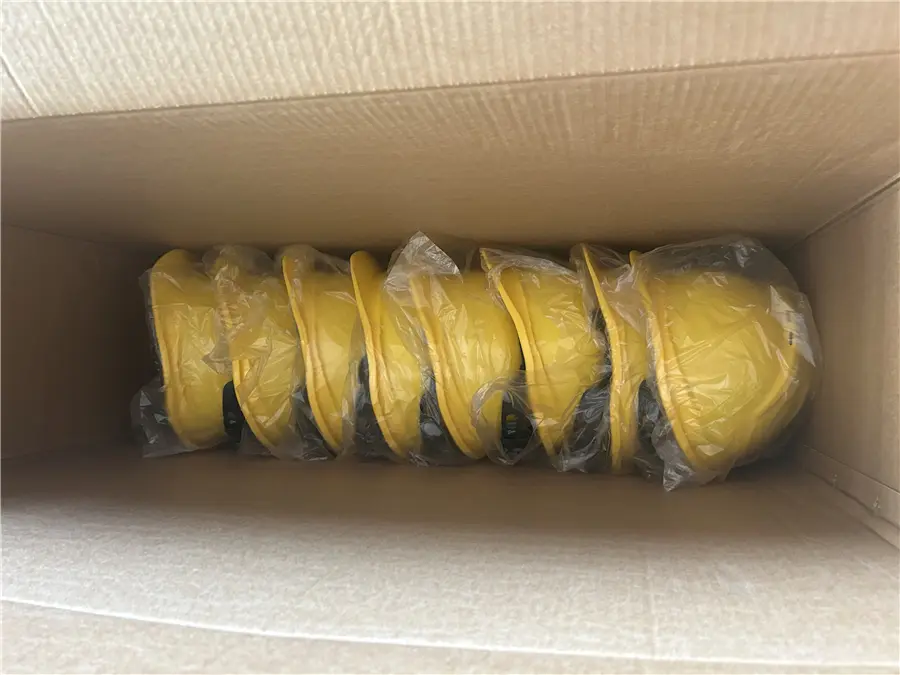
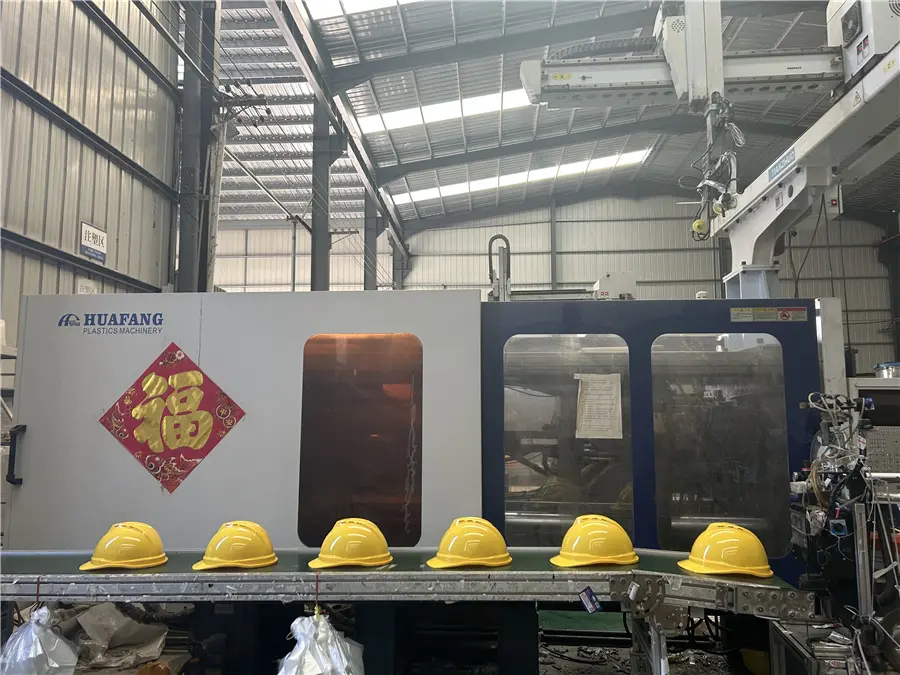
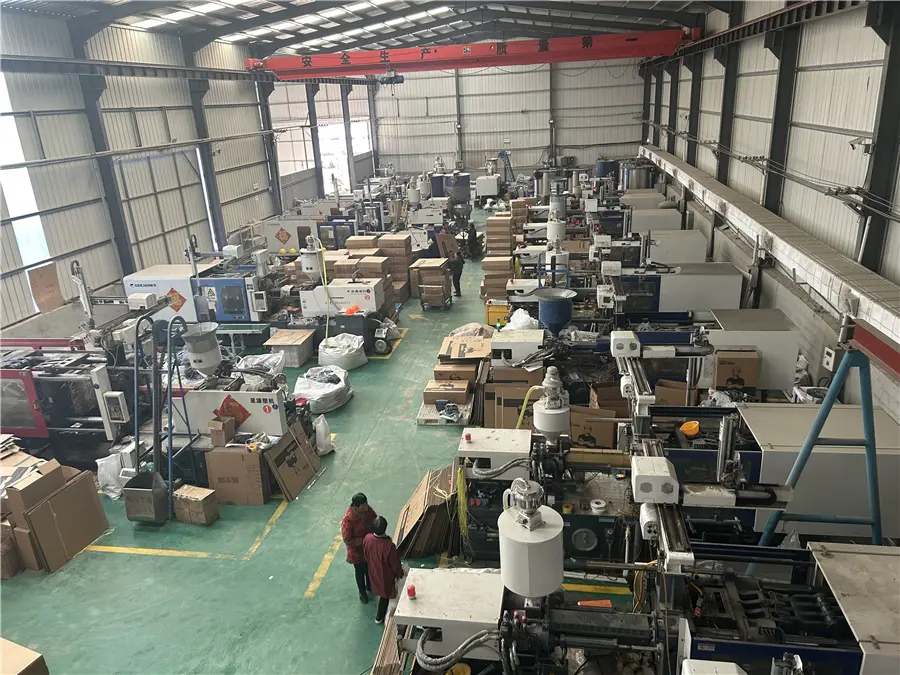
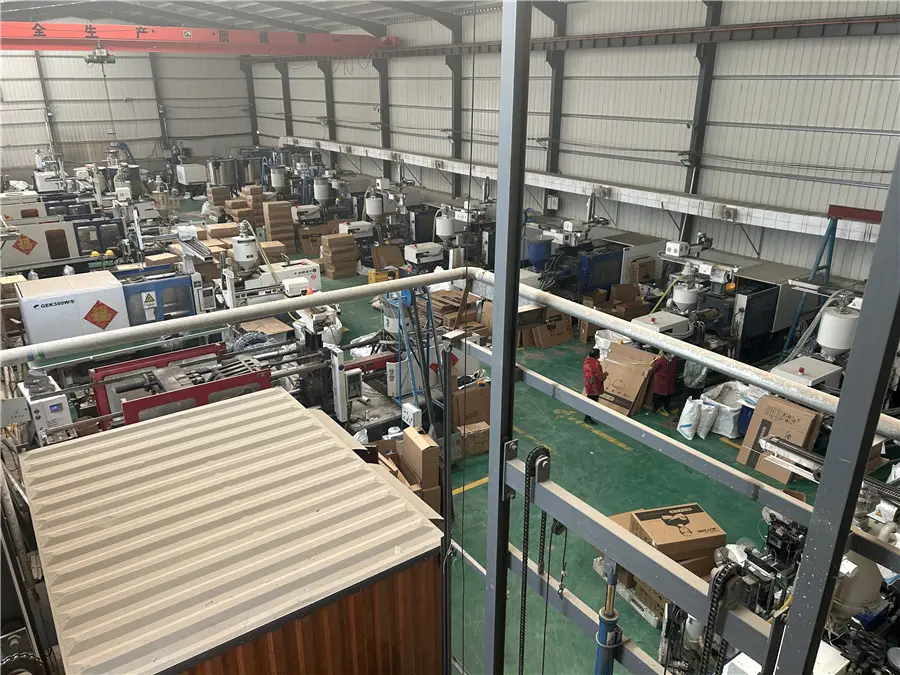
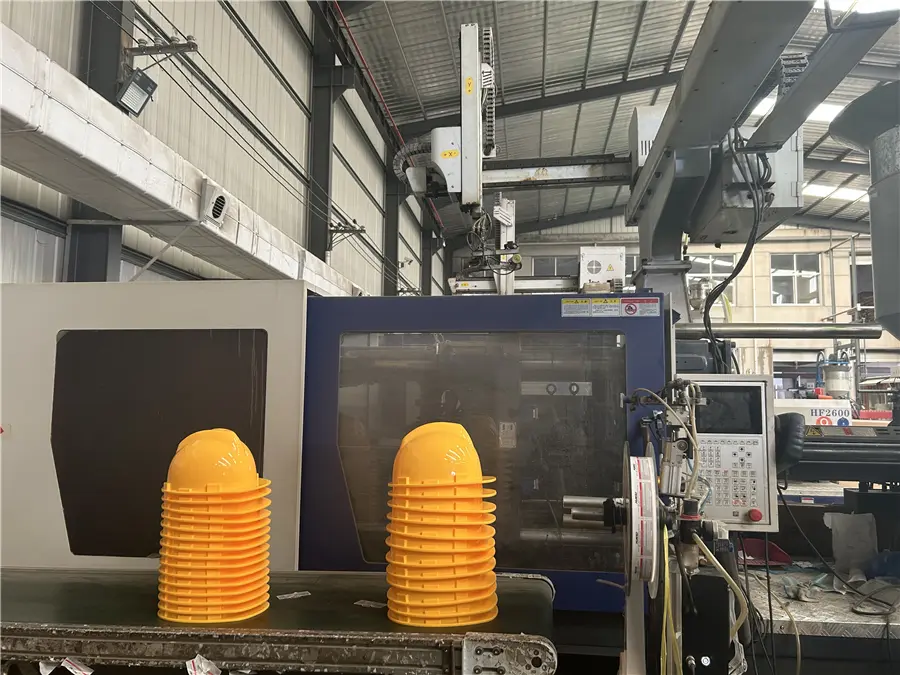
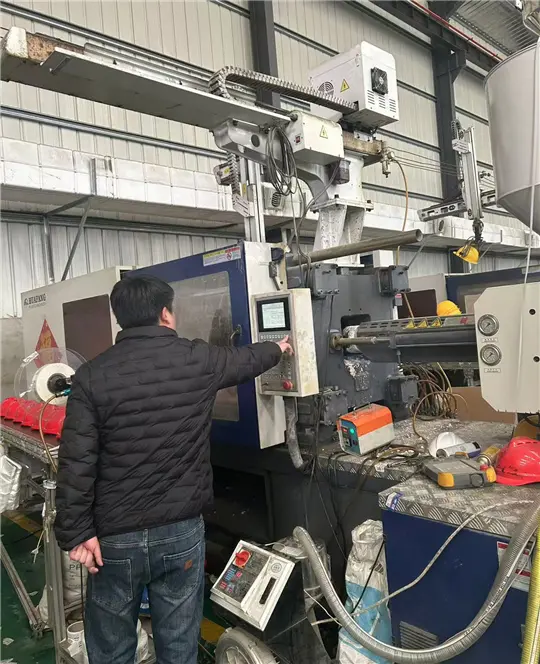
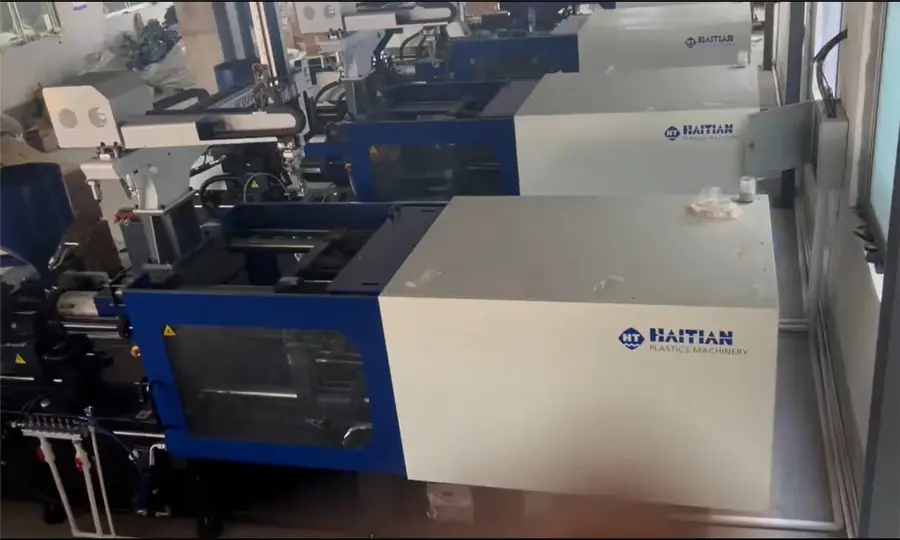
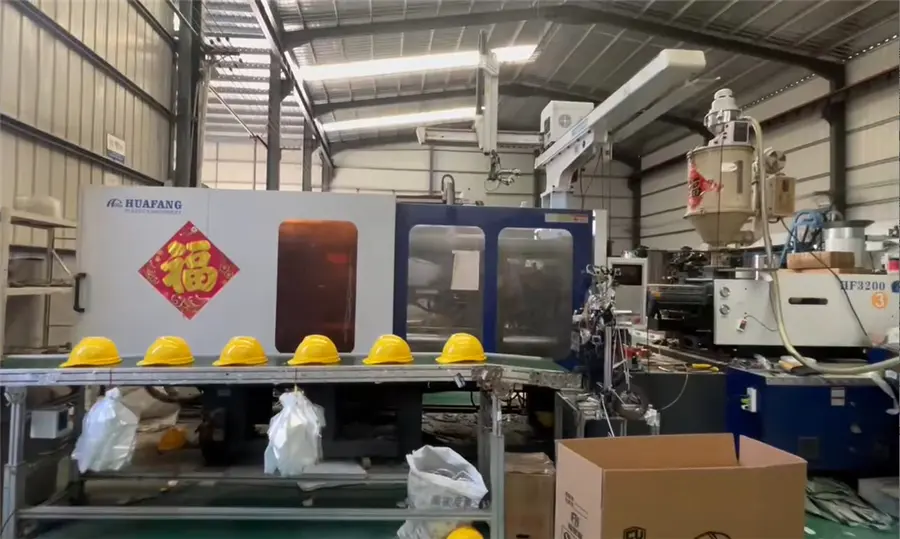
Our infrastructure operates under the China Factory 4.0 framework, integrating automated cutting systems, digital pattern design, and synchronized production workflows. Linyi Xintuo balances speed with high-quality output. Standardized management processes, reinforced by continuous ISO evaluations, ensure that our protective vests and industrial safety helmets maintain batch-to-batch consistency. Our factory footprint utilizes eco-friendly textile formulations and energy-efficient automated plastic injection molding, decreasing emissions and overheads.
Supply chain resilience is critical. We mitigate geopolitical and economic disruptions through raw material backward integration. By manufacturing safety helmets, high-visibility clothing, and fiberglass reinforced materials in-house, we eliminate reliance on third-party suppliers. This allows us to optimize lead times, providing a competitive wholesale structure. Our direct procurement pathways and proximity to shipping hubs like Qingdao port guarantee rapid dispatch, customs clearance, and global ocean transit logistics.
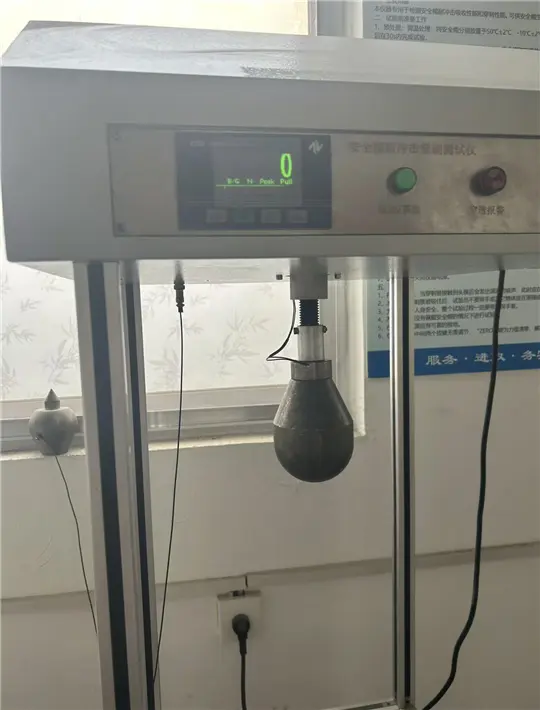
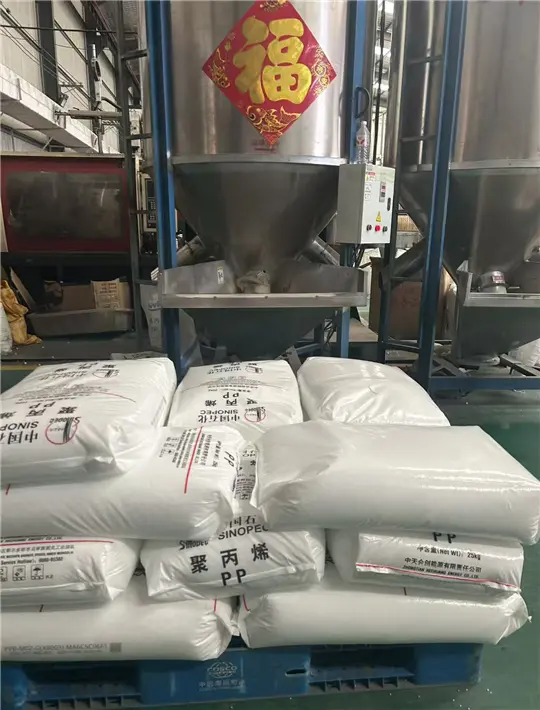
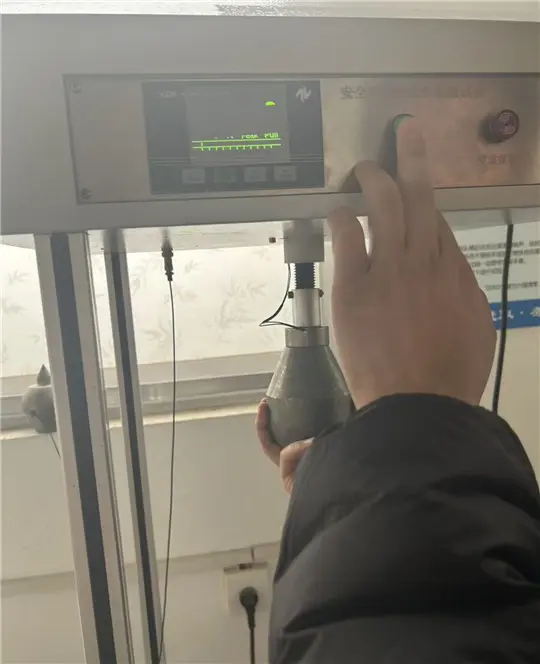
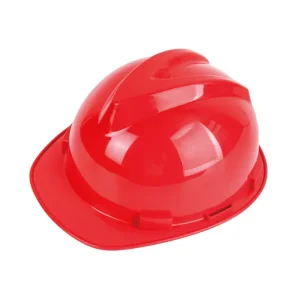
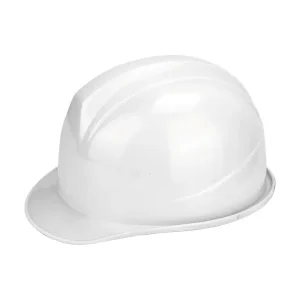
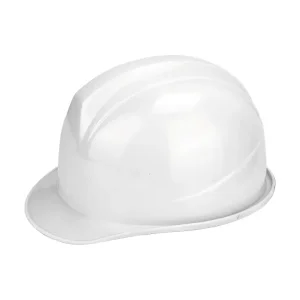
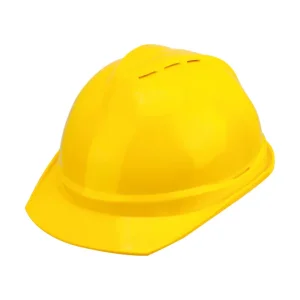
Our commitment to protecting workers involves continuous R&D in material sciences. In partnership with polymer engineering research institutions, we have developed impact-resistant safety helmets featuring fiberglass composites and premium Acrylonitrile Butadiene Styrene (ABS). Standard High-Density Polyethylene (HDPE) helmets degrade under UV exposure and cold temperatures; our proprietary ABS formula maintains high impact absorption and resistance to lateral deformation from -20°C to 50°C.
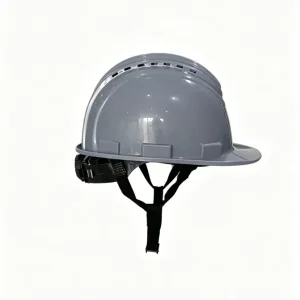
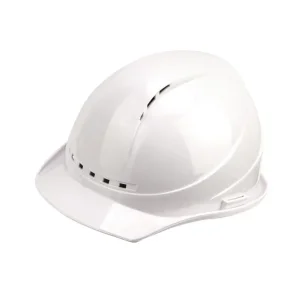
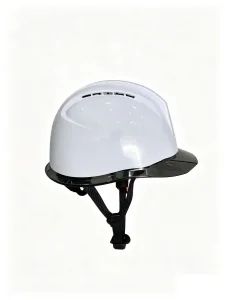
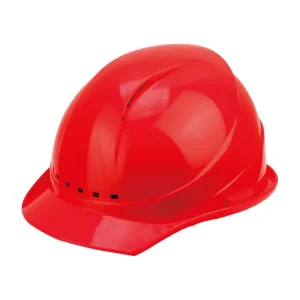
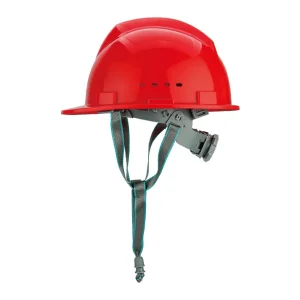
Our safety helmets include adjustable suspension systems with precision-calibrated tension controls, moisture-wicking sweatbands with antimicrobial properties, and advanced ventilation structures that optimize airflow without compromising strength. These innovations perform reliably in extreme temperatures and high-humidity environments, keeping workers cool, comfortable, and focused on site operations.
Send Technical InquiryTake a virtual tour of our high-volume production facilities. Witness our quality control testing, polymer synthesis, and fabric sewing processes.

Practical insights and safety recommendations based on real-world industrial accident investigations.
Failure to secure chin straps and harness systems properly is a leading cause of industrial brain injuries. Statistics show that in over 45% of falls from heights, standard safety helmets dislodge before primary impact because of unsecured harness straps.
VIEW DETAILED CASE STUDY →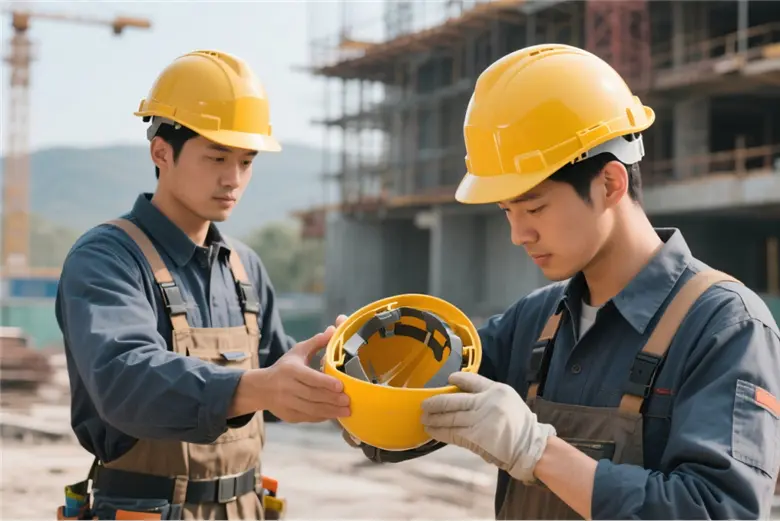
Unauthorized drilling of ventilation holes compromised a safety helmet's structural integrity. During a construction project in Fujian, a worker seeking relief from the heat drilled holes in his shell. Shortly after, a falling concrete block struck the helmet, which fractured along the drilled holes, leading to severe injuries.
VIEW DETAILED CASE STUDY →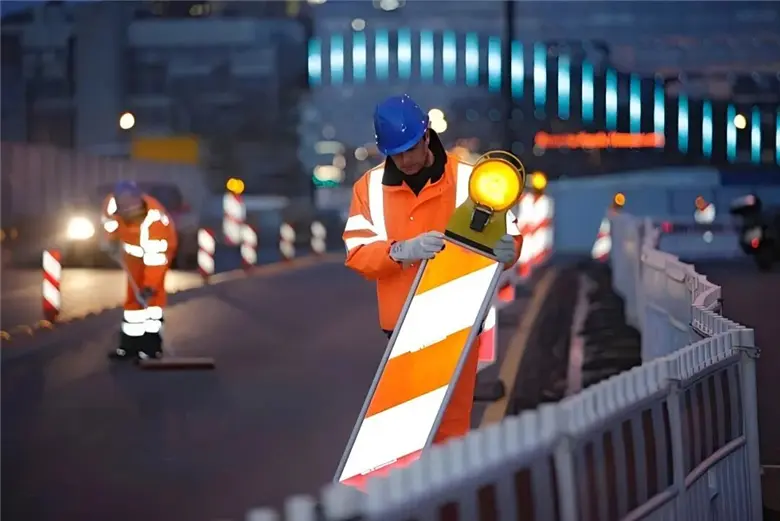
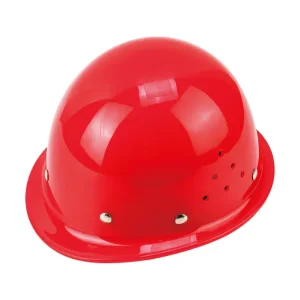
These incidents highlight that PPE procurement requires both durable products and clear training protocols. Industrial safety helmets must never be modified by drilling, heat-treatment, or chemical alterations. Vests must be kept clean, and worn retroreflective tape should be replaced to preserve low-light visibility. Our design team focuses on safety engineering: we integrate cooling channels directly into our helmet designs to prevent unauthorized modification by users looking to stay cool.
Why Fortune 500 construction companies and industrial groups select Linyi Xintuo as their exclusive PPE vendor.
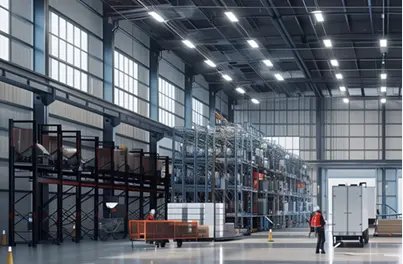
Our safety gear is designed to meet or exceed international safety standards, including CE, ANSI, and EN. We deploy automated spectrophotometer checks on all high-visibility yellow and orange fabrics.
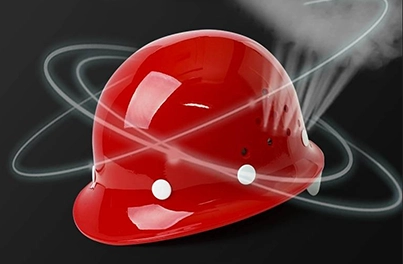
We leverage advanced material science, utilizing fiberglass composites and high-impact polymers that offer superior strength-to-weight ratios compared to traditional PVC or HDPE materials.

We provide comprehensive after-sales support, including batch trackability, material declarations, technical guidance, and maintenance schedules, to ensure uninterrupted safety for end-users.

Our research and development team collaborates closely with clients to offer custom designs, including logo screen printing, heat transfer, custom pockets, and custom shell colors.
Connecting with global safety distributors at international exhibitions to build reliable distribution channels.
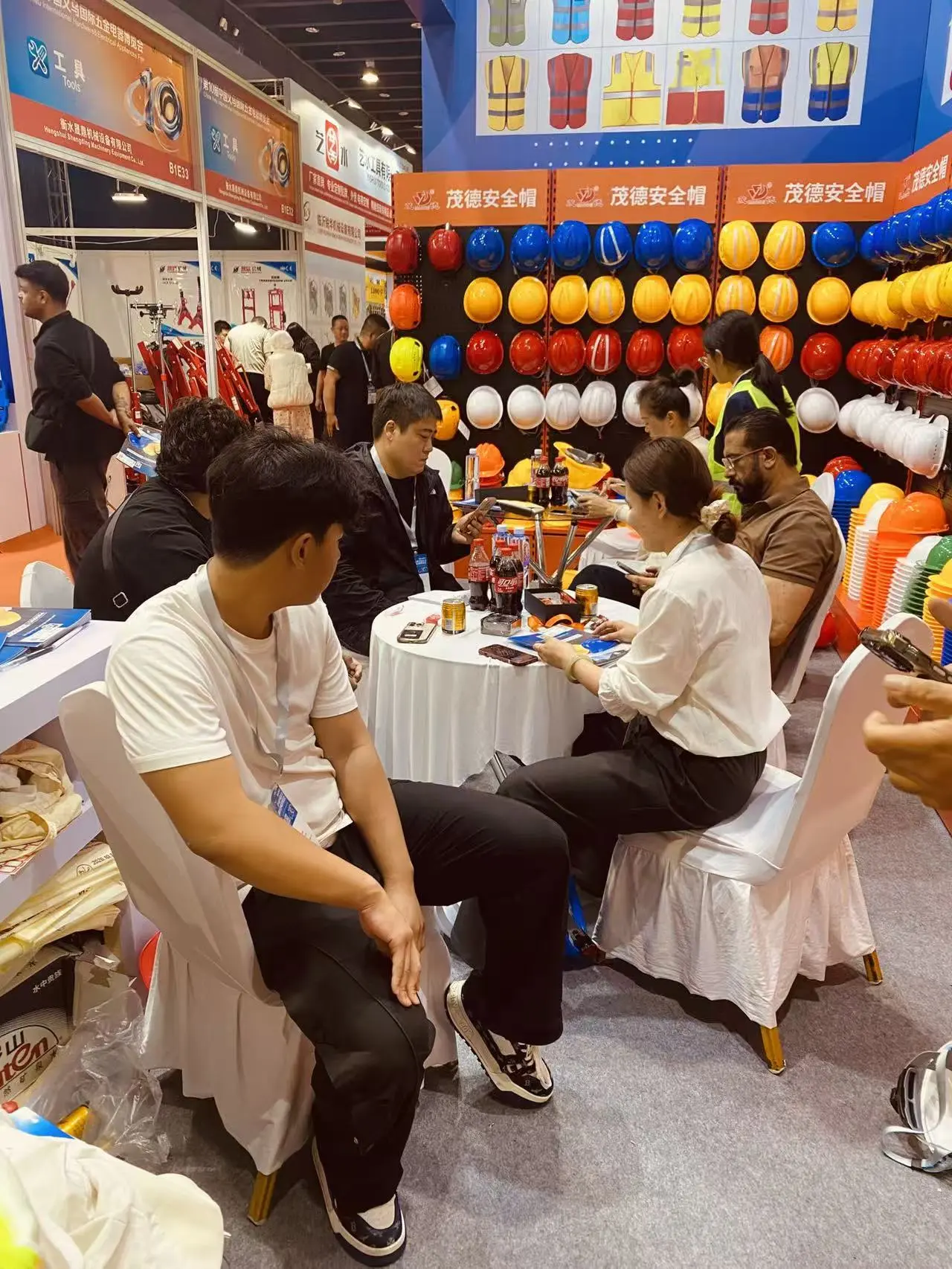
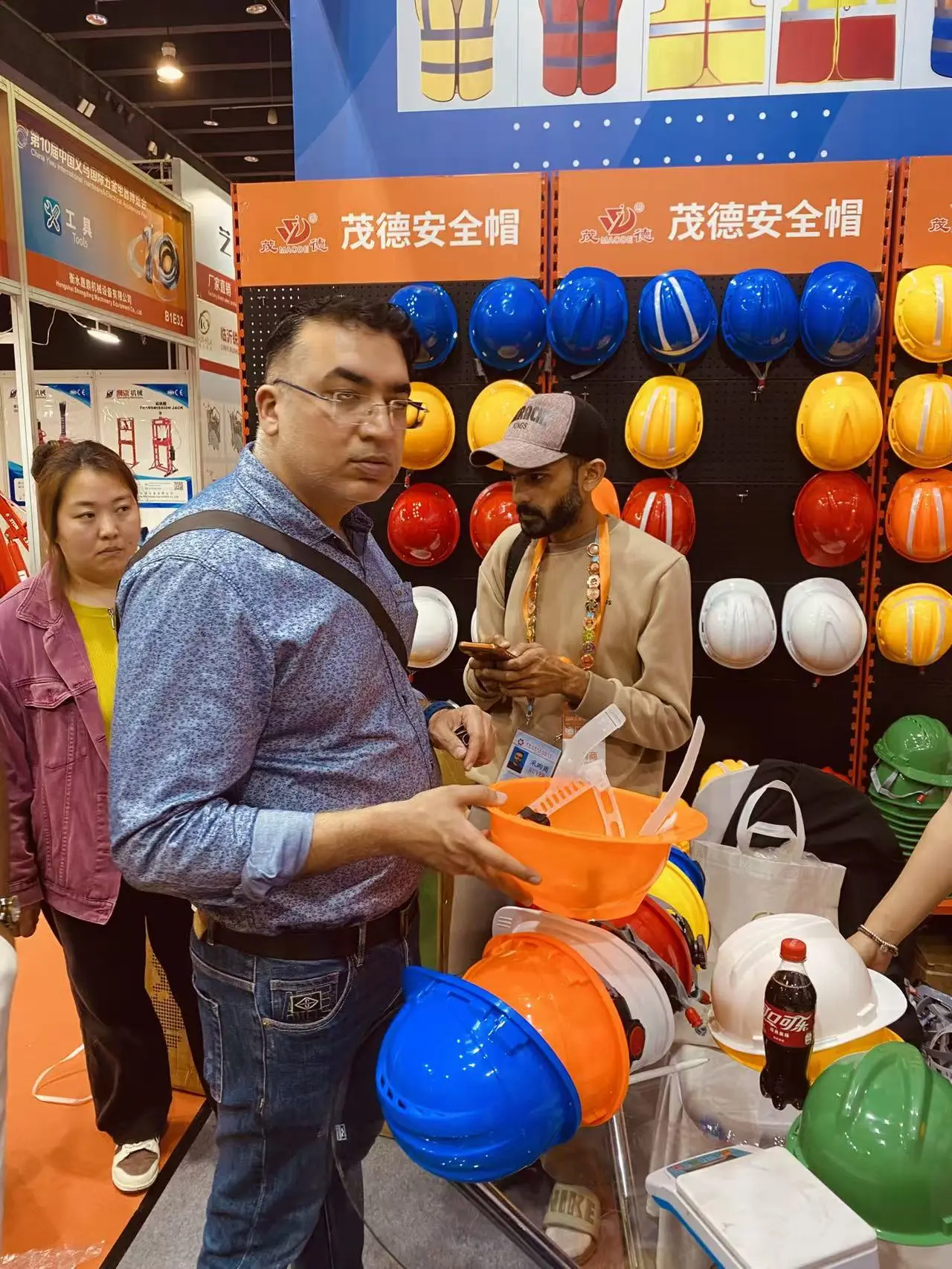
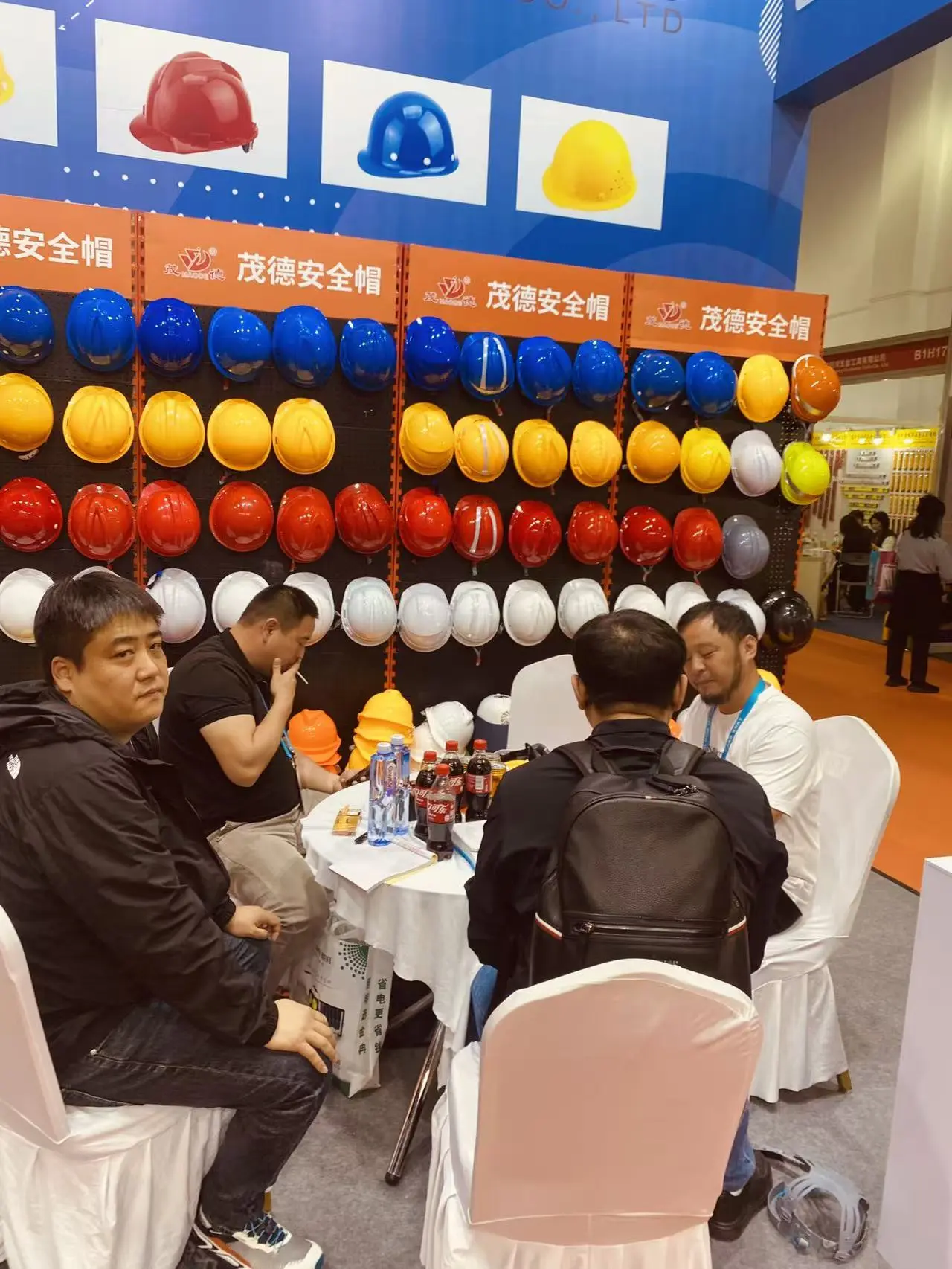
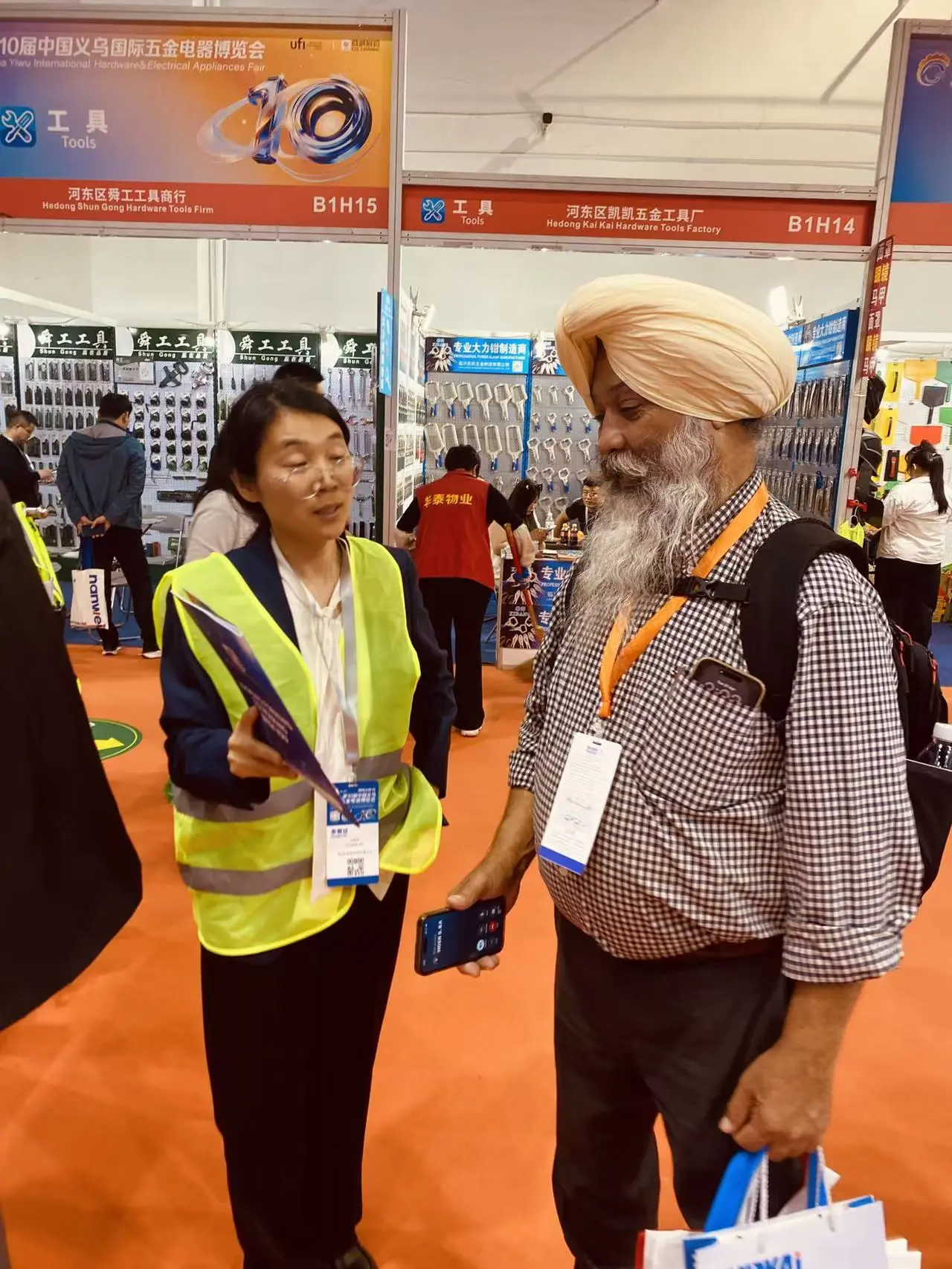
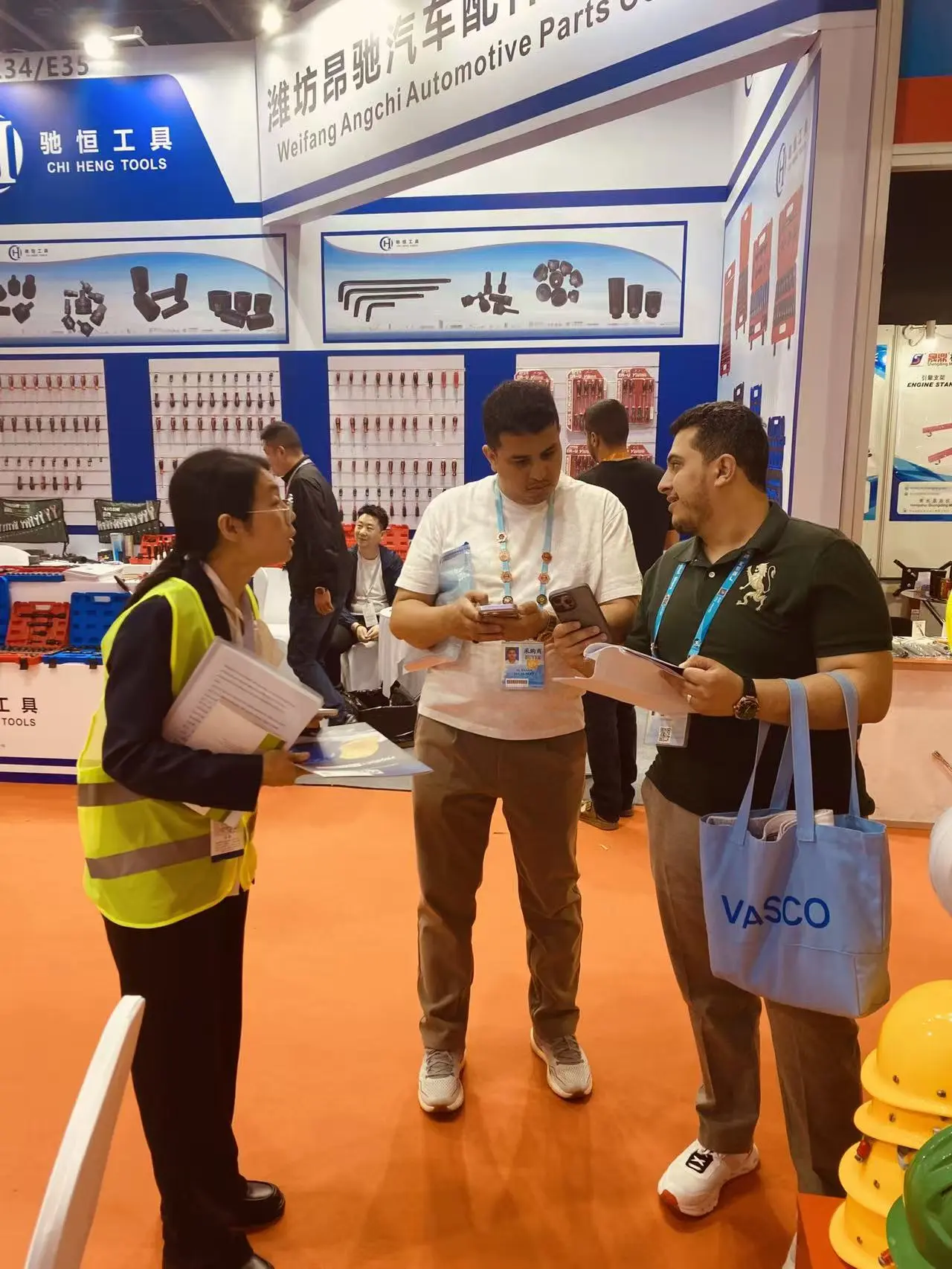
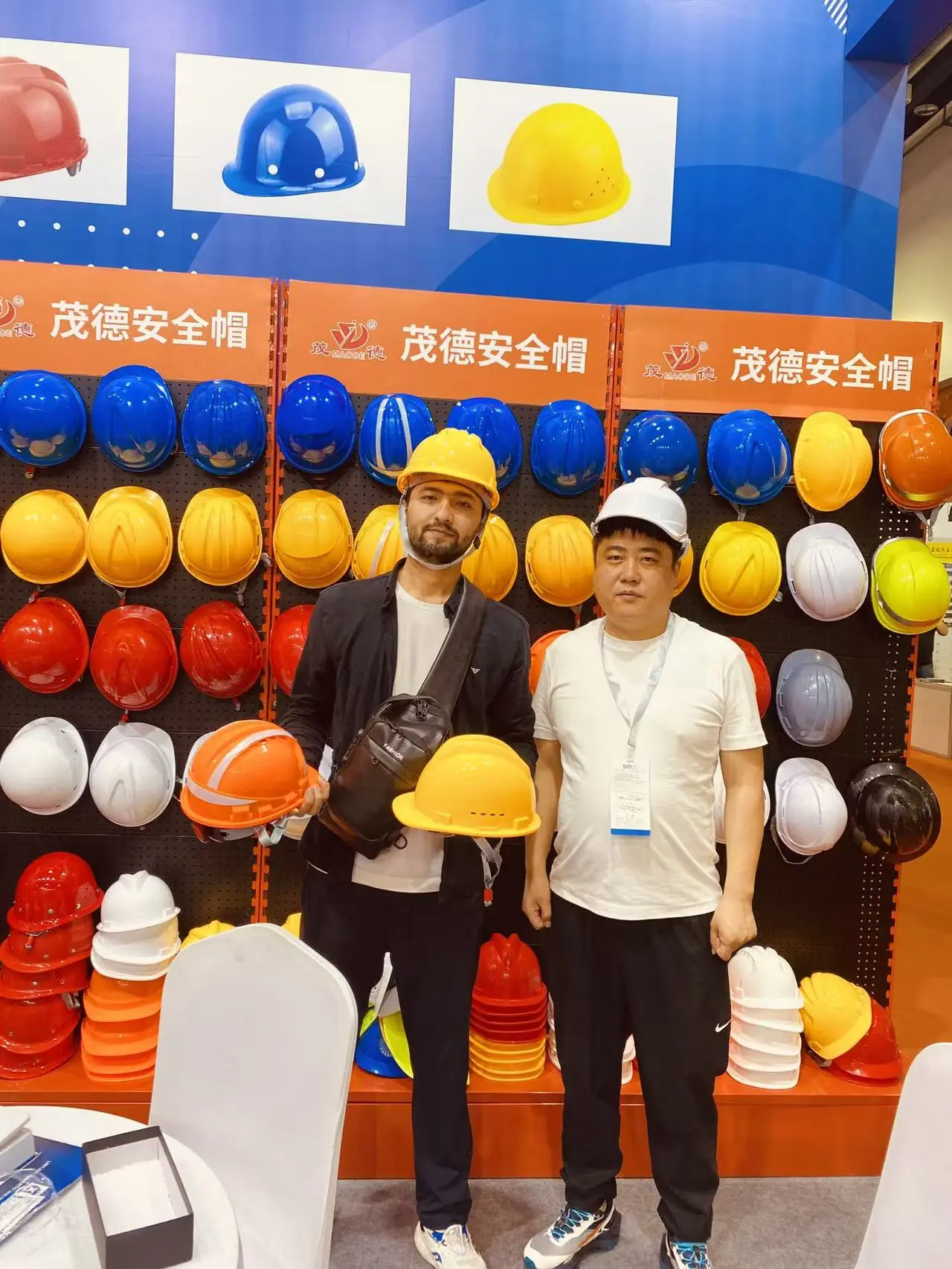
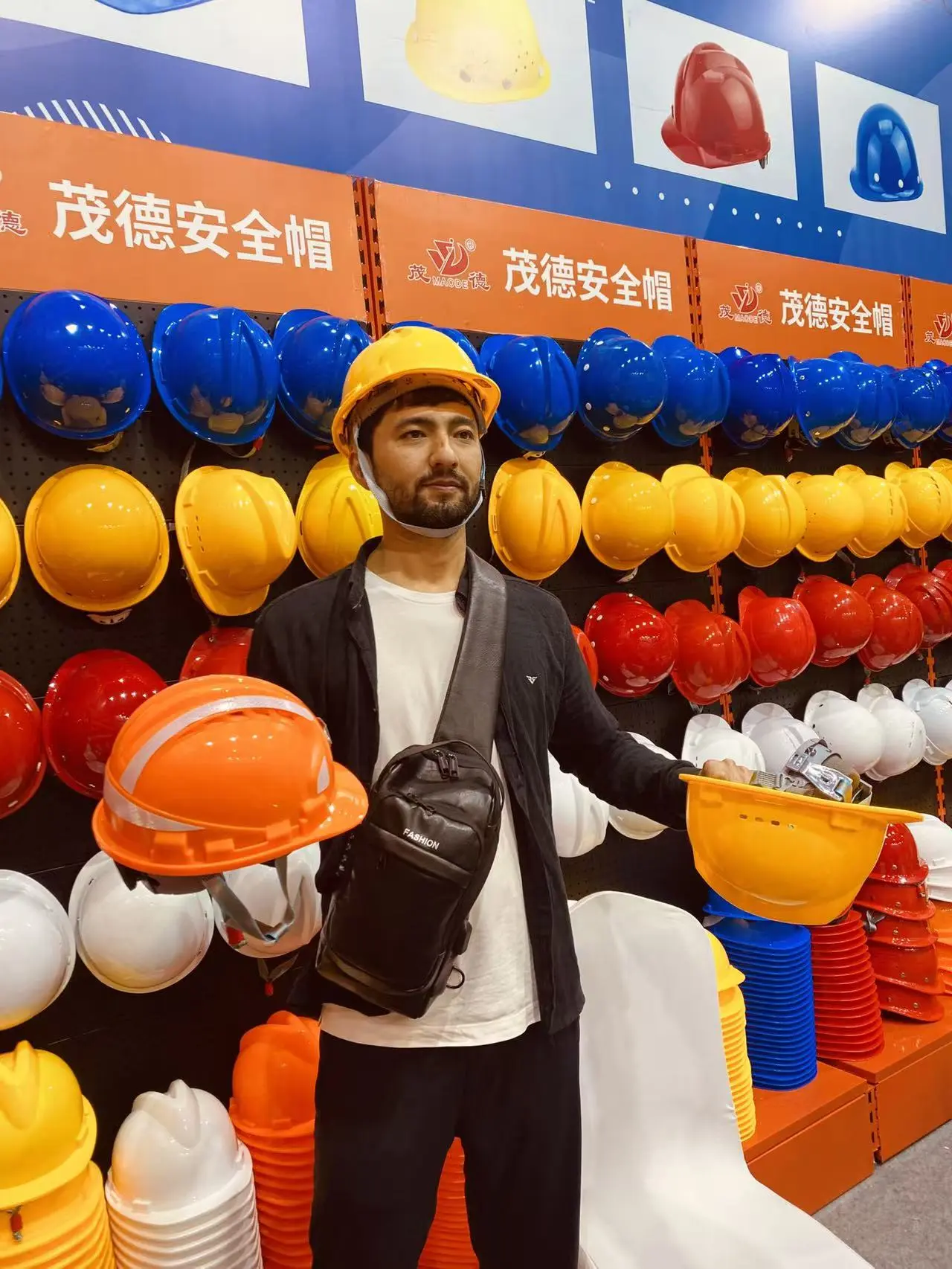
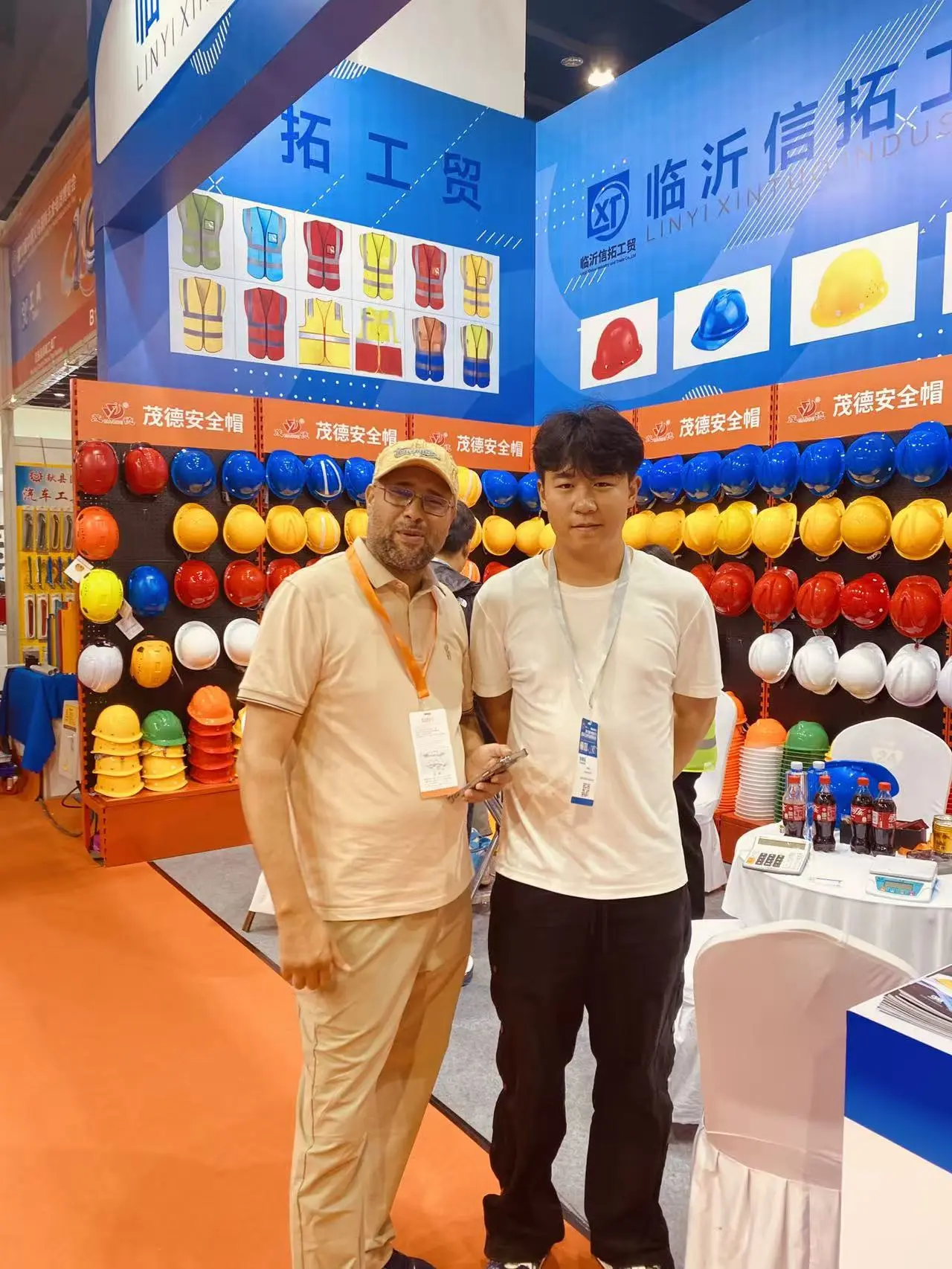
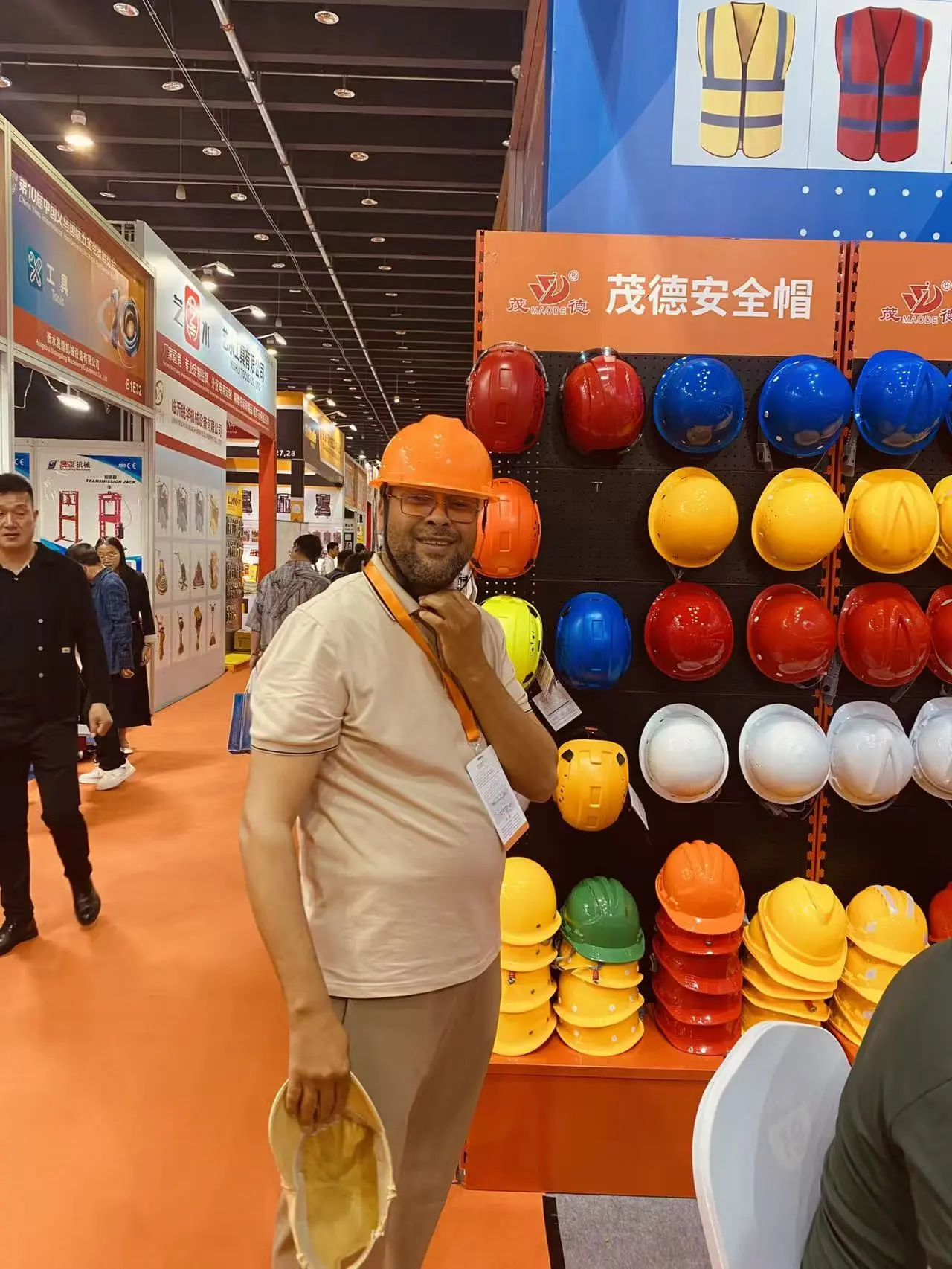
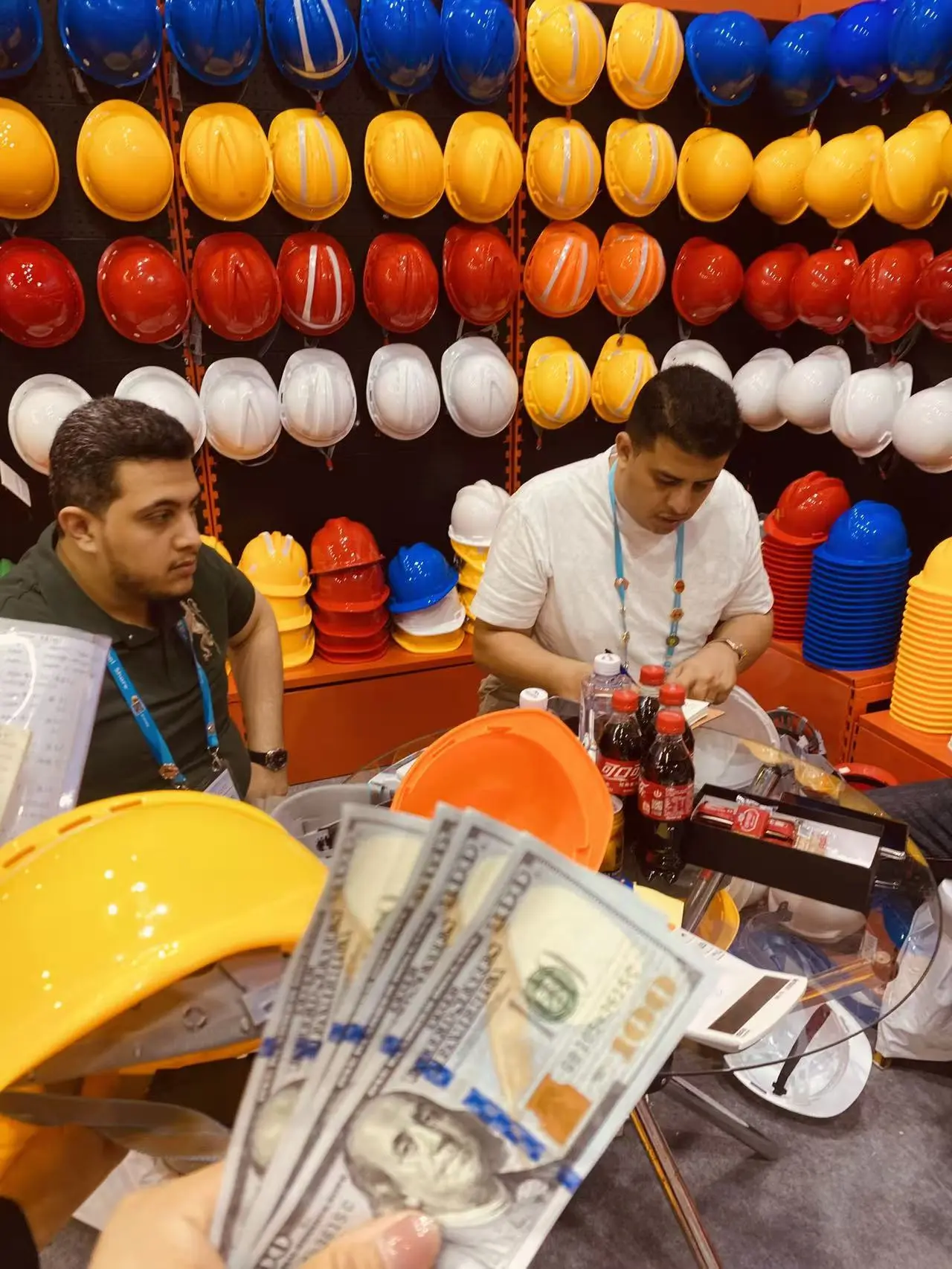
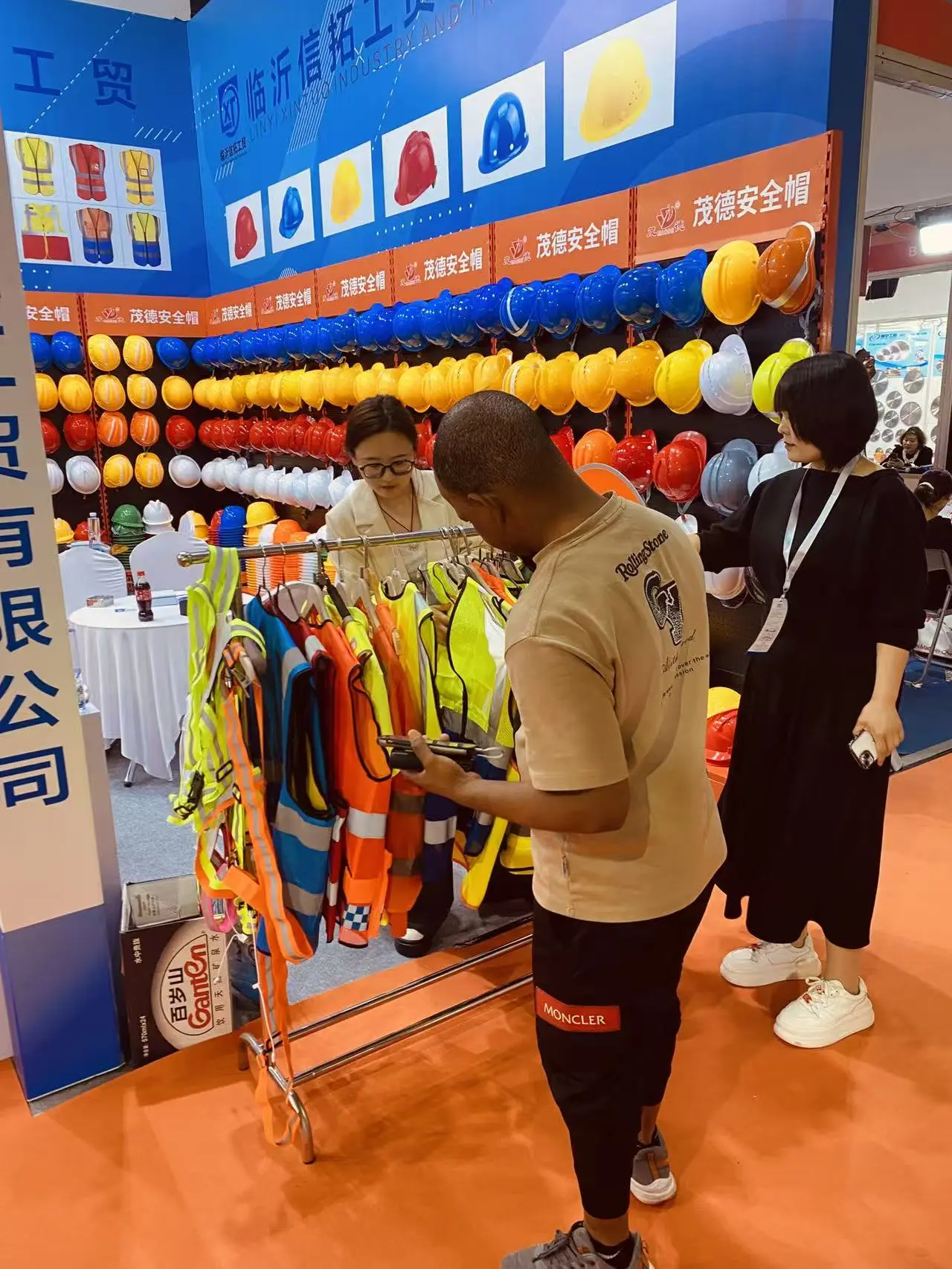
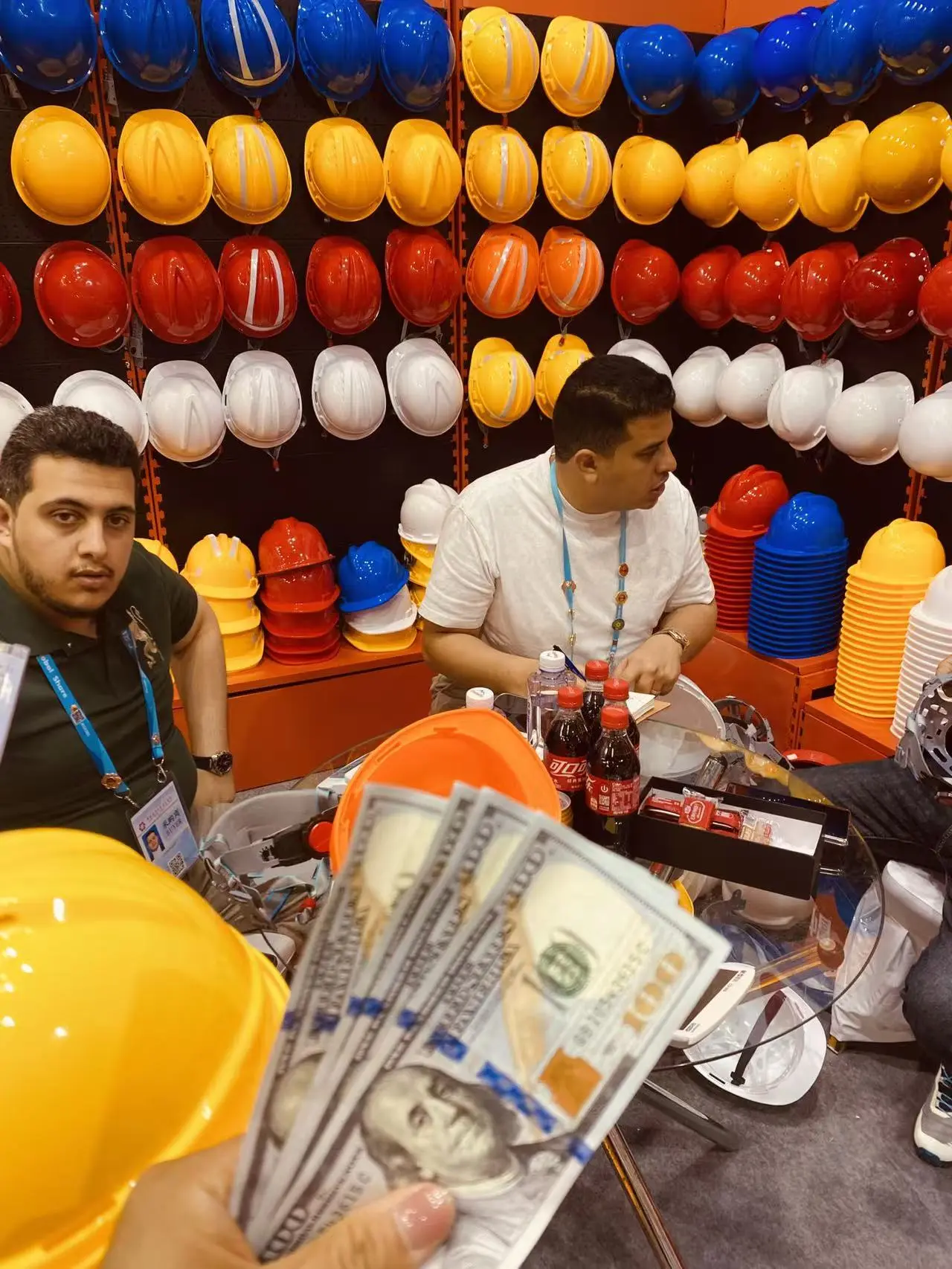
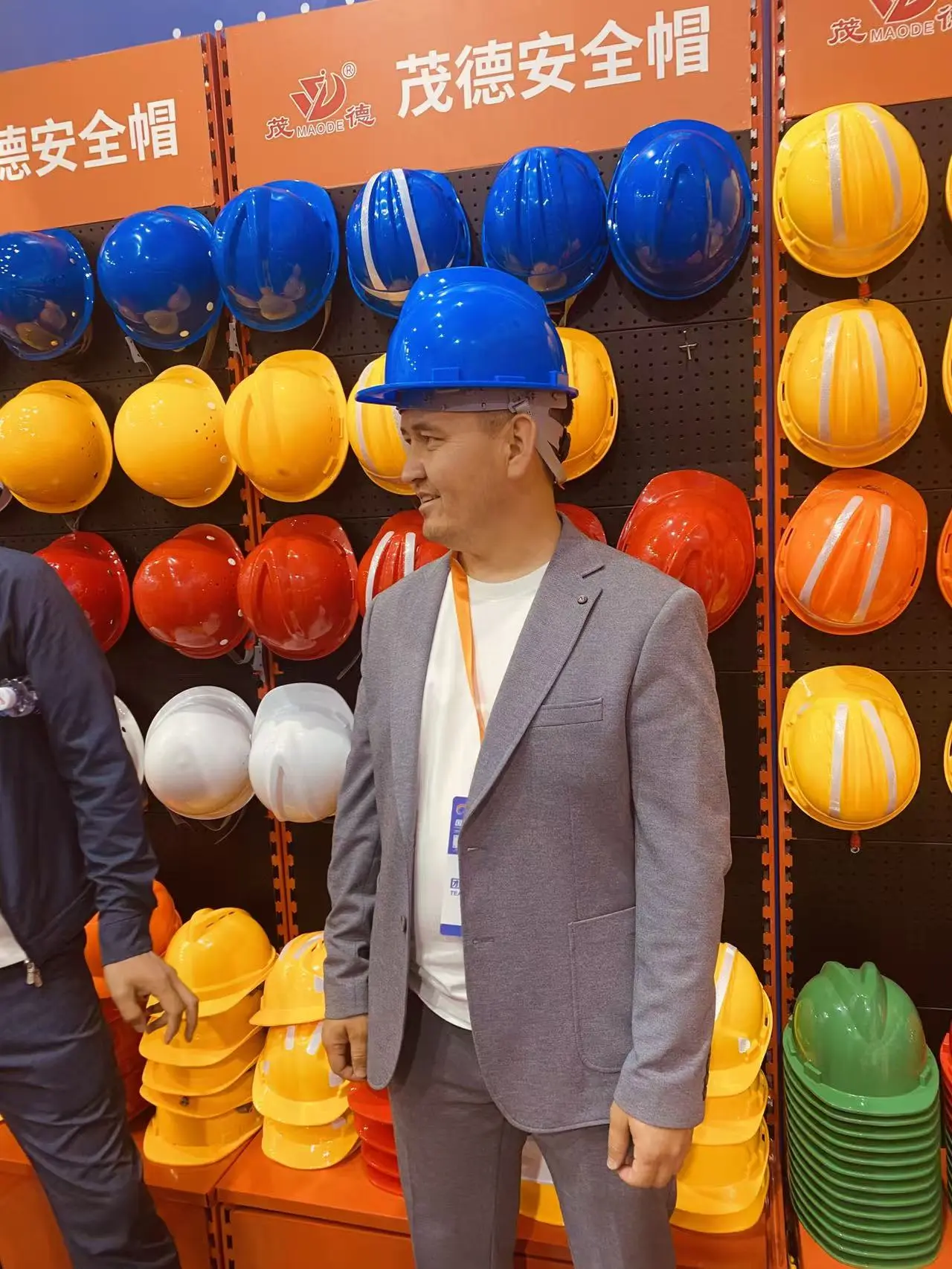
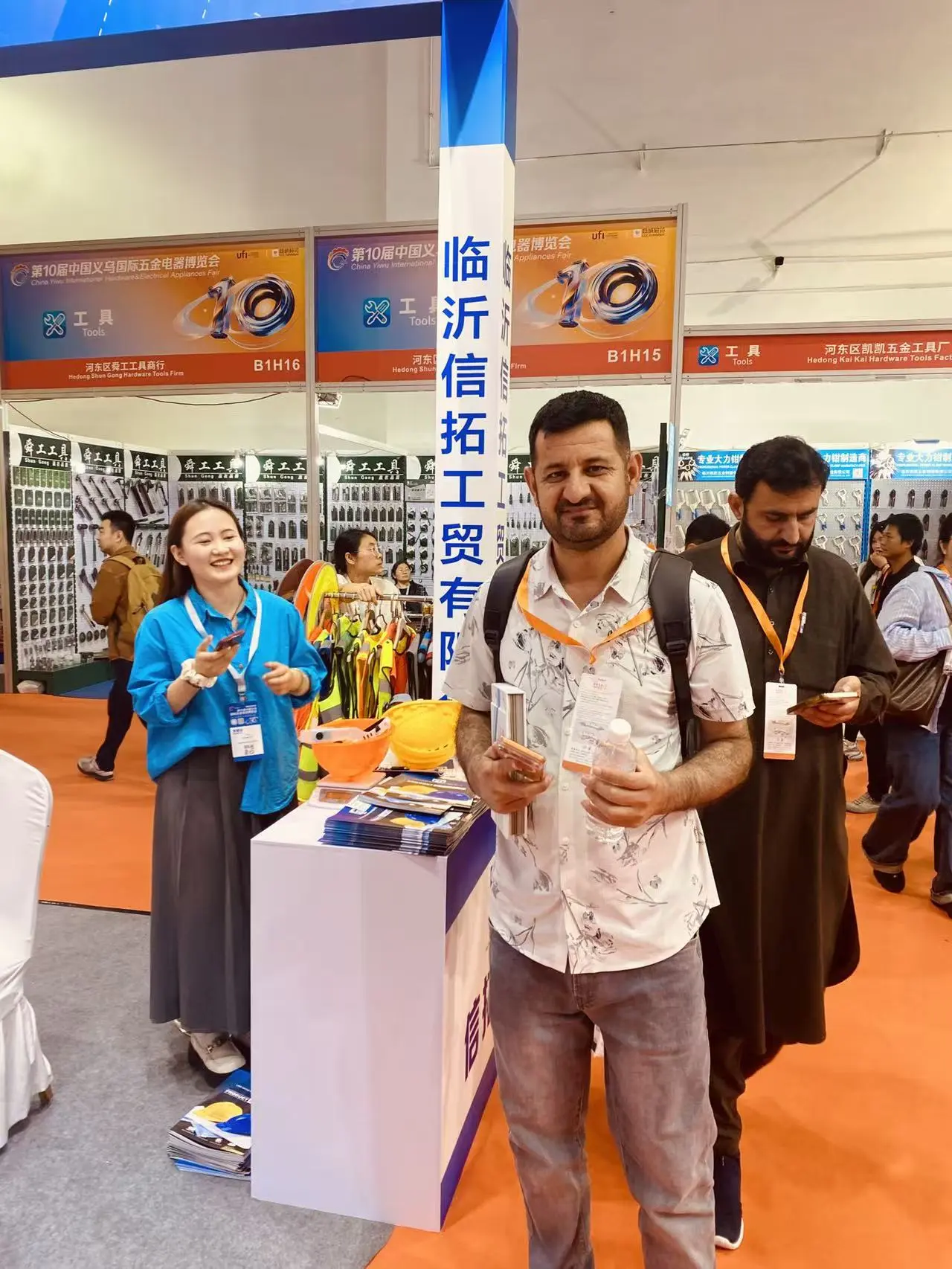
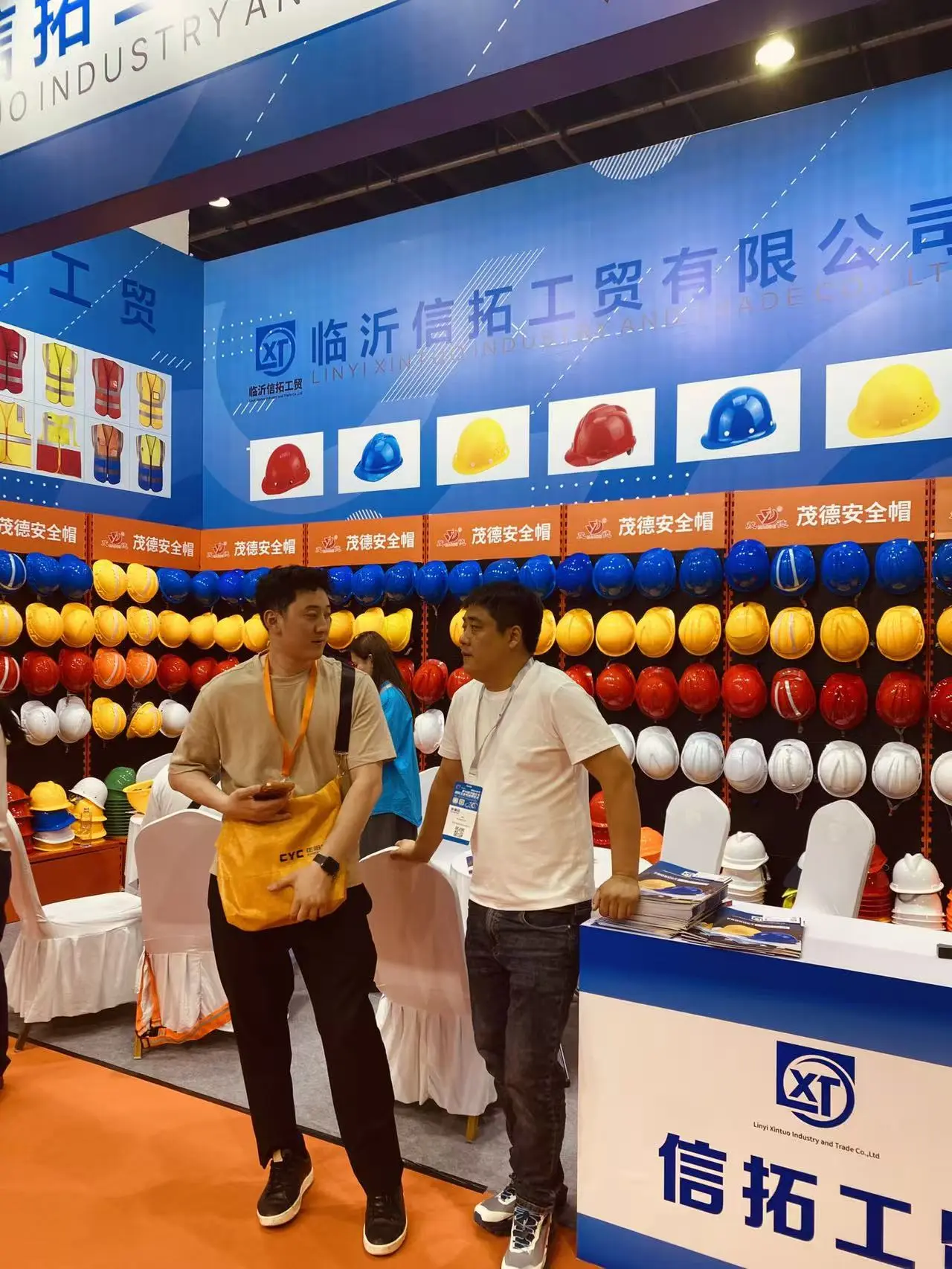
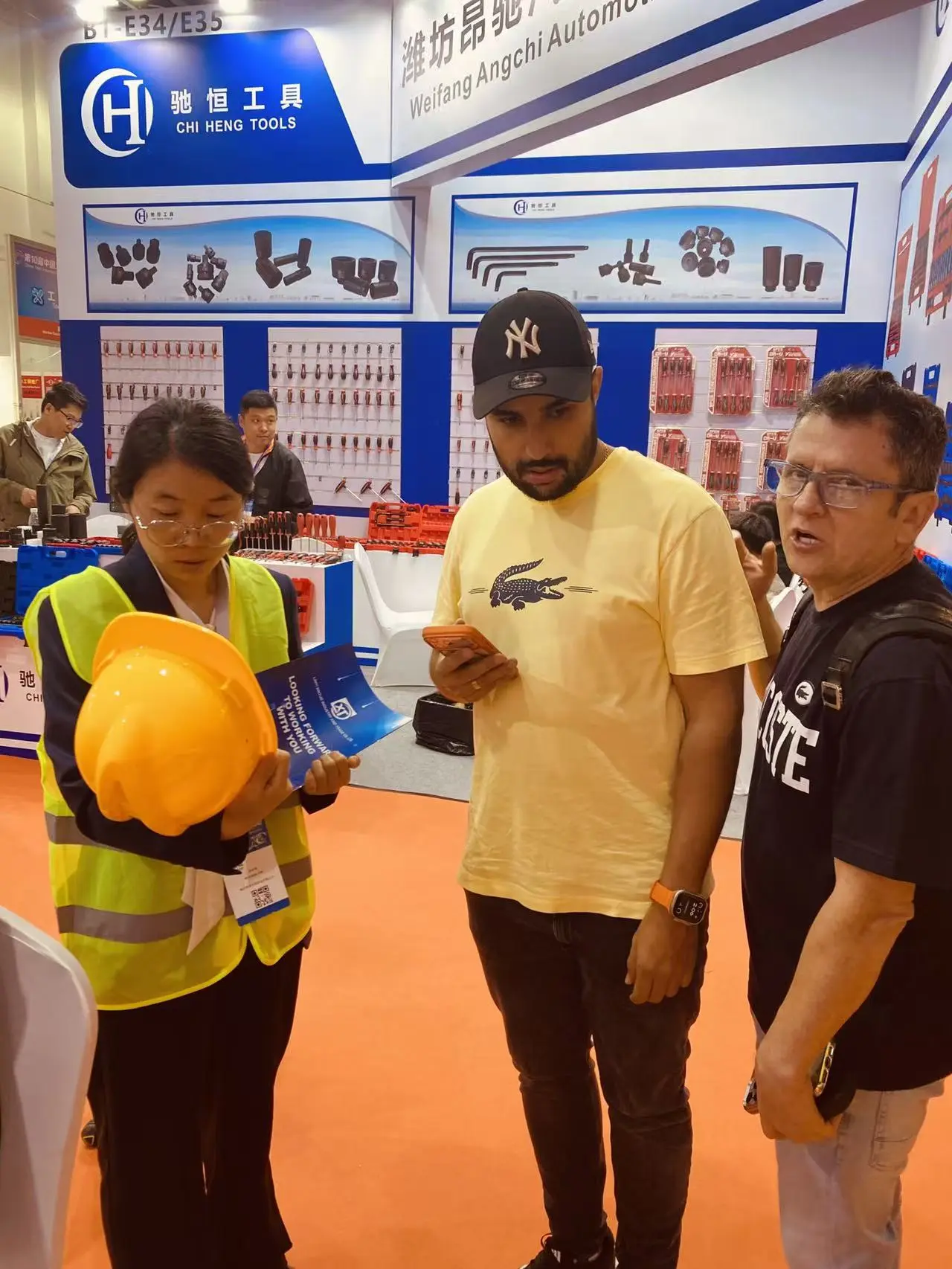
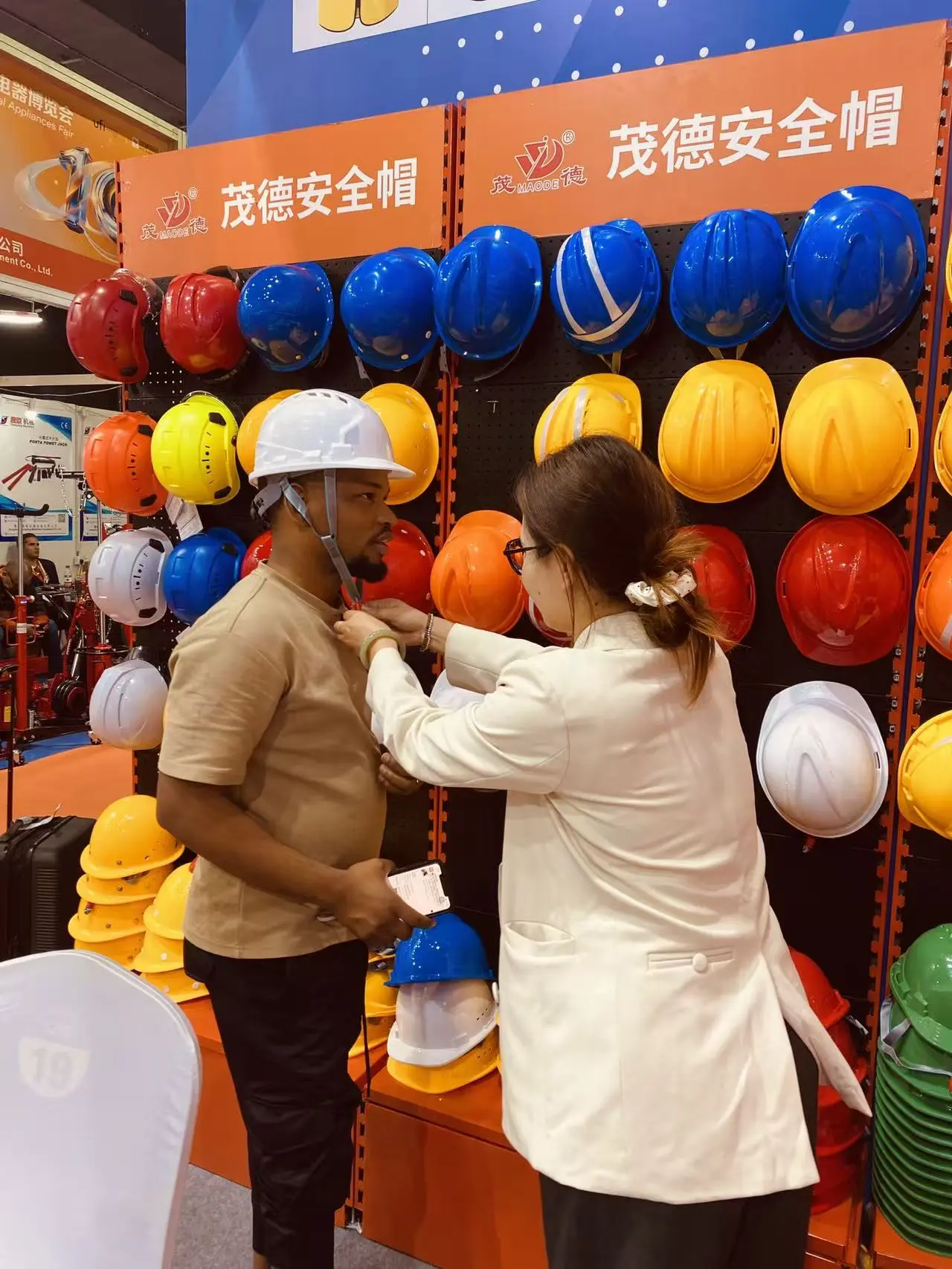
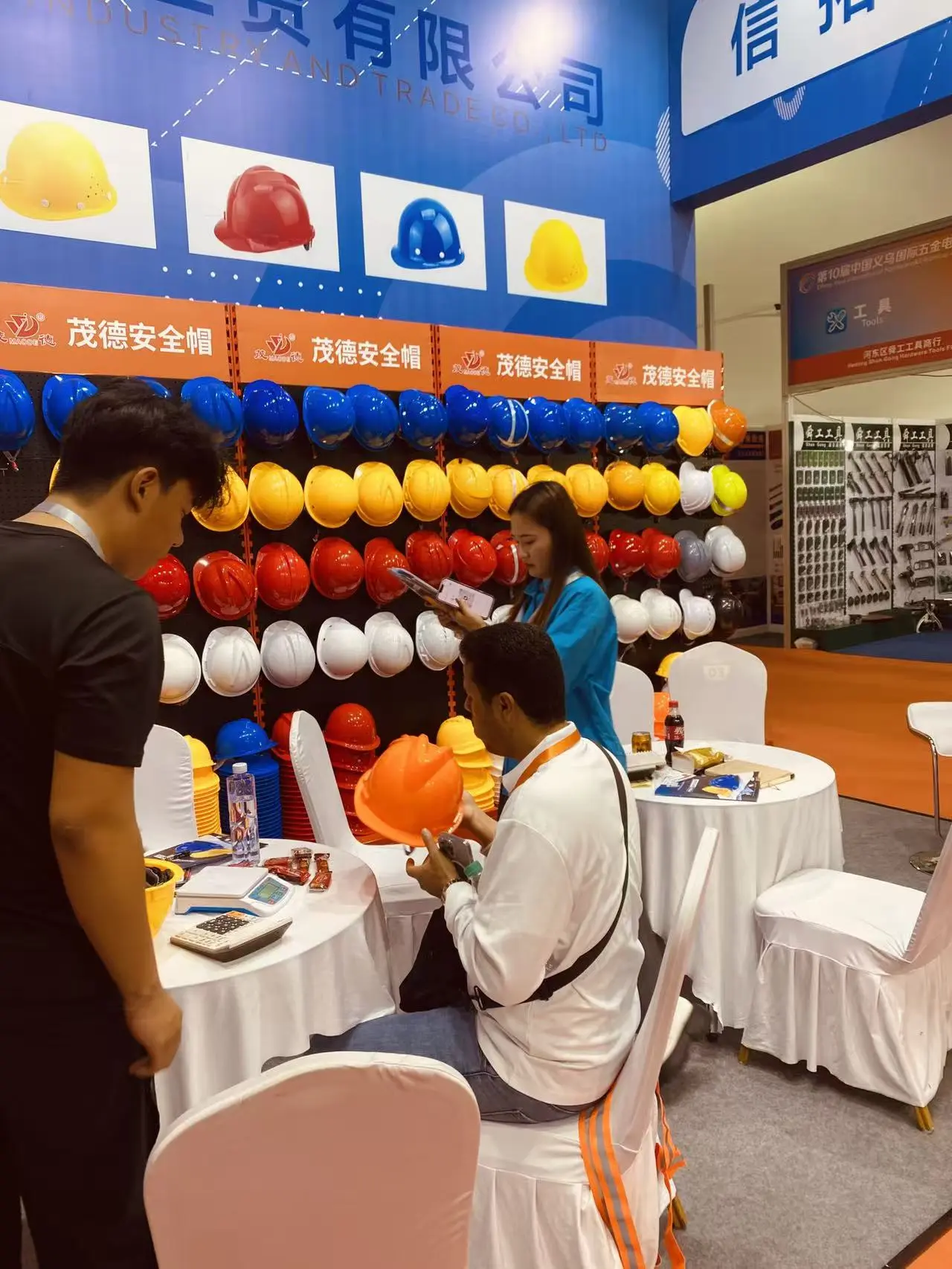
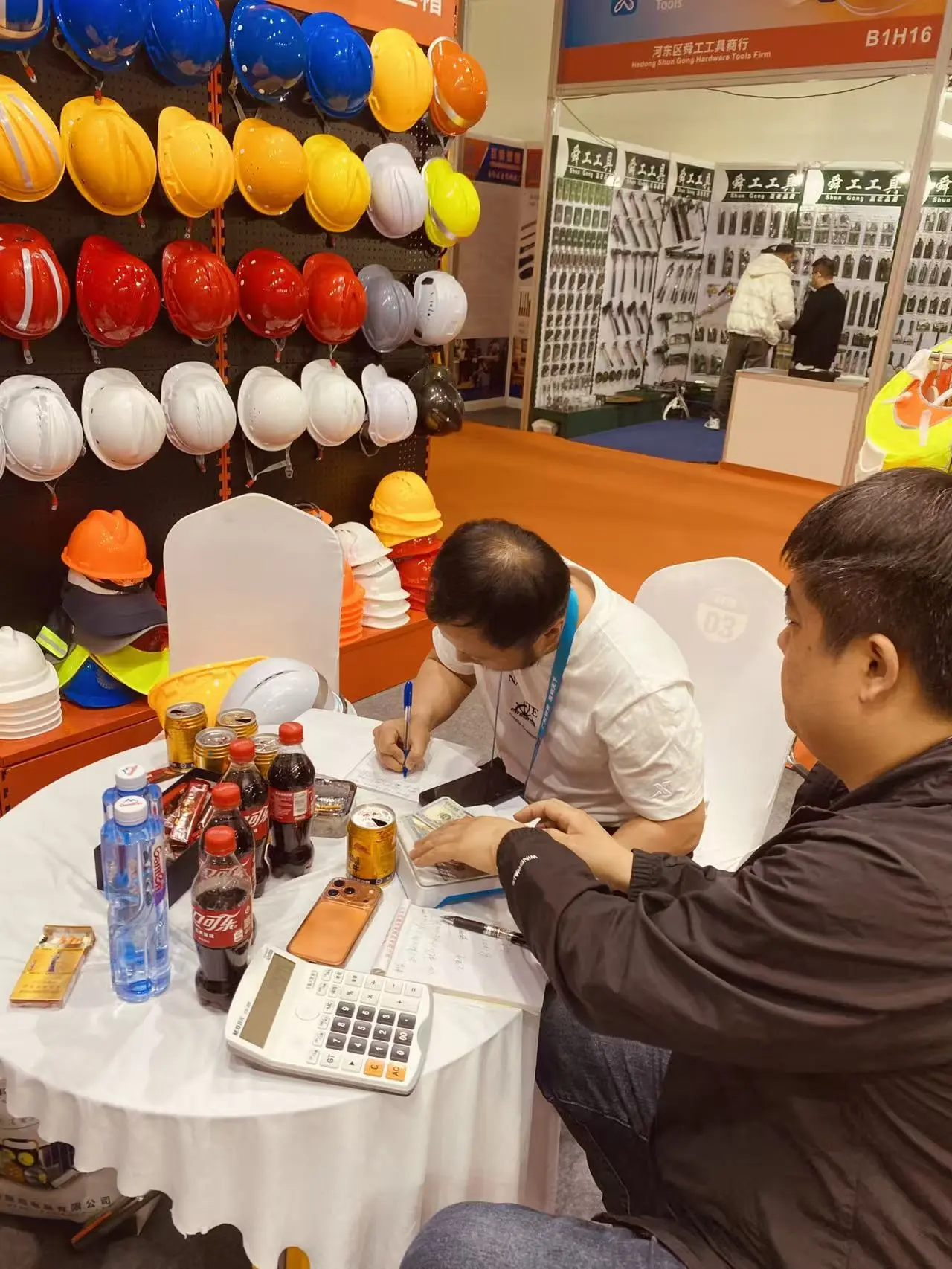
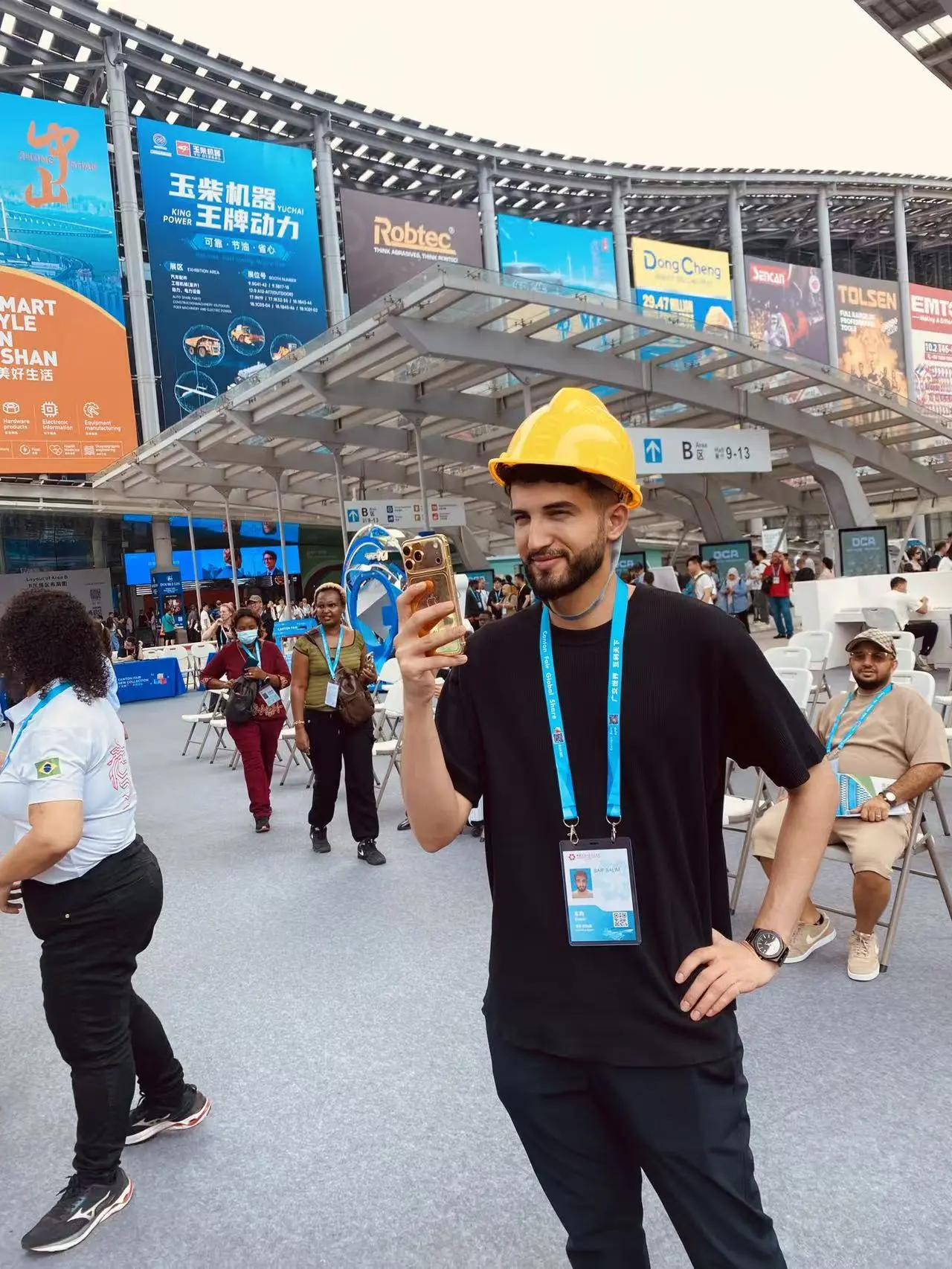
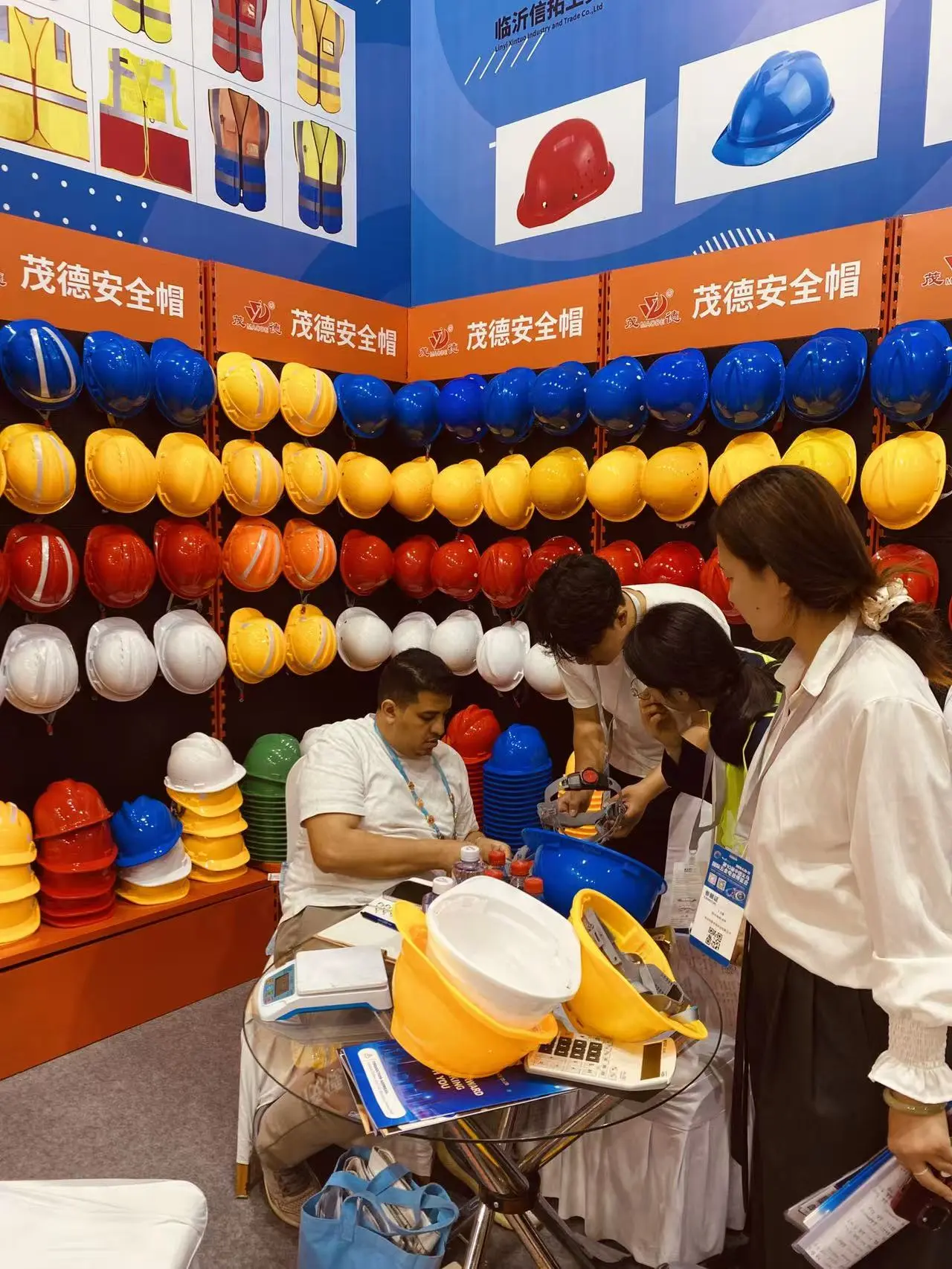
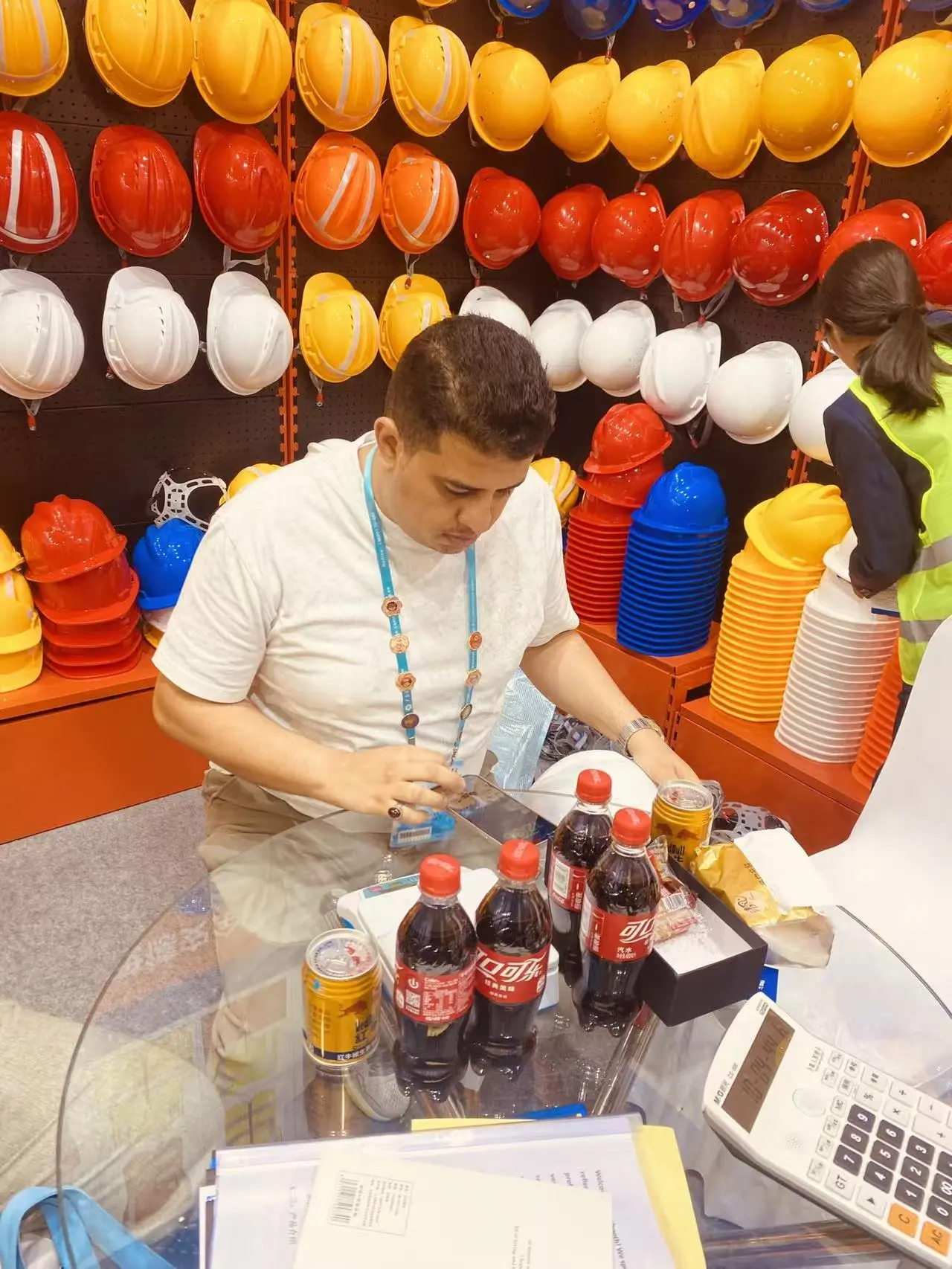
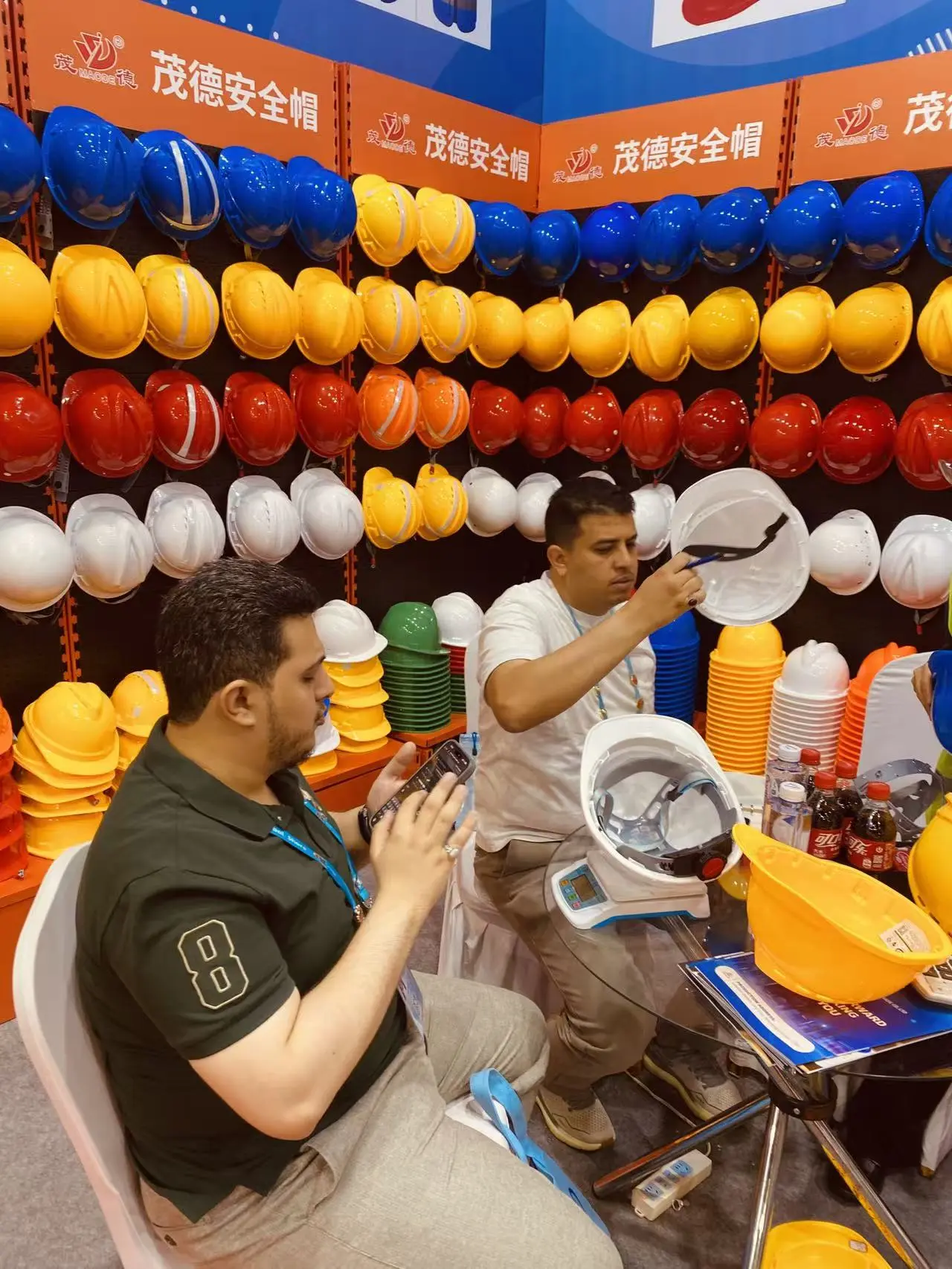
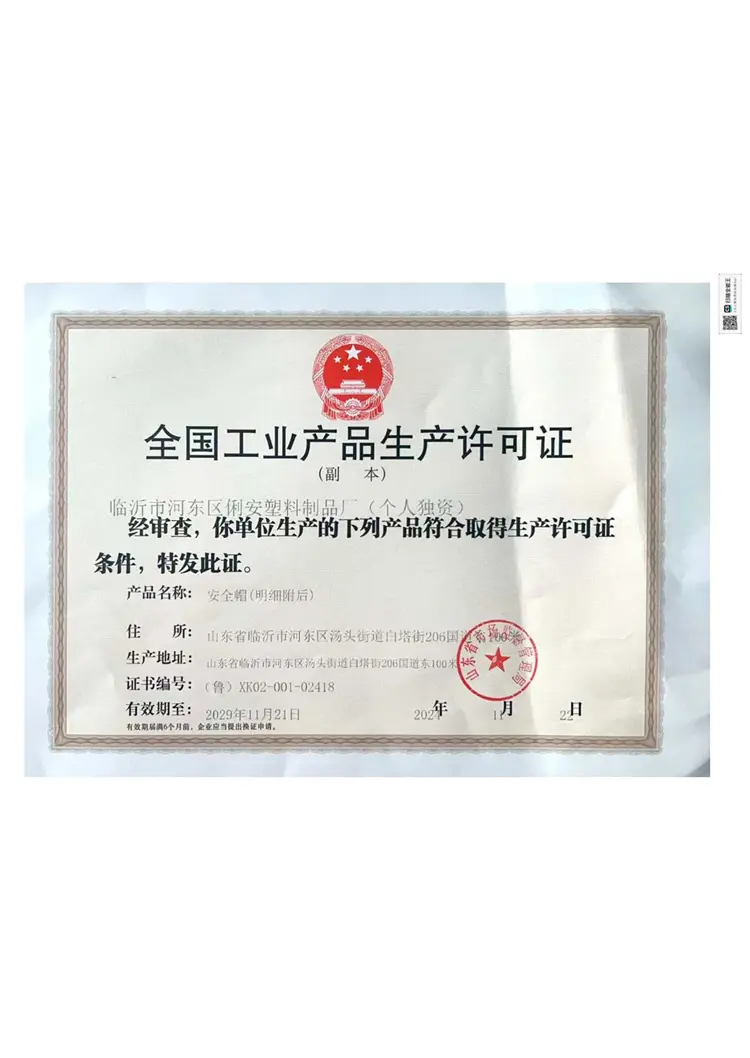
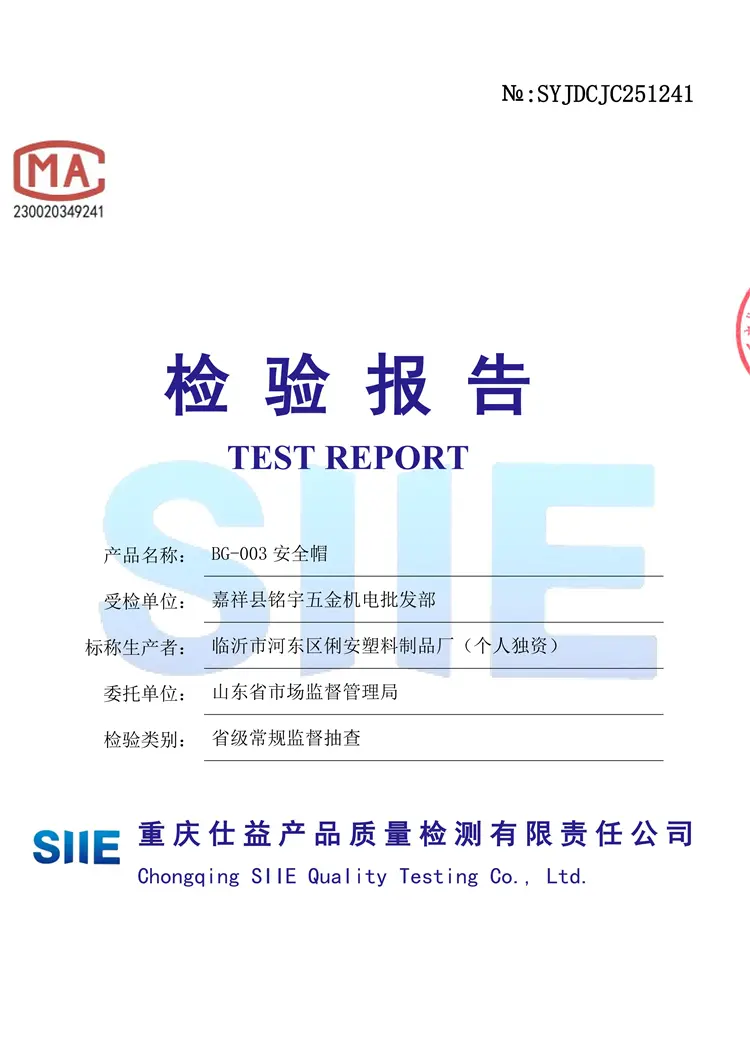
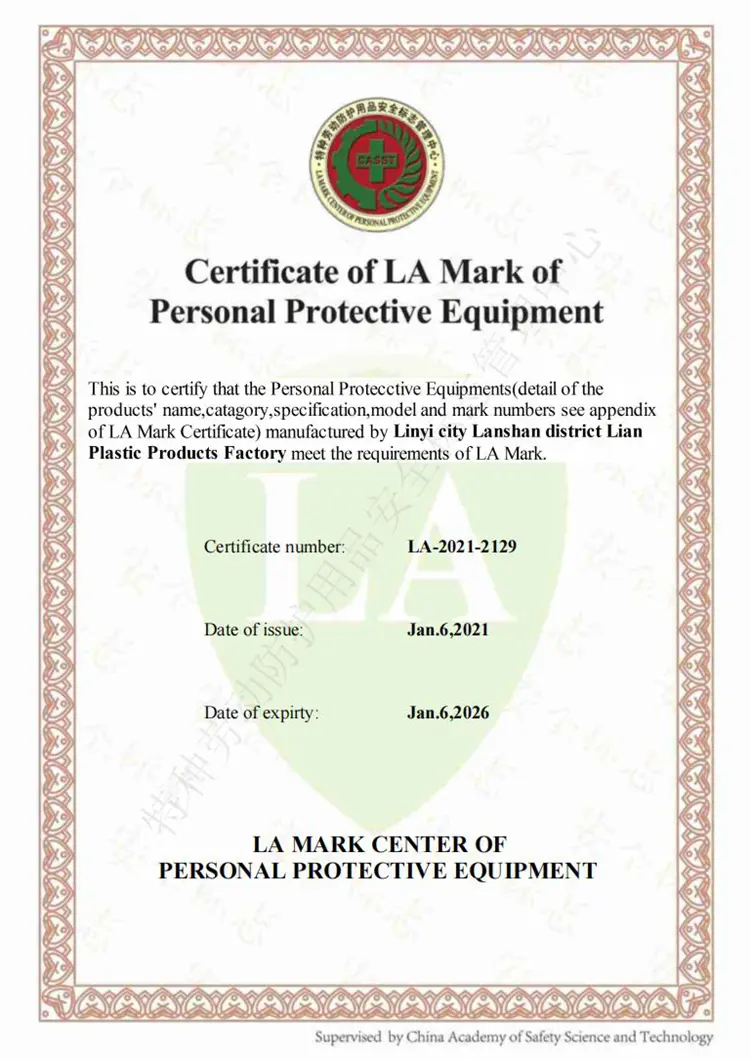
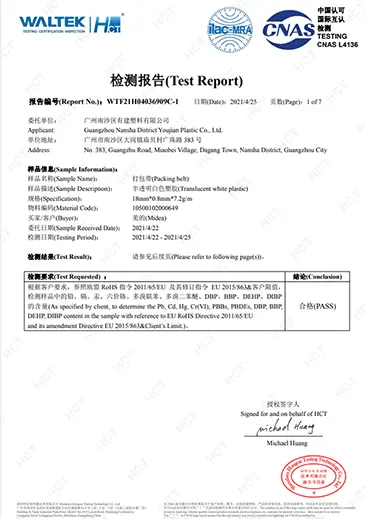
Connecting with global safety distributors, industrial procurement networks, and logistics providers.














Explore our specialized industrial materials, reinforcing fibers, and safety equipment components.

Resolving technical queries regarding product design, OEM/ODM processes, international compliance, and lead times.
Compare our specialized breathable mesh vests, industrial protective hats, and lightweight safety equipment models.
 Xintuo