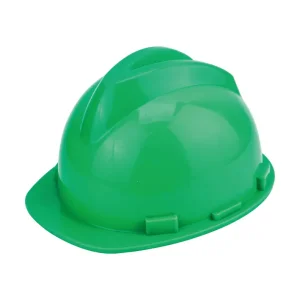
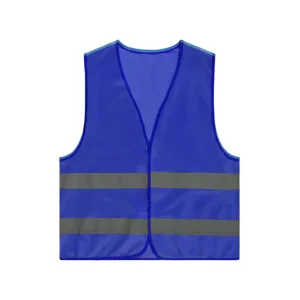
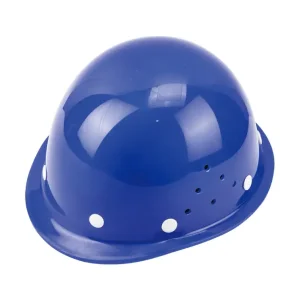
High-Performance Safety Solutions Manufactured to Global Standards: Supporting Industrial, Construction, and High-Risk Infrastructure Projects Worldwide.
Premium Personal Protective Equipment engineered with advanced material science to ensure compliance with strict safety directives.
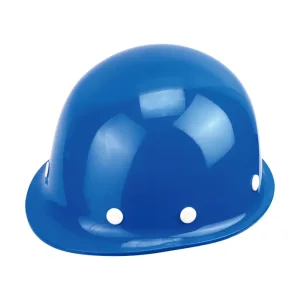
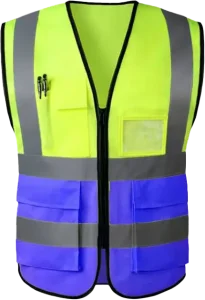
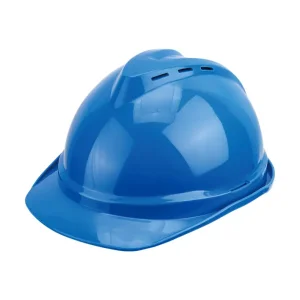
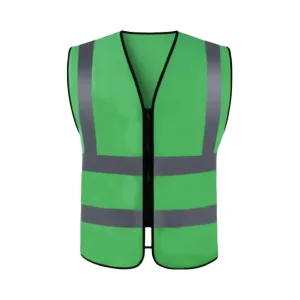
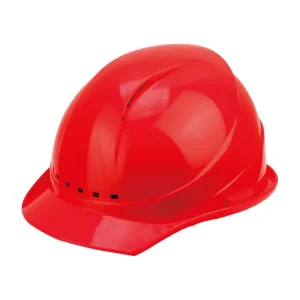
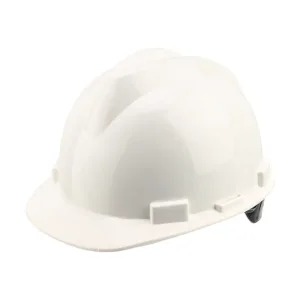
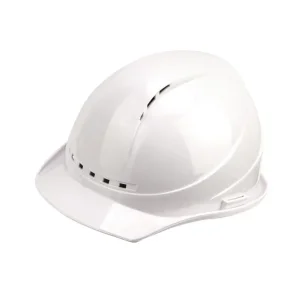
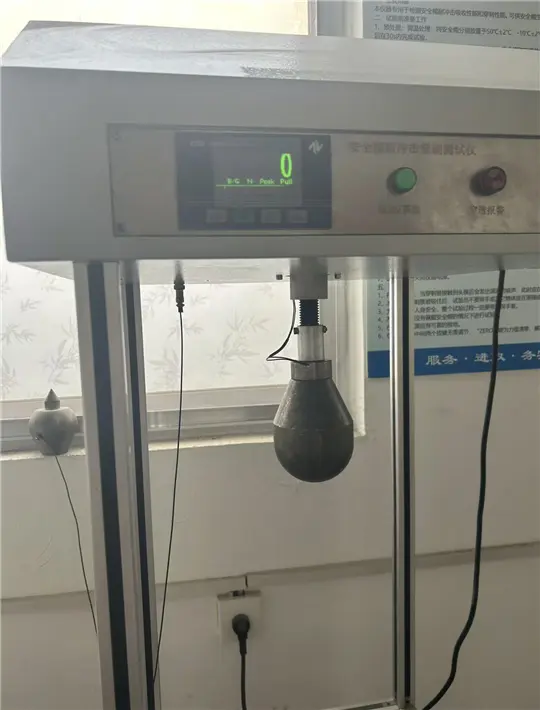
Linyi Xintuo Industry and Trade Co., Ltd. is a leading modern enterprise based in China, specializing in the research, development, engineering, and manufacturing of high-performance safety helmets, reflective belt safety vests, and comprehensive labor protection equipment. Driven by our corporate mission of continuous innovation, we consistently invest in advanced automated production machinery, physical testing laboratories, and high-caliber product design teams.
Our standardized operations align with certified ISO 9001:2015 quality frameworks, ensuring structural consistency, exact retroreflective performance, and uniform safety compliance across all production batches. Furthermore, Linyi Xintuo operates under strict eco-friendly models, using recyclable polymers, low-emission colorants, and energy-conserving processes to shrink environmental footprints while sustaining rapid turnaround times.

Analyzing why sourcing high-visibility safety clothing from specialized Chinese factories provides unparalleled performance, cost, and logistics benefits.
Global supply chains in high-risk sectors (such as petroleum, heavy engineering, and international port management) require extreme supply resilience. China's industrial clusters for personal protective equipment (PPE)—specifically centered in manufacturing zones like Shandong—offer unparalleled operational benefits:
Direct proximity to synthetic fiber mills, hardware suppliers, and retroreflective film chemical plants dramatically minimizes logistics times and raw-material costs.
Our production facilities utilize automated stitching networks, computer-guided pattern cutting, and high-frequency thermal welding to ensure perfect seam integrity.
We work in unison with premier international laboratories (SGS, TUV, Intertek) to test and certify reflective belt safety vests for EN ISO 20471 and ANSI/ISEA 107 compliance.
By consolidating production stages under one roof, Linyi Xintuo provides OEM/ODM clients with cost-optimized supply channels. This structure allows us to offer custom design elements—such as custom pocket sizes, quick-release hook-and-loop fasteners, and integrated ID badges—without compromising shipment timelines.
In high-visibility workwear engineering, performance is defined by two primary safety components: the background fluorescent fabric and the retroreflective materials. The synergy between these elements determines the protective class under international safety norms.
Traditional safety vests use glass bead retroreflective tape. While functional, they disperse light over broad angles, reducing overall brightness at extreme distances. Modern safety programs demand microprismatic technology. Microprismatic retroreflectors consist of millions of small three-sided prisms aligned on a flexible polymer film. When light hits a prism, it bounces off the three internal walls and returns directly back to the source (e.g., vehicle headlights), achieving coefficient values exceeding 500 cd/(lx·m²)—far above traditional glass beads.
Furthermore, our tapes utilize specialized polymer backing layers to resist water ingress. In wet weather conditions, water film buildup can render glass beads ineffective. In contrast, microprismatic safety vests preserve their reflectivity, providing critical visibility in torrential rain and low-light maritime conditions.
Fluorescent fabrics convert non-visible UV radiation into visible light, making the wearer pop during daylight and twilight hours. Standard color configurations serve specific environments:
A safety vest must not restrict a worker's range of motion. Linyi Xintuo integrates ergonomic panels, highly breathable structural meshes, adjustable hook-and-loop straps, and reinforced pocket points to prevent tearing when holding tools, communications devices, or mobile terminals.
Providing custom-designed high-visibility programs that address the unique risk factors of major industrial sectors.
High-abrasion vests featuring dirt-repelling Teflon coatings, reinforced utility pockets, and custom attachments for safety harnesses.
Breathable, lightweight mesh vests designed with quick-release breakaway seams to prevent entanglement in automated conveyor belts.
Vests constructed with anti-static and flame-retardant (FR) treated fabrics to safeguard workers against spark risks in volatile zones.
The high-visibility garment market is transitioning from passive protection to active hazard mitigation. Industry leaders are focusing on three key safety trends:
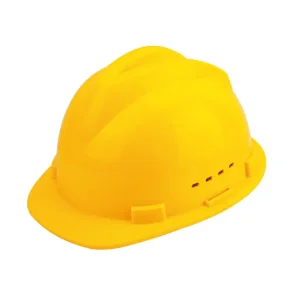
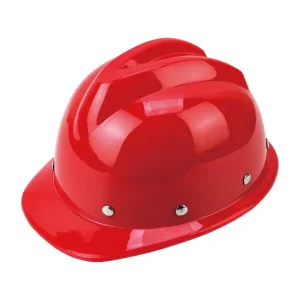
Explore our certified safety gear designed to withstand heavy wear, harsh chemicals, and extreme weather conditions.
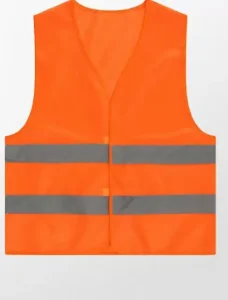
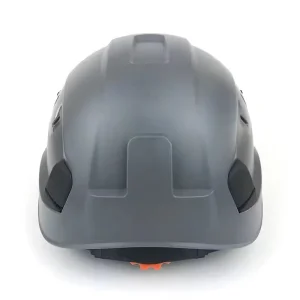
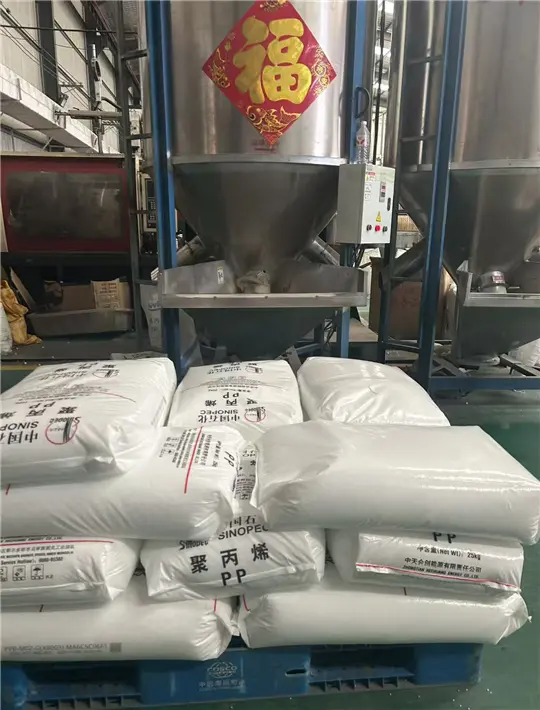
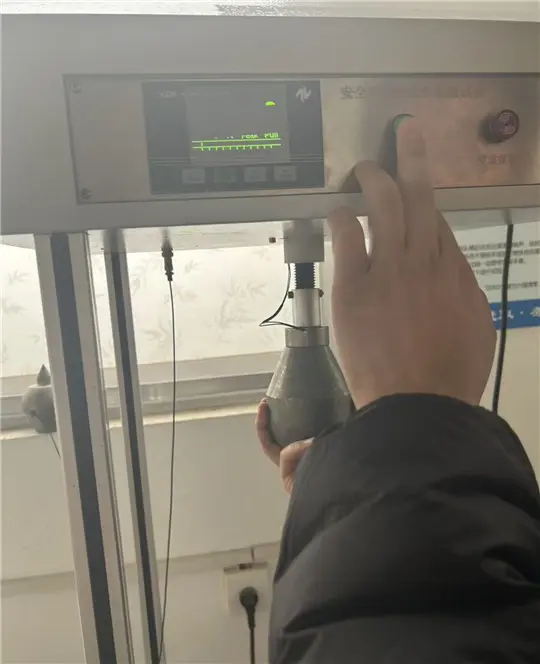
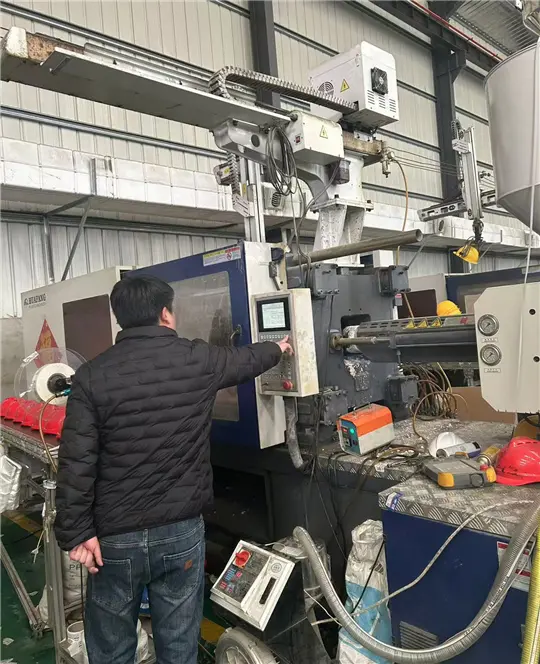
Visualizing our manufacturing precision, automated workflows, and standardized safety compliance testing.
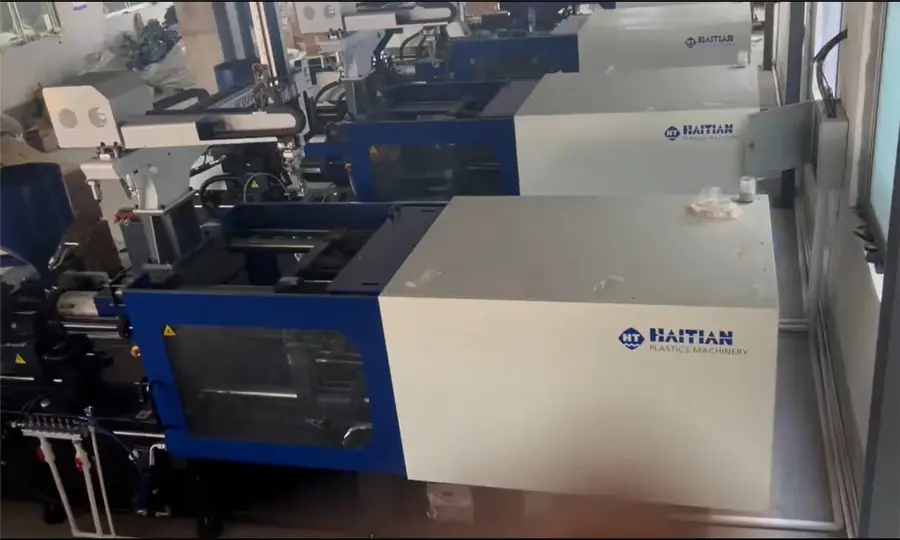

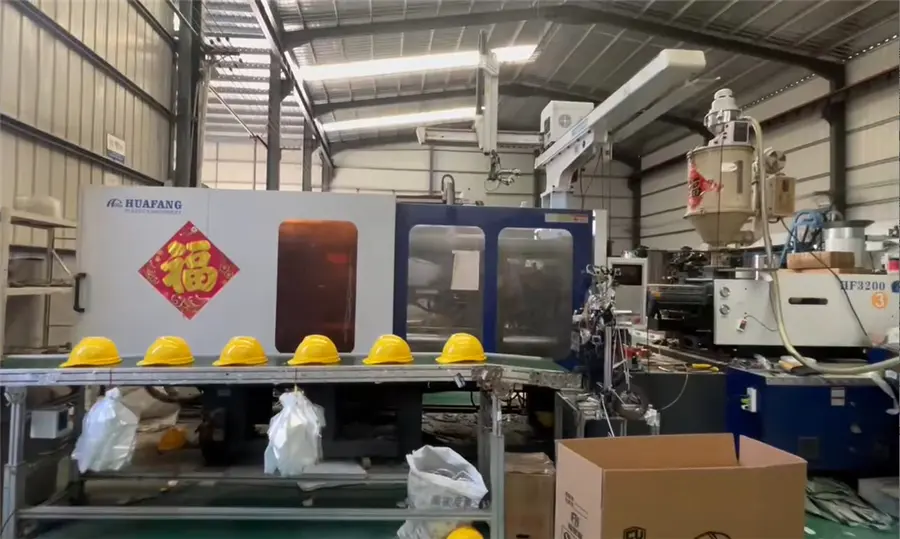
Our safety vests and industrial hard hats are certified to meet or exceed strict international safety regulations.
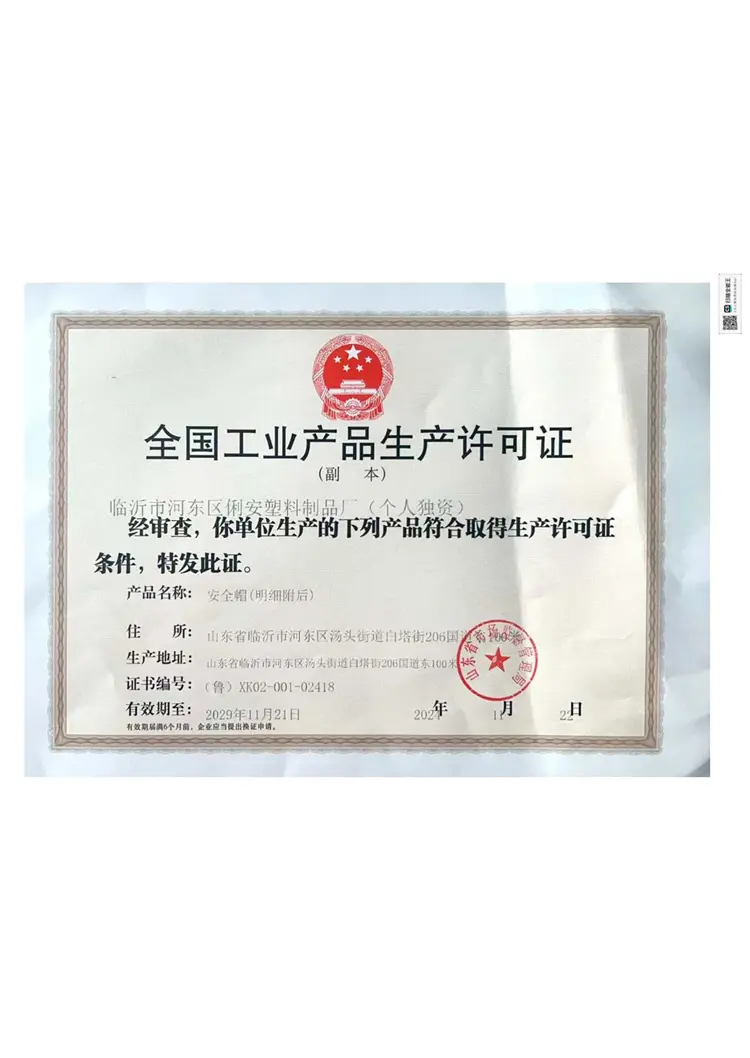
ISO 9001 Quality System Certificate
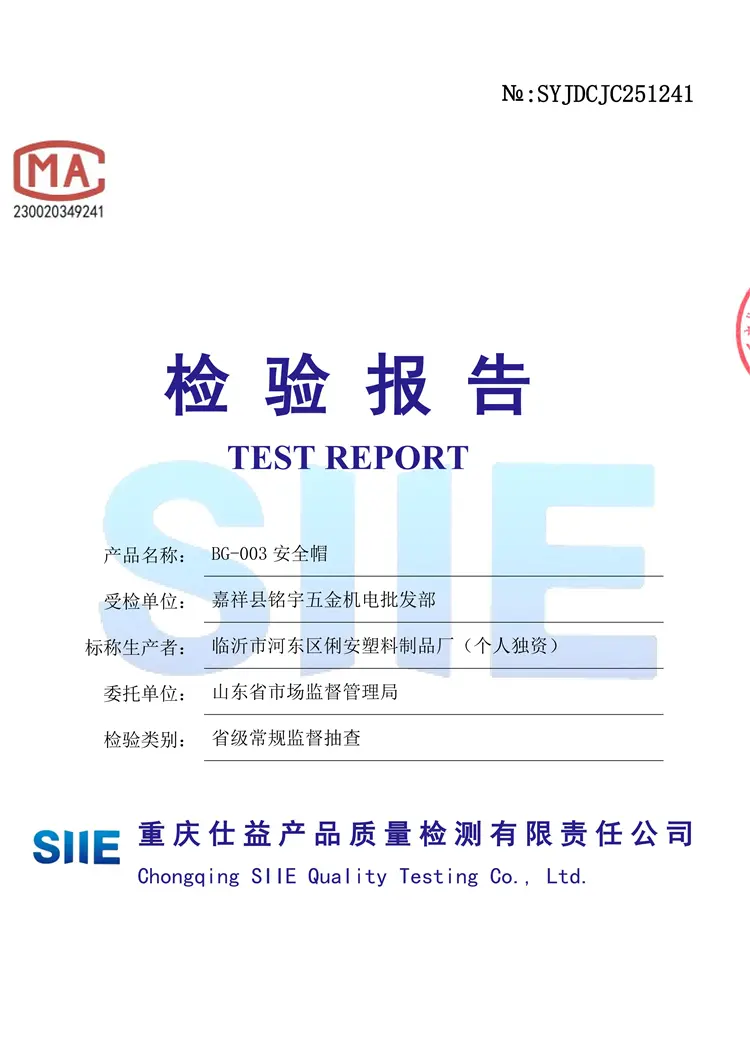
ANSI/ISEA 107 Compliance Report
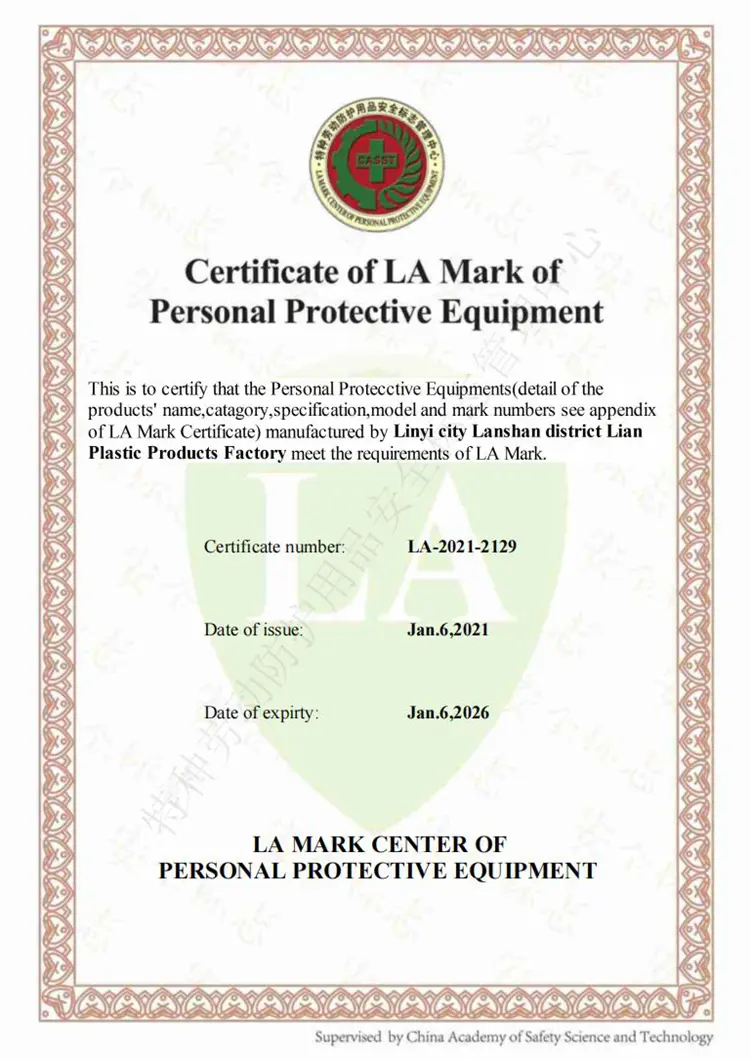
CE EN ISO 20471 Conformity
Connecting with industrial safety procurement teams worldwide to build secure, reliable, and mutually beneficial supply networks.
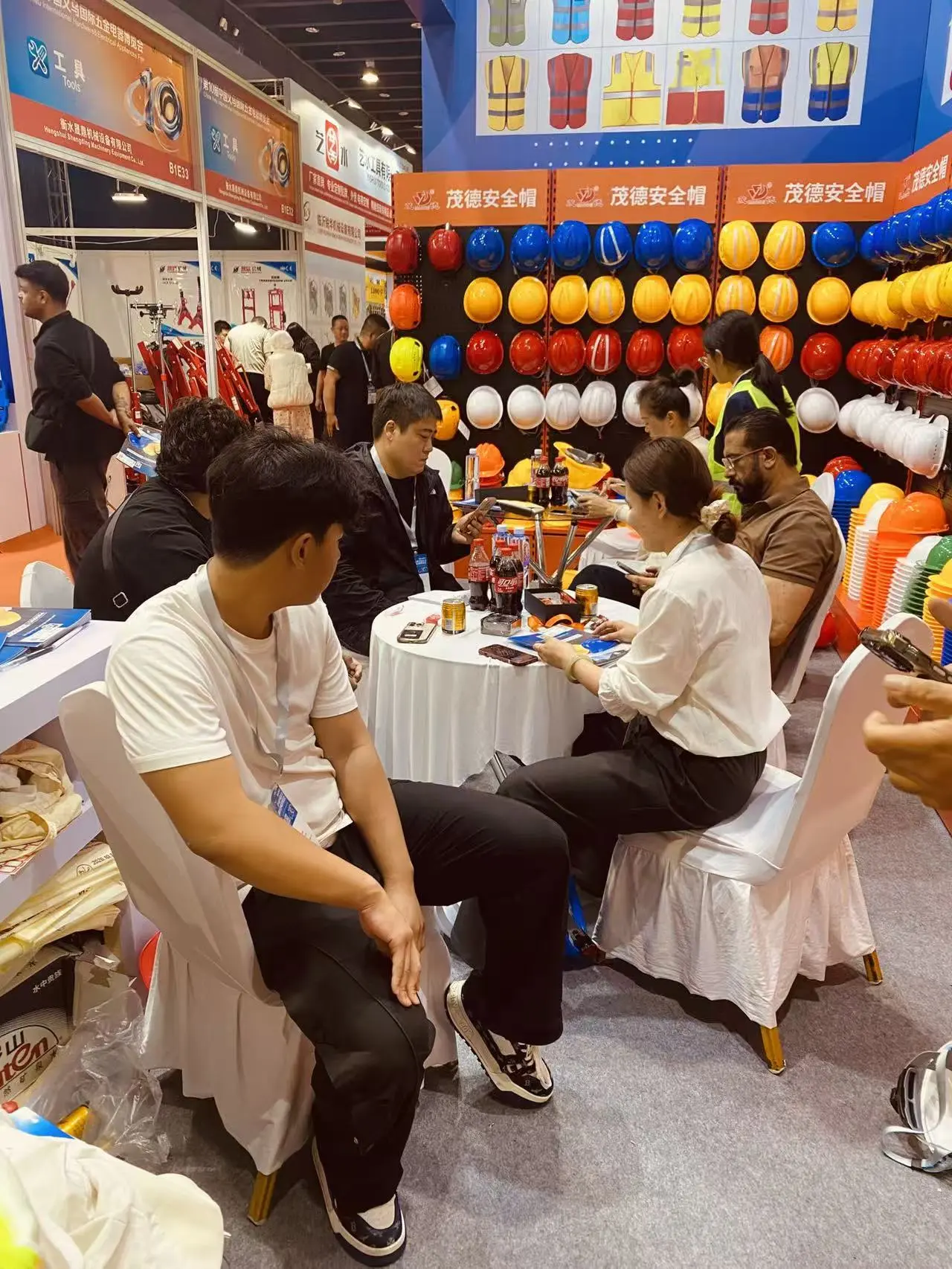
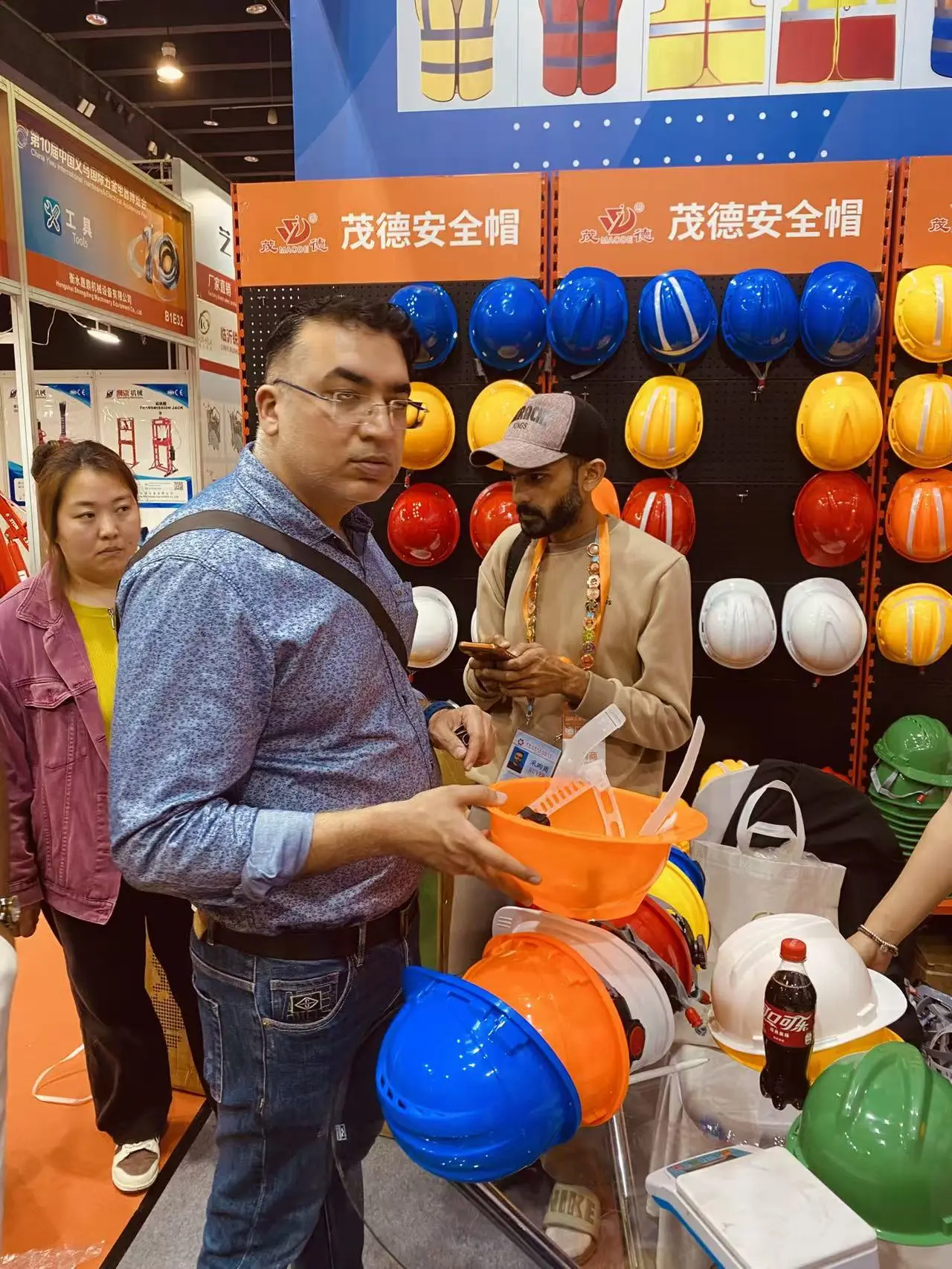
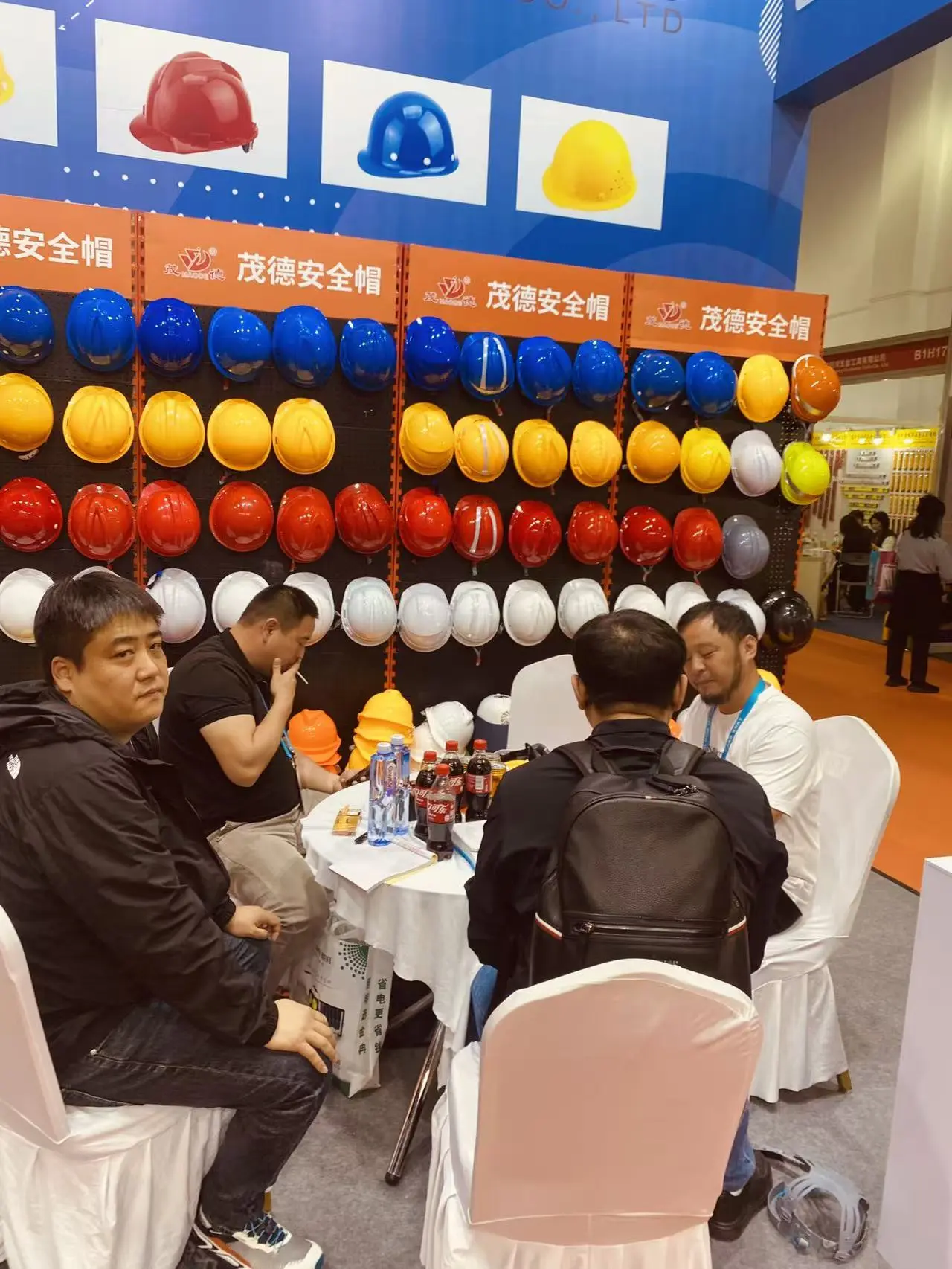
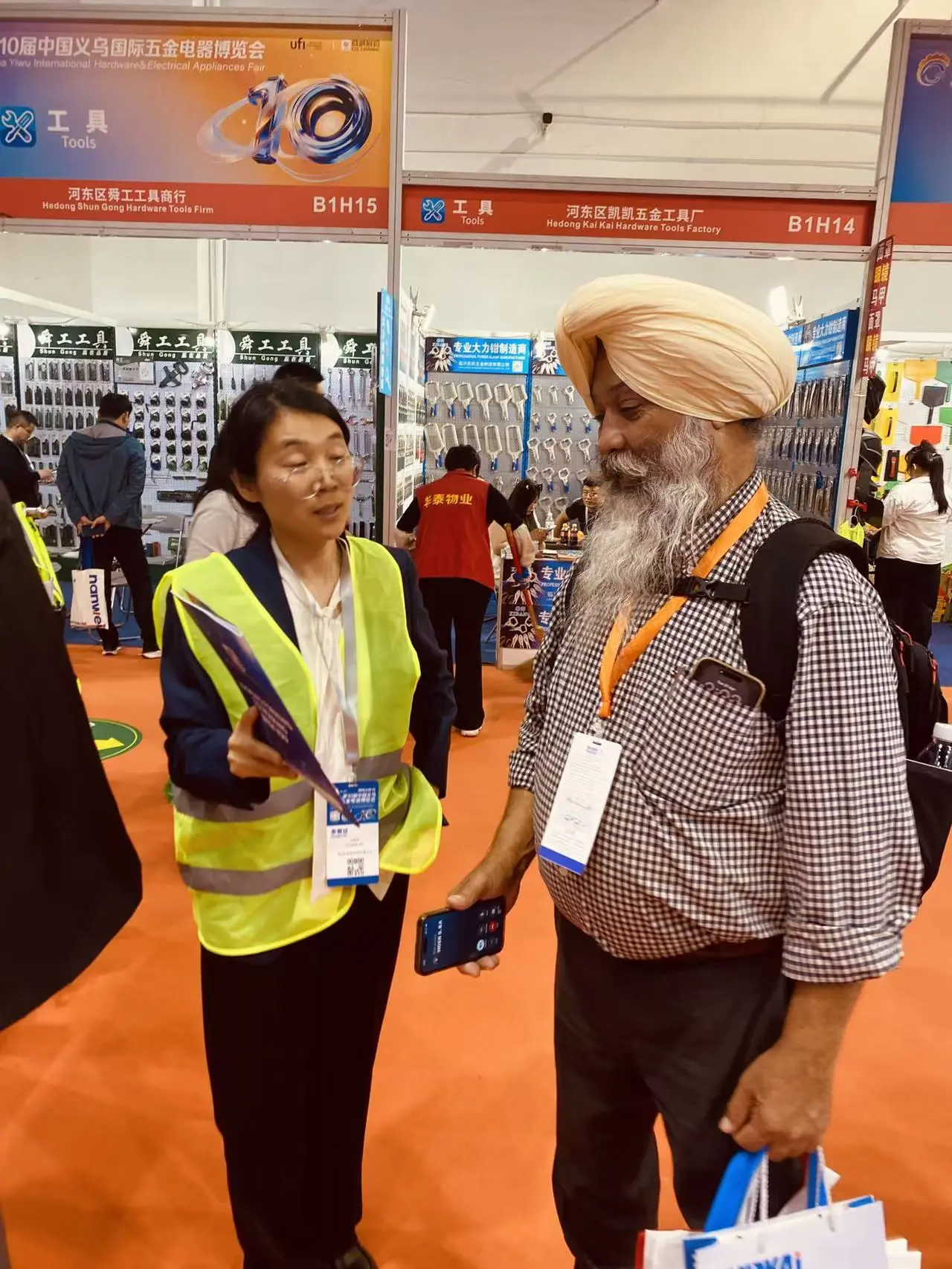
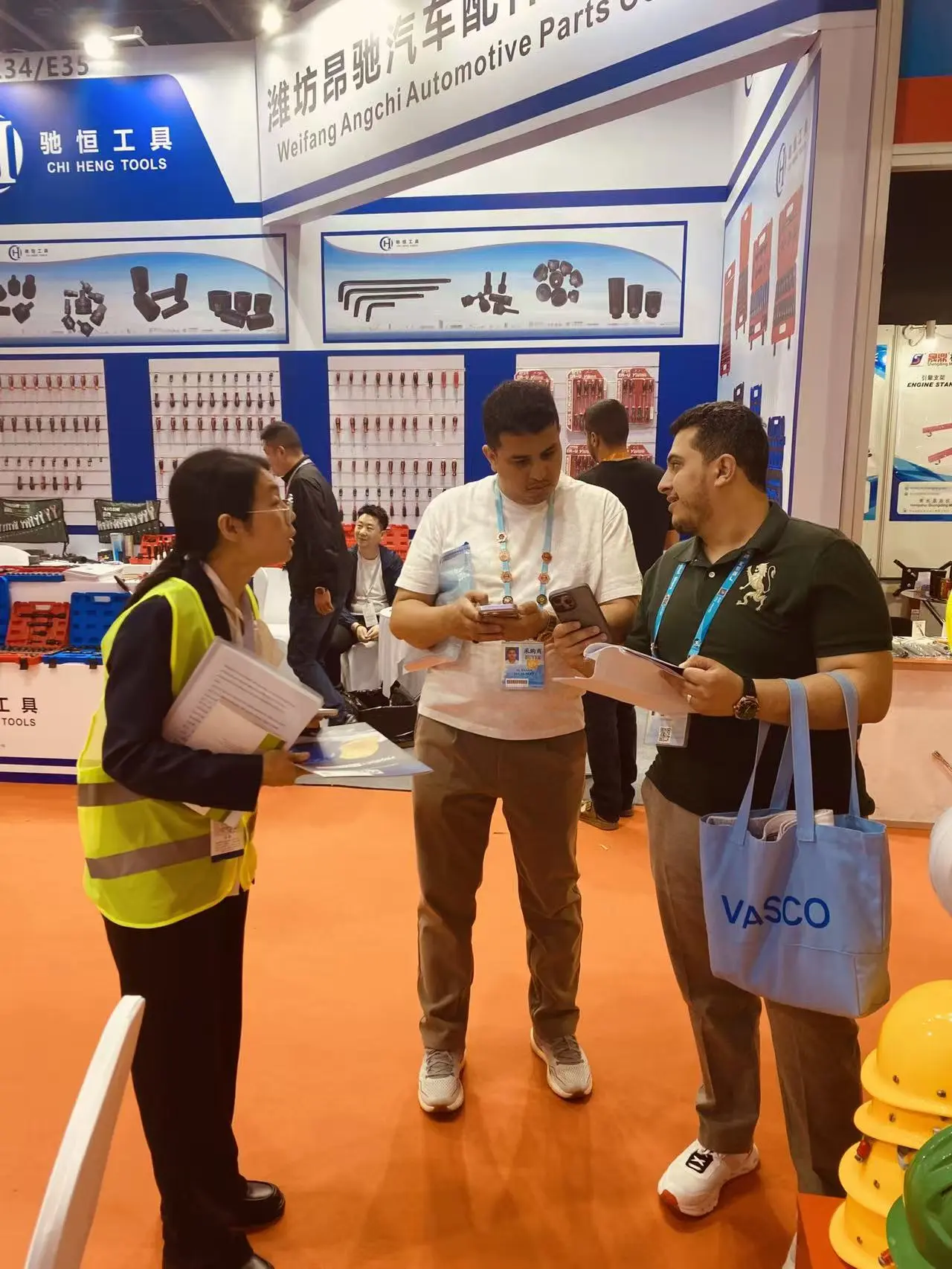








High-visibility clothing is not a one-size-fits-all product. Different tasks present distinct safety hazards. Understanding operational realities ensures high-performance solutions:
Airport ground personnel face high-decibel, high-speed hazards day and night. Baggage handlers and maintenance crews operate near moving aircraft, service vehicles, and heavy cargo machinery. In these environments, Class 3 safety vests featuring 360-degree reflective bands are essential. These vests are engineered to remain stable during strong engine blasts while retaining breathability on hot tarmac surfaces.
Utility maintenance and road workers operate close to high-speed traffic under poor illumination. Under these conditions, the retroreflective coefficient of the safety vest's tape determines response times for oncoming drivers. Our ANSI Class 2 and Class 3 reflective vests utilize premium glass-bead or microprismatic films, ensuring drivers can easily distinguish a pedestrian worker from visual clutter at distances exceeding 300 meters.
In dark, narrow warehouse aisles, workers must navigate busy forklift lanes. To address these hazards, lightweight mesh safety vests featuring bright yellow fluorescent backing allow operators to quickly spot team members. Breakaway shoulder and side seams ensure workers can instantly detach from their vest if it catches on automated machinery or storage racks.
Answers to technical, regulatory, and logistics questions commonly asked by global safety procurement officers.
A1: We are a direct, ISO-certified manufacturer. Our production facility specializes in high-durability safety helmets (including ABS, HDPE, and fiberglass composites) and high-visibility workwear (including fluorescent reflective vests and safety belts).
A2: We offer complimentary standard samples for quality and performance evaluation. Standard courier shipping costs are covered by the buyer. Custom samples requiring corporate logos or specific hardware layouts can be arranged for a nominal setup fee.
A3: We support standard shipping arrangements including FOB, CFR, CIF, and EXW. Payment transactions are accepted in USD, AUD, CAD, SGD, EUR, GBP, HKD, and JPY. We support flexible payment methods including Telegraphic Transfer (T/T) and Letters of Credit (L/C).
A4: Our advantages include vertical supply chain integration, strict ISO quality monitoring, and a dedicated, responsive R&D department. We provide direct OEM/ODM customization options for fabrics, reflective tape classifications, custom pockets, labeling, and retail packaging.
A5: Yes, we specialize in comprehensive OEM and ODM services. We customize safety vests and protective helmets to align with specific branding, functional configurations, and regulatory certifications (ANSI, EN, AS/NZS) requested by our international clients.
A6: Production times depend on bulk volume and customization requirements. Standard full-container orders (20ft/40ft) are typically manufactured and dispatched within 20 to 30 business days. Domestically routed shipments within China are completed within 7 to 14 days.
A7: The classes are defined by the total surface area of fluorescent background fabric and retroreflective tape. Class 1 vests are designed for low-speed zones (under 25 mph). Class 2 vests are required for high-risk work environments near traffic up to 50 mph. Class 3 vests are mandatory for high-exposure environments where workers face traffic exceeding 50 mph, requiring maximum coverage on sleeves and legs.
A8: Our reflective safety materials undergo rigorous laboratory testing. They are certified to retain retroreflective properties above 100 cd/(lx·m²) even after 25 to 50 industrial wash cycles under high-temperature settings, ensuring long-term field performance.
 Xintuo