Explore our foundational safety headgear and high-visibility protective wear, engineered to withstand extreme industrial conditions while maintaining unparalleled comfort and retention capability.
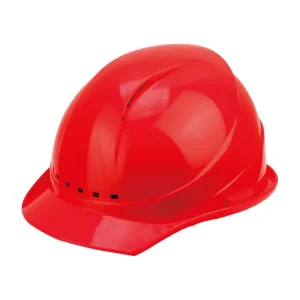
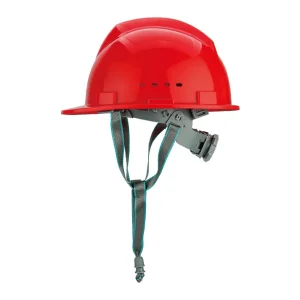
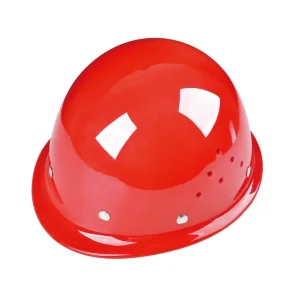
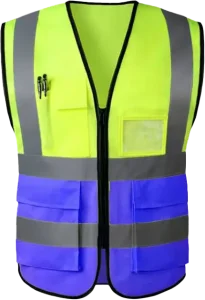
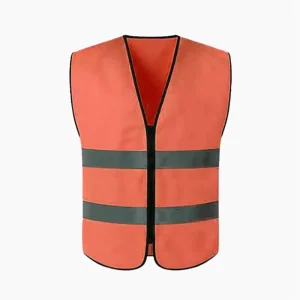
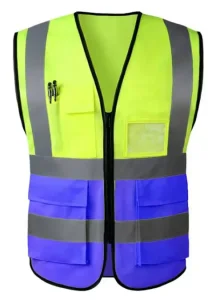
In high-risk industrial sectors—ranging from skyscraper construction and deep-earth mining to petrochemical refining and emergency response—head safety is non-negotiable. While the outer shell of a safety helmet absorbs impact and the internal suspension dissipates energy, it is the safety helmet chin strap (retention system) that ensures the helmet remains firmly on the worker's head during a fall, an oblique impact, or sudden high-velocity movements. Without a certified, scientifically calculated chin strap, the most sophisticated safety helmet becomes virtually useless the moment a worker slips, trips, or undergoes sudden lateral deceleration.
Historically treated as a secondary accessory, chin straps are now recognized as critical safety interfaces. Global injury databases indicate that a significant percentage of traumatic brain injuries (TBIs) on industrial sites occur because the protective helmet fell off during the initial stages of a fall event, leaving the skull unprotected during secondary impacts. Linyi Xintuo Industry and Trade Co., Ltd. has stood at the forefront of this safety revolution. By integrating material science, ergonomic modeling, and rigorous testing frameworks, we manufacture high-performance industrial chin straps and safety helmets that provide relentless protection without compromising on long-term wearer comfort.
Developing a reliable chin strap is a balance between raw material tensile strength and kinetic failure thresholds. We use advanced thermodynamic testing and mechanical stressing to study how synthetic polymers and webbing architectures behave under stress. Below is our engineering roadmap for chin strap evolution:
We rely on high-grade polyethylene (PE) and polypropylene (PP) matrices combined with high-impact nylon buckles. Nylon provides high durability under tensile loads while showing minimal degradation under long exposure to solar UV radiation. Additionally, we integrate customized antimicrobial finishes to reduce skin irritation.
Modern standards require different safety thresholds based on the work environment. In ground-level operations, the EN 397 standard demands a "break-away" mechanism (releasing at 150N to 250N) to prevent strangulation. Conversely, high-altitude EN 12492 standards require the chin strap to withstand >500N to keep the helmet secured during falls. Our multi-stage buckles allow site managers to choose the correct safety limit.
Our upcoming research is looking into embedding thin-film force sensors directly within the weave of the chin strap webbing. These smart sensors can alert safety systems if the harness is loose, worn incorrectly, or has suffered structural micro-fractures after a heavy drop.
Moisture-wicking, non-abrasive fabric blends that prevent skin irritation and dermatological fatigue during 12-hour shifts in high-temperature environments.
Advanced buckles designed to adapt their release threshold automatically depending on the velocity and weight distribution of the falling event.
Transitioning toward biodegradable nylon matrices derived from plant-based feedstock, aligning industrial safety with environmental sustainability goals.
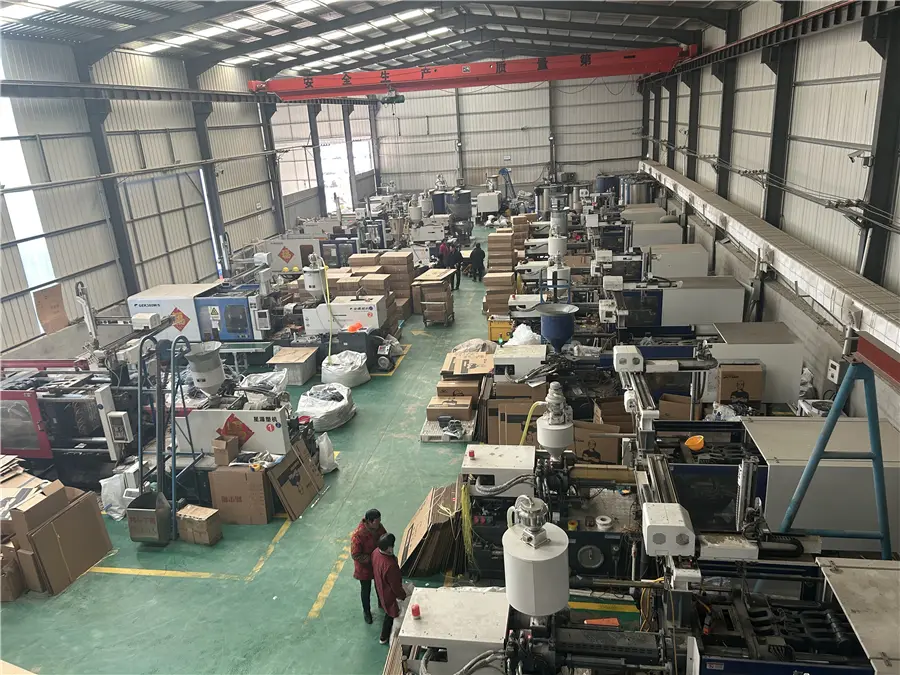
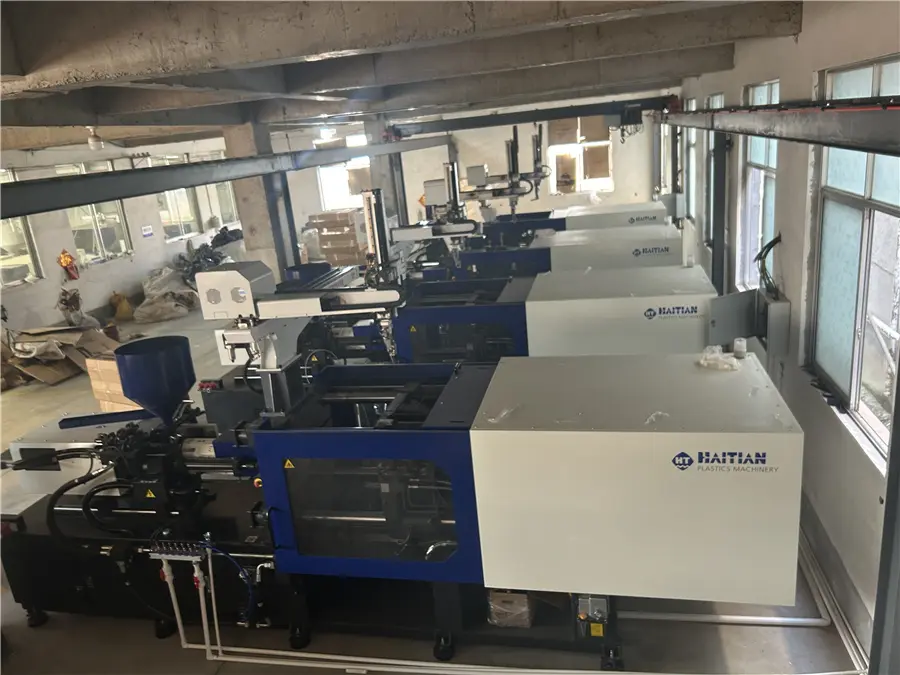
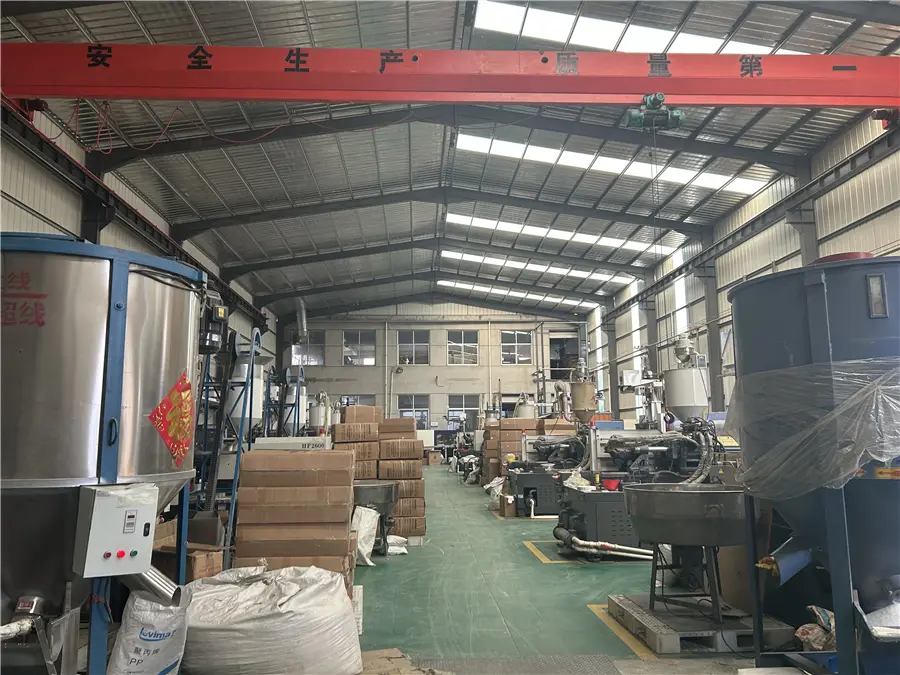
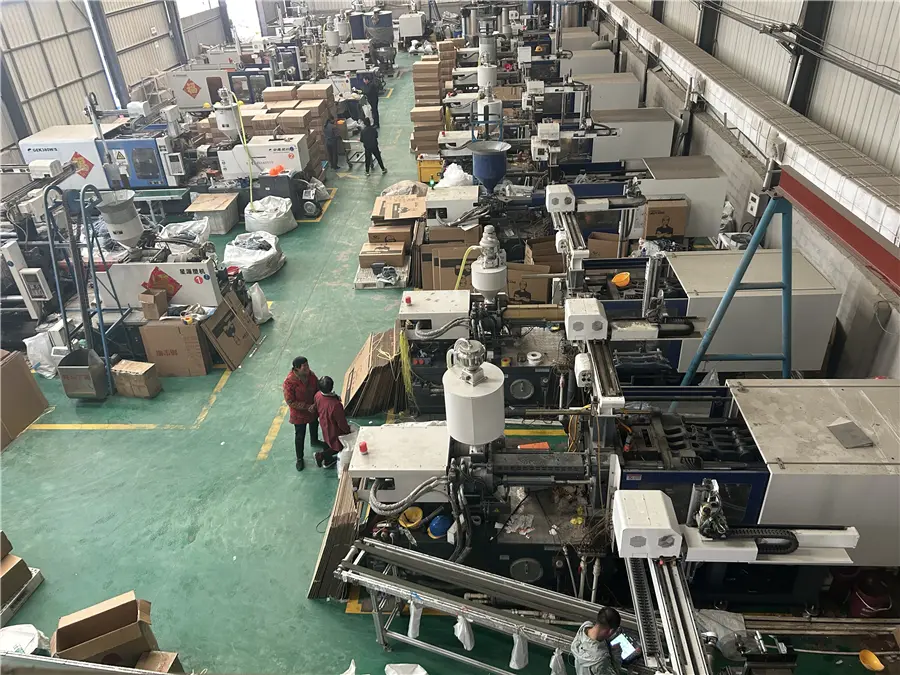
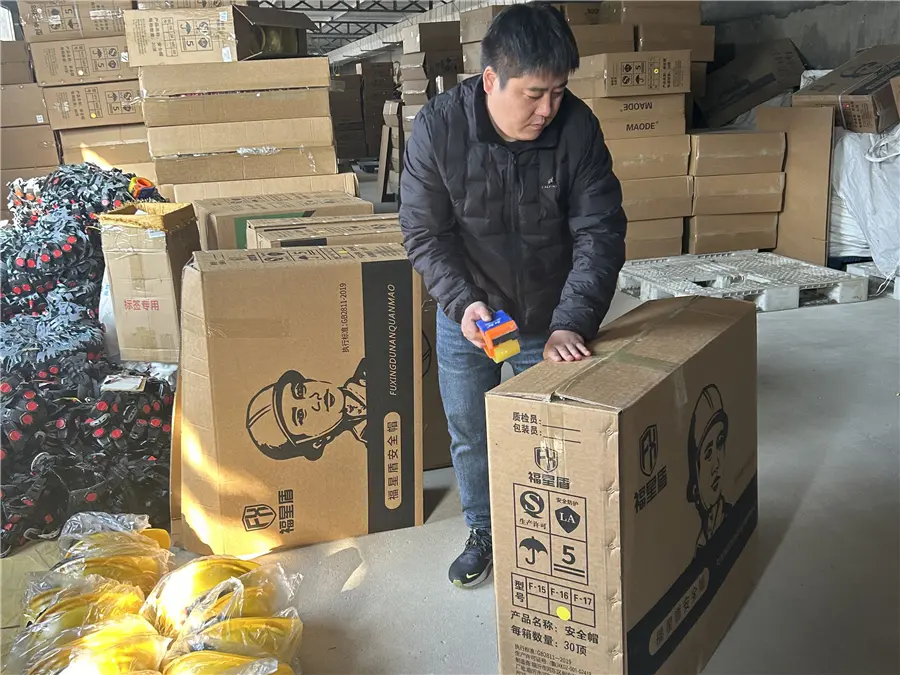
Linyi Xintuo Industry and Trade Co., Ltd. is based in China's industrial manufacturing hub. Our factory leverages localized supply chains, advanced machinery, and rigorous quality control to deliver safety products globally.
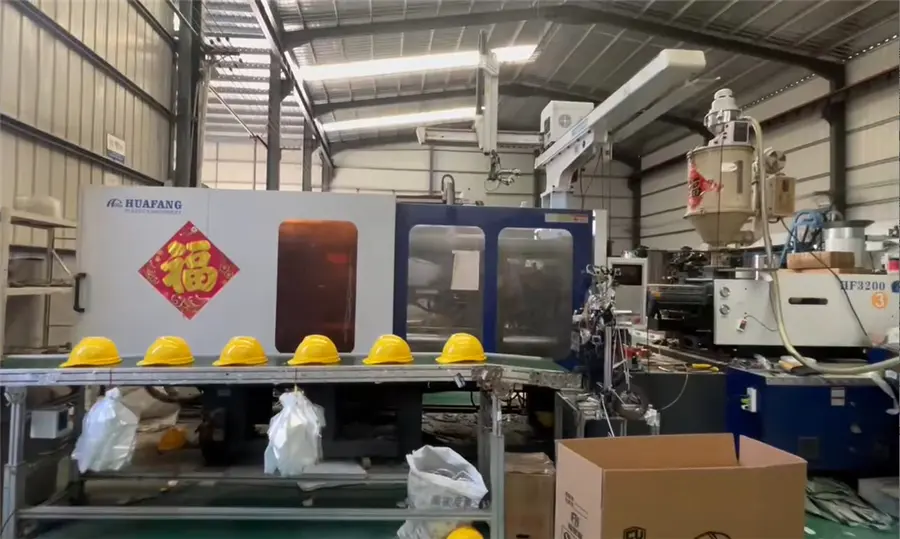
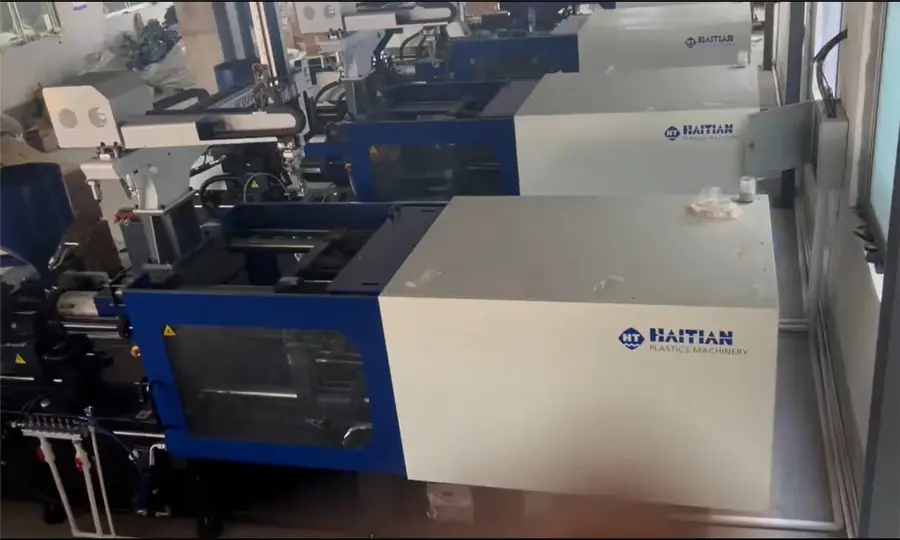
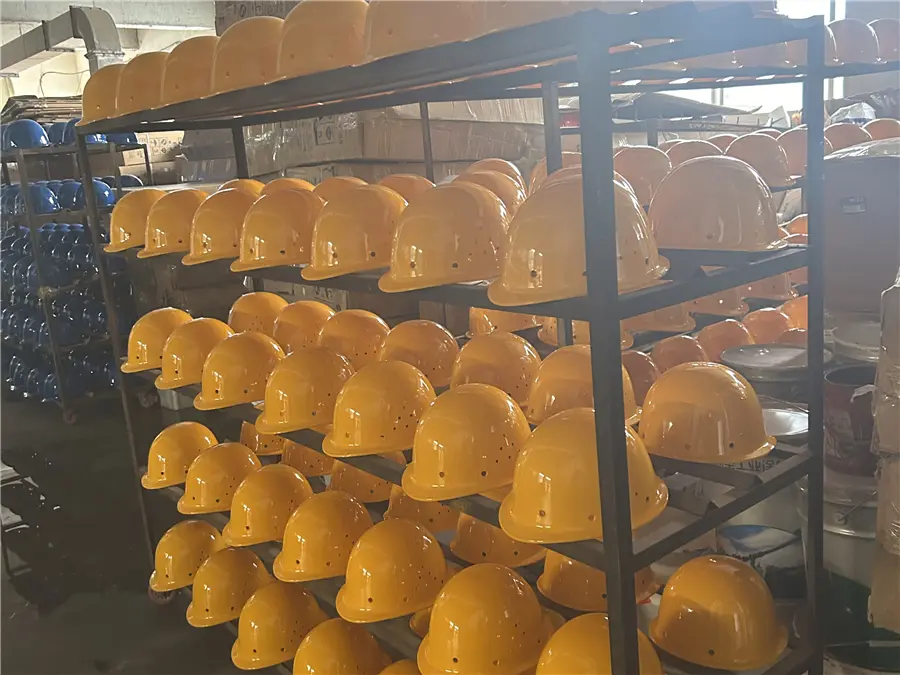
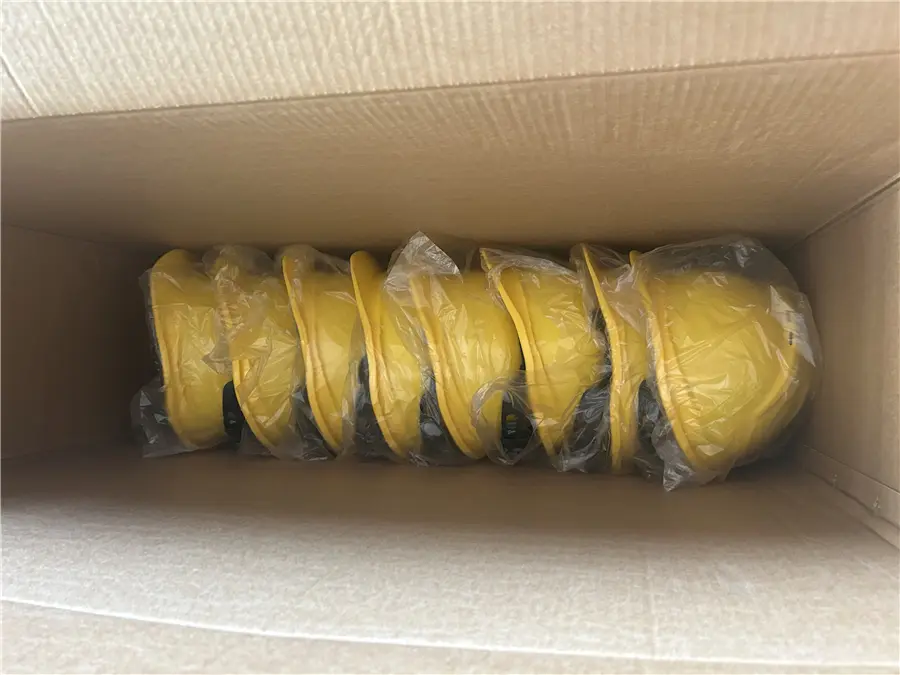
Our production advantage lies in vertical integration. By handling raw material blending, high-speed automated strap weaving, precision plastic injection molding, and assembly line packaging in-house, we reduce production bottlenecks and maintain consistent quality. We employ computer-controlled testing stations that inspect every batch of chin strap components for dimensional accuracy, pull strength, and thermal resistance before dispatch.

Linyi Xintuo Advanced Industrial Facility - Centered around highly automated assembly lines and ISO standards.
We provide full OEM and ODM services, allowing customers to customize strap widths, colors, adjusters, buckle materials, and add custom company branding.
We implement energy-efficient injection molding and waste recovery processes to lower our carbon footprint, helping our global partners meet their sustainability metrics.
With high-volume weaving machines and multiple manufacturing tracks, we handle bulk orders efficiently, shipping standard batches in 20 to 30 days.
A safety helmet chin strap must perform consistently across different microclimates and industrial settings. Different environments place unique demands on retention materials:
Exposure to saltwater spray and high UV levels requires materials that resist salt corrosion. Our marine-grade polyester webbing resists rotting and mechanical wear caused by salt crystallization.
Working at height requires secure 4-point chin straps. If a tool drop or slip occurs, the helmet must remain fixed on the worker's head to protect them during swings or secondary impacts.
In sub-zero conditions, standard plastics can become brittle and break. We formulate our buckles with impact-modified polymers that maintain flexibility and strength down to -30°C.
Exposure to extreme heat and chemicals calls for flame-resistant materials. We manufacture chin straps with heat-resistant synthetic blends that do not support combustion or melt under flash fires.
For international buyers and procurement officers, safety compliance is the foundation of import feasibility. Linyi Xintuo ensures that all products are tested to meet major global safety certifications, including:
We manufacture safety gear to meet EN 397 (industrial helmets) and EN 12492 (mountaineering and high-altitude work). This ensures proper retention force limits and buckle release parameters.
Our safety gear is designed to comply with Type I and Type II class requirements under ANSI/ISEA Z89.1, focusing on top and lateral impact protection and suspension security.
Our domestic offerings comply with China's updated national standard GB2811-2019, which regulates head protection for key industrial, infrastructure, and construction applications.
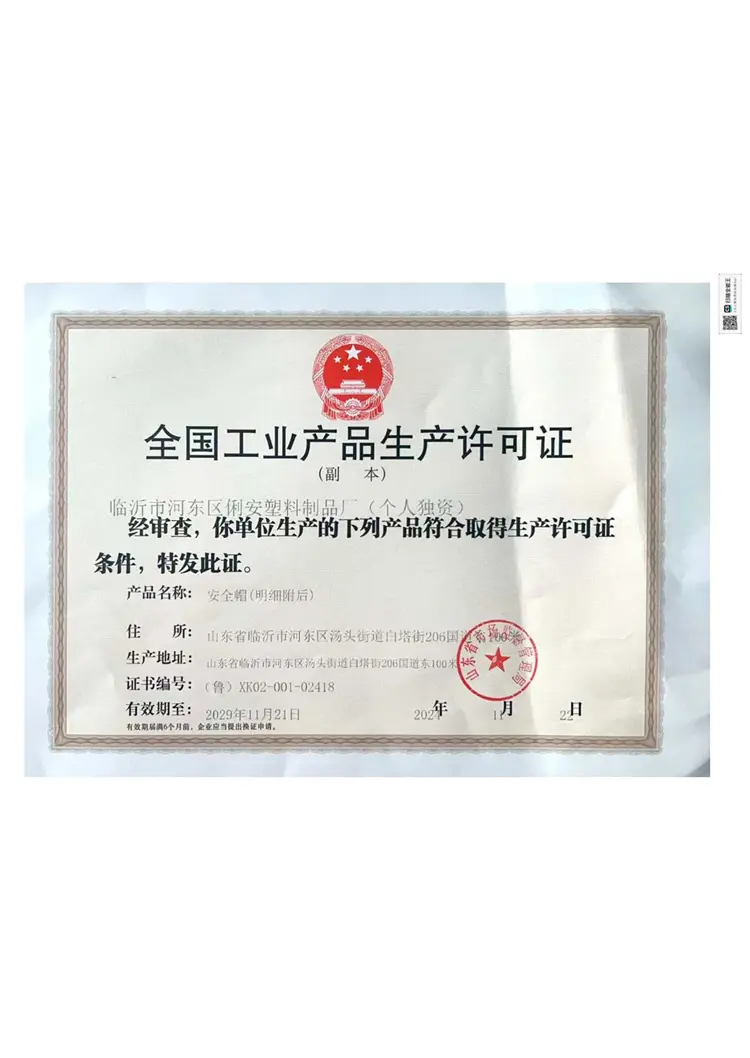
CE Safety Conformity Certificate
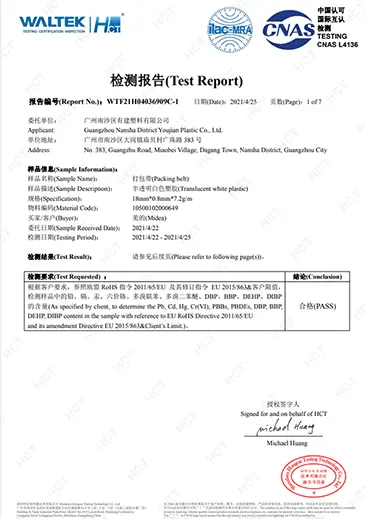
ISO 9001 Management Approval
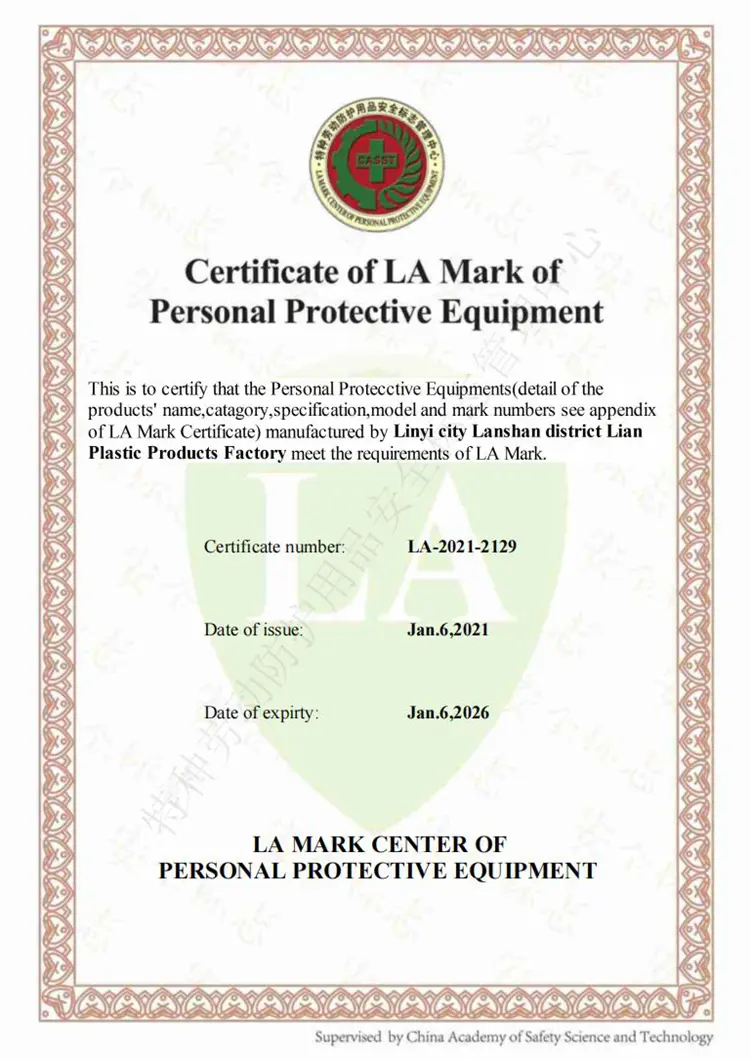
ANSI Z89.1 Standard Testing Report
We invest in production technology to ensure consistent manufacturing output. Below is a look at our current machinery, testing setups, and international exhibition work:

Watch how high-density polyester threads are woven into chin strap webbing.
Watch our quality control machine test pull and release loads on active buckles.
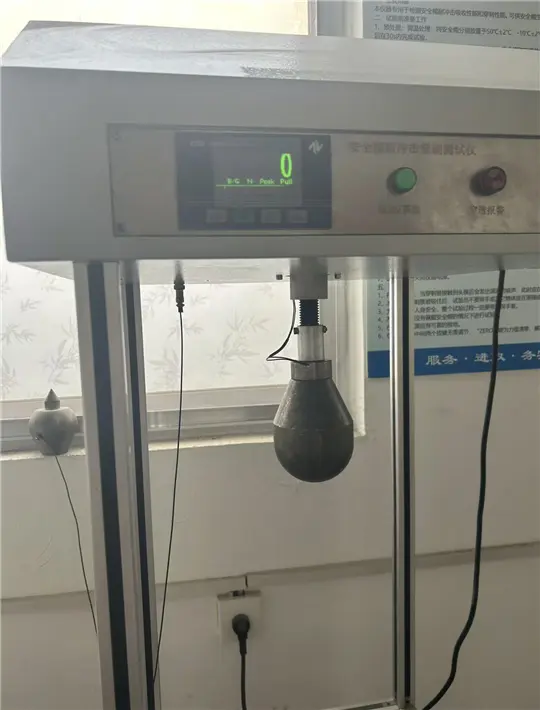
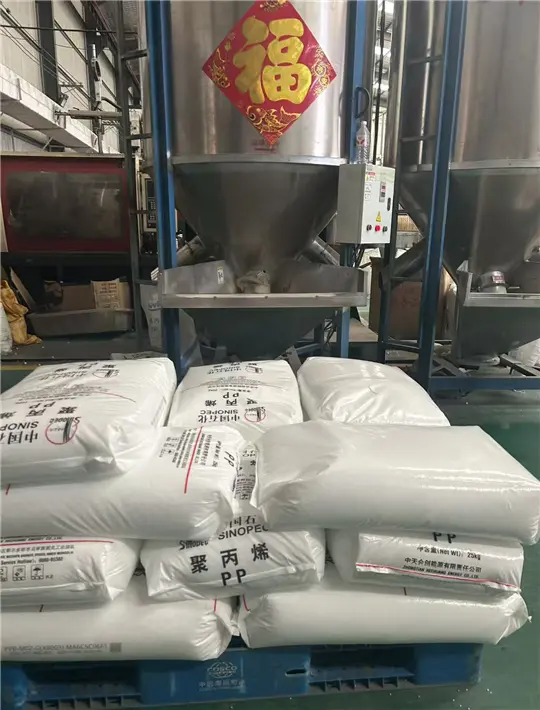
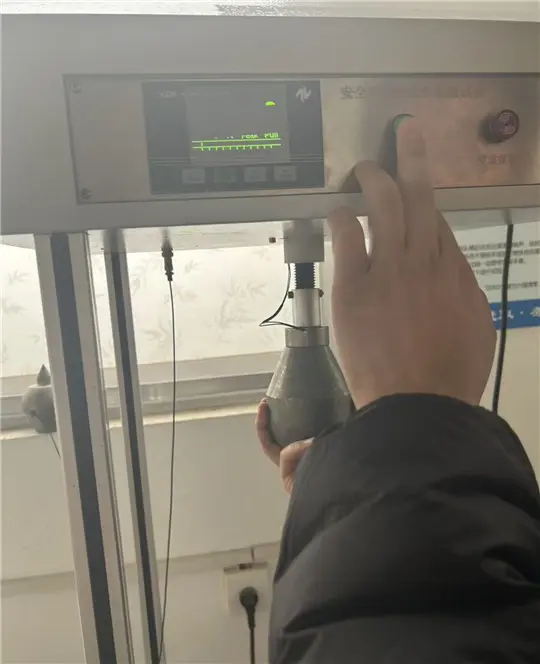
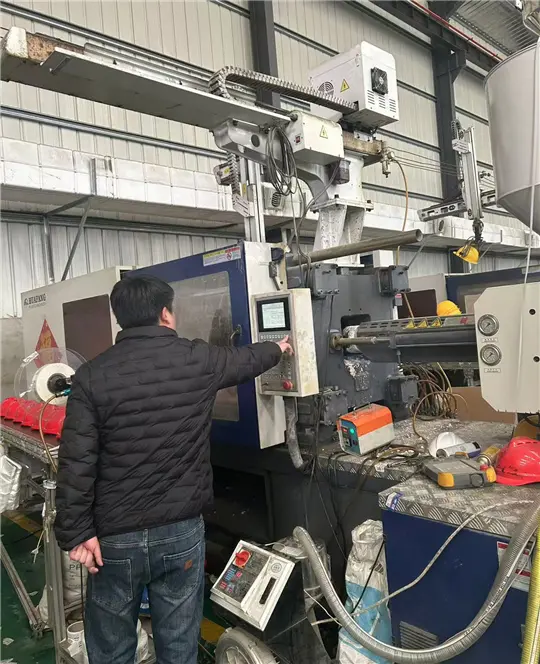
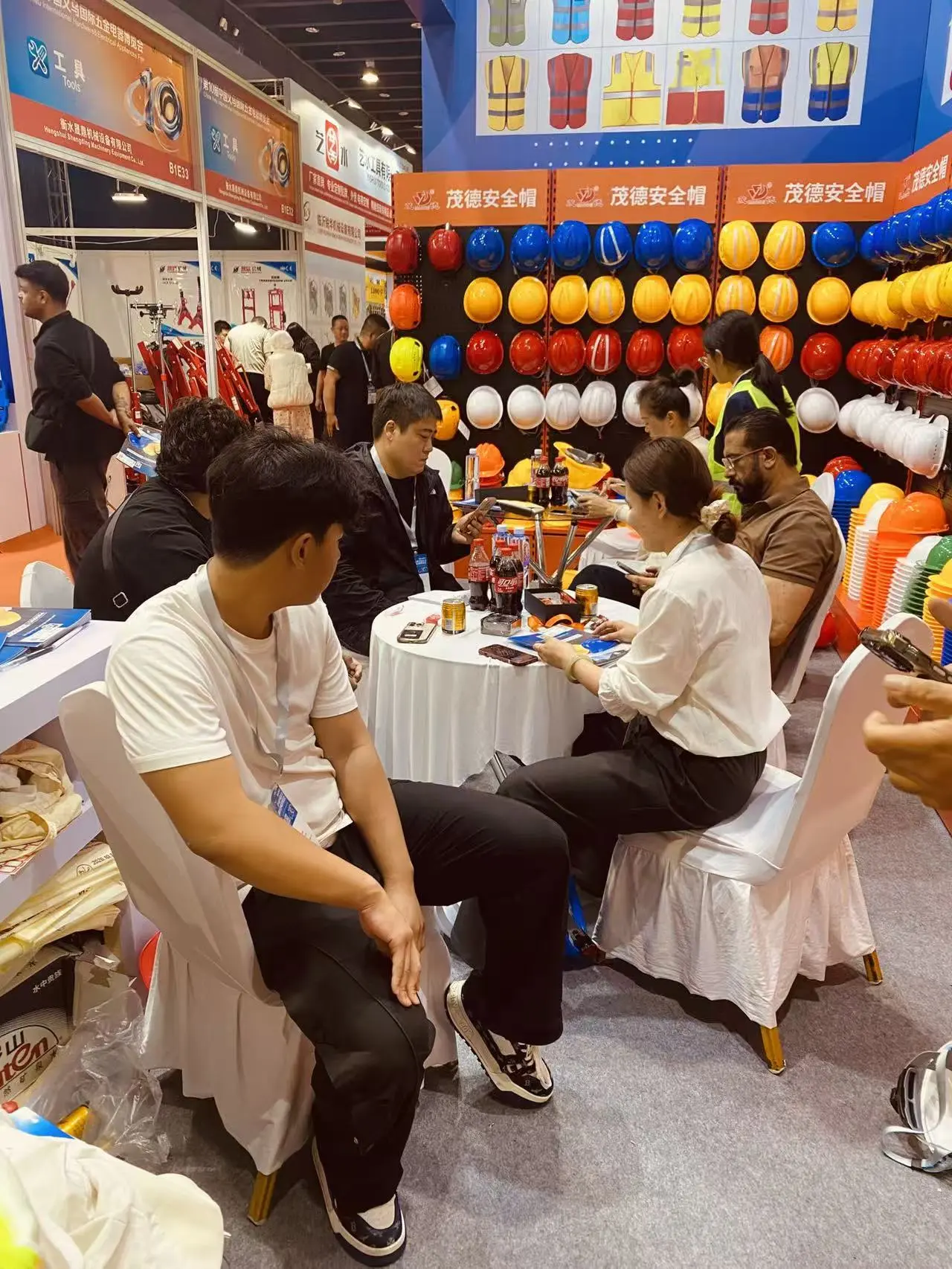
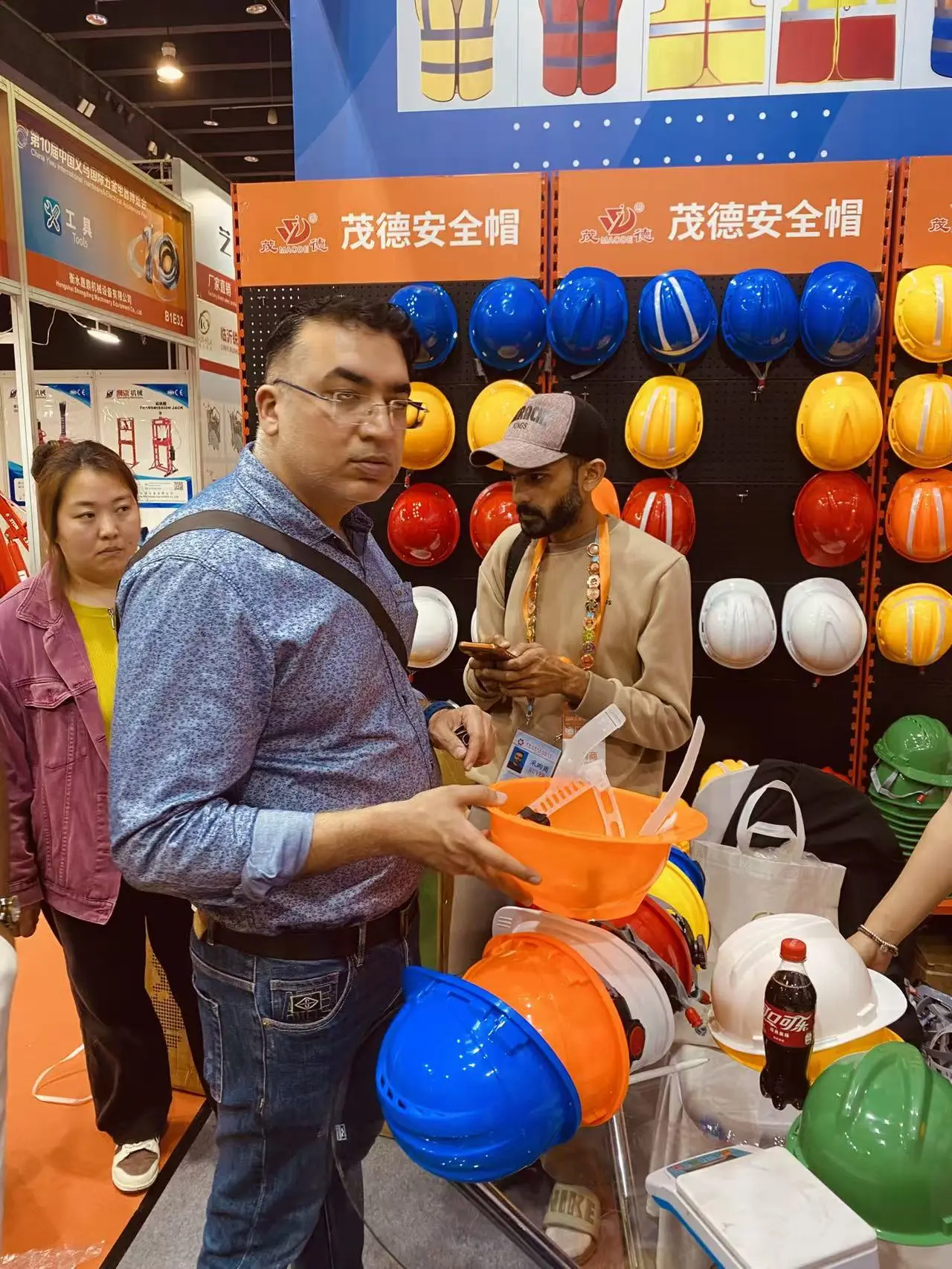
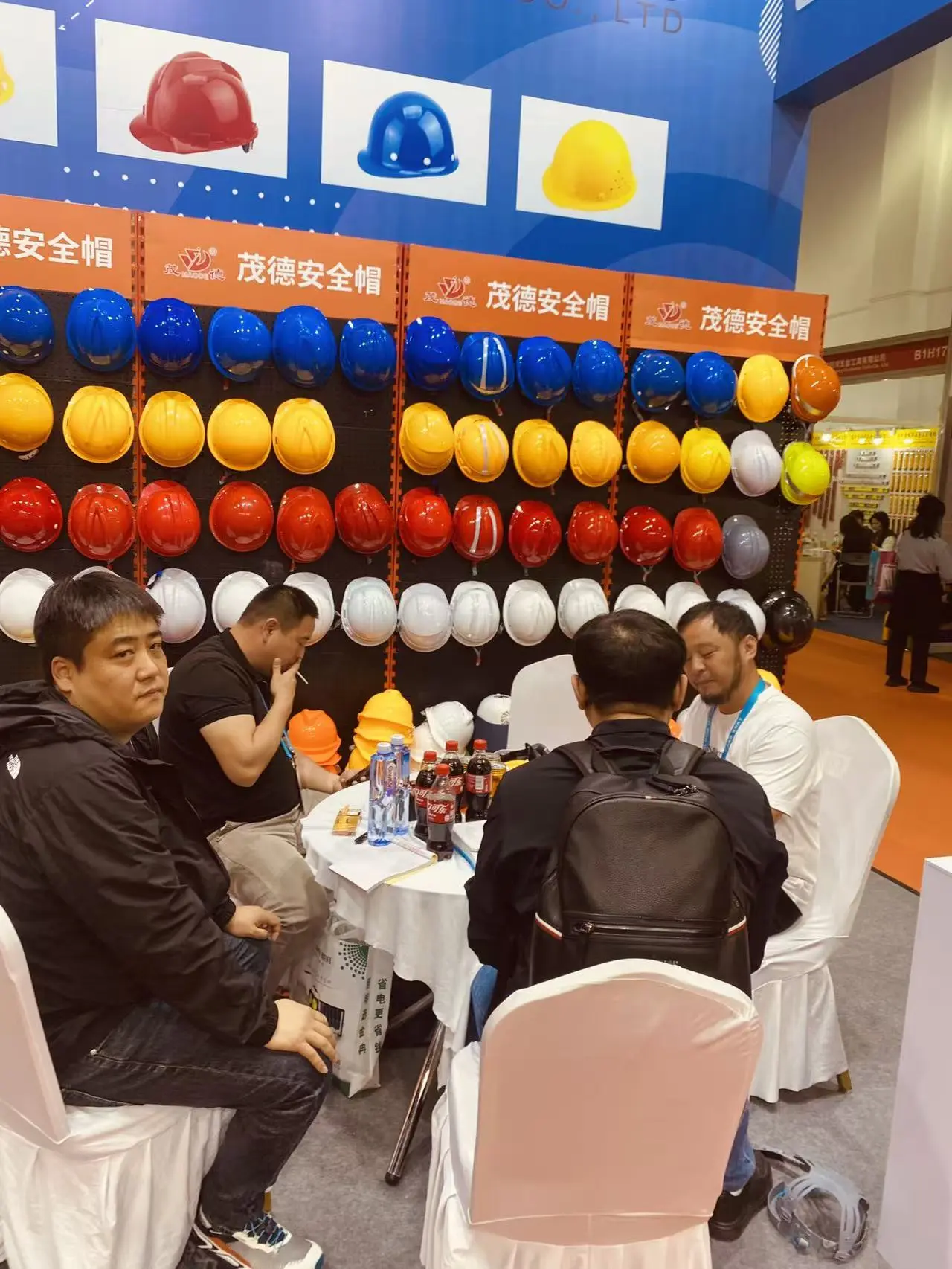
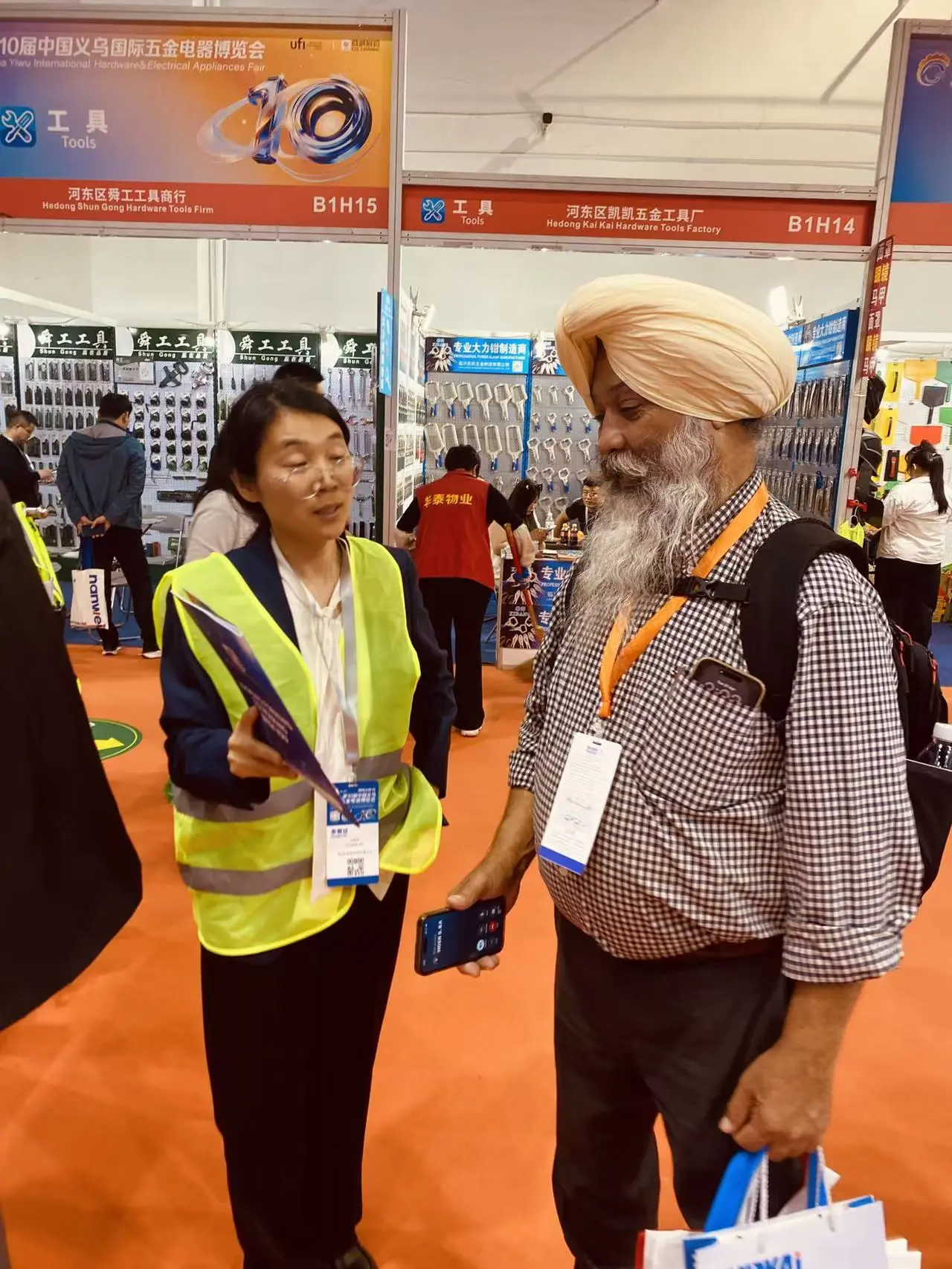
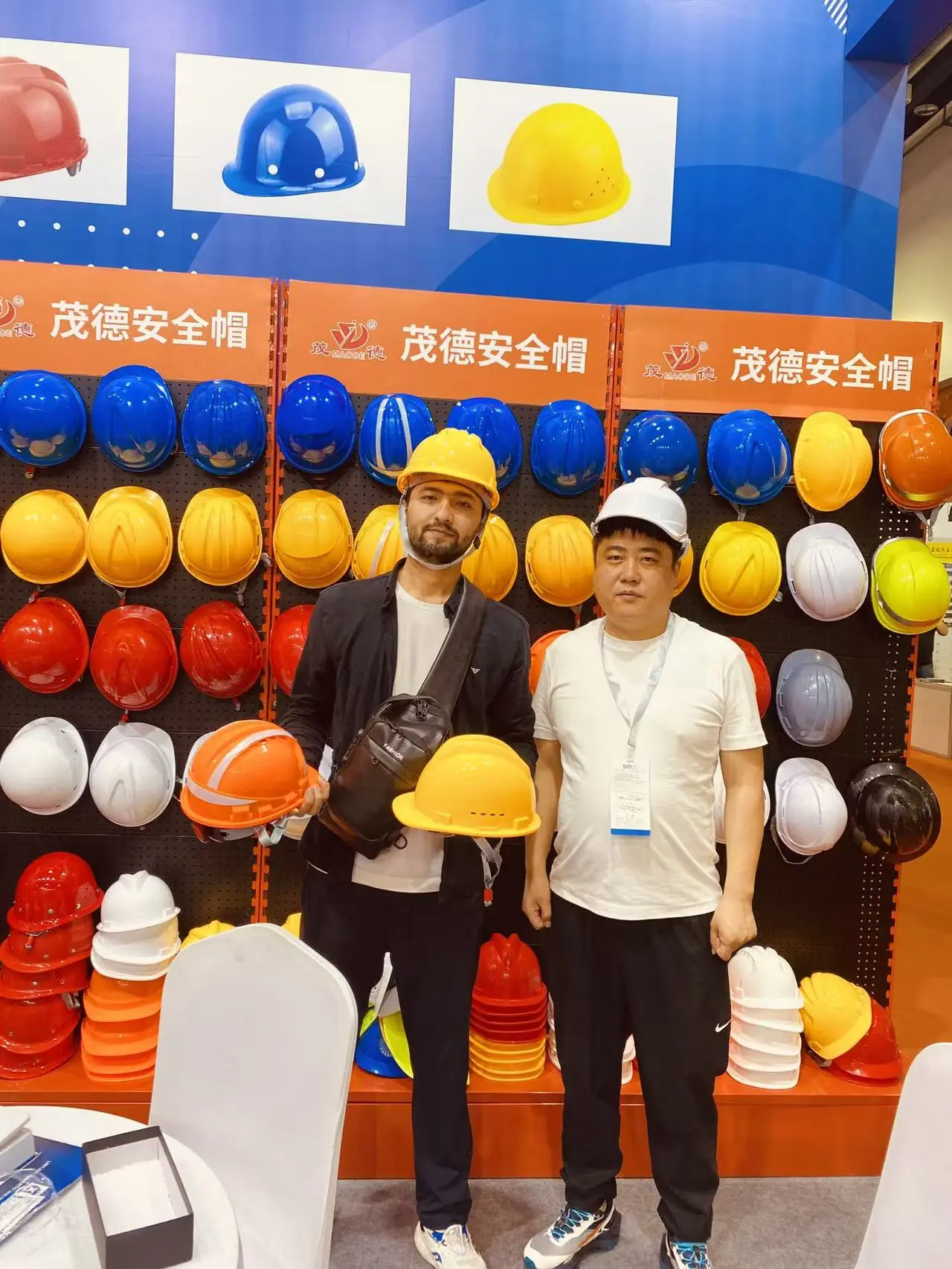
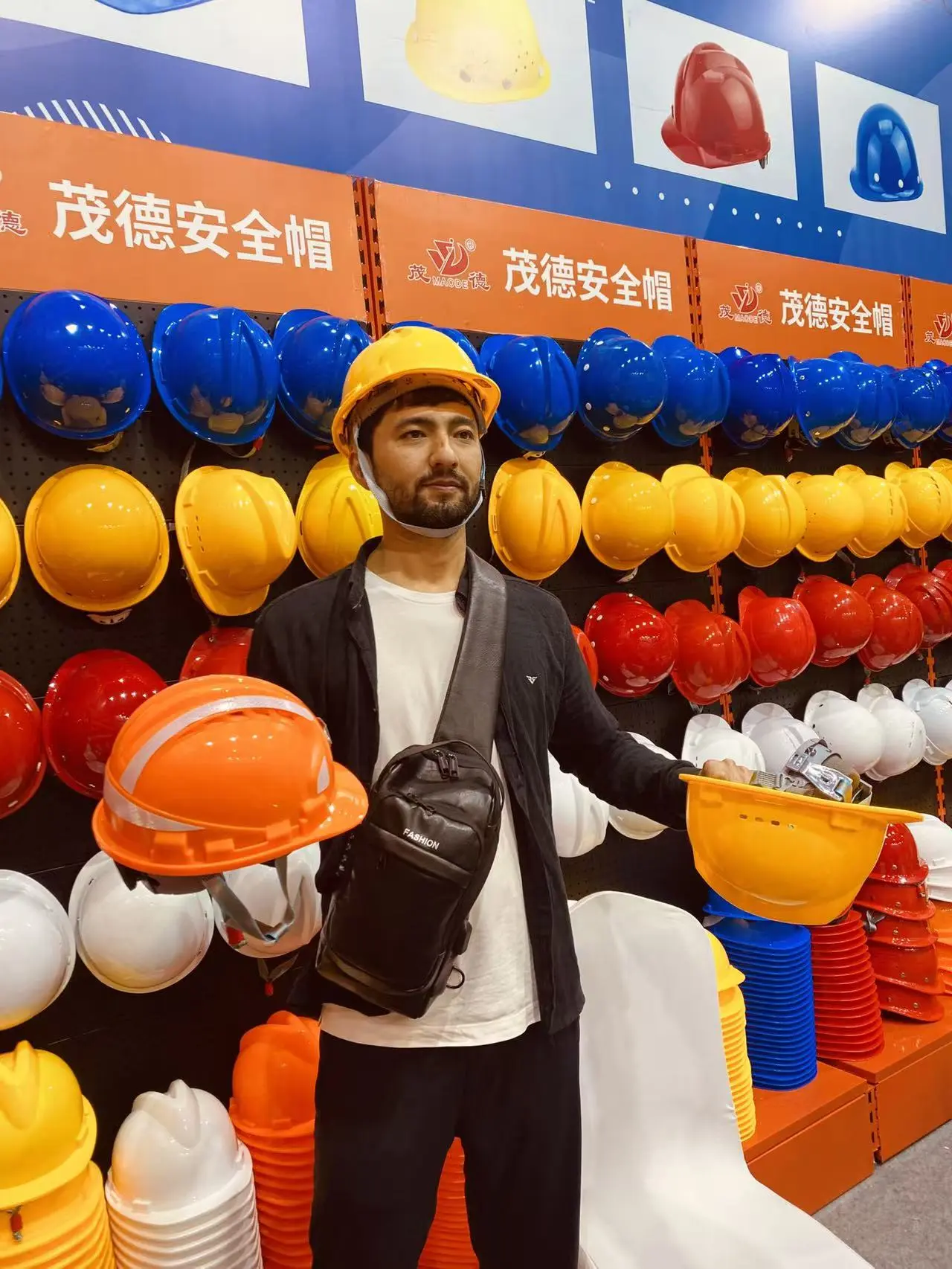
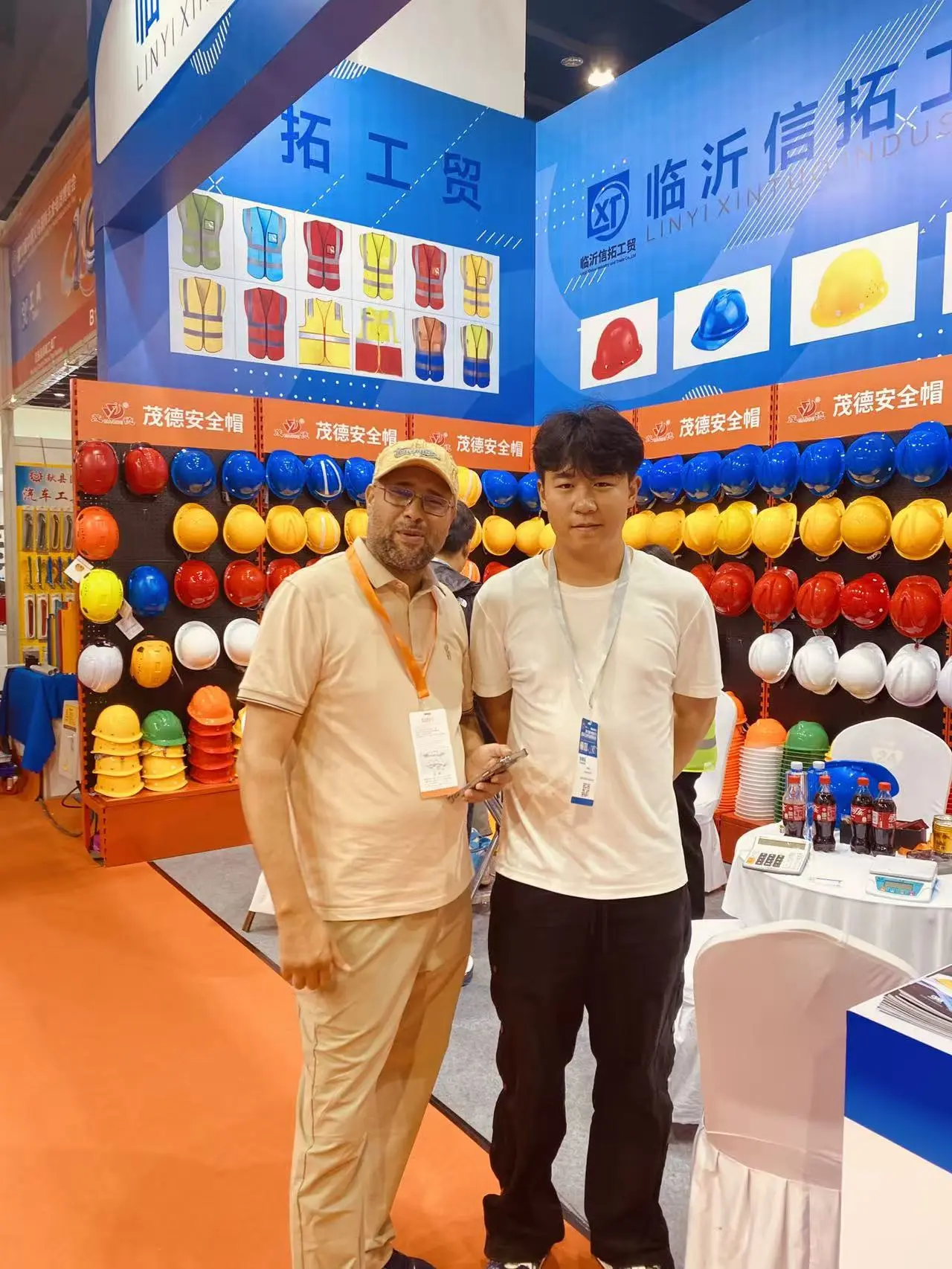
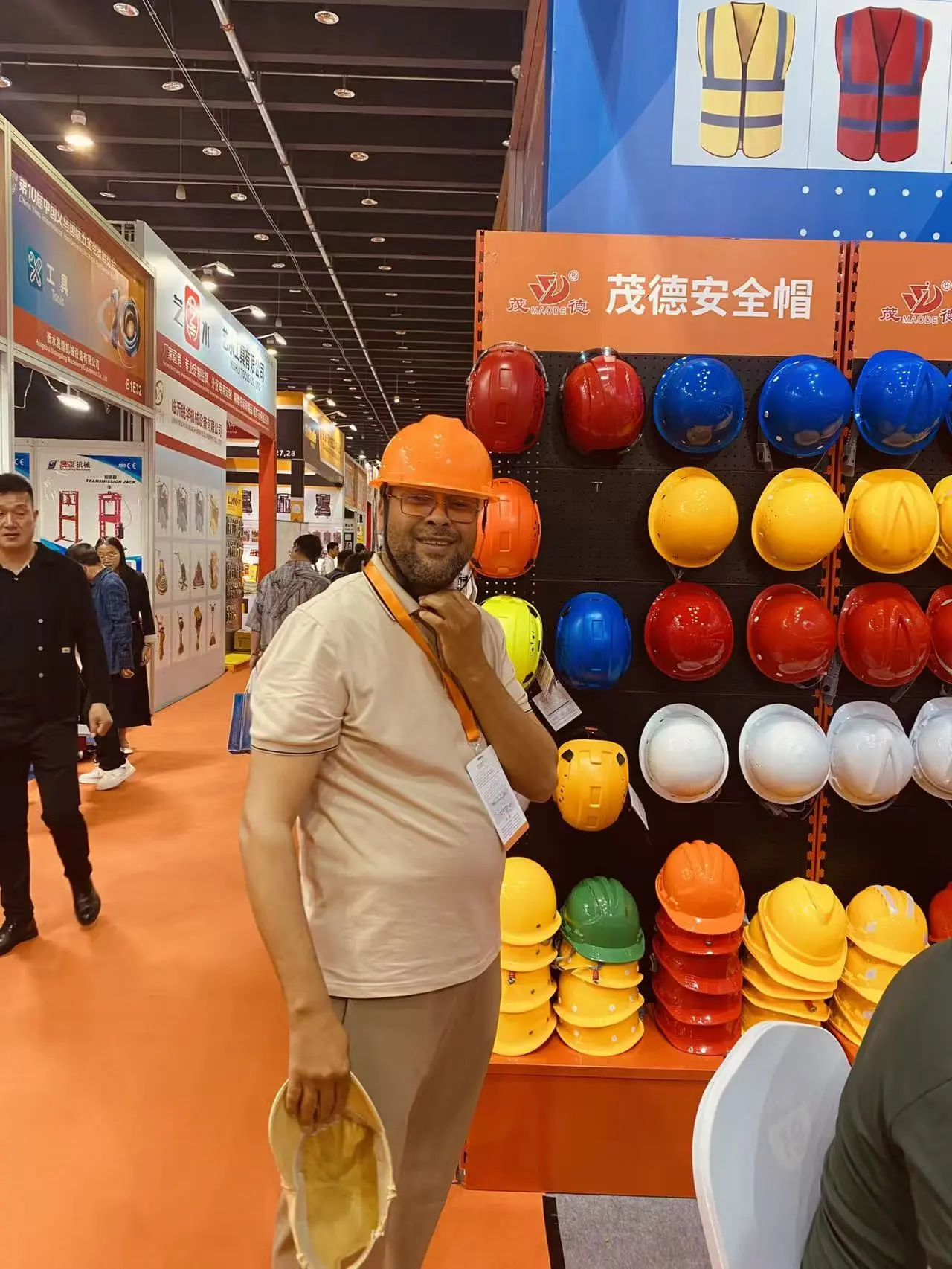
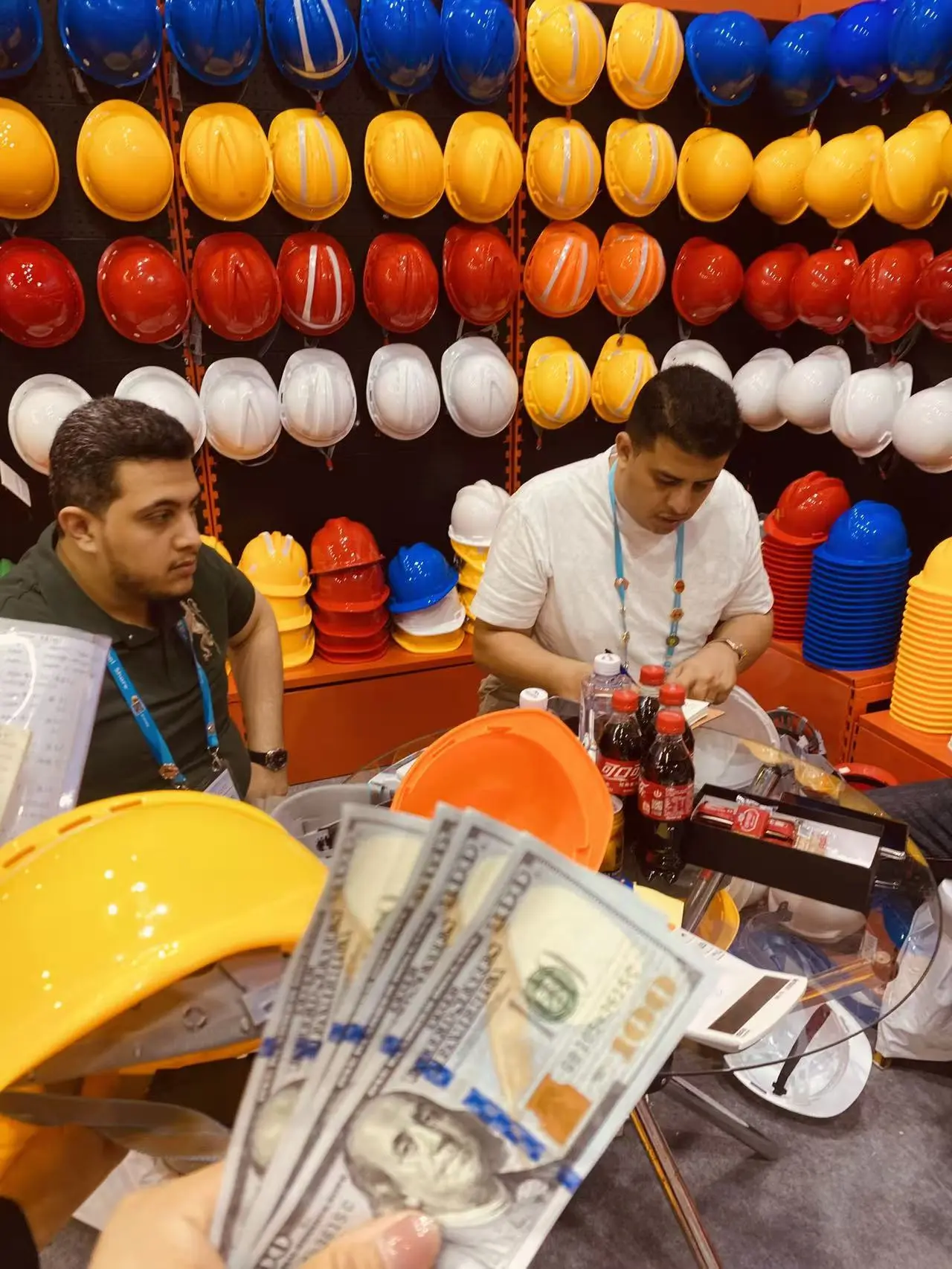
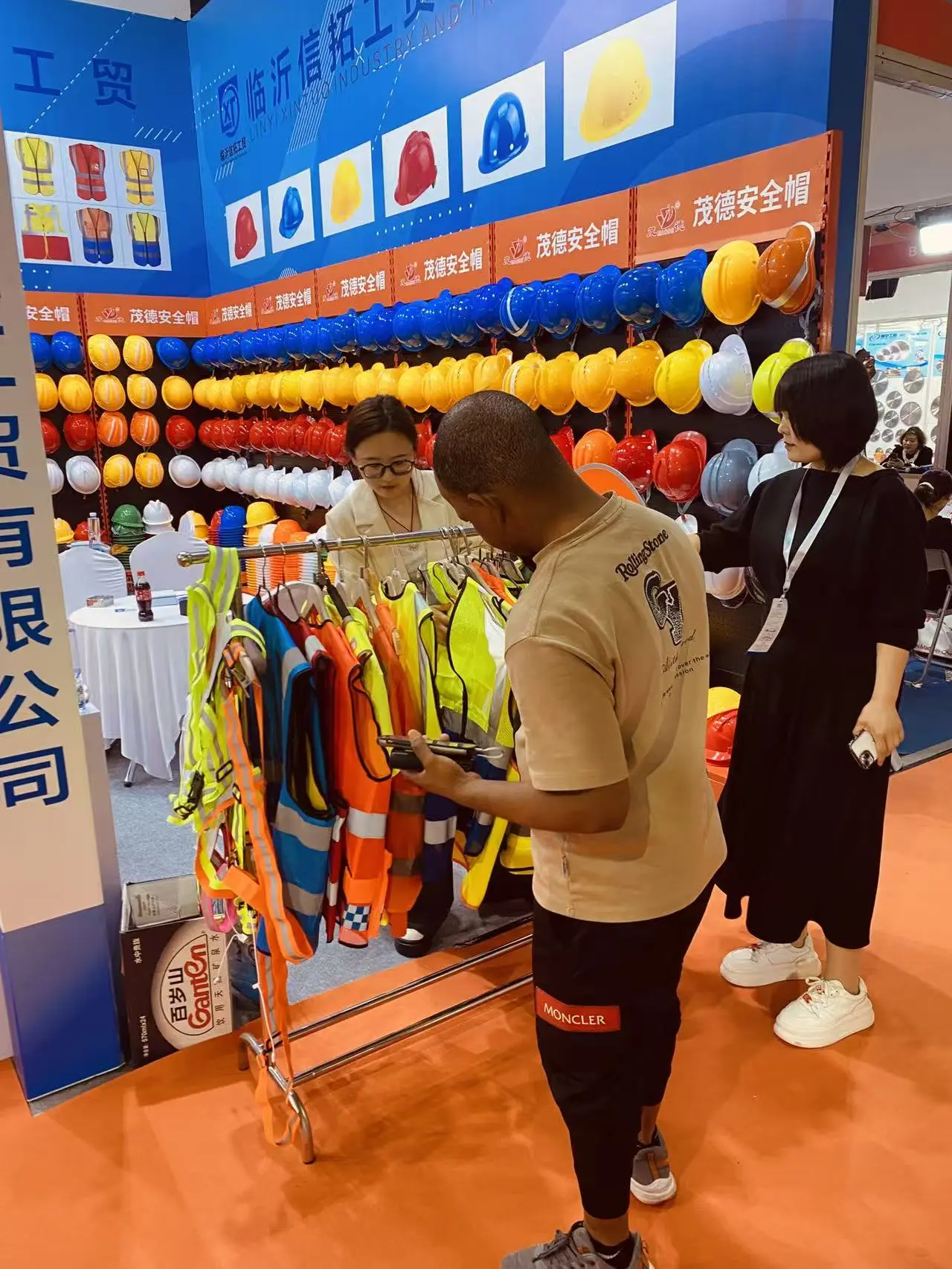
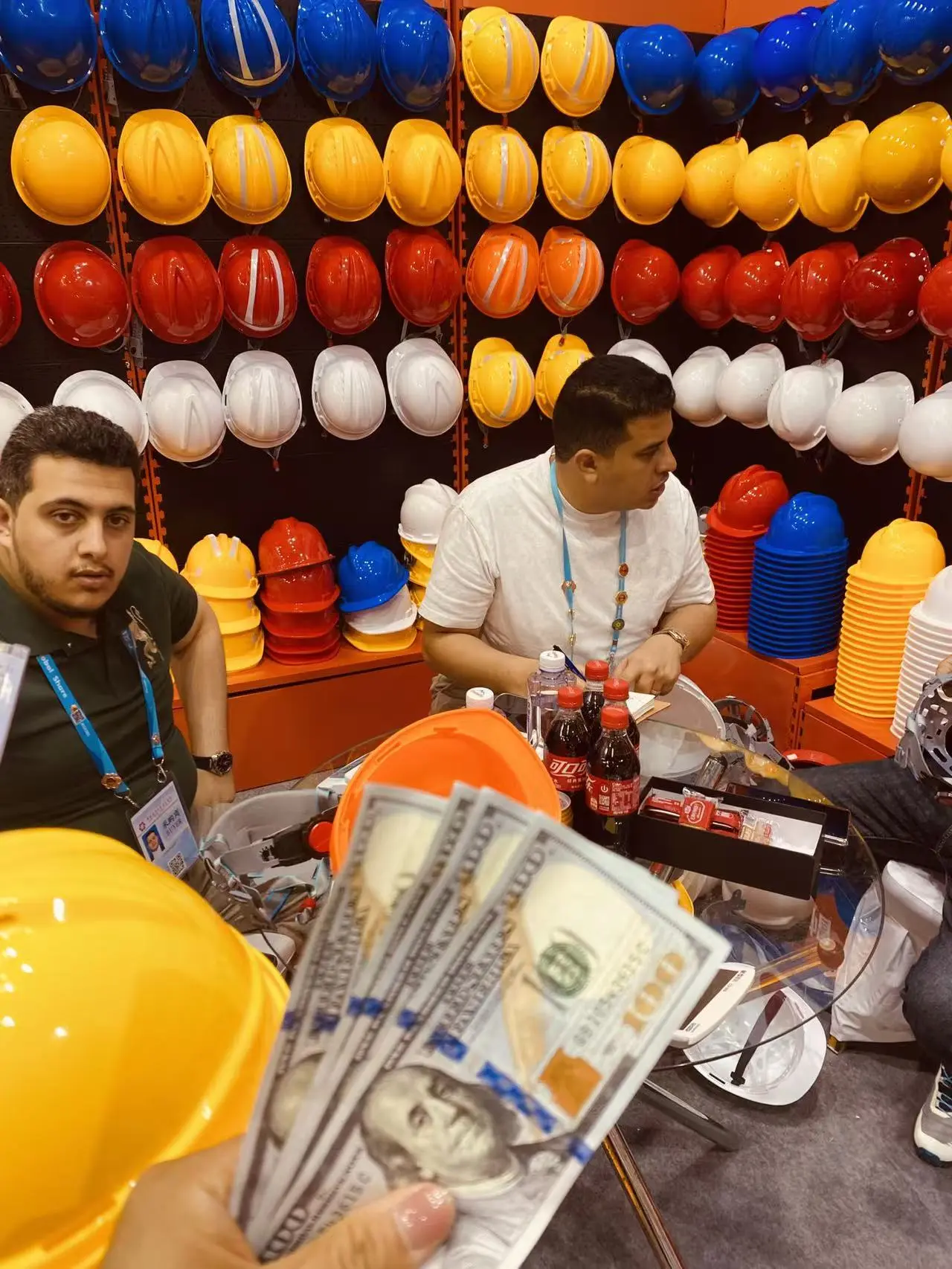
We work closely with global safety partners, attending international safety gear exhibitions to discuss industry standards and client needs.
Linyi Xintuo also specializes in high-strength fiberglass composites. This expertise in structural materials directly informs our head protection engineering, allowing us to build lightweight safety helmets with high impact resistance.

High-tensile rovings used as reinforcing fibers in specialized polymer composites.
Woven mesh layers that provide structural reinforcement for wall and insulation systems.
Non-woven fiberglass mats that offer isotropic strength for custom-molded composite shells.
Woven fabrics designed for structural laminating and heat insulation.
Modifying safety gear on-site can compromise its structural integrity. Below is an incident report highlighting the importance of using certified safety gear without unauthorized changes:
Location: Construction Project, Fujian Province, China
Event: Seeking comfort in warm weather, a worker drilled ventilation holes into the shell of a certified safety helmet. During work, a concrete fragment fell from a height, striking the modified helmet. Because the drilled holes compromised the shell's structural strength, the helmet cracked along the holes, causing injuries that a standard helmet could have prevented.
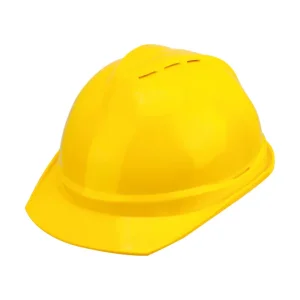
Safety Recommendation: Safety gear must never be modified by users. If a hot environment requires ventilation, companies should supply certified, pre-vented helmets designed and tested by the manufacturer to maintain safety standards.
Chin straps must be adjusted to fit snugly against the chin to keep the safety helmet stable and prevent it from shifting during active tasks.
Inspect straps and buckles regularly for signs of wear, fraying, chemical exposure, or damage, and replace worn components immediately.
Safety helmets and chin straps should be replaced immediately after sustaining a major impact, even if there is no visible damage, as microscopic fractures can weaken their protective performance.
Here are detailed answers to common inquiries about safety helmets, chin strap certifications, and custom manufacturing solutions:
We supply high-performance safety products and materials to a diverse network of distributors, construction groups, and industrial brands worldwide.












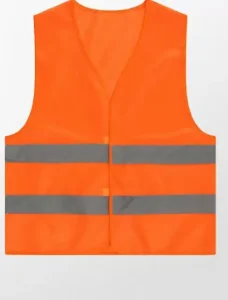
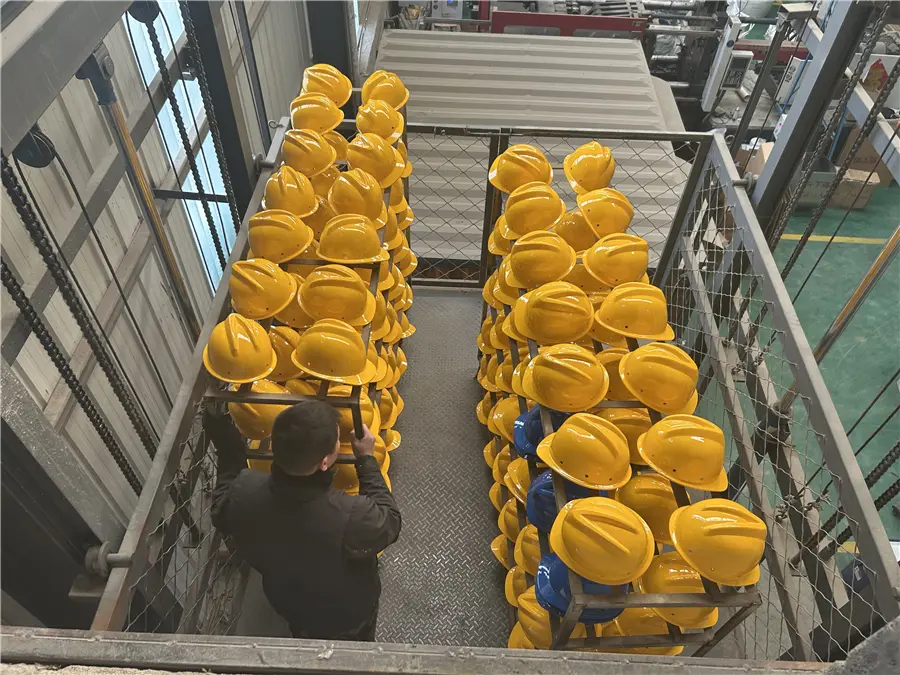
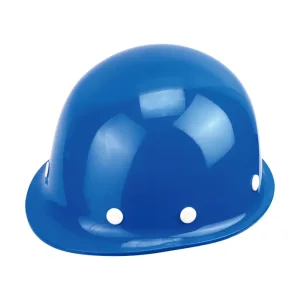
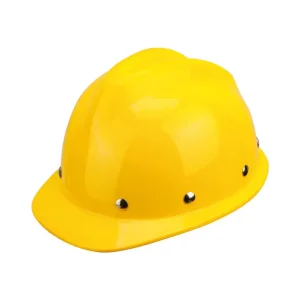
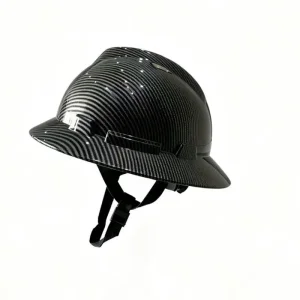
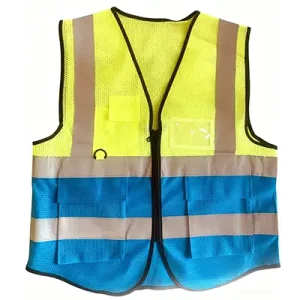
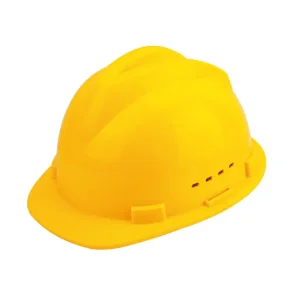
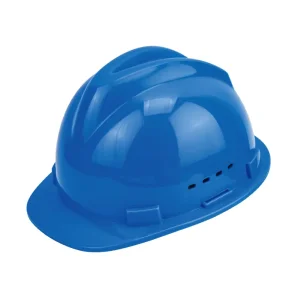
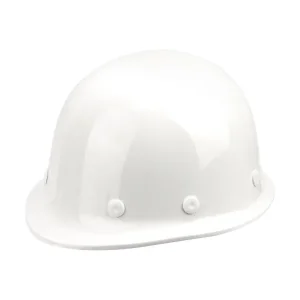
Browse our selection of safety helmets, fiberglass protective equipment, and high-visibility apparel designed for demanding industrial operations.
 Xintuo