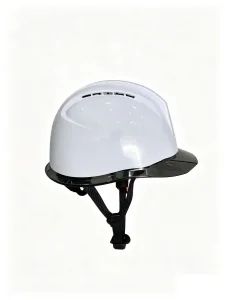
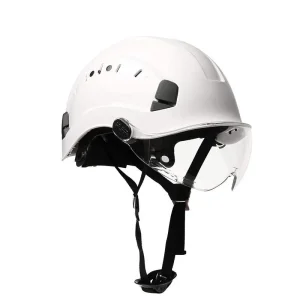
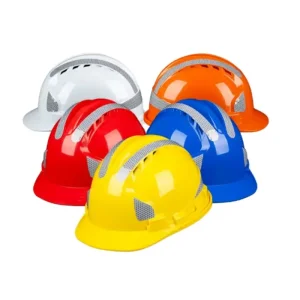
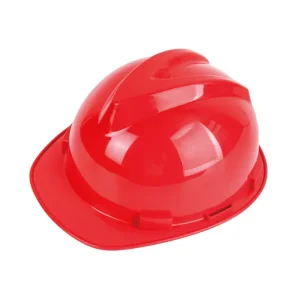
Explore our certified V-Type safety helmets engineered with high-impact polymers and advanced ergonomics for reliable workplace safety.
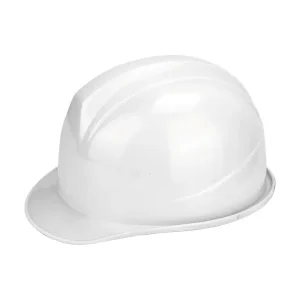
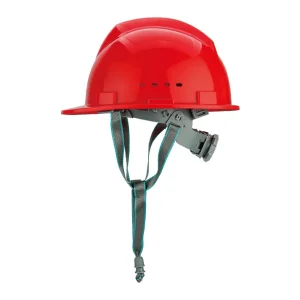
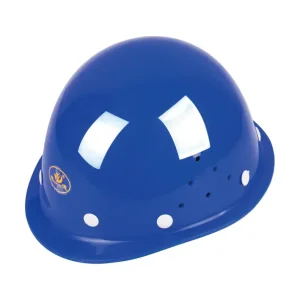
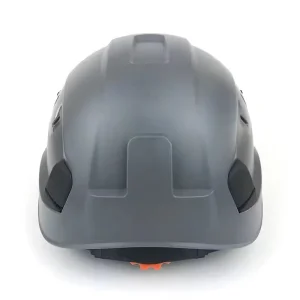
Understanding Peak Deflection and Energy Redistribution Dynamics in High-Risk Industrial Environments.
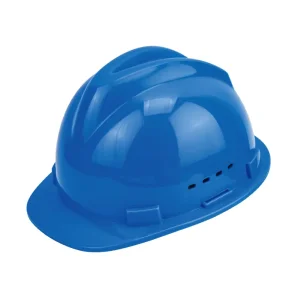
In high-stakes industrial environments, the structural morphology of a safety helmet determines the boundary between minor impact and life-threatening trauma. The V-Type Safety Helmet (famously recognizable by its distinct top crest) is not an aesthetic choice; it is a calculated mechanical solution. The top "V" design serves as a structural truss system. When a heavy object falls from height, it does not strike a flat plane. Instead, the load force is redirected outwards along the vector lines of the V-crest, dramatically reducing the direct perpendicular impact forces absorbed by the helmet's crown and transmitted down the wearer’s spine.
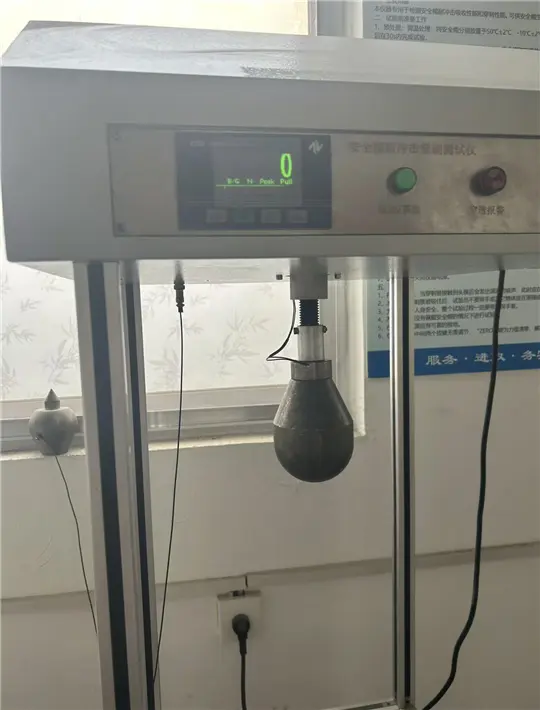
Modern testing profiles demonstrate that this design reduces peak load transfer to the neck by up to 30% compared to smooth dome alternatives. Under standard EN 397 and ANSI Z89.1 protocols, helmets are subjected to impact forces from drop heights of several meters. The V-type design consistently optimizes the deceleration profile of the dropping mass. Coupled with advanced polymer injection techniques, these hard hats deliver optimal force dissipation through elastic and plastic deformation limits of the shell materials, specifically high-quality ABS (Acrylonitrile Butadiene Styrene) and high-density HDPE (High-Density Polyethylene).
Linyi Xintuo Industry and Trade Co., Ltd. is a modern enterprise based in China, specializing in the research, development, and manufacturing of high-performance safety helmets and comprehensive labor protection equipment. Since its establishment, the company has been driven by a vision of innovation, continuously investing in advanced production equipment and assembling a team of high-caliber research and design professionals.
Our standardized management mode, combined with ISO-certified processes, guarantees consistent product excellence across all batches. The company operates with a commitment to sustainability, utilizing eco-friendly materials and energy-efficient production techniques to minimize environmental impact while maintaining operational efficiency.

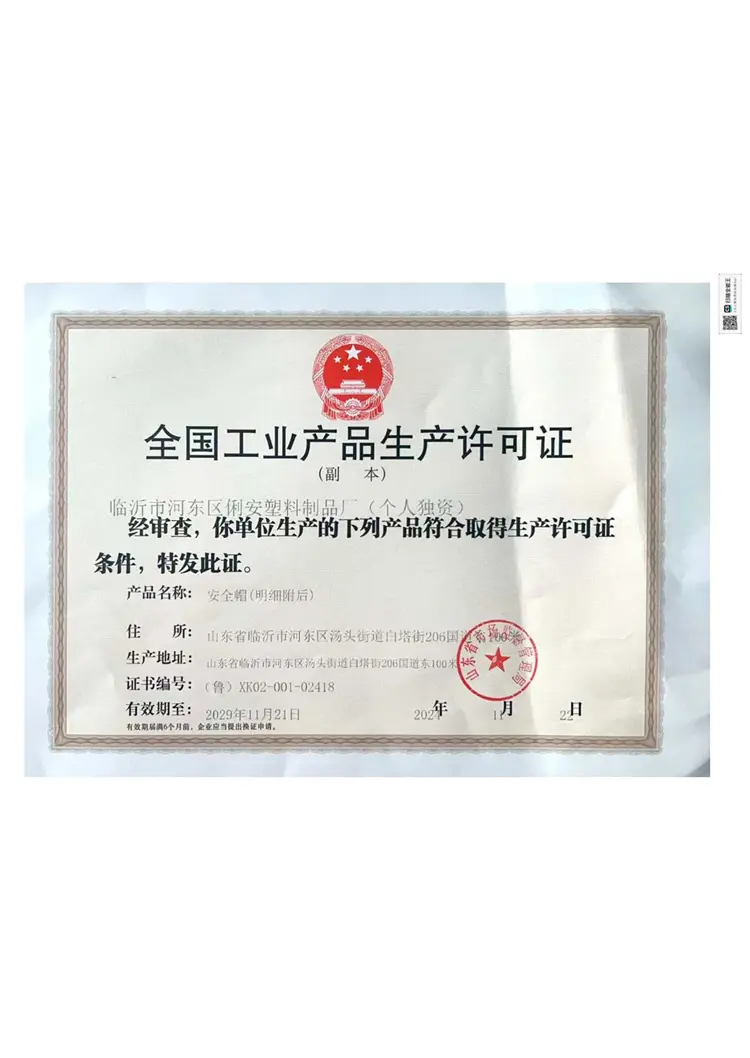
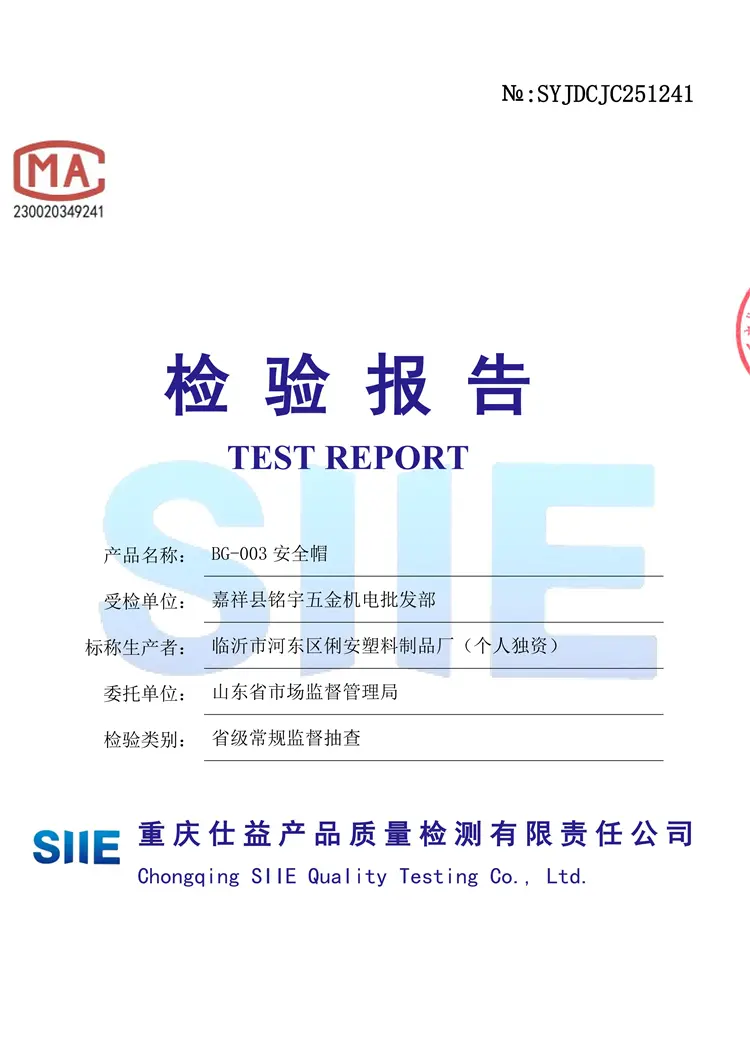
All safety helmets are engineered to meet or exceed international safety standards such as CE, ANSI, and EN. We deploy precise tooling geometry to maintain uniform thickness throughout the shell structure.
We leverage cutting-edge material science, utilizing fiberglass composites and high-impact polymers that offer superior strength-to-weight ratios compared to traditional generic plastics.
We provide comprehensive after-sales support, including technical guidance, regulatory documentation support, and maintenance audit guidelines to guarantee user protection.
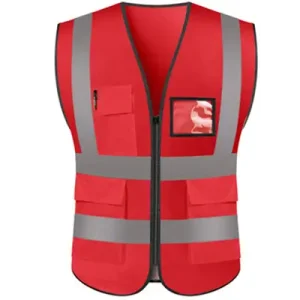
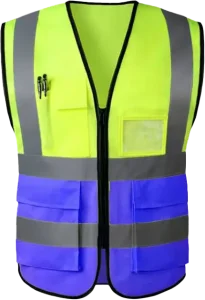
We work hand-in-hand with safety managers to offer personalized logo branding, custom packaging, color configurations, and matched high-visibility apparel solutions.
Strategic positioning, cluster efficiencies, and high-tech quality controls within China's industrial PPE epicenter.
Purchasing directly from Chinese PPE factories like Linyi Xintuo provides procurement departments with unparalleled structural advantages. China’s supply chain integrations in cities like Linyi, Shandong bring together chemical polymer suppliers, injection mold designers, physical testing laboratories, and transport routes into a hyper-efficient cluster. This logistics layout eliminates transport waste, reduces raw material handling overhead, and allows rapid production scaling that is impossible to match in fragmented global markets.
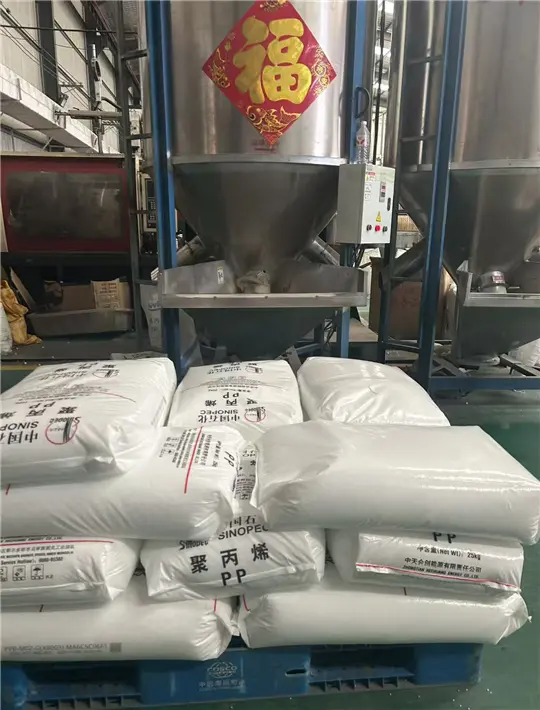
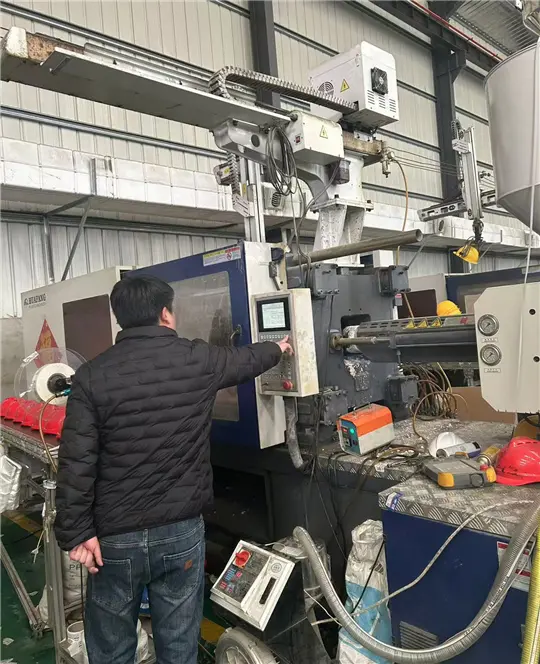
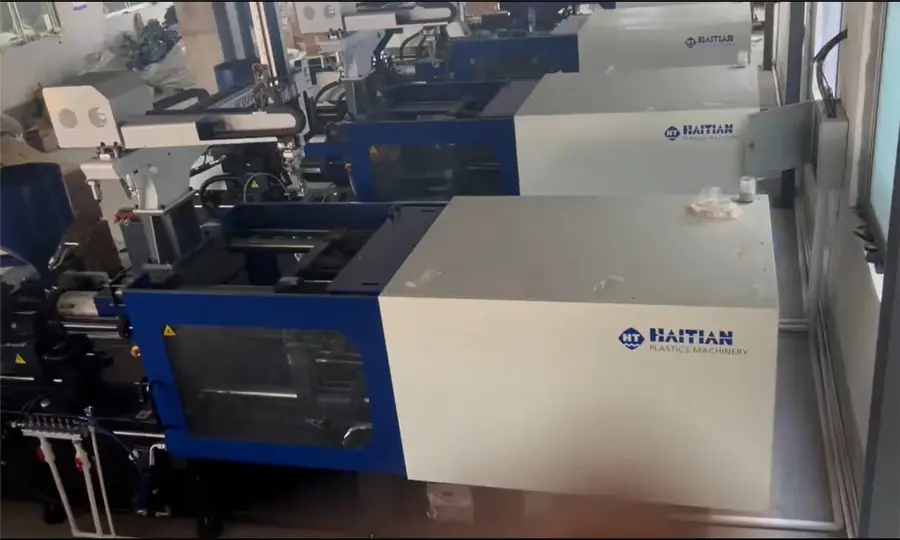
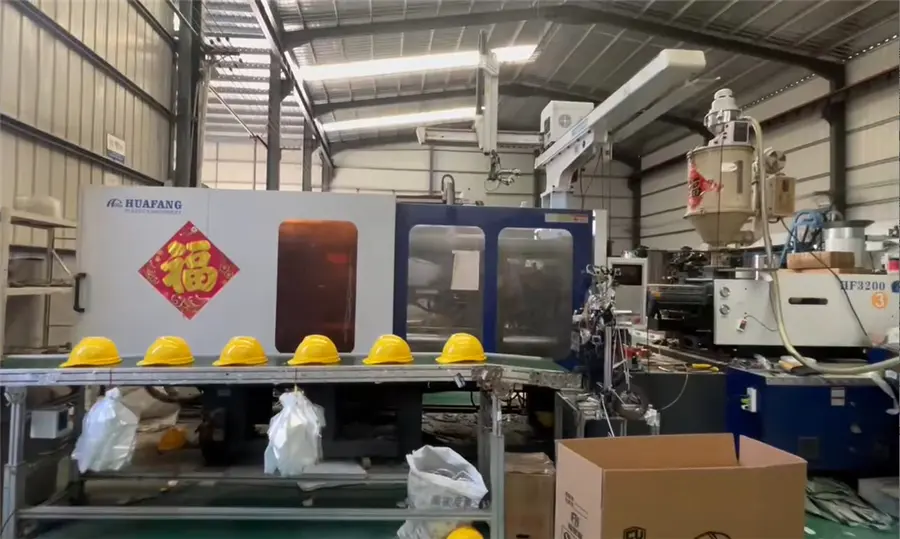
These scale advantages translate into continuous investment in automated machinery. Modern injection molding machines apply robotic arms for consistent cycle times, ensuring uniform wall thicknesses in ABS and HDPE safety helmets. Variations in plastic thickness create fatal structural weak spots; automation eliminates these human-error variables. Additionally, because China hosts major international test centers, factories can rapidly execute prototype iterations and complete CE, ANSI, and AS/NZS compliance cycles in record time, assuring global safety managers of quick order fulfillment.
Our V-Type safety helmets feature adjustable suspension systems with precision-calibrated tension controls, moisture-wicking sweatbands with antimicrobial properties, and advanced ventilation technologies that optimize airflow while maintaining structural integrity. These innovations cater to diverse work environments, from extreme temperatures to high-humidity conditions, ensuring optimal performance in the most demanding settings.
The suspension system uses unique cradle designs that cradle the occipital region of the skull, distributing the weight of the helmet evenly. This design prevents point-specific pressure zones and allows comfortable shifts during long 12-hour shifts. The integration of moisture management fabric keeps workers cool and decreases sweat migration into their eyes, boosting overall job site productivity and comfort.
Send InquirySmart integrations, biodegradable materials, and custom-tailored industrial protection strategies.
The global industrial safety sector is experiencing a massive shift toward digital integration and sustainable development. Standard hard hats are transforming into safety platforms. The industry is seeing rapid development in smart helmets equipped with IoT sensors, thermal imaging systems, and real-time proximity alerts that alert wearers to incoming heavy machinery or hazardous gases. Modern industrial organizations require platforms that can integrate modular communication components and face protection accessories without reducing the helmet's protective rating.
In addition to technological integration, sustainability has become a critical procurement metric. Major mining and construction operations are actively demanding recycled and bio-based plastics to meet strict carbon footprint metrics. Companies like Linyi Xintuo are optimizing manufacturing lines to utilize eco-friendly materials, energy-efficient production methods, and circular economy protocols. These advances help international buyers reduce environmental impact while maintaining structural safety ratings.
The company places a strong emphasis on customer-centric solutions, offering customized design services to meet specific industry requirements. Our research and development team collaborates closely with clients to understand their unique challenges, resulting in tailored products that enhance safety and productivity. Additionally, we provide comprehensive after-sales support, including technical guidance and maintenance services, to ensure uninterrupted protection for end-users.
Send Inquiry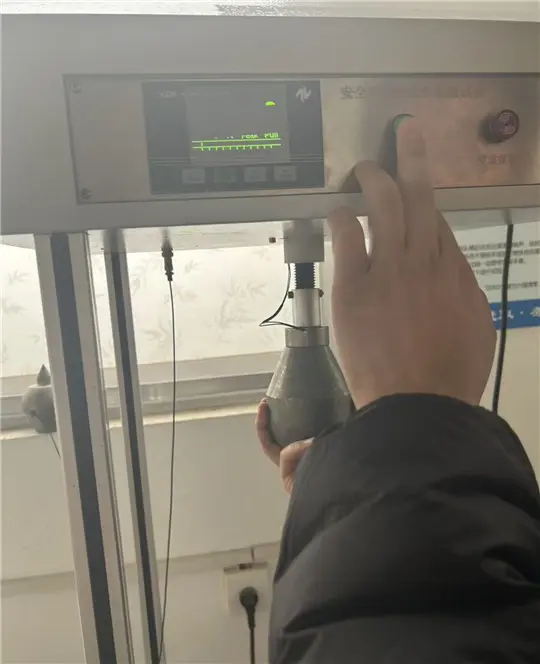
Fully compliant with EU and American CE, ANSI, and EN safety guidelines to guarantee occupational compliance.
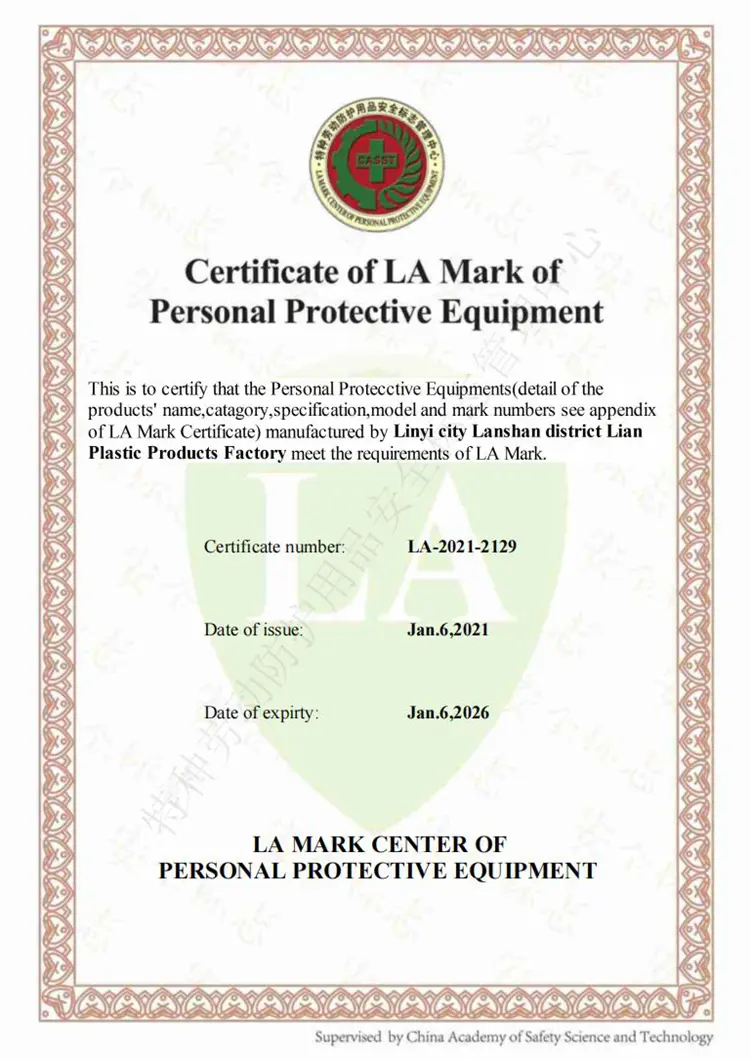
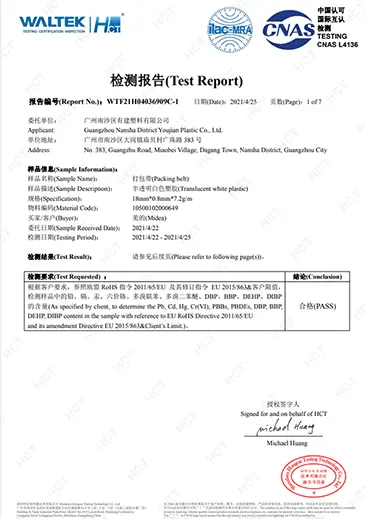
By continuously innovating and adhering to the highest quality standards, Linyi Xintuo has earned a reputation as a trusted partner in the global labor protection industry.













Watch our state-of-the-art Chinese manufacturing plant in action, featuring robotic systems and strict quality controls.

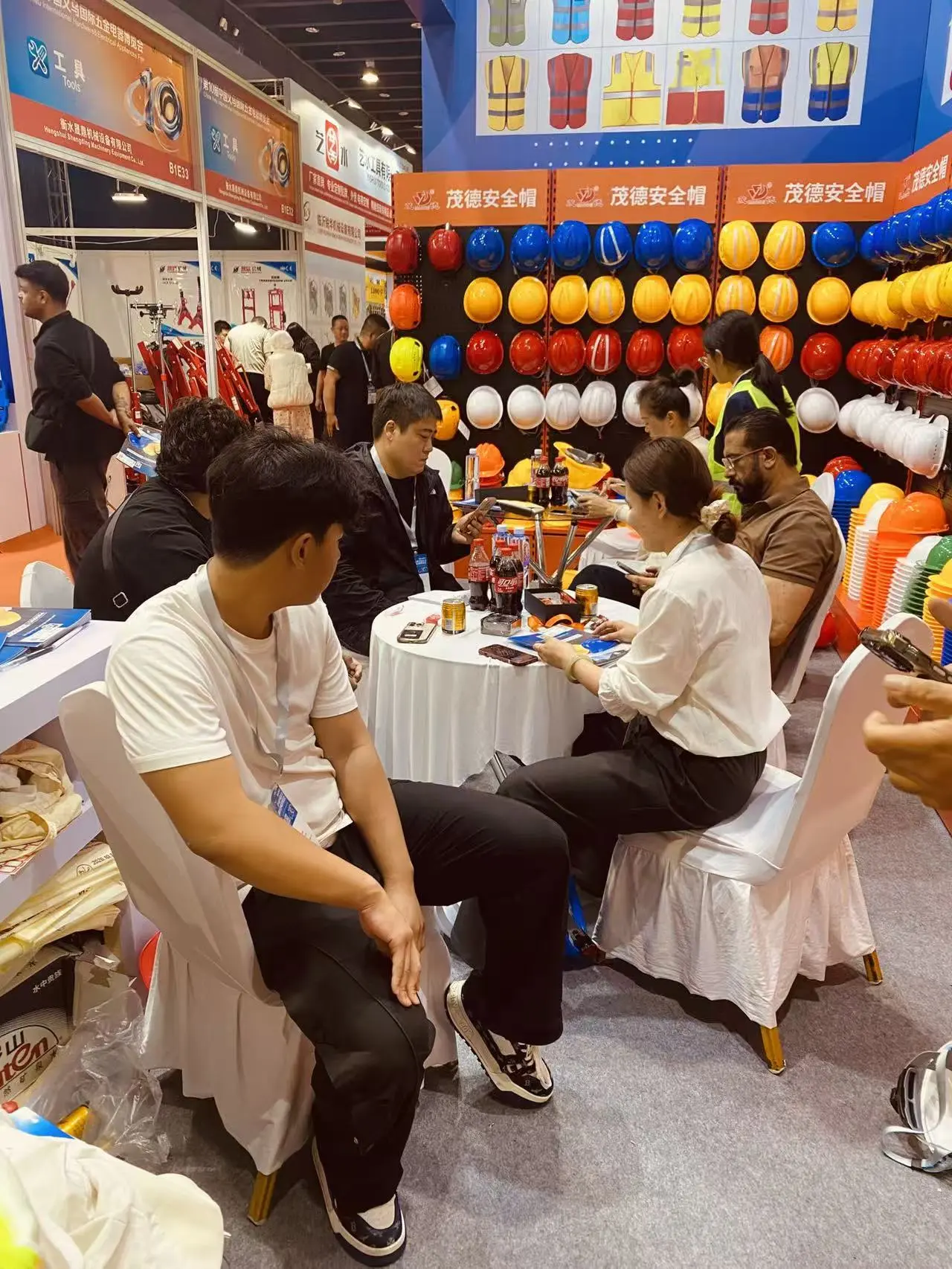
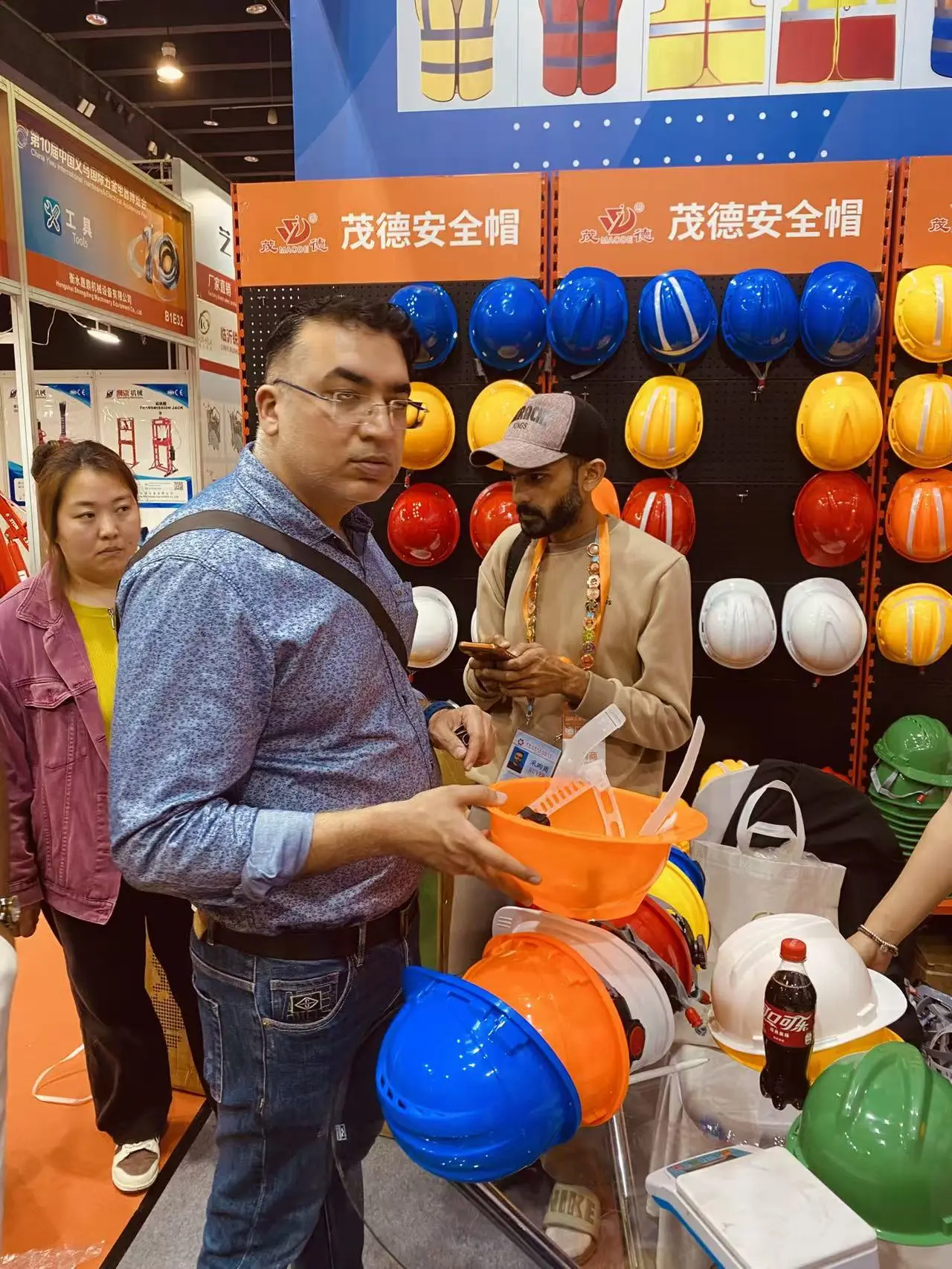
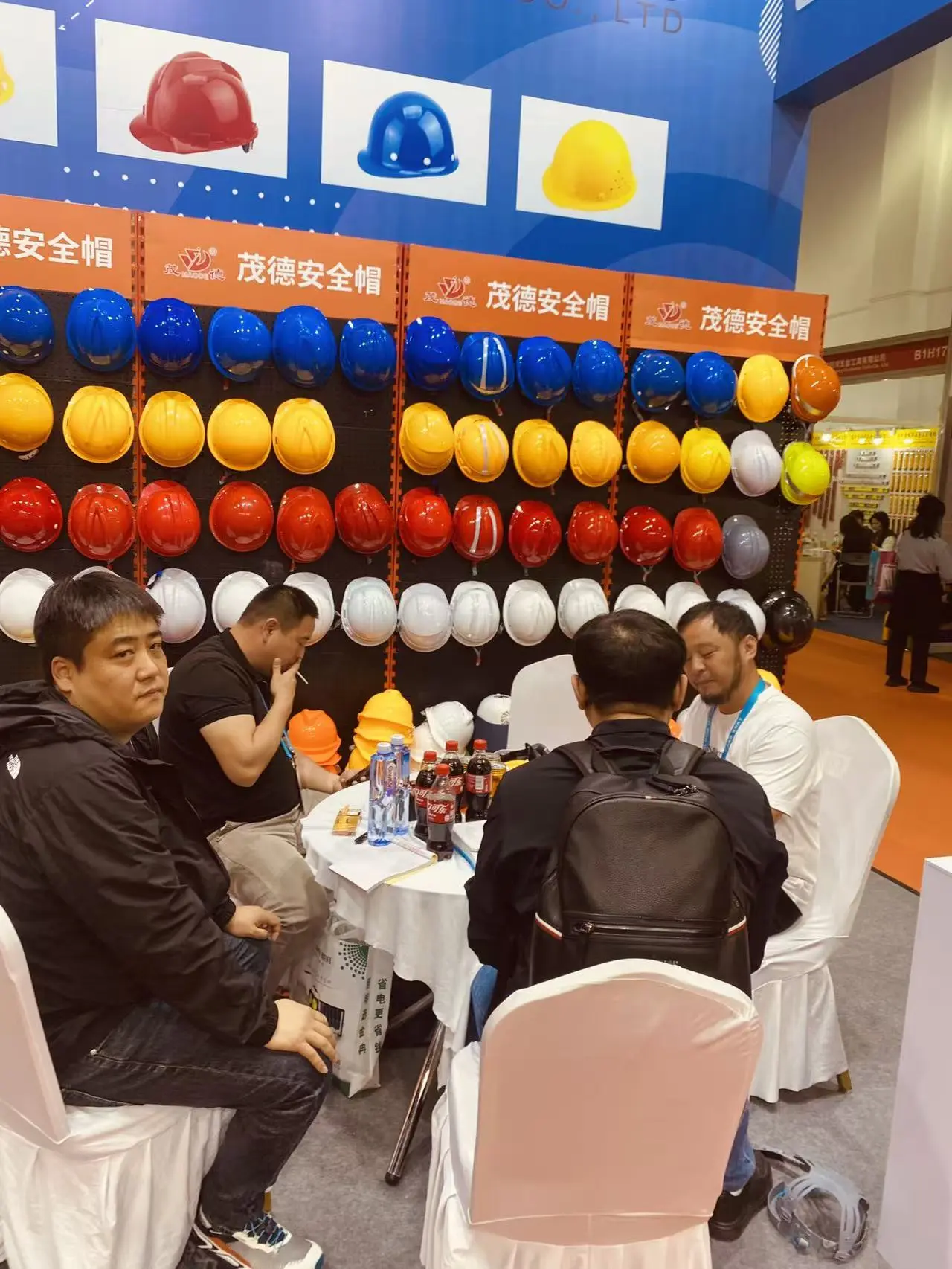
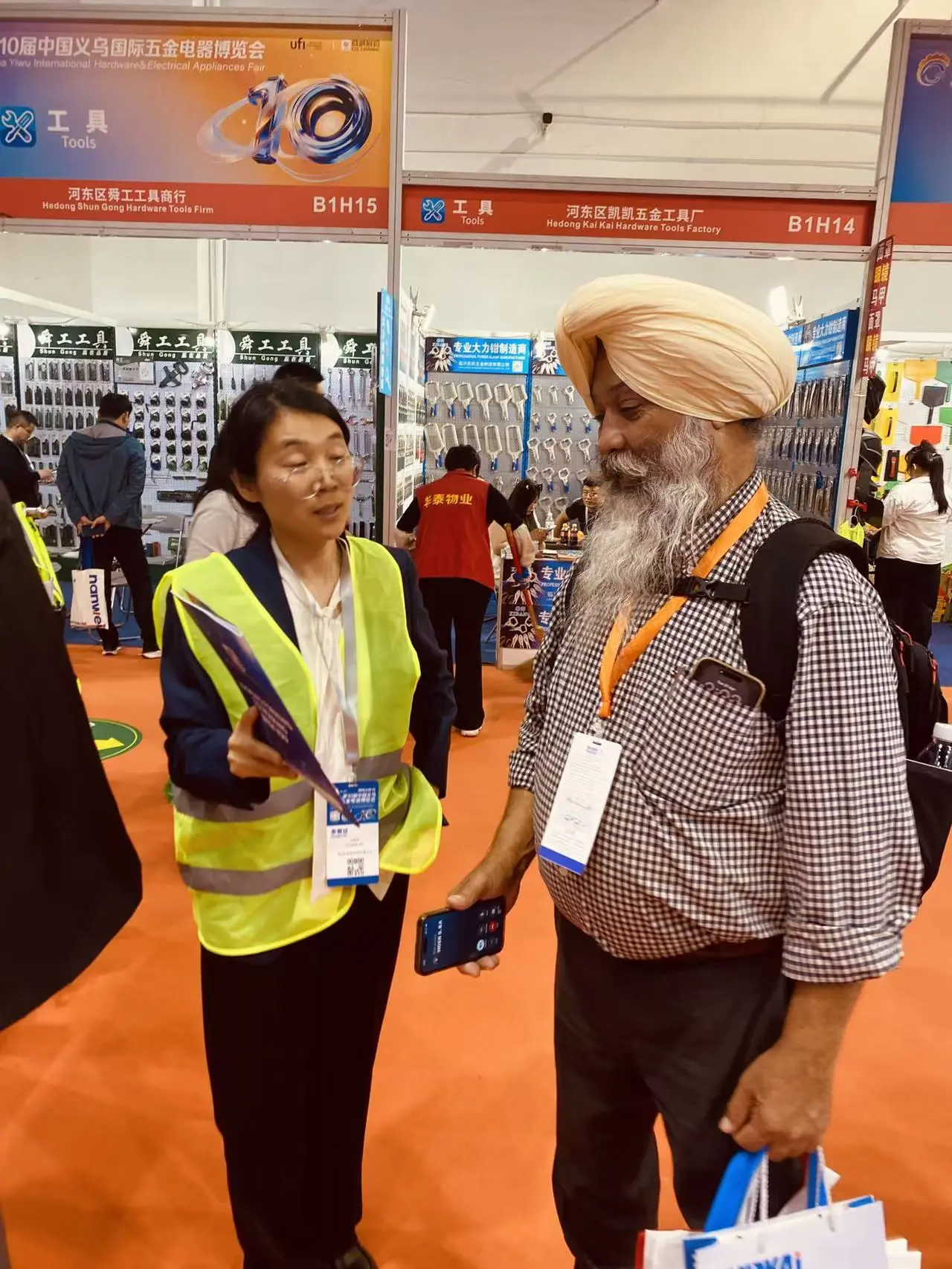
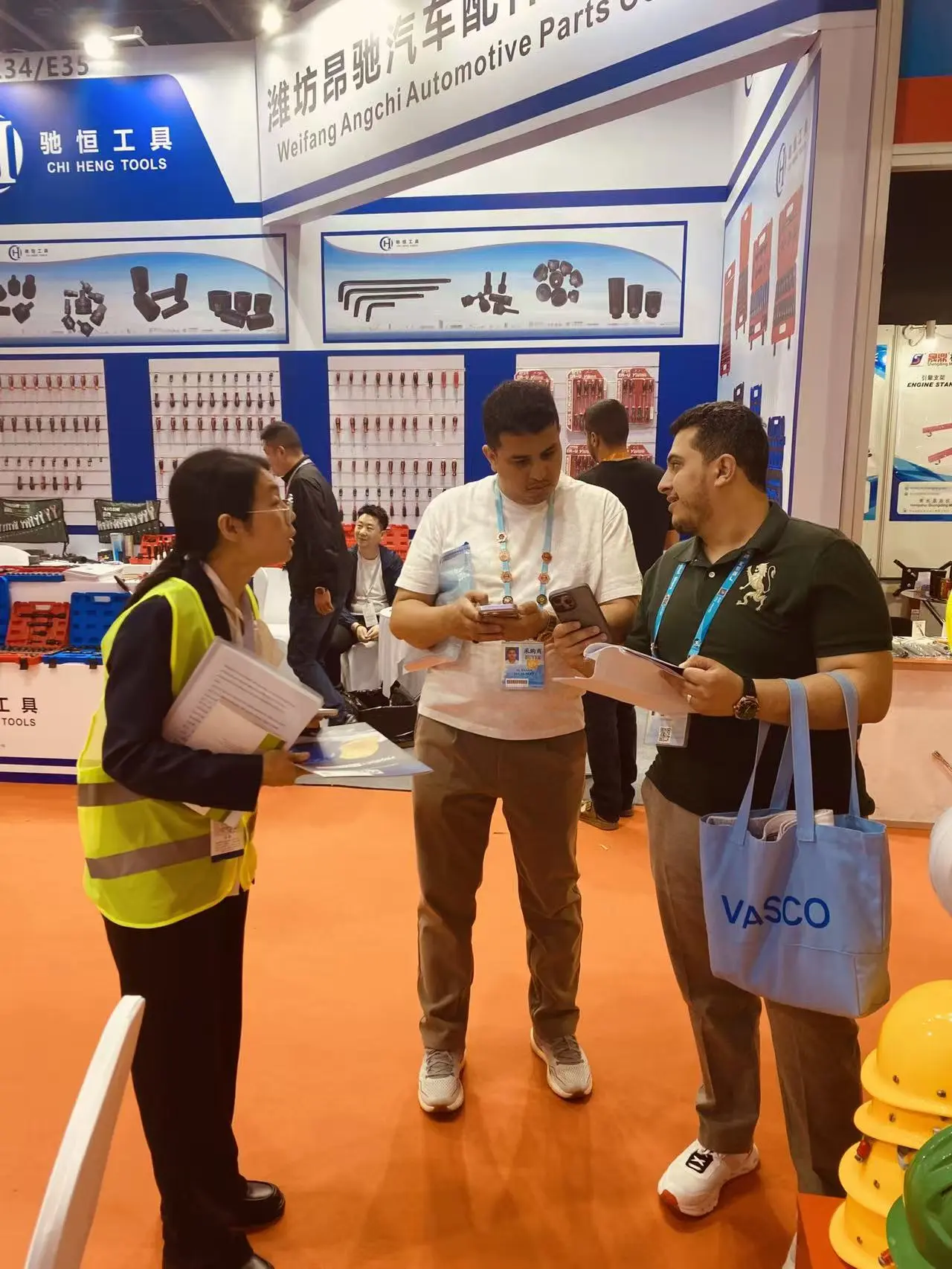
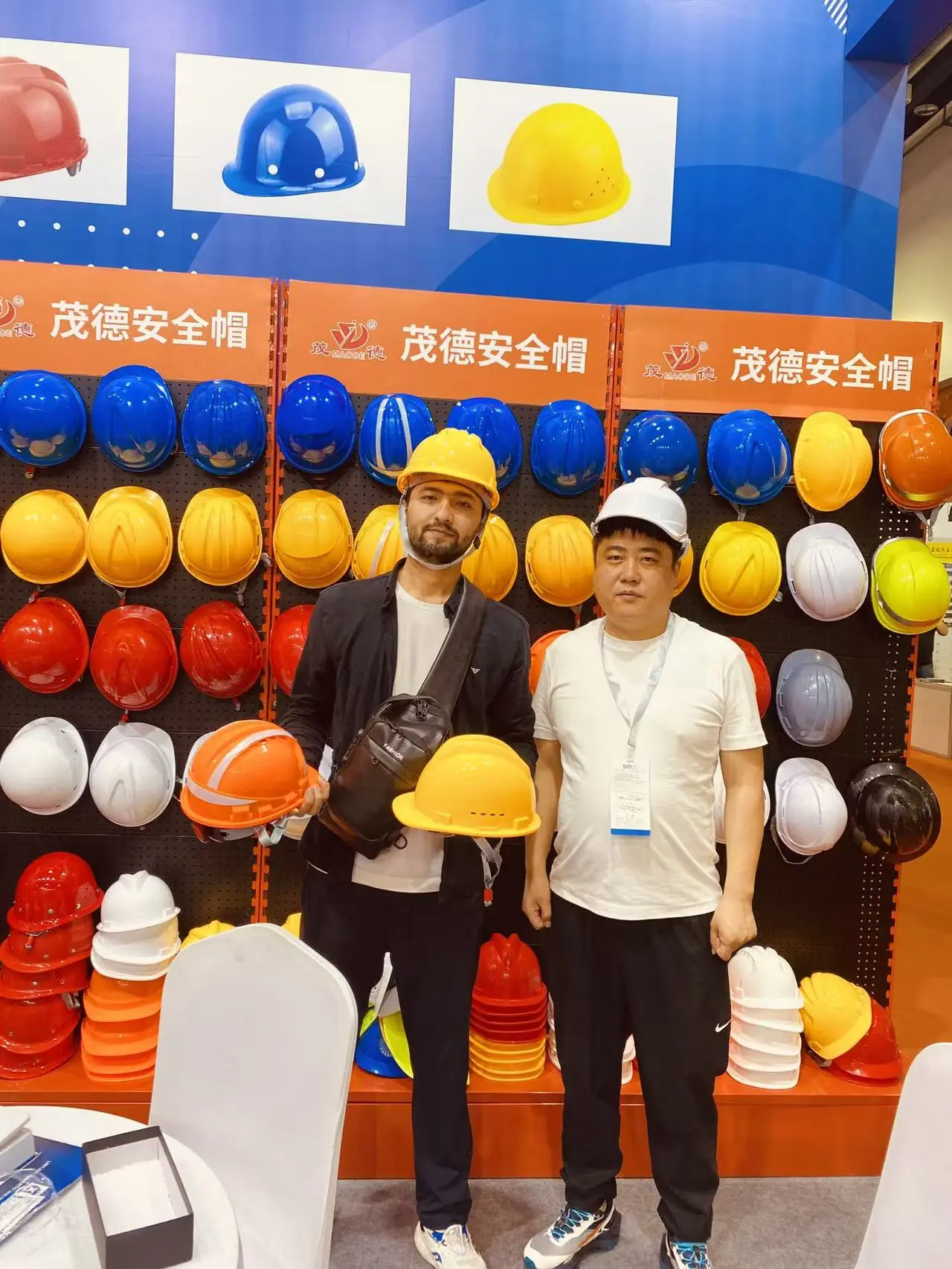
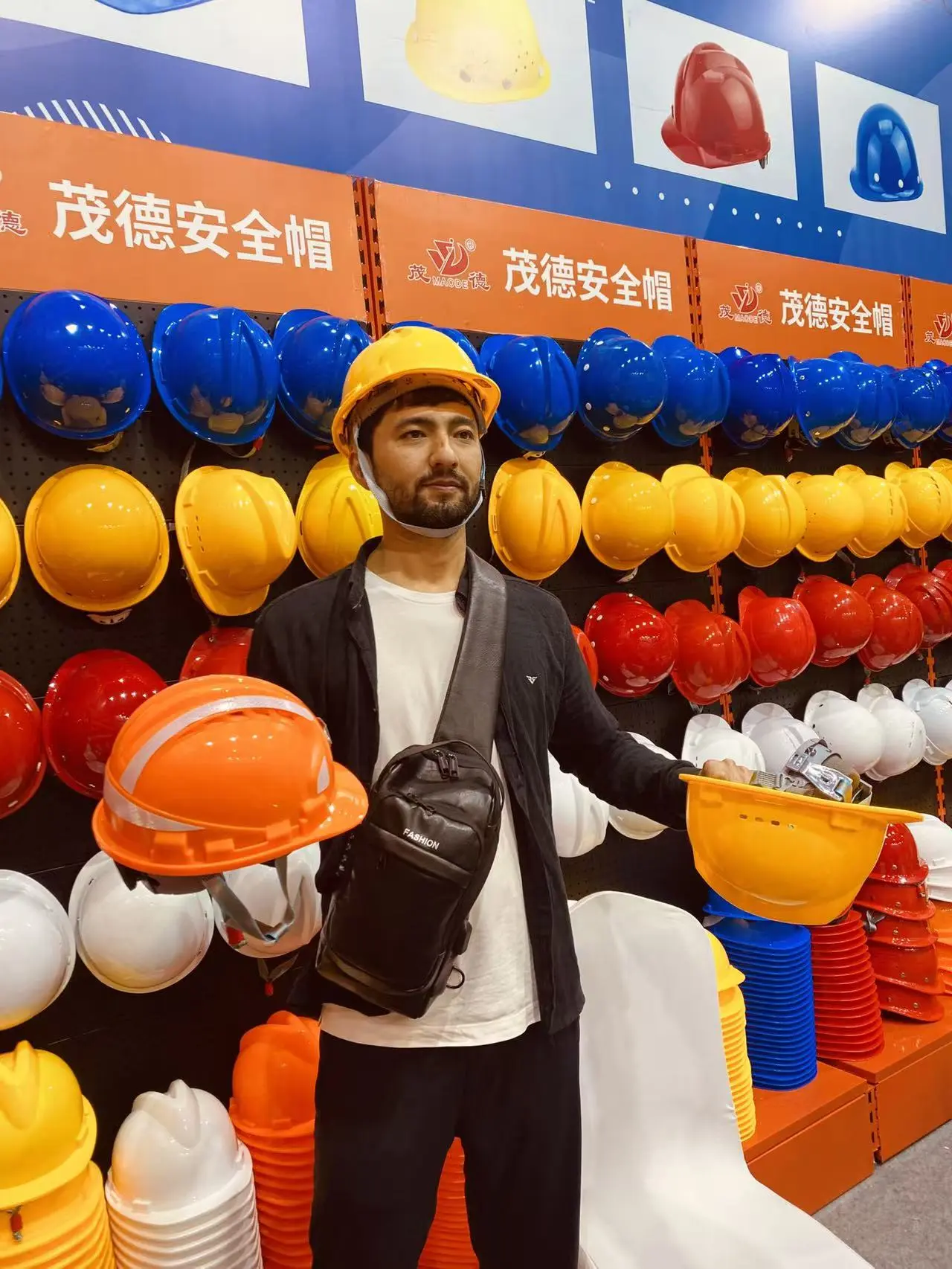
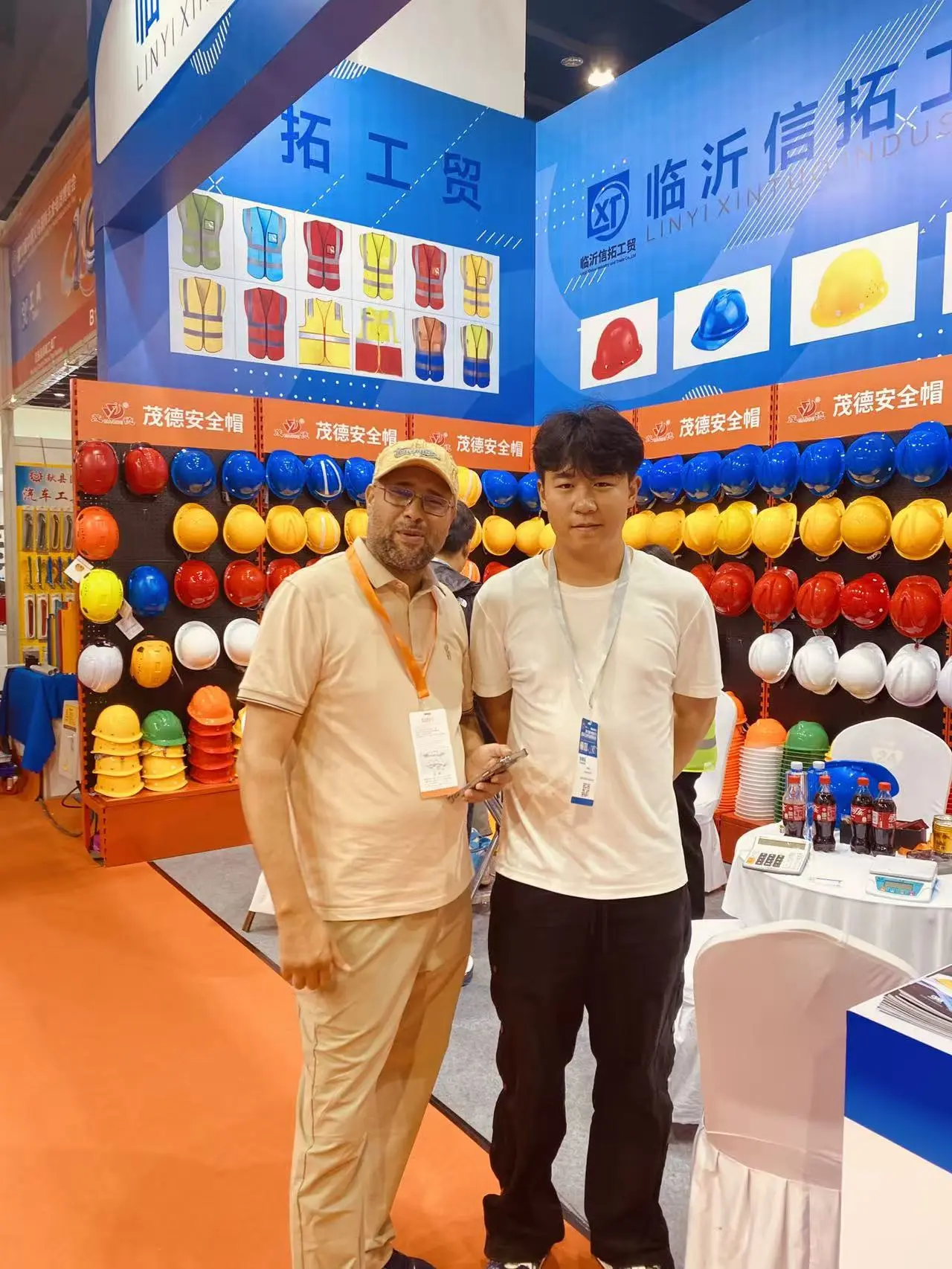
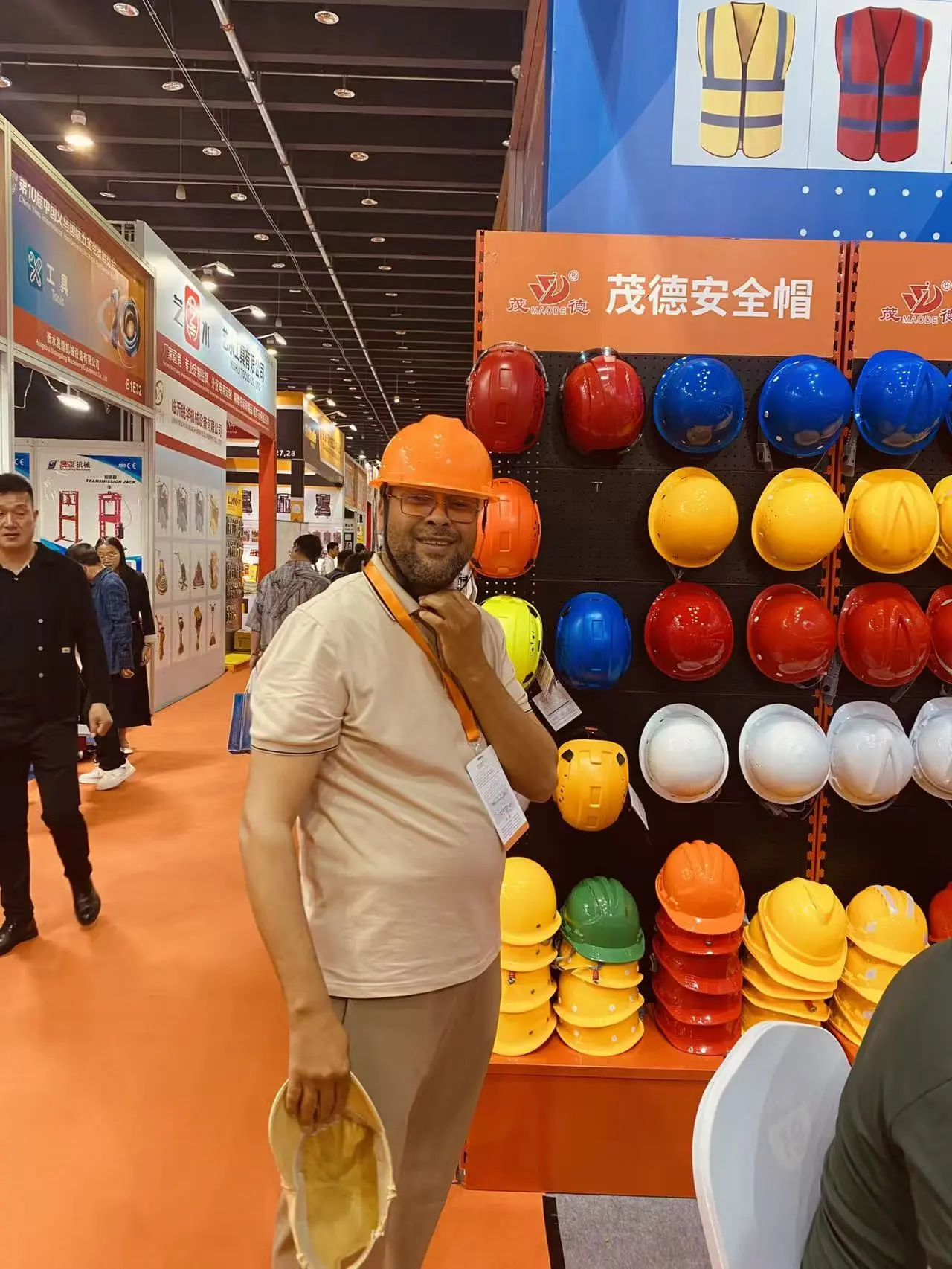
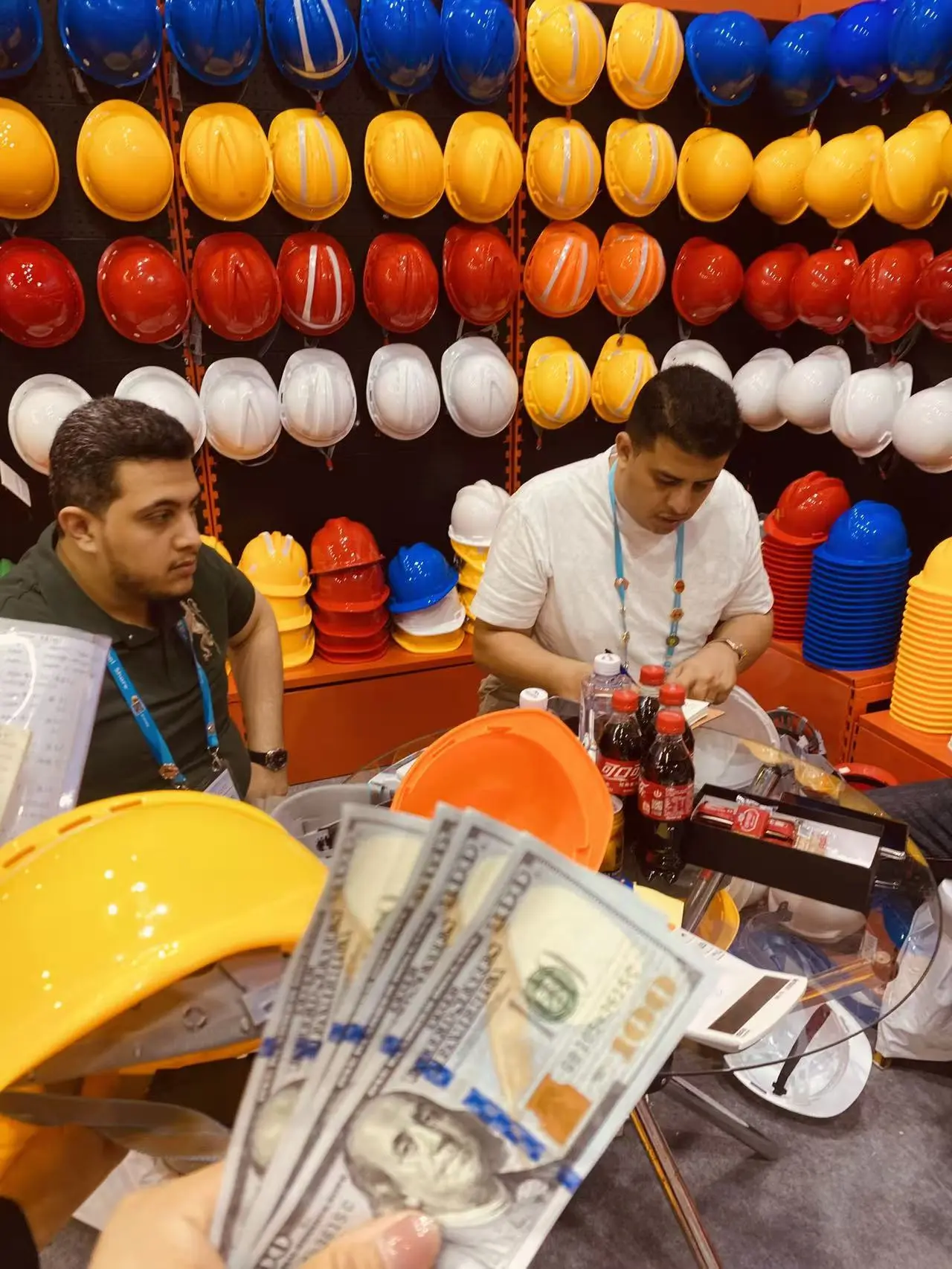
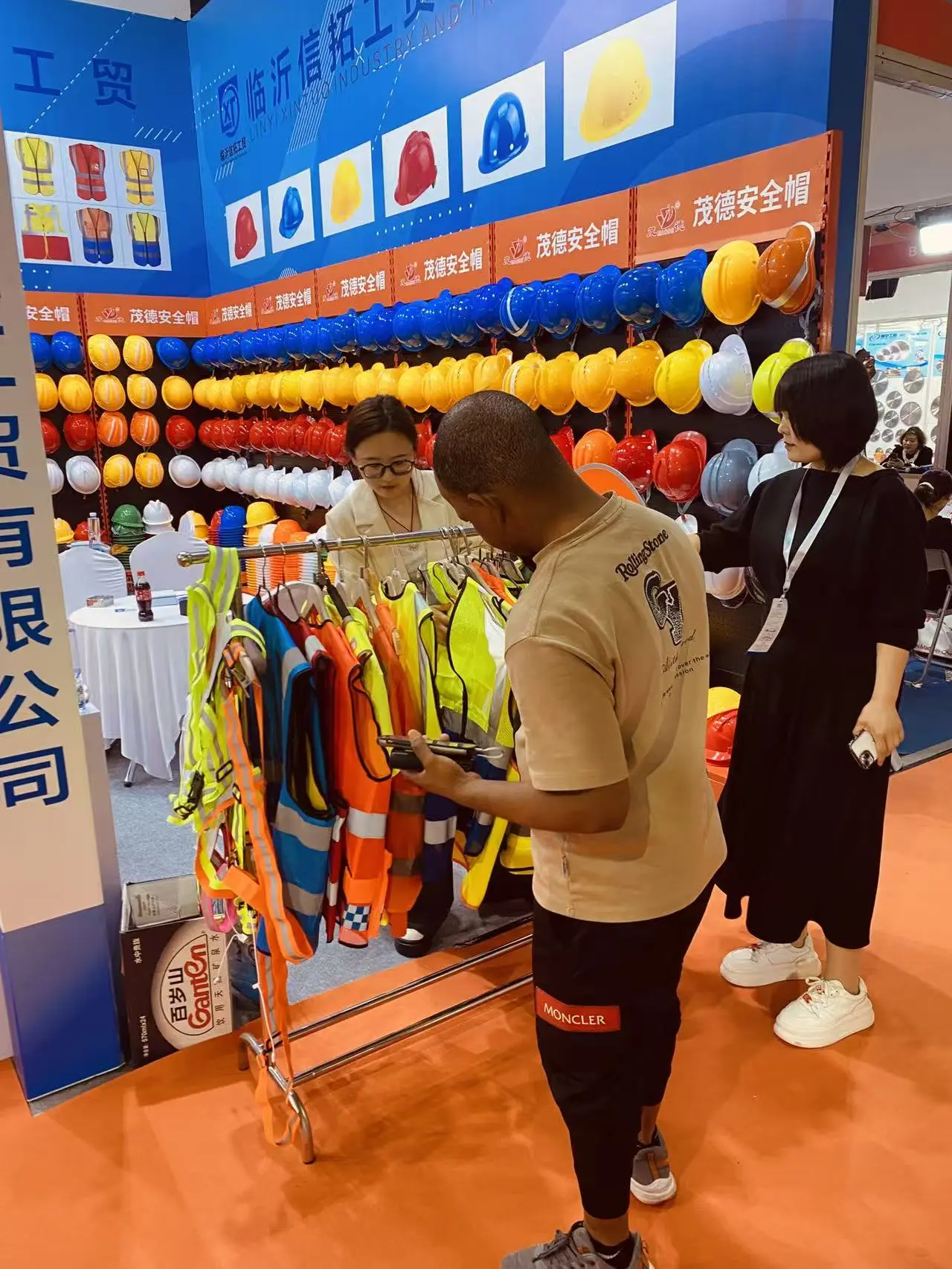
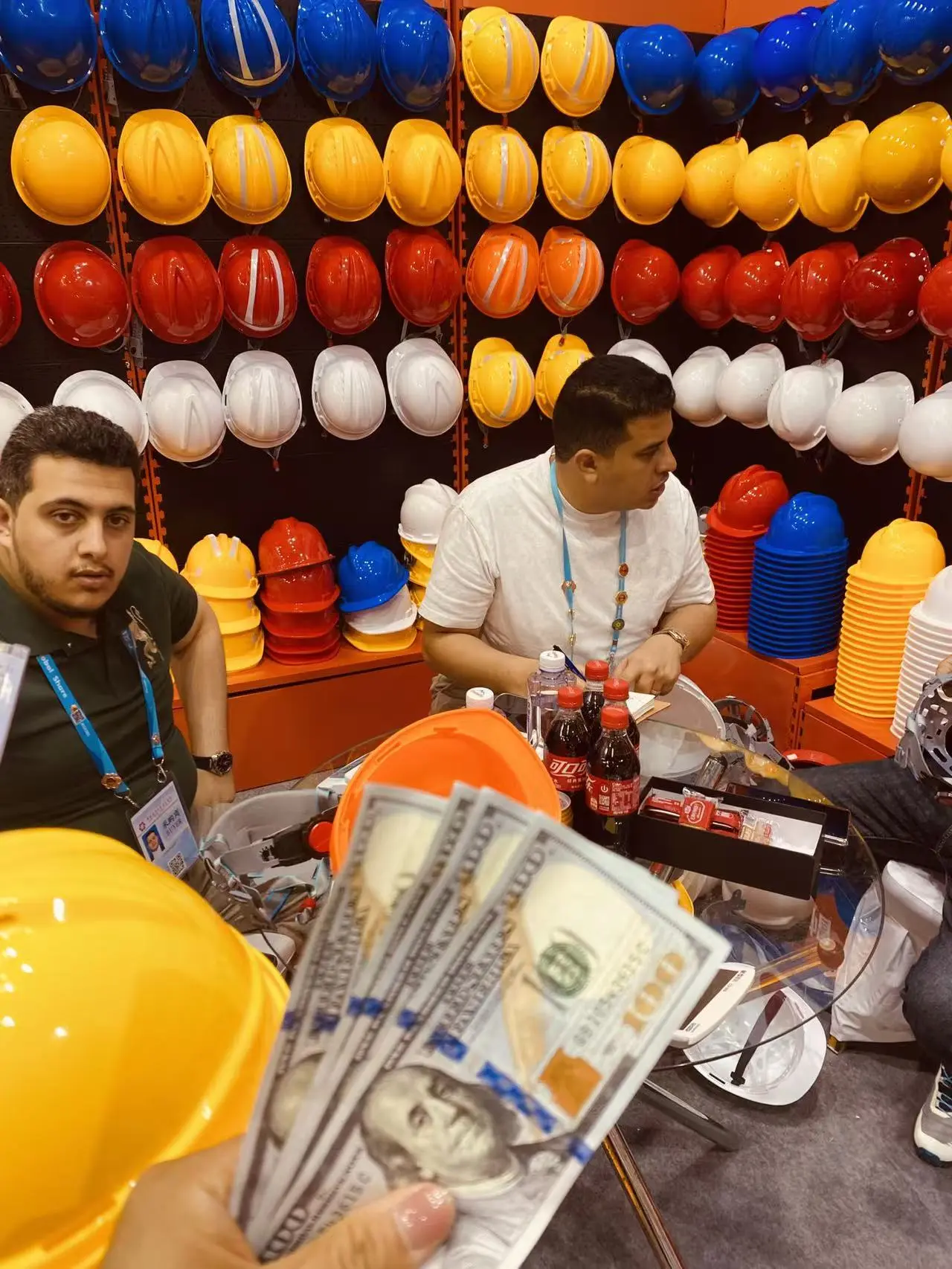
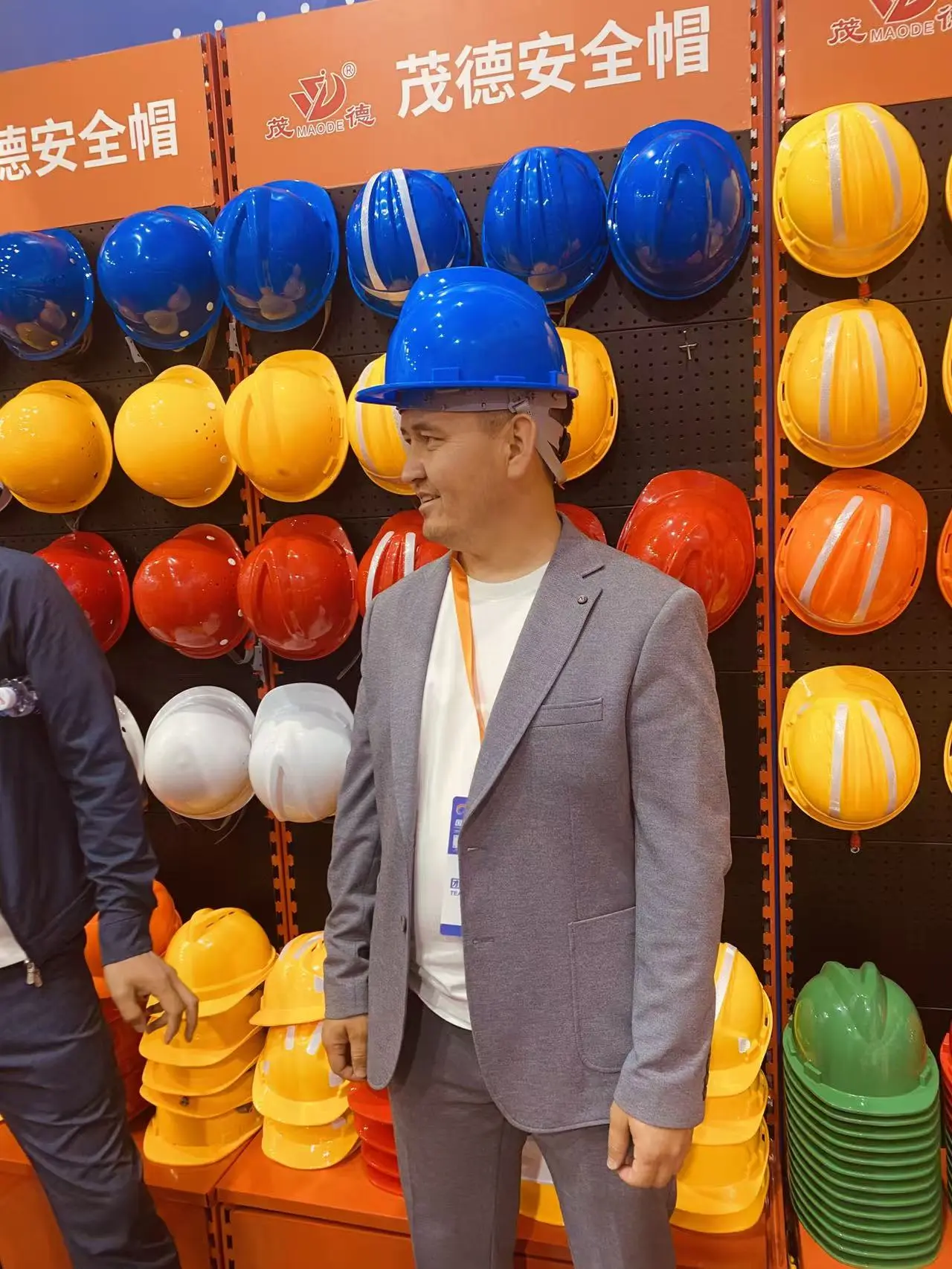
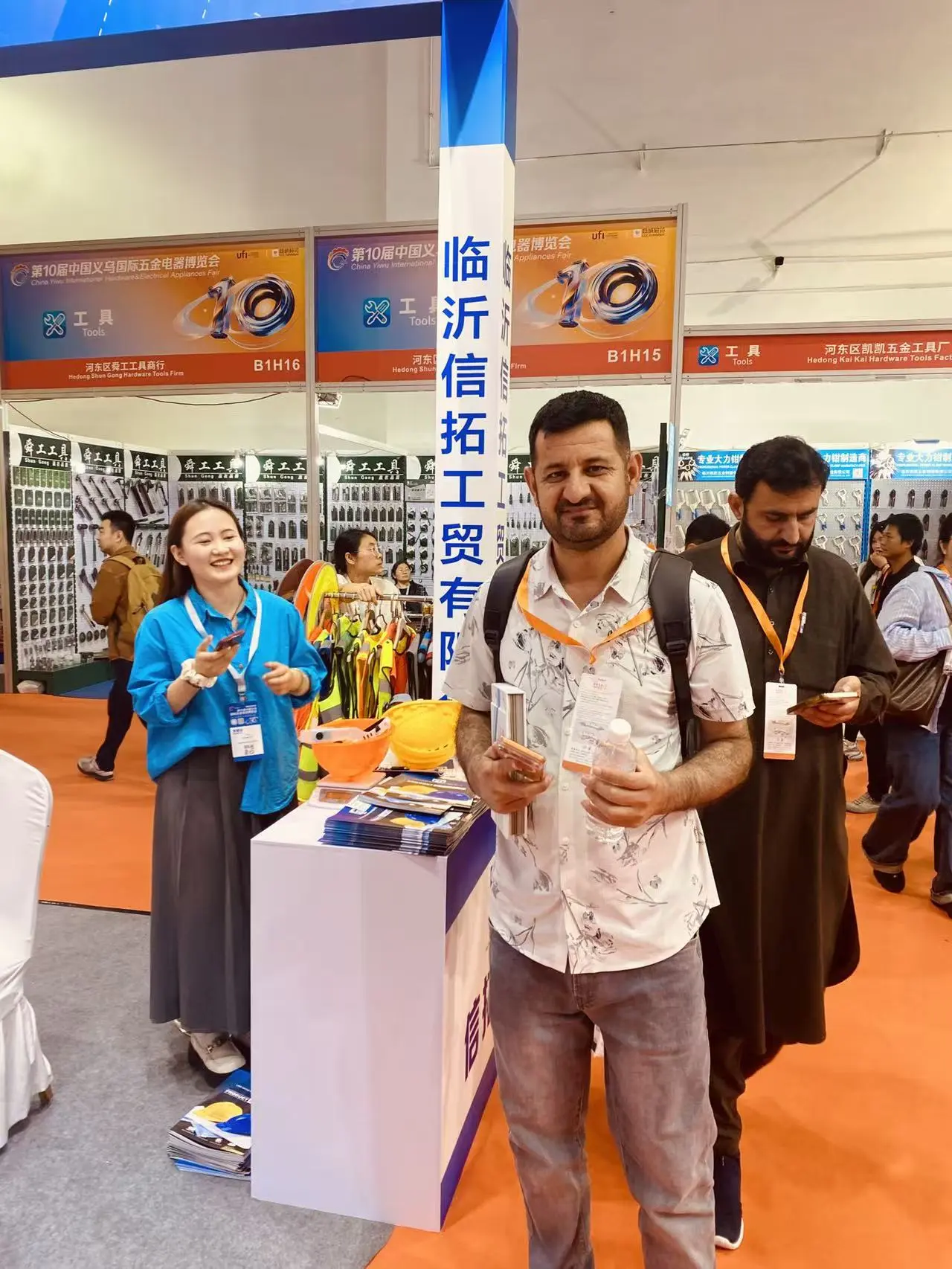
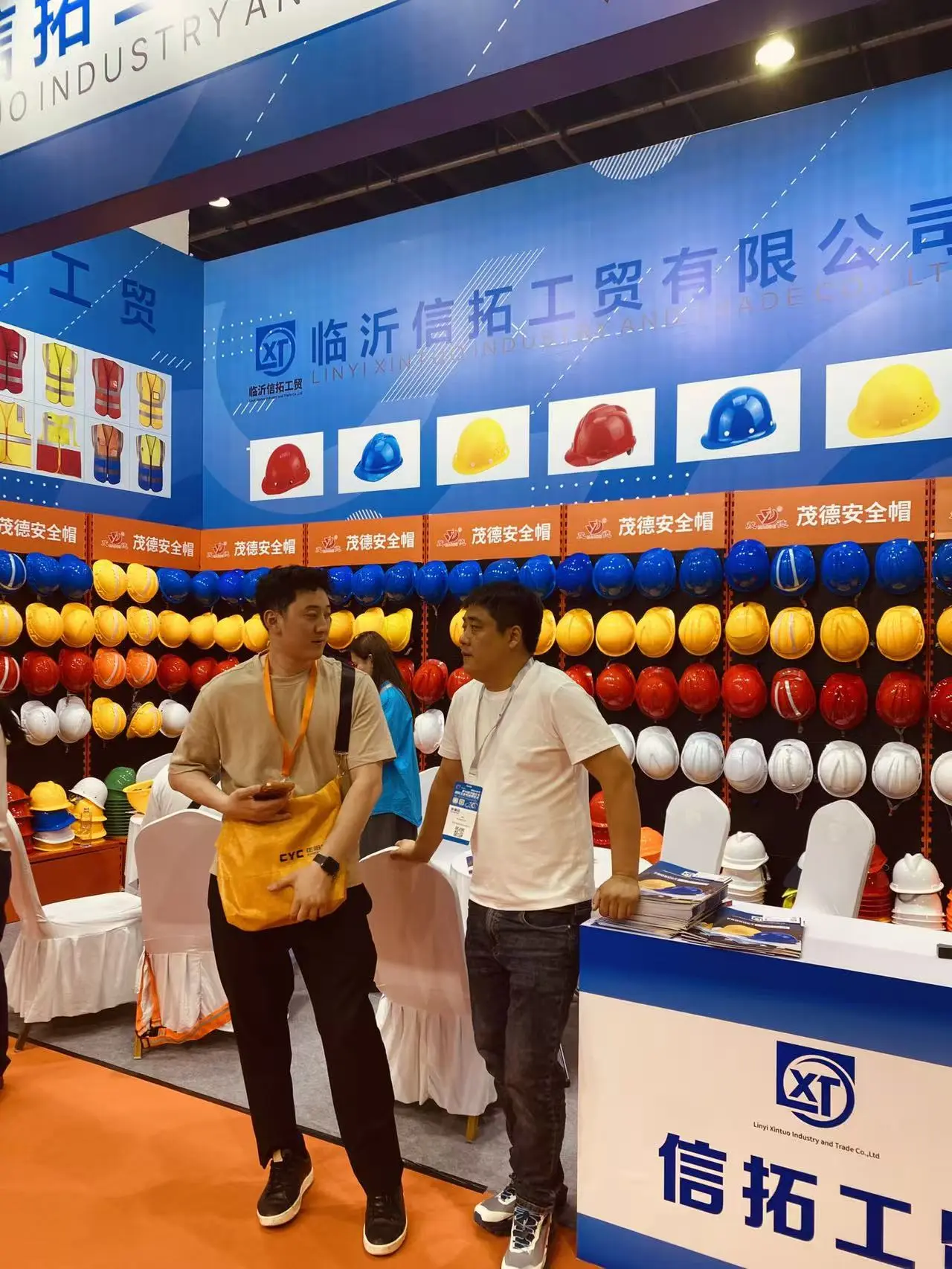
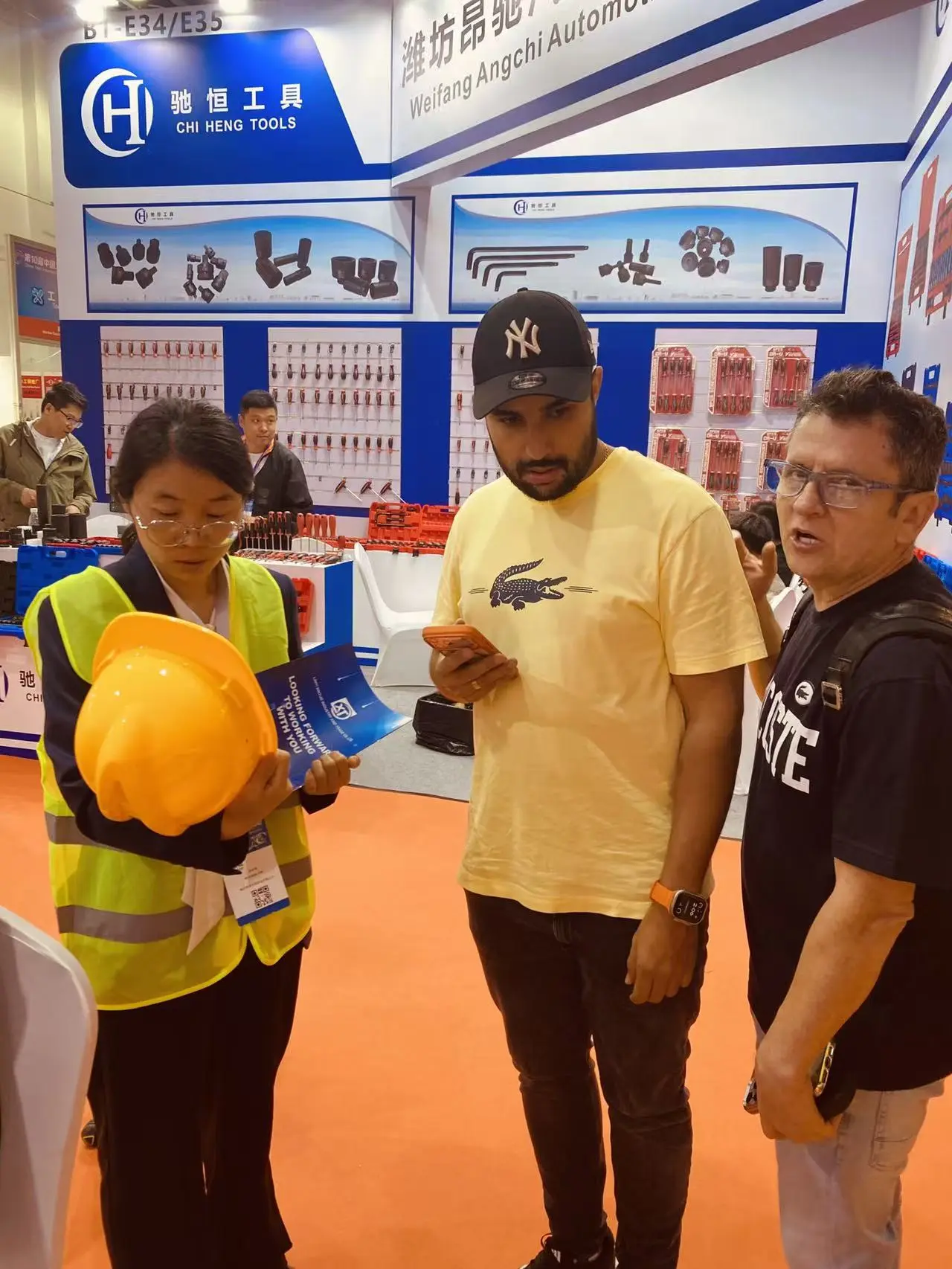
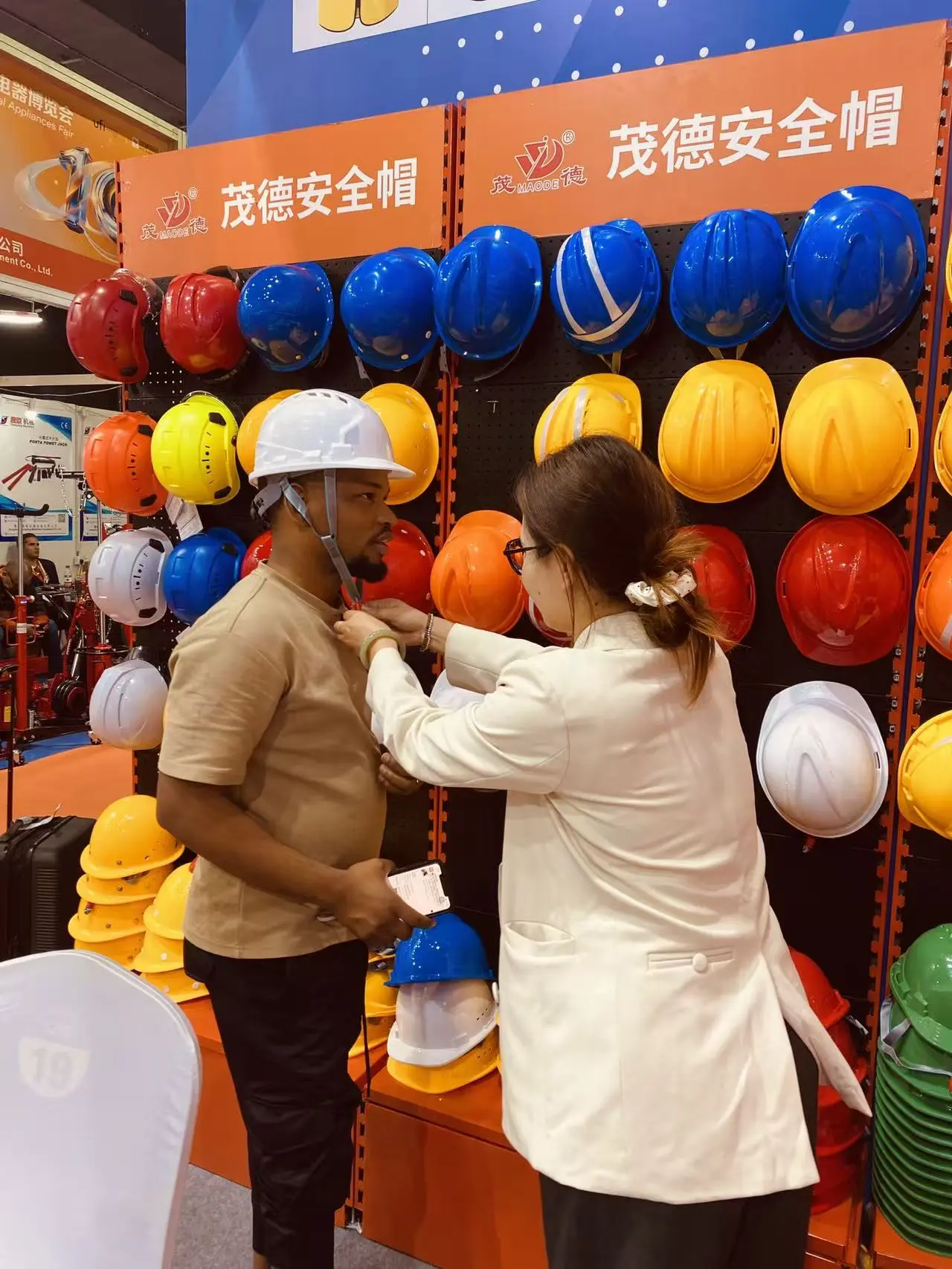
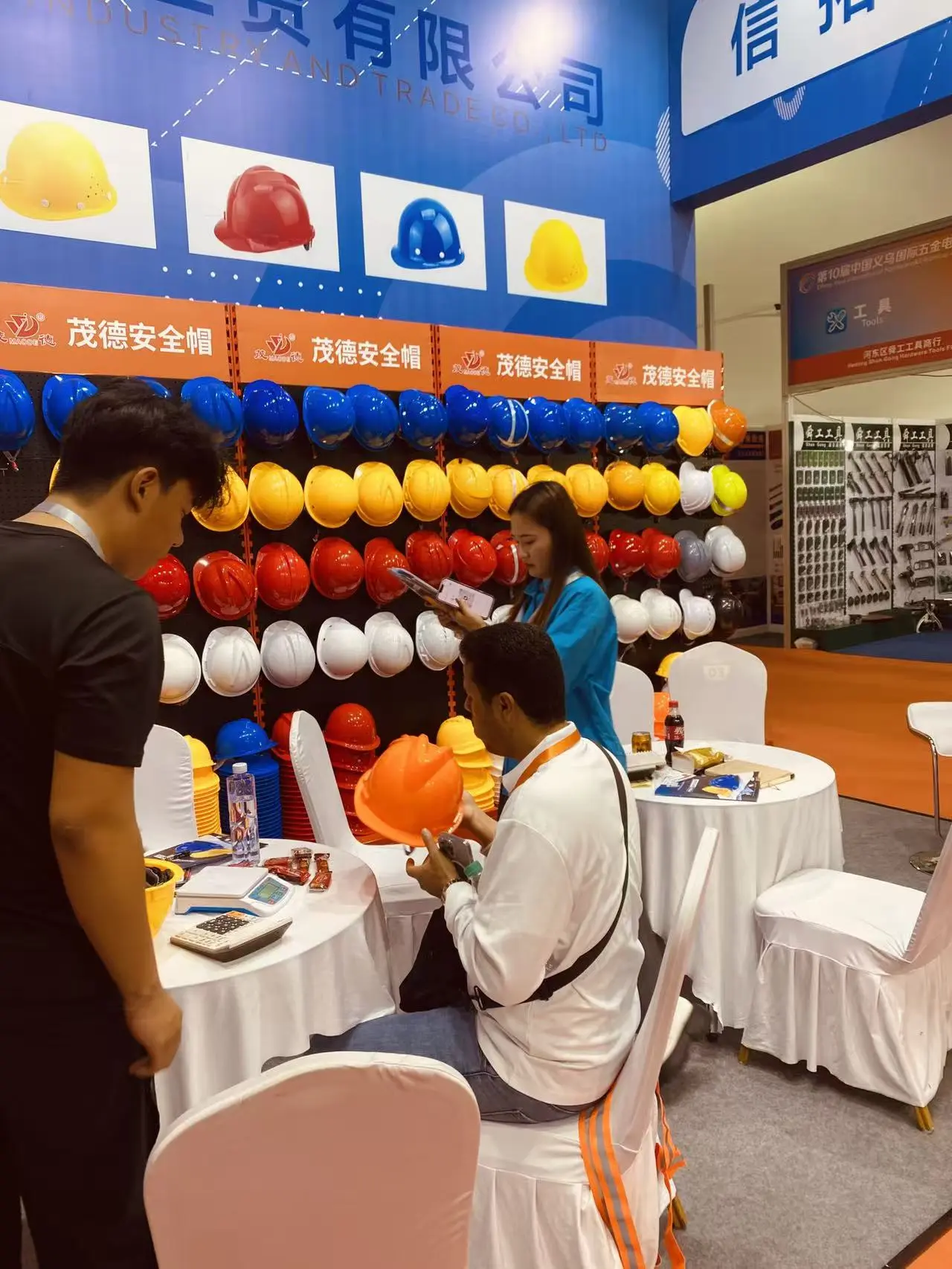
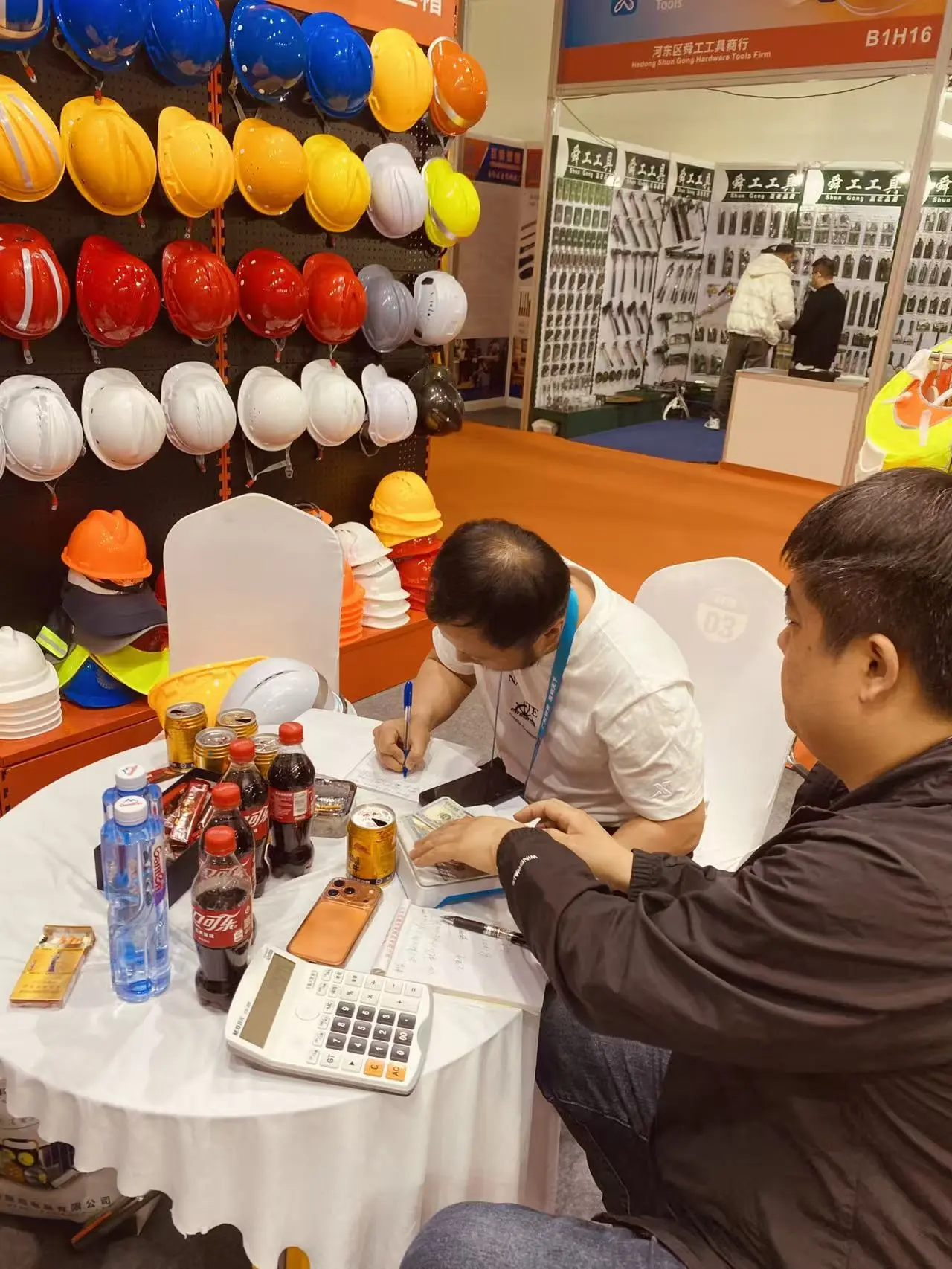
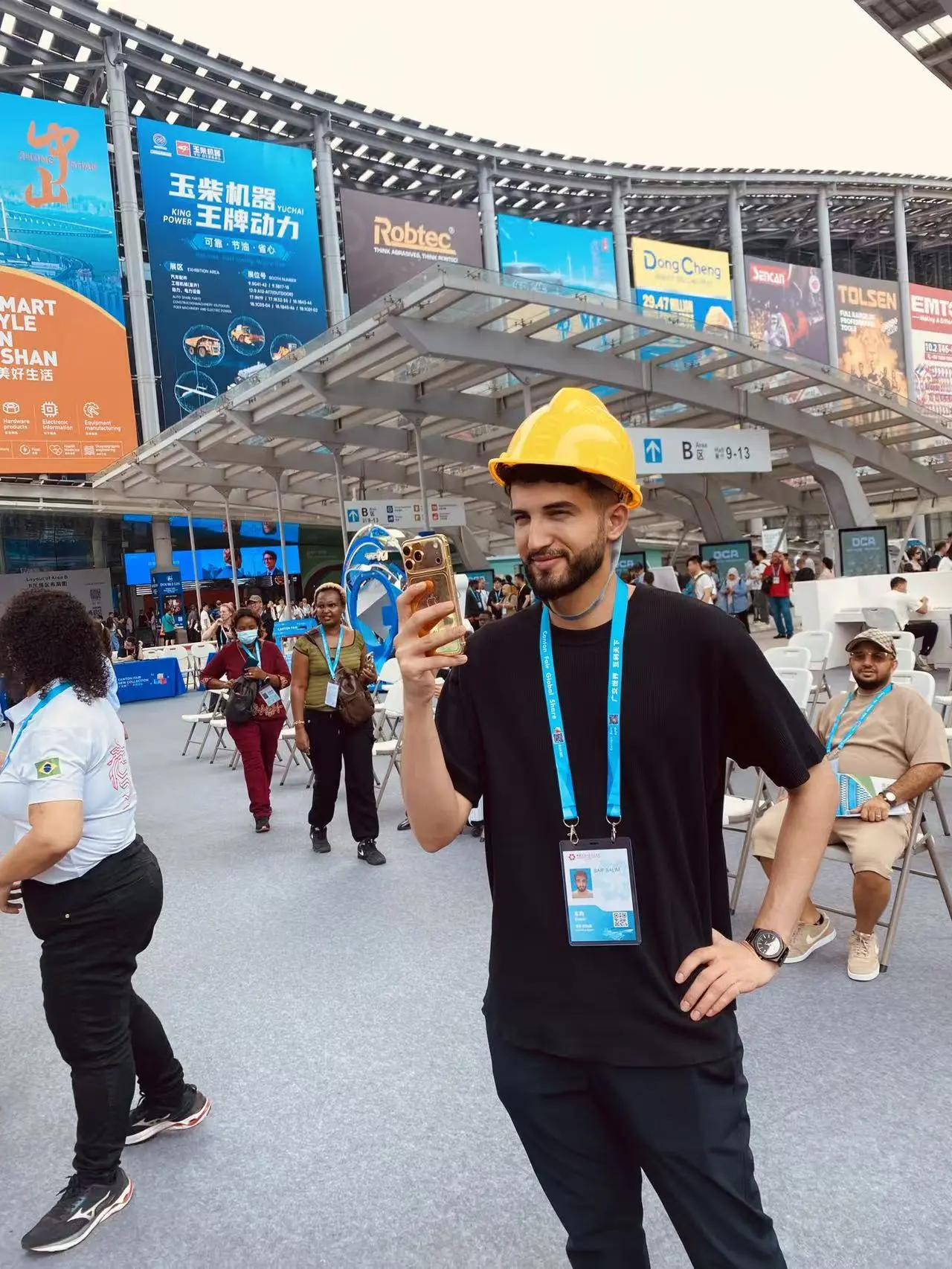
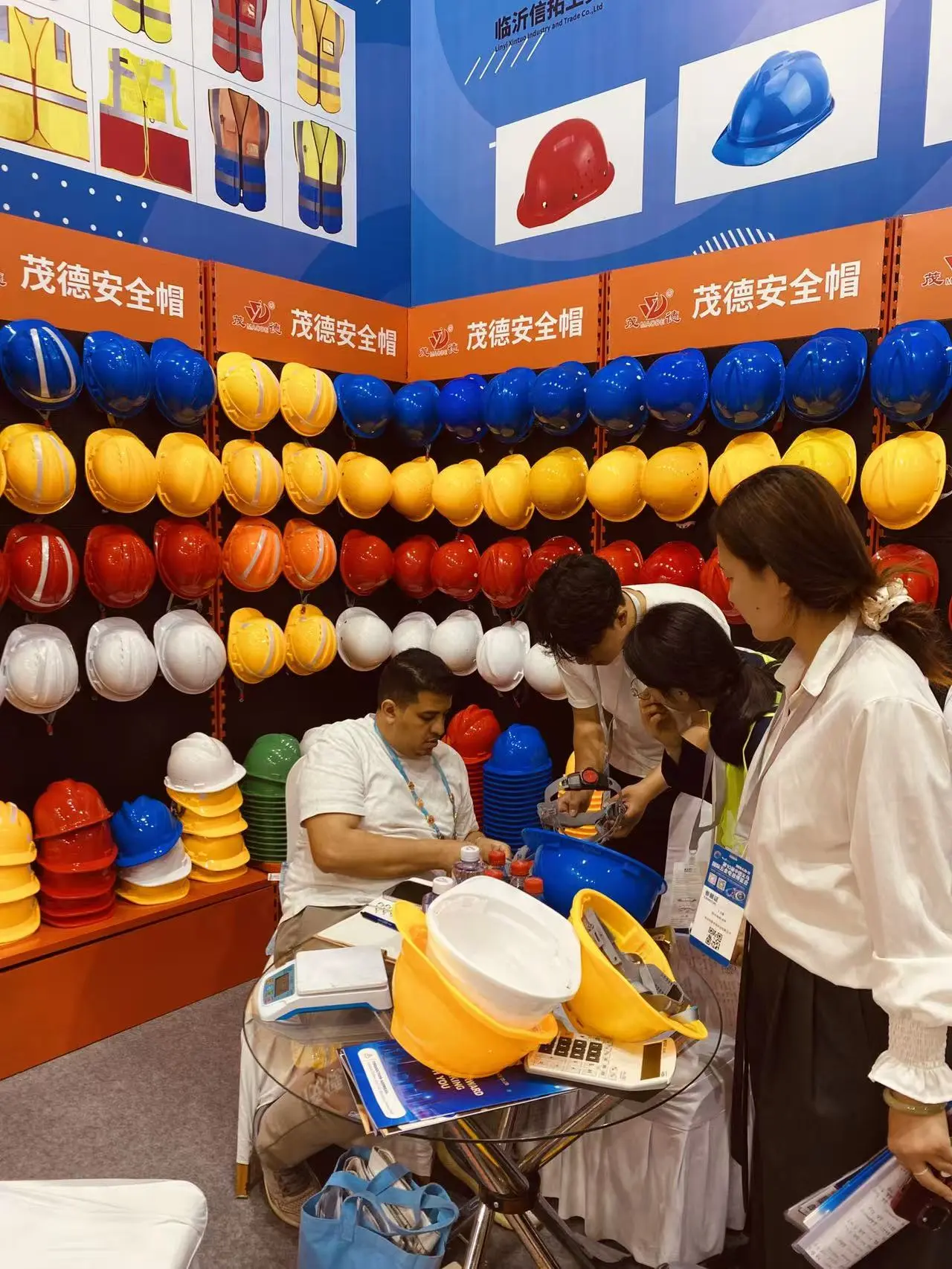
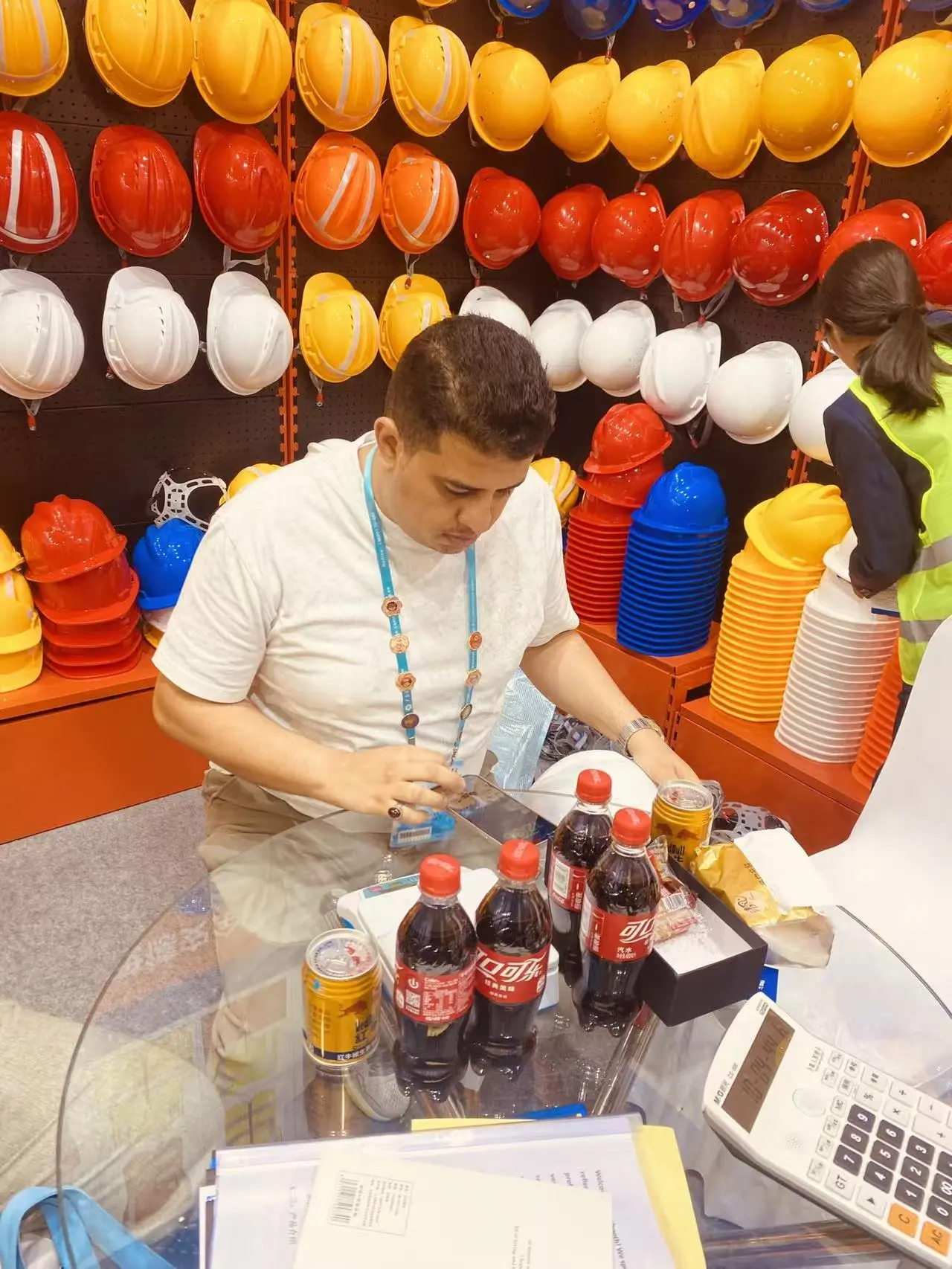
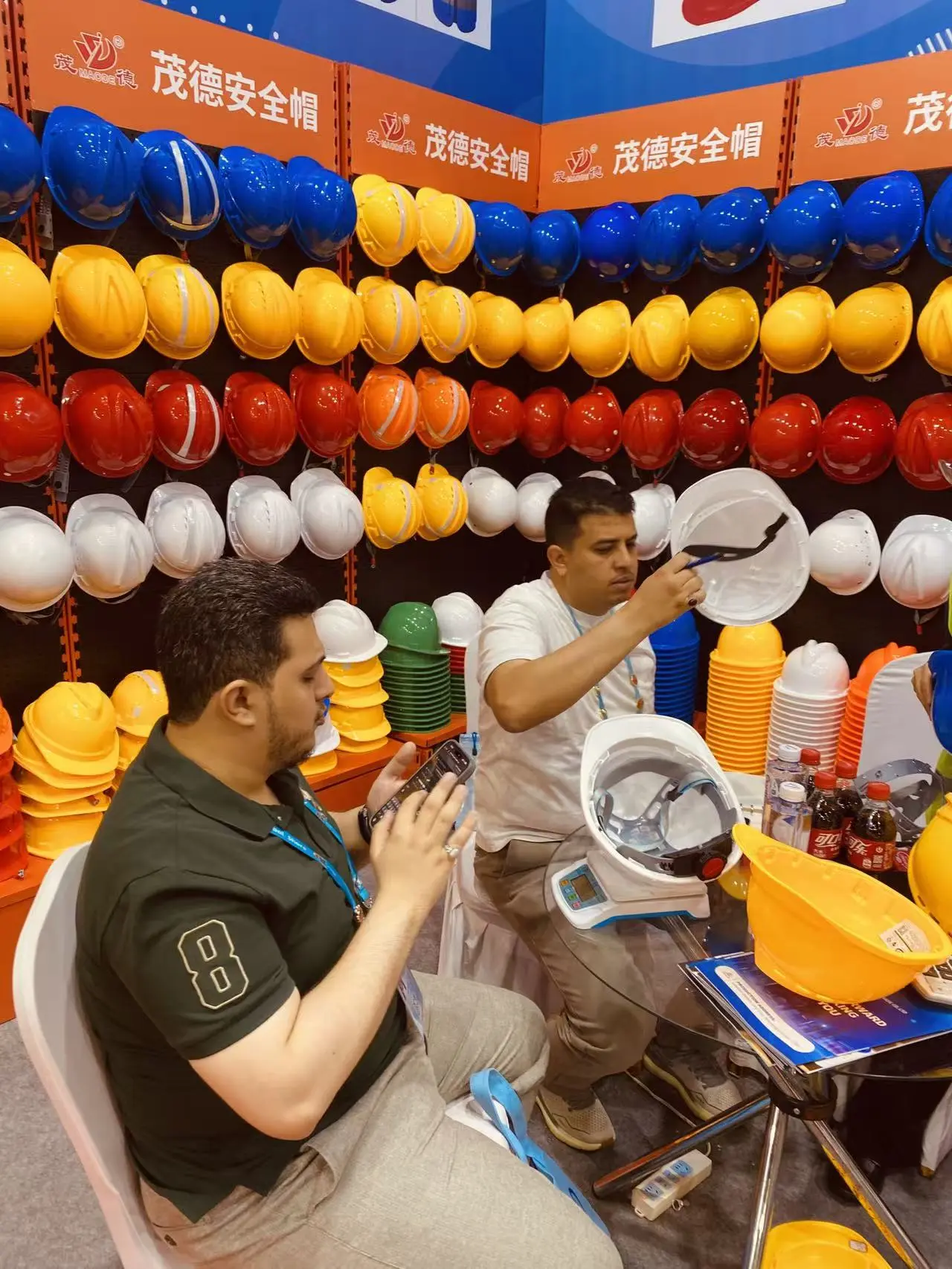
Connecting with global partners at international safety exhibitions, building relationships and trust hand in hand.
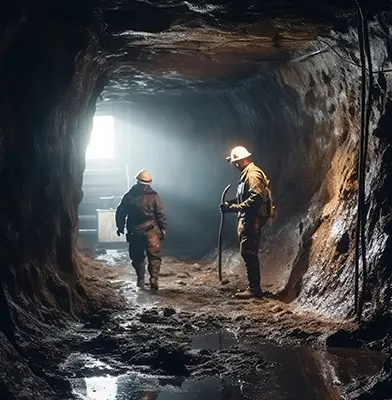
Analyzing critical helmet failures versus advanced shell performance under extreme operational environments.
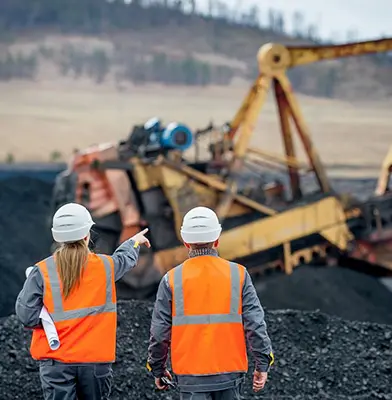
Industrial protection demands customized safety gear configurations designed for specific environmental risks. A standard plastic helmet used in a climate-controlled warehouse will degrade rapidly if exposed to the intense UV radiation and extreme heat of open-cast mining or chemical smelting plants. For high-temperature metallurgical applications, traditional thermoplastics lose their load-bearing capacity. These operations require high-performance fiberglass composites that resist thermal deformation and convective heat transfer.
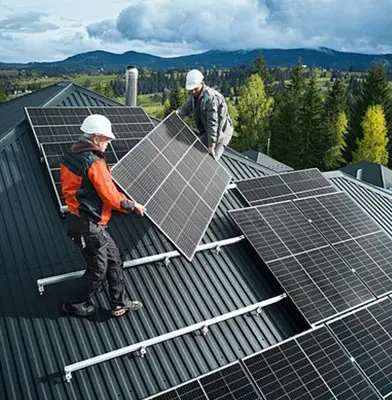
Conversely, for utilities and electrical infrastructure, conductive metal components or wet fiber composites pose a fatal danger. Under ANSI class E specifications, safety helmets must withstand up to 20,000 volts of electrical charge. By customizing the shell with non-conductive, virgin HDPE polymers and omitting ventilation slots, we ensure complete dielectric protection. Each specific sector requires an audit of physical hazards, thermal fluctuations, and electrical risks before selecting safety equipment.
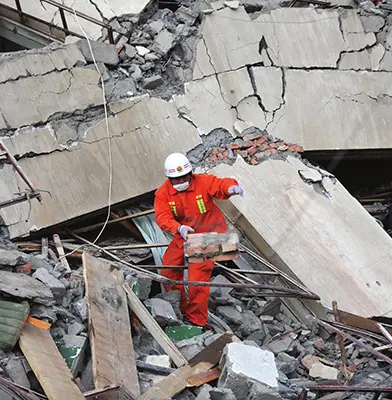
Understanding the fatal risks of modified safety equipment and incorrect wear techniques.
Published: Jan 14, 2026
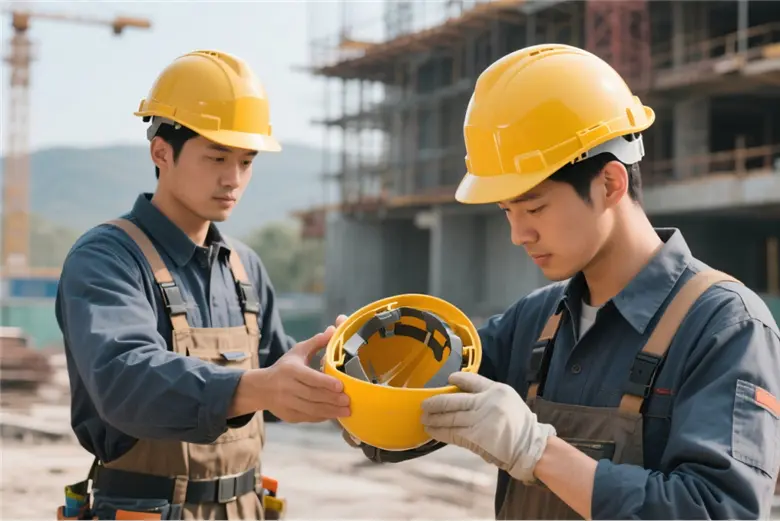
Failure to properly secure chin straps and adjusting the cradle size to fit loosely leaves the helmet unstable. Standard safety audits show that unsecured helmets frequently fall off during initial slips, leaving workers completely unprotected during secondary impacts with structure or floor surfaces.
Published: Jan 14, 2026
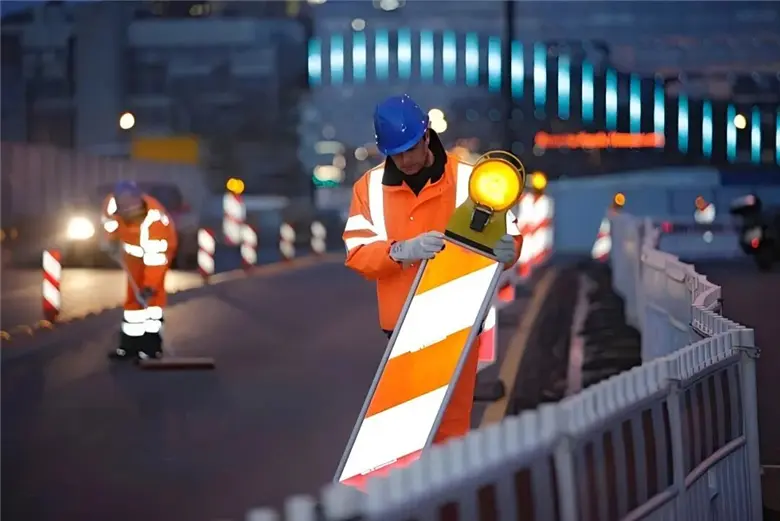
At a construction site in Fujian, a worker seeking additional ventilation drilled custom holes into the crown of his safety helmet. During a routine shift, a concrete block fell from a height. The altered shell structure failed, leading to catastrophic crack propagation and direct trauma to the worker's head.
Offering specialized composite materials for heavy industry, fire protection, and infrastructure development.
High-tensile composite materials designed for structural filament winding, offering superior mechanical properties in composite safety shells.
View detailsReinforced grids engineered for construction material stabilization, offering crack resistance and architectural integration.
View detailsNon-woven fiberglass fabrics distributing reinforcing fibers evenly, ideal for complex mold layouts and composite panel fabrication.
View detailsIndustrial woven fabric delivering high heat resistance and fire-retardant barriers for thermal management and insulating equipment.
View detailsPrecision-cut fibers designed for mixing with thermoplastic resin matrixes, improving mechanical strength and compound impact resistance.
View detailsIn-depth responses to critical engineering, regulatory compliance, and international bulk sourcing questions.
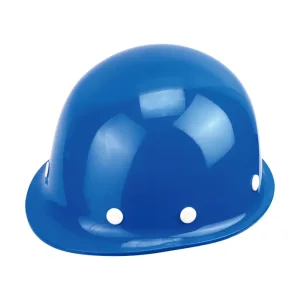
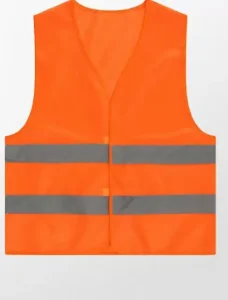
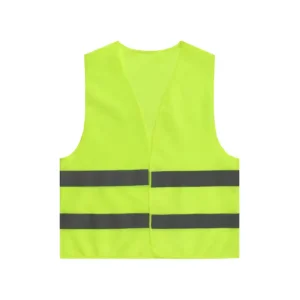
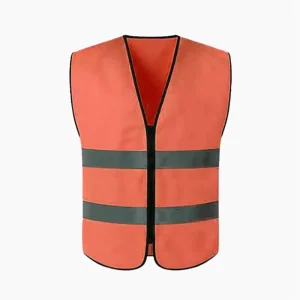
Browse our complete list of safety gear, including high-durability hard hats and matching high-visibility vests.
 Xintuo