Direct supply to Yangon, Mandalay, and Thilawa SEZ. Guaranteed compliance with major global safety standards.
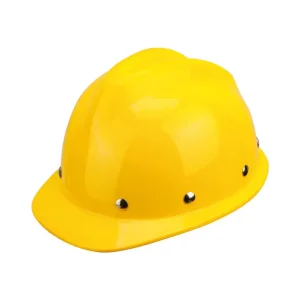
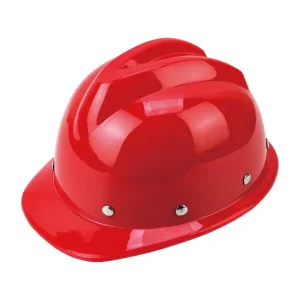
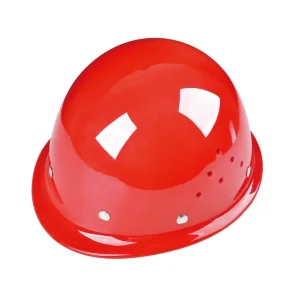
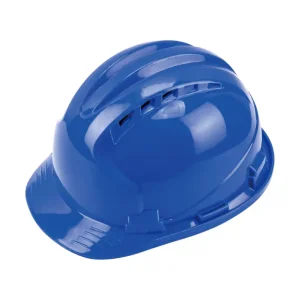
An Analysis of the Safety Ecosystem, Regional Demand Drivers, and Regulatory Landscapes.
Myanmar's industrial landscape has experienced a pivotal transformation. The growth of key economic zones, including the Thilawa Special Economic Zone (SEZ) in Yangon, the Kyaukphyu SEZ in Rakhine State, and the Dawei SEZ, has created a substantial demand for advanced industrial safety equipment. As manufacturing, textiles, petrochemicals, and heavy civil construction expand, local regulatory bodies are implementing stricter safety controls. The Occupational Safety and Health (OSH) Law mandates comprehensive head, eye, and body protection on site to reduce workplace fatalities.
The humid tropical climate of Myanmar presents unique challenges for safety helmet comfort. Standard, unventilated hard hats often lead to heat stress and workers removing their protection. This has driven a demand for high-ventilation, lightweight designs with moisture-wicking properties, ensuring comfortable protection for local workforces.
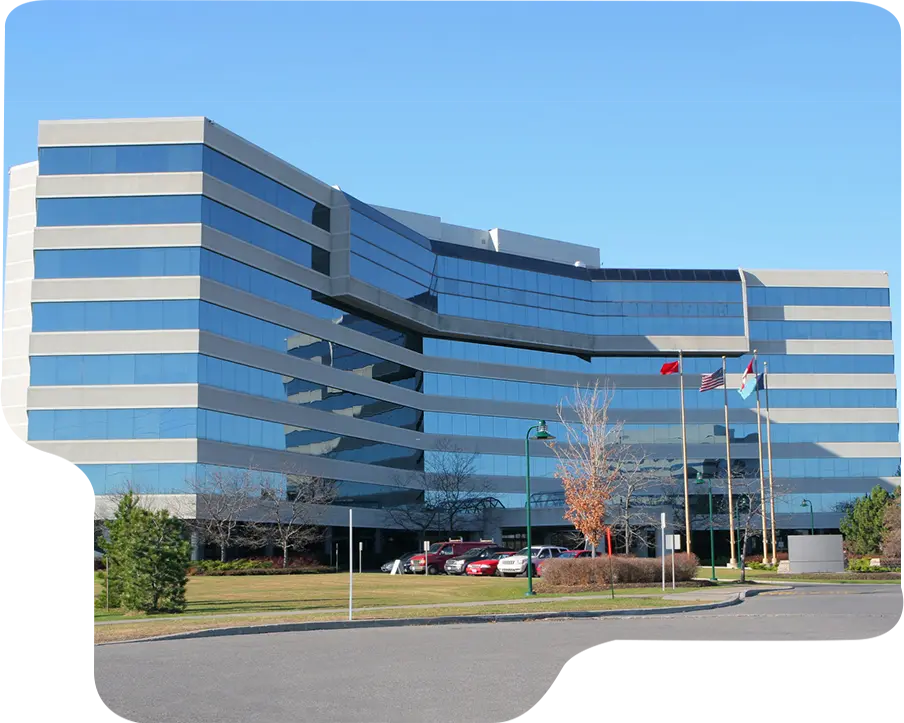
A trusted partner delivering customized safety helmets to heavy industries globally.
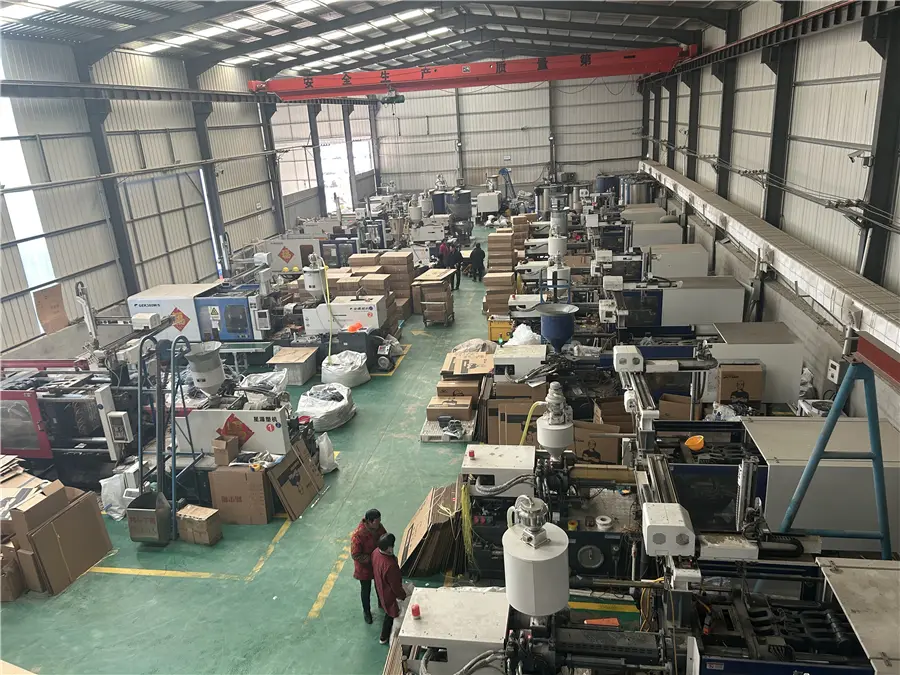
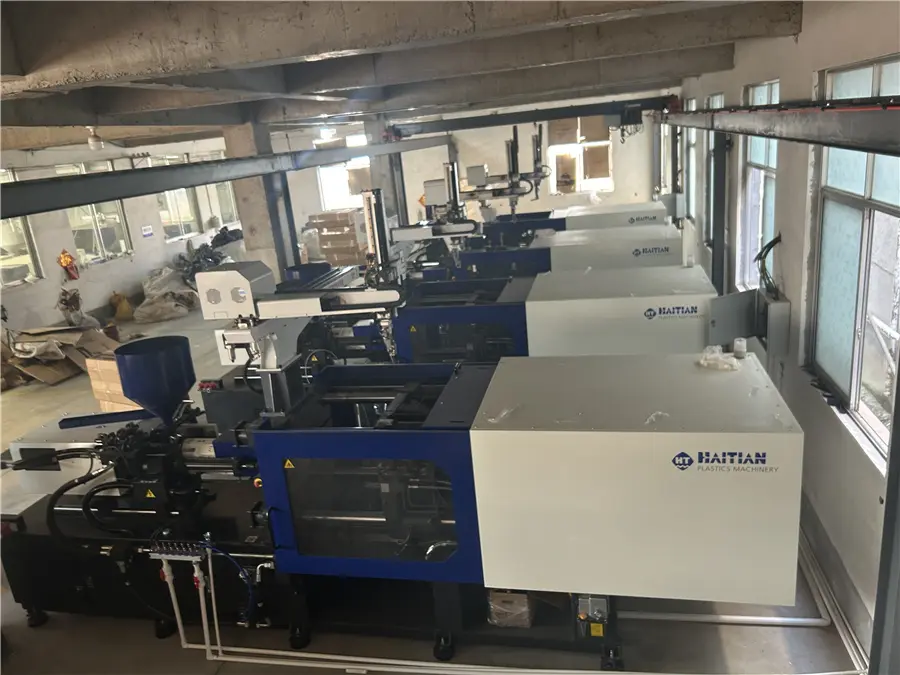
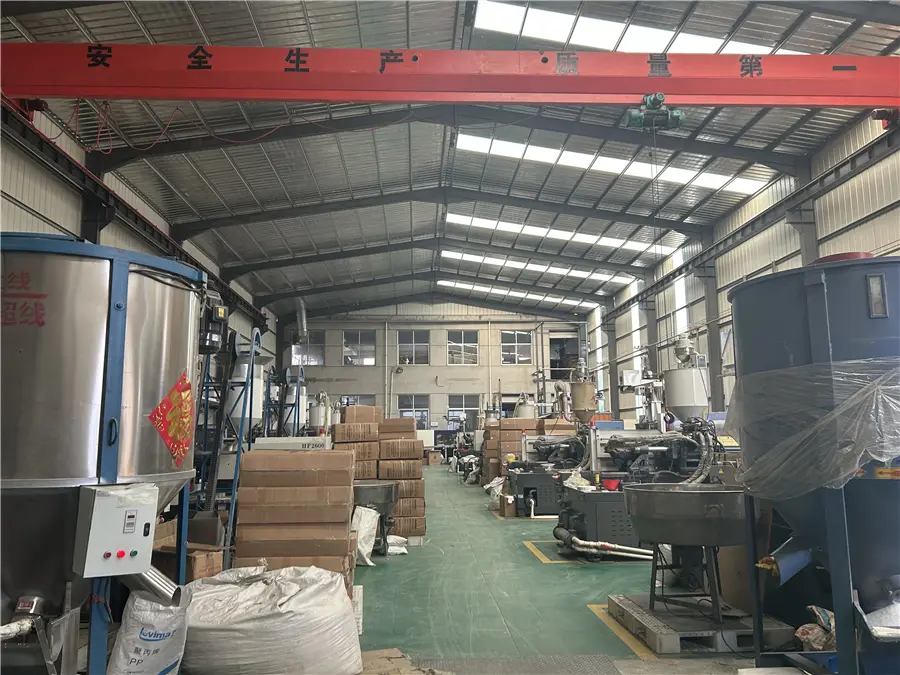
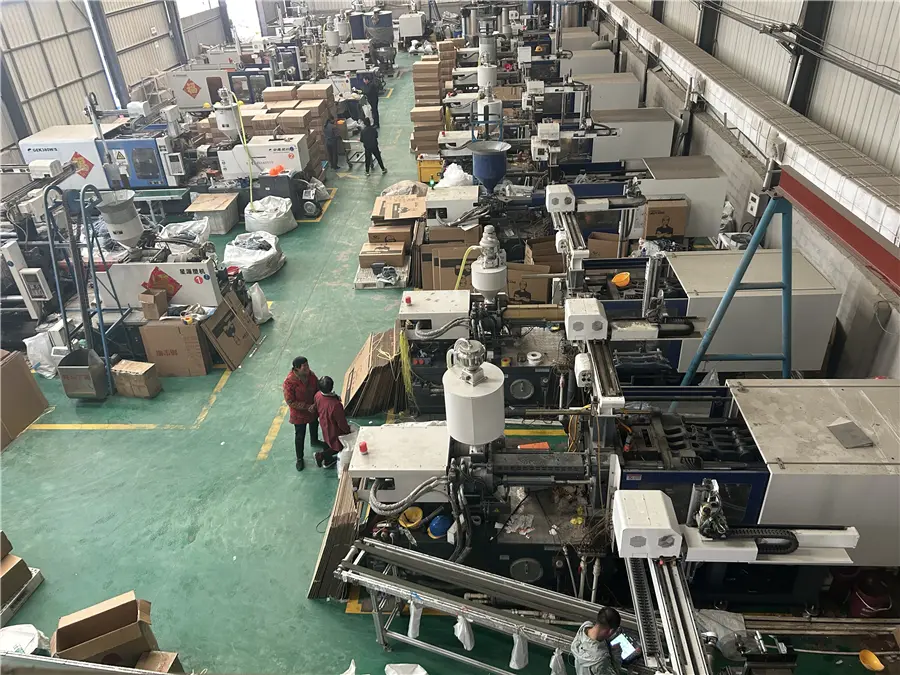
Linyi Xintuo Industry and Trade Co., Ltd. is a modern enterprise based in China, specializing in the research, development, and manufacturing of high-performance safety helmets and comprehensive labor protection equipment. Since its establishment, the company has been driven by a vision of innovation, continuously investing in advanced production equipment and assembling a team of high-caliber research and design professionals.
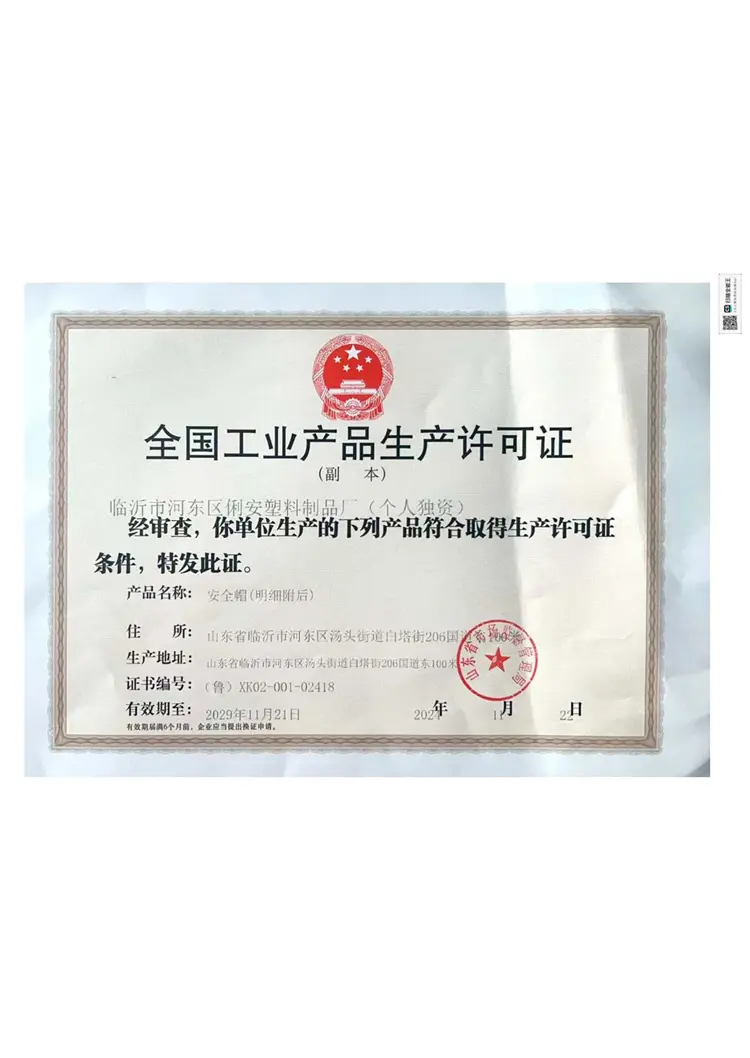
Our standardized management mode, combined with ISO-certified processes, guarantees consistent product excellence across all batches. The company operates with a commitment to sustainability, utilizing eco-friendly materials and energy-efficient production techniques to minimize environmental impact while maintaining operational efficiency.
The product portfolio includes industrial safety helmets and high-visibility workwear, all engineered to meet or exceed international safety standards such as CE, ANSI, and EN. We leverage cutting-edge material science, utilizing fiberglass composites and high-impact polymers that offer superior strength-to-weight ratios compared to traditional materials. This integration of ergonomic design principles with durable materials ensures long-lasting protection without compromising comfort.
Addressing the complex logistical, compliance, and material engineering needs of global organizations.
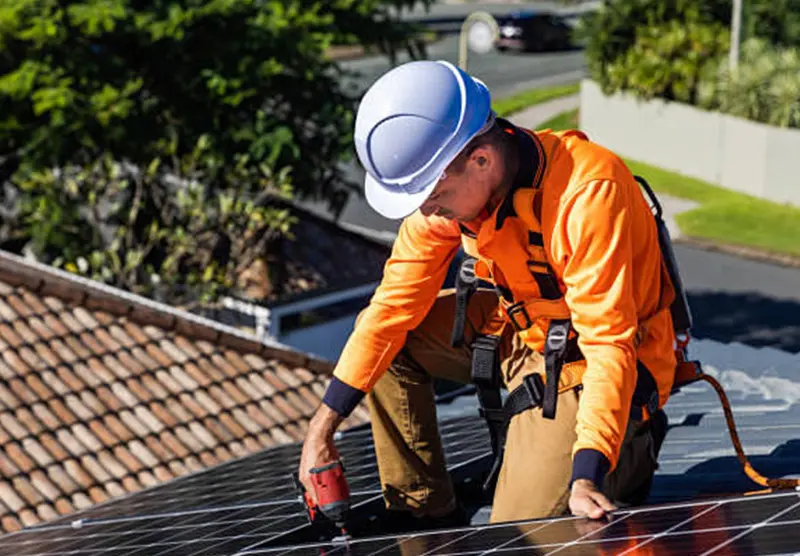
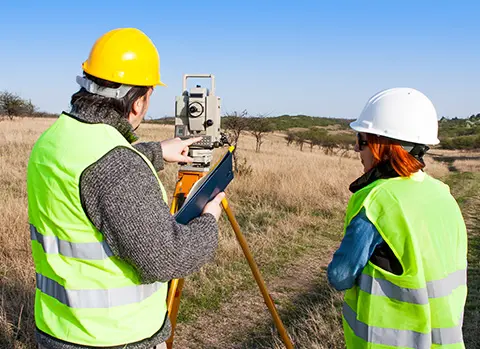
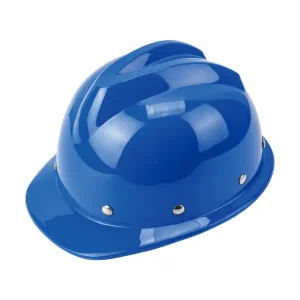
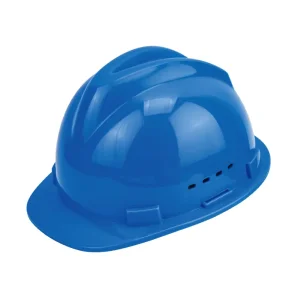
Ideal for commercial building, logistics parks, and roadway expansion projects. Focuses on impact mitigation from falling objects and lateral deformation protection in high-risk zones.
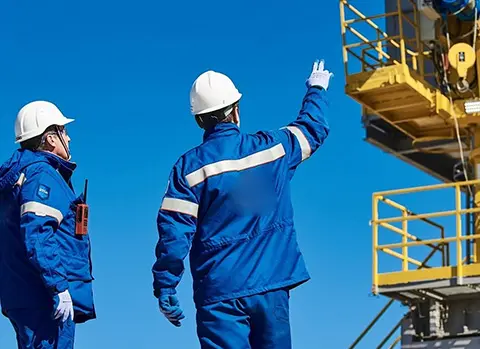
Class E dielectric helmets engineered for grid maintenance and power distribution facilities. Tested to withstand up to 20,000 volts without structural or conductive failure.
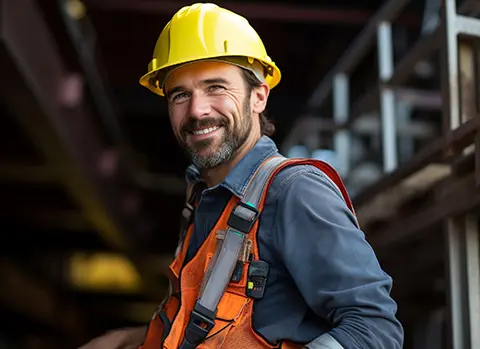
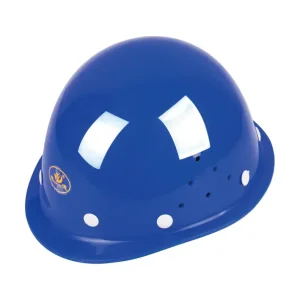
High-temperature and impact-resistant helmets. Featuring customizable composite materials (ABS/FRP) to withstand extreme thermal conditions and constant rough handling.
The base engineering of safety helmets starts with material selection. We offer a choice between High-Density Polyethylene (HDPE) and Acrylonitrile Butadiene Styrene (ABS). While HDPE provides light protection with a competitive price point, ABS is preferred for heavy industry due to its superior impact absorption, chemical resistance, and high lateral rigidity. For extreme high-heat environments like iron casting, smelting, or chemical processing, our fiberglass-reinforced polymers offer protection standard thermoplastic shells cannot provide.
Our research and development team integrates ergonomic 4-point and 6-point suspension networks inside the helmet shell. These suspension systems distribute the kinetic energy of an impact across the skull, reducing the potential G-forces exerted on the neck. Our precision ratchet adjustments allow workers to secure the helmet comfortably, preventing slippage during physical movement.
Our helmets feature adjustable suspension systems with precision-calibrated tension controls, moisture-wicking sweatbands with antimicrobial properties, and advanced ventilation technologies that optimize airflow while maintaining structural integrity. These innovations cater to diverse work environments, from extreme temperatures to high-humidity conditions, ensuring optimal performance in the most demanding settings.
Request Dynamic Demo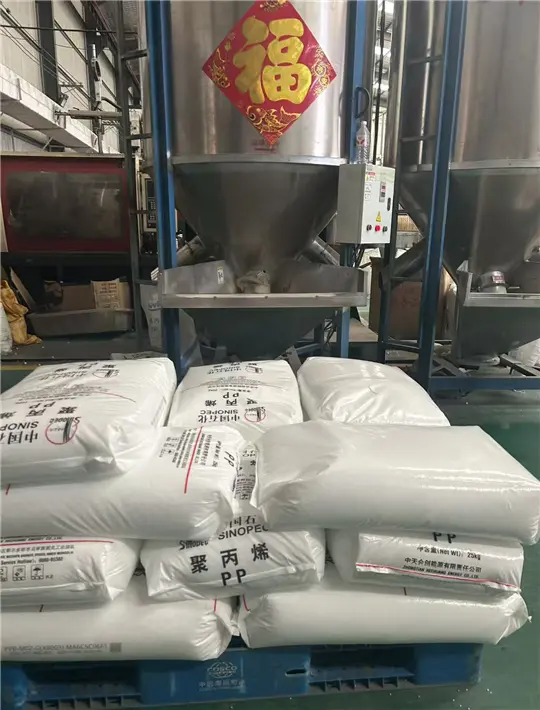
The company places a strong emphasis on customer-centric solutions, offering customized design services to meet specific industry requirements. Our research and development team collaborates closely with clients to understand their unique challenges, resulting in tailored products that enhance safety and productivity. Additionally, we provide comprehensive after-sales support, including technical guidance and maintenance services, to ensure uninterrupted protection for end-users.
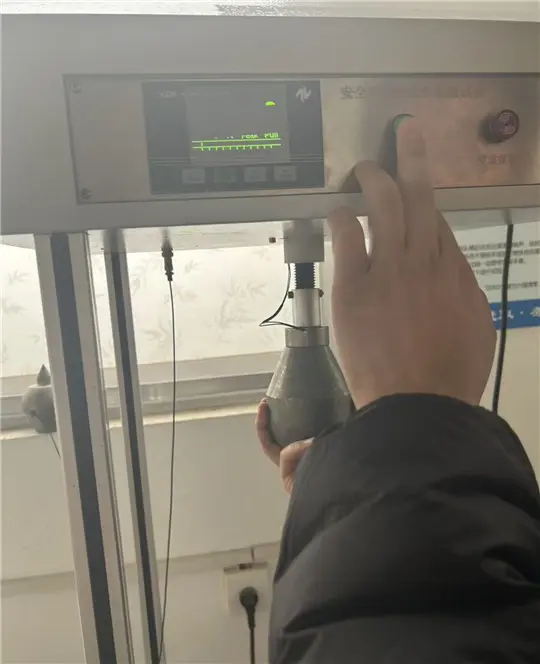
Get Customization GuideOur safety helmets undergo testing at our ISO-accredited quality assurance center prior to shipment.
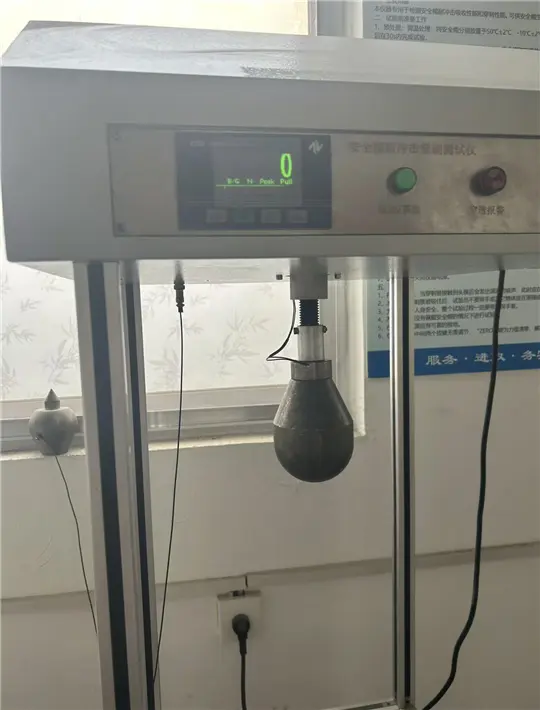
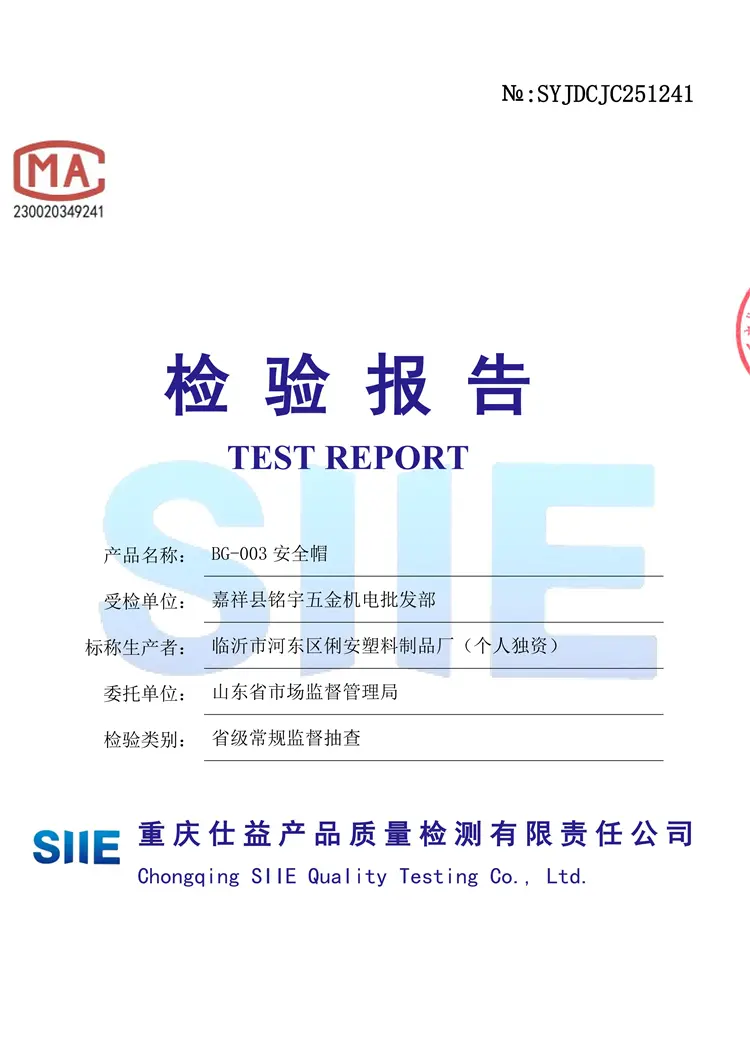
Every batch of Linyi Xintuo safety helmets is subjected to severe testing. Drop testing simulates falling debris from various heights, verifying that the shock absorption limits remain within the bounds defined by standard EN 397 (shock transmission forces must not exceed 5.0 kN). Penetration tests utilize a pointed striker dropped directly onto the shell to guarantee no contact with the wearer's skull.
For chemical and electrical applications, we perform flame resistance tests, lateral deformation tests, and electrical leakage assessments. This systematic verification ensures that every shipment arriving at Yangon Port or international job sites delivers reliable safety.
Real-world incidents underline the critical importance of proper helmet usage.
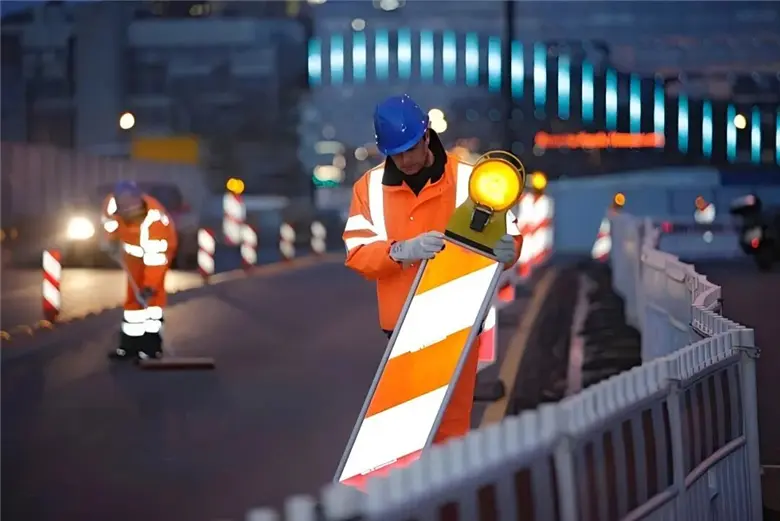
Incident Analysis: At a construction site in Fujian, a worker seeking relief from heat drilled several holes in his safety helmet. During work, a concrete block fell from a height, striking his head. Because the shell structure had been compromised by the unauthorized holes, the helmet failed to absorb the impact force, leading to a serious head injury.
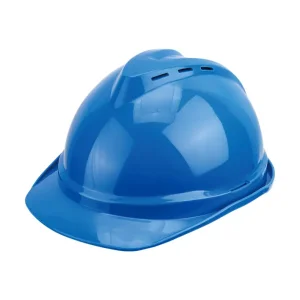
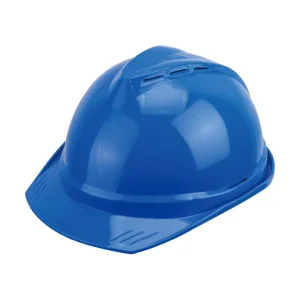
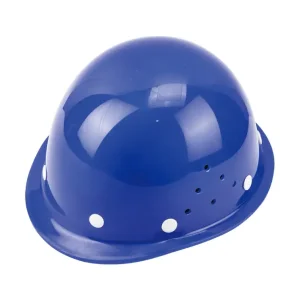
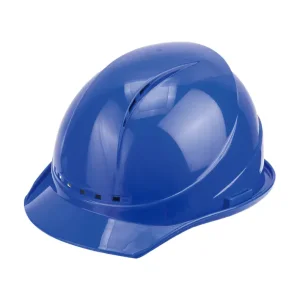
Material Science Warning: Thermoplastic shells depend on continuous tensile surfaces to deflect falling objects and distribute load. Drilled holes create stress concentration points. When struck, the force is directed to these perforations rather than being absorbed by the suspension. In tropical regions like Yangon and Mandalay, where heat is a factor, workers should be issued factory-engineered, certified ventilated helmets (such as our spiral ventilate models) rather than modifying equipment on site.
Leveraging our deep expertise in high-strength fiberglass, polymers, and raw composites to deliver superior industrial safety equipment.
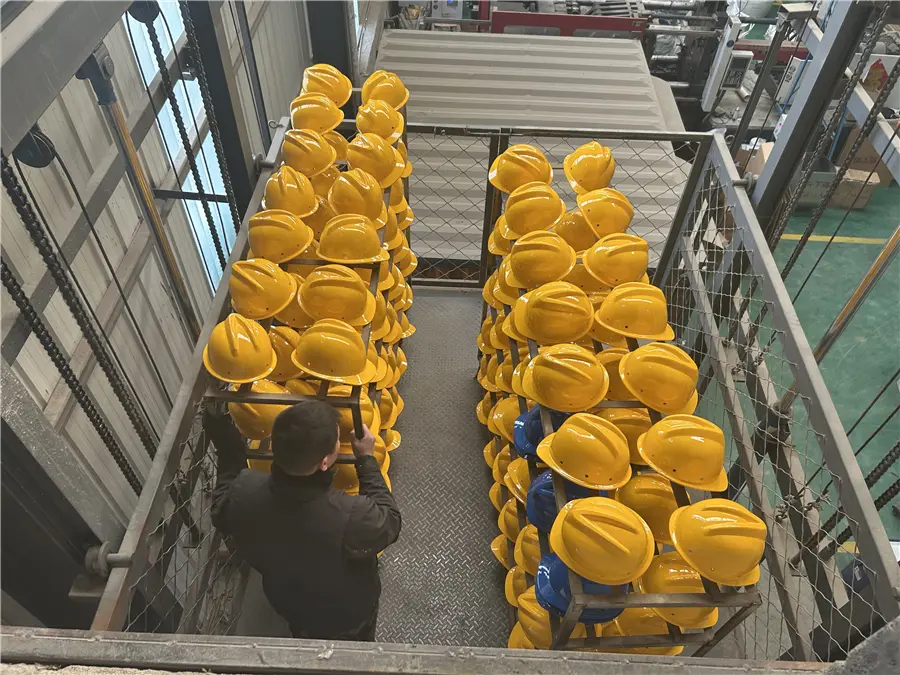
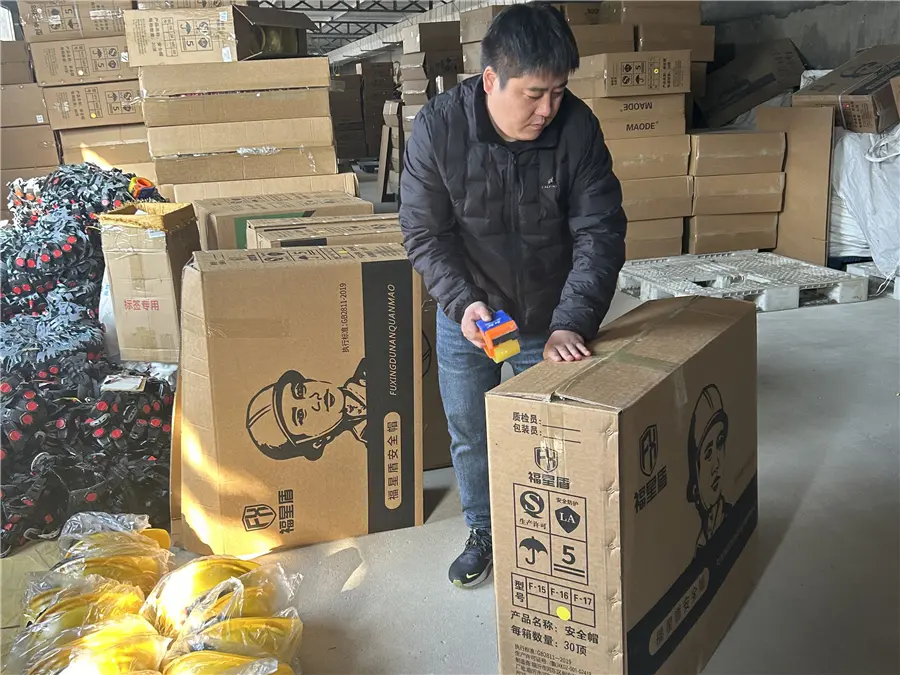
Visual verification of our manufacturing systems and industry presence.
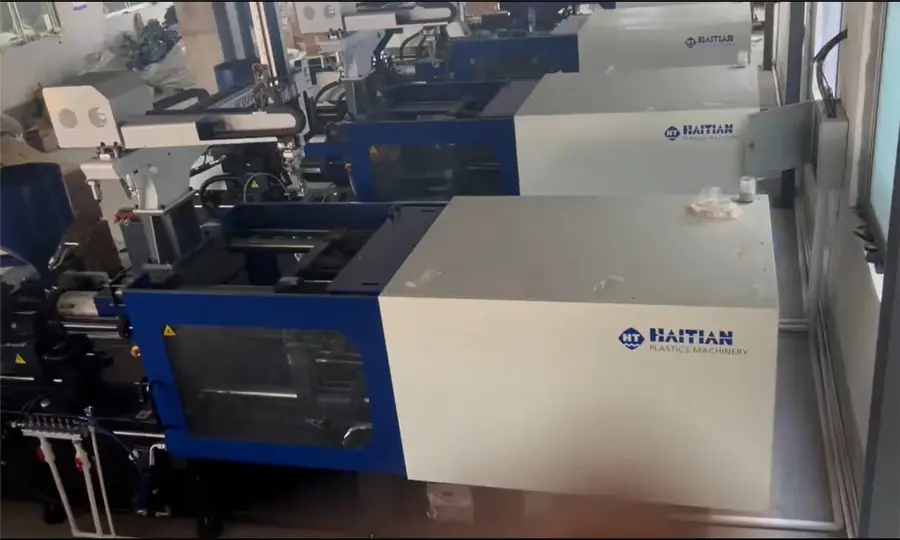
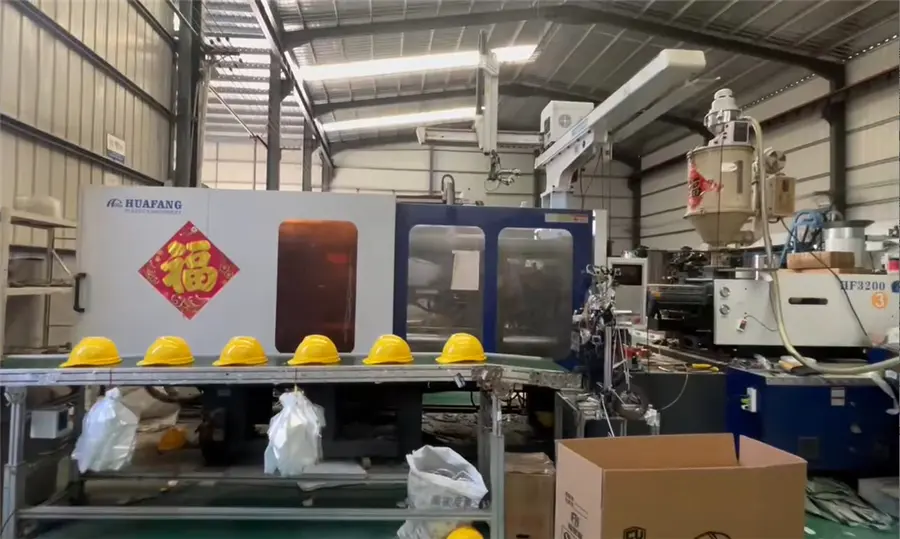
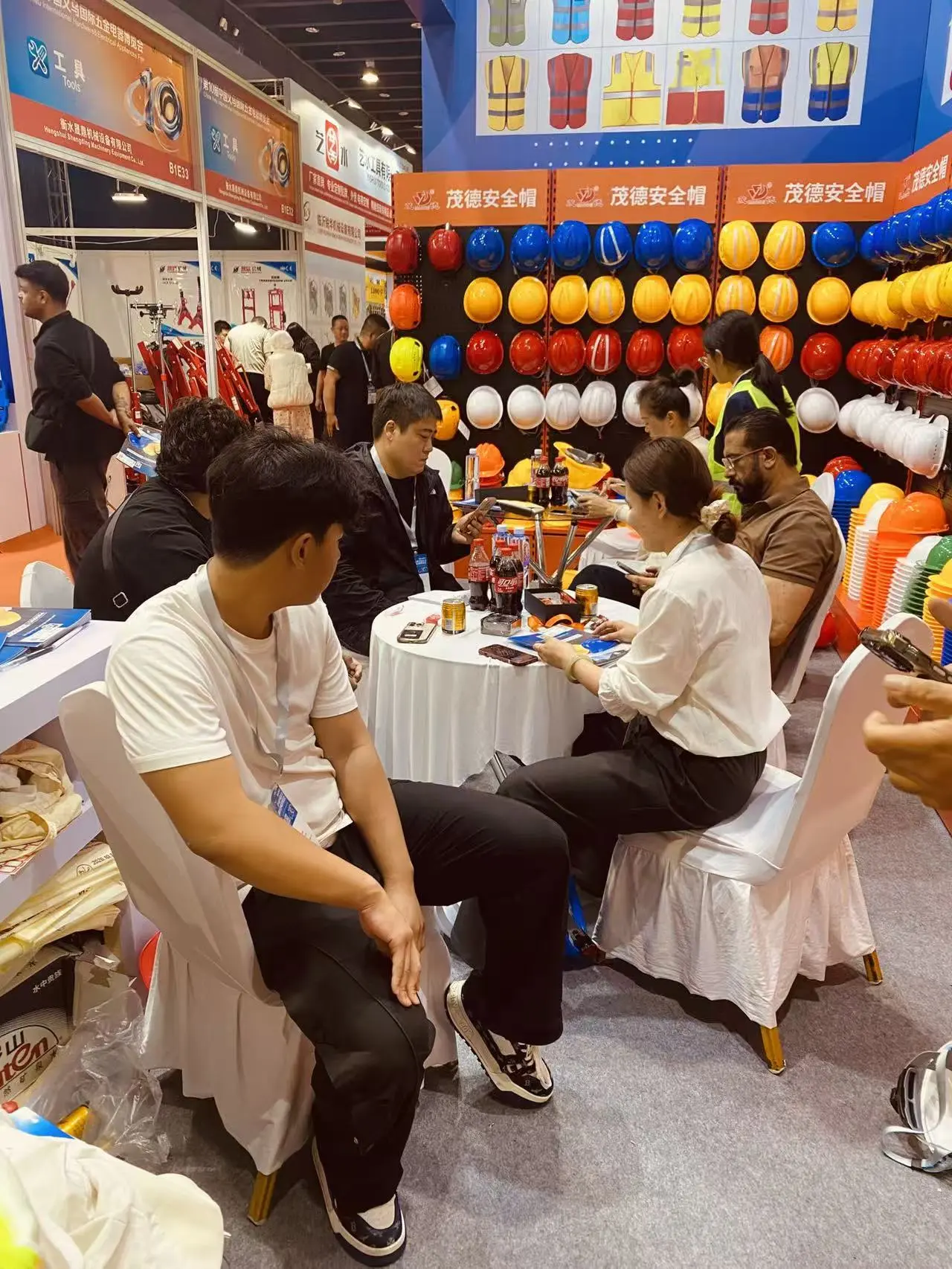
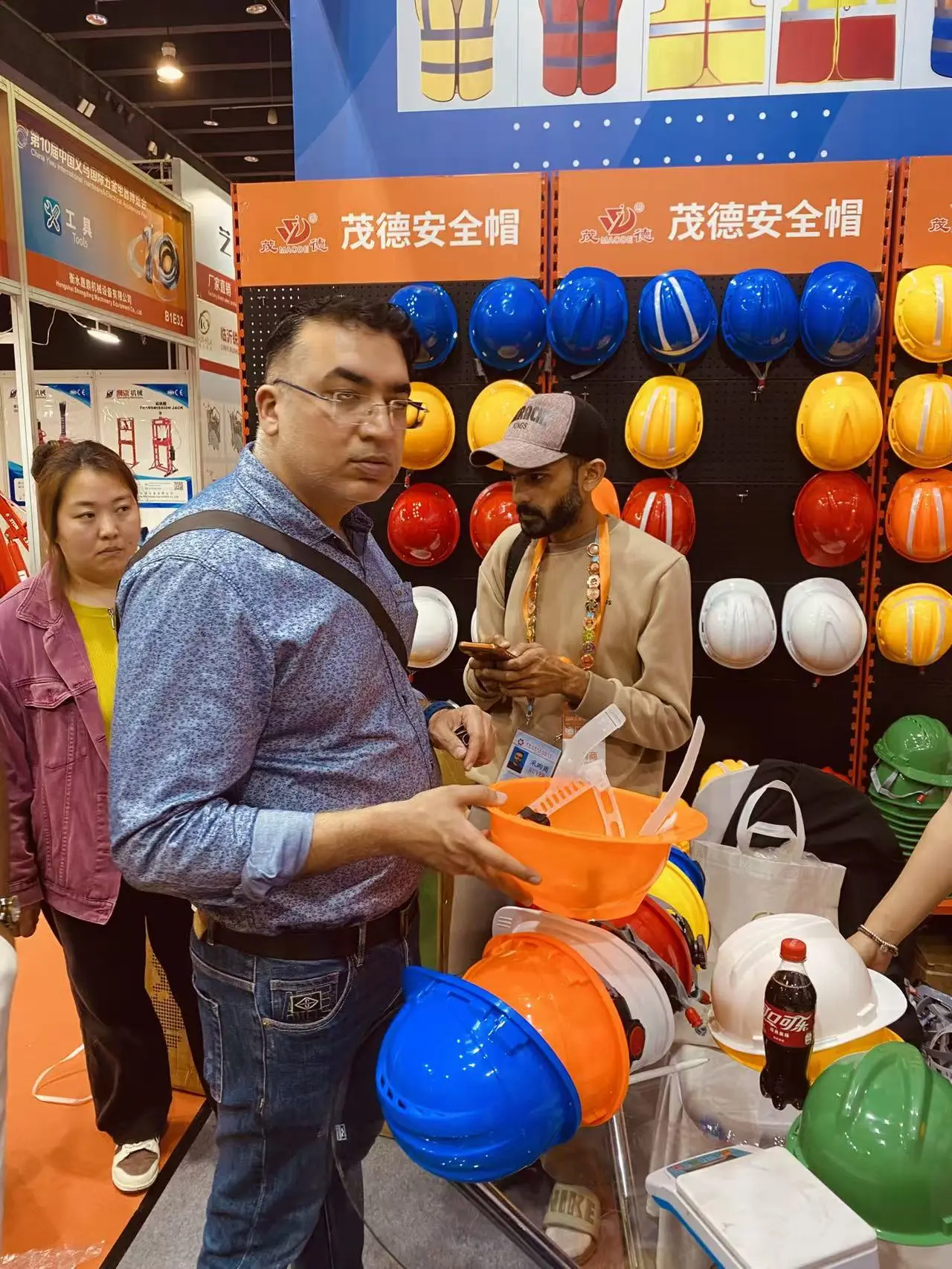
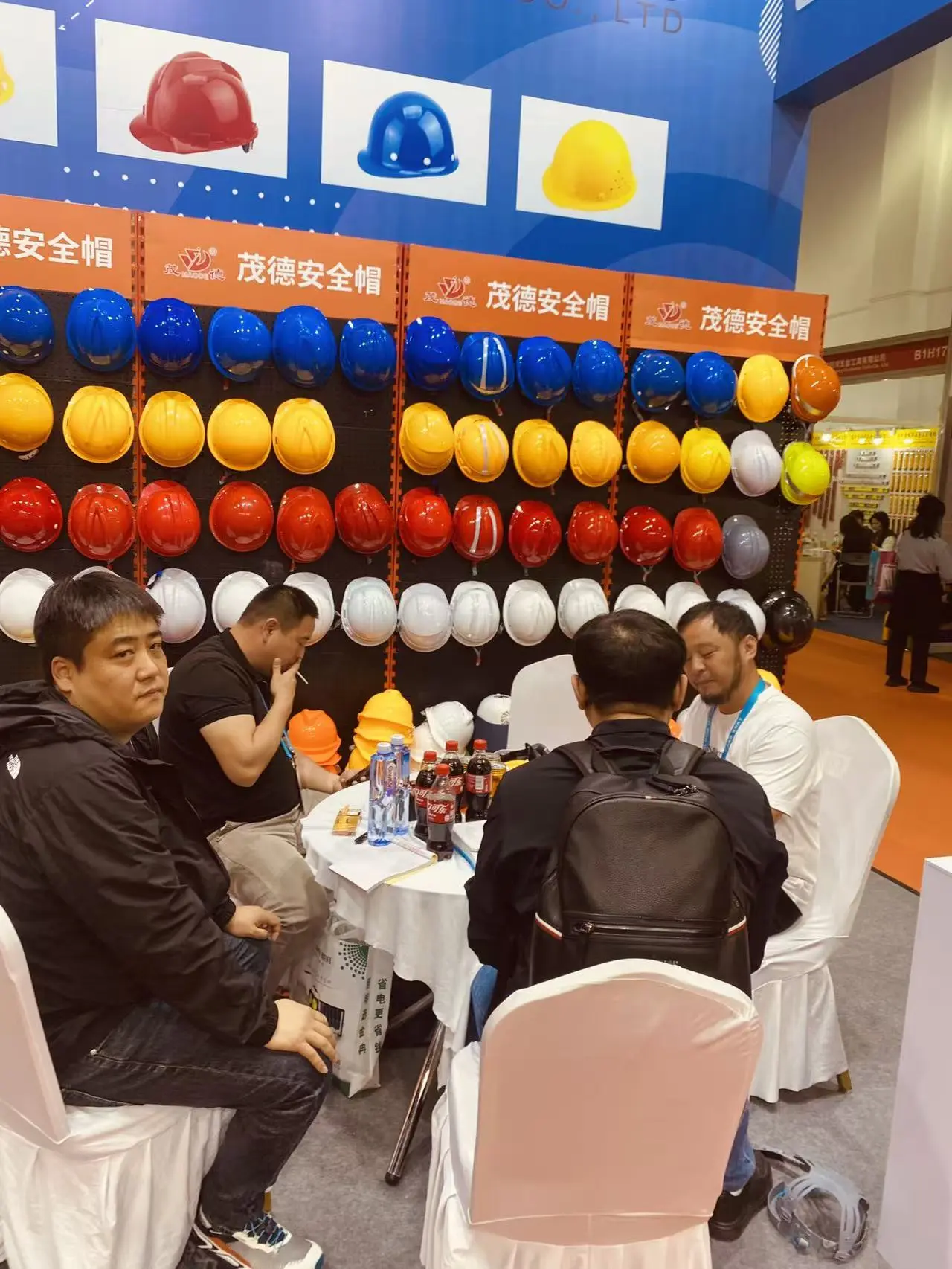
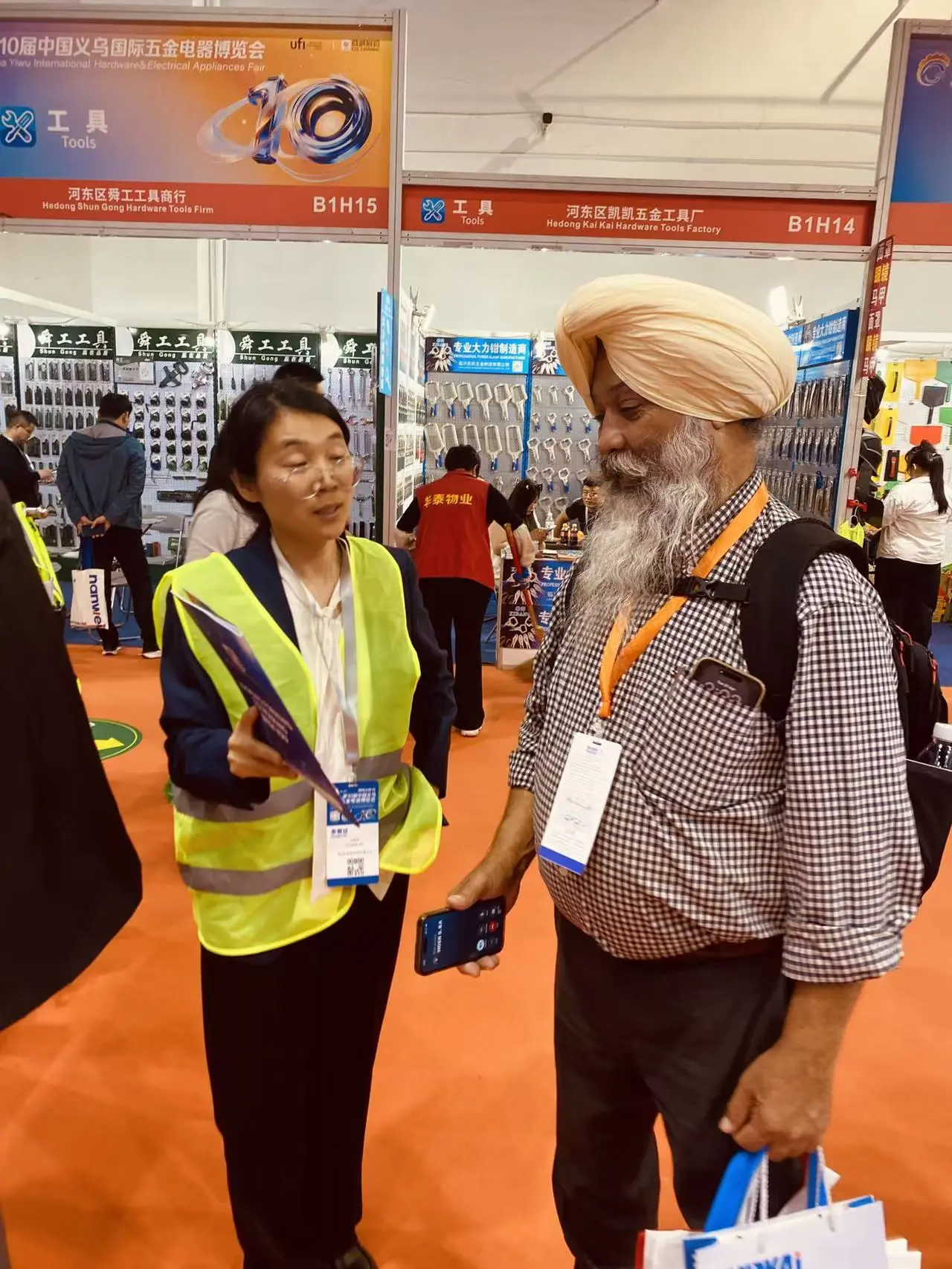
Providing high-performance safety products in collaboration with major regional distributors.








Detailed answers to technical, compliance, and supply chain logistics queries.
Explore our complete catalog of certified industrial helmets and specialized head protection gear.
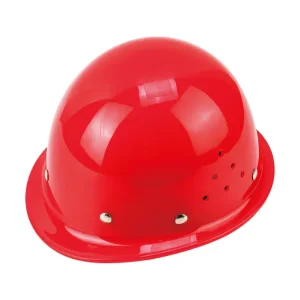
 Xintuo