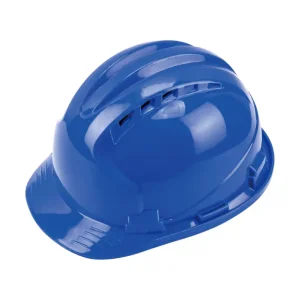
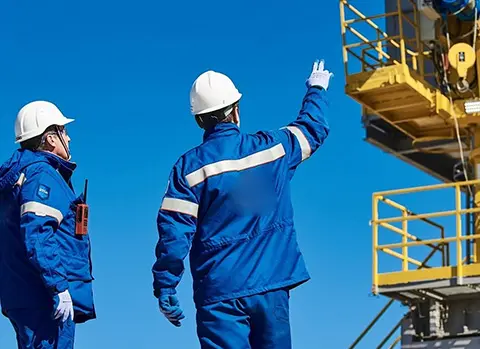
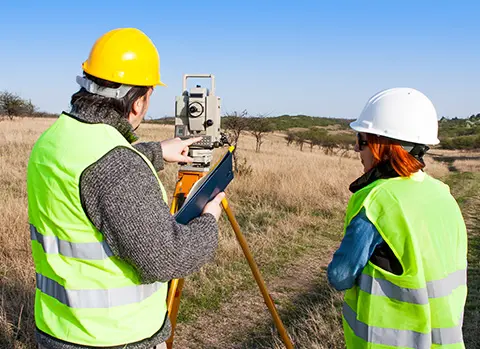
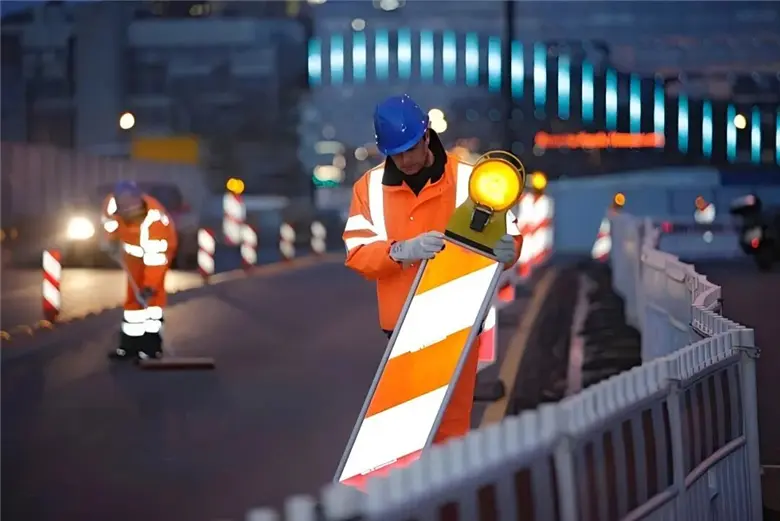
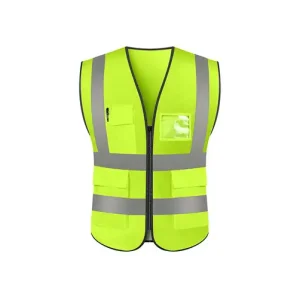
Premium OEM/ODM manufacturing standards matching international safety protocols.
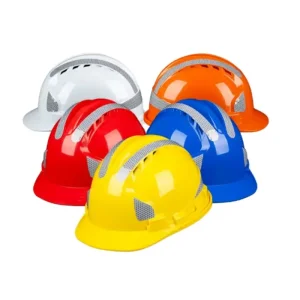
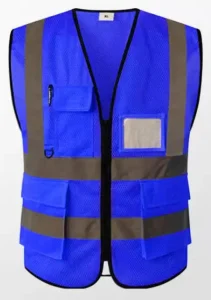
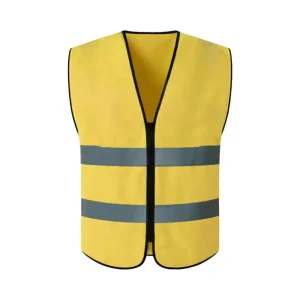
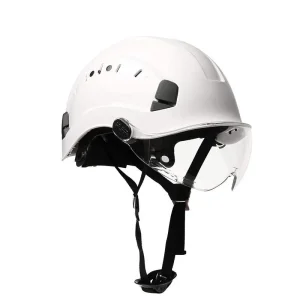
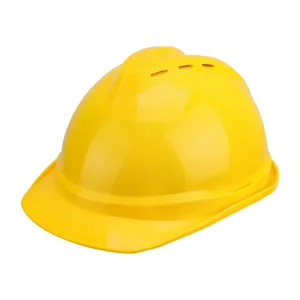
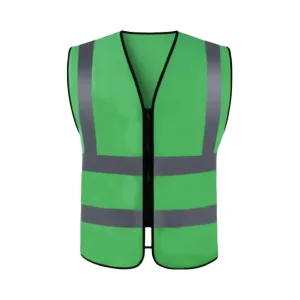
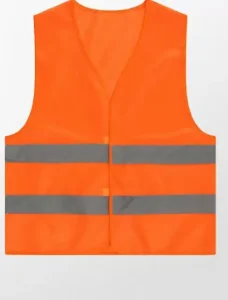
Structural fire safety helmets are complex life-support devices designed to function under extreme physical and thermal stresses. The core component that determines structural integrity is the fiber reinforcing matrix within the shell material. Global demands have shifted away from heavy metals and simple thermoplastics toward sophisticated polymer composites, predominantly fiberglass-reinforced plastics (FRP), carbon fiber blends, and advanced aramid weaves.
These specialized fibers distribute mechanical impact energy across the polymer grid, ensuring optimal attenuation of kinetic forces. Concurrently, they act as high-efficiency thermal barriers, preventing thermal heat transfer to the wearer's cranium during flashovers where temperatures can exceed 800°C. Modern industrial and municipal procurement policies specify rigorous guidelines such as NFPA 1971 and EN 443, making high-performance composite fibers the baseline material requirements for safety helmet manufacturing globally.
By blending micro-glass roving arrays with specialized thermosetting resins (unsaturated polyester, epoxy, or phenolic matrices), manufacturers can produce shells that withstand impact tests up to 100 Joules without structural cracking or deformation.
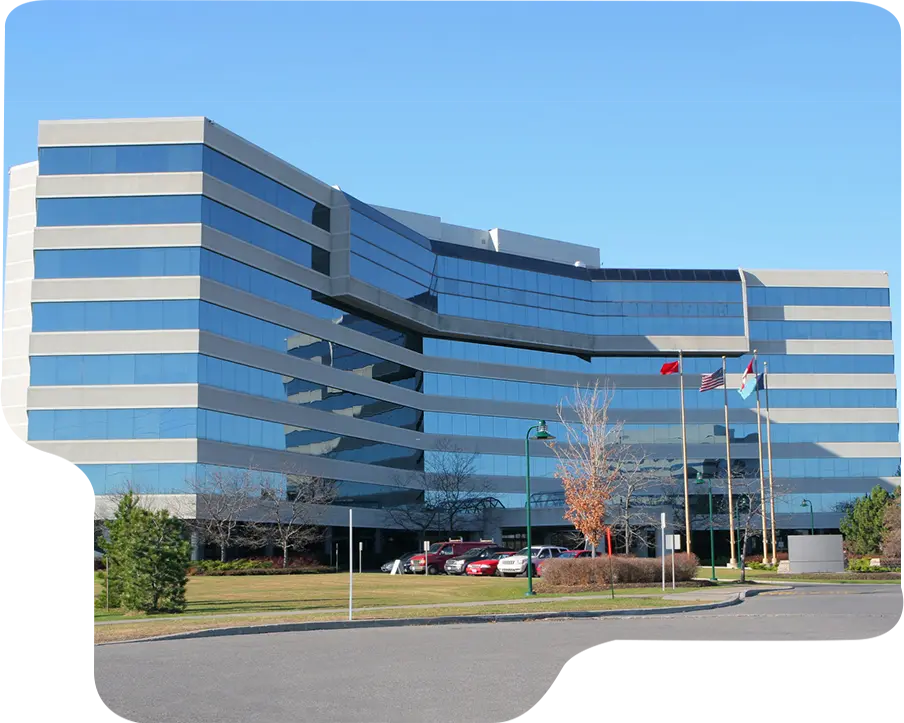
Linyi Xintuo Industry and Trade Co., Ltd. is a modern enterprise based in China, specializing in the research, development, and manufacturing of high-performance safety helmets and comprehensive labor protection equipment. Since our establishment, the company has been driven by a vision of innovation, continuously investing in advanced production equipment and assembling a team of high-caliber research and design professionals.
Our standardized management mode, combined with ISO-certified processes, guarantees consistent product excellence across all batches. We operate with a deep commitment to environmental stewardship, utilizing eco-friendly materials and energy-efficient production techniques to minimize ecological footprint while maintaining industry-leading operational efficiency.
Our product portfolio includes industrial safety helmets and high-visibility workwear, all engineered to meet or exceed international safety standards such as CE, ANSI, and EN. We leverage cutting-edge material science, utilizing fiberglass composites and high-impact polymers that offer superior strength-to-weight ratios compared to traditional materials. This integration of ergonomic design principles with durable materials ensures long-lasting protection without compromising wearer comfort.
Click to Inquire XintuoOur helmets feature adjustable suspension systems with precision-calibrated tension controls, moisture-wicking sweatbands with antimicrobial properties, and advanced ventilation technologies that optimize airflow while maintaining structural integrity. These innovations cater to diverse work environments, from extreme temperatures to high-humidity conditions, ensuring optimal performance in the most demanding settings.
Through our dedicated material science laboratories, we engineer the optimal matrix of structural fibers. We utilize E-glass fiberglass roving and chopped strand mats to build reinforced laminates that absorb kinetic impacts through micro-fracturing networks within the composite matrix. This ensures that the shock wave transmitted to the neck and skull is minimized, well below the thresholds defined by structural rescue regulations.
Send Inquiry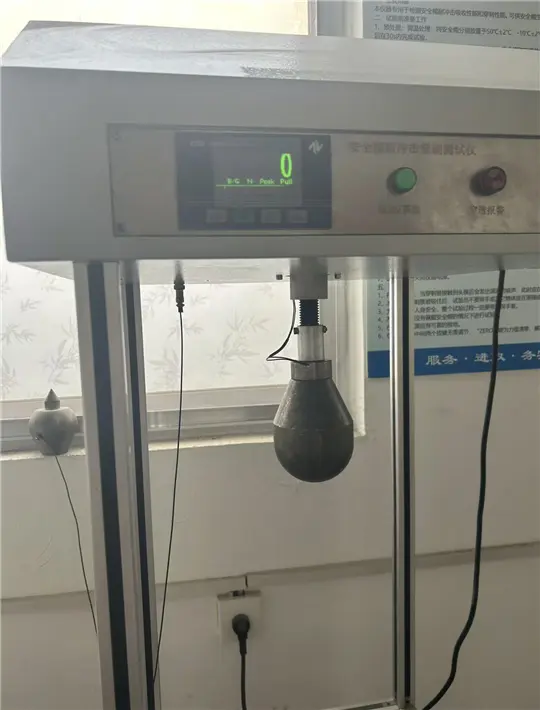
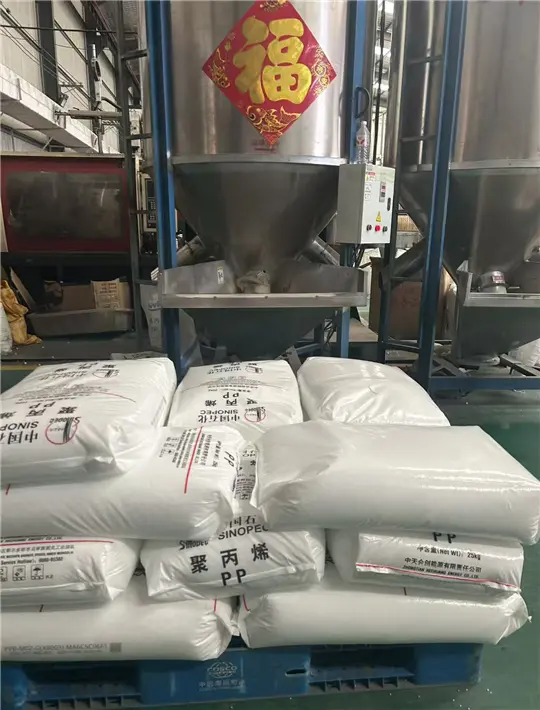
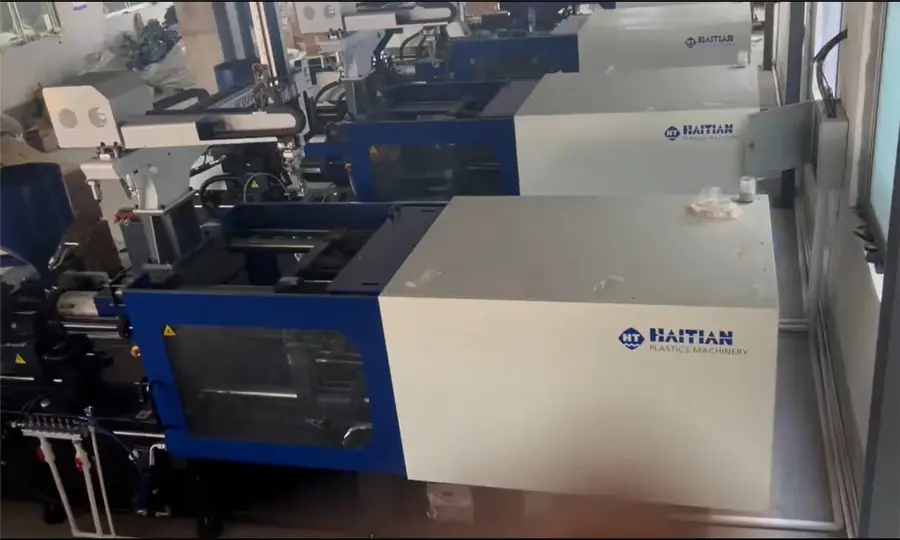
Continuous development operations at our production and manufacturing bases.
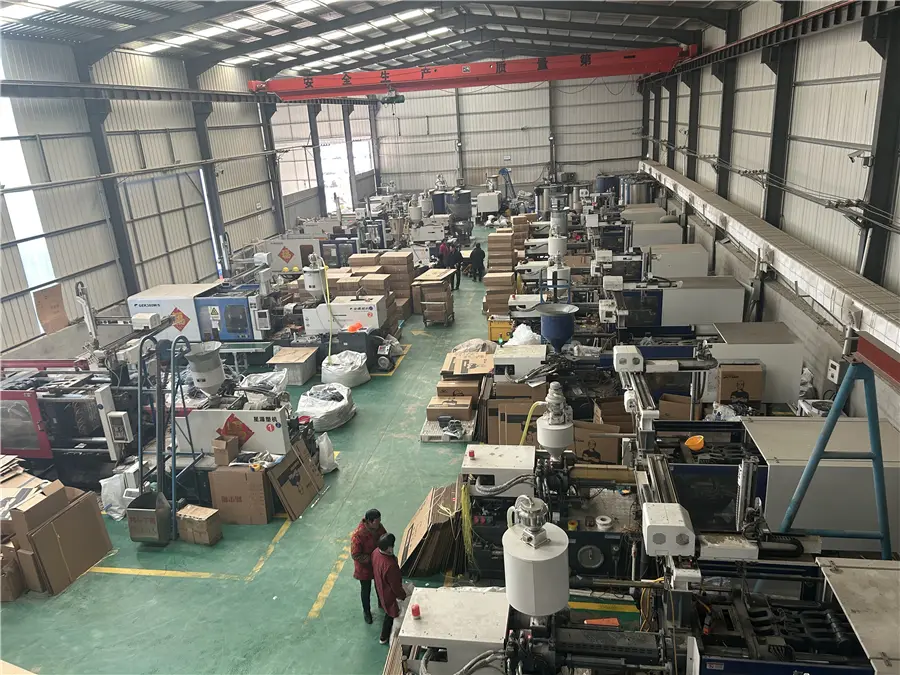
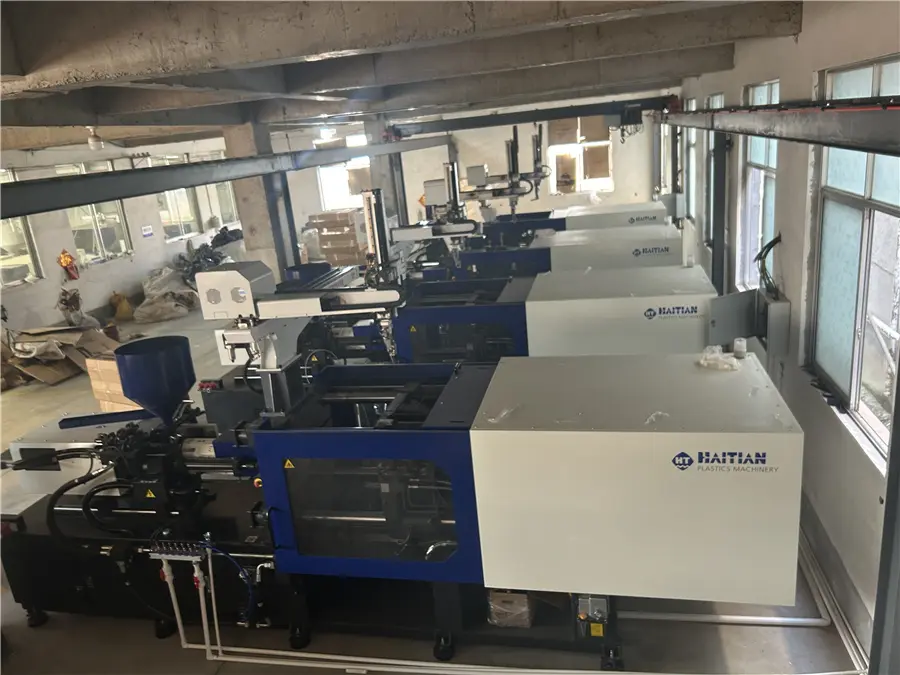
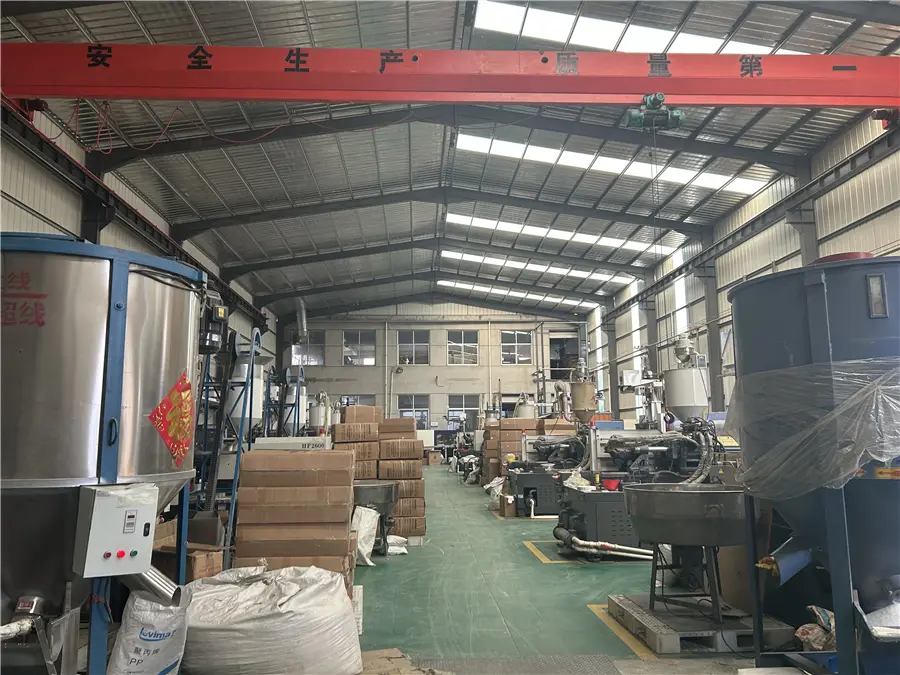
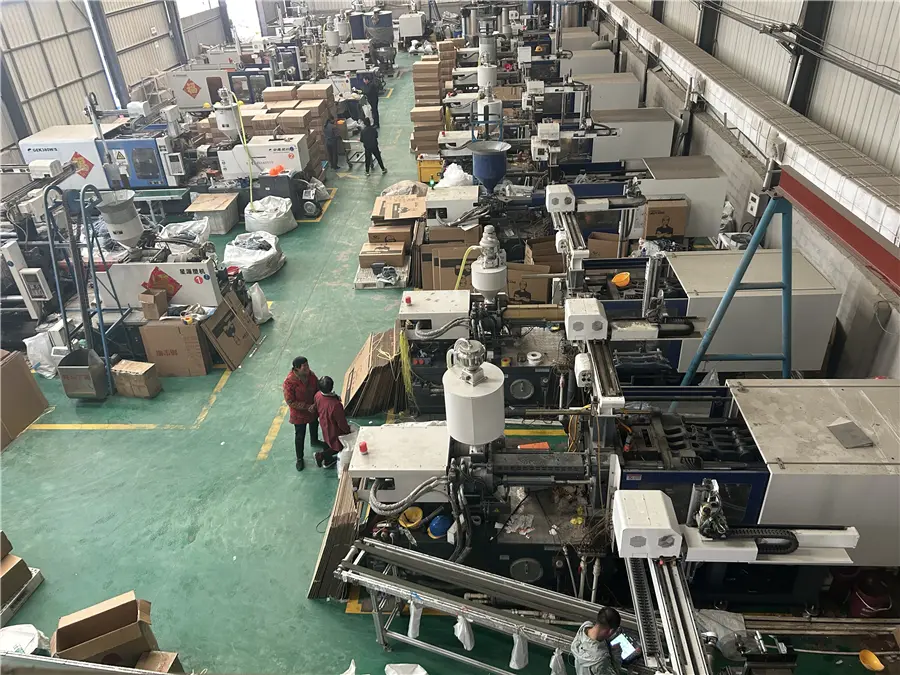
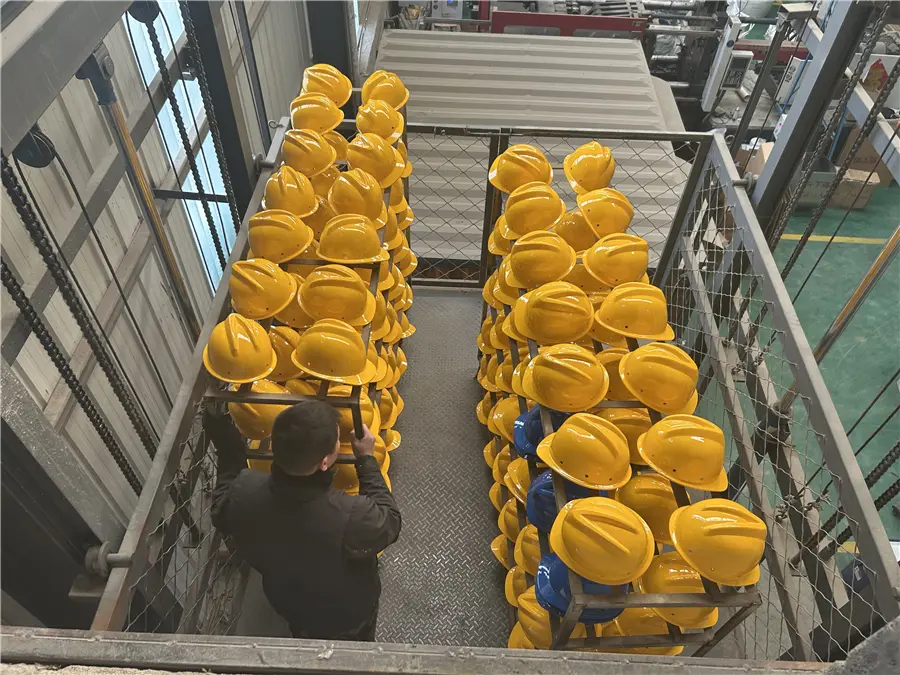
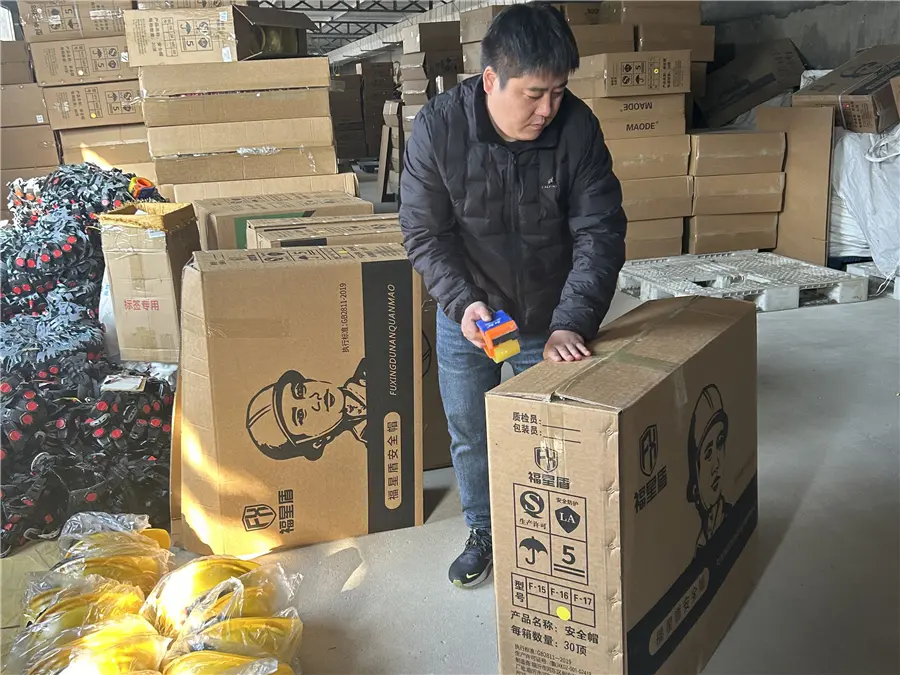
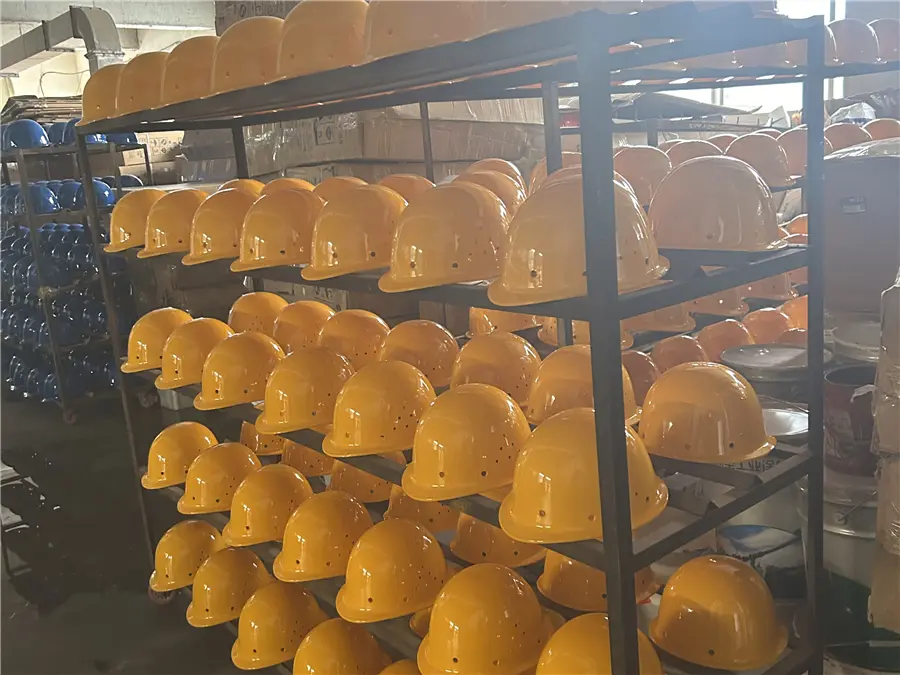
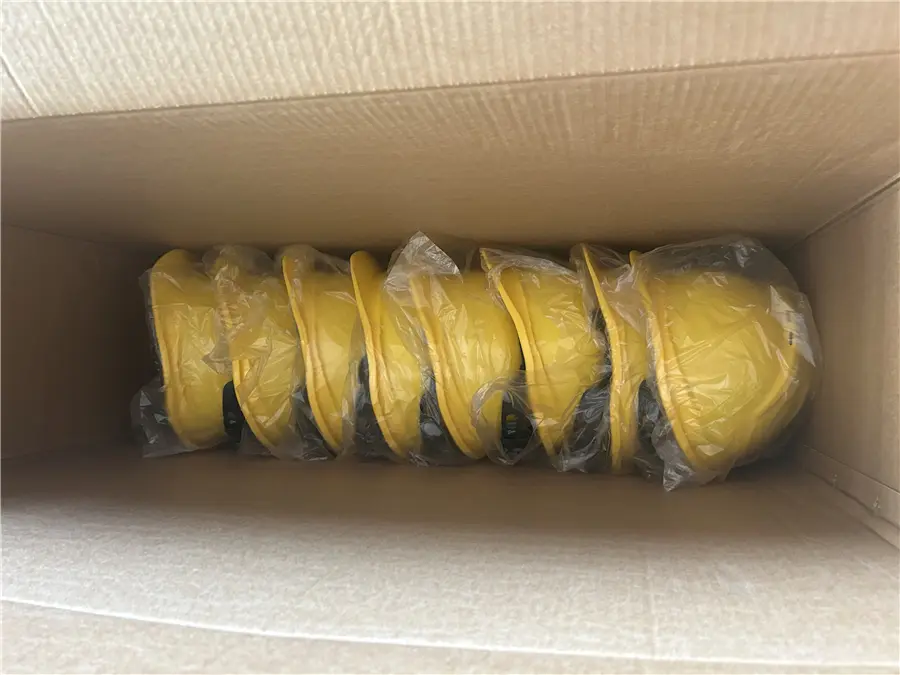
Tailored structural configurations optimized for specific extreme environments.
Demands high heat resistance under continuous convective and radiant thermal stress. Fiberglass composite structures containing special flame-retardant resins prevent heat transferring into the internal suspension system, safeguarding rescue crews during interior operations.
Requires outstanding electrical insulation alongside impact resistance. Helmets containing non-conductive fiberglass mesh composites prevent electrical shock arcs up to 20,000 Volts (Class E ratings), making them essential for utility construction crews.
Environments with high concentrations of organic solvents, strong acids, and bases require fiberglass safety shells. In contrast to standard ABS or HDPE helmets which dissolve or weaken under severe chemical contact, fiberglass retains its physical shape and structural load tolerance.
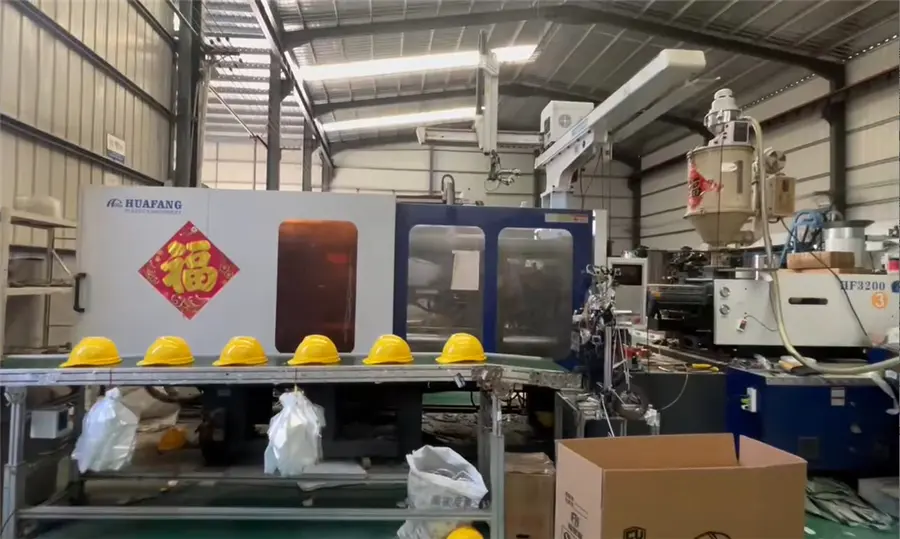
Take a virtual tour through our modern automated manufacturing lines.
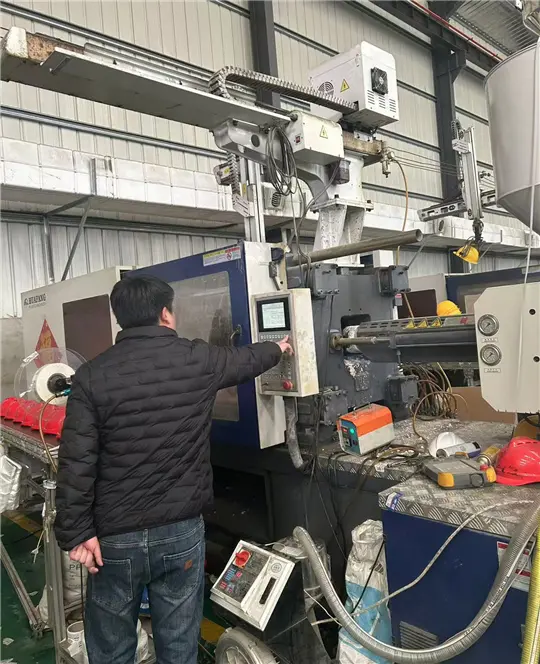
Our long-term roadmap focuses on the integration of nano-fillers such as Carbon Nanotubes (CNTs) and Graphene platelets into our traditional fiberglass composite formulations. This modification aims to enhance thermal dissipation rates by up to 40% and improve tensile properties under sub-zero conditions (-30°C to -40°C), which are common in arctic fire response missions.
Furthermore, we are actively experimenting with bio-based thermoset resins derived from circular feedstock to reduce environmental impact. By combining these resins with lightweight basalt fibers, the next generation of Xintuo safety helmets will not only exceed EN 443 safety parameters but also boast a significantly lower carbon footprint, aligning with global green construction and municipal standards.
Send InquiryLocated in Linyi, Shandong, the chemical and composite capital, Linyi Xintuo enjoys unmatched raw material proximity. Our industrial ecosystem guarantees instantaneous access to top-grade fiberglass rovings, high-strength ABS, and premium HDPE polymers. This proximity translates to minimal transport delays, highly competitive material costs, and stable pricing models even during volatile market fluctuations.
By operating integrated production cycles—from fiber weaving and resin mixing to shell molding, precision painting, and final strap assembly—our factory maintains absolute control over lead times. A standard 40-foot container order is completed within 20 to 30 days. This vertical integration reduces dependency on external subcontractors, mitigating supply chain bottlenecks.
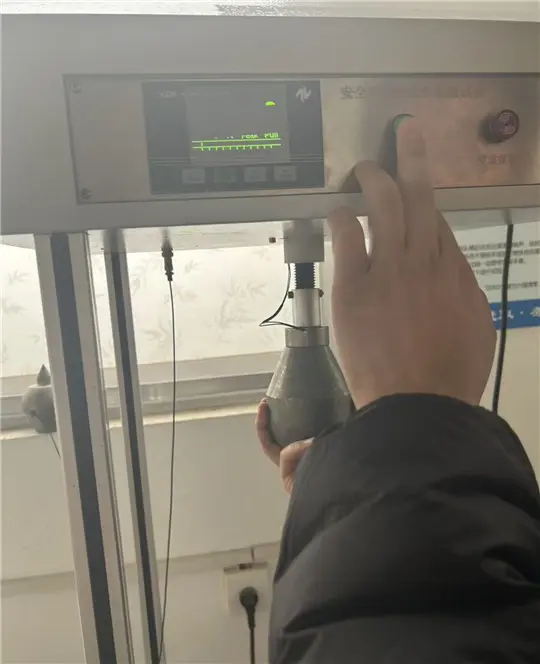
From chemical polymer procurement to structural testing, our integrated workflow ensures consistency in every batch produced.
Linyi Xintuo provides high-quality fiberglass materials engineered for structural reinforcement in safety equipment and industrial applications.
Why industrial procurement teams trust Linyi Xintuo as their primary manufacturing partner.
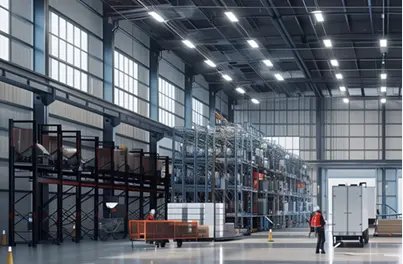
All safety products are engineered to meet or exceed international certification standards such as CE, ANSI, and EN.
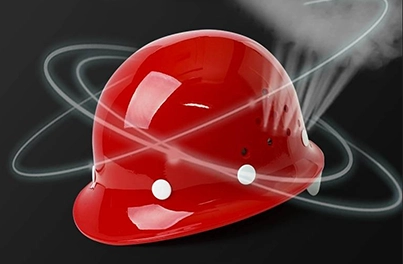
We leverage cutting-edge material science, utilizing fiberglass composites and high-impact polymers for optimal strength-to-weight performance.

We provide comprehensive after-sales support, including technical wear guidance and maintenance services, to ensure user safety.

Our customer-centric solutions offer tailored OEM design services to satisfy complex, specialized industrial requirements.
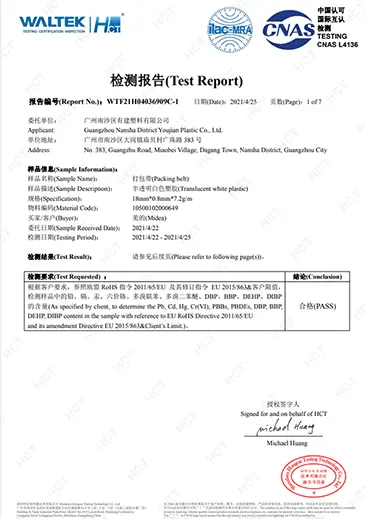
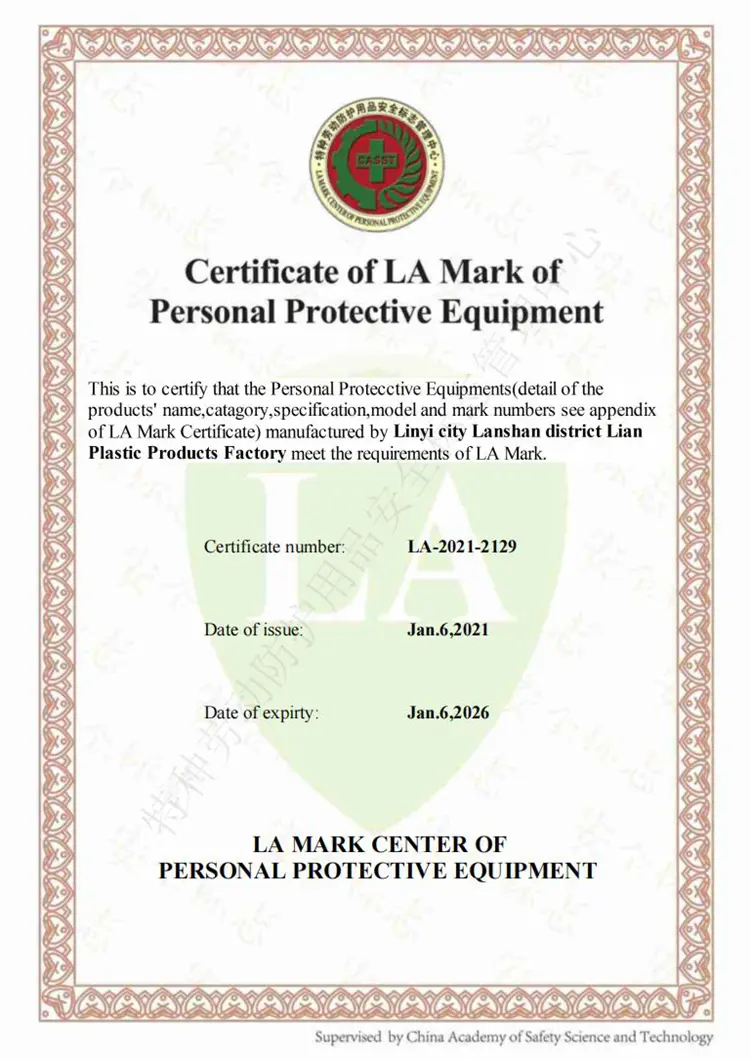
Exporting life safety products demands absolute adherence to destination-country regulations. Linyi Xintuo provides fully documented certification records to ensure compliance during customs clearance and site inspections. From initial polymer raw material batch reports to independent testing of the finished helmet shell, we supply the complete traceability paperwork required by quality officers worldwide.
We work closely with international testing labs (such as SGS, TÜV, and Intertek) to verify that our safety helmets comply with European standard EN 397, structural fire standard EN 443, and the American National Standard for Industrial Head Protection ANSI/ISEA Z89.1. This proactive compliance model helps reduce regulatory risk for safety equipment distributors and industrial buyers globally.
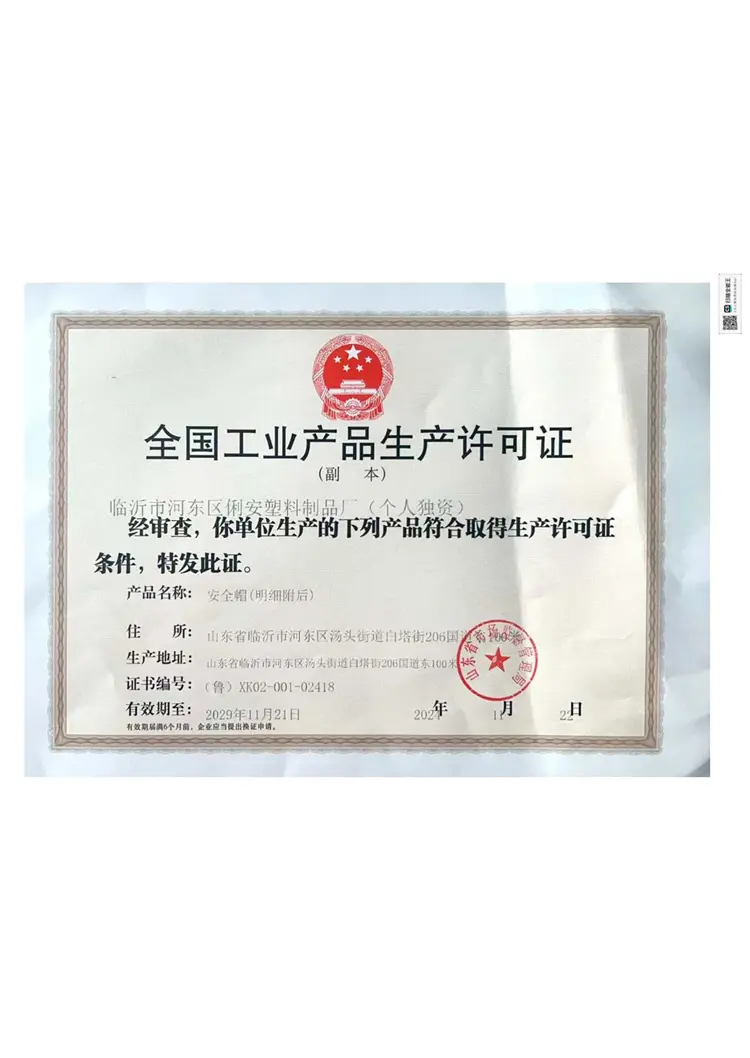
Linyi Xintuo collaborates with leading safety distributors and industrial groups worldwide.















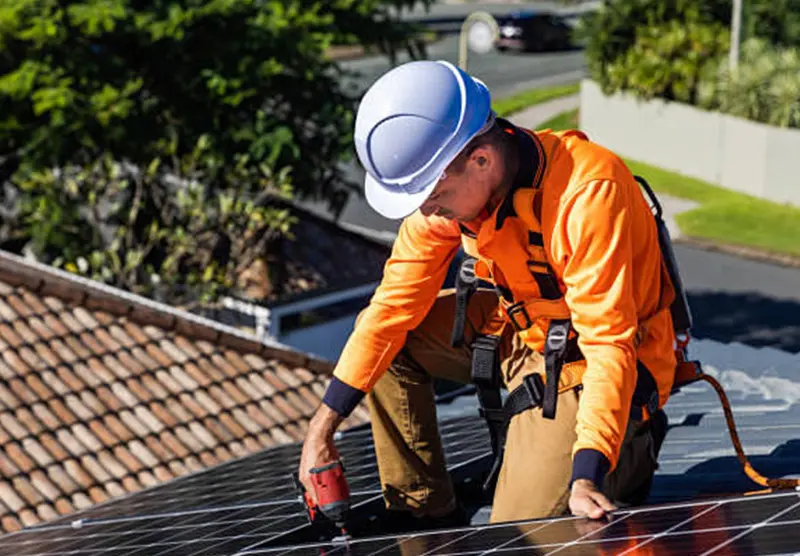
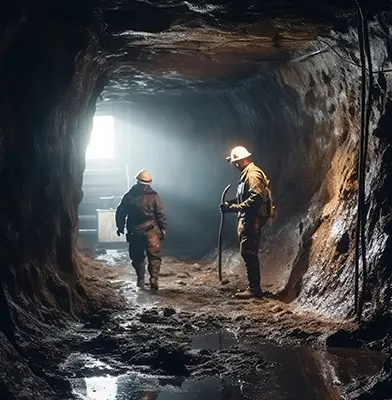
Real-world applications proving the long-term structural durability of Linyi Xintuo products.
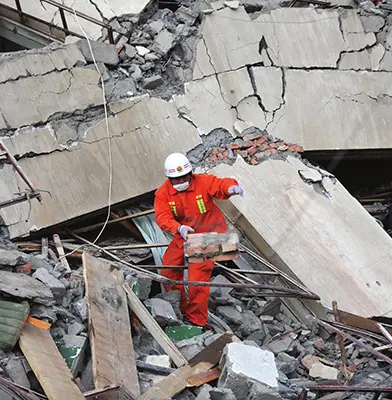
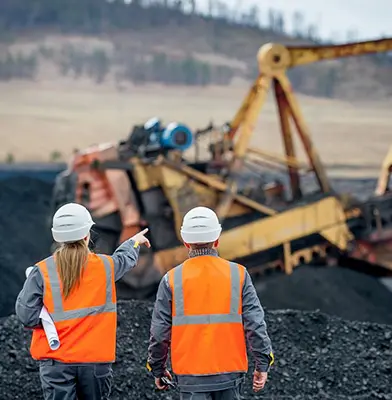
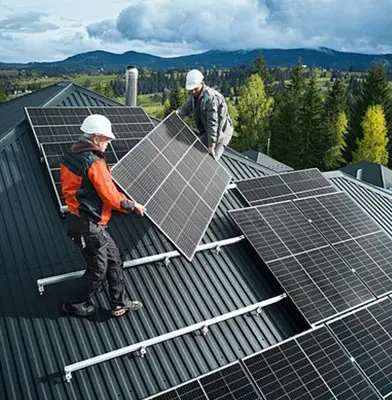
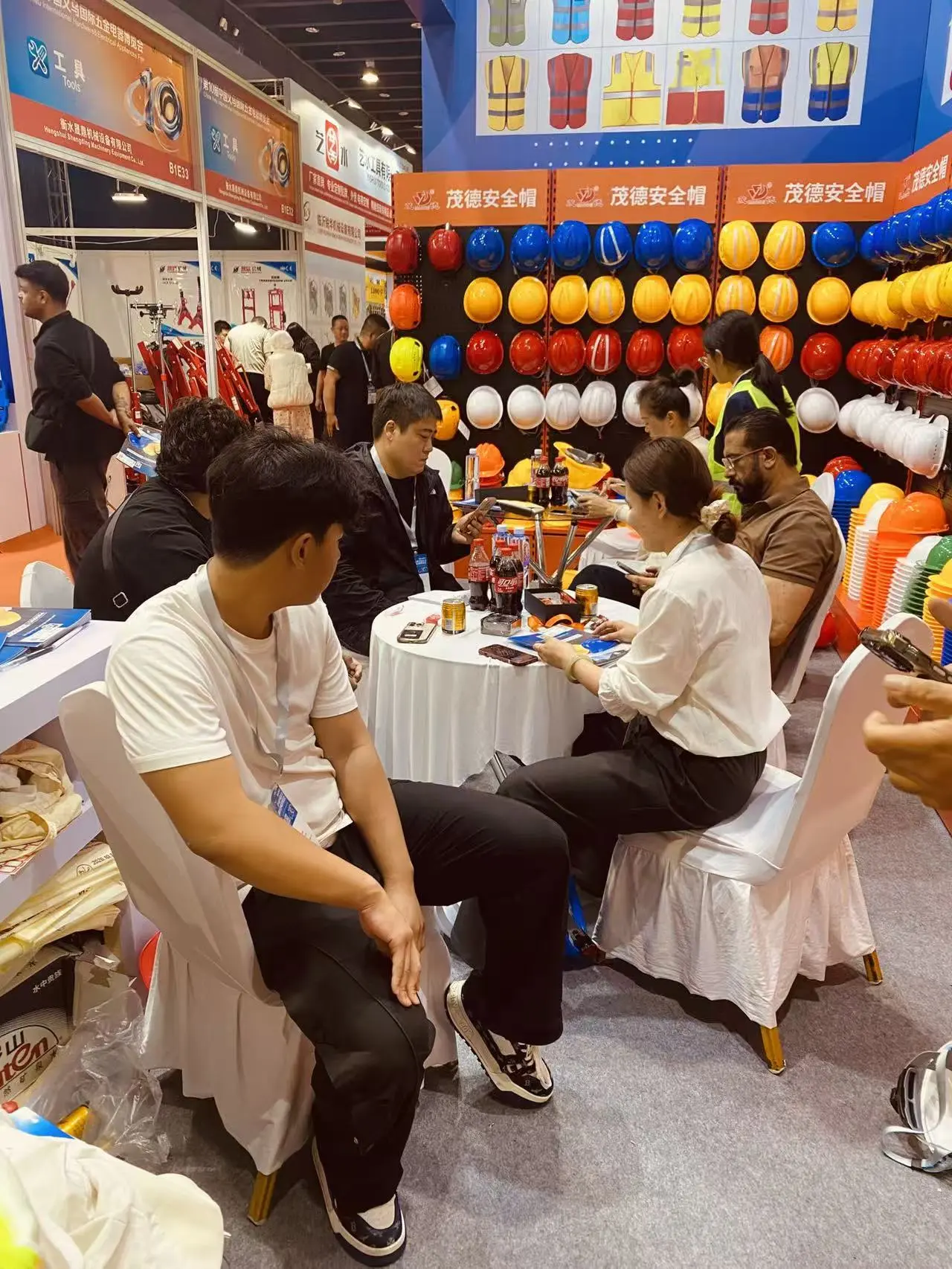
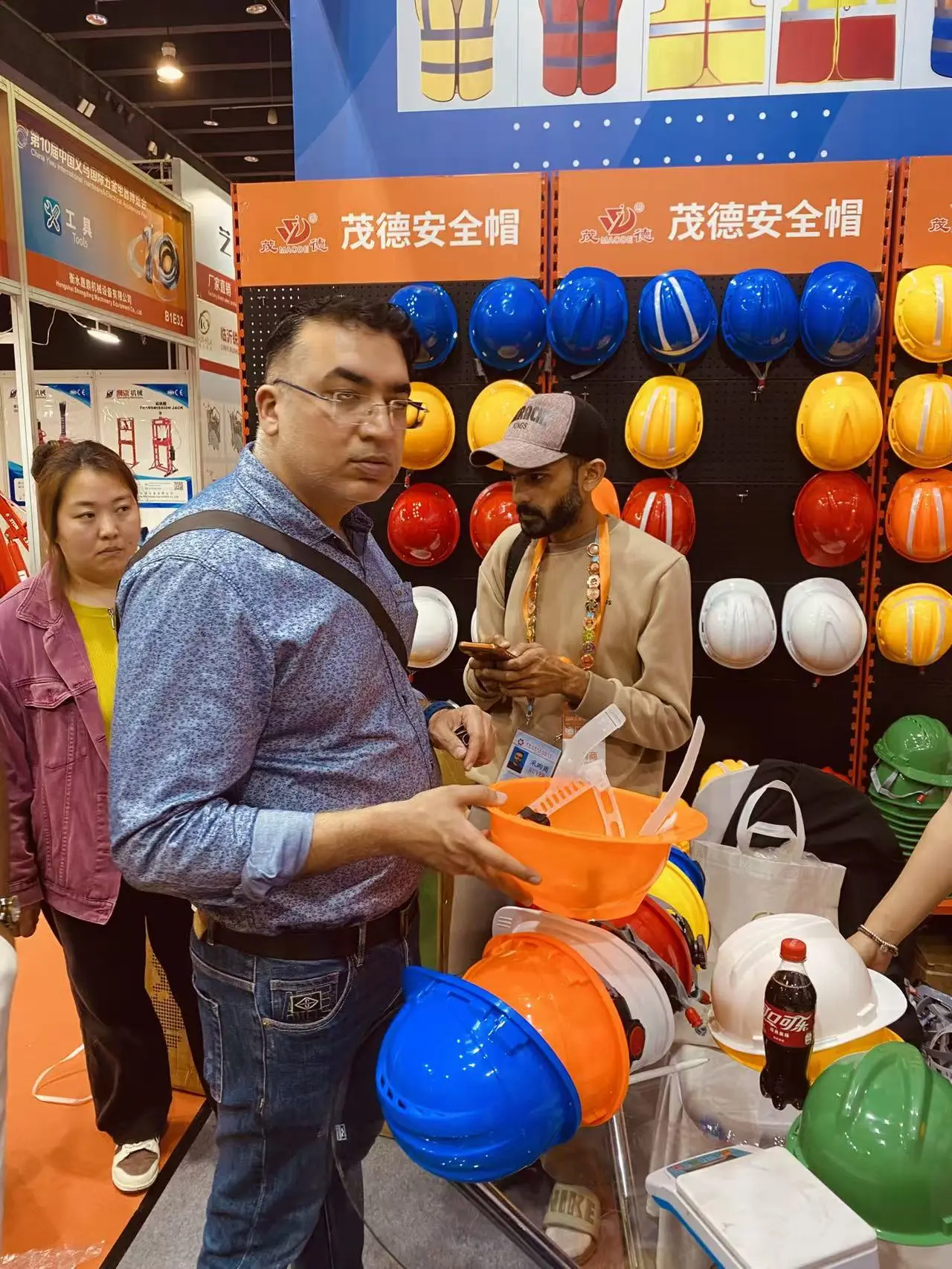
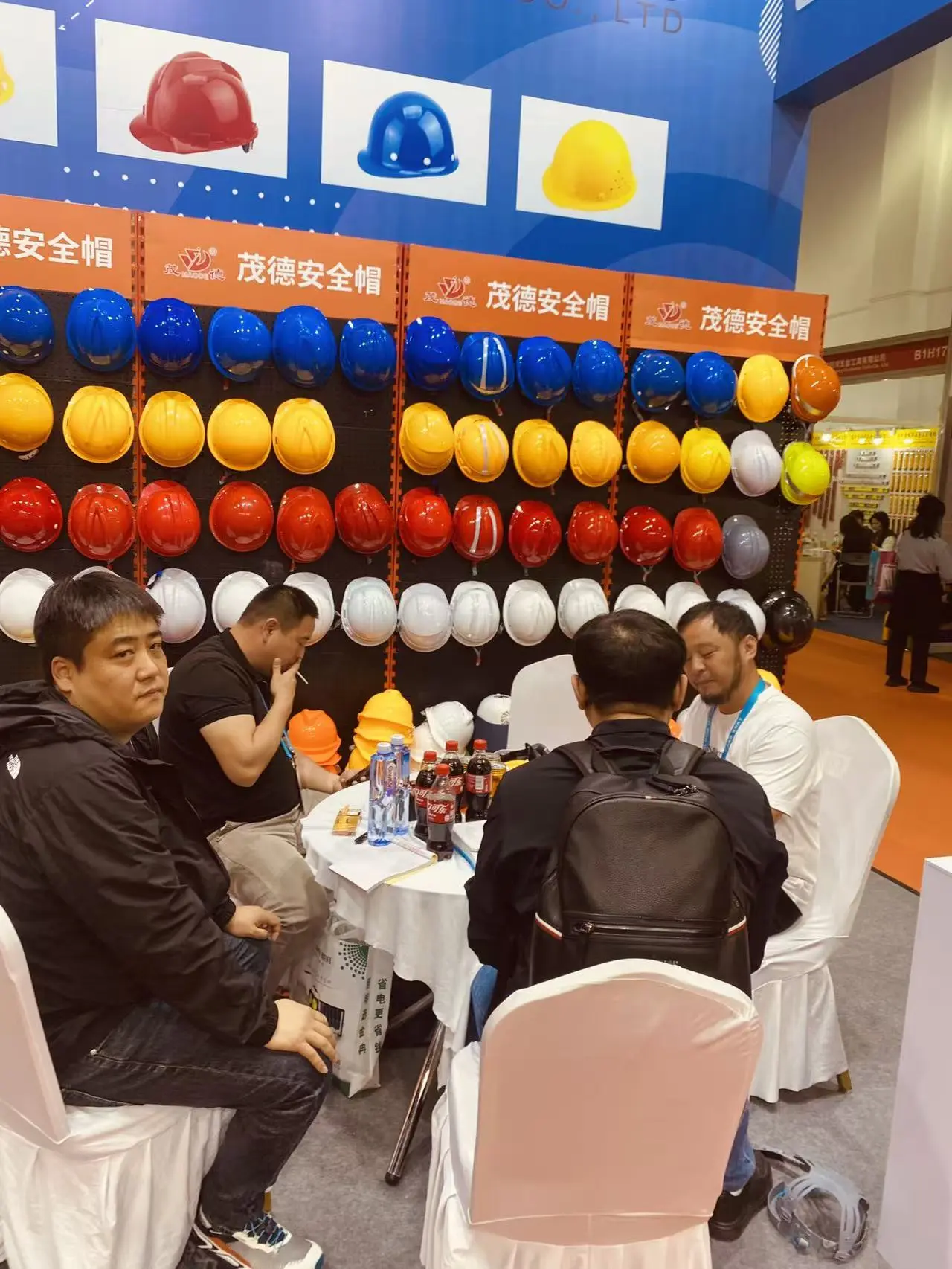
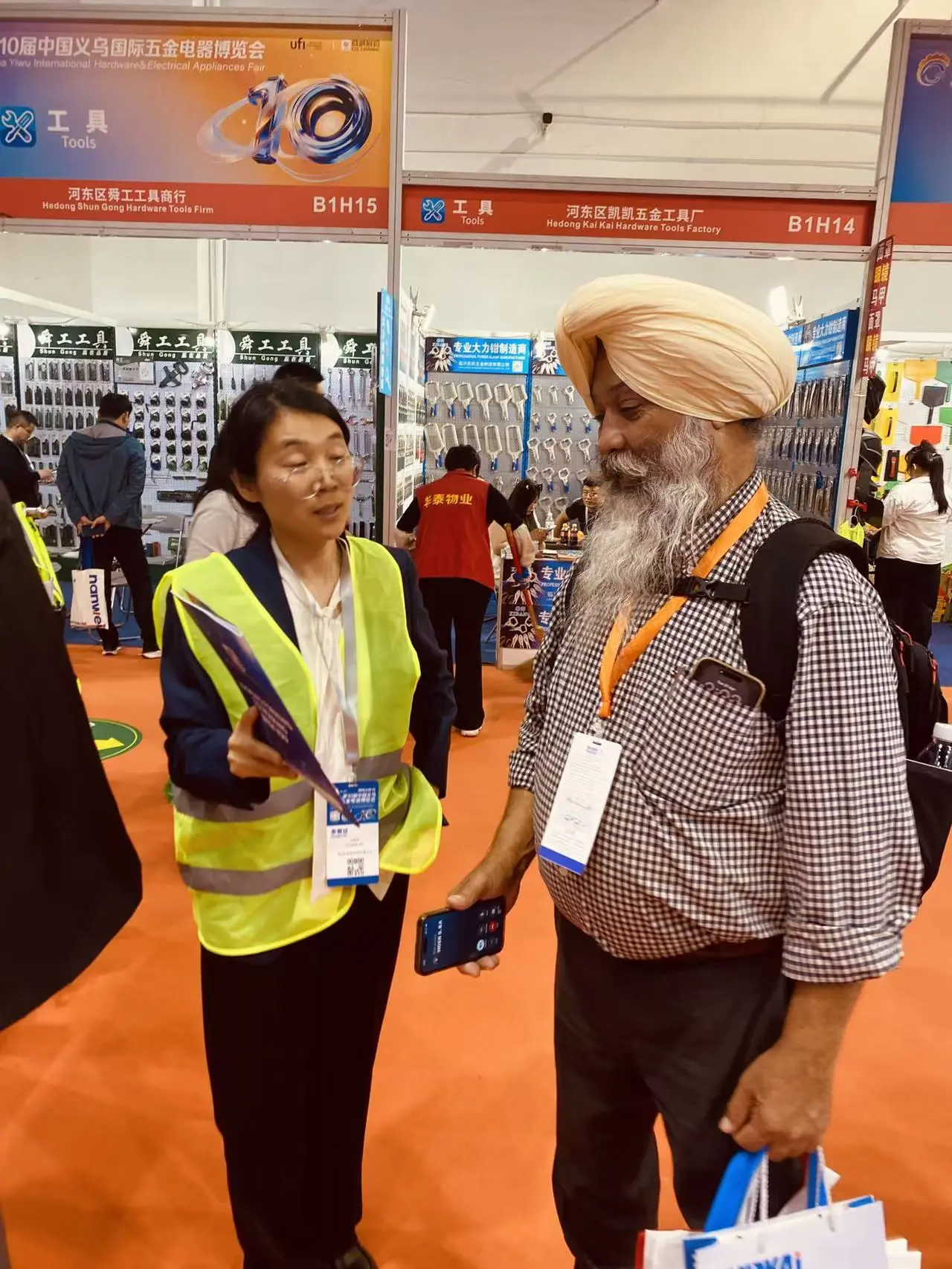
Linyi Xintuo participates in leading occupational safety and emergency rescue exhibitions. These global venues allow us to demonstrate our latest material technologies, gather feedback from end-users, and establish partnerships with distributors worldwide.
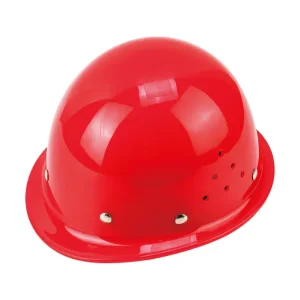
Unsafe Wearing & Alteration Case Study: At a construction site in Fujian, a worker seeking relief from the heat drilled several ventilation holes in his safety helmet shell. During work, a concrete block fell from a height, striking his head directly.
Due to the unauthorized holes, the stress distribution properties of the shell were compromised, leading to structural failure. The impact energy, which should have been deflected by the composite outer shell and absorbed by the suspension assembly, was instead transferred directly to the wearer. This case highlights why safety helmets must never be drilled or structurally altered in the field.
Comprehensive technical and business information from our engineering and sales department.
A1: We are a direct manufacturer. Our factory specializes in the production of high-performance safety helmets, structural components, and reflective safety vests, utilizing advanced processing machinery at our facilities in Linyi, Shandong, China.
A2: We provide free standard product samples for qualification testing. The courier shipping costs are covered by the buyer, which can be deducted from the subsequent bulk order invoice.
A3: We support flexible delivery terms including FOB, CFR, CIF, and EXW. Payments can be settled in USD, EUR, GBP, CAD, AUD, SGD, HKD, and JPY via telegraphic transfer (T/T) or Letter of Credit (L/C).
A4: We provide comprehensive OEM/ODM solutions, including custom mold development for safety shells, custom color blending, shell logo printing, individualized suspension systems, and customized packaging designs matching your local regulatory requirements.
A5: Lead time depends on order volume and level of customization. For a standard 20-foot or 40-foot container, production typically takes 20 to 30 days. Shipments destined for ports within mainland China can be delivered to warehouses in 7 to 14 days.
A6: Fiberglass safety helmets are constructed using a thermoset composite material matrix (fiberglass roving plus resin matrix), which offers exceptional heat resistance and mechanical strength. Unlike ABS or thermoplastic safety helmets, they do not melt, warp, or soften at high temperatures, making them suitable for firefighting, heavy industrial foundries, and chemical environments. ABS helmets are lighter and cost-effective, but they are limited to standard industrial environments below 80°C.
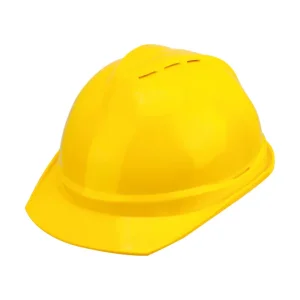
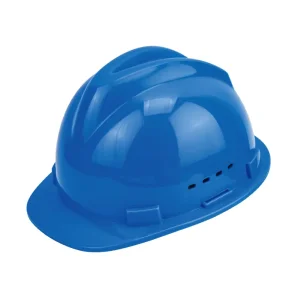
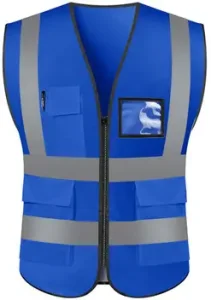
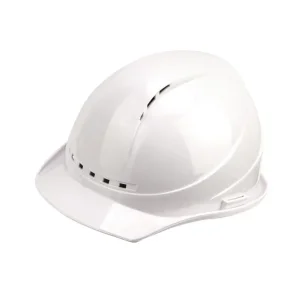
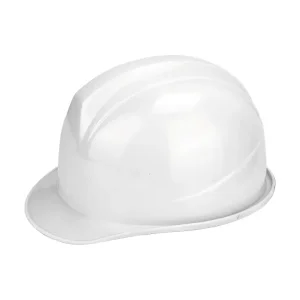
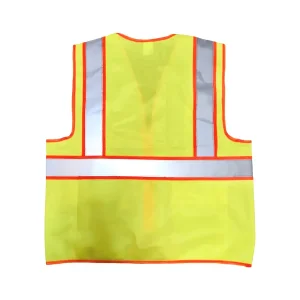
Explore our full range of certified safety helmets and high-visibility apparel.
 Xintuo