Explore our high-performance industrial hard hats, protective clothing, and visibility vests conforming to CE and ANSI quality criteria.
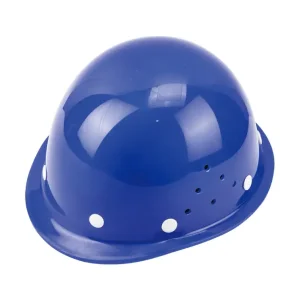
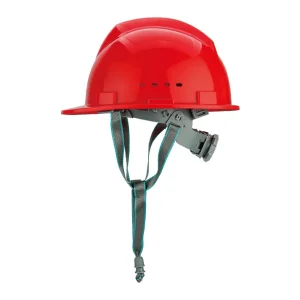
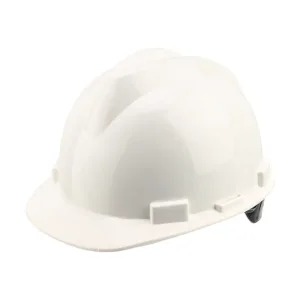
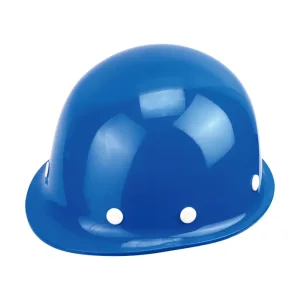
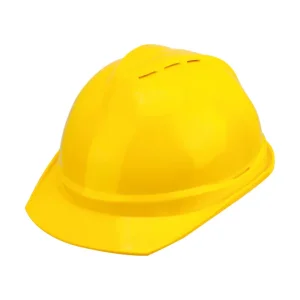
The global market for industrial Personal Protective Equipment (PPE) is experiencing a structural shift, propelled by strict occupational safety regulatory schemes and rising safety awareness across emerging economies. Historically, industrial hard hats were regarded as simple protective shells designed for basic top-of-head impact protection. Today, safety helmets have evolved into sophisticated multi-directional protective systems.
A major industry movement is the transition from traditional Type I helmets (designed solely to mitigate crown impacts) to Type II or hybrid lateral protection helmets. Industrial workspaces increasingly require protection against rotational acceleration forces—a primary cause of traumatic brain injury (TBI). Furthermore, ergonomic design and lightweight structural engineering have become essential. Modern workforces demand solutions that offer maximum comfort, optimized center of gravity, and improved thermal management systems to minimize heat stress in tropical or high-temperature manufacturing environments.
Use of advanced polymers (ABS, HDPE) and composite fiberglass elements to maximize structural rigidity while reducing overall shell weight.
Implementation of custom multi-point suspensions and ratcheting harnesses to prevent slippage during dynamic physical operations.
When procurement teams evaluate China safety helmets, understanding the mechanical performance differences of outer shell materials is critical for matching the products with their specific occupational applications:
High-Density Polyethylene (HDPE): Exceptionally lightweight with high tensile strength. Excellent for general construction and standard industrial use. HDPE provides cost-effective impact resistance, although it has a lower thermal degradation threshold compared to ABS or fiberglass.
Acrylonitrile Butadiene Styrene (ABS): Provides superior impact absorption, high surface hardness, and excellent dimensional stability across broad temperature ranges. ABS is highly recommended for high-impact environments where lateral and penetration risks are elevated.
Fiberglass Reinforced Polymers (FRP): Designed for heavy-duty industrial tasks. Fiberglass safety helmets possess outstanding heat resistance, making them the industry standard for steel smelting, foundry work, shipyards, and high-temperature petrochemical processing.
Industrial safety helmets do not operate in isolation; they are part of a broader corporate hazard mitigation strategy.
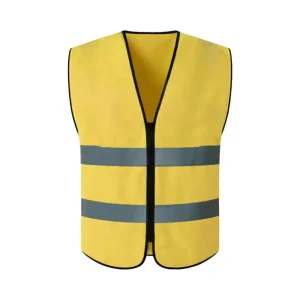
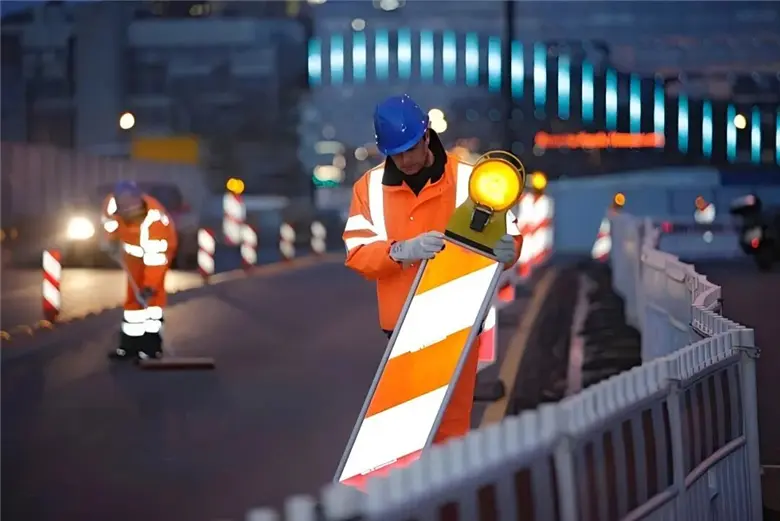
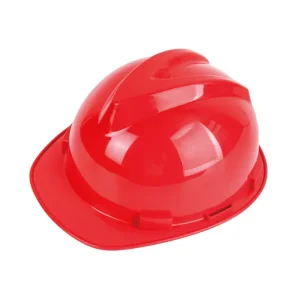
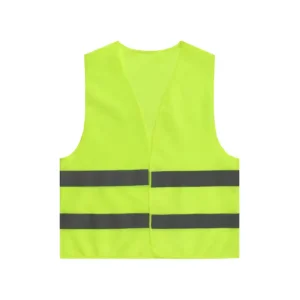
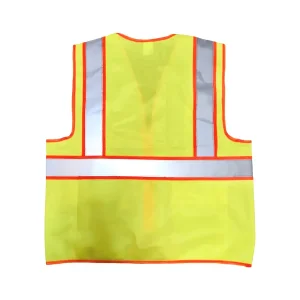
Construction & Logistics: Emphasizes Type I and Type II ventilated helmets with integrated chin-straps to prevent loss of head protection during accidental falls from heights. Combined with high-visibility reflective vests, these solutions maximize personal safety.
Petrochemical & Chemical Industries: Requires non-conductive (Class E) or anti-static, chemically inert shells designed to withstand corrosive splashes, combined with hearing protection earmuffs and clear face shields mounted to standard accessory slots.
High-Voltage Utility Operations: Focuses on non-ventilated dielectric helmets tested to withstand up to 20,000 volts, ensuring zero path-to-ground current flow through the user's head during accidental electrical contact.
Linyi Xintuo Industry and Trade Co., Ltd. is a modern enterprise based in China, specializing in the research, development, and manufacturing of high-performance safety helmets and comprehensive labor protection equipment. Since its establishment, the company has been driven by a vision of innovation, continuously investing in advanced production equipment and assembling a team of high-caliber research and design professionals.
Our standardized management mode, combined with ISO-certified processes, guarantees consistent product excellence across all batches. The company operates with a commitment to sustainability, utilizing eco-friendly materials and energy-efficient production techniques to minimize environmental impact while maintaining operational efficiency.
Our helmets feature adjustable suspension systems with precision-calibrated tension controls, moisture-wicking sweatbands with antimicrobial properties, and advanced ventilation technologies that optimize airflow while maintaining structural integrity. These innovations cater to diverse work environments, from extreme temperatures to high-humidity conditions, ensuring optimal performance in the most demanding settings.
By leveraging cutting-edge material science, we utilize fiberglass composites and high-impact polymers that offer superior strength-to-weight ratios compared to traditional materials. This integration of ergonomic design principles with durable materials ensures long-lasting protection without compromising comfort.
Understanding that safety regulations differ by country, Linyi Xintuo implements localized compliance measures to streamline international sourcing. For North America, our helmets are engineered to meet ANSI/ISEA Z89.1 criteria, covering impact type and electrical class requirements. For Europe and related global markets, we ensure conformance to CE standards, such as EN 397 and EN 12492, which dictate dynamic shock absorption and chin-strap strength testing.
Additionally, we offer professional OEM/ODM solutions, accommodating custom branding, corporate logo placements, high-visibility color preferences, and functional accessories. This is coupled with a dedicated after-sales support model that offers technical documentation, compliance declarations, and replacement part kits to maintain long-term product viability.
Our R&D roadmap is focused on developing next-generation protective equipment. Key focus areas include:
Smart Sensors: Embedding micro-sensors to track falls, record environmental temperatures, and monitor battery life. These sensors can communicate via Bluetooth or LoRaWAN networks, sending alerts to dispatchers or safety managers.
Sustainable Manufacturing: Reducing the carbon footprint of industrial protective gear by utilizing bio-based polycarbonates and recycled nylon filaments in the suspension webbing without compromising impact-absorption capabilities.
A transparent look inside our modern manufacturing lines, assembly processes, and quality testing labs.
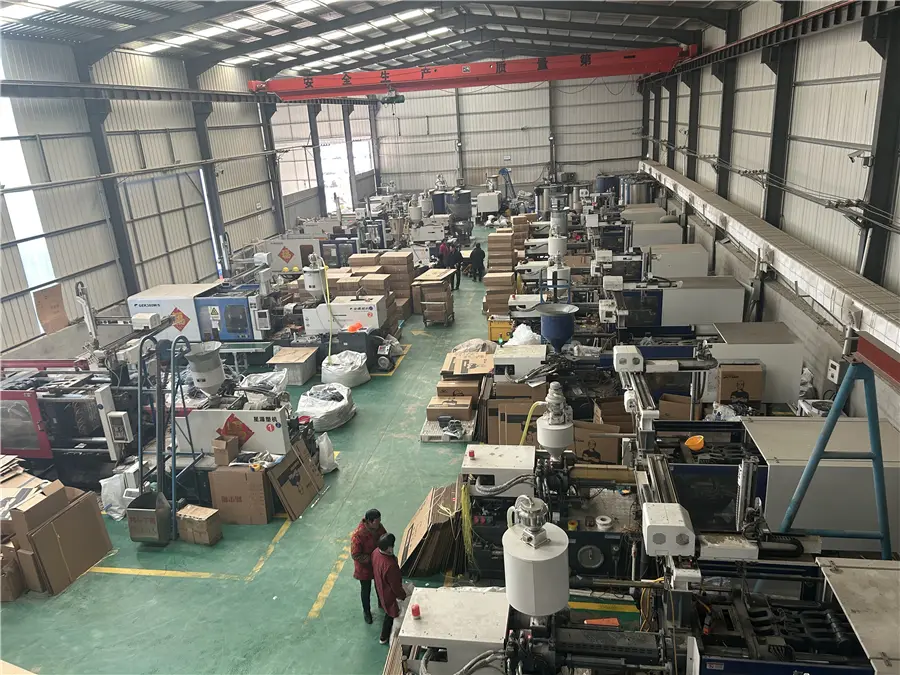
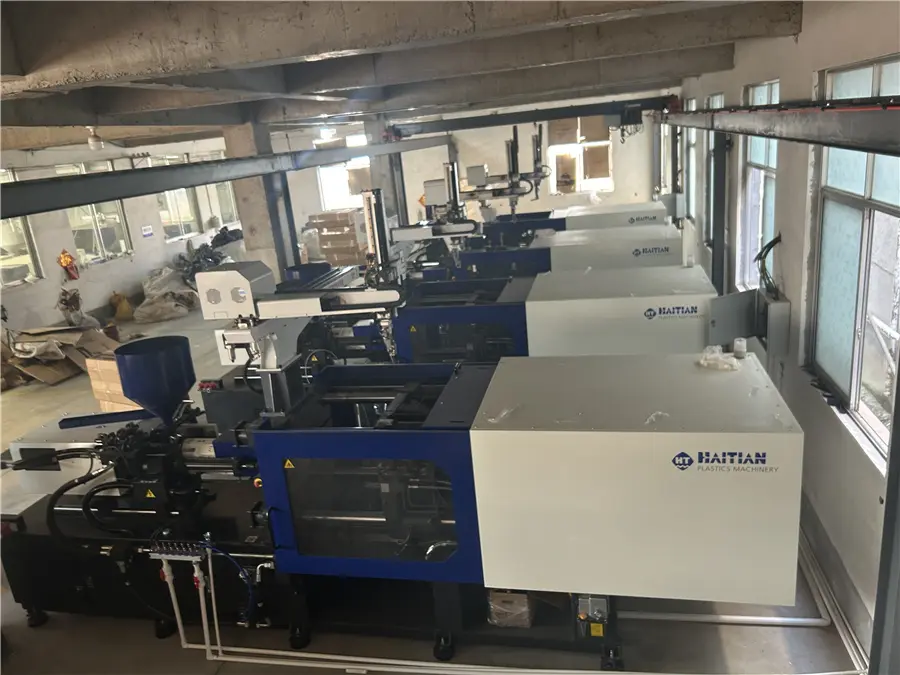
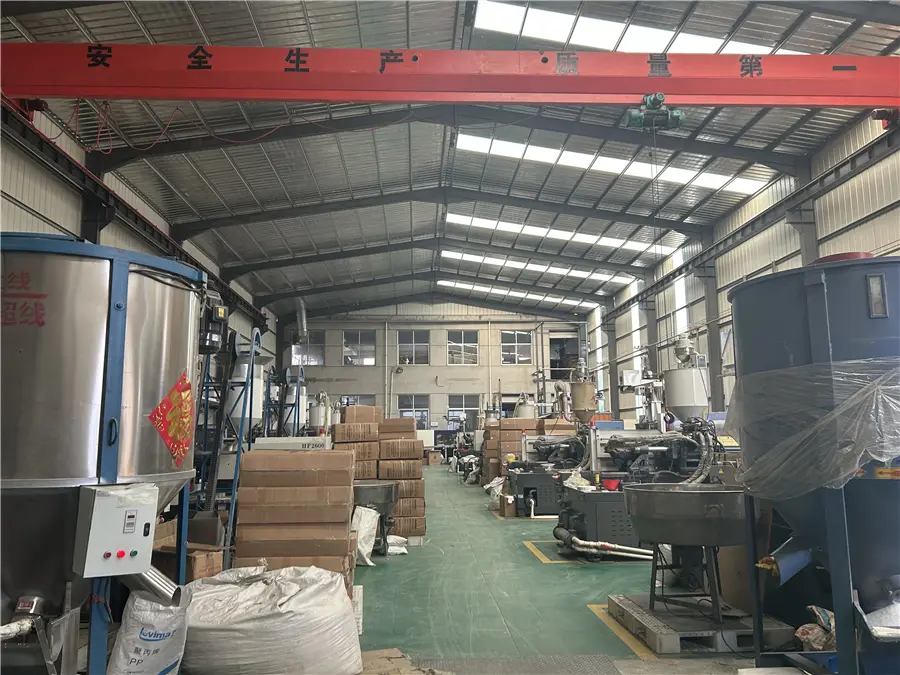
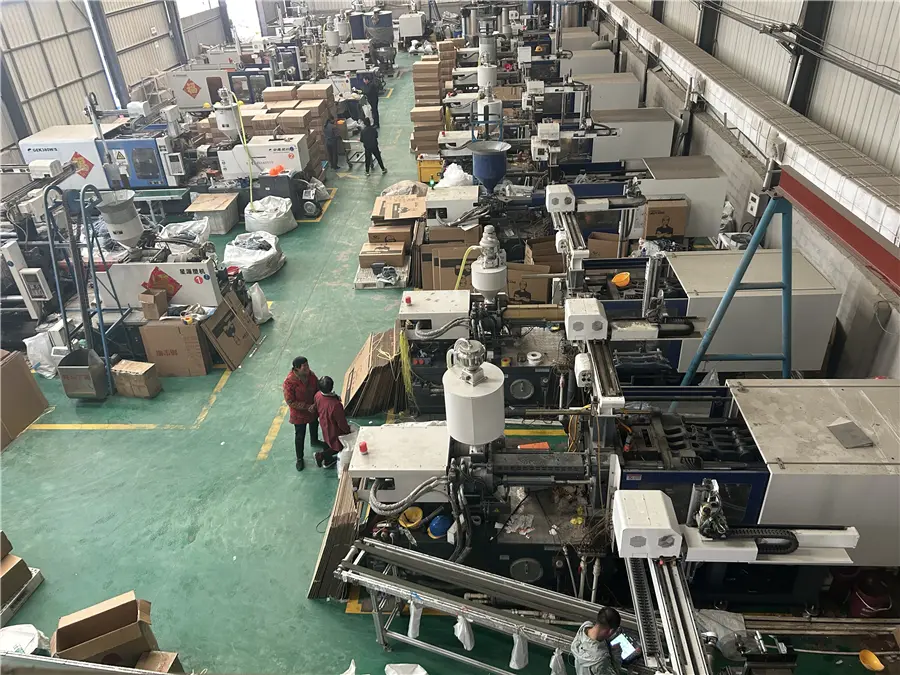
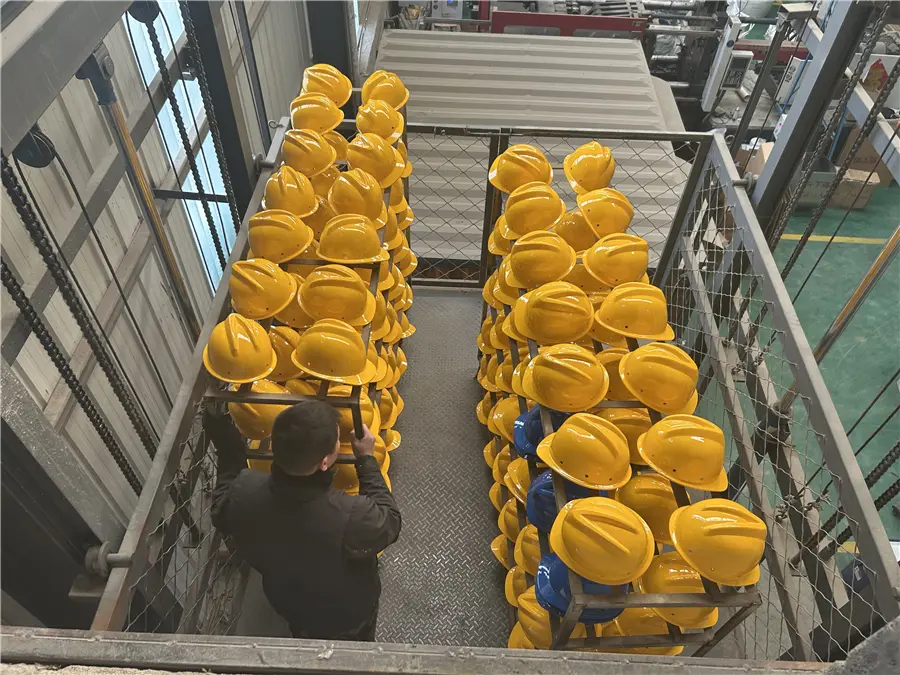
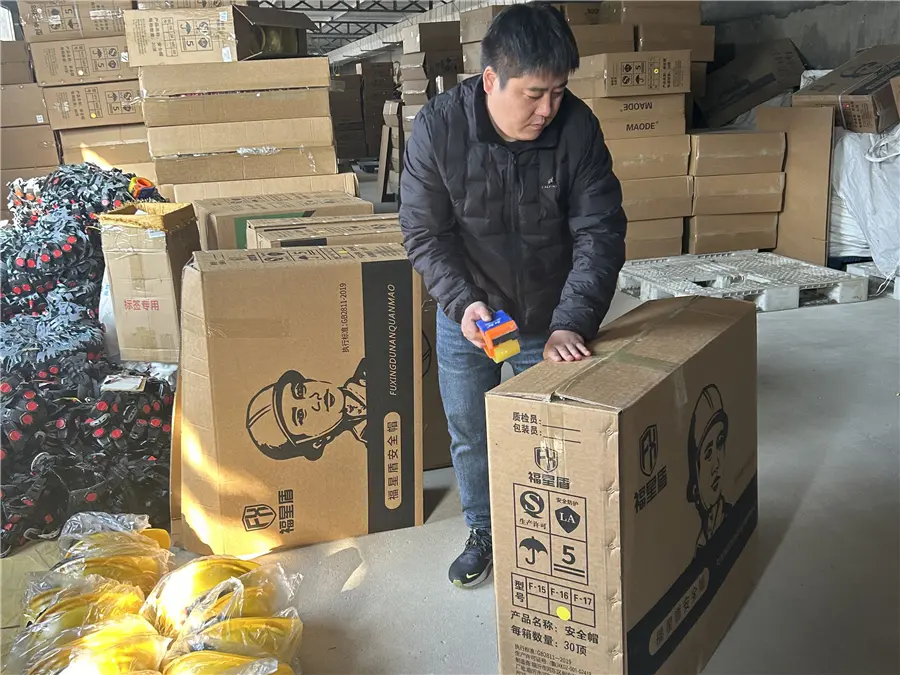
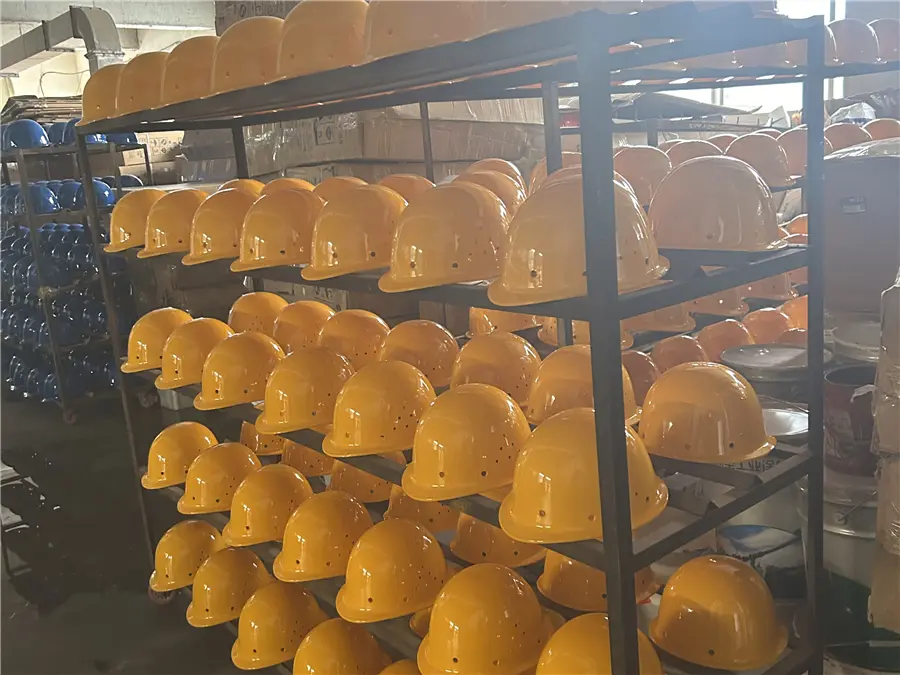
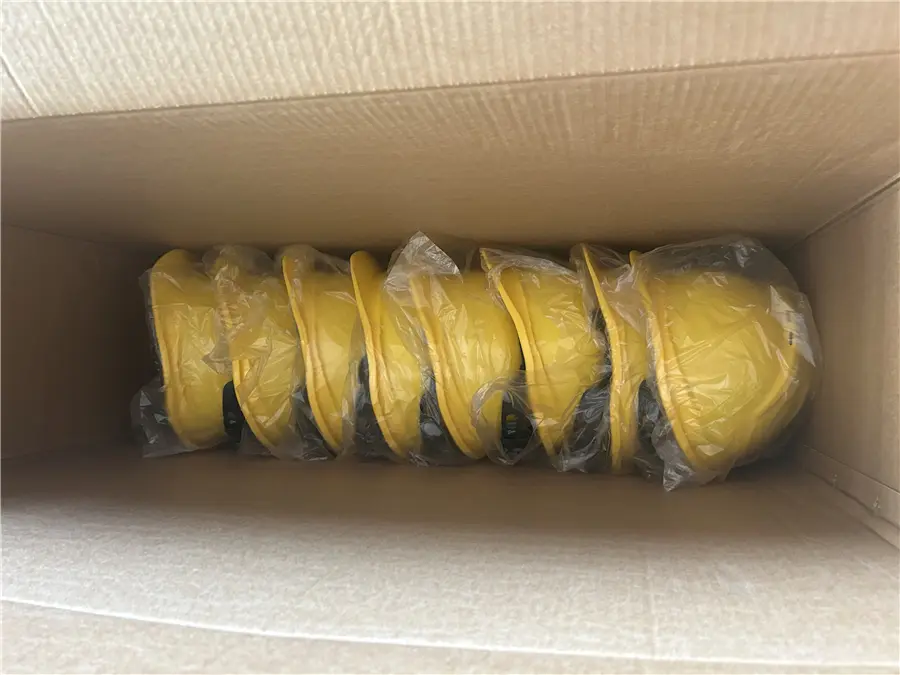
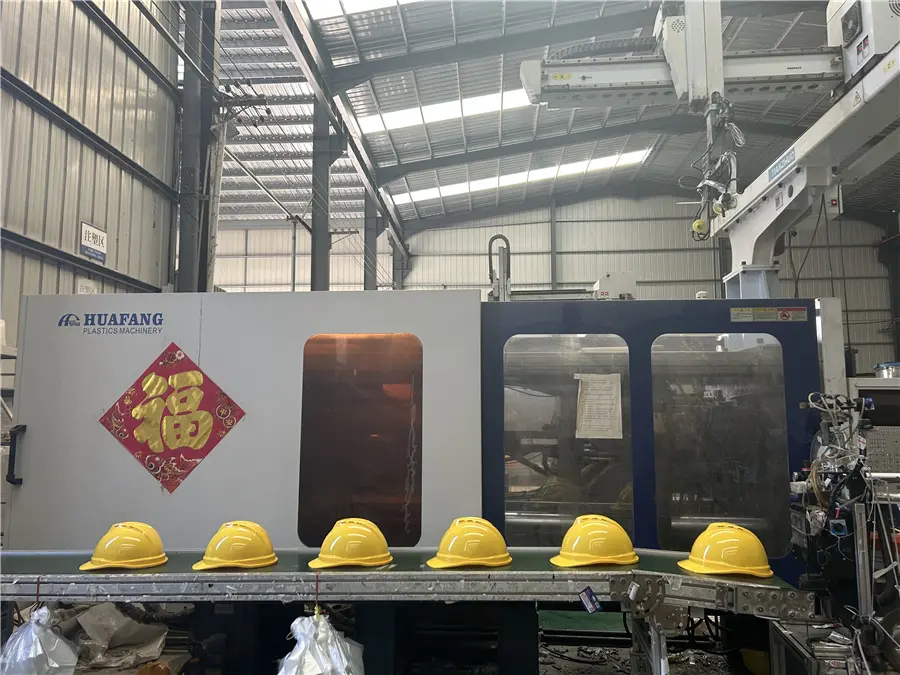
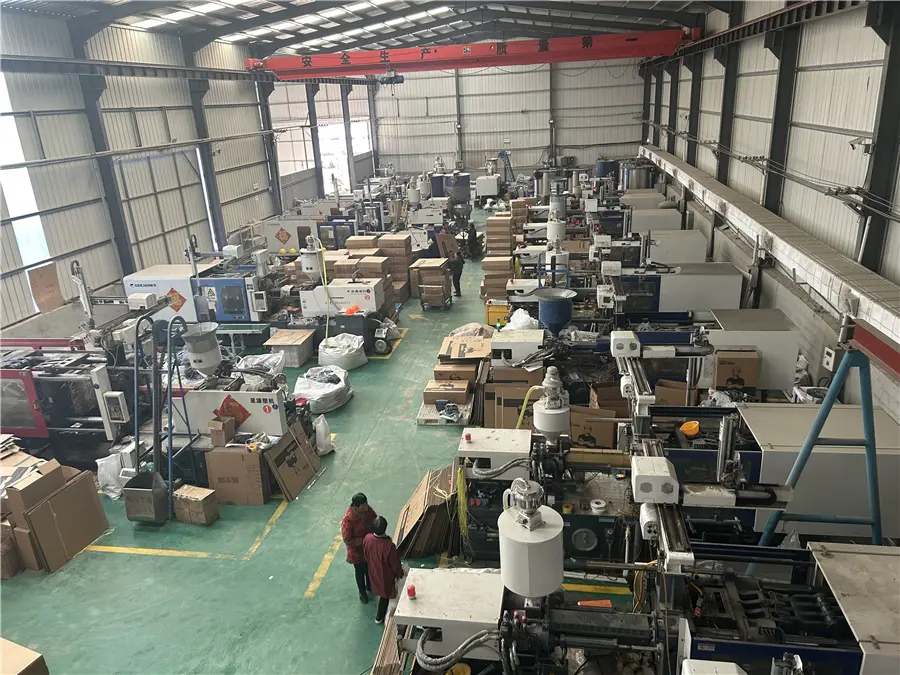
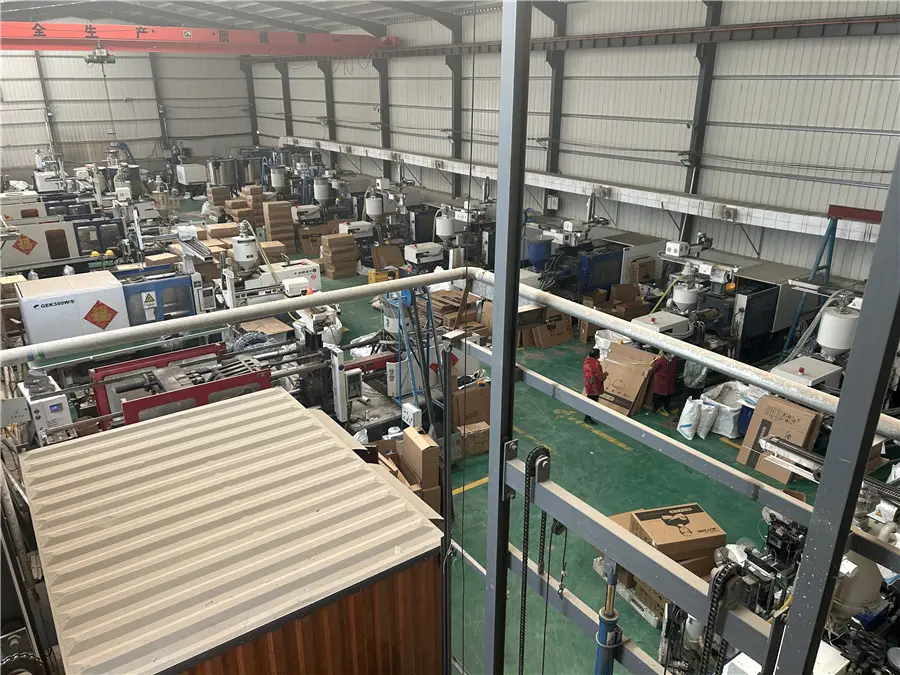
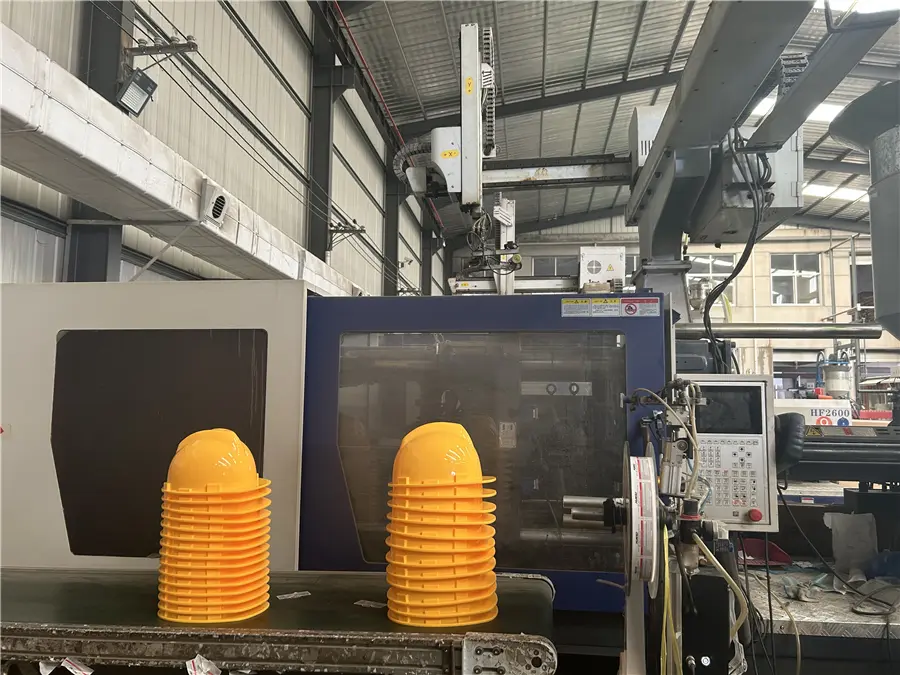
Our safety helmet structures undergo rigorous testing procedures, including vertical drop impact, sharp object penetration, and high-voltage dielectric insulation tests. By maintaining full vertical control of the manufacturing process from polymerization to suspension integration, we can promise a higher degree of protective consistency.
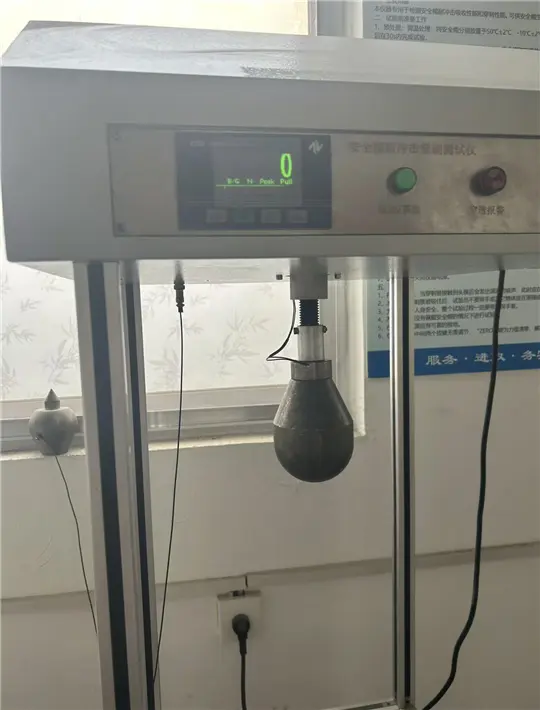
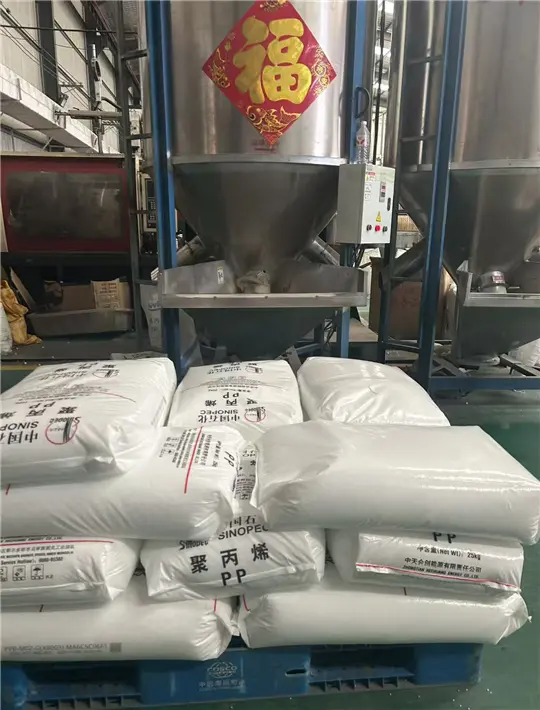
Our products comply with relevant global certifications to ensure standard compatibility in international trade.
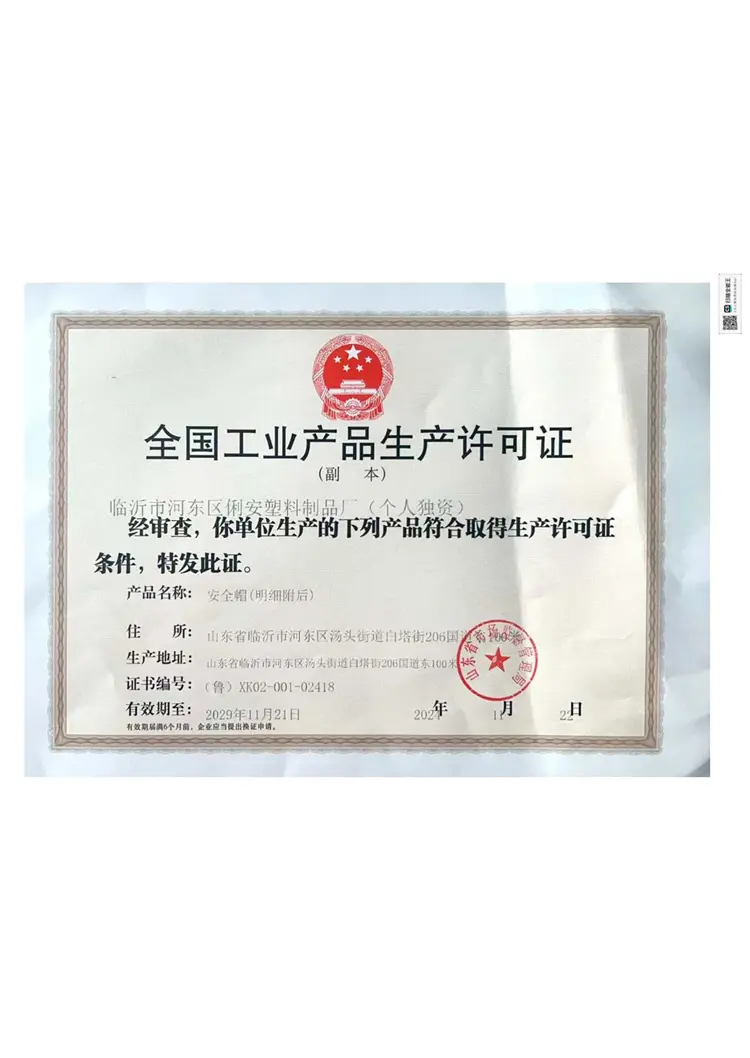
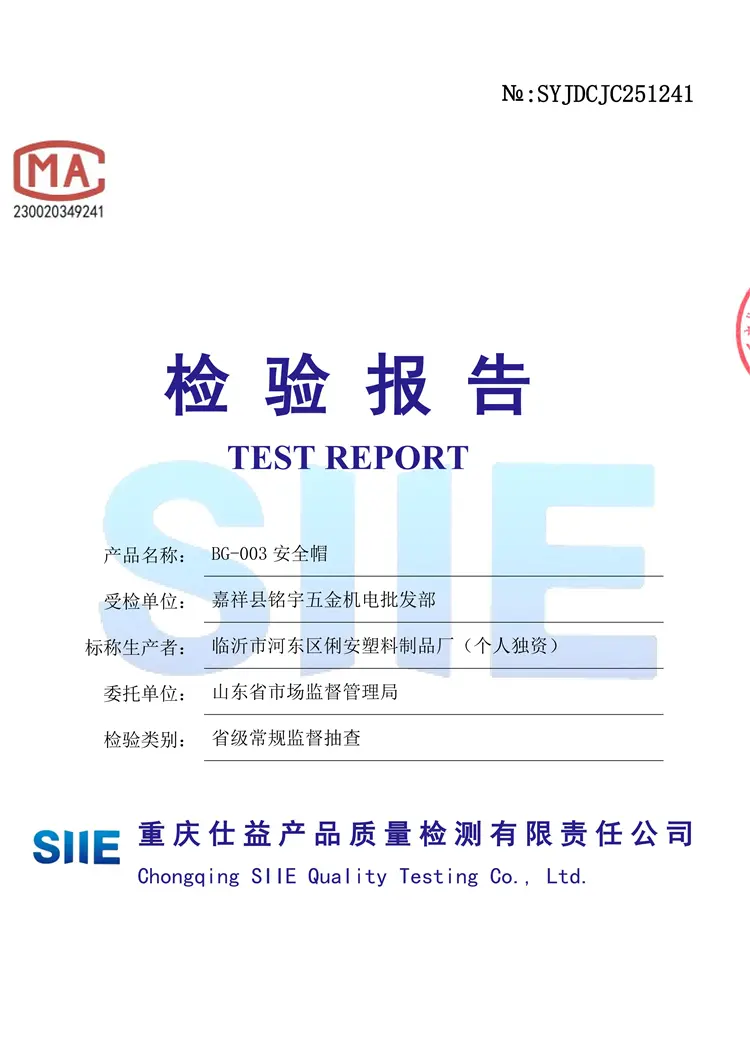
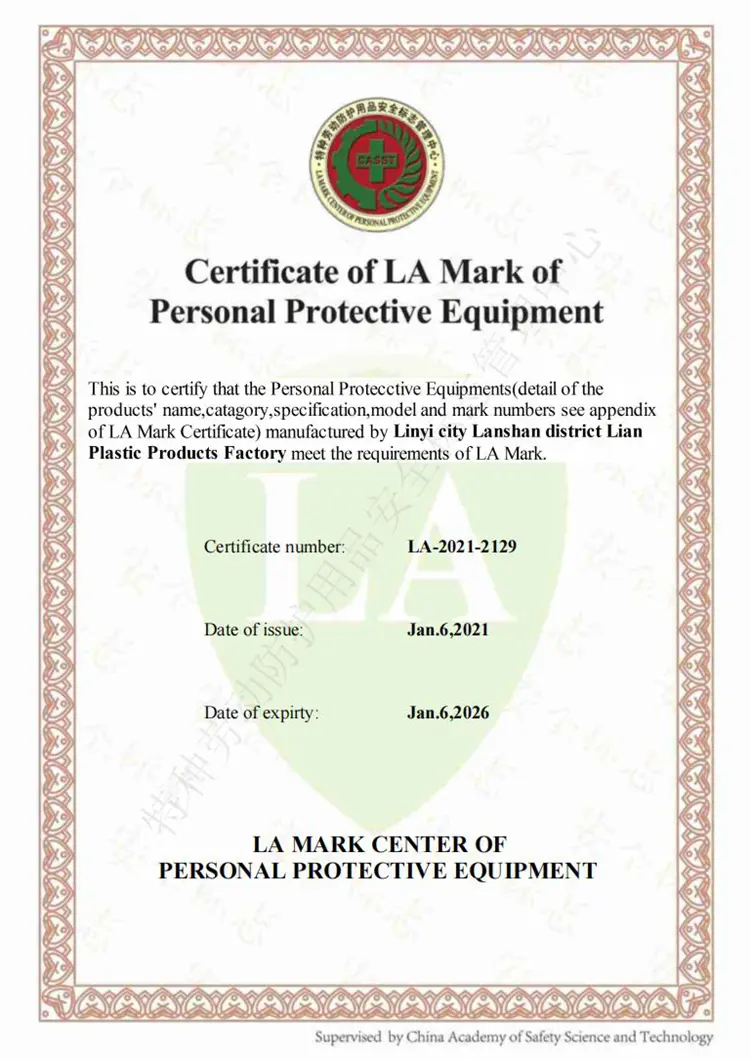

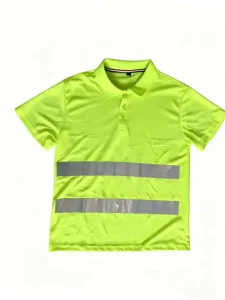
Supplying integrated safety kits, high-visibility clothing, and specialized structural fibers for industrial sites.

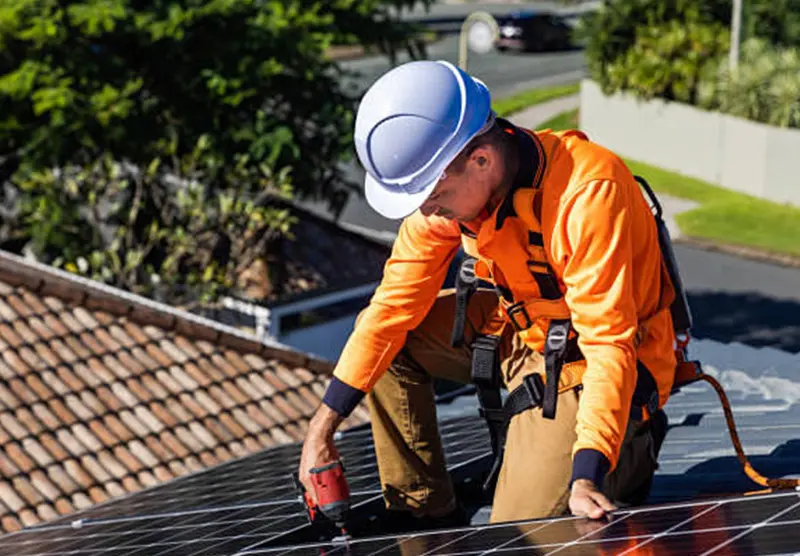
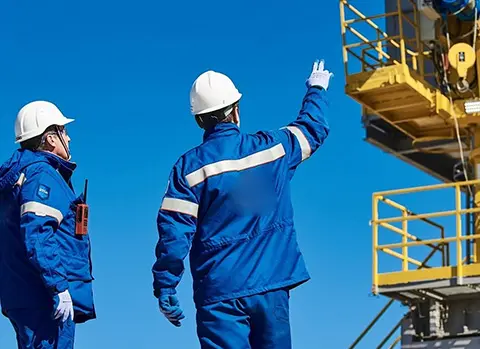
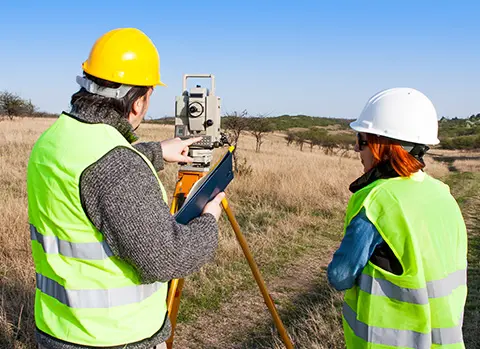
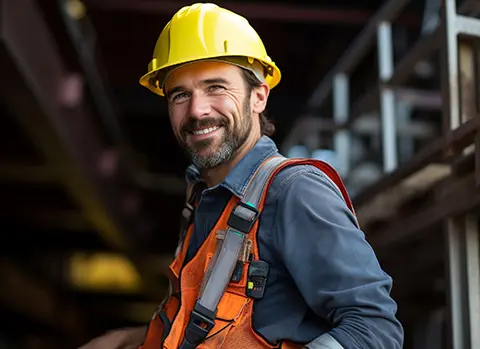
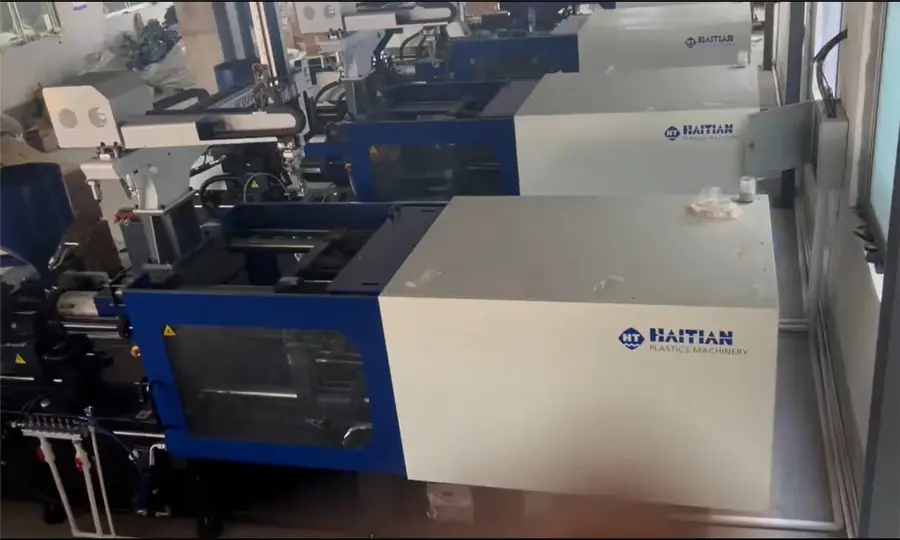
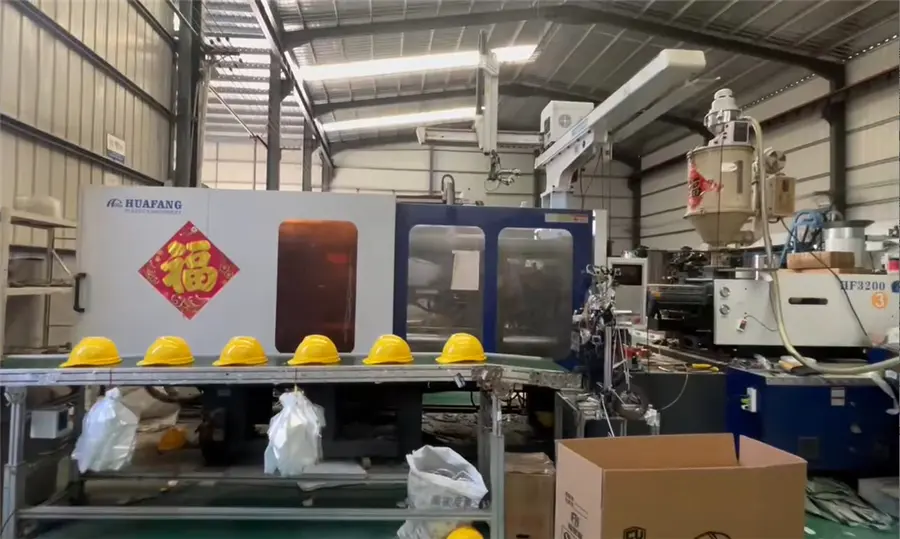
Watch our fully standardized automated assembly system and injection molding machinery in action.

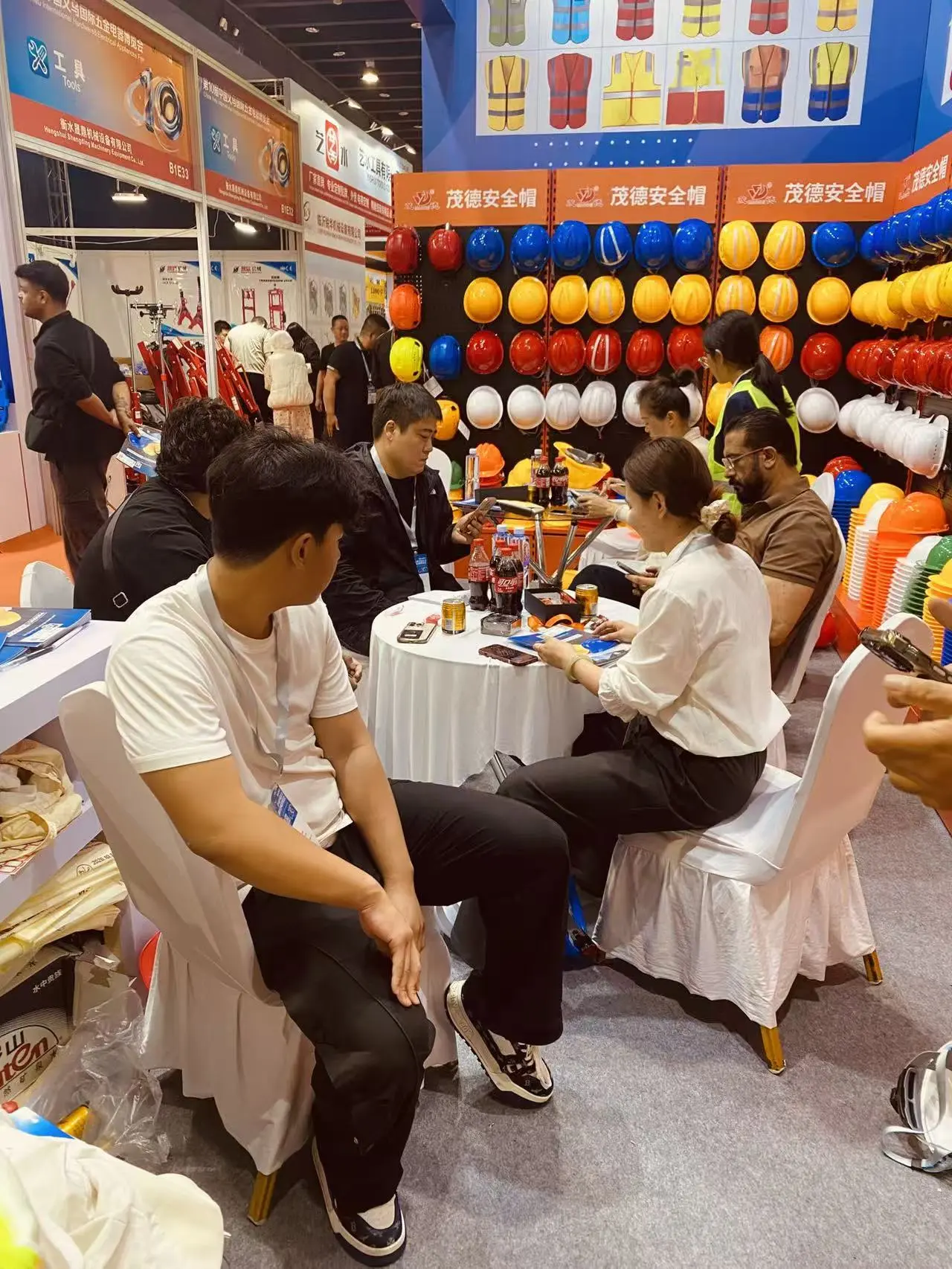
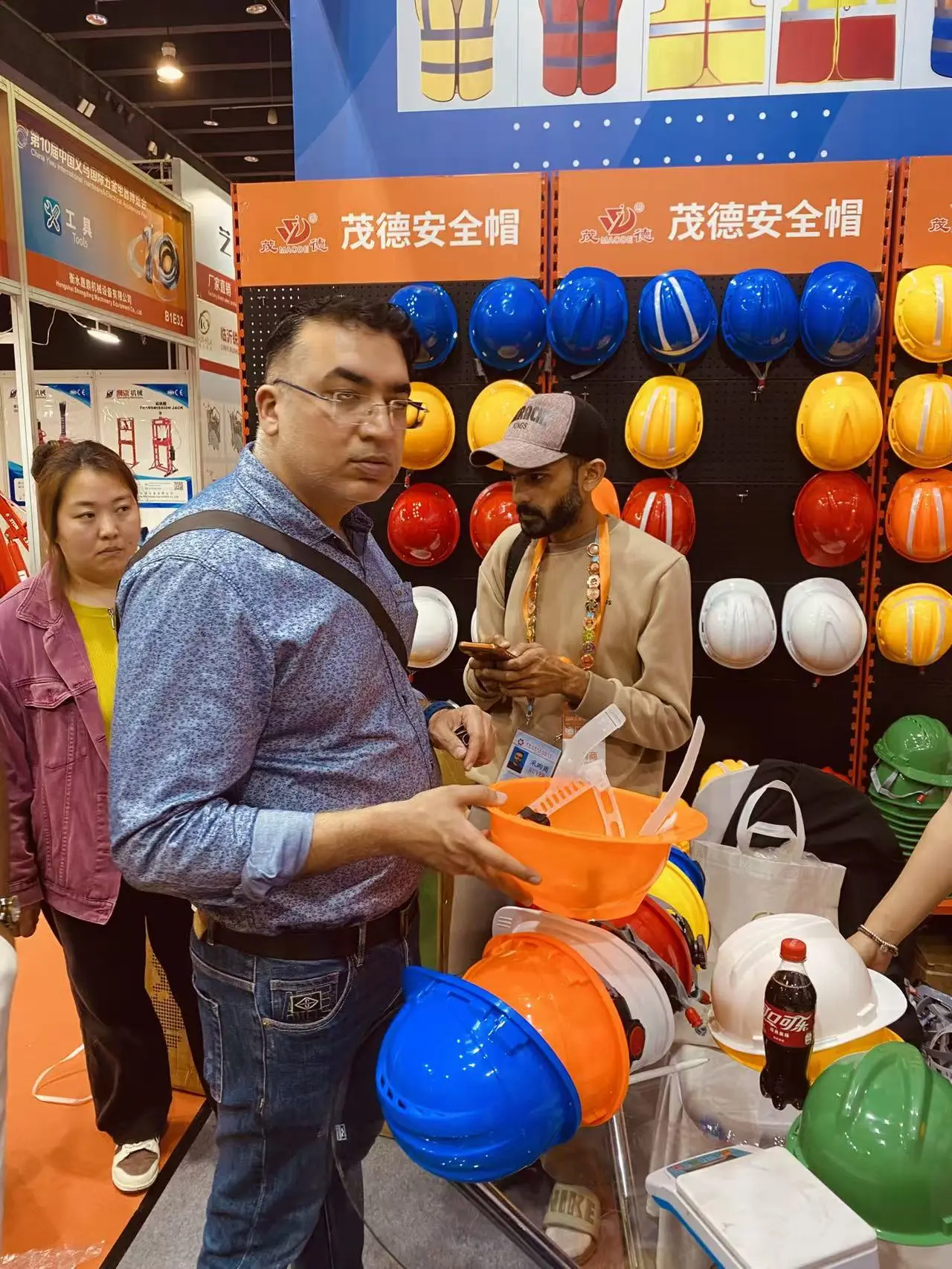
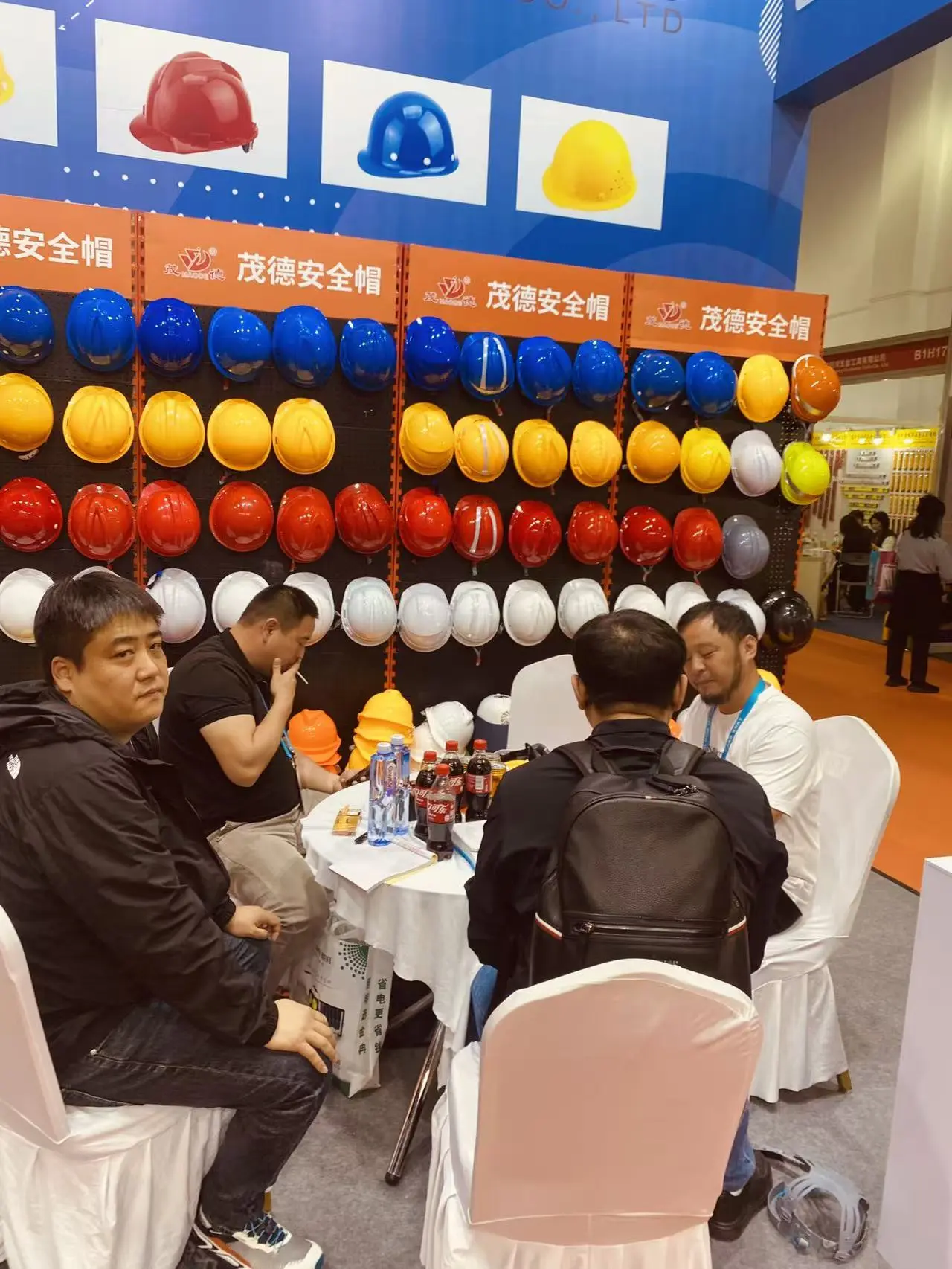
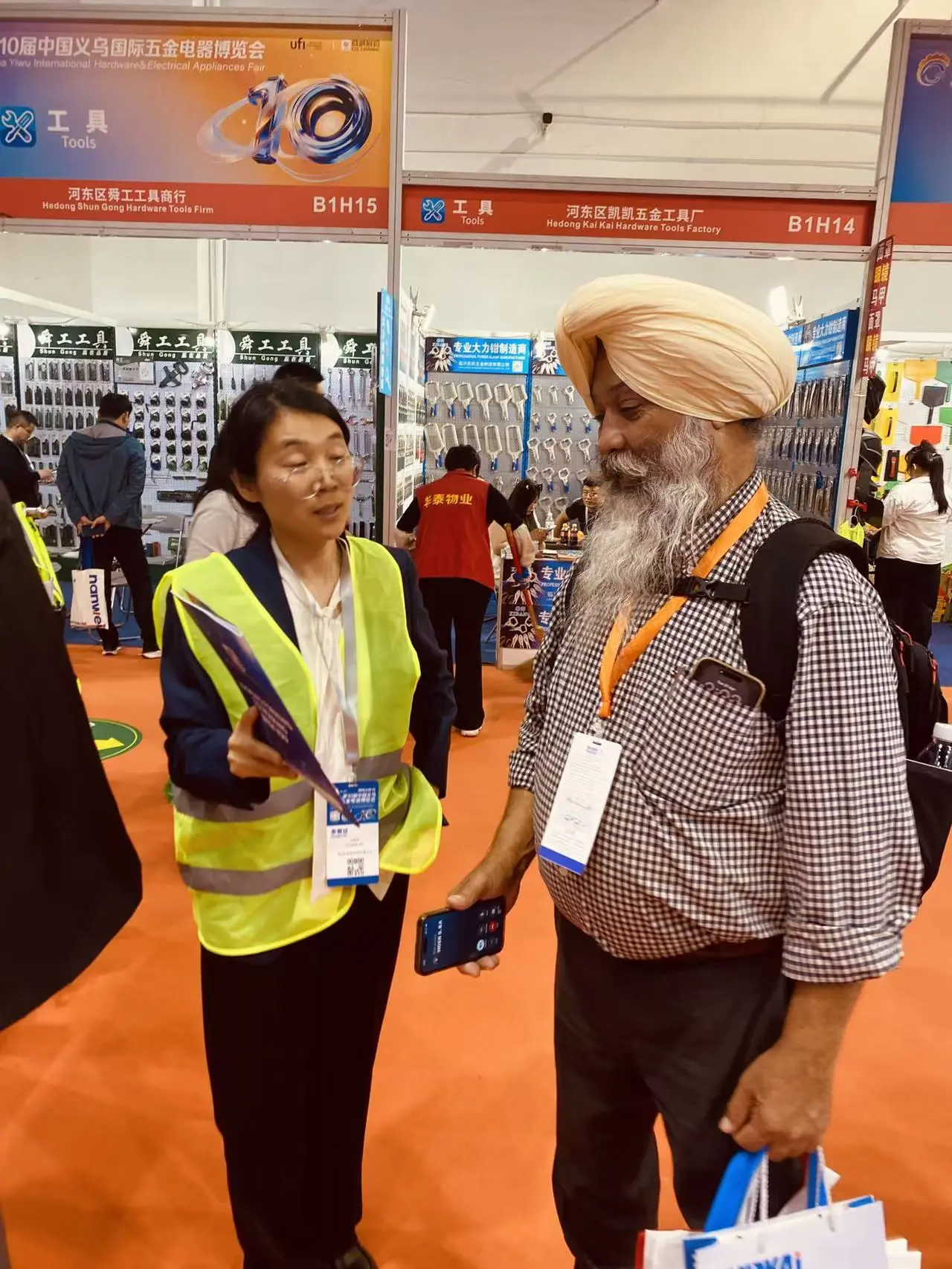
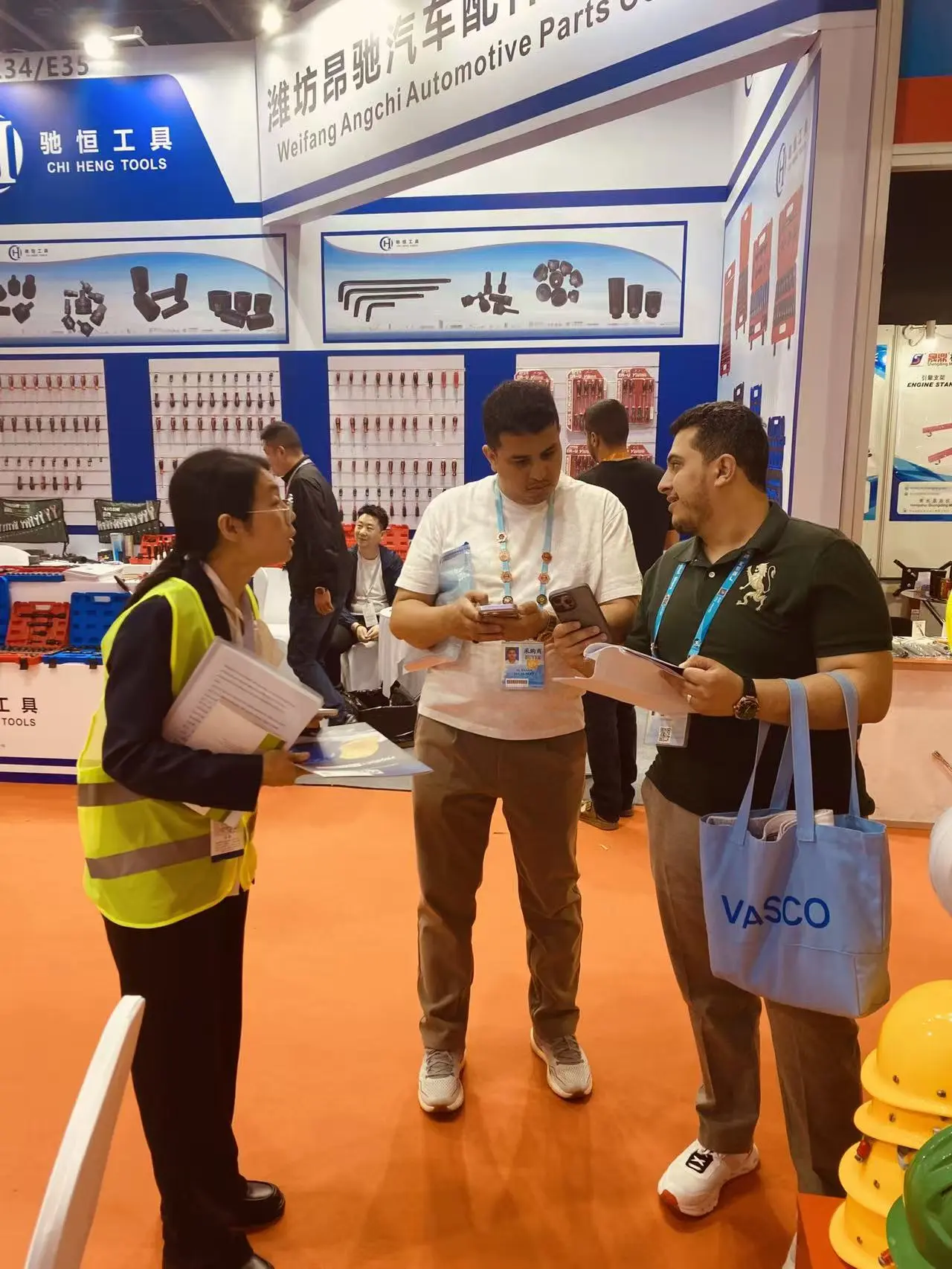
Exhibiting reliable protective equipment and building strategic relations with buyers at international trade shows.









Practical safety advice and educational articles targeting typical occupational hazard areas.
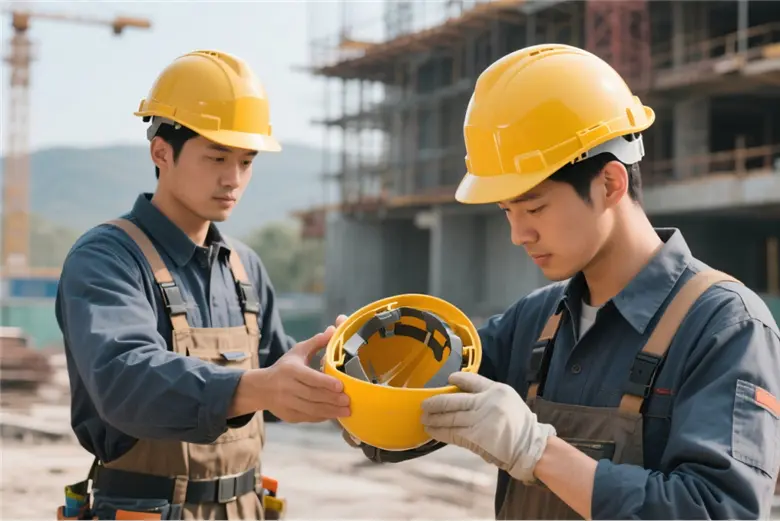
Analyzing the primary causes of impact-related head injuries on construction sites and methods to optimize chinstrap tightness to avoid accidental slippage.
Unauthorized drilling holes, safety helmet structure damaged. At a construction site in Fujian, a worker, seeking coolness, drilled several holes in his safety helmet privately. During work, a concrete block suddenly fell from a height and hit his head...
Get professional feedback on compliance, material features, customization parameters, and supply chain solutions.
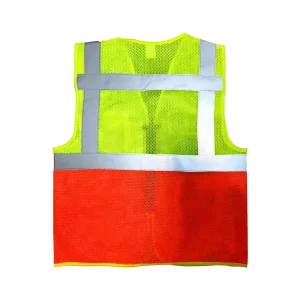
Ensure field worker safety with our specialized mesh vests, full brim helmets, and reflective workwear solutions.
 Xintuo